Smooth acceleration in city driving shapes how a sedan feels every day. When the traffic light turns green, a car responds with calm readiness or with a jolt that makes you aware instantly that you are moving.
For many drivers, acceleration is more than just power. It is part of the sensation of confidence and composure when merging or negotiating crowded avenues. A sedan that accelerates smoothly allows the driver to feel relaxed and connected to the experience of the road without tension.
In everyday driving, this quality has value beyond just technical numbers. Responsible drivers navigating downtown streets, stoplights, and busy boulevards need power that is predictable, measured, and controlled. A sedan that hesitates can create annoying delays.
A vehicle that is overly aggressive can make mild maneuvers feel choppy or difficult to manage. Makers of sedans understand these needs and aim to tune throttle response and transmission behavior so that performance feels seamless in typical conditions.
City acceleration tends to highlight these design priorities most clearly because of the frequent starts, stops, and shifting demands on the engine. Drivers expect a carriage that responds accurately to how much throttle they ask for.
Whether trying to beat the light or simply join traffic from a side street, the quality of acceleration influences stress, enjoyment, and safety. The engineering that goes into balancing engine character, gearbox ratios, and drive‑by‑wire sensitivity helps define how a sedan performs.
This article looks at two groups of five sedans. The first group consists of machines built to deliver acceleration that feels smooth and suited for city driving. They rise to the occasion with poise and grace, making each transition from idle to motion feel natural.
The second group contains sedans whose acceleration is uneven, abrupt, or difficult to modulate in urban settings. Their performance can make routine driving feel unpredictable or less comfortable.
We will explore these vehicles with attention to how they behave on city streets rather than racetracks or highways. This comparison is for drivers who spend most of their time in urban environments and want to understand how acceleration affects everyday use.
Each section will provide context for why a sedan acts the way it does in traffic, and what drivers might appreciate or dislike. By the end, you will have a clear view of how certain designs contribute to a smoother feel, while others can work against comfortable city performance.
Whether you are choosing a car or reviewing how a current one performs, this guide gives insight into a key piece of the driving experience.
5 Sedans With Smooth City Acceleration
Toyota Camry
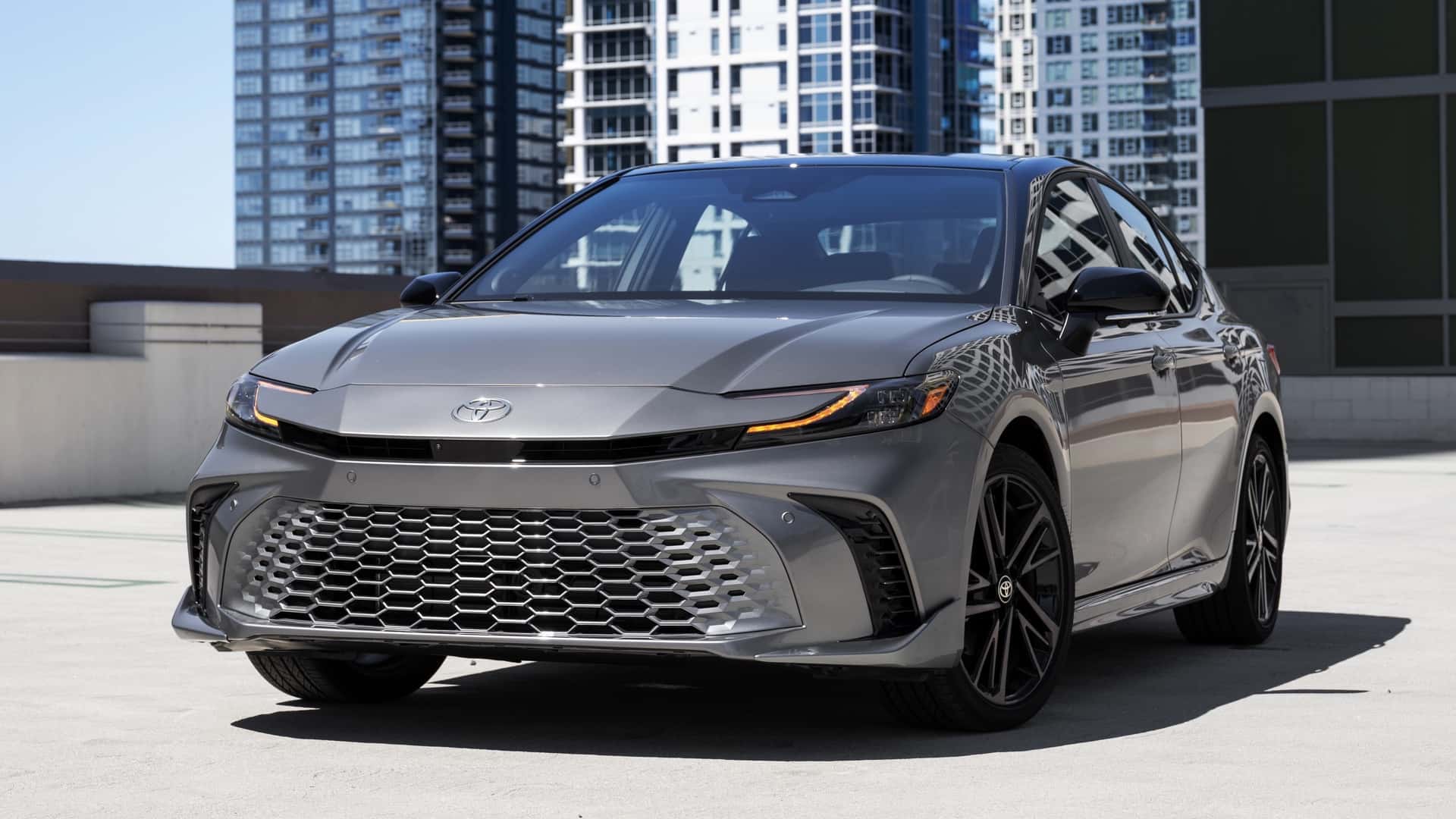
The Toyota Camry has built its reputation around reliability and balanced performance in moderate conditions. Its engine and transmission work in harmony to produce acceleration that steps forward gently at low speeds. Whether equipped with a four‑cylinder or available V6, Toyota engineers program shift points so that transitions do not feel jerky. Throttle response is tuned so city driving requires minimal foot corrections to maintain momentum through intersections.
Ride quality complements the engine behavior so that suspension control and shift timing feel coordinated. Camry drivers often report that the blend of response and comfort makes daily commutes less fatiguing.
In situations where quick urban bursts are needed, such as merging or clearing an intersection, the Camry delivers without jolting. Its automatic gearbox keeps revs where they are most useful for behind‑the‑wheel predictability.
The hybrid variant of the Camry adds another layer of refinement by using electric propulsion at low speeds. Electric motor torque engages immediately, reducing delay between demand and delivery.
This smooth engagement is ideal for stop and go conditions because it feels linear to the driver. No engine hunt, no unexpected surges, just a predictable lift of speed at the slightest encouragement from the throttle.
In contrast to sportier sedans that prioritize sharpened reaction, the Camry aims for serenity in motion. In the city, this means acceleration that does not demand constant attention or correction. Drivers can approach busy streets with confidence that their sedan will respond in a thoughtful, measured way. For everyday tasks, this subtle kind of performance makes ordinary travel feel less stressful.
City drivers also benefit from the Camry’s adaptive systems that assist with throttle modulation. For instance, when encountering mild inclines or tricky angles, the vehicle remains composed. It resists the urge to lurch forward or bog down unexpectedly. All of these traits combine to make the Camry an example of relaxed acceleration performance at the pace of urban life.
Honda Accord
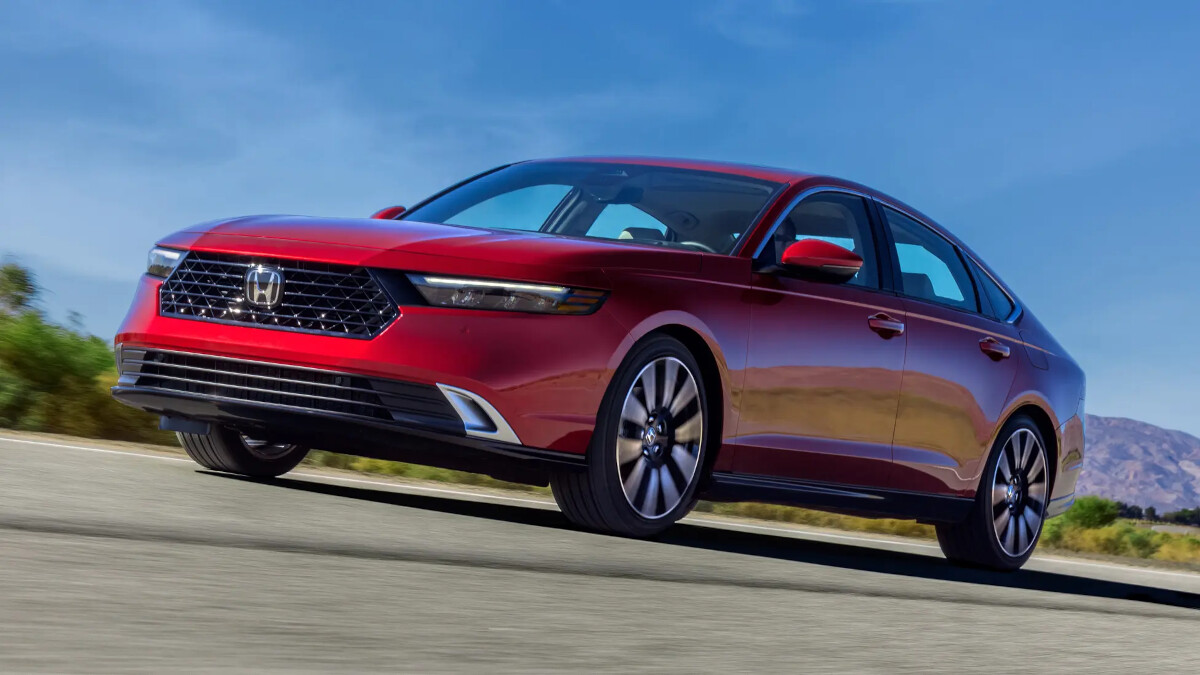
The Honda Accord has long blended engineering refinement with usable performance on streets and highways. Its turbocharged four‑cylinder engine delivers power in a smooth curve that feels natural when building speed from a standstill. The transmission works to match engine output so that gears change without noticeable hesitations. Accord drivers appreciate how the car feels poised when traffic patterns change quickly and unexpectedly.
In everyday driving, this combination produces a sensation of control. The Accord rarely surprises with bursts of power that feel disconnected from pedal input. Instead, it responds in a way that matches a driver’s perception of how speed should grow. This kind of acceleration behavior fosters confidence and allows drivers to focus on navigation rather than managing unwilling jumps in speed.
Advanced engine software helps manage power delivery so that torque arrives in increments that support relaxed acceleration. Even when pushed, the Accord does not feel harsh. Its controlled progression from idle to cruising pace on city streets makes it easy to blend with traffic. Drivers report a sense of unity between their intent and the car’s execution, which is a strong plus for urban commuting.
When exploring stoplight to stoplight segments, the Accord’s balance of power and refinement stands out. It does not have the abruptness seen in performance‑tuned sedans, yet it still has the strength to keep up with traffic without struggling. Zero to moderate speed transitions remain fluent and manageable.
Practicality and refinement define the Accord’s approach to acceleration. For many drivers spending long hours in heavy traffic, this translates to less fatigue and a more predictable ride. Whether driving on flat boulevards or creeping through hills, the Accord maintains a composure that matches fastidious expectations.
Mazda6
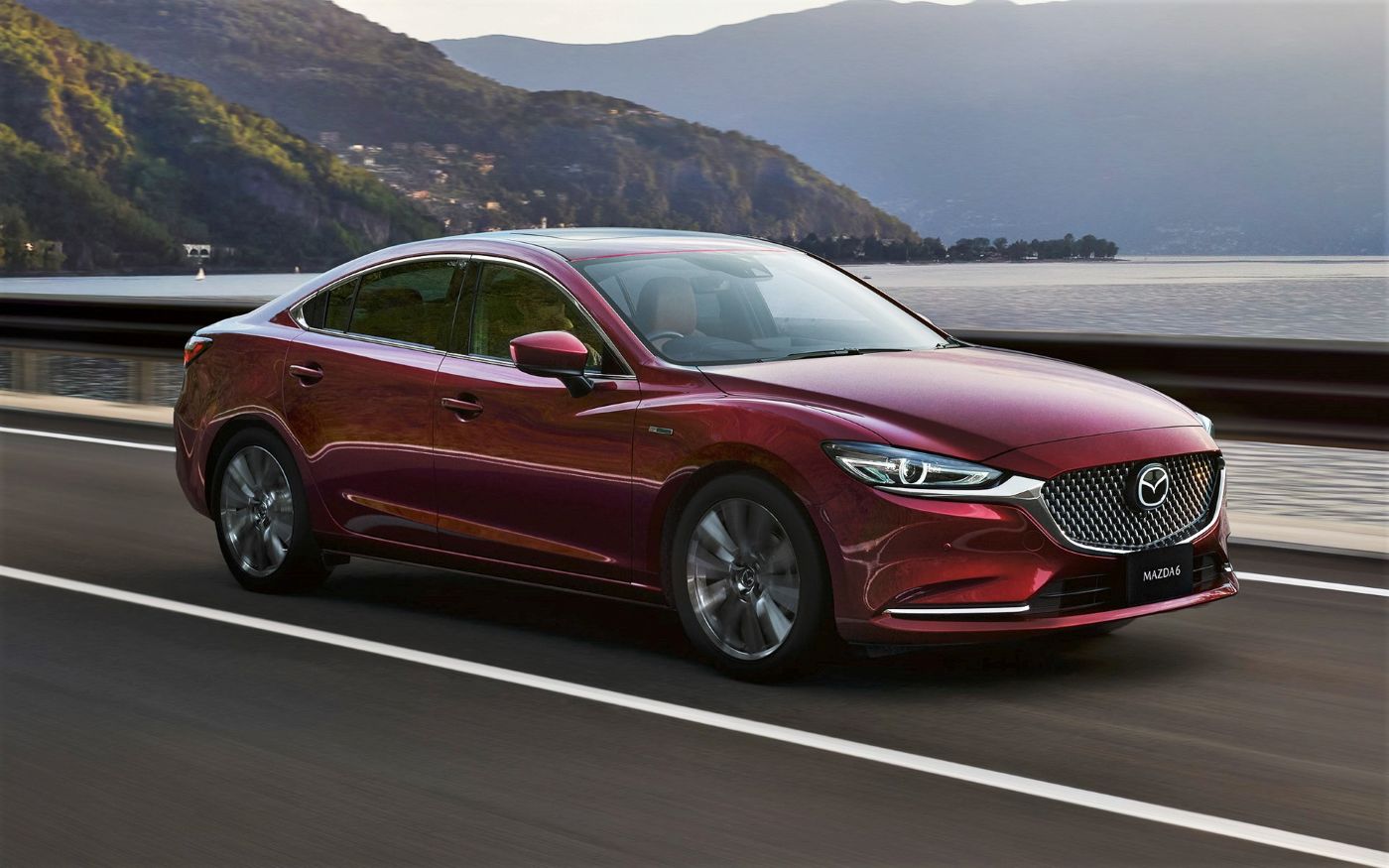
The Mazda6 sedan is built around a philosophy of driving that blends responsiveness with simplicity. Its naturally aspirated or turbocharged engine pairings provide inputs that feel direct rather than abrupt when gaining speed.
The gearbox ratios are chosen to keep torque delivery within a range that builds speed fluidly without feeling too eager or reluctant. Mazda engineers calibrate the throttle to deliver a satisfying predictability in city environments.
Smoothness of acceleration in the Mazda6 also comes from its chassis dynamics. Suspension tuning and steering feedback work with the drivetrain so that speed changes feel cohesive. The combined effect gives drivers a clear sense of direction and speed without sudden jolts. In everyday situations like parking lot exits or busy intersections, the Mazda’s performance remains composed.
Drivers often describe the Mazda6 as enjoyable to drive yet not nervous in its reactions. It offers enough performance to feel lively, yet not so much that city traffic feels intimidating. This poise makes the sedan a good companion for both short errands and longer urban routes. In either case, acceleration does not dominate the experience but supports it.
Refinement in sound and vibration insulation enhances the sense of smoothness. The engine’s voice is balanced so that power buildup does not feel clattery or overbearing. Pedestrian speeds and low city pace segments are handled with an ease that many drivers find reassuring.
While some sedans chase sporty characters, the Mazda6 goes for a blend of elegance and controlled force. This choice pays dividends when acceleration is needed in densely populated streets. Predictable pull from the engine when prompted by the driver defines the car’s city demeanor.
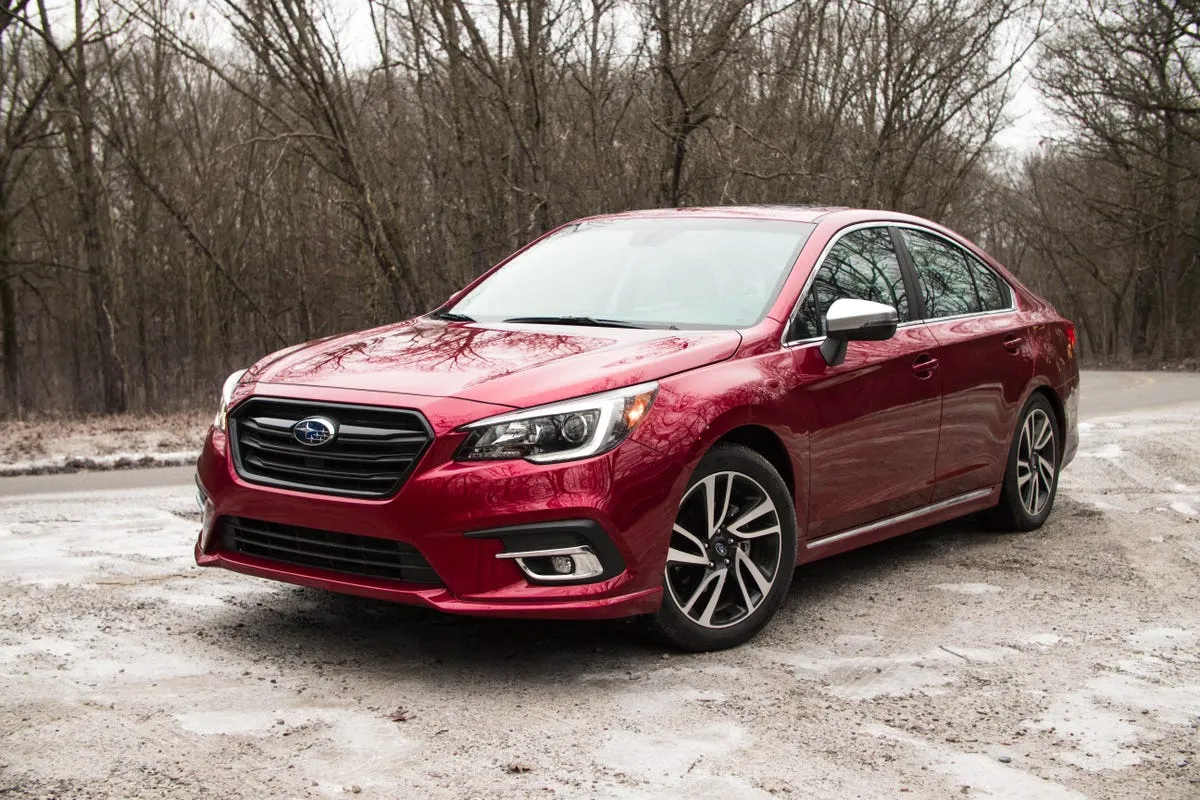
Subaru Legacy
The Subaru Legacy uses a flat‑four engine layout that inherently smooths power delivery. When accelerating from a stop or moving through waves of traffic, the boxer engine’s torque flow feels even and unhurried. This helps create a sensation of calm readiness rather than sudden surges of motion. Subaru’s continuously variable transmission adds to this quality by avoiding abrupt gear shifts common in traditional automatics.
Legacy’s all‑wheel drive adds a layer of confidence for urban drivers who face wet, slippery, or uneven roads. The grip helps link throttle input to real forward motion without the hesitation or slip that can cause uneven starts. The combined package ensures that acceleration feels stable, composed, and reassuring when patterns suddenly change.
Braking and acceleration in city contexts require the car to be predictable from moment to moment. The Legacy’s setup supports incremental changes in speed that match a driver’s intention. Even when rapid reaction is needed, such as merging into a faster lane, the engine and transmission respond without producing harsh feedback.
Inside the cabin, noise and vibration control make the experience smoother. Power buildup is not accompanied by intrusive engine noise at typical speeds, which keeps the driver’s focus on the task at hand rather than on a frantic sensation of motion. Legacy’s approach aligns with drivers who want tranquility alongside dependable performance.
For riders and drivers alike, the Legacy delivers a sense of assured pace that never feels disproportionate. City acceleration remains balanced and easy to manage, allowing occupants to settle into their routines without distraction. This reinforces the intent that practical sedans can still be refined movers in urban life.
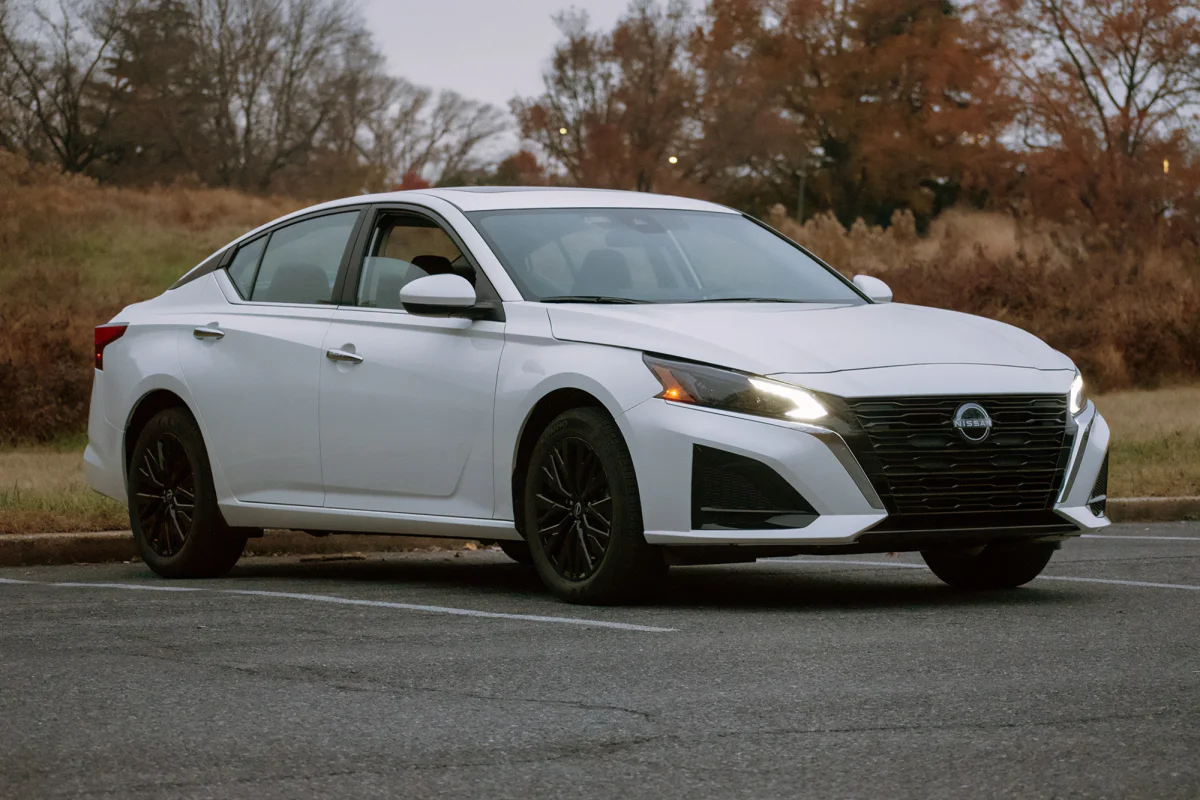
Nissan Altima
The Nissan Altima sedan uses a powertrain that emphasizes balance and ease of use in tight driving conditions. Its engine response is calibrated so that light throttle input produces a smooth progression of speed. Gear changes are timed to keep the car in its optimal power band without creating abrupt transitions. Altima drivers notice that the acceleration feels intuitive rather than overwhelming.
Altima’s available features, such as intelligent cruise and adaptive systems, give drivers assistance in modulating their pace. This technology integrates with acceleration systems so that forward motion feels coordinated. In stop and go traffic, the sedan can adjust with incremental speed changes that feel predictable and comfortable.
Comfort‑oriented suspension tuning also plays a part in how acceleration feels. When the car moves forward, the body roll is managed and does not amplify the sensation of speed change. This allows occupants to remain relaxed even when it is necessary to accelerate quickly into a turning lane or away from crowded intersections.
Drivers looking for a sedan that won’t fight them in busy streets value the Altima’s city acceleration behavior. The car avoids jerky transitions and instead builds speed gradually in a way that aligns with normal driver expectations. This makes it easier to focus on observation and positioning rather than foot modulation.
Nissan’s efforts to refine throttle and transmission operations make this sedan a strong choice for urban pace management. The Altima’s acceleration remains reliable and measured in conditions where traffic rhythms constantly shift.
5 Sedans That Don’t Have Smooth City Acceleration
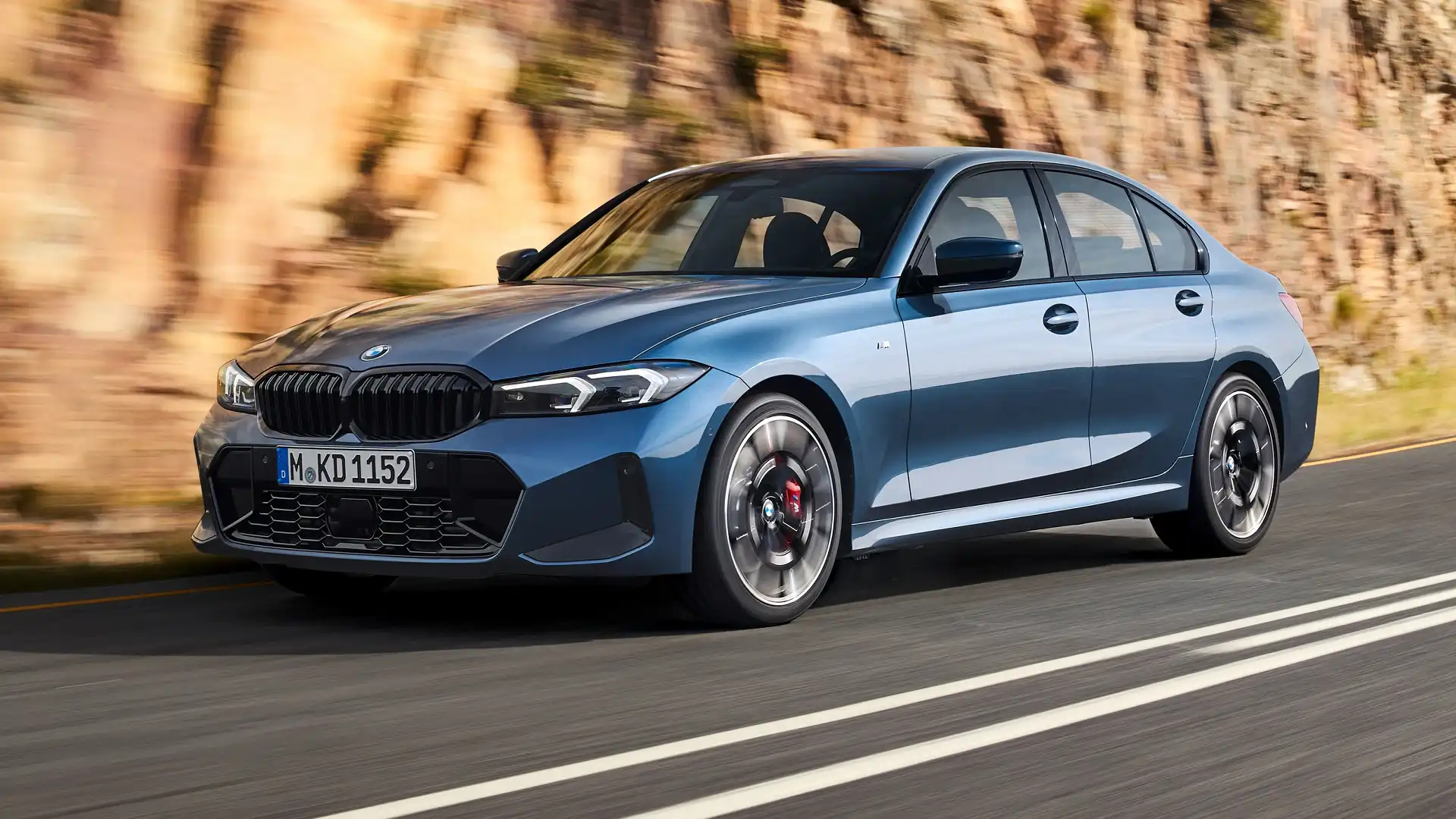
BMW 3 Series
The BMW 3 Series is engineered for performance and responsiveness, which can sometimes make city acceleration feel abrupt. The turbocharged engines deliver power quickly, but this immediacy can create sudden surges that feel disproportionate at low speeds. Drivers may find themselves constantly modulating the throttle to prevent jerky movements. While it excels on open roads, stop‑and‑go traffic can feel less refined.
The automatic transmission often emphasizes speed over smoothness, particularly when the Sport or Manual modes are active. Gear shifts can feel pronounced, giving a sense of lurching forward. Even at moderate throttle input, the vehicle can produce more aggressive acceleration than needed for urban streets. This is especially noticeable when transitioning from a stoplight or merging from a side street.
Suspension tuning and chassis focus on handling can also contribute to a sensation of uneven acceleration. The car responds sharply to driver input, which can make short bursts of speed feel exaggerated. While this responsiveness is satisfying in spirited driving, it may make city commuting feel tense rather than relaxed. Passengers can sense the sudden shifts in motion.
Braking and acceleration coordination is another area where city driving reveals the car’s limits. The engine does not always linearly deliver torque at low speeds. Drivers often experience an immediate jump from idle to moderate speed, which requires careful foot modulation. Small errors in throttle input can result in over-acceleration or under-acceleration in tight traffic.
Despite the 3 Series’ premium feel and precision, urban acceleration can be demanding for those prioritizing smoothness. Its strengths on highways and twisty roads do not translate perfectly to stoplight-to-stoplight scenarios. Drivers looking for calm, consistent urban acceleration may find it less forgiving.
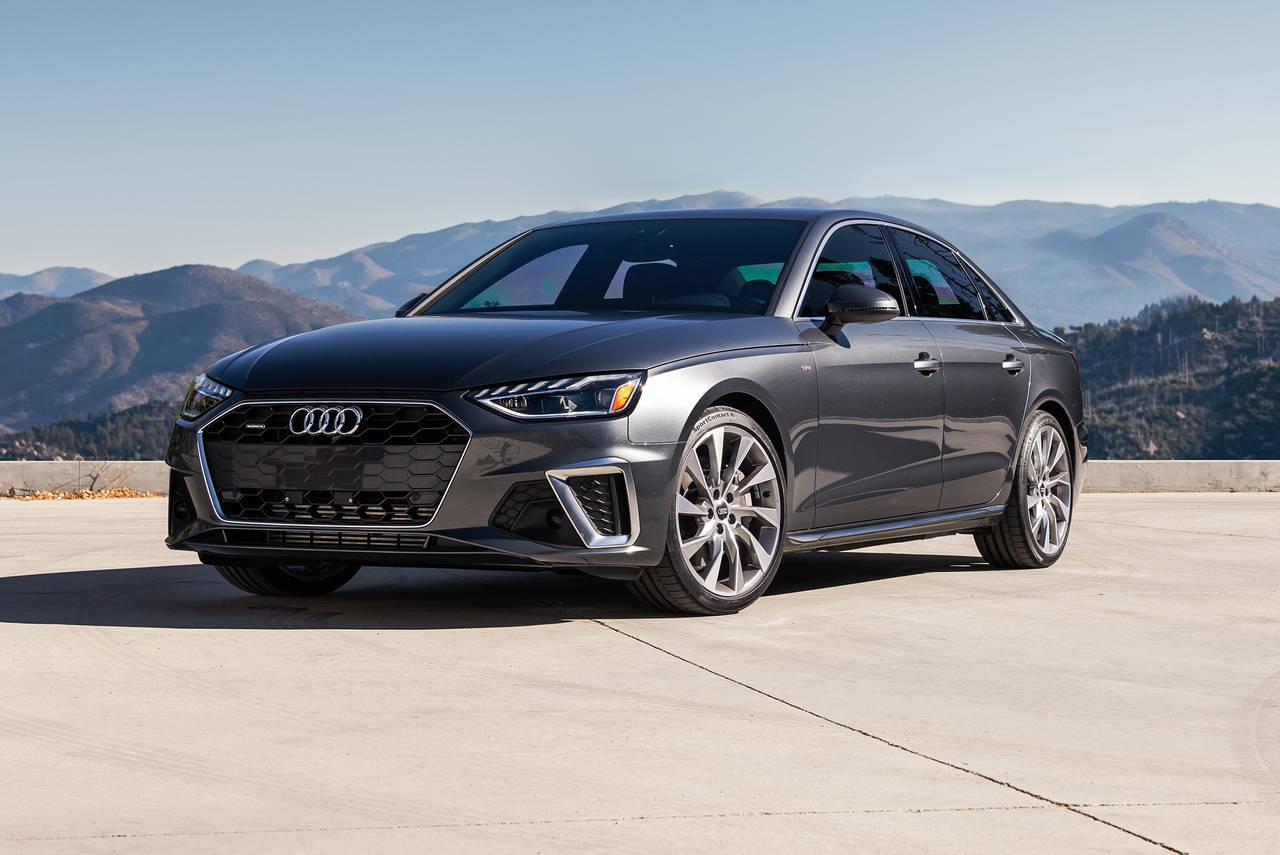
Audi A4
The Audi A4 focuses on a sporty, precise driving experience, which can create uneven city acceleration. Its turbocharged engines generate torque quickly, sometimes producing a jump in speed that surprises drivers. The dual-clutch or automatic transmissions prioritize quick shifts, which can feel abrupt in urban stop-and-go conditions. Smooth throttle control is required to maintain composure in tight spaces.
Even the Quattro all-wheel-drive system, while enhancing traction, cannot fully compensate for the engine’s sudden response. Minor throttle inputs often result in noticeable forward motion, forcing careful modulation to avoid unintended surges. Drivers accustomed to calmer sedans may find this behavior challenging to manage at low speeds.
The A4’s suspension tuning emphasizes control and stability during dynamic maneuvers. While effective for spirited driving, this setup can amplify the sense of abrupt acceleration in city streets. The car’s feedback encourages quick corrections, which can make stoplight starts feel jerky. Comfort and predictability are not prioritized over sportiness.
Noise and vibration insulation does little to mask the immediacy of the engine. Pedal input is translated directly into speed changes, which can feel sudden for passengers. Drivers who prefer gradual, measured acceleration may feel a disconnect between intention and execution. City driving can require constant attention and adjustment.
The Audi A4’s strength lies in performance, but city acceleration is not its strong suit. Quick starts, reactive throttle, and pronounced gear changes combine to create a less refined urban experience. Drivers must be deliberate to avoid abrupt motions.

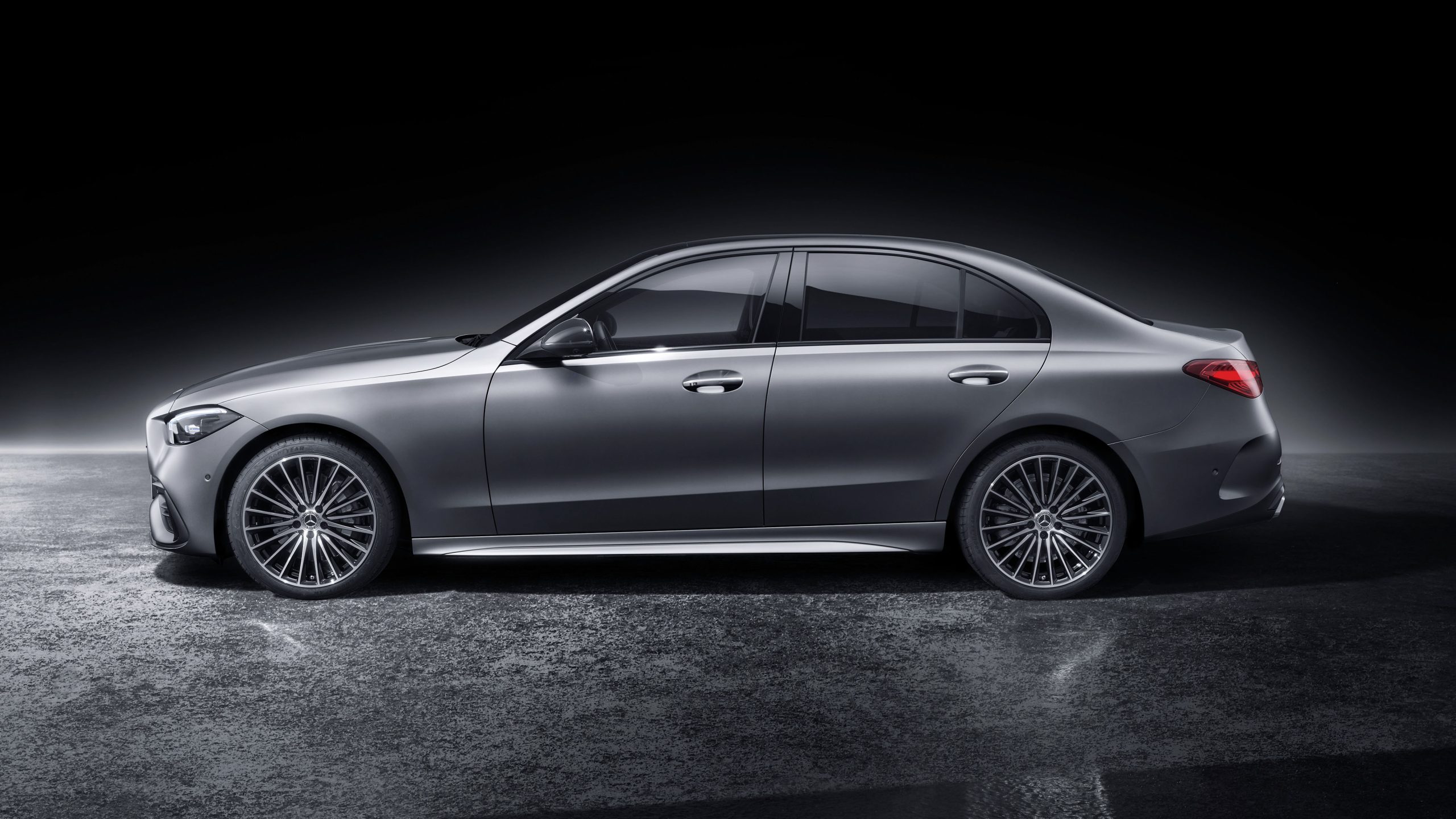
Mercedes-Benz C-Class
The Mercedes-Benz C-Class combines luxury and performance, yet city acceleration can feel uneven. Turbocharged engines produce power rapidly, which may result in a sudden surge from a stop. Throttle sensitivity is tuned for responsiveness, which can be challenging to modulate during stop-and-go driving. While smooth at constant speeds, acceleration from idle requires care.
The automatic transmission often performs with quick, noticeable shifts, particularly in higher power trims. These shifts can create momentary jolts that reduce comfort in urban traffic. Drivers may experience a lack of gradual progression in low-speed acceleration, forcing attention to each pedal movement.
Suspension and chassis tuning focus on dynamic balance, which can make sudden acceleration more pronounced. The combination of engine torque and suspension feedback may exaggerate small inputs, making city driving feel less relaxed. Passengers may perceive sharper motions than expected in traffic.
The steering and braking systems are precise, but the vehicle’s sensitivity can accentuate abrupt speed changes. Rapid responses to minor throttle adjustments contribute to the sense of uneven acceleration. Drivers must coordinate foot and hand inputs carefully to maintain composure.
While the C-Class delivers luxury refinement, its city acceleration does not always feel smooth. High-performance tuning creates abrupt transitions that may reduce confidence for low-speed, urban driving. This makes it better suited to highway or open-road conditions.
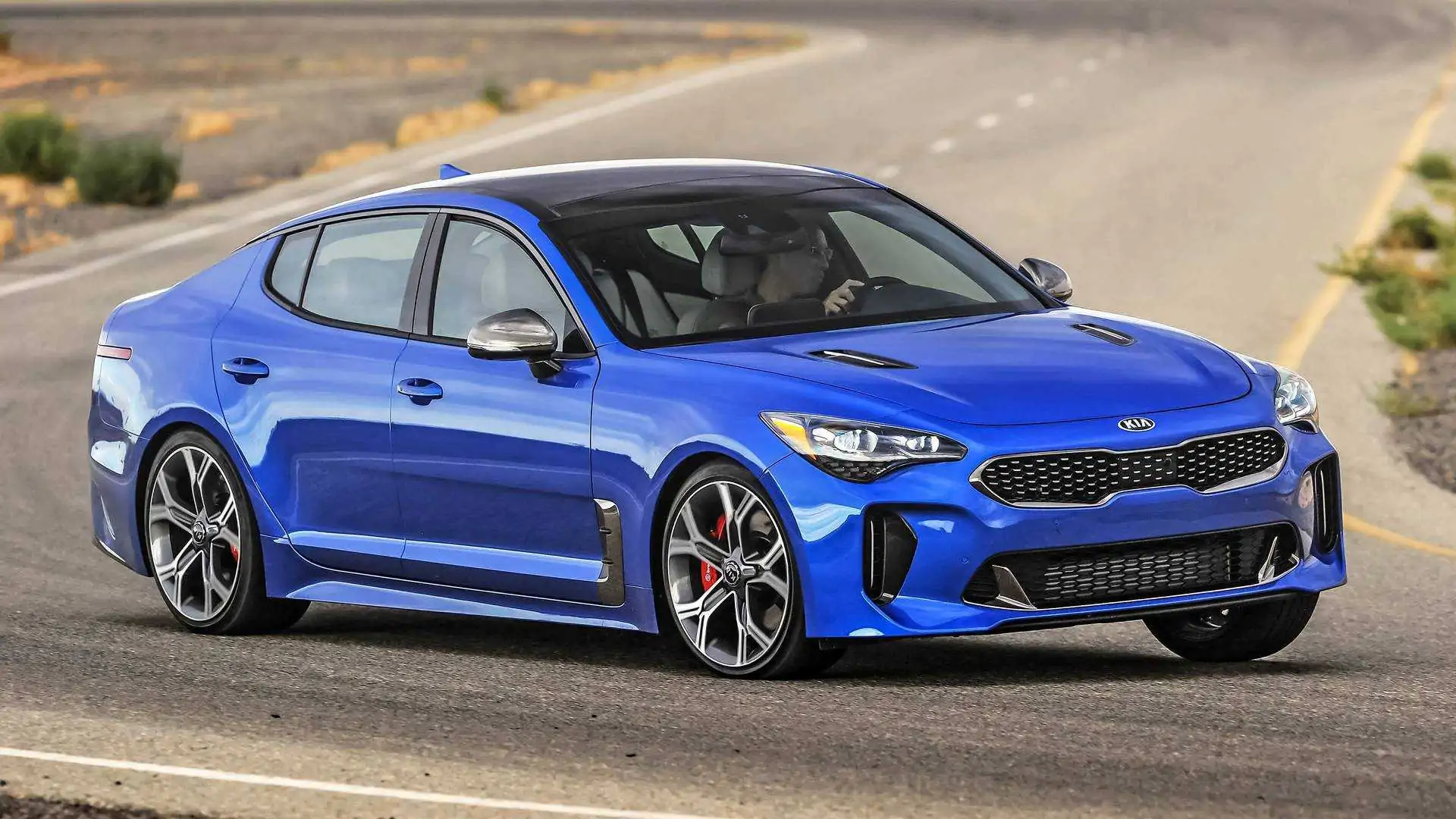
Kia Stinger
The Kia Stinger is a sporty sedan designed for speed, which can make city acceleration unpredictable. Turbocharged engines produce rapid torque bursts that can catch drivers off guard at low speeds. The combination of immediate power delivery and performance-oriented transmission shifts can result in jerky movements in stop-and-go conditions.
Even though the Stinger handles corners and curves with ease, its low-speed behavior is less refined. The car responds quickly to small throttle inputs, requiring careful modulation to maintain smooth motion. Rapid acceleration from idle can feel disproportionate and difficult to control in tight urban settings.
Suspension tuning emphasizes handling performance over low-speed comfort. This, combined with the engine’s responsiveness, can accentuate abrupt changes when accelerating from stops. Pedestrians or light traffic can amplify the sensation of sudden motion. Everyday city driving may feel more demanding as a result.
Passenger comfort is affected by the aggressive throttle curve. Sudden surges and noticeable shifts make stops and starts less fluid. The sense of acceleration is lively but can feel unpredictable, particularly in dense urban traffic. Drivers often need to focus on control rather than enjoying calm progress.
Despite the Stinger’s dynamic performance appeal, city acceleration is one of its weaker attributes. The sporty characteristics that thrill on highways create challenges at low speeds. Drivers must adjust their input continuously to avoid sudden or jerky forward movement.
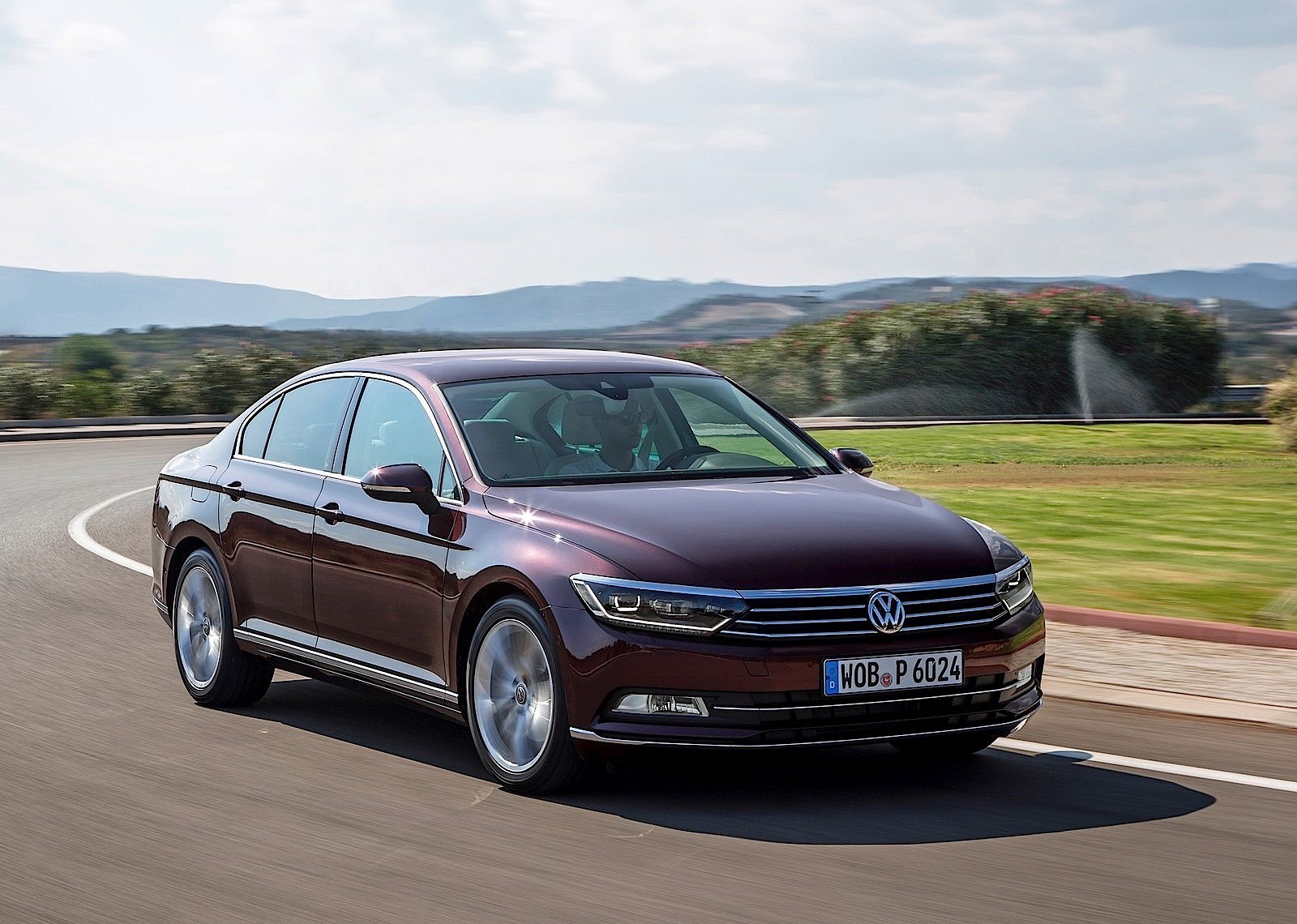
Volkswagen Passat
The Volkswagen Passat’s engines, while capable, sometimes produce uneven city acceleration. Turbocharged four-cylinder options can deliver torque abruptly, creating inconsistent low-speed behavior. Transmission shifts, particularly under load, may produce noticeable lurches. City driving requires careful foot management to maintain a comfortable pace.
The Passat’s size and weight can amplify these issues. Small throttle changes can cause disproportionate motion, requiring the driver to anticipate the engine’s reaction. While manageable at highway speeds, stoplight-to-stoplight scenarios can feel jerky and less composed.
Suspension and steering, tuned for balanced handling, do not fully smooth out rapid power delivery. The combination of throttle sensitivity and shift timing can make short bursts of acceleration unpredictable. Passengers may notice sudden forward motions, reducing comfort in urban environments.
Noise and vibration insulation helps at higher speeds but does not mask abrupt acceleration at low speed. Engine and transmission behavior is felt directly, which can challenge drivers seeking consistent city performance. Precision and calmness in motion are less emphasized.
The Passat is competent for highway and open-road driving, but its city acceleration can feel uneven. Quick torque responses and noticeable shifts reduce low-speed comfort, requiring active input from the driver. Urban driving may require more attention to maintain smooth motion.