If you’ve been browsing new cars lately, you’ve probably seen the words mild hybrid popping up everywhere from pickup trucks to luxury sedans. For many American shoppers, the term sounds vague.
They don’t change how you drive, they don’t require charging, and they don’t scream “eco car.” Instead, they work behind the scenes, improving fuel economy, smoothing acceleration, and reducing emissions with minimal disruption to everyday ownership.
Unlike full hybrids or EVs, mild hybrids are designed to feel completely normal. Yet they’re helping automakers meet stricter fuel economy standards while giving drivers subtle but meaningful benefits.
Let’s break down 10 fascinating facts about mild hybrids, along with real car examples you can actually buy in America.
1. Mild hybrids never drive on electricity alone
A mild hybrid uses a small electric motor (usually integrated into a belt-driven starter generator) to assist the gasoline engine. It cannot propel the car by itself.
Instead, that motor helps with:
- Engine restarts at stoplights
- Low-speed acceleration
- Powering accessories
- Capturing energy during braking
This design keeps costs down and avoids heavy battery packs. For drivers, it means zero learning curve you just get in and drive like always, except everything feels smoother.
2. Most mild hybrids use a 48
Traditional cars rely on 12-volt systems. Mild hybrids add a 48-volt battery, which allows more powerful electric assistance without stepping into full-hybrid complexity.
That extra voltage enables:
- Stronger regenerative braking
- Seamless stop/start operation
- Torque fill during acceleration
- Electrically powered features like compressors or suspension components
This is the backbone of modern mild hybrid tech, and the reason these vehicles feel noticeably refined in city traffic.
3. America’s most popular vehicles already use mild hybrids
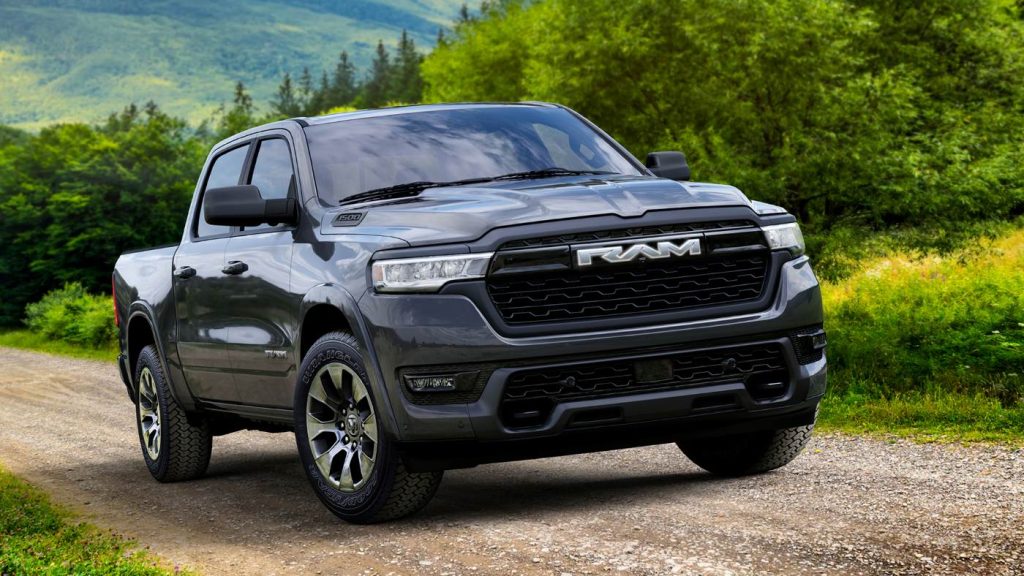
This technology isn’t limited to small sedans. It’s baked into some of the best-selling vehicles in the country. Take the Ram 1500 with eTorque. It uses mild hybrid assistance to improve launch feel and reduce fuel use, without compromising towing or payload.
The off-road icon Jeep Wrangler also offers eTorque, giving the rugged SUV smoother low-speed response and quieter stop/start behavior.
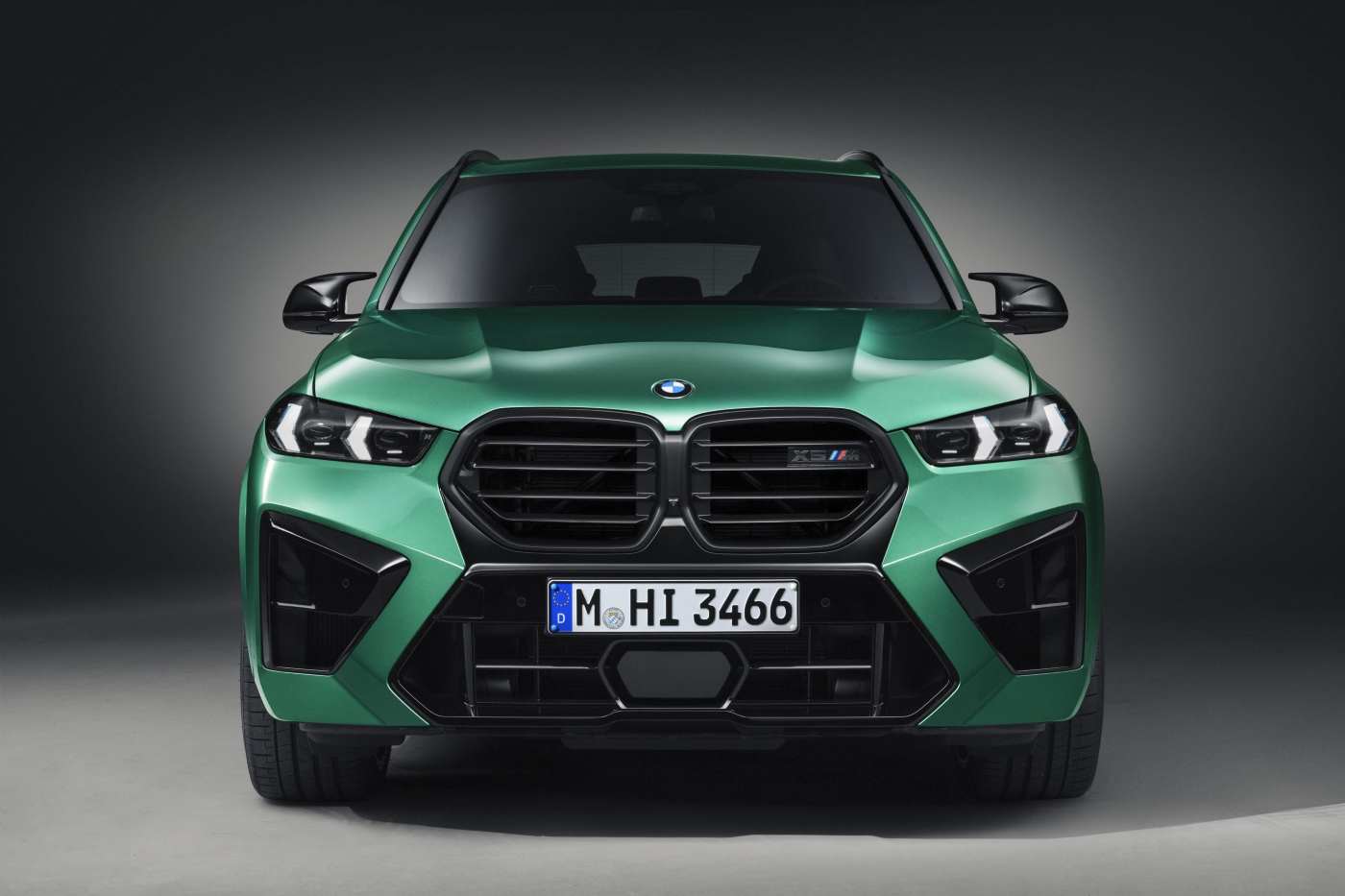
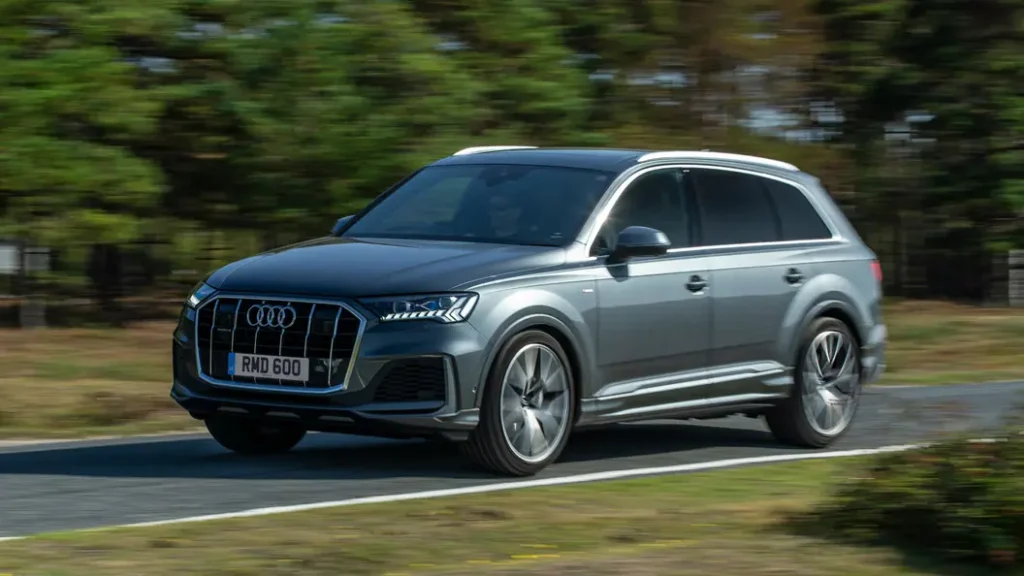
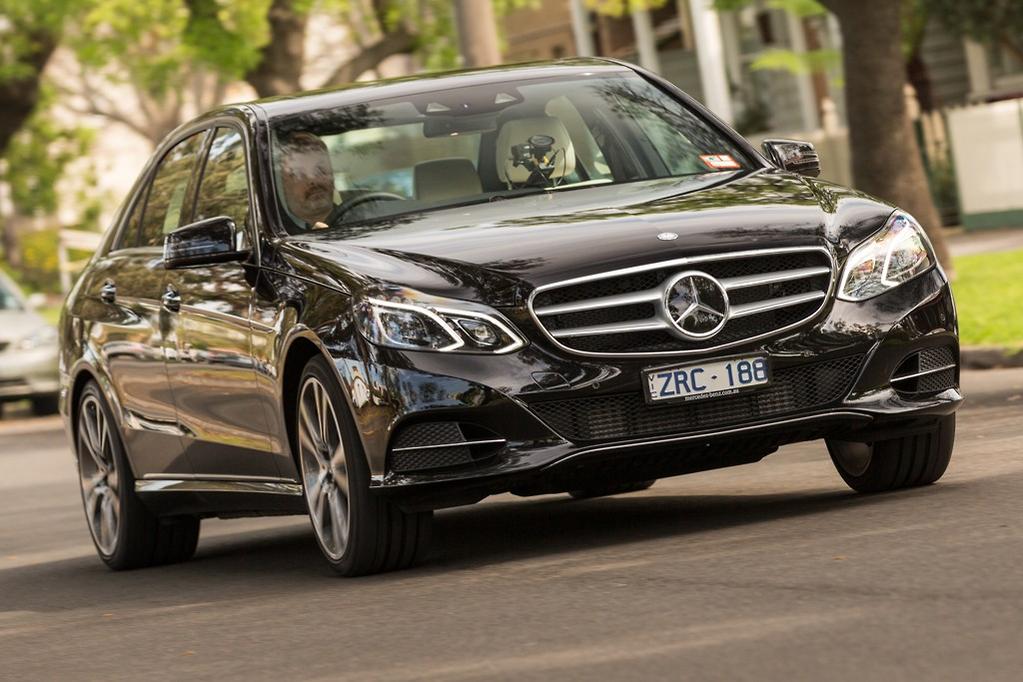
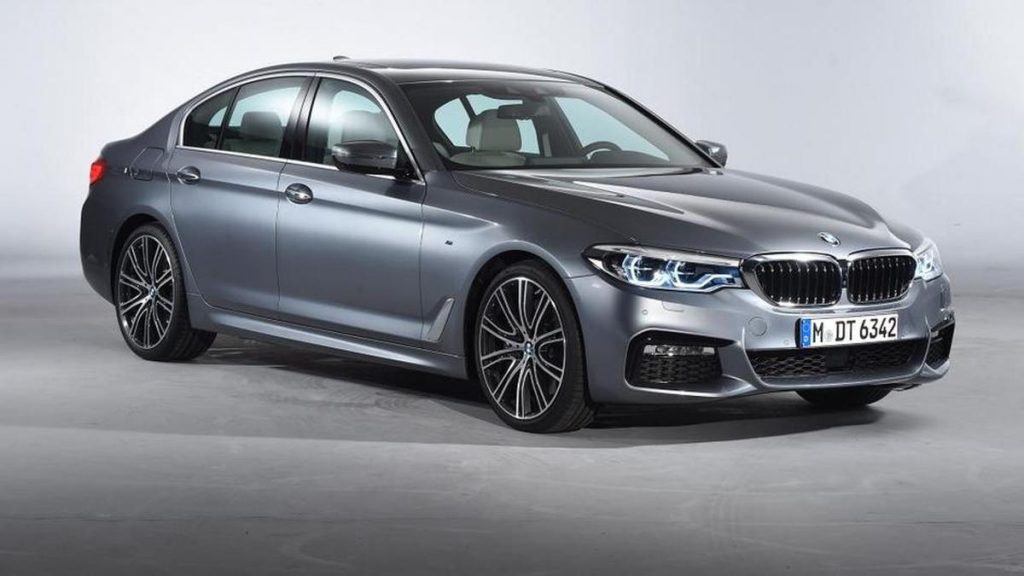
Luxury brands rely heavily on mild hybrids too, including the Mercedes-Benz E-Class, Audi A6, and BMW 5 Series. For U.S. buyers, this means mild hybrids are no longer niche, they’re mainstream.
Also Read: 7 Hybrids That Stay Efficient on Short Trips
4. Fuel savings are modest, but consistent
Don’t expect miracle MPG jumps. Most mild hybrids improve fuel economy by about 5–15%, depending on vehicle size and driving habits.
That may sound small, but over 12,000–15,000 miles per year, it adds up especially for commuters and families.
Because the system works automatically, you don’t need special techniques to benefit. Normal stoplights, highway merges, and city traffic give the system plenty of opportunities to save fuel.
5. Stop-and-go driving feels dramatically smoother
If you’ve ever driven a car with clunky start/stop, you’ll appreciate this immediately. Mild hybrids restart the engine using the electric motor, not a traditional starter. The result is near-instant, vibration-free restarts. In vehicles like the E-Class or A6, many drivers don’t even notice when the engine shuts off at red lights.
This makes mild hybrids especially appealing in congested metro areas like Los Angeles, Chicago, or New York.
6. They often improve performance
Here’s a surprise: mild hybrids can actually make cars feel quicker.
Because electric motors deliver instant torque, they help fill in power gaps while the gas engine builds RPM. That means:
- Faster launches
- Smoother passing
- Better low-speed responsiveness
Luxury brands like Audi and BMW use mild hybrids partly to enhance driving feel not just to boost MPG.
Even trucks like the Ram 1500 benefit from this electric “torque assist,” especially when pulling away from a stop with a load.
7. Mild hybrids cost far less than full hybrids
Because they use smaller batteries and simpler motors, mild hybrids are cheaper to build than full hybrid systems. In many cases, buyers don’t even see a separate “hybrid” option the technology is bundled into specific trims.
Compared to plug-in hybrids or EVs, mild hybrids usually add only a modest premium, making them one of the most affordable ways to step into electrified driving.
8. Maintenance is usually similar to regular gas vehicles
Concerned about repair costs? Mild hybrids are mechanically closer to traditional cars than full hybrids.
There’s no large traction motor or complex power-split transmission. Routine service oil changes, filters, tires remains the same. Regenerative braking can even reduce brake wear over time.
For many Americans, this makes mild hybrids feel like a safe, low-risk introduction to electrification.
9. Automakers use mild hybrids to meet U.S. fuel standards
Behind the scenes, mild hybrids help manufacturers comply with Corporate Average Fuel Economy (CAFE) regulations.
By adding mild hybrid systems to high-volume SUVs and trucks, automakers can lower overall fleet emissions without redesigning entire vehicles. That’s why you’re seeing this tech spread rapidly across mainstream models.
It’s not just about consumer savings, it’s a strategic tool shaping the modern car market.
10. They’re a bridge toward an electric future
Perhaps the most important fact: mild hybrids are transitional technology.
They allow manufacturers to scale electric components while letting drivers ease into electrification without changing habits. No charging. No range anxiety. Just subtle improvements in efficiency and refinement.
For many households, a mild hybrid will be their first taste of electric assistance, paving the way for full hybrids or EVs later.
If you’re not ready to go fully electric but still want better efficiency and smoother driving, mild hybrids hit a sweet spot.
They won’t let you cruise silently on battery power, and they won’t slash fuel bills overnight. But they will deliver:
- Smoother stop/start
- Improved acceleration
- Modest MPG gains
- Familiar ownership experience
From trucks like the Ram 1500 to luxury sedans like the E-Class and BMW 5 Series, mild hybrids are quietly reshaping American roads.
Sometimes the most impactful automotive tech isn’t flashy, it’s the kind that works invisibly, every time you press the gas pedal.