
When buying a car, most people focus on performance, styling, and technology, but rear-seat comfort is just as important for passengers. The quality of the back seat can make a huge difference during long drives, daily commutes, or family trips.
Some vehicles prioritize rear-cabin comfort, offering spacious seating, excellent support, climate control, and thoughtful amenities that make every journey more enjoyable. Others, especially sports cars, compact SUVs, and utility-focused vehicles, treat the rear seats as a secondary consideration, leaving passengers cramped, upright, and with minimal convenience.
This guide compares “5 Cars With Comfortable Rear Seats vs 5 That Don’t” and highlights the extremes of passenger experience.
From the Rolls-Royce Phantom Extended Wheelbase with unmatched rear luxury to the Ford Mustang S650 with a tight, impractical back seat, these examples show how design, purpose, and packaging directly affect comfort. Understanding these differences can help buyers choose a vehicle that satisfies both driver and passenger needs.
5 Cars With Comfortable Rear Seats
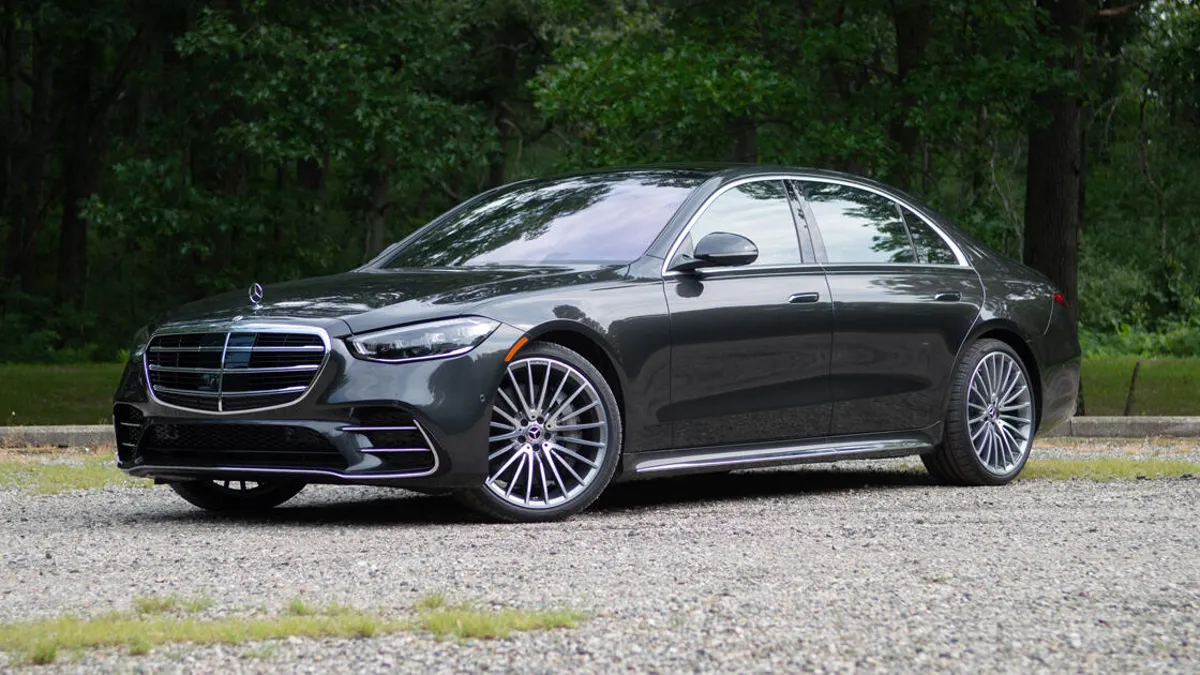
1. Mercedes-Benz S-Class S580: The Benchmark for Rear-Seat Luxury
The Mercedes-Benz S-Class S580 continues to define what a full-size luxury sedan should be, especially for those who value rear-seat comfort above all else.
Often described as the gold standard of executive limousines, the S580 prioritizes refinement, innovation, and effortless comfort rather than flashy gimmicks. From the moment you step inside, it’s clear that this car is designed less as a driver’s toy and more as a sanctuary on wheels.
The rear cabin is where the S580 truly shines. With the optional Chauffeur and Executive Rear Seat packages, the back seat transforms into a business-class lounge. Rear passengers can electronically slide the front passenger seat forward, deploy a footrest, and recline into an almost lie-flat position.
Long-wheelbase models offer up to 43.8 inches of legroom, making it easy to stretch out and relax. Heated, ventilated, and multicontour seats are upholstered in premium Nappa leather and paired with features like hot-stone massage, heated armrests, and active seat bolsters.
Four-zone climate control and advanced noise cancellation further enhance the sense of isolation, giving the impression of traveling in a private jet rather than a car.
Beyond comfort, the S580 reinforces its flagship status through technology and engineering. Power comes from a 4.0-liter twin-turbo V8 with mild-hybrid assistance, producing 496 horsepower and 516 lb-ft of torque. Despite its size, the car accelerates smoothly and confidently, reaching 60 mph in just 4.4 seconds.
Standard air suspension glides over rough surfaces, while optional rear-axle steering makes the 17.5-foot-long sedan feel surprisingly maneuverable in tight spaces. Driver assistance systems are refined and unobtrusive, supporting the driver without feeling intrusive.
Inside, build quality is exceptional, and the cabin becomes nearly silent once the doors close. The Burmester 4D sound system delivers concert-level audio, while dual rear screens allow passengers to control entertainment and vehicle settings. However, the heavy reliance on touchscreen controls and capacitive buttons can be distracting, an area where Mercedes still has room to improve.
Starting at around $128,000 and easily exceeding $150,000 with options, the S580 faces strong competition from the BMW 760i, Audi S8, and Lexus LS 500. Still, its balance of comfort, composure, performance, and understated authority keeps it firmly at the top. The Mercedes-Benz S-Class S580 remains the definitive luxury sedan and the one every rival is still chasing.
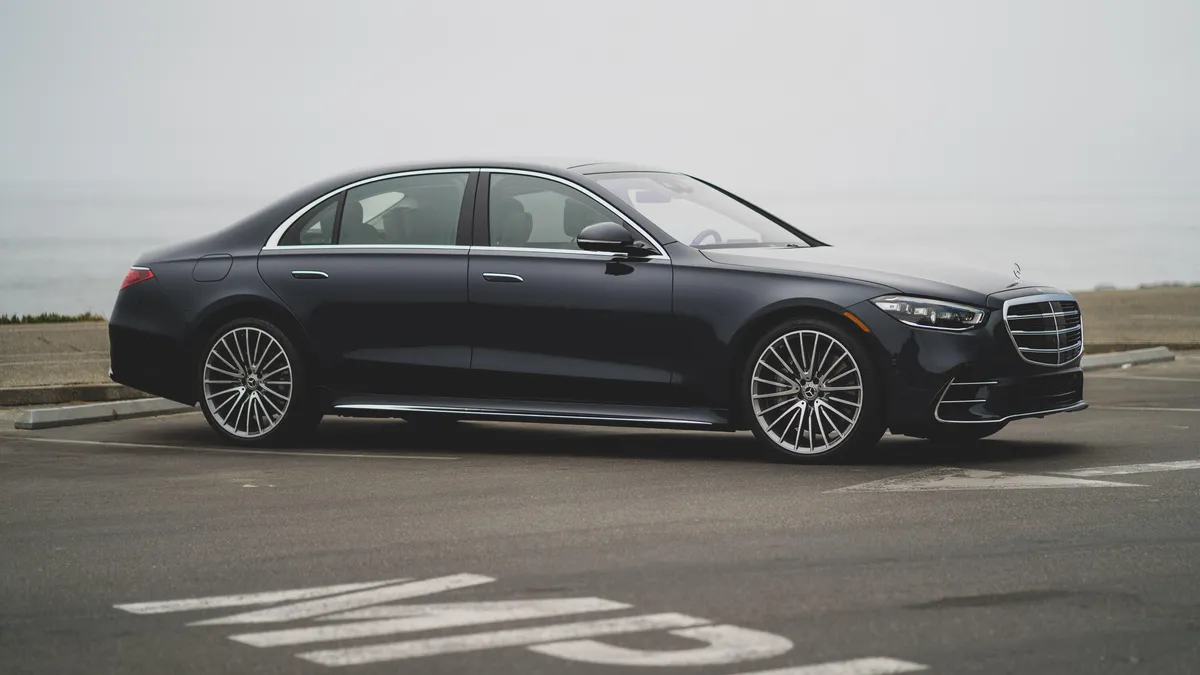
2. BMW X7 with Captain’s Chairs: A First-Class Second-Row Experience
The BMW X7 distinguishes itself in the luxury three-row SUV segment by treating the second row as a premium space rather than a compromise. When equipped with captain’s chairs, the X7 transforms rear seating into a refined, lounge-like environment designed with adult comfort in mind. This configuration highlights BMW’s focus on space, craftsmanship, and passenger well-being.
Opting for captain’s chairs replaces the traditional three-person bench with two individually adjustable seats and a center walkway. This change dramatically improves comfort and personal space. Each chair features power sliding and reclining functions, allowing passengers to tailor their seating position for long journeys.
Integrated armrests and available heating add to the sense of relaxation, while the X7’s tall roofline ensures generous headroom for taller occupants. High-quality materials such as Merino leather reinforce the upscale character of the cabin, particularly in higher trim levels.
The open gap between the seats improves airflow, visibility, and access to the third row. Passengers benefit from a less confined feel and a clearer forward view, which helps reduce fatigue on longer drives.
Access to the third row is easier thanks to the central walkthrough, though the power-operated captain’s chairs move forward at a slower pace than expected. While the third row is best suited for children or short trips, the second row clearly serves as the comfort focal point. A minor compromise comes from the fact that the captain’s chairs do not fold completely flat, slightly reducing maximum cargo versatility.
Performance is another area where the X7 delivers confidently. The xDrive40i model is powered by a 375-horsepower turbocharged inline-six that balances smooth acceleration with respectable efficiency. For drivers seeking stronger performance, the M60i offers a twin-turbo V8 with 523 horsepower, while the Alpina XB7 pushes output to an impressive 630 horsepower.
All versions pair an eight-speed automatic transmission with standard all-wheel drive, air suspension, and adaptive dampers. Despite its large footprint, the X7 feels controlled and composed, especially when equipped with rear-axle steering, though larger wheel options can slightly affect ride quality on rough surfaces.
Inside the cabin, luxury and technology blend through a curved digital display featuring a 12.3-inch instrument cluster and a 14.9-inch infotainment screen.
BMW’s iDrive system provides intuitive control through both touch and a rotary dial, while premium audio options and ambient lighting enhance the driving and passenger experience. A full suite of driver-assistance features comes standard, reinforcing safety and confidence on the road.
The BMW X7 with captain’s chairs delivers a second-row environment that rivals dedicated luxury sedans in comfort and refinement, making it an excellent choice for buyers who prioritize rear-seat quality in a versatile SUV format.
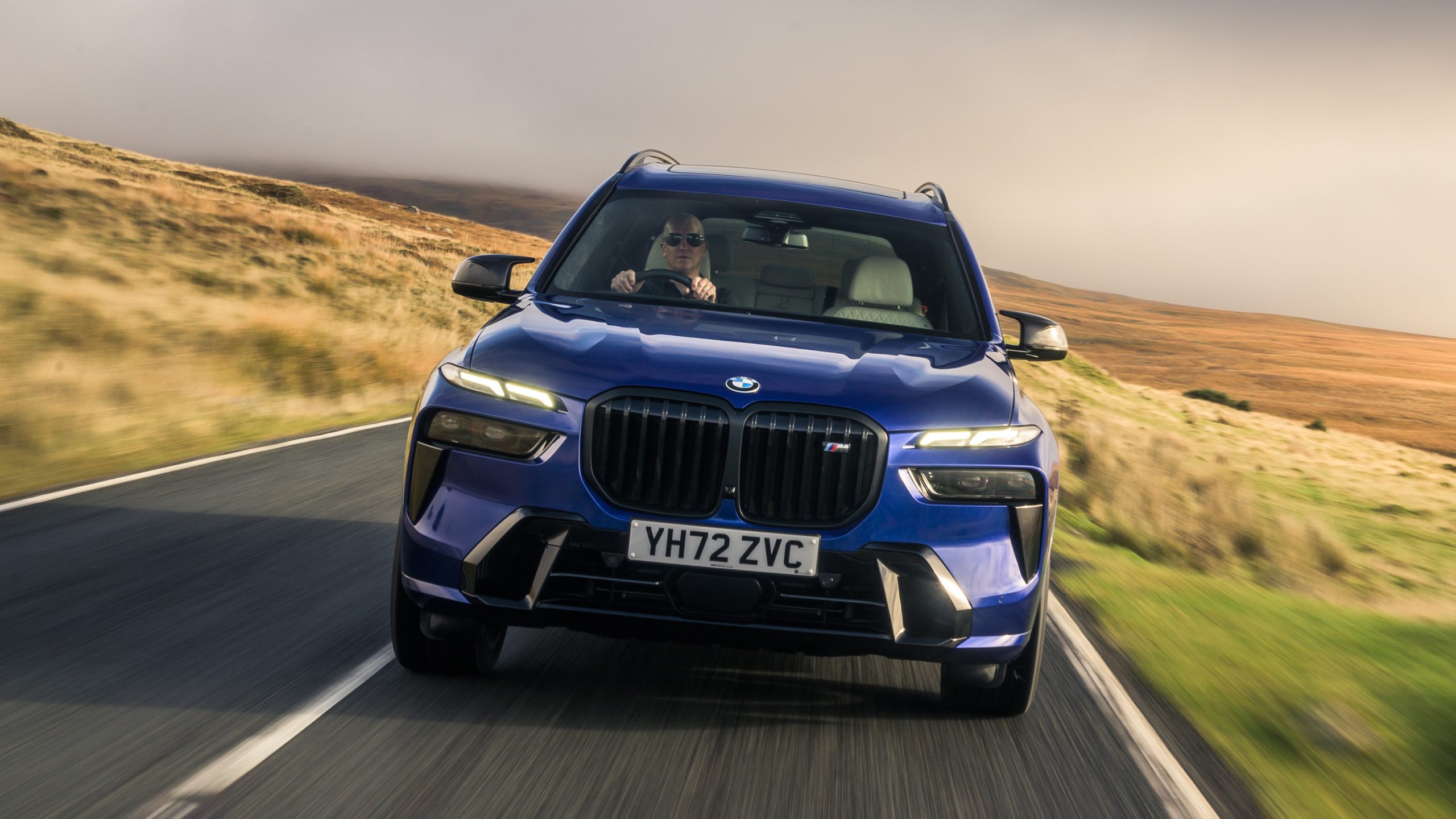
3. Toyota Alphard: The Ultimate VIP Lounge on Wheels
In many parts of the world, the Toyota Alphard has earned a reputation as the definitive “boss car,” a vehicle designed first and foremost for those who sit in the back. More luxury lounge than conventional minivan, the Alphard prioritizes rear-seat comfort, refinement, and presence in a way that few vehicles can rival, even among premium sedans and SUVs.
At the heart of the Alphard’s appeal are its second-row captain’s chairs, often referred to as Ottoman seats. These large, plush thrones feature powered recline, adjustable leg rests, heating, ventilation, and in some versions, massage functions.
The seats are constructed using high-damping materials and anti-vibration rubber to minimize fatigue, while superior lateral support keeps passengers comfortable even on longer journeys. Combined with the Alphard’s tall roofline and wide cabin, the seating position feels open, relaxed, and distinctly first class.
The Alphard’s body design plays a major role in its comfort. Wide, low-opening sliding doors make entry and exit effortless, especially for VIPs or older passengers. Inside, generous legroom, ambient lighting, sunshades, rear climate controls, retractable tables, and available entertainment screens reinforce the sense of being in a private mobile lounge.
Toyota’s focus on noise, vibration, and harshness reduction is evident throughout, with structural adhesives, improved chassis rigidity, and excellent sound insulation keeping the cabin remarkably quiet.
Ride quality is another standout strength. Built on Toyota’s TNGA platform, the Alphard uses a MacPherson strut front suspension and double wishbone rear setup tuned for stability and smoothness. On the road, it glides over imperfections with ease, earning praise for its calm, limousine-like behavior.
The weight of the vehicle, paired with conservative wheel and tire choices, further contributes to its planted and composed feel, though fully loaded driving can occasionally cause the suspension to bottom out due to relatively low ground clearance.
Power comes from a 3.5-liter V6 engine producing around 292 horsepower, paired with a six-speed automatic transmission. Acceleration is adequate rather than sporty, but the engine remains smooth and quiet, perfectly suited to the Alphard’s relaxed character. Fuel consumption is on the higher side, especially in city traffic, though the large fuel tank helps offset range concerns.
While the Alphard is often criticized for dated infotainment and a lack of advanced driver-assistance features relative to its price, buyers continue to line up for it. The reason is simple. The Alphard is purchased not as a driver’s car, but as a passenger’s sanctuary. It delivers unmatched rear-seat comfort, a commanding presence, and the long-term reliability and resale value associated with the Toyota name.
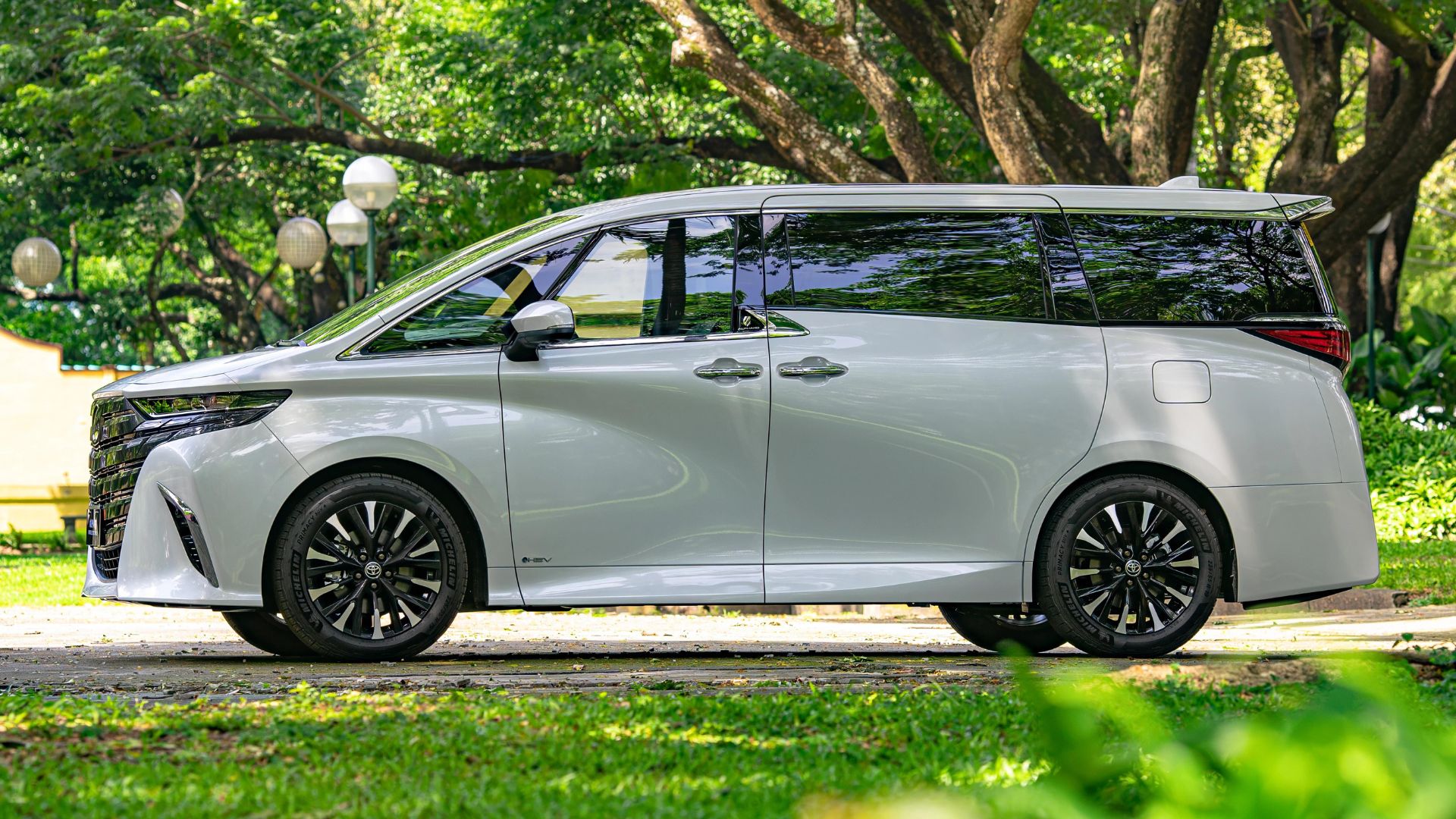
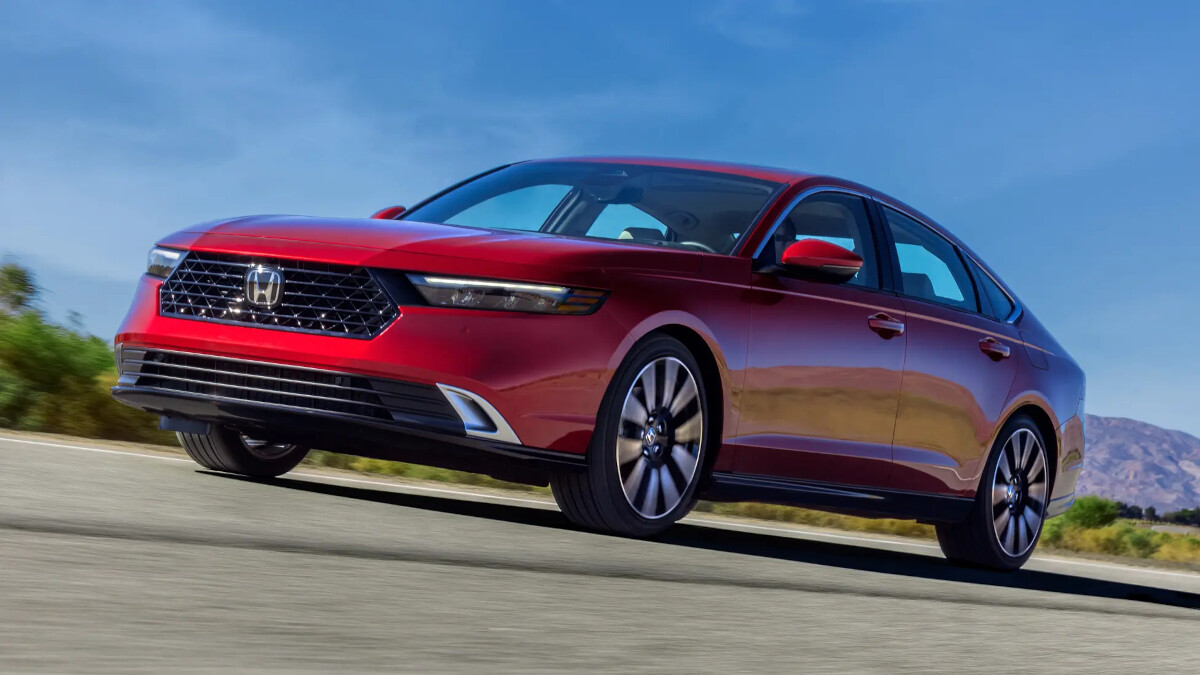
4. Honda Accord (Current Generation): Rear-Seat Space That Redefines the Segment
The current-generation Honda Accord proves that a mainstream, non-luxury sedan can deliver rear-seat comfort that rivals far more expensive vehicles. Now in its 11th generation, the Accord places a strong emphasis on interior space, ride quality, and everyday usability, making it one of the most accommodating cars in its class for rear passengers.
The standout feature of the Accord’s rear cabin is space. With an impressive 40.8 inches of rear legroom, it offers more room to stretch out than many midsize and even some full-size SUVs. Tall adults can sit comfortably without their knees nearing the front seats, while the relatively flat floor makes the middle rear seat genuinely usable for a third passenger.
The rear bench itself is deep and well-cushioned, providing excellent under-thigh support that helps reduce fatigue on longer trips. Headroom is slightly tighter due to the sloping roofline, and very tall passengers may need to duck when entering, but once seated, comfort remains a strong point.
Ride quality plays a major role in the Accord’s rear-seat appeal. Honda equips the car with a sophisticated multilink rear suspension that smooths out road imperfections with ease. Structural improvements and enhanced sound insulation further reduce noise, vibration, and harshness, creating a quieter and more composed cabin environment. The result is a ride that feels calm and refined, even over rough or uneven pavement.
Rear passengers also benefit from thoughtful amenities that enhance day-to-day comfort. All trims include rear air-conditioning vents and USB-C charging ports, features that are not always standard in this segment.
Interior materials have been upgraded as well, with soft-touch surfaces on door panels and available leather seating contributing to a more upscale feel than previous generations. While it does not aim to be flashy, the Accord’s interior prioritizes comfort, cleanliness of design, and practicality.
Powertrain options include a turbocharged 1.5-liter four-cylinder engine producing 192 horsepower and a highly regarded hybrid system that combines a 2.0-liter engine with two electric motors for a total of 204 horsepower. Both setups are front-wheel drive and paired with a CVT. Performance is smooth and confident rather than aggressive, reinforcing the Accord’s relaxed and refined character.
Fuel efficiency is another strength, especially in hybrid form, where city ratings can reach over 50 mpg. Combined with a spacious trunk and folding rear seats, the Accord balances passenger comfort with real-world practicality.
The current Honda Accord stands as a benchmark for rear-seat comfort in the midsize sedan class, offering exceptional space, a smooth ride, and thoughtful amenities without requiring a luxury badge.
5. Rolls-Royce Phantom Extended Wheelbase: The Absolute Standard of Rear-Seat Luxury
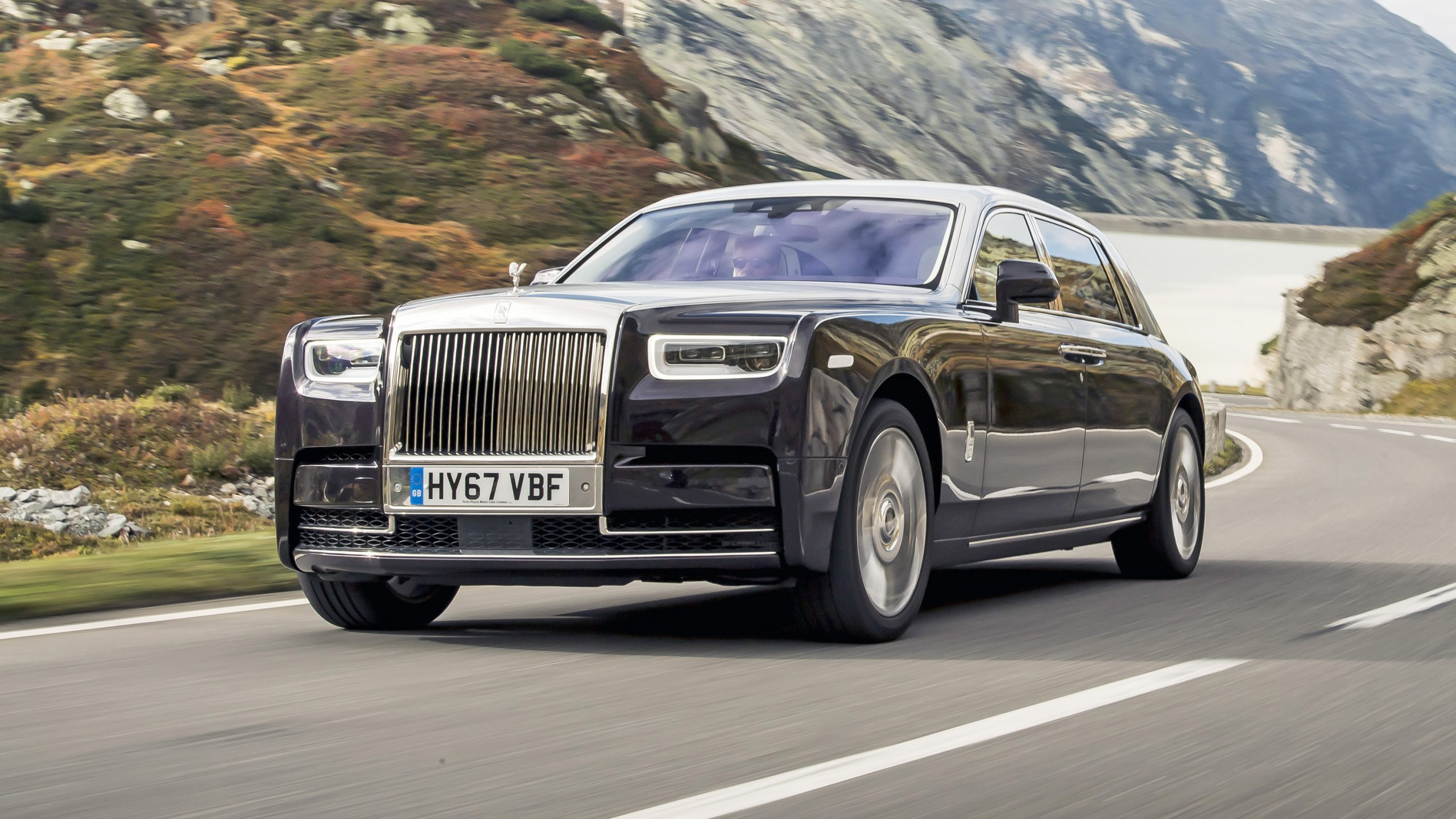
The Rolls-Royce Phantom Extended Wheelbase represents the highest expression of automotive luxury, created with one clear priority: rear-seat perfection. Designed for owners who prefer to be driven, the Phantom EWB transforms travel into a calm, ceremonial experience that few vehicles in history can rival. When budget is irrelevant, this is the benchmark against which all luxury cars are measured.
The Extended Wheelbase version adds approximately 250 mm of length over the standard Phantom, and nearly all of that increase is devoted entirely to rear-seat legroom. The result is a cabin that feels closer to a private lounge than a car interior. Rear passengers enjoy expansive space to stretch out, with lounge-style seats that recline and include heating, ventilation, and massage functions.
Some configurations add electric footrests, allowing occupants to relax in near-horizontal comfort. The rear seats are subtly angled toward one another to encourage conversation, reinforcing the Phantom’s role as a social and ceremonial vehicle rather than simple transportation.
Material quality inside the Phantom EWB is unmatched. Deep-pile lambswool carpets cushion the floor, while acres of hand-stitched leather, polished wood veneers, and metal accents surround passengers. Every surface is designed to soothe the senses.
The famous Starlight Headliner, embedded with hundreds of tiny fiber-optic lights, creates a tranquil, almost celestial atmosphere that enhances the feeling of isolation from the outside world. Over 100 kilograms of sound-deadening materials are used throughout the body, making the Phantom widely regarded as the quietest production car ever built.
Ride comfort is equally extraordinary. Rolls-Royce’s Planar suspension system, often described as delivering a “Magic Carpet Ride,” uses cameras to scan the road ahead and proactively adjust the suspension in real time.
Combined with the Phantom’s sheer mass and meticulous tuning, the car glides over imperfections with an effortless smoothness that feels almost unreal. Even sharp bumps are reduced to distant sensations, barely registering in the cabin.
Access to the rear seats is dignified and theatrical thanks to rear-hinged coach doors, which open wide to allow graceful entry and exit. Once seated, passengers can enjoy bespoke amenities such as privacy curtains, rear entertainment screens, a refrigerated champagne compartment, and individualized climate controls. Every element is designed to remove effort and replace it with calm.
Power comes from a 6.7-liter twin-turbo V12 producing 563 horsepower. Acceleration is smooth and quiet rather than aggressive, perfectly aligned with the Phantom’s serene personality. The Rolls-Royce Phantom Extended Wheelbase is not about speed, efficiency, or technology trends. It exists to deliver absolute comfort, silence, and presence, setting a level of rear-seat luxury that remains untouchable.
Also Read: 5 Cars That Handle Urban Roads Well vs 5 Cars That Don’t
5 That Don’t
1. Ford Mustang S650: Rear Seats by Necessity, Not by Design
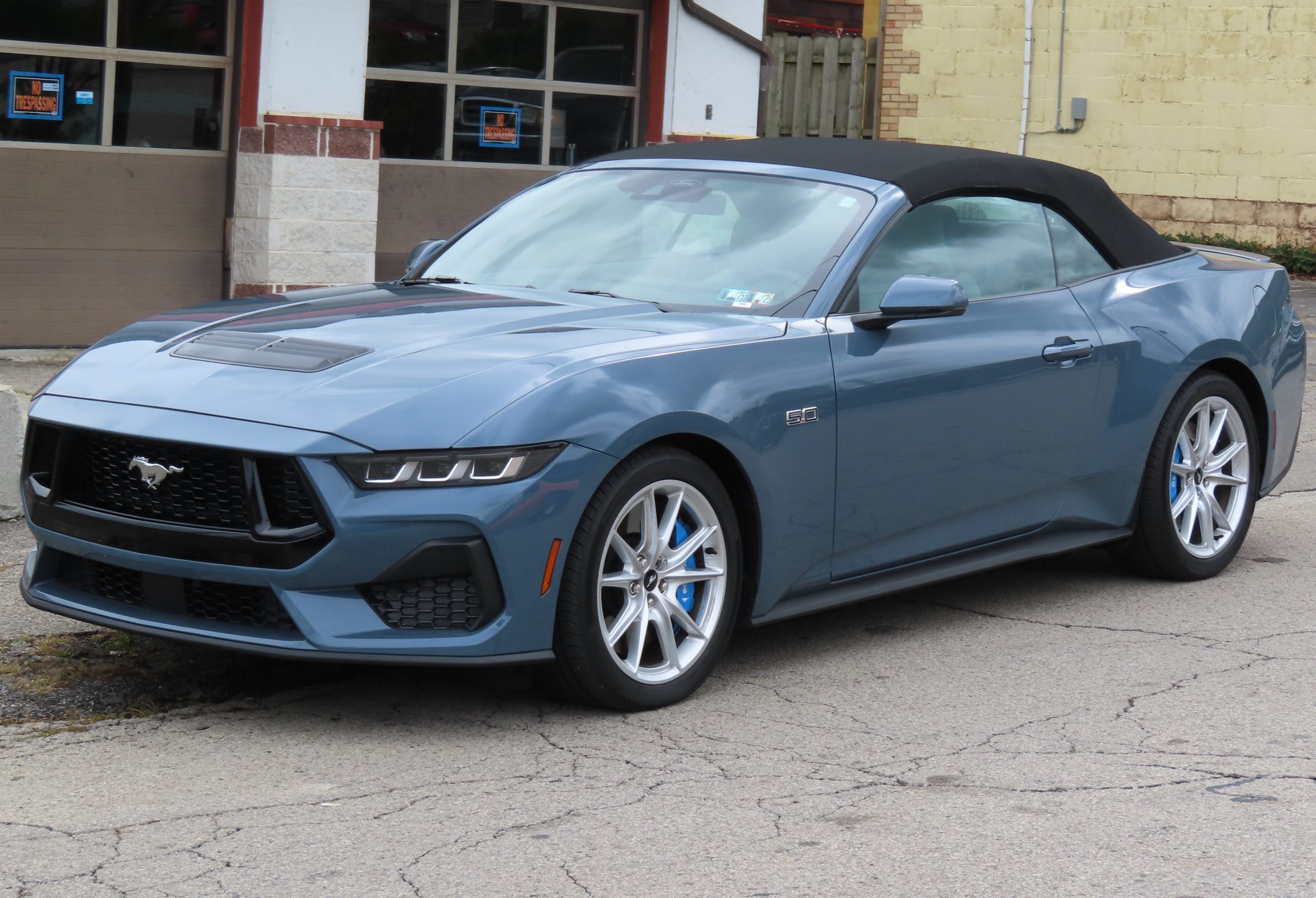
The Ford Mustang S650 remains a true driver’s car, and its rear seats reflect that philosophy clearly. While the latest Mustang showcases impressive engineering, performance, and style, rear-seat comfort is intentionally sacrificed to preserve its iconic fastback silhouette and performance-focused packaging. The result is a rear cabin that exists more for practicality on paper than real-world adult use.
The most obvious limitation comes from the Mustang’s sloping fastback roofline. This defining design element gives the car its aggressive profile but severely restricts rear headroom. With just 34.8 inches available, most adults will find their head brushing the rear glass or forced into an awkward, tilted posture. In warm conditions, the proximity to the rear window can also make the space uncomfortable due to heat buildup.
Legroom is even more restrictive. Ford prioritized the front-seat experience, offering a generous 44.5 inches of front legroom to comfortably accommodate tall drivers. Because the Mustang rides on a fixed wheelbase, this decision directly impacts the space behind the front seats.
Rear legroom measures only 29 inches, and when the driver or front passenger is over six feet tall, usable legroom in the back essentially vanishes. Knees are pressed firmly against the seatbacks, leaving no room to adjust or shift position.
Mechanical packaging further compromises comfort. The S650 platform features a large transmission tunnel and a performance-oriented rear suspension designed for high-speed stability and sharp handling.
These components occupy significant space beneath the floor, forcing the rear seats to be mounted high and shaped narrowly between the wheel wells. This creates a knees-up seating position with limited thigh support, making longer rides particularly uncomfortable.
Amenities in the rear are minimal by design. There are no dedicated air vents, no USB charging ports, and no meaningful storage options such as door pockets or a center armrest. Compared to competitors like the BMW 2 Series coupe, the Mustang trails in usable rear space despite similar exterior dimensions.
In practice, the S650’s rear seats function best as overflow space for small children, short trips, or extra cargo. For adults, they are a compromise made in the service of performance, style, and the Mustang’s unmistakable character.
2. Toyota Tacoma Previous Generations: Rear Seats Built for Utility, Not Comfort
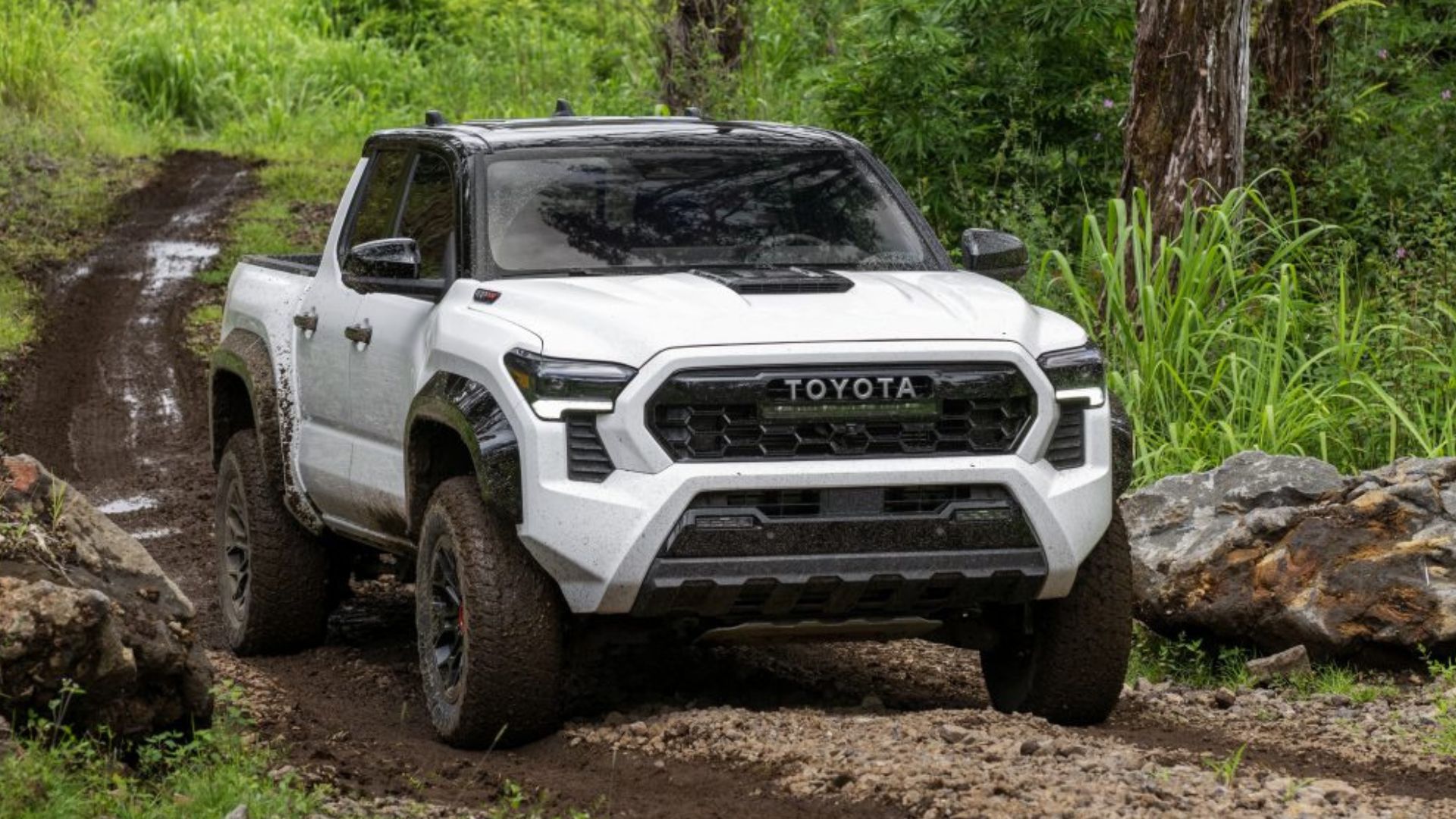
Previous-generation Toyota Tacomas, spanning the second and third generations (2005–2023), are renowned for durability and off-road capability but fall short in rear-seat comfort. The truck’s body-on-frame architecture prioritizes rugged utility, leaving rear passengers with a cramped, awkward seating experience, especially in Access Cab and Double Cab versions.
A major factor is the high cabin floor. Designed to maximize ground clearance for trail riding, the elevated frame pushes the cabin floor upward while keeping seat cushions low to preserve headroom. This forces passengers into a “knees-up” posture where thighs receive minimal support, resulting in discomfort on long drives and increased pressure on the lower back and tailbone.
The situation is further worsened by extremely vertical seat backs. To fit within the compact cab, rear seats are mounted nearly upright, leaving no option for recline. Passengers are confined to a rigid, church-pew-like position, limiting natural movement or relaxation.
Legroom and footwell space are also constrained. The third-generation Tacoma offers roughly 32.6 inches of rear legroom, significantly less than many midsize competitors. Taller adults quickly find their knees pressing against the front seat, and front seat brackets often block the ability to stretch their feet underneath, exacerbating fatigue during extended trips.
These design choices reflect the Tacoma’s intended market positioning. Toyota historically marketed the Tacoma as a sporty, compact truck optimized for young, adventure-oriented buyers rather than family hauling.
Rear-seat comfort was intentionally deprioritized to maintain agile, off-road-friendly dimensions. For buyers seeking a more spacious rear cabin, Toyota offered the larger Tundra as a family-friendly alternative.
While the 2024 Tacoma has addressed many ergonomic shortcomings with improved seat height and better cushioning, the previous generations remain infamous for their cramped, uncomfortable rear seating. For adults, long journeys in these models often test endurance, highlighting the trade-offs inherent in a truck built primarily for utility and off-road performance rather than passenger comfort.
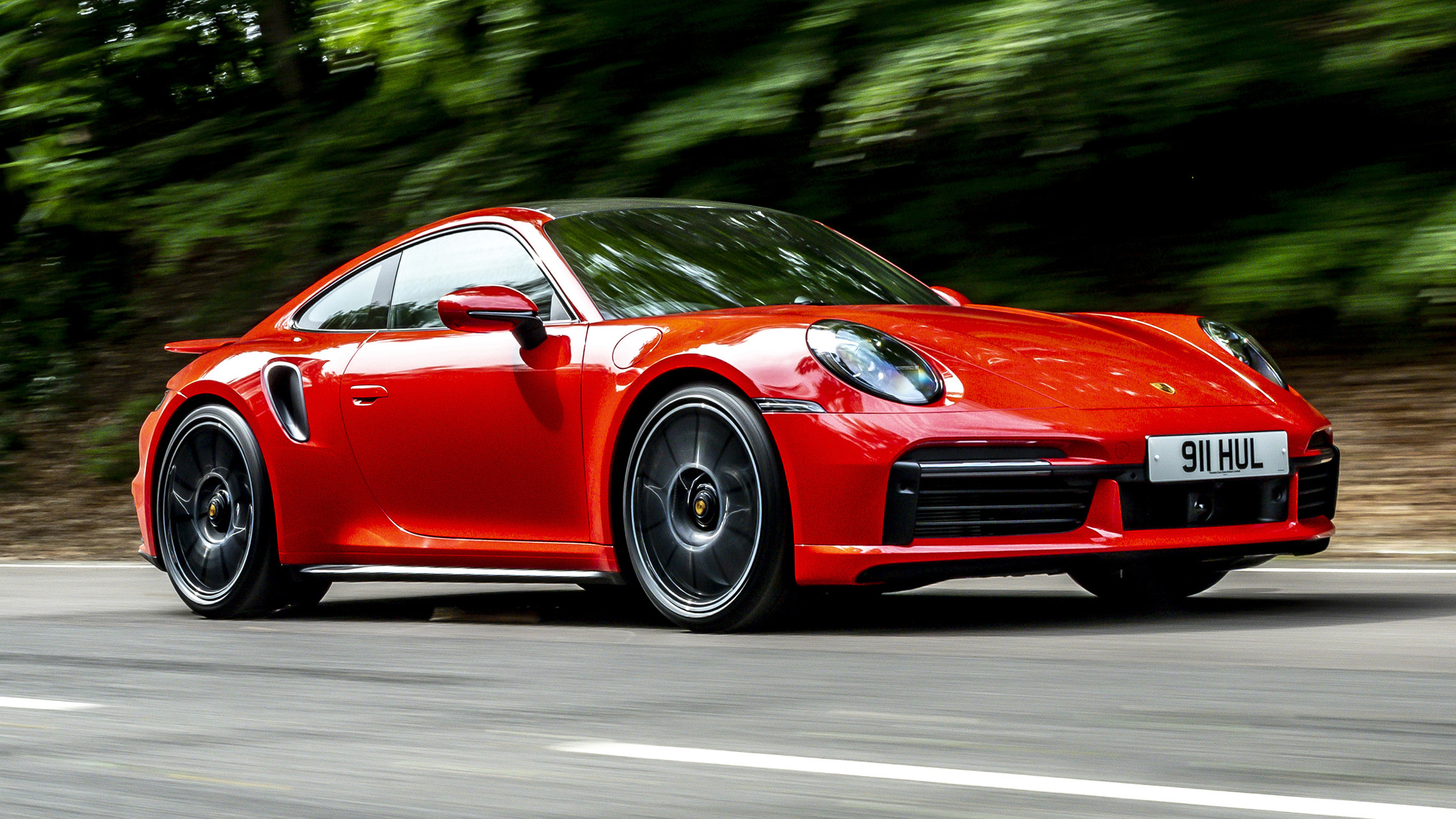
3. Porsche 911 (992): Rear Seats as an Afterthought
The Porsche 911 (992) is celebrated as a driver-focused sports car, but its rear seats are notoriously impractical. Marketed as a 2+2, the rear seats function more as auxiliary storage than true passenger space. This limitation arises from the car’s rear-engine design, performance priorities, and iconic silhouette, all of which compromise rear-seat ergonomics.
The rear-engine layout places the engine behind the rear axle, occupying space that would typically allow for deep footwells. As a result, the rear floor sits high, forcing passengers into a cramped “knees-up” position.
Combined with the sharply sloping roofline needed to maintain the 911’s aerodynamic profile, headroom is severely limited. Most adults over 5’6″ cannot sit upright comfortably, and the sharply angled backrests further restrict usable space.
Porsche intentionally prioritizes engineering performance over practicality. Extending the wheelbase or increasing cabin volume to improve rear comfort would add weight and shift the center of mass, undermining the precise handling and cornering that define the 911. In the 992.2 generation, rear seats are offered as a no-cost option rather than standard equipment, highlighting the emphasis on sportiness and weight reduction.
Historically, the rear seats also served practical and psychological purposes. They allow the 911 to qualify as a four-seater coupe for insurance and tax purposes, often lowering premiums. They also provide the appearance of a “family-friendly” sports car, even if the seats are rarely used by adults.
Legroom is minimal, and the rear space is better suited to grocery bags, small children, or pets rather than passengers. Foot space under the front seats is nonexistent, and the vertical seating position offers almost no thigh support.
The Porsche 911’s rear seats exist for regulatory compliance and convenience rather than comfort. The 992 rear cabin functions primarily as a luggage shelf, underscoring that the 911 remains a driver-first machine, with rear-seat usability as an afterthought.
4. Mazda CX-3: Rear Seats Sacrificed for Sporty Style
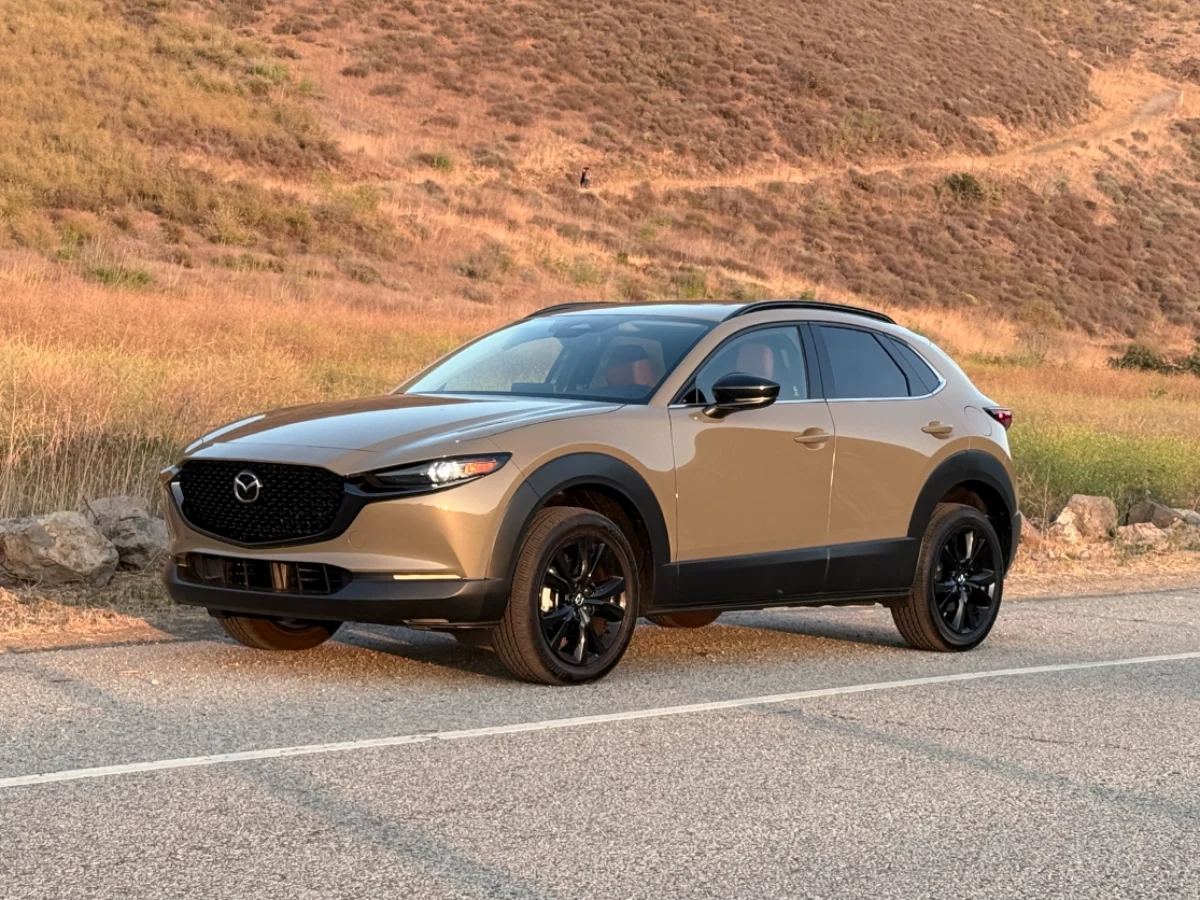
The Mazda CX-3, a subcompact crossover, prioritizes sporty design and urban agility over rear-seat comfort. Its tight second-row cabin reflects the trade-offs inherent in a vehicle built on the platform of the smaller Mazda 2 supermini. While visually appealing, the CX-3 struggles to accommodate adults comfortably in the back, making it better suited for children or short trips.
Dimensional constraints are the primary issue. Rear legroom measures only 35 inches, one of the smallest in its class. When front seats are adjusted for taller drivers or passengers, rear legroom is further compromised.
Shoulder room is limited to 50.4 inches, creating a cramped environment for three passengers. Entry and exit are also restricted by small rear doors, and the high window line, coupled with a sloping roof, can make the space feel claustrophobic.
Mazda’s Kodo design language contributes to discomfort. The inward-tapering roof reduces headroom to 37.2 inches, while small rear windows and thick pillars limit visibility, giving the cabin a dark and enclosed feeling.
The rear seats lack basic convenience features found in competitors, such as dedicated air vents, USB charging ports, and sufficient storage for personal items. Passengers often have limited bottle holders and no center console bins, further reducing practicality.
The CX-3’s sporty tuning affects the ride quality. A firmer suspension setup, designed for nimble handling, transmits more road imperfections to rear occupants. Sitting over the rear axle, passengers feel every bump and imperfection, making long journeys less comfortable.
The Mazda CX-3 delivers an engaging driving experience and striking design, but at the cost of rear-seat comfort. Adults face tight legroom, limited headroom, and minimal amenities, making the back seats suitable primarily for children, short commutes, or occasional use. The vehicle’s rear cabin exemplifies the compromise between style, agility, and passenger utility in a subcompact SUV.
5. Jeep Wrangler Two-Door: Rear Seats Designed for Occasional Use
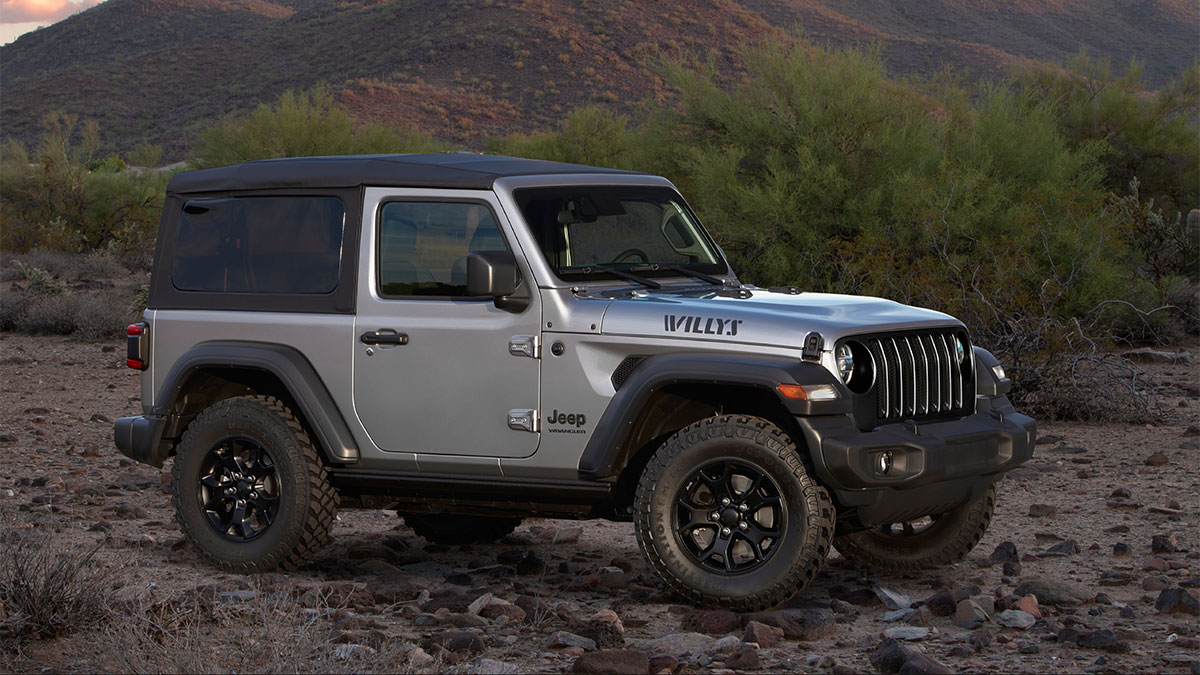
The two-door Jeep Wrangler is an icon for off-road enthusiasts, but rear-seat comfort is severely compromised by its compact dimensions and rugged design. Unlike the four-door Unlimited model, the back seats in the two-door version are narrow, bouncy, and difficult to access, making them suitable only for short trips or occasional passengers.
The most significant limitation comes from the Wrangler’s short wheelbase of 96.8 inches, which is 21.6 inches shorter than the four-door. This reduction directly affects legroom, leaving taller adults cramped with knees pressed against the front seatbacks.
The shorter wheelbase also increases pitch sensitivity, causing the rear to rock over bumps and making the ride jarring. Sitting almost directly above the rear axle, passengers experience every jolt from the suspension.
Seat design further reduces comfort. The rear bench is narrow, accommodating only two passengers, and the wheel wells intrude on shoulder room. The low seat cushion forces a knees-up posture, limiting thigh support and making long journeys physically taxing.
Entry and exit pose additional challenges. Without rear doors, passengers must slide into the back via a “climb and tuck” maneuver, requiring agility even when the front seats are moved forward. This makes the rear largely inaccessible for taller adults, older passengers, or those with mobility issues.
Climate and noise also affect passenger comfort. The rear cabin is closer to the exhaust system and rear differential, transmitting heat and vibrations through the floor. Without dedicated rear air vents, it takes longer for the cabin to reach a comfortable temperature, especially in extreme weather.
The two-door Jeep Wrangler emphasizes off-road performance and compactness over rear passenger comfort. Limited legroom, narrow seating, difficult access, and a bouncy ride make the rear seats functional only for short trips or smaller occupants. For those who regularly carry passengers, the four-door Wrangler Unlimited provides a much more practical and comfortable alternative.
Rear-seat comfort reflects a car’s design priorities. Luxury models such as the Mercedes-Benz S-Class S580, BMW X7 with captain’s chairs, Toyota Alphard, Honda Accord, and Rolls-Royce Phantom Extended Wheelbase offer spacious, quiet, and well-appointed back cabins. Passengers can travel in comfort and style for short drives or long trips.
In contrast, cars like the Ford Mustang S650, previous-generation Toyota Tacoma, Porsche 911, Mazda CX-3, and two-door Jeep Wrangler focus on performance, compactness, or off-road capability at the expense of rear comfort. Rear seats are cramped, upright, and lack features, making them suitable mostly for short trips, children, or extra storage.
The contrast between these two groups shows the importance of rear-seat design. Choosing a car with a comfortable back cabin ensures passengers enjoy relaxed and stress-free travel, while neglecting rear comfort can leave them cramped and fatigued, no matter how capable the vehicle is.
Also read: Top 10 Cars That Changed Automotive Engineering Forever
