Driving in snowy conditions can often be a test of both skill and vehicle capability. Many SUV owners assume that just having a four-wheel-drive system automatically ensures safety and stability on icy roads.
However, the performance of a vehicle in winter depends on several factors, including tire choice, weight distribution, and suspension tuning. Snow tires, in particular, can dramatically change how a vehicle grips the road, improving braking distances and reducing the likelihood of slipping.
Unlike all-season tires, snow tires are designed with specialized rubber compounds that stay flexible in freezing temperatures, allowing for more consistent contact with the road surface. This flexibility is critical when navigating steep inclines, tight turns, and untreated rural roads covered in ice.
Additionally, snow tires often feature deeper tread patterns and sipes that channel water and slush away, preventing hydroplaning and maintaining traction. For SUV owners, this combination of vehicle design and tire technology can turn a previously intimidating drive into a manageable, even confident, experience.
While some SUVs are naturally heavy and stable, others benefit more noticeably from snow tires, revealing capabilities that might otherwise go unnoticed. Choosing the right SUV equipped with snow tires means balancing factors such as ground clearance, weight distribution, and drivetrain efficiency.
This balance allows drivers to handle unexpected snowy patches without constant anxiety. Understanding how different SUVs respond with snow tires can also help drivers make smarter decisions about off-season maintenance and tire changes. Many drivers underestimate the importance of tires, focusing instead on horsepower or luxury features.
Yet, even the most powerful engine cannot prevent a slide if the tires fail to maintain grip. In snowy environments, the synergy between vehicle and tires determines overall safety, responsiveness, and confidence.
The following list highlights ten SUVs that excel with snow tires, combining practicality, handling, and winter performance in ways that might surprise those accustomed to thinking of winter driving as inherently risky.
Each of these vehicles shows that with proper preparation, snowy conditions need not restrict mobility or enjoyment. From compact crossovers to larger, more rugged machines, these SUVs prove that snow tires can unlock the full potential of a vehicle even under challenging conditions.
For drivers seeking reliability, stability, and performance in winter months, these models represent a combination of thoughtful engineering and tire technology. The subsequent sections examine each SUV individually, explaining how snow tires transform their capabilities, and providing a useful guide for anyone planning winter driving adventures.
This discussion is rooted in both the inherent qualities of these SUVs and the tangible improvements snow tires deliver, emphasizing safety and control.
Understanding the interaction between vehicle and tire is the key to maximizing winter performance. With careful selection and proper equipment, even the most unpredictable snow-covered roads can be navigated with confidence.
This introduction sets the stage for a detailed look at ten models that outperform expectations when equipped with snow tires, offering both enthusiasts and practical drivers insight into winter SUV performance.
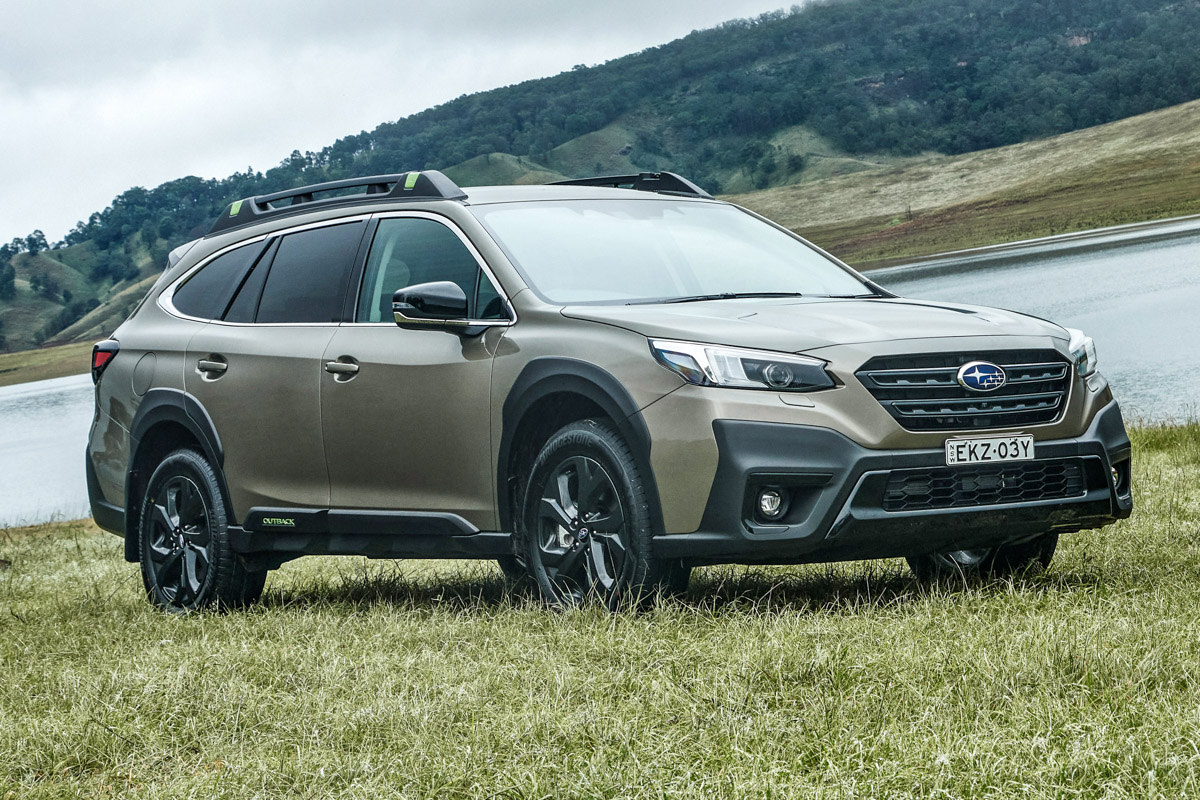
1. Subaru Outback
The Subaru Outback has long been a favorite for drivers in snowy climates because of its symmetrical all-wheel-drive system. This setup ensures power is evenly distributed to all four wheels, providing balance and stability on slippery roads.
When paired with snow tires, the Outback’s traction improves significantly, allowing it to handle icy inclines and winding mountain roads with ease. Its relatively low center of gravity compared to taller SUVs also contributes to reduced body roll, enhancing control in winter conditions.
Snow tires transform the Outback’s braking performance, shortening stopping distances on snow-covered streets. Drivers often notice a remarkable difference when approaching intersections, as the tires maintain grip and reduce the risk of skidding.
The suspension system, tuned for both comfort and responsiveness, works in tandem with the tires to absorb uneven surfaces while maintaining tire contact with the road. This combination is particularly valuable on rural roads where plowing may be inconsistent or ice patches remain hidden beneath fresh snow.
Handling in deep snow is another area where the Outback shines. Its ground clearance allows the vehicle to traverse moderately heavy snow without bottoming out, while snow tires help maintain forward momentum in low-traction situations.
Even when accelerating from a stop, the Outback remains predictable, reducing the chance of wheel spin. For commuters and adventurers alike, this reliability provides peace of mind during long winter drives.
The cabin experience complements its snowy capabilities. Drivers report that the Outback feels stable and controlled, even during aggressive maneuvering or emergency stops. The steering feedback remains precise, giving the driver confidence to correct minor slides.
Snow tires also dampen the vibration and bouncing that can occur on uneven icy roads, adding to the comfort of the ride. This makes long trips through winter conditions less fatiguing and more manageable.
Finally, the Outback’s technology supports winter performance without overwhelming the driver. Systems like traction control, stability management, and hill descent assist help maximize the effectiveness of snow tires.
Drivers can rely on these tools while maintaining full awareness of how their vehicle interacts with the road. Combined with the Outback’s mechanical traits and properly equipped snow tires, it becomes clear why this model performs surprisingly well in snowy conditions.
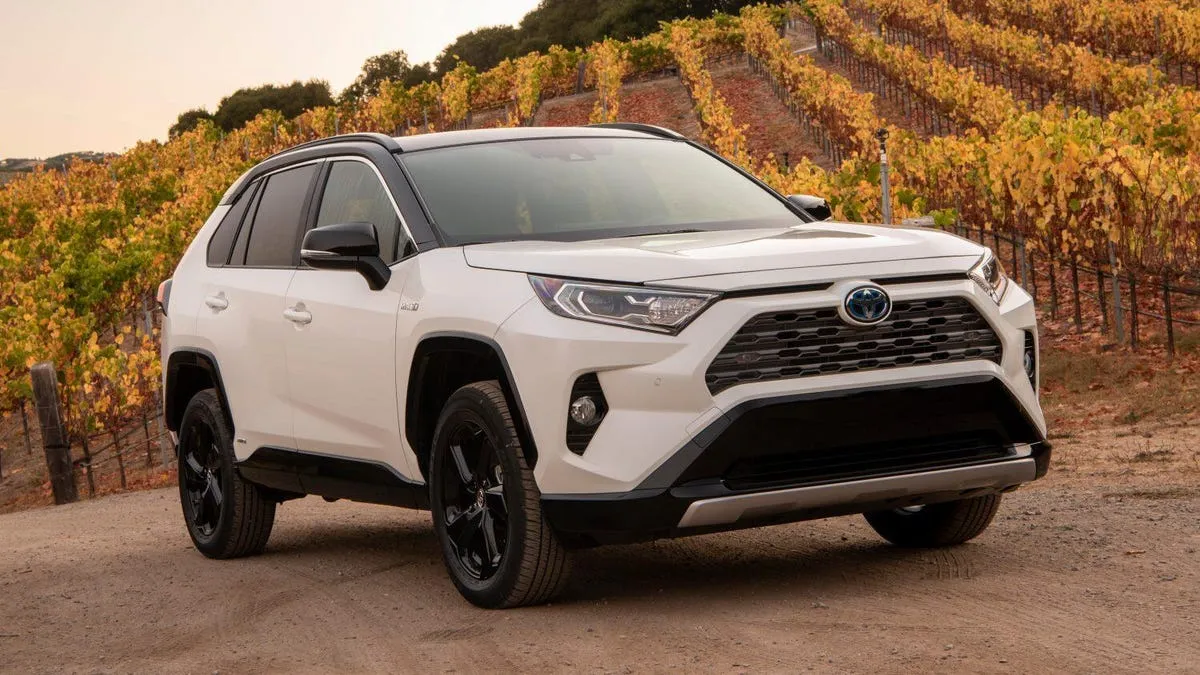
2. Toyota RAV4
The Toyota RAV4 has earned a reputation for reliability, and its winter performance is no exception. Equipped with all-wheel drive, the RAV4 distributes torque effectively to prevent wheel slip on icy surfaces.
Snow tires enhance this capability further, improving grip during acceleration and reducing braking distances in low-traction environments. Compact enough for urban settings, yet robust enough for rural winter roads, it strikes a balance that appeals to a wide range of drivers.
One of the key advantages of the RAV4 is its weight management. The vehicle’s moderate weight combined with snow tires creates better friction with the road, which is crucial when driving on packed snow.
The suspension absorbs bumps and uneven surfaces, allowing the tires to maintain consistent contact with the road. This synergy between tire and chassis prevents the “floaty” feeling that heavier SUVs sometimes experience on icy terrain.
On slippery highways, the RAV4 demonstrates predictable handling characteristics. The electronic stability system, when paired with snow tires, ensures the vehicle responds quickly to steering inputs without overcorrection.
This is especially useful during sudden maneuvers to avoid hazards. Drivers report confidence in their ability to navigate sharp corners and sloped roads, making winter commuting less stressful.
Acceleration in snowy conditions is smoother with snow tires than with standard all-season tires. Even in moderate snow, the RAV4 can gain traction without excessive wheel spin, reducing the likelihood of getting stuck. When combined with anti-lock braking, the vehicle maintains directional stability during hard braking. This feature is particularly helpful in suburban areas where snowplows may leave residual ice patches.
Finally, the RAV4 offers a practical interior that supports winter preparedness. With ample cargo space, drivers can store emergency gear, snow chains, or extra clothing.
Heated seats and a heated steering wheel add comfort in freezing conditions, complementing the vehicle’s external performance. Altogether, the RAV4 proves that a well-balanced SUV with snow tires can outperform expectations even in challenging winter conditions.
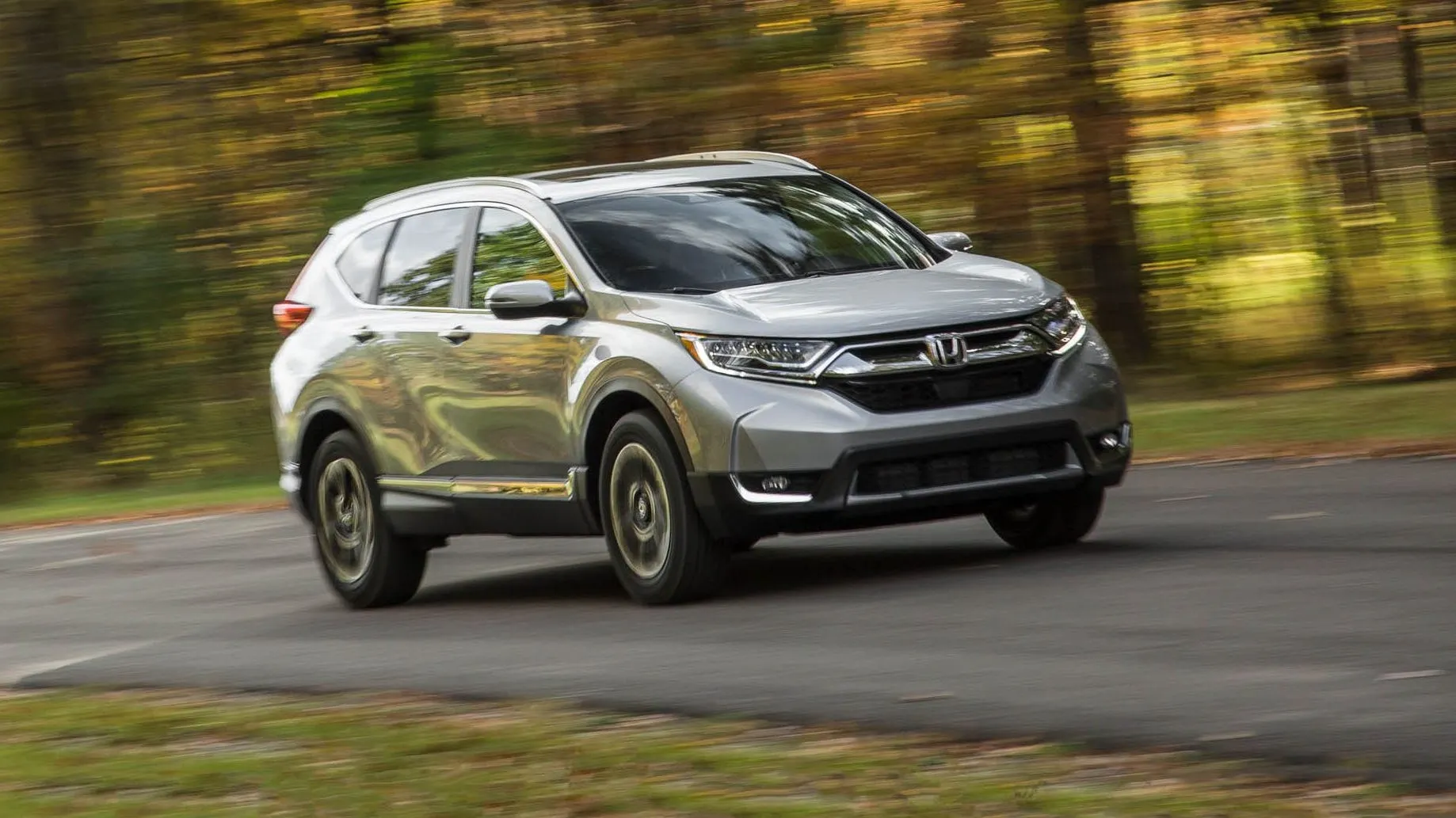
3. Honda CR-V
The Honda CR-V is another compact SUV that handles winter roads surprisingly well with snow tires. Its all-wheel-drive system provides power to the wheels with the most traction, improving stability on icy or snowy surfaces.
Snow tires further enhance this capability, especially in cornering and braking situations where standard tires might struggle. This combination allows drivers to maintain confidence, even on unplowed or uneven roads.
Braking performance is a particular strength of the CR-V when fitted with snow tires. Drivers notice shorter stopping distances and reduced sliding, which is essential for urban and suburban winter driving.
The suspension system works effectively to keep tires in contact with the road, smoothing out small bumps and frozen patches. This improves control and ensures that the driver can make small adjustments without losing traction.
Steering precision is another area where the CR-V excels. The tires grip effectively during turns, minimizing understeer or oversteer tendencies common in compact SUVs.
The electronic stability control reinforces this behavior, correcting minor skids while allowing the driver to remain in command. For drivers who frequently encounter mixed conditions of snow, ice, and slush, this responsiveness is particularly valuable.
The CR-V also offers strong acceleration performance in snow. Snow tires prevent excessive wheel spin during takeoffs from stops, particularly on uphill streets.
Even when driving through slushy conditions, the tires maintain forward momentum without aggressive slipping. Combined with the CR-V’s balanced weight distribution, this makes winter driving less stressful and more predictable.
Lastly, the interior of the CR-V complements its winter capabilities. Heated front seats and optional heated rear seats ensure passenger comfort during long drives.
The cargo area allows for easy storage of winter gear, making trips more practical. The Honda CR-V with snow tires demonstrates that a compact SUV can handle winter conditions efficiently while providing a safe and comfortable driving experience.
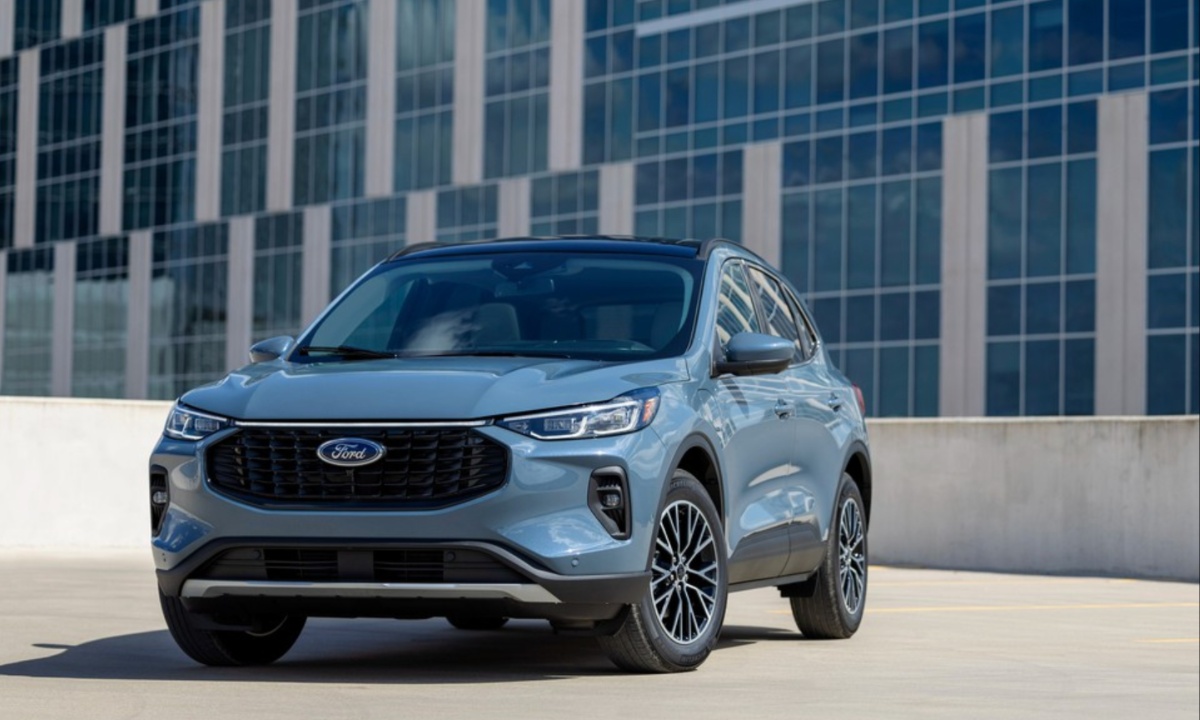
4. Ford Escape
The Ford Escape offers a balance of size and agility, making it a capable choice in snowy conditions. Its intelligent all-wheel-drive system adjusts torque between the front and rear wheels depending on traction, helping to maintain stability.
When paired with snow tires, the Escape demonstrates improved grip on ice-covered roads and better acceleration from stops. Drivers often report a feeling of control even during sudden maneuvers or when navigating winding suburban streets.
The Escape’s braking is enhanced noticeably with snow tires. The tires’ specialized rubber and tread patterns improve contact with slick surfaces, reducing stopping distances.
Combined with anti-lock brakes, this allows for more predictable deceleration on slopes or intersections. Even minor variations in road texture, such as patches of slush or hard-packed snow, are handled with less risk of sliding.
Handling in deep snow is another area where the Escape stands out. Its slightly higher ground clearance compared to compact crossovers prevents the vehicle from scraping or getting stuck on uneven snowbanks.
Snow tires enhance lateral stability, helping the SUV respond accurately to steering input without oversteer. This makes winter driving less stressful for both city commutes and weekend adventures.
Acceleration is also smoother with proper winter tires. The Escape’s engine manages torque effectively, and the tires maintain traction during takeoffs, even on icy driveways or steep roads.
Drivers experience less wheel spin and more control when moving from a stop or merging onto highways. This improves safety and reduces wear on mechanical components that might otherwise struggle in low-traction conditions.
Finally, the interior and convenience features support winter driving. Heated seats, heated steering wheel options, and climate control maintain comfort during cold-weather trips.
Ample cargo space allows drivers to carry winter essentials, from snow boots to emergency kits. Together with its mechanical design and snow tires, the Ford Escape proves that a midsize SUV can perform confidently in snowy and icy conditions.
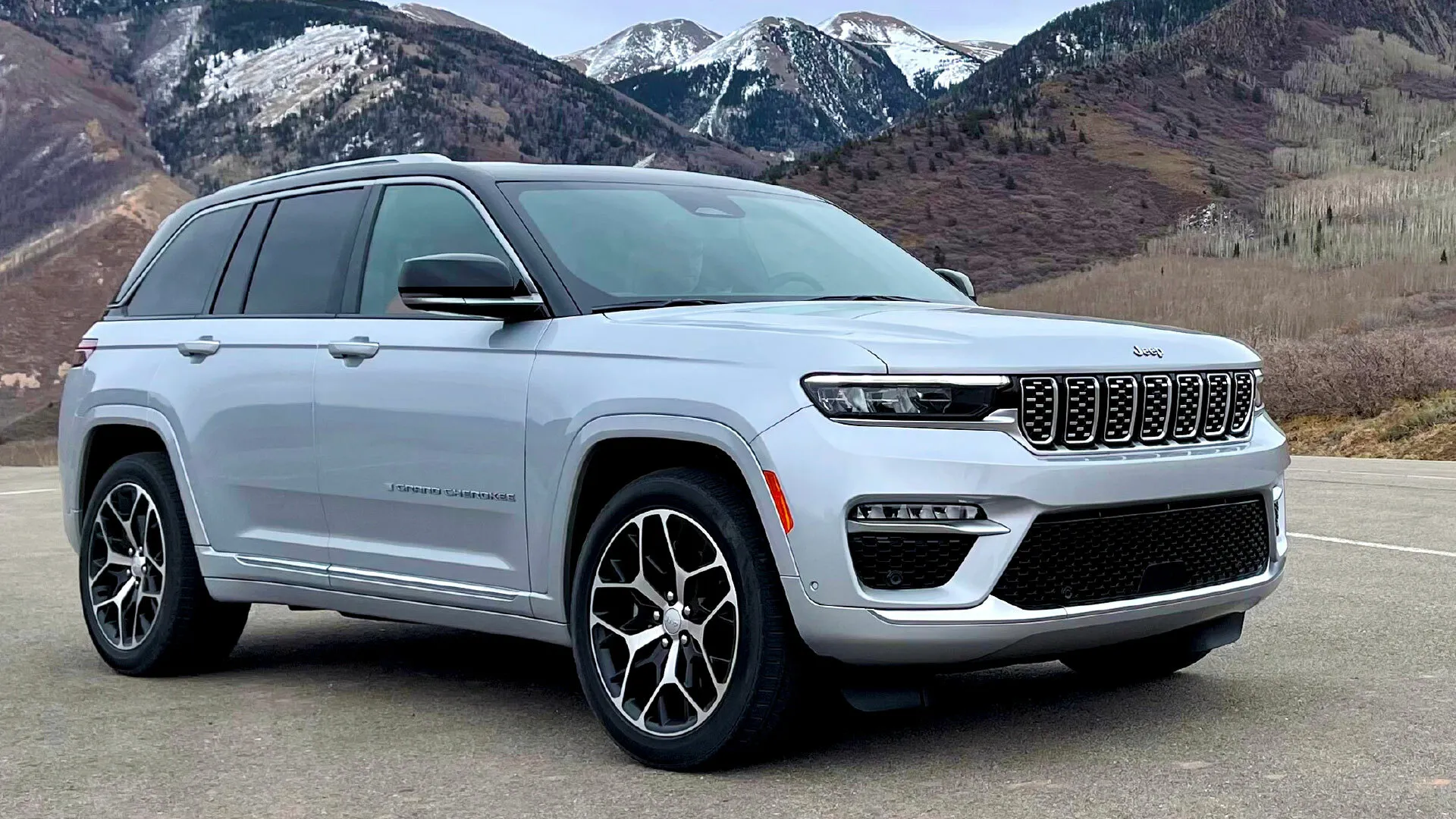
5. Jeep Grand Cherokee
The Jeep Grand Cherokee is renowned for off-road capability, which translates well into winter driving with snow tires. Its four-wheel-drive system is highly adaptable, providing power to the wheels with the most traction.
When snow tires are added, the Grand Cherokee handles icy roads with surprising precision, reducing sliding on steep hills or packed snow. Its higher ground clearance also allows it to navigate through deeper snow that would challenge smaller SUVs.
Braking performance is dramatically improved with snow tires on the Grand Cherokee. The tires’ specialized tread channels slush and water away from the contact patch, helping maintain grip during sudden stops.
Even on icy roads, the vehicle feels controlled and responsive, with less tendency to fishtail. Stability systems support this performance, ensuring that the SUV remains predictable during emergency braking.
Handling and maneuverability benefit from both the tires and the suspension. The Grand Cherokee’s suspension is robust, absorbing uneven surfaces while keeping the tires firmly planted.
This results in better control during cornering, whether on residential streets or mountain passes. The combination of tire technology and vehicle engineering reduces understeer and enhances confidence in unpredictable winter conditions.
Acceleration is steady and controlled, even on inclines. Snow tires prevent excessive wheel spin, allowing the Grand Cherokee to gain traction smoothly.
Drivers experience fewer instances of getting stuck in snow or losing momentum on slippery driveways. This ensures that both city driving and off-road winter excursions are safer and less stressful.
The interior and amenities further complement its winter capability. Heated seats, steering wheel, and multiple driver-assistance systems make winter journeys more comfortable and secure.
The cabin provides sufficient room to store snow gear and other winter essentials. Together, the Grand Cherokee’s engineering, snow tires, and driver-focused features make it an SUV that performs exceptionally well in snowy conditions.
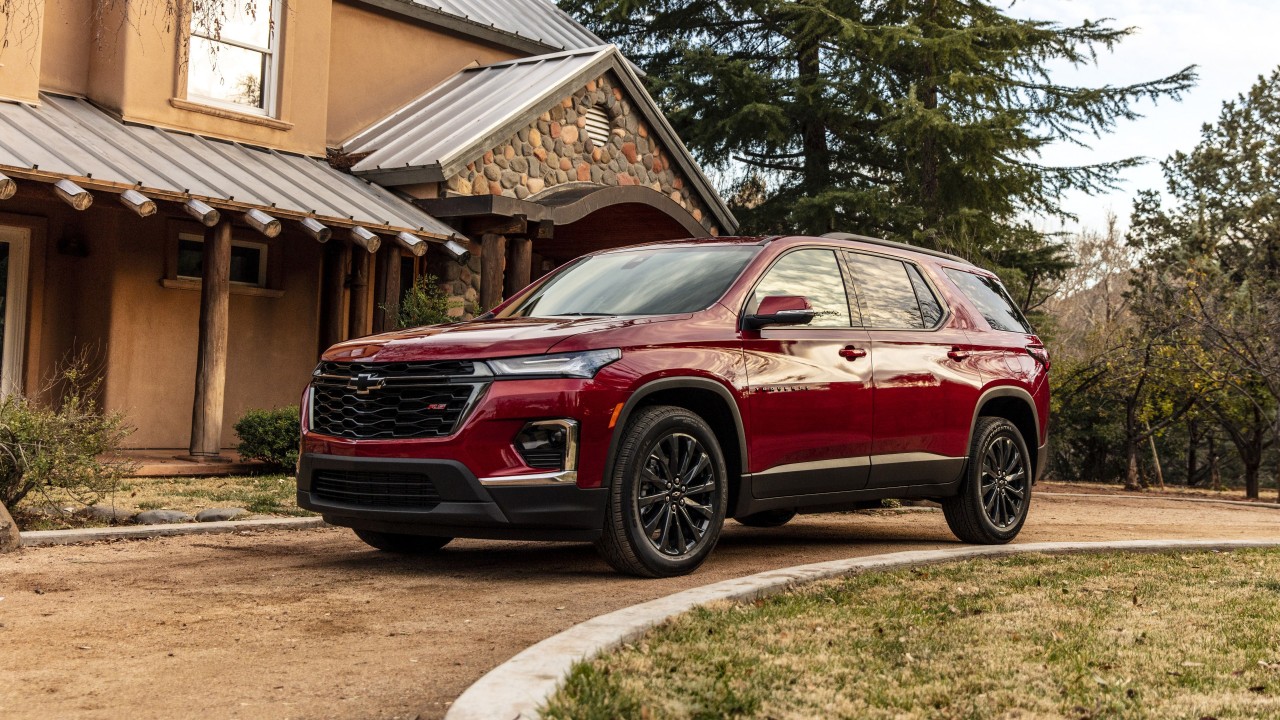
6. Chevrolet Traverse
The Chevrolet Traverse is a larger SUV that surprises many with its winter handling when equipped with snow tires. Its all-wheel-drive system manages power distribution effectively, providing stability on icy or snowy roads.
Snow tires significantly enhance braking and acceleration performance, reducing slippage on frozen surfaces. Despite its size, the Traverse maintains predictable handling and control, which is vital for family trips in winter weather.
Braking improvements are noticeable with the addition of snow tires. The vehicle decelerates more efficiently on packed snow and ice, helping drivers navigate intersections safely.
Suspension design ensures that tires maintain continuous contact with the road, minimizing the risk of sliding on uneven patches. This makes driving less stressful, especially during sudden stops or when descending hills.
Handling is more responsive than one might expect from a large SUV. Snow tires provide extra grip in corners, reducing the tendency for body roll or understeer.
Even when loaded with passengers or cargo, the Traverse feels stable and manageable on slick roads. Steering input is predictable, giving drivers confidence in varying winter conditions.
Acceleration is smoother and more controlled with snow tires. The tires prevent excessive wheel spin during takeoffs from snowy driveways or streets.
Torque is delivered evenly, allowing the Traverse to maintain momentum even in low-traction scenarios. This improves safety and makes long winter journeys more comfortable.
Finally, the Traverse offers winter-friendly features inside the cabin. Heated seats and steering wheel options, along with ample storage space, make it practical for extended trips.
Families can safely transport both passengers and winter gear without sacrificing comfort. Combined with its mechanical attributes and snow tires, the Traverse demonstrates unexpected competence in snowy conditions.
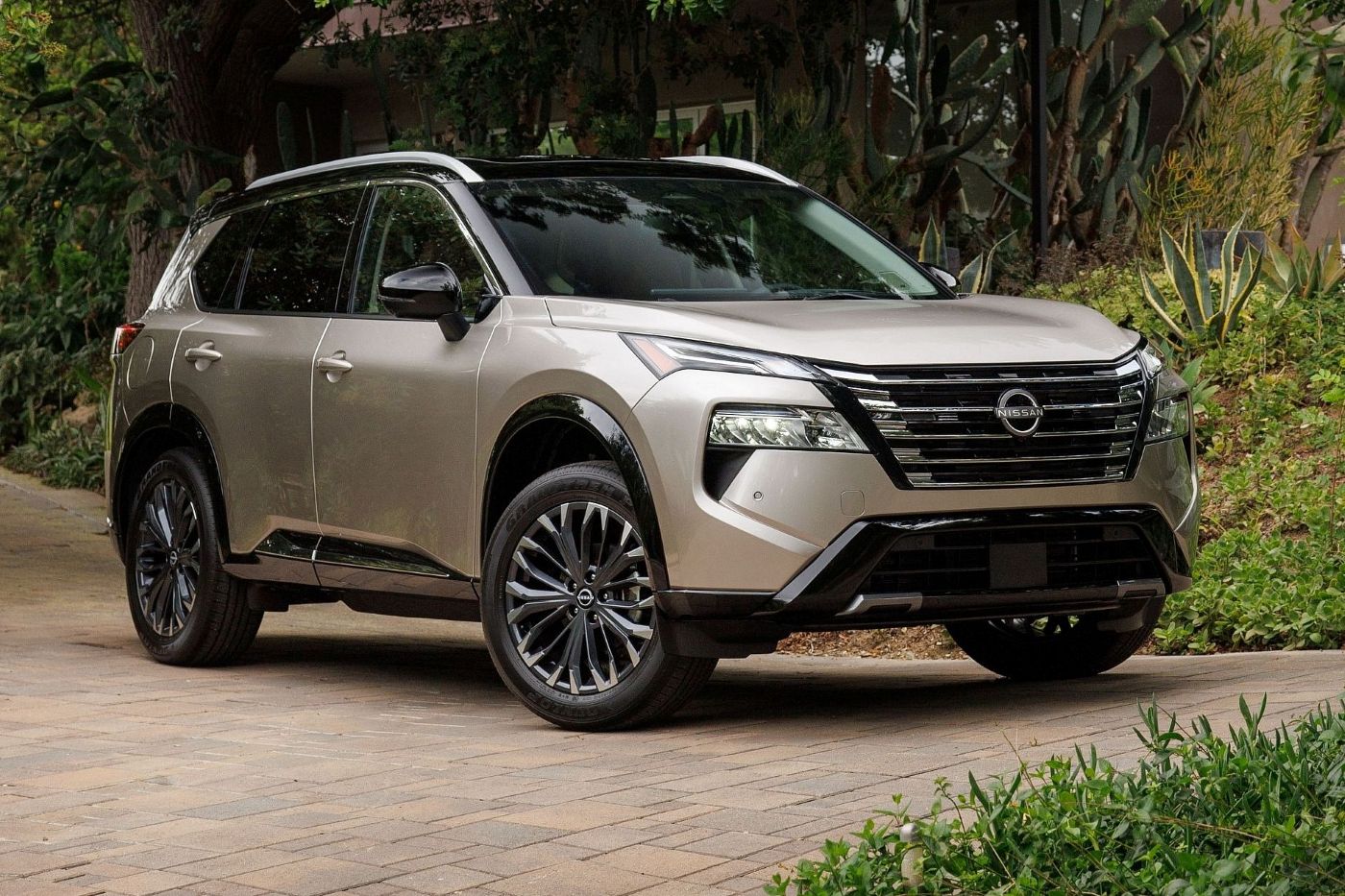
7. Nissan Rogue
The Nissan Rogue is a compact SUV that performs reliably with snow tires during winter months. Its all-wheel-drive system adapts torque delivery based on road conditions, maintaining traction on ice and snow.
Snow tires further improve braking and cornering performance, making it easier to navigate residential streets or winding roads. Even compact dimensions do not hinder its ability to handle challenging winter conditions.
Braking efficiency increases significantly with snow tires installed. Stopping distances are reduced, giving drivers more confidence at intersections and stoplights.
The Rogue’s suspension works to keep tires in contact with uneven or slippery surfaces. This combination ensures smoother control and less sliding on frozen or slushy roads.
Steering response is precise, even in deeper snow. The tires grip effectively during turns, preventing excessive understeer or oversteer. Electronic stability control enhances this by making minor corrections while still keeping the driver in command. As a result, urban and rural winter driving become more predictable and manageable.
The tires’ increased traction improves acceleration. Even when starting on inclines or snow-packed driveways, wheel spin is minimized. Torque delivery is consistent, maintaining momentum without compromising control. This makes the Rogue a dependable option for winter commuting or weekend excursions.
The interior also supports winter comfort and practicality. Heated seats, available heated steering wheel, and cargo space for winter gear make it ideal for seasonal needs. Combined with snow tires, the Rogue demonstrates that a compact SUV can be both safe and efficient in challenging winter conditions.
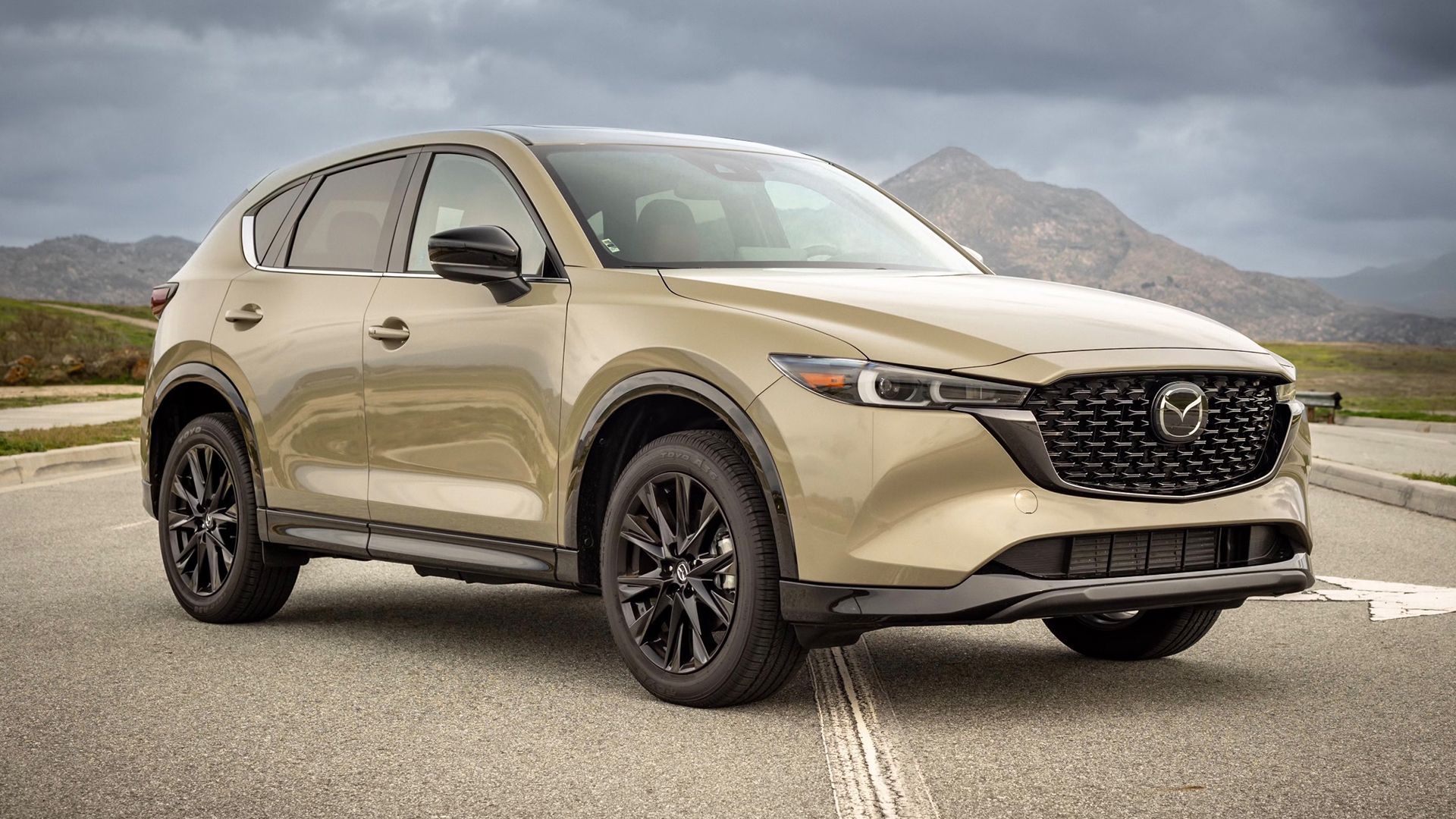
8. Mazda CX-5
The Mazda CX-5 is a compact crossover that handles winter roads with surprising confidence when equipped with snow tires. Its all-wheel-drive system distributes torque efficiently, allowing the vehicle to maintain traction on ice or packed snow.
Snow tires enhance cornering stability and braking performance, making daily commutes in winter safer and more predictable. Despite its smaller size, the CX-5 feels planted and controlled, reducing the anxiety often associated with slippery conditions.
Braking performance improves noticeably with the addition of snow tires. The tires’ deep tread patterns and flexible rubber compound maintain grip during sudden stops on icy streets.
Even minor slopes or uneven patches of snow do not compromise the vehicle’s ability to decelerate smoothly. Drivers appreciate the enhanced control, especially when approaching intersections or making emergency stops.
Handling in winter is another area where the CX-5 excels. Snow tires improve lateral grip during turns, minimizing understeer or oversteer tendencies common in compact SUVs. The suspension absorbs bumps and uneven ice patches while keeping the tires in constant contact with the road. This combination allows for precise maneuvering in both urban and rural winter environments.
Acceleration from a stop is smoother with snow tires installed. The CX-5 can climb slight inclines and navigate snowy driveways without excessive wheel spin.
Torque is transferred effectively to the wheels with the most traction, ensuring consistent forward momentum. This helps drivers maintain confidence in challenging winter conditions, reducing the risk of getting stuck.
Finally, the interior complements the CX-5’s winter capabilities. Heated seats and available heated steering wheel add comfort on cold mornings.
Ample cargo space allows storage of snow gear, boots, or emergency supplies. Combined with snow tires and intelligent all-wheel-drive, the Mazda CX-5 proves itself as a surprisingly capable winter SUV despite its compact size.
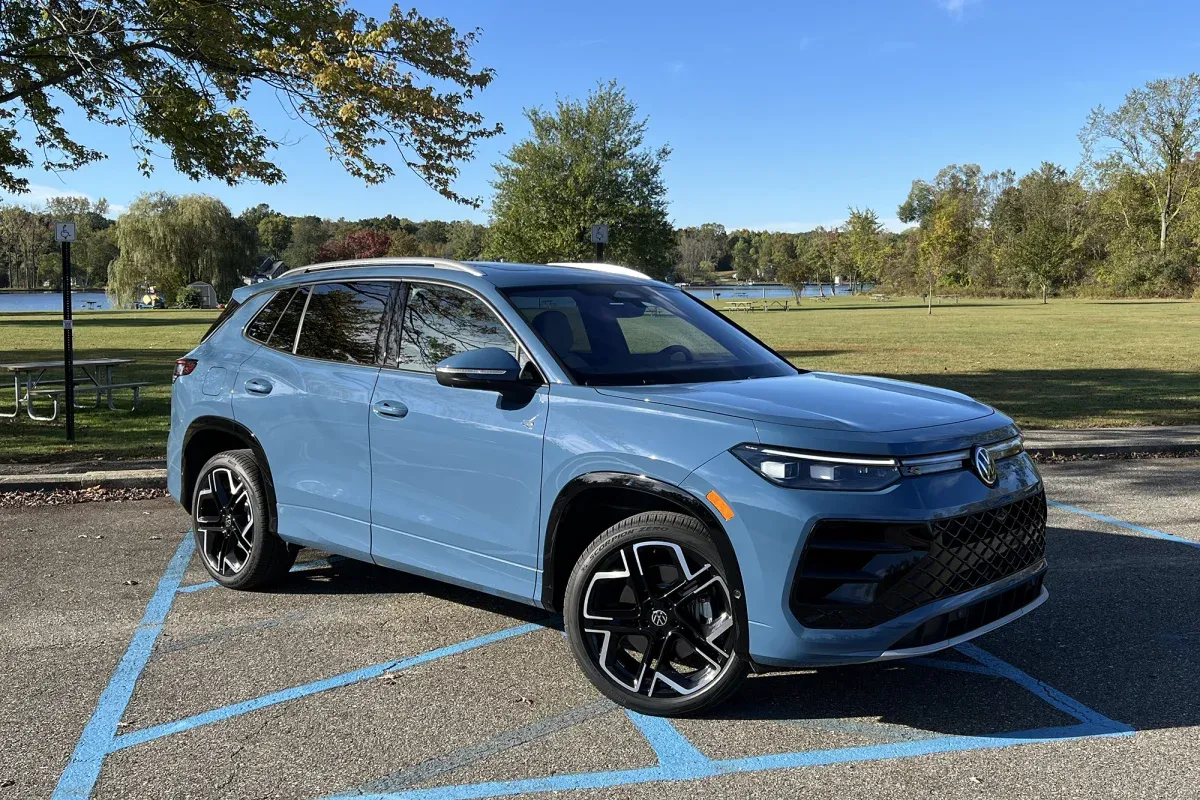
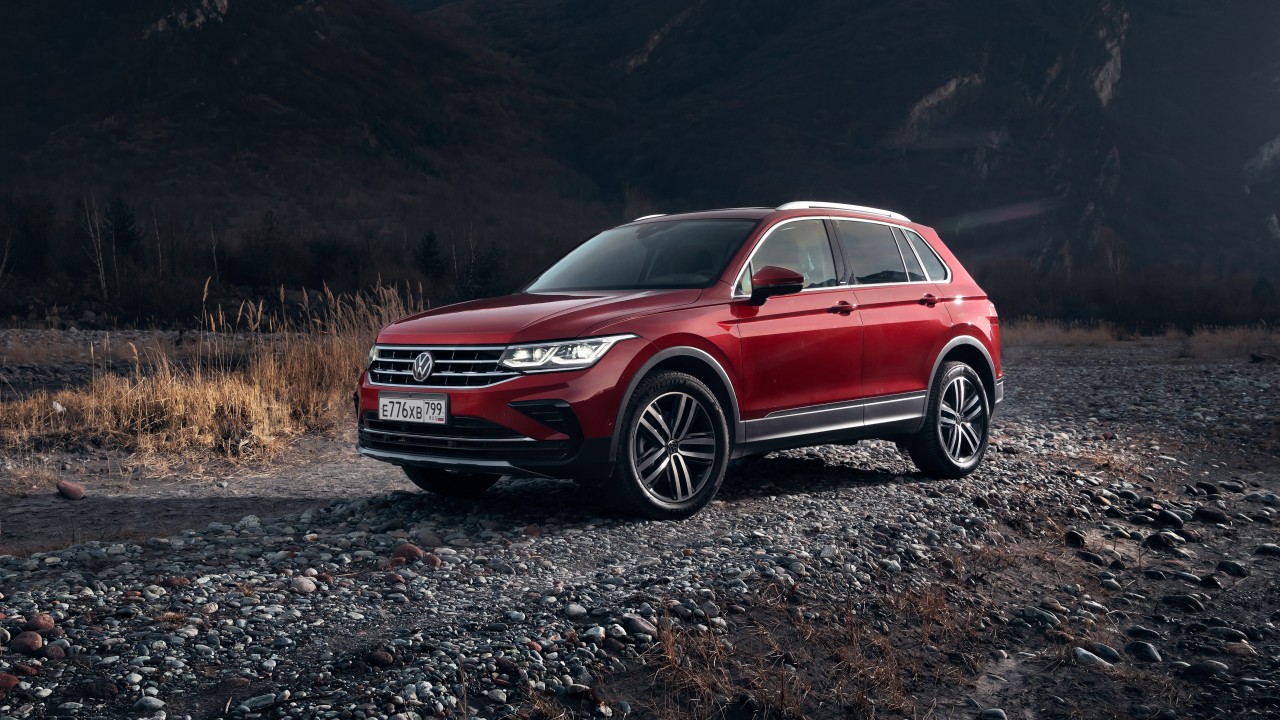
9. Volkswagen Tiguan
The Volkswagen Tiguan is a mid-sized SUV that performs impressively on snow tires, making it a practical choice for winter driving. Its 4Motion all-wheel-drive system automatically distributes power to maintain stability on slippery roads.
When paired with snow tires, the Tiguan gains improved grip, allowing for shorter stopping distances and better control in snow or ice. The combination of intelligent drivetrain and specialized tires makes even moderately challenging winter roads feel manageable.
Snow tires significantly enhance braking performance for the Tiguan. The flexible compound and aggressive tread pattern help maintain contact with icy surfaces.
Drivers can stop more confidently at intersections, reducing the risk of sliding into cross traffic. The suspension system absorbs small bumps and uneven terrain while keeping tires firmly on the road.
Handling in turns is more precise with snow tires. The tires reduce understeer and allow the Tiguan to respond accurately to driver input.
Stability control further supports predictable cornering, giving drivers confidence on winding roads during winter conditions. Even when navigating snow-covered suburban streets or light backcountry roads, the Tiguan maintains a controlled and responsive feel.
Acceleration is smoother, particularly on uphill streets or slushy driveways. Snow tires prevent wheel spin and help maintain forward momentum.
The all-wheel-drive system complements this by transferring torque efficiently to the wheels with traction. Drivers notice a more composed and confident driving experience when tackling winter challenges.
The Tiguan’s interior and features support winter driving practicality. Heated front seats, heated steering wheel, and sufficient cargo space make transporting winter gear easier.
The cabin maintains comfort during cold conditions, while the vehicle’s mechanical setup keeps the driver in control. With snow tires, the Volkswagen Tiguan demonstrates that a mid-sized SUV can handle winter conditions with both safety and composure.
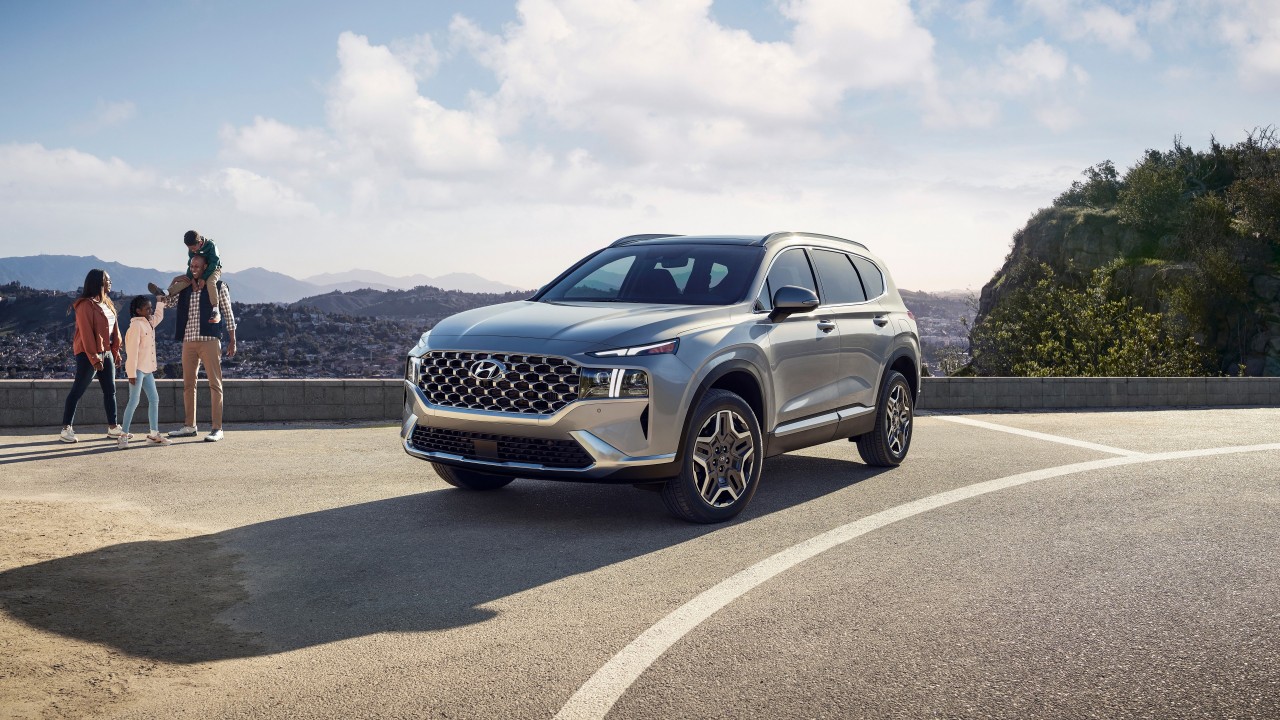
10. Hyundai Santa Fe
The Hyundai Santa Fe is a versatile SUV that surprises drivers with its winter performance when equipped with snow tires. Its all-wheel-drive system enhances traction on slippery roads, making snowy commutes less stressful.
Snow tires amplify this capability by improving braking, cornering, and acceleration on ice or packed snow. The Santa Fe’s design allows it to remain stable and predictable in a variety of winter conditions.
Braking efficiency improves considerably with snow tires. The tires’ specialized tread channels water and slush away, maintaining grip during sudden stops.
Combined with anti-lock brakes, this allows for confident deceleration even on untreated streets. The suspension keeps the tires in constant contact with the road, improving control in winter driving scenarios.
Handling is responsive and precise with snow tires. The Santa Fe can navigate turns on icy or snow-packed roads without excessive understeer.
Stability systems work in concert with the tires to ensure predictable vehicle behavior during sharp maneuvers. Drivers benefit from enhanced confidence in both city streets and rural routes during winter months.
Acceleration is controlled and steady with snow tires installed. The vehicle can climb inclines, accelerate from stoplights, and maintain momentum through slush or ice without excessive wheel spin.
Torque delivery is smooth, allowing the Santa Fe to perform efficiently in low-traction conditions. This reliability reduces driver stress and ensures a safer winter driving experience.
Finally, the Santa Fe offers an interior designed for comfort and practicality during winter. Heated seats, heated steering wheel, and ample cargo capacity make it easier to handle seasonal demands.
Snow tires complement these features, allowing the SUV to perform safely and reliably in challenging winter conditions. The Hyundai Santa Fe is a strong example of how snow tires can unlock an SUV’s full potential in winter weather.