In modern vehicles, cabin storage plays a crucial role in daily usability, especially for families, commuters, and those who frequently travel with gear. Some vehicles combine design, comfort, and clever storage solutions, providing deep consoles, flexible seating, and hidden compartments that make organizing items easy.
Other vehicles prioritize style, minimalism, or driver-focused layouts at the expense of practicality, forcing owners to compromise on how much they can carry or rely on aftermarket organizers.
This article compares five vehicles that excel in practical cabin storage, including versatile SUVs, EVs, and family-friendly minivans, with five vehicles that fall short, such as stylish sedans, rugged pickups, and driver-oriented SUVs. By examining their interior layouts, cargo solutions, and design philosophies, this guide highlights the impact of thoughtful storage design and shows which vehicles make daily life easier.
5 Vehicles With Practical Cabin Storage
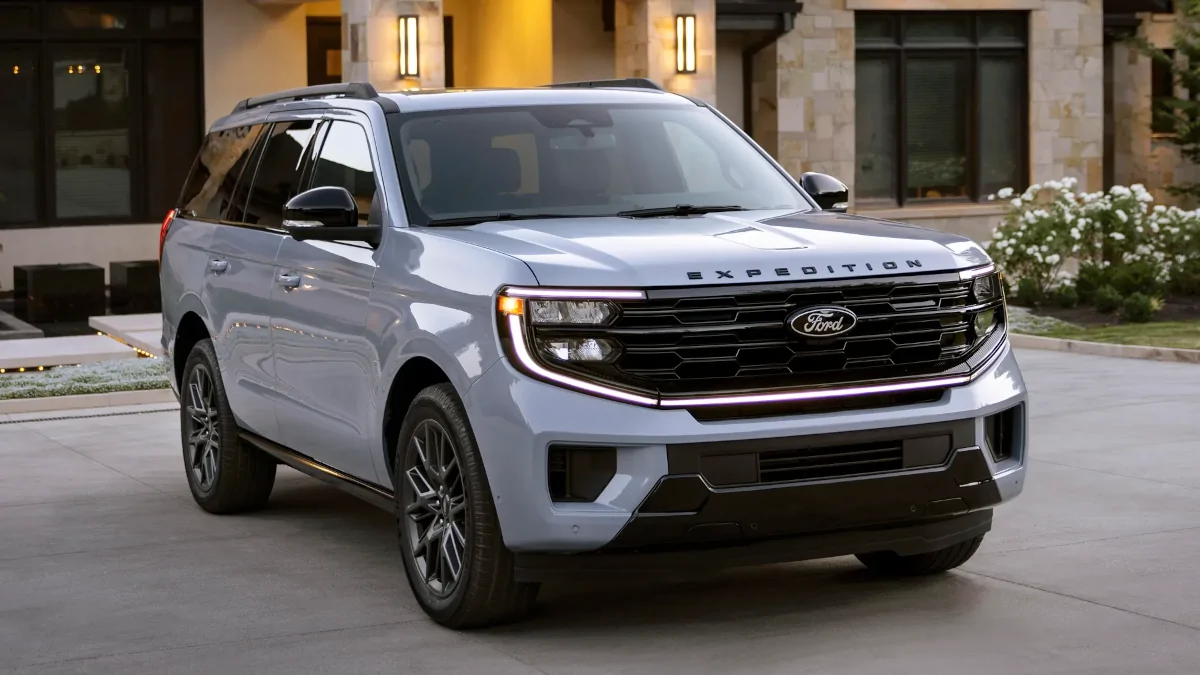
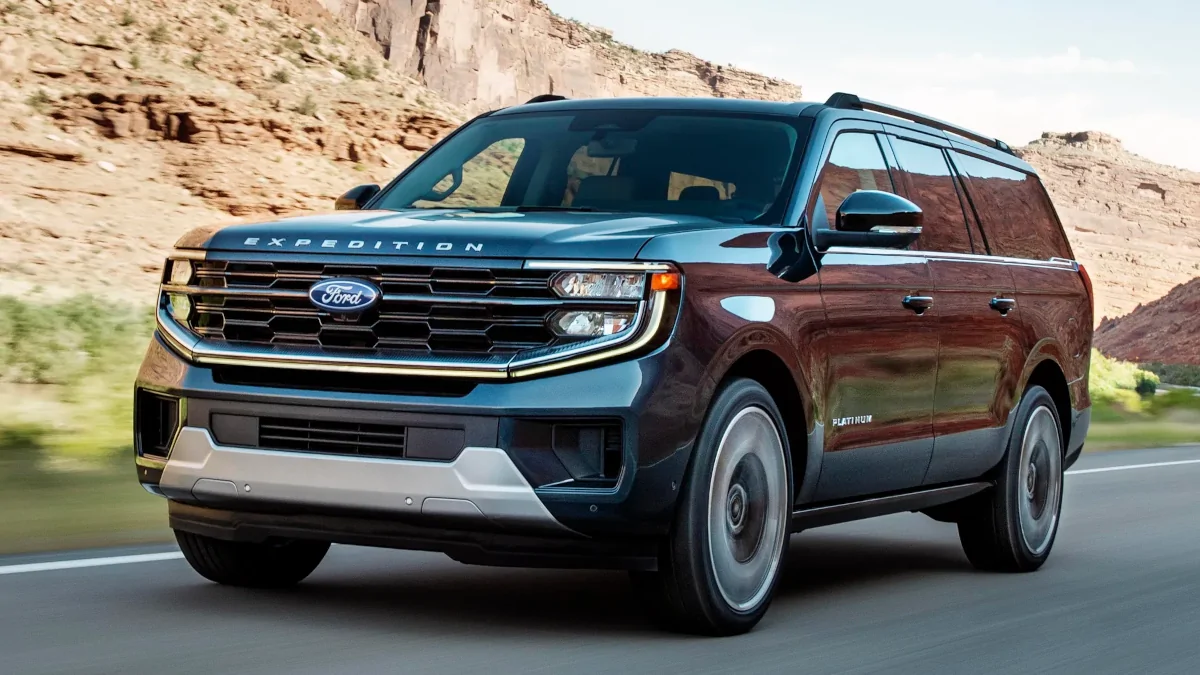
1. Ford Expedition 2025: Spacious, Versatile SUV with Family-Focused Storage
The 2025 Ford Expedition is a large SUV engineered for maximum utility and family versatility. Its cabin features a new motorized sliding center console, the Flex Powered Console, which allows items in the front bin to be accessed by second-row passengers, enhancing flexibility and convenience.
Cargo capacity is immense, with the standard Expedition offering 108.5 cubic feet and the long-wheelbase Max trim reaching up to 123.1 cubic feet. The third row folds flat to provide a level load floor, and the second row can also fold or be configured as captain’s chairs, allowing the transport of long items while still seating multiple passengers.
The Expedition incorporates numerous intelligent storage features. A hidden rear-floor compartment provides space for tools, emergency gear, or smaller items, keeping the main cargo area uncluttered. The split-gate tailgate offers versatile access, functioning as both a loading platform and a rear seat.
Additional small-item storage includes multiple bins, trays, and cubbies throughout the cabin, including a second glovebox. Convenience technology, such as the Open-on-Approach tailgate, automatically opens when the key fob is detected, simplifying loading.
Under the hood, the Expedition is powered by a twin-turbocharged 3.5-liter V-6 paired with a 10-speed automatic transmission. The standard engine produces 400 horsepower, with an available 440-horsepower version in higher trims. Rear- or four-wheel drive is standard, and all models use independent rear suspension.
The off-road-focused Tremor trim adds a raised suspension, underbody skid plates, 33-inch all-terrain tires, and advanced features like Rock Crawl mode, Trail Turn Assist, and hill-descent cruise control.
Performance testing shows the Expedition Max with the 440-horsepower engine can reach 60 mph in 4.9 seconds, impressive for a vehicle weighing nearly six thousand pounds. Towing capacity ranges from 9,000 to 9,600 pounds, depending on the model. Fuel economy is estimated at 16 mpg city and 24 mpg highway for rear-wheel drive, slightly lower for four-wheel-drive models.
The cabin combines spaciousness with premium trim, particularly on Platinum models, which feature leather upholstery and massaging front seats. Infotainment is delivered through a large 24-inch display and a secondary driver-focused screen running Google software with wireless Apple CarPlay, Android Auto, and onboard Wi-Fi.
Safety and driver-assistance features include forward-collision warning, automated emergency braking, lane-keeping assist, and the optional BlueCruise hands-free driving system. Ford provides a three-year/36,000-mile limited warranty and a five-year/60,000-mile powertrain warranty.
The 2025 Ford Expedition excels as a family-oriented SUV with expansive cargo capacity, versatile seating, and practical storage solutions, though its handling is less precise on narrow roads.
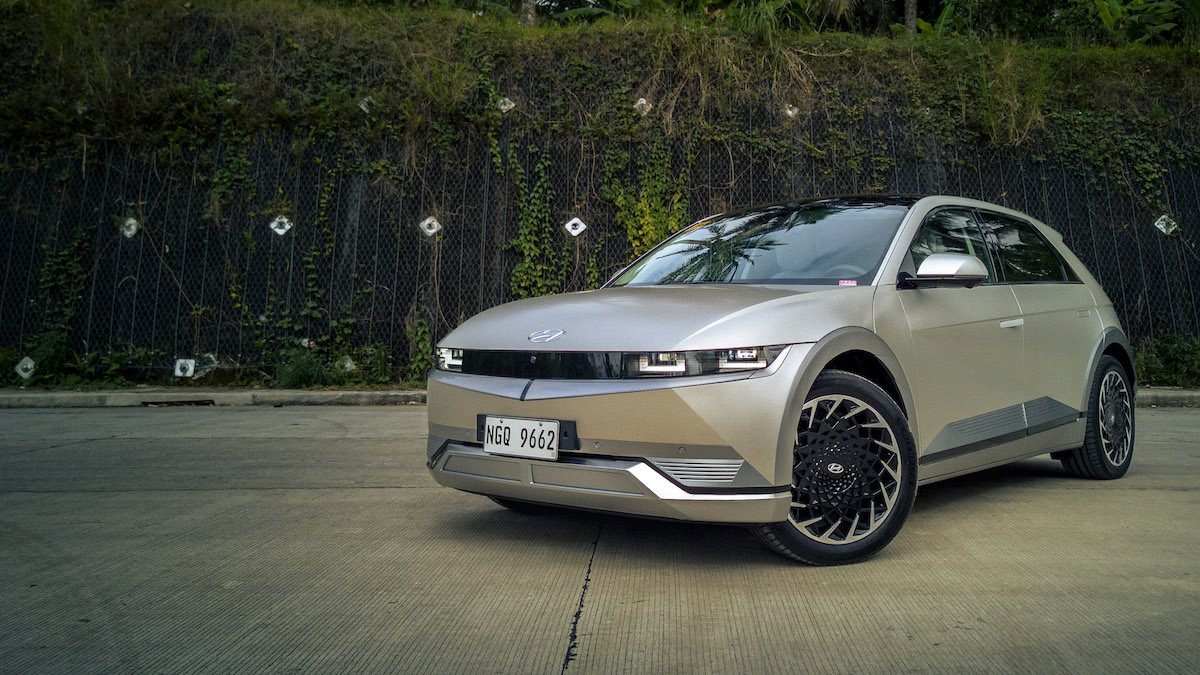
2. Hyundai Ioniq 5: Spacious, Practical, and High-Performing EV
The Hyundai Ioniq 5 has been widely praised for leveraging its dedicated electric vehicle (EV) platform to deliver exceptional interior space and practical storage solutions. Its flat floor and 3-meter wheelbase create a “lounge-like” cabin with ample legroom, while the innovative sliding “Universal Island” center console moves forward or back to accommodate larger items and improve accessibility for rear passengers.
Additional storage features include a drawer-style glovebox, large door pockets, multiple water bottle holders, and a small frunk (front trunk) on rear-wheel-drive models. The main cargo area offers 520 liters of space, expandable to over 1,500 liters with the rear seats folded, making it highly versatile for family trips or long hauls.
Under the hood, the Ioniq 5 offers multiple powertrain options: a 168-hp single motor with the standard-range battery, a 225-hp single motor with the long-range battery, and a 320-hp dual-motor all-wheel-drive (AWD) version.
The rear-wheel-drive models deliver a smooth, balanced ride, while the off-road-focused XRT trim benefits from taller tires and additional suspension travel. Performance is strong, with AWD variants reaching 0–60 mph in 4.4–4.5 seconds, slightly faster than competitors such as the Volkswagen ID.4 Pro S AWD. The maximum towing capacity is 2,700 pounds, recommended only with the AWD XRT trim.
Range and charging are equally impressive. The standard 63.0-kWh battery provides an EPA-estimated 245 miles, while the larger 84.0-kWh battery delivers up to 318 miles in rear-wheel-drive trim.
Dual-motor AWD models achieved 200–210 miles in real-world highway tests. DC fast-charging allows the battery to recharge from 10–80% in roughly 20 minutes, with about 68 miles added in five minutes. Efficiency ranges from 103–131 MPGe depending on the model and conditions.
Inside, the Ioniq 5 features sustainable materials, a flat floor, and comfortable seating for three adults in the rear. Technology includes dual 12.3-inch screens, wireless Apple CarPlay and Android Auto, multiple USB ports, and optional premium audio.
Safety features are comprehensive, with standard adaptive cruise control, lane-keeping assist, and automated emergency braking, plus optional blind-spot monitoring and surround-view cameras.
Hyundai supports the vehicle with a four-year/60,000-mile limited warranty, a four-year/70,000-mile powertrain warranty, and three years/45,000 miles of complimentary maintenance, making the Ioniq 5 a highly practical, comfortable, and reliable EV choice.
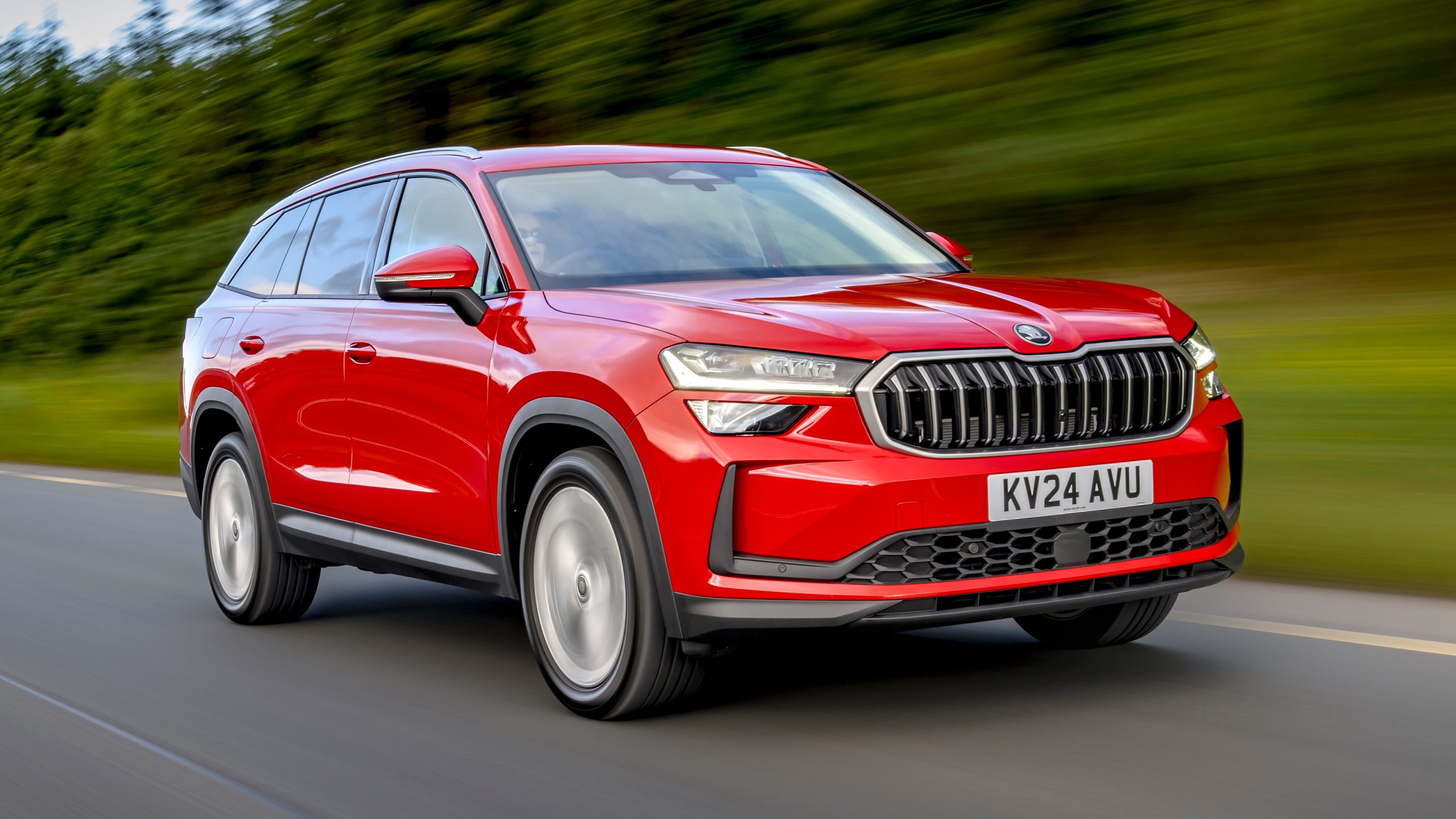
3. Skoda Kodiaq: Practical, Spacious, and Family-Friendly SUV
The Skoda Kodiaq exemplifies the brand’s “Simply Clever” philosophy, offering an interior packed with practical features designed for families. Storage is a core strength, with dual gloveboxes, large felt-lined door bins capable of holding oversized bottles, numerous cupholders, and specialized compartments for umbrellas, ice scrapers, and parking tickets.
Clever additions include a trash bin in the door panel, a small drawer beside the steering wheel, a tray in front of the gear lever for phones, and ventilated wireless charging pads.
These thoughtful touches, combined with flexible seating and a seven-seat layout, make the Kodiaq highly adaptable. With the second-row seats folded, cargo capacity ranges from 910 to 2,105 liters, supported by hooks, nets, and a hidden compartment in the boot.
Now in its second generation, the Kodiaq retains the strong fundamentals of the first-generation model that won praise for quality, sharp dynamics, and practicality at an affordable price. While the exterior design remains familiar, subtle updates include a bold front lighting strip, new rear lights, silver rear pillars, and new paint options like Bronx Gold, giving it a fresh but recognizable look.
The interior has also been modernized, with a more open center console replacing the traditional gear lever, a 13-inch central display, 10-inch digital instruments, and a row of “smart dials” to control volume, driving modes, and climate settings. Despite these updates, Skoda has preserved its hallmark pragmatism with abundant cubbyholes, deep door bins, and storage solutions to prevent items from rattling.
Under the hood, the Kodiaq offers petrol, diesel, and plug-in hybrid (PHEV) powertrains, all with four-cylinder engines and DSG automatic transmissions. Petrol options include a 148bhp 1.5-litre mild-hybrid and a 201bhp 2.0-litre AWD variant, while diesel choices range from 148bhp front-wheel-drive to 190bhp AWD.
The PHEV combines the 1.5-litre engine with a 25.7kWh battery and an electric motor for 201bhp, offering 50–60 miles of real-world electric range and fast-charging capabilities. Top-of-the-line Kodiaq vRS delivers 262bhp while retaining seven-seat practicality.
Priced from £38,140 for the base five-seat model, the Kodiaq is closely aligned with the VW Tiguan in cost but often provides simpler trim levels, more standard equipment, and a family-focused design.
It balances interior space, driving comfort, and practicality, offering a high seating position without feeling bulky and a boot large enough for everyday use or long trips. With its blend of clever storage, updated technology, and optional electrified powertrains, the Kodiaq remains a standout in the midsize SUV segment.
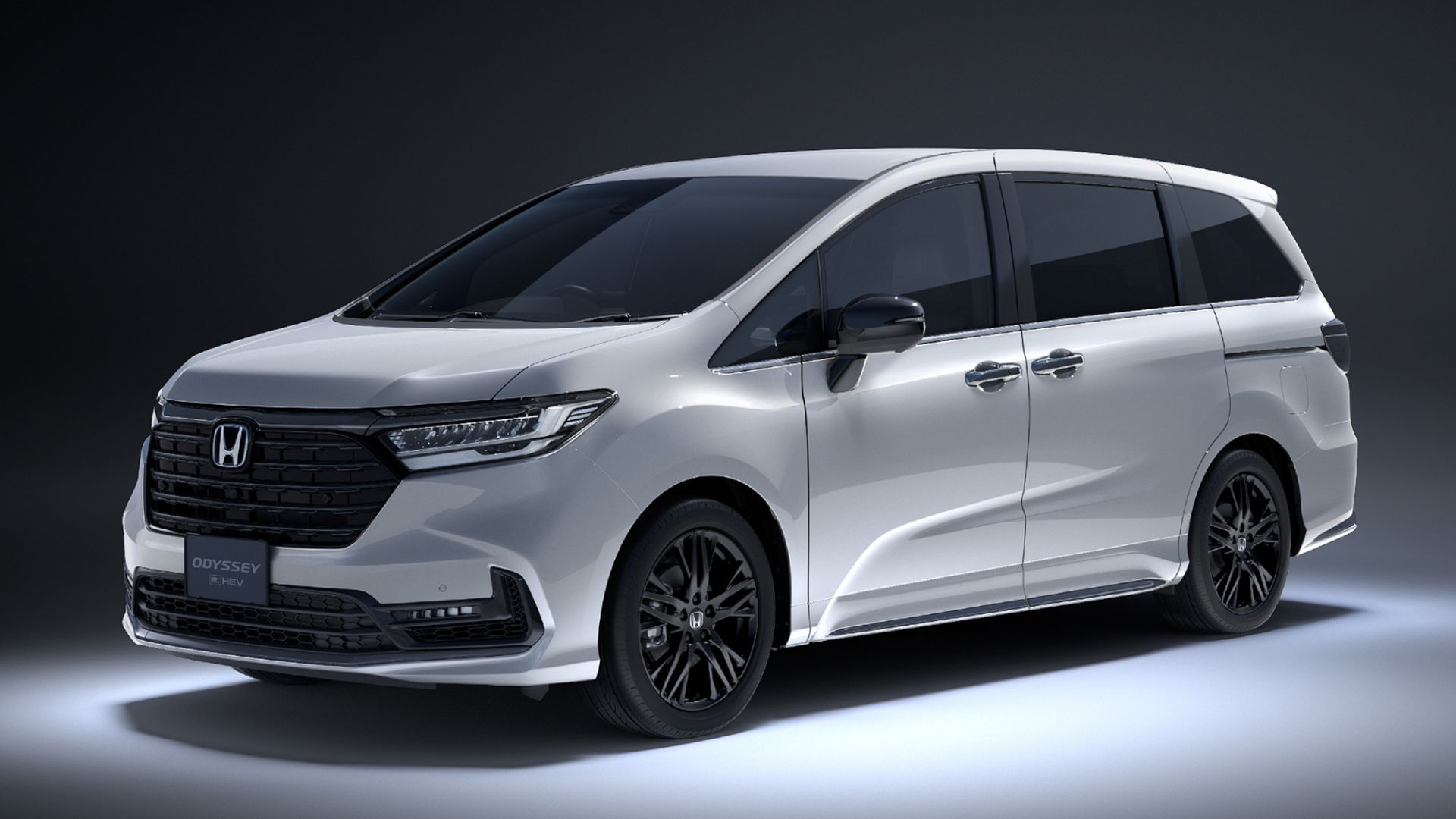
4. Honda Odyssey: The Family-Friendly Minivan with Smart Storage
The Honda Odyssey stands out as one of the most practical minivans on the market, offering a cabin designed for family versatility and exceptional cargo management. Its standout feature is the Magic Slide® second-row seats, which can be adjusted laterally for easy access to the third row, or removed entirely to create a flat cargo floor.
Combined with the 60/40 split-folding third-row Magic Seats® and deep underfloor compartments, the Odyssey delivers up to 158 cubic feet of total cargo space, making it ideal for long trips, large families, or bulky loads.
Additional storage includes a highly configurable center console, numerous cupholders, USB ports, grocery bag hooks, and even an available HondaVAC® for quick cleanups. A hands-free power tailgate enhances usability, allowing convenient loading and unloading when hands are full.
Under the hood, the Odyssey features a 280-hp 3.5-liter V-6 engine paired with a 10-speed automatic transmission and front-wheel drive. This setup provides responsive performance for a minivan of its size, allowing the Odyssey to reach 60 mph in 6.4 seconds, making it one of the quickest minivans on the market.
The suspension and steering balance comfort with agility, ensuring the Odyssey handles confidently without feeling bulky, even on twisty roads. Towing capacity is 3,500 pounds when properly equipped, with a dealer-installed tow hitch available for all trims.
Fuel economy is rated at 19 mpg city and 28 mpg highway, matching real-world highway results in testing. Interior comfort is a priority: the high driving position improves visibility, while seating for eight is supported by configurable second-row Magic Slide seats that allow captain’s-chair setups or easy passage to the third row.
The third row is among the roomiest in the segment and folds flat into the cargo well for additional space, creating a nearly flat load floor. With all seats folded or removed, the Odyssey can fit 57 carry-on suitcases, surpassing many competitors.
Technology in the cabin includes a 9-inch touchscreen, wireless Apple CarPlay and Android Auto, wireless charging, Honda’s CabinTalk PA system, and optional rear-seat entertainment with a 12.8-inch streaming-capable display.
Safety features are comprehensive, including adaptive cruise control, lane-keeping assist, blind-spot monitoring, and automated emergency braking. Warranty coverage includes three years/36,000 miles for the limited warranty and five years/60,000 miles for the powertrain, with one year of complimentary maintenance.
The Honda Odyssey combines family-focused utility, configurable seating, smart storage solutions, and competent performance, making it one of the most practical and versatile minivans available today.
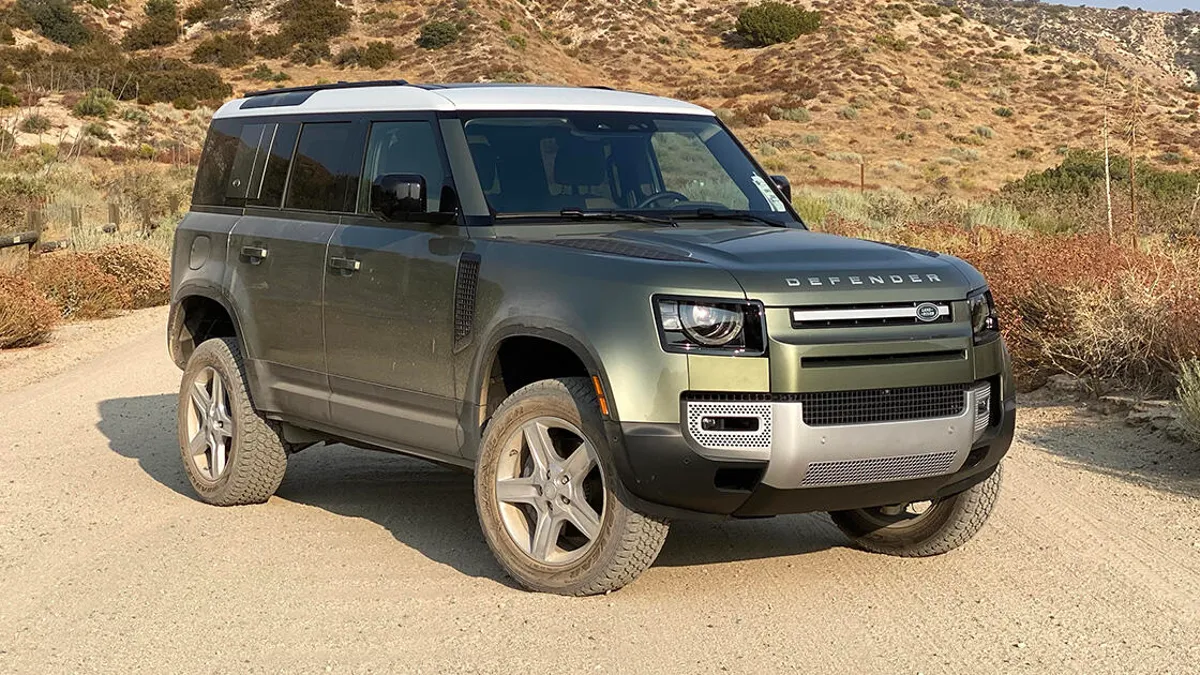
5. Land Rover Defender 110: Rugged Capability Meets Practical Interior
The Land Rover Defender 110 blends legendary off-road capability with a surprisingly functional and practical interior. Designed for both daily usability and adventure, the cabin features a full-length dashboard shelf for phones, wallets, or tablets, a deep center console (with optional refrigeration), and large door pockets that can easily store gear.
Small-item solutions include a lower console shelf, optional front-row jump seats, and multiple USB, 12-volt, and 120-volt outlets, emphasizing convenience for long trips and rugged use. The interior also incorporates a structural magnesium cross-car beam, combining strength with extra storage opportunities.
Durable materials, such as all-rubber floor coverings, allow the cabin to withstand heavy-duty use, from muddy boots to camping gear. Cargo capacity is generous: the 110-inch wheelbase model provides up to 2,233 liters of space when rear seats are folded flat, while longer 130 models offer additional room when the third row is stowed.
The Defender 110 is available with a variety of powertrains to suit different needs. The standard engine is a 296-hp 2.0-liter turbocharged four-cylinder paired with an eight-speed automatic and standard four-wheel drive.
An available 395-hp 3.0-liter inline-six adds an electric supercharger, turbocharging, and a 48-volt hybrid system, while the 518-hp supercharged V-8 and 626-hp twin-turbo V-8 (Octa flagship) provide extreme performance. Acceleration ranges from 6.2 seconds to 60 mph in the six-cylinder models, down to an estimated sub-4-second 0–60 mph for the top V-8 variant.
The Defender rides on a unibody platform with independent suspension, coil springs standard, and optional air suspension for adjustable ride height. It offers 11.5 inches of ground clearance and can ford through 35 inches of water, surpassing competitors like the Jeep Wrangler.
Fuel economy varies by engine, with four- and six-cylinder models achieving 17–18 mpg city and 21–23 mpg highway, while V-8 models drop to 14–15 mpg city and 18–19 mpg highway.
Interior comfort balances ruggedness with refinement, featuring a 13.1-inch Pivi Pro touchscreen, Apple CarPlay, Android Auto, optional Meridian stereo systems, a digital gauge cluster, and a head-up display. Cargo management is flexible, though third-row use limits available space.
Standard safety technology includes automated emergency braking, pedestrian detection, lane-departure warning, and lane-keeping assist, with optional adaptive cruise control. Warranty coverage mirrors other Land Rover models: four years or 50,000 miles for both limited and powertrain warranties, though no complimentary maintenance is included.
The Defender 110 delivers a rare combination of extreme off-road prowess, premium design, and thoughtfully practical interior storage, making it a versatile SUV for both adventure and everyday life.
Also Read: 5 Cars With Comfortable Rear Seats vs 5 That Don’t
5 That Lack It
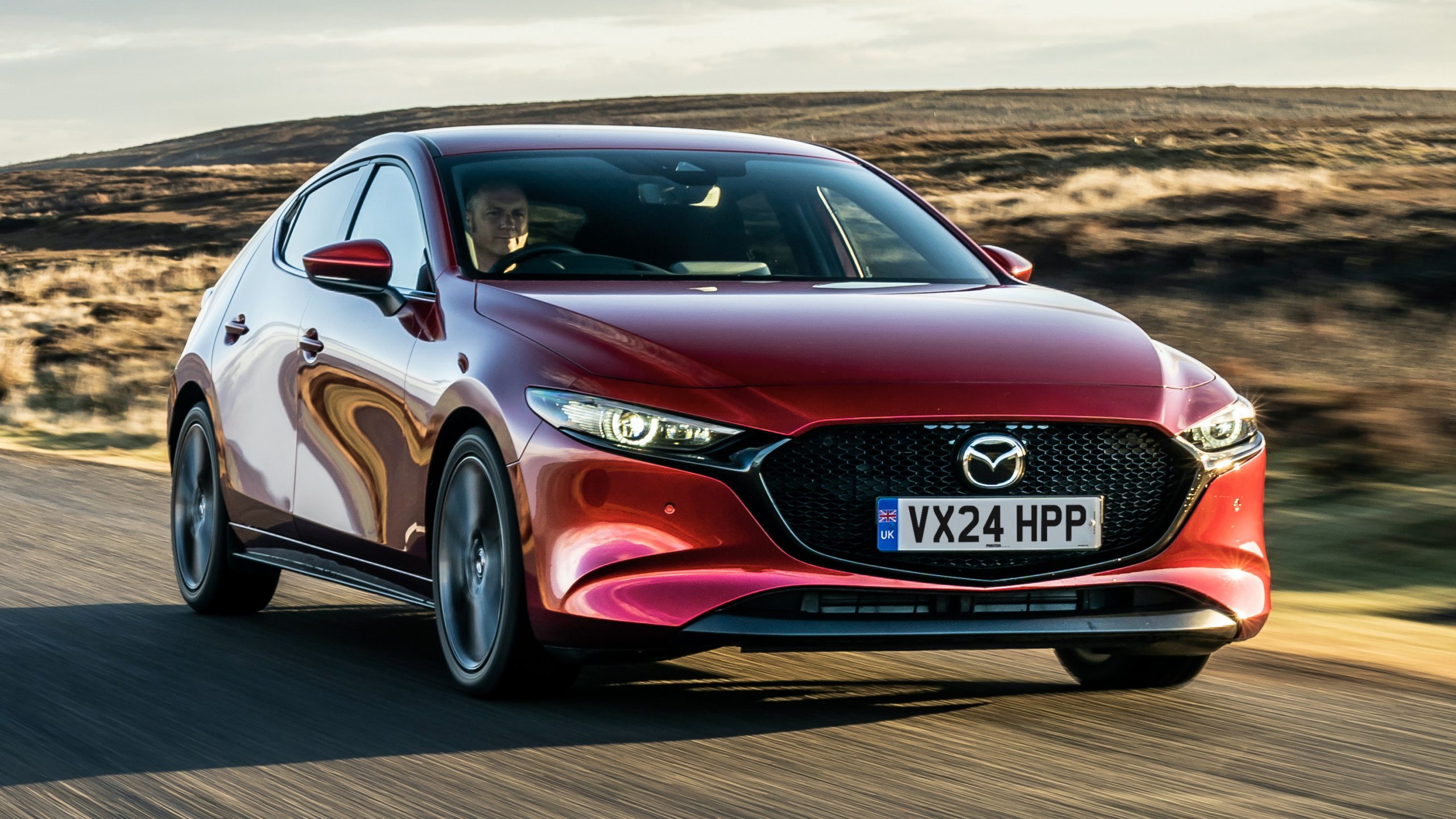
1. Mazda3: Stylish but Compromised Cabin Practicality
The Mazda3 is widely praised for its premium, driver-focused interior, often compared to luxury brands like Audi. Its “Kodo” design language creates a sleek silhouette and a long hood, giving the car a striking look.
However, this aesthetic-first approach comes at the cost of cabin space and practical usability. Consumer Reports consistently ranks Mazda low in cabin-space satisfaction, and reviewers note that storage solutions are limited for a compact car.
The center console and cockpit-style interior prioritize the driver, leaving little room for open storage. The armrest cubby uses a multi-step slide-and-lift mechanism to maintain a clean look, but it is cumbersome in daily use.
Cupholders are placed far forward to avoid interfering with the gear shifter, but this eliminates space for larger, versatile bins found in competitors. On models with wireless charging, the charging pad occupies the bottom of the cubby or front cupholder area, reducing the few available storage spots and making it difficult to store other small items like sunglasses or keys without interference.
Passenger comfort and cargo practicality are also compromised. Rear-seat passengers experience limited legroom, small door pockets, and, in some trims, no rear air vents or USB ports. The hatchback offers 351 liters of cargo space, smaller than most rivals, with no underfloor storage, bag hooks, or tie-down points. The sedan provides slightly more room at 444 liters, but a narrow trunk opening restricts loading larger items.
While the Mazda3 delivers a refined, stylish interior with excellent driver ergonomics, its compact design and focus on aesthetics hinder everyday practicality.
Limited storage, tight rear accommodations, and a small cargo area make it less suitable for families or those who prioritize functional space over premium styling. The Mazda3 remains a compelling choice for drivers who value design and driving feel but falls short as a practical compact vehicle.
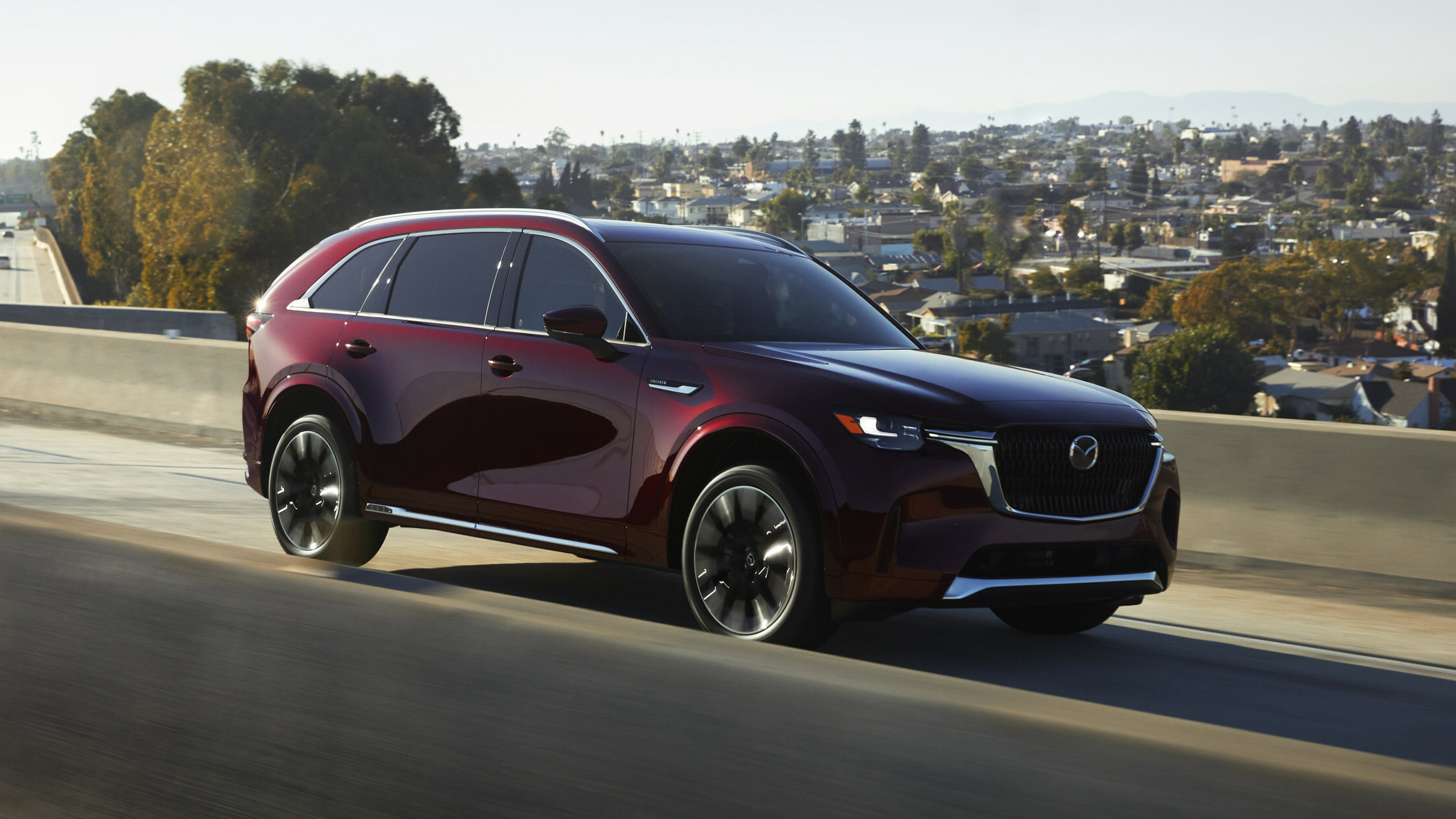
2. Mazda CX-90: Driver-Focused Luxury at the Expense of Practicality
The Mazda CX-90 is a three-row SUV that emphasizes driving dynamics and upscale design, but this focus comes at the cost of cabin and cargo practicality. Built on Mazda’s “Large Platform” architecture, the SUV prioritizes a premium, driver-centric experience over maximizing interior volume.
Critics note that much of the center console space is sacrificed to infotainment controls, leaving small, shallow bins and narrow cupholders that struggle to accommodate everyday items.
Front cup holders, for instance, often cannot fit standard 32-ounce water bottles and can interfere with climate controls when occupied. Minimal dashboard storage further limits convenient spots for phones, sunglasses, or other small items, especially compared to competitors like the Honda Pilot.
The CX-90’s longitudinal engine layout, designed for smoother inline-six performance and better handling, pushes the cabin rearward and reduces usable interior space. This affects cargo and third-row accommodations: with all seats in use, the SUV offers only 14.9 to 15.9 cubic feet of cargo space, far less than rivals such as the Kia Telluride or Hyundai Palisade.
Underfloor storage is limited due to the placement of the rear-wheel-drive-biased drivetrain and hybrid battery systems, leaving few hidden compartments for gear. The third row provides just 30.4 inches of legroom, making it suitable primarily for children rather than adults.
The Mazda CX-90 is positioned as a premium “driver’s SUV” rather than a family hauler. While it delivers an upscale interior, athletic handling, and performance-oriented design, its lack of cubbies, shallow console bins, limited cupholders, and constrained cargo space highlights the trade-offs buyers make for style and driving engagement.
For families or buyers prioritizing storage and practicality, other large three-row SUVs may offer a more versatile experience.
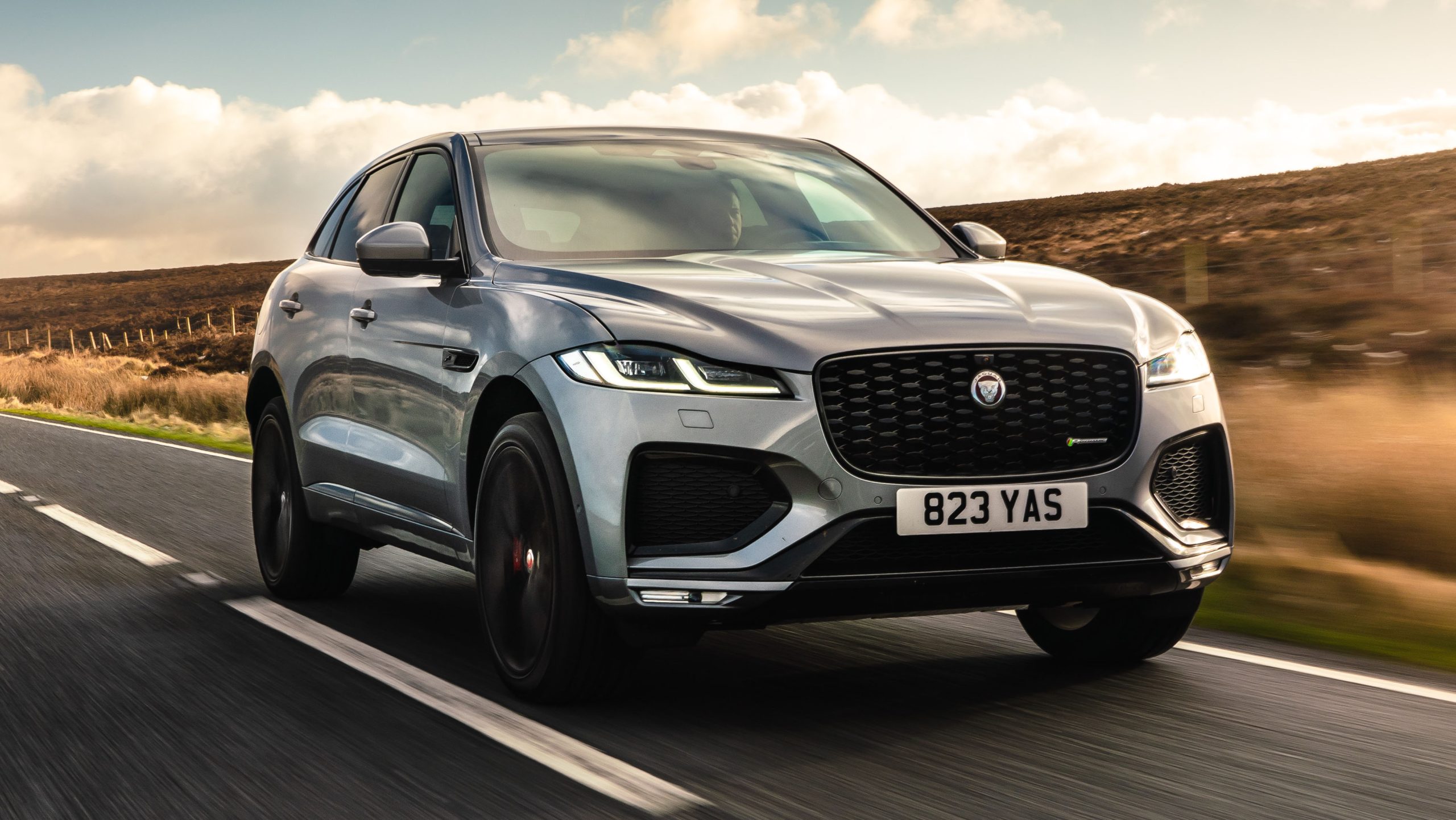
3. Jaguar F-Pace: Stylish Cabin with Limited Practical Storage
The Jaguar F-Pace offers a luxurious and sporty interior, but its cabin practicality is limited compared to rivals. While the SUV provides 70.4 cubic feet of cargo space with the rear seats folded and a 650-liter boot, owners and reviewers note that small-item storage is minimal.
The cabin design emphasizes sleek lines and a driver-focused layout over functional cubbies, trays, and spacious door pockets. This results in less utility for everyday storage.
The center console reflects this focus on style. The armrest cubby is narrow and shallow, making it difficult to store larger items such as tablets or wallets. USB ports are often located inside this small compartment, causing cables to trail out and clutter the otherwise clean console.
Recent models from 2021 introduced a more compact gear lever and a lower stowage section for phones. While this is an improvement, it remains less versatile than similar storage features in competitors like the BMW X3.
Practicality is also compromised in the rear cabin. Rear door pockets are slim and can only hold small bottles. There are a few cubbies for electronics or personal items, and some trims lack rear USB ports, offering only a 12-volt socket.
Cargo space is further reduced in the plug-in hybrid P400e model because the battery pack raises the luggage floor and eliminates underfloor storage found in petrol variants. A small storage area under the dashboard exists, but it is awkward to reach while driving.
The F-Pace prioritizes sporty driving and luxury over everyday practicality. Compared with boxier competitors such as the Audi Q5, which provide sliding rear seats and versatile cubbies, the Jaguar emphasizes driver experience and aesthetics. Buyers who need both premium styling and practical storage may find the F-Pace less accommodating than other similarly sized premium SUVs.
4. Tesla Model 3: Minimalist Design Limits Practical Storage in Early Builds
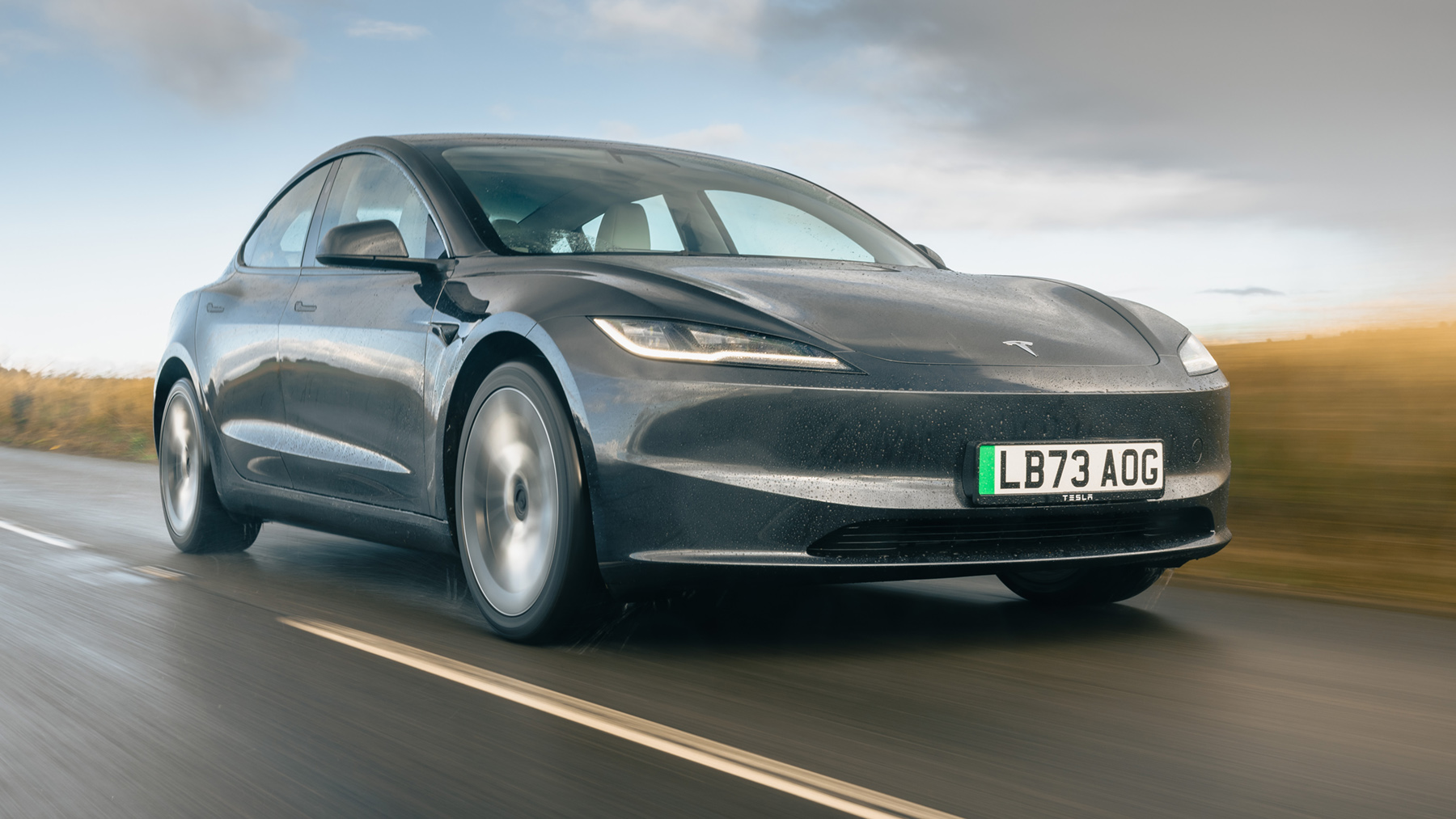
Early builds of the Tesla Model 3, prior to the 2021 refresh, prioritized minimalist aesthetics over functional cabin storage. While the sedan offers an impressive total storage capacity of 682 liters, the layout often frustrated owners who needed practical spaces for everyday items such as phones, keys, sunglasses, and water bottles.
Traditional features like coin trays, card slots, or an easily accessible glovebox were absent, with the screen-operated glovebox replacing a standard latch.
The center console, finished in glossy “piano black,” was a major point of contention. Its deep compartments created a “black hole” effect, where small items would sink to the bottom and become difficult to retrieve. The hinged, magnetic lids were finicky, sometimes failing to latch unless closed with precise force.
The glossy finish also showed fingerprints, dust, and scratches immediately, adding to owner dissatisfaction. Wireless charging was not integrated, forcing users to rely on wired docks or third-party kits to power their devices.
Rear-cabin storage was similarly limited. Rear door bins were small, accommodating only narrow bottles, while the sedan-style trunk featured a restricted “letterbox” opening that complicated loading larger items. The front trunk, or frunk, was fully manual, requiring careful two-handed operation to avoid bending the lightweight aluminum hood.
Early Model 3 builds required aftermarket solutions to maintain organization and were often described as less practical than competitors of similar size. While Tesla prioritized a clean, high-tech cabin and driver-focused interface, the trade-offs included inconvenient storage access and limited small-item organization.
Many of these issues were addressed in the 2021 refresh, which replaced the glossy console with a matte sliding design and added integrated wireless chargers. Nevertheless, the early Model 3 remains an example of how extreme minimalism can compromise everyday usability in a mainstream sedan.
5. Toyota HiLux 2025: Durable Pickup with Limited Cabin Storage
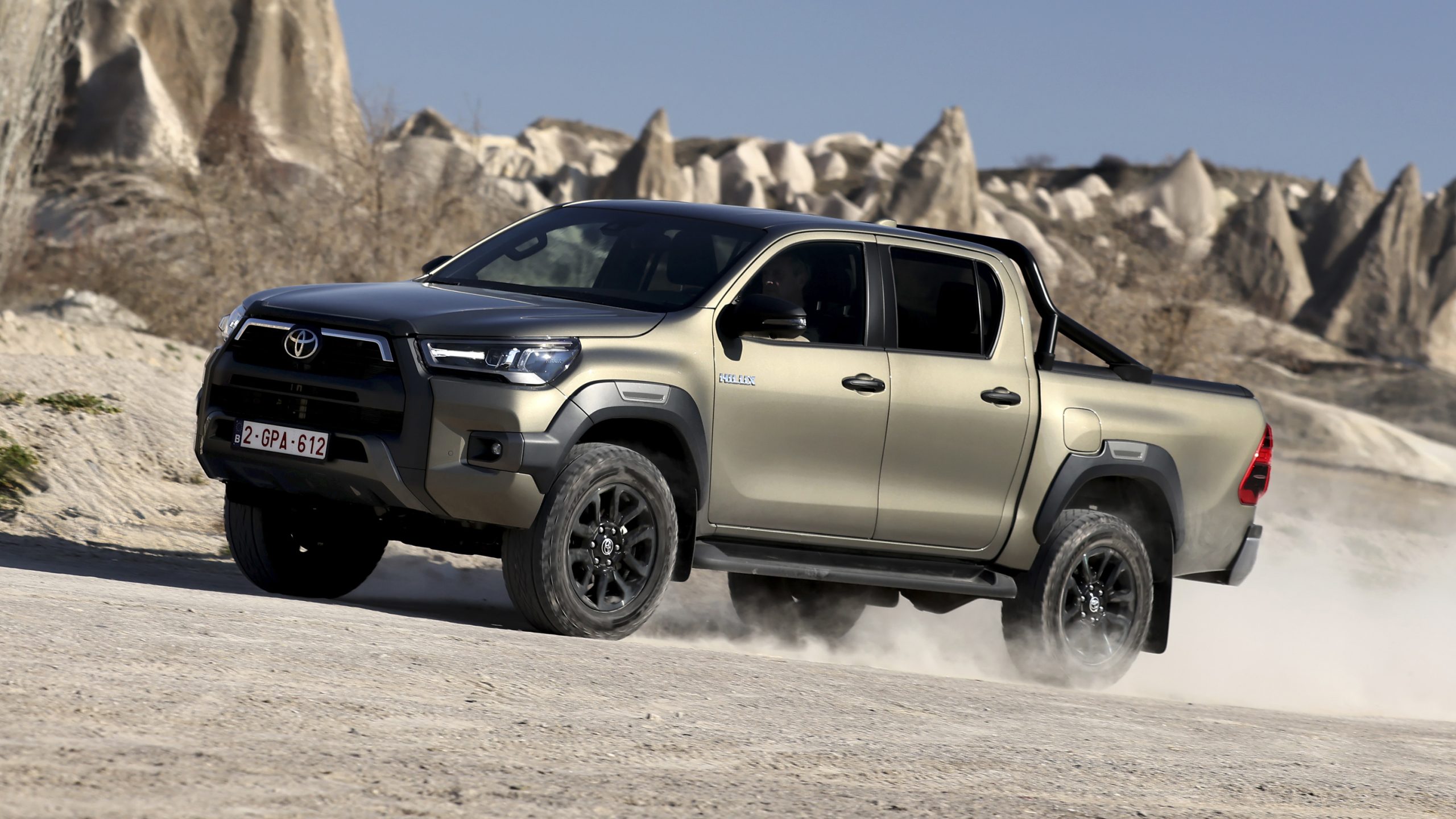
The 2025 Toyota HiLux continues its reputation as a reliable and rugged pickup, but its interior storage lags behind modern competitors. While trucks like the Ford Ranger or Chevrolet Colorado feature multi-level consoles and innovative dashboard storage, the HiLux retains an older cabin design focused on durability and utility rather than convenience. Reviewers frequently note that its storage solutions feel outdated and less versatile for everyday use.
The HiLux is built on the decade-old IMV platform, which constrains interior space and limits opportunities for deep door bins or wide center consoles. The narrow body and traditional layout prevent the addition of the voluminous cubbies and tiered storage found in newer trucks.
A manual handbrake further reduces usable center console space, leaving smaller armrest bins and fewer slots for small items such as wallets, phones, or keys. Unlike competitors with electronic parking brakes, this legacy feature consumes valuable real estate.
Electrified variants, including the new 48V mild-hybrid models, reduce cabin storage even further. The hybrid battery and hardware are placed under the rear seats, eliminating hidden under-seat compartments traditionally used for tools or personal gear.
Door pockets are narrow, accommodating only standard one-liter bottles, and the center console lacks modern, tablet-friendly bins, offering only shallow trays and basic cupholders.
Toyota prioritizes a “work-first” interior that can endure years of heavy use. Hard, scratch-resistant plastics dominate the cabin, making it easy to clean but limiting the inclusion of flexible, soft-lined storage solutions.
While the HiLux excels in durability and off-road capability, its interior reflects a conservative approach that values robustness over practical convenience. Buyers seeking clever storage and modern cabin versatility may find the 2025 HiLux less accommodating than its more contemporary rivals.
Practical cabin storage can transform a vehicle from simply attractive to highly functional, especially for families, travelers, or people who carry essential items every day. Models like the Ford Expedition, Hyundai Ioniq 5, and Honda Odyssey demonstrate how well-planned interiors, sliding consoles, and hidden compartments enhance convenience without compromising comfort or technology.
In contrast, vehicles such as the Mazda3, early Tesla Model 3, and Toyota HiLux show that prioritizing aesthetics, minimalism, or legacy design can significantly limit interior functionality. Choosing the right vehicle depends on balancing personal priorities.
Buyers who value clever storage and everyday practicality can make better decisions by understanding which vehicles succeed in combining style, comfort, and utility and which require compromises in usability.
Also Read: Top 10 Cars That Still Look Like the Future Today