Living in Denver is not like living at sea level. Denver sits about 5,280 feet above sea level, which means the air is thinner. Thin air affects how engines work. Some vehicles handle this change very well, while others struggle and lose power.
At high elevation, engines get less oxygen. This can reduce horsepower, especially in vehicles with naturally aspirated engines. Turbocharged engines perform better because they push more air into the engine. Cooling systems and transmissions also matter when driving in mountain areas.
5 Vehicles That Work at Denver Elevation
Driving at Denver’s mile-high elevation places unique demands on vehicles. Thinner air can reduce engine performance, affect fuel efficiency, and place added strain on cooling systems, especially for naturally aspirated powertrains. Steep grades, changing weather, and winter conditions further complicate daily driving in and around the Front Range.
The vehicles that perform best here are those designed to maintain power at altitude, manage heat effectively, and deliver confident traction year-round. In this article, we highlight five vehicles that work especially well at Denver elevation, offering dependable performance and drivability where altitude truly matters.
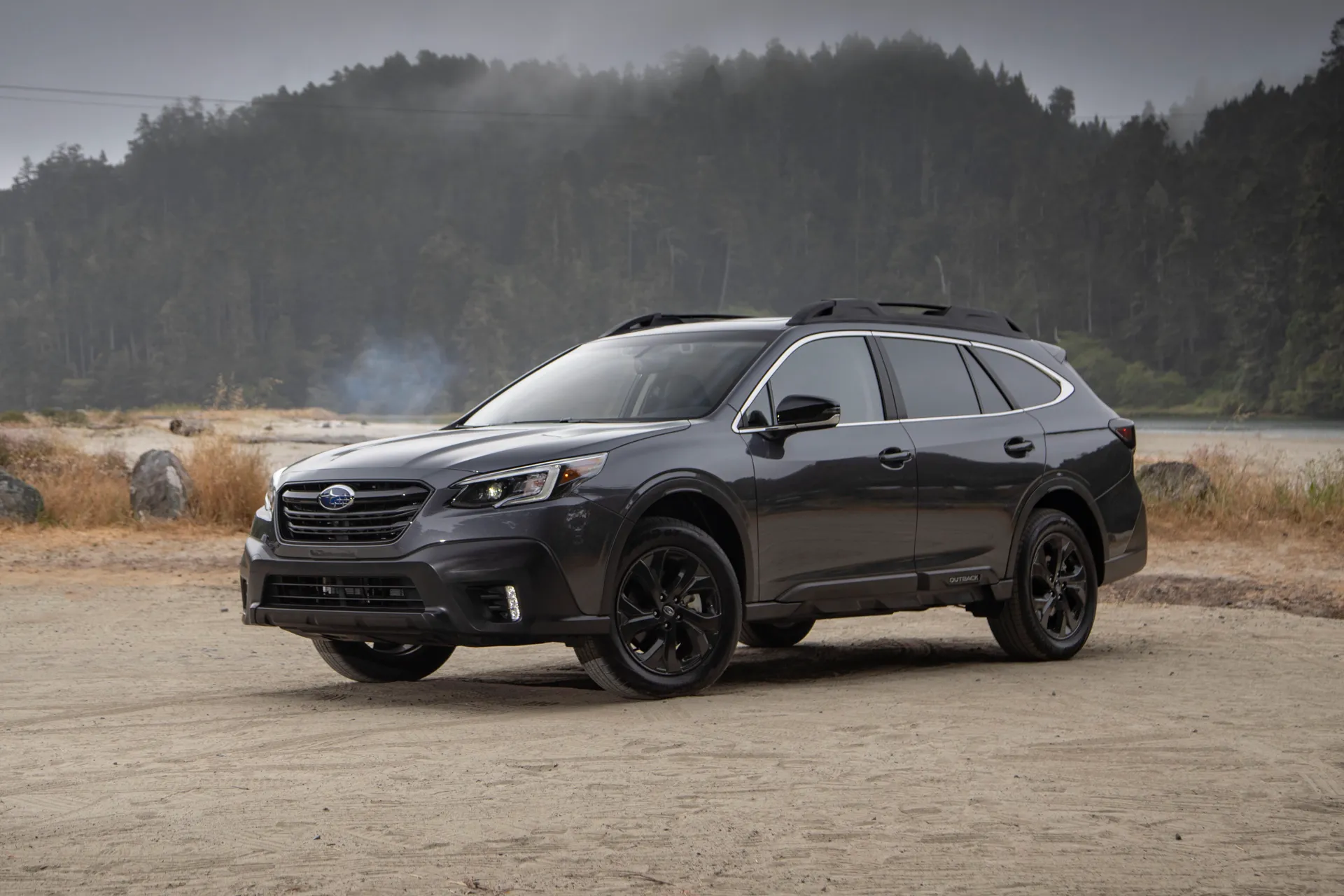
1) Subaru Outback
The Subaru Outback is a strong choice for people who live near mountains. It is designed to handle rough weather and changing roads. In places like Denver, where elevation is high, this vehicle performs better than many regular cars.
Denver sits more than 5,000 feet above sea level. At this height, the air is thinner. Thin air means engines get less oxygen. Many vehicles lose power, but the Outback offers features that help reduce this problem.
One important feature is its available turbocharged engine. A turbo pushes more air into the engine, helping it create better power. This allows the Outback to feel stronger when driving uphill or merging onto busy highways.
Even the standard engine performs smoothly for daily driving. The power delivery feels steady and controlled. Drivers do not feel sudden weakness when climbing hills, which makes it a dependable option for city and mountain travel.
All-wheel drive comes standard on every Outback model. This system sends power to all four wheels. It improves grip on snowy roads, wet highways, and rocky paths. In Colorado winters, this feature becomes very useful.
Ground clearance is another major advantage. The Outback sits higher than many regular cars. This extra height helps it move through deep snow and uneven trails without scraping the bottom of the vehicle.
The suspension is tuned for comfort and stability. It absorbs bumps from rough mountain roads. Even on long drives through winding highways, the ride feels smooth and balanced, which reduces driver fatigue.
Inside, the Outback offers a spacious cabin. There is plenty of legroom for passengers and enough cargo space for outdoor gear. Many Denver residents enjoy skiing, hiking, and camping, and this vehicle supports those activities easily.
Safety is also a strong point. Subaru includes advanced driver assistance features in most models. These systems help with lane control, braking, and safe cruising, which adds confidence during mountain and highway driving.
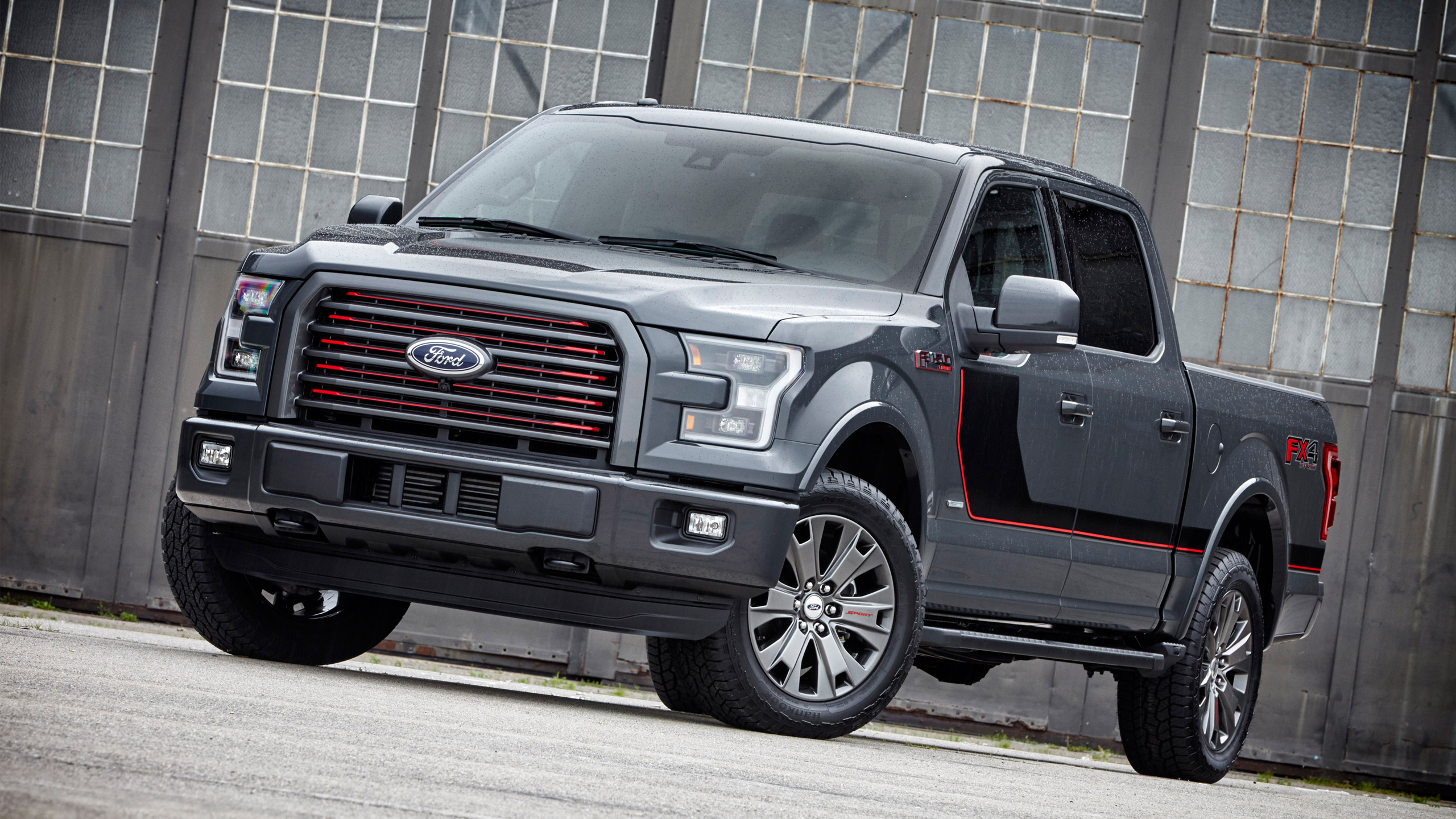
2) Ford F-150
The Ford F-150 is a popular truck that performs well in high elevation areas like Denver. It is strong, durable, and built for tough conditions. Many drivers choose it because it handles mountain roads with confidence and steady power.
Denver’s high elevation means thinner air, which can reduce engine performance. However, the F-150 offers EcoBoost turbocharged engines. Turbocharging helps push more air into the engine, reducing power loss and keeping performance strong at higher altitudes.
The turbo engine feels powerful when climbing steep hills. It also helps when merging onto highways where quick acceleration is important. Drivers do not feel as much strain compared to naturally aspirated engines at similar elevations.
Another major advantage is its strong towing ability. Many Colorado drivers tow campers, boats, or trailers. The F-150 maintains steady pulling power even in mountain areas, making it suitable for outdoor adventures and weekend trips.
The truck also offers four-wheel drive options. This system improves traction on snowy and icy roads. During winter months in Denver, this feature helps drivers stay safe and stable on slippery surfaces.
Ground clearance is higher than most regular vehicles. This makes it easier to drive over uneven roads, dirt paths, or snow-covered streets. The sturdy frame adds confidence when driving in rough or unpredictable conditions.
Inside, the F-150 provides a comfortable cabin. Modern models include large touchscreens, advanced safety features, and roomy seating. It feels smooth on highways, even though it is a full-size truck.
Fuel economy depends on the engine choice. The EcoBoost engines balance power and efficiency better than older V8 engines. This makes the truck more practical for daily driving while still offering strong performance.
The suspension system is designed to handle heavy loads. Even when carrying equipment in the truck bed, the ride remains stable. This is helpful for people who use their truck for work and recreation.
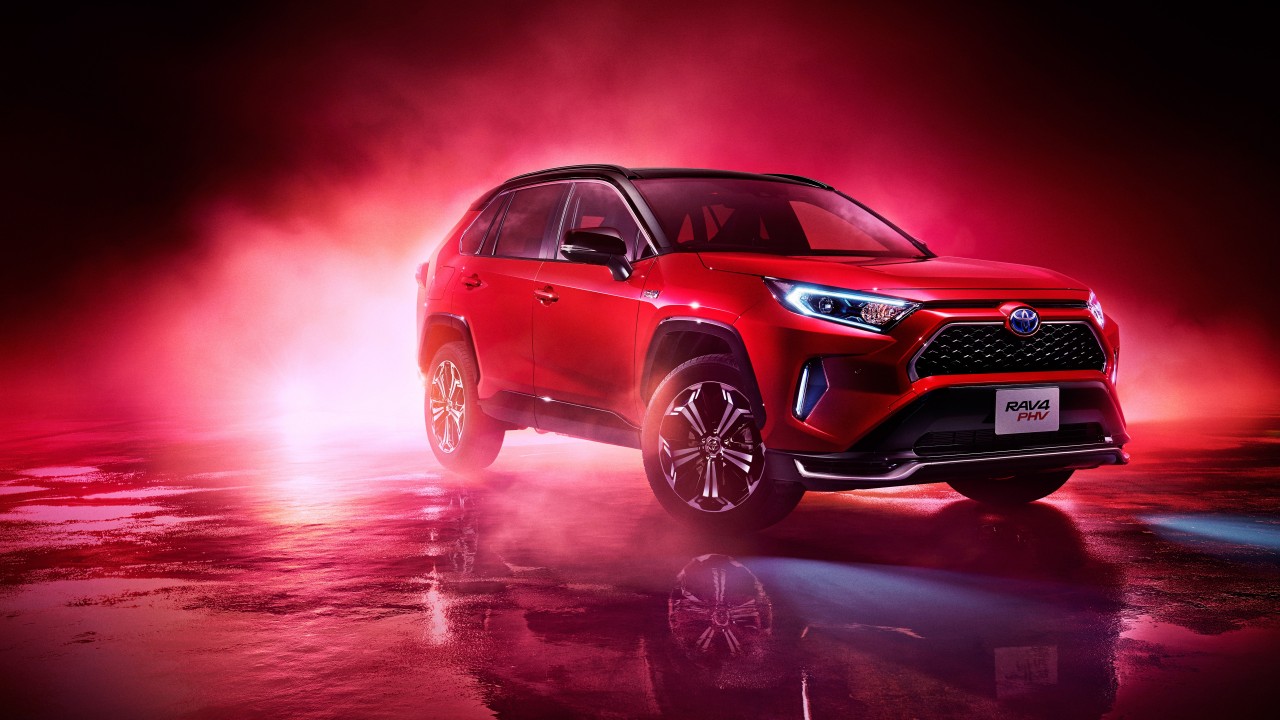
3) Toyota RAV4
The Toyota RAV4 is a practical and reliable SUV that performs well in high elevation cities like Denver. It is comfortable for daily driving and strong enough for weekend mountain trips. Many families choose it for its balance of power and efficiency.
At higher elevations, engines often lose some power because the air is thinner. The RAV4’s engine is designed to deliver steady performance. While it is not heavily turbocharged in base models, it still handles city and highway driving smoothly.
Acceleration feels controlled and predictable. When driving uphill, the RAV4 maintains steady speed without feeling too weak. For most daily needs, such as commuting or grocery trips, it provides enough power for Denver’s roads.
The available all-wheel-drive system improves traction. This feature sends power to the wheels that need it most. In snowy or icy weather, it helps the vehicle stay stable and reduces the chance of slipping.
Ground clearance is higher than a regular sedan. This helps when driving through snow or uneven mountain roads. Drivers feel more confident knowing the vehicle can handle changing road conditions.
Fuel economy is one of the RAV4’s strongest points. Even with all-wheel drive, it remains efficient. This is helpful for people who drive long distances across the city or travel into the mountains regularly.
Inside, the cabin is spacious and practical. There is enough room for passengers and cargo. Outdoor equipment such as skis, hiking gear, or camping supplies fits easily in the back area.
The ride quality is smooth and quiet. It handles highway speeds comfortably and absorbs small road bumps well. Long drives through Colorado feel less tiring because the suspension keeps the cabin stable.
Toyota is known for reliability, and the RAV4 follows that reputation. With regular maintenance, it can last many years. Parts are widely available, and repair costs are usually reasonable.
4) Jeep Grand Cherokee
The Jeep Grand Cherokee is a strong and capable SUV that performs well in high elevation areas like Denver. It is built for both comfort and adventure. Many drivers choose it because it handles mountain roads with confidence.
High elevation means thinner air, which can reduce engine power. The Grand Cherokee offers engine options that provide solid performance. Some models include turbocharged engines that help reduce power loss in mountain driving conditions.
When climbing steep roads, the vehicle feels steady and powerful. It responds well when merging onto highways or passing other cars. This makes it suitable for both city traffic and long drives through Colorado’s hills.
The available four-wheel-drive systems add extra traction. These systems send power to the wheels that need it most. During snowy winters in Denver, this feature improves grip and stability on slippery roads.
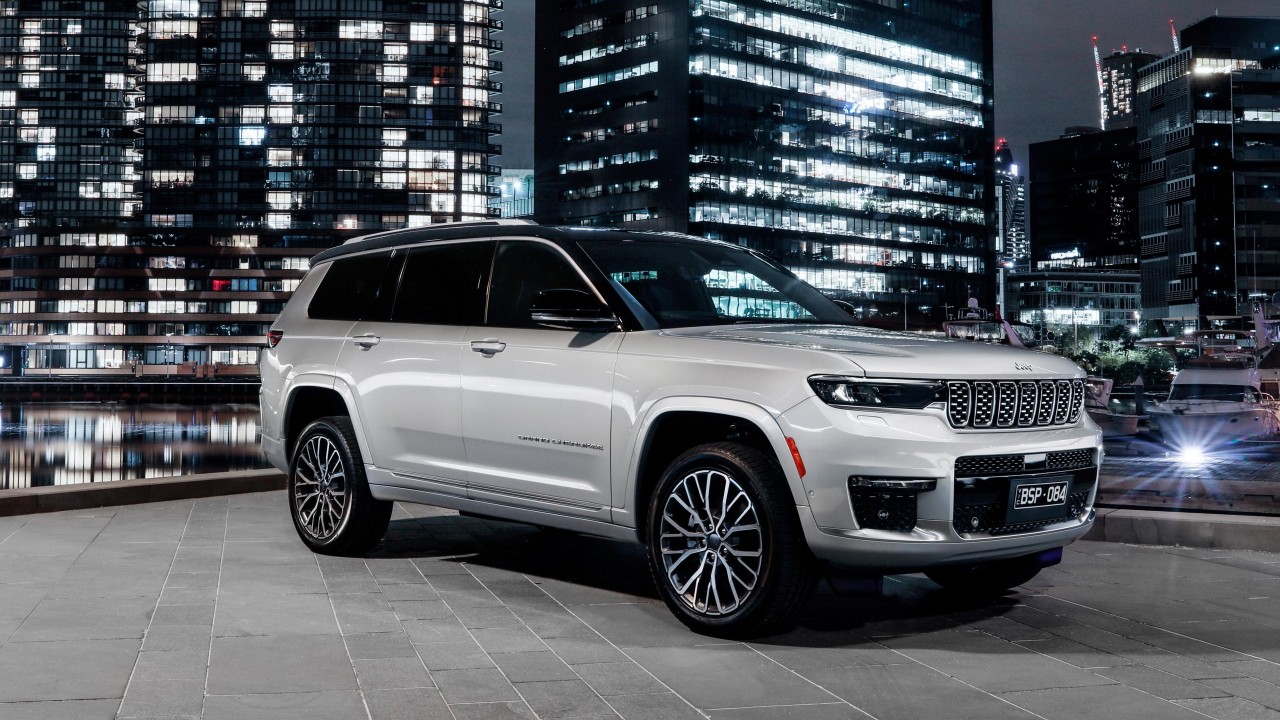
Ground clearance is another benefit. The Grand Cherokee sits higher than many standard SUVs. This allows it to handle rough trails, deep snow, and uneven surfaces without difficulty.
The suspension system balances comfort and control. It absorbs bumps from mountain roads and keeps the ride smooth. Even on winding highways, the SUV remains stable and easy to handle.
Inside, the cabin feels spacious and refined. There is enough room for families and outdoor gear. Many Denver residents enjoy skiing and camping, and this vehicle provides the cargo space needed for those activities.
Modern models include advanced safety features. These systems assist with braking, lane control, and blind-spot monitoring. They help drivers feel more secure while traveling through busy highways or narrow mountain roads.
Fuel economy depends on the engine choice. While larger engines use more fuel, they provide stronger performance. Drivers can select the option that best fits their driving needs and lifestyle.
5) Chevrolet Colorado
The Chevrolet Colorado is a midsize pickup truck that performs well in high elevation areas like Denver. It offers strong capability without the large size of a full-size truck. This makes it easier to drive in the city.
High altitude can reduce engine power because of thinner air. The newer Colorado models come with a turbocharged engine. Turbocharging helps push more air into the engine, which reduces power loss at higher elevations.
When driving uphill, the Colorado feels responsive and steady. It does not struggle as much as naturally aspirated engines. This makes highway merging and mountain climbing smoother and more confident.
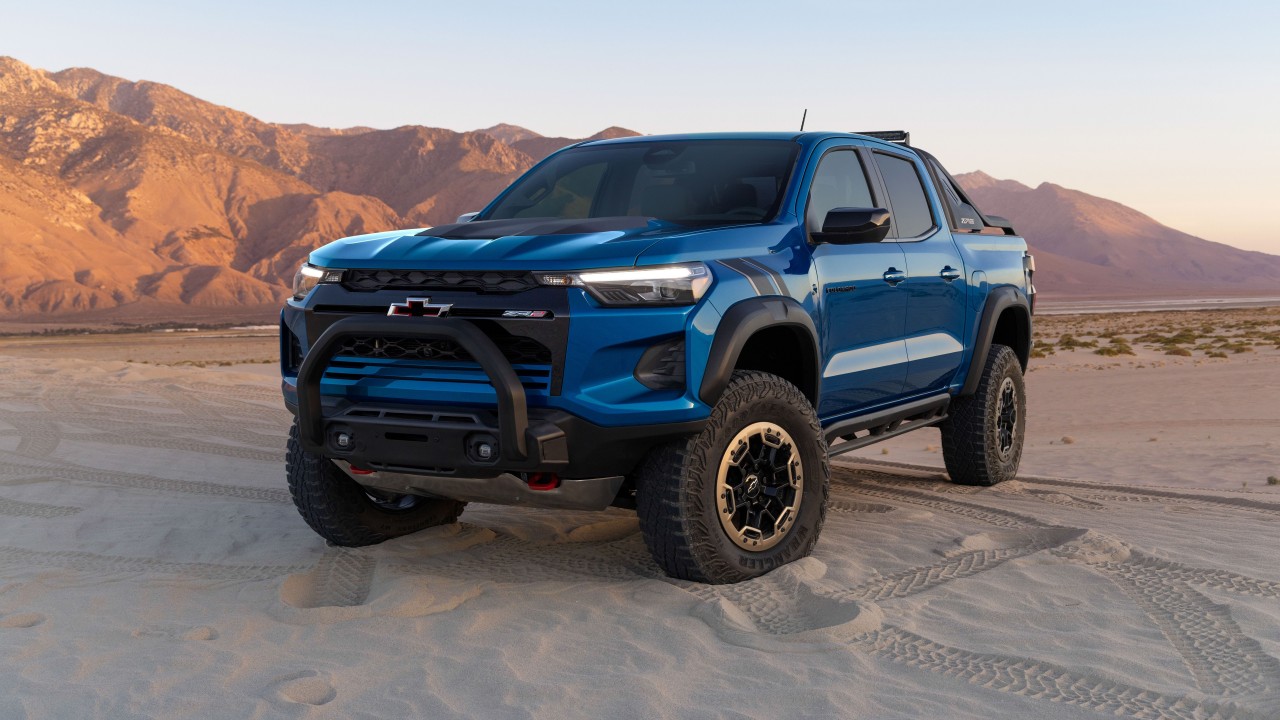
The truck also offers four-wheel-drive options. This improves traction on snowy, icy, or uneven roads. In Denver winters, this feature adds safety and stability, especially when driving in mountain areas.
Ground clearance is higher than regular cars. This helps the Colorado move through snow and rough trails without scraping underneath. It is a good choice for people who enjoy outdoor activities.
Towing capacity is strong for a midsize truck. It can handle small campers, boats, or trailers. Even at higher elevation, the turbo engine maintains solid pulling power compared to smaller non-turbo vehicles.
Inside, the cabin is comfortable and practical. Modern models include touchscreen displays, safety features, and supportive seats. It feels suitable for both work use and family driving.
Fuel economy is reasonable for a pickup truck. The turbo engine balances performance and efficiency. Drivers can use it daily without worrying too much about high fuel costs.
The suspension system is built to handle heavier loads. Even when carrying equipment in the bed, the ride remains stable. This makes it useful for both work tasks and weekend trips.
5 That Don’t Work at Denver Elevation
Not every vehicle is well suited to life at Denver’s mile-high elevation. Thin air can rob certain engines of power, strain cooling systems on long climbs, and expose weaknesses that might go unnoticed at lower altitudes.
Add steep grades, variable weather, and winter driving into the mix, and some vehicles quickly feel out of their element. In this article, we highlight five vehicles that don’t work well at Denver elevation and explain why they can struggle with the unique demands of high-altitude driving.
1) Nissan Versa
The Nissan Versa is an affordable and fuel-efficient sedan. It works well in flat cities, but it may struggle in high elevation areas like Denver. Thin air at higher altitude can reduce engine power, especially in small cars.
The Versa uses a small naturally aspirated engine. This type of engine does not have a turbocharger to push extra air inside. At higher elevations, less oxygen enters the engine, which reduces horsepower and performance.
Drivers may notice slower acceleration when merging onto highways. Climbing steep hills can also feel more difficult. When the car is fully loaded with passengers or luggage, the power loss becomes even more noticeable.
While the Versa is light and easy to handle, it is not designed for mountain performance. On steep roads, the engine may need to work harder. This can sometimes make the drive feel less smooth.
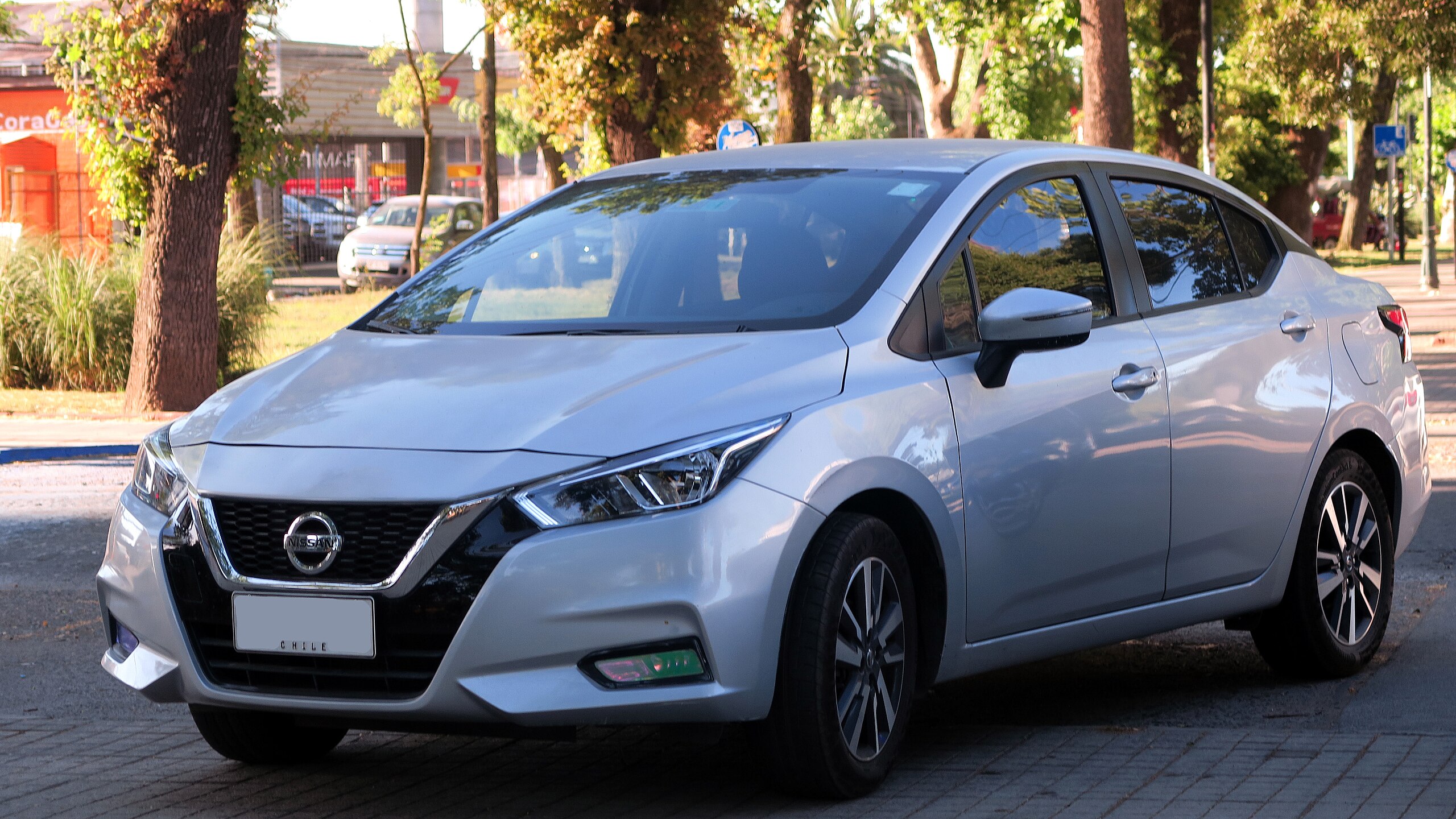
The car comes with front-wheel drive only. Although this works fine in normal weather, it may not provide enough traction during heavy snow. Denver winters can bring icy roads, which may challenge smaller sedans.
Ground clearance is also lower compared to SUVs or trucks. This can be a problem when driving through deep snow. The bottom of the vehicle may scrape on uneven or snowy roads.
Fuel economy is one of the Versa’s strongest points. It saves money on daily commuting. However, fuel efficiency does not fully make up for the weaker performance in mountain conditions.
Inside, the cabin is simple and comfortable for short trips. It offers basic technology and safety features. For city driving, it is practical and affordable.
Maintenance costs are generally low. The engine design is simple, and repairs are usually not expensive. This makes it attractive for budget-focused buyers.
2) Toyota Corolla
The Toyota Corolla is known for reliability and fuel efficiency. It is one of the most popular compact sedans in the world. However, in high elevation cities like Denver, it may not perform as strongly as larger vehicles.
Denver sits more than 5,000 feet above sea level. At this height, the air is thinner. Naturally aspirated engines, like the Corolla’s base engine, lose some power because they receive less oxygen for combustion.
Drivers may notice slower acceleration when entering highways. Climbing steep mountain roads can also feel less powerful. The car still works, but it may need more time and higher engine speed to reach desired speeds.
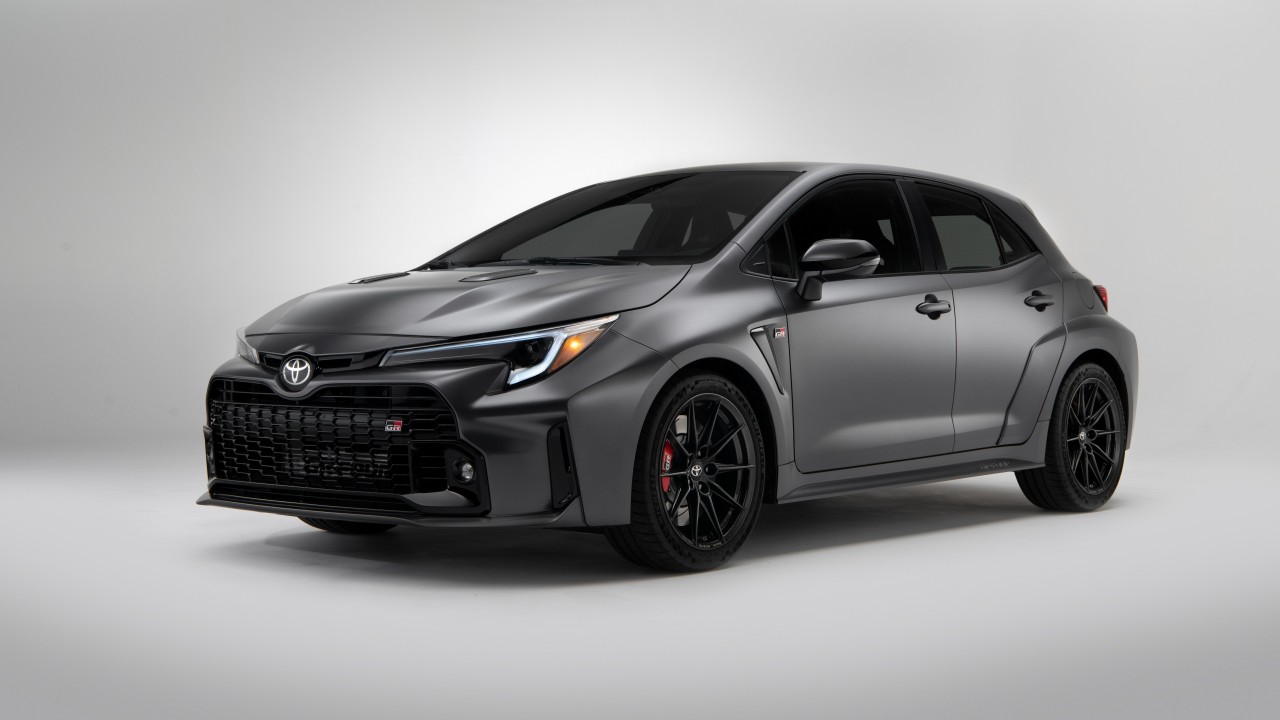
The Corolla is mainly designed for smooth city commuting. In flat areas, it performs very well. In mountain regions, however, the reduced horsepower can become noticeable, especially when carrying passengers or cargo.
Front-wheel drive comes standard. While this system is reliable, it does not offer the same traction as all-wheel drive. In snowy Denver winters, grip can be limited on icy or slippery roads.
Ground clearance is lower than SUVs or crossovers. This can make deep snow more challenging. Drivers must be careful when roads are not cleared properly after heavy snowfall.
Fuel economy is one of the Corolla’s biggest advantages. It saves money on daily commuting and long drives. Even at higher elevation, it remains efficient compared to larger vehicles.
Inside, the Corolla offers a comfortable and quiet cabin. It includes modern safety features and user-friendly technology. For everyday city use, it remains practical and dependable.
Maintenance costs are generally affordable. Toyota vehicles are known for long-term reliability. With regular servicing, the Corolla can last many years without major mechanical problems.
3) Jeep Wrangler
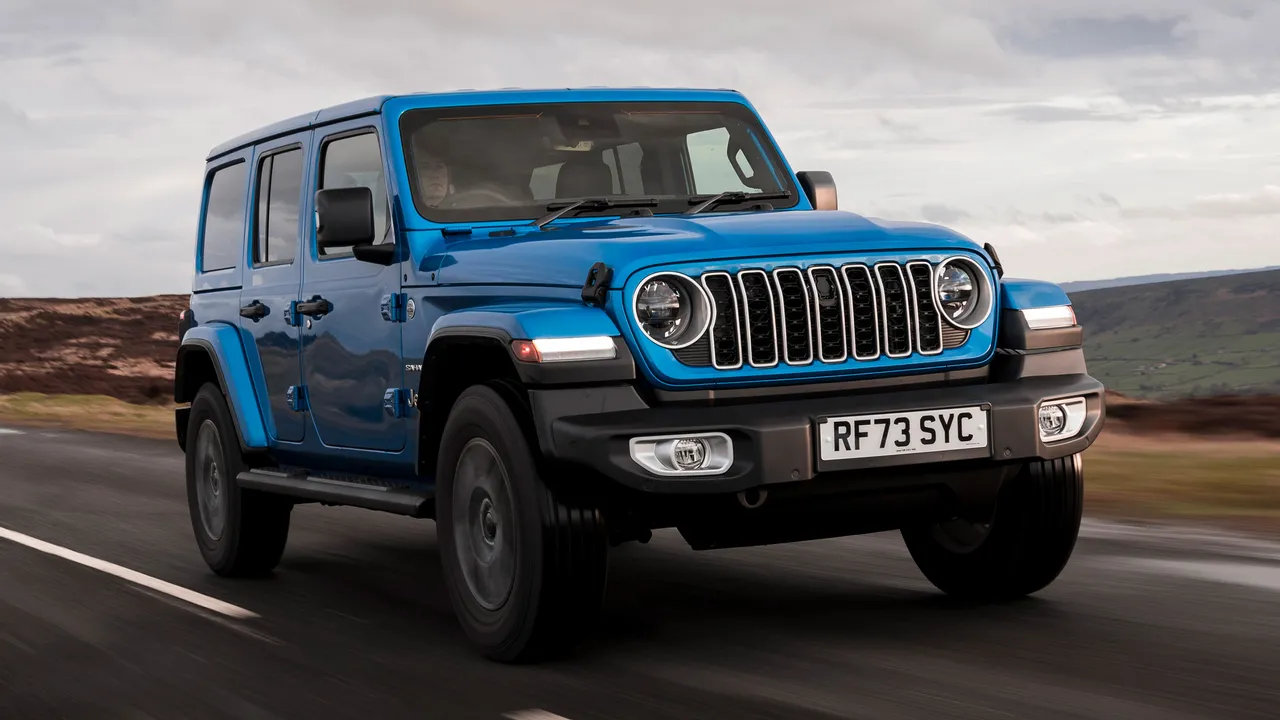
The Jeep Wrangler is famous for off-road ability. It is built for trails, rocks, and outdoor adventures. However, not every version performs equally well at high elevation, especially models with the base naturally aspirated engine.
In cities like Denver, thin air reduces engine power. The Wrangler’s standard V6 engine does not use a turbocharger. Because of this, it can lose noticeable horsepower when driving at higher altitudes.
When climbing steep highways, acceleration may feel slower. Merging onto busy roads can require more time and effort. Drivers may need to press the accelerator harder to maintain speed on mountain routes.
The Wrangler is heavier and less aerodynamic than many SUVs. This design is excellent for off-road durability but not ideal for highway efficiency. At high elevation, the added weight can make power loss more noticeable.
Fuel economy is also lower compared to smaller crossovers. At higher altitudes, the engine may work harder, which can slightly increase fuel use during mountain driving.
The ride quality is firm because the Wrangler is designed for rugged terrain. On paved mountain highways, it may feel less smooth compared to comfort-focused SUVs.
However, it is important to note that turbocharged versions of the Wrangler perform better at elevation. The turbo engine helps reduce power loss and improves responsiveness.
The Wrangler does offer strong four-wheel-drive systems. In snowy Denver winters, traction remains excellent. It handles deep snow and rough terrain better than most compact cars.
4) Hyundai Elantra
The Hyundai Elantra is a stylish and fuel-efficient compact sedan. It works very well in normal city conditions. However, in high elevation areas like Denver, its base engine may not feel as strong as some drivers expect.
Denver’s elevation means thinner air. Naturally aspirated engines, like the standard Elantra engine, receive less oxygen. This reduces horsepower and can make the car feel slightly weaker, especially when climbing hills or driving at highway speeds.
Acceleration may feel slower when merging onto busy highways. Drivers might need more distance to reach higher speeds. On steep mountain roads, the engine can feel strained when carrying passengers or extra cargo.
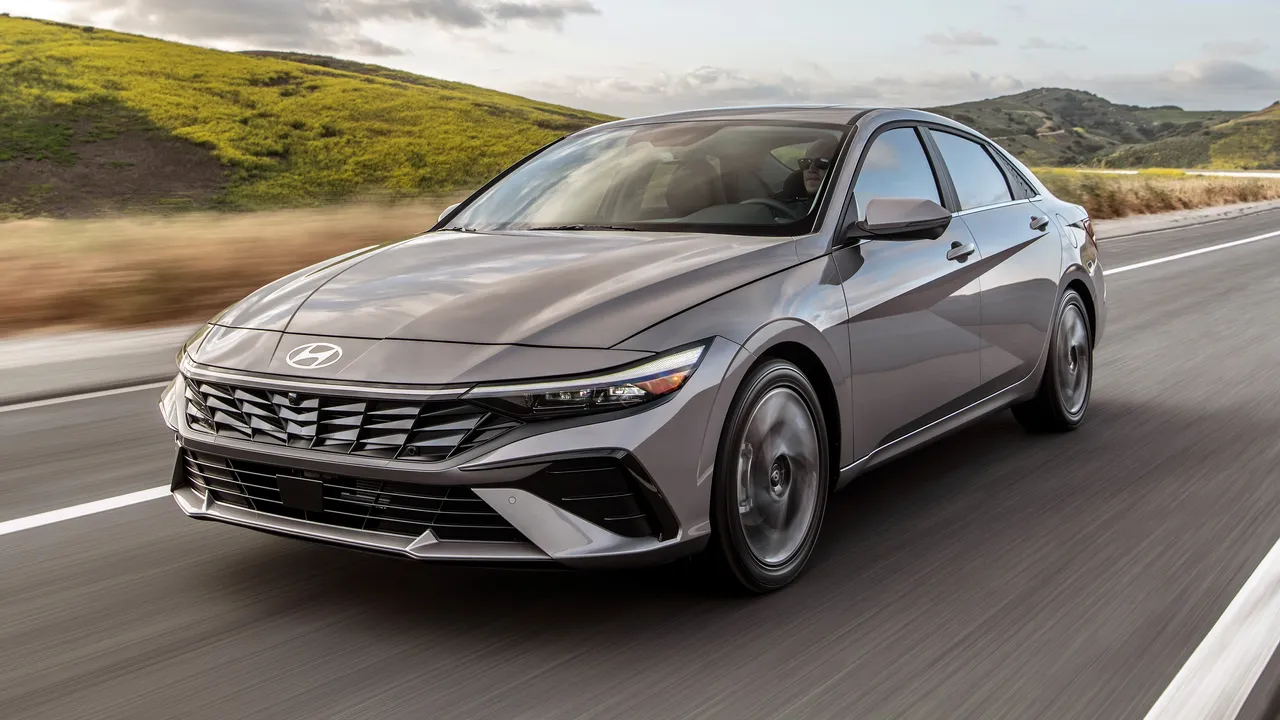
The Elantra comes with front-wheel drive only. While this is fine for dry roads, it does not offer the extra grip of all-wheel drive. In snowy Denver winters, traction may be limited on icy surfaces.
Ground clearance is also relatively low. Deep snow or uneven mountain roads can be more challenging compared to SUVs or crossovers. Drivers need to be careful during heavy snowfall.
Fuel economy is one of the Elantra’s strongest advantages. Even at higher elevation, it remains efficient. This makes it a good choice for daily commuting within the city.
Inside, the cabin feels modern and comfortable. It includes user-friendly technology and important safety features. For everyday driving, it provides a pleasant and quiet experience.
5) Mitsubishi Mirage
The Mitsubishi Mirage is one of the most affordable small cars available today. It is designed mainly for simple city driving and strong fuel savings. However, in high elevation cities like Denver, it may struggle more than larger vehicles.
Denver’s high altitude means thinner air. The Mirage has a very small three-cylinder naturally aspirated engine. Without a turbocharger, the engine cannot push in extra air, which causes noticeable power loss at higher elevations.
Acceleration can feel slow, especially when entering highways. Drivers may need extra time to reach safe merging speeds. On steep mountain roads, the engine may feel strained and less responsive than other vehicles.
When the car carries passengers or luggage, the reduced power becomes even more noticeable. Climbing long hills may require pressing the accelerator harder, which can make the driving experience less comfortable.
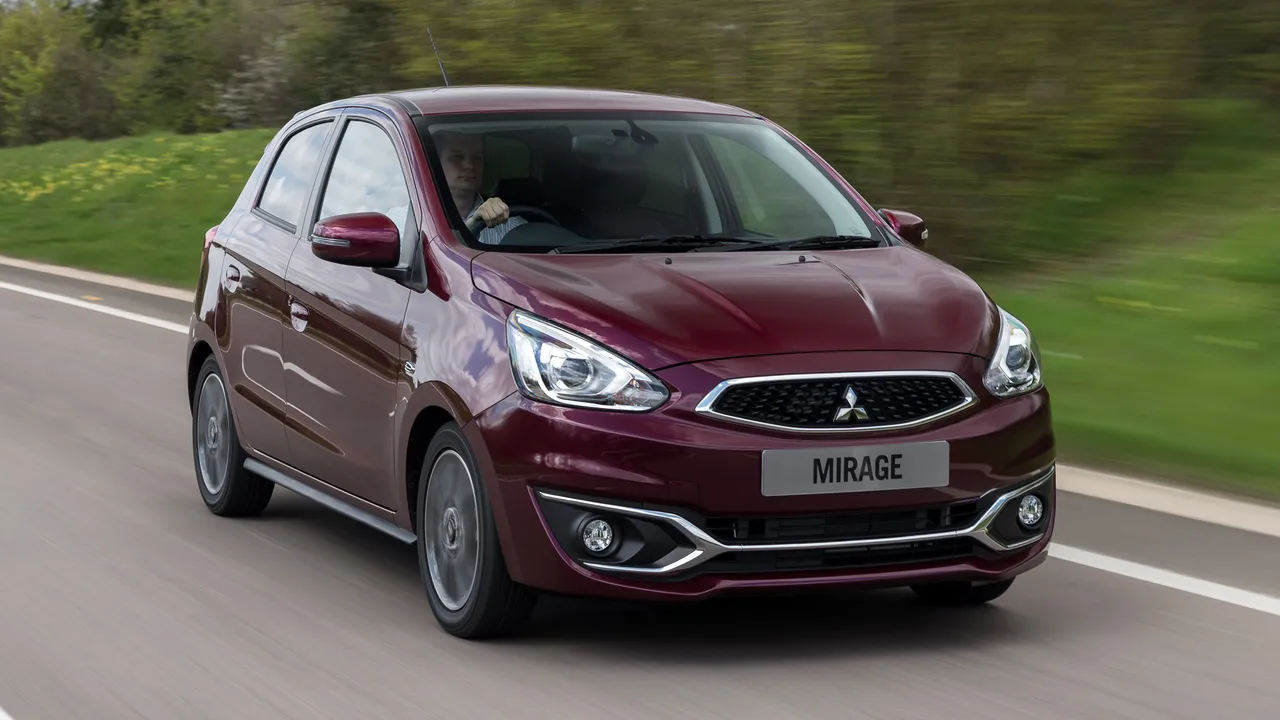
The Mirage comes with front-wheel drive only. While it works in normal weather, it does not provide the extra grip needed for heavy snow. Denver winters can make traction a challenge for smaller cars.
Ground clearance is low compared to SUVs or trucks. Driving through deep snow or uneven roads can be difficult. The bottom of the vehicle may scrape in poor road conditions.
Fuel economy is the Mirage’s biggest advantage. It uses very little fuel, which helps save money on daily commuting. However, strong fuel savings do not fully balance the weak mountain performance.
Inside, the cabin is simple and basic. It provides essential features for short trips. It is practical for city errands but not ideal for frequent highway or mountain travel.