Traffic can turn even a short drive into a long and tiring experience. Slow movement, constant braking, and crowded roads test both the driver and the car. In these situations, comfort matters more than speed.
A good sedan should have smooth suspension, light steering, supportive seats, and a quiet cabin. Some sedans handle traffic calmly and keep drivers relaxed. Others feel stiff, noisy, or tiring after a short time. Here are five sedans that stay comfortable in traffic, and five that may not feel as pleasant during daily congestion.
5 Sedans That Stay Comfortable in Traffic
Daily traffic exposes weaknesses that don’t always show up on an open road. Long idle times, constant stop-and-go movement, and unpredictable congestion place more emphasis on ride quality, seating comfort, cabin quietness, and drivetrain smoothness than outright speed or handling.
In these conditions, a car that feels engaging at highway speeds can quickly become tiring when progress is measured in feet rather than miles.
Sedans remain one of the best body styles for traffic-heavy driving, but comfort varies widely from model to model. The most livable options combine supple suspensions, well-tuned automatic transmissions, supportive seats, and calm, well-insulated cabins that reduce fatigue during long commutes.
This article looks at five sedans that stay comfortable in traffic, focusing on the design choices that make everyday congestion easier to tolerate rather than something to endure.
1) Toyota Camry
The Toyota Camry is one of the most popular sedans for daily driving. Many drivers choose it because it feels smooth, calm, and easy to control. In busy traffic, these qualities make a big difference every single day.
One of the best things about the Camry is its soft suspension. The suspension absorbs small bumps and rough patches on city roads. When driving through traffic, this helps the car feel steady and comfortable instead of shaky or harsh.
Stop-and-go traffic can be tiring, especially on uneven streets. The Camry handles these conditions very well. It moves smoothly at low speeds, and the brakes feel steady and controlled. Drivers do not feel sudden jerks during short stops.
The seats in the Camry are wide and well-cushioned. They provide good support for the back and legs. During long traffic jams, this comfort helps reduce body pain and fatigue. Both drivers and passengers can sit comfortably for extended periods.
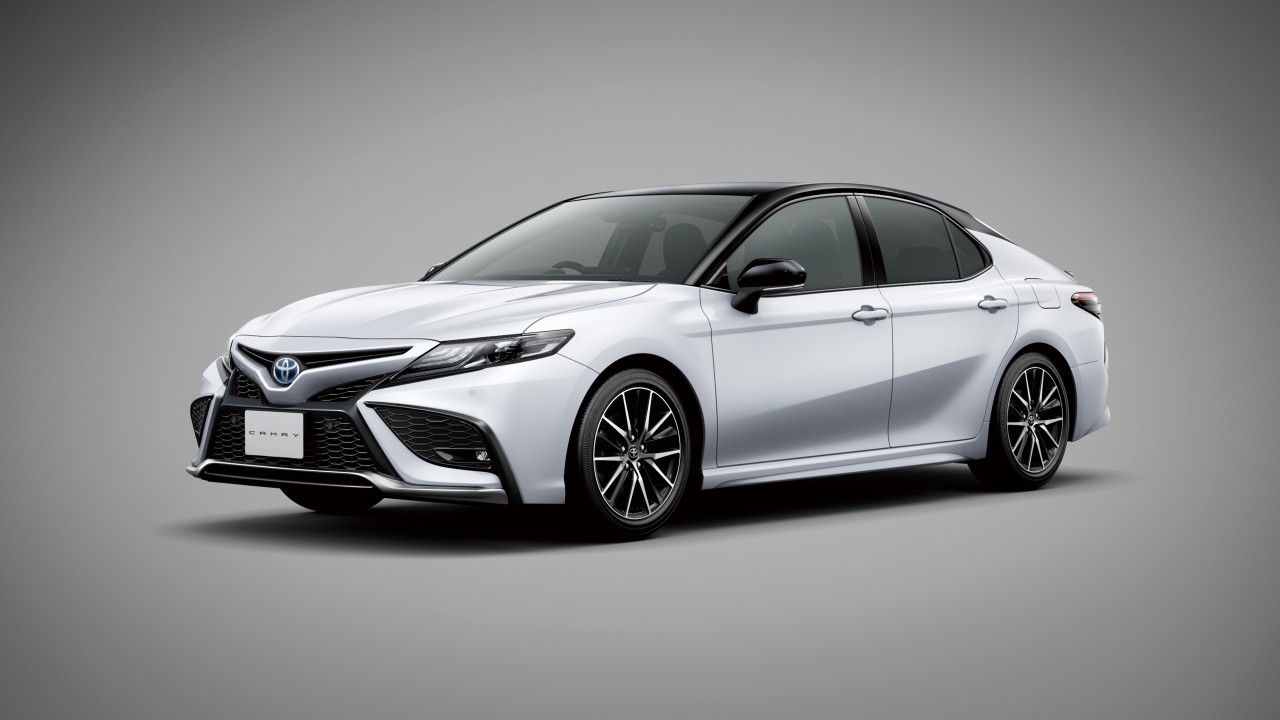
The cabin of the Camry is also very quiet. Outside noise from engines, horns, and busy roads stays mostly outside. This quiet environment helps drivers stay calm and focused. It also makes conversations and music sound clearer inside.
Another helpful feature is its light steering. The steering wheel turns easily, which makes driving in tight city spaces simple. Parking in crowded areas becomes less stressful. Even new drivers feel confident controlling the car in traffic.
The engine performance of the Camry is smooth and balanced. It does not feel too aggressive or too weak. When merging into traffic or changing lanes, the car responds gently and predictably. This makes daily driving safer and easier.
Fuel efficiency is another advantage. In heavy traffic, cars often use more fuel. The Camry is designed to save fuel even during slow driving. This helps drivers save money over time, especially in cities with daily congestion.
The interior design is simple and practical. Buttons and controls are easy to reach and understand. The infotainment system works smoothly, which reduces distractions while driving. Everything feels organized and user-friendly for everyday use.
Safety features in the Camry also add peace of mind. Many models include driver assistance systems like lane support and automatic braking. These features are helpful during busy traffic situations where sudden stops are common.
2) Honda Accord
The Honda Accord is a well-known sedan that offers strong comfort in daily traffic. It is designed to balance smooth driving with stable handling. For drivers who face long commutes, the Accord provides a calm and controlled experience.
One reason the Accord feels comfortable is its well-tuned suspension. It absorbs most small road bumps without feeling too soft. This balance helps the car stay steady in traffic while still protecting passengers from rough surfaces.
In stop-and-go traffic, the Accord feels smooth and predictable. The brakes respond gently, and the acceleration is steady. Drivers do not feel sudden movements when the car starts or stops, which reduces stress during busy hours.
The seats in the Accord are supportive and shaped for long drives. They provide strong back support, which helps prevent pain during traffic jams. Even after sitting for a long time, drivers often feel less tired.
Cabin space is another advantage. The Accord offers generous legroom and headroom for both front and rear passengers. This extra space makes daily commuting more comfortable, especially when traveling with family or coworkers.
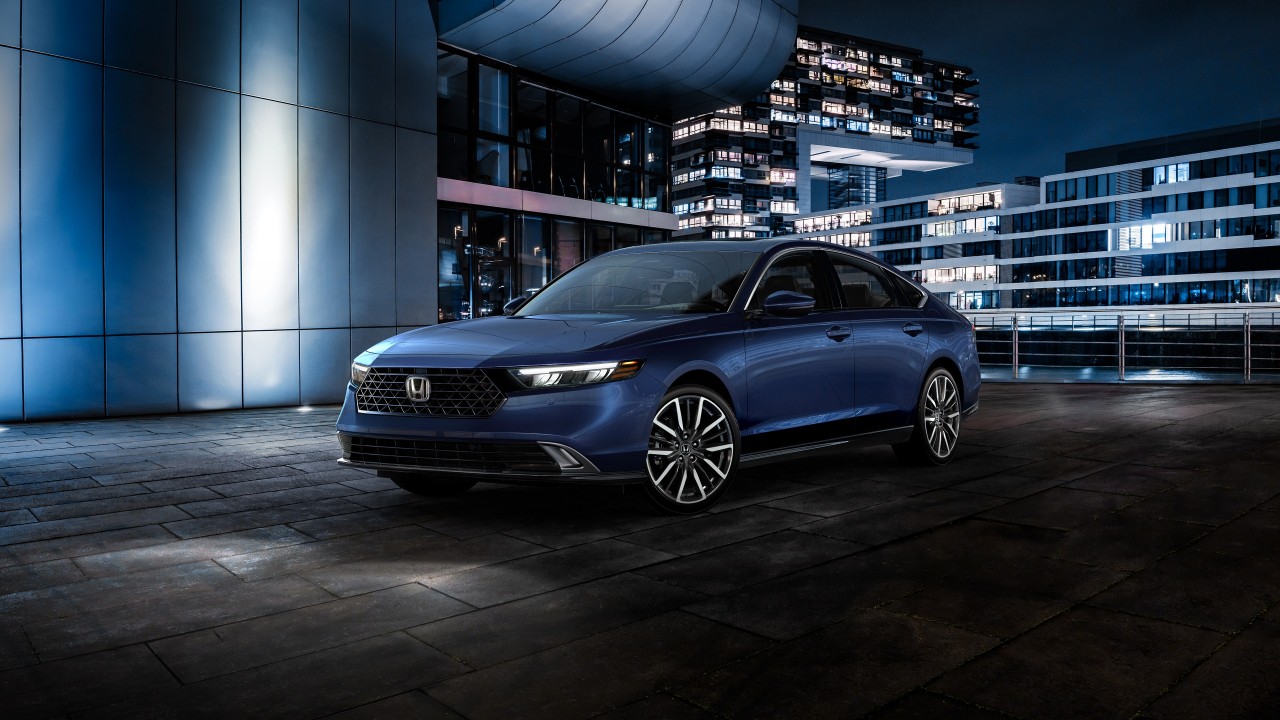
The cabin is also quiet at low and medium speeds. Outside traffic noise is reduced, creating a peaceful environment inside. This helps drivers stay relaxed and focused, even when roads are crowded and noisy.
Steering in the Accord feels light but controlled. It is easy to turn in tight city streets and parking lots. Drivers can change lanes smoothly, which is helpful during heavy traffic conditions.
The engine performance is smooth and efficient. It delivers enough power for merging into traffic without feeling aggressive. This steady power delivery makes everyday driving simple and confidence-inspiring.
Fuel efficiency is another strong point. The Accord is designed to save fuel, especially in city driving. In traffic where cars move slowly, this efficiency helps reduce fuel costs over time.
3) Hyundai Elantra
The Hyundai Elantra is a practical sedan that feels comfortable in daily traffic. It is designed for smooth city driving and simple control. For people who commute every day, the Elantra offers an easy and stress-free experience.
One of its strongest points is light steering. The steering wheel turns easily, which helps in crowded streets and tight parking spaces. In heavy traffic, this light control reduces driver fatigue and makes small adjustments simple.
The suspension of the Elantra is tuned for comfort. It absorbs small bumps and uneven roads without feeling too firm. During stop-and-go traffic, this smooth ride helps passengers stay relaxed instead of feeling every small road imperfection.
Acceleration in the Elantra feels steady and predictable. The engine responds gently when moving forward in traffic. Drivers can control speed smoothly without sudden jumps, which is important when cars are moving slowly and closely together.
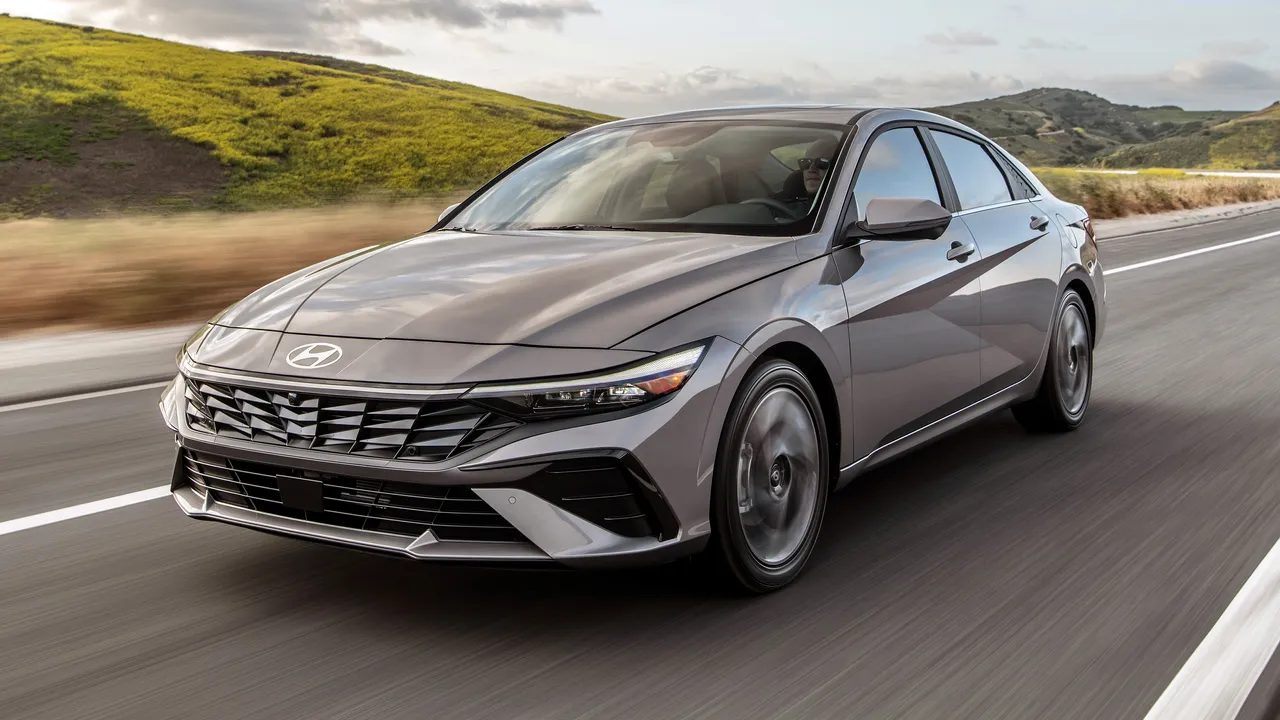
The seats are soft and supportive for daily commuting. They provide decent back and leg support for long drives. Even during long traffic jams, drivers and passengers can sit comfortably without feeling too much strain.
The cabin design is simple and modern. Controls are easy to reach, and the dashboard layout is clear. This helps drivers stay focused on the road instead of searching for buttons or complicated settings.
Noise control inside the Elantra is also good for its class. Outside sounds from traffic are reduced, creating a calmer environment. A quieter cabin makes daily driving less tiring and more enjoyable.
Fuel efficiency is another important advantage. In city traffic, cars often consume more fuel due to constant stopping. The Elantra is designed to save fuel, helping drivers reduce daily fuel expenses over time.
The compact size of the Elantra also helps in traffic. It is easy to maneuver through narrow streets and busy intersections. Parking in small spaces becomes simpler compared to larger sedans.
Safety features in many Elantra models add extra confidence. Systems like lane assistance and forward collision warning help drivers manage busy roads more safely and smoothly.
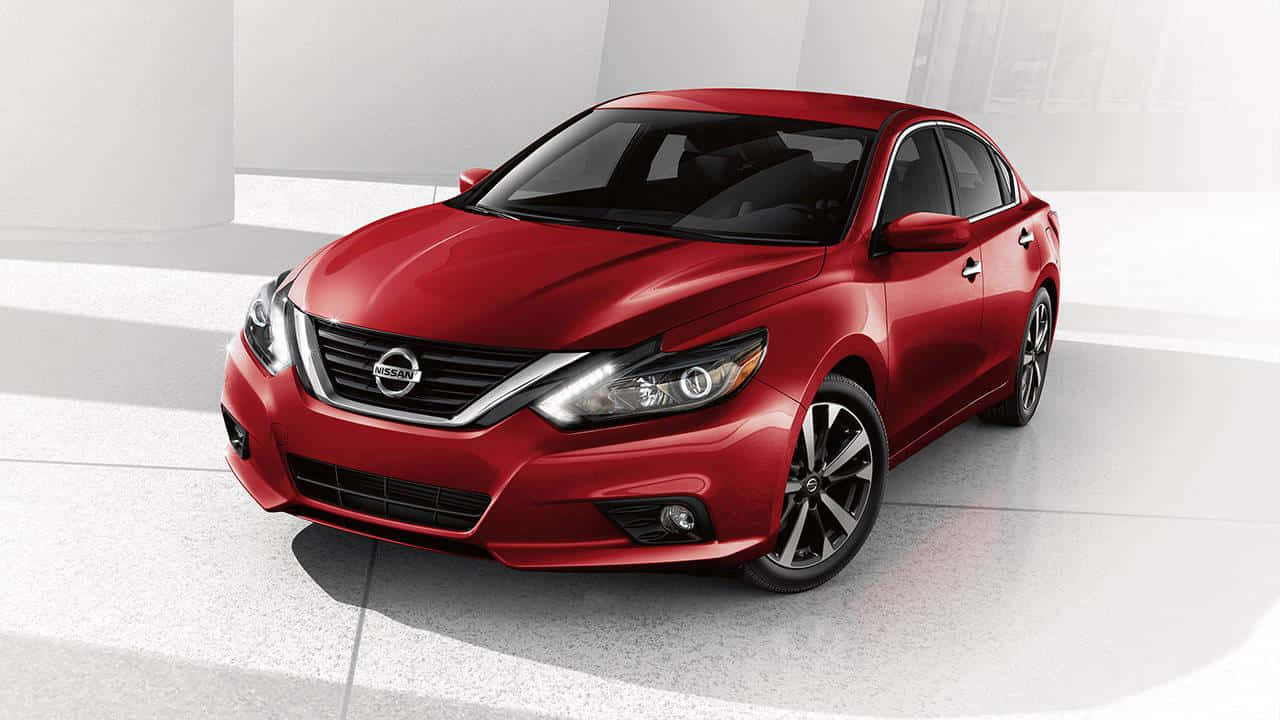
4) Nissan Altima
The Nissan Altima is a midsize sedan built for smooth and relaxed driving. In busy city traffic, it offers comfort and control. Many drivers choose it because it feels stable and easy to manage during daily commutes.
One of the most talked-about features of the Altima is its “Zero Gravity” seats. These seats are designed to reduce body pressure and support natural posture. During long traffic jams, they help reduce back pain and tiredness.
The suspension system in the Altima focuses on comfort. It absorbs road bumps and uneven surfaces without sending strong vibrations into the cabin. This makes stop-and-go driving feel softer and less stressful on rough city roads.
The steering feels light and responsive, which helps when changing lanes in crowded traffic. Drivers can turn the wheel easily without much effort. This smooth control makes daily commuting feel less tiring.
The engine delivers steady and balanced performance. It does not feel too aggressive when accelerating from a stop. In traffic, this smooth power delivery helps the car move forward calmly without sudden movements.
Cabin quietness is another strength of the Altima. Outside noise from engines and horns is reduced inside. A quieter cabin helps drivers stay relaxed and focused, especially during long hours on busy highways.
The Altima also offers good interior space. Passengers have enough legroom and headroom to sit comfortably. This extra space makes daily commuting more pleasant, especially when traveling with family or coworkers.
Fuel efficiency is practical for city driving. In heavy traffic, fuel use often increases, but the Altima manages consumption well. This helps drivers save money over time while handling daily congestion.
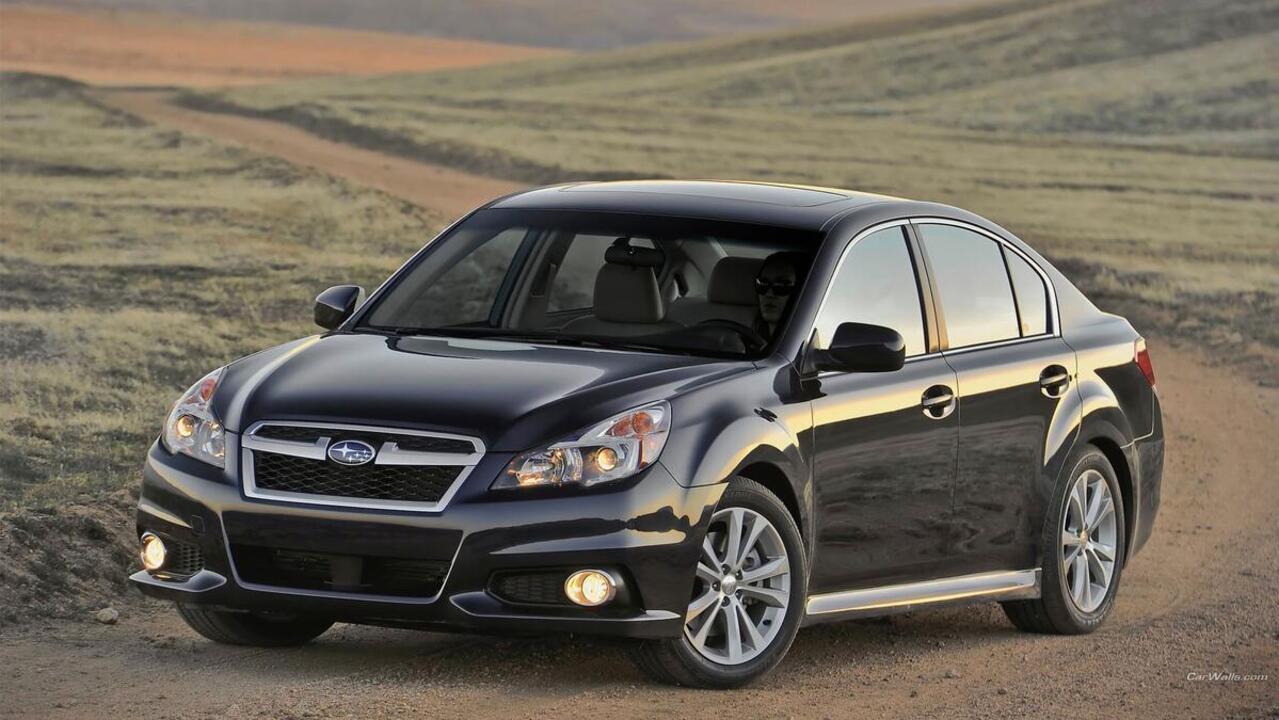
5) Subaru Legacy
The Subaru Legacy is a midsize sedan designed for comfort and stability. It performs well in daily traffic conditions, especially on uneven city roads. Many drivers appreciate how calm and secure it feels during long commutes.
One major advantage of the Legacy is its smooth suspension. It absorbs small bumps and rough patches easily. In stop-and-go traffic, this helps the car feel steady instead of stiff, which keeps passengers more comfortable.
The standard all-wheel-drive system adds extra confidence. While mainly useful in rain or snow, it also improves stability on wet city streets. This steady grip helps the car feel balanced during slow-moving traffic.
The seats in the Legacy are wide and supportive. They provide strong back support for long drives. During traffic jams, drivers can sit comfortably without feeling too much strain on their lower back or shoulders.
The cabin is quiet and well-insulated. Outside road noise and engine sounds are reduced, creating a peaceful interior space. This calm environment helps drivers stay relaxed even when traffic becomes stressful.
Steering in the Legacy feels light but controlled. It is easy to make small adjustments when changing lanes or moving through crowded streets. This smooth steering response reduces driver effort during daily commuting.
The engine performance is steady and predictable. It provides enough power for merging into traffic without feeling harsh. Acceleration feels smooth, which is helpful when cars are constantly stopping and starting.
Interior space is another benefit. The Legacy offers generous legroom for both front and rear passengers. This makes daily travel more comfortable, especially for families or people who carpool to work.
Technology inside the Legacy is simple to use. The large infotainment screen is clear, and controls are easy to understand. This user-friendly design allows drivers to focus more on the road.
5 Sedans That Don’t Feel as Comfortable in Traffic
Heavy traffic has a way of magnifying a car’s shortcomings. Constant braking, creeping acceleration, and extended time spent at low speeds put the spotlight on ride firmness, seat support, transmission behavior, and cabin noise. What might feel engaging or sporty in light driving can quickly become exhausting when congestion turns every commute into a slow, repetitive grind.
Not all sedans are designed with this kind of use in mind. Some prioritize sharp handling, aggressive suspension tuning, or performance-focused drivetrains that feel out of place in stop-and-go conditions. This article highlights five sedans that don’t feel as comfortable in traffic, examining the traits that can make daily congestion more tiring than it needs to be.
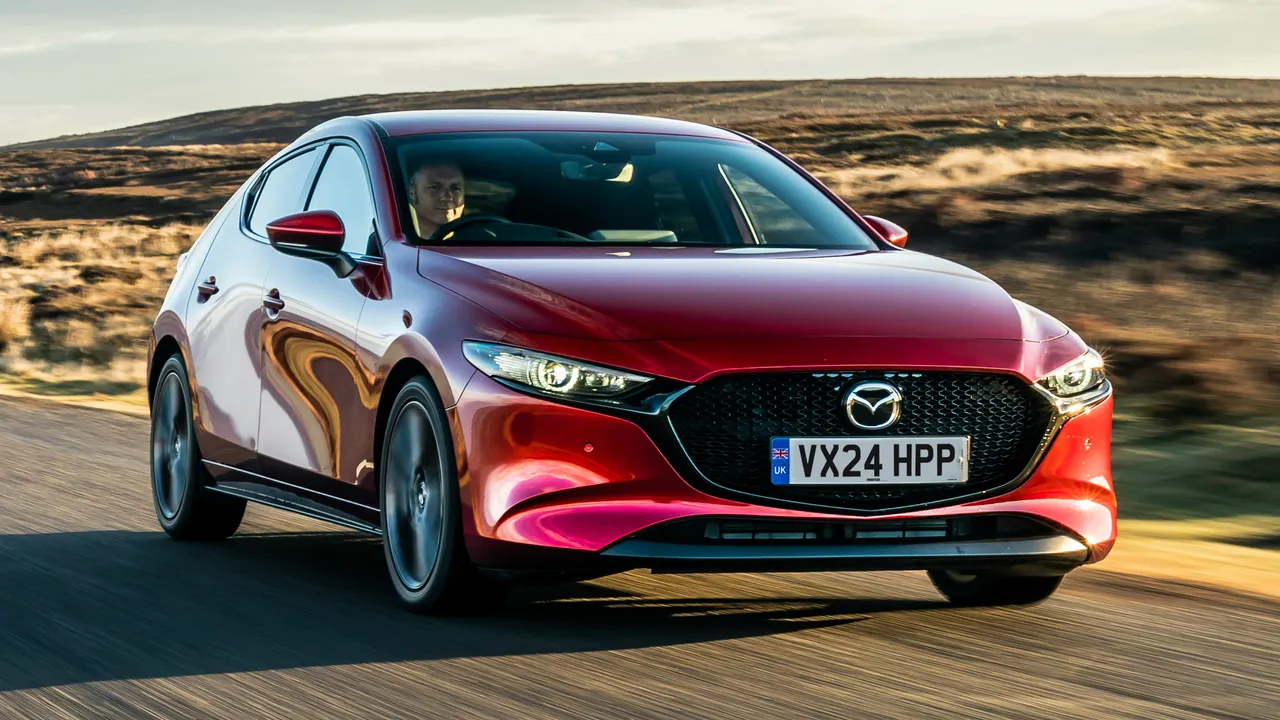
1) Mazda3
The Mazda3 is known for its sporty design and sharp handling. It feels fun and exciting on open roads. However, in heavy city traffic, this sporty setup may not always feel as comfortable as softer sedans.
One reason is its firm suspension. The Mazda3 is tuned for better cornering and control. While this improves performance, it can make small bumps and rough roads feel more noticeable during slow, stop-and-go driving.
In busy traffic, drivers often move at very low speeds. The firmer ride of the Mazda3 can feel slightly stiff over uneven streets. Passengers may notice more road feedback compared to comfort-focused sedans.
The steering is precise and responsive. This is great for drivers who enjoy control. But in tight, crowded traffic, the sharper steering may feel more active rather than relaxed, especially for long daily commutes.
The seats in the Mazda3 are supportive and stylish. However, they are designed with a sporty shape. During very long traffic jams, some drivers may prefer softer cushions instead of the firmer seat design.
Cabin noise is controlled fairly well, but it may not be as quiet as some larger sedans. On rough roads, tire noise can be slightly more noticeable. In daily congestion, a quieter cabin can feel more relaxing.
The engine performance is smooth and responsive. While this makes highway driving enjoyable, the quick throttle response may feel slightly sensitive in bumper-to-bumper traffic.
Interior space in the Mazda3 is comfortable for front passengers, but rear space is slightly tighter than some competitors. In daily commuting with multiple passengers, this could feel less roomy.
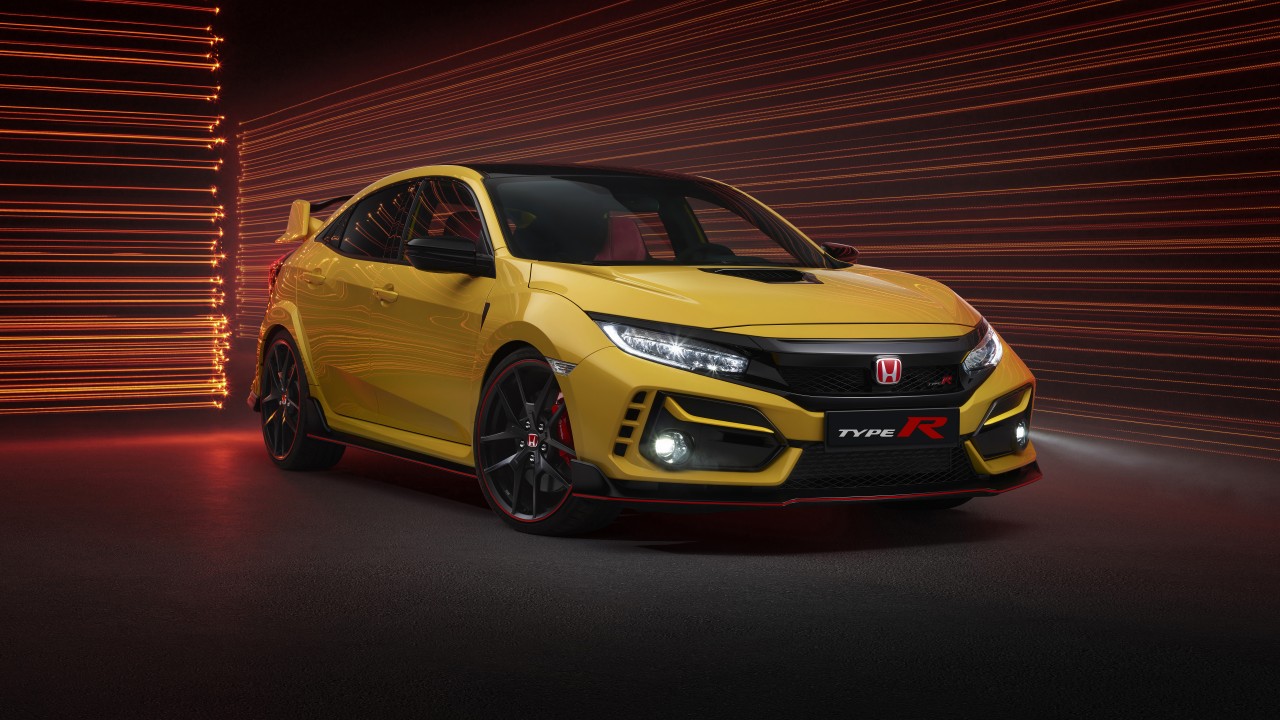
2) Honda Civic Si
The Honda Civic Si is built for drivers who enjoy sporty performance. It offers quick acceleration, sharp handling, and a fun driving feel. However, in heavy traffic, its performance-focused design may not feel very relaxing.
One of the main reasons is its sport-tuned suspension. The Civic Si has a firmer setup to improve cornering and road control. While this is great on highways, it can feel stiff on uneven city streets.
In stop-and-go traffic, the firm ride may become noticeable. Small bumps and rough patches can be felt inside the cabin. Over time, this can make daily commuting feel slightly tiring compared to softer sedans.
Many Civic Si models come with a manual transmission. While this gives better driving control, it can be tiring in heavy traffic. Constant clutch use during slow movement may increase driver fatigue.
The steering is sharp and responsive. It reacts quickly to driver input, which is exciting on open roads. However, in crowded traffic, this quick response may feel less calm and more active.
The seats are sporty and supportive. They hold the driver firmly in place during fast turns. Still, the firm cushioning may not feel as soft or relaxed during long traffic jams.
Engine sound is another factor. The Civic Si has a stronger engine note compared to regular sedans. In traffic, some drivers may prefer a quieter and more peaceful cabin.
Fuel efficiency is reasonable for a performance sedan. However, comfort in traffic depends more on ride smoothness and seat softness than engine power.
3) Toyota Corolla SE
The Toyota Corolla SE is a sportier version of the regular Corolla. It looks stylish and offers sharper handling. However, in heavy traffic, its firmer setup may feel slightly less comfortable than softer trims.
The suspension in the Corolla SE is tuned to feel tighter. This helps improve stability and cornering. But on rough city roads, small bumps can feel more noticeable inside the cabin during slow driving.
In stop-and-go traffic, ride softness matters a lot. The Corolla SE may feel a bit firm compared to the standard Corolla models. Over long commutes, this firmer ride can reduce comfort.
Steering in the Corolla SE feels more controlled and slightly heavier. While this adds confidence at higher speeds, it may not feel as light and effortless in tight traffic situations.
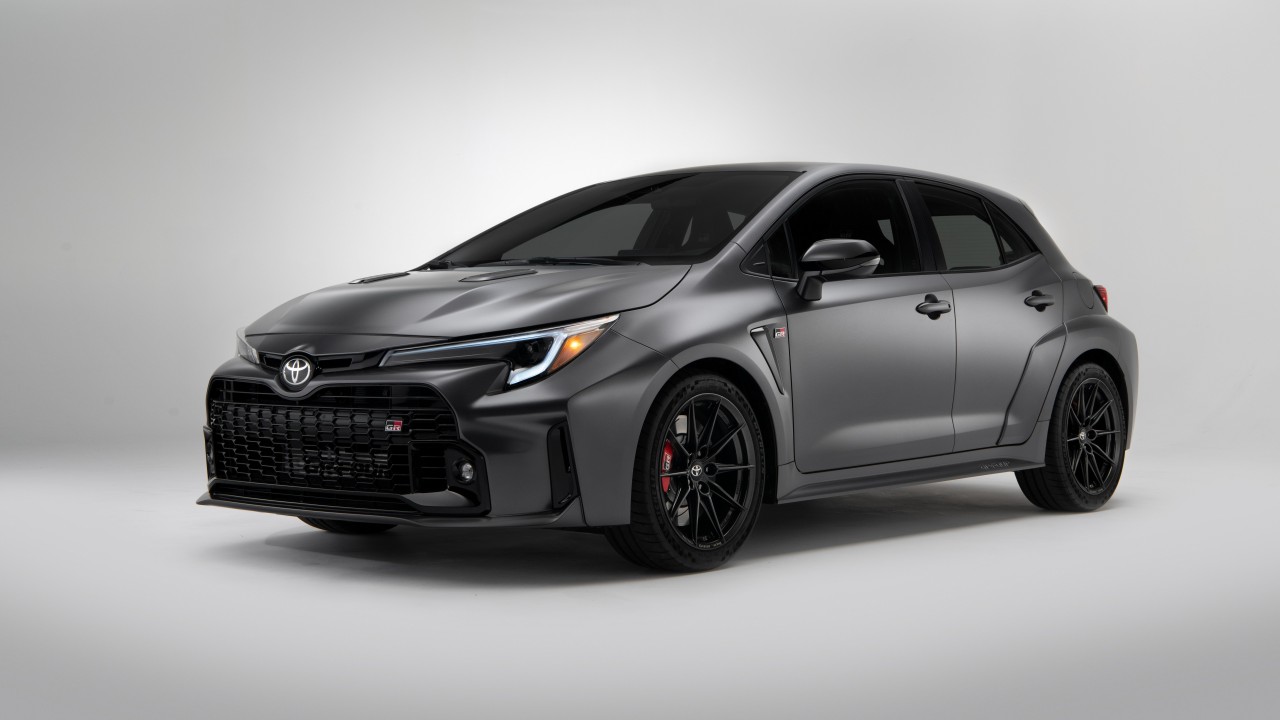
The seats are supportive and designed with a sporty look. However, they may not feel as soft as comfort-focused sedans. During long traffic jams, some drivers may prefer more cushioning.
Cabin noise control is decent but not exceptional. On rough roads, tire and road sounds can be slightly noticeable. In busy traffic, a quieter cabin usually feels more relaxing.
The engine performance is smooth and reliable. It moves steadily in city traffic. However, comfort is more about suspension tuning than engine strength in stop-and-go conditions.
Interior space is practical for daily use. Front passengers sit comfortably, though rear space is average. For daily commuting, the size works well but does not feel especially roomy.
Fuel efficiency remains a strong point. The Corolla SE saves fuel even during slow city driving. This makes it economical for daily commuters who face regular traffic.
4) Kia Forte GT
The Kia Forte GT is designed with a sporty personality. It offers stronger acceleration and sharper handling than the regular Forte. While this makes it exciting on open roads, heavy traffic may not be its most comfortable environment.
The suspension in the Forte GT is tuned to feel firm. This improves cornering and stability at higher speeds. However, on rough city streets, small bumps can feel more noticeable inside the cabin.
In stop-and-go traffic, ride softness becomes very important. The firmer setup of the Forte GT may feel slightly stiff over time. Long daily commutes in crowded areas may feel less relaxing.
The engine is more powerful than standard models. It responds quickly when the driver presses the accelerator. In traffic, this quick response can sometimes feel sensitive rather than smooth.
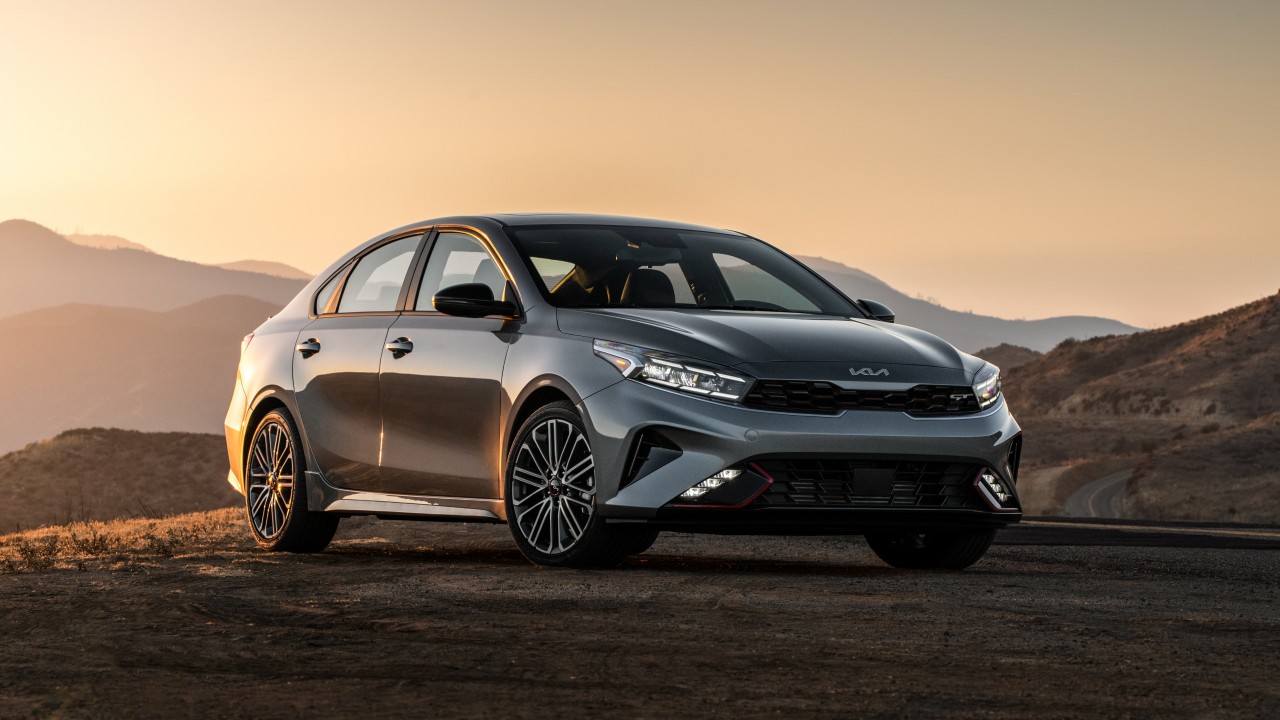
Steering feels direct and sporty. It reacts quickly to small movements of the wheel. While this improves control, it may not feel as calm or effortless in slow-moving traffic.
The sport seats provide strong side support. They are designed to hold the driver firmly during fast turns. However, the cushioning may feel firmer compared to comfort-focused sedans during long traffic jams.
Cabin noise is controlled fairly well, but the sportier engine sound is more noticeable. Some drivers enjoy this sound, while others may prefer a quieter and calmer driving experience.
Interior space in the Forte GT is practical for daily use. Front passengers have enough room, and the layout is modern. However, comfort depends more on suspension softness.
Fuel efficiency is reasonable for a sporty sedan. It performs well in city driving, but comfort in traffic depends mostly on ride quality rather than fuel savings.
5) Subaru WRX
The Subaru WRX is a sedan built mainly for performance and speed. It is designed for strong acceleration and sharp control. While it performs well on highways and winding roads, heavy city traffic is not its strongest area.
One major reason is its stiff suspension. The WRX is tuned for sporty driving and firm road feel. On rough city streets, small bumps and uneven surfaces can feel more noticeable inside the cabin.
In stop-and-go traffic, comfort becomes very important. The firm ride of the WRX may feel harsh over time. Drivers sitting in long traffic jams might notice more vibration compared to softer sedans.
Many WRX models come with a manual transmission. While fun for enthusiasts, constant clutch use in heavy traffic can become tiring. Repeated starting and stopping may increase driver fatigue during daily commuting.
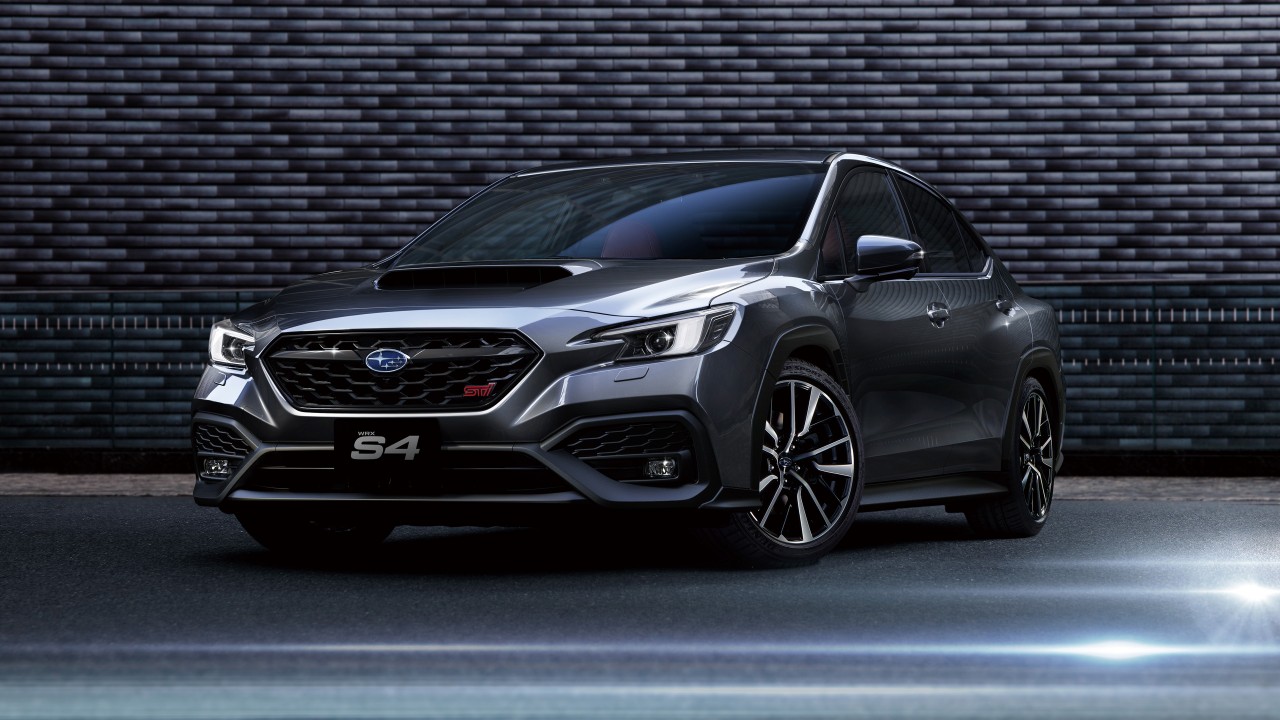
The steering is sharp and responsive. It reacts quickly to small movements. Although this is helpful for performance driving, it may feel slightly sensitive in slow-moving, crowded conditions.
The sport seats are designed to hold the driver firmly during fast turns. They provide strong side support. However, the cushioning may feel firm during long periods of sitting in traffic.
Engine sound in the WRX is stronger and more noticeable than in regular sedans. Some drivers enjoy the sporty tone, but others may prefer a quieter cabin during daily commutes.
Fuel efficiency is not its strongest feature. In heavy traffic, fuel use can increase. Drivers focused mainly on comfort and savings may find other sedans more practical for daily city driving.
Interior space is decent, but the design focuses more on performance than luxury comfort. The ride quality remains firm even at low speeds in busy streets.
Technology features are modern and helpful, but comfort still depends mostly on suspension tuning. Safety systems assist in traffic, yet ride softness plays a larger role in daily ease.