
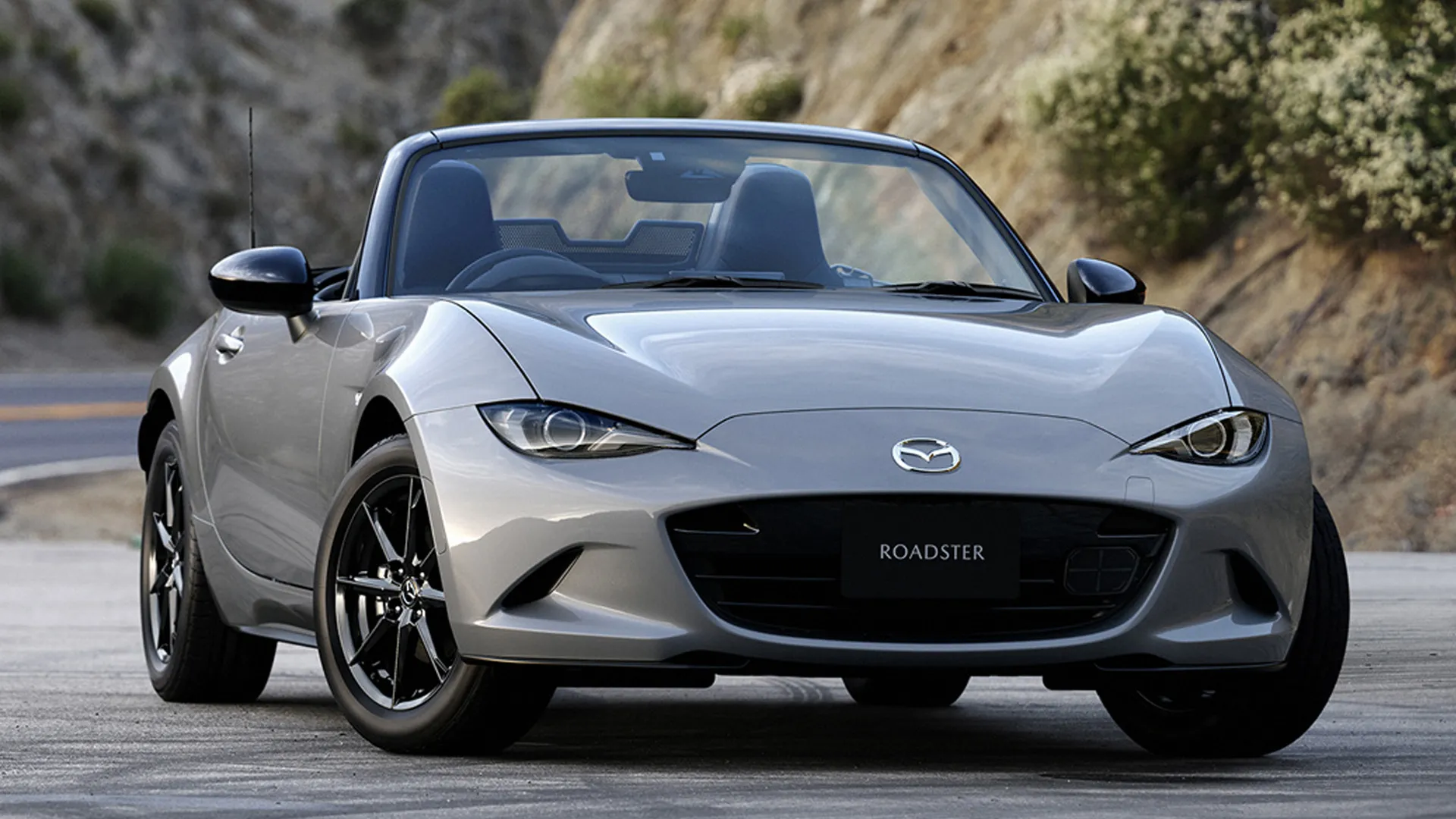
Driving feels effortless when a car behaves exactly as expected. Steering input leads to clean, smooth movement, braking remains stable, and cornering inspires trust instead of anxiety. Predictable handling does more than make a vehicle pleasant to drive. It improves safety, boosts confidence, and allows drivers of all skill levels to stay in control when conditions change without warning.
A well-balanced chassis, thoughtful suspension tuning, and responsive steering create harmony between driver and machine. That harmony turns daily commuting into a comfortable experience and spirited driving into a satisfying one. Drivers can focus on the road ahead rather than guessing how the vehicle might react during a sudden maneuver or tight corner.
Still, not every car delivers this consistency. Some vehicles surprise drivers with vague steering, sudden body roll, or awkward weight transfer. Those surprises can lead to discomfort and hesitation behind the wheel. Predictable handling, by comparison, builds trust mile after mile.
This guide highlights vehicles that deliver steady, reliable road manners. Each model listed here offers clear feedback through the steering wheel, controlled suspension movement, and a balanced feel that encourages confidence. From sporty coupes to family-friendly sedans, these vehicles demonstrate how thoughtful engineering creates a reassuring driving experience.
Let’s begin with five vehicles that set the standard for predictable handling and driver confidence.
5 Vehicles With Predictable Handling
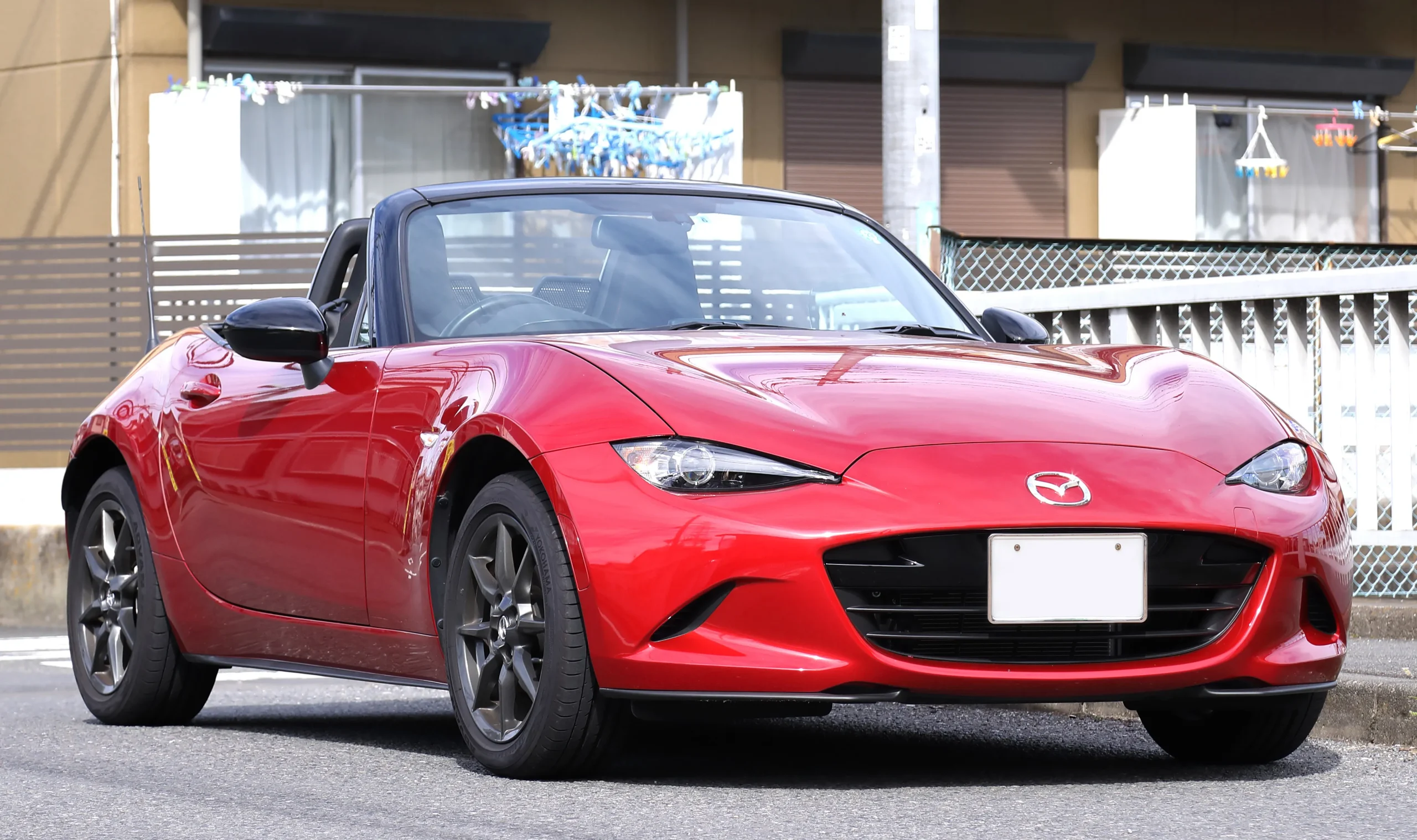
1. Mazda MX-5 Miata (ND Generation)
A lightweight roadster with a reputation for balance, the Mazda MX-5 Miata ND generation proves that simplicity can lead to exceptional handling clarity. Drivers often describe the experience as intuitive because every control communicates directly with the road. Steering input produces an immediate response, allowing drivers to place the car precisely where they want it.
Weight distribution plays a major role in the Miata’s behavior. With a near-perfect front-to-rear balance and a low center of gravity, the car stays composed during quick direction changes. Corner entry feels smooth, mid-corner stability remains consistent, and exit acceleration never disrupts the chassis. Instead of sudden movements or unpredictable weight transfer, the Miata flows naturally through bends.
Steering feel stands out as one of its strongest traits. The wheel delivers clear feedback without feeling heavy or artificial. Small corrections produce small results, and larger inputs translate into controlled movement rather than abrupt reactions. That level of communication allows drivers to build confidence quickly, even on unfamiliar roads.
Suspension tuning strikes a satisfying middle ground. The ride stays firm enough to limit body roll yet comfortable enough for daily driving. Bumps and imperfections do not unsettle the chassis, which helps maintain stability through uneven corners. Drivers experience a sense of connection rather than isolation.
Manual transmission models add another layer of predictability. Gear changes feel precise, and throttle response remains smooth across the rev range. Even during spirited driving, the car maintains a calm demeanor that encourages exploration without intimidation.
Road conditions can change quickly, yet the MX-5 Miata continues to behave in a steady, understandable way. Rain, dry pavement, and winding backroads all highlight its balanced nature. Confidence builds with every mile, reinforcing its reputation as one of the most predictable handling cars available.
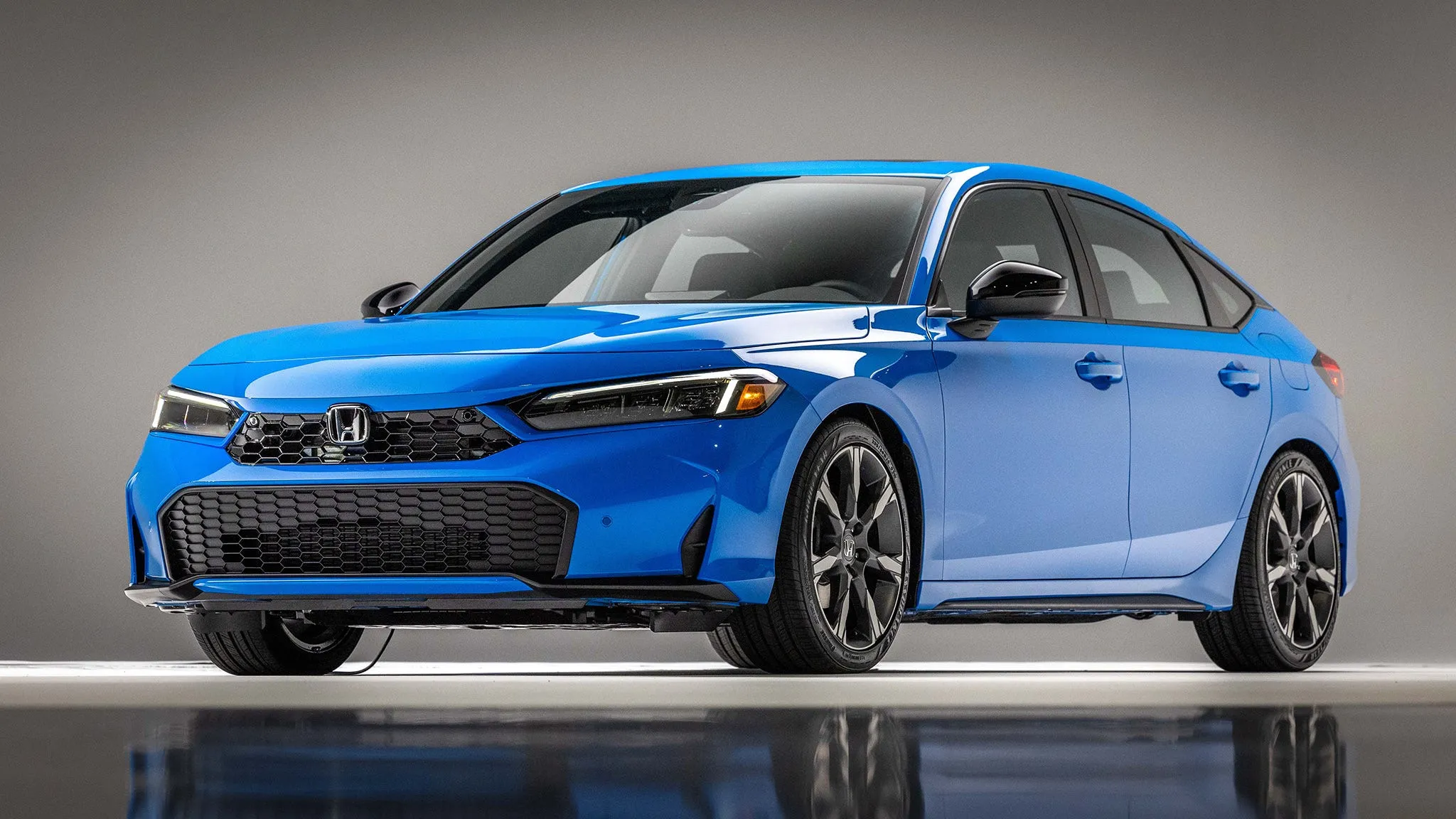
2. Honda Civic Sport Touring (11th Generation)
Clean design meets thoughtful engineering in the Honda Civic Sport Touring 11th generation. This compact sedan delivers consistent, reliable handling that appeals to both new drivers and seasoned commuters. Steering response feels measured and accurate, creating a sense of control that rarely falters.
Chassis tuning plays a central role in the Civic’s behavior. Engineers prioritized stability and composure, resulting in a car that stays planted during lane changes and highway cruising. Cornering remains smooth rather than dramatic, which keeps the experience approachable for a wide range of drivers.
Electric power steering often feels artificial in modern cars, yet the Civic avoids that trap. Steering weight builds naturally as speed increases, giving drivers a clear sense of what the front wheels are doing. That clarity makes it easier to maintain precise positioning on winding roads and busy city streets.
Suspension design supports predictable handling through careful damping and spring rates. The car absorbs bumps without excessive body motion, allowing tires to maintain steady contact with the road. Quick transitions from one direction to another remain controlled, preventing the unsettling sensation that can occur in less balanced vehicles.
The front-wheel drive layout adds another layer of stability. Power delivery remains smooth during acceleration, and torque steer stays minimal. Drivers can apply the throttle confidently without worrying about sudden steering corrections. Even during wet conditions, traction and balance stay consistent.
Daily driving benefits greatly from this predictability. Commutes feel calm rather than stressful, and long highway trips become more relaxing. Drivers know how the car will respond to steering input, braking, and acceleration, which builds trust as time goes on.
Honda’s reputation for reliability extends beyond mechanical durability. The Civic Sport Touring delivers dependable road manners that make every trip feel controlled and comfortable. For drivers seeking steady, understandable handling in a compact sedan, this model delivers exactly that.
Also Read: 10 Vehicles That Handle Monsoon Roads Better Than You’d Expect
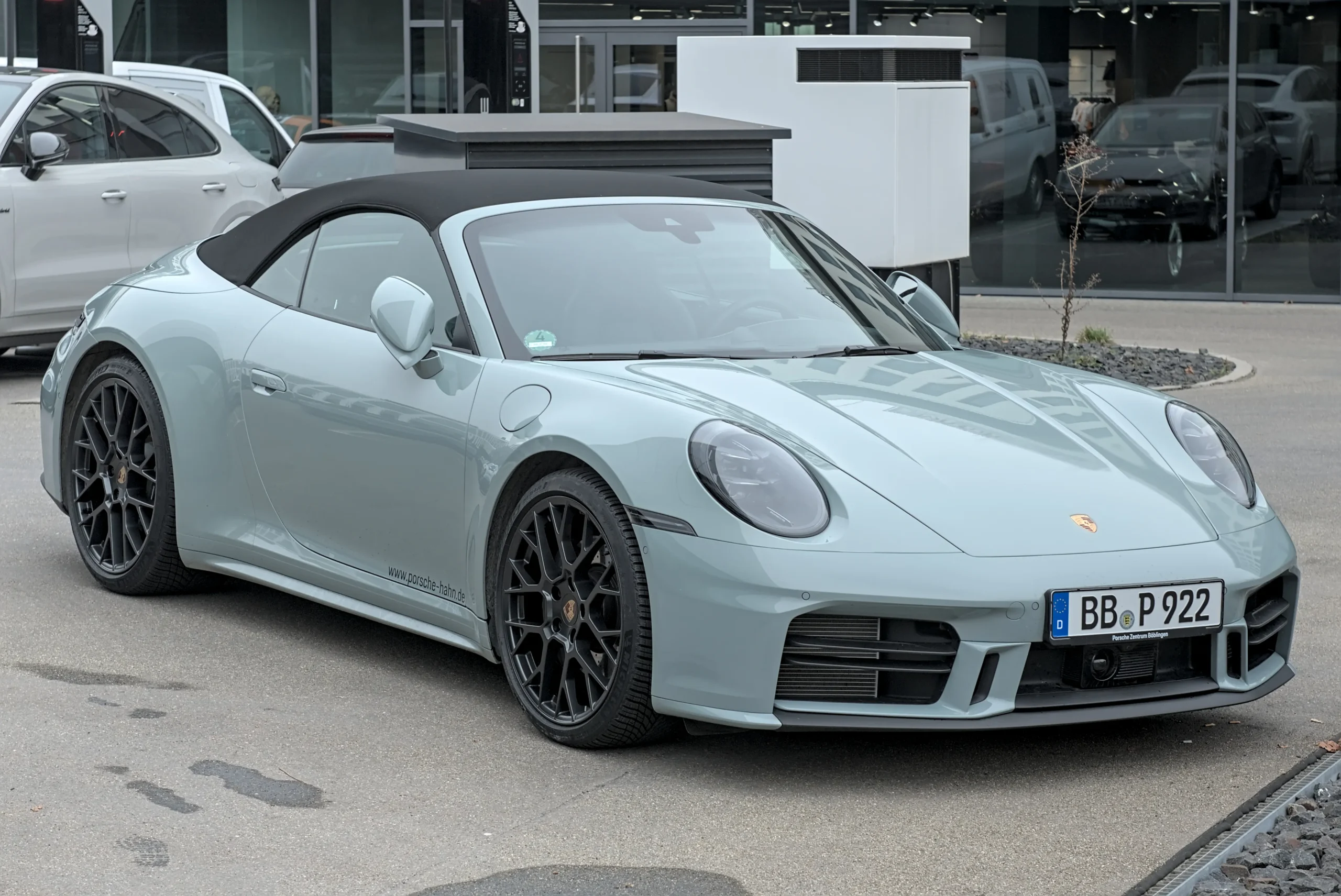
3. Porsche 911 Carrera (992 Generation)
Precision defines the Porsche 911 Carrera 992 generation. Despite its rear-engine layout, which once demanded careful handling, modern engineering has transformed this sports car into a model of predictability. Steering, braking, and acceleration work together in harmony, allowing drivers to push with confidence.
Weight distribution might appear unconventional, yet advanced suspension systems and electronic aids maintain balance. During corner entry, the front end responds quickly without feeling nervous. Mid-corner stability remains impressive, and exit acceleration feels controlled rather than overwhelming.
Steering feedback stands at the center of the experience. Drivers receive clear information about tire grip and road texture through the wheel. This communication allows for precise adjustments, helping maintain smooth lines through curves. Even at higher speeds, the car feels composed and stable.
Adaptive suspension systems enhance predictability across various driving conditions. Comfort settings provide a smooth ride for daily use, while sport modes tighten body control without introducing harshness. Changes in road surface rarely upset the chassis, which keeps the driving experience consistent.
Braking performance adds another layer of confidence. Pedal feel remains firm and progressive, allowing drivers to modulate stopping power easily. During spirited driving, the car maintains composure without sudden nose dive or instability. Each input produces a clear, expected result.
Advanced traction and stability systems operate quietly in the background. Rather than interfering abruptly, they support the driver’s intentions by smoothing out potential loss of grip. This subtle assistance enhances confidence without reducing engagement.
Drivers often describe the 911 Carrera as approachable despite its performance capabilities. Predictable handling allows both casual drivers and enthusiasts to enjoy the car fully. Confidence grows quickly because the vehicle responds in a consistent, understandable manner.
For those seeking a high-performance car that remains composed and trustworthy, the Porsche 911 Carrera 992 generation delivers an exceptional driving experience built on predictability.
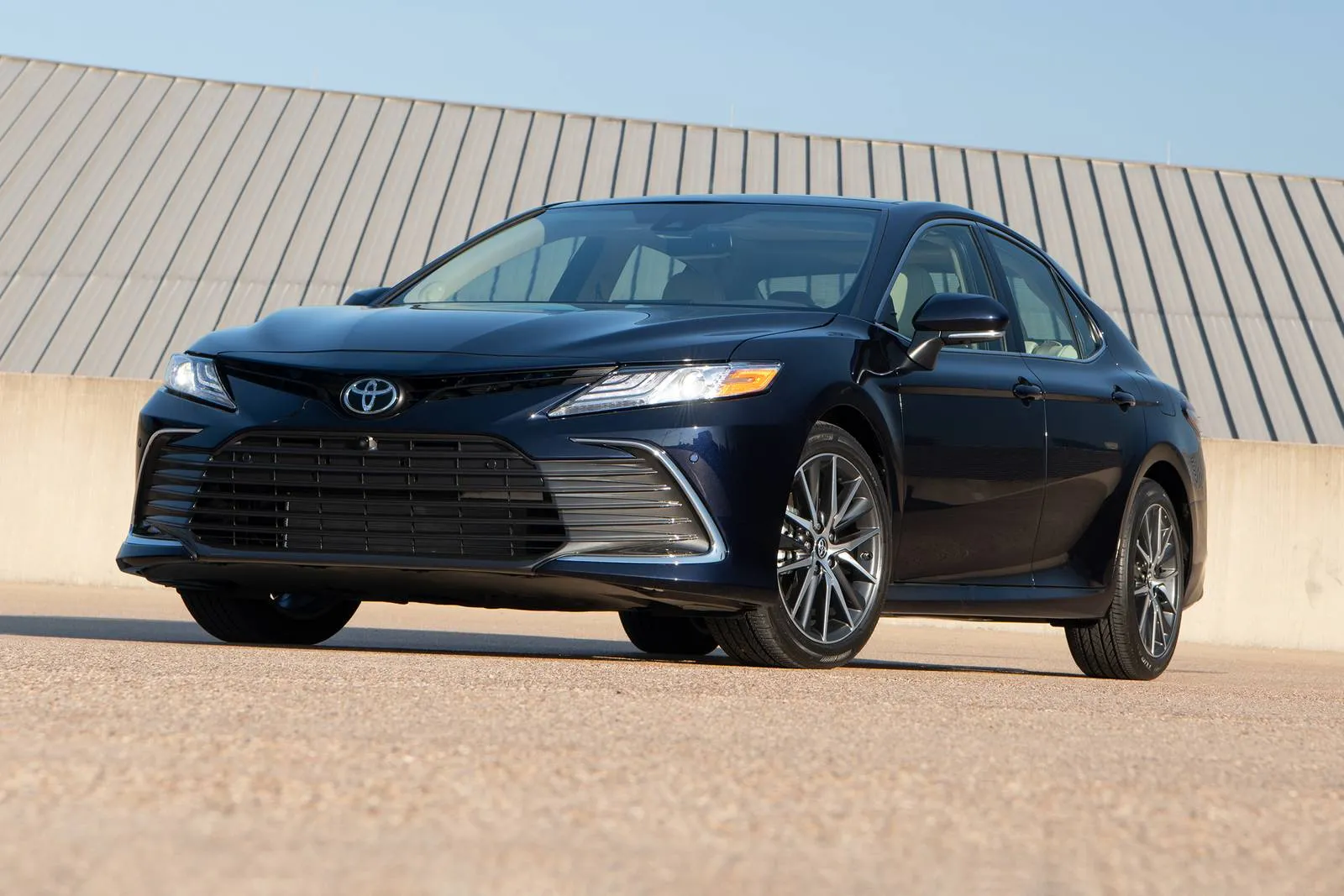
4. Toyota Camry XSE (Current Generation)
Comfort meets control in the Toyota Camry XSE, a midsize sedan that emphasizes steady handling for everyday driving. Known for reliability and ease of use, this model also delivers consistent road manners that inspire confidence during both short trips and long journeys.
Steering response feels smooth and linear. Drivers can make small adjustments without experiencing sudden or exaggerated reactions. This clarity helps maintain stable lane positioning on highways and busy urban roads. Even during quick maneuvers, the car responds calmly.
Suspension tuning focuses on balance. Engineers designed the system to absorb bumps while keeping body movement under control. As a result, the Camry XSE remains composed through corners without feeling overly firm. Passengers enjoy a comfortable ride while drivers benefit from predictable handling.
Front-wheel drive contributes to stability in various weather conditions. Power delivery stays manageable, allowing drivers to accelerate confidently on wet or slippery surfaces. Traction control systems work seamlessly to maintain grip without drawing attention to themselves.
Weight distribution and chassis rigidity further enhance stability. During braking, the car remains level rather than pitching forward excessively. Cornering feels controlled, with minimal body roll and steady tire contact. These characteristics create a reassuring driving experience.
Long-distance travel highlights the Camry’s strengths. Highway cruising feels relaxed, and lane changes occur smoothly without unsettling the vehicle. Drivers can maintain a steady pace without constantly correcting steering input. That sense of calm encourages comfort during extended drives.
Toyota’s approach to engineering prioritizes reliability and consistency. The Camry XSE reflects that philosophy through its predictable handling and user-friendly behavior. Drivers seeking a dependable sedan that responds clearly and calmly will appreciate what this model offers.
Daily commutes, family trips, and weekend drives all benefit from its steady nature. Confidence behind the wheel grows naturally when a car behaves exactly as expected, and the Camry XSE delivers that assurance with every mile.
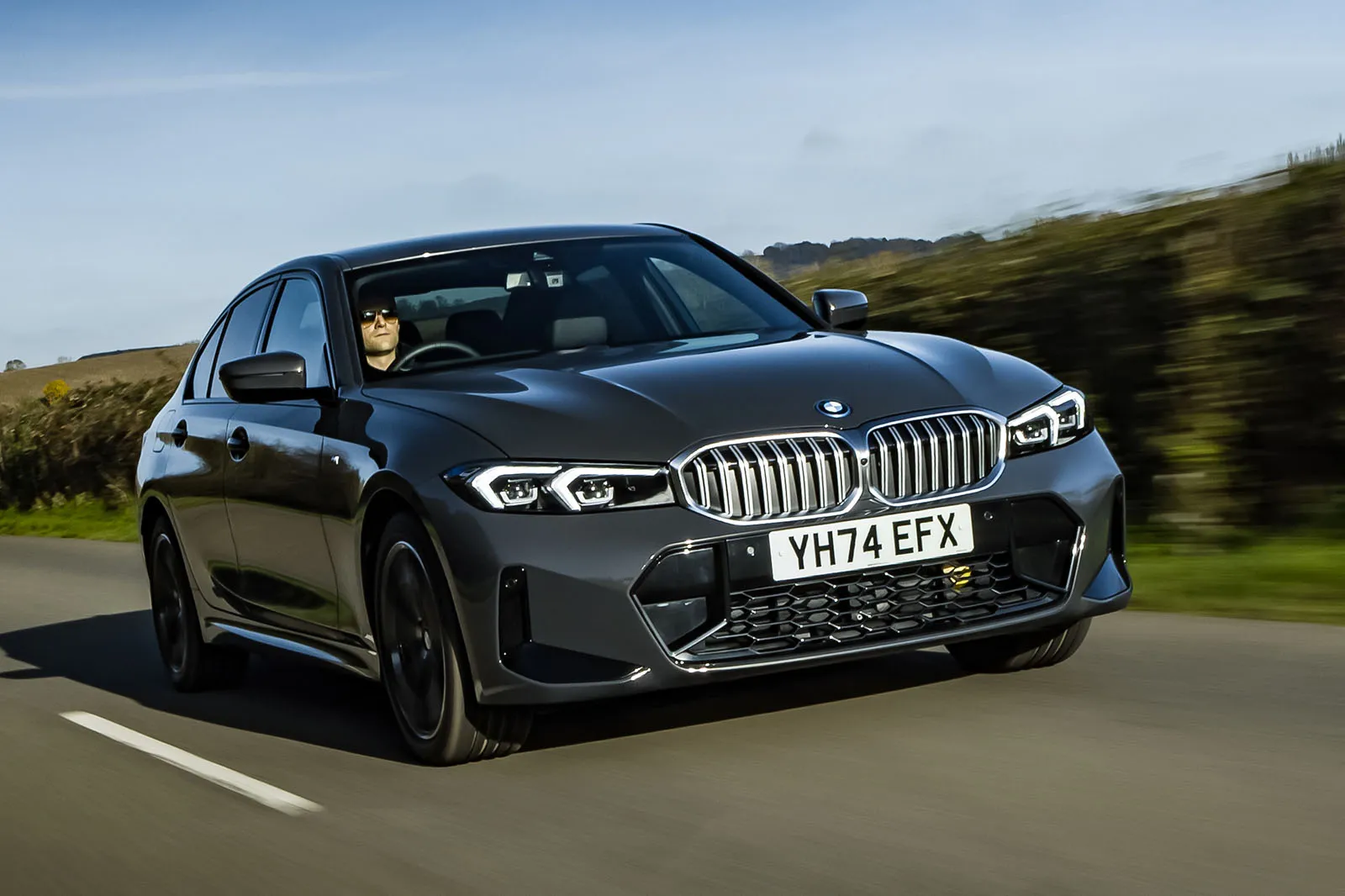
5. BMW 3 Series 330i (G20 Generation)
Sport sedan enthusiasts often praise the BMW 3 Series 330i G20 generation for its balanced and predictable handling. This model blends performance and comfort in a way that feels accessible rather than intimidating. Steering, suspension, and chassis tuning work together to create a consistent driving experience.
Sharp yet controlled steering defines the 330i’s personality. Inputs translate directly into movement without feeling overly sensitive. Drivers can guide the car through corners with confidence, knowing that each adjustment will produce a measured response. Feedback through the wheel remains clear without becoming overwhelming.
Rear-wheel drive layout enhances balance. Power delivery feels smooth and progressive, allowing drivers to accelerate through turns without upsetting stability. Weight distribution stays even, which helps maintain composure during quick direction changes.
Adaptive suspension options provide flexibility for different driving styles. Comfort mode delivers a relaxed ride suitable for commuting, while sport settings tighten body control for spirited driving. Regardless of mode, the car maintains predictable behavior that keeps drivers in control.
Braking performance supports confidence as well. Pedal feel remains consistent, making it easy to judge stopping distances. Sudden braking does not introduce instability, allowing drivers to remain calm during unexpected situations.
Chassis rigidity and thoughtful engineering contribute to the car’s steady nature. Body roll stays minimal, and tire grip remains consistent across varying road conditions. Drivers can trust the vehicle to respond reliably, whether on winding backroads or busy highways.
Daily usability pairs well with engaging performance. Commuters appreciate its smooth manners, while enthusiasts enjoy its responsive character. Predictable handling bridges the gap between practicality and excitement, making each drive satisfying.
Confidence behind the wheel often depends on how well a car communicates with its driver. The BMW 3 Series 330i excels in this regard, offering clear feedback and steady behavior that encourage trust and enjoyment during every journey.
5 Vehicles That Aren’t Always Predictable
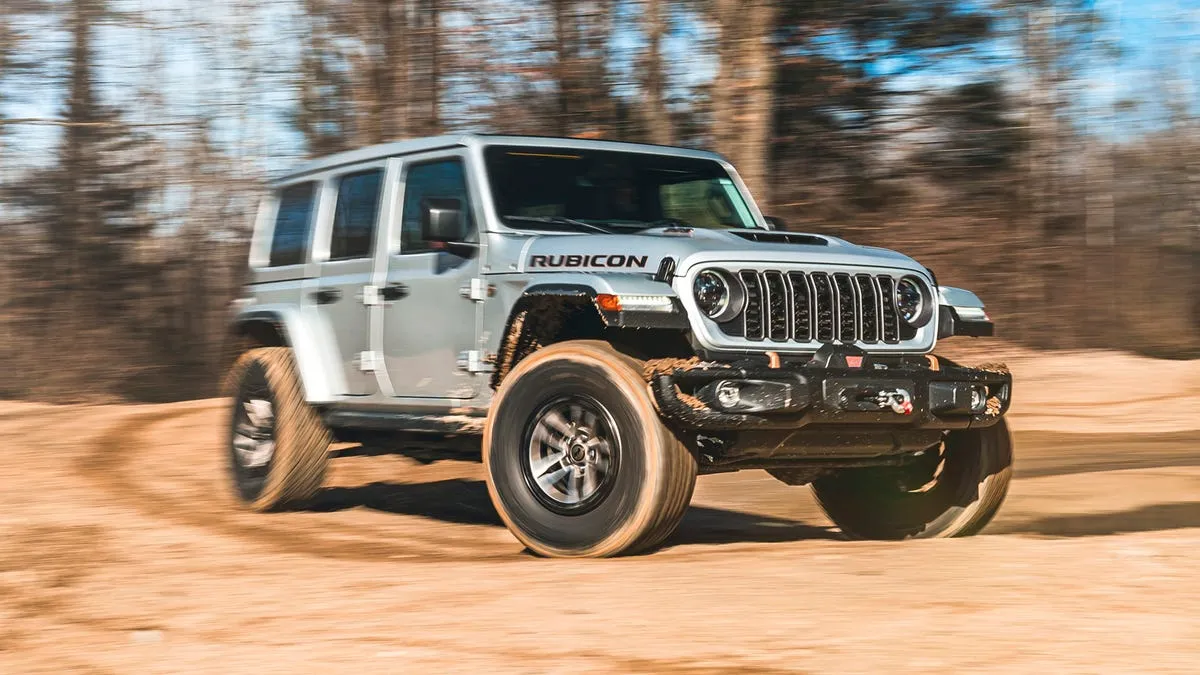
1. Jeep Wrangler Rubicon (JL Generation)
Few vehicles command attention quite like the Jeep Wrangler Rubicon JL generation. Built for rugged trails and rocky paths, this SUV shines off-road yet often feels less settled on paved streets. Drivers who expect smooth, predictable handling during daily commutes may find themselves adjusting quickly to its unique personality.
Tall ride height plays a major role in how the Wrangler behaves. That elevated stance provides excellent ground clearance for off-road adventures, though it also raises the center of gravity. During quick turns or highway lane changes, body movement becomes more pronounced than in lower vehicles. Steering inputs can lead to noticeable lean, which sometimes catches new drivers off guard.
Solid front and rear axles contribute to its trail-ready durability. On uneven surfaces, this design allows wheels to maintain traction and articulation. When driving on smooth pavement, however, the same setup can produce less refined responses. Small bumps and road imperfections travel directly into the cabin, occasionally unsettling the vehicle’s path.
Steering feel remains another area where predictability can vary. Recirculating ball steering systems prioritize strength over precision, which results in a looser on-center feel compared to modern rack-and-pinion setups. Drivers often make small corrections to maintain a straight line at highway speeds, especially during windy conditions.
Short wheelbase configurations further influence stability. Quick directional changes can feel abrupt, and sudden braking may cause noticeable weight transfer. These characteristics do not make the Wrangler unsafe, yet they demand attention and familiarity from the driver. Confidence builds with experience, though first impressions can feel uncertain.
Off-road environments showcase the Wrangler’s strengths. Rock crawling, mud trails, and sandy paths highlight its exceptional traction and durability. Street driving tells a different story, where tall suspension and off-road tires create a driving experience that requires constant input.
Enthusiasts appreciate the Wrangler for its adventurous spirit and unmatched trail capability. Drivers seeking consistent road manners may need time to adapt to its unique handling behavior. Familiarity and practice help transform unpredictability into character, yet the learning curve remains part of the ownership experience.
For those who prioritize off-road capability above all else, the Jeep Wrangler Rubicon delivers excitement. Predictable street handling, though, remains secondary to its rugged mission.
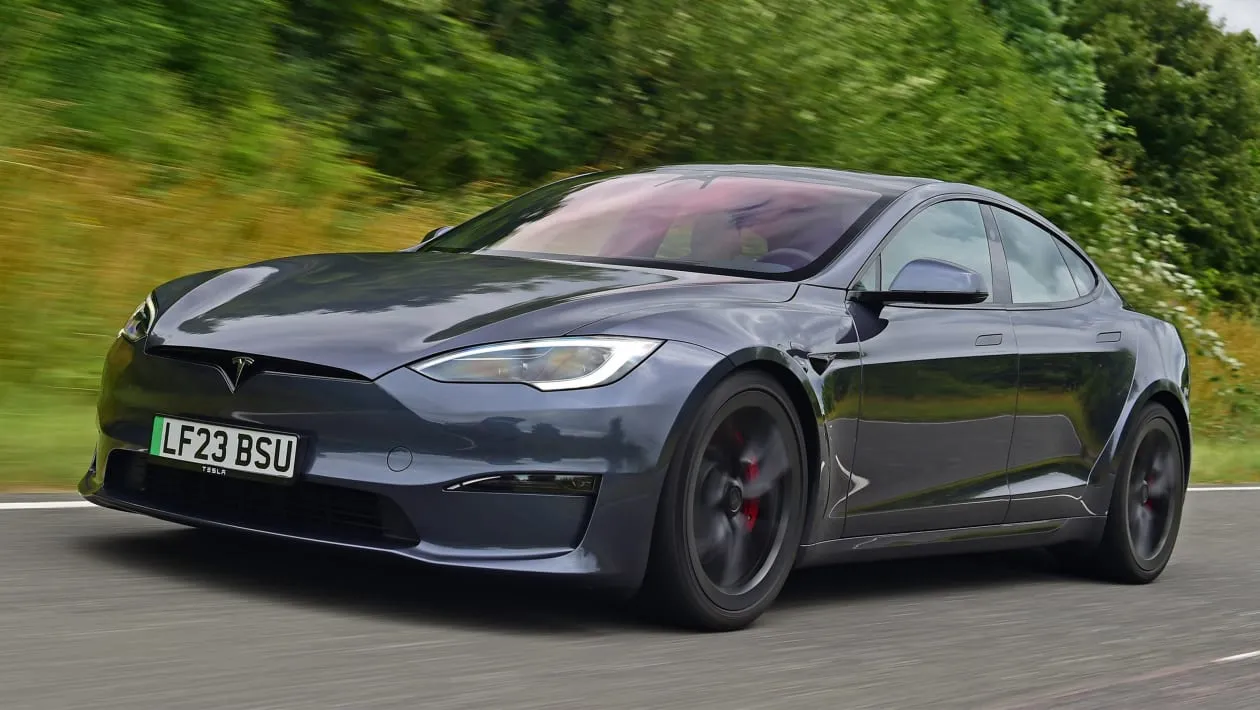
2. Tesla Model S Plaid (Current Model)
Blistering acceleration defines the Tesla Model S Plaid, a high-performance electric sedan that delivers astonishing speed. Such power creates thrilling experiences, yet it also introduces handling characteristics that can surprise drivers who expect traditional sports sedan behavior.
Instant torque stands at the center of this unpredictability. Electric motors deliver full power immediately, which can overwhelm traction during aggressive acceleration. Even with advanced traction control systems, rapid throttle input sometimes produces unexpected wheel slip or sudden forward surges. Drivers must modulate input carefully to maintain smooth progress.
Weight distribution adds another dimension. Large battery packs positioned beneath the floor create a low center of gravity, yet total vehicle weight remains high. During tight corners, that mass influences how the car responds to steering and braking. Entry speeds that feel comfortable in lighter vehicles may lead to wider arcs here, requiring adjustment.
Steering feel often divides opinion. Electric steering systems provide precision but limited feedback. Without strong communication through the wheel, drivers rely more on visual cues than tactile sensation. This reduced feedback can make it harder to sense tire grip limits during spirited driving.
Adaptive suspension systems attempt to manage weight and power effectively. Comfort settings deliver a smooth ride for daily commuting, while sport modes stiffen the chassis. Rapid transitions between acceleration and braking can still create dramatic weight transfer. Such transitions occasionally unsettle the car, especially on uneven pavement.
Braking performance remains strong, though regenerative braking introduces a learning curve. Lifting off the accelerator slows the vehicle immediately, which changes corner entry timing. Drivers unfamiliar with one-pedal driving may find initial experiences slightly unpredictable until muscle memory develops.
High speeds amplify these characteristics. Straight-line performance feels exhilarating, yet tight curves demand careful planning. Smooth steering and measured throttle input help maintain control, while abrupt movements can produce unexpected reactions.
Daily driving at moderate speeds remains comfortable and composed. Challenges arise primarily during spirited driving or sudden maneuvers. Once drivers adapt to the instant power delivery and unique braking feel, confidence improves.
Tesla’s Model S Plaid delivers remarkable performance, though its immense power and distinct driving dynamics can surprise even experienced drivers. Mastery comes with familiarity and a willingness to adapt.
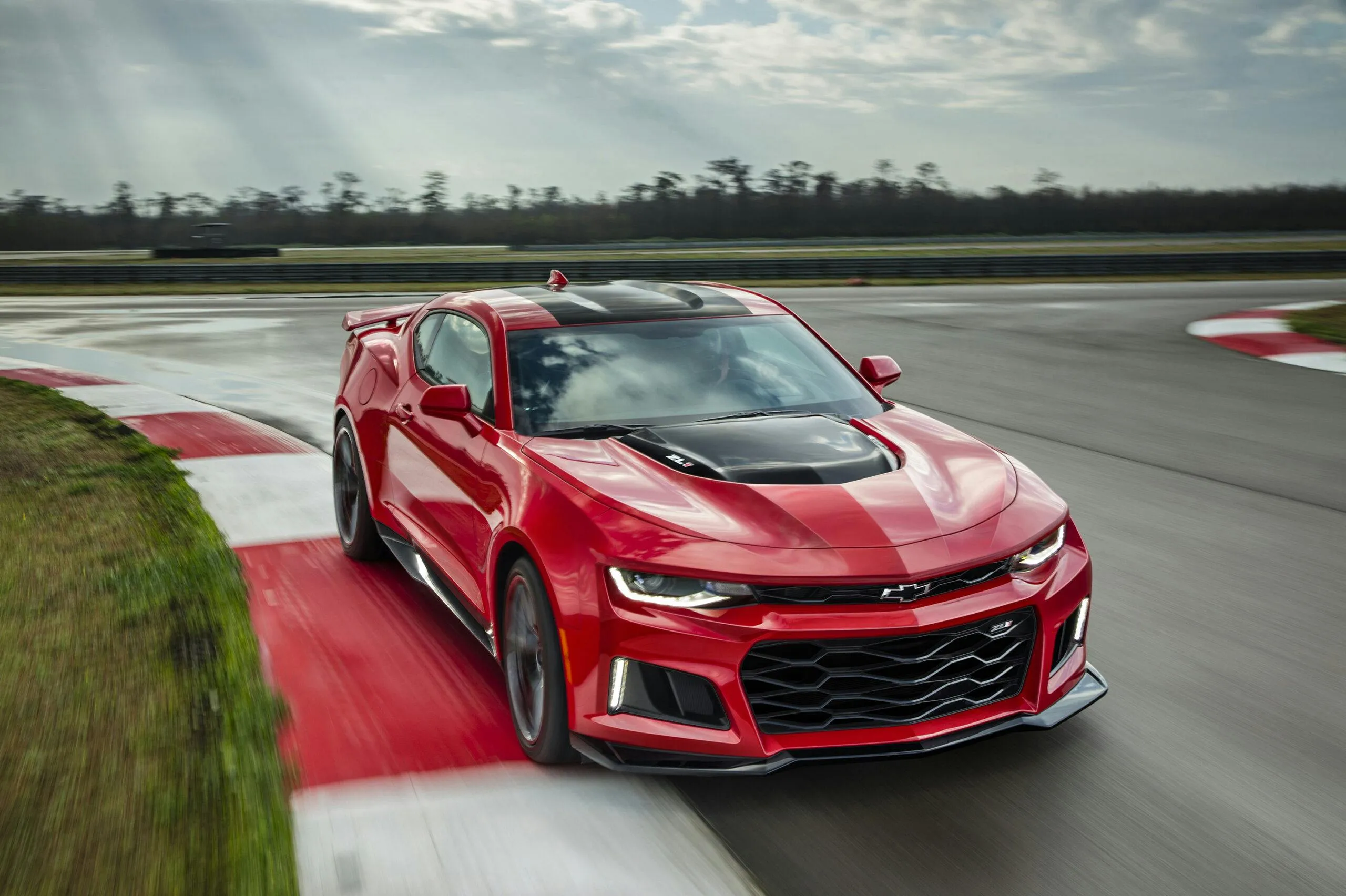
3. Chevrolet Camaro ZL1 (Sixth Generation)
Raw power meets aggressive styling in the Chevrolet Camaro ZL1 sixth generation. Designed for track performance, this muscle car delivers thrilling acceleration and sharp cornering potential. Handling behavior, though, can feel less predictable for drivers unfamiliar with high-horsepower rear-wheel-drive machines.
Supercharged V8 power defines the ZL1’s personality. Throttle input produces immediate, forceful acceleration that demands respect. Rear tires can lose grip quickly under heavy throttle, particularly on cold or wet surfaces. Drivers must balance power carefully to maintain stability during corner exits.
Wide body dimensions and limited rear visibility contribute to a demanding driving experience. Tight city streets and parking areas require constant awareness, and quick lane changes at speed feel less intuitive than in smaller sports cars. These physical traits can influence driver confidence during everyday use.
Magnetic Ride Control suspension adapts to road conditions and driving modes. Comfort settings soften the ride, while track-oriented modes stiffen damping for improved cornering. Rapid transitions between modes can alter handling feel dramatically. Drivers switching settings mid-drive may notice immediate changes in body control and responsiveness.
Steering response remains quick yet sometimes heavy. At lower speeds, the wheel requires more effort than expected, while high-speed cornering delivers sharp reactions. Balancing these traits takes practice, particularly for drivers transitioning from lighter vehicles with gentler steering.
Weight distribution leans toward the front due to the large engine. During aggressive corner entry, the nose may push outward before grip returns. Skilled drivers learn to manage this behavior through smooth braking and throttle control. Sudden inputs can lead to unpredictable movement, especially on uneven pavement.
Track environments highlight the ZL1’s strengths. High-speed corners and straightaways allow the chassis and powertrain to shine. Public roads introduce variables such as traffic, weather, and surface changes, which can challenge its composure. Confidence grows as drivers learn the car’s limits and responses.
Ownership often appeals to enthusiasts seeking excitement rather than simplicity. Mastery requires patience and practice, yet rewards come in the form of exhilarating performance. Drivers comfortable with powerful rear-wheel-drive vehicles will adapt more quickly.
Chevrolet Camaro ZL1 offers impressive capability paired with demanding handling characteristics. Predictability improves with experience, though initial drives may feel intense and occasionally surprising.
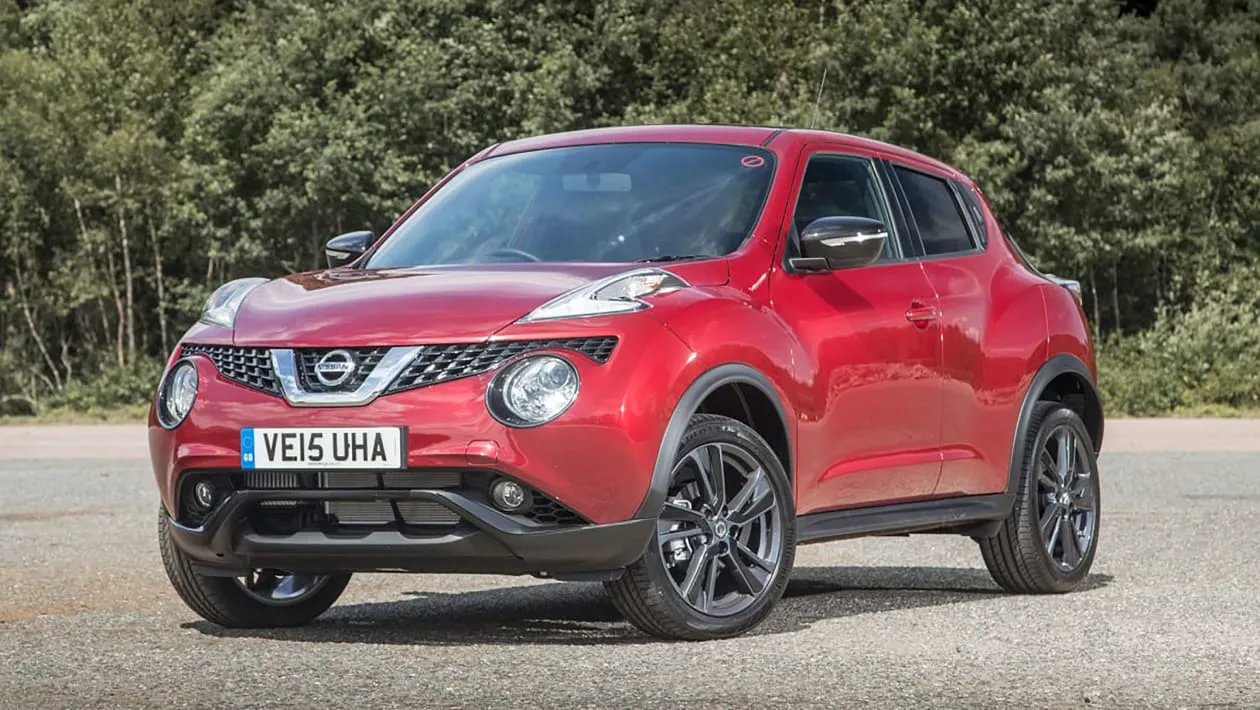
4. Nissan Juke NISMO RS (First Generation)
Quirky styling and turbocharged performance define the Nissan Juke NISMO RS first generation. This compact crossover aims to deliver sporty excitement, yet its handling characteristics can feel inconsistent during spirited driving and everyday use alike.
Short wheelbase and tall stance create a unique combination. While compact dimensions aid maneuverability in tight spaces, the elevated ride height introduces noticeable body movement. Quick turns sometimes produce sudden weight transfer, leading to a feeling of instability that surprises drivers expecting hatchback-like behavior.
Turbocharged engine response adds another layer of unpredictability. Power delivery arrives quickly once boost builds, creating bursts of acceleration that can upset balance mid-corner. Smooth throttle application becomes essential for maintaining composure, particularly on winding roads.
Steering feel varies depending on speed and road surface. At low speeds, response remains light and easy to manage. Higher speeds bring heavier steering with less consistent feedback. Drivers may find themselves making frequent corrections to maintain a steady line through curves.
All-wheel-drive versions introduce torque vectoring technology intended to improve cornering. While helpful in certain conditions, the system occasionally produces unexpected sensations as power moves between wheels. This dynamic behavior can feel engaging yet slightly confusing for drivers unfamiliar with the technology.
Suspension tuning leans toward firmness to support sporty intentions. Rough pavement and sharp bumps can unsettle the chassis, causing brief moments of instability. Passengers may notice a jittery ride, while drivers experience quick changes in direction from uneven surfaces.
City driving highlights both strengths and weaknesses. Compact size allows easy parking and quick maneuvers, though abrupt steering or throttle inputs may lead to less predictable responses. Highway cruising feels stable at moderate speeds, yet sudden lane changes require careful input.
Owners often appreciate the Juke NISMO RS for its distinctive personality and energetic performance. Adaptation plays a major role in building confidence behind the wheel. Learning how the turbocharged engine and suspension respond to inputs helps smooth out the experience.
Drivers seeking consistent, linear handling may find the Juke’s behavior unconventional. Those who embrace its quirks often enjoy the lively character that comes with it.
Also Read: 10 Vehicles That Stay Cool Even in Stop-and-Go Heat
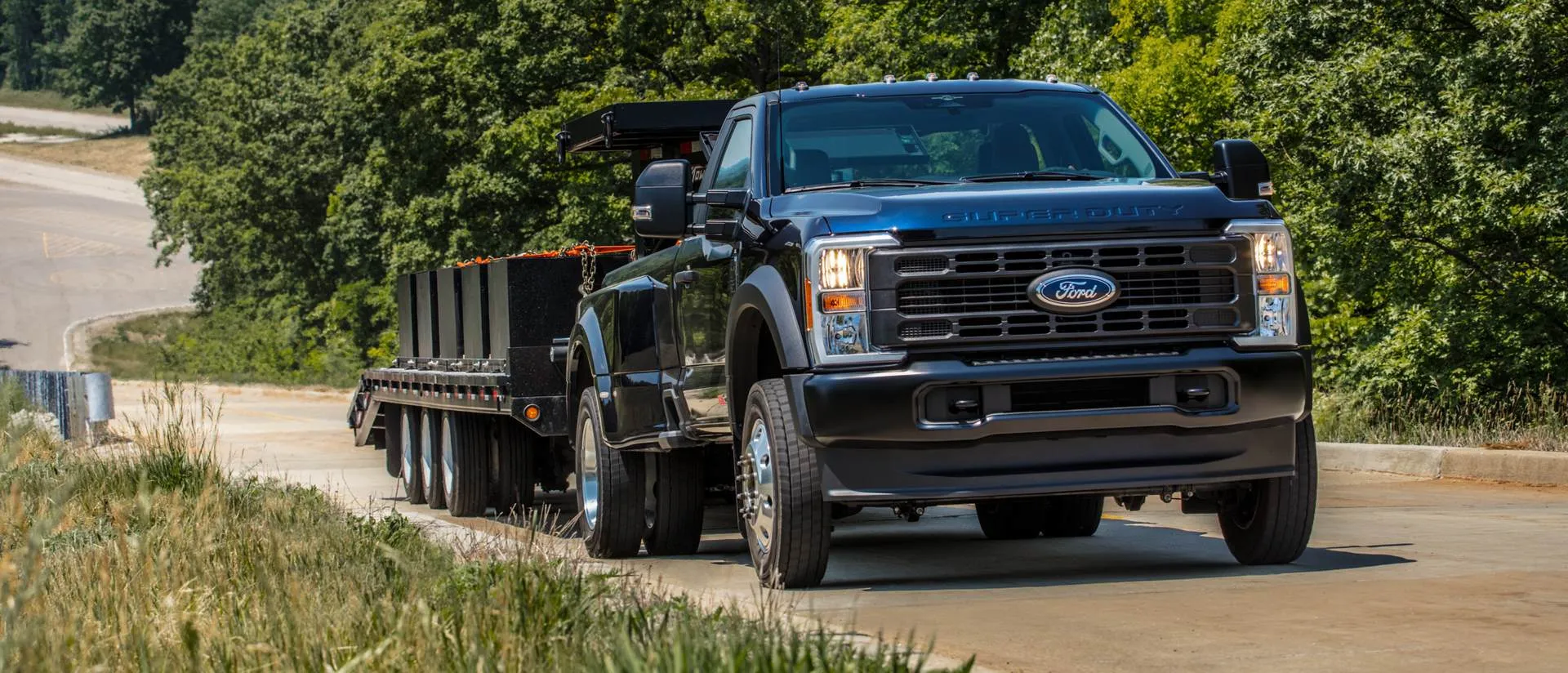
5. Ford F-250 Super Duty (Current Generation)
Power and capability define the Ford F-250 Super Duty, a heavy-duty pickup designed for towing and hauling. While exceptionally capable in its intended roles, handling predictability during everyday driving can vary due to size, weight, and suspension design.
Large dimensions influence maneuverability. Wide stance and extended length require careful steering input in tight spaces. Parking lots, narrow streets, and quick lane changes demand attention and planning. Drivers transitioning from smaller vehicles often need time to adjust to the truck’s scale.
Solid rear axle and heavy-duty suspension support an impressive payload capacity. These components excel when carrying loads or towing trailers. Unloaded driving tells a different story. Without cargo to stabilize the rear suspension, the truck may feel bouncy on uneven roads. Sudden bumps can lead to noticeable vertical movement.
Steering response prioritizes durability over precision. Large tires and robust steering systems create a heavier feel at low speeds. Highway driving improves stability, though crosswinds and road imperfections still influence direction more than in lighter vehicles. Drivers frequently make small corrections to maintain a straight path.
High center of gravity affects cornering behavior. Tight turns require reduced speed to maintain control, and rapid directional changes can produce pronounced body lean. These traits do not diminish the truck’s capability, yet they require mindful driving to ensure stability.
Towing introduces additional variables. Properly balanced trailers enhance stability, while uneven loads can influence steering and braking. Experienced drivers learn to anticipate these changes and adjust accordingly. Electronic stability systems provide support, though driver awareness remains essential.
Interior comfort and technology help offset the demanding handling characteristics. Modern driver-assistance features such as lane-keeping systems and adaptive cruise control support long-distance travel. Despite these aids, the physical nature of a heavy-duty truck remains evident in daily driving.
Owners appreciate the F-250 for its strength and reliability. Predictable handling becomes more apparent when the truck operates within its intended purpose, such as hauling equipment or towing trailers. Empty commuting highlights the compromises required for such capability.
Ford F-250 Super Duty delivers exceptional power and utility, yet its size and suspension design create a driving experience that requires adaptation. Familiarity and careful input transform unpredictability into confidence for those who rely on its impressive strength.
