
City driving exposes details that highways often hide. Short trips, traffic lights, rough pavement, and frequent stops place constant demands on a vehicle’s refinement. At low and moderate speeds, noise becomes harder to ignore. Engine hum, tire roar, suspension thumps, and even wind seep into the cabin when insulation or tuning falls short.
For drivers who spend hours each week moving through urban streets, quietness shapes comfort more than acceleration figures or top speed ever will. A calm cabin reduces fatigue, sharpens focus, and makes daily routines feel easier. Conversations sound natural.
Music stays clear at low volume. Stress fades rather than builds with every mile. Some vehicles achieve this balance through thoughtful engineering, careful material choices, and suspension designs tuned for real streets rather than ideal test tracks. Others struggle, allowing road noise and mechanical sounds to dominate even short drives.
This page separates those experiences. The first section highlights five cars that remain impressively quiet at city speeds. These models excel at isolating occupants from outside disturbances while preserving a relaxed driving feel. The second section, presented in Part Two, focuses on vehicles that frequently allow noise to intrude, often leading to long-term dissatisfaction for owners who expected refinement.
Each car appears with its full name and model, and none repeat. Every section begins fresh for clarity. The goal is not brand loyalty or criticism, but honest reflection on how these vehicles behave during everyday urban use, where comfort matters most.
5 Cars That Stay Quiet at City Speeds
1. Lexus ES 350 2024
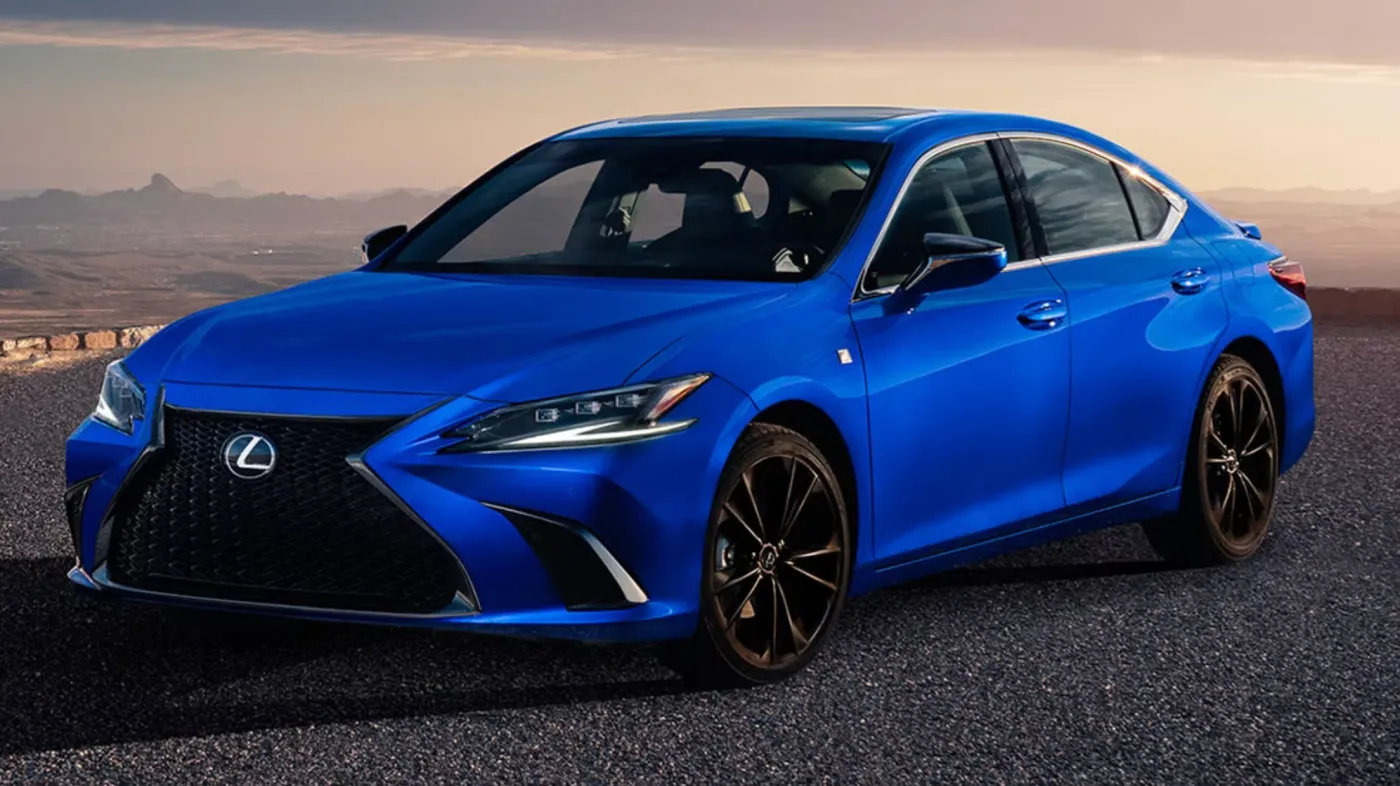
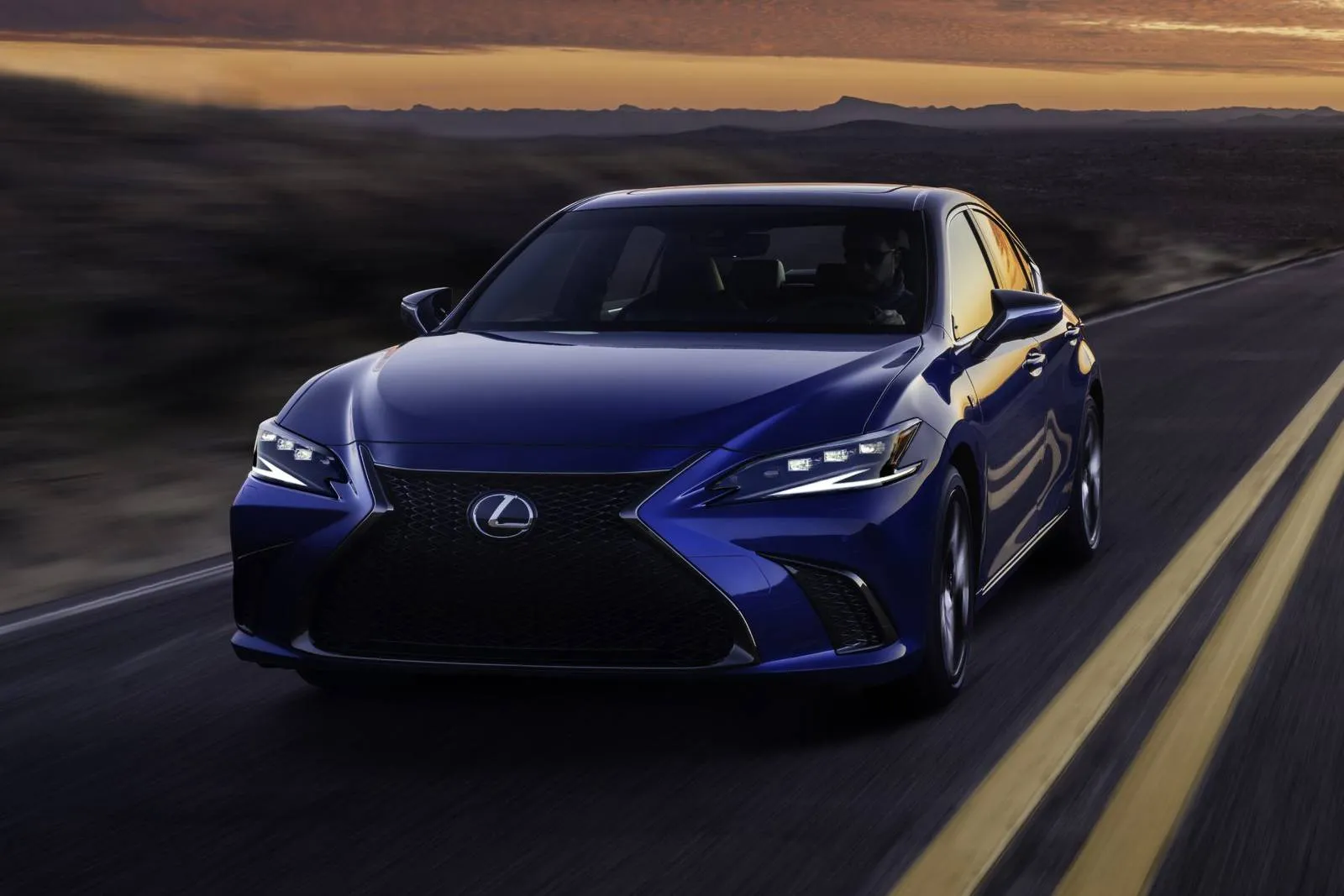
Silence feels intentional inside the Lexus ES 350 2024, especially during low-speed driving, where many cars reveal weaknesses. Pulling away from a stoplight, engine noise remains distant and muted, never demanding attention. Lexus engineers prioritized insulation and smooth power delivery, creating an atmosphere that feels detached from surrounding traffic noise.
City streets often punish suspensions with uneven surfaces and patched asphalt. ES 350 handles these conditions gracefully. Impacts register as soft movements rather than sharp sounds. Suspension components absorb irregularities before vibration reaches the cabin, preserving calm even on neglected roads. Tire noise stays low due to careful wheel and tire selection that favors comfort rather than aggressive styling.
Cabin materials contribute heavily to this experience. Door panels, dashboard surfaces, and carpeting work together to dampen sound. Windows block outside commotion effectively, making honking horns and nearby engines feel distant. At idle, the vehicle feels nearly motionless, which enhances relaxation during traffic delays.
Steering and braking also play a role. Smooth response prevents abrupt movements that often generate extra noise. Transitions between acceleration and deceleration remain fluid, avoiding drivetrain sounds that can intrude in less refined sedans.
Ownership satisfaction grows through consistency. Daily commutes feel predictable and calm, regardless of route quality. Lexus ES 350 2024 suits drivers who value serenity in busy environments, offering a quiet refuge that turns city driving into a less tiring experience.
2. Toyota Avalon 2022
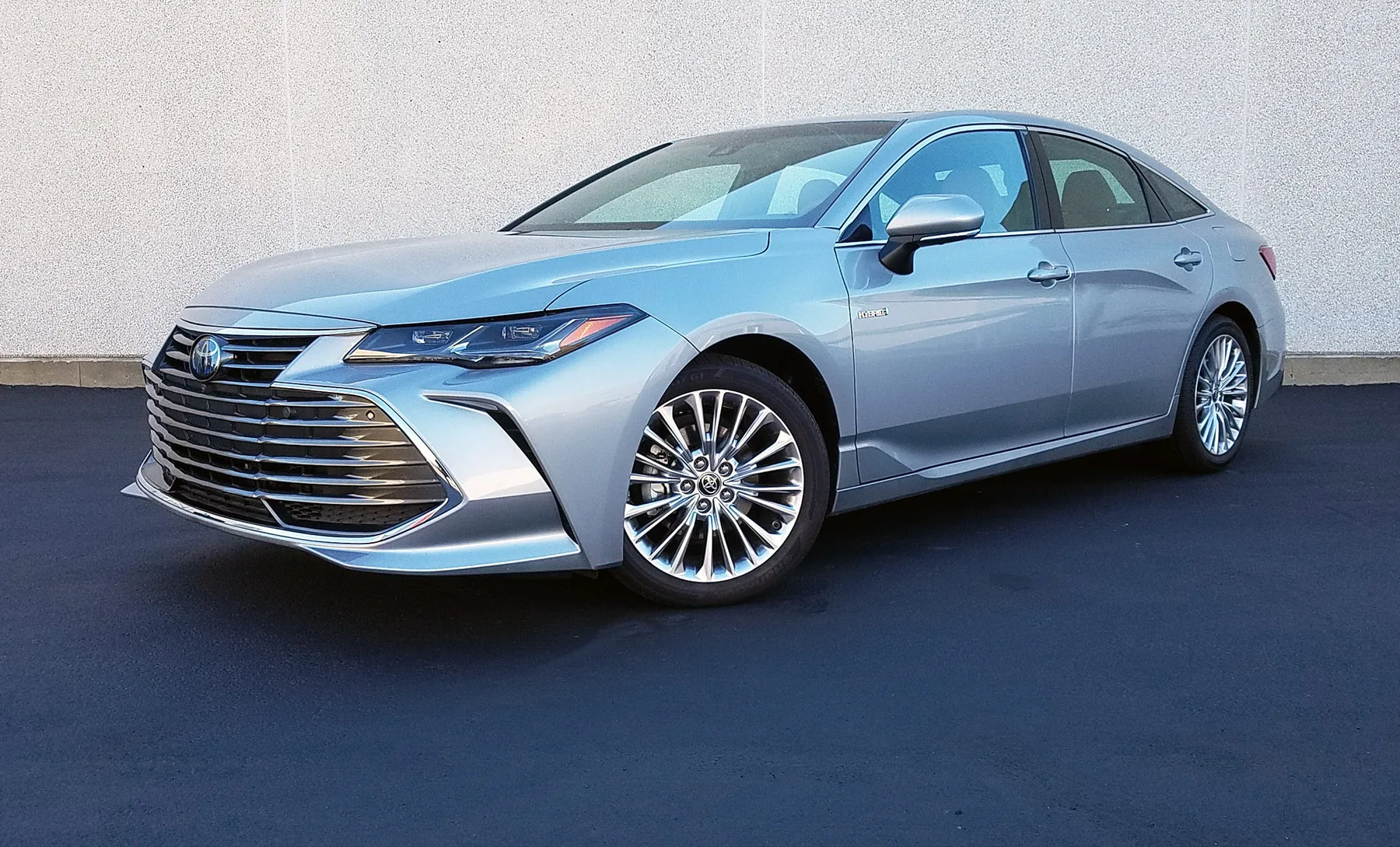
Comfort defines the Toyota Avalon 2022, and that comfort extends clearly to sound control at urban speeds. Even before moving, the cabin conveys isolation. Engine start remains subdued, and vibrations stay minimal through the steering wheel and pedals. This sets a relaxed tone for city travel.
Urban roads create constant noise challenges, from rough pavement to heavy traffic. Avalon addresses these through generous sound insulation and suspension tuning that favors smoothness. Tire noise blends into the background rather than standing out. Suspension movement feels composed, limiting secondary sounds from body flex or undercarriage contact.
Interior design supports this calm. Seats cushion occupants from subtle vibrations, while materials reduce echo and resonance. Doors close with a solid feel that hints at thoughtful construction. Conversations remain easy without raised voices, even at moderate speeds, surrounded by traffic.
Transmission behavior contributes quietly. Gear changes happen smoothly, avoiding abrupt moves that often introduce mechanical noise. Acceleration remains steady rather than aggressive, which aligns well with urban conditions where refinement outweighs urgency.
Drivers who spend time in congested areas appreciate how the Avalon shields them from stress. Toyota Avalon 2022 proves that a mainstream sedan can deliver impressive quietness without luxury pricing, making it a favorite among those who prioritize peaceful daily driving.
Also Read: 5 Vehicles With User-Friendly Infotainment vs 5 That Frustrate
3. Honda Accord Hybrid 2024
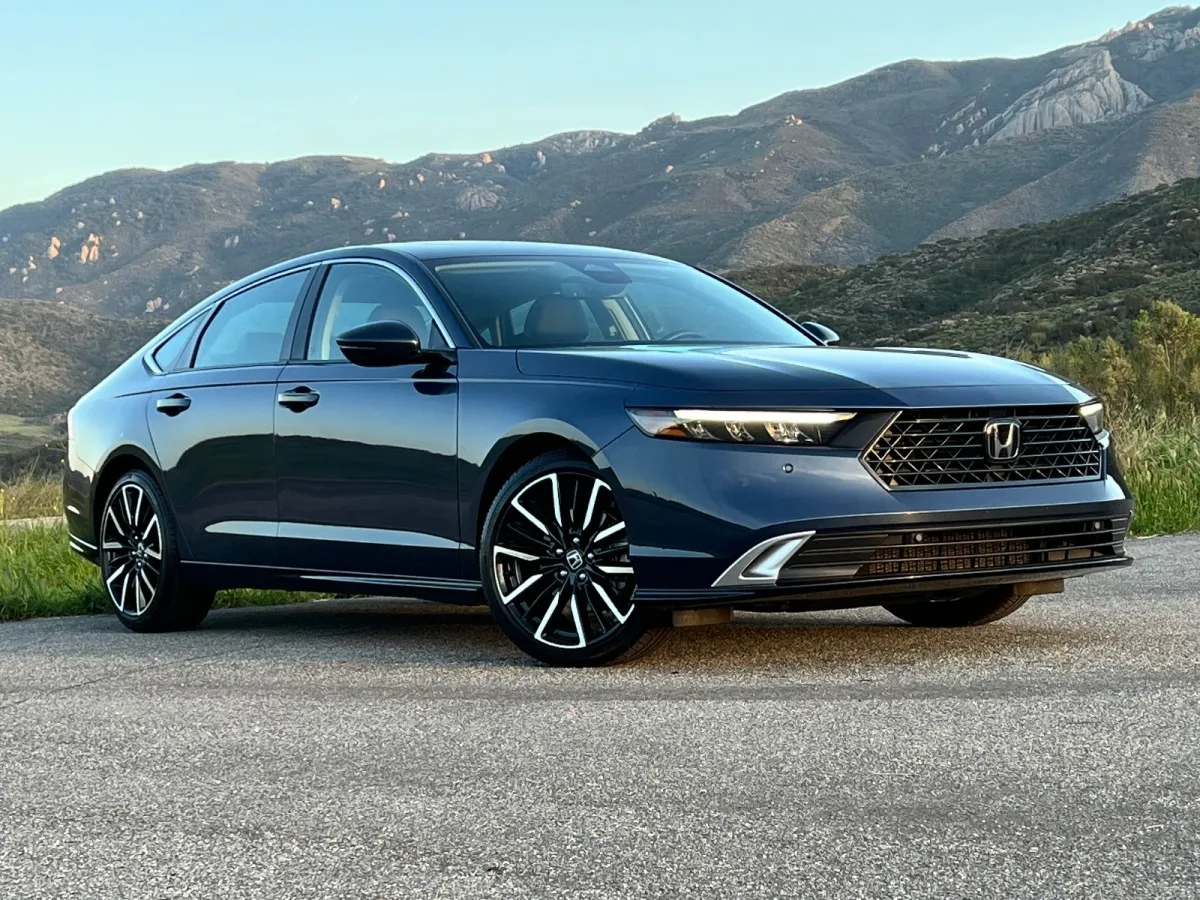
Efficiency and calm operation meet with careful balance inside the Honda Accord Hybrid 2024, especially during daily city use. Movement at low speeds often relies on electric power alone, allowing the car to glide forward with very little mechanical involvement.
This approach keeps the engine sound largely absent during traffic build-up, school zones, and short stop intervals. Even when the petrol engine becomes active, its entry feels measured and restrained, avoiding sudden sound spikes that disrupt cabin comfort.
Urban roads place constant demands on suspension and insulation, yet the Accord Hybrid manages these conditions with confidence. Road contact remains muted, with tyre noise kept at a low and steady level across varying surfaces. Suspension tuning prioritises smooth reactions, reducing the transfer of harsh vibration through the floor and seat frames.
Broken asphalt and patched roads produce subdued responses that preserve a settled driving atmosphere. Interior construction plays an important role in sustaining this calm. Sound-absorbing materials line key cabin areas, limiting reflection and echo.
Door panels and roof lining help dampen external noise, while the floor structure minimises intrusion from beneath the vehicle. Seats provide sufficient padding to soften minor impacts, supporting comfort during longer drives through busy streets.
Hybrid system behaviour also supports quiet operation. Regenerative braking works without the abrupt noises sometimes associated with energy recovery systems.
Pedal feel remains consistent, allowing smooth deceleration without added sound. Steering operation stays light and fluid, reducing physical effort and avoiding unnecessary feedback that might translate into cabin noise.
Daily routines benefit from these qualities. Commutes feel less tiring, and prolonged traffic delays become easier to tolerate. Conversations inside the cabin remain clear without raised voices, while audio systems perform effectively at lower volumes.
The Honda Accord Hybrid 2024 shows how thoughtful engineering can deliver practical efficiency while maintaining a peaceful city driving experience that suits everyday life.
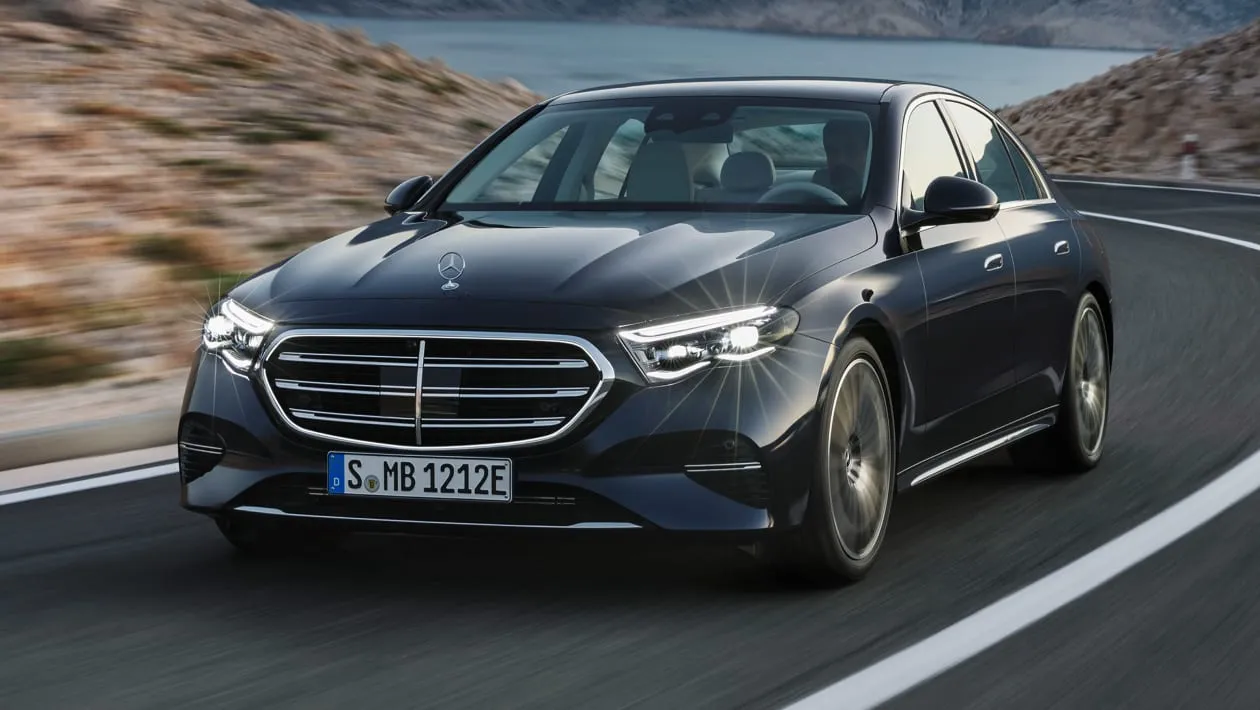
4. Mercedes-Benz E-Class 2023
Refined engineering shapes the experience inside the Mercedes-Benz E-Class 2023, particularly during urban travel. Low-speed operation reveals a cabin that feels carefully separated from surrounding activity. Engine sound stays distant, allowing occupants to experience movement without constant reminders of mechanical operation.
Traffic congestion, which often exposes weaknesses in less polished vehicles, fails to disturb the calm atmosphere maintained here. Suspension response contributes strongly to this character. Small road imperfections register softly, preventing the sharp knocks that disrupt quietness.
Worn asphalt, drainage covers, and uneven paving pass beneath the vehicle with minimal acoustic impact. Wheel and tyre choices focus on balance and comfort, keeping rolling noise at restrained levels suitable for city environments. Interior craftsmanship reinforces acoustic control.
Door and window seals fit precisely, blocking intrusion from outside noise sources such as buses, motorcycles, and pedestrian activity. Soft-touch materials absorb vibration rather than reflecting it, while solid construction limits interior rattles as mileage increases. This attention to detail preserves a consistent driving environment across daily use.
Urban driving involves frequent braking, acceleration, and steering input. The E Class handles these transitions smoothly, preventing drivetrain sounds from rising abruptly. Gear changes occur quietly, and steering response remains composed, avoiding sudden inputs that might introduce unnecessary noise. Each control works in harmony with the vehicle’s comfort-focused design.
Drivers who value serenity during routine travel find strong appeal here. City journeys feel composed rather than demanding, allowing focus on comfort and ease. The Mercedes-Benz E-Class 2023 offers an environment where calm takes priority, turning everyday urban movement into a relaxed and controlled experience.
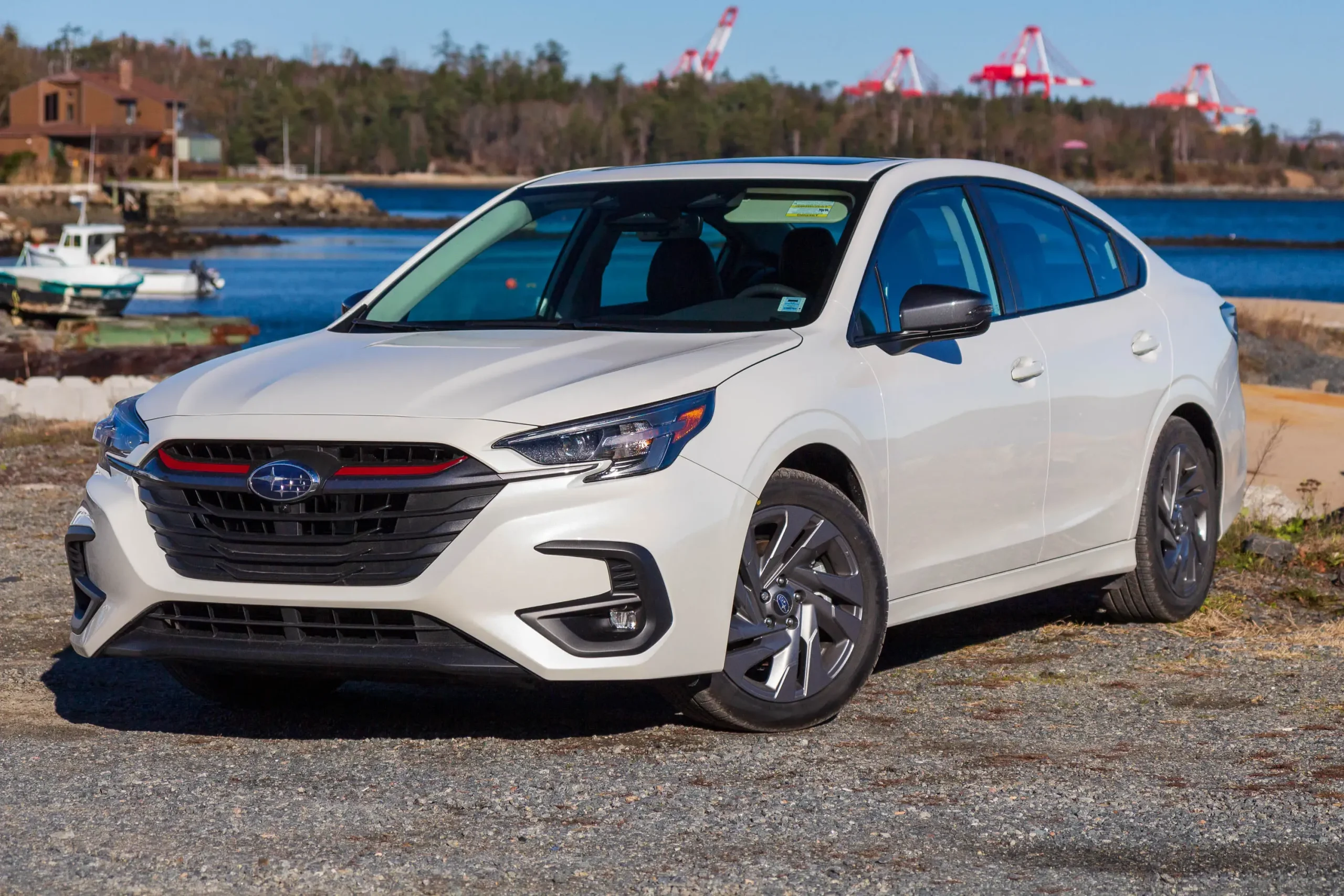
5. Subaru Legacy 2023
Balanced engineering defines the Subaru Legacy 2023, especially in its handling of sound during city driving. Engine operation remains smooth and restrained at low speeds, avoiding the persistent droning often associated with daily traffic use. Power delivery feels steady, supporting quiet progress through intersections and residential streets without drawing attention to mechanical effort.
Road noise management reflects careful planning. Insulation and suspension tuning work together to soften reactions to uneven surfaces. Potholes and patched roads produce muted responses, reducing sharp impacts that can disrupt cabin calm. The all-wheel drive system operates quietly, providing traction without adding mechanical chatter to the driving experience.
Interior design supports this composed behaviour. Materials chosen for the cabin help absorb vibration, while seating structure limits the transfer of road feel to occupants. Clear outward visibility reduces driver tension, encouraging smoother inputs that naturally limit noise generation during urban movement.
Transmission behaviour remains predictable. Acceleration builds progressively, avoiding sudden surges that might raise sound levels. Braking actions feel controlled and quiet, supporting a relaxed driving rhythm suited to congested areas. Steering effort stays moderate, reducing strain and preventing unnecessary feedback through the wheel.
Drivers who choose the Legacy often prioritise consistency and comfort in daily use. City travel highlights these strengths clearly. The Subaru Legacy 2023 delivers a calm and steady environment that supports everyday routines without demanding attention, offering dependable quietness that fits naturally into regular urban life.
5 Cars That Struggle to Stay Quiet at City Speeds

1. Jeep Wrangler Unlimited Sport
Urban streets reveal sides of the Jeep Wrangler Unlimited Sport that brochures rarely emphasize. Boxy proportions, upright glass, and removable panels create a cabin that feels open and adventurous, yet those same traits invite noise to enter from multiple directions.
At city speeds, wind slips around door seals and side mirrors, producing a steady rush that never fully settles. Tire hum also becomes a constant companion, especially with factory all-terrain rubber that favors grip and durability above hush. Stop-and-go driving highlights additional sounds. Suspension components transmit bumps directly into the cabin, sending thuds and vibrations through the seats and steering wheel.
Pavement seams, manhole covers, and patched asphalt announce themselves clearly. Engine noise does not hide either. The four-cylinder turbo and V6 options both deliver audible mechanical presence, especially during light acceleration between traffic lights. That sound suits the Wrangler’s rugged personality, yet it can feel tiring during daily commutes.
Interior materials play a role as well. Hard plastics dominate most touch points, and while they stand up well to dirt and weather, they reflect sound rather than absorb it. Door panels and roof sections offer minimal insulation, making outside activity like buses, delivery trucks, or nearby construction easy to hear.
Even conversations from neighboring cars at intersections can drift inside with surprising clarity. City drivers seeking calm may find the Wrangler demanding extra patience. Short trips magnify these impressions since there is little chance for speeds to level out or for the vehicle to settle into a quieter rhythm.
Owners often accept this tradeoff knowingly, valuing character and capability above serenity. Still, for buyers who expect a peaceful cabin while crawling through traffic, the Wrangler Unlimited Sport makes its priorities clear every time the light turns green.
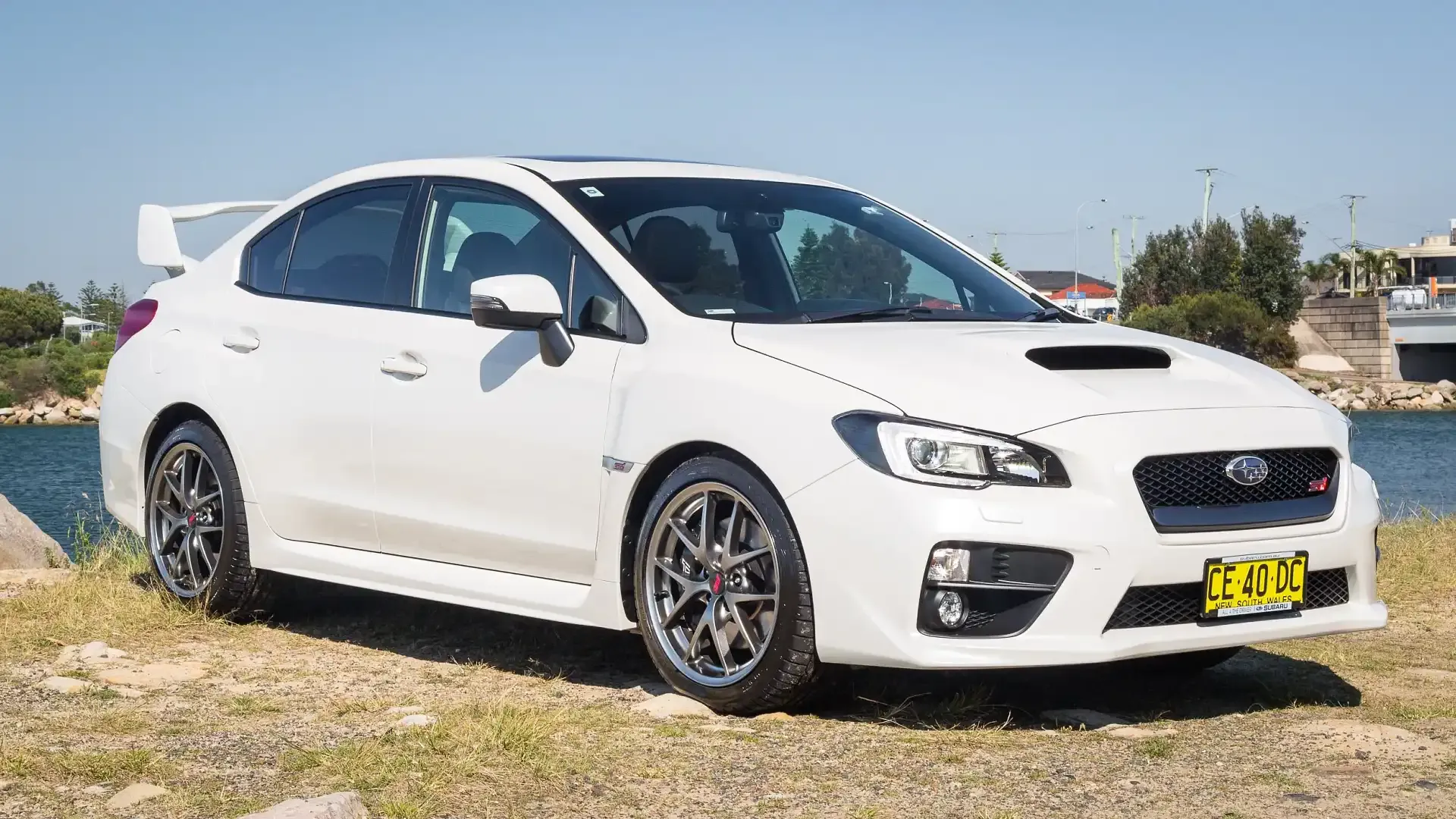
2. Subaru WRX Premium
Sharp responses define the Subaru WRX Premium, and that personality carries straight into its sound profile. Low-speed urban driving brings a constant soundtrack of road texture, tire slap, and drivetrain chatter. Stiff suspension tuning keeps the car alert, yet it also transfers vibrations from uneven pavement directly into the cabin.
City streets rarely offer smooth surfaces, which means the WRX remains vocal even during relaxed errands. Engine sound forms another layer. The turbocharged flat-four produces a distinctive rumble that enthusiasts appreciate, though it never truly fades into the background.
Light throttle inputs still bring audible exhaust notes and mechanical whirring, especially when traffic demands frequent acceleration. Cold starts amplify this effect, filling parking garages and residential streets with a raw presence that announces the car’s intentions.
Cabin insulation takes a back seat to weight savings and performance focus. Thin door panels and limited sound-deadening materials allow external noise to pass through easily. Passing trucks, nearby motorcycles, and road repairs all register clearly. Even at moderate speeds, wind noise begins to build around the mirrors and A-pillars, adding to the layered sound environment.
Urban commutes place the WRX in a setting it was never designed to master quietly. Constant gear changes, clutch engagement, and throttle modulation keep the car busy and audible. Some drivers enjoy that sense of connection, feeling involved in every movement.
Others may crave a calmer space during daily drives. The WRX Premium delivers excitement and engagement without apology, though silence remains outside its list of priorities.
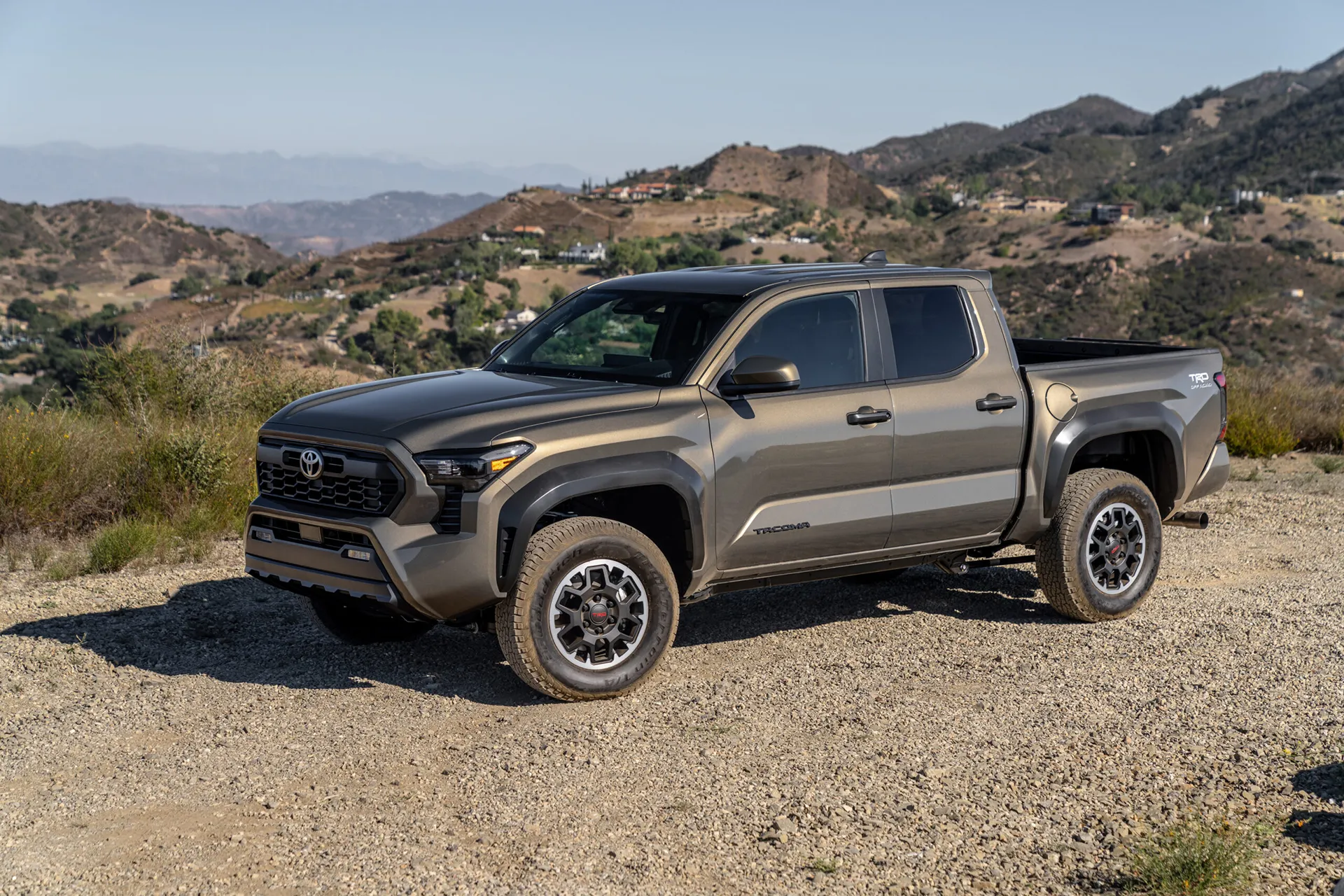
3. Toyota Tacoma TRD Off-Road
Urban driving brings out characteristics of the Toyota Tacoma TRD Off-Road that differ sharply from what it displays on dirt tracks or rocky paths. The truck’s physical build immediately influences its sound behavior. Large all-terrain tyres, designed to grip loose surfaces, produce a steady rolling hum that remains audible even on well-paved city roads.
Changes in road texture affect the pitch of this sound, creating constant variation that the cabin does little to soften. The vehicle’s height and broad side mirrors also interfere with smooth airflow, allowing wind noise to creep in at modest speeds where quieter vehicles would remain composed.
Movement from one traffic light to another places attention on the powertrain. The V6 engine must work firmly to move the truck’s weight, and its effort is easy to hear during acceleration. Gear changes do not fade quietly into the background, especially in stop-and-go conditions common in urban areas.
Throttle inputs are met with immediate mechanical response, accompanied by audible engine output that reflects a design focused on strength and endurance rather than refined silence. Short trips rarely allow the vehicle to settle into a calmer rhythm, leaving sound levels consistently present.
Suspension components also play a strong role. Springs and dampers tuned for rough surfaces transmit road imperfections directly into the cabin. Potholes, patched asphalt, and expansion joints create firm impacts that are felt and heard. Instead of soft absorption, these surfaces produce solid reactions that echo through the interior.
Materials inside the cabin reinforce this experience. Hard surfaces dominate, chosen for durability rather than acoustic comfort, leaving little to absorb road chatter. Daily use within city limits places Tacoma outside the environment it was shaped to serve. Parking garages amplify tyre and exhaust sounds, while narrow streets reflect noise toward the vehicle.
Owners who value toughness and long-term durability often accept these qualities without complaint. Drivers seeking a quiet and relaxed city commute, however, may find that the Tacoma TRD Off-Road communicates too much of the road around it.
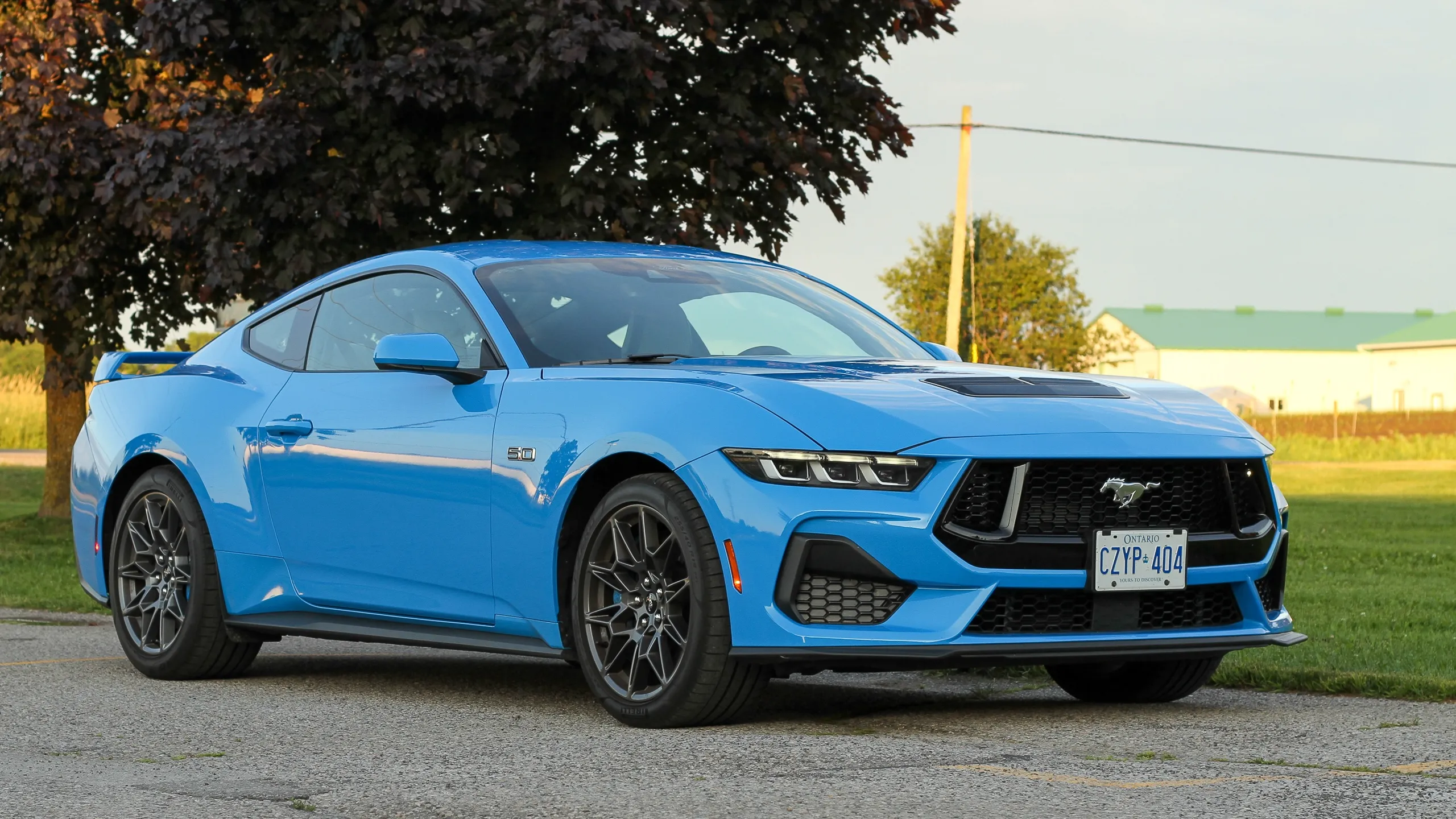
4. Ford Mustang GT
City streets give the Ford Mustang GT many opportunities to express its mechanical personality. The V8 engine defines the vehicle’s identity, producing a deep and continuous presence that remains clear even at low speeds. Gentle cruising does little to suppress this sound, and frequent stops ensure that engine notes return repeatedly.
Buildings lining urban roads reflect exhaust output, creating reverberation that fills the cabin and draws attention from nearby pedestrians and drivers alike. Tyres contribute another layer of sound. Wide performance-focused rubber grips the road firmly, yet it also reacts audibly to surface imperfections.
Grooved pavement, worn asphalt, and repair patches increase tyre hum, adding to the already active sound environment. Wind noise also becomes noticeable, particularly around frameless windows and exterior mirrors. Short bursts of acceleration between intersections allow air movement to disturb the cabin more than expected for a modern coupe.
Interior design choices reinforce these impressions. Styling and performance cues take priority, leaving limited space for extensive sound-dampening materials. Road noise, drivetrain feedback, and engine output filter into the cabin with little resistance.
Manual transmission versions add their own mechanical presence, with clutch engagement and gear selection producing sounds that remain part of the driving experience rather than fading away. Urban conditions intensify these traits. Low speeds prevent airflow from smoothing sound patterns, while constant acceleration keeps the engine active.
Some drivers appreciate this energy, viewing it as a reminder of the car’s muscle-focused heritage. Others may find the persistent noise tiring during routine errands or long periods in traffic. The Mustang GT delivers presence and personality without restraint, making clear that quiet city behavior sits outside its intended character.
Also Read: 5 Vehicles With Practical Cabin Storage vs 5 That Lack It
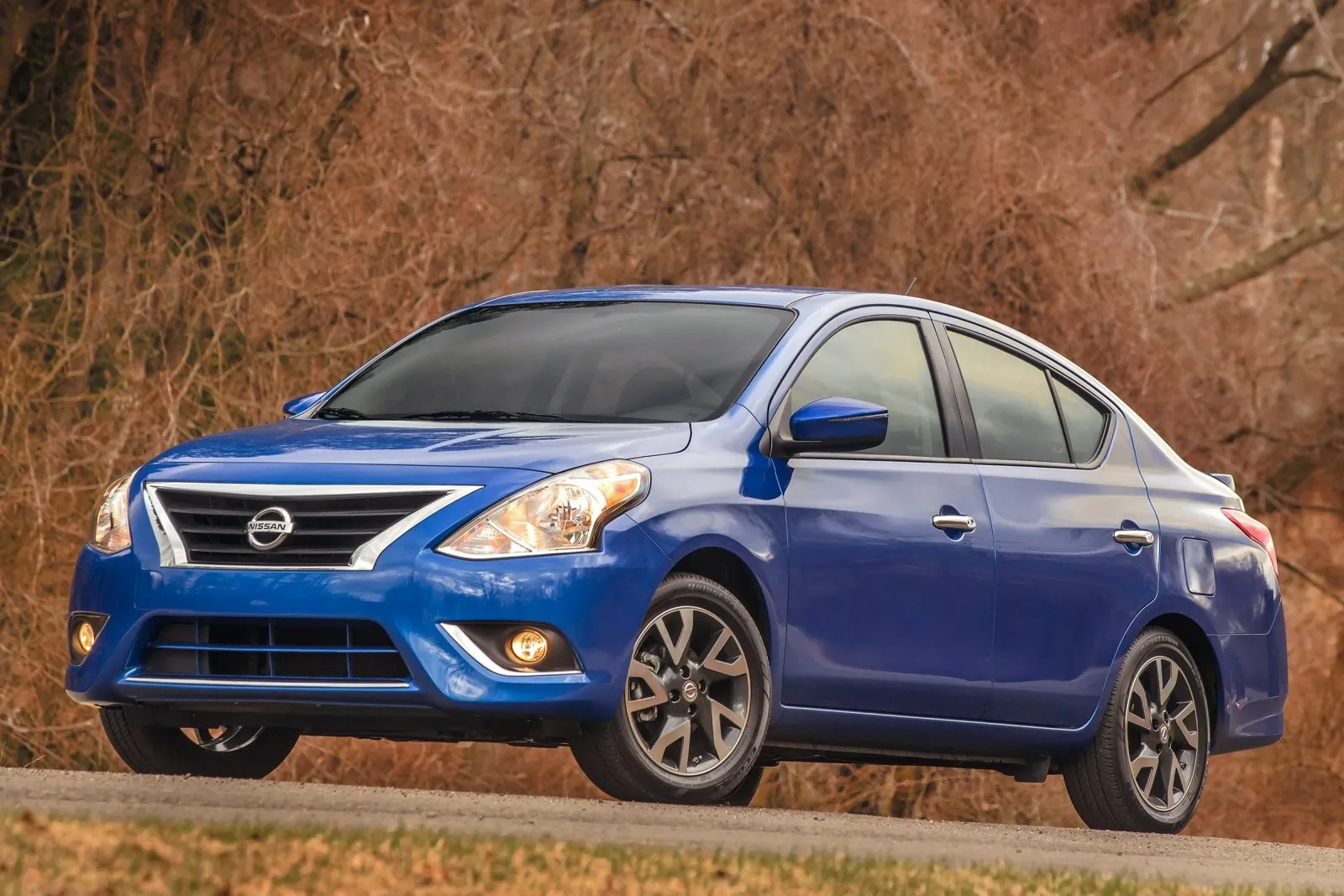
5. Nissan Versa S
Sound behaviour inside the Nissan Versa S reflects design decisions made to keep ownership accessible while controlling purchase and maintenance costs. At city speeds, limited insulation permits road noise to enter the cabin freely. Tyres generate a steady hiss across most surfaces, while uneven pavement sends vibration through the cabin structure.
Surface repairs and subtle changes in road texture announce themselves clearly, producing a busy acoustic atmosphere during short journeys. Acceleration places extra demand on the small four-cylinder engine. Even modest throttle input produces audible strain as speed builds from a standing start.
Urban traffic patterns that require frequent movement keep engine sound present for much of each trip. Transmission behaviour adds pressure to this experience, holding engine speed longer before settling, which keeps sound levels elevated during merging or climbing gentle inclines.
Cabin construction reinforces these impressions. Thin body panels and reduced padding allow outside activity to pass through with ease. Emergency sirens, public buses, motorcycles, and nearby conversations often remain clearly audible inside the vehicle. Wind noise also increases quickly around door seals and mirror housings, particularly when speeds rise slightly beyond neighbourhood limits.
Brief trips rarely soften this experience, since the vehicle seldom reaches a stage where sound settles into the background. Buyers who select the Versa S often place strong value on fuel efficiency, mechanical simplicity, and straightforward ownership. Transportation remains dependable and predictable without unnecessary complication.
That sound character reflects a practical focus, reminding occupants that quieter interiors usually require higher purchase prices. Daily city streets reveal these trade-offs consistently, presenting a clear picture of what budget-conscious engineering provides and what it leaves behind for the sake of affordability and access.
For drivers who spend long hours commuting through congested corridors, this constant presence of sound can influence comfort levels and mood. Awareness of these traits before purchase helps align expectations with everyday use. The Versa S performs its role as basic transportation with honesty, offering mobility without luxury pretence.
Decisions made during development favour affordability rather than refinement, and the cabin communicates that choice without subtlety. For buyers prepared for that reality, the experience remains acceptable and predictable. For those seeking calm during routine movement, city conditions may feel demanding across repeated journeys.
