When choosing a car, interior quality often defines the long-term ownership experience. A well-built cabin not only enhances comfort but also maintains its aesthetic appeal, reduces noise, and ensures controls remain functional over years of use.
In today’s market, some vehicles excel at delivering interiors that age gracefully, while others struggle with cheap materials, rattles, and persistent electronic glitches. Understanding these differences is critical for buyers who prioritize lasting quality over flash or short-term trends.
This guide examines five cars that maintain interior quality and five that do not. Vehicles like the Lexus ES, Toyota Corolla, Honda Civic, and Genesis GV80 demonstrate the value of meticulous craftsmanship, durable materials, and thoughtful design that stand the test of time.
By contrast, models such as the Jeep Wrangler, Land Rover Discovery Sport, Tesla Model 3 (early batches), Volkswagen Tiguan, and Nissan Juke highlight the consequences of rushed assembly, inconsistent materials, and technology challenges.
Comparing these examples provides insight into which vehicles offer lasting satisfaction and which may require frequent attention and repairs, helping buyers make informed decisions for long-term ownership.
5 Cars That Maintain Interior Quality
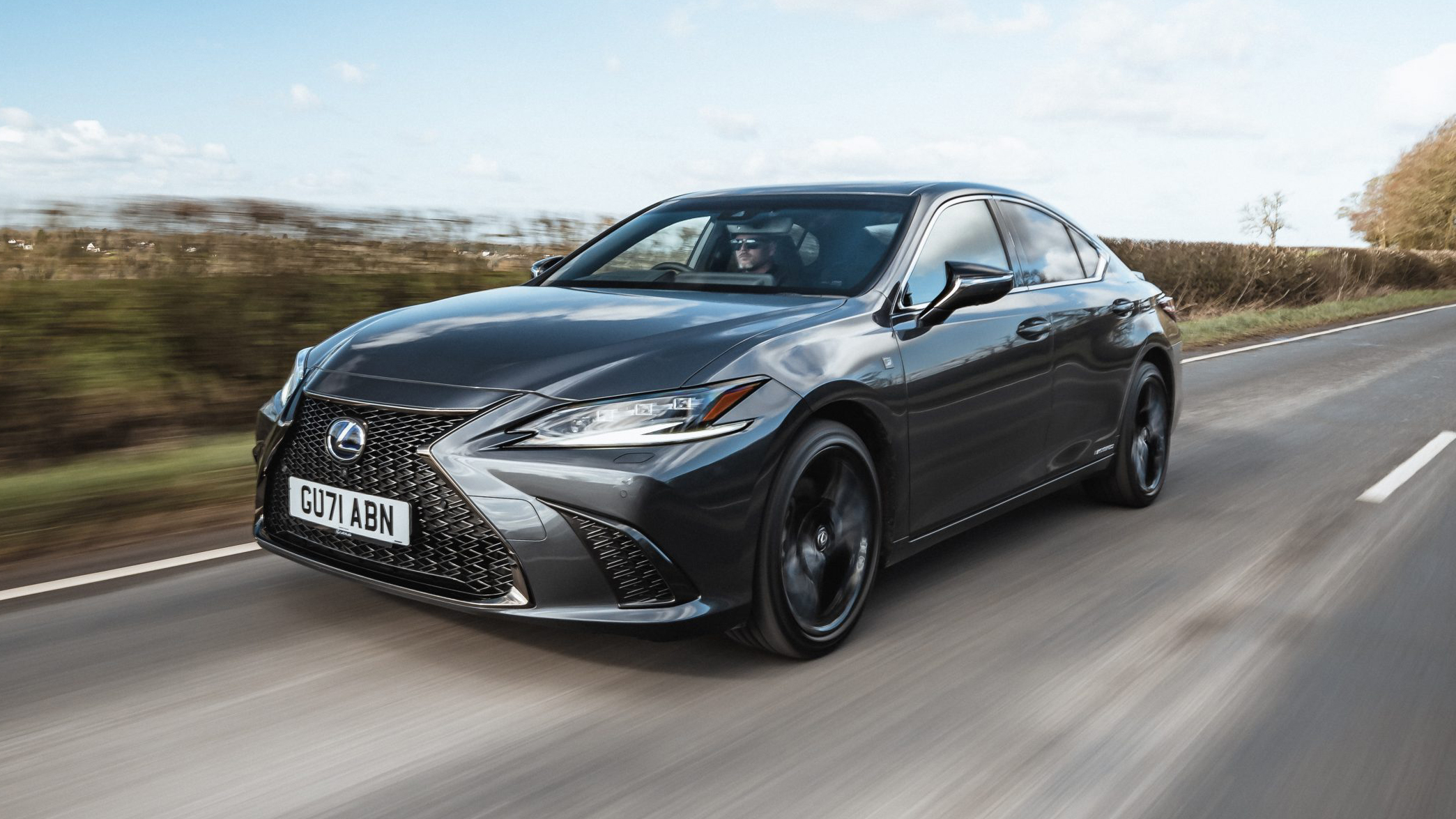
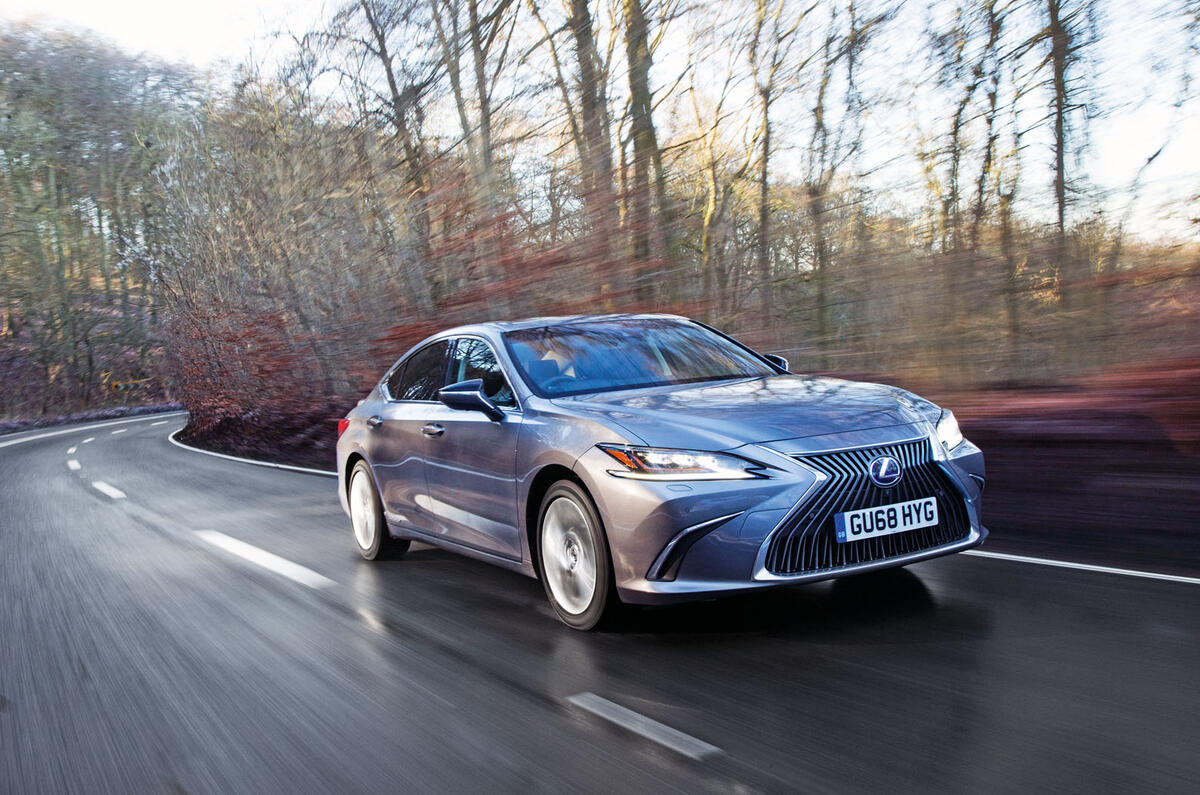
1. Lexus ES: Serenity, Reliability, and Hybrid Efficiency in a Competitive Executive Segment
The Lexus ES has earned a reputation as one of the most dependable executive sedans on the market, with a particular focus on interior quality, long-term comfort, and hybrid efficiency rather than outright driving excitement.
Now in its seventh generation, the ES has been part of the Lexus lineup since 1989 and was introduced to Europe in 2018 as a replacement for the GS. It competes directly with established rivals such as the Audi A6, BMW 5 Series, and Mercedes-Benz E-Class, carving out a distinct niche through comfort and reliability.
A major highlight of the ES is its cabin, often described as a “sanctuary.” Lexus uses premium materials throughout, including NuLuxe synthetic leather, praised for feeling nearly as soft as genuine leather while being more resistant to cracking and staining over time.
Extensive sound insulation, aerodynamic refinement, and even drone-absorbing alloy wheels contribute to a cabin that remains impressively quiet even after years of use. Lexus’ “Omotenashi” hospitality philosophy is evident in the design, from ergonomically optimized seats that reduce fatigue to minimalist “hidden switches” that reduce clutter and long-term wear.
This lasting quality is reinforced by Takumi craftsmanship, highly trained technicians who focus on precise fit and finish to eliminate squeaks and rattles, and rigorous durability testing. Soft-touch materials dominate the dashboard and door panels, while the logical, user-focused layout prioritizes comfort and usability over flashy design trends.
Mechanically, the Lexus ES is hybrid-only. The ES 300h pairs a 2.5-liter four-cylinder gasoline engine with an electric motor and a continuously variable transmission. Total output is about 215 horsepower, with the system tuned for smoothness and efficiency rather than performance.
While it cannot match plug-in hybrid rivals for electric-only range, it delivers excellent fuel economy for a sedan of its size, making it especially appealing to business and long-distance drivers.
Styling is bold and divisive, particularly at the front, but subtle updates have refined the look in recent model years. Inside, technology has improved with a larger 12.3-inch touchscreen infotainment system and optional digital side mirrors that replace traditional mirrors with camera feeds displayed on interior screens.
In the United States, pricing starts at roughly $39,000, rising to around $52,000 for the fully loaded Takumi trim. The verdict is clear: the Lexus ES is not aimed at driving enthusiasts, but for buyers seeking a quiet, efficient, and exceptionally reliable luxury sedan, it remains a compelling and thoughtfully executed choice.
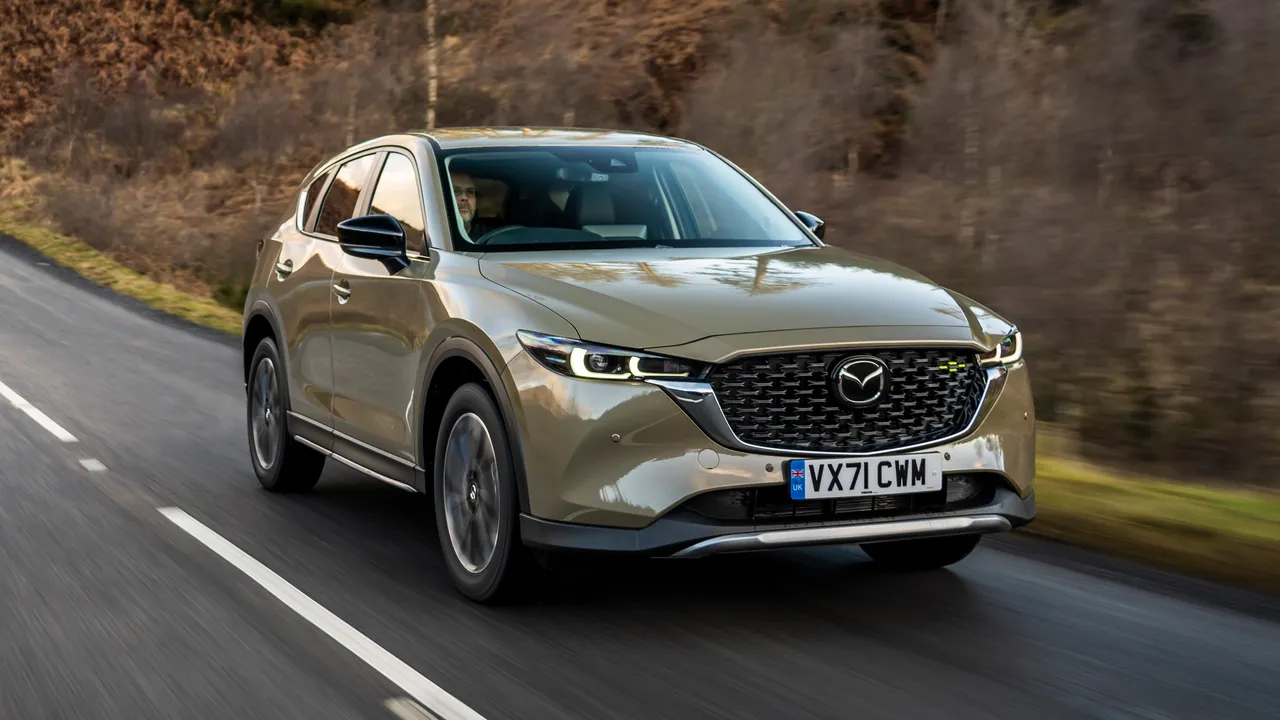
2. Mazda CX-5: Durable Craftsmanship and Engaging Driving Experience
The Mazda CX-5 is widely recognized as a driver-focused compact SUV that combines Japanese reliability with a near-luxury interior at an affordable price. Long-term tests show that its cabin remains tight, rattle-free, and resistant to scuffs and knocks, making it one of the most durable options in its class.
Mazda achieves this with high-quality materials, precise fit and finish, and a design philosophy that provides a premium feel throughout the cabin. Soft-touch surfaces, leather upholstery, satin chrome accents, and attention to detail, including ventilated seats and Deep Red Nappa leather in higher trims, create a refined environment for both drivers and passengers.
The CX-5’s interior design emphasizes practicality and durability. Controls are tactile and clearly positioned, avoiding over-reliance on touchscreens, which helps maintain functionality over time. The cabin is organized, uncluttered, and consistent in quality, with soft-touch materials extending to the rear seats. This approach ensures the interior ages gracefully and retains a premium feel even after years of use.
In the U.S., the CX-5 offers two naturally aspirated petrol engines. The base 2.0-liter four-cylinder produces 163 horsepower while the 2.5-liter four-cylinder delivers 191 horsepower.
All-wheel drive is optional on most trims, and transmissions include a six-speed manual or automatic, with the top-spec 2.5-liter petrol model only available with all-wheel drive and an automatic transmission. Diesel engines are not widely offered in the U.S. market.
The driving experience complements the interior quality. Steering is responsive, and power delivery is linear, providing a sporty and engaging ride reminiscent of Mazda’s MX-5 philosophy.
While hybrid options are currently not available in the United States, the CX-5’s combination of refined interior, reliable construction, and enjoyable handling makes it an appealing choice. Prices start around $27,000 for the base trim and rise to approximately $39,000 for fully equipped Sport or GT models, offering a near-luxury experience without a luxury price.
The Mazda CX-5 provides a refined, durable, and thoughtfully designed interior alongside balanced performance and driver enjoyment, making it a practical and satisfying SUV for long-term ownership.
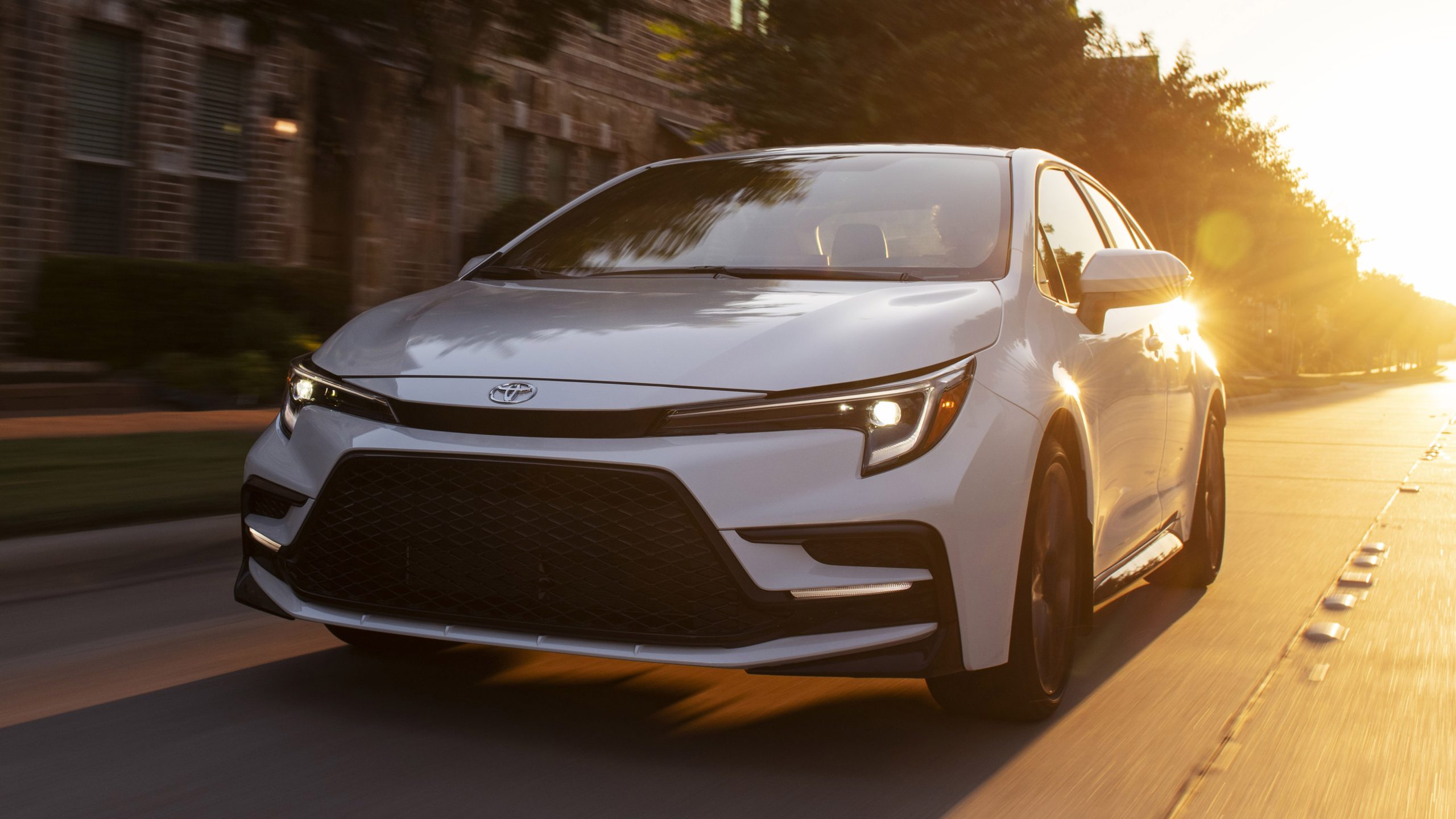
3. Toyota Corolla: Durable Design, Practical Comfort, and Proven Efficiency
The Toyota Corolla is built around a clear philosophy that favors mechanical simplicity, long-term durability, and everyday comfort rather than bold styling or high performance. This approach has helped make it one of the most dependable compact cars on the market. While the Corolla may not stand out visually, it is engineered to deliver consistent quality and reliability over many years of ownership.
Interior construction is a key strength. Toyota uses hard-wearing plastics, durable fabrics, and long-lasting switchgear designed to resist fading, cracking, and looseness even after extensive use. Soft-touch materials are applied where drivers interact most, while the dashboard layout remains clean, logical, and easy to understand.
These choices are guided by the Toyota Production System, which emphasizes Jidoka, or intelligent automation, and Kaizen, or continuous improvement. This manufacturing discipline allows Toyota to maintain tight quality control and refine components based on long-term real-world data.
Recent Corolla models benefit from improved sound insulation and tighter sealing, creating a quieter and more refined cabin than earlier generations. Higher trim levels introduce leather seating, additional soft-touch surfaces, and ambient lighting, giving the interior a more polished feel without compromising durability.
Ergonomics are thoughtfully executed, with controls placed for ease of use and designed to maintain functionality over time. Some compromises remain, including the presence of harder plastics in less visible areas, limited rear-seat legroom compared with certain competitors, and a cabin style that some drivers find conservative or unexciting.
Performance is competent but intentionally restrained. Most Corolla models use a 2.0 liter four-cylinder engine producing 169 horsepower, paired with a continuously variable automatic transmission driving the front wheels. The sedan is also available as a hybrid, including an all-wheel-drive variant.
Acceleration is modest, and pushing the engine hard can result in increased noise, but ride quality is smooth and well-controlled. SE and XSE trims add sport-tuned suspension and larger wheels, improving handling slightly, though rivals such as the Mazda 3 and Honda Civic remain more engaging behind the wheel.
Fuel economy is one of the Corolla’s strongest attributes. Gasoline models deliver excellent efficiency for daily driving, while hybrid versions achieve exceptional mileage that appeals to commuters and cost-conscious buyers. Inside, both sedan and hatchback models offer modern infotainment with Apple CarPlay and Android Auto, digital instrument displays on higher trims, and multiple USB-C ports.
Safety is a major focus, with Toyota Safety Sense 3.0 standard across the lineup, including adaptive cruise control, lane-keeping assist, and automatic emergency braking. Supported by a solid warranty and complimentary maintenance, the Toyota Corolla continues to appeal to drivers who prioritize long-term dependability, efficiency, and practical comfort.
4. Honda Civic: Human-Centered Design, Lasting Quality, and Balanced Performance
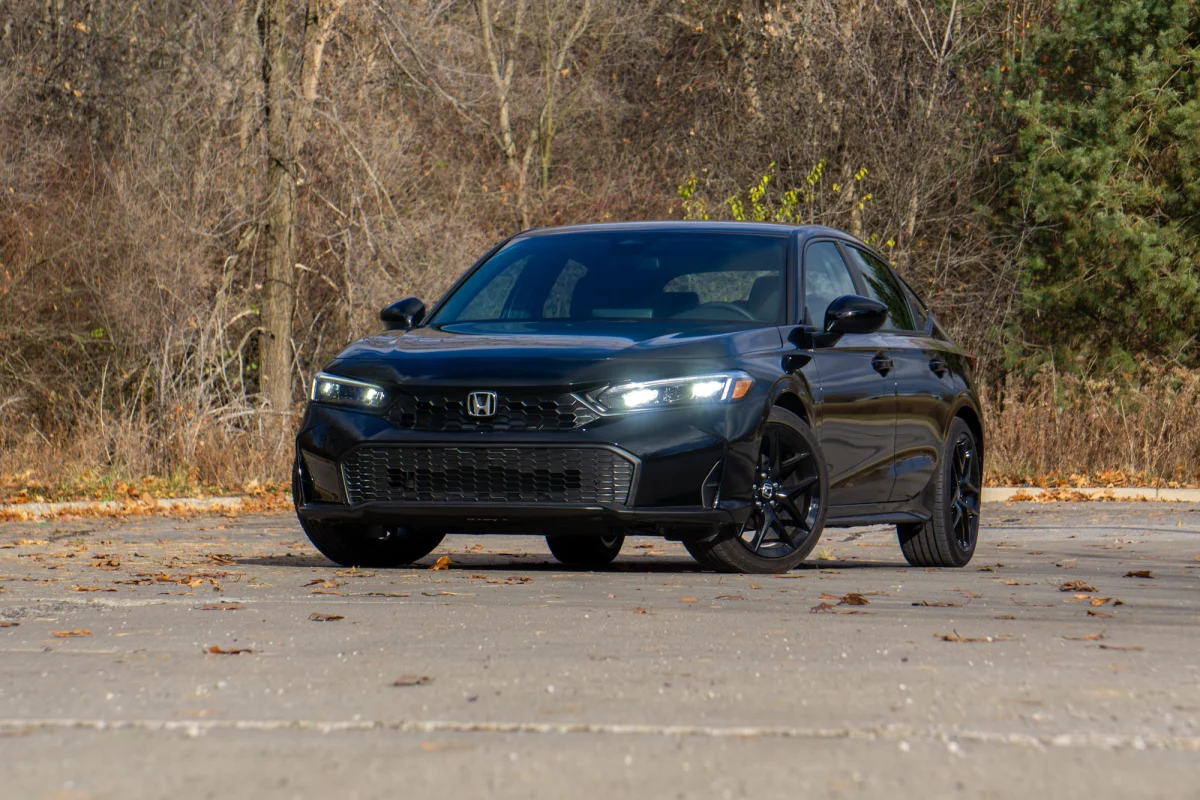
The Honda Civic has built a strong reputation for combining long-term reliability with an interior that feels more upscale than most competitors in the compact car segment.
Recent models have reinforced this image, earning consistently high marks in reliability studies, with post-2022 versions achieving a reported 97.3 percent reliability rating. Rather than relying on flashy features, the Civic focuses on thoughtful design, material quality, and engineering precision that hold up well over years of ownership.
A major reason for the Civic’s enduring appeal is its human-centered interior design. Honda emphasizes soft-touch materials on the dashboard and door panels, paired with finely grained surfaces that avoid a cheap or glossy appearance.
High-touch areas are constructed from durable plastics and trims that resist wear, fingerprints, and fading. The clean, horizontal dashboard layout reduces visual clutter and places controls exactly where drivers expect them, improving ease of use and long-term satisfaction.
Attention to detail further elevates the cabin. Honeycomb-style trim with metal-like finishes not only adds visual interest but also hides air vents and minimizes smudging.
Seating is another highlight, with well-engineered seat structures that provide strong support and maintain their shape over time. Improved sound insulation contributes to a quieter and more refined driving environment, enhancing the Civic’s premium feel even in lower trim levels.
The Civic lineup offers both gasoline and hybrid powertrains. The standard nonhybrid model uses a 2.0-liter four-cylinder engine producing 150 horsepower, paired with a continuously variable automatic transmission and front-wheel drive.
While not quick, it feels responsive enough for daily driving and benefits from nimble handling and a well-balanced ride. The Civic Hybrid is more impressive, combining a 2.0-liter engine with two electric motors for a total of 200 horsepower. This setup delivers smooth, quick acceleration and performance that rivals the sportier Civic Si, while remaining easy to drive.
Fuel efficiency is another strong point. The nonhybrid Civic achieves solid mileage for its class, while the hybrid version delivers excellent city and highway efficiency, making it an appealing choice for commuters. Interior space is generous, with comfortable front seating, usable rear-seat room for adults, and flexible cargo capacity in both sedan and hatchback forms.
Technology and safety are well covered. The Civic includes modern infotainment with smartphone integration, available premium audio, and a wide range of standard driver-assistance features such as adaptive cruise control and automatic emergency braking. Combined with dependable warranty coverage, the Honda Civic continues to stand out as a refined, durable, and intelligently designed compact car.
5. Genesis GV80: Enduring Luxury, Premium Materials, and Refined Comfort
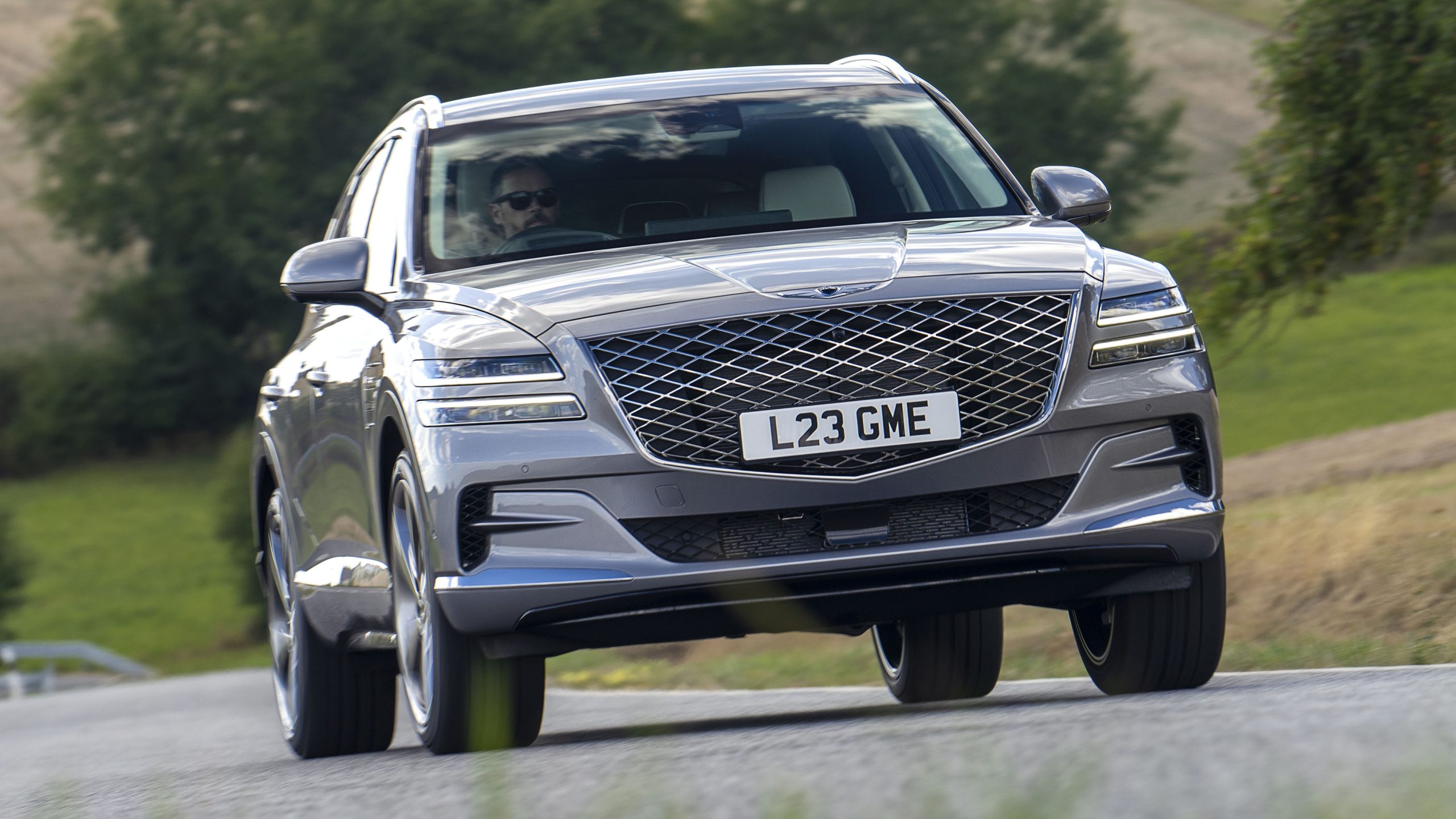
The Genesis GV80 has established itself as a standout luxury SUV by combining minimalist design with an interior engineered for long-term durability. Rather than relying on glossy plastics or short-lived trends, the GV80 emphasizes authentic, high-quality materials and meticulous craftsmanship.
Experts frequently note that its cabin rivals those of far more expensive luxury SUVs, not just in appearance but in how well it is expected to age over time.
Interior quality is the GV80’s defining strength. Genesis makes extensive use of premium materials such as quilted Nappa leather, genuine open-pore wood, brushed aluminum, and microfiber suede headliners.
These materials are chosen not only for their tactile appeal but also for their ability to maintain their appearance and structure after years of use. Innovative and sustainable elements, including woven basalt fabric and composite wood made from recycled newspapers, add durability while supporting eco-conscious design goals.
Attention to detail plays a major role in the GV80’s long-lasting feel. Tight panel gaps, felt-lined storage areas, and soft-closing doors all contribute to a sense of precision and solidity. The brand’s focus on tight tolerances and careful assembly helps prevent squeaks, rattles, and premature wear. This commitment to longevity allows the GV80 to retain its upscale character well beyond the early years of ownership.
Technology is seamlessly integrated into the cabin. A sweeping 27-inch OLED display combines the digital gauge cluster and infotainment system into a single, elegant panel that enhances usability without overwhelming the interior.
The Mood Curator system further elevates the experience by adjusting lighting, sound, and even scent to suit the driver’s preferences. These features enhance comfort while reinforcing the vehicle’s premium identity.
Under the hood, the GV80 offers a choice of two turbocharged engines. A 2.5-liter four-cylinder produces 300 horsepower, while a 3.5-liter twin-turbo V6 delivers 375 horsepower.
Both are paired with an eight-speed automatic transmission, with rear-wheel drive available on the base model and all-wheel drive standard on higher trims. Performance prioritizes smoothness and quiet operation rather than aggressive sportiness, aligning with the GV80’s luxury-focused mission.
Ride quality is composed and relaxed, with predictable handling and excellent noise isolation. Fuel economy is reasonable for the class, though not a primary selling point. Inside, seating is spacious and supportive, with available massaging front seats and generous second-row legroom. A third row is optional but best suited for children.
With a comprehensive safety suite, advanced technology, and an industry-leading 10-year powertrain warranty, the Genesis GV80 delivers a luxury experience designed to remain refined, comfortable, and visually appealing for many years.
Also Read: 5 Cars That Make Daily Driving Less Stressful vs 5 That Don’t
5 That Don’t
1. Jeep Wrangler: Rugged Utility with Notable Interior Trade-Offs
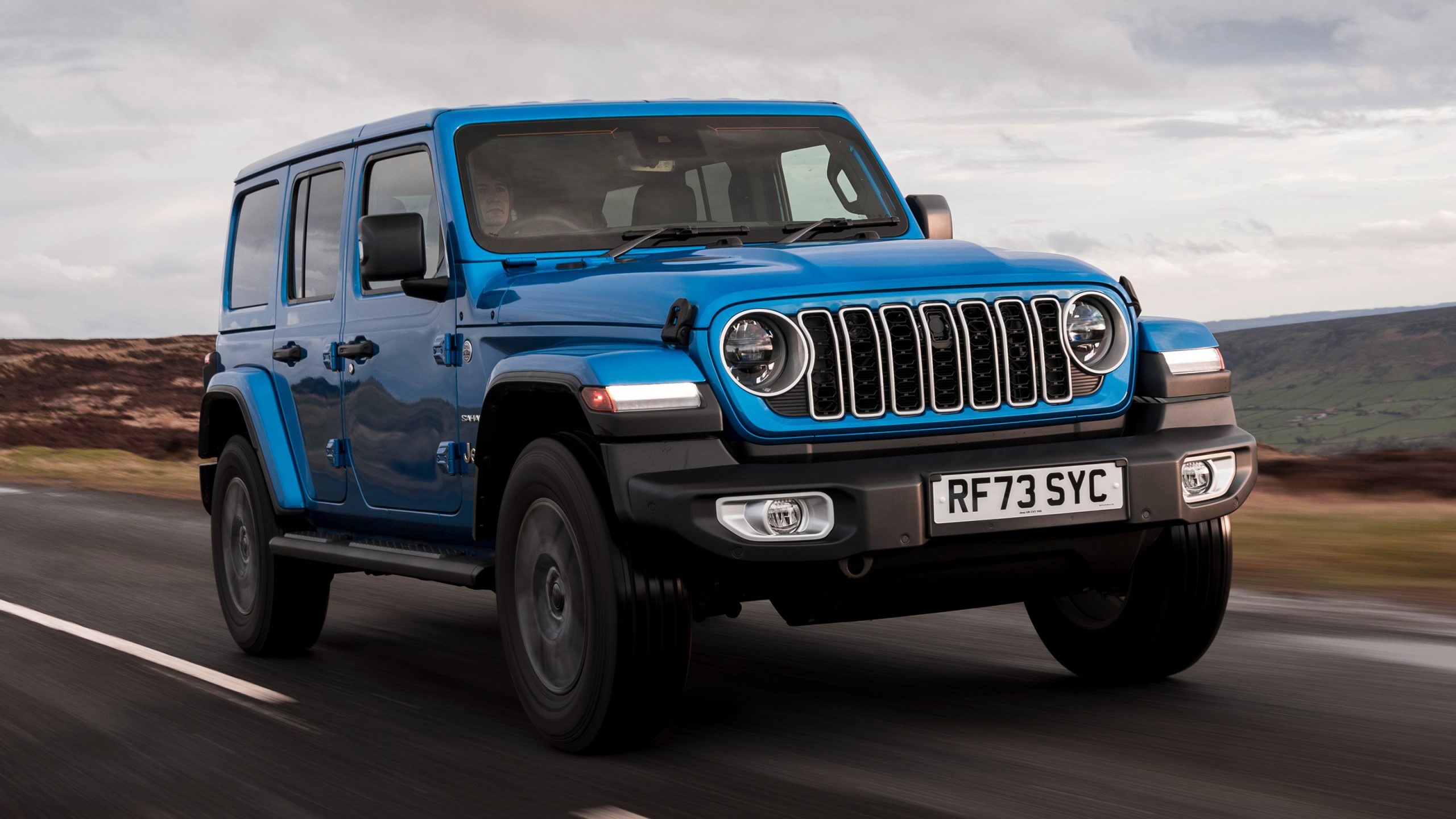
The Jeep Wrangler is engineered first and foremost for off-road capability and open-air adventure, and its interior reflects that singular focus. While recent generations have added more technology and visual polish, the Wrangler continues to lag behind modern SUVs in terms of refinement, material quality, and long-term durability.
In reliability studies, it often ranks near the bottom, with owners frequently reporting trim problems, electrical glitches, and general wear issues over time.
A major concern for many owners is water intrusion. Because the Wrangler uses removable hard or soft tops instead of a fixed roof, it depends on complex weather stripping that can degrade or shift with age and repeated removal.
Unlike most SUVs, the Wrangler lacks a dedicated body-side sealing system, forcing the door seals to press directly against the metal body. This design increases the likelihood of leaks, leading to wet carpets, lingering moisture, and, in some cases, damage to interior electronics.
Cabin noise is another widely cited drawback. The Wrangler’s upright shape, flat surfaces, and removable panels create poor aerodynamics, resulting in significant wind noise and tire roar at highway speeds. Jeep has added extra sound insulation to higher trims such as the Rubicon X and High Altitude, but lower trims remain loud and tiring on long drives compared to more road-focused SUVs.
Electrical issues have also become more common in modern Wranglers. Owners report instrument cluster failures that leave the dashboard dark, infotainment system freezes and connectivity problems, and CAN bus faults that trigger multiple warning lights. In some cases, these issues affect steering feel or transmission behavior, raising concerns about long-term reliability.
Material choices inside the Wrangler further reflect its utilitarian mission. Hard plastics and water-resistant surfaces support the vehicle’s wash-out interior concept, but they often feel crude compared to competitors like the Ford Bronco, which offers more refined, marine-grade materials. Seating comfort can also suffer, with firm cushions and an upright driving position that may cause fatigue on longer trips.
For many buyers, these compromises are acceptable. The Wrangler’s interior sacrifices refinement in favor of modularity, durability in harsh conditions, and unmatched open-air versatility. It remains a vehicle chosen for its character and off-road prowess, not for luxury or interior sophistication.
2. Land Rover Discovery Sport: Premium Appearance with Persistent Interior Concerns
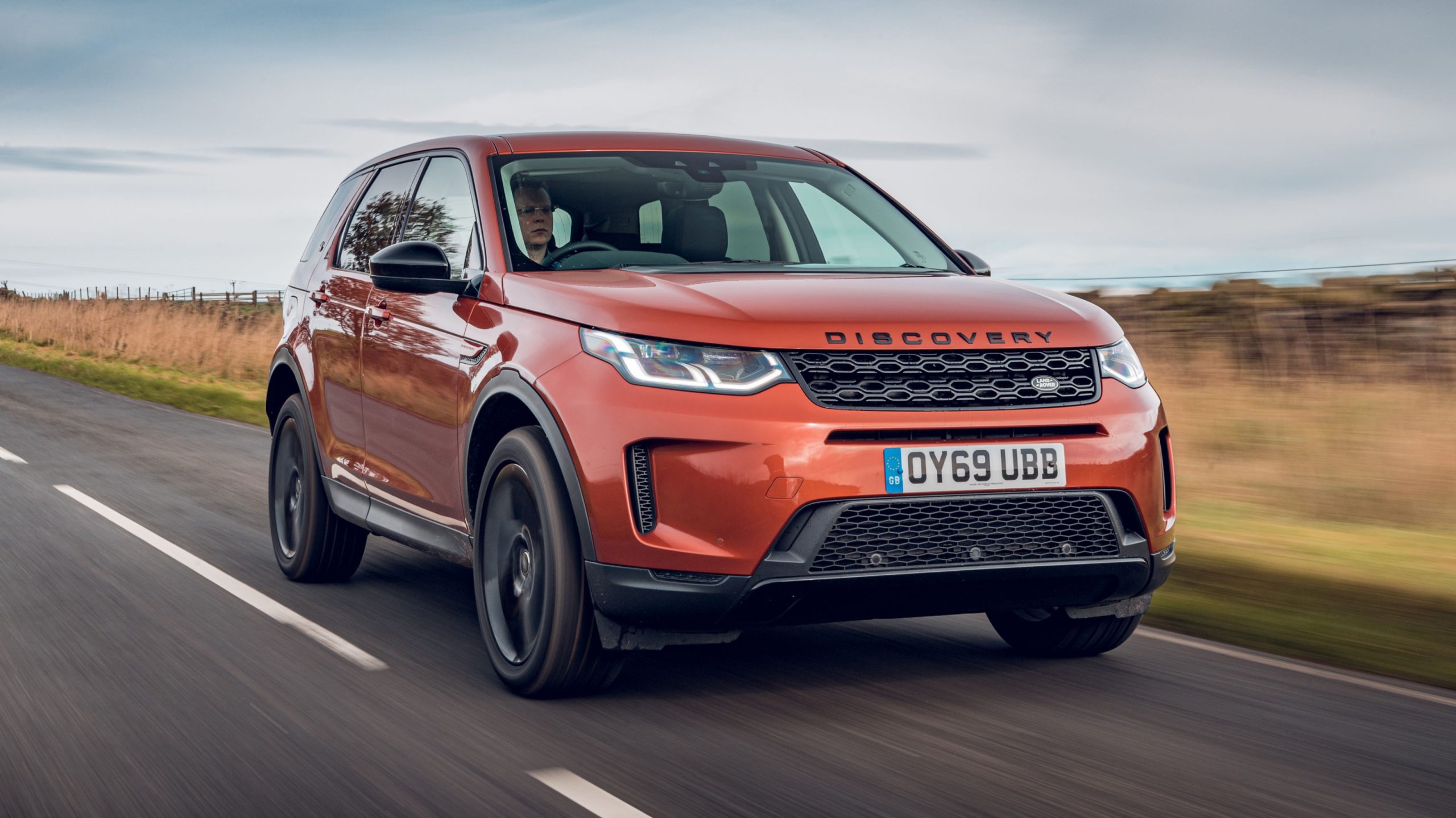
The Land Rover Discovery Sport presents itself as a stylish and versatile luxury SUV, offering a refined design and an available seven-seat layout that appeals to family buyers.
However, beneath its upscale appearance, the model has developed a reputation for interior quality and reliability issues that undermine its premium positioning. Owner feedback and long-term surveys frequently place it behind key competitors such as the BMW X3 and Audi Q5.
One of the most common complaints centers on build quality and refinement. Many owners report persistent squeaks and rattles, particularly from the dashboard, B-pillars, and rear seating mechanisms.
These noises can appear early in ownership and are often difficult for dealerships to resolve permanently. While upper cabin surfaces are trimmed in soft-touch materials, lower sections rely heavily on thin plastics that scratch easily and feel less substantial than those found in rival luxury SUVs.
Infotainment and electrical reliability are also notable weaknesses. Even with the newer Pivi Pro system, drivers report frequent touchscreen freezes, blank displays at startup, and sluggish response times.
Connectivity problems are common, including dropped Bluetooth connections and inconsistent performance from Apple CarPlay and Android Auto. Software updates intended to address these issues do not always succeed and, in some cases, introduce new electrical faults affecting climate controls, parking sensors, or camera systems.
Ergonomics further complicates the experience. Recent interior updates have replaced many physical buttons with touch-sensitive controls on the steering wheel and dashboard. While visually modern, these controls can be distracting and awkward to use while driving. Gloss black trim, used extensively throughout the cabin, quickly shows fingerprints and fine scratches, diminishing the interior’s appearance over time.
Safety-related interior components have also been subject to recalls. Reported issues include faulty seatbelt pretensioners that may not operate correctly during a collision and rear seat latches that may fail to lock securely. These concerns add to broader reliability challenges.
Taken together, these issues contribute to the Discovery Sport’s poor showing in reliability surveys. While it offers strong visual appeal and practical flexibility, its interior durability and electronic dependability often fall short of expectations for a luxury-branded SUV.
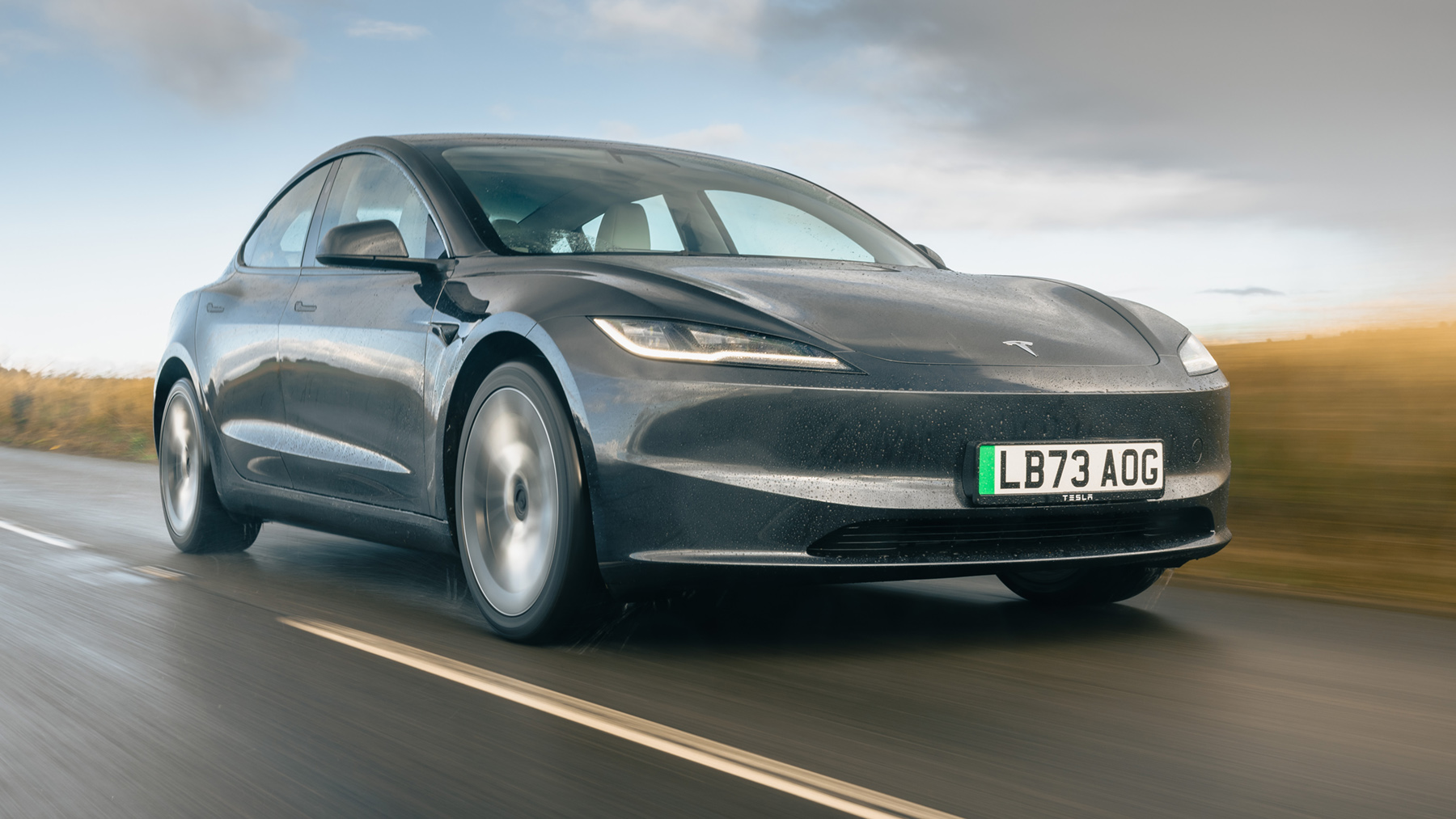
3. Tesla Model 3 (Early Batches): Build Quality Struggles During “Production Hell”
Early Tesla Model 3 vehicles, particularly those produced between 2017 and 2019, have been widely criticized for inconsistent interior quality. During this period, Tesla was rapidly scaling production to meet surging demand, a phase CEO Elon Musk described as “production hell.” The rush to increase output often came at the expense of strict quality control, resulting in numerous issues with fit, finish, and material durability.
One major factor behind these flaws was reliance on manual assembly. To bypass automation bottlenecks, Tesla used human labor for tasks typically handled by robots, which led to misaligned trim pieces, uneven panel gaps, and loose clips.
These assembly errors were especially noticeable in the cabin and contributed to rattles and squeaks throughout the interior. Minimalist design further exacerbated noise issues, as there were fewer components to dampen sound.
Material quality was another area of concern. Early Model 3s used synthetic “vegan leather” upholstery that tended to peel, bubble, or age prematurely. Stitching on seats and steering wheels sometimes appeared uneven or frayed, while trim pieces and armrests showed rapid wear.
Owners also reported misaligned glovebox doors, broken roof trim, and missing aesthetic panels. The central touchscreen, which controls most vehicle functions, experienced early failures such as freezing, unresponsiveness, or delamination, affecting usability and convenience.
These defects were highly variable across individual vehicles. Some early owners reported nearly flawless interiors, while others experienced persistent problems that required multiple service visits. Tesla has since addressed many of these issues in later production runs, including the 2024 “Highland” refresh, which introduced improved materials, better sound insulation, and tighter assembly standards.
For buyers considering a used early-batch Model 3, careful inspection of interior panels, upholstery, and electronics is strongly recommended. Many of the defects from this era were corrected only on a case-by-case basis rather than through factory-wide recalls, meaning residual risks remain for early vehicles despite Tesla’s subsequent improvements.
4. Volkswagen Tiguan: Stylish Design Undermined by Interior and Tech Issues
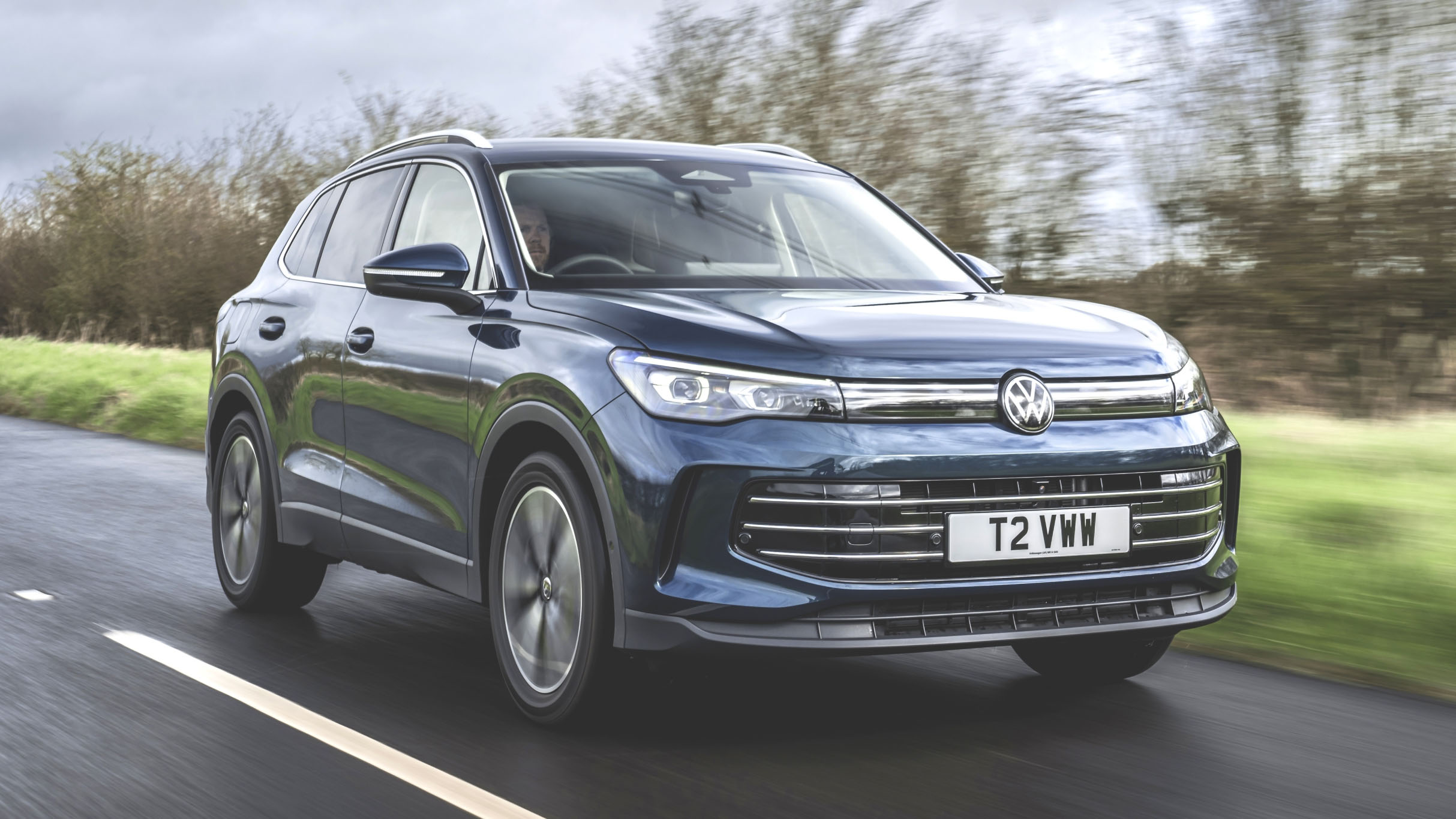
The Volkswagen Tiguan is often praised for its European-inspired design, spacious cabin, and comfortable ride. However, surveys and owner reports reveal significant interior quality and reliability concerns, particularly involving electrical systems and material durability.
Recent studies indicate that as many as 81 percent of Tiguan owners experience faults, many of which are linked to infotainment and other non-engine electronics.
Building consistency has been a persistent challenge, especially for the 2018 redesign and the 2022 refresh. Squeaks and rattles frequently develop in the dashboard, door panels, and sunroof, often worsening in cold weather as plastics expand and contract. Some owners have also reported cracked seat frames and prematurely worn upholstery, highlighting durability issues even in moderately used vehicles.
The shift to touch-capacitive controls for climate functions and steering wheel buttons has also drawn criticism. These panels provide no tactile feedback, forcing drivers to look away from the road to confirm inputs. Sensitivity issues with the capacitive buttons are widespread, occasionally resulting in unintended activation while driving, an issue that has prompted legal scrutiny.
Material choices further distinguish Tiguan trims. While higher-end versions feature walnut veneer and quilted leather, lower-spec models rely heavily on hard, scratch-prone plastics that feel less refined than rival SUVs. These choices can make entry-level models feel cheap and less robust despite the Tiguan’s premium styling cues.
Electrical and infotainment problems compound these issues. Owners frequently report frozen or laggy screens, especially when using wireless Apple CarPlay or Android Auto. Previous model years, including 2018, have also faced recalls for ambient lighting failures in panoramic sunroofs, indicating systemic electrical vulnerabilities.
The Volkswagen Tiguan blends upscale design and cabin comfort with recurring interior and electronic shortcomings. While higher trims offer a more polished experience, persistent rattles, fragile materials, and touch-sensitive interface issues make reliability a concern, particularly for long-term ownership.
5. Nissan Juke (2019–2025): Stylish but Fraught with Interior and Reliability Issues
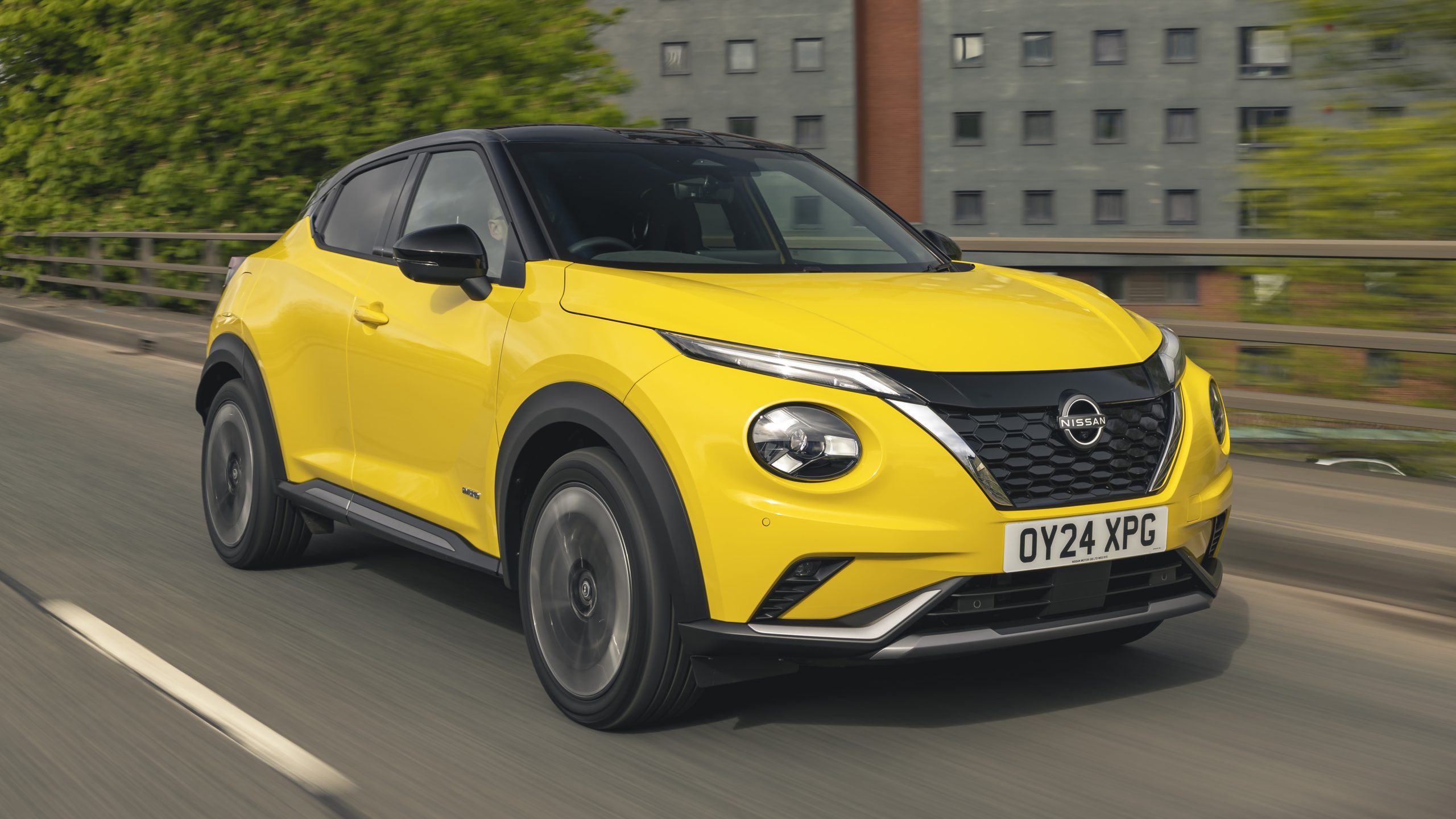
The second-generation Nissan Juke, produced from 2019 to 2025, aimed to modernize the original with a bold design and sporty appeal. However, despite its stylish exterior, the cabin reveals persistent quality and reliability problems, making it one of the least dependable models in its class. Long-term surveys report frequent owner complaints and slow, costly repairs, particularly for electronics and interior components.
A major concern is the inconsistent use of materials. While higher trims feature soft-touch surfaces or Alcantara upholstery, much of the lower cabin is dominated by hard, brittle plastics.
Gloss black “Piano Black” trim around the gear shifter is especially prone to scratches from everyday items, quickly undermining the premium look. These cheap materials contribute to a tactile experience that falls below expectations for a modern compact SUV.
Creaks and rattles are another frequent issue. Poor build tolerances in the door cards, center console, and dashboard allow panels to rub against each other as the chassis flexes, creating noise over bumps or during cornering. Owners often note that these sounds erode the “premium” feel of the cabin almost immediately.
Manufacturing flaws extend beyond aesthetics. Water ingress in the boot or rear footwells is a recurring problem, usually caused by faulty tailgate seals or poorly fitted rear vents. Moisture can lead to damp smells and mold, further compromising long-term durability.
Technology issues compound the cabin’s shortcomings. The NissanConnect infotainment system frequently freezes or goes blank, while USB ports struggle to maintain connections with Apple CarPlay and Android Auto, often requiring system resets or warranty replacements.
Ergonomics also falls short. There is no adjustable lumbar support even on higher trims, making the sporty seats uncomfortable on long drives. Thick pillars and small rear windows create a claustrophobic environment in the back seats, reducing perceived space and comfort.
The 2019–2025 Nissan Juke offers a striking design but suffers from cheap materials, rattles, water leaks, and technology glitches, making it a challenging choice for buyers prioritizing interior quality and reliability.
Choosing a car that maintains interior quality can significantly enhance the ownership experience, combining comfort, durability, and visual appeal over many years. Luxury sedans and well-engineered compacts like the Lexus ES, Honda Civic, Toyota Corolla, and Genesis GV80 showcase how premium materials, careful assembly, and ergonomic design contribute to a refined, quiet, and enduring cabin.
In contrast, vehicles such as the Jeep Wrangler, early Tesla Model 3, Land Rover Discovery Sport, Volkswagen Tiguan, and Nissan Juke illustrate the challenges of interiors that rely on hard plastics, inconsistent fit, and problematic electronics, resulting in rattles, wear, and frequent maintenance concerns.
By understanding these distinctions, buyers can prioritize long-term satisfaction and avoid models where interior quality diminishes quickly, ensuring a more enjoyable, hassle-free driving experience.
Also Read: Top 10 Cars That Changed Automotive Engineering Forever