When it comes to vehicle ownership, an interior that stands the test of time is just as important as mechanical reliability. Some cars maintain their appeal and comfort for decades, offering high-quality materials, thoughtful ergonomics, and a design that remains timeless.
From the serene luxury of the Lexus LS 500 to the rugged resilience of the Toyota Land Cruiser, these vehicles prove that careful craftsmanship and durable materials pay off over the long term. On the other hand, some models, despite their initial appeal or affordability, struggle to maintain a fresh, comfortable interior.
Cars like the early Tesla Model 3 or Dodge Caliber demonstrate how cost-cutting, delicate materials, or exposure to environmental stresses can quickly age a cabin. Understanding which vehicles age gracefully inside versus those that do not can guide buyers seeking long-term satisfaction, comfort, and aesthetic longevity in their automotive investment.
5 Vehicles That Age Well Inside
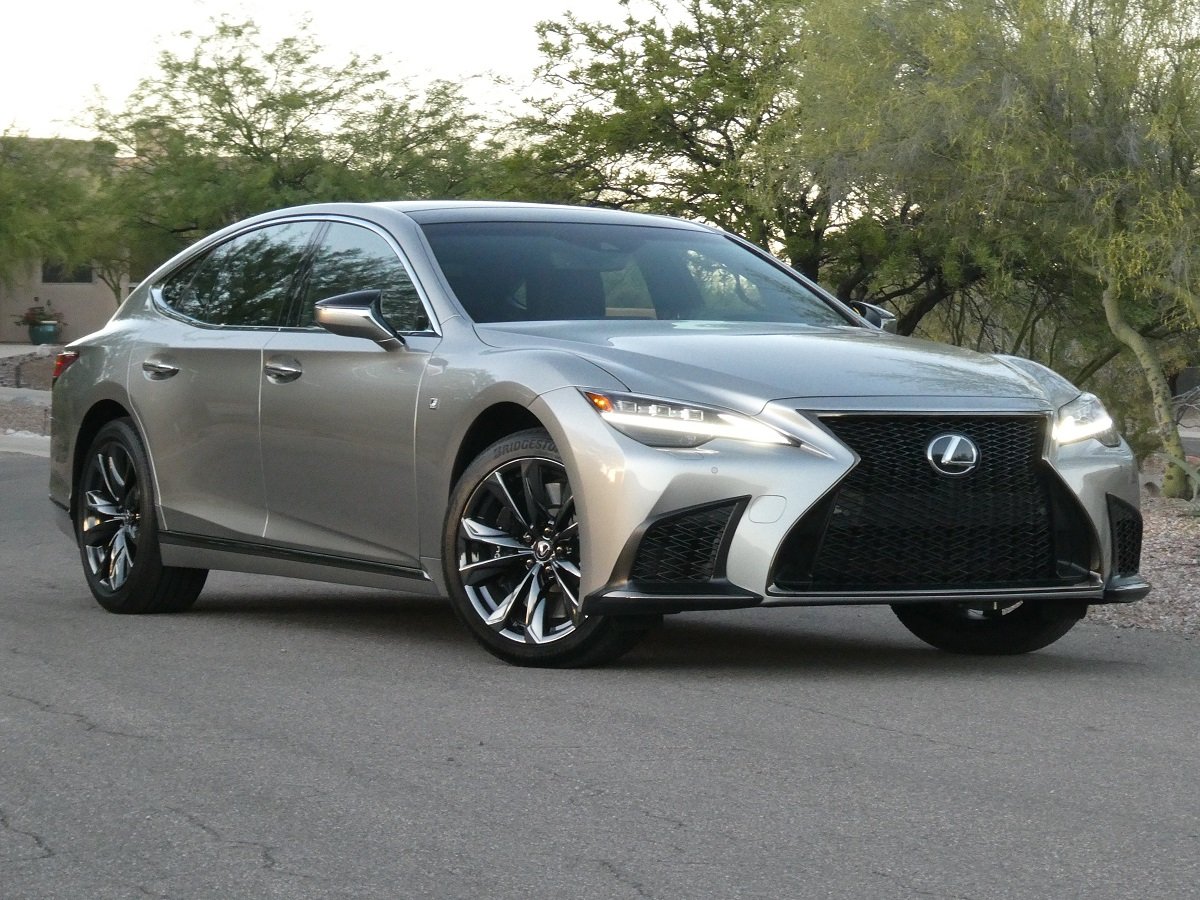
1. Lexus LS 500: Enduring Luxury, Comfort, and Performance
The Lexus LS 500 sets the benchmark for interior longevity and refined luxury. Its cabin features ultra-high-grade, UV-resistant leathers, Alcantara, metallic accents, and specialized wood trims that resist cracking and fading even after decades of use.
Inspired by the Japanese principle of Omotenashi, the interior emphasizes hospitality and serenity, creating a quiet, comfortable, and visually appealing environment. Takumi craftsmanship ensures meticulous attention to detail, from the floating armrest to precisely fitted materials, while tactile physical controls complement the 12.3-inch touchscreen, giving the cabin a timeless, functional aesthetic.
Seats are plush and accommodating, with massage functionality and abundant trim options, while the rear bench offers generous space, though fewer luxury amenities than some rivals. Cargo capacity is substantial, holding six carry-on suitcases, though fixed rear seatbacks limit flexibility for larger items.
Under the hood, the LS 500 is powered by a 416-hp twin-turbocharged 3.4-liter V-6 generating 442 lb-ft of torque, paired with a 10-speed automatic transmission and standard all-wheel drive. The setup prioritizes smooth, quiet operation and refined acceleration, with a 0–60 mph time of 5.0 seconds.
While this is slightly slower than the BMW 740i (4.9 s) and Mercedes-Benz S500 (4.5 s), the LS excels as a refined cruiser rather than a performance-focused sedan, offering effortless highway comfort and serene handling. Fuel efficiency remains competitive, with the previous model achieving 17 mpg city, 27 mpg highway, and 28 mpg on Car and Driver’s 75-mph highway test.
Technology and connectivity are well-integrated, with wireless Apple CarPlay, Android Auto, Amazon Alexa, and a 12-speaker Mark Levinson audio system enhancing the driving experience. Safety is comprehensive through the Lexus Safety System+ 3.0 suite, which includes automated emergency braking, lane-keeping assist, and adaptive cruise control with lane centering.
Lexus backs the LS 500 with a four-year/50,000-mile limited warranty, six-year/70,000-mile powertrain coverage, and one year of complimentary maintenance, offering reliability and peace of mind for long-term ownership.
Combining high-quality materials, exceptional craftsmanship, serene comfort, advanced technology, and competent performance, the LS 500 remains a full-size luxury sedan designed to age gracefully while delivering enduring refinement, quiet sophistication, and a timeless sense of luxury.
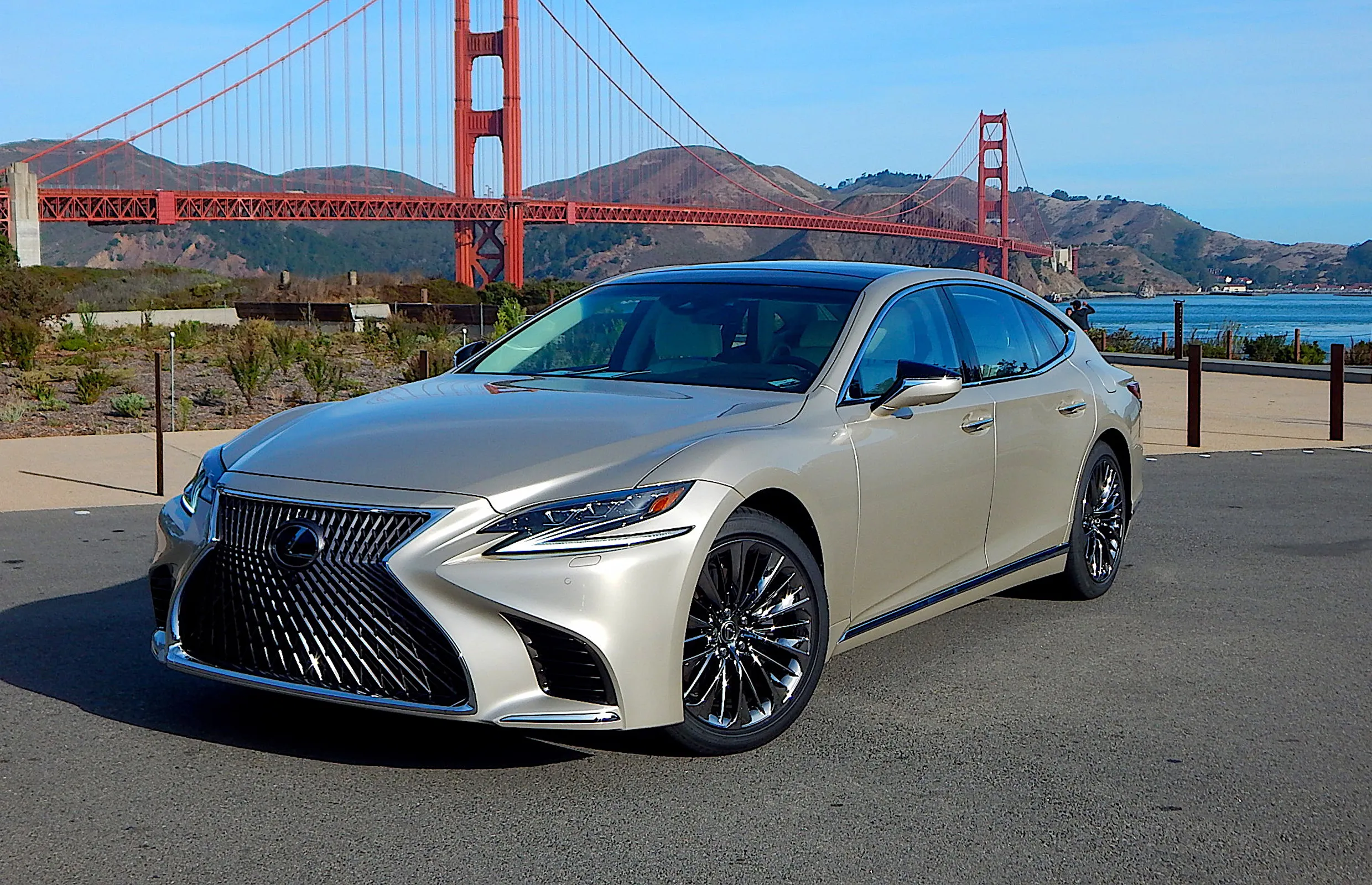
2. Volvo XC90: Scandinavian Design, Comfort, and Practical Luxury
The Volvo XC90 embodies the “Scandinavian Sanctuary” philosophy, combining minimalist design with high-quality, durable materials. The cabin features open-pore wood, Nappa leather, and soft-touch surfaces that age gracefully, developing a patina rather than showing wear.
By avoiding easily scratched glossy plastics, the XC90 maintains a refined, premium feel for years. Its clean, uncluttered dashboard, simple lines, and timeless interior styling ensure the cabin remains modern and appealing, while practical 5-, 6-, or 7-seat configurations, supportive seating, and thoughtfully designed storage spaces make the XC90 highly functional for families and active lifestyles.
Infotainment remains contemporary through an 11.2-inch touchscreen and 12.3-inch digital gauge cluster running Google’s Android Automotive system, complemented by Apple CarPlay, in-dash navigation, voice-activated controls, and multiple audio options, including a 1,410-watt Bowers & Wilkins system.
Powertrain options include the B5 and B6 2.0-liter turbocharged four-cylinder engines, both supported by a 48-volt mild-hybrid system. The B5 produces 247 horsepower with a 4,000-pound towing limit, while the B6 delivers 295 horsepower and can tow up to 5,000 pounds.
All trims feature all-wheel drive and an eight-speed automatic transmission. The XC90 B6 accelerates to 60 mph in 6.8 seconds, providing adequate performance for its class, while the chassis and optional air suspension deliver a smooth, composed ride.
Steering is precise, with a weight that balances comfort and feedback, although minor road imperfections can transmit light clattering. Fuel economy is competitive, with the B6 rating 20 mpg city, 26 mpg highway, and 23 mpg combined, while real-world highway testing reached 26 mpg.
Interior comfort emphasizes warmth, restraint, and craftsmanship, with textile and leather upholstery options and generous front and second-row space. The third row suits children or short trips, while the XC90’s boxy silhouette enables substantial cargo capacity, though storage compartments are smaller than some competitors.
Volvo equips the XC90 with advanced safety technology, including automated emergency braking with pedestrian and cyclist detection, lane-departure warning, lane-keeping assist, and adaptive cruise control with lane centering.
Warranty coverage includes four years or 50,000 miles for both limited and powertrain plans, with three years or 36,000 miles of complimentary scheduled maintenance, offering strong support for long-term ownership.
With its timeless Scandinavian design, high-quality materials, modern infotainment, and practical, comfortable cabin, the Volvo XC90 remains a well-rounded, family-friendly luxury SUV that balances style, safety, and utility for long-term satisfaction.
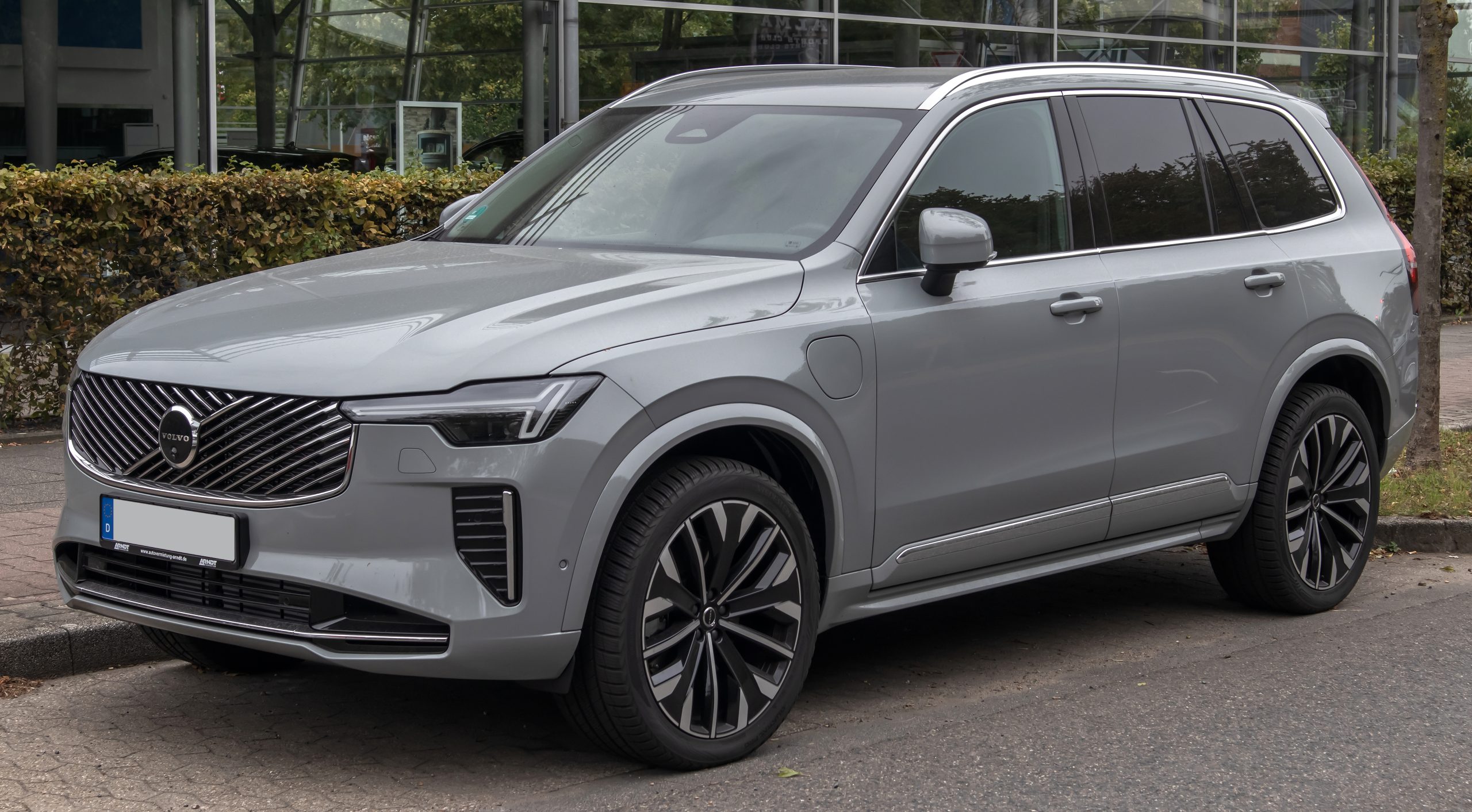
3. Porsche 911 (991): Timeless Design, Performance, and Longevity
The Porsche 911 (991) exemplifies the brand’s commitment to blending timeless design with high-performance engineering. Its interior is built for durability and driver-focused ergonomics, featuring robust switchgear and seat bolsters designed to withstand significant physical stress.
Unlike tech-heavy competitors that can quickly feel outdated, the 991’s cabin maintains a classic, clean layout, balancing modern technology with refined simplicity. The Porsche Communication Management (PCM) system, updated through the 991.1 and 991.2 generations, provides contemporary connectivity while retaining intuitive usability, ensuring the cabin remains relevant over many years.
The 911 ages well thanks to its combination of evolutionary styling, premium materials, and engineering durability. Structural rigidity and robust engines, particularly the 9A2, contribute to long-term reliability, while improvements such as new cylinder coating processes and careful component engineering have reduced potential issues.
Common concerns, like carbon buildup in early 991.1 models and brake pipe corrosion, are limited, making the car a dependable choice for enthusiasts. High-quality materials and meticulous build quality give the cabin a premium feel that resists the effects of aging, ensuring the interior remains visually and tactually satisfying.
Performance is central to the 991’s appeal. The Carrera models range from 345 hp to 395 hp, with the GTS offering 424 hp, and the GT3 and Turbo variants providing even higher outputs for more focused driving. Both two- and four-wheel-drive configurations are available, alongside Coupe, Cabriolet, and Targa body styles, offering flexibility without compromising the core driving experience.
Advances in chassis engineering, weight reduction through aluminum use, and the introduction of a seven-speed manual gearbox enhance both performance and safety. The car is praised for its balance, composure, and driver engagement, making it equally usable as a daily driver or a high-performance sports car.
The 991’s interior complements its driving dynamics with ergonomically designed seats, supportive bolsters, and a driver-centric layout that keeps controls accessible and intuitive.
Advanced driving aids such as Porsche Active Suspension Management (PASM) enhance handling while maintaining comfort. These thoughtful design elements, combined with timeless styling and modern upgrades, position the 911 (991) as a “modern classic” that remains desirable, reliable, and capable decades after its release.
With over half a century of heritage, the 911 (991) demonstrates that high-performance sports cars can combine longevity, practicality, and advanced engineering, offering a driving experience that is both thrilling and enduring.
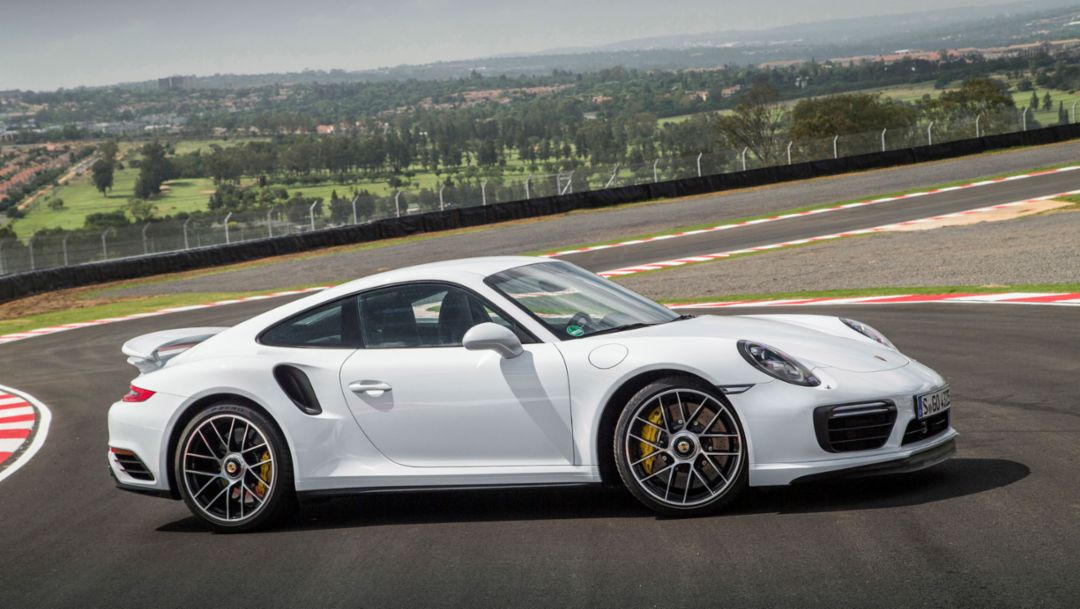
4. Toyota Land Cruiser: Rugged Durability and Timeless Utility
The Toyota Land Cruiser is engineered to endure decades of use, with an interior designed to match its legendary mechanical durability. Built for extreme environments, its cabins feature heavy-duty plastics, thick leather, and robust construction, ensuring that touchpoints, controls, and surfaces remain functional even after hundreds of thousands of miles.
Toyota’s design philosophy emphasizes timeless, functional ergonomics over fleeting trends, creating a practical and resilient interior that resists wear, tear, and fading. This “form follows function” approach keeps the cabin relevant and easy to maintain, while minimizing potential failure points from overly complex electronics.
Higher-spec versions add comfort through leather upholstery, ventilated seats, and premium audio, yet the Land Cruiser’s core focus remains durability, utility, and longevity.
The new generation Land Cruiser adopts a smaller, modernized form with a hybrid powertrain replacing the traditional naturally aspirated V-8. A turbocharged 2.4-liter four-cylinder engine paired with two electric motors produces 326 horsepower, coupled with an eight-speed automatic transmission and four-wheel drive.
Standard features include a locking center differential, low-range gearing, crawl control, and hill-descent control, ensuring capable off-road performance. On-road, the SUV delivers a smooth, quiet ride, though electric-boost torque can feel inconsistent due to a small battery pack.
Acceleration is measured, reaching 0–60 mph in 7.7 seconds, slower than rivals such as the Lexus GX550, but performance is sufficient for both highway cruising and off-road capability. The Land Cruiser can tow up to 6,000 pounds, exceeding the capacity of many mid-size competitors.
Interior comfort combines practicality with refinement. The two-row, five-seat layout offers ample space and cargo capacity, holding up to 31 carry-on suitcases with the rear seats folded. Entry-level trims provide heated seats, a heated steering wheel, and a six-speaker audio system, while higher trims offer leather upholstery, ventilated seats, a 12.3-inch touchscreen, and a 14-speaker JBL stereo.
Infotainment supports wireless Apple CarPlay and Android Auto, with USB-C charging and wireless smartphone charging included, though optional features like onboard Wi-Fi require upgrades.
Safety is comprehensive through Toyota Safety Sense 3.0, including automated emergency braking with pedestrian detection, lane-departure warning with lane-keeping assist, and adaptive cruise control with lane-centering.
Warranty coverage includes three years/36,000 miles limited, five years/60,000 miles powertrain, and ten years/150,000 miles for hybrid components, with two years or 25,000 miles of complimentary maintenance.
With its rugged, long-lasting materials, functional design, capable hybrid powertrain, and versatile interior, the Toyota Land Cruiser remains a durable, practical, and enduring SUV built to thrive for decades in both harsh environments and everyday life.
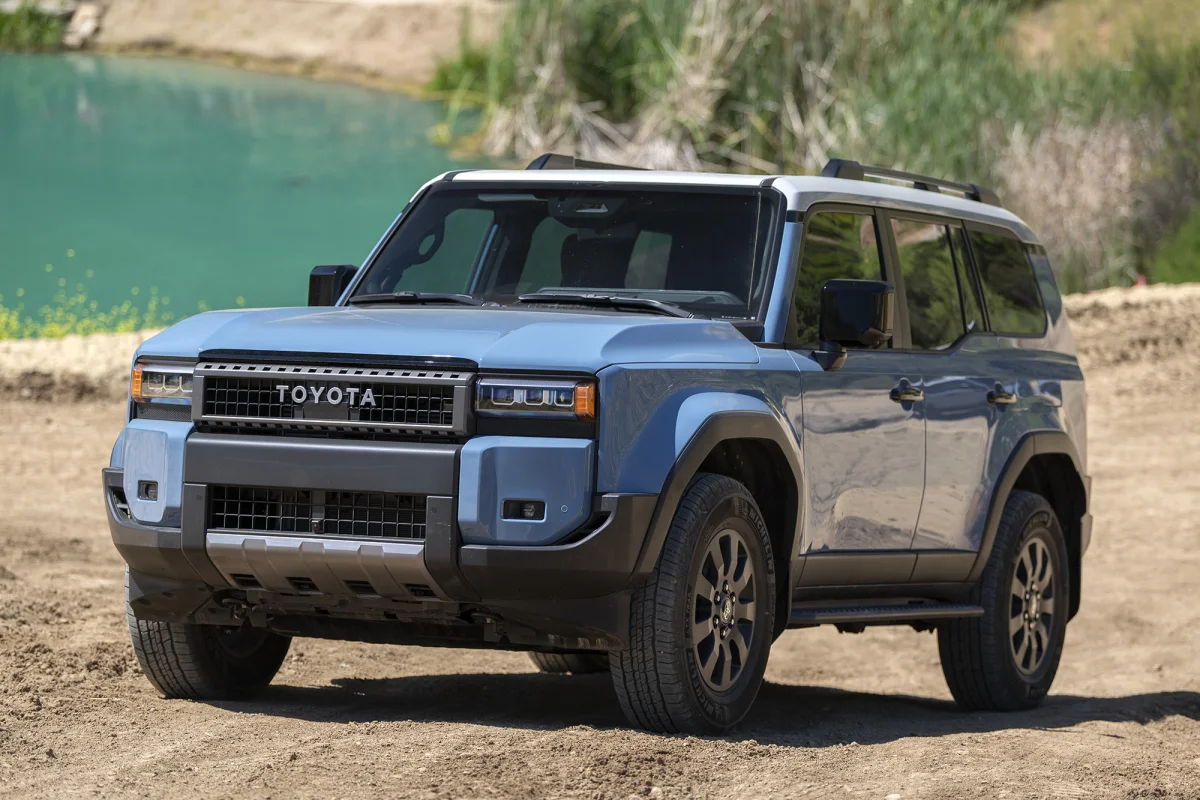
5. Mazda3 (2019–Present): Minimalist Design Meets Premium Quality
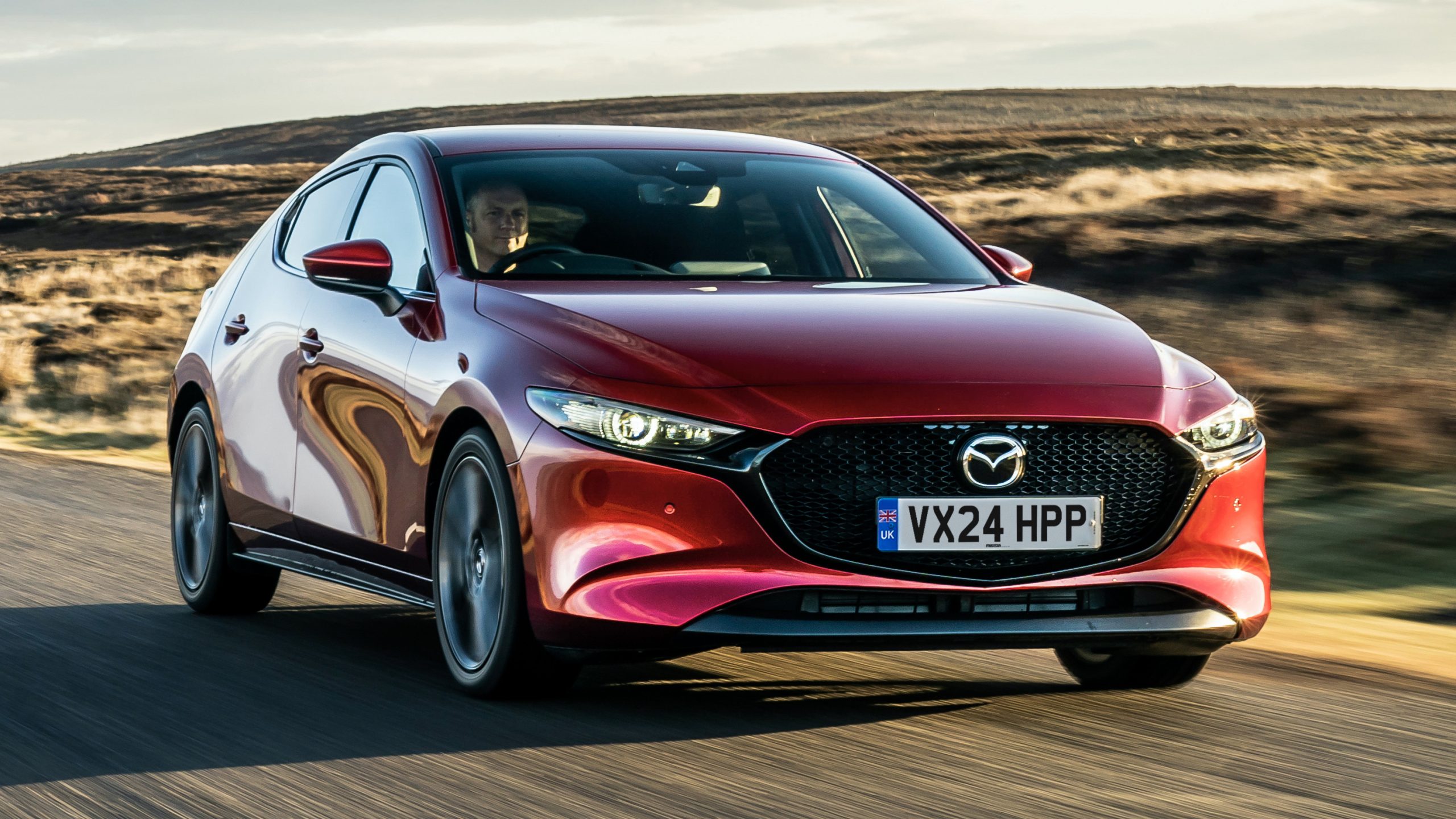
The 2019–present Mazda3 elevates the compact-car segment with a “near-luxury” approach, combining a minimalist cabin layout, high-quality materials, and driver-focused ergonomics.
Soft-touch plastics, leather accents, and metallic trim create a refined interior that rivals entry-level Audis and BMWs, while the thoughtfully integrated infotainment screen and physical rotary controls prevent the cabin from feeling cluttered or quickly outdated.
Mazda’s “less is more” philosophy ensures that the interior remains visually appealing and functional over time, with high-grade materials and strong build quality resisting wear, rattling, and premature degradation.
The cabin emphasizes driver comfort and usability. Seats are supportive and ergonomically designed, controls are intuitive, and the Mazda Connect infotainment system integrates Apple CarPlay and Android Auto seamlessly, with later models offering wireless smartphone compatibility.
Both sedan and hatchback versions feature surprisingly capable cargo layouts: the sedan accommodates six carry-on bags with seats up and 16 with them folded, while the hatchback holds five and 16, respectively. Rear seat legroom is modest but acceptable for a compact car, though rear visibility is limited on hatchback models due to their curvaceous design.
Optional upgrades include a 10.3-inch touchscreen, a 12-speaker Bose audio system, and advanced driver-assistance technologies such as a 360-degree camera system and front/rear parking sensors.
The Mazda3 delivers engaging performance across its lineup. Base models use a 186-hp 2.5-liter naturally aspirated four-cylinder, while the turbocharged 2.5-liter variant produces 250 hp and comes standard with all-wheel drive. Transmission options include a six-speed automatic or six-speed manual, depending on trim.
Acceleration ranges from 5.6 seconds to 60 mph in the turbo AWD sedan to around 7.5 seconds in non-turbo models. Both sedan and hatchback offer taut handling, natural steering feel, and a composed ride, maintaining the fun-to-drive character Mazda is known for.
Fuel efficiency is competitive, with EPA ratings of 23–27 mpg city and 31–36 mpg highway, while real-world testing confirms that the models often exceed these figures slightly. Safety is comprehensive, with standard automated emergency braking, blind-spot monitoring, and adaptive cruise control.
Warranty coverage is standard for the segment, with a three-year/36,000-mile limited warranty and five-year/60,000-mile powertrain protection, though Mazda does not include complimentary maintenance.
With its minimalist design, premium materials, driver-centric ergonomics, and responsive performance, the Mazda3 (2019–present) stands out in the compact segment as a vehicle that ages gracefully, combining luxury-like refinement with practical usability and long-term appeal.
Also read: 5 Cars for Littleton Mountain Commuting and 5 Winter-Ready Models
5 That Don’t
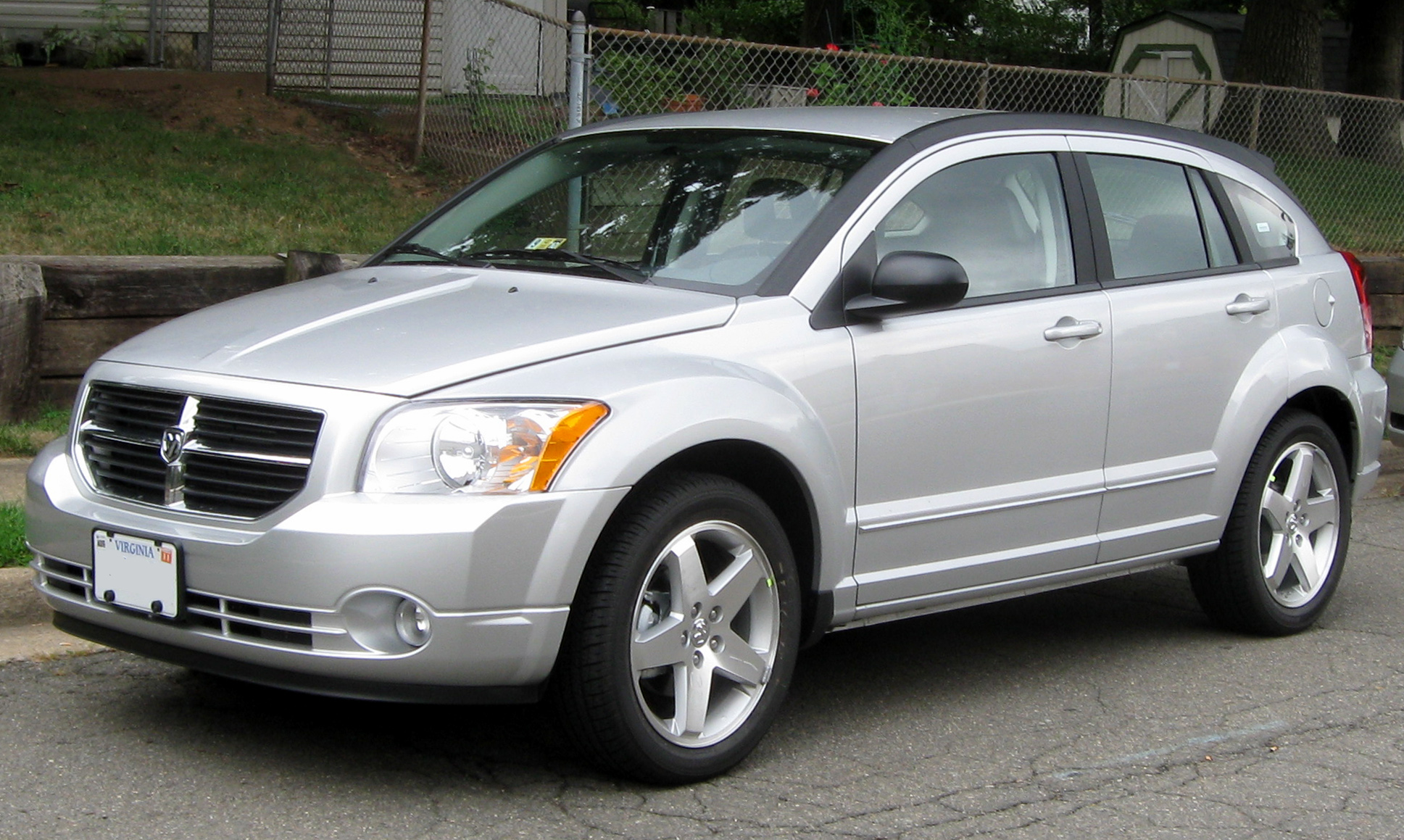
1. Dodge Caliber: A Cautionary Tale in Interior Durability
The Dodge Caliber is widely regarded as a low point for modern American car interiors, primarily due to its reliance on low-quality materials and poor build quality. Designed during the DaimlerChrysler era, the Caliber prioritized cost-cutting over refinement.
While it featured some clever gimmicks, such as a chilled glovebox and flip-down tailgate speakers, the cabin’s fundamental elements failed to age gracefully, leaving owners with rattles, scratches, and an unappealing look over time.
A defining issue is the extensive use of hard, brittle plastics throughout the cabin. Dashboards, door panels, and armrests lack soft-touch surfaces, making them highly prone to scratching, cracking, and developing a waxy or greasy sheen as the vehicle ages. Early models (2007–2009) were criticized for a monotonous gray interior that quickly appeared dated and cheap compared to competitors.
Structural and build quality further undermined the cabin’s longevity. Panel gaps were inconsistent from the factory, causing rattles and shifting parts as the vehicle aged. Functional components, including door lock knobs and hazard switches, were minimally reinforced, making them susceptible to snapping or failure under normal use.
Environmental factors worsened aging issues. The sunroof drain system is frequently clogged, leading to water leaks that soak carpets, stain upholstery, and create musty odors. Moisture could also damage interior electronics, affecting infotainment systems and dashboard lighting.
Seat fabric and upholstery were similarly problematic, with materials that stained easily and resisted cleaning. Although Dodge attempted minor improvements in the 2010–2012 redesign, the underlying structural weaknesses and low-grade materials persisted.
The Dodge Caliber’s interior struggles stem from cost-driven material choices, poor structural design, and environmental vulnerabilities. While innovative in concept, the cabin lacks the durability, comfort, and quality expected in modern vehicles, leaving it as a cautionary example of how aggressive cost-cutting can compromise long-term usability and appeal.
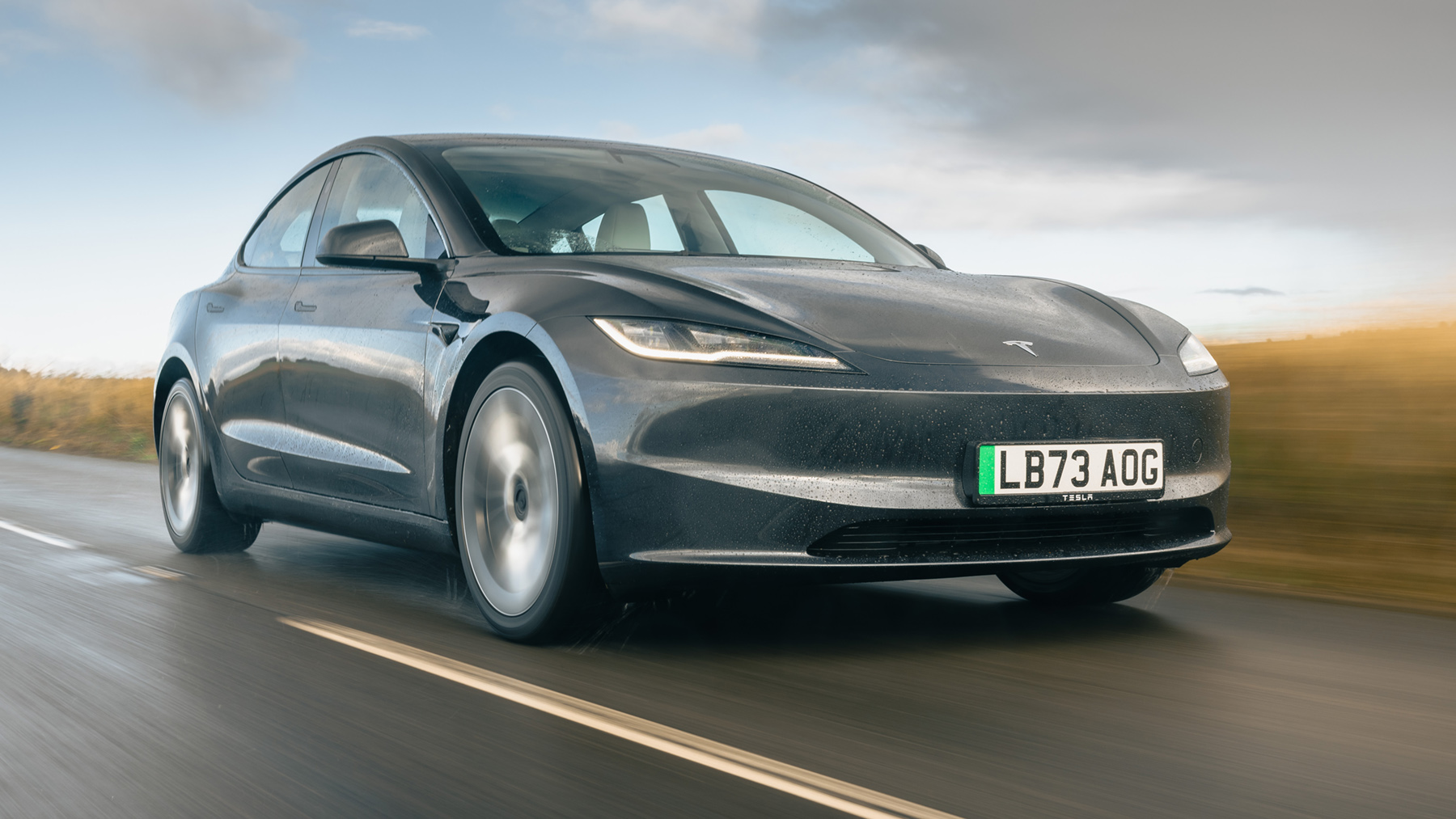
2. Early Tesla Model 3 (2017–2020): Innovative but Interior Durability Lags
The early Tesla Model 3 (2017–2020) marked a revolutionary shift in automotive design, but its interior often struggles with long-term durability. Rapid development and Tesla’s status as a relatively new automaker at the time resulted in inconsistent build quality, delicate materials, and design choices that have not aged gracefully. While technologically advanced, the cabin shows signs of wear that are uncommon in more established competitors.
A major concern was the early “vegan” leather seats, particularly on driver-side bolsters and headrests. These surfaces were prone to peeling, premature wear, and staining. Light-colored interiors were especially vulnerable to permanent discoloration from clothing dyes.
High-touch areas, including the steering wheel, door handles, and center console, developed shiny spots or scratches quickly. The piano black finish of the center console attracted fingerprints and scratches, reducing the cabin’s aesthetic appeal.
Assembly and fitment issues compounded these material problems. Misaligned trim pieces, poorly fitted door seals, and creaky dashboards contributed to rattles, squeaks, and noise as the vehicle aged.
Frameless doors and limited sound insulation further increased cabin noise over time. Components like window switches and the central touchscreen also showed signs of early wear, with reports of screen delamination, yellowing, and functionality degradation.
The minimalist design, while visually striking, lacked practical storage and features like covered compartments or wireless charging, making the cabin less functional than later iterations. Combined with the reliance on a single touchscreen for nearly all vehicle functions, these early Model 3s can feel dated or cumbersome as software and usage demands increase.
The early Tesla Model 3 pushed the boundaries of automotive technology and design, but its interior reflects the growing pains of a new automaker.
Premature wear on seats and high-touch surfaces, assembly inconsistencies, delicate materials, and early design compromises mean that many early Model 3 cabins do not retain their new-car quality over time, highlighting the challenges Tesla faced in marrying innovation with long-term interior durability.
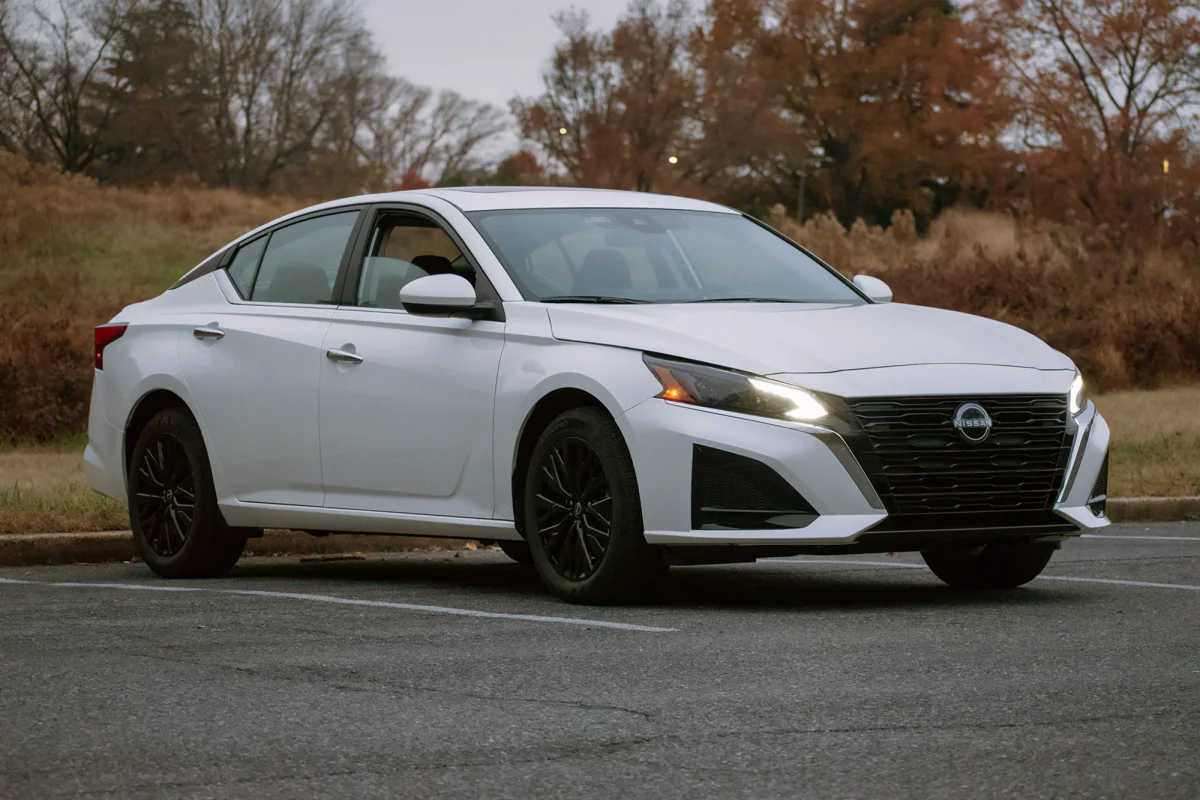
3. Nissan Altima (Early 2010s): Interiors Struggle With Wear and Durability
Early 2010s Nissan Altima models, produced roughly between 2010 and 2015, are widely known for interiors that do not age well. While the vehicles offered reasonable comfort and practicality, their cabins were constructed with low-quality materials that show wear quickly.
Hard, brittle plastics dominate the dashboard, door panels, and trim, often peeling or cracking after only a few years. Glove box latches, power window controls, and other small components frequently fail, reflecting inconsistent build quality and contributing to a worn, tired cabin feel.
Seat fabrics in these models are another point of concern. Materials used for upholstery are prone to staining, trapping odors, and wearing thin in high-contact areas. Carpets and floor mats often degrade faster than in comparable sedans, and headliners can sag or show discoloration over time. These material weaknesses combine to make the cabin look “shabby” even with moderate mileage.
Electronics and infotainment systems also date poorly. Early navigation units, including some Garmin-based systems, are prone to failures or slow responses, while touchscreens and audio interfaces feel outdated compared with competitors’ offerings at the time.
Comfort and cabin refinement are further affected by excessive road noise, limited rear-seat access, and seats that lose their supportive feel over time. While the Altima provides an adequate driving experience, these interior shortcomings make it less appealing for long-term ownership, particularly when compared to rivals that emphasize higher-quality materials and better durability.
The early 2010s Nissan Altima illustrates how cost-conscious design choices can undermine cabin longevity.
Brittle plastics, low-durability fabrics, premature component failures, aging electronics, and cabin noise all contribute to an interior that struggles to maintain a fresh, comfortable, and modern feel over time, making these models a cautionary example of how materials and build quality impact long-term ownership satisfaction.
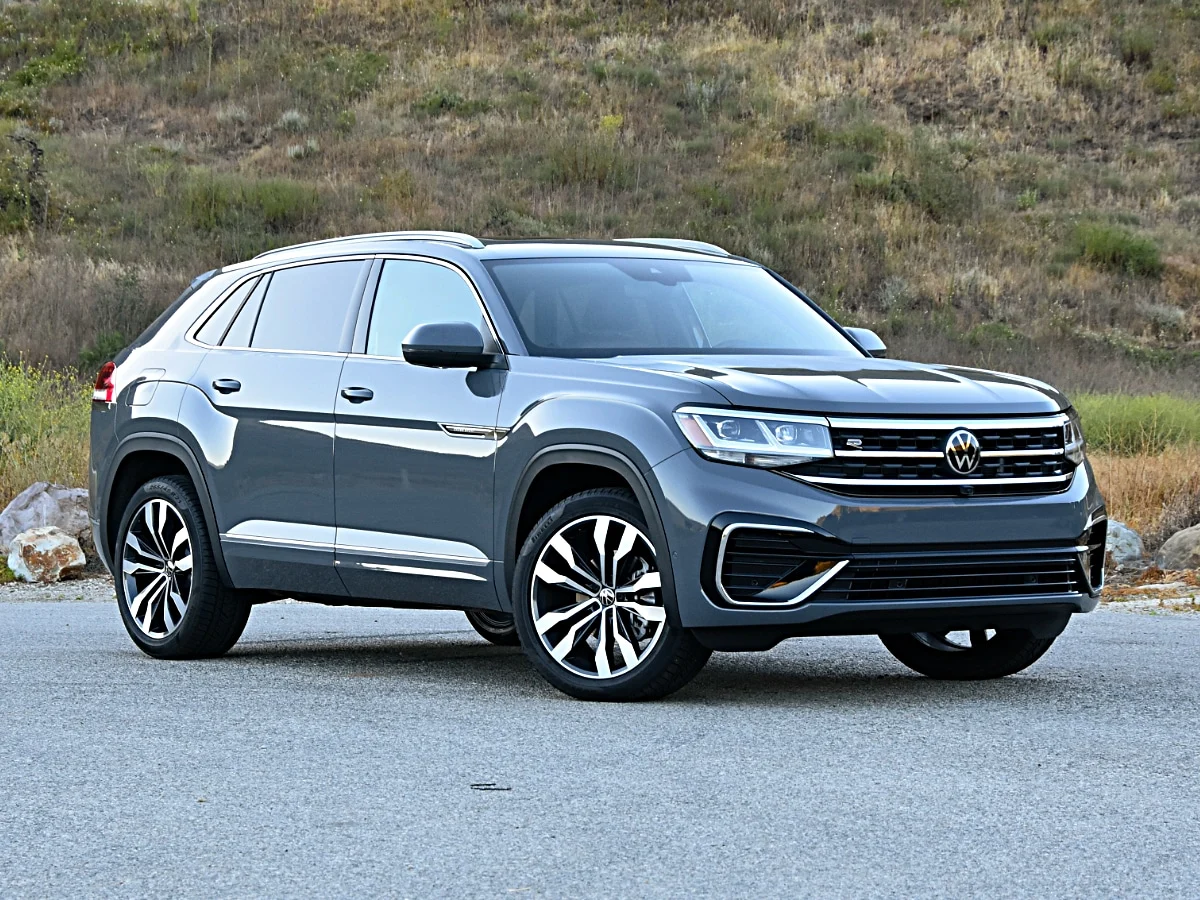
4. Volkswagen Atlas (First Generation): Size and Utility Come at Interior Durability Costs
The first-generation Volkswagen Atlas (2018–2023) was built with North American consumers in mind, emphasizing spaciousness and utility over the premium “German-engineered” feel typical of VW. While functional, the interior often shows signs of aging due to material choices, build quality, and technology limitations, making long-term ownership a challenge.
A key issue is the predominance of hard, hollow-feeling plastics on door panels, the center console, and other high-touch areas. Unlike competitors such as the Mazda CX-9 or earlier VW models like the Touareg, these surfaces are prone to scuffs, scratches, and permanent wear.
Silver-painted trim around vents and the shifter frequently flakes, exposing underlying black plastic and giving the cabin a worn appearance. V-Tex leatherette seats are durable, but the cushioning compresses over time, creating a saggy look after roughly 50,000 miles.
Building integrity is another concern. As the chassis flexes over thousands of miles, cabin rattles often develop from the B-pillars, the dashboard, and the panoramic sunroof assembly. These squeaks and groans make the Atlas feel older than its age, eroding the sense of refinement that buyers expect from a Volkswagen.
Technology in early Atlas models also struggles with aging. Infotainment units, including “Composition Media” and “Discover Media,” are prone to ghost-touching or blackouts, while passenger-occupant detection sensors in the seats frequently fail, triggering airbag warnings.
The panoramic sunroof is particularly vulnerable, with clogged or disconnected drainage tubes leading to leaks, headliner stains, carpet damage, and musty odors.
The first-generation Volkswagen Atlas prioritizes size and utility but sacrifices interior refinement and long-term durability. Hard plastics, rattling trim, sagging upholstery, fragile infotainment systems, and sunroof vulnerabilities combine to make the cabin feel worn and budget-tier compared to its price point. Owners seeking longevity and German-style refinement may find the Atlas lacking in long-term interior resilience.
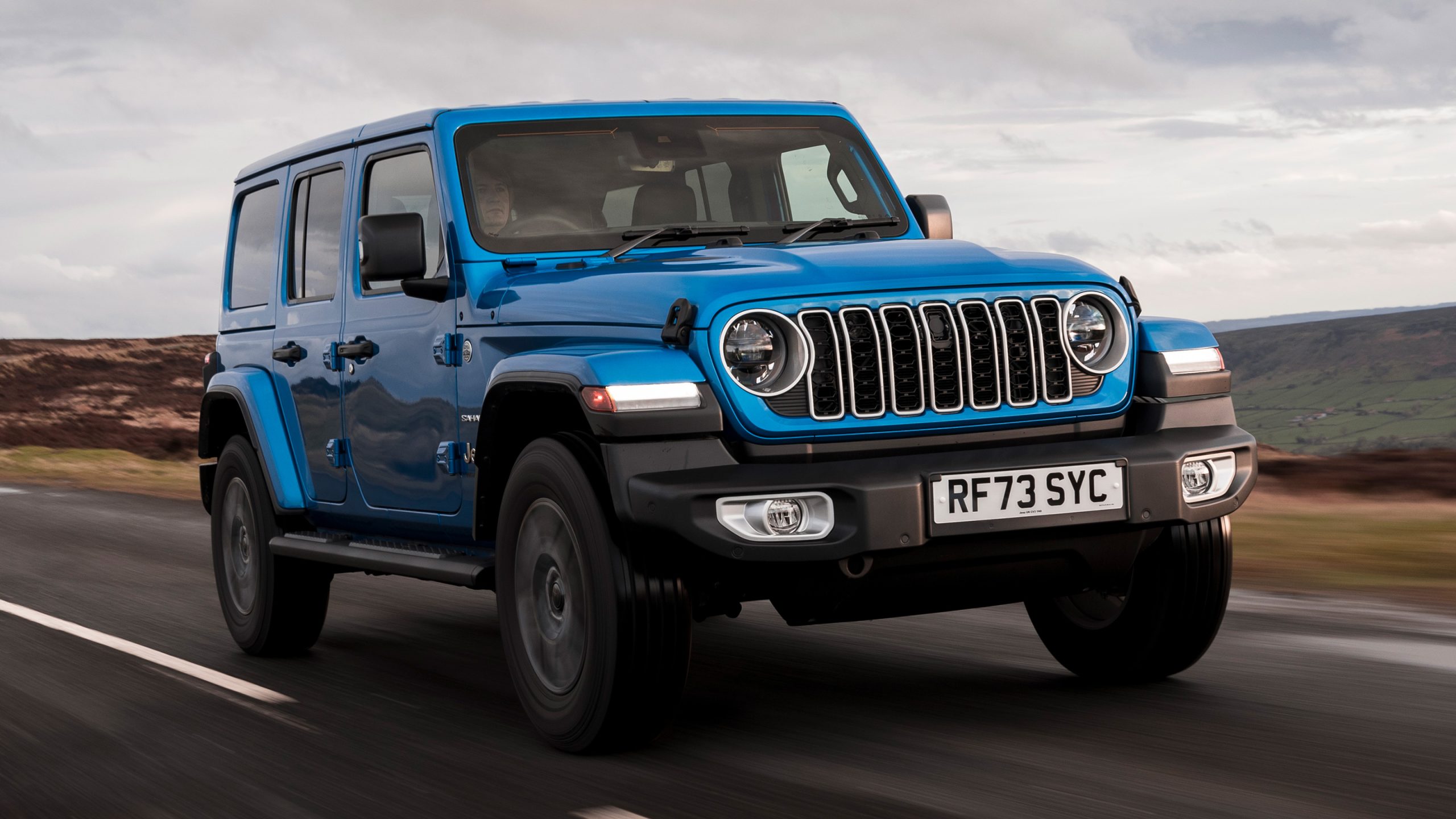
5. Jeep Wrangler Older Generations: Rugged Mechanicals, Rapidly Aging Interiors
Older Jeep Wranglers, especially the TJ (1997–2006) and early JK (2007–2011), are well-known for their off-road capability and mechanical durability. However, their interiors often do not age well.
Unlike modern SUVs with soft-touch surfaces, these Wranglers use hard, low-quality plastics that degrade over time. Dashboards, door panels, and handle surrounds can become brittle, chalky, and prone to cracking, giving the cabin a worn appearance even when the drivetrain remains mechanically sound.
Water intrusion is a common problem in these models. The modular roofs and soft tops often develop seal failures, allowing moisture to enter the carpeting and floor pans. Trapped water can lead to mold, mildew, and rust, leaving a strong musty odor and causing damage to interior components.
This problem is worsened by the open-air nature of the Wrangler. Driving without doors or tops exposes the cabin to dust, mud, and grit. These elements abrade fabrics, scratch plastics, and affect electronics such as window switches and the steering clockspring.
Noise, vibration, and harshness levels in older Wranglers are high. The rattling panels, loosened fasteners, and minimal insulation create a loud and uncomfortable cabin environment. The simple ergonomics and limited amenities make the interior feel outdated compared with contemporary sedans or SUVs.
The interior of older Wranglers ages poorly because the features that make it versatile off-road, such as removable tops and open doors, also make it vulnerable to environmental damage. While the mechanical components remain strong, the cabin requires careful maintenance to stay functional and presentable.
Even with regular upkeep, it rarely achieves the refinement or comfort found in more modern vehicles. The combination of basic materials, exposure to the elements, and frequent vibrations makes the interior experience feel worn much faster than the vehicle’s mechanical life.
Interior longevity often reflects a brand’s philosophy toward quality, durability, and user experience. Vehicles that age well, such as the Porsche 911 or Mazda3, combine premium materials, ergonomic layouts, and practical technology to ensure cabins remain inviting and functional for years.
Conversely, cars like the Jeep Wrangler or Volkswagen Atlas highlight how material shortcuts, environmental exposure, or inconsistent assembly can accelerate wear and tear, leaving a tired and uncomfortable interior.
Choosing a vehicle with a durable, thoughtfully designed cabin not only enhances daily driving comfort but also preserves resale value and long-term satisfaction. By comparing models that excel versus those that falter in interior longevity, buyers can make informed decisions that balance style, functionality, and enduring appeal.
Also Read: Top 10 Cars That Changed Automotive Engineering Forever