Electric vehicles have come a long way, offering clean, efficient, and high-tech alternatives to traditional cars. Yet not all EVs are created equal when it comes to everyday usability. Some models make daily driving effortless with long ranges, fast and convenient charging, minimal maintenance, and intuitive technology.
Others, despite being stylish or innovative, present practical challenges such as limited range, slow charging, software glitches, or awkward ergonomics. In this guide, we explore five EVs that excel at daily ownership, from Tesla’s versatile Model Y to the Ford F-150 Lightning’s combination of utility and convenience.
We also highlight five EVs that, while appealing on paper, prove frustrating for routine use, including the aging Nissan Leaf and the cold-weather-sensitive Toyota bZ4X. Understanding these differences can help potential buyers make smarter choices for commuting, errands, and long-distance driving.
5 EVs That Are Easy to Own Daily
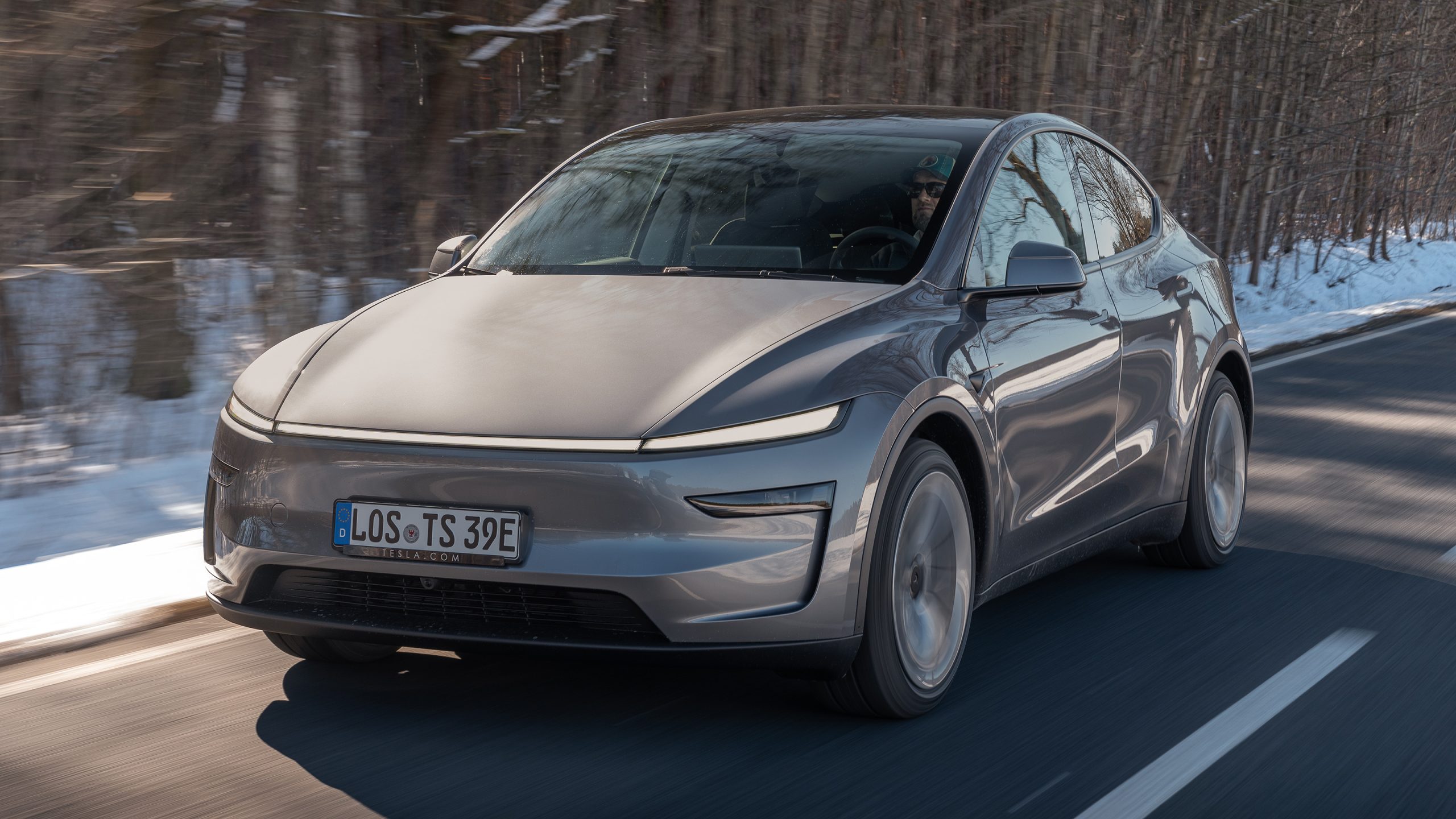
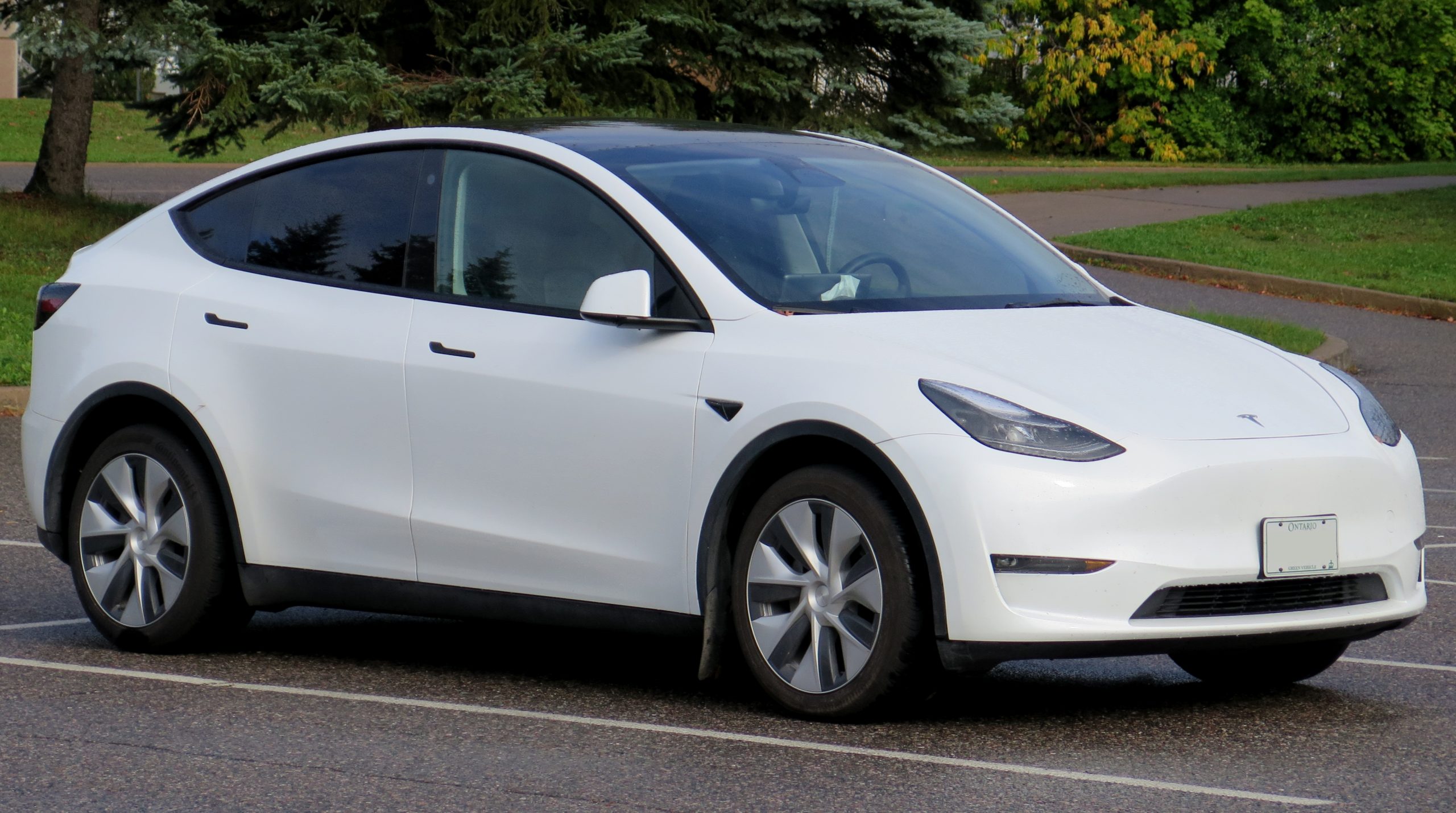
1. Tesla Model Y: The Ultimate Easy-to-Own Electric SUV
The Tesla Model Y is designed for effortless daily ownership, combining convenience, technology, and low running costs. Its standout feature is the Tesla Supercharger network, which virtually eliminates range anxiety by providing fast, reliable charging across long distances.
Daily life is simplified by a spacious and practical interior, minimalist design, frequent Over-The-Air (OTA) updates that fix software issues automatically, and minimal maintenance needs compared with conventional vehicles.
The Model Y requires only basic upkeep, such as tire rotations, cabin filter replacements, and washer fluid refills, while regenerative braking reduces brake wear and eliminates the need for oil changes. Owners benefit from substantial savings on fuel and maintenance, with some reporting over $3,600 annually.
Charging is highly convenient, with home overnight charging providing a “full tank” each morning and the Supercharger network supporting longer trips efficiently. The Premium RWD model can regain up to 182 miles of range in just 15 minutes, while the AWD version adds 169 miles in the same time.
Performance-wise, rear-wheel-drive models deliver approximately 295–300 horsepower, while AWD variants combine two motors for 375 horsepower. The Performance trim enhances acceleration, suspension, and handling, achieving 0–60 mph in as little as 3.3 seconds. Acceleration is smooth, regenerative braking is linear and easy to adapt to, and the cabin is notably quieter than earlier models, though the ride may feel firm for some.
Range depends on the model and wheel size: the Standard RWD achieves up to 321 miles, Premium RWD up to 357 miles, and AWD versions around 327 miles. EPA-estimated efficiency ranges from 104 MPGe for Performance AWD to 138 MPGe for Standard RWD, ensuring practical daily driving with minimal charging interruptions.
The interior emphasizes minimalism, highlighted by a 15.4-inch infotainment display that controls nearly all functions, a panoramic glass roof, and standard seating for five (expandable to seven in Premium AWD).
Comfort features include heated front seats, dual-zone climate control, and a power-adjustable steering column. Entertainment options such as Netflix, Hulu, YouTube, and video games enhance the passenger experience, though they are disabled while driving.
Safety is a priority, with automated emergency braking, lane-keeping assist, adaptive cruise control, and optional Full Self-Driving technology. The Model Y has earned top safety ratings from IIHS and comes with a 4-year/50,000-mile limited warranty and an 8-year/100,000-mile battery and powertrain warranty.
The Tesla Model Y blends efficiency, performance, advanced technology, and practicality, making it one of the easiest and most versatile EVs to own today.
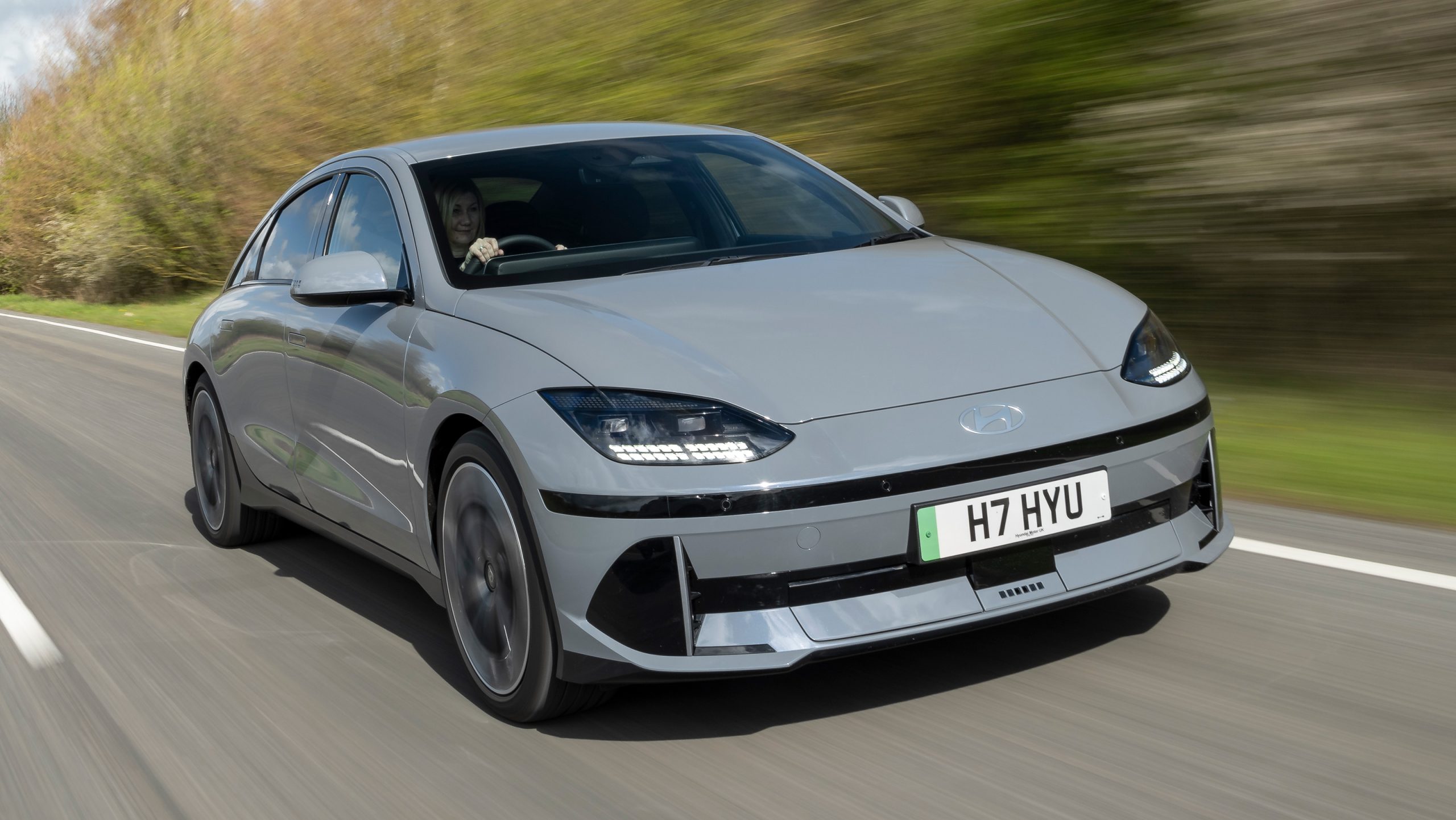
2. Hyundai Ioniq 6: A Sleek and Efficient Daily EV
The Hyundai Ioniq 6 is a highly efficient and technologically advanced electric vehicle that is ideal for daily driving. Building on the Ioniq 5, the Ioniq 6 corrects early software issues and introduces improvements in performance, comfort, and convenience.
Its 800-volt electrical system allows the battery to charge from 10 percent to 80 percent in just 18 minutes, reducing the time spent at charging stations. The car’s aerodynamic design improves efficiency and delivers a real-world highway range of up to 680 kilometers or 422 miles, minimizing the need for frequent stops.
The cabin emphasizes comfort, space, and technology. It features a 12.3-inch digital gauge cluster and a 12.3-inch infotainment touchscreen that supports Android Auto and Apple CarPlay. Hyundai’s BlueLink connected services allow over-the-air updates to keep the software current without visiting a dealership.
The interior is quiet and well-insulated, with supportive front seats that are heated and ventilated, and a heated steering wheel for added comfort. The long wheelbase provides generous rear legroom, while the flat floor creates a spacious, lounge-like feeling. Cargo space is practical, with a trunk that can expand by folding the rear seats, and a front trunk provides additional storage for small items or charging cables.
The Ioniq 6 offers convenience through its Vehicle-to-Load function, which can power external devices, effectively turning the car into a mobile charger. Safety is provided by Hyundai’s Smartsense system, which includes Automatic Emergency Braking, Lane Keeping Assist, Blind-Spot Collision-Avoidance Assist, and Parking Distance Warning. These features enhance driver confidence during daily use.
Hyundai supports the Ioniq 6 with strong warranty coverage. The limited warranty lasts five years or 60,000 miles, and the powertrain and battery are covered for 10 years or 100,000 miles. Starting with 2026 models, complimentary scheduled maintenance is no longer included, but the car remains simple and convenient to maintain.
With ultra-fast charging, long-range efficiency, a quiet and comfortable cabin, advanced technology, and comprehensive safety features, the Hyundai Ioniq 6 delivers a practical, efficient, and enjoyable driving experience. It meets the demands of both daily commuting and longer trips while combining style, comfort, and innovation in a single electric sedan.
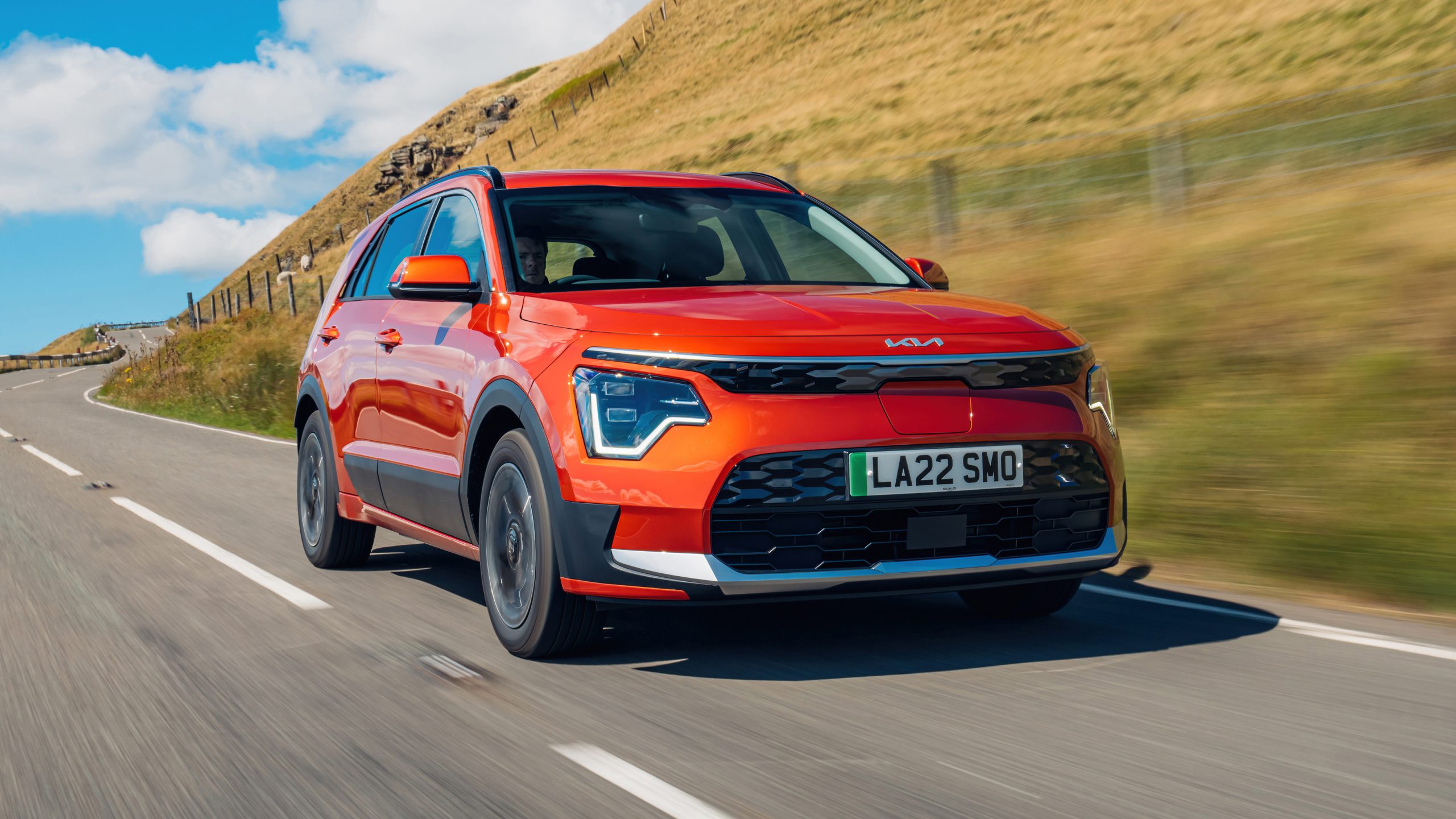
3. Kia Niro EV: A Practical and Reliable Electric Crossover
The Kia Niro EV is a practical and reliable electric vehicle that emphasizes usability and comfort over flashy design. Designed as a compact crossover, it offers a predictable driving experience, making it well-suited for daily commuting and city driving.
Its straightforward design includes physical buttons and a simple infotainment system, which improve usability and safety while driving. The Niro EV consistently scores high in long-term reliability surveys, reinforcing its reputation as a sensible choice for drivers seeking low-maintenance ownership.
The Niro EV provides an EPA-estimated range of 239 to 253 miles per charge, allowing it to handle daily commuting with ease. It supports fast charging from 20 percent to 80 percent in roughly 40 to 45 minutes, which maintains convenience for regular use.
Its 64.8-kWh battery delivers credible highway performance, achieving about 210 miles at 75 mph. The vehicle achieves an estimated 126 MPGe in city driving and 101 MPGe on highways, making it one of the more efficient compact EVs on the market.
Power comes from a single front-wheel-drive electric motor generating 201 horsepower, which is more powerful than the hybrid and plug-in hybrid versions of the Niro. Acceleration is smooth, reaching 0–60 mph in approximately 6.7 seconds, which is adequate for most city and highway driving needs.
The Niro EV features Normal and Sport modes for a more responsive driving experience, while Eco mode helps extend range but reduces acceleration. Steering is precise and progressive, although cornering performance is moderate compared with sportier EVs.
Inside, the Niro EV features a contemporary and functional cabin with eco-friendly materials, such as seat coverings derived from eucalyptus leaves. The interior includes a 10.3-inch digital instrument cluster, a 10.3-inch infotainment touchscreen, and a rotary shifter.
Storage is practical, with large door pockets, cubbies, and a center console. Optional features include a Harman/Kardon stereo, wireless charging, and smartphone-based digital key access. Voice command integration with Amazon Alexa and Google Assistant further enhances convenience.
Safety is well-covered with standard forward-collision warning, automated emergency braking, lane-departure warning, lane-keeping assist, and adaptive cruise control with lane-centering. The Niro EV comes with strong warranty coverage, including a five-year/60,000-mile limited warranty and a 10-year/100,000-mile powertrain warranty, although complimentary scheduled maintenance is not included.
The Kia Niro EV balances range, comfort, and efficiency in a compact crossover package. Its practical design, user-friendly technology, reliable performance, and comprehensive safety features make it a sensible and stress-free choice for daily driving.
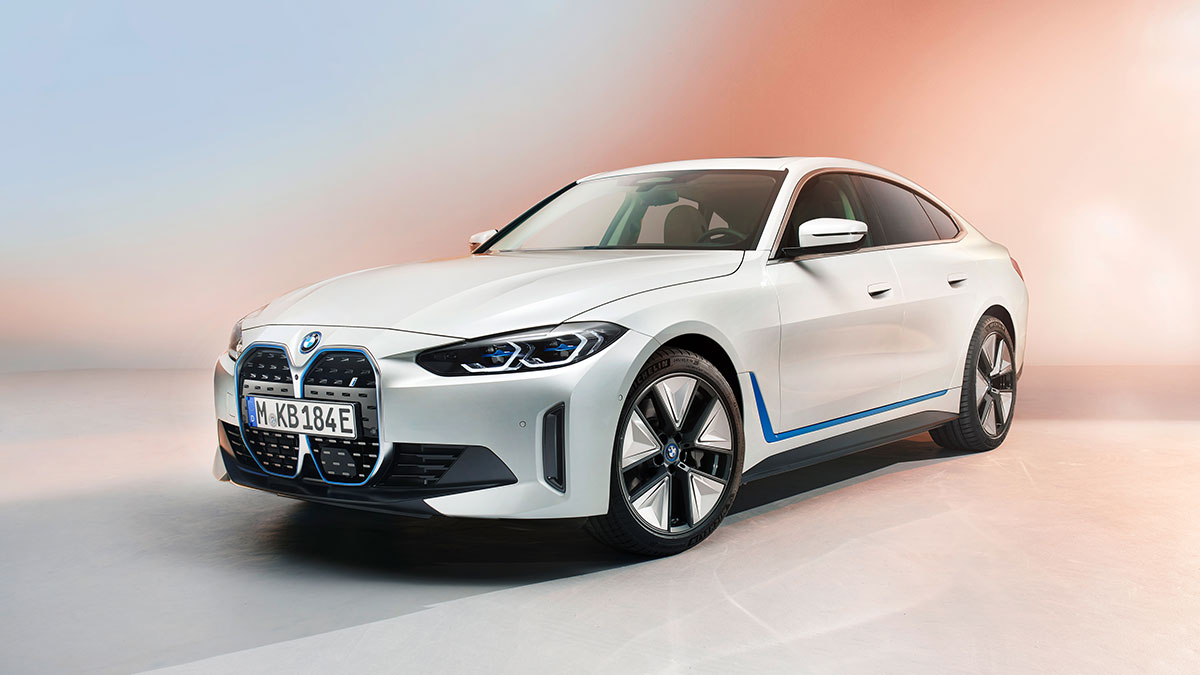
4. BMW i4: A Luxurious and Practical Electric Sedan
The BMW i4 is designed to make the transition from gasoline to electric seamless for drivers who want familiarity, performance, and practicality in one package. Based on the 4 Series Gran Coupe, it retains the driving feel of a conventional BMW while providing the benefits of an electric powertrain.
Supported by BMW’s extensive dealership network, servicing the i4 is easy, and its highly accurate range estimator ensures drivers are rarely caught off guard by battery depletion. The i4 combines sporty handling, advanced technology, and comfortable ergonomics, making it suitable for daily commuting and longer trips.
Charging is convenient and fast. The i4 can handle up to 180 kW DC fast charging, restoring 88 to 108 miles of range in roughly 10 minutes. A 10–80 percent charge takes around 32 minutes on a Level 3 station, while a full Level 2 home charge completes in about seven to eight hours.
Range varies by model and wheel size, with the 2025 eDrive40 rear-wheel-drive model achieving up to 318 miles per charge, while performance-focused variants like the M50 (now M60) achieve around 227 miles on larger wheels. The i4’s 84.3-kWh battery delivers practical daily driving capacity and moderate road trip range.
Performance options include a 335-horsepower single-motor rear-wheel-drive eDrive40, a 396-horsepower dual-motor xDrive40, and the 592-horsepower M60 all-wheel-drive variant.
Acceleration is brisk, with the M50 reaching 60 mph in 3.3 seconds and the xDrive40 doing so in 4.4 seconds. Driving dynamics are refined, with precise steering, high-end suspension, and a responsive feel that retains the familiar BMW driving experience.
The interior is luxurious and technologically advanced. A curved glass panel integrates a 14.9-inch touchscreen with a 12.3-inch digital instrument cluster. BMW’s iDrive 8.5 software simplifies navigation and vehicle control, while Apple CarPlay, Android Auto, Bluetooth, and voice command features enhance connectivity.
The cabin is richly appointed with optional leather, wood, and metal accents, although rear-seat space is somewhat tight. Cargo capacity is 17 cubic feet in the four-door sedan, with a hatchback-style trunk providing practical storage.
Safety features include standard automated emergency braking, lane-departure warning, and lane-keeping assist, with optional adaptive cruise control offering stop-and-go capability. BMW offers a four-year/50,000-mile limited warranty, eight-year/100,000-mile powertrain coverage, and three years/36,000 miles of complimentary maintenance, supporting hassle-free ownership.
The BMW i4 successfully combines luxury, practicality, and electric efficiency, offering familiar driving dynamics, fast charging, and advanced technology in a stylish sedan that fits both everyday commuting and spirited driving.
5. Ford F-150 Lightning: A Practical and Powerful Electric Truck
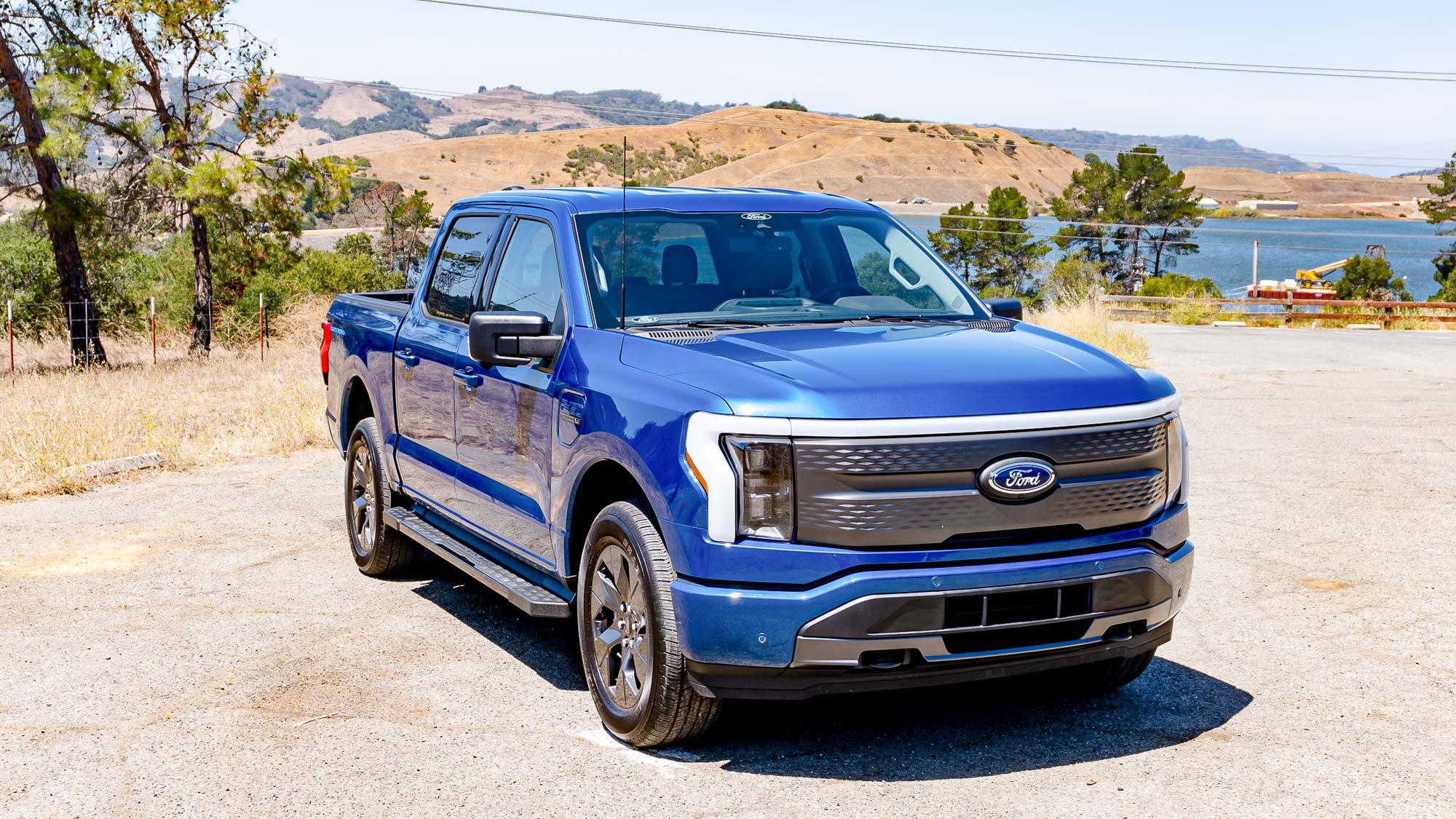
The Ford F-150 Lightning brings electric power to the utility truck segment while remaining surprisingly practical for daily use. Built on the familiar F-150 platform, it offers a comfortable, car-like ride thanks to its independent rear suspension and lower center of gravity. The Lightning features strong acceleration, smooth handling, and one-pedal driving, which makes stop-and-go traffic easier and reduces brake wear.
Its cabin retains the look and feel of a traditional F-150, while incorporating modern technology, including a standard 12.0-inch touchscreen with Sync 4 software and available 15.5-inch displays, Apple CarPlay, Android Auto, in-dash navigation, Wi-Fi hotspot, and optional premium Bang & Olufsen audio systems.
Charging is convenient and efficient. The standard-range Lightning offers 230 miles per charge, while the extended-range model reaches up to 320 miles. Home charging via 110- or 220-volt outlets allows owners to start each day with a full battery, and DC fast charging restores 15 to 80 percent capacity in approximately 44 minutes.
Beyond mobility, the Lightning can function as a backup generator with its Pro Power Onboard system, providing up to 9.6 kW of electricity for tools or even powering a house for several days during an outage. The truck’s Mega Power Frunk adds a secure, weather-protected storage area for groceries, tools, or gear, further enhancing practicality.
Performance is impressive for a full-size electric truck. Dual electric motors with all-wheel drive are standard, producing 452 horsepower with the Standard Range battery and 580 horsepower with the Extended Range battery. Peak torque is 775 pound-feet in both configurations.
Acceleration is brisk, with the Lightning Platinum reaching 60 mph in just four seconds and covering a quarter-mile in 12.7 seconds. Towing capacity ranges from 7,700 pounds on Standard Range models to 10,000 pounds on Extended Range models, while payload capacity varies between 1,800 and 2,000 pounds.
Safety and driver-assistance features include standard automated emergency braking with pedestrian detection, lane-departure warning, and lane-keeping assist, with available adaptive cruise control and Ford’s BlueCruise hands-free driving system for highway use.
Warranty coverage includes a three-year/36,000-mile limited warranty, a five-year/60,000-mile powertrain warranty, and an eight-year/100,000-mile battery component warranty.
The Ford F-150 Lightning combines utility, comfort, and electric efficiency in a package that works for daily commuting, work tasks, and recreational use. Its blend of practical storage, strong performance, advanced technology, and energy versatility makes it a unique and capable electric pickup for modern drivers.
Also Read: 5 Cars That Feel Comfortable on Long Days vs 5 That Don’t
5 That Are Not
1. Nissan Leaf: Aging Design Challenges Daily Ownership
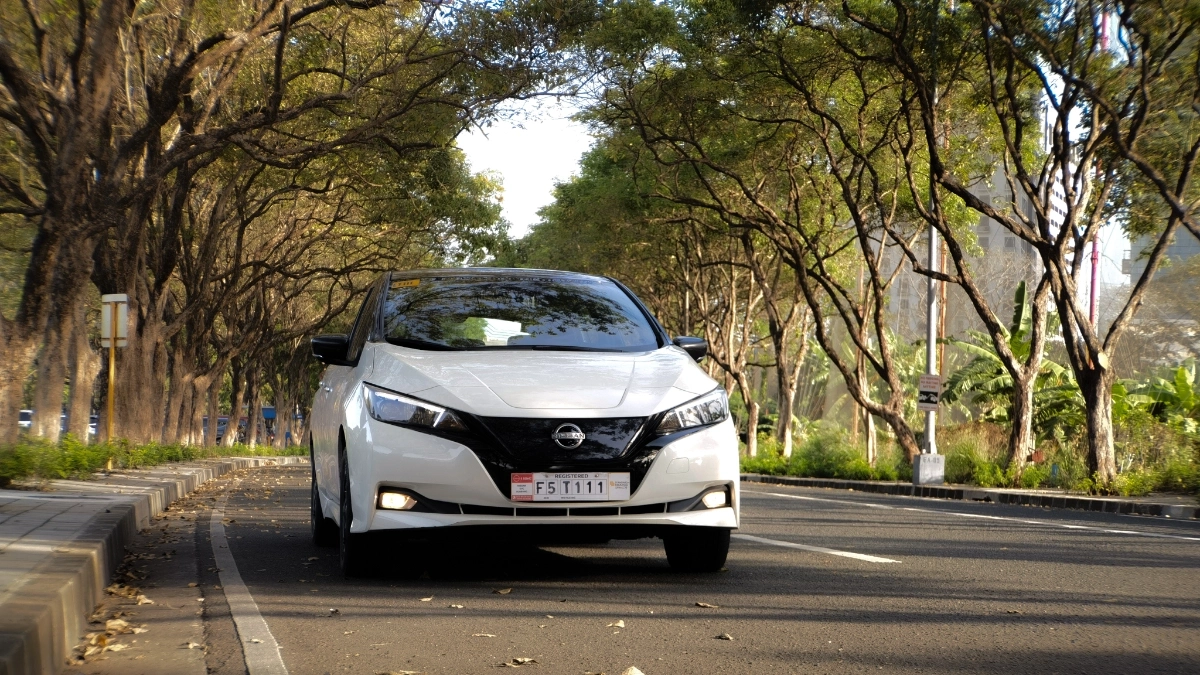
The current-generation Nissan Leaf, while a pioneering electric vehicle, faces significant challenges for modern daily use. Its architecture and design choices, which were cutting-edge a decade ago, now create friction points for everyday driving. A primary concern is the Leaf’s battery cooling system.
Unlike most modern EVs that use liquid cooling, the Leaf relies on passive air cooling. In daily life, this can cause the battery to overheat during repeated fast charges or long trips, drastically slowing charging speeds. What should be a 30-minute rapid charge can easily stretch to 70 minutes. Long-term, these heat cycles accelerate battery degradation, reducing daily range over time, particularly in warmer climates.
Another limitation is the Leaf’s reliance on the CHAdeMO fast-charging standard, which is increasingly obsolete. Modern charging networks favor CCS and Tesla’s NACS, making CHAdeMO chargers harder to find. Broken CHAdeMO plugs are often low priority for repair, turning charging on the go into a gamble.
Efficiency is also an issue. While the Leaf performs well in city traffic, its older motor technology and boxy, less aerodynamic shape cause significant range loss on highways. Winter performance suffers too, with cold weather potentially reducing range by 30 percent or more, as the battery lacks an active heater to maintain efficiency. Highway driving at 70 mph further accelerates depletion, creating daily range anxiety.
Safety and technology lag behind newer EVs. Nissan has issued warnings for 2018–2022 models to avoid DC fast charging due to overheating risks. The interior lacks modern comforts such as a telescoping steering wheel, and infotainment is basic compared with contemporary rivals.
The Nissan Leaf’s passive cooling, obsolete CHAdeMO charging, and weather-sensitive range make it difficult to rely on for modern daily commuting. While still a landmark EV historically, it struggles to match the practicality, speed, and convenience of newer electric vehicles.
2. Mazda MX-30: Stylish but Limited for Daily Use
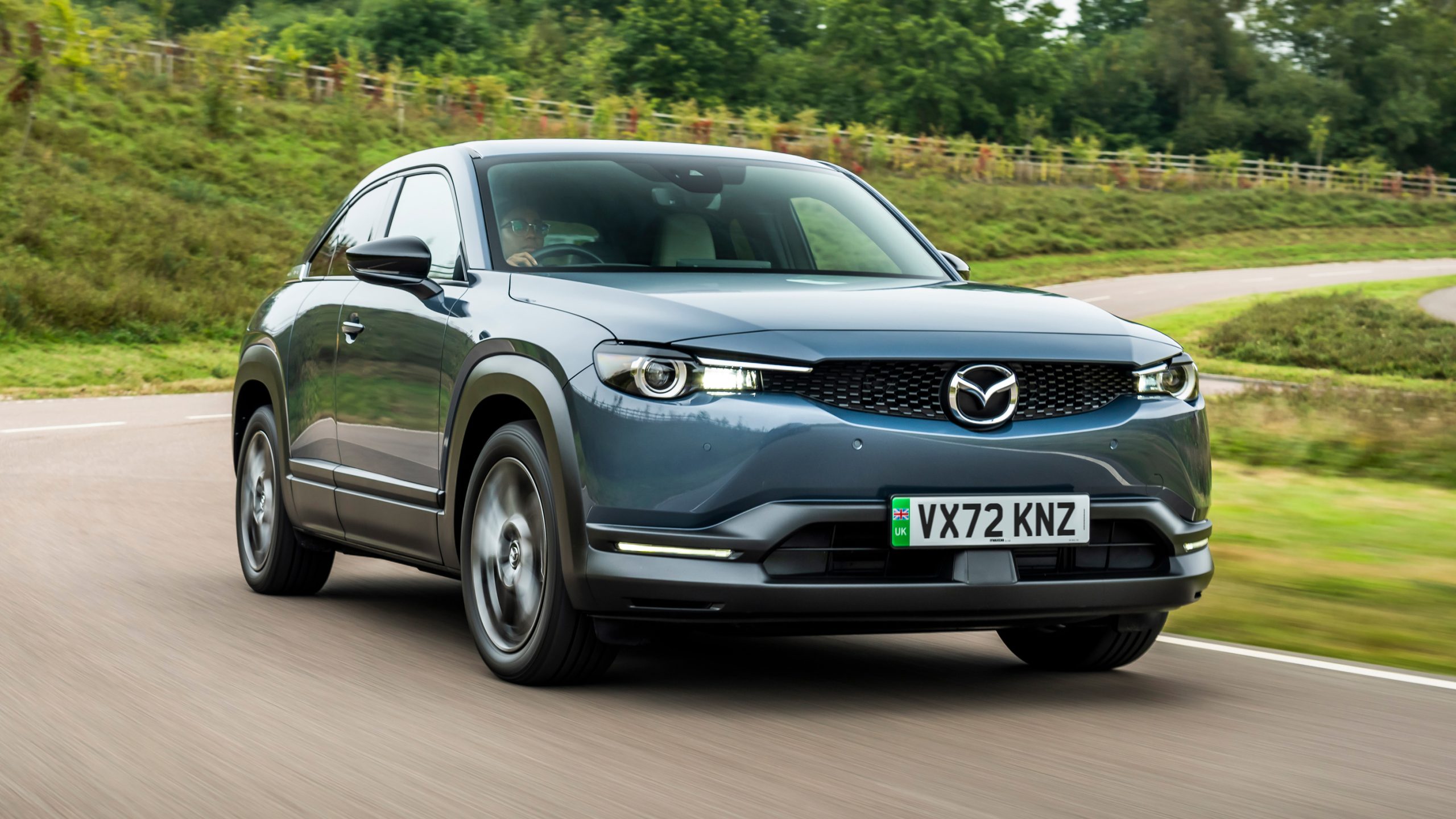
The Mazda MX-30 is a striking electric vehicle that prioritizes style and driving dynamics over practical daily usability. Its small 35.5 kWh battery limits the EPA-rated range to just 100 miles, which can drop to 70–80 miles in cold weather or at highway speeds.
This short range forces owners into a strict nightly charging routine and makes even minor detours a source of range anxiety. Unlike longer-range EVs that only need charging every few days, the MX-30 requires constant attention to battery levels, making it less convenient as a primary commuter car.
The MX-30’s “freestyle” rear-hinged doors, inspired by the RX-8, create additional daily frustrations. The rear doors cannot open independently and require the front doors to be fully opened first. In tight parking lots or standard garages, this design makes loading passengers or cargo cumbersome and increases the risk of door damage.
Utility and interior space are also compromised. The rear seats are cramped, with limited legroom and small windows that feel confining. The rear cargo area is shallow, and there is no front trunk, reducing storage options. The 8.8-inch infotainment screen is not a touchscreen, relying on a rotary dial for navigation, which can be distracting while driving.
Charging speed further limits the MX-30’s practicality. Its DC fast-charging capacity is capped at 50 kW, far below modern standards. While contemporary EVs can gain 150 miles of range in twenty minutes, the MX-30 takes over thirty minutes to reach 80 percent of its small battery.
While the MX-30 offers premium interior materials, signature Mazda driving feel, and a unique design, its short range, slow charging, awkward doors, and limited cargo space make it challenging to use as a daily driver. It is better suited as a secondary city car for short trips rather than a primary vehicle for commuting or long-distance driving.
3. Volkswagen ID.4 (2021–2023): Software and Reliability Challenges
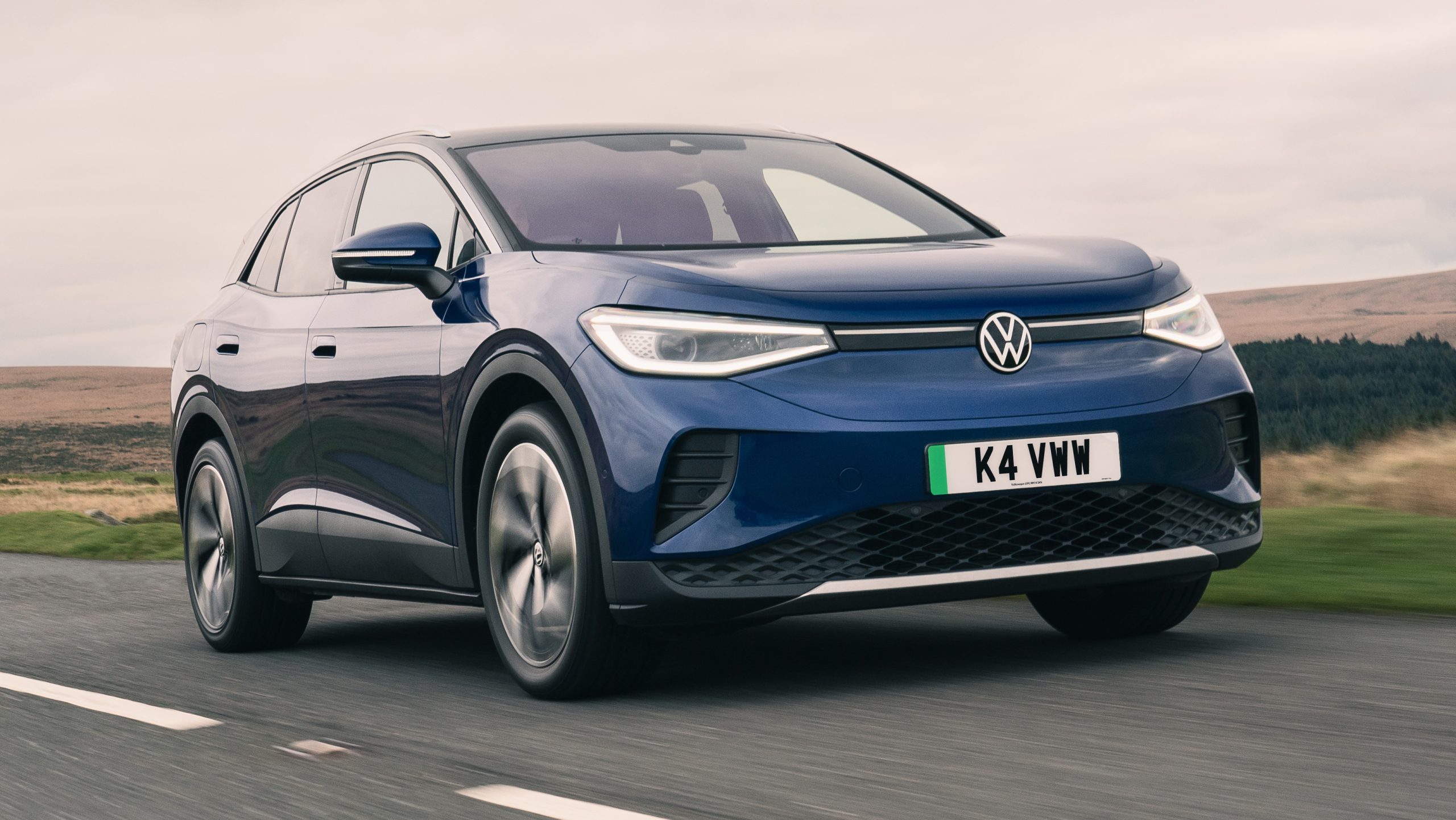
The Volkswagen ID.4 from 2021 to 2023 offers a stylish and modern electric SUV experience, but early models present notable challenges for daily ownership. Owners frequently report persistent software glitches, which can make routine tasks frustrating and sometimes unsafe.
The central infotainment and digital instrument cluster often freezes, goes black, or resets unexpectedly, leading to the loss of critical information such as speed or rearview camera feeds. The system suffers from slow responsiveness, making navigation adjustments, climate control, or media settings cumbersome. Connectivity issues with Apple CarPlay, Android Auto, and the Volkswagen mobile app further hinder usability.
Ergonomic design choices also create daily frustrations. Capacitive touch buttons and haptic sliders replace many physical controls, but their inconsistent responsiveness can make them unreliable.
Temperature and volume sliders are unlit on early models, making them difficult to operate at night. The driver’s door features only two window switches for all four windows, requiring users to toggle a “Rear” button, a design widely criticized for being counterintuitive and inconvenient.
Mechanical and electrical reliability adds another layer of concern. Several recalls affected early ID.4 units, including one for nearly 100,000 cars, where water ingress in electronic door handles could cause doors to open unexpectedly while driving.
Owners have also reported 12-volt battery drain issues and occasional failures at public charging stations, which can leave the vehicle inoperable. Maintenance is often delayed due to limited availability of replacement parts and a shortage of trained technicians, sometimes leaving cars in service for weeks.
Although newer software updates like ID. Software 3.7 has addressed some of these issues; early ID.4 models remain a risk for drivers seeking dependable daily transportation. For those considering these years, software instability, quirky controls, and potential reliability problems make it less practical compared with newer EVs designed for seamless daily use.
4. Rivian R1T: High Performance with Daily Ownership Challenges
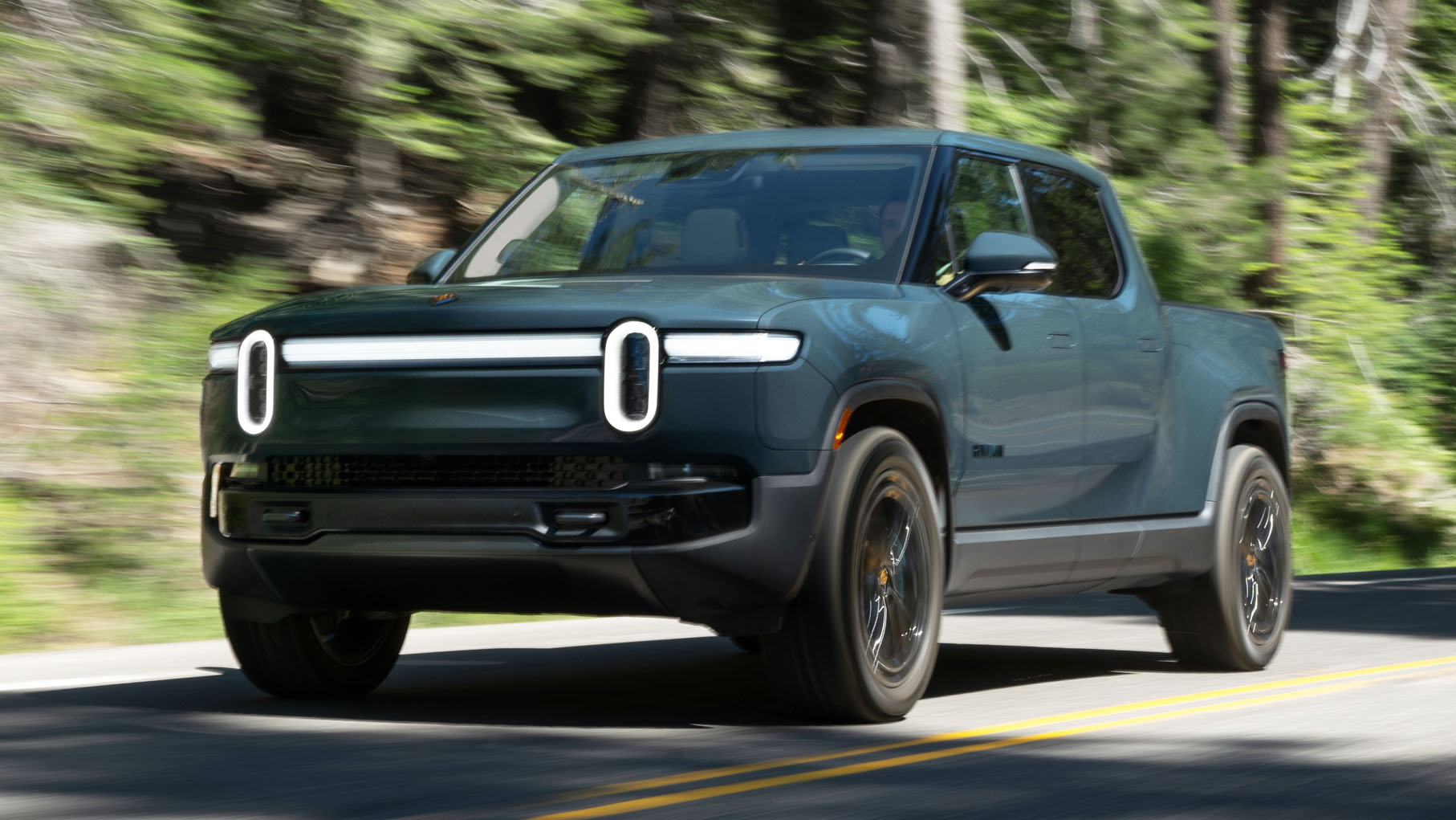
The Rivian R1T is widely praised for its electric performance, off-road capability, and innovative design, but it presents several challenges for daily ownership compared with more established vehicles. While the truck delivers a thrilling driving experience, its startup status and evolving technology create friction points for routine use.
A major concern is the limited service infrastructure. Rivian has a small number of service centers, so mechanical or software issues, such as suspension noises or 12-volt battery failures, can lead to long delays.
Owners may have to wait weeks or months for a mobile service appointment, or arrange to have the vehicle towed hundreds of miles to the nearest hub. This can make routine maintenance and repairs more complicated than with traditional trucks or established EVs.
Software and connectivity issues also affect daily usability. The R1T does not support Apple CarPlay or Android Auto, requiring reliance on Rivian’s native infotainment system.
The system can be slow, buggy, or cumbersome, with common problems including phantom battery drain while parked, proximity locking glitches, and unresponsive controls. Over-the-Air updates frequently add new features but can sometimes introduce new bugs, making the driving experience unpredictable from week to week.
Build quality and design choices can further reduce practicality. Owners report misaligned body panels, rattling interior trim, and wind noise at highway speeds. The truck bed is relatively small and shallow, and there is no glovebox. Nearly all adjustments, including air vents and mirrors, rely on the touchscreen, which can be distracting.
Charging has improved, but it is still less convenient than other EV networks. The Rivian Adventure Network provides dedicated fast chargers, but drivers without home charging may encounter inconsistent third-party chargers. Newer models can access Tesla Superchargers through adapters, but non-integrated networks can complicate daily commuting.
The Rivian R1T offers impressive electric performance, style, and off-road versatility, but its small service footprint, software quirks, design compromises, and variable charging infrastructure make daily ownership more demanding than with established EVs. The truck feels more like an evolving technology platform than a fully polished vehicle, requiring patience and adaptability from its owners.
5. Toyota bZ4X: Smooth Ride with Practical Limitations
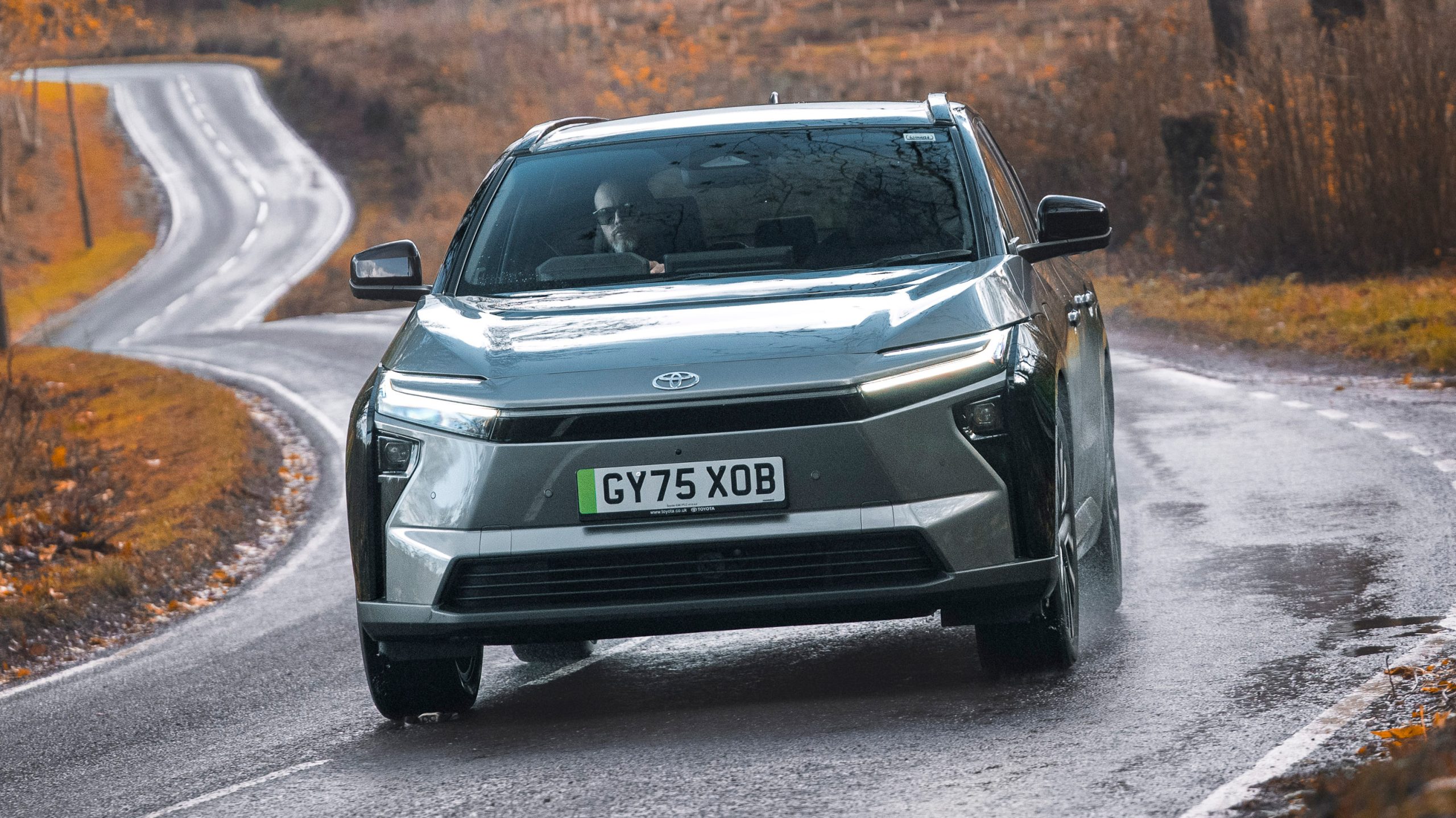
The Toyota bZ4X is Toyota’s first global electric vehicle, offering a quiet and comfortable ride. However, several design and engineering choices make it a less practical daily driver compared with more modern EVs.
One of the main issues is charging and travel limitations. The bZ4X has a conservative battery management system, which slows DC fast charging early in the cycle. Owners report that charging speeds often do not reach advertised peaks.
Toyota also limits DC fast charging to three or four sessions in a 24-hour period to protect the battery. This throttling makes long road trips difficult, as charging speed drops sharply after reaching the limit.
Cold weather further affects performance. Early models lacked battery preconditioning, resulting in extreme range loss, sometimes up to 50 percent in freezing conditions. Some all-wheel-drive models struggle to initiate DC fast charging at sub-zero temperatures or charge at only 35 kW, turning a standard 30-minute stop into a multi-hour delay.
The interior and ergonomics present additional challenges. The instrument cluster sits high and far back, and the steering wheel rim can obstruct the view of speed and range. There is no glovebox or front trunk, limiting storage options. Unlike many EVs, the regenerative braking system does not provide true one-pedal driving, requiring more frequent brake use.
Reliability and technology concerns also affect daily usability. Early 2023 models had a major recall due to loose hub bolts that could cause wheels to detach. Some owners report a buggy Toyota App and inconsistent 12-volt battery performance, which has led to class-action lawsuits. Depreciation is steep, often exceeding 50 percent within a few years, making it a difficult financial choice for short-term ownership.
The bZ4X delivers a smooth and quiet driving experience, but slow charging, cold-weather range loss, interior compromises, and technical issues reduce its practicality for daily use. It is best suited for drivers with short commutes and consistent home charging.
Daily usability is a key factor when choosing an electric vehicle. Models such as the Tesla Model Y, Hyundai Ioniq 6, and BMW i4 show that efficiency, reliability, and convenient charging make electric ownership stress-free.
On the other hand, vehicles like the Rivian R1T, Volkswagen ID.4, and Mazda MX-30 highlight how limited range, software quirks, or design compromises can make daily driving difficult.
Comparing easy-to-own EVs with more challenging options helps drivers prioritize range, charging convenience, reliability, and usability. Selecting the right EV ensures that it supports daily routines effectively while delivering the benefits of electric driving, combining practicality, comfort, and innovation in one package.
Also Read: 10 Cars That Become Annoying to Own After the Honeymoon Phase