
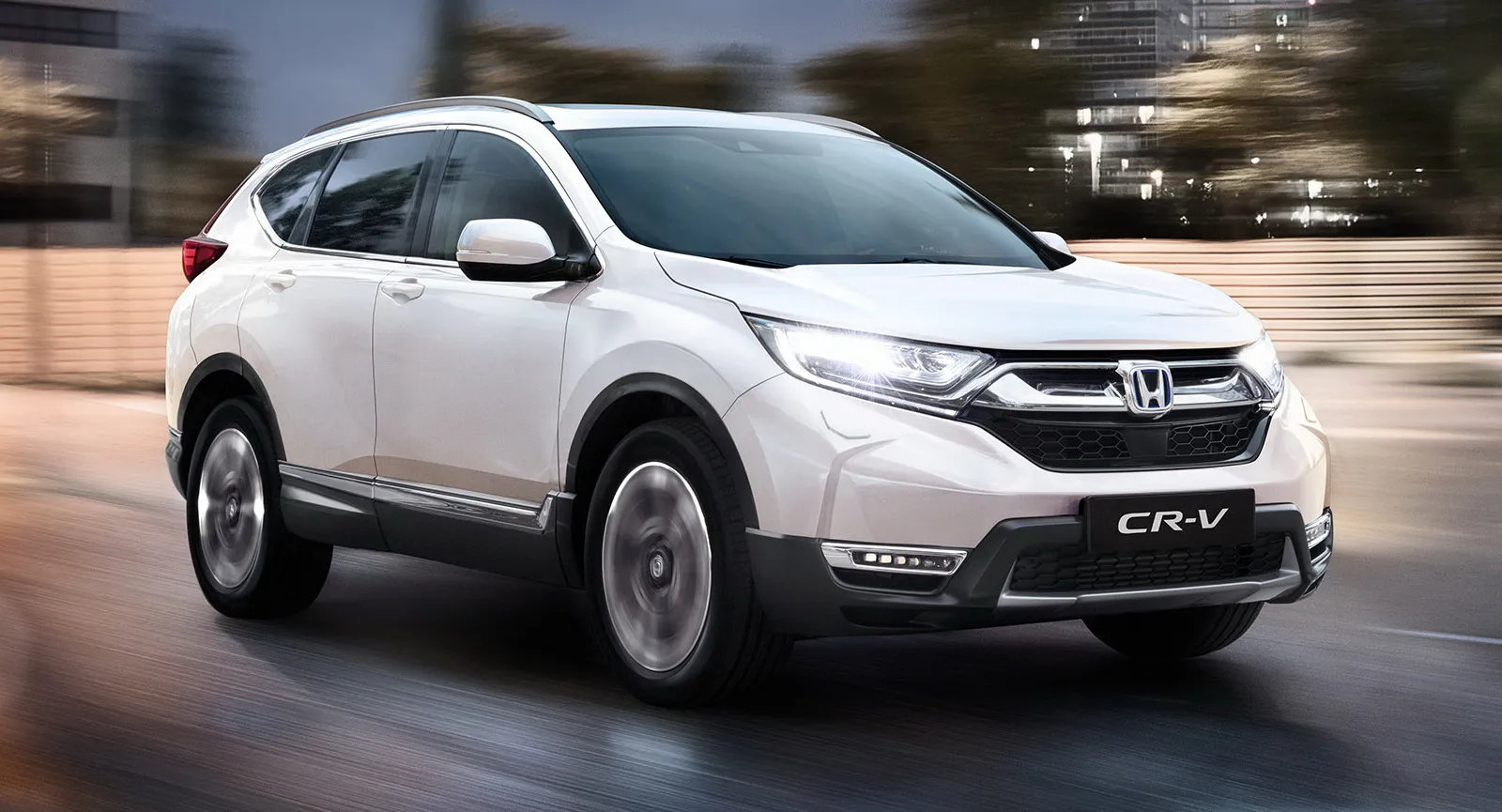
The decision to purchase a motor vehicle extends well beyond considerations of engine strength, exterior colour, or visual appeal within a residential setting. Vehicle ownership continues long after the point of purchase and introduces recurring responsibilities that demand attention.
Insurance obligations arise regularly. Scheduled servicing becomes unavoidable. Tyres deteriorate with use. Installed technology gradually becomes outdated. What begins as excitement at acquisition may either remain convenient or gradually develop into a source of financial and emotional strain.
Responsible ownership lies in selecting a vehicle that aligns with daily realities rather than resisting them. Certain vehicles integrate smoothly into everyday life, requiring minimal effort while delivering consistent reliability. Such cars operate dependably, accept routine servicing without difficulty, and rarely demand unexpected expenditure.
Other vehicles place heavier demands on their owners, calling for frequent repairs, specialised technical attention, or substantial financial resources merely to remain functional. This discussion examines these differences in a clear and balanced manner.
Attention is directed towards vehicles that reduce pressure on their owners. These are vehicles that start reliably, retain reasonable market value, accommodate standard servicing procedures, and adapt well to common usage patterns. Each example earns consideration by offering predictability and ease, qualities that promote confidence rather than anxiety throughout the ownership period.
The first section presents five vehicles recognised for making ownership relatively straightforward. Although each model differs in design, purpose, and appeal, they share a common attribute: respect for the owner’s time and financial capacity. Maintenance expectations remain reasonable, and daily use does not impose unnecessary stress.
The second section provides balance by examining five vehicles that present greater challenges during ownership. These vehicles often deliver impressive performance or luxury but require increased commitment in terms of servicing, running costs, and long-term care.
5 Vehicles That Make Ownership Easy
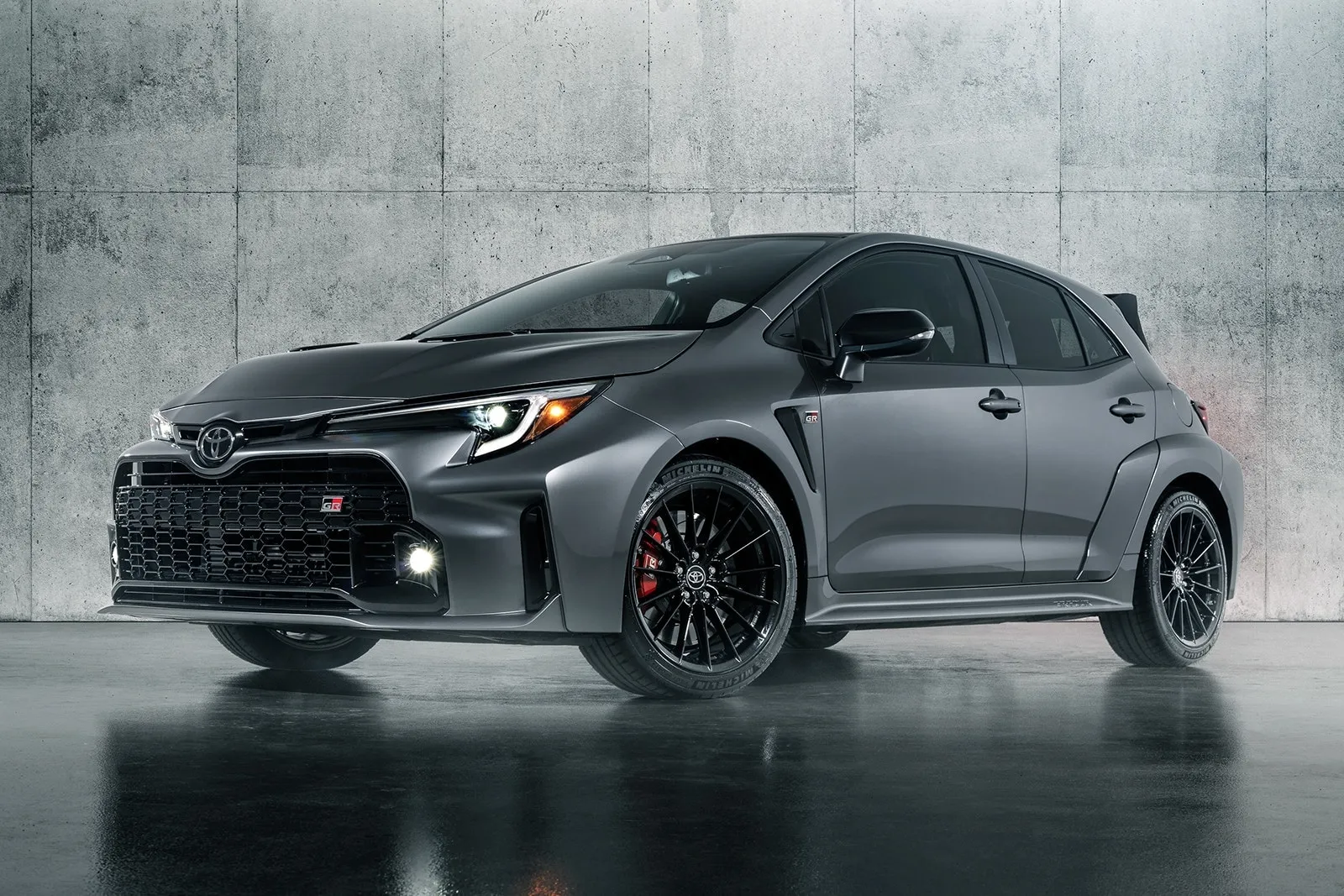
1. Toyota Corolla 2022
Reliability sits at the center of why the Toyota Corolla 2022 earns such loyal followings across age groups and lifestyles. Ownership feels calm with this sedan because surprises are rare. Engineers designed it to favor durability, simple mechanics, and parts that remain available for years. That design approach translates into predictable service schedules and fewer unexpected repairs.
Daily driving feels relaxed rather than dramatic. Controls are intuitive, visibility is generous, and the suspension favors comfort over aggressive handling. Owners rarely need time to adjust to its behavior, which makes the transition from older vehicles smooth. Fuel efficiency remains strong in city traffic and on highways, reducing how often owners stop at gas stations. That steady efficiency adds up over months and years.
Repair costs stay reasonable thanks to widespread parts availability and a vast network of service centers. Independent mechanics understand the Corolla well, which means owners are not locked into expensive dealership visits. Routine services such as oil changes, brake work, and tire replacements stay straightforward and affordable.
Resale value plays another quiet role in ownership ease. When it comes time to sell or trade in, demand remains high. Buyers trust the Corolla name, which protects value even after years of use. That trust lowers financial risk and gives owners confidence that money invested today does not vanish tomorrow.
Insurance premiums tend to stay moderate due to strong safety ratings and low repair costs after minor incidents. Safety technology such as lane assistance and collision alerts adds peace of mind without overwhelming the driver with complicated menus. Ownership becomes less about worrying and more about driving.
Living with a Toyota Corolla 2022 often feels like owning a dependable appliance that happens to move you around. It works when asked, rests quietly when parked, and rarely asks for more than basic care.
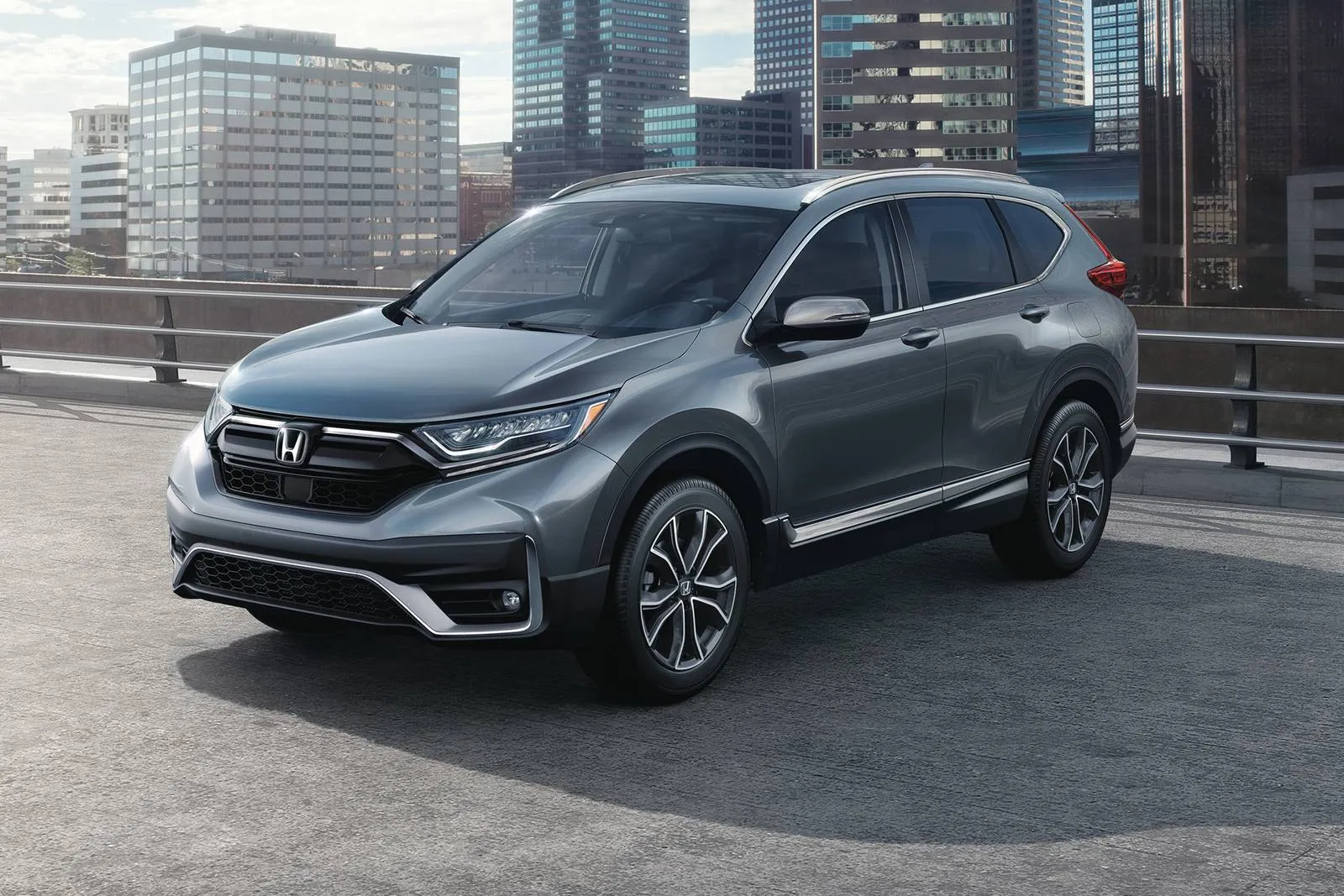
2. Honda CR-V 2021
Versatility defines the Honda CR-V 2021, and that flexibility translates directly into ownership comfort. This compact SUV adapts easily to different lifestyles without demanding special attention. Families, commuters, and weekend travelers all find something useful in its layout.
Cabin space feels generous without being excessive. Seats fold smoothly, cargo space expands without effort, and small storage areas handle everyday clutter. Owners spend less time rearranging and more time using the vehicle as intended. That practicality reduces frustration during errands or trips.
Mechanical design favors consistency rather than flash. The engine delivers balanced performance that avoids strain, helping extend service intervals and component life. Transmission behavior feels predictable, which lowers wear and supports long-term durability. Fuel efficiency remains respectable for a vehicle of its size, helping owners budget monthly expenses with confidence.
Maintenance routines stay familiar. Honda’s service intervals are clear, and most shops handle CR-V maintenance with ease. Replacement parts remain widely stocked, preventing long waits during repairs. That availability keeps labor time shorter and costs easier to manage.
Comfort plays an underrated role in easy ownership. Ride quality absorbs rough pavement without feeling loose, and road noise stays controlled. Long drives feel less tiring, which matters over the years of use. Interior materials resist wear better than many competitors, so the cabin keeps its shape and appearance.
Safety systems operate quietly in the background. Alerts are helpful without being distracting. This balance supports daily driving without adding mental fatigue. Insurance providers often respond favorably to this safety profile, keeping premiums steady.
Choosing a Honda CR-V 2021 means choosing a vehicle that blends into daily life seamlessly. Ownership feels supportive rather than demanding, allowing drivers to focus on living instead of managing their car.
Also Read: 5 Vehicles With Durable Upholstery vs 5 That Wear Quickly
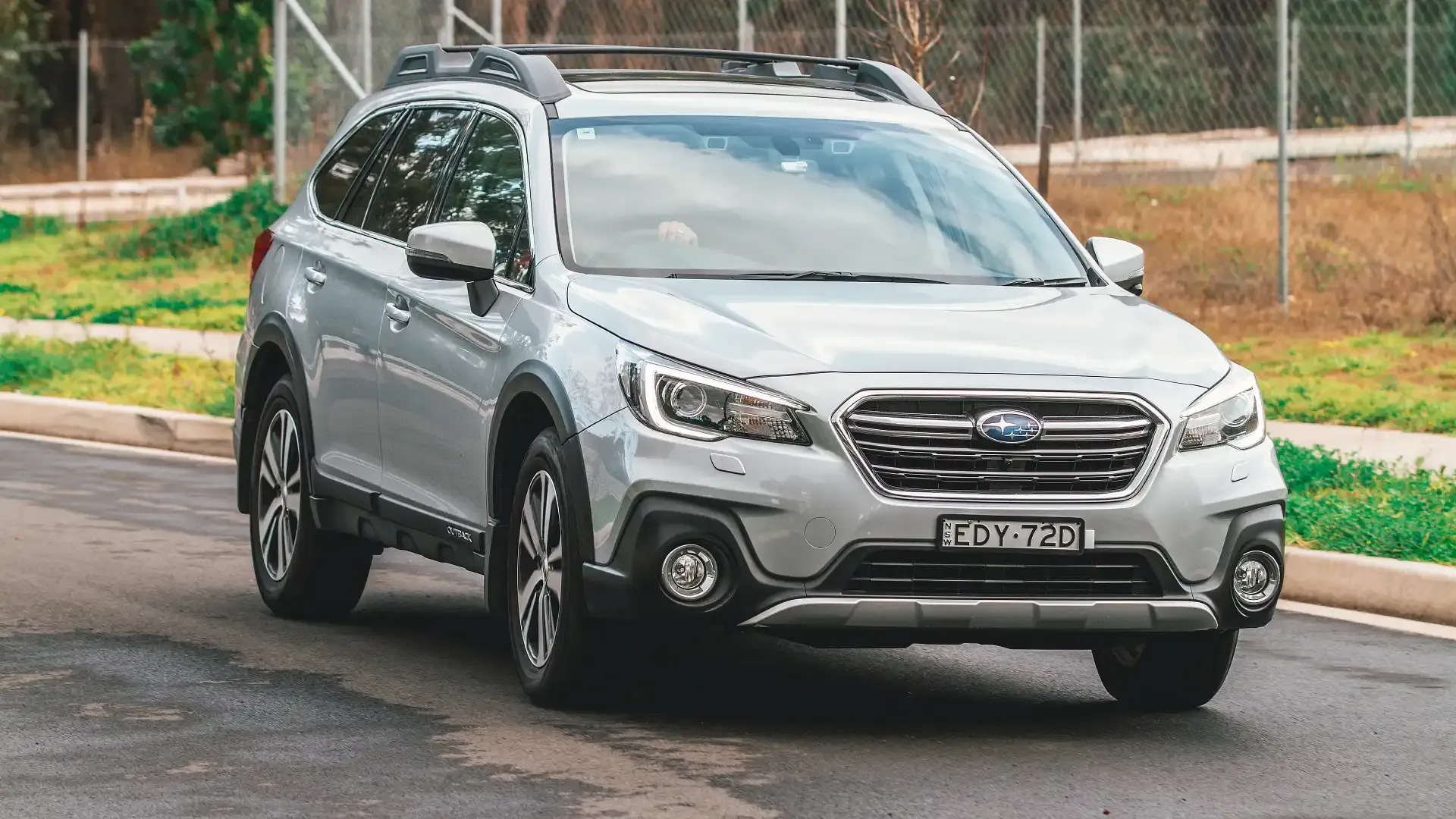
3. Subaru Outback 2020
Confidence defines the Subaru Outback 2020, and that confidence extends beyond driving conditions into the ownership experience. Built with durability in mind, this wagon-style crossover handles a wide range of uses without pushing owners into constant upkeep.
Standard All Wheel Drive provides dependable traction in rain or snow, reducing stress during unpredictable weather. Drivers trust its grip, which lowers accident risk and increases peace of mind. That confidence can influence insurance rates and long-term costs in subtle ways.
Interior design focuses on comfort and practicality. Seats support long drives without fatigue, and controls feel thoughtfully placed. Cargo space suits outdoor gear, groceries, or luggage without forcing creative packing. This ease reduces daily friction.
Subaru’s reputation for long-lasting engines plays a major role here. The Outback 2020 benefits from proven mechanical systems refined across generations. Maintenance schedules remain clear, and most issues are well documented within the repair community. Owners benefit from that shared knowledge base.
Fuel economy stays reasonable given the vehicle’s capability. While not the lightest option, it avoids excessive consumption. That balance helps owners enjoy versatility without paying a heavy penalty at the pump. Resale demand remains strong, particularly among buyers who value utility and reliability.
That demand helps preserve value and softens depreciation. Owners often find that their Outback holds its worth better than expected after years of use. Safety features operate with a supportive tone. Systems assist rather than overwhelm, and visibility from the driver’s seat improves awareness. Living with the Subaru Outback 2020 feels reassuring because it anticipates challenges without making ownership feel complicated.
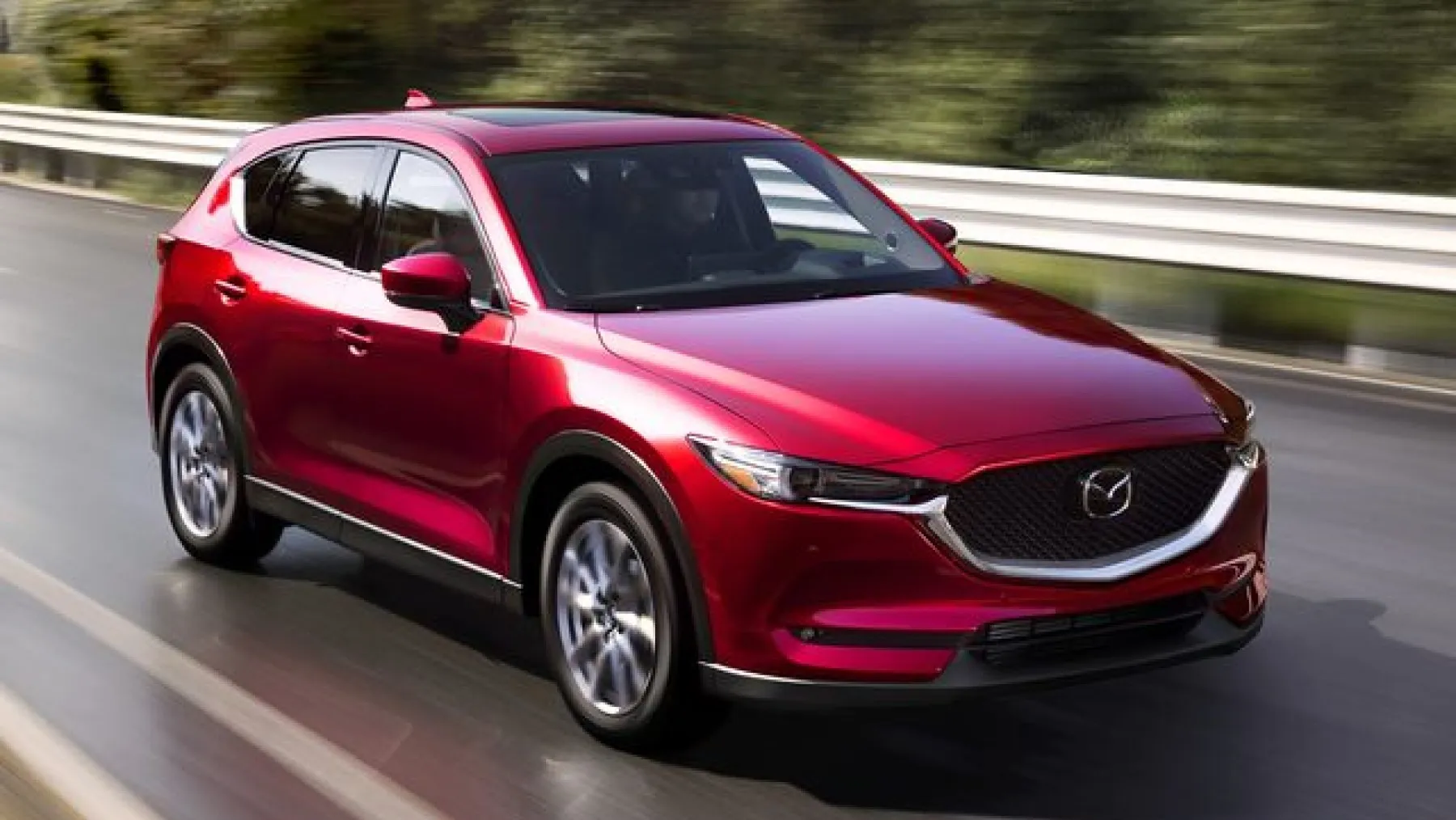
4. Mazda CX-5 2021
Style meets sensibility in the Mazda CX-5 2021, creating ownership that feels rewarding without becoming expensive. This compact SUV balances refined design with practical engineering choices that support long-term ease. Driving dynamics feel engaging but controlled.
Steering responds smoothly, and suspension tuning strikes a balance between comfort and responsiveness. Owners enjoy driving without pushing components into unnecessary stress. That balance supports durability. Interior quality stands out at its price point.
Materials resist wear, and the layout feels cohesive. Controls respond logically, reducing distraction. Owners often remark that the cabin ages gracefully, which improves satisfaction across years of ownership. Mazda’s focus on naturally aspirated engines reduces mechanical strain.
Fewer turbocharged components mean fewer potential points of failure. Maintenance remains approachable, and service intervals stay consistent. Fuel efficiency supports daily commuting without demanding sacrifices. The CX-5 performs well in mixed driving, helping owners manage expenses.
Repair costs stay reasonable due to strong parts availability and a growing service network. Safety systems contribute quietly. Alerts feel calibrated rather than aggressive, supporting confidence without annoyance. Insurance companies often respond positively to this balanced safety profile.
Resale value benefits from Mazda’s rising reputation for quality. Buyers recognize the CX-5 as a dependable choice, which helps protect owner investment. Ownership of a Mazda CX-5 2021 feels like choosing refinement without drama. It offers enjoyment while respecting the practical realities of long-term vehicle care.
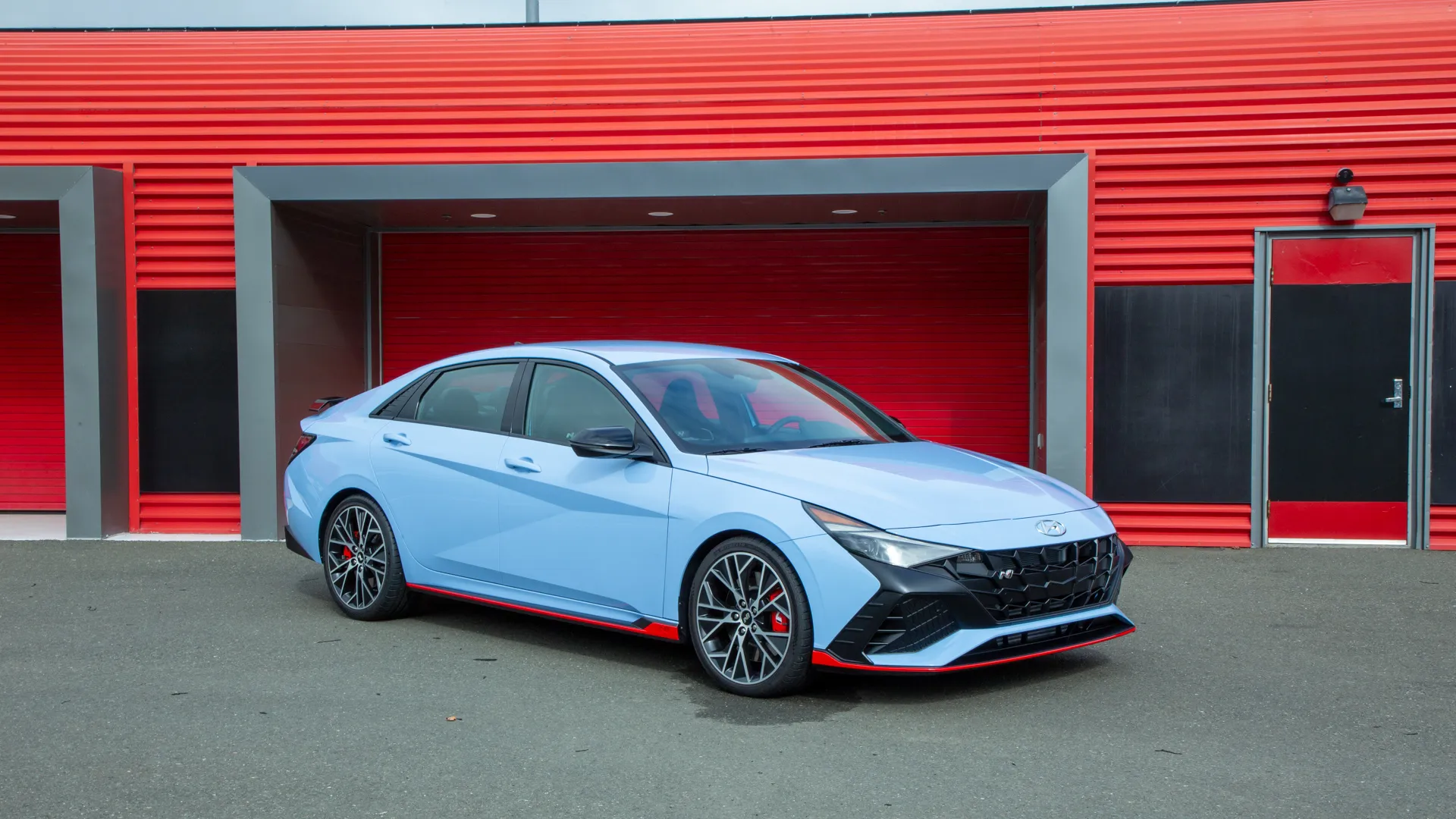
5. Hyundai Elantra 2022
Affordability combines with careful design in the Hyundai Elantra 2022, creating an ownership experience that feels approachable from the first day of use. This compact sedan appeals to drivers who desire current features without prolonged pressure related to upkeep or daily running expenses.
Purchase pricing remains competitive, allowing many buyers to enter ownership without excessive financial strain or extended borrowing commitments. Manufacturer warranty coverage provides added confidence during the early years of use.
Owners receive assurance that major mechanical and electrical components are protected for a defined period, reducing anxiety related to unexpected repair costs. Fuel efficiency performs reliably during routine commuting and longer journeys. Reduced fuel consumption limits frequent refuelling, which supports better monthly expense planning.
Engine calibration prioritises smooth delivery rather than aggressive performance. This approach lowers internal stress on components and supports extended service life. Cabin layout reflects simplicity and order. Switches are clearly labelled, digital displays respond promptly, and seating offers sufficient support for regular travel.
Interior materials demonstrate resilience against early deterioration, helping the vehicle retain a tidy appearance. Service requirements remain easy to understand. Scheduled maintenance intervals are clearly stated, enabling owners to plan servicing without confusion.
Replacement parts are widely available through authorised dealers and independent suppliers. Many local workshops possess adequate familiarity with the Elantra, allowing routine work to be completed without inflated labour charges.
Driver assistance features contribute positively to daily use. Warning alerts and support systems operate without unnecessary interference, helping drivers remain attentive and confident. This balanced safety approach often results in moderate insurance premiums, easing another aspect of ownership expenditure.
Market perception of the Hyundai brand has improved steadily, influencing buyer confidence. Used vehicle demand for the Elantra has strengthened, assisting owners when resale or trade becomes necessary. Reasonable depreciation patterns help preserve a fair portion of the initial purchase value.
Daily ownership of the Hyundai Elantra 2022 feels organised and predictable. The vehicle integrates smoothly into professional and personal routines, requiring limited effort to remain dependable. Costs remain controlled, servicing stays manageable, and usability remains consistent.
For individuals seeking a practical sedan that supports responsible budgeting and dependable mobility, this model presents a balanced and reassuring ownership proposition. Such qualities suit professionals, families, and first-time buyers who value reliability and clarity in vehicle ownership.
Administrative tasks such as registration, servicing records, and insurance documentation remain straightforward due to the model’s widespread acceptance. This familiarity reduces delays and miscommunication during routine processes.
By limiting uncertainty and avoiding unnecessary demands, the Elantra supports a calm ownership experience grounded in practicality and steady performance. Careful planning and consistent attention allow owners to enjoy dependable transport without distraction, promoting confidence, financial order, and long-term satisfaction comfortably in the years ahead.
5 Vehicles That Make Ownership Hard
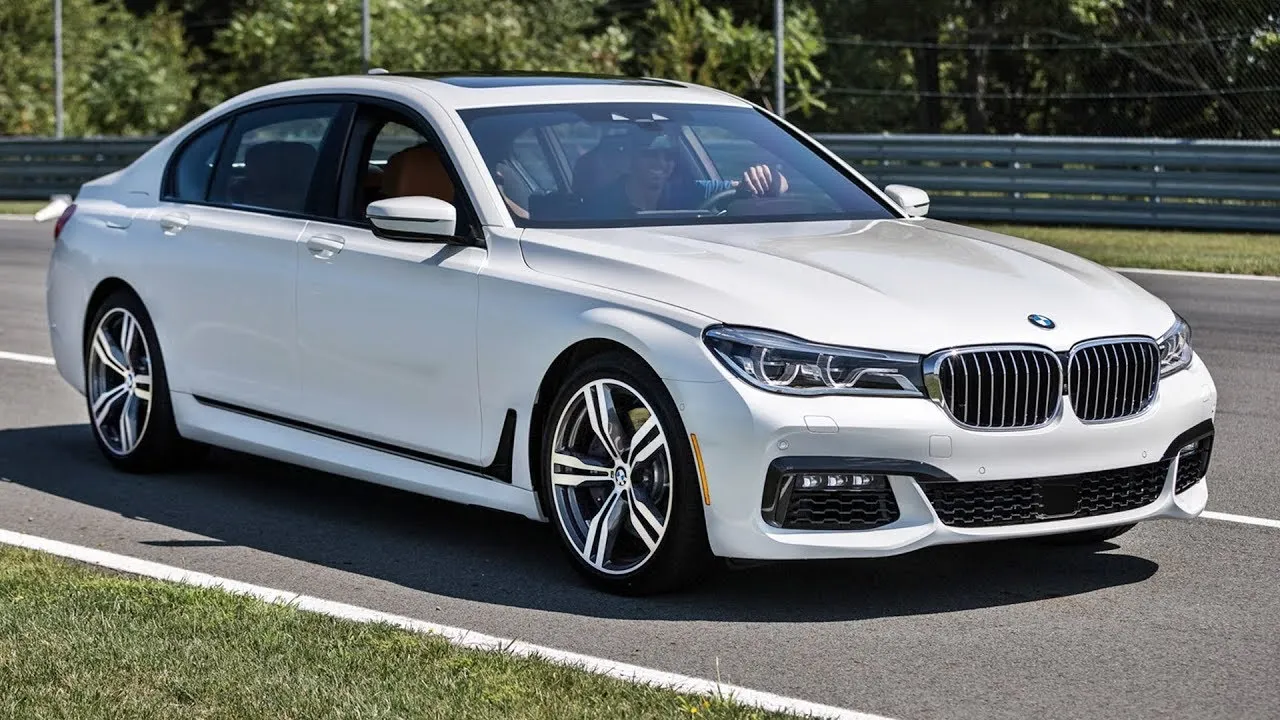
1. BMW 7 Series 2019
Luxury expectations rise sharply with the BMW 7 Series 2019, yet ownership often proves demanding in ways many buyers underestimate. This full-size luxury sedan delivers comfort, performance, and prestige, but those rewards come with strings attached that tug at both finances and patience.
Advanced engineering defines nearly every system in this vehicle. Electronics manage suspension behavior, climate zones, infotainment responses, and driver assistance features. While impressive when functioning perfectly, these systems increase the likelihood of glitches as the car ages.
Diagnosing issues frequently requires specialized equipment and trained technicians, which limits service options and raises labor costs. Service routines extend beyond basic oil changes. Components such as air suspension systems and adaptive steering mechanisms demand careful monitoring.
Replacement parts often carry premium pricing, and waiting periods can stretch longer than expected due to limited supply channels. Owners who skip recommended services often face cascading issues that compound expenses. Fuel consumption presents another challenge.
Powerful engines deliver smooth acceleration but consume fuel at a rate that surprises many drivers transitioning from smaller vehicles. Insurance premiums also trend higher due to repair costs and replacement part pricing after even minor incidents.
Interior materials feel refined, yet repairs inside the cabin remain costly. Malfunctioning screens, sensor failures, or seat control issues require attention from specialists rather than quick fixes. Software updates sometimes introduce new quirks rather than resolving existing ones, adding frustration to the ownership experience.
Depreciation hits hard. Market demand for used luxury sedans drops faster than many expect, shrinking resale value within a few years. Owners often face a gap between remaining loan balances and market value. Living with a BMW 7 Series 2019 suits drivers prepared for ongoing involvement. Ownership demands vigilance, budgeting discipline, and a willingness to address issues promptly rather than postponing care.
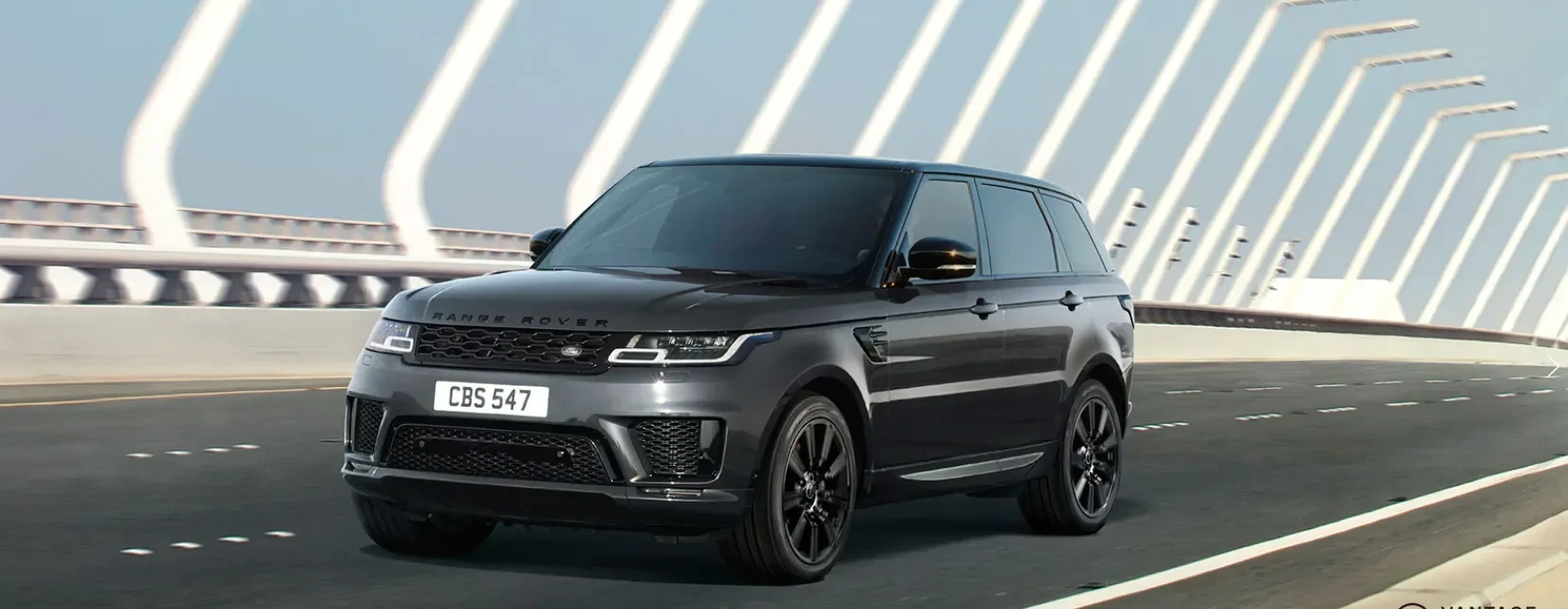
2. Land Rover Range Rover Sport 2020
Presence and capability define the Land Rover Range Rover Sport 2020, yet ownership introduces layers of responsibility that go far beyond admiration. Designed to handle diverse driving conditions while maintaining luxury, this SUV carries systems that require constant attention.
Sophisticated suspension technology adjusts ride height and stiffness automatically. While this improves comfort, it also introduces failure points. Repairs often involve expensive components and extended labor hours. Diagnostic procedures demand brand-specific tools, narrowing repair options.
Electronic reliability remains a frequent concern. Infotainment freezes, sensor warnings, and electrical faults appear more often than many owners anticipate. Resolving these issues usually requires dealership intervention, which increases service costs and scheduling delays.
Fuel usage remains heavy due to vehicle weight and performance-focused engines. Insurance premiums follow a similar pattern, reflecting high repair expenses and replacement part pricing. Ownership costs accumulate steadily even without major breakdowns.
Interior quality feels impressive, yet wear appears sooner than expected on frequently used controls. Replacing trim or electronic switches often costs more than similar fixes in mainstream vehicles. Resale value fluctuates unpredictably. Buyers approach used examples cautiously due to reputation concerns, affecting market demand.
Owners who plan to sell within a few years may face sharper depreciation than anticipated. Daily ownership of a Land Rover Range Rover Sport 2020 suits drivers who value capability and status while accepting ongoing involvement. Without proactive care and financial readiness, the experience can quickly become stressful.
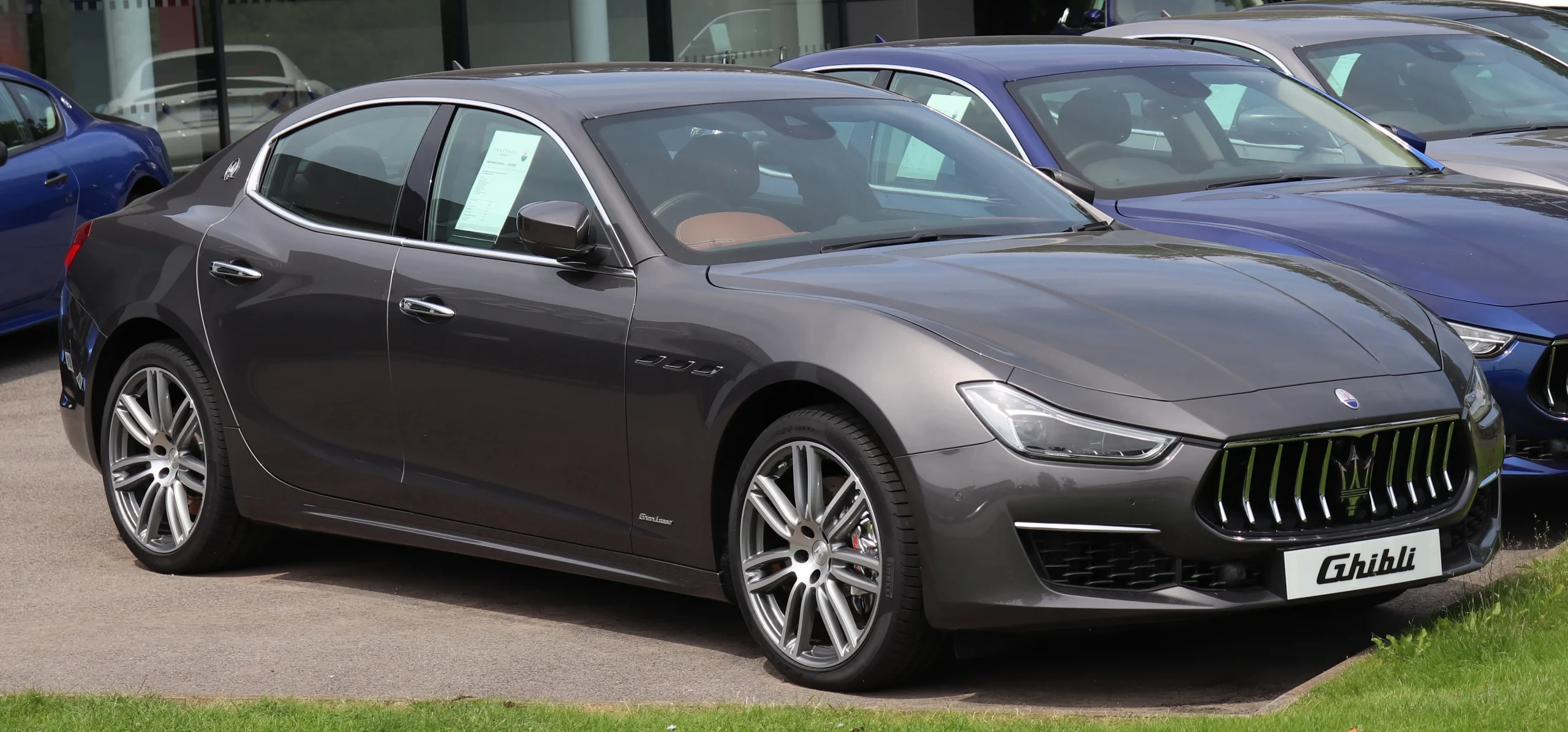
3. Maserati Ghibli 2018
Exclusivity defines the Maserati Ghibli 2018, yet ownership introduces challenges that extend beyond style and sound. This luxury sport sedan offers performance and flair, but maintenance demands rise sharply compared to more common alternatives.
Service access poses an immediate hurdle. Authorized service centers remain limited, forcing owners to travel farther for proper care. Independent shops rarely stock parts or possess sufficient experience, which restricts repair flexibility.
Parts pricing reflects the brand’s exclusivity. Even routine items command premium rates, and shipping delays often extend downtime. Simple issues can sideline the vehicle longer than expected. Mechanical systems deliver engaging performance but require attentive care.
Transmission tuning and engine components benefit from strict adherence to service. Skipped maintenance often leads to escalating repair needs. Fuel efficiency remains low, especially during spirited driving. Insurance costs trend upward due to limited parts availability and specialized repair requirements. Ownership expenses rise steadily regardless of mileage. Interior electronics sometimes struggle with long-term reliability.
Screen malfunctions and software inconsistencies frustrate owners expecting seamless luxury. Fixes often require full module replacements rather than simple adjustments. Resale value suffers due to limited buyer pools. Enthusiasts appreciate the brand, yet broader markets hesitate. Owners frequently absorb sharp depreciation within a few years.
Living with a Maserati Ghibli 2018 suits drivers who value emotion and exclusivity over convenience. Ownership rewards passion but tests patience at every service visit.
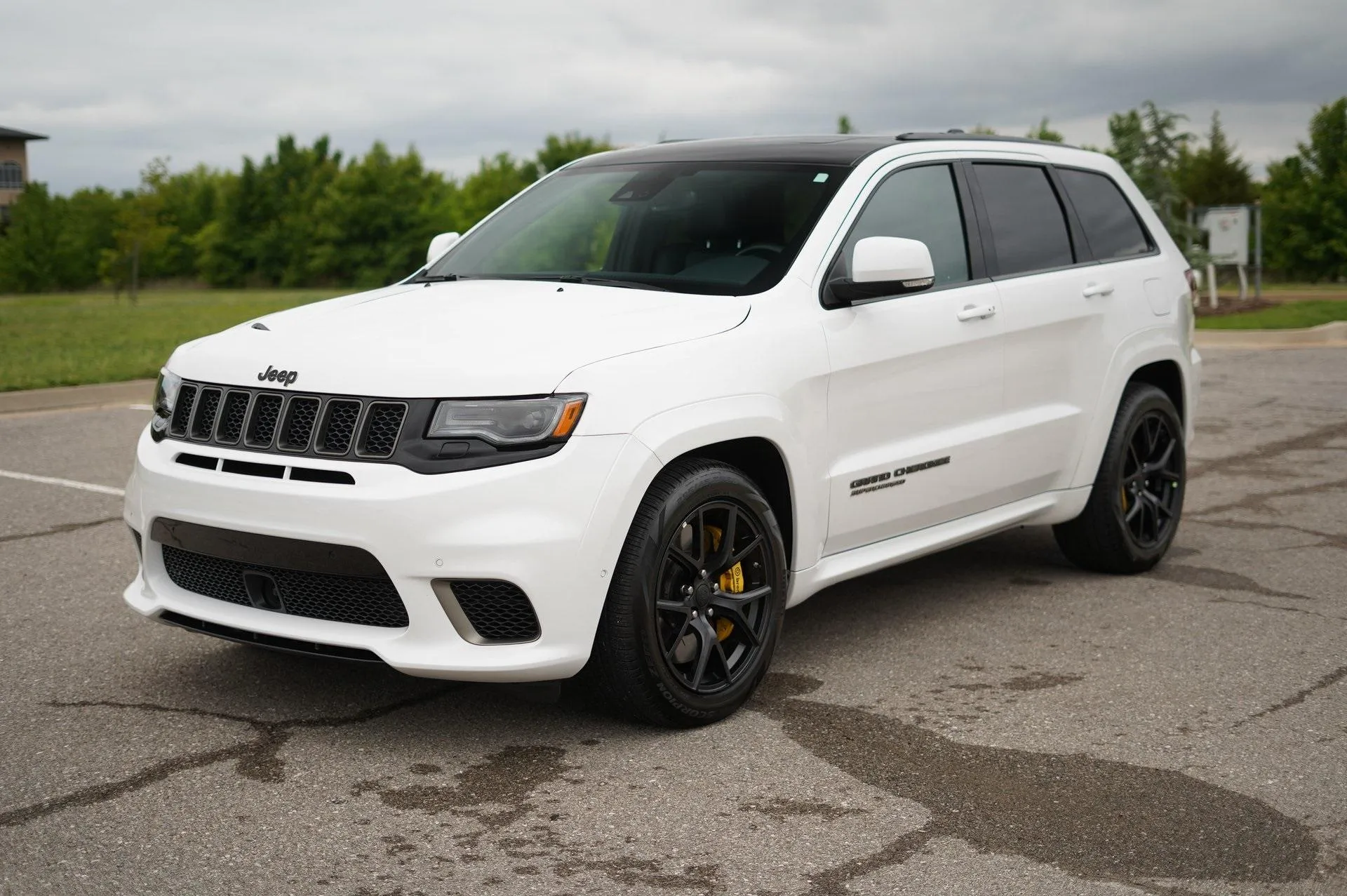
4. Jeep Grand Cherokee Trackhawk 2021
Power stands at the centre of the Jeep Grand Cherokee Trackhawk 2021, yet ownership brings responsibilities that equal its impressive output. This high-performance sport utility vehicle combines supercharged force with everyday usability, but maintaining this balance demands substantial financial and technical commitment from the owner.
Attention to engine care is unavoidable. The supercharged power unit operates under intense heat and pressure, conditions that accelerate component fatigue. Service schedules are strict, and any delay in routine care often results in costly mechanical damage.
Proper repairs require technicians with direct experience in advanced performance systems, limiting service options and increasing labour charges. Fuel usage represents another demanding aspect of ownership. Even during restrained driving, consumption levels remain high.
Premium-grade fuel is mandatory, turning regular refuelling into a considerable ongoing expense. Insurance premiums also reflect the vehicle’s speed capability and high repair costs, placing additional strain on ownership budgets.
Braking components face heavy demand due to the vehicle’s mass and acceleration potential. Brake pads and discs wear at a faster rate than those fitted to conventional sport utility vehicles. Replacement costs remain high, while tyre degradation occurs rapidly, especially under enthusiastic driving, leading to frequent and expensive replacements.
Cabin technology delivers strong functionality during early ownership, yet electronic challenges often emerge as mileage increases. Software irregularities, sensor calibration faults, and warning alerts can disrupt daily use. Resolving these issues frequently requires dealership intervention, as independent repair centres may lack suitable diagnostic equipment.
Market demand for used examples remains limited. The Trackhawk appeals to a narrow group of buyers seeking extreme performance within a large vehicle format. This restricted interest affects resale prices, reducing the ability to recover a substantial portion of the initial investment when selling.
Ownership of the Jeep Grand Cherokee Trackhawk 2021 is best suited to individuals prepared for consistent expenditure. The vehicle offers exceptional acceleration and road presence, but sustaining these attributes requires disciplined servicing, high running costs, and long-term financial readiness. Without careful planning and adequate resources, the experience can become burdensome rather than rewarding.
Also Read: 5 Vehicles With Quiet Cabins vs 5 With Road Noise Issues
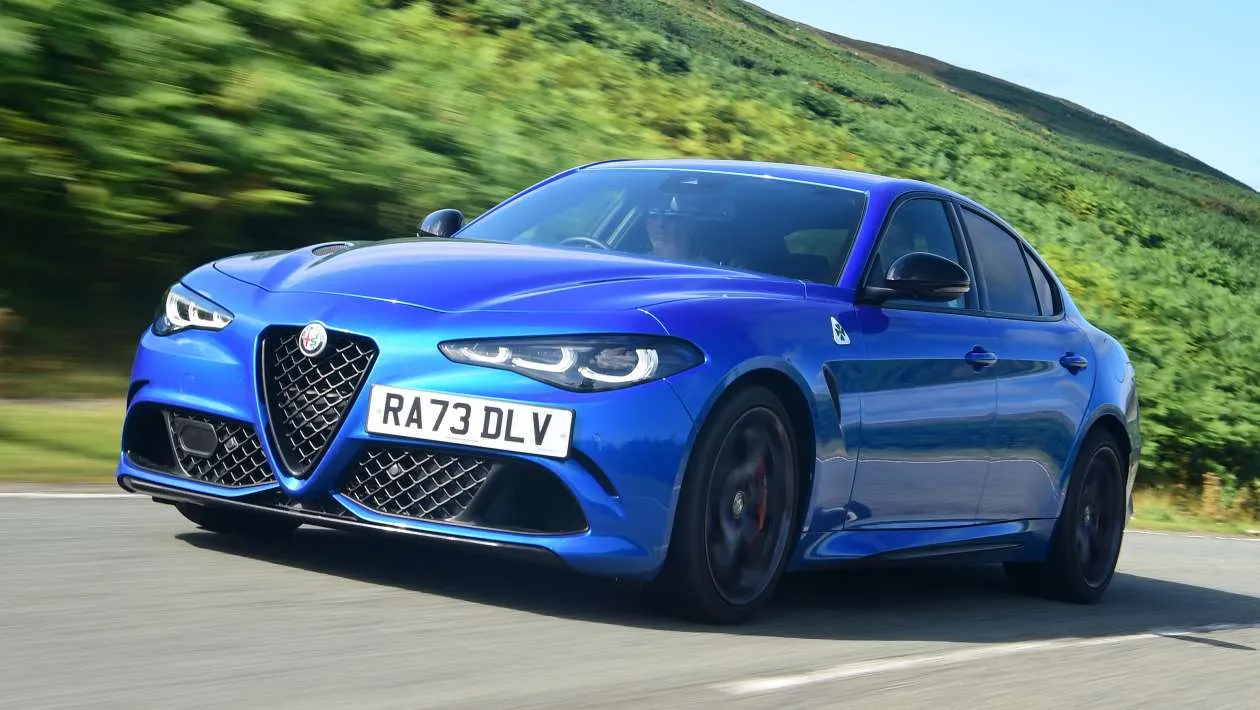
5. Alfa Romeo Giulia Quadrifoglio 2019
Precision and passion describe the Alfa Romeo Giulia Quadrifoglio 2019, yet long-term ownership often places heavy demands on the owner. This high-performance sedan offers sharp handling, rapid acceleration, and refined styling, but maintaining those strengths requires constant attention and financial readiness.
The vehicle appeals to drivers who value driving engagement, though practical considerations frequently challenge that enthusiasm. Mechanical design within this model relies on strict tolerances and advanced engineering. Engine components, braking systems, and suspension assemblies require accurate servicing at recommended intervals.
Any deviation from prescribed procedures may lead to reduced performance or costly mechanical faults. Skilled technicians with brand-specific knowledge are essential, limiting repair options and increasing service expenses.
Access to authorised service centres remains restricted in many regions. Owners often face extended booking periods before routine maintenance or diagnostic work can be carried out. Replacement parts are not always readily available, which may prolong repair timelines and reduce vehicle availability. Such delays can disrupt daily schedules and increase reliance on alternative transport.
Electronic systems present additional challenges as mileage increases. Drivers may encounter dashboard warnings, sensor errors, or infotainment malfunctions. Identifying the source of these issues requires specialised diagnostic equipment and trained personnel. Simple electrical concerns can therefore become time-consuming and expensive to resolve.
Operating costs remain high throughout ownership. Fuel consumption is demanding, with premium-grade petrol required at all times. Insurance premiums reflect both the vehicle’s performance capability and the high cost of repairs. Routine servicing, wear items, and unexpected fixes contribute steadily to expenditure.
Interior design reflects a sporting character, yet certain materials display wear earlier than expected. Switchgear, trim panels, and electronic controls may require replacement sooner than in comparable sedans. Such replacements attract premium pricing due to limited supply and specialised installation requirements.
Resale prospects vary widely. While dedicated enthusiasts seek this model, the wider market remains cautious. Depreciation can occur rapidly, particularly once warranty coverage ends. Owners may therefore face financial loss if selling within a short ownership period.
