City driving places unique demands on a vehicle. Constant stop-and-go traffic, tight streets, frequent parking maneuvers, and low-speed responsiveness matter far more than outright horsepower or highway comfort.
Hybrid vehicles are often marketed as the perfect urban solution, but not all hybrids are created with city life in mind. Some are engineered specifically to maximize efficiency, smoothness, and ease of use in congested environments, while others prioritize performance, towing, luxury cruising, or long-distance comfort, sacrificing everyday urban practicality in the process.
This guide, “5 Hybrids That Handle City Driving Well vs 5 That Don’t,” separates the true urban champions from hybrids that struggle once traffic thickens. By examining real-world behavior such as low-speed smoothness, braking feel, maneuverability, fuel efficiency, and driver confidence, this comparison highlights which hybrids genuinely simplify city commuting and which ones are better suited for highways or open roads.
The result is a clearer picture for buyers who spend most of their time in urban environments and want a hybrid that actually fits that lifestyle.
5 Hybrids That Handle City Driving Well
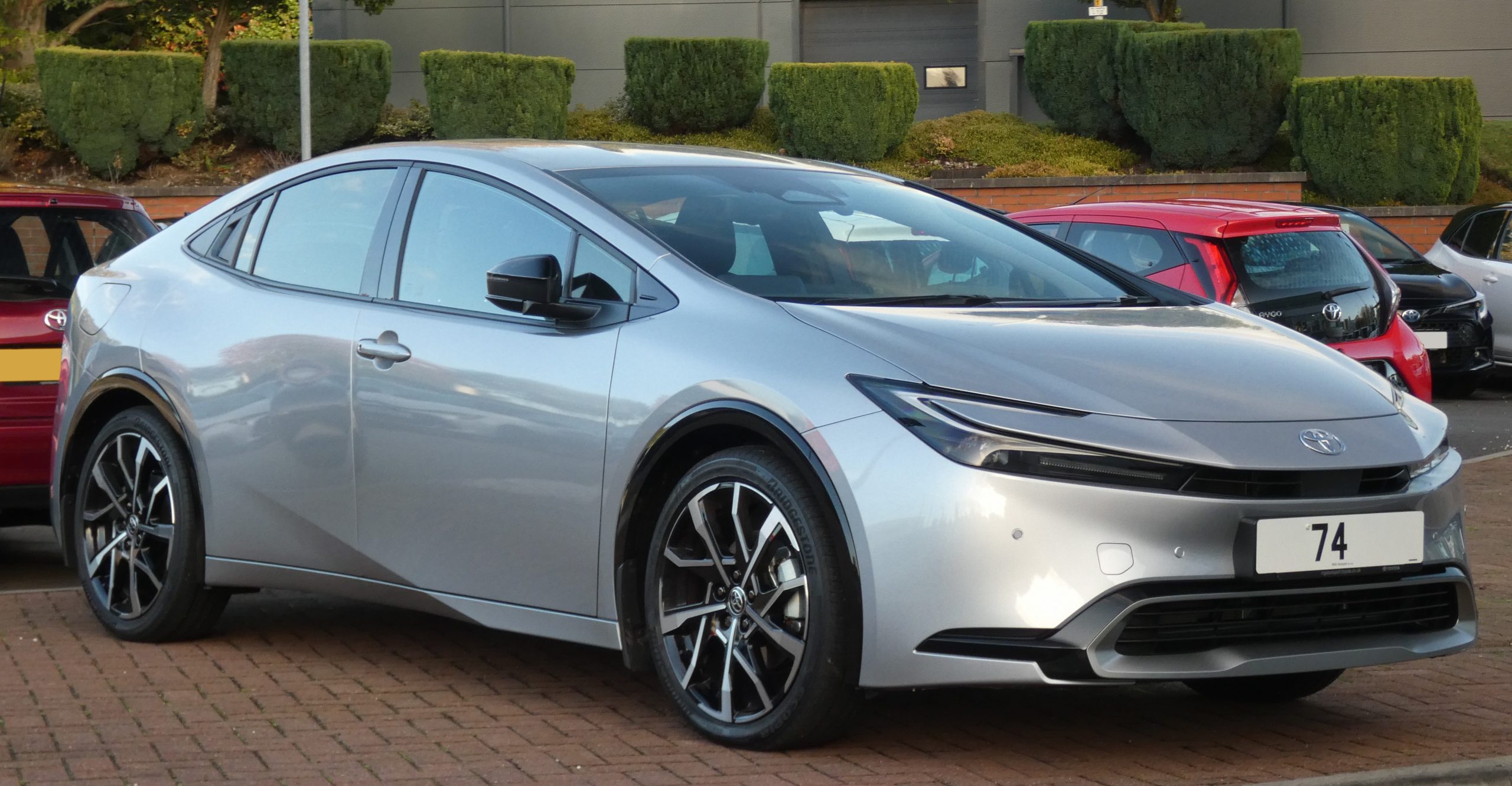
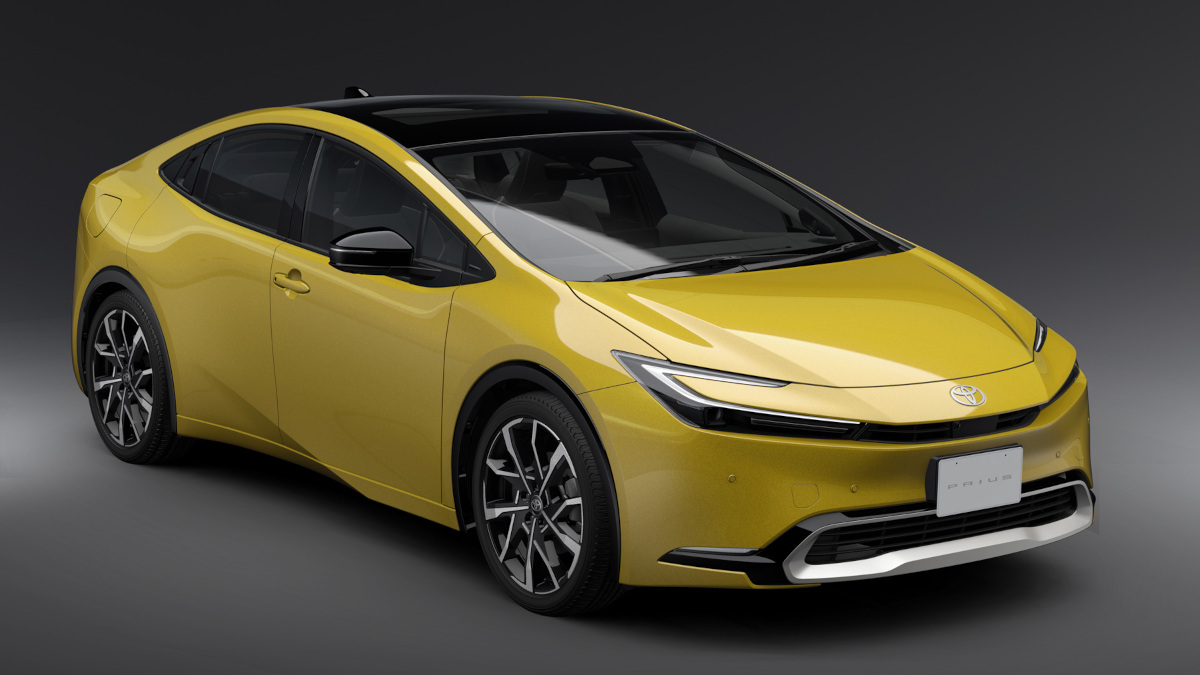
1. Toyota Prius: The Ultimate Urban Hybrid
The Toyota Prius continues to lead the compact hybrid segment, combining exceptional fuel efficiency, urban maneuverability, and modern comfort. Its latest generation achieves up to 57 MPG in city driving, making it an ideal choice for stop-and-go traffic.
The compact hatchback design simplifies parking and navigation through tight city streets, while the hybrid powertrain provides a quiet, refined ride, particularly at low speeds.
The Prius excels in city driving due to its hybrid system, which allows electric-only operation at speeds below roughly 50 km/h (31 mph). Regenerative braking captures energy while slowing down, improving efficiency during stop-and-go conditions.
The vehicle’s small footprint enables easy handling and rapid parking, and its near-silent operation helps reduce noise pollution in urban areas. Its eco-friendly design, combined with very low emissions, also makes it suitable for low-emission zones.
Under the hood, the Prius pairs a 2.0-liter inline-four gasoline engine with one or more electric motors. Front-wheel-drive models generate 194 hp, while all-wheel-drive variants add a rear electric motor for a total of 196 hp. Both use a continuously variable transmission (CVT), providing smooth acceleration. The Prius balances efficiency and performance, with a 0–60 mph time of 7.1 seconds, faster than many hybrids in its class.
Fuel economy remains a defining feature. The front-drive LE model is EPA-rated at 57 mpg city and 56 mpg highway, while all-wheel-drive trims achieve 53 mpg city and 54 mpg highway. Highway testing at 75 mph shows real-world efficiency around 49 mpg, demonstrating reliability for daily commuting.
The interior focuses on comfort and usability. A driver-facing gauge cluster, traditional cockpit layout, and ergonomic seating support city driving. Rear seating provides adequate legroom but limited headroom due to the sloping roofline.
Cargo space ranges from 20.3 to 23.8 cubic feet, depending on the trim. Infotainment includes an 8.0-inch standard touchscreen or optional 12.3-inch display, with wireless Apple CarPlay, Android Auto, and over-the-air updates.
Safety and convenience features come standard, including adaptive cruise control, lane-keeping assist, and blind-spot monitoring. Toyota’s warranty and maintenance coverage are competitive, offering 10 years/150,000 miles for hybrid components and two years/25,000 miles of complimentary maintenance.
The Toyota Prius remains the benchmark for urban hybrids, offering unmatched fuel efficiency, practical city performance, modern technology, and reliable ownership, making it a top choice for eco-conscious drivers in metropolitan environments.
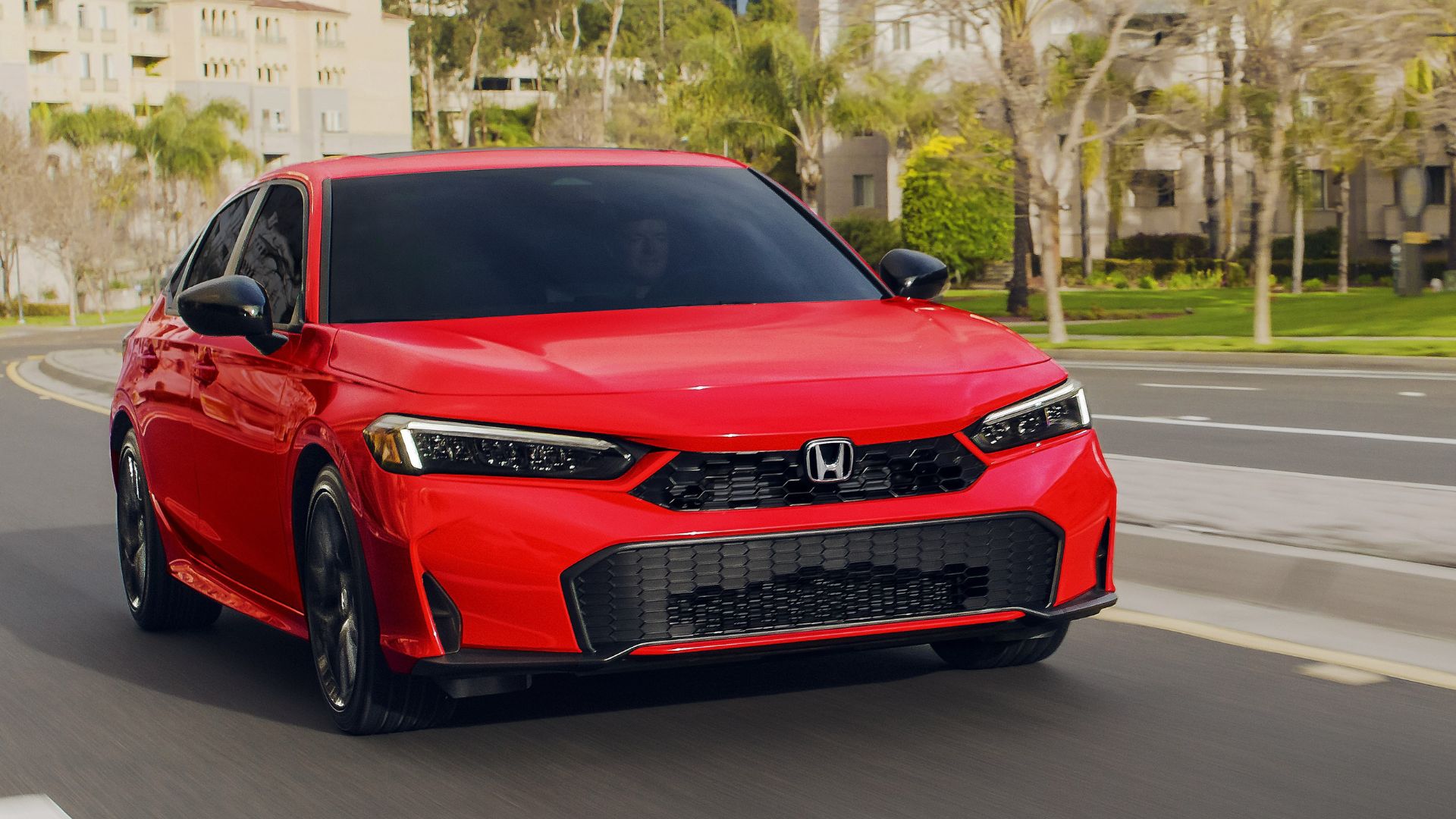
2. Honda Civic Hybrid: Efficient, Responsive, and Urban-Ready
The 2025 Honda Civic Hybrid has emerged as a standout choice for urban driving, offering up to 50 MPG in city conditions and combining efficiency with agile, responsive handling. Its advanced two-motor hybrid system prioritizes electric torque, delivering instant acceleration at traffic lights and smooth, seamless transitions between electric and gasoline power.
This setup makes stop-and-go traffic effortless while keeping fuel consumption low. The Civic Hybrid’s quiet, refined ride complements its city-focused performance, providing comfort and control in congested streets.
Powered by a 2.0-liter four-cylinder engine paired with two electric motors, the Civic Hybrid generates a combined 200 horsepower through a front-wheel-drive layout and continuously variable transmission (CVT).
This electrified powertrain allows the Civic Hybrid to accelerate from 0–60 mph in 6.2 seconds, significantly quicker than the nonhybrid Civic, which takes 8.9 seconds, and nearly matching the sportier Civic Si. The hybrid’s instant low-end torque and precise steering enhance maneuverability in dense traffic, making it a fun and practical city car without compromising efficiency.
Fuel economy is a key strength, with EPA ratings of 50 MPG city, 47 MPG highway, and 49 MPG combined. Real-world highway testing confirms similar efficiency, with the hybrid maintaining about 47 MPG at 75 mph. The car’s regenerative braking system further enhances efficiency by recapturing energy during deceleration, allowing for smooth, controlled stops and extended periods of electric-only operation at low speeds.
Inside, the Civic Hybrid seats five passengers comfortably. The front seats offer generous space, while the rear bench accommodates two adults comfortably and three with some compromise. Cargo capacity is impressive for the class: the sedan can hold six carry-on suitcases behind the seats and up to 17 with the rear seats folded, while the hatchback provides slightly more flexibility.
Infotainment options include a 7.0-inch standard touchscreen or an optional 9.0-inch display with wireless Apple CarPlay and Android Auto, alongside optional navigation, a 10.2-inch digital gauge display, wireless charging, and a premium 12-speaker Bose audio system.
Standard safety features include automated emergency braking, lane-keeping assist, and adaptive cruise control, with blind-spot monitoring, rear-cross-traffic alert, and parking sensors available as options.
Warranty coverage is typical for the segment, including three years/36,000 miles limited, five years/60,000 miles powertrain, and eight years/100,000 miles hybrid-component warranty, plus one year/12,000 miles complimentary maintenance.
The Honda Civic Hybrid combines high fuel efficiency, responsive handling, and urban practicality, making it an ideal choice for drivers seeking an economical, enjoyable, and reliable city vehicle.
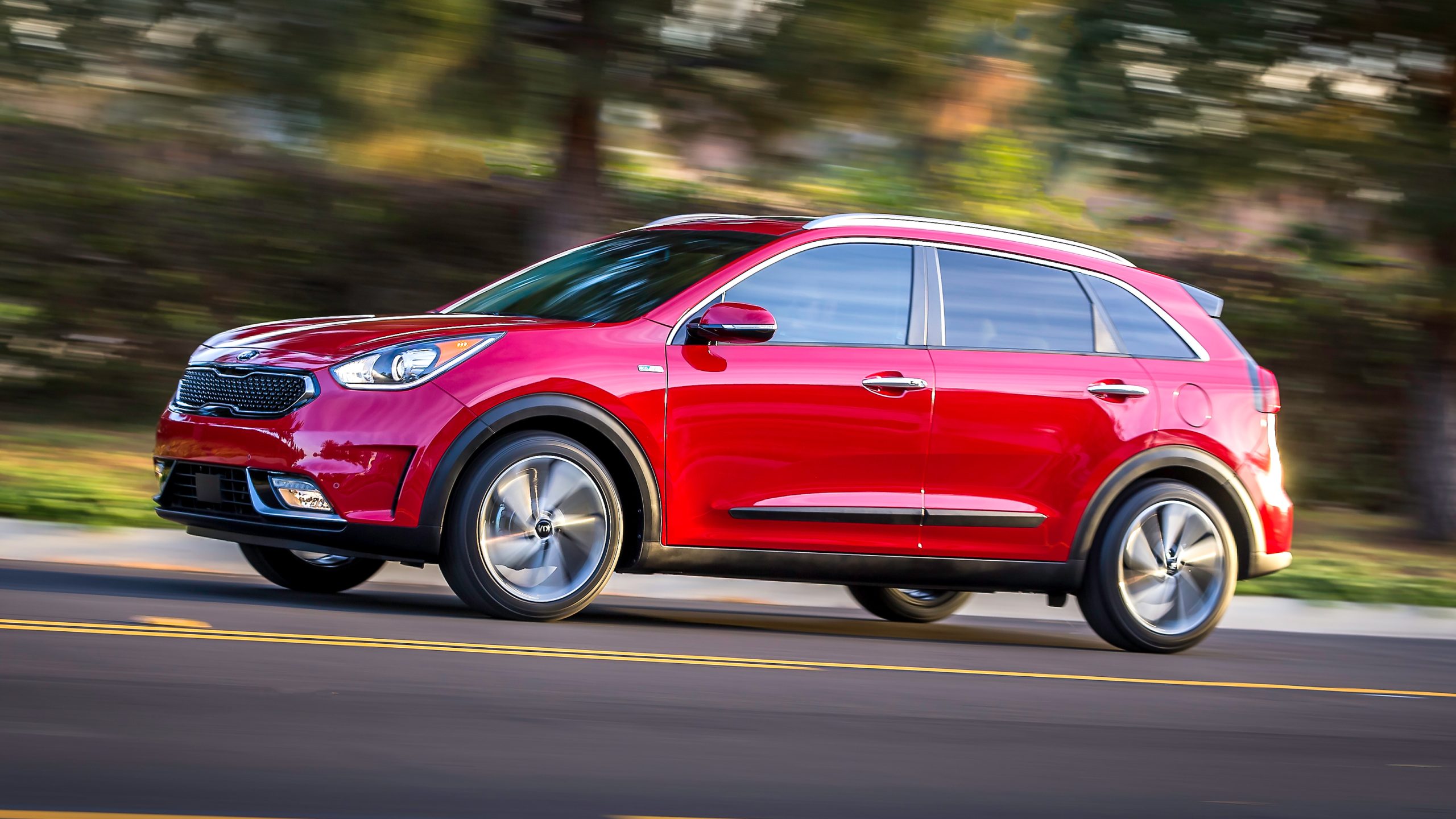
3. Kia Niro Hybrid: Efficient, Agile, and City-Ready
The Kia Niro Hybrid is a compact crossover designed for urban driving, offering up to 53 MPG in city conditions. Its tall-hatchback design ensures excellent outward visibility, making it easier to spot pedestrians, cyclists, and obstacles in tight city streets.
Despite its crossover stance, the Niro’s compact dimensions and nimble steering make it easy to navigate narrow lanes, while a smooth, quiet ride enhances comfort in stop-and-go traffic.
The Niro Hybrid is powered by a 139-hp hybrid powertrain that pairs a 1.6-liter four-cylinder engine with an electric motor. Torque is available instantly at low speeds, allowing for responsive acceleration when entering traffic or stopping at lights. The vehicle uses a six-speed dual-clutch automatic transmission and front-wheel drive.
While not a high-performance vehicle, the Niro moves efficiently through city traffic and can maintain highway speeds comfortably, though it reaches 0–60 mph in 8.9 seconds, reflecting a focus on efficiency over sportiness. Regenerative braking recaptures energy during deceleration, further boosting fuel economy.
Fuel efficiency is a standout feature, with EPA ratings of 53 MPG city, 45 MPG highway, and 49 MPG combined. Real-world highway testing shows around 39 MPG at 75 mph, slightly below EPA estimates but still competitive for a hybrid crossover.
The Niro also features a “Green Zone” mode that can switch to electric-only operation in designated low-emission areas such as schools or residential zones, further reducing environmental impact.
Inside, the Niro Hybrid blends practicality with modern design. It seats four adults comfortably and offers a generous cargo area for a small crossover, fitting eight carry-on suitcases behind the rear seats and up to 20 with the seats folded. Kia’s interior uses recycled materials and natural fibers, and ambient lighting adds a premium touch.
Infotainment includes an 8.0-inch touchscreen on base trims or a 10.3-inch display on higher trims, with Apple CarPlay, Android Auto, in-dash navigation, and optional wireless smartphone charging. Premium trims offer upgraded audio systems from Harman/Kardon.
Safety is well covered, with standard forward-collision warning, automated emergency braking, lane-departure warning with lane-keeping assist, and blind-spot monitoring, plus optional adaptive cruise control with lane-centering.
Warranty coverage is strong, featuring a five-year/60,000-mile limited warranty and a 10-year/100,000-mile powertrain warranty, though Kia does not include complimentary scheduled maintenance.
The Kia Niro Hybrid combines fuel efficiency, urban agility, and thoughtful design, making it an ideal crossover for city dwellers seeking practicality, eco-friendly performance, and comfort in a compact, versatile package.
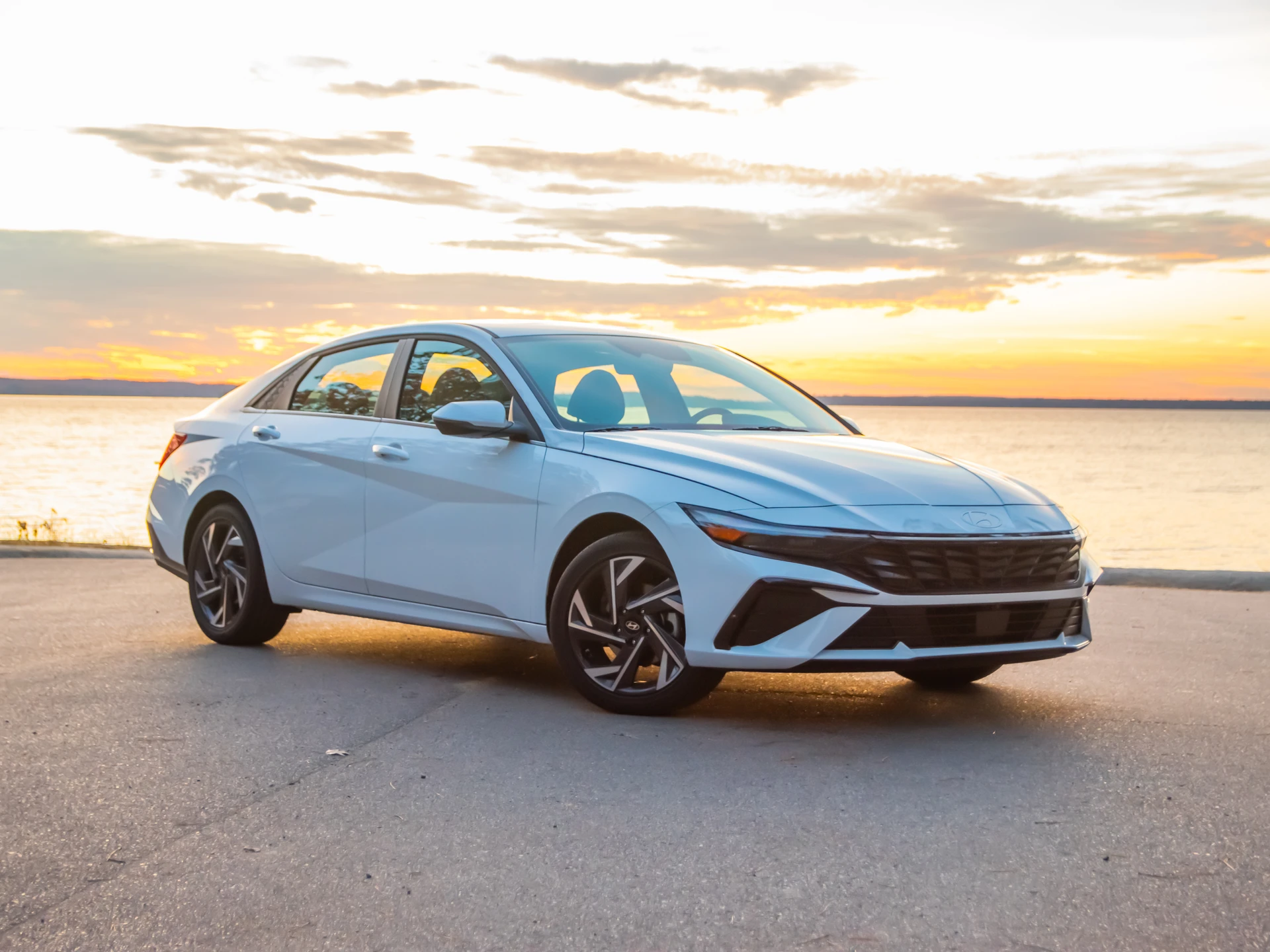
4. Hyundai Elantra Hybrid: Efficient, Comfortable, and Urban-Friendly
The Hyundai Elantra Hybrid stands out as a fuel-efficient, practical compact sedan, achieving up to 51 MPG in city driving. Its hybrid system, paired with a smooth-shifting 6-speed dual-clutch transmission (DCT), avoids the “rubber-band” feel typical of many CVTs, offering predictable low-speed performance in stop-and-go traffic.
The Elantra Hybrid combines responsive acceleration, comfortable handling, and easy maneuverability, making it well-suited for urban environments.
The powertrain features a 1.6-liter four-cylinder engine coupled with an electric motor, producing 139 horsepower and 195 lb-ft of torque. Front-wheel drive and the dual-clutch transmission provide quick, seamless gear changes, reducing engine droning often associated with other hybrids.
This setup allows the Elantra Hybrid to accelerate from 0–60 mph in 8.4 seconds, slightly slower than nonhybrid models but sufficient for city driving, while delivering a smooth, quiet experience at low speeds. Compared with other trims, the Elantra Hybrid balances performance with maximum fuel efficiency.
Fuel economy is a key advantage. The EPA rates the Elantra Hybrid at 51 MPG city, 58 MPG highway, and 54 MPG combined, while real-world highway testing shows around 48 MPG at 75 mph. The hybrid system often operates in electric-only mode during urban driving, optimizing fuel savings.
Additionally, the Elantra’s multi-link rear suspension efficiently absorbs road imperfections such as potholes and cracks, enhancing ride comfort in congested city streets. Its compact size, precise steering, and easy parking further improve maneuverability in tight urban spaces.
Inside, the cabin is functional and driver-focused, with generous front and rear passenger space and a usable cargo area that fits six carry-on suitcases behind the rear seats. Standard interior features include an 8.0-inch touchscreen, while higher trims offer a 10.3-inch dual display for infotainment and digital instrumentation.
Apple CarPlay and Android Auto are available, with wireless functionality varying by trim. Audio options include a standard six-speaker system or an eight-speaker Bose setup in premium trims.
Safety is comprehensive, with standard automated emergency braking, lane-departure warning, and lane-keeping assist. Optional features include adaptive cruise control and lane-centering assistance. Warranty coverage is strong, offering a five-year/60,000-mile limited warranty, a 10-year/100,000-mile powertrain warranty, and three years/36,000 miles of complimentary maintenance.
The Hyundai Elantra Hybrid delivers exceptional fuel efficiency, refined urban performance, and a comfortable, safe cabin, making it an ideal choice for city drivers seeking a reliable and economical compact hybrid.
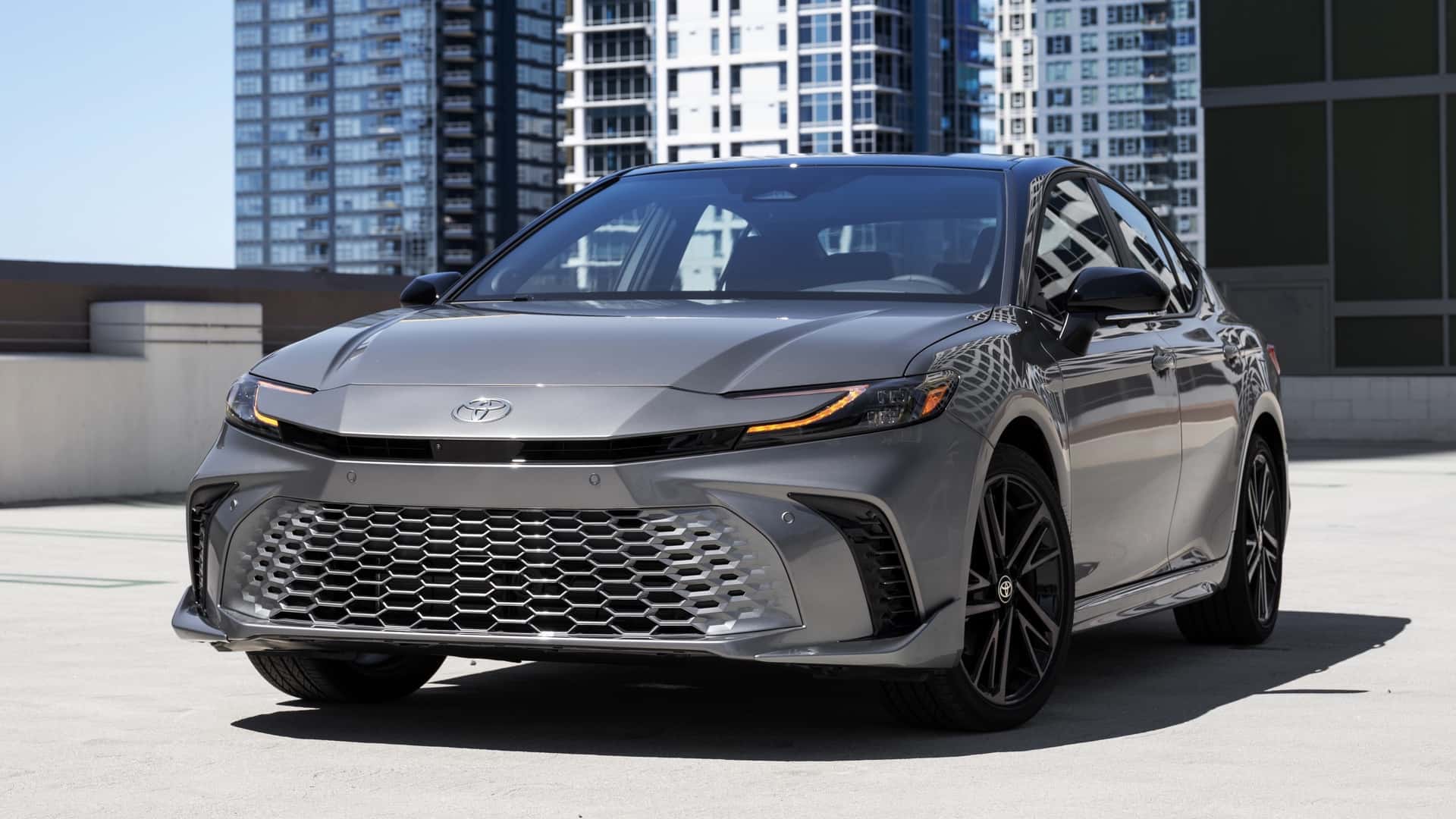
5. Toyota Camry Hybrid: Efficient, Comfortable, and Urban-Friendly
The Toyota Camry Hybrid proves that a mid-size sedan can excel in urban driving, delivering up to 53 MPG city while offering a spacious and comfortable cabin. Its fifth-generation hybrid system provides instant electric torque for stop-and-go traffic, enabling responsive acceleration and superior fuel efficiency.
Advanced features like Traffic Jam Assist allow hands-free driving in slow-moving traffic under 25 mph, making commuting in congested areas easier and less stressful. Regenerative braking recaptures energy while slowing down, further enhancing efficiency and reducing wear on traditional brakes.
The Camry Hybrid is available with two hybrid powertrains. Front-wheel-drive models pair a 2.5-liter four-cylinder engine with two electric motors, producing 225 horsepower, while all-wheel-drive variants add a third motor for a total of 232 horsepower. Both setups use a continuously variable automatic transmission (CVT).
The hybrid system is responsive in urban environments, providing strong low-speed torque and smooth power delivery. Sportier trims such as the SE, XSE, and Nightshade feature firmer suspension tuning and tighter body control, though the steering can feel somewhat numb.
Performance testing shows 0–60 mph acceleration of 6.8 seconds for the XSE AWD and 7.0 seconds for the front-wheel-drive Nightshade, placing the Camry Hybrid ahead of many competitors like the Hyundai Sonata while slightly behind the Honda Accord Hybrid.
Fuel efficiency is a highlight, with EPA ratings of 52–50 MPG city and 49 MPG highway for front-drive models, and slightly lower figures for AWD trims. Top-trim models with all-wheel drive achieve 43 MPG city and highway, reflecting the trade-off for extra power and features. The Camry Hybrid’s long driving range allows fewer trips to the gas station, enhancing convenience for daily commuting.
Inside, the Camry Hybrid offers a spacious, comfortable cabin with standard cloth or optional leather upholstery, dual-zone automatic climate control, and rear air vents. The trunk accommodates 7 carry-on suitcases, expanding to 19 with the rear seats folded, comparable to the Honda Accord.
Infotainment includes an 8.0-inch touchscreen as standard, with optional 12.3-inch displays on higher trims, Apple CarPlay and Android Auto wireless compatibility, and an optional nine-speaker JBL audio system.
Safety is comprehensive, with standard automated emergency braking with pedestrian and cyclist detection, lane-departure warning, lane-keeping assist, adaptive cruise control with lane-centering, and curve-preparation braking. Warranty coverage includes three years/36,000 miles limited, five years/60,000 miles powertrain, ten years/150,000 miles hybrid components, and two years/25,000 miles of complimentary maintenance.
The Toyota Camry Hybrid delivers high fuel efficiency, responsive urban performance, and a comfortable, well-equipped interior, making it an excellent choice for city drivers who want the benefits of a hybrid in a reliable mid-size sedan.
Also read: 5 Cars for Littleton Mountain Commuting and 5 Winter-Ready Models
5 That Don’t
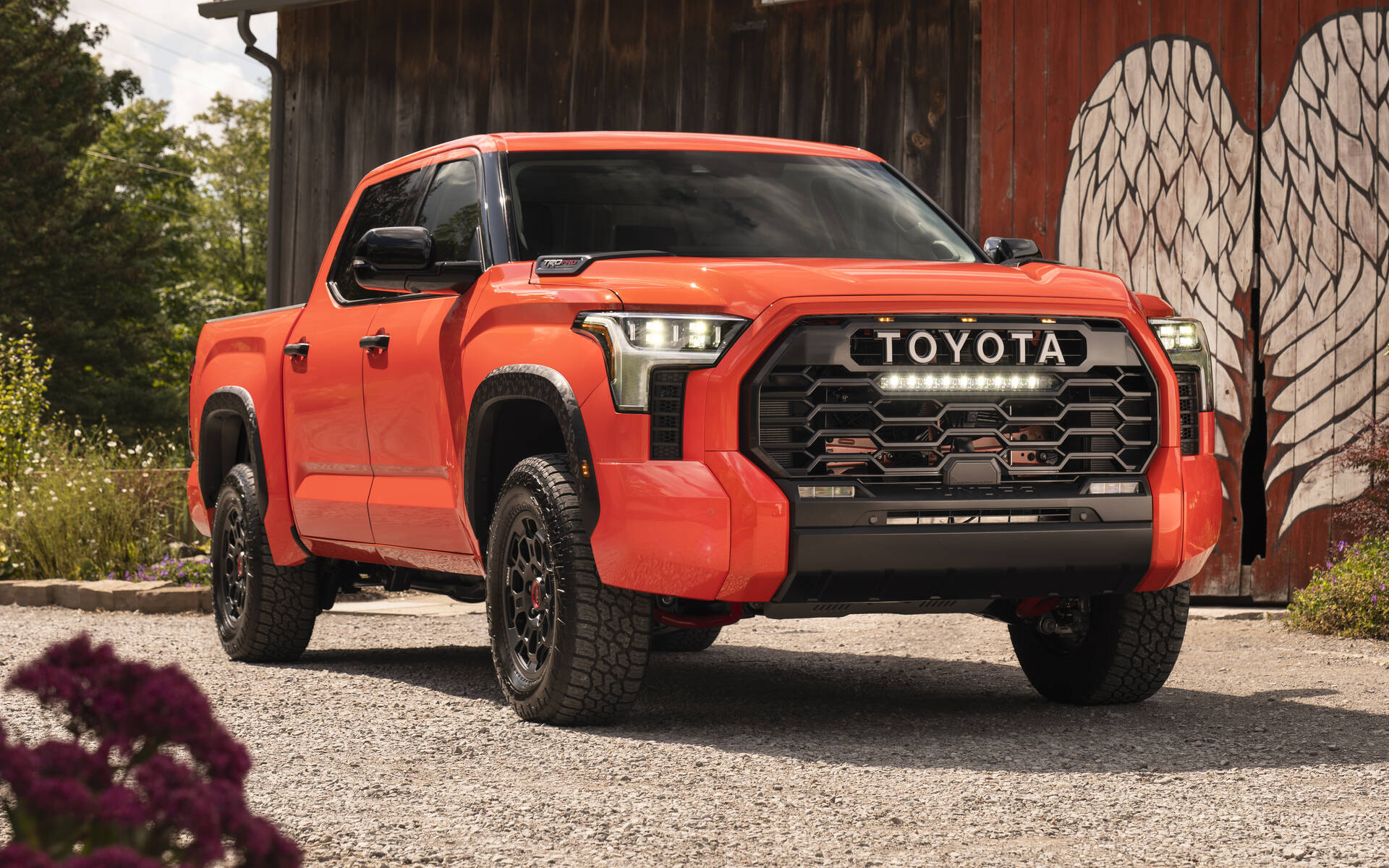
1. Toyota Tundra Hybrid: Powerful but Unsuitable for City Driving
The Toyota Tundra i-FORCE MAX Hybrid is a full-size truck built for towing and heavy-duty performance rather than urban efficiency. Its 3.4-liter twin-turbo V6 paired with an electric motor produces 583 lb-ft of torque, delivering strong acceleration and towing capability.
However, in city driving, the hybrid system is less effective, with fuel economy averaging only 18–20 MPG, slightly better than the standard gas model. The gas engine frequently remains on or idles at stoplights even when the battery is charged, creating a rough stop-start experience that is noticeable in low-speed traffic.
The truck’s large size and weight make it difficult to handle in tight urban spaces. Its long wheelbase and wide body require careful maneuvering for U-turns and parking garages.
High hood lines reduce visibility, making it harder to see pedestrians and smaller vehicles without relying on the Panoramic View Monitor. The added 400–600 lbs of hybrid components increase low-speed handling difficulty and reduce interior cargo space because the battery is located under the rear seat.
City driving is further affected by regenerative braking and rear suspension behavior. The transition between electric regenerative braking and mechanical brakes can feel uneven, requiring practice to achieve smooth stops.
The rear suspension, designed for carrying heavy loads, can feel stiff or jumpy when the bed is empty, reducing ride comfort on city streets. Engine noise from frequent V6 cycling adds to the less refined experience.
The Tundra Hybrid performs exceptionally well for towing, hauling, and highway driving, but its size, weight, and power-focused hybrid system make it impractical for city commutes. Drivers seeking fuel efficiency, easy parking, and smoother low-speed operation in urban areas will find smaller hybrid vehicles better suited to their needs.
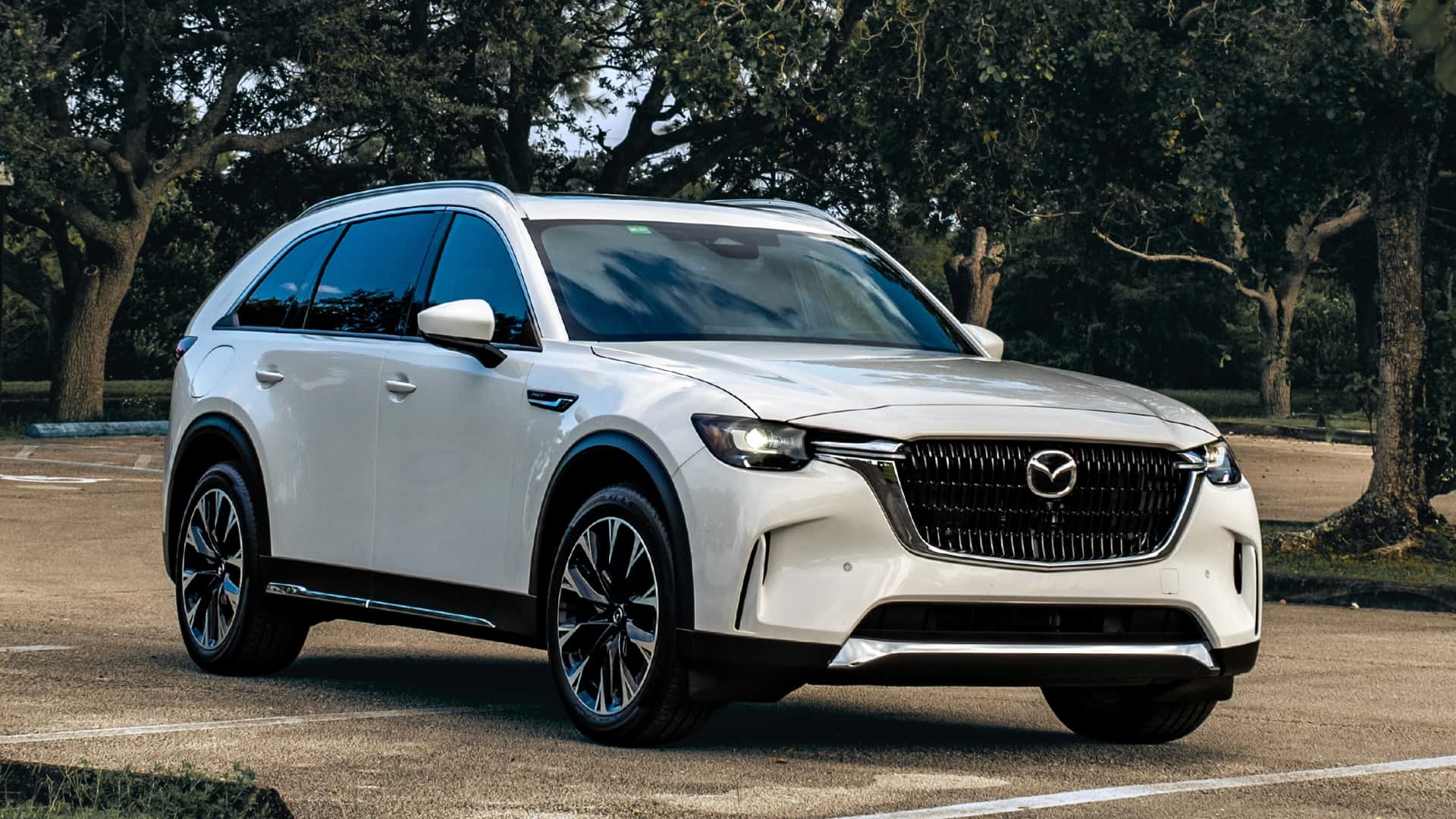
2. Mazda CX-90 PHEV: Sporty Performance That Struggles in the City
The Mazda CX-90 PHEV is designed for power and driving enjoyment, but it is not ideal for dense urban traffic. Its large size and heavy weight make low-speed handling cumbersome, and once the battery is depleted, fuel economy drops sharply in stop-and-go conditions. Unlike smaller urban-focused hybrids, the CX-90 prioritizes a mechanical, connected driving feel over the smooth, quiet operation preferred in city environments.
City performance is affected by the eight-speed automatic transmission, which can hunt for gears at speeds below 30 mph. This creates noticeable jerks as the system switches between electric and gasoline power. Regenerative braking is also uneven, with a rough handoff between the electric motor’s resistance and the physical brakes, resulting in a grabby sensation that makes controlled, smooth stops difficult.
The SUV’s suspension and ride quality further reduce urban comfort. Tuned for sporty handling, the relatively stiff suspension, combined with 21-inch wheels on higher trims, transmits potholes and road imperfections directly to the cabin. The engine can be intrusive in city driving, producing a coarse, buzzy sound when it engages, which contrasts with the quiet electric mode during frequent stop-and-go cycles.
Maneuverability is another challenge. The wide body and long hood make tight parking and narrow streets difficult. Although the turning radius is reasonable for its size, steering lacks the light, effortless feel of rivals such as the Volvo XC90 or Lexus TX, making urban driving more demanding.
The Mazda CX-90 PHEV excels on highways and curvy roads, where its sporty dynamics can be fully appreciated. However, its size, stiff ride, transmission quirks, and intrusive engine make it less practical and efficient for daily city commuting. It is a performance-focused SUV that thrives on open roads but struggles to deliver the smooth, refined experience required in urban environments.
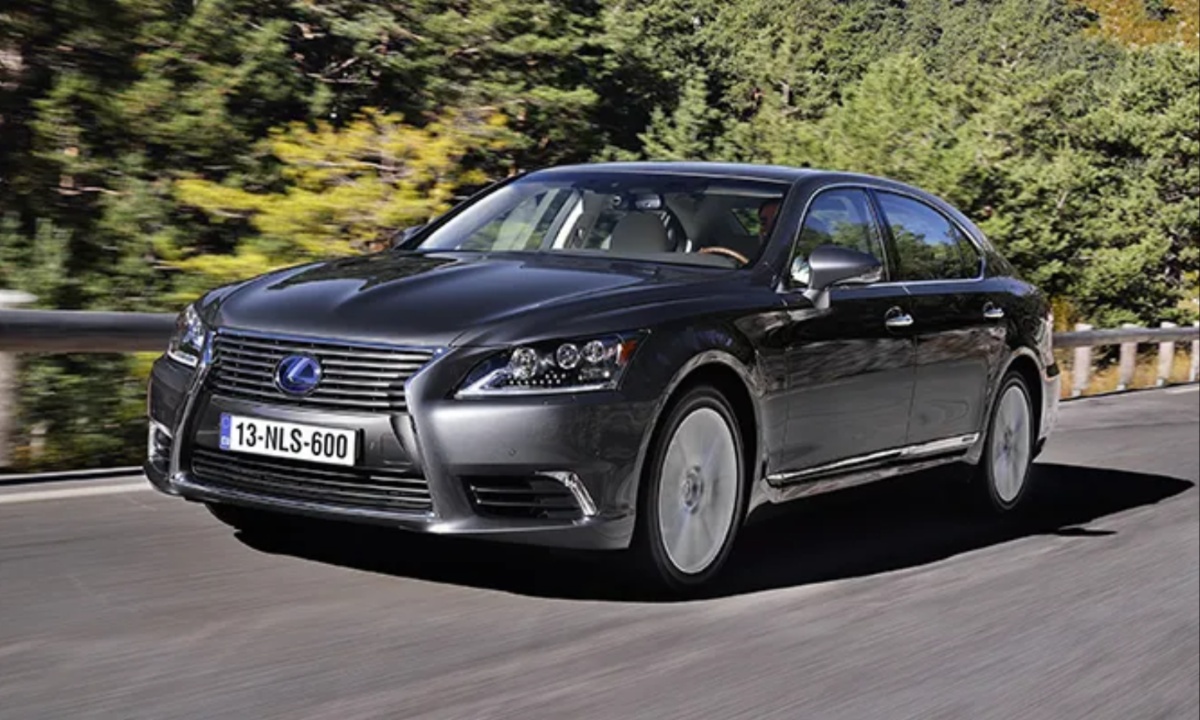
3. Lexus LS 600h L: Luxury and Performance Over City Practicality
The Lexus LS 600h L is a flagship luxury hybrid designed for highway comfort and performance rather than urban efficiency. Its long-wheelbase design and massive dimensions make it challenging to maneuver in tight city streets.
Measuring over 17 feet in length and weighing more than 5,200 pounds due to its V8 engine, dual electric motors, and battery packs, the car carries significant momentum, making quick lane changes and sudden stops feel cumbersome. With a turning circle of nearly 39 feet, standard city maneuvers often require multi-point turns, which complicates parking in older metropolitan areas.
The hybrid system emphasizes performance rather than fuel savings. The electric motors assist the 5.0L V8 to deliver smooth acceleration, but city fuel economy gains are minimal, especially in cold weather when EV mode cannot be maintained effectively. This means drivers carry the weight of the battery with little benefit in stop-and-go traffic, and efficiency is barely better than the non-hybrid LS 460.
City handling is further hindered by vague steering and feedback. Lexus tuned the steering for comfort and isolation, providing almost no tactile information about wheel position. While relaxing on highways, this light, disconnected steering reduces confidence in tight gaps, narrow streets, or congested intersections.
Urban roads also expose the limits of the air suspension system, which is designed for smooth highway cruising. Constant vertical impacts from potholes and uneven pavement can accelerate wear on control arms and bushings, and repairs for this complex system are costly.
The Lexus LS 600h L excels as a luxurious, smooth, and powerful highway cruiser, offering quiet performance and refinement. However, its size, weight, performance-focused hybrid, and delicate suspension make it poorly suited for city driving, tight turns, and frequent urban stop-and-go conditions. It is a hybrid engineered for comfort and power rather than urban practicality.
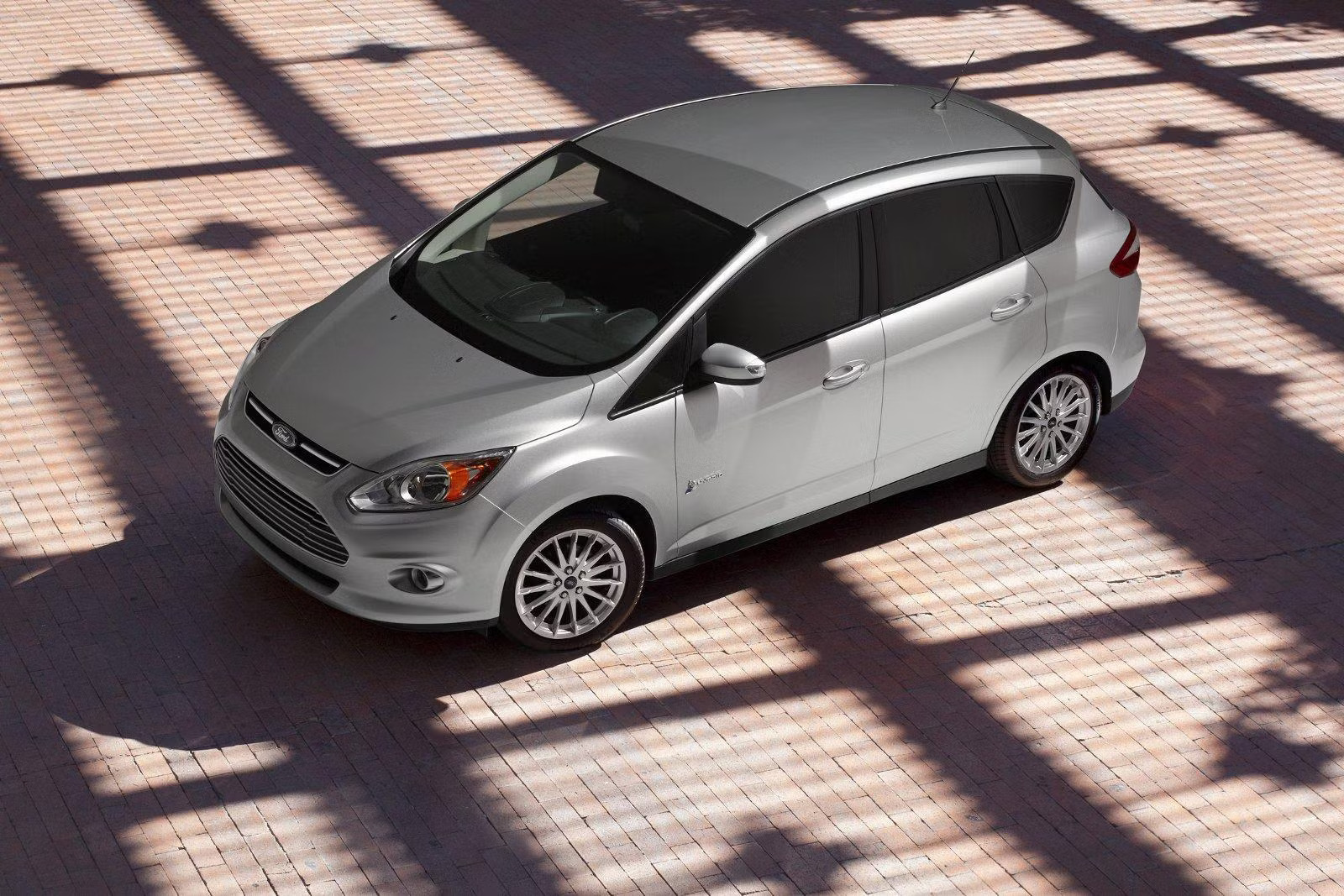
4. Ford C-Max Hybrid: Designed for the City but Flawed in Practice
The Ford C-Max Hybrid was created as a city-friendly hybrid with a compact hatchback design and peppy driving characteristics. Despite this, older models have a reputation for reliability issues and real-world fuel economy that often falls short of advertised figures. While it can feel more responsive than competitors like the Toyota Prius, several factors make urban driving less refined.
Regenerative braking is inconsistent, with an abrupt transition between electric motor resistance and mechanical brakes. This grabby or jerky response makes smooth stops difficult in stop-and-go traffic, and a light touch on the brake can cause unexpected lurching. The C-Max’s turning radius is unusually wide for a compact car, comparable to a full-size pickup, which complicates U-turns and tight parking in city streets and garages.
Engine vibrations are common due to a rear engine roll restrictor mount that can trap debris, causing noticeable shaking when idling or accelerating from a stop. Real-world city fuel economy is disappointing as well.
Originally rated at 47 mpg combined, the EPA later revised this to 43 mpg, and many drivers report 35–37 mpg in typical urban conditions. Its taller wagon shape and heavier frame reduce efficiency in short-trip, low-speed cycles.
The HF35 eCVT transmission can also produce throttle lag. Although the car has 188 horsepower, merging into traffic or making quick lane changes can feel delayed, making aggressive urban maneuvers less confident. Visibility is hampered by thick pillars that create blind spots for pedestrians and cyclists, while the high body height causes noticeable body lean on sharp city turns, reducing the feeling of stability compared to a sedan.
The Ford C-Max Hybrid combines city-oriented features with lively performance, but regenerative braking quirks, wide turning radius, engine vibrations, inconsistent fuel economy, and handling compromises make it a less smooth and predictable option for urban commuting. Its potential for convenience is limited by mechanical and design trade-offs that affect the everyday city driving experience.
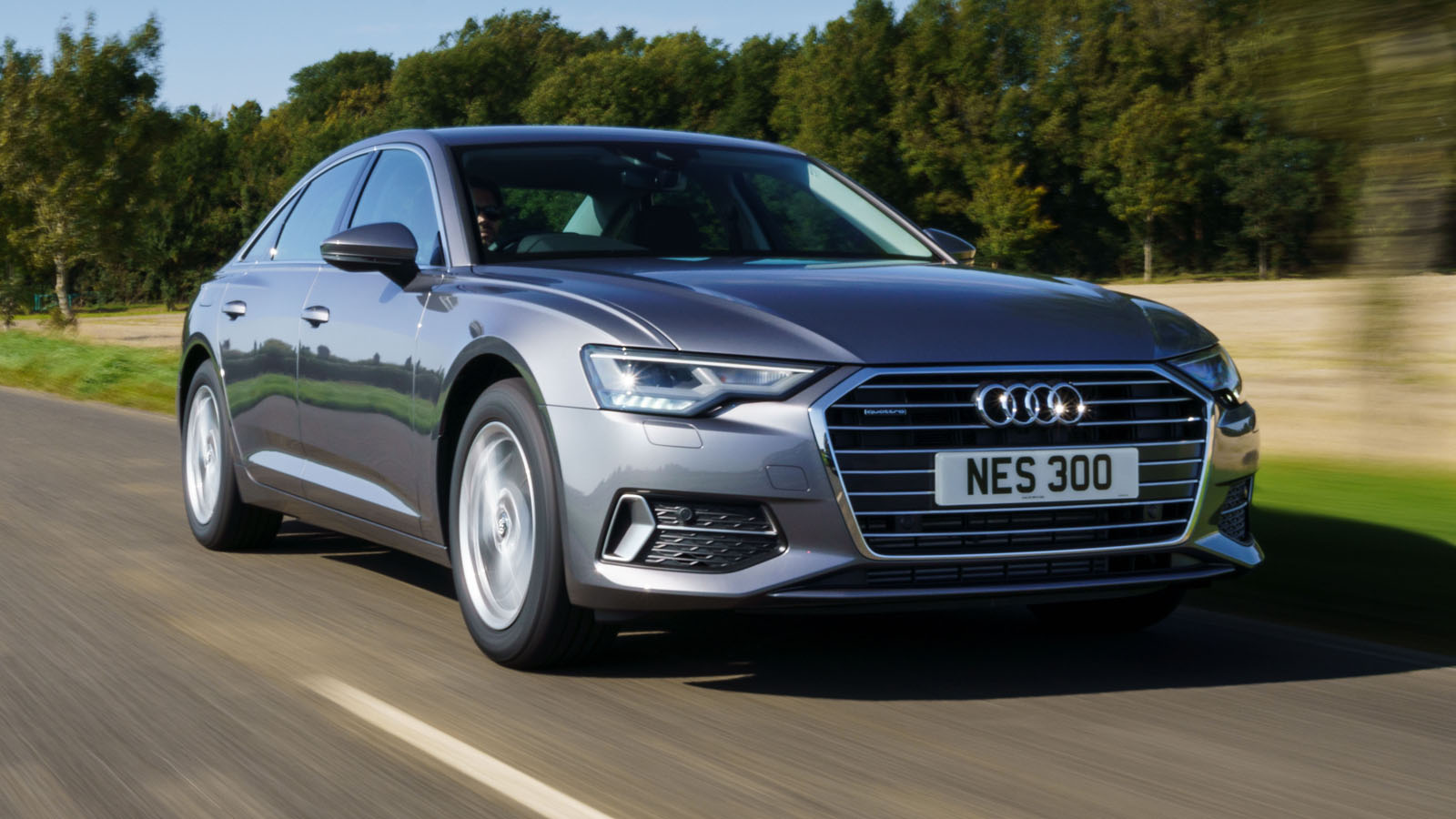
5. Audi A6 Allroad Mild Hybrid: Smooth on the Highway, Cumbersome in the City
The Audi A6 Allroad Mild Hybrid delivers refined highway cruising and light off-road capability, but it is not optimized for dense urban traffic. Its mild-hybrid system and 48-volt architecture provide only modest fuel savings, offering little advantage over full hybrids during stop-and-go driving. The vehicle prioritizes comfort and versatility over the rapid, precise responses required for city streets.
Throttle response is a common issue. The mild-hybrid system combined with the seven-speed automatic transmission can cause a noticeable delay when accelerating from a stop. Drivers often compensate by pressing harder on the pedal, which can result in sudden surges forward, making low-speed control challenging.
Braking feel can be inconsistent. The energy recuperation system adjusts deceleration based on sensors, leading to a spongy or grabby sensation that makes stopping smoothly in heavy traffic difficult.
The Allroad’s high ride height and light steering reduce agility. Sharp turns produce body roll, and its nearly five-meter length with long front and rear overhangs makes tight city streets and small parking spaces difficult to manage. Without optional all-wheel steering, handling in confined areas feels cumbersome compared to the standard A6 sedan.
Stop-start performance can also feel clunky. While the mild-hybrid system is intended to smooth transitions from electric-assisted coasting to engine power, in heavy traffic, these transitions can feel hesitant, contributing to a less refined driving experience.
The Audi A6 Allroad Mild Hybrid excels as a luxury wagon for highways and light off-road conditions, providing comfort, refinement, and versatility. However, throttle lag, uneven braking, light steering feedback, body roll, and large dimensions make it challenging to operate efficiently and confidently in busy urban environments.
Choosing the right hybrid for city driving goes far beyond fuel economy numbers on a window sticker. As these examples show, the best urban hybrids share common traits: compact or well-managed dimensions, smooth power delivery, predictable braking, easy parking, and hybrid systems that thrive in stop-and-go conditions.
Vehicles like the Prius, Civic Hybrid, Niro Hybrid, Elantra Hybrid, and Camry Hybrid are designed with everyday urban use in mind, making them calmer, more efficient, and less stressful companions in crowded environments.
On the other hand, hybrids built for towing, performance, luxury cruising, or versatility often struggle when confined to city streets. Large size, heavy weight, transmission hesitation, inconsistent braking, and limited real-world efficiency can turn daily commutes into a chore.
Understanding these differences helps buyers avoid costly mismatches between vehicle design and real-world usage. The right hybrid should feel effortless where you drive most, not just impressive on paper or enjoyable on open roads.
Also read: 10 Cars With Seats Designed for Long-Distance Comfort