
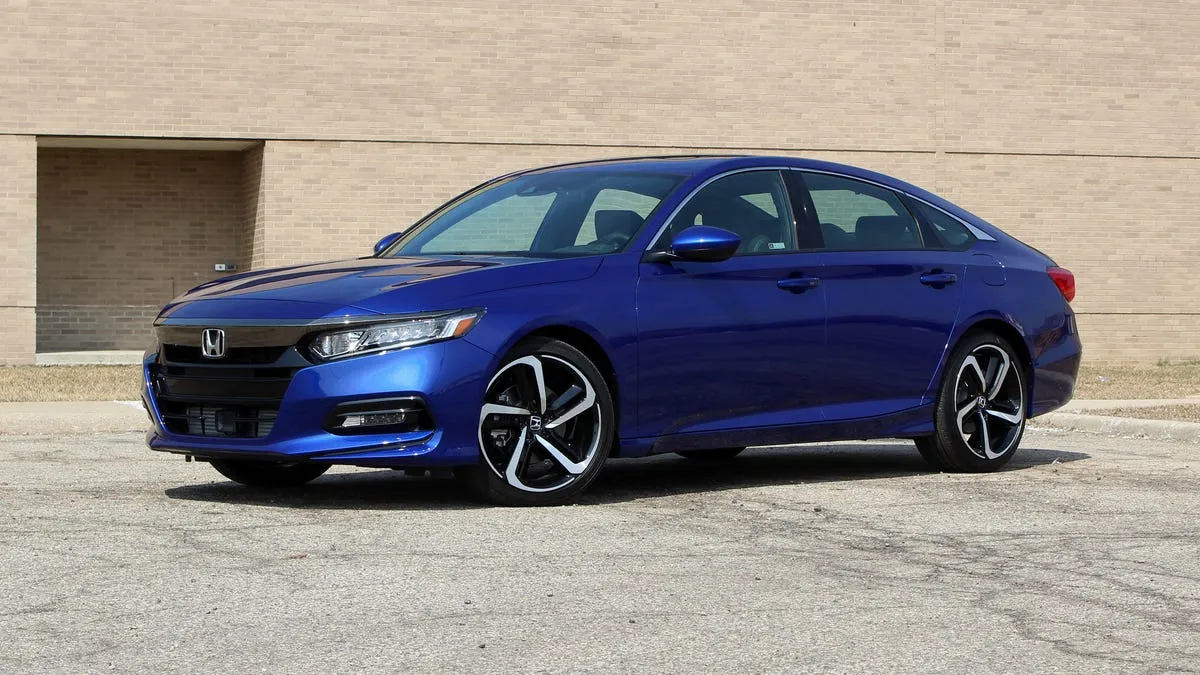
Buying a vehicle is rarely just about transportation. It is a financial decision, a lifestyle adjustment, and often a long-term commitment that quietly affects daily routines.
A smart vehicle choice tends to reveal itself slowly. It feels right during the first week, still feels sensible months later, and continues to make sense when the excitement fades. These vehicles support daily life instead of complicating it. They save time, reduce stress, and avoid unpleasant surprises.
Other vehicles create a very different experience. They may impress at first glance or feel exciting during early ownership, yet small compromises begin to surface. Costs creep up. Practical frustrations grow. Confidence in the decision starts to weaken. A purchase that once felt bold may begin to feel questionable, especially when expectations clash with reality.
What separates a smart choice from a poor one is rarely a single feature. It is a combination of reliability, ownership costs, usability, resale strength, and how well the vehicle fits real-world habits. A smart choice feels balanced. It does not demand constant attention, excessive spending, or emotional justification. It quietly delivers value.
This page breaks down that difference through ten vehicles. Section One focuses on five vehicles that tend to feel like wise decisions after purchase. These models earn trust through consistency, practicality, and long-term satisfaction. Section Two will examine five vehicles that often leave owners second-guessing their decision.
The goal here is clarity, not hype. Each vehicle is evaluated through everyday ownership experiences rather than marketing promises. For anyone weighing their next purchase, understanding why some vehicles age well as decisions can help avoid regret and reinforce confidence long after the paperwork is signed.
5 Vehicles That Feel Like Smart Choices
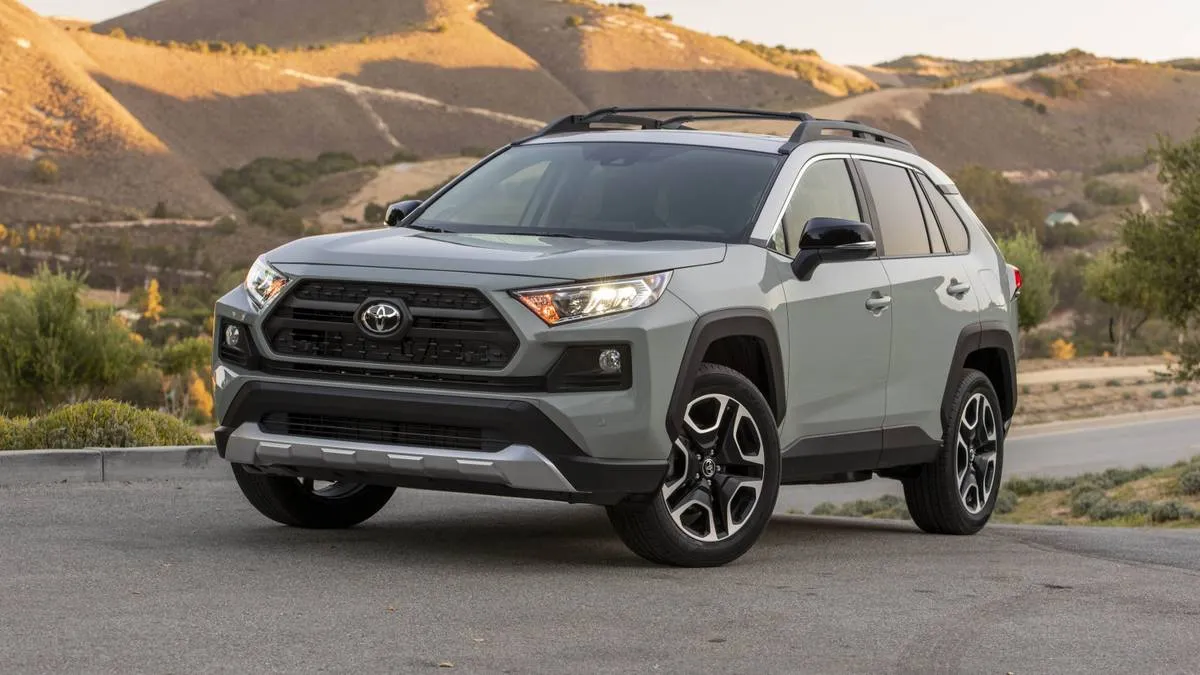
1. Toyota RAV4 2020
Confidence builds quickly behind the wheel of the Toyota RAV4 2020, largely because nothing feels exaggerated or risky. This vehicle delivers exactly what it promises, which is a trait that defines a smart purchase. From daily commuting to weekend errands, the experience stays consistent and dependable. Drivers quickly sense that the vehicle fits into life rather than demanding adjustments.
Interior layout reflects careful thought. Controls feel intuitive, and visibility remains strong from every angle. Seating comfort supports both short drives and longer trips without fuss. Storage space feels generous without becoming awkward. These qualities reduce daily friction, which quietly reinforces satisfaction.
Driving behavior stays predictable. Steering feels stable, braking response inspires trust, and acceleration remains smooth. The vehicle does not surprise its driver in stressful moments. That predictability becomes valuable as ownership continues. Drivers know what to expect each time they start the engine.
Fuel efficiency strengthens the value proposition. Costs stay manageable without sacrificing capability. Owners appreciate that efficiency does not require special habits or constant attention. The vehicle performs well without demanding behavioral changes.
Reliability reputation also plays a major role. Toyota’s track record builds peace of mind. That reassurance matters when repairs and downtime could disrupt routines. Owners often report years of use with minimal mechanical stress, reinforcing confidence in the original decision.
Resale strength further supports the sense of wisdom. Even years later, the RAV4 holds demand. This protects owners financially and reduces long-term risk. Knowing the vehicle retains value makes ownership feel secure rather than uncertain. Styling remains restrained yet modern. The design avoids extremes that might age poorly.
Instead, it maintains broad appeal, which contributes to resale and long-term satisfaction. For drivers seeking a purchase that continues to make sense long after the honeymoon phase, the Toyota RAV4 2020 stands out as a grounded, thoughtful choice.
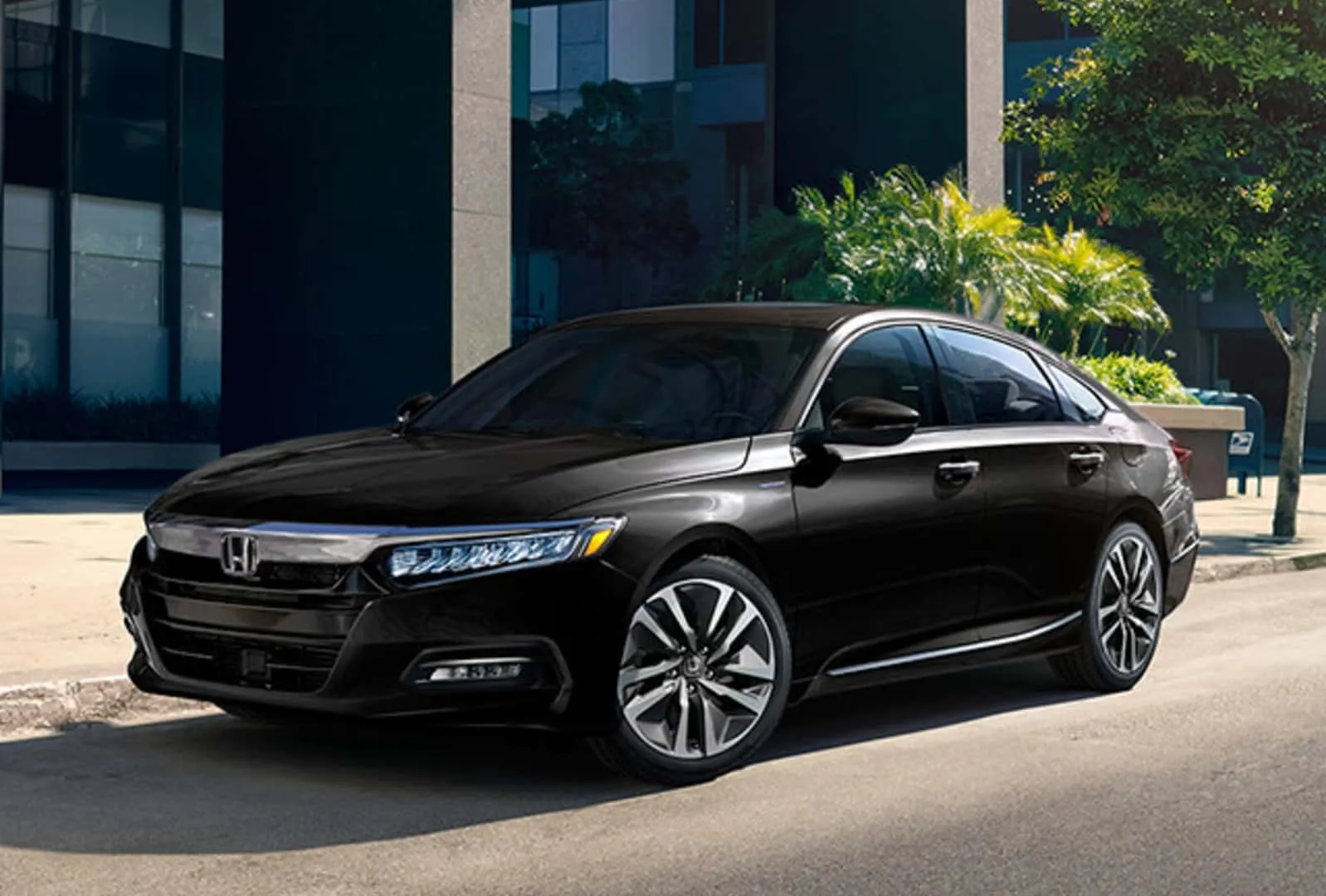
2. Honda Accord 2019
Choosing the Honda Accord 2019 often feels less like an impulse and more like a calculated decision that pays off. This sedan balances comfort, efficiency, and dependability in a way that consistently supports everyday needs. Owners tend to appreciate it more with time rather than less.
Cabin design focuses on ease. Controls feel logically placed, screens remain readable, and seating comfort supports long hours without strain. This attention to usability reduces fatigue during daily commutes and long drives alike. Drivers spend time driving instead of adjusting.
Performance stays accessible. Acceleration feels confident without becoming demanding. Steering response provides control without nervous behavior. Suspension tuning absorbs road imperfections, making daily travel smoother. These qualities create a calm experience that grows more valuable as time goes on.
Fuel economy also reinforces smart ownership. The Accord delivers efficiency without forcing compromise. Owners rarely feel penalized at the pump, which helps manage long-term costs. That financial predictability adds peace of mind.
Reliability reputation strengthens trust. Honda’s engineering approach emphasizes durability. Many owners report extended use with limited issues. This consistency allows drivers to focus on life rather than repairs. Confidence in reliability often defines whether a vehicle feels like a wise purchase.
Safety features add another layer of reassurance. Driver assistance systems support awareness without overwhelming the experience. These features operate quietly, enhancing protection without distraction. That balance contributes to daily comfort.
Resale performance remains strong. Even after years of use, the Accord retains demand. This protects owners from steep depreciation. Knowing the vehicle maintains value reinforces the sense that money was well spent. Visual design avoids extremes. Clean lines and proportioned styling age gracefully.
The car looks appropriate in many settings without feeling dated. For drivers seeking a sedan that continues to justify its purchase, the Honda Accord 2019 consistently feels like a sound decision.
Also Read: 5 Vehicles That Handle Frequent Errands vs 5 That Don’t
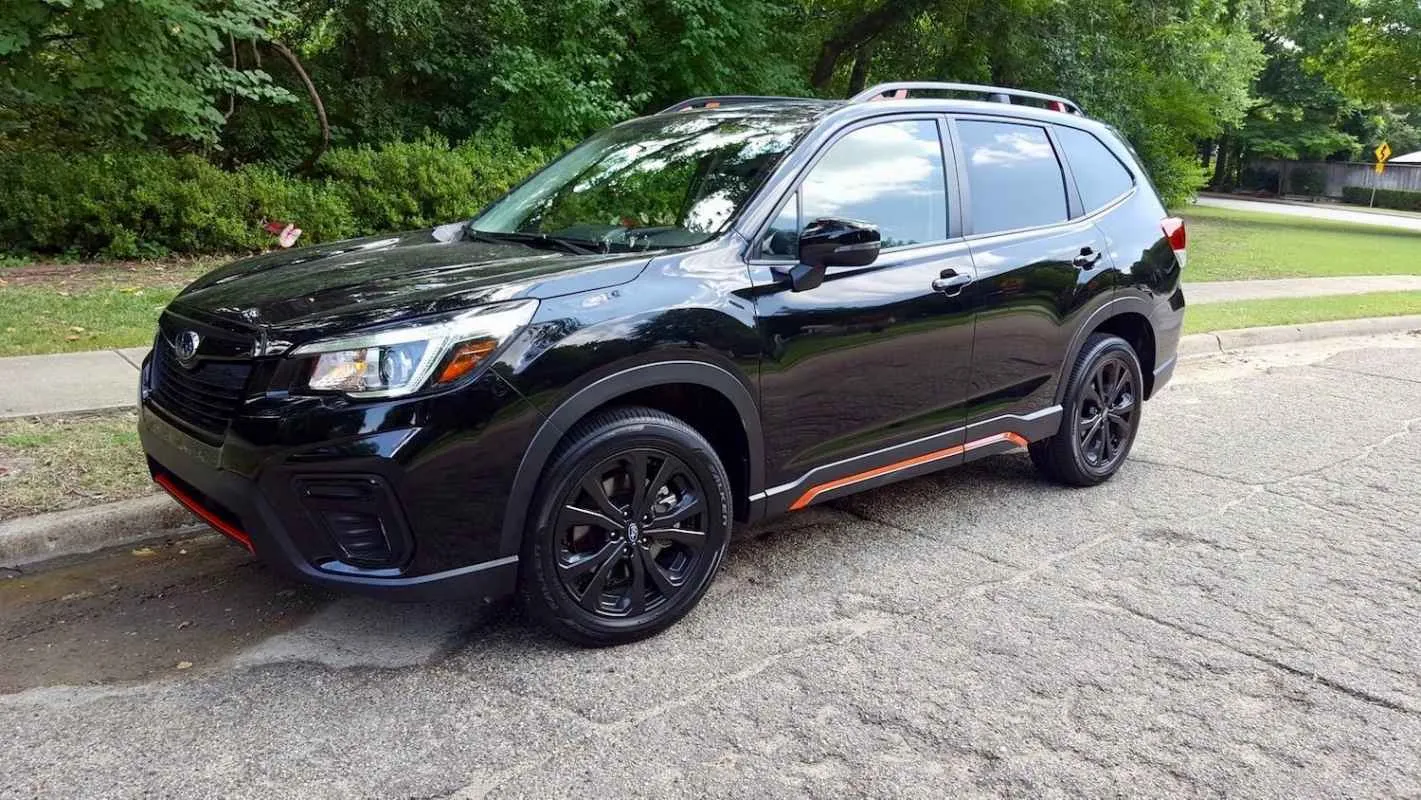
3. Subaru Forester 2019
Trust defines the Subaru Forester 2019 almost immediately. This vehicle earns its reputation through practical design and consistent performance rather than flash. Owners often describe it as quietly dependable, which is exactly what many buyers want from a smart purchase.
Interior space feels thoughtfully arranged. Large windows improve visibility, reducing strain during driving. Seating remains comfortable for varied body types, supporting both daily use and extended trips. Controls feel familiar and easy to reach, minimizing distraction.
Driving behavior reinforces confidence. All Wheel Drive operates seamlessly, offering stability without constant input. Steering remains composed, helping drivers feel secure in varied conditions. Suspension tuning absorbs uneven surfaces without harshness, contributing to a calm ride.
Fuel efficiency stays reasonable for the vehicle’s capability. Owners appreciate that added traction does not bring high cost. This balance supports long-term affordability without limiting usefulness. Reliability perception plays a strong role. Subaru vehicles often attract buyers who value durability.
The Forester supports that expectation by delivering consistent performance. Reduced repair anxiety contributes to mental comfort, which is a major part of ownership satisfaction. Safety technology enhances reassurance. Systems operate quietly, assisting without intrusion. Drivers feel supported rather than monitored. That subtlety helps maintain focus and confidence.
Resale strength further reinforces the sense of wisdom. Demand remains steady, protecting owners financially. This reduces risk and improves long-term outlook. Design choices favor function over trends. The Forester avoids dramatic styling, choosing practicality instead.
This helps the vehicle age well visually. For drivers who prioritize stability, usability, and dependable value, the Subaru Forester 2019 feels like a smart decision that continues to make sense.
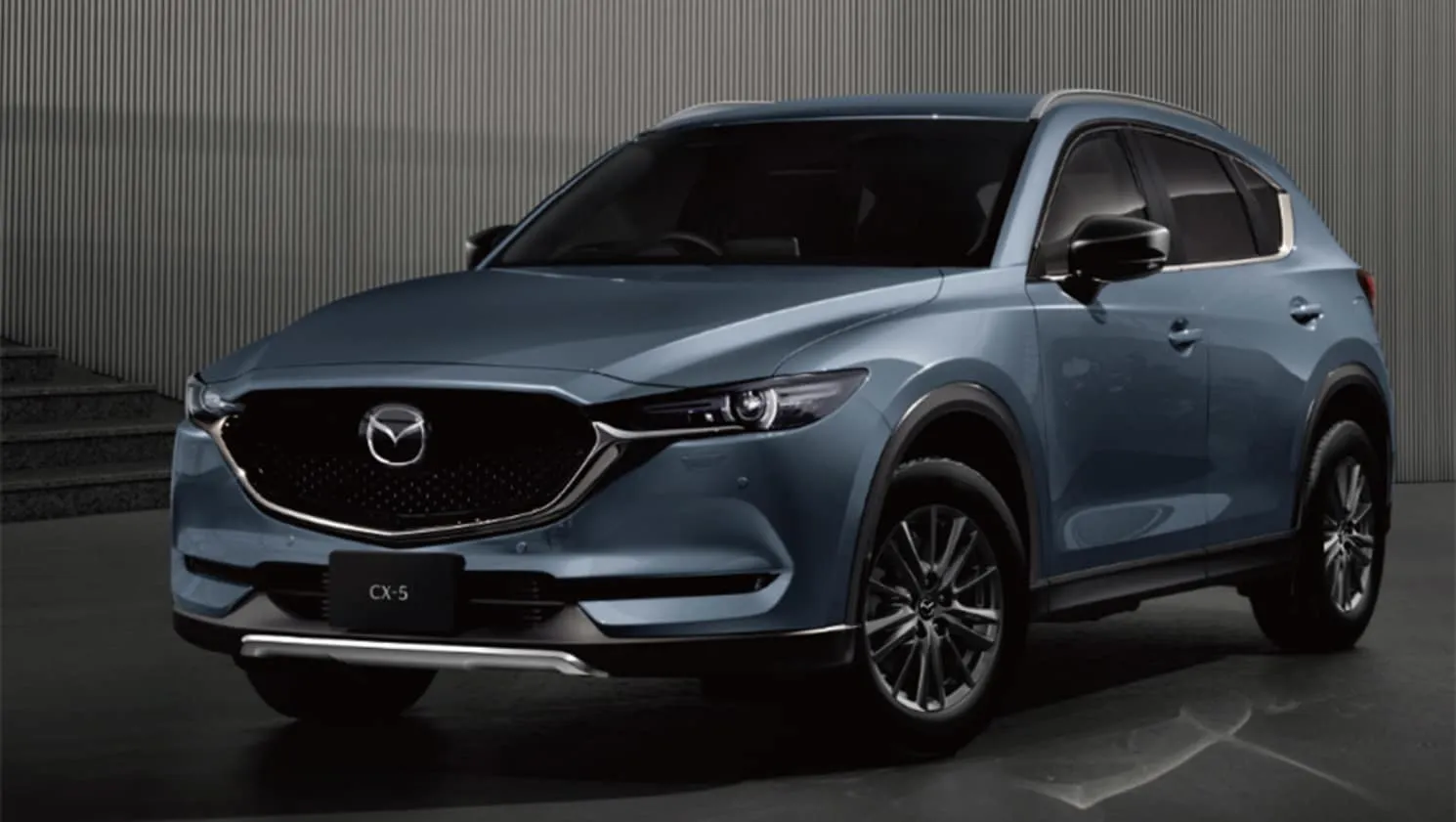
4. Mazda CX-5 2020
Elegance and restraint shape the Mazda CX-5 2020 in a way that appeals to thoughtful buyers. This vehicle blends style with practicality without leaning too far in either direction. Owners often feel they received more quality than expected for the price, which strengthens satisfaction.
Interior craftsmanship stands out. Materials feel refined, controls operate smoothly, and layout feels intentional. This attention to detail enhances daily interaction. Drivers notice quality not through flash but through consistency. Driving dynamics add enjoyment without sacrificing comfort. Steering feels responsive yet relaxed.
Acceleration remains smooth, supporting confident merging and passing. Suspension tuning balances control and comfort, making both city and highway travel pleasant. Fuel efficiency supports long-term affordability. Owners appreciate that engaging driving does not come with heavy fuel costs. This balance contributes to financial comfort throughout ownership.
Reliability perception continues to improve for Mazda. Many owners report dependable use with limited issues. That reliability builds trust and reinforces the feeling that the vehicle was chosen wisely. Technology features feel supportive rather than excessive. Infotainment systems remain intuitive, reducing distraction. Driver assistance features enhance safety quietly. This restraint keeps the experience calm.
Resale value remains competitive, helping protect the investment. Buyers appreciate that quality translates into retained demand. Visual design also ages well. Clean lines and proportioned styling avoid short-lived trends. For drivers seeking a crossover that feels rewarding without unnecessary risk, the Mazda CX-5 2020 delivers balance, value, and satisfaction that align with smart decision-making.
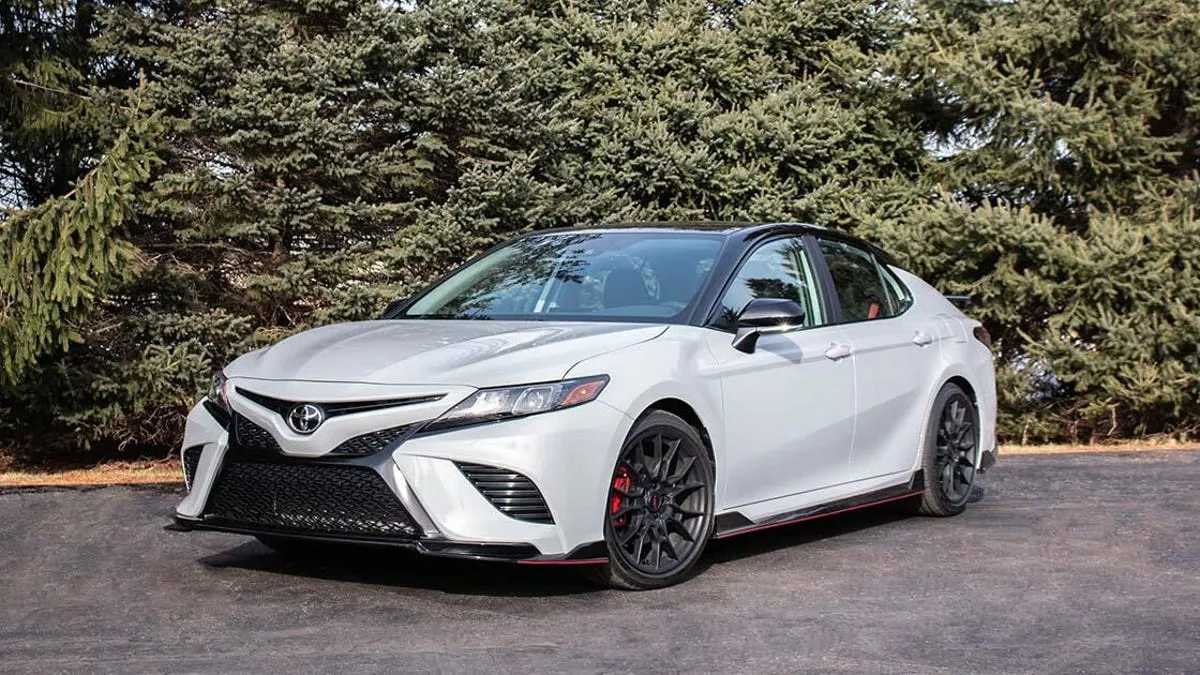
5. Toyota Camry 2021
Longevity defines the appeal of the Toyota Camry 2021 in a way few sedans match. This vehicle builds confidence through consistency rather than spectacle. Owners often feel validated in their choice as time passes. Cabin comfort supports daily routines. Seating remains supportive, controls respond predictably, and noise isolation improves relaxation. These traits reduce fatigue and increase enjoyment during frequent use.
Driving behavior remains calm and controlled. Steering feels stable, acceleration feels smooth, and braking response inspires trust. Drivers appreciate knowing exactly how the car will react in common situations. Fuel efficiency strengthens financial confidence. Costs stay manageable without requiring special effort. This predictability supports budgeting and reduces ownership stress.
Reliability reputation plays a central role. Toyota’s engineering approach emphasizes durability. Many owners experience long service life with minimal disruption. That dependability reinforces the sense of wisdom behind the purchase. Safety systems enhance protection without intrusion. Alerts remain measured, supporting awareness rather than overwhelming attention. This balance improves comfort behind the wheel.
Resale performance remains strong. Demand stays consistent, protecting long-term value. Styling avoids extremes, helping the Camry age gracefully. For buyers seeking a sedan that continues to justify its purchase through reliability, comfort, and financial sense, the Toyota Camry 2021 consistently feels like a smart choice.
5 Vehicles That Don’t Feel Like Smart Choices
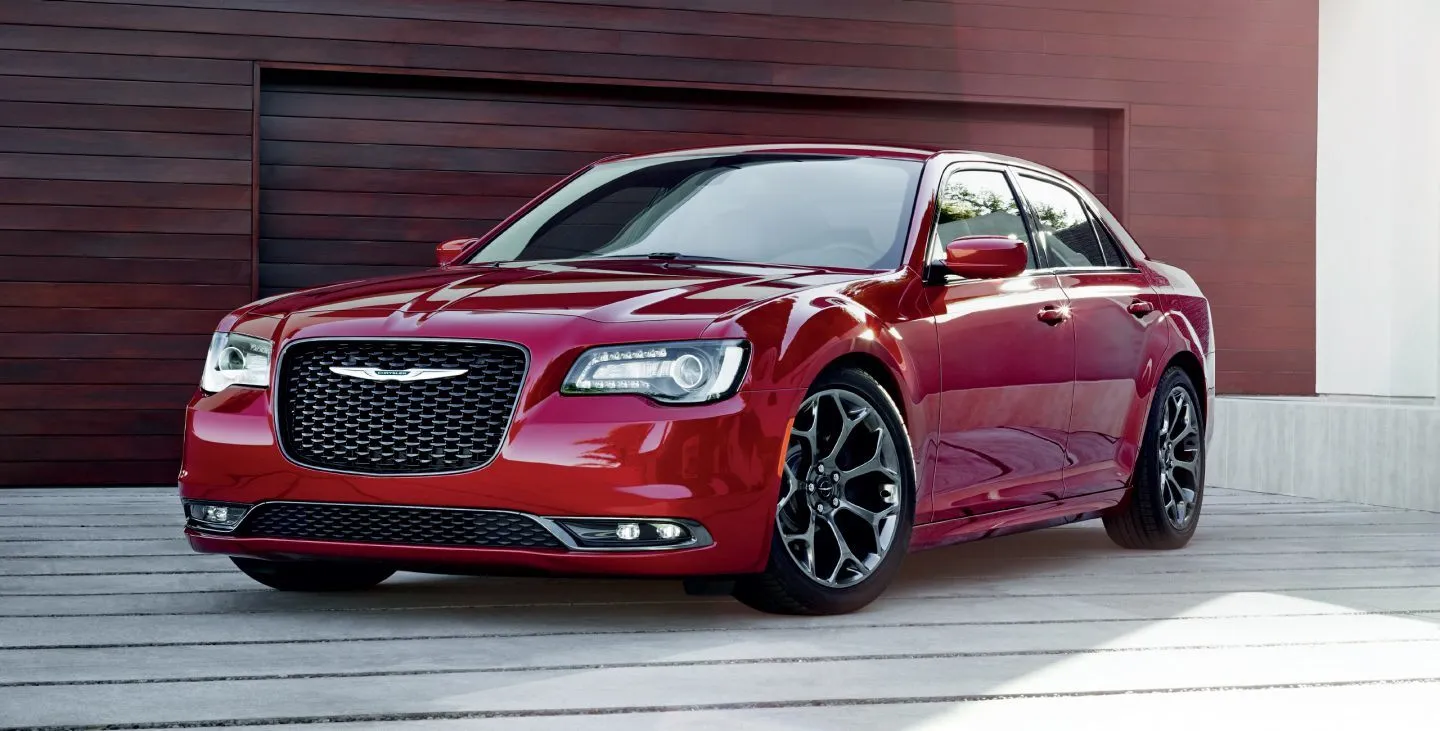
1. Chrysler 300 2018
Big presence and classic proportions give the Chrysler 300 2018 an appealing first impression. Sitting behind the wheel feels commanding, and early drives can feel smooth and relaxed. That early confidence often convinces buyers they made a solid choice. As ownership stretches forward, however, doubts tend to surface in quiet but persistent ways.
Interior presentation plays a major role in this move. While the cabin looks upscale at a glance, materials do not always hold up well. Plastics show wear earlier than expected, and trim pieces may begin to rattle. As time goes on, the gap between appearance and durability becomes harder to ignore. What once felt premium may start to feel fragile.
Driving experience also reveals limitations. Steering response feels detached, reducing confidence during daily maneuvers. Suspension tuning prioritizes softness, which can lead to floaty behavior at speed. Drivers may feel disconnected from the road, especially when compared with newer competitors that offer better balance.
Fuel consumption further complicates ownership. Running costs can exceed expectations, particularly for a sedan that does not deliver strong performance in return. This imbalance affects budgeting and slowly chips away at satisfaction. Owners may begin questioning whether the comfort justifies the expense.
Technology features contribute to mixed feelings. Infotainment systems feel dated quickly, and responsiveness can lag. Small glitches interrupt daily use, turning convenience into annoyance. As technology standards advance, these shortcomings become more apparent.
Reliability perception also influences long-term confidence. Reports of electrical issues and inconsistent build quality create uncertainty. Even without major failures, awareness of potential problems affects peace of mind. A vehicle that encourages worry rarely feels like a wise decision.
Resale value tends to fall faster than expected. Depreciation reduces financial security, especially for owners considering future upgrades. That loss can make the purchase feel heavier in hindsight. For buyers drawn by style and size, the Chrysler 300 2018 can feel appealing early on. As practical concerns grow, however, the sense of having made a smart choice often weakens.
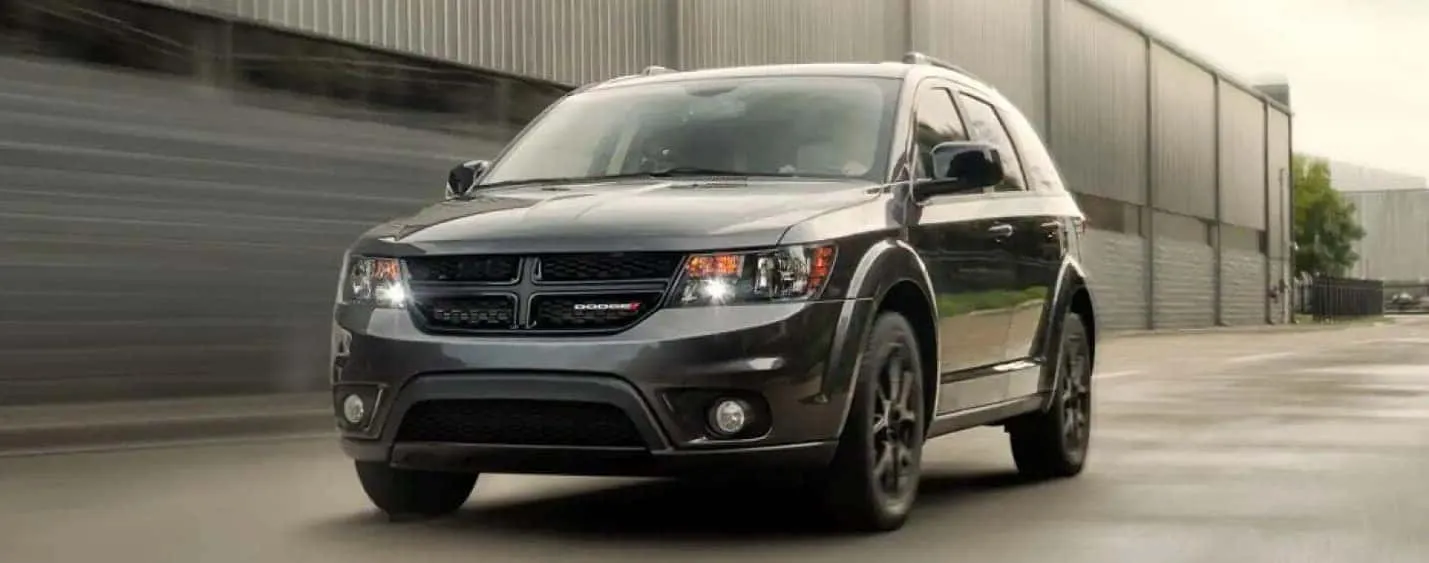
2. Dodge Journey 2019
Affordability often drives interest in the Dodge Journey 2019. Spacious seating and a low purchase price create a sense of practicality. Early ownership may feel justified, especially for families watching their budget. As time goes on, compromises hidden behind that price become more visible.
Interior quality presents early challenges. Materials feel dated and lack refinement. Controls appear basic, and the layout feels behind current standards. Daily interaction can feel uninspired, slowly reducing pride of ownership. Driving behavior reinforces that impression. Acceleration feels sluggish, especially when carrying passengers.
Steering response lacks precision, making routine driving feel dull rather than reassuring. Suspension tuning struggles with balance, resulting in a ride that feels unsettled on uneven roads. Fuel efficiency rarely meets expectations. Operating costs can feel high relative to performance. Owners may find themselves spending more than anticipated without receiving satisfying capabilities in return. That mismatch weakens the sense of value.
Technology limitations add frustration. Infotainment features feel outdated, and integration with modern devices can be inconsistent. Lag and limited functionality interrupt daily routines, turning simple tasks into irritations. Reliability perception also affects satisfaction.
Reports of transmission and electrical issues raise concern. Even when problems remain minor, uncertainty changes how the vehicle feels to own. Confidence erodes when dependability feels questionable. Safety features exist but lack refinement. Alerts and systems feel basic rather than supportive. This can leave drivers feeling less protected than expected from a family-oriented vehicle.
Resale value tends to decline quickly. Depreciation amplifies regret, especially when owners consider upgrading. What seemed like a cost-effective decision may feel less sensible with time. For buyers focused on space and price, the Dodge Journey 2019 may appear logical. As ownership continues, its limitations often overshadow early practicality, leaving drivers reconsidering the decision.
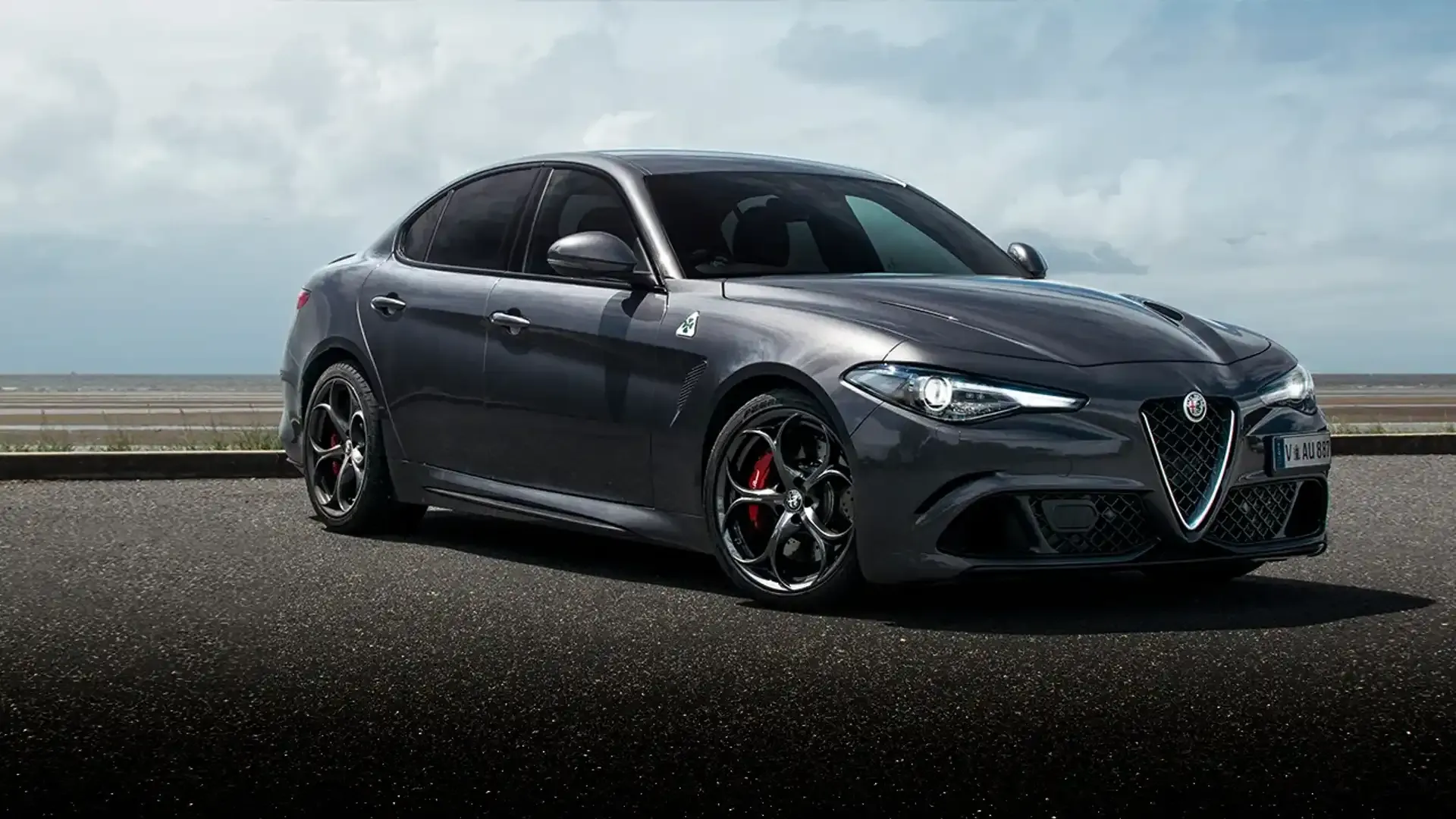
3. Alfa Romeo Giulia 2018
Emotional appeal drives interest in the Alfa Romeo Giulia 2018. Styling feels expressive, and early drives deliver engaging performance. That excitement can easily convince buyers that they have chosen something special. With extended ownership, however, emotional satisfaction may struggle against practical realities.
Interior experience shapes much of this move. While the design feels elegant, the materials can show wear sooner than expected. Small inconsistencies in fit and finish reduce confidence. Daily interaction may feel less polished than anticipated from the price point.
Driving enjoyment remains strong, yet it demands attention. Steering response feels sharp, which excites initially, but can feel tiring during routine commuting. Suspension tuning favors engagement over comfort, reducing relaxation on rough roads. After a long time, this constant alertness may wear on drivers.
Reliability perception heavily influences long-term sentiment. Reports of electrical issues and sensor faults create concern. Even owners without direct problems may feel uneasy. That awareness changes how the car feels each time it is driven. Maintenance costs further complicate ownership. Service availability can feel limited, and repairs may carry a higher expense. These factors add stress, especially when compared with alternatives that offer similar performance with fewer demands.
Technology integration also presents challenges. Infotainment systems may feel unintuitive, requiring patience rather than instinct. Glitches interrupt flow, reducing daily satisfaction. Resale value tends to fluctuate unpredictably. Depreciation can be steep, weakening financial confidence. Owners may feel trapped between enjoyment and practicality.
For drivers seeking excitement, the Alfa Romeo Giulia 2018 delivers strong first impressions. As ownership extends, reliability concerns and upkeep demands often make the decision feel less wise than it once seemed.
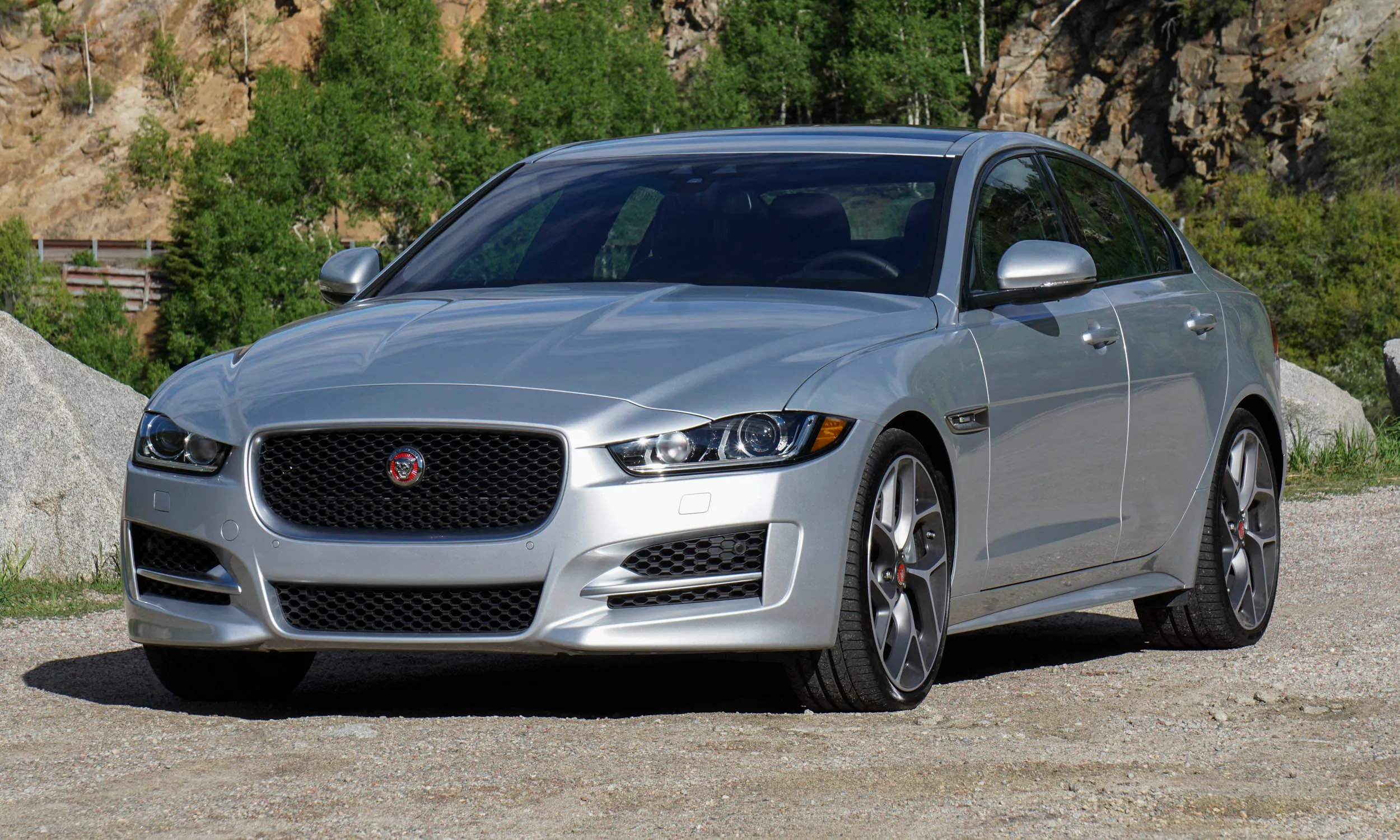
4. Jaguar XE 2017
Visual elegance and brand heritage give the Jaguar XE 2017 immediate appeal. Sitting inside feels refined, and early drives offer a sense of distinction. That emotional draw often influences purchase decisions strongly. As months pass, however, ownership realities may begin to challenge that enthusiasm.
Interior design looks premium, yet long-term durability can disappoint. Materials may wear faster than expected, and minor rattles can develop. These issues reduce the feeling of quality that initially impressed buyers. Driving dynamics feel composed, though not always engaging enough to justify costs.
Steering feedback lacks consistency, and suspension tuning can feel firm without delivering added control. Daily driving may feel less rewarding than expected. Technology experience contributes to frustration. Infotainment systems can feel slow and unintuitive. Interface quirks interrupt usability, turning convenience into irritation. As expectations rise, these systems may feel dated quickly.
Reliability reputation also weighs heavily. Reports of electronic issues and sensor failures affect confidence. Even small problems feel amplified due to repair costs and downtime. That uncertainty changes how owners view the vehicle. Maintenance expenses further complicate ownership. Specialized service requirements increase cost and effort. Owners may feel burdened by upkeep rather than supported by the vehicle.
Fuel efficiency remains average, offering little relief from operating costs. Combined with depreciation, this affects financial satisfaction. Resale value often falls faster than anticipated. Owners may feel disappointed when evaluating future trade options. That financial reality can overshadow the emotional appeal that drove the purchase.
For buyers drawn to style and prestige, the Jaguar XE 2017 can feel exciting early on. With time, ownership challenges often make the decision feel less sound than expected.
Also Read: 5 Cars for Livermore Daily Use and 5 Highway-friendly Vehicles
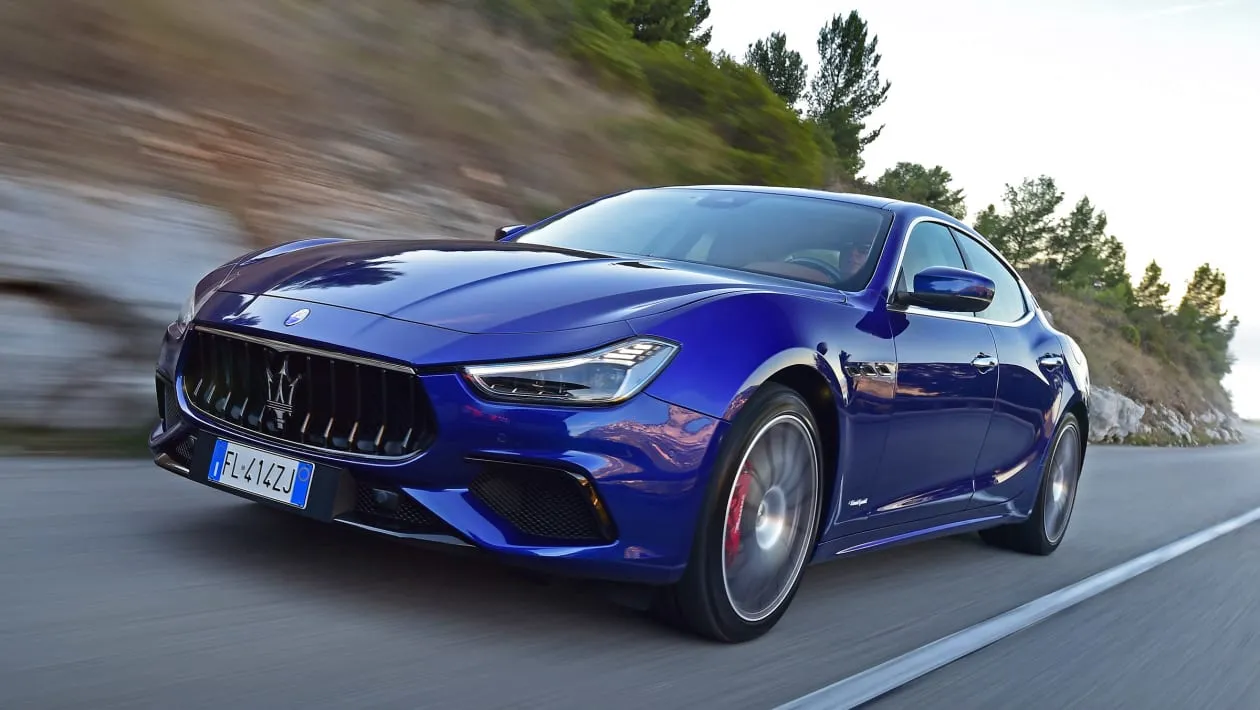
5. Maserati Ghibli 2017
Luxury branding and distinctive sound define the Maserati Ghibli 2017 at first encounter. Driving it feels special, and early ownership often carries a sense of pride. That initial thrill can strongly influence buying decisions. As ownership continues, practical concerns tend to grow louder.
Interior experience reveals early cracks. While the design feels dramatic, the materials may not justify the price. Wear appears sooner than expected, and controls can feel inconsistent. Daily use may feel less refined than the badge suggests. Driving performance delivers excitement, yet comfort suffers. Suspension tuning favors sportiness, which can feel harsh during everyday use. Long drives may feel tiring rather than enjoyable. That imbalance reduces satisfaction after some time.
Reliability perception plays a major role. Reports of mechanical and electrical issues raise concern. Even owners without direct failures may feel uneasy. That tension changes the ownership experience, replacing enjoyment with caution. Maintenance costs further affect confidence. Service expenses remain high, and availability can feel limited.
Small repairs may become costly, adding stress. These realities often surprise buyers after the initial purchase. Technology integration also disappoints. Infotainment systems fall behind modern standards. Lag and interface quirks reduce usability. Expectations of luxury clash with everyday frustration.
Fuel consumption remains heavy, increasing running costs. Combined with depreciation, financial pressure builds. Owners may question whether the emotional appeal justifies the expense. Resale value often declines sharply. That loss can feel painful, especially given the original investment. Pride of ownership may fade as practicality takes center stage.
For drivers seeking drama and presence, the Maserati Ghibli 2017 delivers early excitement. As real-world ownership reveals, financial and reliability concerns often leave the decision feeling less than wise.
