Cadillac has always been more than a car brand in the United States it’s been a rolling statement of ambition, luxury, and technological confidence. For much of the 20th century, Cadillacs didn’t just follow trends; they defined them.
From tailfins that symbolized postwar optimism to V8-powered land yachts that made highways feel like private runways, these cars reflected what America thought the future should look like.
Now, as the auto industry pivots toward electrification, Cadillac is once again positioning itself as a luxury-forward innovator.
Modern EVs promise instant torque, whisper-quiet cabins, and design freedom that internal combustion engines never allowed. That makes this the perfect moment to look back and ask a bold question: which classic Cadillacs deserve a second life as electric vehicles?
An electric revival isn’t about nostalgia for nostalgia’s sake. It’s about honoring iconic design while reimagining performance, comfort, and sustainability for today’s drivers.
Below are ten classic Cadillacs that feel almost destined for a modern EV rebirth cars whose proportions, presence, and cultural weight would translate beautifully into the electric era.
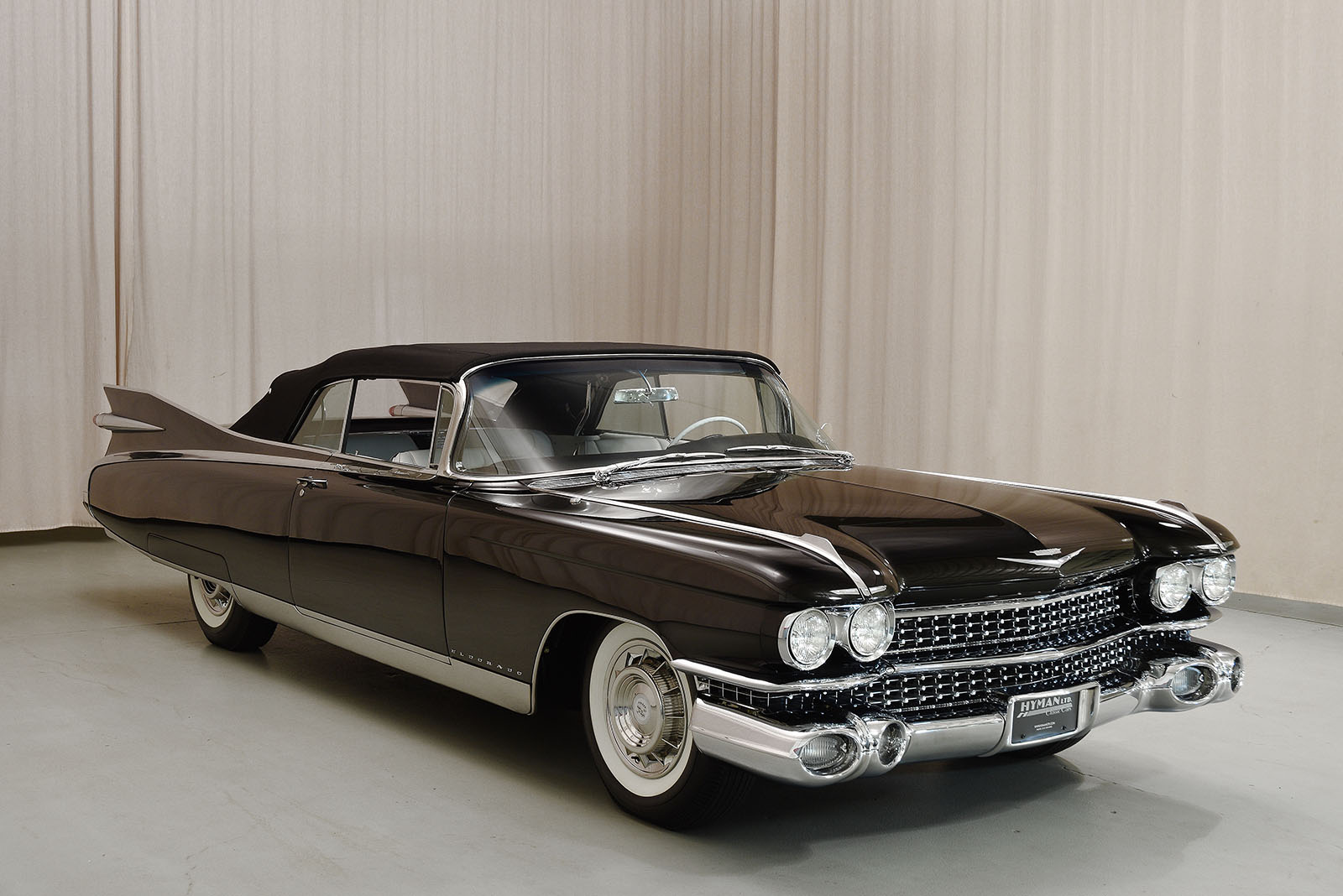
1. Cadillac Eldorado (1959)
If there’s a single car that defines Cadillac excess, it’s the 1959 Eldorado. Those sky-high tailfins, bullet-style taillights, and acres of chrome captured America at its most optimistic. Today, the Eldorado’s dramatic shape would be even more striking paired with a minimalist electric platform.
A modern electric Eldorado could keep its long, sculpted body while replacing chrome overload with sleek lighting signatures and polished aluminum accents.
With an EV skateboard chassis, designers could preserve the low roofline and vast interior space.
Instant electric torque would give the Eldorado the effortless glide it always promised, minus the fuel consumption that made originals impractical. This wouldn’t be a performance EV it would be a rolling art piece built for grand cruising.
After putting the ’59 Eldorado through a computational fluid dynamics (CFD) simulation, there’s an incredible amount to take in. One of the first things that stands out is the enormous wake of displaced air trailing the car at just 45 mph, particularly above the windshield area.
The front wheels are another major contributor, generating a wake roughly twice the size of what you’d see from a modern vehicle. Altogether, the disturbed airflow stretches an entire car length beyond the Eldorado’s iconic tailfins.
The visuals themselves are striking. This isn’t a scene pulled from Akira, it’s a detailed simulation illustrating exactly where the air flows, tumbles, and separates after colliding with what amounts to an open-top land yacht. The imagery clearly shows how chaotic the airflow becomes as it peels away from the body.
Ironically, real yachts are engineered to move through water with a reasonable degree of efficiency. The Eldorado, by contrast, simply bludgeons its way through nitrogen and oxygen with little regard for aerodynamics.
When everything is accounted for, the Eldorado ends up with a drag coefficient of 0.89. Fortunately, fuel prices were far more forgiving at the time, gas cost roughly 30 cents per gallon.
Even so, that number is staggering by modern standards. For context, the 2019 Ford Raptor has a drag coefficient of 0.59, and even the 1977 Lincoln Continental Mark V, often dubbed The Prince of Malaise, managed a 0.55, making it practically owl-like next to the Eldorado.
By comparison, some of today’s most aerodynamically efficient vehicles cut those figures nearly in half. The appropriately named Lucid Air boasts a drag coefficient of just 0.197, while the latest Mercedes E-Class comes in at 0.23. As noted in the video, the average modern car sits around 0.27. It’s a stark reminder of just how much automotive aerodynamics have evolved over time.
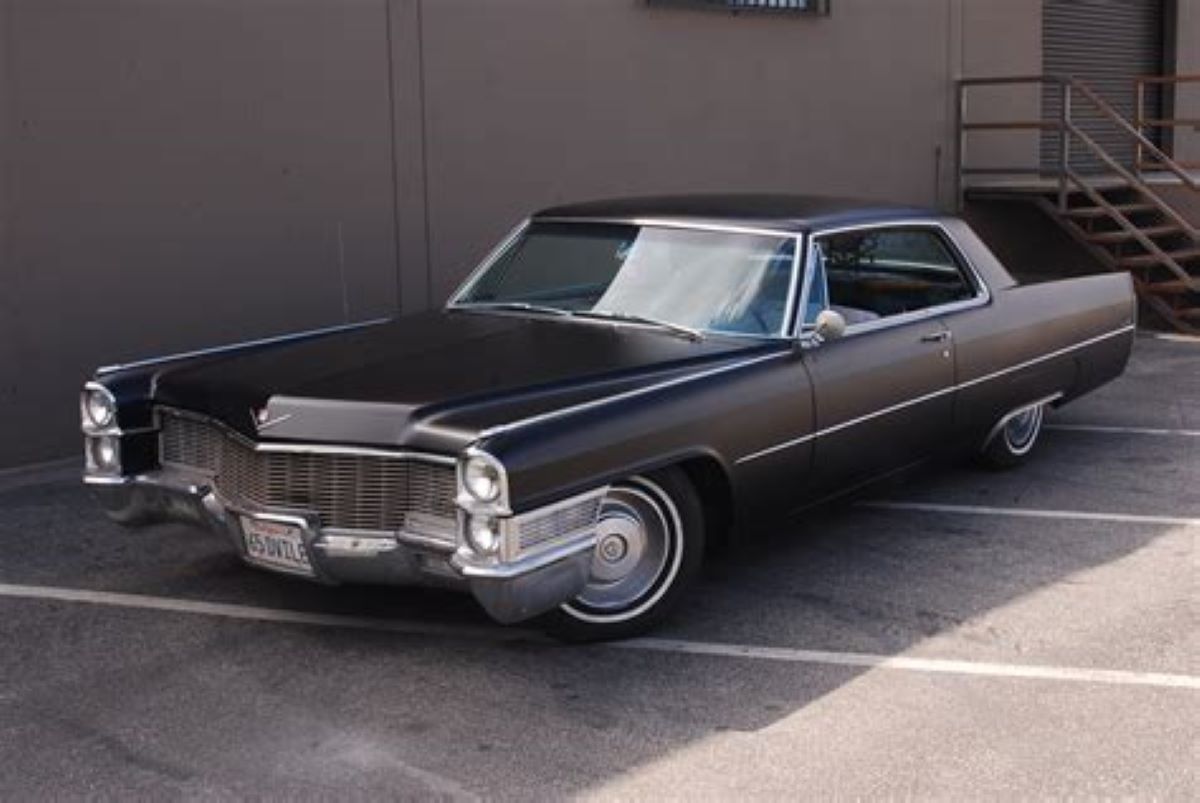
2. Cadillac DeVille (1965)
The mid-1960s DeVille represented peak American luxury sedan thinking: big, comfortable, dignified, and quietly powerful.
Unlike some of the flashier Cadillacs, the DeVille leaned into elegance over shock value, which makes it an ideal candidate for an electric reinterpretation.
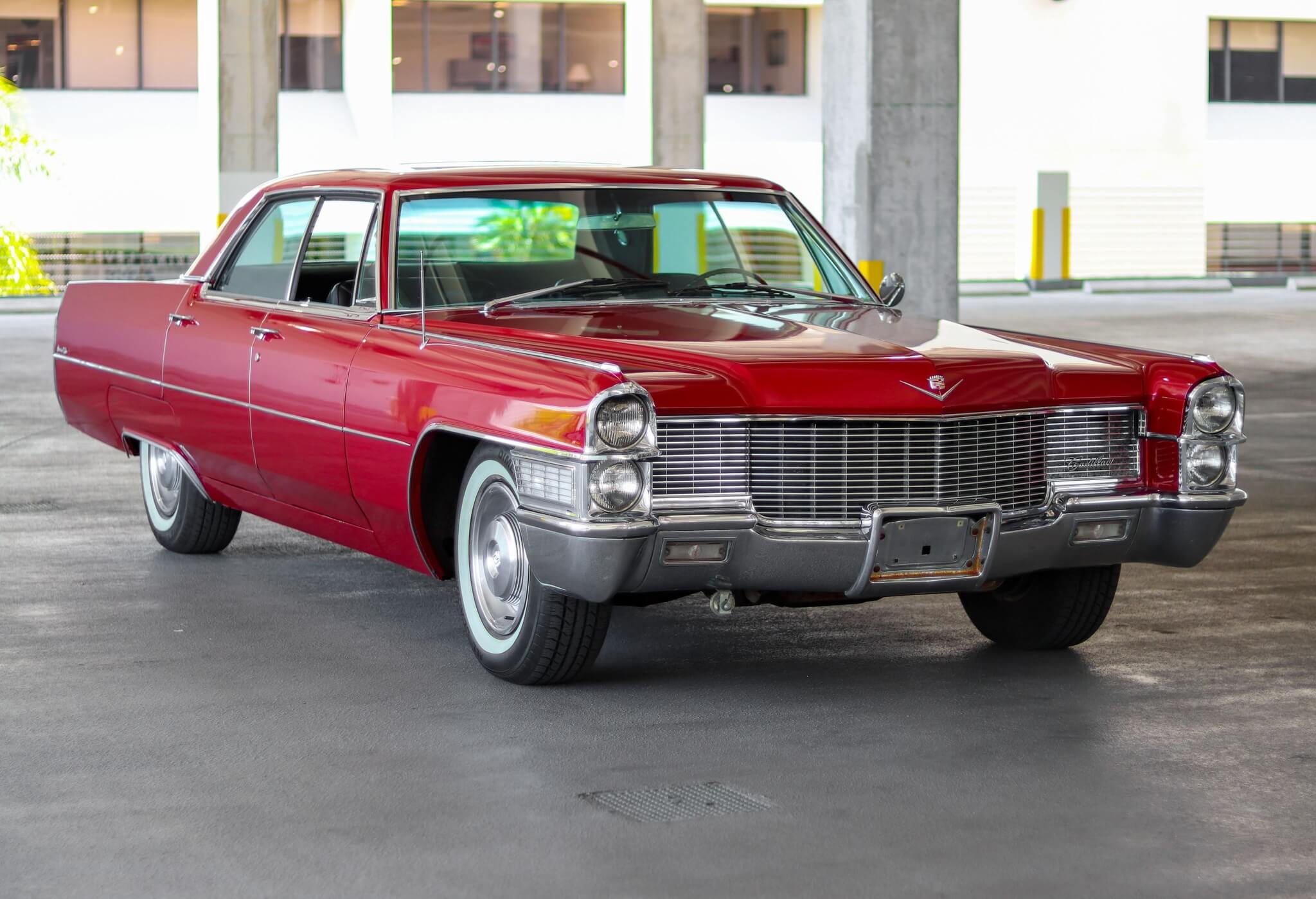
An electric DeVille revival could target buyers who want a full-size luxury sedan with a serene driving experience. Think long wheelbase, executive rear seating, and a cabin tuned for silence.
Electric powertrains excel at smoothness, and that aligns perfectly with the DeVille’s original mission. For a U.S. audience increasingly nostalgic for proper big sedans, an EV DeVille could fill a gap left by shrinking luxury car lineups.
3. Cadillac Fleetwood Brougham (1978)
The Fleetwood Brougham was unapologetically formal. Upright lines, vinyl roofs, plush interiors, and a ride tuned for comfort above all else made it the choice of executives and dignitaries. In many ways, it already drove like an EV before EVs existed soft, quiet, and unhurried.
Electrification would only enhance that character. A modern electric Fleetwood could revive old-school luxury values: thick carpeting, lounge-style seating, and a focus on passenger comfort over sporty handling.
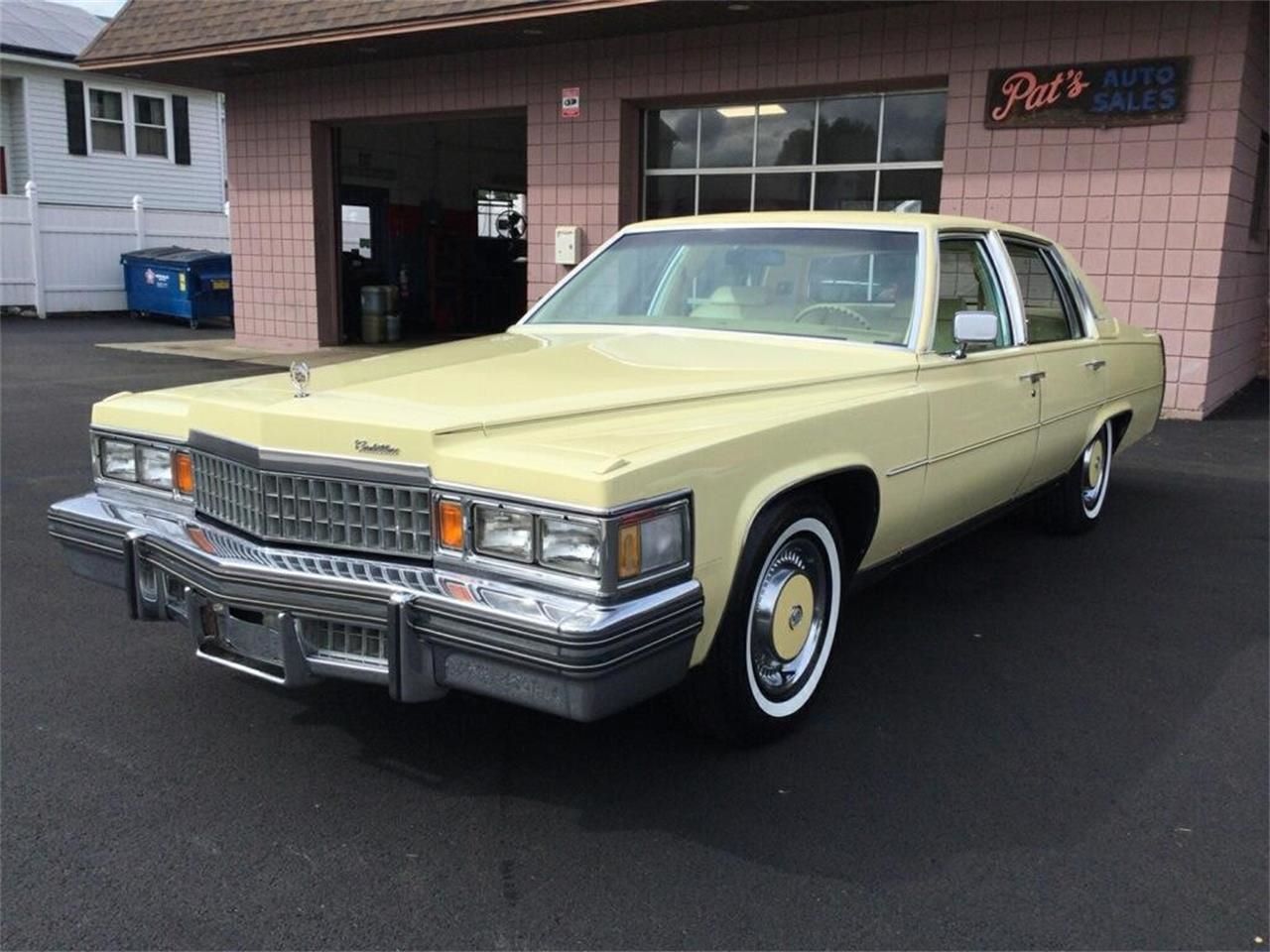
With battery weight placed low in the chassis, ride quality could surpass even the original’s floaty feel. This would be a statement car for buyers tired of aggressive design and craving dignified presence.
4. Cadillac Coupe de Ville (1960)
The Coupe de Ville blended drama with daily usability. It was flashy enough to turn heads but practical enough to be driven regularly. That balance makes it especially appealing for an electric revival aimed at modern luxury coupe buyers.
An EV Coupe de Ville could reintroduce the idea of a large, elegant two-door in a market dominated by SUVs.
Without the packaging constraints of a V8, designers could exaggerate the long hood and short rear deck while hiding advanced driver-assistance tech beneath clean surfaces.
For Americans who miss big coupes with presence, this could be a refreshing alternative to performance-focused EVs.
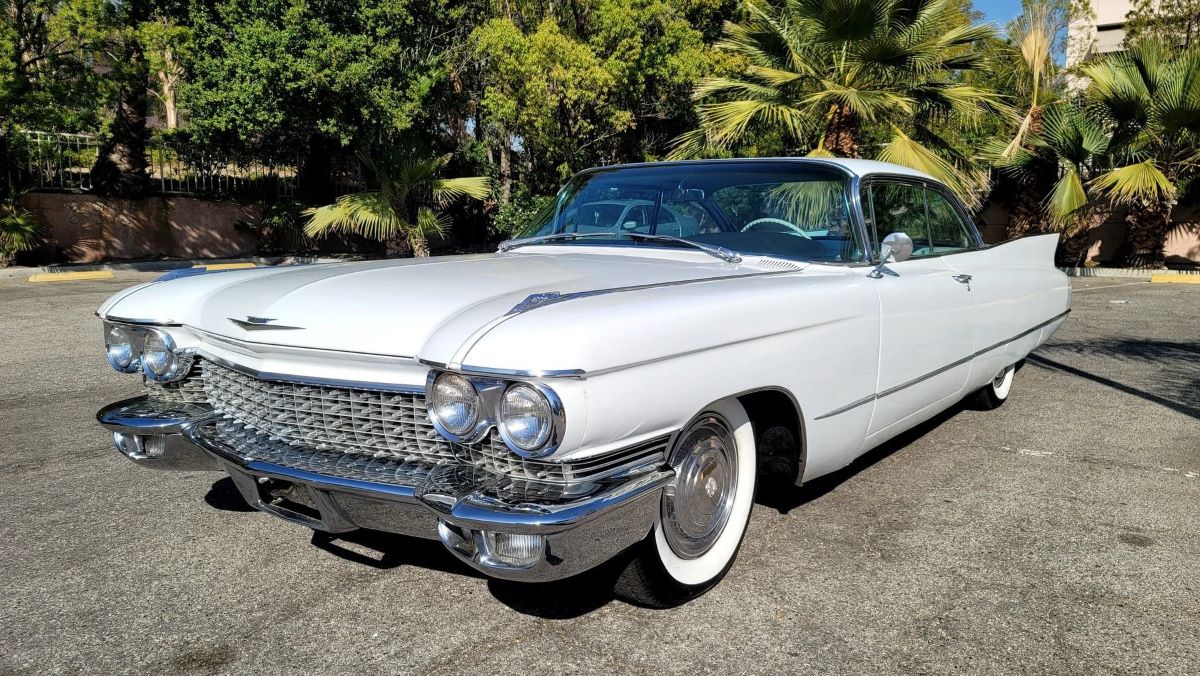
The Cadillac Coupe DeVille stands as one of the brand’s most iconic nameplates, and its reputation is well earned. With dramatic styling, massive proportions, and an unmistakably upscale presence, it helped define Cadillac’s identity during its golden era. Now, a “near original” 1960 example has surfaced and is currently being offered for sale.
Listed by AutoBarn Classic Cars, this 1960 Cadillac Coupe DeVille is a true visual standout, showcasing bright, period-correct styling from every angle. It sits low to the ground, stretches out with long, elegant lines, and proudly wears its signature rear tailfins, an unmistakable hallmark of Cadillac design from the era.
According to the listing, this particular car has undergone “minor restoration work.” That includes its Persian Sand exterior finish, which has reportedly received “only a few touch-up blends” over the years. The original chrome trim remains in place, adding to the car’s authentic presentation, while whitewall tires are fitted to the factory wheels and original wheel covers.
Powering this two-door cruiser is a 390-cubic-inch overhead-valve V8 engine fed by a Rochester carburetor. Output is rated at 325 horsepower and 430 pound-feet of torque, though it’s unclear whether the engine is numbers-matching.
Even so, the car benefits from a new dual exhaust system, allowing the V8 to produce the appropriate soundtrack, while a four-speed Hydra-Matic automatic transmission handles shifting duties.
Inside, the Coupe DeVille features bench seats both front and rear, upholstered in Beaumont Beige. The original headliner is still intact, adding to the car’s preserved character. This Cadillac also includes a generous list of factory equipment, such as air conditioning, a Wonderbar AM radio, power steering, and power-assisted drum brakes.
Perhaps most notable is the odometer reading, which shows just 6,095 miles. Overall, this Coupe DeVille presents beautifully and is sure to draw attention wherever it appears, whether at a show or simply cruising down the road.
5. Cadillac Seville (1976)
When the Seville debuted in the 1970s, it was Cadillac’s answer to rising interest in smaller, more refined luxury sedans. It was more compact, more European in feel, and more efficient by Cadillac standards. That philosophy aligns perfectly with today’s EV market.
A modern electric Seville could slot in as a premium midsize luxury sedan sportier than a DeVille but still comfort-focused.
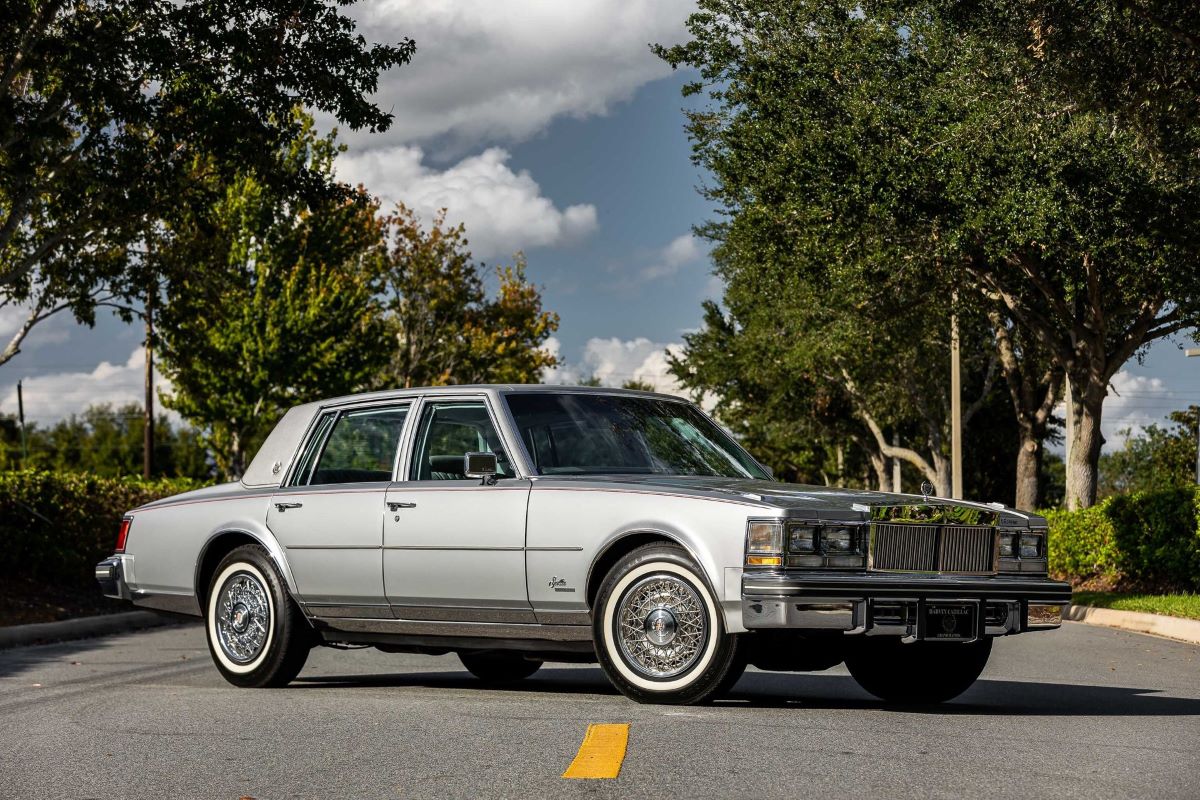
It could compete with both American and European EV sedans while leaning into Cadillac’s design heritage. For younger U.S. buyers who want luxury without excess size, an electric Seville revival would make a lot of sense.
6. Cadillac Series 62 Convertible (1953)
Few cars capture the romance of mid-century America like the Series 62 Convertible. Top down, wide bench seats, and effortless cruising it was freedom on four wheels. As EVs become more lifestyle-oriented, a luxury electric convertible feels increasingly plausible.
An electric Series 62 revival could be a halo vehicle, aimed at coastal cities and warm-weather states.
With instant torque and near-silent operation, it would deliver a relaxed, almost cinematic driving experience. This wouldn’t be about range or speed, it would be about presence, craftsmanship, and emotional appeal.
An American car within the Houtkamp Collection is something many people wouldn’t expect, and, to be honest, neither did we. That said, this particular example is so striking and so exceptionally beautiful that we were more than happy to welcome it into the collection.
This Cadillac previously belonged to a prominent classic car collector who acquired a beautiful Bentley from us and traded in this vehicle due to limited space. The standards upheld by this German collector are extraordinarily high. He is known for pursuing only the very best examples available.
After encountering this Cadillac at a show in Germany, he made the decision to purchase it. The condition of the car is so remarkably preserved that finding a second example in comparable shape would be extremely difficult.
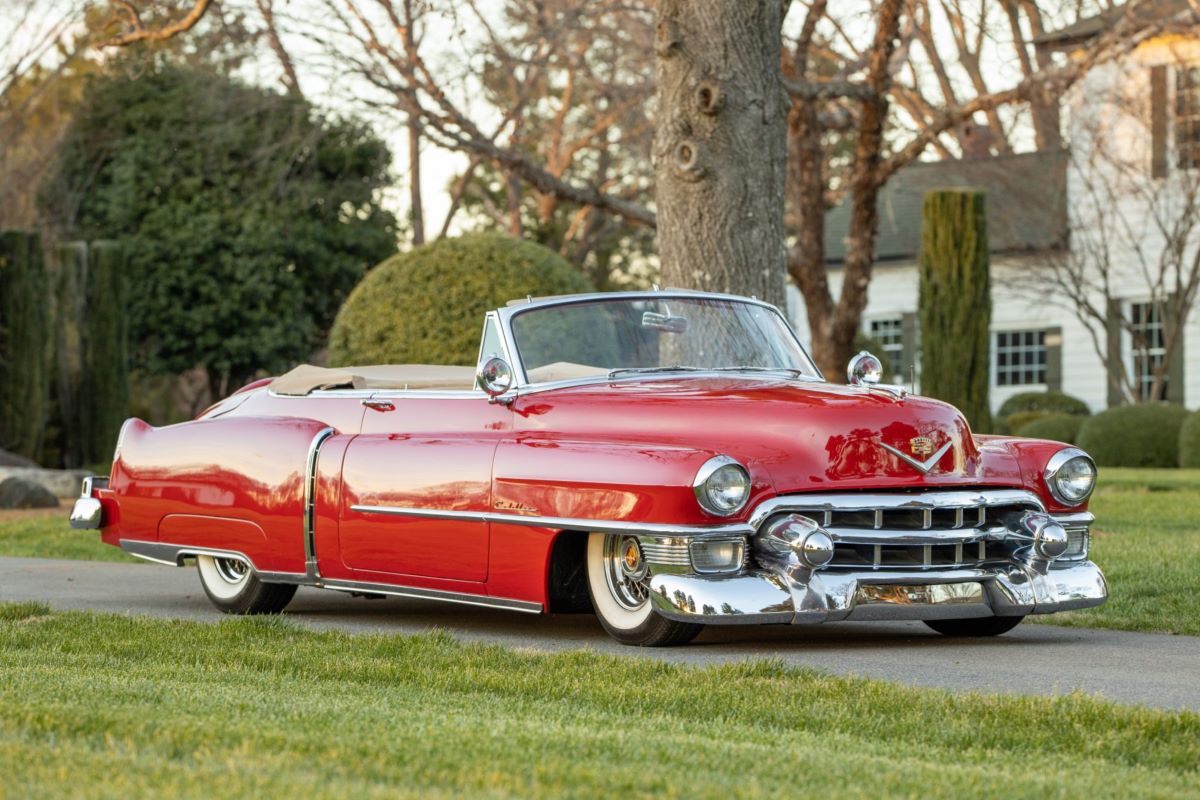
The Cadillac Series 62 was first introduced in 1940 and remained in production for more than two decades. This particular car is a Series 3 model, introduced shortly after World War II. It is immediately recognizable by its famous Cadillac tailfins, which are undeniably among the most iconic styling elements of the 1950s.
What makes this Cadillac especially unique is its delivery history. While the vast majority of these cars were sold and delivered in the United States, this example was originally delivered new in Denmark. It remained in Denmark for nearly its entire life before eventually making its way to its previous owner in Germany.
We have handled many vehicles from Denmark over the years, and one consistent trait stands out: condition. Danish restorations often exhibit an exceptionally high level of quality.
We once asked a gentleman from Denmark about this, and he explained that time is not considered a major constraint there, allowing restorers to invest extraordinary care and patience into their work to achieve the best possible results.
That philosophy clearly applies to this Cadillac. We can confidently say that we have never encountered another example in such outstanding condition.
According to the former owner, the car underwent a restoration process that spanned more than 30 years, beginning in 1983. Remarkably, the vehicle presents as though it has just emerged from restoration, with no visible wear or damage, not even a stone chip.
The exterior condition of this Cadillac is truly exceptional. The paintwork can best be described as being of an extremely high standard, displaying a deep, rich gloss and an impressive shine. The body panels are remarkably straight, which is especially noteworthy given the sheer size of the vehicle. Panel gaps are precise and uniform throughout.
The chrome work is nothing short of extraordinary. Restoring chrome to this level would have required a significant investment, as even rechroming can vary widely in quality. In this case, the finish surpasses what could reasonably be called excellent.
All windows, lights, and glass appear as-new, further reinforcing the overall impression that the exterior is pristine. Taken as a whole, the condition is both unique and remarkable, particularly when considering that the cost of restoration almost certainly exceeded the car’s current value.
7. Cadillac Allanté (1987)
The Allanté was ambitious. Designed by an Italian coachbuilder and marketed as a world-class luxury roadster, it was ahead of its time but hampered by complexity and cost. In today’s EV world, its original mission finally makes sense.
An electric Allanté could return as a high-end electric roadster with cutting-edge tech and a design that blends European restraint with American scale.
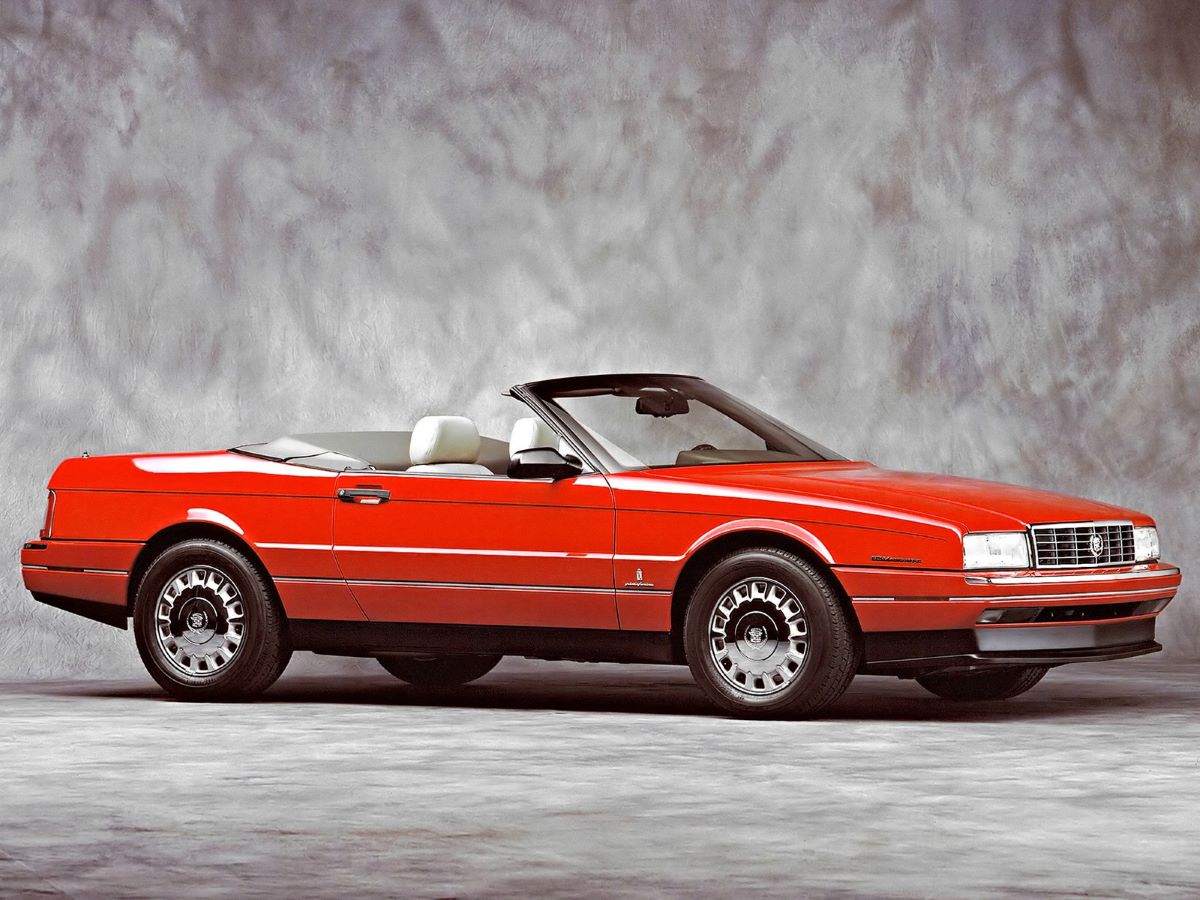
EV platforms would eliminate many of the engineering compromises that hurt the original. As a low-volume flagship, it could showcase Cadillac’s design and performance capabilities without chasing mass-market appeal.
8. Cadillac Sixty Special (1941)
The Sixty Special was revolutionary in its day, introducing design cues that influenced luxury sedans for decades.
It was lower, wider, and more modern than its contemporaries. That spirit of innovation makes it a strong candidate for an electric resurrection.
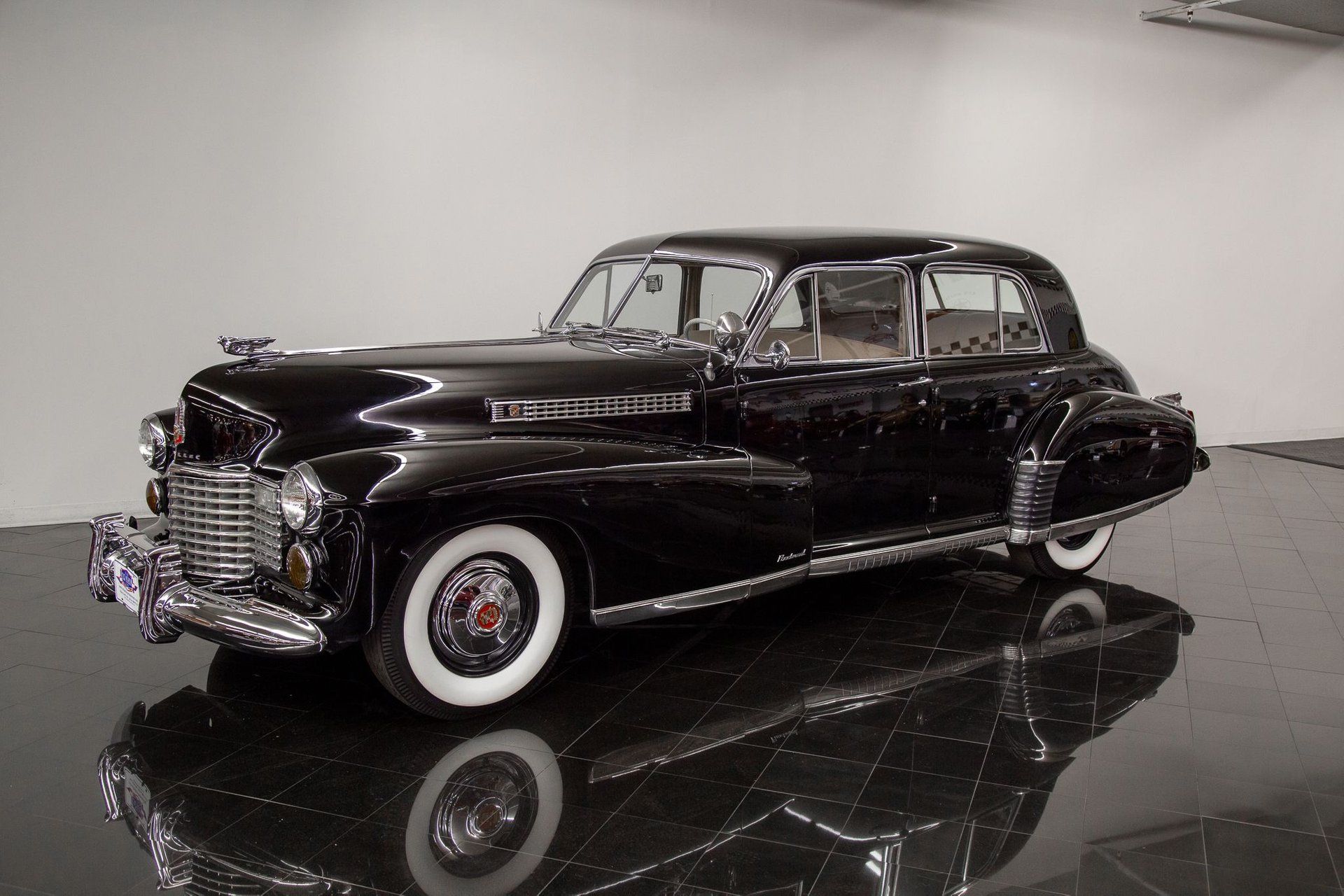
A modern EV inspired by the Sixty Special could emphasize clean lines, understated elegance, and advanced materials.
It would appeal to buyers who value heritage but don’t want retro styling. In the U.S. luxury EV space, where designs often skew aggressive or futuristic, this kind of calm confidence would stand out.
The 1940s marked a particularly remarkable period for Cadillac. Nearly every model produced between 1940 and 1949 stood out in one way or another. Each model year featured handsome styling, and these cars remain highly desirable today. Cadillacs of this era were also among the performance leaders in the American market.
The 1940–42 design language successfully carried over classic Cadillac cues from the 1930s and reinterpreted them in a more modern form. Vehicles from this period genuinely embodied the brand’s motto, “The Standard of the World.”
The first Series Sixty Specials introduced in 1938 were bodied by Fleetwood, while the 1939 and 1940 versions, largely sharing the same design with updated front-end sheet metal and headlight treatments, were produced by Fisher Body using Fleetwood’s design. Despite the change in construction, these later cars were no less refined, well-appointed, or elegant.
It is believed that the car had only one owner prior to Mr. Makris. This outstanding example of American automotive design features a striking black exterior paired with a richly appointed interior, a combination that perfectly reflects the sense of grandeur and sophistication the model represented when new.
Enhancing its period-correct appearance are wide whitewall tires, full factory hubcaps, and bumper over-riders. The Art Deco–inspired dashboard mirrors the car’s exterior restraint, using just the right amount of chrome and brightwork to highlight its design, while the large-diameter steering wheel immediately evokes an era when technology had not yet overtaken styling.
9. Cadillac CTS-V Wagon (2011)
While not as old as others on this list, the CTS-V Wagon has already achieved cult status. It proved that Cadillac could build a high-performance vehicle with genuine enthusiast appeal.
An electric revival wouldn’t need to copy the V8 chaos, it could redefine performance in a new way.
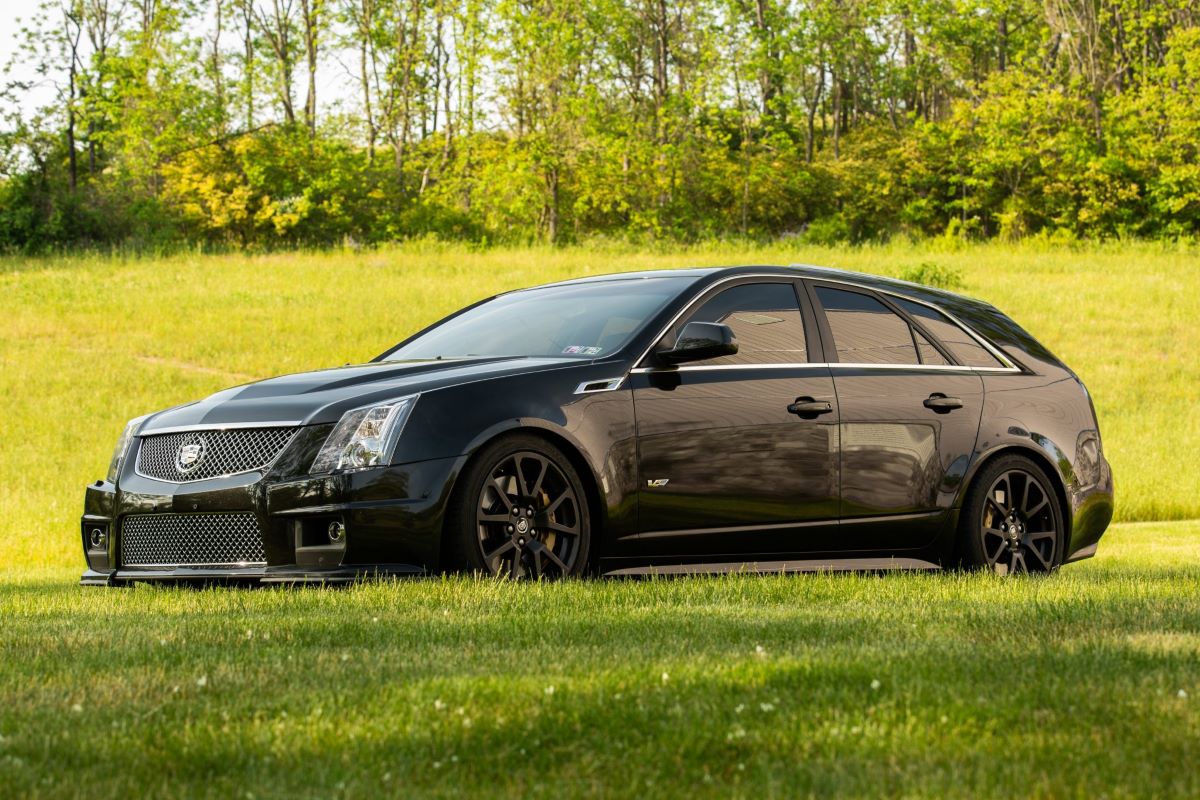
An electric CTS-V-inspired wagon could combine massive torque, all-wheel drive, and everyday practicality.
For American families who want performance without SUVs, this would be a compelling alternative. It would also reinforce Cadillac’s claim that electrification doesn’t mean abandoning driving excitement.
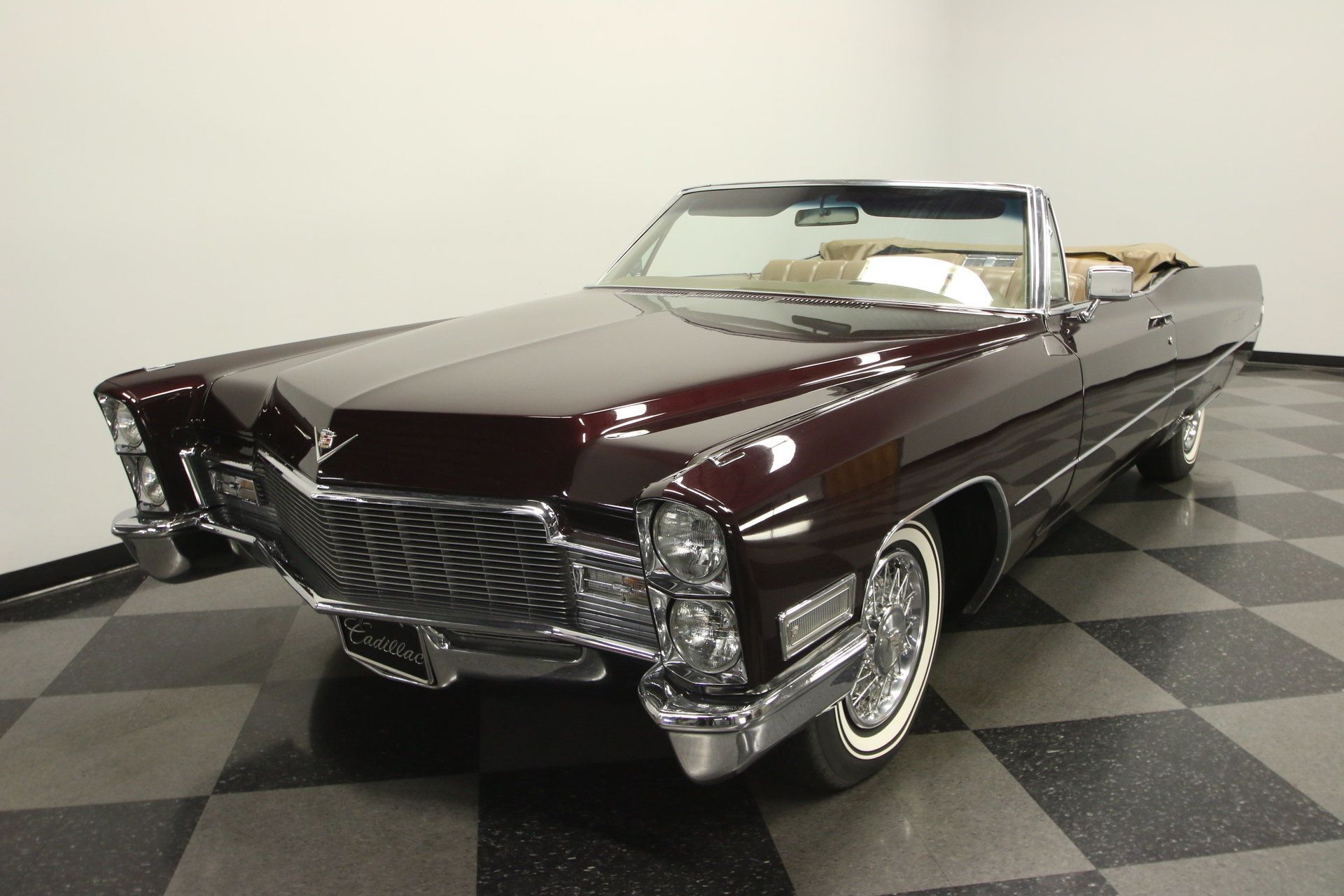
10. Cadillac DeVille Convertible (1968)
The late-1960s DeVille Convertible was the end of an era, the last of truly massive, open-top American luxury cruisers. Reviving it as an EV would be a symbolic move, connecting Cadillac’s past confidence with its electric future.
A modern electric DeVille Convertible could focus on comfort, design, and exclusivity. Think advanced climate control, adaptive suspension, and a cabin designed for relaxed, top-down cruising. In a U.S. market where convertibles are rare, this would be a bold, attention-grabbing statement.
Electrification gives Cadillac a rare opportunity: the chance to reinterpret its greatest hits without the compromises that made them impractical today.
EV platforms allow for flat floors, long wheelbases, and dramatic proportions exactly what classic Cadillacs were known for. At the same time, modern buyers get sustainability, advanced tech, and performance that meets contemporary expectations.
For American consumers, especially those who grew up seeing these cars as symbols of success, an electric revival isn’t about reliving the past it’s about bringing its confidence forward.
If Cadillac wants to stand apart in the crowded EV market, leaning into its heritage with thoughtful, well-executed revivals could be one of its smartest moves yet.