
Japanese SUVs have long enjoyed a reputation for reliability, sensible engineering, and long-term value. For decades, American buyers have associated brands from Japan with “buy it once, drive it forever” peace of mind.
That reputation, however, has slowly become more complicated, especially in the SUV market.
As Japanese automakers expanded aggressively into crossovers and SUVs to meet American demand, not every model aged gracefully.
Some struggled with underpowered drivetrains, outdated interiors, questionable reliability records, or simply failed to justify their price in a rapidly improving segment.
Others disappointed because expectations were too high, fueled by brand loyalty rather than real-world ownership experience.
This list isn’t about hating Japanese SUVs, it’s about understanding where things went wrong. These are models that looked good on paper, sold well initially, but left many U.S. buyers feeling they overpaid, compromised too much, or should have chosen differently.
1. Nissan Rogue (2014–2020)
The Nissan Rogue is one of the best-selling compact SUVs in America, but it’s also one of the most frequently regretted.
Owners consistently cite the continuously variable transmission (CVT) as the primary source of frustration. While the Rogue delivers good fuel economy and a comfortable ride, its transmission issues have overshadowed nearly every other positive.
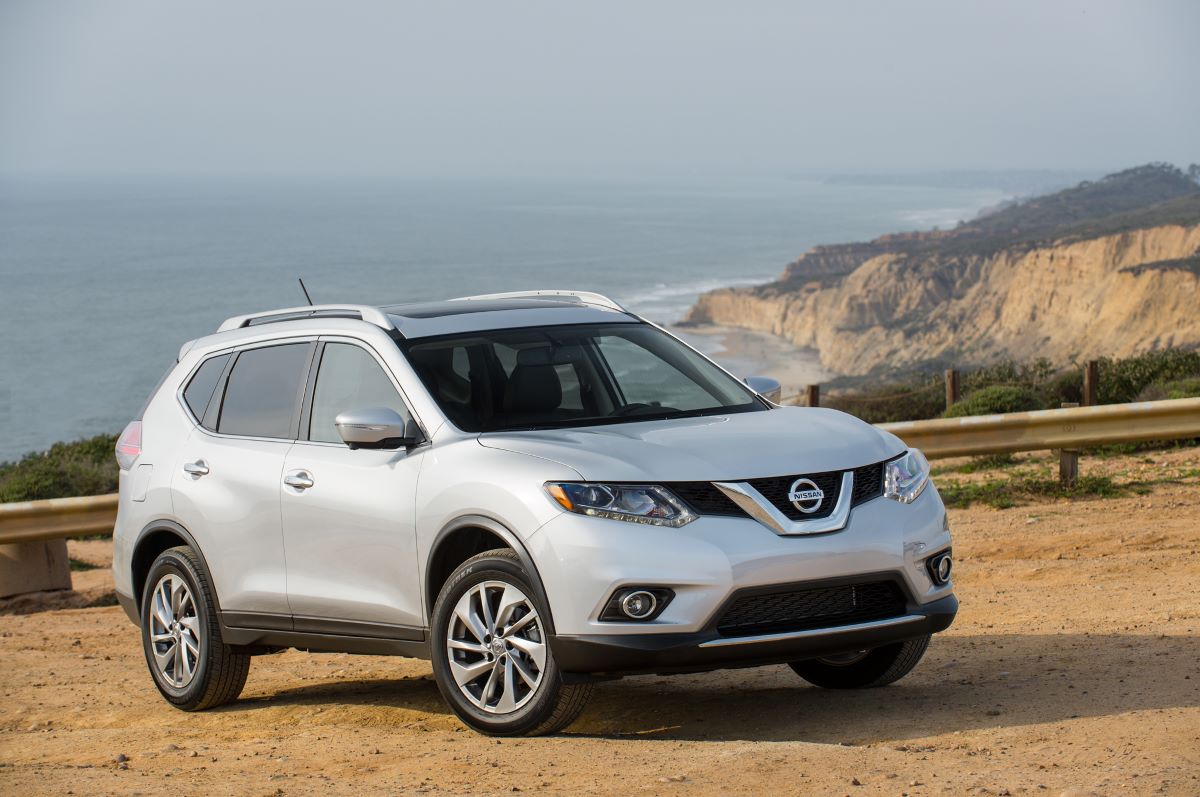
Many buyers expected low maintenance costs and long-term reliability, only to face hesitation, shuddering, or complete transmission failure well before 100,000 miles.
Add in uninspiring acceleration and an interior that feels cheap compared to rivals, and regret often sets in once the warranty expires.
2. Toyota C-HR
Toyota’s reputation convinced many buyers to take a chance on the C-HR, but this subcompact crossover quickly became a lesson in compromise.
It feels underpowered to the point of being frustrating. With sluggish acceleration and a CVT tuned more for efficiency than responsiveness, highway merging becomes stressful.
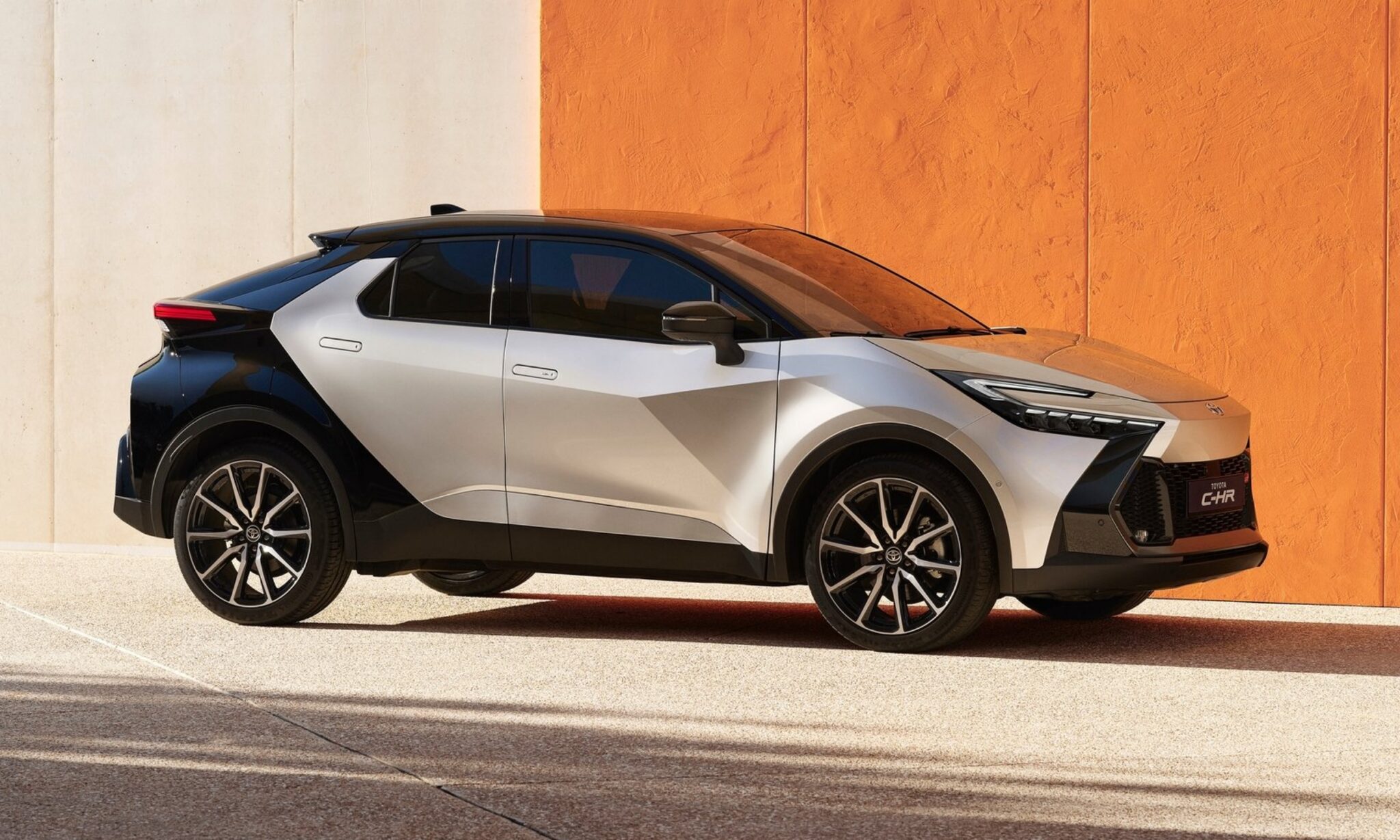
Interior visibility is another sore spot. Thick rear pillars and small windows make the cabin feel claustrophobic, while cargo space is limited despite the SUV styling.
Buyers who wanted Toyota reliability often realized they sacrificed too much everyday usability to get it.
Although we have yet to conduct a road test of the new Toyota C-HR, its specifications indicate strong straight-line performance. Toyota projects a 0–60 mph time of approximately five seconds.
The dual-motor all-wheel-drive system is rated at 338 horsepower, and as an electric vehicle, it should deliver substantial instantaneous torque. Energy is supplied by a 74.7-kWh lithium-ion battery pack.
With the wheels positioned close to the vehicle’s corners and the battery mounted beneath the floor to lower the center of gravity, the C-HR is expected to exhibit composed handling characteristics. Definitive conclusions, however, will depend on initial driving impressions.
According to Toyota estimates, the redesigned C-HR will offer a maximum driving range of up to 290 miles on a full charge. That figure is competitive, though it trails the less powerful Chevrolet Equinox EV.
It exceeds the base-range versions of rivals such as the Hyundai Ioniq 5 and Kia EV6 but does not match the extended-range trims of those models. The C-HR does, however, surpass the Volvo EX30 and Toyota’s refreshed bZ counterpart by a significant margin.
The C-HR will be among the first Toyota electric vehicles equipped with a North American Charging Standard (NACS), commonly referred to as a Tesla-style charging port.
With appropriate adapters, it will also support Level 1 charging via a 120-volt household outlet, Level 2 charging through 240-volt J-1772 connectors, and public CCS DC fast-charging stations.
Toyota estimates that, under optimal conditions, the battery can be replenished from 10 percent to 80 percent in approximately 30 minutes.
To facilitate efficient fast charging, drivers will have the option to pre-condition the battery while en route to a charging station, ensuring it reaches the appropriate operating temperature.
The vehicle will also incorporate Plug and Charge capability, enabling direct communication with compatible charging networks and removing the need for a smartphone app or credit card to initiate a session.
3. Mitsubishi Outlander (Pre-2022 Models)
Mitsubishi tried to position the Outlander as a budget-friendly family SUV, but many owners felt they got what they paid for, and not in a good way. Earlier models suffered from weak engines, rough CVT behavior, and interiors that felt a generation behind competitors.
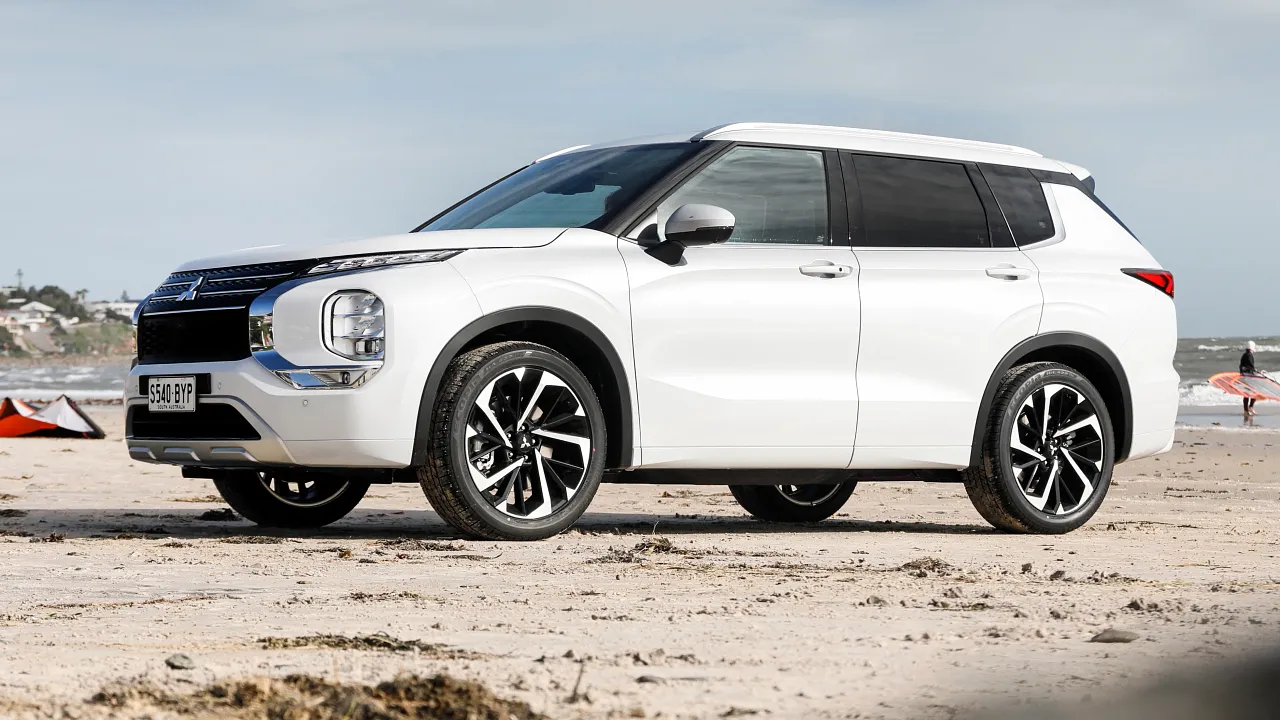
While the price was attractive, long-term ownership revealed disappointing resale value and inconsistent build quality. Buyers expecting Japanese durability often found themselves visiting dealerships more than anticipated, especially as mileage climbed.
The Outlander is powered by a 2.5-liter inline-four engine producing 181 horsepower and 181 lb-ft of torque. It is paired solely with a continuously variable automatic transmission (CVT). Front-wheel drive comes standard, while all-wheel drive is offered as an option.
In terms of measured acceleration, the Outlander performs on par with most compact crossovers, excluding higher-performance variants such as the turbocharged Mazda CX-5 and Kia Sportage.
In everyday driving, however, it can feel somewhat subdued, particularly during highway passing maneuvers, a sensation amplified by the CVT’s gearless operation.
That said, the latest Outlander demonstrates improved agility and composure compared with its predecessor. Steering effort is appropriately weighted, body control is disciplined, and the overall ride is firm without being overly harsh.
One drawback is limited cabin isolation. Noticeable road noise intrudes on all but the smoothest surfaces, and the test vehicle’s 20-inch wheels, with relatively thin sidewalls, contributed to the issue.
he brake pedal exhibited a somewhat soft initial feel, though stopping performance proved competitive, bringing the SUV to a halt from 70 mph in 172 feet. Mitsubishi has indicated that a plug-in hybrid version will be introduced in the future, though additional details have not yet been disclosed.
4. Subaru Ascent (2019–2022)
Subaru loyalists eagerly awaited a three-row SUV, but the Ascent stumbled out of the gate. Early models were plagued by transmission problems, electrical glitches, and recalls that rattled buyer confidence.
For families expecting Subaru’s legendary reliability, the experience was jarring.
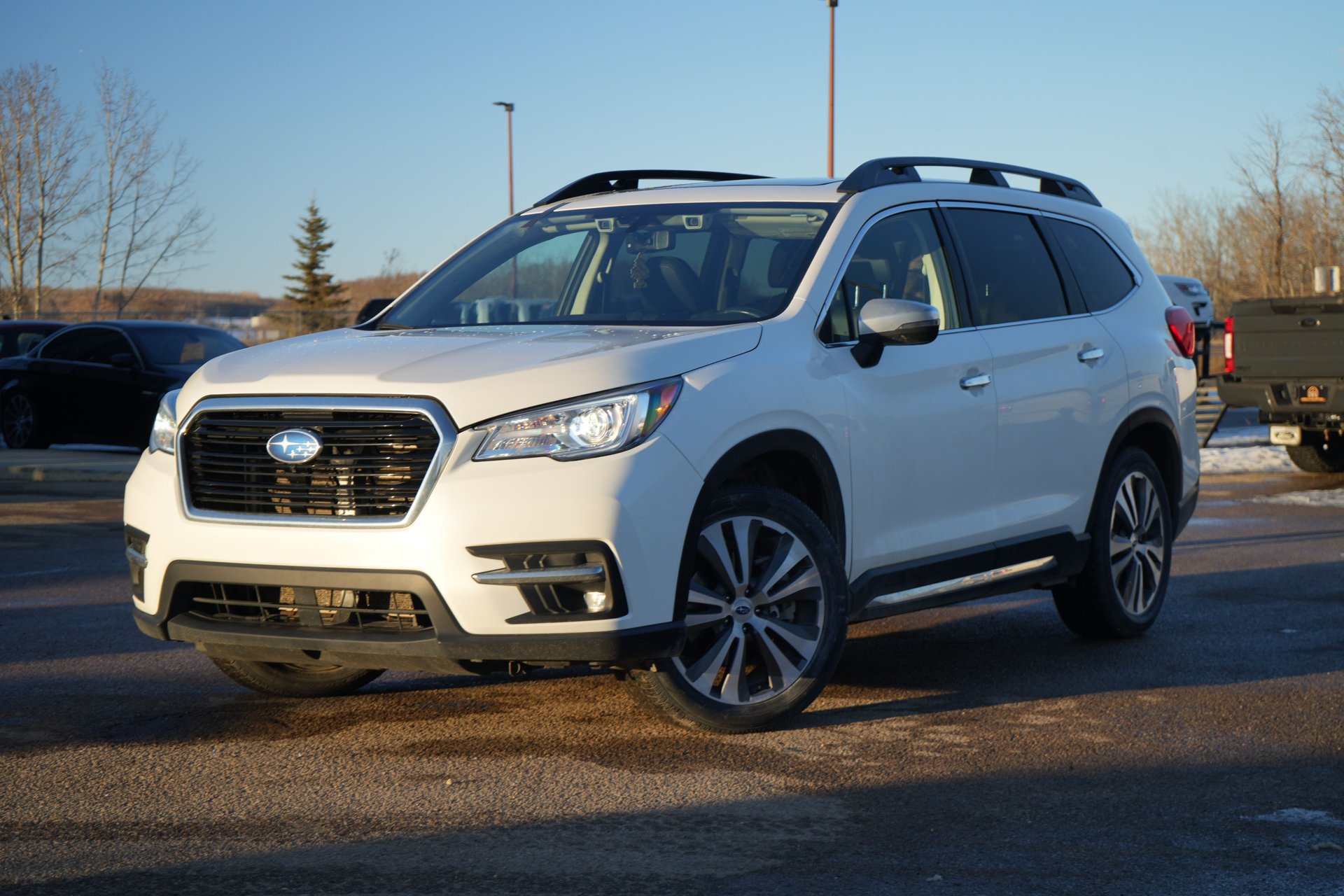
Fuel economy also fell short of expectations, and the turbocharged engine, while powerful, felt inconsistent in daily driving. Many owners loved the safety tech and all-wheel drive but admitted they would’ve waited or chosen a more proven competitor.
The Ascent’s turbocharged engine delivers robust acceleration, placing it among the quicker options in its class under full throttle.
In everyday driving situations, however, smooth operation of the continuously variable transmission (CVT) requires careful modulation of the accelerator. Even modest throttle inputs can trigger a noticeable surge in power, which may reduce overall passenger comfort.
All-wheel drive is standard across the lineup and is complemented by electronically managed traction control and hill descent control systems.
With 8.7 inches of ground clearance, these features combine to provide strong capability in snow and on unpaved surfaces. As a result, the Ascent functions effectively as a year-round SUV suited to varied driving conditions.
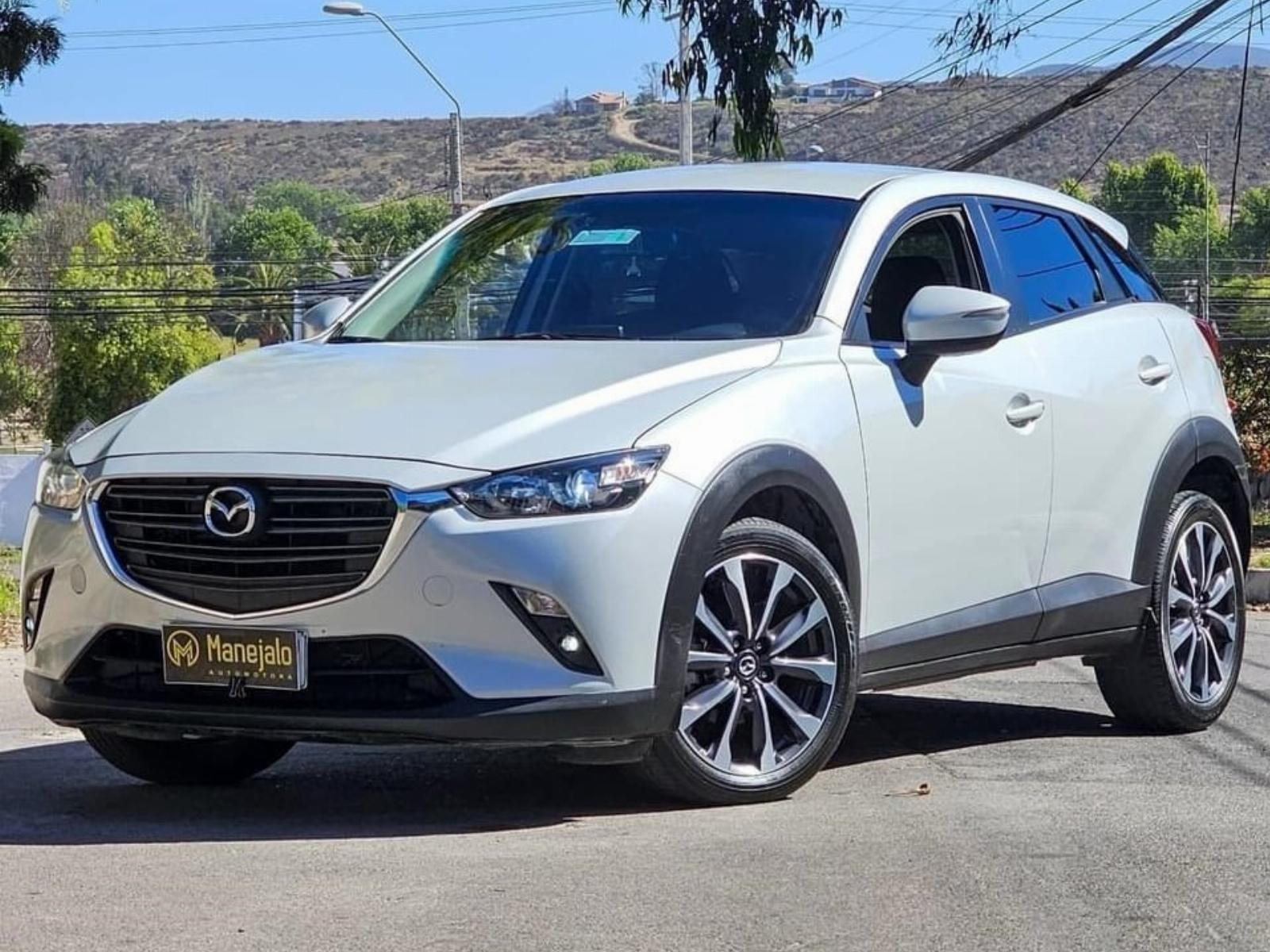
5. Mazda CX-3
The Mazda CX-3 appealed to buyers who wanted sporty styling and sharp handling in a small SUV package. Unfortunately, the reality didn’t match the image.
The rear seats are cramped to the point of being impractical, making it a poor choice for families or frequent passengers.
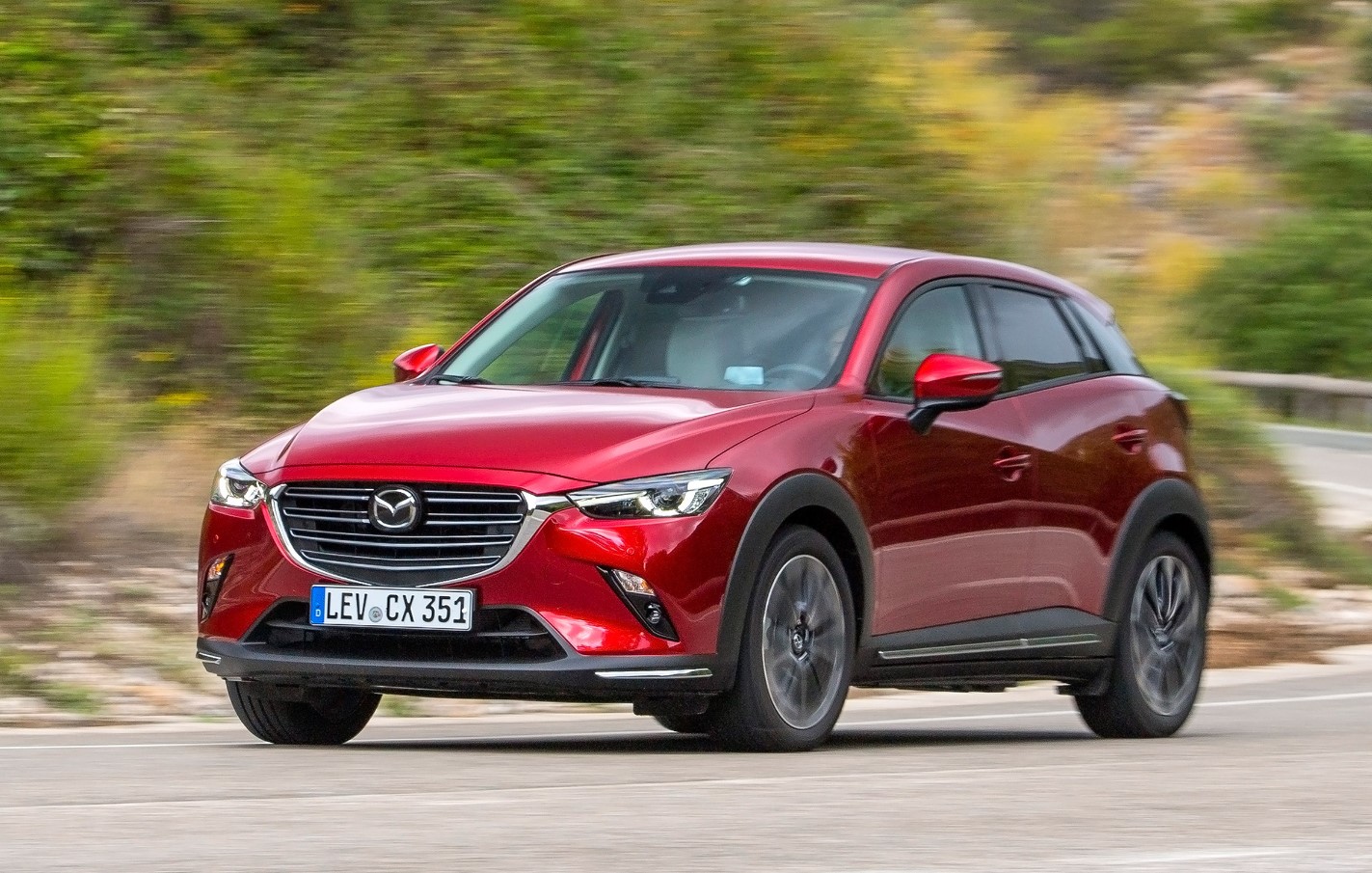
Cargo space is another disappointment, and road noise becomes noticeable on longer drives. Buyers often realized too late that they’d essentially purchased a lifted subcompact car without the benefits of a true SUV.
The higher ride height and increased passenger and cargo capacity of small SUVs make them more practical than conventional compact sedans. Practicality, however, rarely translates into visual appeal, an exception being the 2021 Mazda CX-5.
This model combines refined styling with handling characteristics that exceed segment norms. Its interior quality is impressive, and the available turbocharged engine delivers performance that would not feel out of place in a BMW.
For 2021, the CX-5 receives several meaningful updates. The central infotainment display grows in size and incorporates Mazda’s latest interface. Touchscreen capability has been removed, but the wider screen presents a cleaner and less cluttered layout.
For deeper insight into long-term ownership, refer to the extended test of the 2018 CX-5. That evaluation addresses day-to-day practicality, cargo capacity, reliability, and overall satisfaction after a year of use.
In standard configuration, the base engine delivers modest acceleration once underway, and highway passing requires advance planning. From a standstill, performance is more competitive, with a 0–60 mph time of 8.7 seconds recorded during testing, consistent with other small crossovers equipped with entry-level engines.
Handling remains the CX-5’s defining strength. Steering is precise and communicative, allowing confident cornering at speeds that exceed those of many rivals without excessive tire noise or loss of composure.
The chassis remains stable during rapid directional changes, reinforcing its reputation as the most dynamically capable small crossover in its class.
6. Honda HR-V (First Generation)
Honda’s reliability drew buyers to the HR-V, but the first generation left many underwhelmed. The biggest issue was power, or lack of it. Acceleration was painfully slow, especially when loaded with passengers or climbing hills.
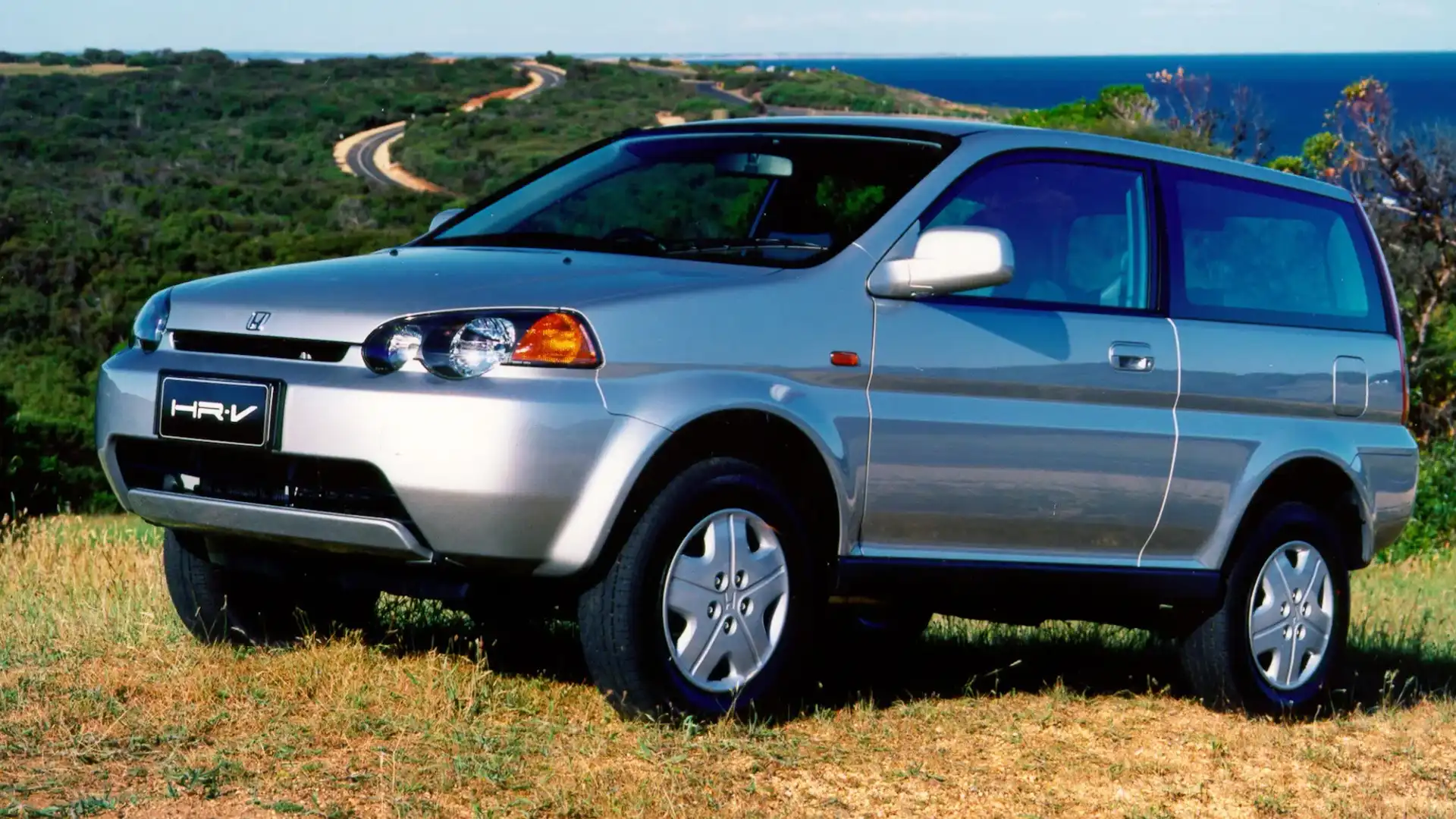
While the interior was cleverly designed, materials felt cheap for the price point. Many buyers later admitted they should have spent slightly more for a larger Honda model or chosen a competitor offering better performance.
7. Infiniti QX60 (2013–2020)
Luxury buyers expected refinement, but the QX60’s CVT transmission became a constant source of dissatisfaction. Despite its upscale badge, the driving experience felt disconnected and unresponsive. Repairs were costly, and reliability didn’t meet luxury expectations.
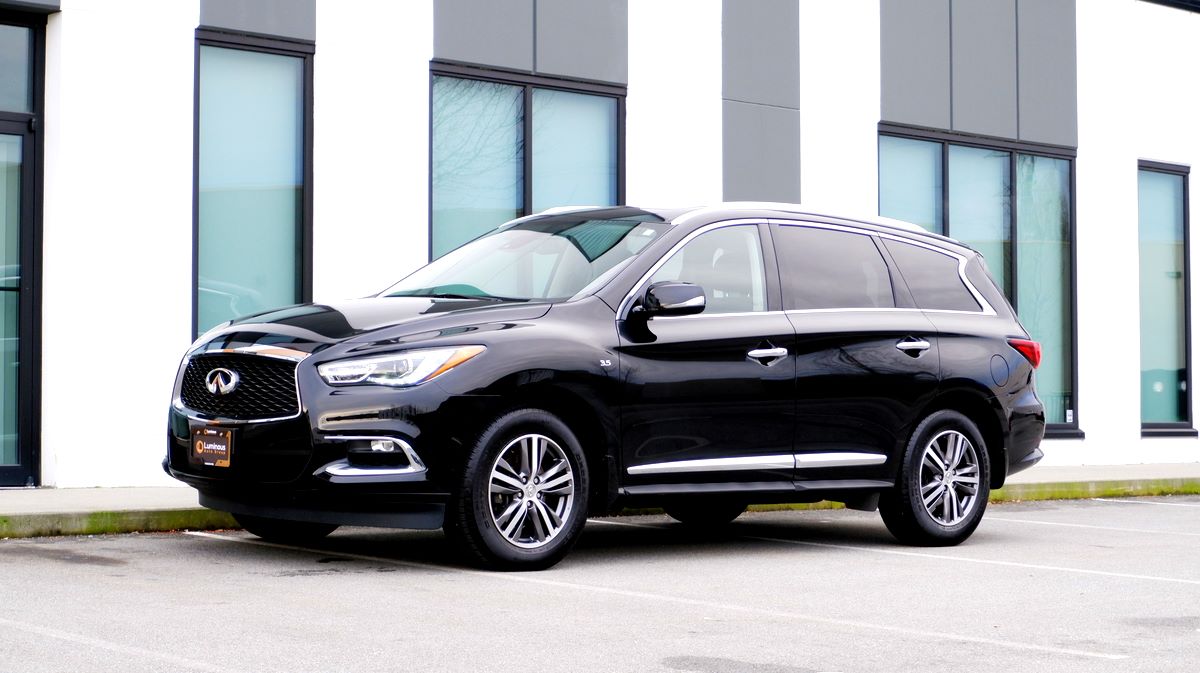
Interior technology also aged quickly, making the SUV feel outdated compared to European rivals. Buyers who stretched their budget for a luxury Japanese SUV often felt they overpaid for mediocrity.
Some of Infiniti’s sedans provide potent performance, but the QX60 is more focused on people-hauling and comfort.
Its soft suspension and numb steering won’t inspire anyone to take a sporting route to their destination, and they isolate the driver from the road. The suspension tuning is soft and sloppy, and that results in lots of body roll when going around turns.
The V6 and CVT automatic combination is smooth and quiet, though. Our test QX60 covered 0-60 mph in a respectable 7.3 seconds. Maximum braking power is also good, and the brake pedal is easy to modulate.
8. Lexus NX (First Generation)
Lexus buyers expect comfort, refinement, and value retention, but the first-gen NX missed the mark for many. Ride quality was surprisingly stiff, and the infotainment system frustrated users with its awkward interface.
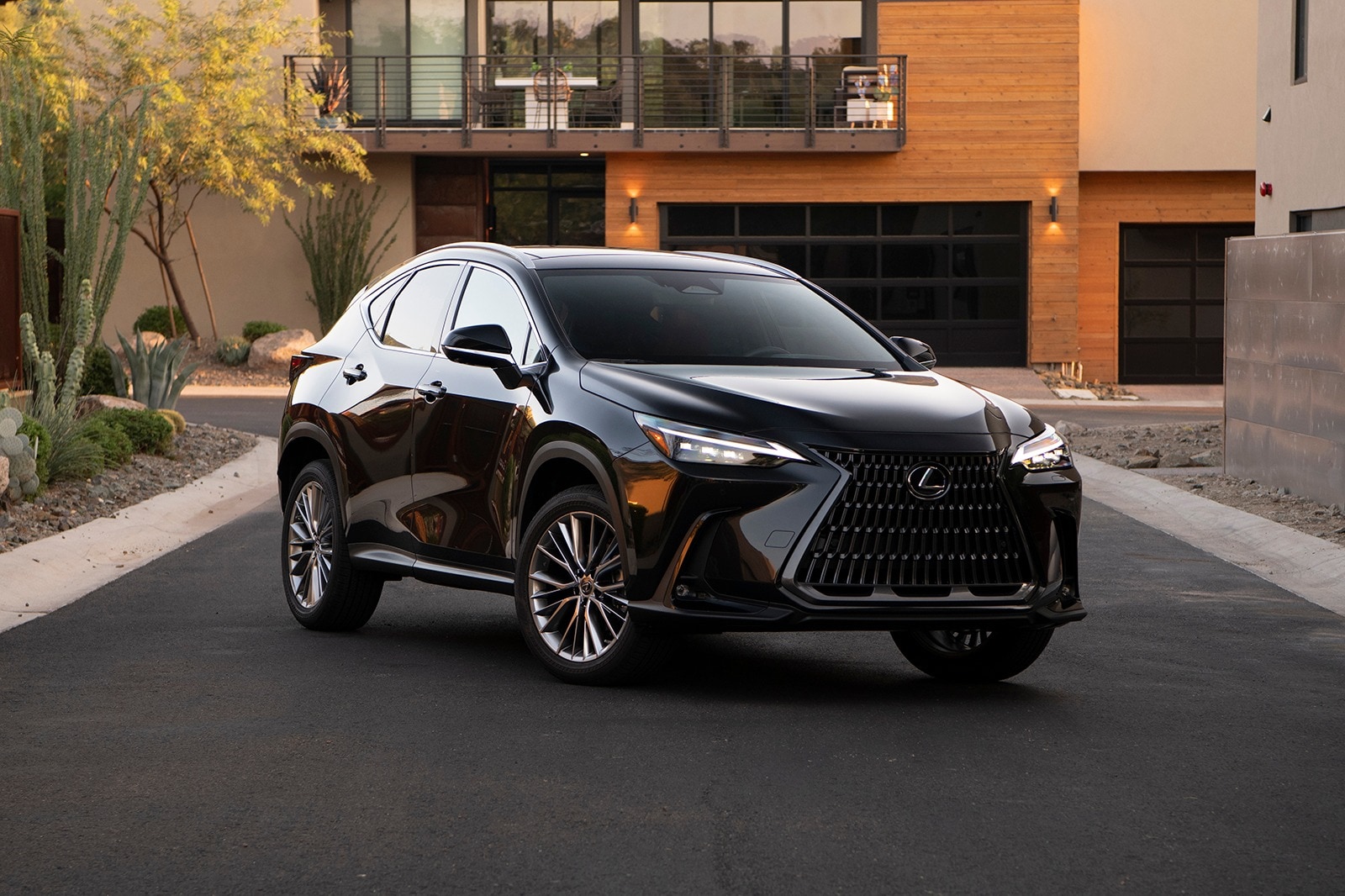
While reliability remained solid, owners often felt the SUV didn’t justify its premium price. Competing luxury crossovers offered more engaging driving experiences and better technology for similar money.
Used premium mid-sized SUVs tend to blur into one another, but not always. One alternative with a stronger individual character is the Lexus NX, examined here in the final iteration of its first generation, sold in the UK between 2018 and 2021.
Lexus has long differentiated itself. It was the marque that demonstrated flagship luxury saloons did not need to originate from Germany, and it championed hybrid technology at a time when much of the industry remained focused on diesel.
Visually, the NX stood out as one of the most distinctive designs in its class during its era. Compared with it, even a Range Rover Evoque appeared restrained, while established rivals such as the Audi Q5 and Mercedes-Benz GLC projected a far more conventional aesthetic. Beneath the styling, the NX further separated itself through its powertrain strategy.
At a time when the segment was dominated by diesel engines, the NX was offered exclusively as a petrol-electric hybrid, omitting diesel entirely and foregoing plug-in capability. This approach delivered improved tax efficiency and a more environmentally conscious positioning relative to its competitors.
The formula proved commercially effective. The NX rapidly grew to represent more than 30 percent of Lexus’s global sales volume.
Its popularity reflected the broader consumer shift toward SUVs, to the extent that it outsold the more affordable CT200h hatchback by a margin of three to one.
By 2018, however, Lexus recognized that awareness of the model remained limited among some buyers, and those familiar with it were increasingly tempted by newer entrants such as the third-generation BMW X3 and the second-generation Volvo XC60.
In response, Lexus introduced a mid-cycle update for the 2018 model year. Revisions included sharper exterior detailing, enhanced infotainment systems, expanded safety technology, and efforts to address criticism of the firm ride quality that characterized earlier versions.
The updated NX remained on sale until the arrival of the second-generation model in late 2021, offering a distinctive alternative within a highly competitive segment for buyers seeking something less conventional.
9. Suzuki Grand Vitara (Late Models)
Suzuki exited the U.S. market, leaving Grand Vitara owners in a tough spot. Parts availability, dealership support, and resale value all plummeted. While the SUV itself wasn’t terrible, the lack of brand presence made ownership inconvenient and costly.
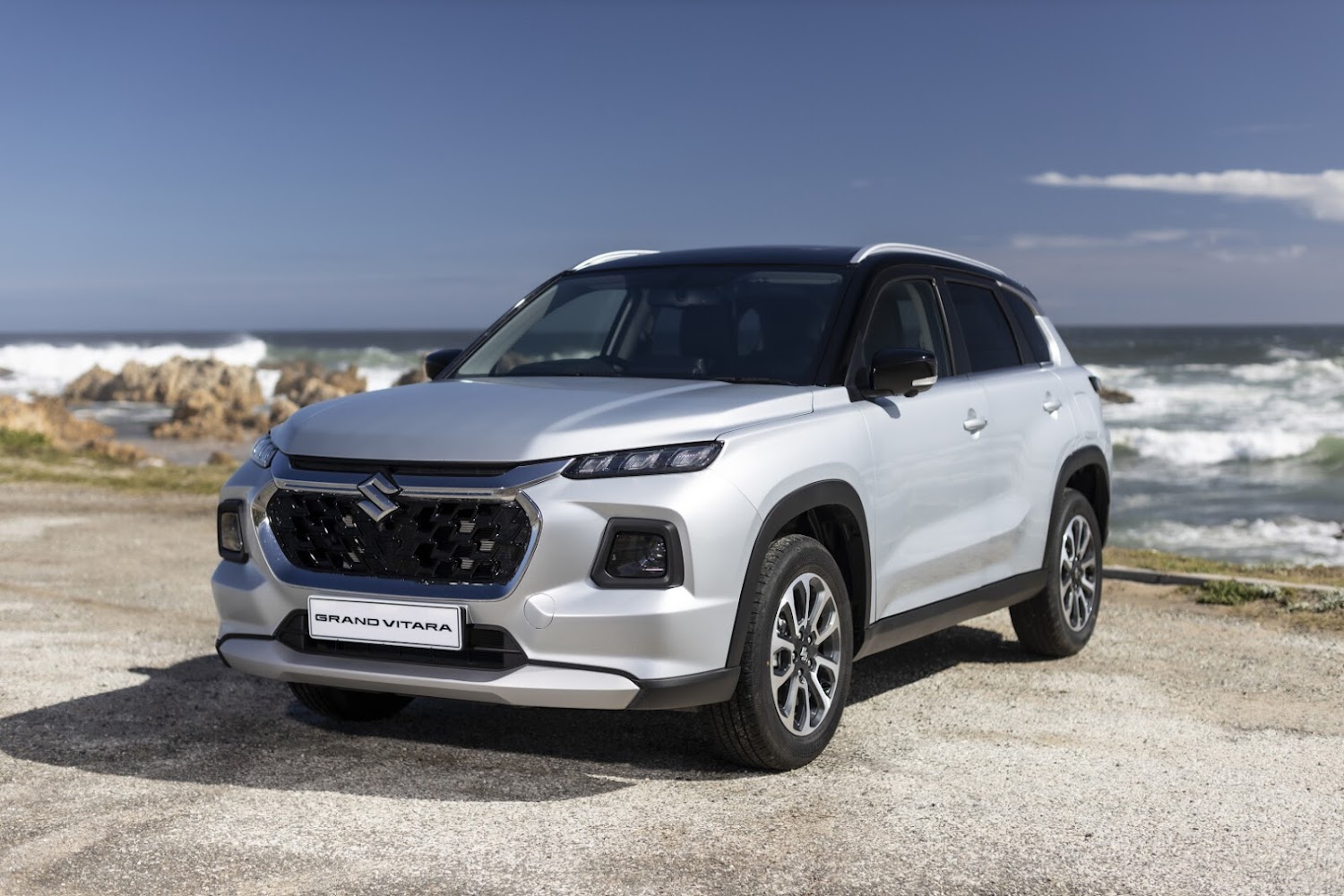
Buyers who once appreciated its rugged feel later regretted choosing a vehicle from a disappearing brand, especially when repairs became more complex.
The Suzuki Vitara debuted in 1988 and entered its fourth generation in 2014. Over the years, it evolved significantly, relinquishing the traditional transfer case with low-range gearing while securing a firm position within the modern SUV segment.
With the 2014 iteration, Suzuki positioned the Vitara as a versatile, everyday vehicle, equally suited to navigating congested urban traffic as it was to tackling light off-road routes toward a countryside retreat.
Its appeal endured over time, though the target audience shifted to reflect broader changes in consumer preferences.
Externally, the 2014 Vitara presented an identity that straddled categories. Its upright greenhouse and short overhangs suggested SUV credentials, while its practical interior packaging and equipment levels aligned more closely with compact hatchbacks.
The cabin accommodated five adults comfortably. The driver benefited from multiple adjustments for both the steering column and seating position, enhancing ergonomics.
Mechanically, the 2014 Vitara employed an independent front suspension and a torsion beam rear suspension with a beam-axle design.
Transmission options included a five-speed manual for petrol variants and a six-speed manual for diesel models. A six-speed automatic transmission was also available with the petrol engine.
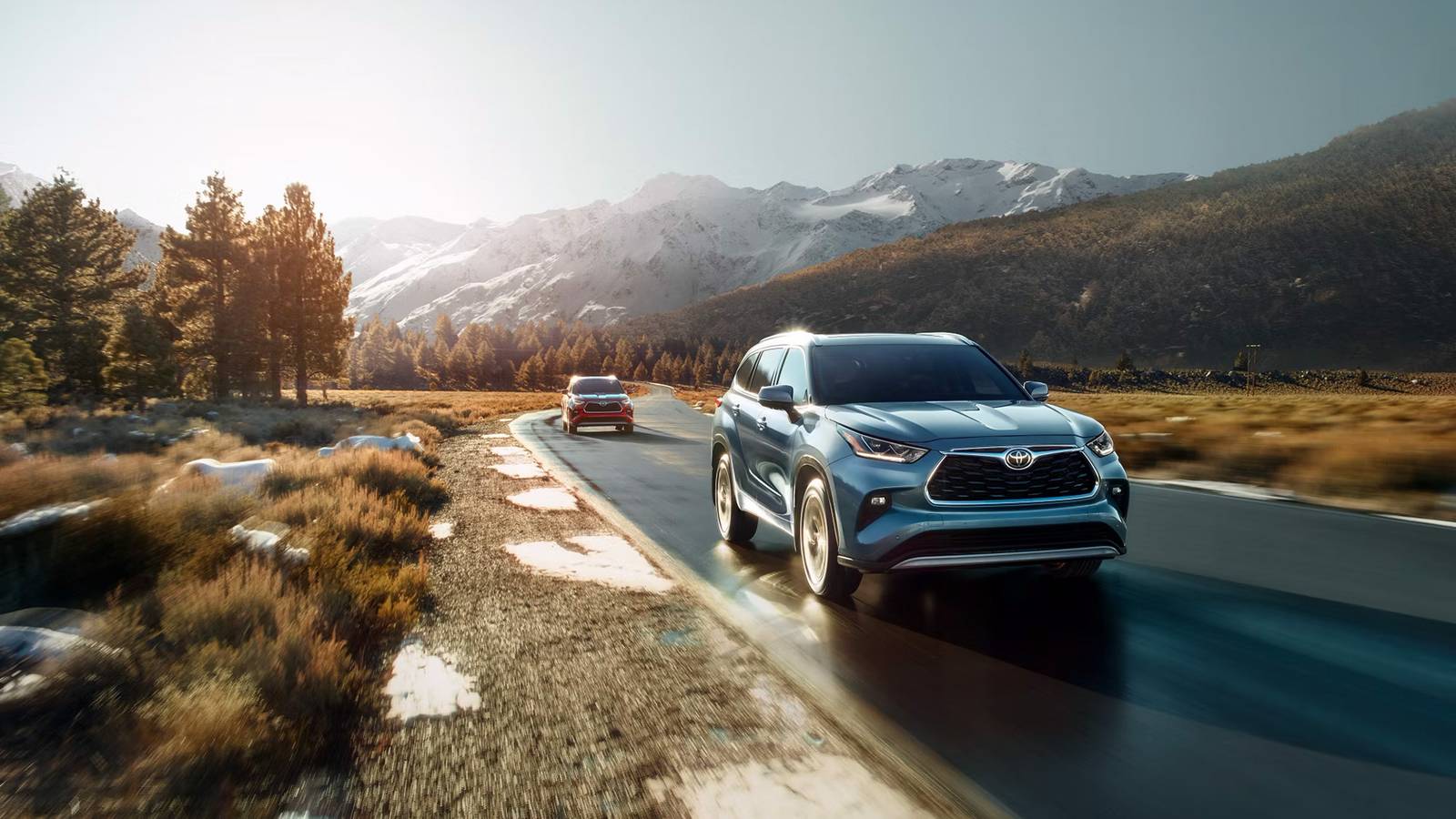
10. Toyota Highlander Hybrid (Early Hybrid Generations)
Hybrid Highlanders promised fuel savings, but early versions disappointed owners who expected dramatic efficiency gains. Real-world MPG often fell short, especially in highway driving.
Battery replacement costs also loomed large as vehicles aged. While reliability was decent overall, many buyers felt the premium price didn’t deliver enough long-term benefit to justify the investment.
Japanese SUVs still dominate the U.S. market for good reason, but blind trust is no longer enough. These models serve as reminders that every vehicle deserves scrutiny, regardless of badge.
The three-row Toyota Highlander Hybrid has been carrying families efficiently since its U.S. debut in 2006.
It remains the only hybrid SUV in its size class to maintain continuous presence in the American market over that span, and its longevity suggests it will continue for years ahead. Even today, few hybrid SUVs match the Highlander Hybrid’s dimensions.
The Highlander Hybrid shares its foundation with the standard Highlander, one of Toyota’s larger SUVs. It slots above the two-row RAV4 in size but below the full-size Sequoia. Fuel economy remains one of its strongest attributes, with a combined rating of 36 mpg in front-wheel-drive form and 35 mpg with all-wheel drive.
That represents more than a 10-mpg improvement over the non-hybrid Highlander and even exceeds the combined rating of the non-hybrid Corolla. While fuel efficiency is a major advantage, the Highlander Hybrid is not without shortcomings.
The 2022 Toyota Highlander Hybrid was evaluated on a controlled test track and public roads.
The Highlander Hybrid employs a version of the RAV4 Hybrid’s powertrain, recalibrated to manage the added weight of the three-row platform. In testing, it accelerated from 0 to 60 mph in 8.2 seconds.
That result is competitive, particularly considering some V6-powered SUVs require similar time while consuming significantly more fuel. Emergency braking performance is similarly competitive within the segment.
Through corners, the Highlander Hybrid displays better composure than expected for a vehicle of this size.
While not as dynamically engaging as the hybrid Ford Explorer, handling precision is not typically a primary concern for three-row SUVs. Ease of operation matters more, and the Highlander Hybrid excels in that regard.
Power delivery is smooth and readily available, and the brake pedal avoids the abrupt feel sometimes associated with hybrid systems.
Ride quality is notably comfortable. The suspension effectively absorbs most surface imperfections while maintaining stability at highway speeds without excessive body float. The front seats are wide and supportive for long journeys, and available second-row captain’s chairs provide comparable comfort.
The third row, however, remains a weak point. Limited padding, a low seat cushion, and restricted legroom make it unsuitable for most adults.
Climate control performance is strong, with intuitive operation and rapid heating or cooling. Cabin insulation is effective at highway speeds, limiting wind and road noise. The gasoline engine becomes coarse under full throttle but remains unobtrusive during normal driving.
The first and second rows offer generous space. In contrast, the third row ranks among the tightest in the midsize three-row SUV category. Buyers intending to use all seating positions regularly should evaluate its suitability carefully.
Driver seat adjustments are straightforward and offer a broad range of positioning, though taller drivers may desire slightly greater steering wheel telescoping range.
Outward visibility is commendable for a vehicle of this size. Slim windshield pillars enhance sightlines during turns and parking maneuvers.
The tested Platinum trim includes practical features such as a camera-based rearview mirror that maintains rear visibility even when the cargo area is fully loaded. An available surround-view camera system provides high-resolution imagery and adjustable viewing angles around the vehicle.
If you’re shopping today, research owner reviews, known issues by model year, and real-world maintenance costs not just marketing promises. Sometimes, regret doesn’t come from making a bad choice, it comes from assuming you couldn’t make one.
