
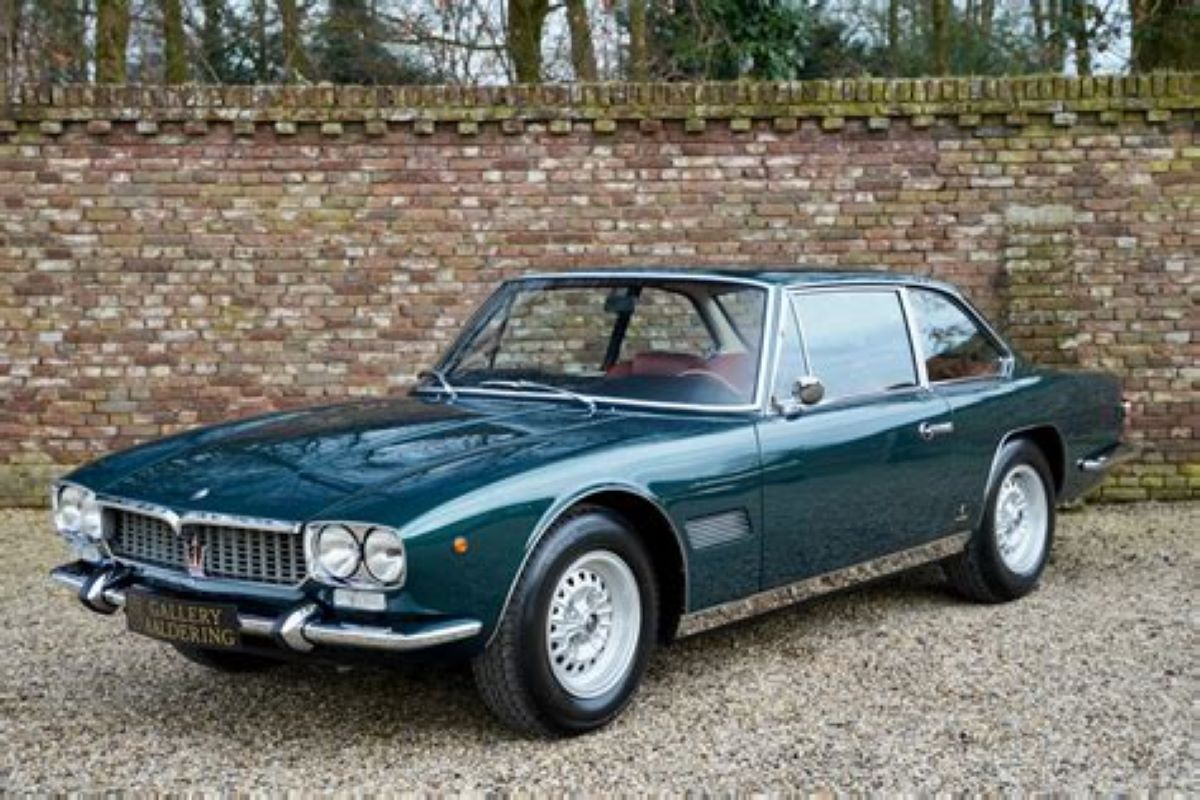
Italian cars tend to live at two extremes in the American imagination. On one end, you have ultra-exotic supercars that posters were made of. On the other, charming little economy cars that traded power for personality.
Lost in between is a glorious middle ground: the Italian grand tourer. These were cars built not to dominate racetracks or sip fuel in cities, but to devour long stretches of road at speed, in comfort, with style that bordered on art.
During the 1950s through the 1980s, Italian automakers quietly produced some of the most beautiful, interesting, and mechanically ambitious grand tourers the world has ever seen.
Many were aimed at wealthy professionals who wanted Ferrari performance without Ferrari drama, or Maserati elegance without full-blown race-car temperament.
Over time, changing tastes, reliability concerns, and badge snobbery pushed many of these GTs into obscurity, especially in the U.S. market.
Today, that makes them fascinating. Some are relative bargains. Others are simply misunderstood. All of them deserve to be remembered.
1. Lancia Flaminia GT & GT Touring
Before Lancia faded from global relevance, it was one of Italy’s most innovative manufacturers. The Flaminia GT was a rolling example of that mindset.
Introduced in the late 1950s, it featured independent rear suspension at a time when many rivals were still relying on live axles. Coachbuilders like Touring and Zagato clothed the car in restrained, elegant bodies that have aged exceptionally well.
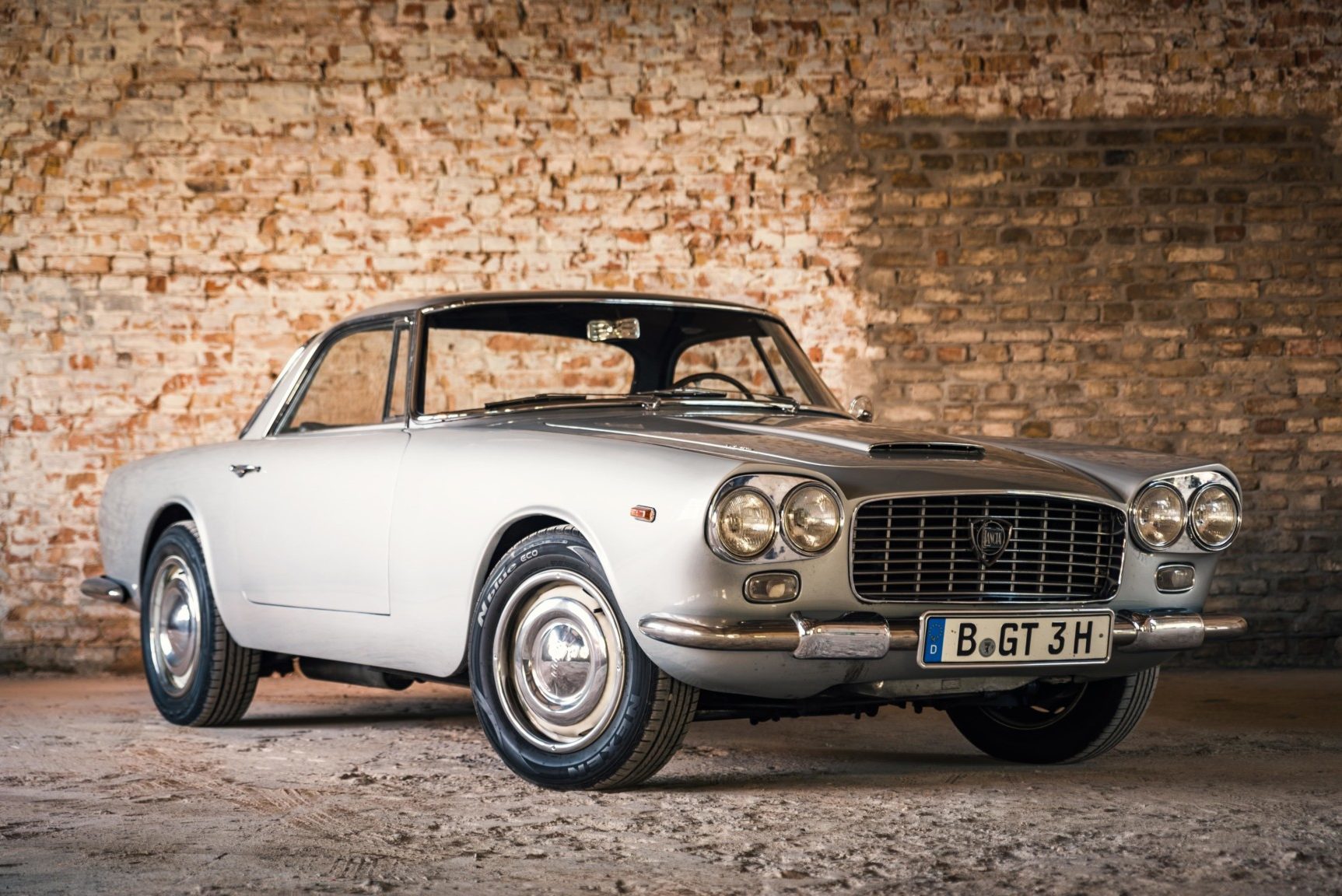
Under the hood was a smooth V6 derived from Lancia’s racing program. It wasn’t brutally fast, but it delivered power with refinement that rivaled far more expensive machines.
In the U.S., the Flaminia never gained traction due to limited dealer support and conservative styling, but as a long-distance European GT, it was nearly perfect.
Turning to engineering matters, the Flaminia stands out as a model we hold in particularly high regard.
While admirers of the Stratos may disagree, we regard the Flaminia as Lancia’s true capolavoro. Its transaxle configuration, placing the engine at the front and the gearbox and differential at the rear, delivers near-perfect weight distribution.
The advanced all-alloy V6 provides strong and flexible performance, and when combined with independent front suspension, the result is a driving experience that blends comfort with sporting intent.
Among the numerous Flaminia derivatives, the Flaminia GT is especially compelling, not solely because it pairs a short-wheelbase chassis with lightweight Superleggera aluminium coachwork.
Subtle elegance can be more enduring than overt flamboyance, though it often appeals most to those with a discerning eye.
In our view, the Touring-bodied GT strikes a rare balance, uniting timeless, flowing lines with confident modern detailing. Bold yet understated, it represents the connoisseur’s interpretation of the Flaminia.
If one variant stands above the rest, it is the 2.8 3C. Limited to just 168 examples, it is the most potent evolution of the Lancia Flaminia GT.
Its all-alloy 2.8-litre V6, equipped with three twin-choke Weber carburettors, develops in excess of 150 horsepower, enabling a top speed of 193 km/h.
uring our evaluation, third gear was scarcely extended, and fourth remained largely unused. Benefiting from advanced engineering for its era, and a comprehensive mechanical overhaul completed less than five years ago, the engine delivers robust and confident performance throughout the rev range.
From a structural standpoint, this Flaminia GT presents in excellent condition. The bodywork is sound, entirely free from corrosion and damage.
2. Ferrari 365 GT 2+2
Ferrari’s four-seat cars have always lived in the shadow of their two-seat siblings, and the 365 GT 2+2 might be the most overlooked of them all.
Launched in the late 1960s, it was Ferrari’s first production car to feature independent rear suspension, a major step forward in ride quality and handling.
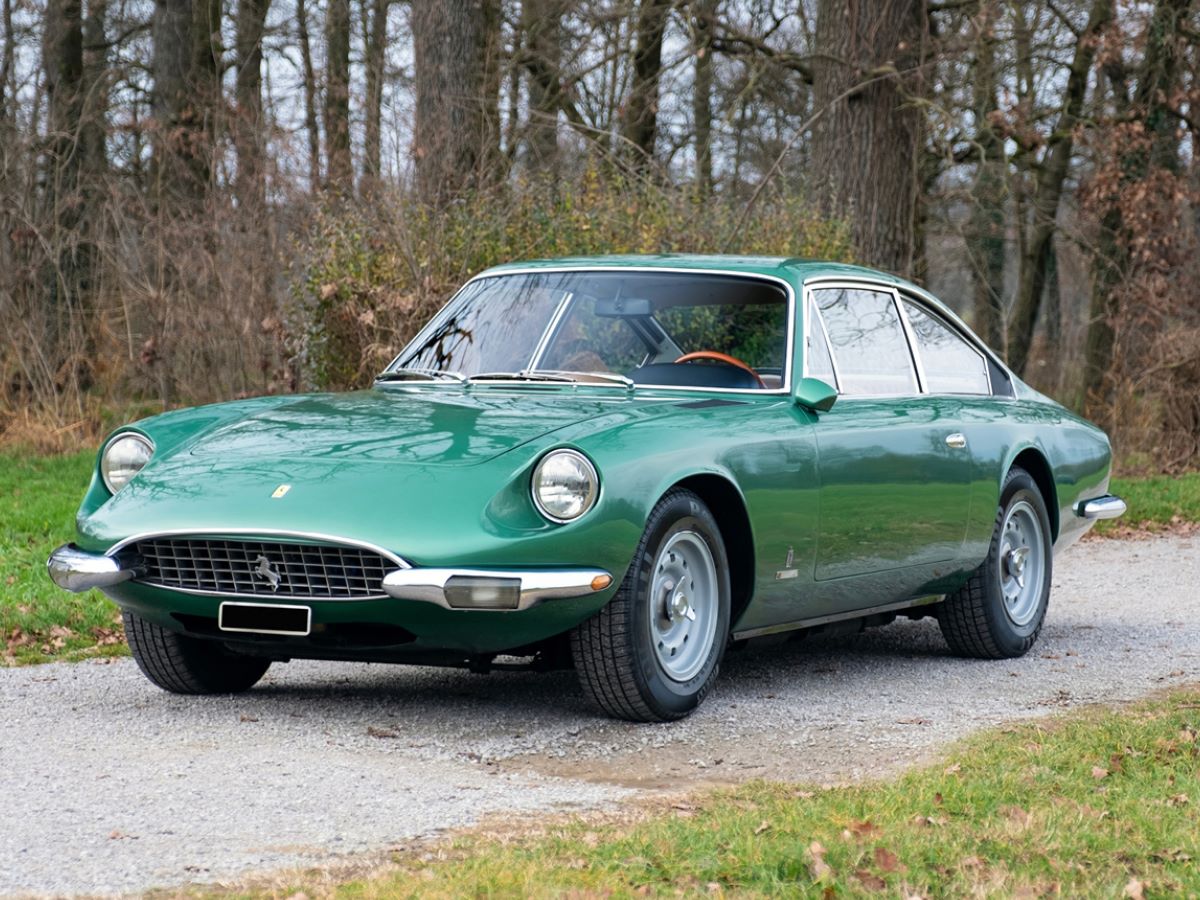
Powered by a naturally aspirated V12, the 365 GT 2+2 could cruise effortlessly at high speeds all day long. It was luxurious, spacious, and civilized, qualities that caused purists to dismiss it.
Today, that same usability makes it one of the most approachable classic Ferraris for American collectors who want to actually drive their cars rather than just admire them.
3. Maserati Mexico
The Maserati Mexico is one of those cars that even seasoned enthusiasts forget exists. Introduced in the mid-1960s, it was a stately, understated coupe with serious muscle beneath the surface.
Available with a 4.2-liter or 4.7-liter V8, the Mexico offered performance that rivaled contemporary Ferraris, wrapped in conservative coachwork that flew under the radar.
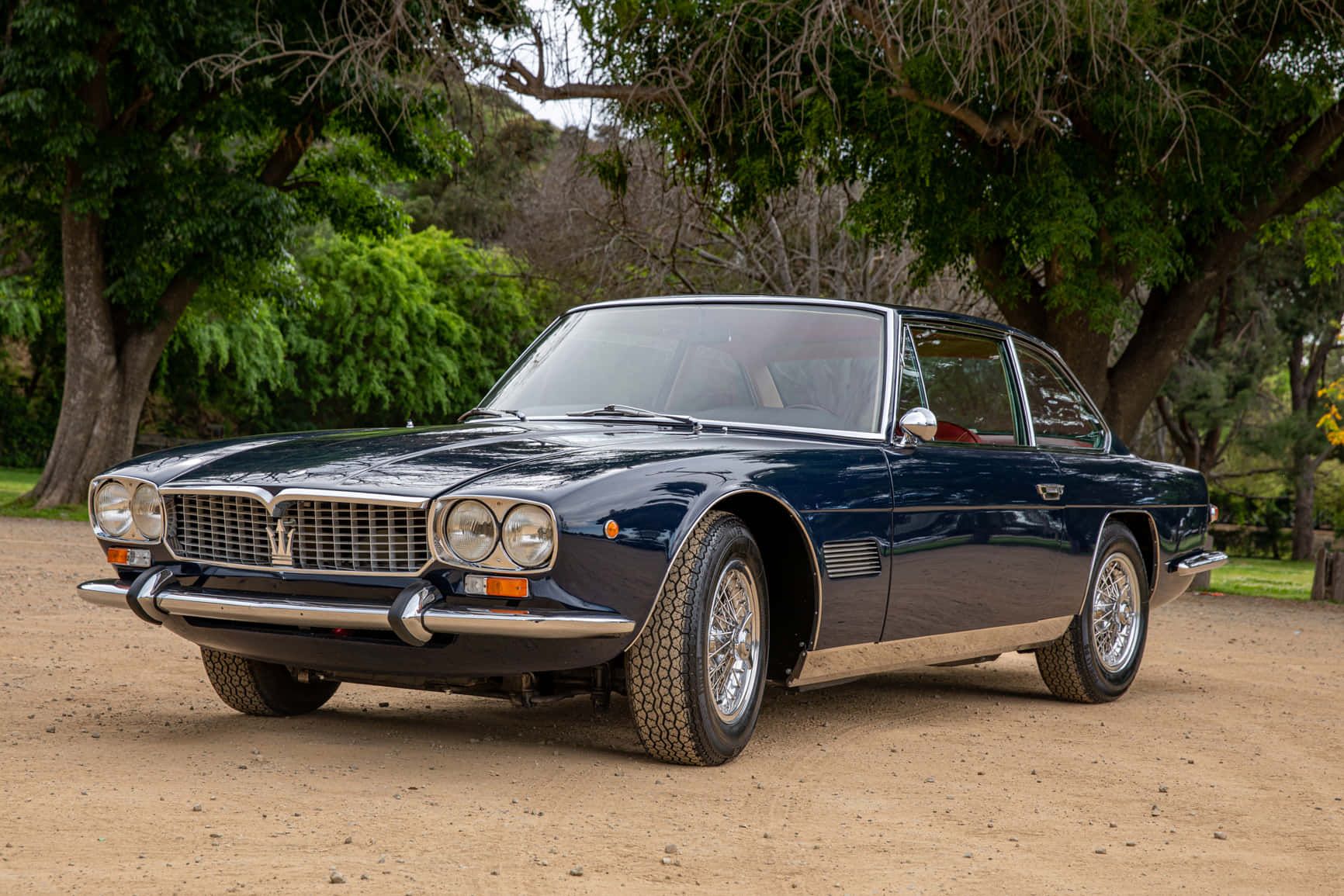
This was a true gentleman’s express, fast, quiet, and dignified. In the U.S., where Maserati was still building its reputation, buyers often gravitated toward more flamboyant options.
As a result, the Mexico remains rare and underappreciated, despite being one of the brand’s most comfortable long-distance cars.
4. Alfa Romeo 2600 Sprint
Alfa Romeo is usually celebrated for lightweight sports cars and racing sedans, but the 2600 Sprint was something different. Introduced in the early 1960s, it featured a silky inline-six engine and elegant Bertone styling.
The car prioritized comfort and torque over high-revving aggression, making it ideal for highway cruising.
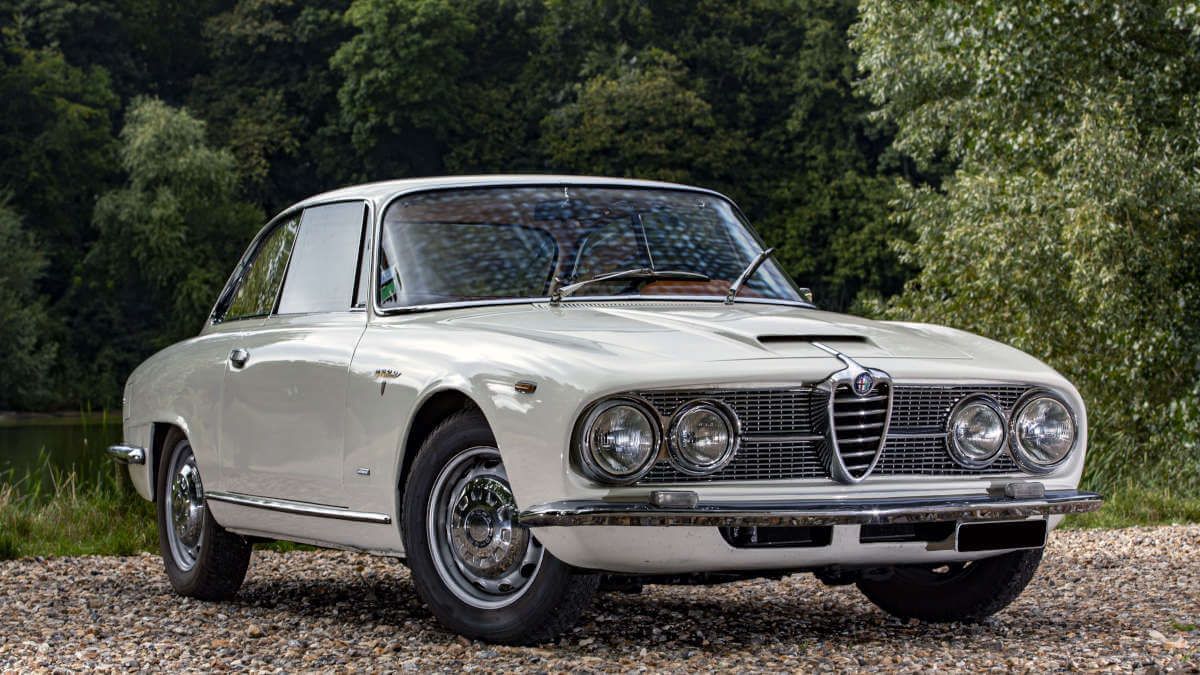
For American buyers accustomed to V8 power, the 2600 Sprint may have seemed underpowered on paper. In reality, it delivered a refined, musical driving experience that few rivals could match.
Today, it’s overshadowed by smaller Alfas, but as a classic GT, it offers a unique blend of practicality and Italian charm.
To address this issue, Italian police departments began equipping their highway patrol units with Alfa Romeo 2600 Sprints. Procuring foreign vehicles for official use was not under consideration, so the 2600 Sprint became the selected model.
Introduced in 1962, its newly developed 2.6-liter alloy inline-six delivered ample performance for the era and proved capable of keeping pace with contemporary British and Italian roadsters on the nation’s highways.
Despite its popularity among law enforcement, the 2600 Sprint struggled in the civilian marketplace.
Period consumer reports characterized it as “low quality” relative to imported competitors and even compared unfavorably to other Alfa Romeo offerings.
As a result of these perceptions and modest sales performance, the 2600 Sprint, along with the rest of the 2600 range, was discontinued after the 1968 model year.
As previously noted, the defining feature of the 2600 Sprint was its 2.6-liter inline-six. This powerplant was developed to succeed an aging Alfa Romeo four-cylinder engine that had remained in service for roughly a decade before being retired.
Rather than utilizing traditional cast iron for the block and cylinder head, a common practice at the time, Alfa Romeo opted for an aluminum-based alloy.
The lighter construction reduced overall engine weight, contributing to improved acceleration and higher attainable speeds in the vehicles equipped with it.
To extract competitive output from the 2600’s engine, Alfa Romeo fitted it with three twin-choke, horizontally mounted carburetors. Each carburetor supplied the air-fuel mixture to two of the engine’s six cylinders.
Compared with single- or dual-carburetor arrangements, this configuration provided a meaningful advantage, as a greater volume of fuel and air, within reasonable limits, translates into increased power potential.
5. Iso Rivolta IR 300
Iso Rivolta might be the ultimate forgotten Italian GT brand. The IR 300 combined Italian design with American V8 power, using Chevrolet-sourced engines for reliability and ease of maintenance.
Giorgetto Giugiaro’s clean, modern styling gave the car a timeless look that still turns heads today.
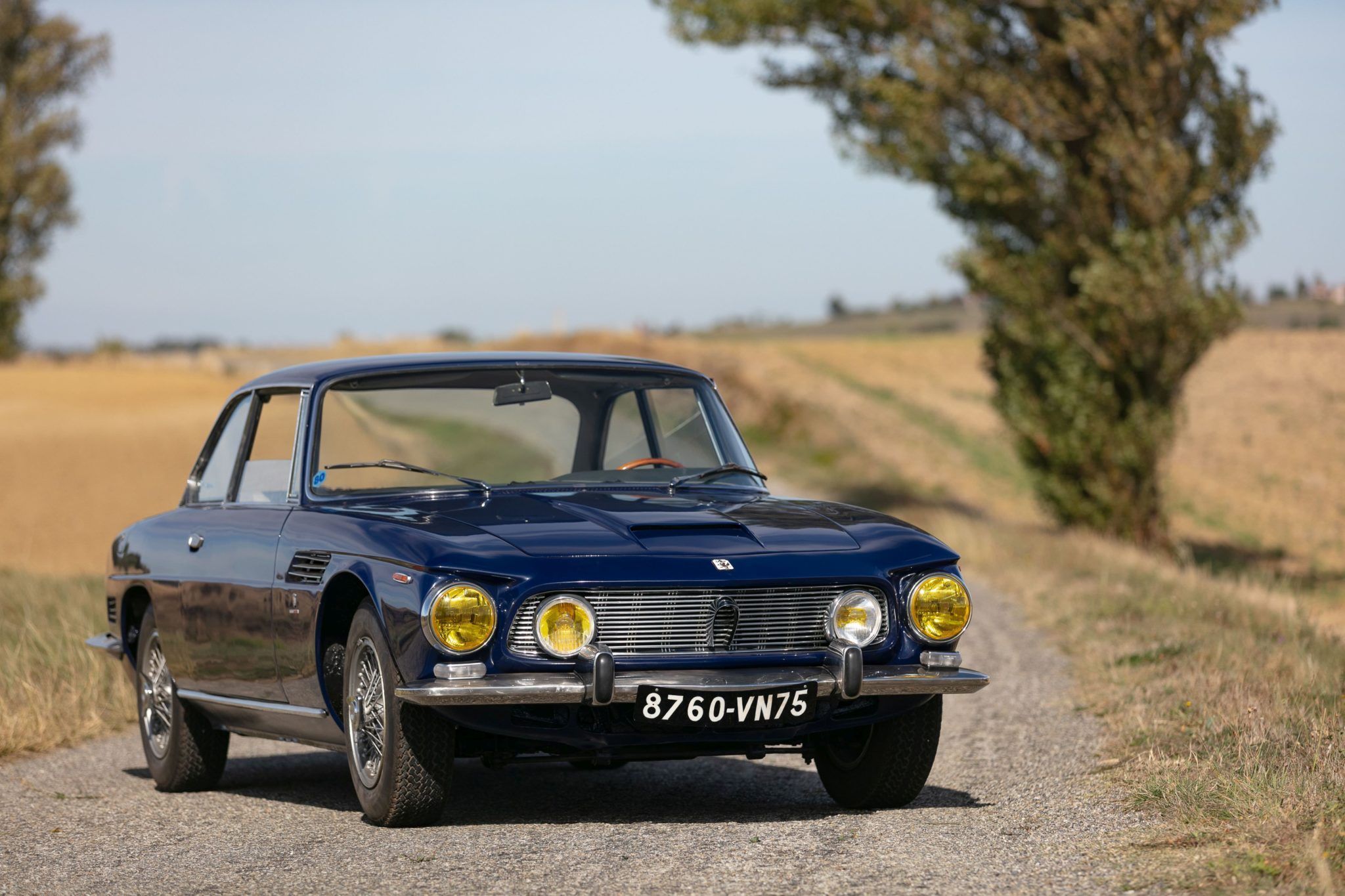
In the U.S., Iso struggled with brand recognition, even though the formula made perfect sense for American buyers. You got European luxury and handling with a drivetrain any local mechanic could service.
As a result, the IR 300 remains a sleeper classic, rare, usable, and far more interesting than many better-known contemporaries.
This Iso Rivolta IR 300 carries an unusually compelling backstory. Its first owner was a well-known jockey who reportedly lost control of the car during a nighttime outing in Paris, sending it into the Saint-Martin canal. The vehicle was subsequently recovered by a local Citroën dealership.
After being restored to roadworthy condition, it was acquired by collector Andre Trigano, who used it regularly as a daily driver through the late 1970s.
The Iso Rivolta IR 300 stands as one of the more underappreciated grand tourers of the 1960s.
It marked the first full-scale production automobile from Iso Automoveicoli, a firm that initially specialized in scooters before expanding into microcars with the Isetta bubble car.
The Isetta proved extraordinarily successful, with production licenses granted in Argentina, Spain, Belgium, France, Brazil, the United Kingdom, and Germany, where BMW manufactured its own version.
Company chairman Renzo Rivolta sought to move the brand upmarket by developing a contemporary sporting grand tourer, refined, quick, and comfortable, capable of appealing to American buyers and positioning the company within a more prestigious segment.
Rivolta appointed Giotto Bizzarrini to engineer the car. Bizzarrini had previously been responsible for the development of the Ferrari 250 GTO, along with numerous other high-performance icons.
The body design was entrusted to a young Giorgetto Giugiaro, then working at Carrozzeria Bertone.
Giugiaro would later become one of the most influential automotive designers in history, shaping vehicles such as the Volkswagen Golf Mk1, the Lotus Esprit S1, and the DeLorean DMC-12, among many others.
Bizzarrini engineered the IR 300 with a clear focus on balanced handling and robust performance. The front suspension utilized independent unequal-length A-arms, coil springs, a sway bar, and telescopic shock absorbers.
At the rear, a De Dion axle was employed, located by parallel radius arms and a Watt’s linkage, paired with coil springs and telescopic dampers. Dunlop servo-assisted disc brakes were fitted at all four corners, providing strong stopping capability for the period.
Lacking the financial resources to develop an in-house V12 engine, as Ferrari and Lamborghini had done, Iso opted for a more pragmatic solution: sourcing new Chevrolet Corvette V8 engines from the United States.
This decision proved strategically sound. Not only was it significantly more cost-effective, but it also ensured dependable performance and appealed directly to American customers familiar with Corvette power, yet seeking something more exclusive.
The 5.4-liter Chevrolet small-block V8 closely resembled the units installed in contemporary Corvettes, producing 300 horsepower.
Power was delivered to the rear wheels through a BorgWarner four-speed transmission and a Salisbury limited-slip differential. Later versions offered either a three-speed automatic or a five-speed BorgWarner manual gearbox.
6. De Tomaso Longchamp
Most people associate De Tomaso with the Pantera, but the Longchamp was the brand’s true grand tourer. Introduced in the early 1970s, it featured a front-mounted Ford V8, four seats, and understated styling that emphasized elegance over aggression.
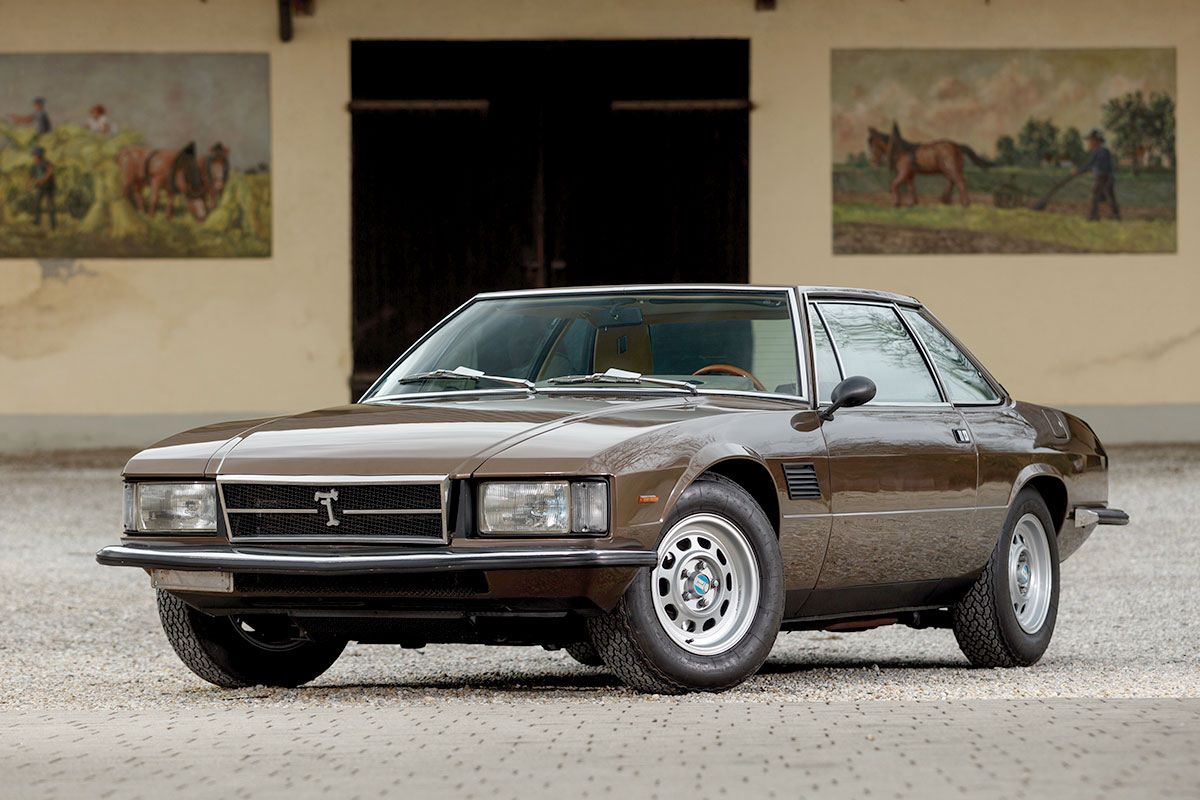
The Longchamp was designed for autobahn cruising, not track days. It delivered strong straight-line performance, a comfortable interior, and surprising practicality.
Unfortunately, it arrived during a turbulent era for performance cars, and its subtle design meant it was often overlooked. For American enthusiasts today, it represents a compelling alternative to more obvious European GTs.
7. Lamborghini Islero
Overshadowed by the Miura, the Islero is one of Lamborghini’s most misunderstood cars. Produced in the late 1960s, it was intended as a civilized grand tourer rather than a mid-engine supercar.
Powered by a V12 and styled conservatively, the Islero offered refinement without sacrificing performance.
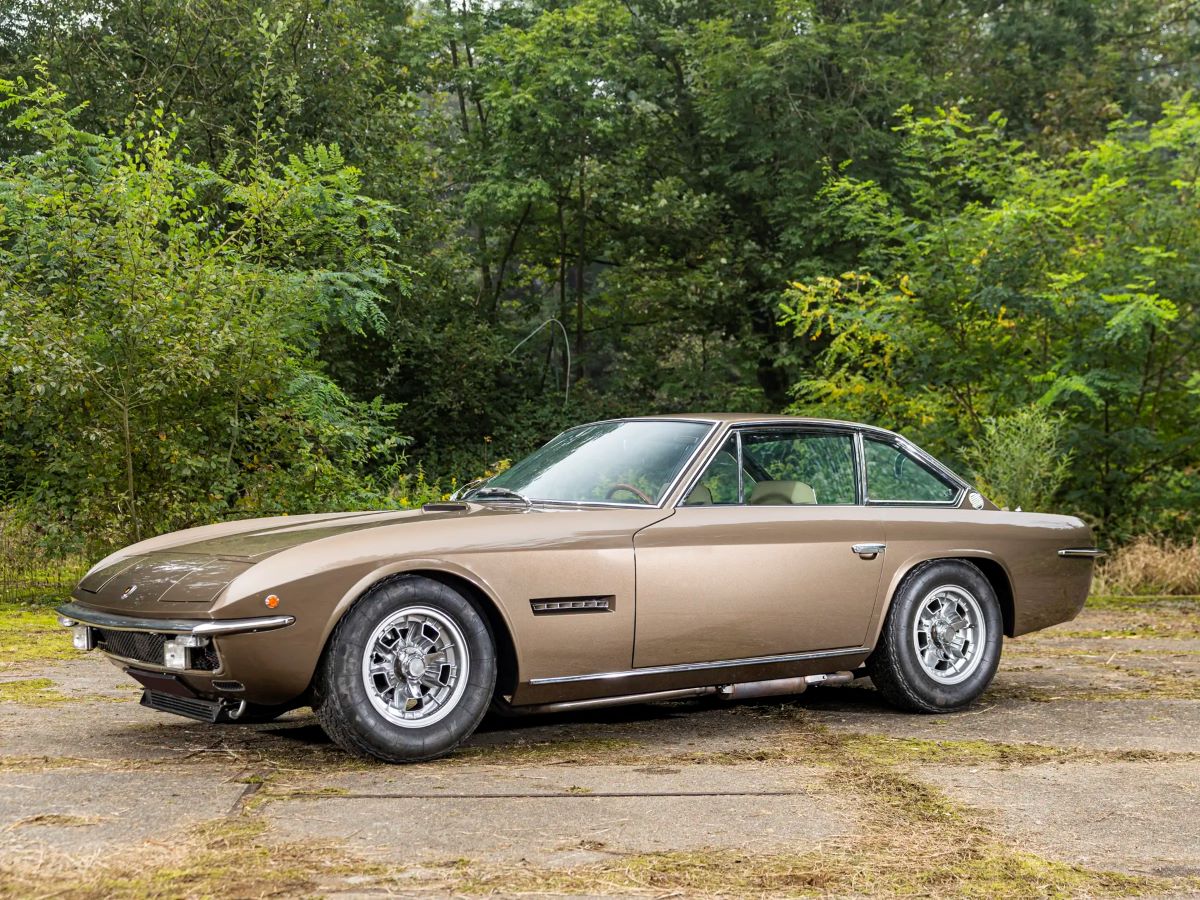
Because it lacked the visual drama of other Lamborghinis, it never captured the public’s imagination. That’s exactly why it’s so interesting now. The Islero delivers classic Lamborghini engineering in a package that’s comfortable, usable, and refreshingly subtle.
Even within the exclusive sphere of front-engined Lamborghinis, the Islero remains something of a puzzle. For me, however, it satisfies every criterion.
That appeal is not solely due to the fact that one example appeared in a Roger Moore film nearly as obscure as the car itself.
Its proportions, its era, even its name: everything about this short-lived Lamborghini positions it perfectly within the late-1960s fantasy of glamorous grand touring motoring.
From empty, sunlit autostrade to seemingly endless Alpine tunnels, the Islero feels purpose-built for the landscapes of imagination.
The Lamborghini Islero S featured flared wheelarches to accommodate its then-new 70-profile tyres mounted on Campagnolo alloys.
With quad exhausts sounding out and distinctive spinners on Campagnolo magnesium wheels catching the Mediterranean sunlight, this compact two-plus-two commands attention without resorting to theatrical excess as it sweeps past burdened European families in hard-worked Opels and Fiats.
Its styling invites curiosity rather than shock, favoring restrained, disciplined lines over flamboyant spectacle.
There is latent force in the tapered nose and a coiled stance in the way the angular glasshouse settles over the broad rear wheels, complemented by a clipped, squared-off tail that conveys a sense of purpose.
From the team that brings you Classic & Sports Car, a series of collector’s special editions celebrating our favourite marques and classic genres
In certain respects, there was little to generate widespread enthusiasm.
Essentially, it was a re-bodied version of the Touring-built 400GT 2+2, utilizing the same square-tube chassis but incorporating longer wishbones and trailing links to accommodate the latest 70-profile tyres.
The 4.0-litre quad-cam V12, producing 325bhp and paired with Lamborghini’s in-house five-speed transmission, carried over unchanged.
Body construction was entrusted to Milan-based Marazzi, founded by Mario Marazzi, a former employee of the recently defunct Carrozzeria Touring, which had previously crafted the bodywork for the Lamborghini 350GT and 400GT.
Mario Marazzi assembled a team of former Touring craftsmen and continued production of the 400GT using Lamborghini-owned tooling.
Recognizing sustained demand for his cars, Ferruccio commissioned Marazzi to produce a successor to the 350/400 series, reusing as many existing components as possible.
Having grown weary of losing money on each car, Lamborghini designed the Islero with production efficiency in mind. It featured single-curvature glass and a functional, understated interior.
Ferruccio himself was closely involved in shaping the design. The steel body was marginally shorter and slightly heavier than its predecessor.
Interior space was modestly improved, though rear legroom remained minimal, and enhanced sound insulation was claimed.
Compared to the production version, the Geneva prototype featured a deeper front air intake, subtle interior trim variations, most notably a two-spoke rather than three-spoke wooden steering wheel, and stainless-steel sill covers. Otherwise, the Islero debuted largely unchanged.
From the side, it revealed more of its costly exhaust system than modesty might dictate; at the rear, it employed Alfa Romeo-sourced light clusters and displayed the outline of the spare-wheel well beneath the shallow, compact boot floor.
In total, 226 Isleros were produced between 1968 and 1970. An early example was loaned to Brigitte Bardot, a personal acquaintance of Ferruccio Lamborghini.
8. Fiat Dino Coupé
The Fiat Dino is a fascinating footnote in Ferrari history. Built to homologate Ferrari’s V6 engine for Formula 2 racing, the Dino Coupé featured a Ferrari-derived engine in a Fiat-bodied car.
Styled by Bertone, it combined sharp looks with a surprisingly refined driving experience.
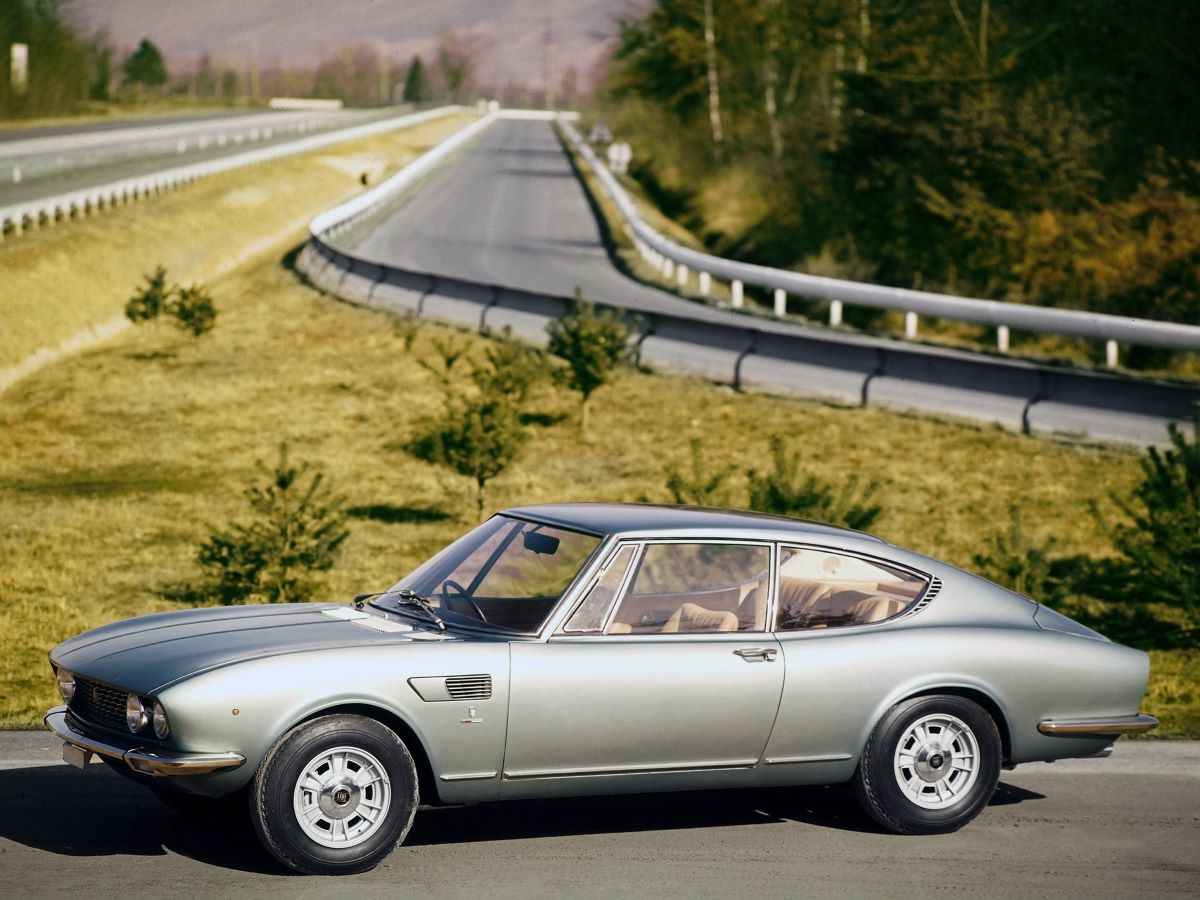
In the U.S., the Fiat badge limited its appeal, even though the mechanical pedigree was exceptional.
Today, that badge snobbery works in buyers’ favor. The Fiat Dino offers Ferrari DNA at a fraction of the cost, wrapped in one of the most attractive coupe designs of the era.
Named in honor of Enzo Ferrari’s son, Alfredo “Dino” Ferrari, the Fiat Dino was introduced to assist Scuderia Ferrari in homologating a V6 engine for use in Formula 2 competition. The model would ultimately achieve iconic status.
At the time, FIA regulations required that at least 500 examples of an engine be produced and installed in a road-going production vehicle for it to qualify as a racing powerplant. In 1965, Ferrari and Fiat entered into a formal agreement, resulting in the creation of the Dino.
Fiat commissioned Bertone to design the coupe variant, while Pininfarina was tasked with styling the convertible. The front end was characterized by four circular headlights, separated by a black grille and framed by a chrome bumper.
Its flowing bodywork and distinctive, wave-like beltline gave the Dino immediate visual appeal. A streamlined greenhouse and sloping rear profile positioned it as a rival to contemporary European sports cars such as the Peugeot 404 Coupe and the Volvo P1800.
The interior featured a distinctive dashboard layout, with two prominent, individually housed dials for the tachometer and speedometer, accompanied by five supplementary gauges monitoring fuel level, coolant temperature, oil pressure, charging system status, and time.
Configured as a 2+2, the Dino provided two bucket seats at the front and two separate rear seats divided by a central armrest.
Power came from a 2.0-liter V6 engineered by Aurelio Lampredi, who had previously developed engines for Ferrari.
After two years of production, the model received an upgraded 2.4-liter V6 delivering increased output. Later versions were also equipped with independent rear suspension, enhancing both cornering performance and ride comfort.
9. Lancia Gamma Coupé
By the late 1970s, Lancia was still engineering-driven but increasingly misunderstood. The Gamma Coupé featured front-wheel drive, a flat-four engine, and minimalist Italian styling.
It wasn’t a sports car, but it excelled as a high-speed cruiser with excellent ride quality and interior comfort.
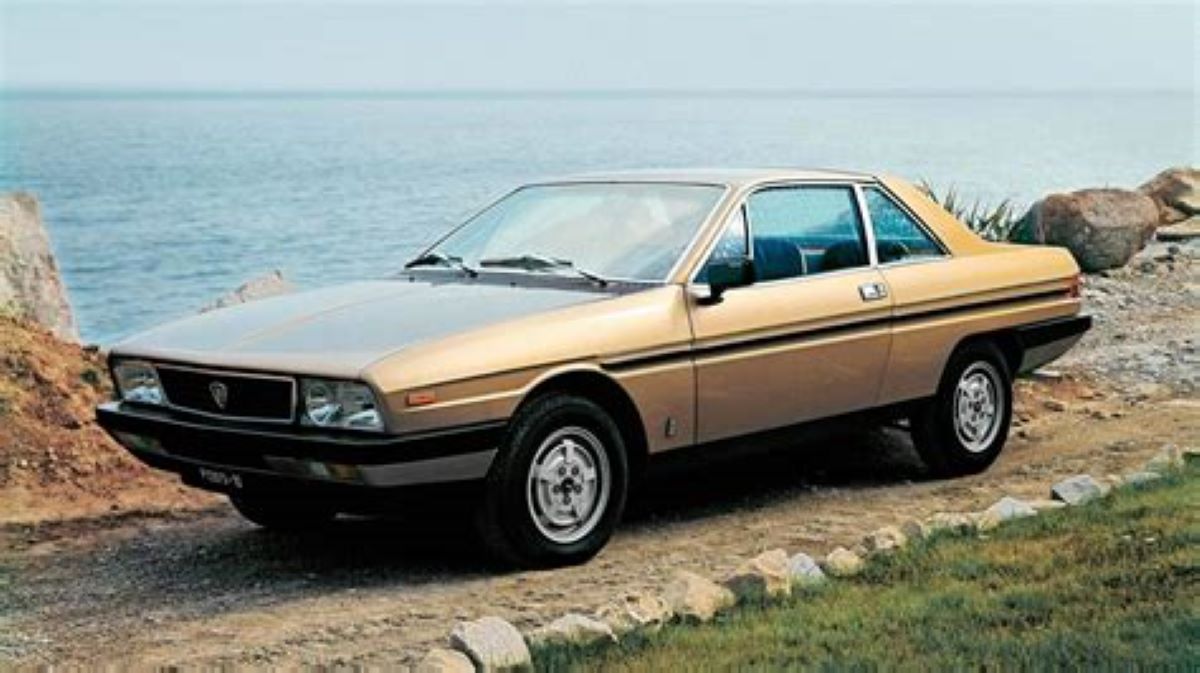
American buyers struggled to understand its unconventional layout, and reliability issues hurt its reputation. Yet when properly maintained, the Gamma Coupé delivers a smooth, relaxed driving experience that feels more modern than its age suggests.
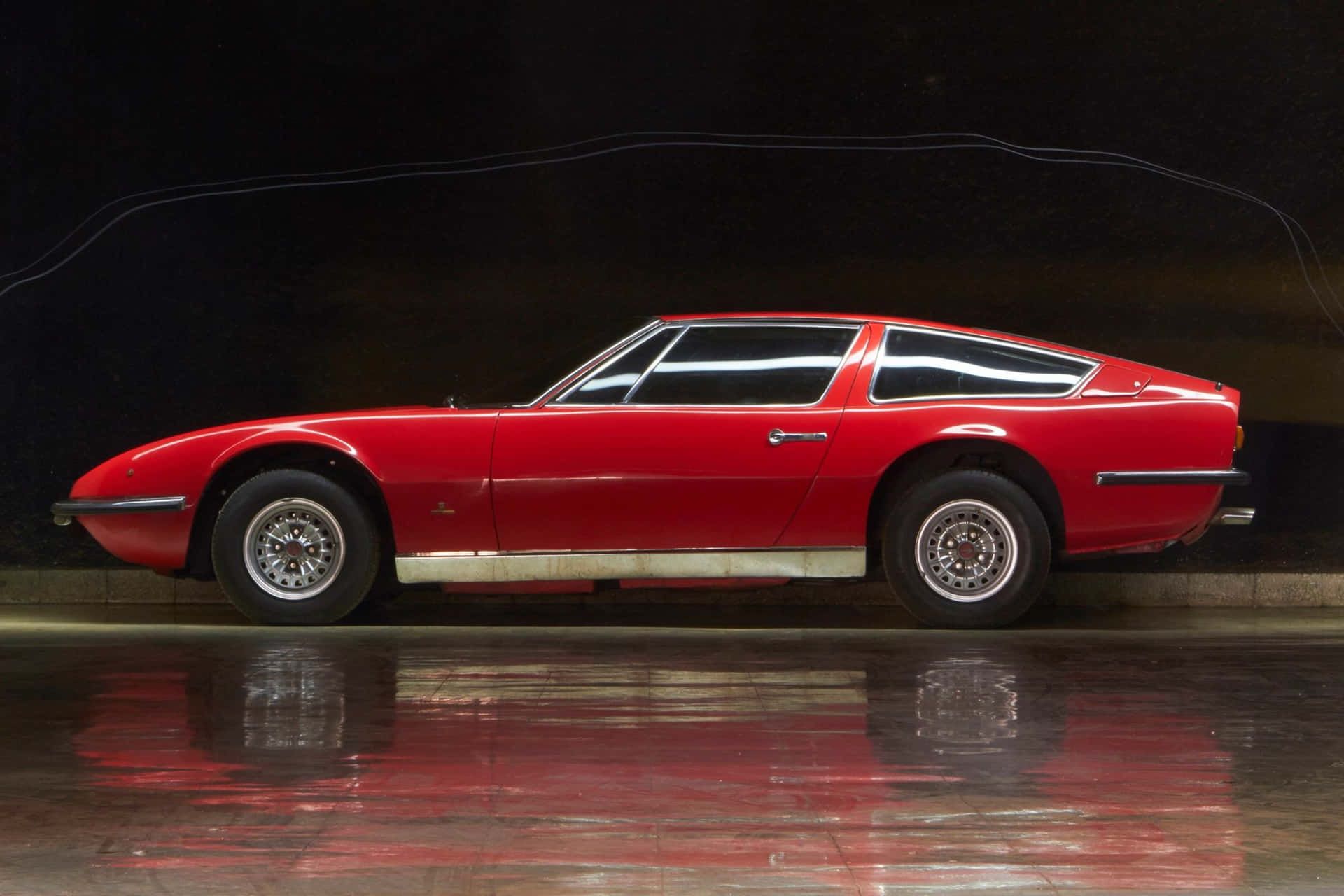
10. Maserati Indy
Named after Maserati’s success at Indianapolis, the Indy was a four-seat GT with serious performance credentials.
Powered by a V8 and available with a manual transmission, it blended luxury with genuine speed. The interior was spacious, making it ideal for long journeys.
Despite its capabilities, the Indy lived in the shadow of flashier Maseratis. In the U.S., where brand image mattered greatly, it failed to stand out.
Today, it’s a reminder that Maserati once specialized in building fast, comfortable cars for drivers who valued substance over spectacle.
For American enthusiasts, forgotten Italian grand tourers represent something special. They offer character, craftsmanship, and a driving experience that modern cars struggle to replicate.
Yes, ownership requires commitment, but the reward is a connection to an era when style and engineering were inseparable.
As collectors begin to look beyond the usual icons, these GTs are finally getting a second look.
Whether you’re drawn to understated elegance, mechanical uniqueness, or sheer road-trip ability, these forgotten Italians prove that some of the best grand tourers in history were never meant to shout, they were meant to glide.
