When Americans think about practical cars, hatchbacks often sit in an awkward middle ground. They promise the versatility of an SUV without the bulk, and the maneuverability of a compact car without sacrificing everyday usefulness.
In reality, though, not all hatchbacks live up to that promise. Some are brilliantly packaged, making smart use of their footprint to deliver real cargo room and passenger comfort.
Others, despite their hatchback shape, feel cramped, compromised, or simply inefficient for the space they take up.
This list breaks the segment in two. First, we’ll look at five hatchbacks that genuinely balance size and space, offering flexibility that makes them ideal for U.S. buyers juggling commuting, errands, and occasional road trips.
Then, we’ll cover five hatchbacks that don’t, models that look practical on paper but fall short once you actually try to live with them.
Hatchbacks That Do Balance Space and Size
Hatchbacks occupy a unique position in the automotive landscape. They promise the maneuverability of a compact car while offering a level of cargo flexibility that often rivals small SUVs.
For buyers who need practical interior space but don’t want the bulk, fuel consumption, or parking challenges of a larger vehicle, the modern hatchback represents a deliberate compromise, one that often works remarkably well.
The best examples in this segment are engineered to maximize usable room without inflating exterior dimensions. Clever packaging, fold-flat rear seats, wide-opening liftgates, and efficient drivetrain layouts allow these cars to carry passengers and gear comfortably while remaining easy to drive in dense urban environments.
They are small enough to thread through traffic and fit into tight spaces, yet versatile enough to handle road trips, weekend errands, and daily commuting without feeling cramped.
In this article, we highlight hatchbacks that strike that balance effectively, models that combine compact footprints with genuinely practical interiors, proving that you don’t need a crossover to get meaningful space.
1. Honda Civic Hatchback
The Civic Hatchback is a masterclass in smart packaging. While it’s only slightly longer than a typical compact sedan, Honda’s interior layout makes it feel far more accommodating.
Rear seat legroom is generous enough for adults, and the low, wide cargo opening makes loading groceries, luggage, or even small furniture surprisingly easy.
What really sets it apart for American buyers is how naturally it fits into daily life.
It’s easy to park in crowded cities, stable and quiet on highways, and roomy enough for weekend trips without forcing you to pack like a minimalist. This is a hatchback that actually understands how people use space.
Testing was conducted using a Civic Touring sedan equipped with the turbocharged engine. On the test track, it accelerated from 0 to 60 mph in 7.9 seconds, placing it slightly ahead of the segment average for compact sedans.
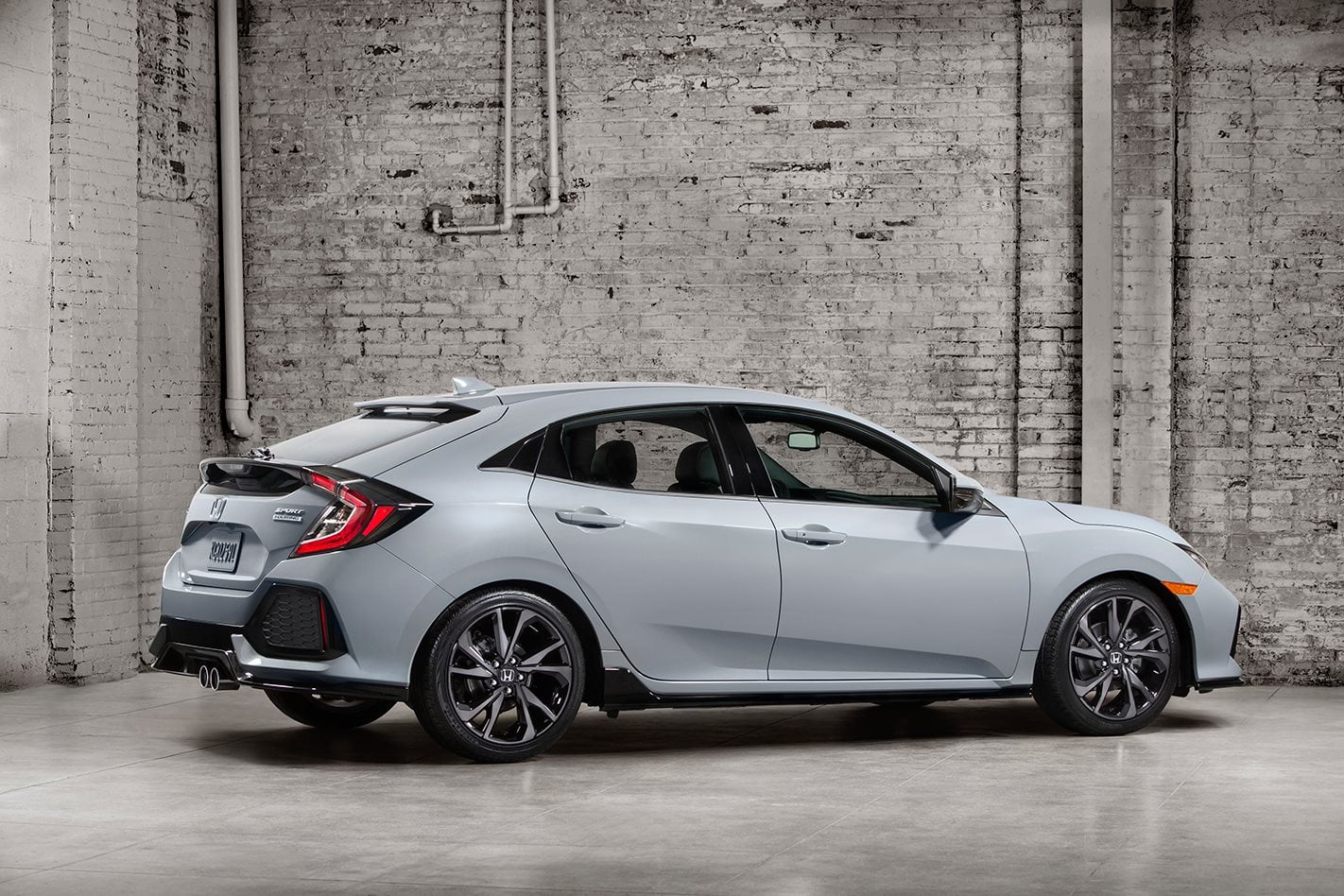
Initial acceleration from a standstill feels somewhat subdued, but power delivery builds progressively and consistently, eliminating the need for aggressive throttle input as is often required with the base 2.0-liter engine. The continuously variable automatic transmission is well calibrated, providing smooth operation and prompt response during passing maneuvers.
In cornering scenarios, the Civic exhibits stability and a composed, mildly sporty character. While tire noise is noticeable, grip levels are higher than expected for the class, contributing to braking performance that exceeds average expectations.
The Civic delivers a straightforward and low-effort driving experience, an outcome well aligned with the priorities of buyers seeking a practical and affordable compact sedan.
2. Toyota Corolla Hatchback
Toyota didn’t just chop the trunk off the Corolla sedan and call it a day. The Corolla Hatchback has a shorter overall length but makes clever use of vertical space.
While it doesn’t have class-leading cargo volume, the shape of the load area is practical and usable.
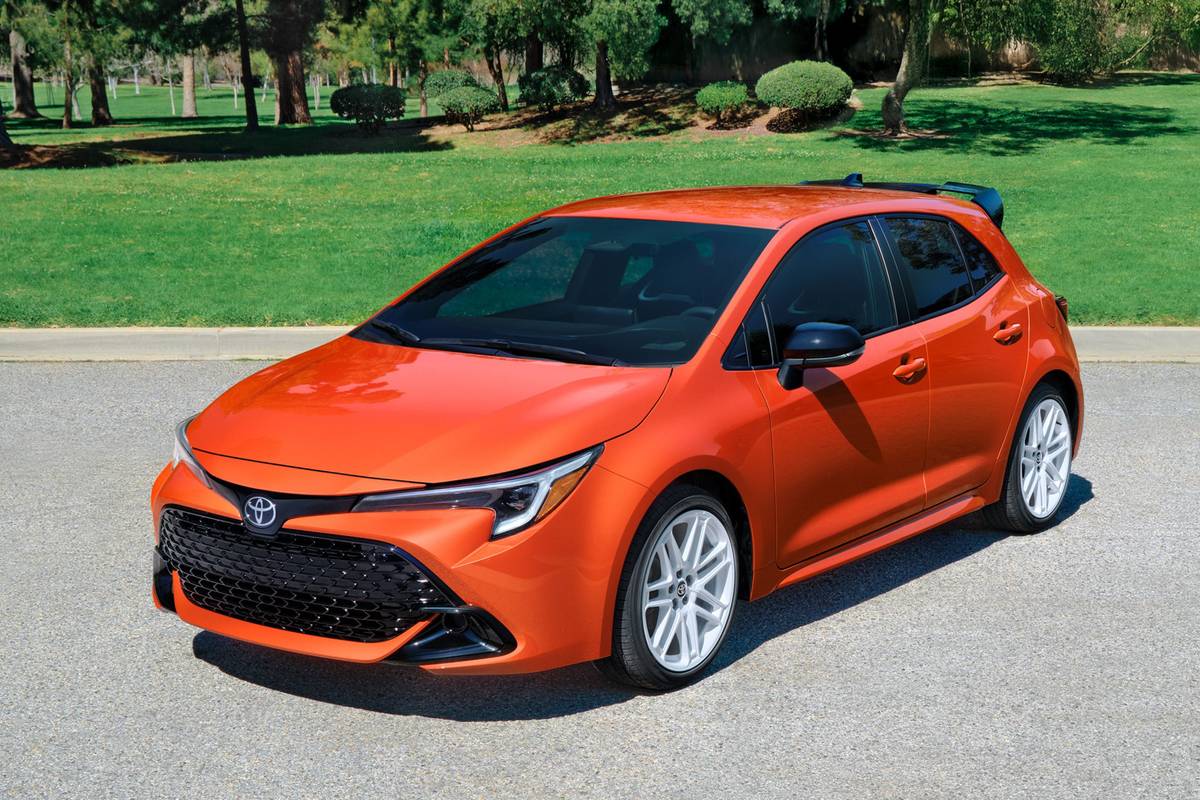
For U.S. drivers who want a reliable daily driver that doesn’t feel claustrophobic, it hits a sweet spot. It’s wide enough for child seats, stable on long freeway drives, and efficient without feeling underpowered.
The Corolla Hatchback proves that “compact” doesn’t have to mean compromised.
For the facelift, Toyota comprehensively revised the Corolla’s hybrid system. The lithium-ion battery pack now delivers 14 percent greater output while also shedding 14 percent of its weight, an 18 kg reduction, and becoming more compact. The control electronics were updated for improved efficiency and reduced operating noise.
Both electric motors received upgrades as well. In the 1.8-liter version, motor output increased by 23 bhp to 94 bhp, while the 2.0-liter variant’s motor gained 4 bhp to reach 111 bhp. At the same time, the motors became lighter, with weight reductions of 16 kg and 18 kg respectively.
Overall system output has risen accordingly. The 1.8-liter Corolla now produces 138 bhp combined, up from 120 bhp, while the 2.0-liter version increases from 181 bhp to 193 bhp.
These hardware improvements are complemented by recalibration and enhanced torque fill from the more powerful electric motors. The result is a car that feels quicker, quieter, and more responsive while also delivering improved efficiency.
The previous 1.8-liter Corolla was competent but relaxed in character, with performance shaped by its CVT-based hybrid system. Acceleration was modest, but the overall driving experience was smooth and undemanding. Drivers were often more focused on how frequently the vehicle operated in EV mode than on its 10.9-second 0–62 mph time.
Transitioning to the updated 1.8-liter model reveals a more pronounced change than the 18 bhp increase alone would suggest. Throttle response is noticeably sharper, and the car feels more energetic in everyday driving.
The additional electric torque contributes to a more immediate and assertive character, giving the revised Corolla a level of responsiveness that stands in clear contrast to its predecessor.
3. Volkswagen Golf
For years, the Golf set the standard for what a hatchback could be. Even as SUVs gained popularity, the Golf continued to show how thoughtful design can beat brute size. The cabin feels airy, the rear seats fold nearly flat, and the cargo area is boxy rather than shallow.
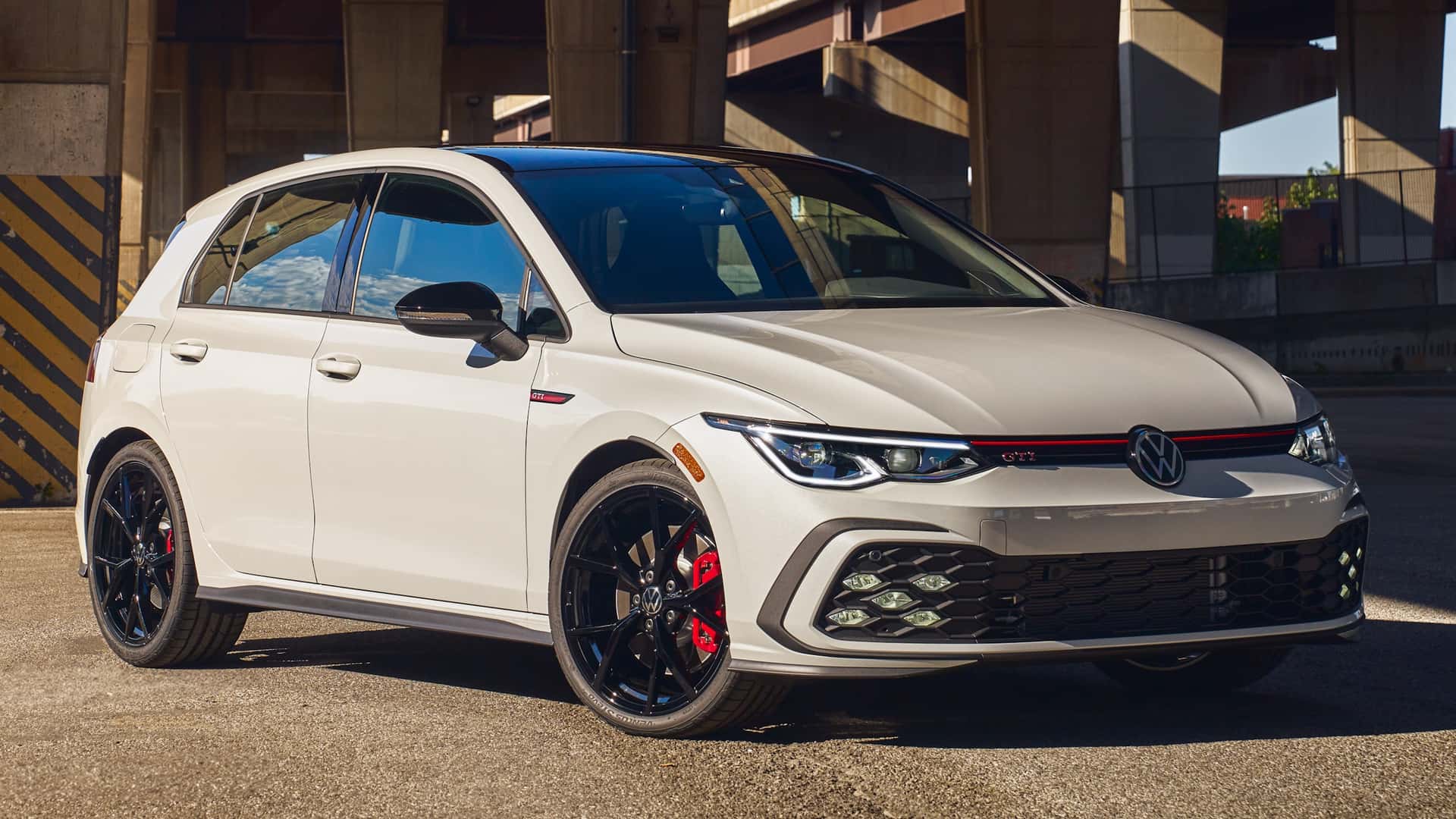
American buyers who value refinement will appreciate how the Golf uses its footprint. It’s not flashy, but everything about it feels intentional. From road trips to Home Depot runs, it consistently punches above its size class.
4. Mazda3 Hatchback
The Mazda3 Hatchback leans more toward style than raw cargo numbers, but it still manages space better than many rivals. The rear seats aren’t huge, yet the cargo area is deep and usable once they’re folded.
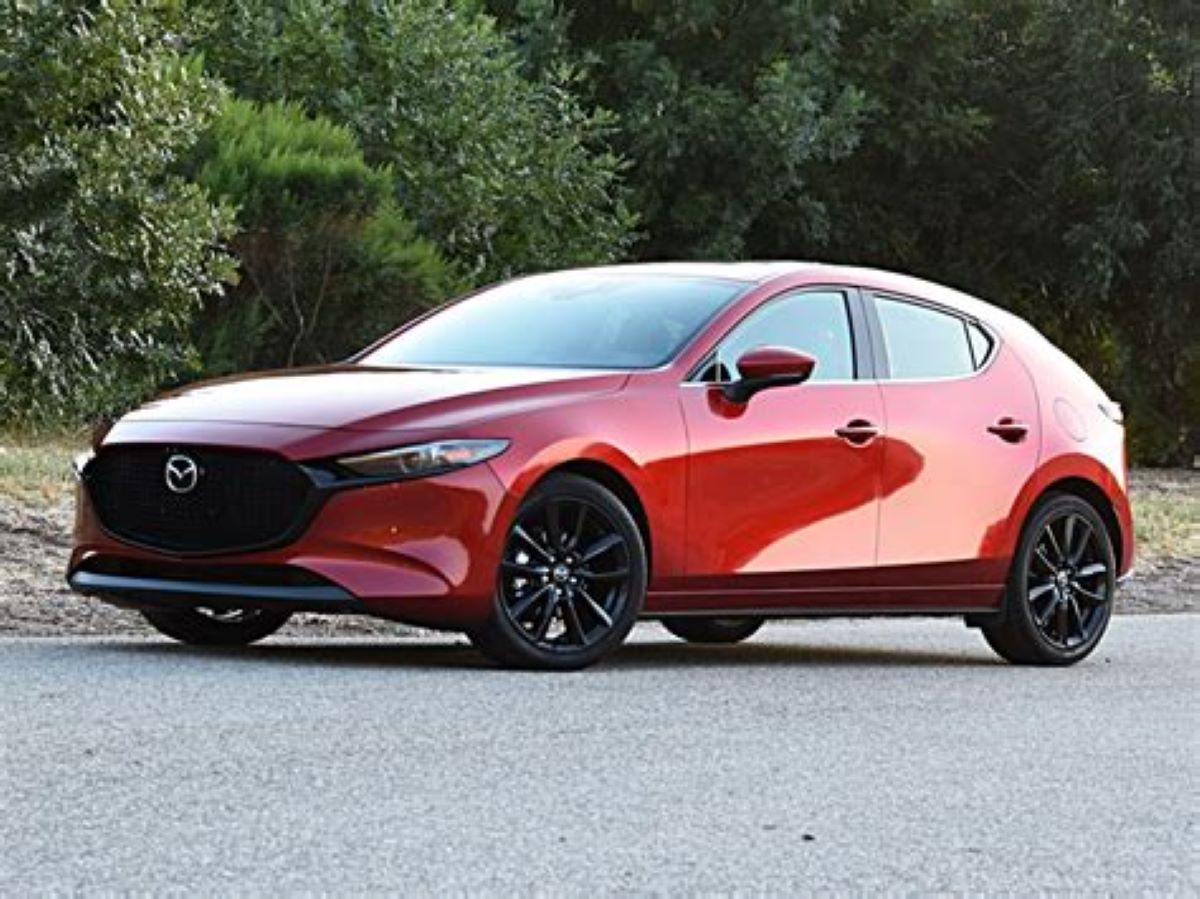
For drivers who want something compact, fun to drive, and still practical enough for everyday tasks, the Mazda3 strikes a strong balance. It’s especially appealing to single drivers or couples who want flexibility without moving up to a crossover.
Mazda provides three distinct four-cylinder engine options for the Mazda3 lineup. The entry-level sedan is powered by a 2.0-liter engine producing 155 horsepower and is available exclusively with front-wheel drive.
Stepping up to the 2.5-liter naturally aspirated four-cylinder increases output to 186 horsepower and opens the door to an optional all-wheel-drive system. The most performance-focused option is the turbocharged 2.5-liter engine, which generates 250 horsepower.
Transmission availability varies by configuration. A six-speed manual gearbox is offered only with front-wheel-drive models. Selecting all-wheel drive requires the six-speed automatic transmission.
Across the range, throttle response is prompt, but the turbocharged variant is the only configuration that delivers genuinely strong acceleration. In testing, the turbocharged Mazda3 reached 60 mph in 5.6 seconds.
Both sedan and hatchback body styles exhibit stable road manners on highways and winding roads alike. Ride quality is refined without sacrificing engagement. The current Mazda3 maintains the dynamic character of its predecessor, featuring controlled body motions, communicative steering, and firm suspension tuning that absorbs rough surfaces without excessive harshness.
5. Kia Soul
The Kia Soul blurs the line between hatchback and small crossover, and that’s exactly why it works. Its boxy shape maximizes interior volume, making it feel far larger inside than its exterior dimensions suggest.
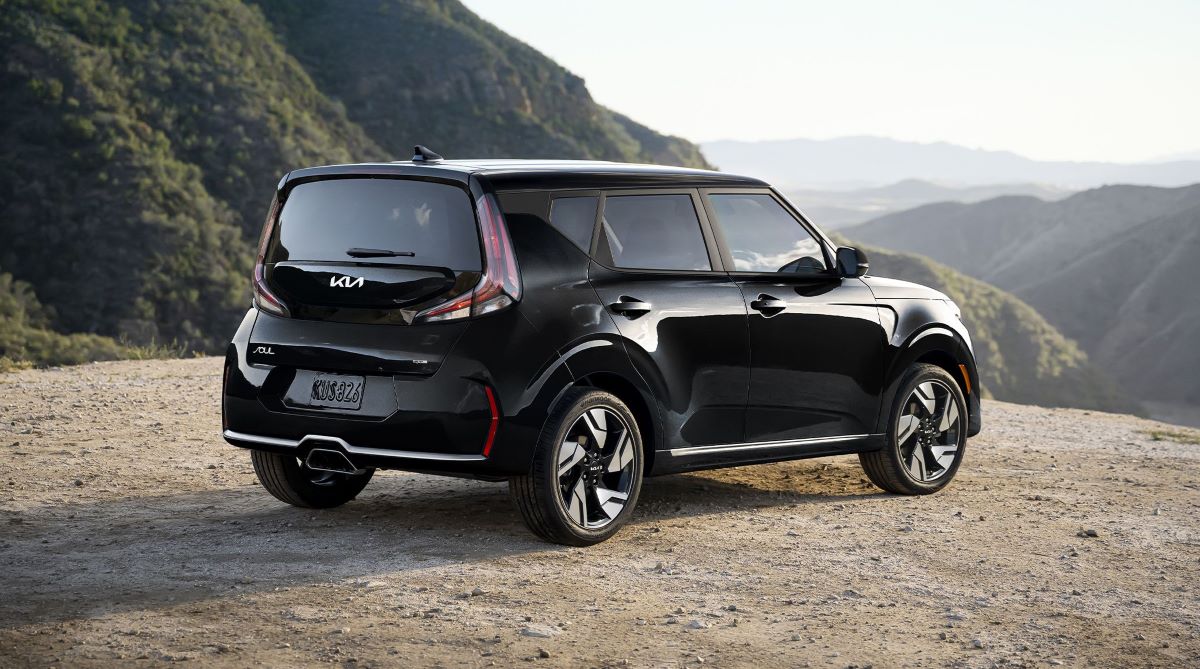
In the U.S., where practicality often outweighs pure performance, the Soul excels.
Tall drivers fit comfortably, rear passengers have real headroom, and the cargo area is square and easy to use. It’s proof that unconventional styling can lead to genuinely smart space utilization.
The Soul’s standard 2.0-liter engine delivers modest acceleration, but in everyday urban driving the vehicle feels adequately responsive.
While it is not quick, throttle response is sufficient for routine traffic situations. In instrumented testing, the Soul reached 60 mph in 8.5 seconds, which is competitive for a subcompact crossover. Steering input feels natural and predictable, and overall handling compares favorably with more dynamically oriented rivals such as the Mazda CX-30 and Mini Countryman.
Brake response at lower speeds can feel overly sensitive initially, requiring some acclimation. Ride quality is firm and controlled, absorbing larger road imperfections without excessive harshness or structural shudder.
Unlike certain competitors in the segment, the Soul maintains composure over uneven pavement. However, it does not offer an all-wheel-drive option, which may limit appeal for buyers in regions with severe weather.
Outward visibility is a strength, aided by tall and relatively narrow window openings. The only notable blind spot is created by the small upward kink in the rear quarter window design. Although a surround-view camera system is not available, the included driver-assistance features perform reliably and did not produce false alerts during testing.
Hatchbacks That Don’t Balance Space and Size
Hatchbacks are often marketed as the ideal middle ground, compact on the outside, practical on the inside. In theory, they deliver city-friendly dimensions without sacrificing cargo flexibility or rear-seat usability.
But not every hatchback executes that formula effectively. Some lean too heavily toward style, performance, or cost-cutting, and in the process, compromise the very balance that defines the segment.
In certain cases, aggressive rooflines and tight rear quarters reduce headroom and cargo capacity. In others, short wheelbases and cramped rear seats make passenger comfort an afterthought.
There are also models that grow in exterior size without delivering a proportional gain in usable interior space, undermining the efficiency that hatchbacks are meant to provide. The result is a vehicle that occupies more road space but doesn’t offer the practicality buyers expect.
This article examines hatchbacks that fall short of achieving the critical balance between size and space, models where packaging decisions, design priorities, or engineering trade-offs dilute the core advantages of the body style.
1. Mini Cooper Hardtop
The Mini Cooper Hardtop looks like it should be practical, but the reality is less impressive. Despite its hatchback shape, the rear seats are tight and the cargo area is extremely limited unless those seats are folded.
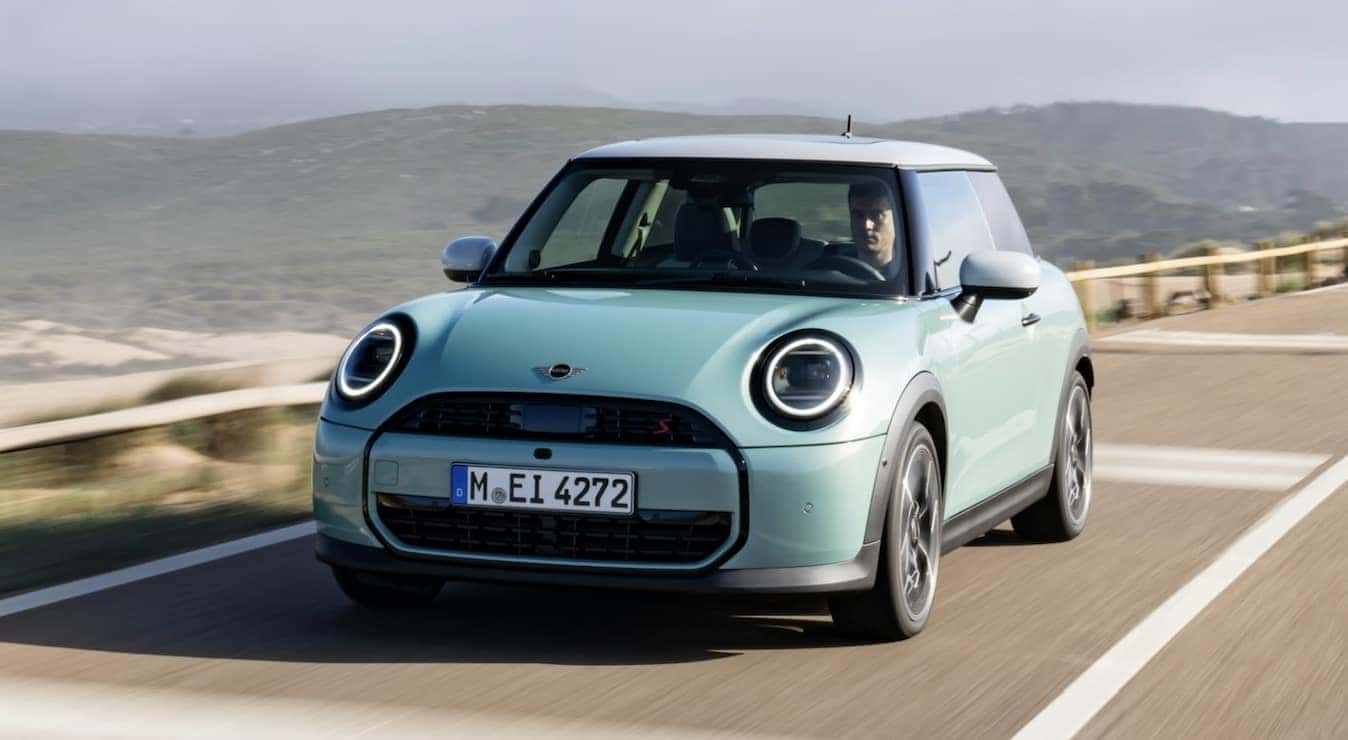
For American buyers who expect versatility from a hatchback, the Mini often disappoints. It’s fun and stylish, but its interior space feels more like an afterthought than a design priority.
2. Hyundai Veloster
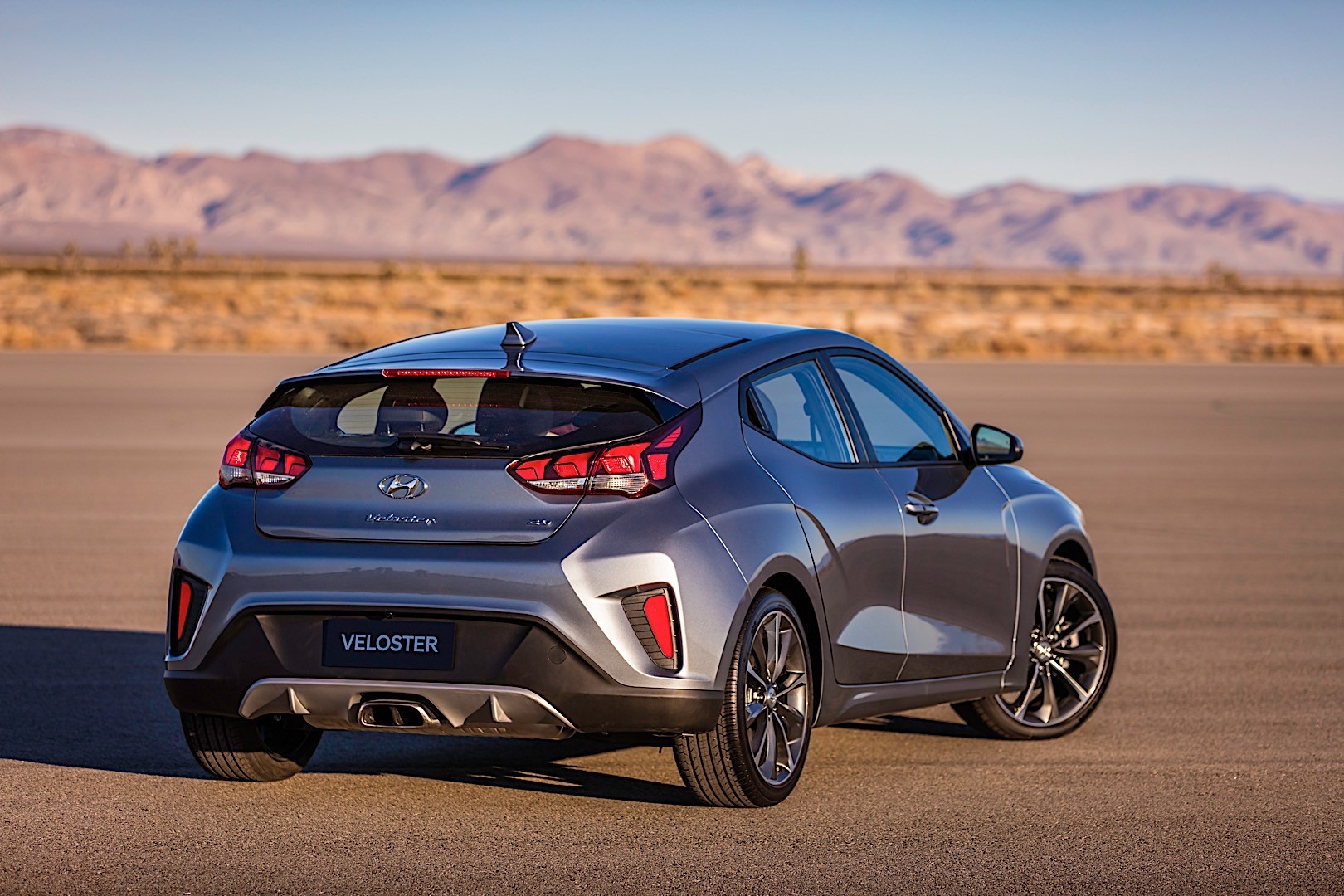
The Veloster’s three-door layout is clever in theory, but awkward in practice. Rear access is uneven, and the sloping roofline cuts into usable cargo space.
While it works as a sporty commuter, it struggles to deliver the kind of everyday practicality U.S. buyers often want from a hatchback. It’s a niche car pretending to be versatile.
The 2021 Hyundai Veloster stands out in the compact segment with its unconventional three-door hatchback layout and accessible pricing. The standard Veloster offers an available 201-horsepower turbocharged engine and competent performance.
Interior material quality trails competitors such as the Mazda3 and Volkswagen Golf, but Hyundai compensates with a generous list of standard features. These include automatic high beams, forward collision mitigation with automatic emergency braking, lane-keeping assistance, and a touchscreen infotainment system compatible with Apple CarPlay and Android Auto.
Cargo capacity is limited, and fuel economy is below average for the class. Even so, the Veloster’s unconventional design and dynamic character differentiate it from more conventional compact cars.
For 2021, Hyundai carried the Veloster over without changes. The manufacturer also announced that all variants except the Veloster N would be discontinued after this model year.
Pricing ranges from $19,905 for the base 2.0 trim to $29,455 for the Turbo Ultimate. The recommended configuration for driving enthusiasts is the Turbo R-Spec.
The base powertrain consists of a 2.0-liter four-cylinder producing 147 horsepower and 132 lb-ft of torque. Turbo models feature a 1.6-liter turbocharged four-cylinder generating 201 horsepower and 195 lb-ft of torque. All versions are front-wheel drive. Transmission options include a six-speed manual, a six-speed automatic, and a seven-speed dual-clutch automatic (DCT).
In testing, a Veloster Turbo Ultimate equipped with the DCT accelerated from 0 to 60 mph in 5.9 seconds, which is competitive within the segment. A comparable Honda Civic Hatchback required approximately one second more to achieve the same benchmark.
While the base engine is serviceable, it becomes coarse under heavy throttle. The turbocharged engine provides a more engaging and responsive driving experience. Handling is agile and satisfying, reinforcing the Veloster’s appeal to drivers seeking a compact car with personality.
3. Toyota C-HR
The C-HR looks bold and aggressive, but that styling comes at a cost. Thick pillars and a high beltline make the interior feel cramped, and the cargo area is smaller than many expect.
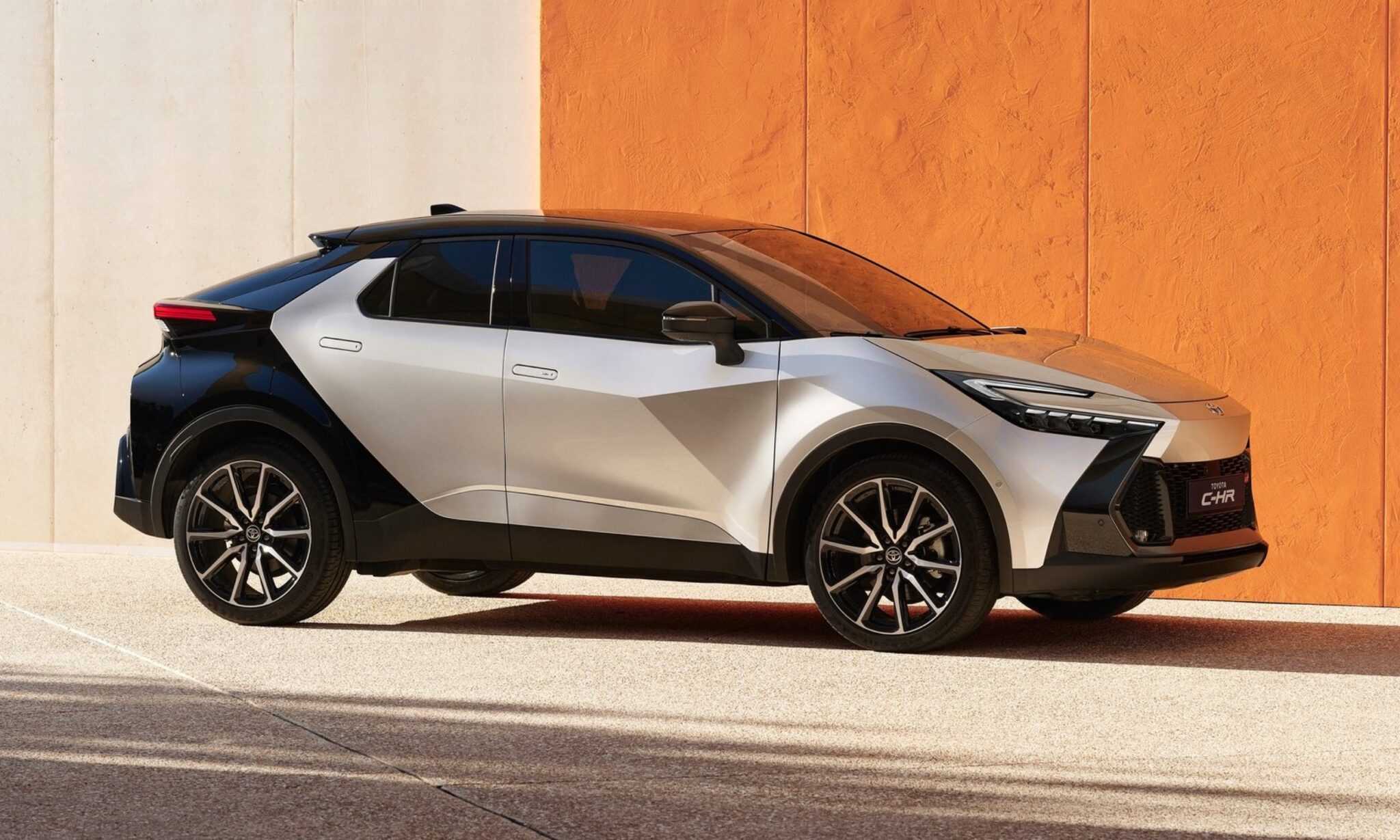
Despite being marketed as a crossover-like hatchback, it fails to deliver the space advantages buyers associate with that category. It’s a clear example of form winning over function.
The Toyota C-HR is available with two conventional hybrid petrol powertrains: a 138bhp 1.8-litre and a more powerful 193bhp 2.0-litre. In addition, Toyota offers a plug-in hybrid (PHEV) variant that pairs the 2.0-litre engine with a larger battery pack. All versions are equipped with a responsive CVT automatic transmission.
The 1.8-litre hybrid represents the most balanced choice for many buyers. While it is not particularly quick, posting an official 0-62mph time of 10.2 seconds, roughly a second slower than the Lexus LBX, it delivers sufficient performance for everyday use and reaches motorway speeds without strain.
For stronger acceleration, the 2.0-litre hybrid is the preferable option. In independent testing, it reached 60mph in 8.4 seconds, making it marginally quicker than competitors such as the Ford Puma and Volkswagen T-Roc.
The PHEV variant increases combined output to 220bhp and improves acceleration further, achieving 0-62mph in 7.4 seconds. This makes it faster in a straight line than the Kia Niro PHEV and Mazda MX-30 R-EV. It also offers an official electric-only driving range of 41 miles, slightly exceeding the capabilities of those rivals.
4. Fiat 500
The Fiat 500 is charming, but charm doesn’t move furniture or luggage. The rear seats are barely usable for adults, and the cargo area is more symbolic than functional.
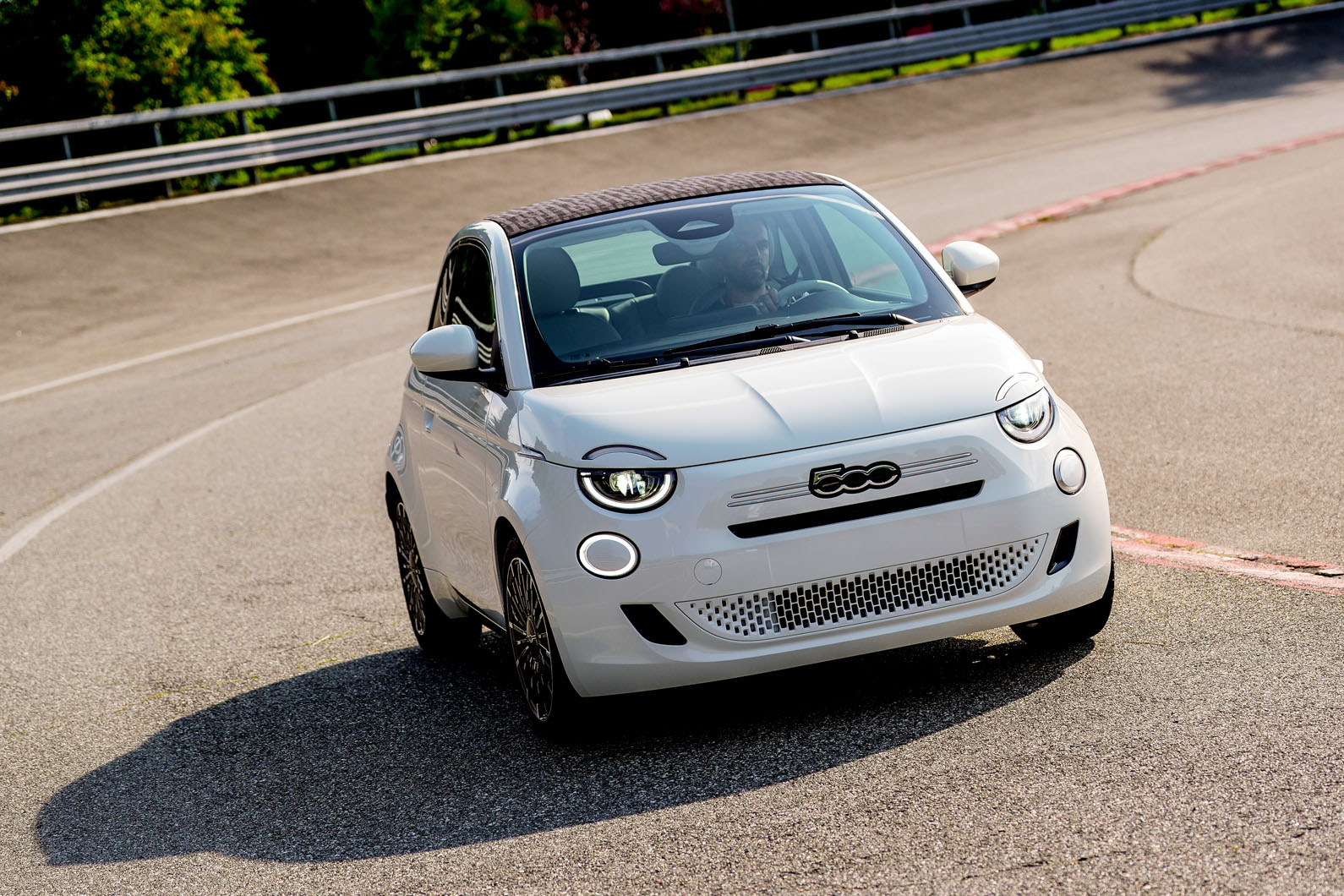
In dense European cities, this makes sense. In the U.S., where even compact cars are expected to handle errands and road trips, the Fiat 500 feels too limited to justify its footprint.
The modern Fiat 500e represents a significant departure from the original 1957 city car and even from the petrol-powered Nuova 500 introduced in 2007. While it retains the instantly recognisable silhouette, this third-generation model has transitioned to fully electric power.
Although slightly longer, wider, and taller than the outgoing petrol version, the 500e remains compact compared with most new cars. Buyers can choose between two battery and motor combinations, both driving the front wheels via a single electric motor. The entry-level model pairs a 24kWh battery with a 92bhp motor, delivering a claimed range of 118 miles on a full charge.
Upgrading to the larger 42kWh battery increases the official range to 193 miles. Power rises to 116bhp, enabling a 0-62mph time of around nine seconds. While that’s brisk for a small electric city car, Fiat has also introduced the more performance-oriented Abarth 500e for buyers seeking stronger acceleration in the same compact footprint.
The trim lineup has evolved since launch. The entry-level Action variant, previously notable for its smartphone cradle in place of a full infotainment system, has been discontinued. Current offerings include the base 500e, the range-topping La Prima, and the limited-run Armani Edition.
Pricing for the electric 500e starts at approximately £25,000, positioning it among the more affordable EVs currently available. Opting for the larger battery raises the price to around £28,000, while the 500e Convertible begins at roughly £31,000.
Performance & Driving Experience
The 500e is engineered primarily for urban use, and it performs best in that environment. With up to 220Nm of torque delivered to the front wheels, low-speed acceleration is immediate and well suited to city traffic.
However, regenerative braking strength is linked to selectable driving modes. Selecting stronger regeneration, approaching one-pedal operation, requires choosing a more efficiency-focused mode, which also reduces available power output, particularly in the range-maximising Sherpa setting.
The 92bhp version reaches 0-62mph in 9.5 seconds. The 116bhp variant trims that to approximately nine seconds and increases top speed to 93mph, 9mph higher than the lower-powered model. While neither setup delivers the extreme acceleration figures seen in higher-end EVs, both are appropriate for the vehicle’s intended role.
In city conditions, the 500e’s compact dimensions, tight turning circle, and strong outward visibility make manoeuvring straightforward. Gear selection is handled via large dashboard-mounted buttons, and power delivery is smooth and quiet.
Compared with petrol-powered city cars, the electric drivetrain enhances refinement and ease of operation. Models fitted with smaller wheel sizes offer a more compliant ride, better suited to uneven urban streets.
Relative to many small EVs, the 500e’s lighter weight contributes to reasonable agility on winding roads. However, it prioritises predictability over engagement. Grip levels are sufficient, and stability control is conservatively calibrated.
At higher speeds, especially on uneven country roads, the suspension can struggle to absorb frequent surface imperfections, leading to a slightly unsettled ride. Overall, the 500e is competent beyond city limits, though its strengths remain concentrated in urban driving.
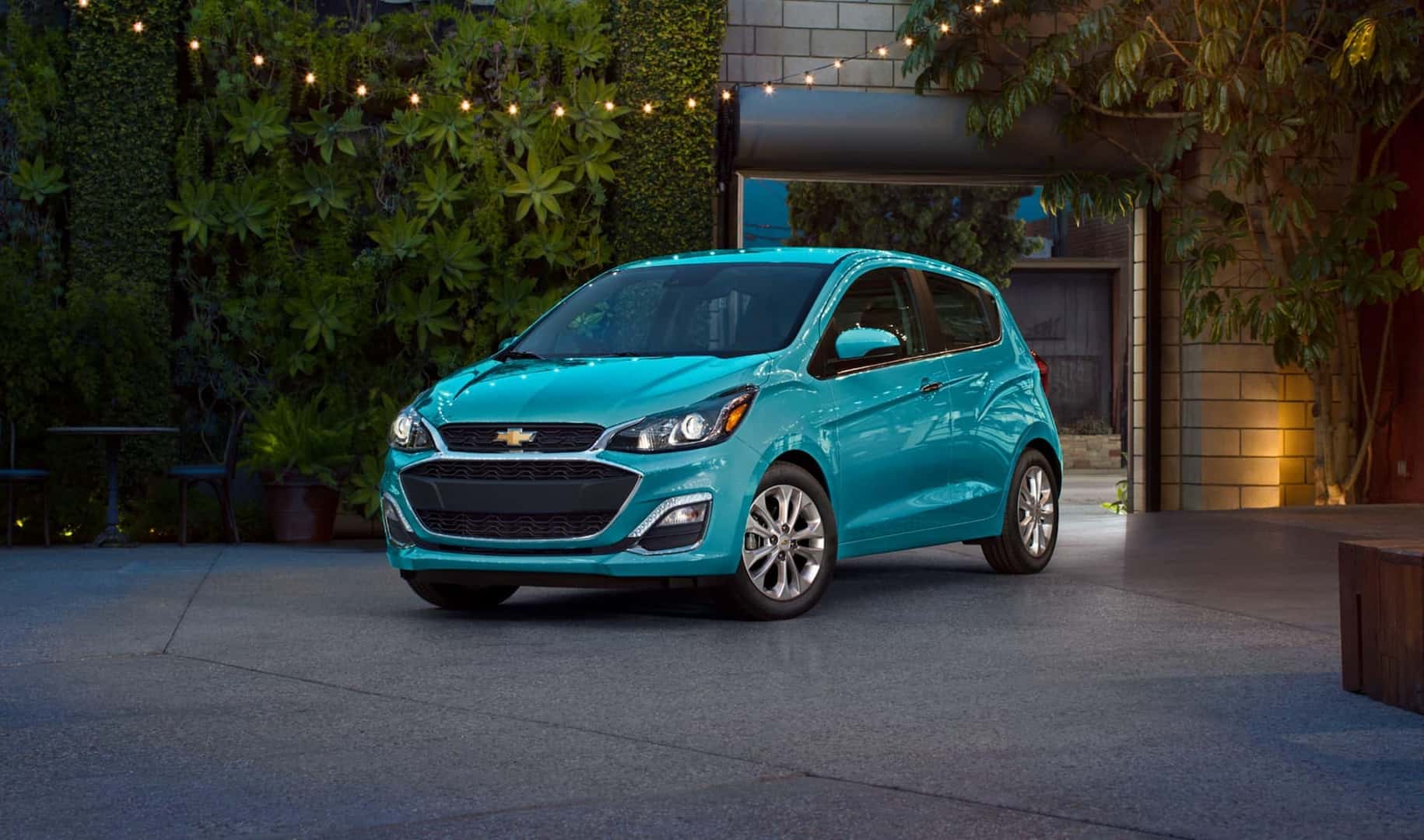
5. Chevrolet Spark
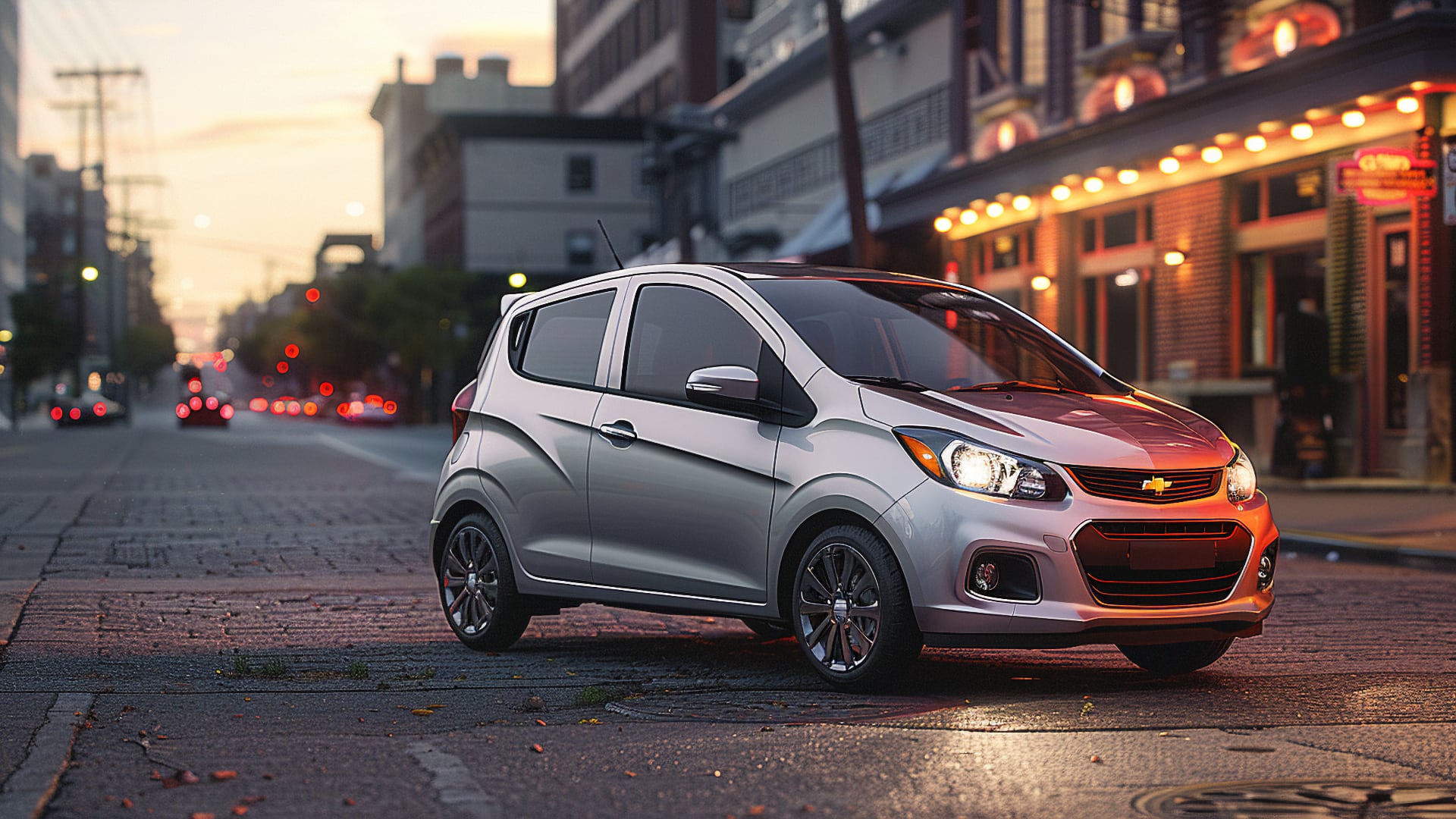
The Spark is one of the smallest cars sold in America, and it shows. While it technically has a hatch, the interior space is extremely constrained, especially with passengers onboard.
It’s affordable and easy to park, but for buyers seeking a hatchback that balances space and size, the Spark simply doesn’t deliver enough versatility to stand out.
Hatchbacks succeed or fail based on how intelligently they use space, not just how big they look from the outside.
The best examples on this list prove that smart design can make a compact footprint feel genuinely versatile. The worst remind us that a hatch alone doesn’t guarantee practicality.
For U.S. buyers, where cars often serve multiple roles, commuter, family hauler, road-trip companion, choosing the right hatchback means looking beyond styling and specs.
Space that’s easy to access and actually usable matters far more than clever marketing. When a hatchback gets that balance right, it can be one of the most satisfying vehicle types you can own.