Modern vehicles are increasingly defined by technology, with driver-assistance systems promising enhanced safety, convenience, and comfort. Some features, like the Mercedes-Benz S-Class Drive Pilot, Ford F-150 BlueCruise, Subaru EyeSight, and Hyundai Ioniq 5 Remote Smart Parking, genuinely improve daily driving by reducing fatigue, preventing accidents, and simplifying complex maneuvers.
These innovations integrate seamlessly with vehicle operation, offering real-world benefits beyond the showroom.
Yet not every flashy tech advancement lives up to its promise. Systems such as Tesla’s yoke steering, BMW X5 Gesture Control, Audi Q8 e-tron Virtual Side Mirrors, Cadillac Escalade power doors, and the Mercedes G 580 G-Turn often prioritize novelty or aesthetics over practicality.
While impressive on paper or during a demo, they can complicate routine tasks, introduce new failure points, or even create safety concerns. Understanding which technologies deliver tangible value and which are primarily “gimmicks” helps consumers make informed decisions in a world increasingly driven by automotive tech.
5 Vehicles With Useful Driver Tech
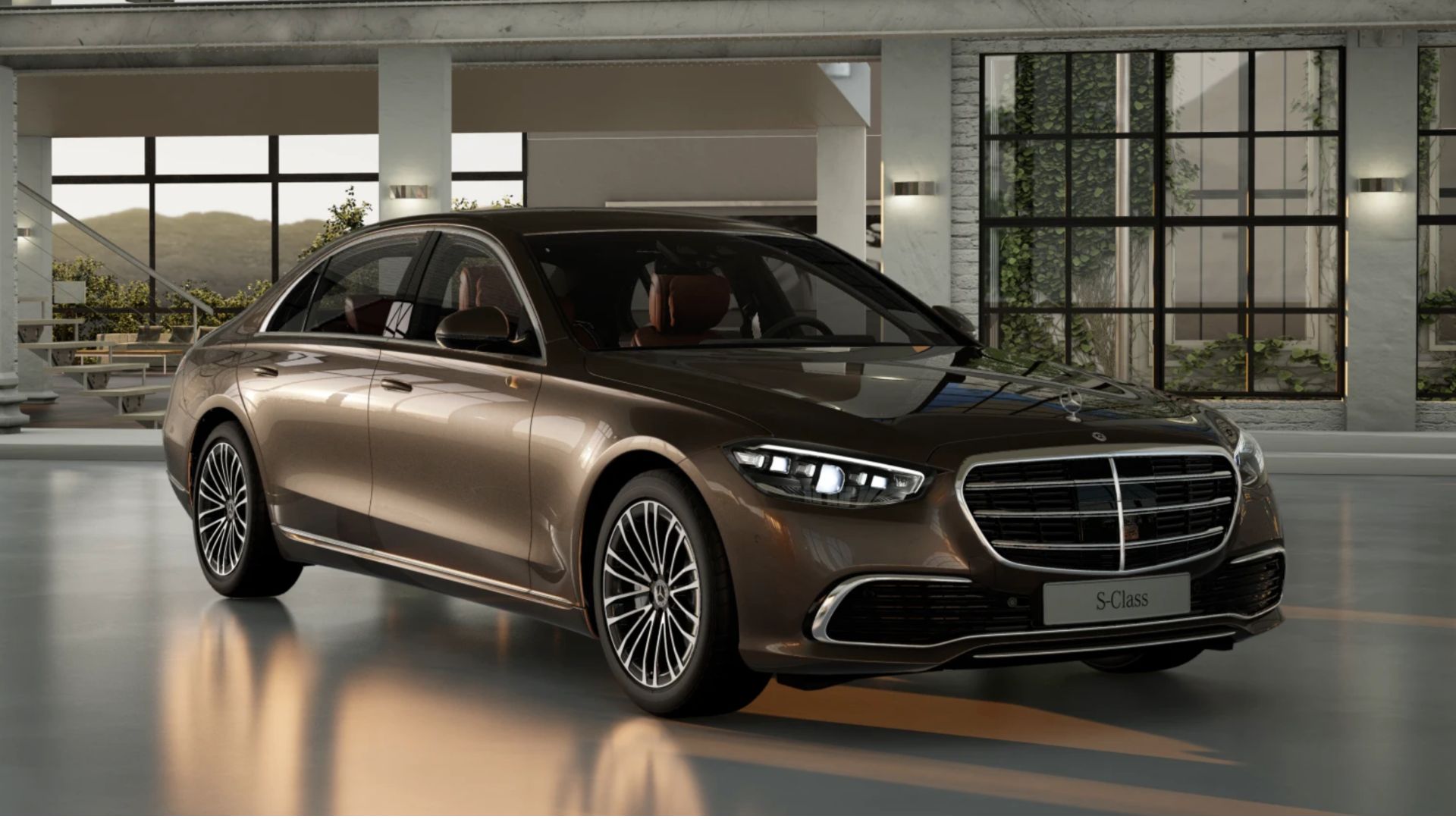
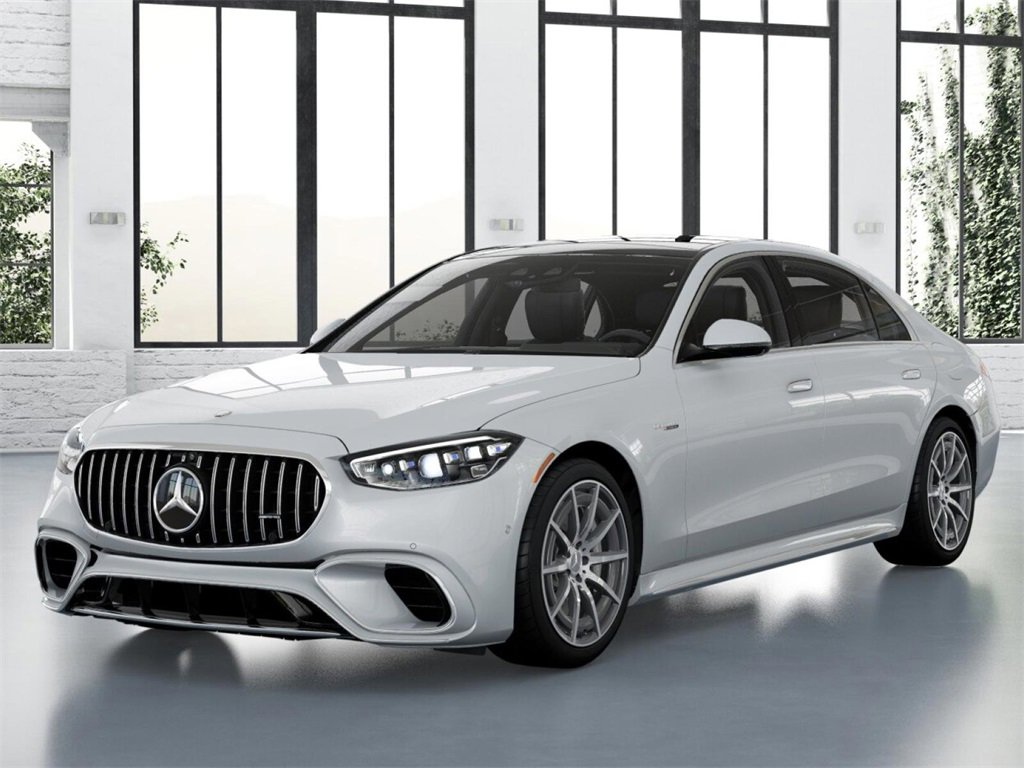
1. 2025 Mercedes-Benz S-Class Drive Pilot: U.S.-Approved Level 3 Autonomous Driving
The 2025 Mercedes-Benz S-Class introduces Drive Pilot, the first SAE Level 3 autonomous driving system approved for U.S. highways, allowing drivers to legally take their eyes off the road under specific conditions.
Unlike Level 2 systems, which require constant attention, Drive Pilot manages steering, braking, and speed control in stop-and-go traffic, enabling drivers to watch videos, play games, or work while the car drives itself. In the U.S., it operates on mapped highways during daylight, dry conditions, and traffic below 40 mph, while in Germany, it functions at higher speeds.
Drive Pilot relies on an advanced sensor suite, including LiDAR, radar, cameras, ultrasonic sensors, and external microphones, to detect vehicles, pedestrians, emergency sirens, and road conditions.
The system features multiple safety redundancies, including backups for braking, steering, and electrical systems. If the driver does not respond to a takeover request, Drive Pilot can safely bring the car to a stop and initiate an emergency call, shifting legal responsibility from the driver to Mercedes while the system is engaged.
The system is particularly valuable in congested urban traffic, reducing driver fatigue by handling the repetitive tasks of stop-and-go driving. However, it has strict operational limits: it cannot operate in rain or snow, and drivers must resume control when traffic exceeds 40 mph or if unusual events occur, such as a pedestrian on the highway or an emergency vehicle approaching.
During testing on Los Angeles freeways, Drive Pilot performed reliably within these limits, though transitions from Level 3 to Level 2 adaptive cruise control could be slow, requiring timely driver intervention.
Mercedes has logged over 100,000 test miles in California to ensure Drive Pilot’s reliability and safety. As of early 2025, the system is legal only in California and Nevada, with additional states expected to approve its use over time. It is offered on S-Class and EQS models through a subscription service priced at $2,500 per year, providing a practical solution for productive and safer travel during heavy traffic.
By combining advanced automation, comprehensive sensor monitoring, and legally approved eyes-off driving, the 2025 Mercedes-Benz S-Class with Drive Pilot represents a significant advancement in conditionally autonomous travel, offering convenience, improved safety, and a more relaxed driving experience for highway commuters.
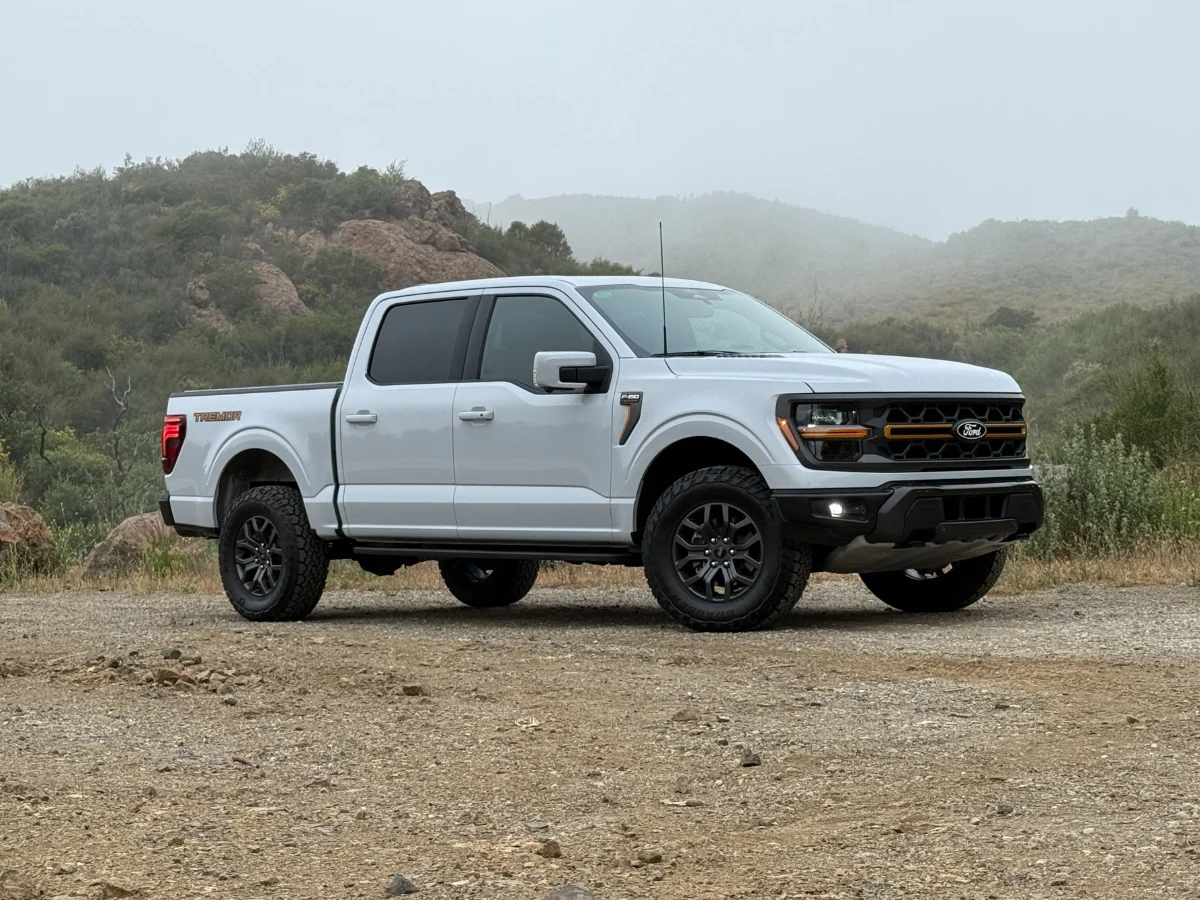
2. 2025 Ford F-150 with BlueCruise: Advanced Hands-Free Highway Driving and Performance
The 2025 Ford F-150 offers BlueCruise, a top-rated hands-free driving system that enables drivers to operate the truck on over 130,000 miles of pre-mapped highways, known as Blue Zones. The system combines lane-centering, adaptive cruise control, and automated lane changes, while a driver-facing infrared camera ensures the driver remains attentive.
BlueCruise reduces fatigue during long commutes or heavy traffic, making it a practical tool for both daily driving and extended road trips. The system works collaboratively with the driver, responding to turn signals for lane changes and maintaining the truck in the center of the lane even around gentle curves. Connectivity via 5G enhances its performance, providing reliable real-world usability.
The 2025 F-150 offers a wide range of powertrains, from a 325-hp twin-turbo 2.7-liter V-6 to a 400-hp 5.0-liter V-8, a 400-hp twin-turbo 3.5-liter V-6, and a 430-hp hybrid combining a 3.5-liter twin-turbo V-6 with a 47-hp electric motor. All engines are paired with a 10-speed automatic transmission, and buyers can choose between rear- or four-wheel drive.
The hybrid variant delivers up to 704 miles of driving range and can power an onboard generator for job sites or emergencies. The F-150 Tremor emphasizes off-road capability with 33-inch all-terrain tires, upgraded suspension, a locking rear differential, and a Raptor-derived transfer case.
Towing and payload capacities remain competitive, with the 3.5-liter V-6 towing up to 13,500 pounds, the 5.0-liter V-8 up to 13,000 pounds, and the hybrid up to 12,700 pounds.
Payload capacity maxes out at 2,455 pounds, keeping the F-150 on par with rivals like the Silverado 1500, Sierra 1500, and Ram 1500. Fuel economy varies by powertrain, with the hybrid achieving an EPA-estimated 22 mpg city and 24 highway, and real-world testing showing 20 mpg on highways.
The F-150’s interior balances utility and comfort. High-end trims like King Ranch, Platinum, and Limited offer premium materials, ample storage, fold-flat seats, and a configurable workspace in the center console. The truck also features a 12-inch Sync 4 infotainment display with Apple CarPlay, Android Auto, optional Bang & Olufsen audio, Wi-Fi hotspot, over-the-air updates, and navigation with traffic and weather information.
Safety features include automated emergency braking, pedestrian detection, lane-keeping assist, and BlueCruise hands-free driving. Warranty coverage includes three years/36,000 miles limited and five years/60,000 miles powertrain. By combining hands-free technology, robust powertrains, and modern interior amenities, the 2025 Ford F-150 offers enhanced convenience, safety, and capability for both work and everyday driving.
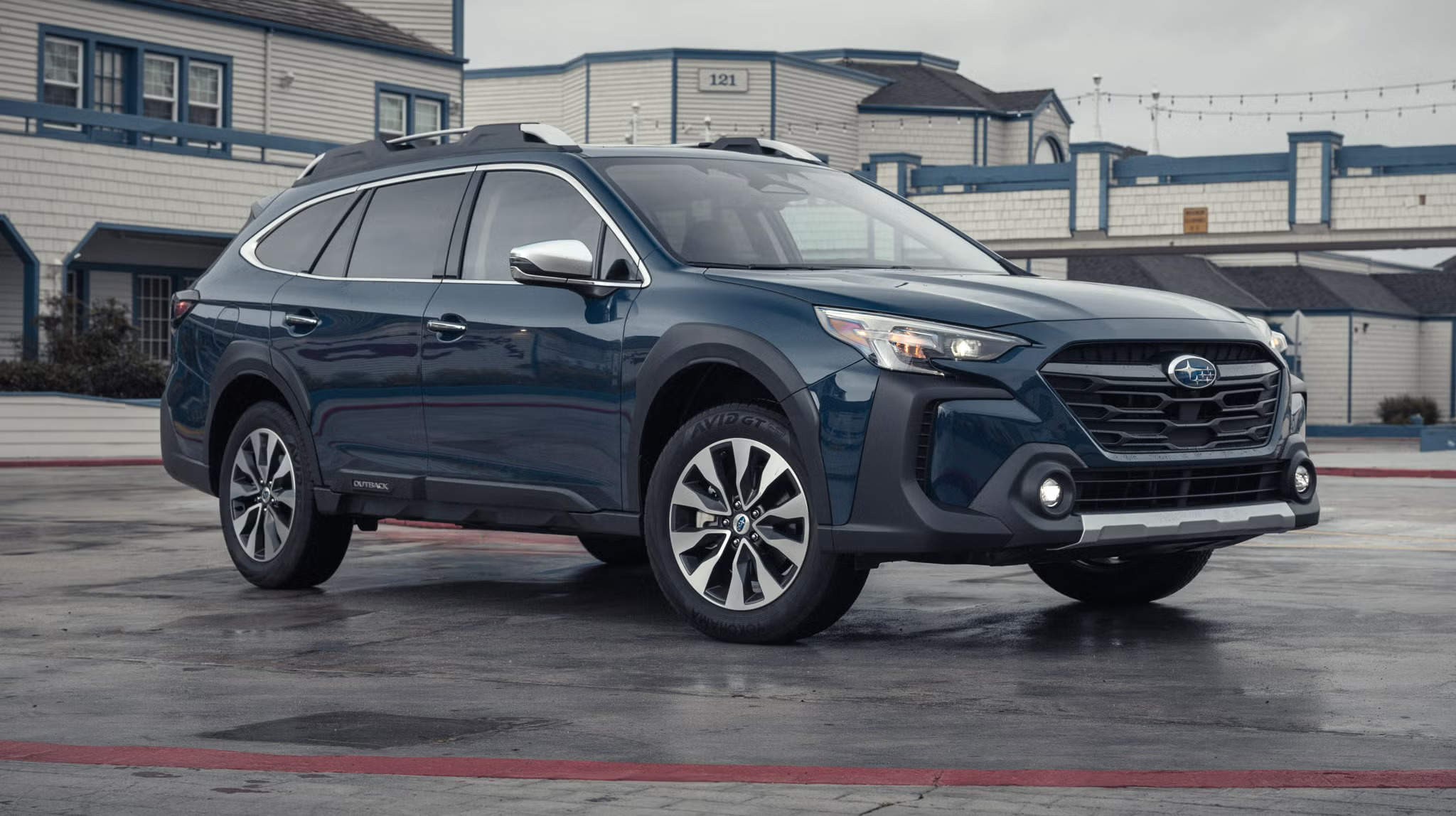
3. 2025 Subaru Outback: EyeSight Technology and Practical Performance
The 2025 Subaru Outback comes equipped with EyeSight Driver Assist Technology, a dual-camera safety suite that provides highly reliable adaptive cruise control, automatic emergency braking, and lane-keeping support.
EyeSight acts as a proactive second pair of eyes, using AI-enhanced processing to monitor surrounding traffic, pedestrians, and lane positioning. The system includes Pre-Collision Braking, which can apply full braking force in emergencies, and Automatic Emergency Steering, which helps the vehicle maneuver around obstacles when braking alone is insufficient.
Lane Departure Warning and Lane Keep Assist intervene if the vehicle drifts, while Pre-Collision Throttle Management reduces engine power if a frontal obstacle is detected. The DriverFocus facial recognition system monitors the driver for fatigue or distraction, issuing alerts to maintain attention.
Additional features include Blind-Spot Detection, Rear Cross-Traffic Alert, and Reverse Automatic Braking, providing comprehensive safety during parking and backing maneuvers.
The Outback offers a choice of two engines. The standard 182-hp 2.5-liter engine provides adequate performance for daily driving, while the 260-hp turbocharged 2.4-liter delivers improved acceleration. Both engines are paired with a continuously variable automatic transmission and all-wheel drive.
While acceleration with the base engine is modest, ride quality remains smooth, and the vehicle handles light off-road conditions well. Standard ground clearance is 8.7 inches, increasing to 9.5 inches on the rugged Wilderness model, which also features skid plates, beefed-up suspension, and Snow and Mud drive modes. Towing capacity ranges from 2,700 pounds with the base engine to 3,500 pounds with the turbocharged option.
Interior space is functional and comfortable, offering generous head- and shoulder room in the front and rear. Cargo capacity reaches 33 cubic feet with the rear seats up and 73 cubic feet with the seats folded flat.
The cabin features quality materials, dual-zone climate control, heated and ventilated seats, and optional premium features such as a heated steering wheel. Infotainment is centered around either dual 7-inch screens or a vertically oriented 11.6-inch touchscreen on higher trims, with standard Apple CarPlay, Android Auto, and optional navigation, Wi-Fi, and a Harman/Kardon 12-speaker audio system.
Fuel economy ranges from 26 mpg city and 33 mpg highway for the standard engine to 23 mpg city and 30 mpg highway for the turbocharged variant. Subaru provides standard warranties of three years or 36,000 miles for limited coverage and five years or 60,000 miles for the powertrain, though complimentary scheduled maintenance is not included.
The 2025 Subaru Outback combines advanced EyeSight safety technology, practical interior space, reliable all-wheel-drive performance, and moderate off-road capability, making it a versatile choice for daily commuting, family use, and outdoor adventures.
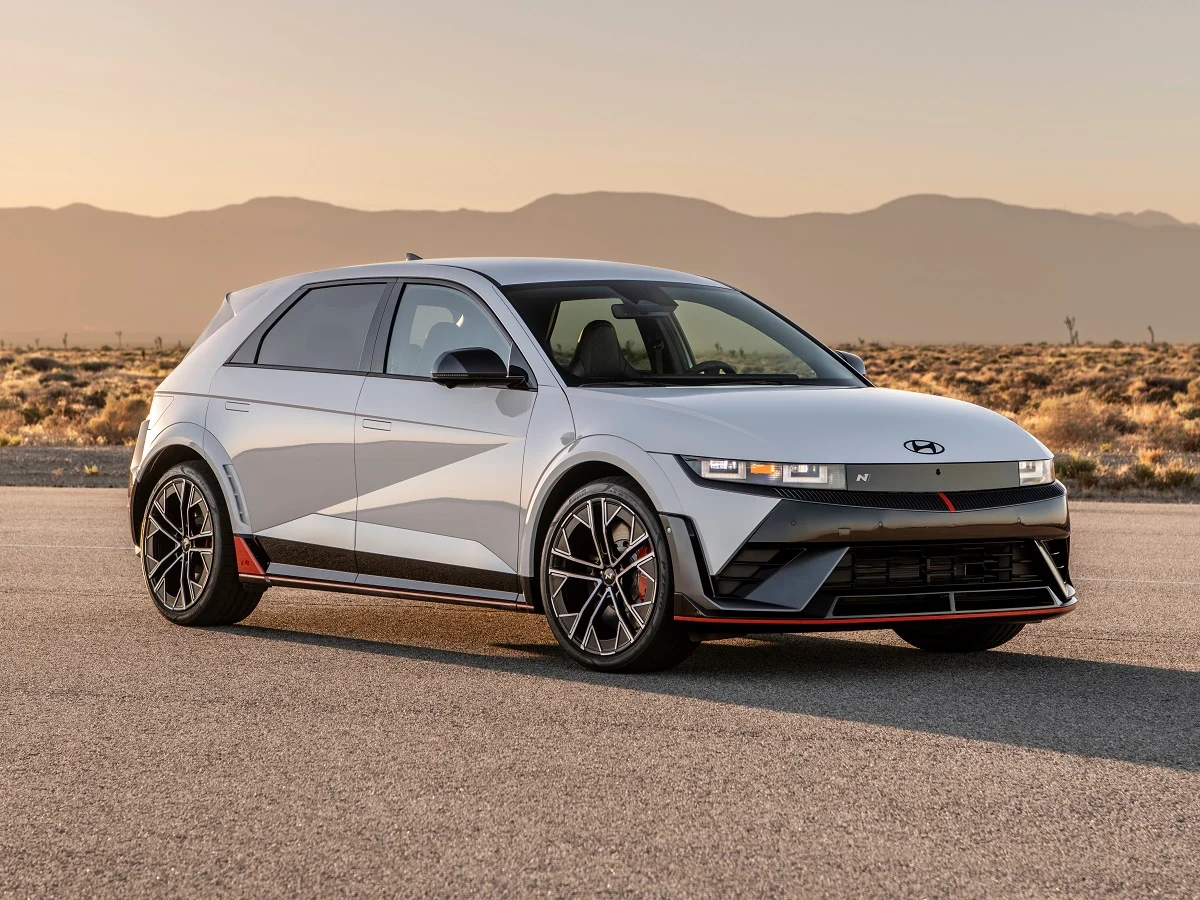
4. 2025 Hyundai Ioniq 5: Remote Smart Parking and Advanced Electric Technology
The 2025 Hyundai Ioniq 5 features Remote Smart Parking Assist 2 (RSPA 2), a highly useful driver-assistance system that automates parking in tight urban spots, including forward, reverse, parallel, and perpendicular maneuvers, even when the driver is outside the vehicle.
RSPA 2 enhances convenience and safety by controlling steering, acceleration, braking, and gear selection while automatically applying brakes if it detects obstacles. Drivers can operate the system remotely using the smart key, reducing stress in crowded garages, narrow streets, or for individuals with limited mobility.
RSPA 2 is part of Hyundai’s SmartSense suite, which also includes Forward Collision-Avoidance Assist and Highway Driving Assist 2, providing a high level of safety and convenience for both city and highway driving.
The Ioniq 5 is an all-electric vehicle offered in multiple powertrains. The standard-range battery with a rear-mounted motor produces 168 horsepower. The long-range rear-wheel-drive model delivers 225 horsepower, and the all-wheel-drive version generates 320 horsepower.
Hyundai claims the 225-hp model can reach 60 mph in 7.4 seconds. The all-wheel-drive XRT trim we tested reached 60 mph in 4.5 seconds. The low center of gravity and wide tires provide a stable and athletic ride. The XRT trim adds suspension travel and taller tires for extra comfort over bumps. Steering feedback is adequate but could be improved.
Range depends on battery and drivetrain. The standard 63.0-kWh battery provides 245 miles. The 84.0-kWh battery delivers 318 miles in rear-wheel-drive models. All-wheel-drive models with the larger battery achieve 259 to 290 miles.
In real-world highway testing, dual-motor AWD models went 200 to 210 miles on a single charge. DC fast charging replenishes the larger battery from 10 to 80 percent in about 20 minutes. It can add 68 miles in approximately five minutes.
The Ioniq 5’s interior is spacious and tech-focused. It has a flat floor, reclining front seats with footrests, and generous cargo space. The back seats can hold six carry-on bags or 20 bags with the seats folded. The cabin features a 12-inch infotainment touchscreen combined with a 12-inch digital gauge cluster, Apple CarPlay, Android Auto, voice recognition, and ample storage.
Safety features include automated emergency braking, lane-departure warning, lane-keeping assist, and optional adaptive cruise control with lane centering. Hyundai provides an industry-leading warranty with five years or 60,000 miles of limited coverage, ten years or 100,000 miles for the powertrain and battery, and three years or 36,000 miles of complimentary maintenance.
With RSPA 2, long-range EV capability, advanced safety, and a modern interior, the 2025 Hyundai Ioniq 5 offers convenience, performance, and practicality for urban and highway electric driving.
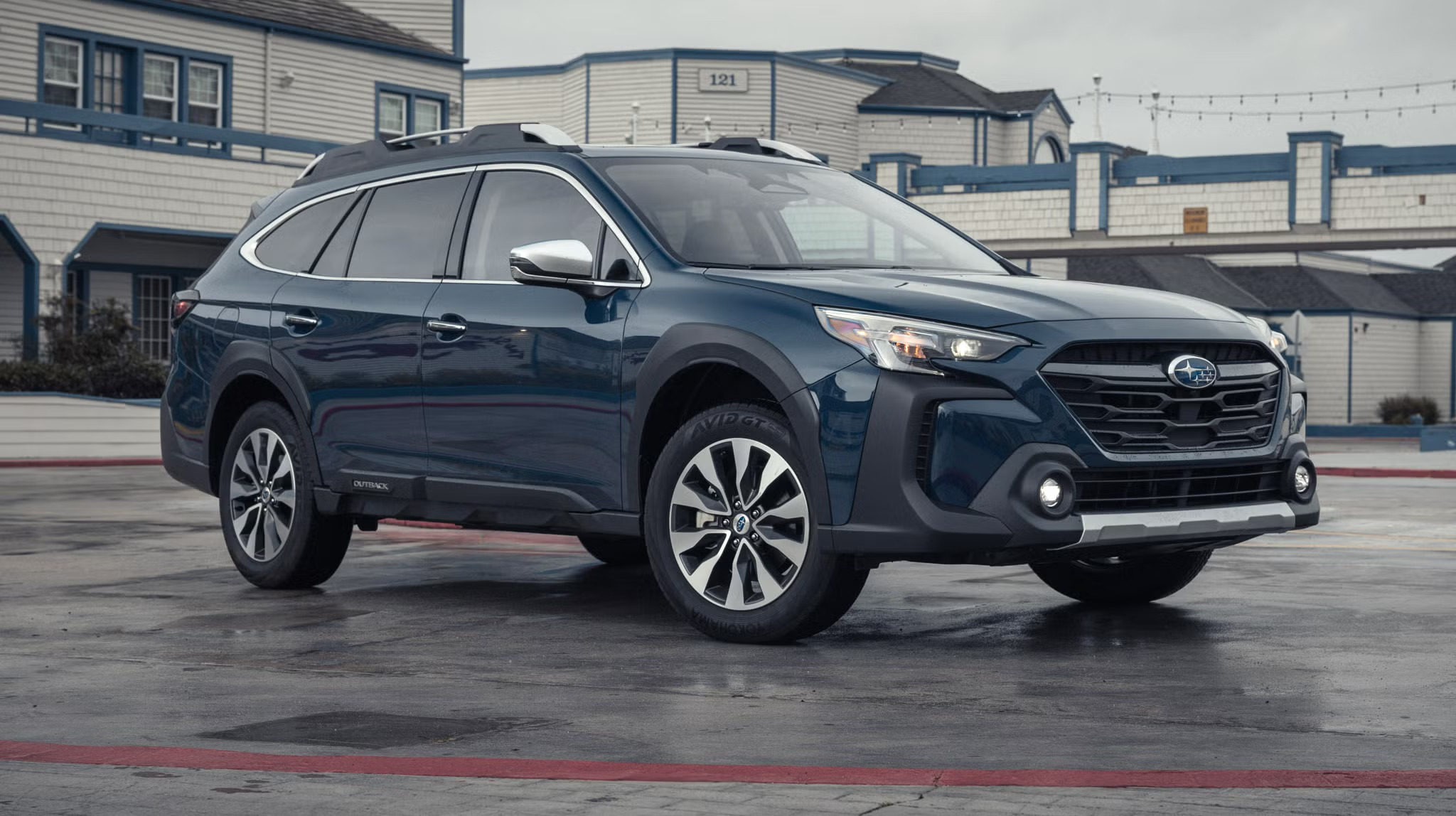
5. 2025 Subaru Outback: Advanced EyeSight Driver Assist Enhances Safety and Convenience
The 2025 Subaru Outback comes equipped with EyeSight Driver Assist Technology, a highly useful system that acts as an intelligent, proactive second pair of eyes. Using dual wide-angle cameras, EyeSight provides advanced collision avoidance by detecting vehicles, pedestrians, and cyclists with greater depth perception than radar alone.
The system can intervene with Automatic Emergency Steering if braking is insufficient to avoid obstacles. It also integrates adaptive cruise control with lane centering, handling throttle, braking, and steering to reduce driver fatigue during long drives or traffic congestion.
Selected trims include DriverFocus distraction mitigation, which uses facial recognition to alert drivers when they appear drowsy or distracted, enhancing safety on every trip.
The 2025 Outback is powered by a choice of two engines: a 182-hp 2.5-liter flat-four or a 260-hp turbocharged 2.4-liter. Both are paired with a continuously variable automatic transmission (CVT) and standard all-wheel drive. The turbocharged engine improves acceleration and responsiveness, while the CVT has been tuned to mimic the feel of a traditional automatic, reducing engine drone.
The Outback emphasizes ride comfort and light off-road capability rather than sporty performance, offering 8.7 inches of ground clearance in standard models and 9.5 inches in the Wilderness trim, which also adds skid plates, upgraded suspension, and Snow and Mud drive modes. Towing capacity ranges from 2,700 pounds with the base engine to 3,500 pounds with the turbo model.
Fuel economy is competitive, with the standard engine rated at 26 mpg city / 33 mpg highway, and the turbo variant at 23/30 mpg. Real-world highway testing returned 28 mpg for both engines.
The interior balances comfort and practicality. Higher trims offer dual-zone climate control, heated and ventilated seats, power-adjustable driver and passenger seats, and generous rear legroom. Cargo space measures 33 cubic feet with the rear seats up and up to 73 cubic feet folded flat, providing ample storage for gear or luggage.
The infotainment system ranges from a basic dual 7-inch touchscreen to an 11.6-inch vertical screen on higher trims, with Apple CarPlay, Android Auto, optional navigation, and a premium 12-speaker Harman/Kardon system.
Safety features are comprehensive, including forward-collision warning, automated emergency braking, adaptive cruise control with lane-keeping assist, blind-spot monitoring, and rear cross-traffic alert. Subaru offers a three-year/36,000-mile limited warranty and five-year/60,000-mile powertrain coverage, though no complimentary maintenance is included.
The 2025 Subaru Outback combines advanced driver-assistance technology, reliable AWD capability, comfortable interior space, and practical cargo capacity, making it a safe and convenient choice for daily commuting, long road trips, and light off-road adventures.
Also Read: 5 Cars That Handle Milwaukee Winters vs 5 That Don’t
5 With Gimmicks
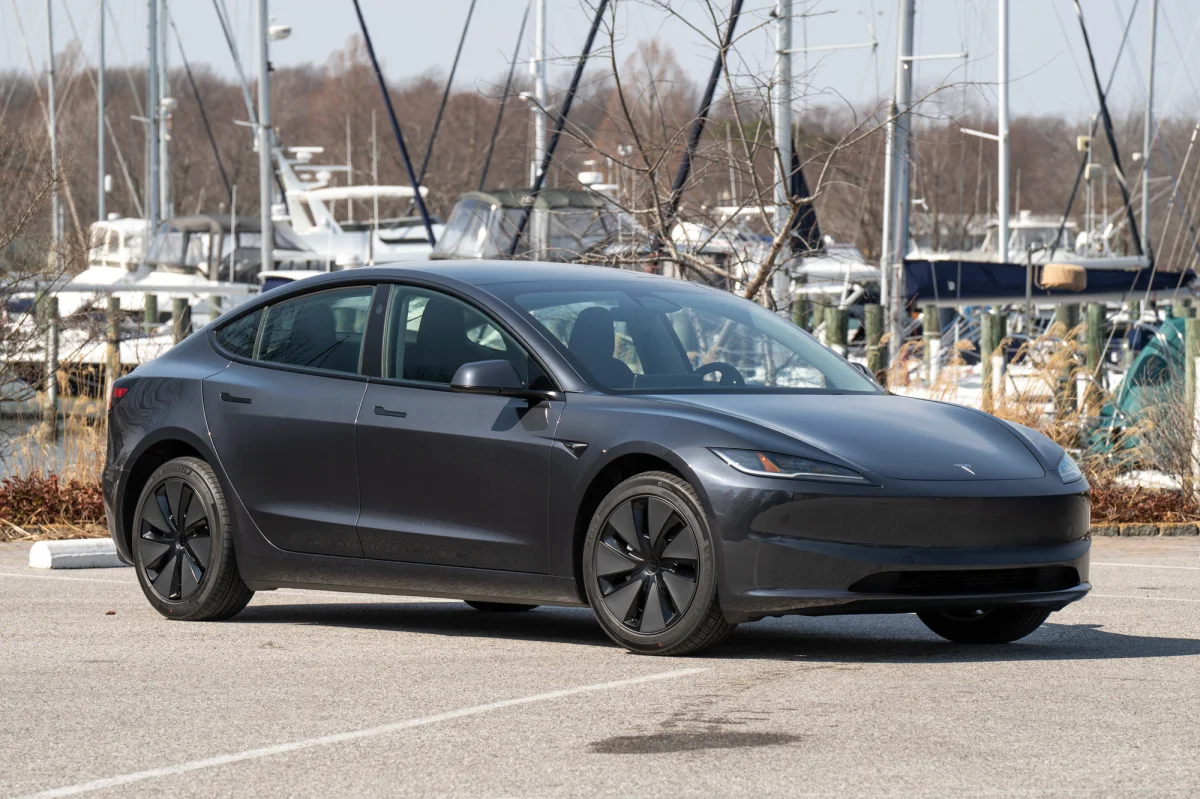
1. 2025 Tesla Model 3: Yoke Steering and Stalkless Design Criticized as Gimmicks
The 2025 Tesla Model 3 introduces a yoke-style steering wheel and eliminates traditional stalks for turn signals and gear selection, replacing them with capacitive buttons and touchscreen controls. While Tesla promotes these features as futuristic and minimalist, critics, safety experts, and many owners consider them more of a design gimmick than a functional improvement.
The yoke steering wheel presents several challenges. Its non-circular shape makes “hand-over-hand” steering awkward, particularly in low-speed maneuvers such as tight U-turns or parking. The design reduces available grip options and may hinder rapid evasive maneuvers, raising safety concerns. Users have also reported premature wear on the yoke materials, suggesting durability issues.
The removal of physical stalks creates additional problems. Turn signals are now operated via haptic buttons on the yoke, which shift position when the wheel is turned, causing confusion during roundabouts or lane changes. Gear selection requires swiping on the touchscreen, which is slower and less intuitive than using a stalk. Haptic buttons lack tactile feedback, forcing drivers to look at the wheel instead of relying on muscle memory, which can increase distraction.
These design choices prioritize visual impact over practicality and safety. Drivers face a steep learning curve for essential functions, and everyday maneuvers can become more cumbersome or potentially hazardous. Tesla has begun acknowledging some limitations by offering traditional wheels as an option on certain models and reversing the stalkless design in some markets, such as China, in response to consumer feedback.
The yoke steering and stalkless layout are technologically novel, but they fail to improve the driving experience. For many drivers, these features complicate basic tasks like signaling, turning, and gear selection, highlighting the tension between experimental design and functional safety in modern vehicle cabins.
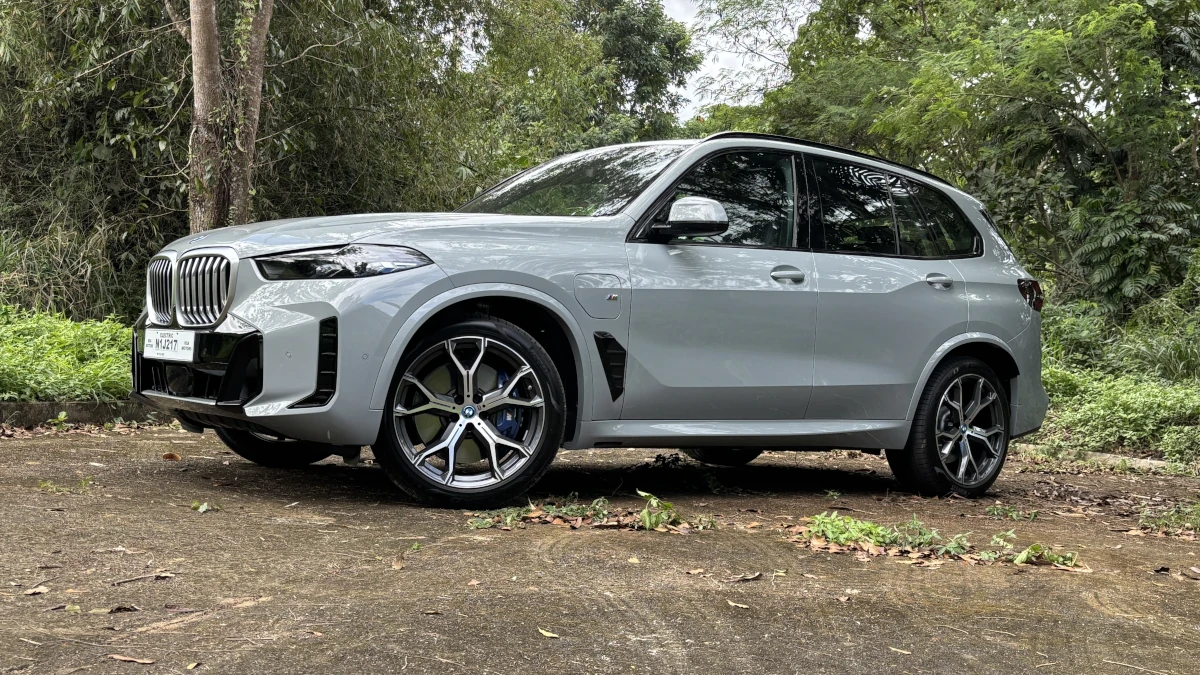
2. 2025 BMW X5 Gesture Control: Futuristic but Impractical
The 2025 BMW X5 features a Gesture Control system that uses sensors to detect hand movements for functions like adjusting volume or answering calls. While impressive on paper, it is widely regarded as a gimmick because it offers little practical improvement over traditional controls and often introduces frustration for drivers.
The main issue is redundancy without benefit. The X5 already provides tactile ways to control functions through steering wheel rollers, physical knobs, and a touchscreen. Gesture Control adds a fourth option but lacks physical feedback, requiring drivers to perform precise hand motions within a specific “strike zone,” which can be awkward and unintuitive.
Real-world usage highlights several flaws. Accidental activation is common; casual hand movements during conversation can trigger commands, such as muting music or skipping tracks unexpectedly.
The system also demands precise movements: too fast, and the sensor misses the gesture; too far, and the camera cannot detect it. Environmental conditions, including bright sunlight or dark cabins, further reduce accuracy, making the system unreliable compared to simple buttons or knobs.
Gesture Control shines in the showroom rather than on the road, designed to impress buyers with futuristic flair during brief test drives. However, most drivers abandon it after the novelty wears off, preferring tactile controls that do not require conscious aiming or careful gestures.
BMW itself has begun phasing out Gesture Control in favor of more practical innovations, including the Intelligent Personal Assistant voice control and responsive touchscreens in newer Operating System versions. The shift reflects a broader recognition in the automotive industry that flashy, gesture-based tech may look cutting-edge but does not enhance safety, convenience, or enjoyment.
While BMW Gesture Control may feel like science fiction, it ultimately demonstrates that not all futuristic features improve the driving experience, and simplicity often outperforms spectacle when it comes to daily usability.
3. Audi Q8 e-tron Virtual Side Mirrors: Futuristic but Impractical
The 2025 Audi Q8 e-tron replaces traditional side mirrors with Virtual Side Mirrors, using cameras that feed images to 7-inch OLED screens inside the doors. While technologically impressive, this system is widely criticized as a gimmick because it introduces complexity without meaningfully improving safety or usability.
One major drawback is the ergonomic disconnect. Unlike conventional mirrors that sit near the driver’s natural line of sight, the internal displays are mounted lower in the door trim. This forces drivers to glance downward, creating an unnatural habit that can be disorienting during lane changes or highway driving.
The system also suffers from loss of depth perception and perspective. Traditional mirrors allow parallax movement, letting drivers “peek” around blind spots by shifting their head. The camera-based system offers a fixed two-dimensional view, making it harder to judge the speed and distance of nearby vehicles. Drivers often describe the effect as feeling like a video game rather than real-world driving.
The practical gains are minimal. Audi promotes the mirrors for their aerodynamic benefit, lowering the drag coefficient slightly, which translates to roughly 2–3 extra miles of range. For most owners, this marginal improvement does not justify the steep cost of the technology or potential repair expenses if the camera stalks are damaged.
Environmental factors further limit functionality. Rain, glare from sunlight, or software glitches can distort or block the display, whereas traditional mirrors can be quickly adjusted or wiped by hand.
Virtual Side Mirrors ultimately feel like a solution in search of a problem. They prioritize a futuristic appearance and minor efficiency gains over the reliability, intuitiveness, and safety of conventional glass mirrors. While the system is a showcase of engineering prowess, for daily driving, traditional mirrors remain more practical, precise, and user-friendly.
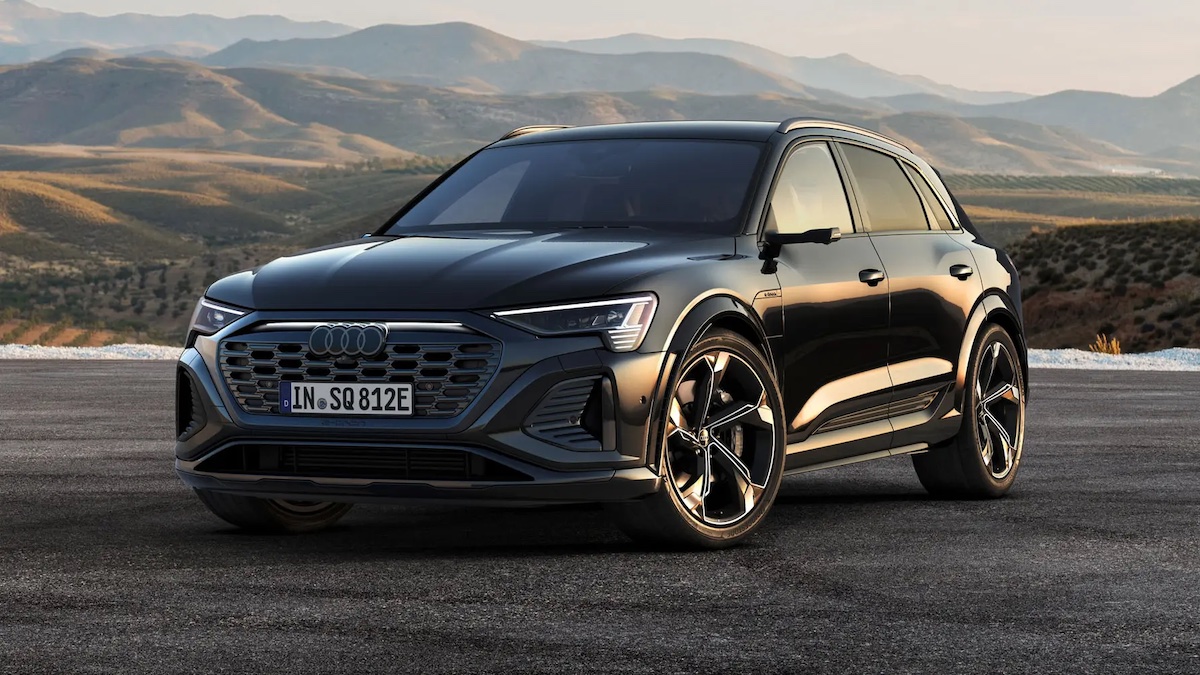
4. 2025 Cadillac Escalade Power Open/Close Doors: Luxury Feature or Gimmick
The 2025 Cadillac Escalade features power-open and close doors, allowing its large exterior doors to operate automatically at the touch of a button. While this technology showcases engineering sophistication, many critics view it as a gimmick because it adds complexity to a function that has been reliable for decades with manual operation.
Criticism focuses on several points. The system adds mechanical and software complexity without significantly improving efficiency. Manual operation is often faster than waiting for the electronic sequence to complete. Reliability is another concern. Motors and sensors may require costly repairs after the warranty period.
Early 2025 Platinum models even shipped with the hardware installed but required a software update to function, highlighting the dependence on technology. The feature also emphasizes showmanship. It is designed to impress passengers and onlookers with a high visual impact rather than to improve everyday usability.
Despite these concerns, the system offers practical advantages in certain scenarios. Power Assist motors make the heavy doors feel weightless, which is helpful on inclines or in windy conditions.
Chauffeur mode allows drivers to operate all four doors from the central display without leaving their seat. Brake-to-close functionality lets the driver shut doors by pressing the brake pedal, and integrated safety sensors prevent doors from striking nearby vehicles, walls, or obstacles.
Whether the power doors are seen as a gimmick or a valuable luxury feature depends on perspective. For those who prioritize automation, status, and high-tech convenience, it is a defining trait of the Escalade. For more pragmatic users, it may feel like an unnecessary layer of potential failure added to an already complex vehicle, offering limited improvement over traditional door operation.
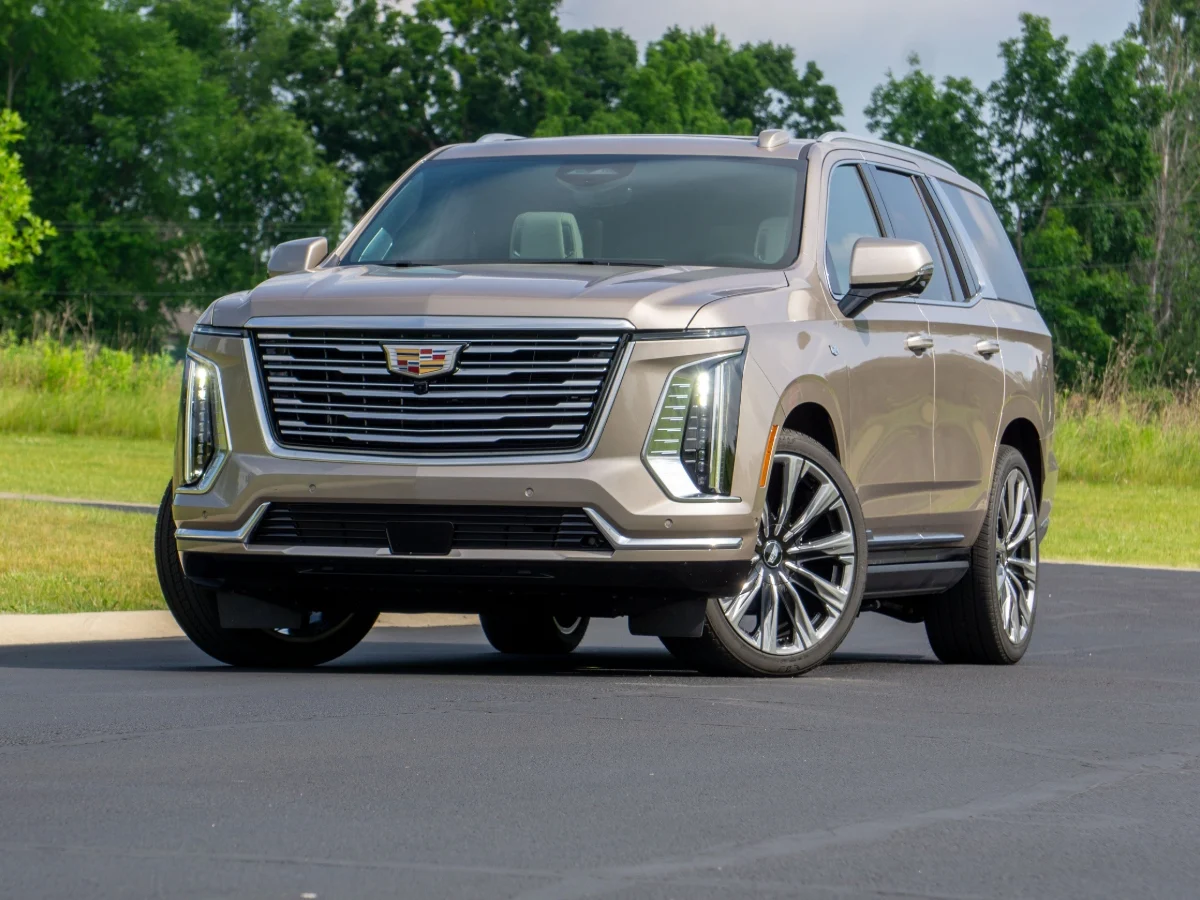
5. Mercedes-Benz G 580 Electric G-Turn: Engineering Spectacle or Practical Tool
The Mercedes-Benz G 580 Electric offers the G-Turn feature, allowing the SUV to perform a full 360-degree “tank turn” on loose surfaces. While this is a remarkable engineering achievement, critics often label it a gimmick because its practical use is extremely limited and it functions more as a marketing spectacle than a real-world driving aid.
The feature has very narrow utility. The G-Turn can only operate on unpaved surfaces such as gravel, snow, or mud. It is strictly prohibited on public roads, and scenarios where a complete spin provides a clear advantage over a conventional multi-point turn are extremely rare.
Activation is complex and requires multiple steps. The vehicle must be in Rock Mode and Low Range, shifted into Neutral, the G-Turn button engaged, then shifted back into Drive. The driver also must hold a steering paddle while pressing the accelerator and keeping the wheel straight. This process makes it feel more like a showpiece than a practical tool.
Critics also note that Mercedes’ G-Steering system is far more useful in everyday off-road situations. G-Steering reduces the turning circle by selectively braking the inside rear wheel, making tight maneuvers on forest trails easier, yet it receives far less attention compared to the flashy G-Turn.
The G-Turn also places significant mechanical stress on the drivetrain and accelerates tire wear. Some reviewers argue it was developed primarily to compete with similar EV marketing stunts, such as Rivian’s canceled tank turn, and to emphasize the vehicle’s weight and premium price.
While the G-Turn demonstrates the engineering capabilities of Mercedes’ quad-motor EV system, it is best viewed as a high-cost, limited-use feature designed to enhance the G-Wagon’s dramatic image rather than to provide consistent, practical functionality for drivers.
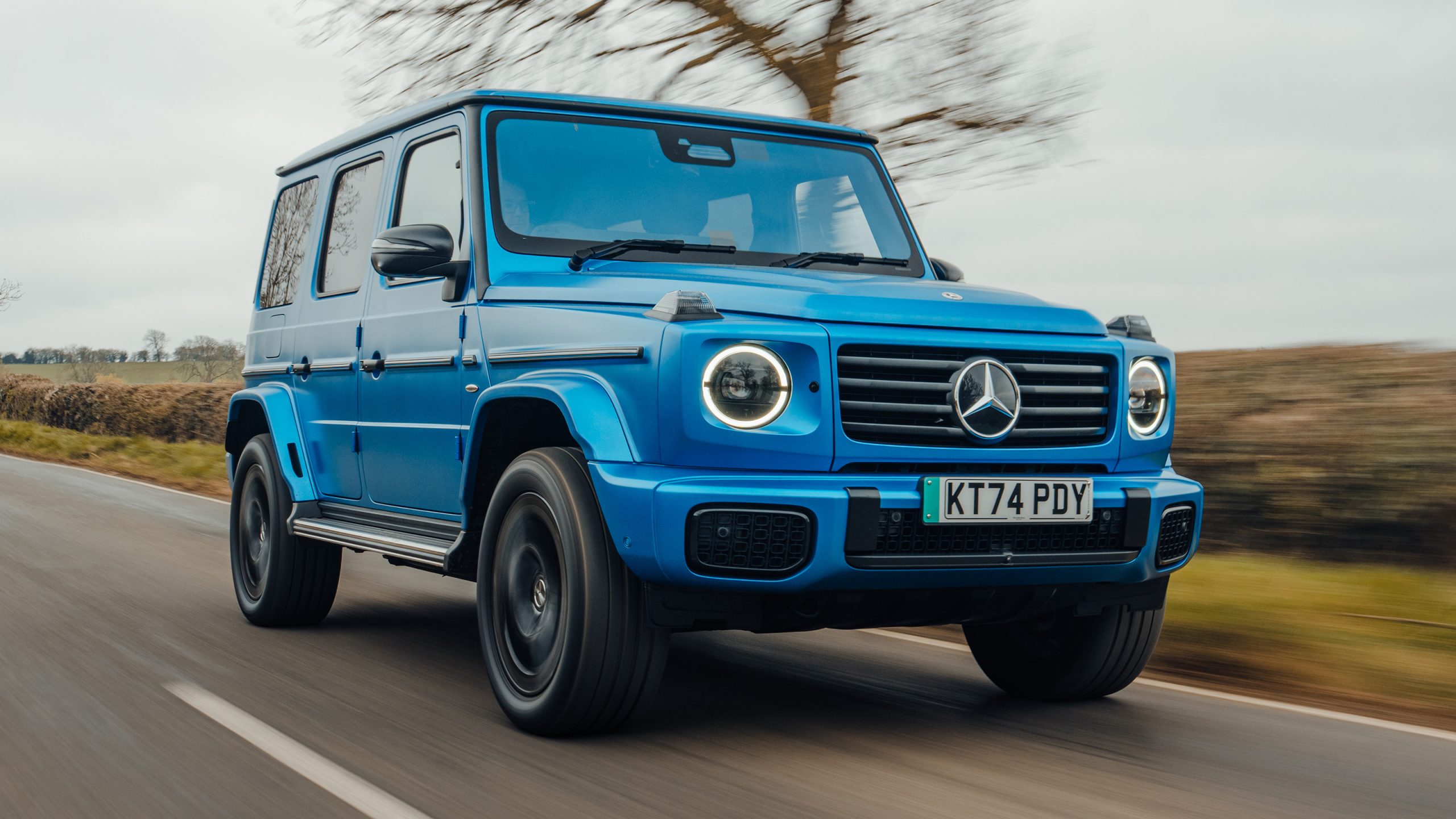
The contrast between genuinely useful driver technology and flashy gimmicks underscores the importance of evaluating innovation through a practical lens. Features like Drive Pilot, BlueCruise, EyeSight, and Remote Smart Parking deliver measurable safety and convenience, enhancing the driving experience in everyday scenarios.
In comparison, the yoke steering, Gesture Control, virtual mirrors, power doors, and G-Turn are impressive engineering feats but offer limited real-world benefits, often introducing complexity, distraction, or reliability concerns.
As automotive technology evolves, discerning drivers and buyers must look beyond marketing and wow-factor appeal to identify tools that truly improve safety, comfort, and efficiency. Prioritizing function over flash ensures that modern vehicles remain not only technologically advanced but also genuinely user-friendly and practical for daily use.
Also Read: Top 10 Cars That Changed Automotive Engineering Forever