
Modern SUVs are packed with technology that improves comfort, safety, and performance. Large touchscreens, power everything, advanced driver aids, and complex engine management systems have become normal features.
While these systems make daily driving easier and more enjoyable, they also add layers of electrical complexity that can become expensive as vehicles age. After around 80,000 miles, wear, heat, and vibration begin to take a toll on wiring, sensors, and control modules.
Unlike mechanical parts that often fail gradually, electrical problems can be unpredictable. A single failing module may trigger warning lights across multiple systems.
Owners might experience random error messages, features that stop working without warning, or batteries that drain overnight. Diagnosing these issues often requires specialized equipment and many hours of labor, which quickly drives up repair costs.
Luxury SUVs are especially vulnerable because they rely on numerous interconnected modules for features such as air suspension, adaptive lighting, and advanced infotainment systems.
However, mainstream models are not immune. Cost cutting in certain areas, combined with age related corrosion or insulation breakdown, can lead to frustrating and recurring faults.
After 80,000 miles, these issues tend to appear more frequently. Connectors loosen, solder joints crack, and sensors drift out of specification.
Owners may fix one problem only to see another warning appear weeks later. This pattern can turn a once dependable vehicle into a steady drain on the repair budget.
This list highlights ten used SUVs known for electrical systems that often become money pits after higher mileage. They may still drive well mechanically, but their growing list of electrical problems can test the patience and finances of even devoted owners.
Let us begin with the first two SUVs that commonly develop costly electrical troubles over time.
Also Read: 10 Cars With Windshields That Rarely Crack From Rock Chips
1. BMW X5
The BMW X5 from the late 2000s and early 2010s offers strong performance and a premium interior, but its complex electrical architecture can become a major source of expense after 80,000 miles. This generation uses numerous control modules that communicate constantly, and as components age, faults begin to multiply.
Battery and charging system issues are among the most common starting points. The X5 is very sensitive to voltage levels, and a weak battery can cause a cascade of warning lights across unrelated systems.
Owners may see messages about transmission, stability control, and driver assistance features, even though the root cause is low voltage. Replacing the battery often requires programming, which adds cost.
The iDrive infotainment system is another frequent trouble spot. Screen failures, controller malfunctions, and communication errors between modules can disable navigation, audio, and vehicle settings. Repairs often involve replacing expensive electronic units rather than simple fixes.
Electronic suspension components add to the financial burden. Models equipped with adaptive dampers or air suspension rely on sensors and control modules that can fail over time. When they do, the vehicle may display suspension warnings and limit certain driving modes. Parts and labor for these systems are rarely inexpensive.

Comfort features such as power tailgates, seat modules, and door electronics also tend to develop intermittent faults. Wiring in high movement areas can wear, leading to features that work one day and stop the next. Tracking down these issues can take hours of diagnostic labor.
As the X5 ages, electrical problems often appear one after another rather than all at once. Owners who expect only routine maintenance can be caught off guard by the steady stream of electronic repairs that turn this luxury SUV into a costly long term commitment.
2. Range Rover Sport
The Range Rover Sport from the late 2000s and early 2010s delivers luxury and off road capability, but its electrical system can become a financial headache after higher mileage. This SUV relies on a wide network of modules to manage everything from suspension height to terrain response settings.
Air suspension electronics are a major source of problems. Height sensors, compressors, and control units often develop faults as the vehicle ages.
Warning messages may appear for suspension system errors, sometimes causing the vehicle to lower itself or restrict speed. Repairs typically involve expensive components and specialized labor.
The Terrain Response system adds another layer of complexity. It uses multiple sensors and actuators to adjust throttle, transmission, and braking behavior.
Electrical faults in any part of this network can trigger warning lights and disable certain drive modes. Even if the SUV still drives normally on pavement, the dashboard messages can be alarming.
Infotainment and climate control systems are also known trouble areas. Screen failures, audio module faults, and intermittent climate control issues are common. These systems are deeply integrated into the vehicle, so replacing a single module can be costly.
Water intrusion can worsen electrical reliability. Aging seals and blocked drains sometimes allow moisture into areas that house sensitive electronics. Corrosion at connectors can lead to random faults that are difficult to diagnose and may return even after repairs.

After 80,000 miles, many owners report that electrical issues become more frequent and less predictable.
One repair may be followed by another unrelated fault soon after. While the Range Rover Sport offers comfort and capability, its aging electrical systems can turn ownership into an ongoing and expensive challenge.
3. Audi Q7
The first generation Audi Q7 impresses with its solid build quality and refined driving experience, but after 80,000 miles its electrical systems often become a steady source of costly repairs. This SUV was packed with advanced technology for its time, and that complexity tends to create problems as components age.
One of the most common trouble areas is the vehicle’s network of control modules. The Q7 uses multiple communication buses that link systems such as lighting, suspension, infotainment, and driver aids.
When one module begins to fail or loses proper communication, it can trigger warning messages across several systems. Diagnosing the exact source often requires specialized equipment and significant labor time.
The air suspension system, when equipped, adds another layer of electronic vulnerability. Ride height sensors, control units, and wiring connections can degrade over time.
Electrical faults may cause suspension warnings or force the vehicle into a limited ride height mode. Even if the mechanical components are still functional, electronic glitches alone can lead to expensive part replacements.
Infotainment and interior electronics also present frequent issues. The MMI system may suffer from screen failures, control knob malfunctions, or audio unit faults. Because these components are integrated, replacing a single module can be expensive, and used parts do not always solve the issue permanently.
Lighting systems on the Q7 are highly computerized. Adaptive headlights, LED running lights, and control modules for exterior lighting can develop faults that trigger persistent warnings. Repairs often involve replacing entire assemblies rather than individual bulbs or simple wiring.

As the Q7 ages, these electrical problems tend to appear in waves. Owners may fix one issue only to have another module fail weeks later. While the vehicle still feels luxurious and solid on the road, its aging electronics can quietly turn it into a long term financial drain.
4. Mercedes-Benz GL Class
The Mercedes Benz GL Class from the late 2000s and early 2010s offers space, comfort, and strong performance, but its complex electrical systems often become expensive to maintain after higher mileage. With numerous luxury and safety features, this SUV depends heavily on a large number of control units.
The air suspension system is one of the biggest sources of electrical related expense. Height sensors, valve blocks, and the main control module can develop faults that trigger suspension warnings. Even when the mechanical parts are still usable, electronic errors may force owners into costly replacements.
Power tailgates and seat adjustment systems are also common trouble spots. These features rely on motors, switches, and control modules that can wear out or lose communication over time. Intermittent operation is typical, with components working one day and failing the next, making diagnosis both time consuming and expensive.
The GL Class also uses advanced safety systems that depend on multiple sensors. Wheel speed sensors, steering angle sensors, and stability control modules can fail as the vehicle ages. When they do, the dashboard may light up with several warnings at once, even if the vehicle still drives normally.
Infotainment and navigation systems are another area of concern. The central display, audio unit, and control interface can develop glitches or complete failures. Replacing these components is rarely cheap, and used parts may still require programming to function correctly.

Water intrusion can make matters worse. Aging seals and sunroof drains sometimes allow moisture to reach wiring harnesses or modules under the seats. Corrosion at connectors can cause persistent electrical gremlins that return even after repairs.
After 80,000 miles, the GL Class often transitions from a comfortable family hauler into a vehicle that demands ongoing electrical attention. Owners who are unprepared for repeated module replacements and diagnostic labor may find it becoming a costly long term commitment.
5. Jeep Grand Cherokee
The Jeep Grand Cherokee WK2 offers a comfortable ride and strong capability, but its electrical systems can become a financial burden after 80,000 miles. This generation introduced a wide range of electronic features, and as the vehicle ages, those systems often begin to show their weaknesses.
One of the most common complaints involves the body control module and related wiring. This module manages lighting, door locks, windows, and many interior functions.
When it starts to fail or loses communication with other modules, owners may experience random warning messages, malfunctioning accessories, or features that work intermittently.
The vehicle’s infotainment system is another frequent source of problems. Screen freezes, unresponsive controls, and connectivity issues are common.
Because the system is deeply integrated with vehicle settings and climate controls, a failure can affect more than just entertainment functions. Replacing the main unit is often expensive and may still require software updates to work properly.
Electronic shifters and transmission control modules have also been known to cause issues. Faults in these systems can trigger warning lights or place the vehicle in a limited operating mode. Even if the mechanical transmission is fine, electrical faults alone can lead to costly repairs.
Advanced safety systems such as blind spot monitoring and adaptive cruise control rely on multiple sensors and radar units. As these components age, they may produce error messages or disable certain features. Diagnosing sensor faults can be labor intensive, and replacements are rarely inexpensive.

Moisture intrusion can worsen electrical reliability. Wiring connectors located under the vehicle or near door seals may corrode over time, leading to persistent and difficult-to-trace problems.
After higher mileage, the Grand Cherokee often shifts from routine maintenance to ongoing electrical troubleshooting. While it remains capable and comfortable, its aging electronics can turn ownership into a series of costly and unpredictable repairs.
6. Volvo XC90
The first generation Volvo XC90 is known for safety and comfort, but its electrical systems can become troublesome and expensive once the vehicle passes 80,000 miles. Packed with early 2000s technology, it relies on numerous modules that do not always age gracefully.
One of the most common problem areas is the central electronic module, which controls many interior and exterior functions.
When this unit begins to fail, owners may see warning lights, malfunctioning gauges, or accessories that stop working without warning. Because the module is deeply integrated, replacement and programming costs can be significant.
Instrument cluster failures are another well documented issue. Displays may flicker, go dark, or show incorrect information. This can be both frustrating and concerning, especially if warning lights appear without clear explanations. Repairing or replacing the cluster is often more expensive than expected.
The all wheel drive system uses electronic components to manage torque distribution. A failing control module or sensor can disable the system and trigger warning messages, even if the mechanical components are still intact. Owners may pay for electronic repairs rather than mechanical ones.
Seat modules, window switches, and door electronics also tend to develop intermittent faults over time. Because wiring runs through areas that move frequently, connectors can loosen or wires can fatigue. Diagnosing these issues often requires extensive labor to trace the source.

Infotainment and audio systems are another source of aging electronics. Amplifier failures, display issues, and communication errors between modules can lead to partial or complete system shutdowns. Repairs usually involve replacing entire units rather than simple components.
As the XC90 ages, electrical issues often appear one after another. While the SUV remains safe and comfortable, its growing list of electronic problems can quietly turn it into a vehicle that demands steady financial attention.
7. Ford Explorer
The fifth generation Ford Explorer brought modern styling and a long list of electronic features, but many high mileage examples develop electrical issues that can be frustrating and expensive to resolve. After 80,000 miles, these problems often begin to appear more frequently.
The MyFord Touch infotainment system is one of the most common sources of trouble. Screen freezes, random reboots, and unresponsive controls are widely reported. Because this system also handles climate settings and vehicle menus, failures can affect more than just entertainment functions. Replacement units and software updates can be costly.
Power steering systems on some models rely on electric assist rather than hydraulic components.
When sensors or control modules begin to fail, drivers may see warning messages related to steering assist. Even if the steering still functions, the presence of a warning suggests an expensive repair could be needed soon.
Door wiring and body control modules are additional weak points. Repeated opening and closing of doors can stress wiring harnesses, leading to intermittent faults with locks, windows, and mirrors. Tracking down a broken wire inside a door harness can require significant labor.
Advanced safety systems such as blind spot monitoring and parking sensors also contribute to rising costs. These systems depend on multiple sensors and modules that can fail individually. A single faulty sensor may disable the entire system and trigger warning lights, leading to replacement of expensive electronic components.

Battery drain issues are another common complaint. Faulty modules may fail to go into sleep mode, causing the battery to discharge overnight. Diagnosing parasitic drains often involves lengthy testing procedures, which adds to labor costs.
While the Explorer remains practical and comfortable, its aging electronics can transform it into a vehicle that demands ongoing diagnostic work. Owners expecting only routine wear items may be surprised by how often electrical repairs appear on the service bill.
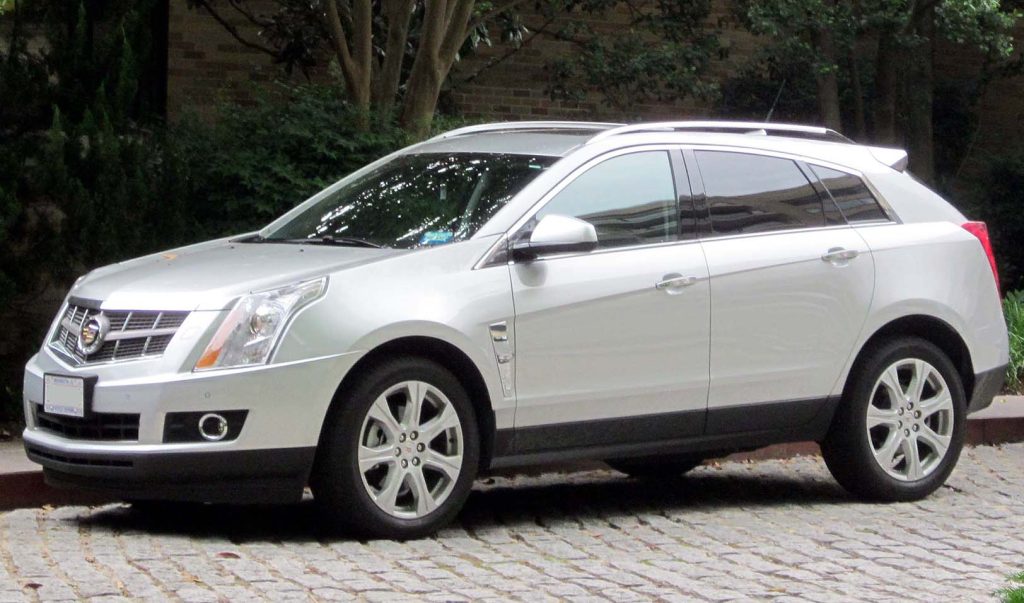
8. Cadillac SRX
The Cadillac SRX offers upscale styling and a comfortable ride, but its electrical systems often become a financial burden after higher mileage. As these SUVs pass 80,000 miles, owners frequently report a growing list of electronic faults.
Infotainment problems are among the most common. The CUE system is known for screen failures, unresponsive touch inputs, and software glitches. Because this system controls navigation, audio, and vehicle settings, its failure affects daily usability. Replacing the unit or screen assembly can be expensive.
Lighting systems are another area of concern. Headlight assemblies with integrated electronics may develop faults that trigger warning messages or cause lights to flicker. In many cases, the entire assembly must be replaced rather than a simple bulb, increasing repair costs.
The SRX also relies heavily on electronic modules for comfort features. Power liftgates, seat controls, and memory functions can fail intermittently. These issues are often caused by worn switches, failing modules, or wiring problems that are difficult to trace.
Advanced driver assistance features add further complexity. Parking sensors, blind spot monitoring, and rear cross traffic alert systems depend on multiple sensors and control units. A single failed component can disable the system and produce persistent warnings that require specialized diagnostics.
Battery and charging system issues are also reported. Faulty modules may continue drawing power when the vehicle is off, leading to repeated dead batteries. Identifying the source of a parasitic drain can take hours of labor.
As the SRX ages, electrical issues often appear in clusters. Owners may repair one system only to see another fail shortly afterward. While the SUV still offers comfort and style, its aging electronics can quietly turn it into an expensive long term ownership experience.
9. Nissan Pathfinder
The fourth generation Nissan Pathfinder shifted toward a more family focused design with modern electronics, but after 80,000 miles many owners report that electrical issues begin to pile up. These problems often affect convenience and safety features, turning what was once a practical SUV into a steady source of repair bills.
One of the most common trouble spots is the vehicle’s body control module and related wiring. This system manages door locks, interior lighting, and various comfort features.
When it begins to malfunction, drivers may notice random warning messages, accessories that stop working, or features that operate only intermittently. Diagnosing communication faults between modules can require hours of labor.
The Pathfinder’s infotainment system is also known for glitches. Screen freezes, Bluetooth connection failures, and unresponsive controls are common complaints.
Because the system integrates with backup cameras and vehicle settings, failures can affect more than just entertainment functions. Replacement units can be costly, especially when programming is required.
Electronic power steering components have also caused concern. Sensors and control units can fail over time, triggering steering related warnings. Even if the vehicle still steers normally, these messages often lead to expensive diagnostic procedures and part replacements.
Advanced safety features such as blind spot monitoring and forward collision warning rely on radar sensors and cameras. As these components age, they may produce false warnings or disable the system entirely. Replacement sensors are not cheap, and proper calibration adds to the cost.

Battery drain issues are another source of frustration. Faulty modules may remain active when the vehicle is off, leading to repeated dead batteries. Finding the cause of a parasitic drain can be time consuming and expensive.
After higher mileage, the Pathfinder’s growing list of electrical issues can catch owners off guard. While the SUV still offers space and comfort, its aging electronics can quietly turn it into a vehicle that demands frequent and costly attention.
10. Infiniti QX60
The Infiniti QX60 shares much of its design with the Pathfinder but adds more luxury features and electronic complexity. After 80,000 miles, this combination can make electrical problems both more common and more expensive to fix.
Infotainment and display issues are frequent complaints. Screens may go blank, freeze, or respond slowly to inputs. Because the system controls navigation, audio, and many vehicle settings, failures can be highly disruptive. Replacing the main unit or display often involves significant parts and labor costs.
Power liftgate and seat electronics are also known to develop faults. Motors, position sensors, and control modules can fail over time, leading to intermittent operation. These comfort features may work one day and stop the next, making diagnosis frustrating and time consuming.
Driver assistance systems add further complexity. The QX60 uses multiple cameras and radar sensors for features such as lane departure warning and forward emergency braking.
Electrical faults in these systems can trigger persistent warning messages and disable key safety features. Repairs often require specialized equipment and careful calibration.
Climate control electronics are another area of concern. Blend door actuators, control panels, and related modules can fail, leading to inconsistent heating or cooling. Because these systems are integrated with the main electronics network, a simple comfort issue can turn into a more involved repair.
Like many modern SUVs, the QX60 can also suffer from parasitic battery drains caused by modules that fail to power down. Owners may replace batteries multiple times before the true source of the drain is found.
As mileage climbs, the QX60 often transitions from a comfortable luxury family vehicle into one that demands ongoing electrical repairs. While it still drives smoothly, the steady stream of electronic issues can make long term ownership far more expensive than expected.
Used SUVs packed with modern technology can become surprisingly expensive once they pass around 80,000 miles, especially when electrical systems begin to fail. Unlike worn suspension parts or aging brakes, electrical problems are often unpredictable.
A single faulty module can trigger multiple warning lights, disable features, or cause strange behavior that is difficult to diagnose. The cost is not just in parts, but in the labor hours needed to trace faults through complex wiring and interconnected control units.
Luxury SUVs are particularly vulnerable because they rely on dozens of modules to manage comfort, performance, and safety features.
Air suspension systems, adaptive lighting, large infotainment screens, and advanced driver aids all depend on electronics that age under heat and vibration. As connectors corrode and internal components wear out, failures can appear one after another rather than as a single repair event.
Mainstream models are not immune. Body control modules, infotainment units, electric steering systems, and sensor networks can all develop issues over time.

Owners may experience random warning messages, accessories that work intermittently, or batteries that repeatedly drain overnight. These problems can be frustrating because they often return even after an initial repair.
Water intrusion and wiring fatigue make matters worse. Moisture can corrode connectors hidden under carpets or behind panels, while wires in doors and tailgates flex thousands of times during normal use. Finding these faults may require extensive disassembly and diagnostic testing.
The result is a pattern where older SUVs may still run well mechanically but demand steady electrical repairs. Buyers considering high mileage examples should budget for ongoing diagnostic work and electronic component replacement, not just routine maintenance items.