
Turbocharging has become one of the most common ways automakers increase power while keeping engines small and efficient. By forcing more air into the engine, turbochargers allow smaller engines to produce performance that once required much larger displacement.
While this technology brings clear benefits in fuel economy and output, it also increases stress inside the engine. Higher cylinder pressures and temperatures place extra demands on internal components, especially the head gasket.
The head gasket seals the joint between the engine block and the cylinder head. It must contain combustion pressure, coolant, and oil, all while enduring constant heating and cooling cycles.
In turbocharged engines, the added boost pressure makes this job even more challenging. If cooling systems are marginal, tuning is aggressive, or materials degrade over time, the head gasket can fail earlier than expected.
When a head gasket begins to fail, symptoms may be subtle at first. Drivers might notice unexplained coolant loss, occasional overheating, white exhaust smoke, or rough running on startup. Because these signs can resemble other problems, early failures are sometimes misdiagnosed. If ignored, the issue can lead to serious engine damage, including warped cylinder heads or contaminated oil.
Some turbocharged engines have developed reputations for premature head gasket issues due to design choices, high boost levels, or cooling system limitations. In many cases, these engines perform well when new but become more vulnerable as mileage climbs or maintenance is neglected.
This list highlights twelve vehicles equipped with turbocharged engines that are widely known for head gasket problems earlier than most owners would expect. These are not necessarily bad cars overall, but they do have engine characteristics that demand careful monitoring and maintenance.
Let us begin with the first two vehicles whose turbo engines are often associated with early head gasket concerns.
Also Read: 10 Fascinating Facts You Probably Didn’t Know About Mild Hybrids
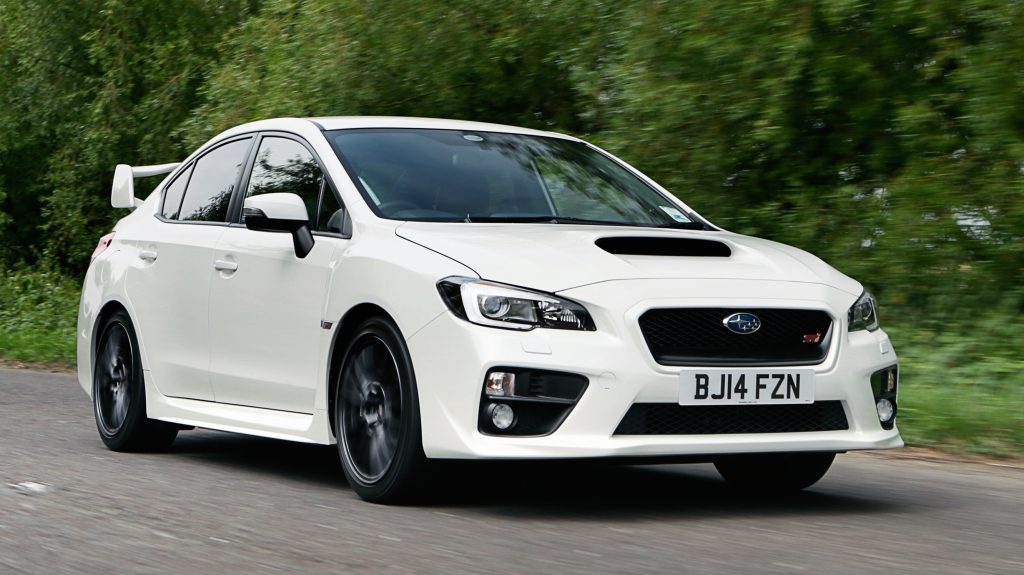
1. Subaru WRX
The Subaru WRX equipped with the EJ255 turbocharged engine has earned a loyal following for its performance and all wheel drive grip. However, this engine is also well known for head gasket issues that can appear earlier than many owners anticipate, especially in modified or hard driven examples.
One of the main challenges comes from the engine’s design. The EJ series uses a horizontally opposed layout, which creates unique cooling and sealing demands.
The head gasket must maintain a tight seal across a wide surface area while handling elevated combustion pressures from turbocharging. Over time, repeated heat cycles can weaken the gasket material and sealing surfaces.
Boost pressure adds another layer of stress. Turbocharged engines operate with higher cylinder pressures than naturally aspirated ones. In the WRX, aggressive driving, high boost levels, and aftermarket tuning can push those pressures even higher. When combined with aging components or marginal cooling, this can contribute to gasket failure.
Cooling system health is critical. Any issue such as a weak radiator, failing thermostat, or air pockets in the cooling system can cause localized overheating. Even brief overheating events can warp the cylinder heads slightly, compromising the gasket seal and starting a slow leak.
Early signs of failure may include coolant loss with no visible external leak, bubbles in the coolant reservoir, or white exhaust smoke during startup. Some owners also report rough idle or misfire codes as coolant seeps into combustion chambers.
Maintenance history plays a major role. Engines that receive regular coolant changes and careful monitoring tend to last longer. However, many WRX models are driven enthusiastically, and hard use can accelerate wear on head gaskets and related components.
Repairing a failed head gasket on this engine can be labor intensive due to the tight engine bay and boxer layout. For many owners, the cost comes as an unpleasant surprise, especially if the vehicle is otherwise running well.
While the WRX remains a thrilling car to drive, its turbo EJ255 engine requires close attention to cooling and early warning signs to avoid major head gasket repairs.
2. Ford Escape
The Ford Escape equipped with the 1.6 liter EcoBoost turbo engine offers strong performance and good fuel economy, but this engine has become known for head gasket failures that can occur at relatively modest mileage. Much of the concern centers on cooling system design and the high thermal loads created by turbocharging.
The 1.6 EcoBoost engine runs at elevated temperatures and pressures to deliver its power from a small displacement. This places significant stress on the head gasket, which must seal combustion gases while also keeping coolant and oil passages separate.
Over time, repeated heat cycles can weaken the gasket, especially if the engine experiences any overheating.
Cooling system issues have played a role in many failures. Some engines have suffered from coolant circulation problems or leaks that allow the engine to run hotter than intended. Even minor overheating events can cause the cylinder head to warp slightly, compromising the gasket seal and leading to coolant entering the combustion chamber.
Early symptoms are often subtle. Owners may notice the coolant level dropping without an obvious external leak. White exhaust smoke, rough running on startup, or misfire codes can appear as coolant seeps into one or more cylinders. Because these signs can resemble ignition or fuel problems, diagnosis is sometimes delayed.

Turbocharging adds to the challenge. Under boost, cylinder pressures rise significantly, increasing the load on the head gasket. If the engine is driven hard or used frequently for short trips that do not allow full warm up and cool down cycles, thermal stress can accumulate more quickly.
Repair costs can be high relative to the vehicle’s value, particularly if the failure leads to additional engine damage. Some owners choose to replace the engine rather than repair the head gasket, which underscores how serious the issue can become.
While the Escape remains a practical and comfortable crossover, buyers of used models with the 1.6 EcoBoost engine should be aware of its head gasket reputation. Careful monitoring of coolant levels and prompt attention to any overheating signs are essential to prevent more extensive engine problems.
3. Mazda CX-7
The Mazda CX 7 with the 2.3 liter DISI turbo engine delivers strong performance for a crossover, but it has developed a reputation for head gasket failures that can occur earlier than expected. This engine is closely related to the turbocharged unit used in the Mazdaspeed lineup, and it operates under high thermal and mechanical stress.
Turbocharging raises cylinder pressures significantly, which puts added strain on the head gasket. In the CX 7, sustained boost combined with a relatively small cooling margin can lead to elevated engine temperatures.
Over time, repeated heat cycles may weaken the gasket material and reduce its ability to maintain a tight seal between the head and block.
Cooling system health is a key factor. Any issue such as a partially clogged radiator, weak thermostat, or failing cooling fan can allow temperatures to creep higher than normal. Even brief overheating can cause slight warping of the cylinder head, which then compromises gasket sealing.
Carbon buildup in direct injection engines can also contribute indirectly. Deposits on intake valves can affect combustion efficiency and create uneven cylinder pressures. This imbalance may add stress to the head gasket, especially in engines that are driven hard or not maintained regularly.
Early warning signs often include unexplained coolant loss, white exhaust smoke during startup, or misfire codes. Some owners report overheating only under heavy load, such as highway driving or climbing hills, which can make the problem seem intermittent at first.
Because the CX 7 is not always seen as a performance vehicle, some owners may not expect such engine stress. As a result, early symptoms can be overlooked until the failure becomes more severe.

Repairing a head gasket on this engine can be costly due to labor time and the need to check for head warping. While the CX 7 offers good power and handling, its turbocharged engine requires careful monitoring of cooling system condition to avoid expensive head gasket repairs.
4. BMW 335i
The BMW 335i equipped with the N54 twin turbo inline six is celebrated for its smooth power and tuning potential, but it is also known for head gasket issues that can appear as mileage increases, particularly in modified or aggressively driven cars.
The N54 engine runs relatively high boost levels even in stock form. This creates substantial cylinder pressure, which the head gasket must contain. As the engine ages and endures repeated heat cycles, the sealing surfaces between the head and block can become more vulnerable.
Tuning and performance modifications can accelerate the problem. Many owners increase boost pressure through software changes, which raises cylinder pressures even further. Without corresponding upgrades to cooling and supporting components, the added stress can shorten the lifespan of the head gasket.
Cooling system performance is crucial. The N54 relies on an electric water pump and a complex cooling setup. If any component begins to fail, temperatures can spike quickly. Even short periods of overheating can cause slight warping of the cylinder head, compromising the gasket seal.
Early symptoms may include coolant loss with no obvious external leak, overheating under load, or white smoke from the exhaust. Some drivers also notice rough running or misfire codes as coolant seeps into combustion chambers.
Because the N54 is a performance-oriented engine, it is often driven hard. Repeated high-load operation can increase thermal stress, especially if maintenance intervals are stretched. Oil and coolant condition also play a role in managing heat and protecting gasket integrity.

Head gasket repair on this engine can be expensive due to labor and the need to check head and block surfaces carefully. For some owners, the repair cost can be significant relative to the car’s value.
The 335i remains a rewarding car to drive, but the N54 engine demands close attention to cooling system health and boost levels. Without careful maintenance, the combination of turbocharging and high performance can lead to premature head gasket trouble.
5. Volkswagen GTI
The Volkswagen GTI with the early EA888 turbocharged engine delivers a strong blend of performance and efficiency, but some versions have developed a reputation for head gasket issues as mileage climbs. While not every engine experiences failure, certain design factors increase the risk under high stress.
Turbocharging raises combustion pressure significantly, and the EA888 engine operates with relatively high boost for its size. This creates substantial force at the head gasket, which must seal combustion gases while also separating coolant and oil passages. Over time, repeated heat and pressure cycles can weaken the sealing surface.
Cooling system condition is critical for this engine. The EA888 uses a plastic water pump and thermostat housing assembly that is known to develop leaks. Even small coolant losses can lead to localized overheating. When temperatures rise, the aluminum cylinder head can warp slightly, reducing the effectiveness of the head gasket seal.
Direct injection adds another layer of thermal stress. Higher combustion temperatures and carbon buildup can create uneven heat distribution in the combustion chambers. This may contribute to head gasket wear, particularly in engines that see frequent spirited driving.
Early symptoms of failure can be subtle. Drivers may notice unexplained coolant loss, a sweet smell after driving, or white exhaust smoke on startup. Misfire codes may appear if coolant begins to seep into one of the cylinders.
Many GTI owners enjoy modifying their cars for extra power. Increased boost pressure without corresponding cooling upgrades can raise cylinder pressures further, putting even more strain on the head gasket.

Repairing a head gasket on this engine is labor intensive due to the compact engine bay and turbocharger placement.
While the GTI remains a fun and capable hatchback, its turbocharged EA888 engine benefits from careful monitoring of coolant levels and prompt attention to any overheating or leak issues to reduce the risk of head gasket failure.
6. Chevrolet Cruze
The Chevrolet Cruze with the 1.4 liter turbocharged engine offers good fuel economy and everyday usability, but this small boosted engine has developed a reputation for head gasket failures in some high mileage or overheated examples.
The engine’s compact design means it operates with high thermal loads. Turbocharging increases cylinder pressures, which places added stress on the head gasket. Over time, repeated heating and cooling cycles can weaken the gasket material, especially if the engine experiences even minor overheating.
Cooling system issues are a known factor. The Cruze 1.4 turbo uses several plastic coolant components that can leak as they age. Loss of coolant, even if gradual, can allow engine temperatures to rise above normal. Elevated temperatures increase the risk of cylinder head warping, which compromises the head gasket seal.
Some engines also experience issues with the cooling fan or thermostat, which can cause the engine to run hotter than intended. Drivers may not always notice small temperature increases, especially if warning lights do not appear immediately. Prolonged operation under higher temperatures can accelerate gasket wear.
Early signs of head gasket trouble often include unexplained coolant loss, white smoke from the exhaust, or rough running on startup. Misfire codes may appear as coolant enters a cylinder. Because these symptoms can resemble ignition or fuel problems, diagnosis may be delayed.
The 1.4 turbo engine works hard for its size, and vehicles used for frequent short trips may not reach full operating temperature consistently. This can lead to condensation and uneven thermal cycles, which further stress engine components.

Head gasket repair can be expensive relative to the value of an older Cruze. In some cases, owners choose engine replacement instead of repair.
While the Cruze remains a practical compact sedan, its turbocharged engine requires close attention to coolant system health. Addressing leaks and overheating quickly is essential to reduce the likelihood of premature head gasket failure.
7. Mini Cooper S
The Mini Cooper S equipped with the N14 turbocharged engine is known for lively performance, but it also carries a reputation for head gasket problems that can surface earlier than expected. This engine runs relatively high boost for its size, which places significant stress on internal components.
Turbocharging increases cylinder pressure and combustion temperatures, both of which put extra load on the head gasket. Over time, repeated heat cycles can weaken the sealing material, especially if the cooling system is not in perfect condition. Even small cooling issues can lead to temperature spikes that accelerate gasket wear.
The N14 engine is also known for carbon buildup on intake valves, which can affect combustion quality. Uneven combustion pressures between cylinders can increase localized stress on the head gasket. In engines that are driven hard or not maintained regularly, this imbalance can contribute to early failure.
Cooling system reliability plays a major role. The water pump, thermostat housing, and coolant hoses can develop leaks as they age. Loss of coolant, even gradual, can allow the engine to run hotter than intended. High temperatures increase the risk of cylinder head warping, which compromises the head gasket seal.
Early warning signs often include unexplained coolant loss, white exhaust smoke, or rough running on startup. Some drivers also report misfire codes or overheating during heavy acceleration. Because these symptoms can overlap with other known Mini issues, head gasket failure may not be diagnosed immediately.
Repairing a head gasket on this engine is labor intensive due to the tight packaging under the hood. The cost can be significant relative to the value of an older vehicle.

The Mini Cooper S remains a fun and distinctive car, but the N14 turbo engine demands careful attention to cooling system health and early signs of trouble. Prompt repairs and consistent maintenance are key to reducing the risk of premature head gasket failure.
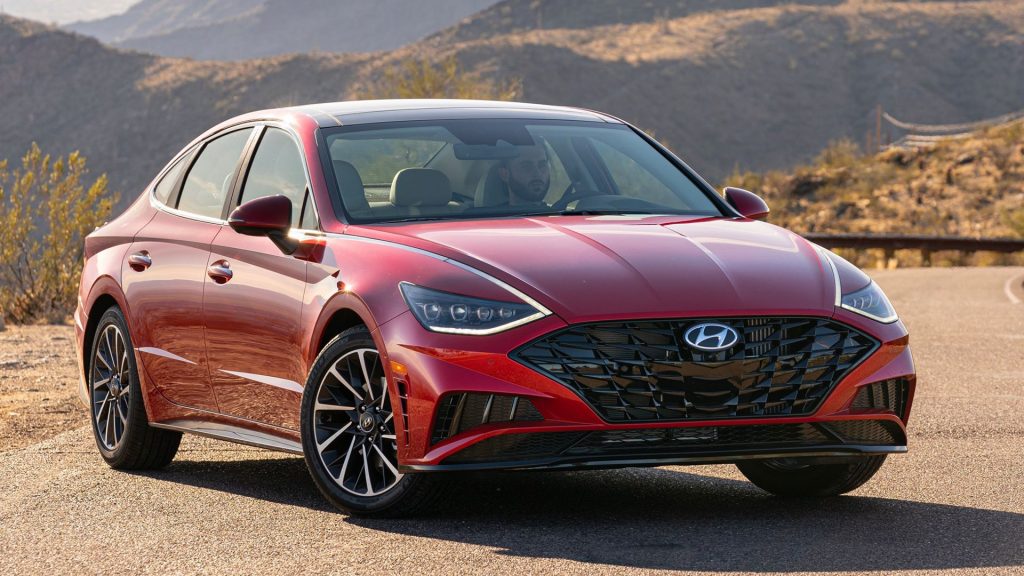
8. Hyundai Sonata
The Hyundai Sonata with the 2.0 liter turbocharged engine offers strong performance for a midsize sedan, but some versions have experienced head gasket failures that occur sooner than many owners expect. High cylinder pressures and thermal stress play a major role.
Turbocharging allows this relatively small engine to produce impressive power, but it also increases the load on the head gasket. Repeated high temperature cycles and elevated combustion pressures can gradually weaken the sealing surfaces between the head and block.
Cooling system performance is critical. If the radiator, thermostat, or water pump begins to lose efficiency, engine temperatures can rise above normal. Even short periods of overheating can cause slight warping of the aluminum cylinder head. Once the head surface is no longer perfectly flat, the gasket may struggle to maintain a proper seal.
Some engines may also experience coolant leaks from hoses or fittings that go unnoticed for a long time. A slow loss of coolant can reduce the system’s ability to manage heat, increasing the risk of head gasket damage.
Early symptoms can include unexplained coolant consumption, white exhaust smoke, or a sweet smell from the exhaust. Misfire codes may appear if coolant enters a combustion chamber. Because these signs can resemble other issues, diagnosis may be delayed.
Drivers who frequently use the engine’s full power may add additional stress. High boost operation generates more heat and pressure, which can accelerate gasket wear over time.
Head gasket repairs on this engine can be costly, especially if the cylinder head requires machining. In some cases, the cost may approach the value of the vehicle.
The Sonata 2.0 turbo remains a comfortable and quick sedan, but its turbocharged engine requires close monitoring of coolant levels and temperature. Addressing any overheating or coolant loss quickly is essential to help prevent premature head gasket failure.
9. Saab 9-3
The Saab 9 3 with the 2.0 liter turbocharged engine offers smooth power and distinctive character, but it has also developed a reputation for head gasket problems as mileage increases. This engine operates with relatively high boost, which places additional stress on the gasket sealing the cylinder head to the block.
Turbocharging raises cylinder pressures and combustion temperatures, both of which challenge the head gasket over time.
As the engine goes through repeated heating and cooling cycles, the gasket material can weaken. Any cooling system weakness can accelerate this process by allowing temperatures to climb higher than intended.
Cooling system issues are a key factor. Aging radiators, thermostats, and water pumps can reduce cooling efficiency. Even minor overheating events can cause slight warping of the aluminum cylinder head. Once the sealing surface is no longer perfectly flat, the gasket may begin to leak.
Some 9 3 engines also develop coolant leaks from hoses and fittings. Slow coolant loss can go unnoticed, gradually reducing the system’s ability to manage heat. Drivers may only realize there is a problem when the temperature gauge rises or a warning light appears.
Early symptoms of head gasket failure often include unexplained coolant consumption, white exhaust smoke, or rough running on startup. Misfire codes may appear if coolant seeps into a combustion chamber. Because these symptoms can resemble other common turbo engine issues, diagnosis may not be immediate.

Performance driving can increase the risk. Sustained boost and higher loads generate more heat and pressure, adding to the stress on the gasket.
Repairing a head gasket on this engine can be labor intensive and costly, particularly if the cylinder head requires resurfacing. While the Saab 9 3 remains an enjoyable and unique car, its turbo engine demands careful cooling system maintenance to help prevent premature head gasket failure.
10. Audi A4
The Audi A4 B8 with the 2.0 TFSI turbocharged engine is known for strong performance and efficiency, but some examples have experienced head gasket failures earlier than expected. High boost pressures and thermal stress play a significant role.
The 2.0 TFSI engine operates with direct injection and turbocharging, which leads to high combustion pressures. The head gasket must contain these forces while also sealing coolant and oil passages. Over time, repeated heat cycles can weaken the gasket material, especially if the engine runs hotter than designed.
Cooling system performance is critical. The water pump and thermostat assembly on this engine are known wear items. If these components begin to fail, coolant flow may be reduced, allowing temperatures to rise. Even brief overheating can cause slight warping of the cylinder head, compromising the gasket seal.
Carbon buildup, common in direct injection engines, can also affect combustion efficiency. Uneven cylinder pressures may increase localized stress on the head gasket. Engines that are driven hard or not maintained regularly may be more vulnerable.
Early warning signs often include coolant loss without an obvious external leak, white exhaust smoke, or rough running on startup. Some drivers notice overheating under heavy load or during long highway drives. Misfire codes may appear as coolant enters one or more cylinders.
Because the A4 is a premium vehicle, repair costs can be significant. Head gasket replacement requires substantial labor, and additional work may be needed if the cylinder head surface is not perfectly flat.

The A4 B8 remains a refined and enjoyable sedan, but its turbocharged engine requires attentive maintenance. Monitoring coolant levels and addressing any cooling system issues promptly can help reduce the risk of premature head gasket failure.
Turbocharged engines produce strong power but also higher heat and cylinder pressure, which place extra stress on head gaskets.
In several well known models, cooling system weaknesses, aggressive boost levels, and age related wear can lead to premature gasket failure, making careful maintenance and temperature monitoring essential for long term reliability.
Also Read:.10 Bentley Models That Perfectly Blend Speed and Luxury