Lane assist technology was designed to make driving safer by helping vehicles stay centered within their lanes. Using cameras, sensors, and steering inputs, these systems can gently correct a vehicle’s path if it begins to drift.
In theory, this reduces accidents caused by distraction or fatigue. In practice, however, some systems can be overly sensitive, poorly calibrated, or inconsistent in how they behave on real world roads.
Many drivers expect lane assist to be a helpful backup, not an intrusive force. Problems arise when systems tug at the steering wheel unexpectedly, misread faded lane markings, or struggle on narrow, winding, or poorly maintained roads.
Instead of adding confidence, these behaviors can create tension and reduce driver trust. Some drivers find themselves fighting the steering rather than feeling supported.
Weather and road conditions also play a major role. Rain, glare, construction zones, and worn paint can confuse cameras.
In certain vehicles, this leads to sudden warnings, abrupt steering inputs, or the system disengaging at inconvenient moments. Frequent alerts and unpredictable corrections can make drivers more stressed, not less.
Another concern is how early versions of these systems were tuned. Some manufacturers prioritized strong intervention to meet safety goals, but that sometimes resulted in jerky steering or constant nudging within the lane.
Over time, software updates have improved many systems, yet older vehicles on the used market may still have the earlier, less refined calibrations.
This list highlights ten cars where lane assist technology has been widely criticized for being overly intrusive, unreliable, or frustrating to use. While these vehicles may have many strengths, their lane keeping systems are often seen as features that drivers switch off rather than rely on.
Let us begin with the first two cars where lane assist can feel more like a hassle than a helper.
Also Read: 10 Interiors That Still Look Modern After a Decade
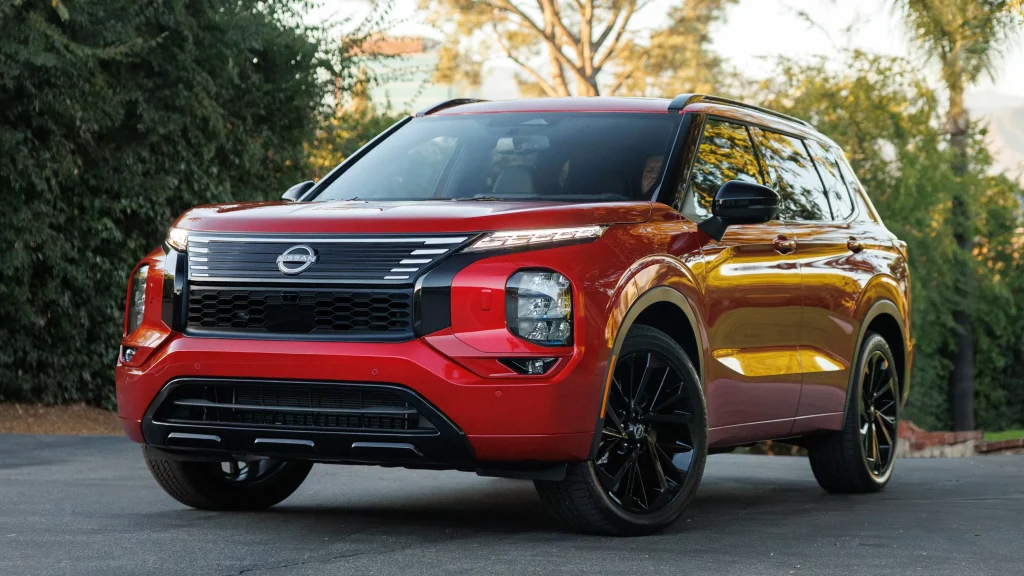
1. Nissan Rogue
The Nissan Rogue is a popular compact SUV known for comfort and fuel efficiency, but its early lane assist systems have drawn criticism from many drivers. The feature is intended to gently guide the vehicle back toward the center of the lane, yet in practice it can feel abrupt and inconsistent.
One common complaint is that the system reacts strongly to slight deviations that drivers would normally correct smoothly on their own. Instead of a subtle nudge, the steering input can feel like a quick tug, which may surprise drivers who are not expecting it. On narrow roads, this can make the vehicle feel less stable rather than more secure.
Faded or poorly painted lane markings can also confuse the system. In these situations, the Rogue may struggle to determine the correct lane boundaries.
Drivers sometimes report the vehicle bouncing gently from one side of the lane to the other as the system makes repeated small corrections. This constant adjustment can feel unnatural and tiring on longer drives.
Construction zones present another challenge. Temporary lane markings or cones may not be interpreted correctly, causing the system to issue warnings or disengage unexpectedly. Frequent beeps and dashboard messages can distract rather than assist, especially in already complex traffic situations.
Weather conditions such as heavy rain or bright sun glare may further reduce reliability. When the camera loses a clear view of lane lines, the system may switch off without much warning. Drivers who had begun to rely on it may suddenly find themselves without the assistance they expected.
Because of these behaviors, many Rogue owners choose to turn the feature off during daily driving. While it can work acceptably on well marked highways, its inconsistency in mixed real world conditions leads some drivers to view it as more of an annoyance than a benefit.
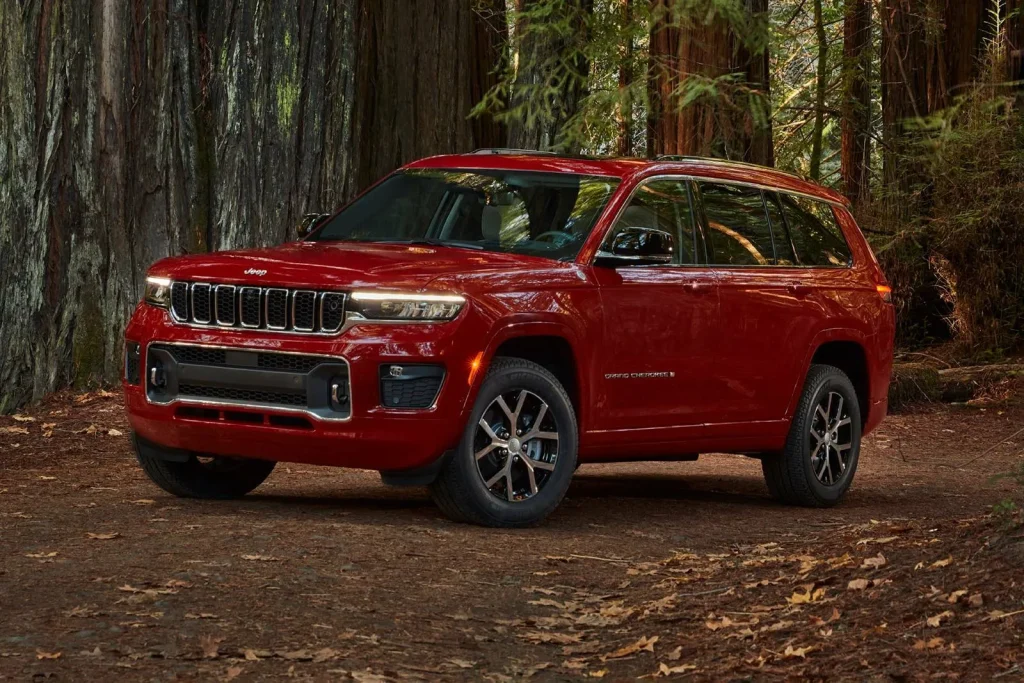
2. Jeep Cherokee
The Jeep Cherokee KL introduced a variety of modern safety features, including lane assist, but not all drivers have been pleased with how the system behaves. While designed to improve safety, its steering corrections can sometimes feel heavy handed and poorly timed.
Drivers often report that the system activates with more force than expected. When the vehicle approaches a lane marking, the steering wheel may push back noticeably. Instead of feeling like gentle guidance, this can feel like the car is resisting the driver’s intended path. On curving roads, this sensation can be particularly unsettling.
The system may also struggle with roads that do not have clear, consistent lane markings. Rural routes, construction areas, or streets with patched pavement can confuse the camera. In these cases, the Cherokee may issue repeated alerts or apply small steering corrections that do not match the driver’s view of the road.
Another concern is how the feature behaves during normal lane positioning. Some drivers prefer to sit slightly to one side of the lane to avoid large vehicles or rough pavement. The lane assist system may interpret this as drifting and repeatedly try to recenter the vehicle, leading to a subtle but constant steering battle.
In heavy traffic, the system’s alerts can add to driver workload. Beeps and dashboard messages may appear frequently if the vehicle gets close to lane markings during routine maneuvers. Instead of reducing stress, the extra feedback can make driving feel more complicated.
While the Cherokee remains capable and comfortable in many situations, its lane assist system is often seen as overly intrusive. Many owners leave the feature disabled, using it only on clear highways where its behavior is more predictable and less likely to interfere with normal driving habits.
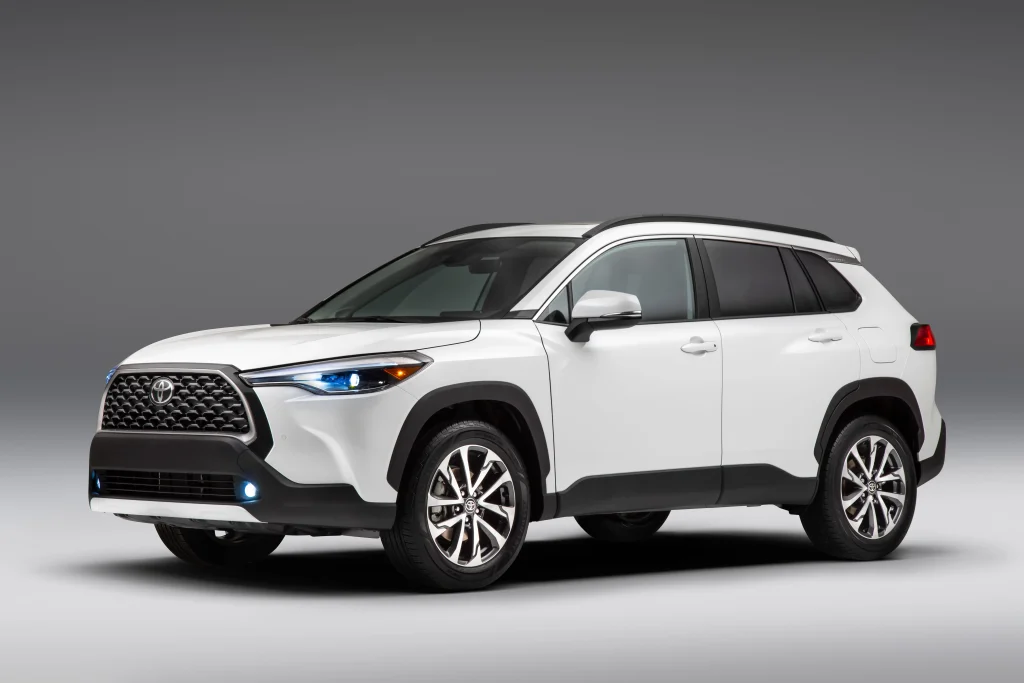
3. Toyota Corolla
The Toyota Corolla has a strong reputation for reliability, but some drivers have found its early lane assist systems to be more distracting than helpful. While the goal is to provide gentle steering support, the real world behavior can sometimes feel inconsistent and overly cautious.
One frequent complaint is that the system tends to intervene too early and too often. When the car drifts slightly within the lane, something most drivers naturally do while adjusting position, the steering wheel may apply noticeable resistance. This can feel like the car is second guessing the driver, even when there is no real danger.
The Corolla’s system also relies heavily on clearly visible lane markings. On roads where paint is faded or partially obscured, the camera may struggle to track boundaries accurately.
Drivers sometimes report the vehicle making small corrections back and forth as the system tries to decide where the lane actually is. This can make the car feel unsettled, especially at highway speeds.
Curving roads can present another challenge. Some drivers say the system does not always anticipate gentle bends smoothly. Instead, it may wait until the vehicle is close to a lane line before applying a steering correction. This delayed response can feel abrupt and less refined than expected.
In construction zones, the system can become confused by temporary lines, cones, or shifted lanes. This may result in repeated alerts or sudden deactivation. Frequent beeping and flashing icons can draw attention away from the road rather than enhancing safety.
Another issue is the feeling of reduced control. Some drivers prefer to position their vehicle slightly away from large trucks or rough pavement. The lane assist feature may try to recenter the car repeatedly, leading to a subtle tug of war through the steering wheel.
Because of these behaviors, many Corolla owners choose to switch the system off during daily driving. While it can function well on straight, well marked highways, its sensitivity in mixed conditions can make it feel like more of a nuisance than a reliable safety partner.
4. Hyundai Tucson
The Hyundai Tucson offers modern styling and a comfortable ride, but some versions have a lane assist system that drivers find overly intrusive. Although designed to help keep the vehicle centered, its interventions can sometimes feel stronger and more frequent than expected.
One common concern is the strength of the steering corrections. Instead of a light guiding touch, the system may apply firm input when the vehicle nears a lane marking. This can be surprising, especially for drivers who are already making a gentle adjustment. The sudden resistance may reduce confidence rather than build it.
The system’s performance can also vary depending on road quality. On highways with clear, freshly painted lines, it tends to behave more predictably.
However, on older roads with worn markings, the camera may struggle to track lane boundaries. Drivers sometimes notice the vehicle drifting slightly within the lane as the system makes repeated minor corrections.
Tight curves can further expose limitations. The Tucson’s lane assist may not always follow the arc of the road smoothly, leading to late or uneven steering inputs. Instead of feeling natural, the motion can feel mechanical and disconnected from the driver’s intentions.
Weather adds another layer of difficulty. Rain, glare, or shadows across the road can interfere with the camera’s ability to read lane lines. When this happens, the system may issue warnings or switch off unexpectedly. Drivers who have grown used to its assistance may find the sudden change unsettling.
Some owners also report frequent alerts when driving near the edge of a lane to avoid large vehicles or potholes. The system may interpret this as unintentional drifting and respond with warnings or steering input, even though the driver is deliberately positioning the car.
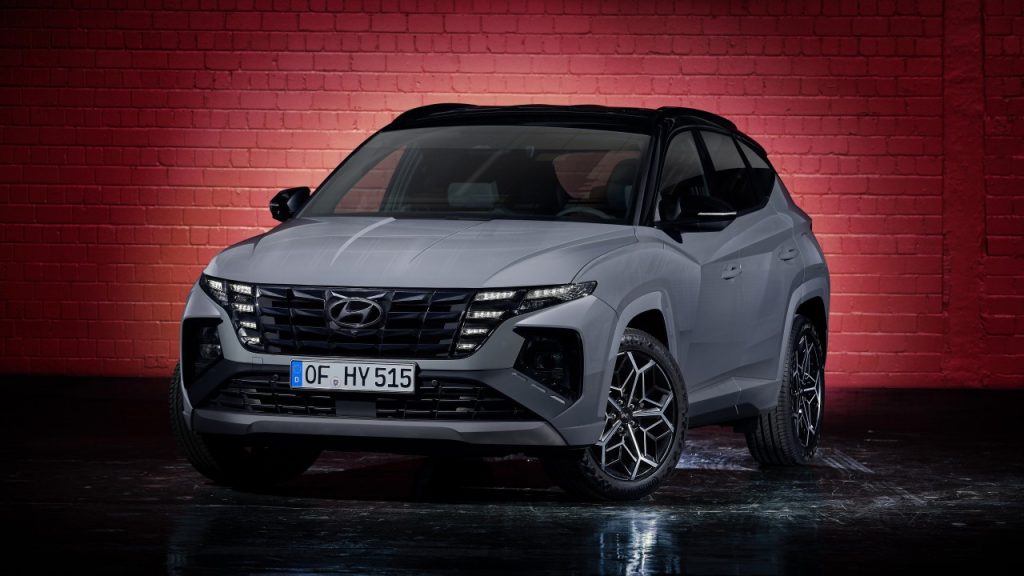
As a result, many Tucson drivers choose to limit their use of lane assist to specific situations, such as long highway trips. In everyday mixed driving, the feature can feel more distracting than supportive, leading some to view it as a technology that still needs refinement.
5. Honda Civic
The Honda Civic is widely respected for efficiency and practicality, yet some drivers have found its lane assist system to be more bothersome than beneficial. While the technology is intended to provide gentle steering support, real world behavior can sometimes feel overactive.
One common complaint is the system’s tendency to make frequent small corrections even when the car is well within its lane.
Drivers may feel the steering wheel subtly moving back and forth as the system tries to keep the vehicle perfectly centered. Instead of feeling like smooth assistance, this can make the steering feel artificial and busy.
The Civic’s camera based system can also struggle with inconsistent lane markings. On roads where paint is faded or partially worn away, the system may lose confidence and issue repeated warnings. Drivers sometimes notice the car wandering slightly within the lane as the system alternates between detecting and losing the lane lines.
Curvy roads highlight another limitation. The lane assist feature may not always follow gradual bends smoothly, leading to delayed or slightly abrupt steering inputs. This can make the car feel less natural to drive, especially for those who prefer a more direct connection with the steering.
Drivers who like to position their vehicle slightly off center to avoid potholes or large trucks may also find the system frustrating. It often tries to recenter the car, resulting in a mild but persistent tug at the wheel. Over time, this constant correction can become tiring.
Alerts and visual warnings add to the distraction. Beeps and dashboard messages may appear frequently if the system briefly loses sight of lane markings. Instead of providing peace of mind, these alerts can increase driver workload.
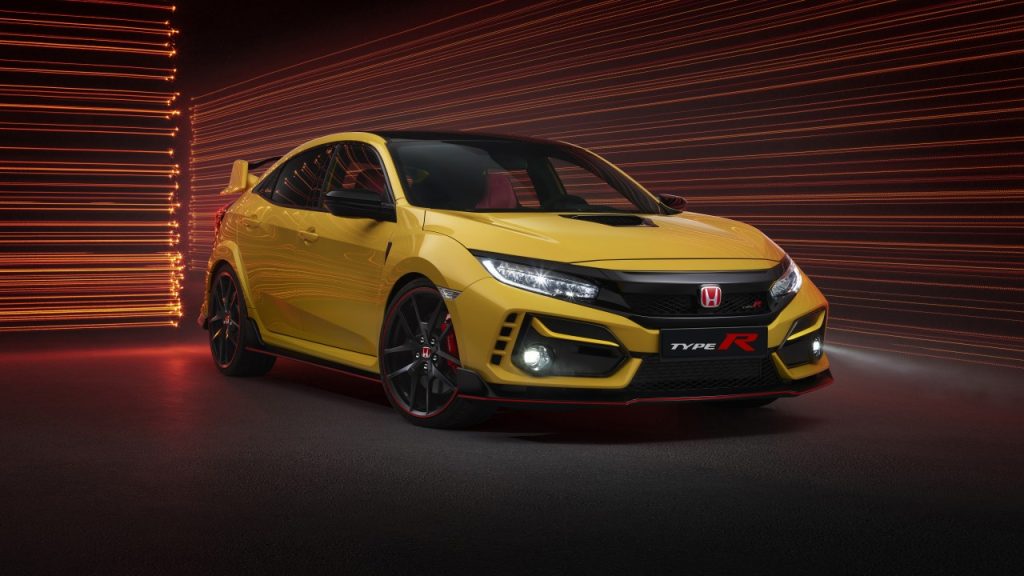
Because of these traits, many Civic owners choose to turn the feature off in daily driving. While it can be helpful on straight, well marked highways, its sensitivity and constant corrections in mixed conditions can make it feel like more of a nuisance than a true aid.
6. Ford Edge
The Ford Edge offers a comfortable ride and modern features, but its lane assist system has drawn mixed reactions from drivers. Although it aims to help keep the vehicle centered, some find its behavior unpredictable and occasionally intrusive.
One issue is the firmness of its steering inputs. When the vehicle approaches a lane marking, the system may apply a noticeable correction rather than a subtle nudge. This can be surprising, particularly during gentle lane positioning adjustments that the driver is already managing.
The system also depends heavily on clear lane lines. On highways with worn paint or temporary construction markings, the camera may struggle to track boundaries consistently. Drivers sometimes report the vehicle making repeated small corrections, which can make the ride feel less smooth.
Curved roads can present additional challenges. The lane assist feature may not always anticipate gradual bends early enough, leading to late steering inputs that feel slightly abrupt. This can reduce confidence in the system, especially on winding routes.
Another concern is the frequency of alerts. The Edge may issue warnings if the driver drives close to a lane line while avoiding obstacles or giving space to larger vehicles. These warnings can feel unnecessary and add to the mental load of driving.
Weather conditions such as rain or glare can also affect performance. When the system loses a clear view of lane markings, it may disengage with little notice. Drivers who had come to rely on it may find the sudden loss of assistance unsettling.
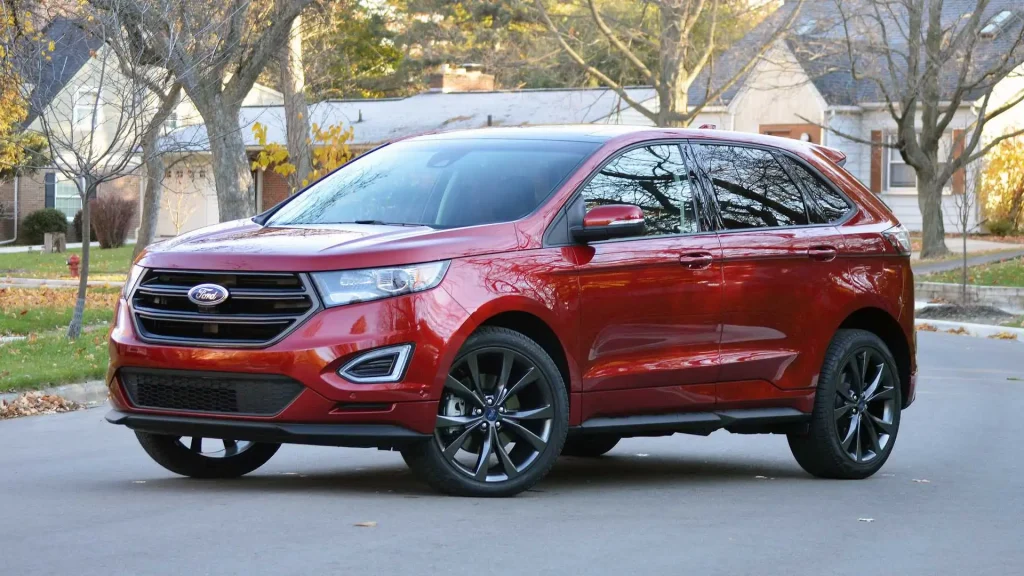
For these reasons, some Edge owners use the feature selectively rather than full time. While it can work well on well marked highways, its behavior in varied real world conditions can make it feel like a feature that needs careful monitoring rather than blind trust.
7. Chevrolet Malibu
The Chevrolet Malibu is a comfortable and efficient midsize sedan, but its lane assist system has frustrated some drivers who find it more distracting than helpful. While designed to keep the car centered in its lane, the system’s behavior can sometimes feel inconsistent and overly sensitive.
One of the most common complaints is how frequently the system intervenes. Even small movements within the lane can trigger steering input.
Drivers who are already making subtle adjustments may feel the wheel gently but persistently resisting their input. Instead of feeling like smooth assistance, this can create a sense that the car is second guessing the driver.
The Malibu’s camera based system relies heavily on clear, well defined lane markings. On roads where paint is faded, cracked, or partially covered by patches, the system may struggle to maintain a steady reading.
Drivers sometimes report the car making small back and forth corrections as the system alternates between detecting and losing track of lane lines. This can make the vehicle feel less stable, especially at highway speeds.
Curved roads can reveal another weakness. The system may not always anticipate gentle bends early enough. Instead of smoothly guiding the vehicle through a curve, it may wait until the car is close to a lane line before applying a correction. This delayed response can feel abrupt and unnatural.
Construction zones present additional challenges. Temporary lines, cones, and lane shifts can confuse the system. The result may be repeated warnings or sudden disengagement. Frequent beeps and dashboard alerts in already complex traffic situations can increase stress rather than reduce it.
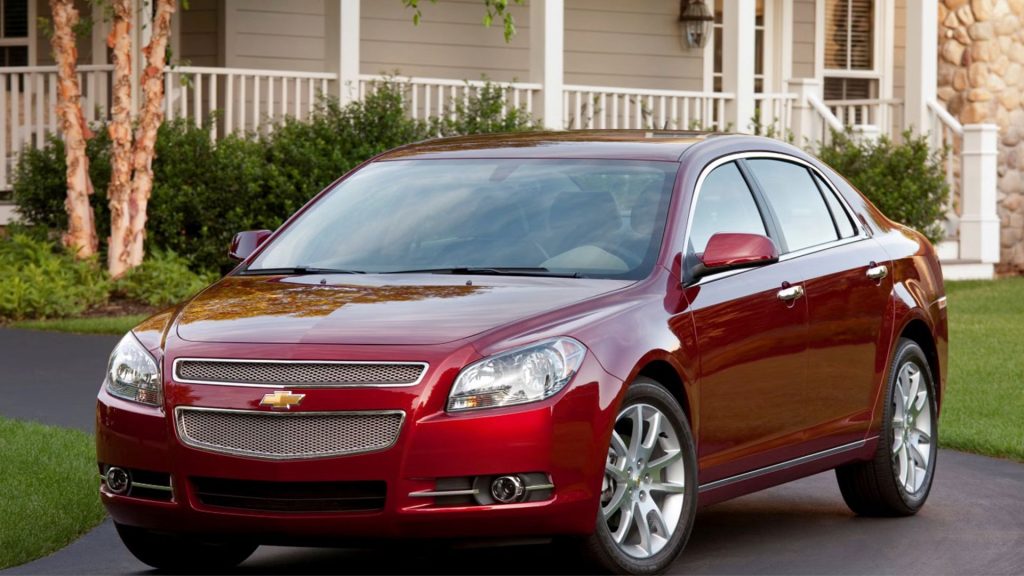
Drivers who prefer to position their vehicle slightly within the lane to avoid rough pavement or give space to large trucks may also find the system intrusive. The Malibu often tries to recenter the vehicle, leading to a mild but continuous tug on the steering wheel.
Because of these behaviors, some Malibu owners choose to turn lane assist off during everyday driving. While it can function well on straight, clearly marked highways, its sensitivity in mixed real world conditions can make it feel like a feature that demands attention instead of quietly providing support.
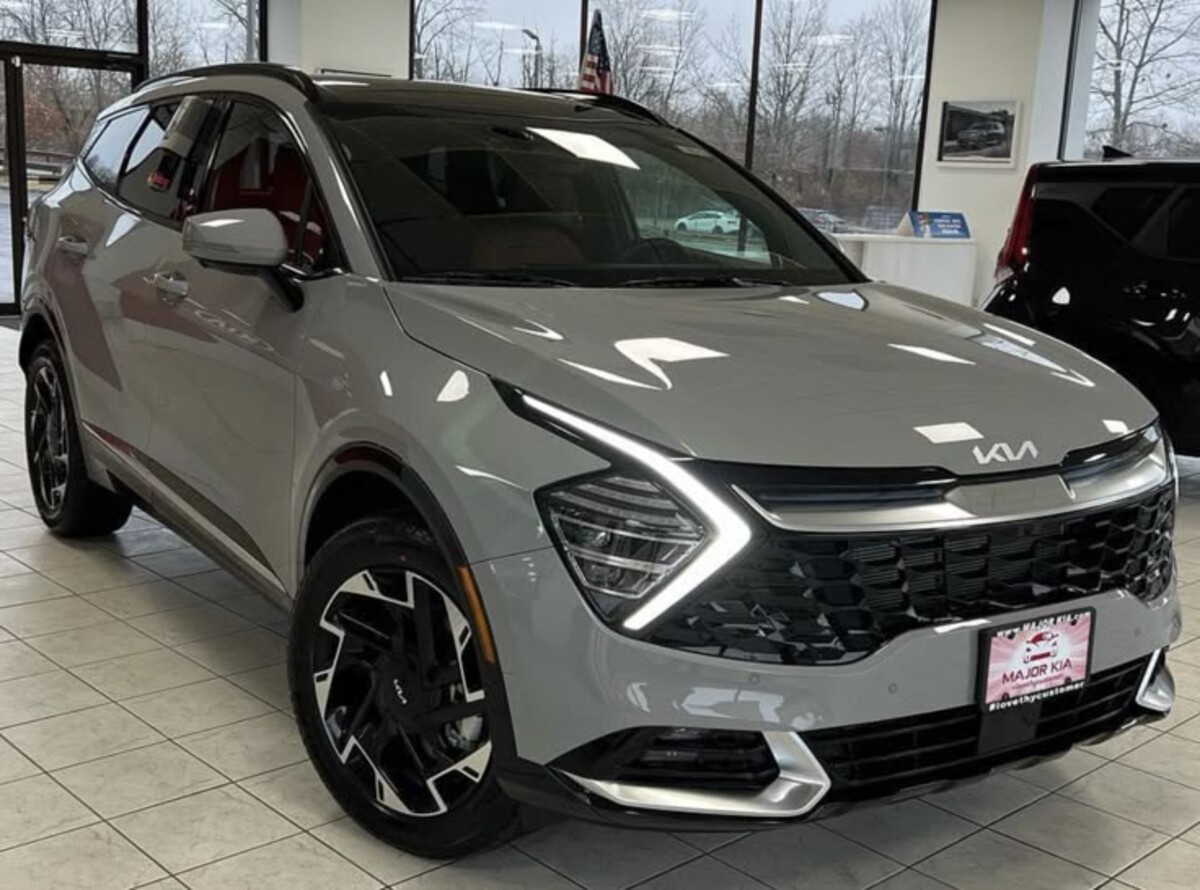
8. Kia Sportage
The Kia Sportage offers modern styling and a long list of features, but its lane assist system has drawn criticism from drivers who find it too eager to step in. Although the goal is to help keep the SUV centered, the system’s steering inputs can sometimes feel stronger and more frequent than expected.
A common concern is the firmness of the corrections. When the vehicle drifts slightly toward a lane marking, the system may apply a noticeable steering input rather than a gentle nudge. For drivers who are already adjusting their path, this can feel like the car is pulling against them, which reduces confidence in the system.
The Sportage’s performance can also vary depending on road quality. On well maintained highways with clear lane markings, it tends to behave more predictably.
However, on older roads with worn paint or uneven surfaces, the camera may struggle to track the lane consistently. Drivers sometimes notice the SUV moving subtly from side to side as the system tries to interpret unclear markings.
Curving roads can highlight additional limitations. The system may not follow gradual bends smoothly, leading to late or uneven steering inputs. Instead of feeling natural, the motion can feel mechanical, which makes some drivers uneasy.
Frequent alerts are another source of frustration. The Sportage may issue warnings if the vehicle comes close to a lane line during normal maneuvers, such as giving extra room to cyclists or large trucks. These repeated beeps and messages can add to driver workload rather than reduce it.
Weather conditions such as rain, glare, or shadows across the road can interfere with the camera’s ability to read lane lines. When this happens, the system may disengage or display warnings. Drivers who have grown used to its assistance may find these sudden changes distracting.
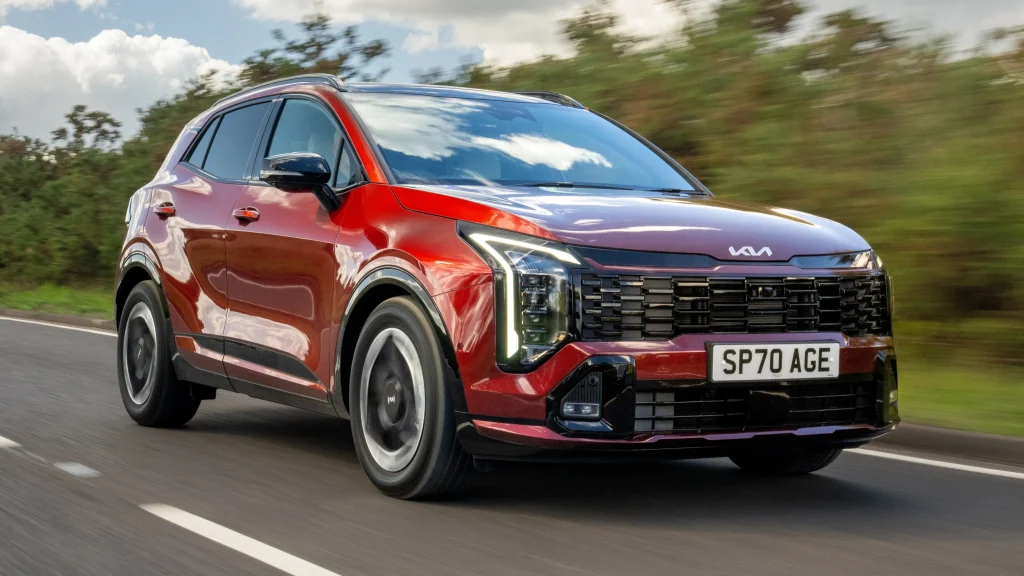
As a result, many Sportage owners use lane assist selectively rather than leaving it on all the time. While it can be useful on long, straight highway drives, its sensitivity and sometimes heavy handed corrections in everyday traffic lead some drivers to view it as a feature that still needs refinement.
9. Volkswagen Jetta
The Volkswagen Jetta delivers a comfortable ride and refined road manners, but some drivers find its lane assist system more irritating than reassuring. While intended to keep the car centered, its behavior in everyday conditions can feel overly cautious and sometimes inconsistent.
One common issue is the system’s tendency to intervene even when the vehicle is only slightly off center.
Drivers who naturally adjust their position within the lane may feel the steering wheel gently but persistently nudging back. Over time, this can create the sensation of constantly sharing control with the car rather than driving freely.
The system’s reliance on clear lane markings can also be a limitation. On roads where paint is faded, cracked, or partially missing, the camera may struggle to maintain a steady view of the lane boundaries.
Drivers sometimes notice the Jetta making small corrections back and forth as the system tries to determine the correct position. This subtle weaving can feel unnatural, especially at highway speeds.
Curved roads present another challenge. The system may not always anticipate gentle bends smoothly, leading to steering inputs that feel slightly delayed. Instead of flowing naturally through the curve, the car may drift toward a line and then receive a more noticeable correction.
Construction zones can make the experience worse. Temporary markings, cones, and shifted lanes may confuse the camera, leading to repeated warnings or sudden disengagement. Frequent alerts in busy traffic can distract from the driving task rather than supporting it.
Some drivers also report that the system reacts when they intentionally position the car away from large vehicles or rough pavement. The Jetta may attempt to recenter the vehicle, resulting in a mild tug on the wheel that feels unnecessary.
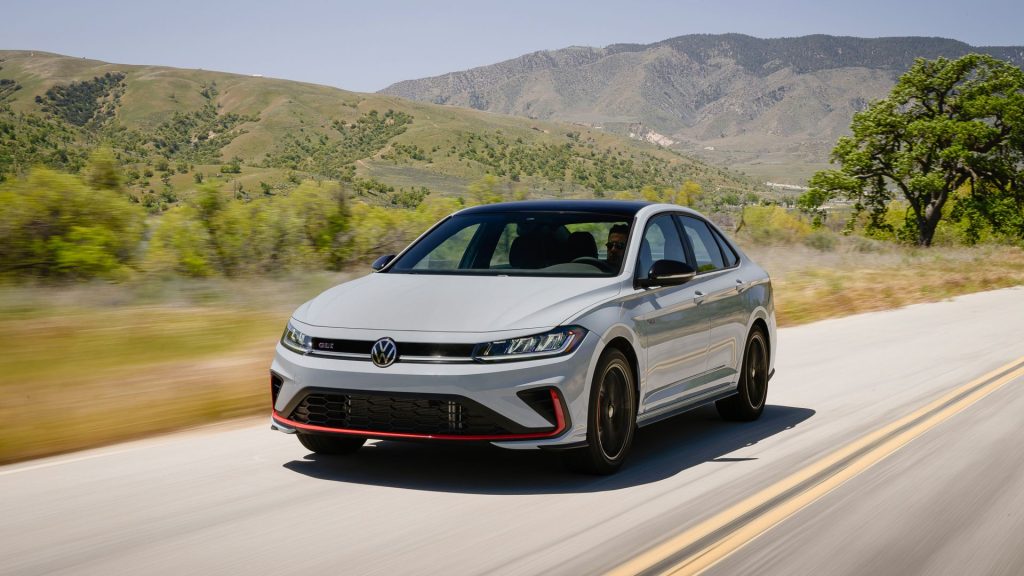
Because of these behaviors, many Jetta owners use lane assist only on clearly marked highways. In mixed real world conditions, the feature can feel like it demands extra attention rather than quietly enhancing safety.
10. Mazda CX-5
The Mazda CX 5 is praised for its engaging handling and driver focused design, but its lane assist system has received criticism from drivers who feel it does not match the vehicle’s otherwise natural steering feel. Instead of blending seamlessly into the driving experience, the system can sometimes feel intrusive.
One frequent complaint is the firmness of its steering corrections. When the vehicle approaches a lane marking, the system may apply a noticeable input that contrasts with the CX 5’s normally smooth and responsive steering. This sudden intervention can feel artificial and reduce the sense of connection many drivers enjoy in this SUV.
The system also depends heavily on clearly visible lane lines. On roads with worn or inconsistent markings, the camera may struggle to track boundaries reliably. Drivers sometimes experience small, repeated corrections as the system tries to stay centered, which can make the vehicle feel less settled on the road.
Curving roads can further expose limitations. The lane assist feature may not always follow gentle bends smoothly, leading to corrections that feel slightly late. Instead of guiding the vehicle through the curve in a fluid way, the system may wait until the car nears a lane line before intervening.
Alerts and warnings add another layer of distraction. The system may beep or display messages when it briefly loses sight of lane markings. These frequent notifications can draw attention away from the road, especially in complex traffic situations.
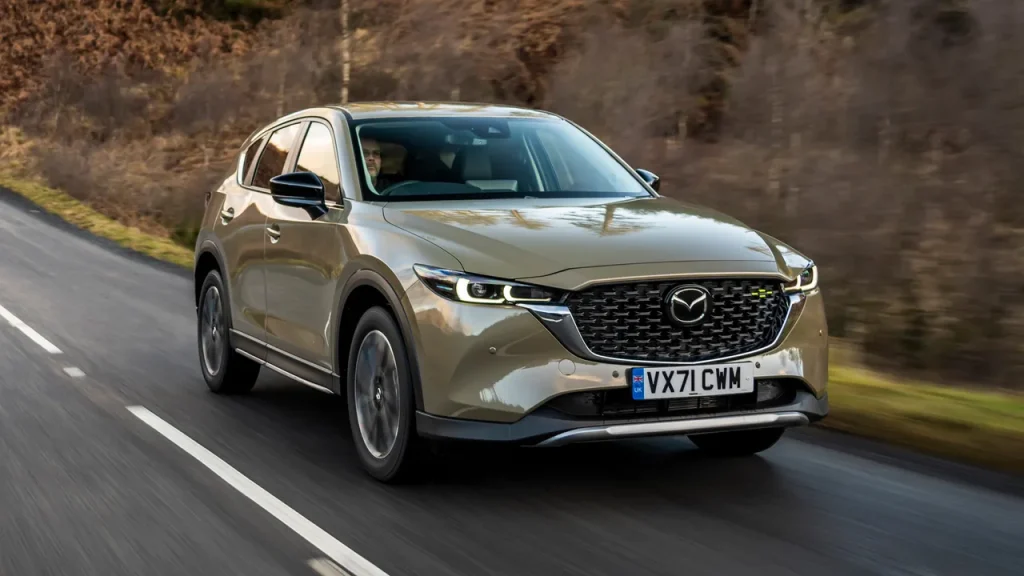
Drivers who prefer to position their vehicle slightly within the lane to avoid potholes or give extra space to trucks may also find the system frustrating. The CX 5 often tries to recenter the vehicle, leading to a subtle tug of war through the steering wheel.
Because of these traits, some CX 5 owners choose to disable lane assist during daily driving. While it can work well on straight, well marked highways, its intrusive feel in mixed conditions makes it a feature that many drivers prefer to manage carefully rather than rely on completely.
Also Read: 10 Cars That Feel Faster Than Their Horsepower Numbers