Luxury sedans are expected to deliver smooth, effortless performance. Drivers pay a premium for quiet cabins, refined ride quality, and powertrains that operate almost invisibly. One of the most important parts of that experience is the transmission.
Gear changes should be seamless, acceleration should feel fluid, and low speed driving should be free from jolts or vibrations. When a transmission begins to shudder, that sense of refinement quickly disappears.
Transmission shudder often feels like a vibration, hesitation, or slight jerking sensation during acceleration or at low speeds. It can occur when the transmission is shifting between gears or when the torque converter is trying to lock and unlock.
In many cases, it feels like driving over a rough surface even when the road is perfectly smooth. For a luxury vehicle, this can be especially disappointing.
The causes vary. Some transmissions use fluid that degrades faster than expected, leading to poor lubrication and inconsistent clutch engagement. Others rely on complex electronic controls that may not adapt well as components wear.
In some cases, torque converter designs are prone to internal wear that creates vibration under light throttle. While software updates and fluid changes can sometimes help, many owners experience recurring issues.
These problems are not always immediate. Some vehicles drive beautifully when new, only to develop shudder as mileage increases. Because luxury sedans often have sophisticated and tightly integrated powertrains, diagnosing and fixing the issue can be expensive.
This list highlights eight luxury sedans known for transmission shudder problems that have frustrated many owners. These cars may excel in comfort, performance, and technology, but their transmission behavior has earned a reputation that buyers should understand before committing.
Let us begin with the first two luxury sedans where transmission shudder has become a well known complaint.
Also Read: 10 Bentley Models That Perfectly Blend Speed and Luxury
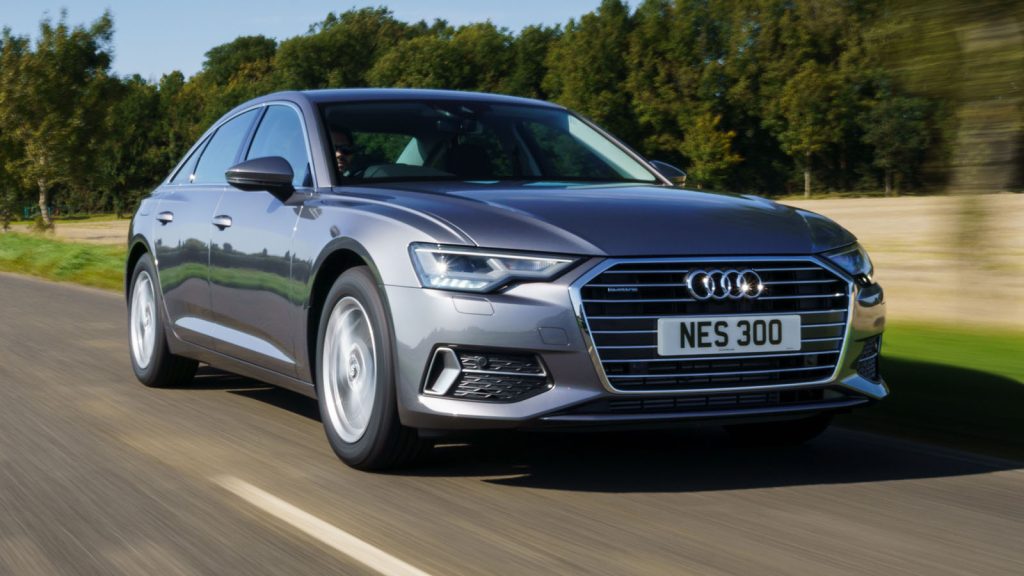
1. Audi A6
The Audi A6 C7 delivers a refined ride, upscale interior, and strong performance, but certain versions have become known for transmission shudder issues that can undermine the driving experience. Many of these complaints center around models equipped with dual clutch or continuously variable style transmissions depending on market and engine choice.
Drivers often report a noticeable vibration or judder at low speeds, especially in stop and go traffic. The sensation can feel like the car is hesitating or lightly bucking as it tries to engage the clutch smoothly. In a vehicle designed to feel polished and composed, this behavior stands out immediately.
One contributing factor is how the transmission manages clutch engagement. Dual clutch systems are designed for quick, efficient gear changes, but they can be less forgiving in low speed situations. As components wear and fluid condition changes, engagement may become less smooth, leading to shudder during takeoff or creeping in traffic.
Fluid condition plays an important role. Some owners find temporary improvement after a transmission fluid service, but the shudder often returns over time. This suggests that internal wear of clutch packs or the torque management system may be part of the problem rather than fluid alone.
Software updates have been issued in some cases to adjust shift logic and clutch behavior. While these updates can help reduce symptoms, they do not always eliminate the issue completely. As mileage increases, mechanical wear can outpace software adjustments.
The problem can be especially frustrating because it does not always trigger warning lights. The car may drive normally at higher speeds, leaving owners unsure whether a serious fault exists. Over time, the repeated vibration can raise concerns about long term reliability and repair costs.
Repairing the issue can be expensive if clutch packs or internal transmission components need replacement. Labor costs are high due to the complexity of the unit and the tight packaging in the engine bay.
The A6 remains a comfortable and capable luxury sedan, but for some owners, the transmission shudder takes away from the smooth driving experience they expected. Buyers considering used examples should pay close attention to low speed behavior during test drives.
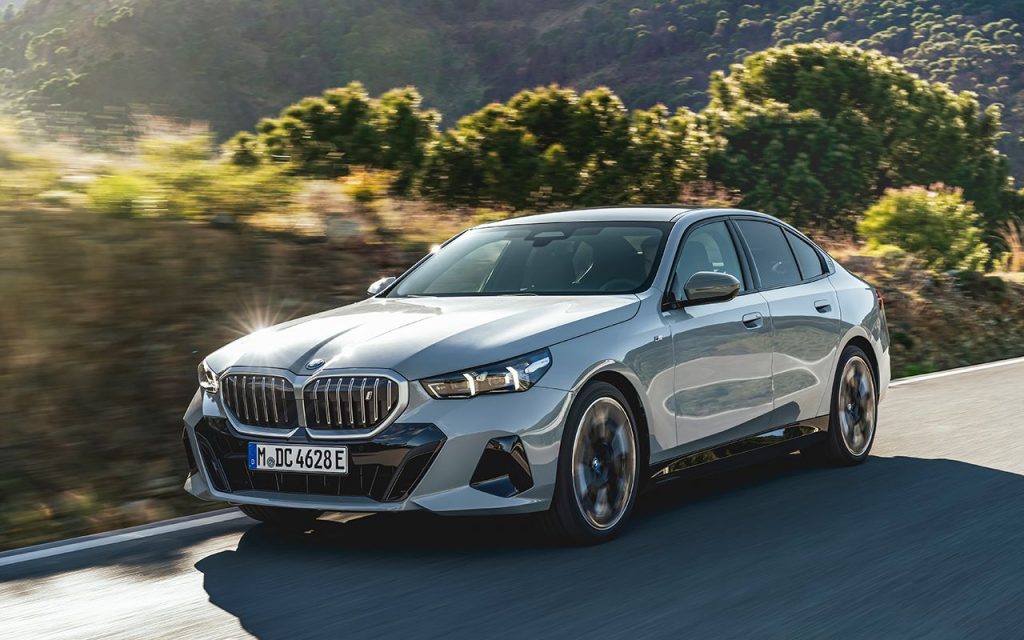
2. BMW 5 Series
The BMW 5 Series F10 is widely admired for its balance of comfort and sportiness, yet some versions have developed a reputation for transmission shudder that can appear as mileage climbs. The issue is often linked to the automatic transmission and its torque converter behavior.
Drivers frequently describe a vibration or rumble sensation during light acceleration, particularly at lower speeds or when the transmission is shifting into higher gears. It can feel similar to driving over a rough patch of road, even when the pavement is smooth. In a luxury sedan known for refinement, this can be quite noticeable.
A common source of the shudder is the torque converter clutch. Over time, the internal surfaces can wear or the transmission fluid can degrade, leading to uneven engagement. Instead of locking smoothly, the clutch may slip slightly and then grab, producing a vibration that travels through the drivetrain.
Transmission fluid condition is critical. As the fluid ages, its friction characteristics change, which can make the torque converter clutch engagement less consistent. Some owners experience temporary improvement after a fluid and filter change, but the shudder may return if internal wear is already present.
Software updates have been released in some cases to modify shift timing and torque converter lockup strategy. These updates can reduce the severity of the shudder but may not provide a permanent fix if the hardware has deteriorated.
The problem often appears gradually. Owners may first notice a slight vibration that becomes more pronounced over time. Because the transmission may still shift normally otherwise, the issue can be easy to ignore until it worsens.
Repair costs can be significant if the torque converter needs replacement. In some cases, a full transmission rebuild is recommended, which can be expensive on a luxury vehicle.
The F10 5 Series remains an excellent car in many respects, but the possibility of transmission shudder is something potential buyers should be aware of. A thorough test drive at low speeds and during gentle acceleration can help reveal early signs of this well known issue.
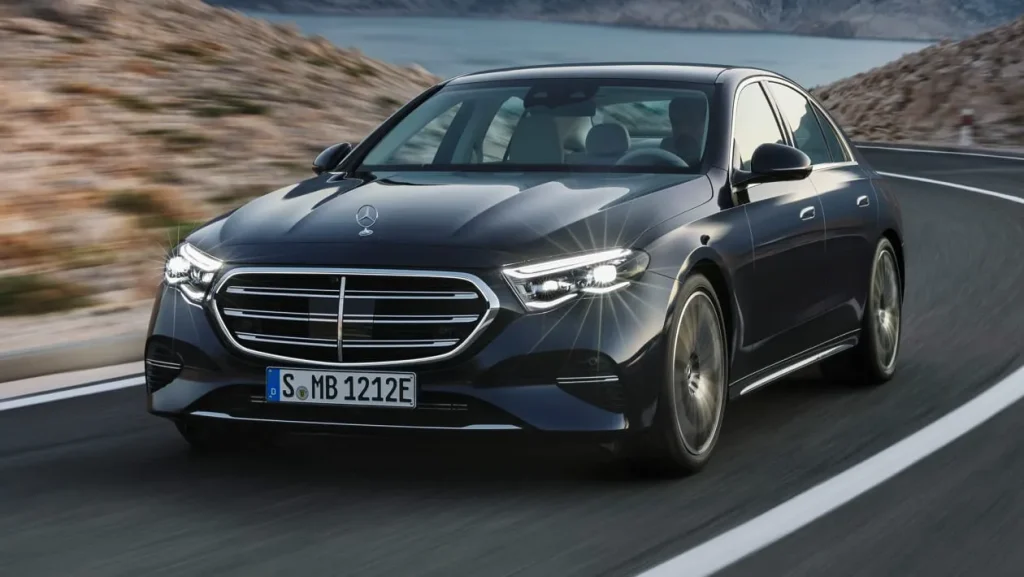
3. Mercedes-Benz E-Class
The Mercedes Benz E Class W212 is known for its solid build and smooth ride, but some versions have developed transmission shudder issues that can detract from the car’s otherwise refined character. These problems are often linked to the automatic transmission and torque converter behavior as mileage increases.
Owners frequently describe a vibration or shudder during light acceleration, particularly at lower speeds or when cruising at steady speeds. The sensation can feel like a subtle rumble passing through the car, similar to driving over a rough surface. In a luxury sedan designed to isolate occupants from road imperfections, this can be frustrating.
A common cause involves the torque converter clutch. As the transmission fluid ages and internal components wear, the clutch may not engage smoothly. Instead of locking up cleanly, it can slip and grab repeatedly, creating a vibration that is felt through the drivetrain.
Transmission fluid quality plays a major role. Over time, the fluid’s friction properties change, which can worsen clutch engagement issues. Some owners report temporary improvement after a fluid service, but the shudder may return if wear inside the torque converter has already progressed.
Electronic control strategies also influence how the transmission behaves. Software updates have been used in some cases to adjust shift timing and torque converter lockup patterns. These changes can reduce symptoms but do not always eliminate the root cause.
The issue often develops gradually. Drivers may first notice a faint vibration that becomes more pronounced over time. Because the transmission may still shift normally, the problem can be overlooked until it becomes more severe.
Repair costs can be significant if the torque converter needs replacement, and labor is not inexpensive on this platform. In some cases, additional transmission work may be recommended.
The W212 E Class remains a comfortable and capable luxury sedan, but transmission shudder is a known concern that buyers of used models should evaluate carefully during a test drive, especially in stop and go traffic and at steady cruising speeds.
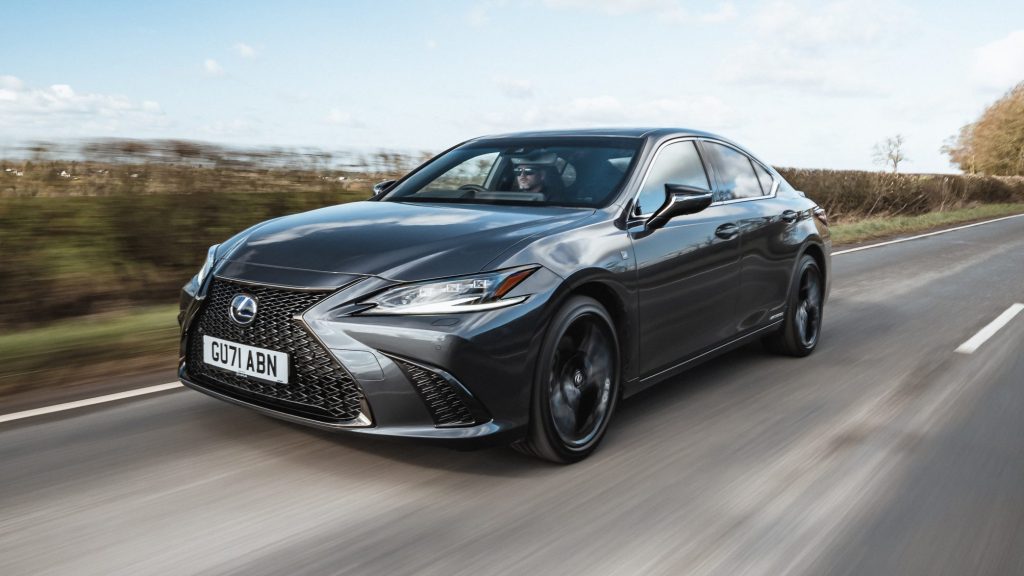
4. Lexus ES
The Lexus ES is known for comfort and reliability, yet some owners of certain sixth generation models have reported transmission shudder that stands out in an otherwise smooth driving experience. While not universal, the issue has been noticeable enough to affect owner satisfaction.
Drivers often feel the shudder as a light vibration or hesitation during gentle acceleration. It may occur when the transmission is shifting between gears or when the torque converter is trying to lock up at cruising speeds. The sensation can feel like the car briefly struggles to decide which gear to use.
A contributing factor can be the torque converter clutch. Over time, internal wear or changes in fluid condition may cause the clutch to engage unevenly. Instead of a smooth transition, it may slip slightly before locking, producing a subtle but noticeable vibration.
Transmission fluid condition is important. As fluid ages, its ability to provide consistent friction can diminish. Some owners notice improvement after a fluid change, though this may not fully resolve the issue if mechanical wear is already present.
Electronic shift programming also plays a role. The transmission’s control system is designed to maximize efficiency and smoothness, but as components wear, the original calibration may not adapt perfectly. Software updates can sometimes reduce the severity of shudder, but they may not provide a permanent cure.
The problem may be more noticeable in city driving, where frequent low speed shifts occur. On the highway, the car may feel perfectly smooth, making the issue seem inconsistent.
While the ES continues to be one of the more dependable luxury sedans overall, transmission shudder can be an unexpected annoyance. Potential buyers should pay attention to how the car behaves during light throttle acceleration and low speed cruising to check for signs of this well documented issue.
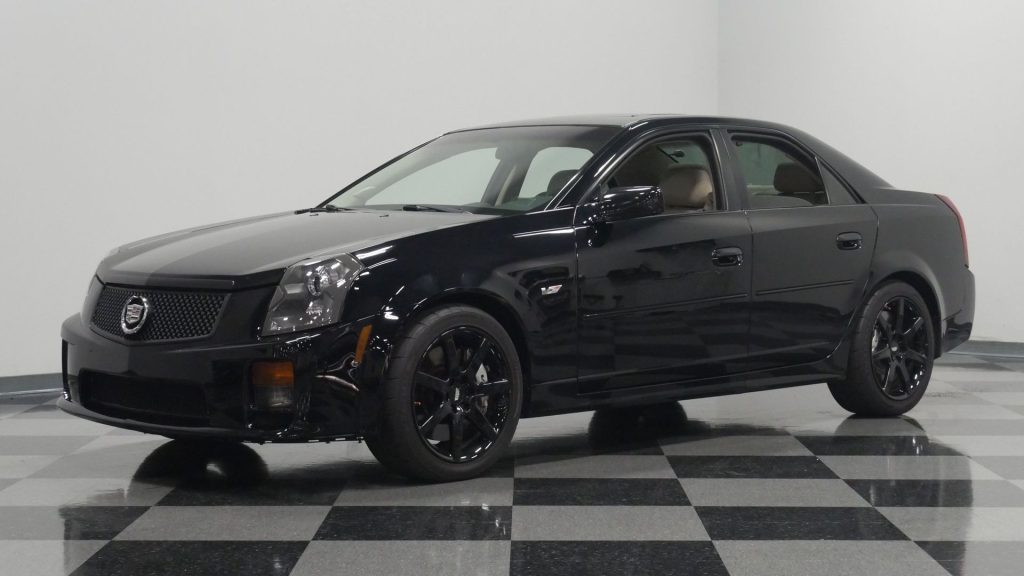
5. Cadillac CTS
The second generation Cadillac CTS brought sharp styling and strong performance, but some versions have become known for transmission shudder that can compromise the car’s otherwise premium feel. The issue is often associated with the automatic transmission and the behavior of the torque converter clutch as mileage increases.
Drivers typically notice the shudder as a vibration during light throttle input, especially at lower speeds or when the transmission is shifting into higher gears. The sensation can feel like a brief rumble or a series of small pulses, even on smooth pavement. For a luxury sedan, this behavior can be surprisingly noticeable.
A common cause involves the torque converter clutch wearing over time. As the internal friction surfaces degrade or the transmission fluid loses its original properties, the clutch may not engage smoothly. Instead of locking firmly, it can slip and grab in rapid succession, creating a shudder that is felt throughout the vehicle.
Fluid condition is a major factor. Old or contaminated transmission fluid can reduce the consistency of clutch engagement. Some owners report temporary improvement after a fluid change or flush, but the vibration often returns if internal wear has already progressed.
Electronic control strategies also influence how the transmission behaves. As the transmission adapts to driving style and component wear, shift timing and torque converter lockup patterns may change. In some cases, software updates have helped reduce the severity of shudder, though they may not fully resolve the issue.
The problem often develops gradually. What begins as a faint vibration can become more pronounced over time. Because the transmission may still shift normally in other situations, owners may delay addressing the issue.
Repairing a worn torque converter or internal transmission components can be costly. Labor is significant, and parts for luxury vehicles tend to be expensive.
The CTS remains an engaging and stylish sedan, but transmission shudder is a known concern. Buyers of used examples should test drive the car in stop and go traffic and during gentle cruising to identify any signs of this issue before purchase.
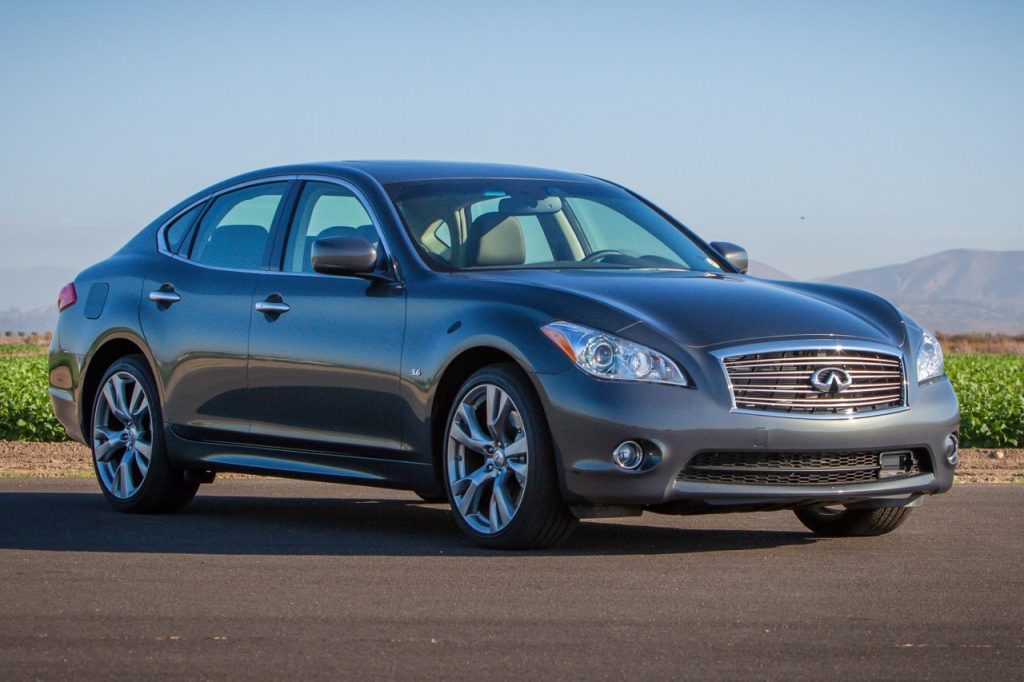
6. Infiniti Q70
The Infiniti Q70 offers smooth power and a comfortable ride, yet some owners have reported transmission shudder that affects the car’s otherwise refined demeanor. The issue is often linked to the automatic transmission and how its torque converter clutch behaves over time.
Shudder typically appears as a vibration during light acceleration or steady cruising. Drivers may feel a subtle rumble that seems to come from beneath the car, similar to driving over a textured surface. In a luxury sedan designed for quiet and comfort, this can be especially noticeable.
The torque converter clutch is a frequent source of the problem. As the vehicle accumulates mileage, internal components can wear, and the transmission fluid can degrade. When the clutch tries to lock up, it may not do so smoothly, resulting in a slight slipping and grabbing motion that creates vibration.
Fluid quality is important. Some owners report temporary relief after a transmission fluid service, suggesting that fresh fluid can improve clutch engagement. However, if the clutch lining is already worn, the improvement may not last.
Transmission control software can also play a role. The system is designed to balance efficiency and smoothness, but as parts age, the original calibration may not provide optimal engagement. Software updates may help reduce symptoms, though they may not completely eliminate the shudder.
The issue often shows up most clearly at low to moderate speeds, where the torque converter frequently locks and unlocks. At higher speeds, the transmission may feel smooth, making the problem seem inconsistent.
Repairing the issue can be expensive if the torque converter needs replacement. In some cases, additional transmission work may be required.
The Q70 remains a comfortable and well equipped luxury sedan, but transmission shudder is a concern that potential buyers should be aware of. A careful test drive that includes gentle acceleration and steady cruising can help reveal early signs of this problem.
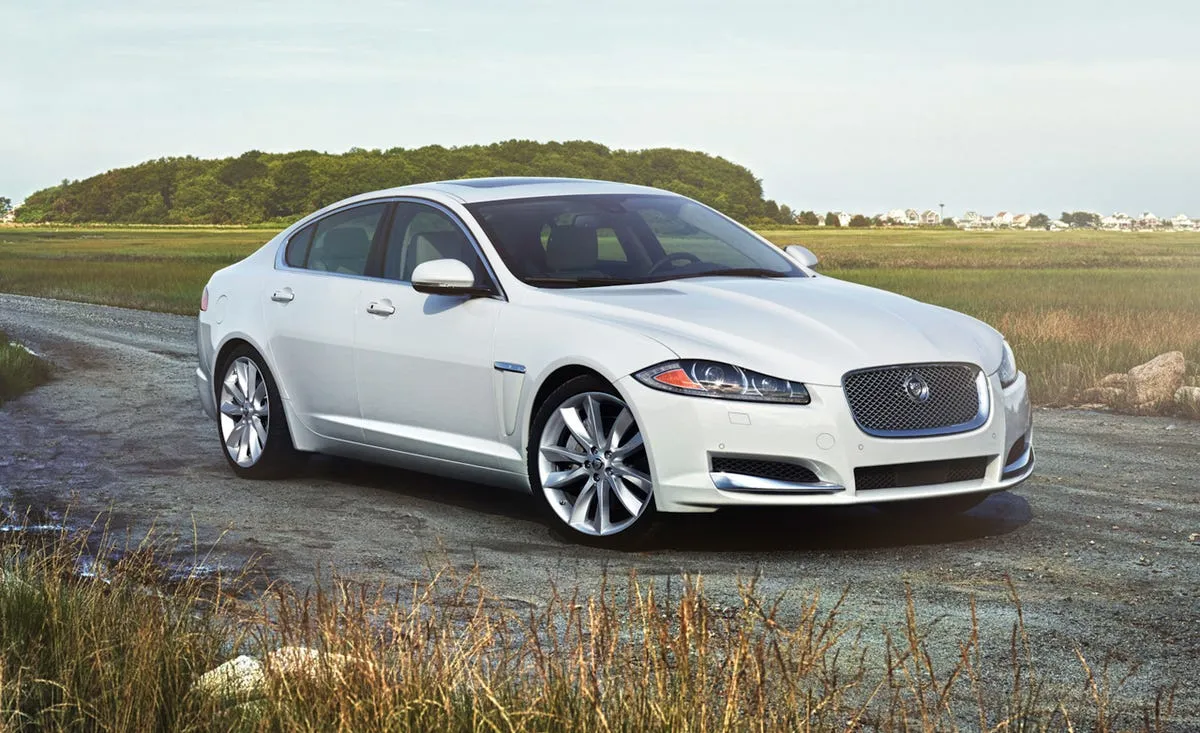
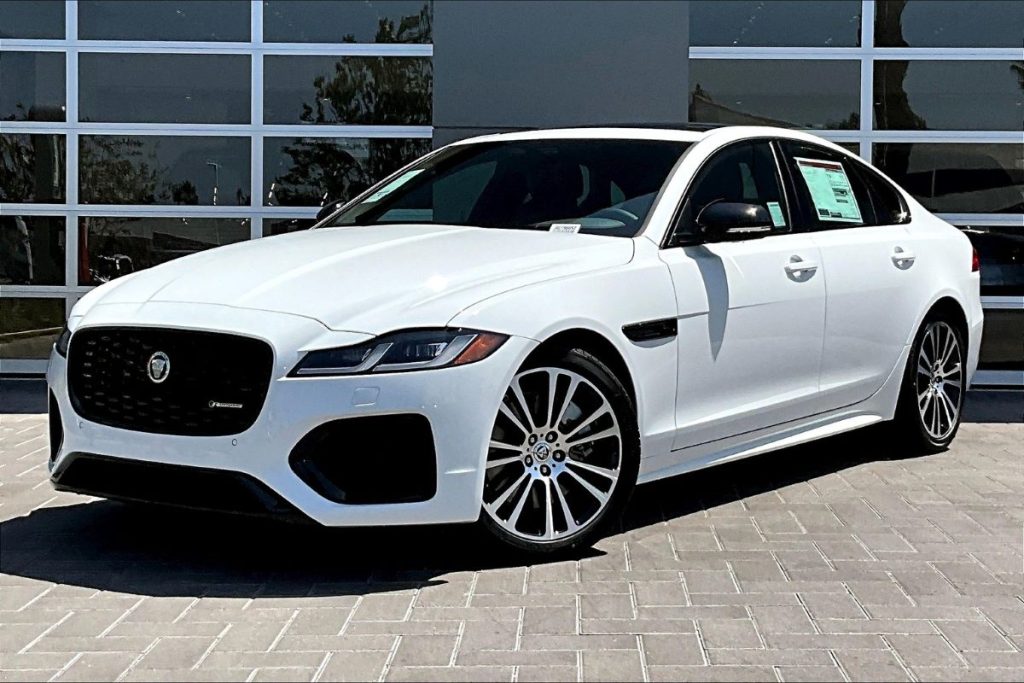
7. Jaguar XF
The Jaguar XF X250 stands out for its sleek design and sporty character, but some owners have experienced transmission shudder that disrupts the car’s refined feel. The issue is commonly linked to the automatic transmission and the behavior of the torque converter clutch over time.
Drivers often describe the shudder as a low speed vibration during light throttle or steady cruising. It can feel like a subtle rumble passing through the cabin, even on smooth roads. In a luxury sedan designed for quiet comfort, this sensation can be disappointing.
The torque converter clutch is a frequent source of the problem. As the vehicle accumulates mileage, internal wear and changes in transmission fluid properties can cause the clutch to engage unevenly. Instead of locking smoothly, it may slip slightly and then grab, creating a shudder that is felt through the drivetrain.
Transmission fluid condition is important. Over time, the fluid’s ability to maintain consistent friction can diminish. Some owners notice temporary improvement after a fluid change, but if internal components are worn, the issue often returns.
Electronic control strategies also influence how the transmission behaves. As the car adapts to wear and driving patterns, shift timing and lockup behavior can change. Software updates may help reduce the severity of the shudder, but they do not always eliminate it.
The problem may be more noticeable in stop and go traffic, where the transmission frequently shifts and the torque converter repeatedly locks and unlocks. On the highway, the car may feel perfectly smooth, making the issue seem inconsistent.
Repairing a worn torque converter or addressing internal transmission wear can be expensive. Labor costs are significant, and parts for luxury vehicles are rarely cheap.
The XF remains an attractive and engaging sedan, but transmission shudder is a known complaint. Prospective buyers should pay close attention to low speed driving and light throttle cruising to detect any signs of this issue.
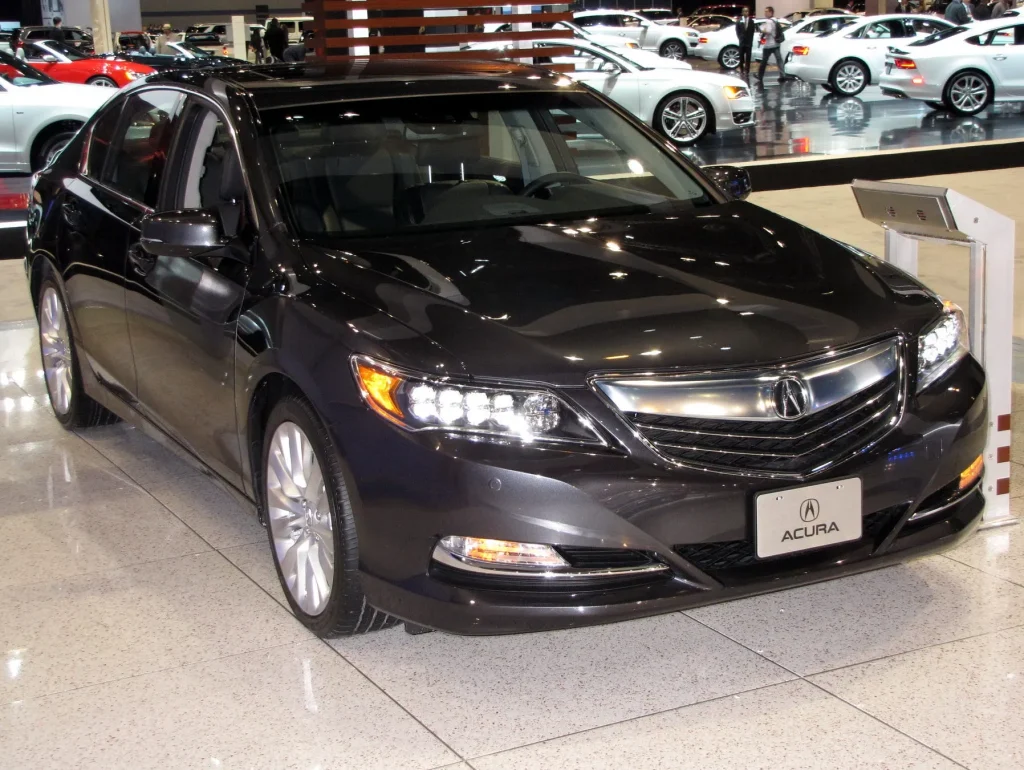
8. Acura RLX
The Acura RLX offers advanced technology and a smooth ride, yet some owners have reported transmission shudder that detracts from the vehicle’s premium character. The issue is typically associated with the automatic transmission and how the torque converter clutch behaves as the car ages.
Shudder often presents as a light vibration during gentle acceleration or steady cruising. Drivers may feel a subtle pulsing sensation that seems out of place in an otherwise refined sedan. The vibration can be intermittent, making it harder to diagnose.
A common source is the torque converter clutch. As internal components wear and the transmission fluid degrades, the clutch may not engage cleanly. Instead of a smooth lockup, it may slip and grab in quick succession, creating a noticeable shudder.
Fluid condition plays a key role. Over time, fluid loses some of its original friction properties, which can worsen clutch engagement behavior. Some owners experience temporary improvement after a fluid change, but the issue may return if mechanical wear is already present.
Transmission control software also affects how the system operates. As components age, the original calibration may not provide ideal engagement timing. In some cases, software updates have been used to reduce symptoms, though they may not fully resolve the underlying cause.
The shudder is often most noticeable in city driving, where frequent low speed shifts occur. At highway speeds, the transmission may feel smooth, which can make the problem seem inconsistent.
Repair costs can rise quickly if the torque converter needs replacement. Labor is substantial, and additional transmission work may be recommended.
The RLX remains a comfortable and well equipped luxury sedan, but transmission shudder is something potential buyers should check for carefully. A thorough test drive that includes slow traffic and gentle cruising can help reveal early signs of this issue.
Transmission shudder is one of the most frustrating issues a luxury sedan owner can face because it directly undermines the smooth, refined driving experience these vehicles are meant to deliver.
Instead of seamless acceleration and nearly invisible gear changes, drivers may feel vibrations, hesitation, or a rumbling sensation during light throttle input or steady cruising. The feeling is often compared to driving over a rough road surface even when the pavement is perfectly smooth.
Across many luxury sedans, the root cause often traces back to the torque converter clutch inside the automatic transmission. This component is designed to lock and unlock smoothly to improve efficiency and reduce slippage.
Over time, however, internal wear and changes in transmission fluid properties can cause the clutch to engage unevenly. Instead of a clean lockup, it may slip and grab repeatedly, creating the shudder that drivers feel.
Transmission fluid condition plays a major role in how noticeable the issue becomes. As fluid ages, heat and contamination can alter its friction characteristics.
This can make clutch engagement less consistent, especially in situations where the transmission frequently shifts or the torque converter cycles between locked and unlocked states. Some owners report temporary improvement after a fluid change, but if internal wear has already progressed, the relief may not last.
Software calibration is another factor. Modern luxury sedans rely heavily on electronic control systems to manage shift timing and torque converter behavior. As components wear, the original programming may not adapt perfectly, leading to less smooth operation.
In some cases, manufacturers have issued software updates to reduce shudder symptoms, but these updates often address the behavior rather than fully solving mechanical wear.
The problem tends to show up most clearly in low speed driving. Stop and go traffic, gentle acceleration, and steady cruising at moderate speeds are common situations where shudder becomes noticeable.
At higher speeds, when the transmission is firmly in gear and the torque converter is fully locked, the car may feel perfectly smooth. This inconsistency can make the issue harder for owners to describe and for technicians to diagnose early.
Repair costs can be significant. Replacing a torque converter involves substantial labor, and in some cases, additional transmission work is recommended. Because these are luxury vehicles, parts and labor rates can be high, repairing a serious financial consideration.
For buyers of used luxury sedans, a careful test drive is essential. Paying close attention to how the car behaves during gentle acceleration and in slow traffic can reveal early signs of shudder.
While these sedans may offer impressive comfort, performance, and features, understanding the potential for transmission shudder can help owners make more informed decisions and avoid unexpected repair bills later on.