
Brake pads are designed to wear down over time, but some vehicles seem to burn through them far faster than expected. For drivers, that means more frequent trips to the repair shop, higher maintenance costs, and the constant worry that a squeal or vibration is about to turn into another brake job.
While driving style and environment always play a role, certain vehicles are simply harder on their braking systems by design.
Weight is one of the biggest factors. Heavier vehicles require more force to slow down, which increases heat and friction at the brake pads.
Performance-oriented models also tend to use aggressive brake compounds that deliver strong stopping power but wear quickly. Add large wheels, sticky tires, and spirited driving, and pad life can shrink dramatically.
Urban driving makes the issue worse. Stop and go traffic, short trips, and frequent braking prevent components from cooling properly. Some vehicles are tuned for responsiveness rather than longevity, meaning their brakes engage sharply even with light pedal input. Over time, that sensitivity translates into accelerated wear.
Technology can contribute as well. Advanced stability systems, brake based torque vectoring, and adaptive cruise control often apply the brakes automatically in ways drivers may not even notice. While these features improve safety and handling, they can also shorten the lifespan of pads and rotors.
This list highlights twelve vehicles known for eating brake pads at an alarming rate. These models are not necessarily unreliable, but owners and technicians alike often report shorter than average brake service intervals.
Understanding which vehicles have this tendency can help buyers prepare for higher maintenance costs and adjust their driving habits accordingly. Let us start with two vehicles that are especially well known for frequent brake replacements.
Also Read: 10 Custom Car Builders Producing Better-Than-New Machines
1. BMW X6
The BMW X6 combines SUV size with coupe styling and sporty performance, but that blend comes at a cost to brake longevity. This is a heavy vehicle with powerful engines and a chassis tuned for aggressive road manners. All of those traits put significant strain on the braking system.
Weight plays a major role. The X6 often weighs well over two tons, and bringing that mass to a stop repeatedly generates a great deal of heat. Brake pads wear faster when exposed to constant high temperatures, especially in city driving where there is little time for cooling between stops.
Performance oriented brake tuning adds to the problem. BMW engineers prioritize sharp pedal response and strong initial bite. That means the pads make firm contact with the rotors even during moderate braking. While this delivers confident stopping power, it also increases friction and speeds up wear.
Large wheels and wide tires further contribute. These provide excellent grip, which encourages more spirited driving and later braking. The extra traction also means the brakes must work harder to overcome momentum, again increasing pad consumption.
Electronic systems quietly use the brakes as well. Stability control and traction management can apply individual brakes to maintain balance during cornering or slippery conditions. Drivers may not feel these small interventions, but over time they add to pad wear.
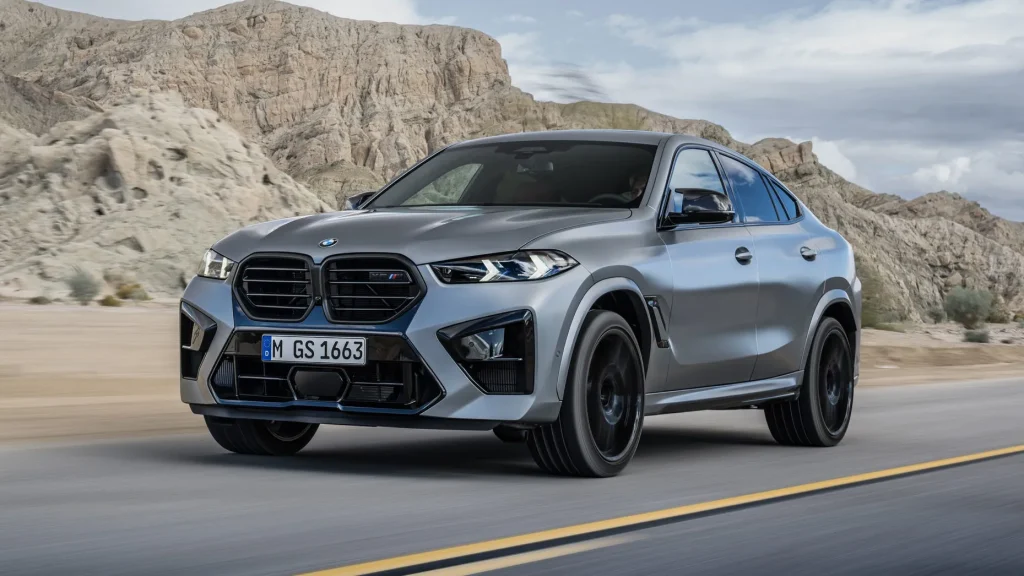
Owners frequently report brake pad replacements at intervals far shorter than expected for an SUV. For many, the X6 delivers thrilling performance and style, but it also brings regular brake service bills that can feel surprisingly frequent for a premium vehicle.
2. Porsche Macan
The Porsche Macan is one of the sportiest compact luxury SUVs on the market, and its braking system reflects that performance focus. While it offers impressive stopping power and pedal feel, many owners discover that brake pads wear out faster than they anticipated.
A key factor is the Macan’s sports car like driving character. It encourages enthusiastic driving with quick acceleration and sharp handling. Drivers often carry more speed into corners and rely on strong braking to slow down, which increases stress on the pads.
Porsche also uses performance oriented brake materials that provide excellent friction and fade resistance. These compounds deliver great feel and consistency, but they tend to wear more quickly than harder, longer lasting materials found in more comfort focused vehicles.
Vehicle weight is another consideration. Although smaller than many SUVs, the Macan is still relatively heavy compared to a traditional sports car. Stopping that mass repeatedly, especially in urban traffic, generates significant heat that accelerates pad wear.
Advanced electronic systems also play a role. The Macan uses brake based torque vectoring to improve handling by lightly braking individual wheels during cornering. These subtle applications happen in the background and contribute to pad consumption over time.
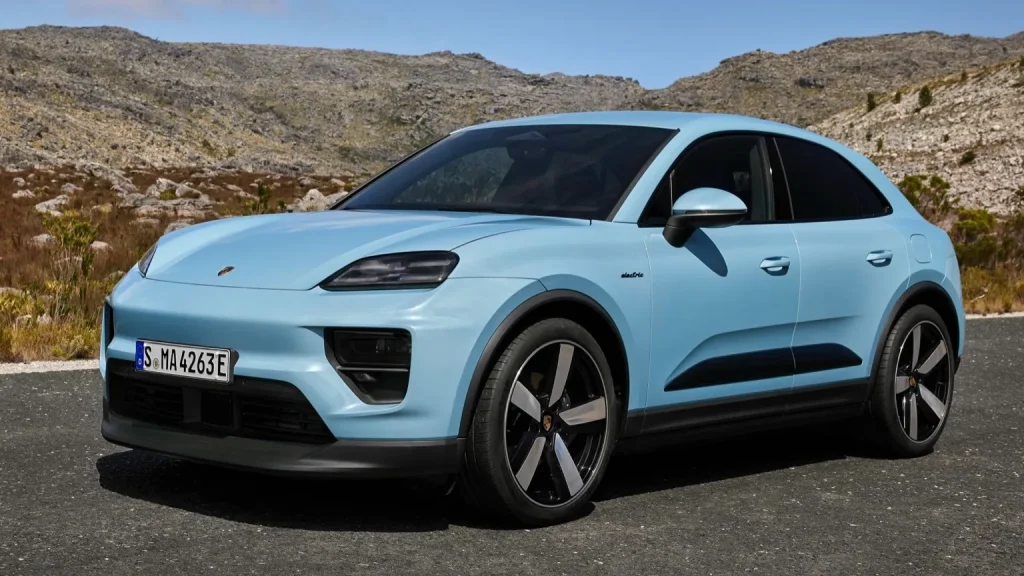
Drivers who enjoy the Macan’s performance often find themselves replacing pads more frequently than expected, sometimes well before major service intervals.
While the strong braking performance is a major part of the vehicle’s appeal, it comes with the trade off of higher routine brake maintenance.
3. Mercedes-Benz GLE
The Mercedes Benz GLE is designed to deliver a smooth ride with confident stopping power, but many owners notice that brake pads wear out sooner than expected. This is largely due to the vehicle’s size, weight, and the way its braking system is tuned.
The GLE is a fairly heavy SUV, especially in higher trim levels with larger engines and added luxury features. Bringing this mass to a stop repeatedly generates a lot of heat in the braking system. Heat accelerates pad wear, particularly in city driving where there is frequent stopping and limited airflow for cooling.
Mercedes also tunes the brake pedal for immediate response. Even light pressure can produce strong deceleration, which is great for safety and driver confidence. However, that responsiveness means the pads are working harder more often, leading to faster material loss over time.
Large wheels and wide tires increase grip, which allows for higher cornering speeds and later braking. While this enhances the driving experience, it also means the braking system must deal with greater forces. The extra demand translates directly into increased pad wear.
Electronic driver assistance features quietly contribute as well. Systems like adaptive cruise control and stability management sometimes apply the brakes automatically. These subtle interventions help maintain safe distances and vehicle balance, but they also add to overall pad usage.
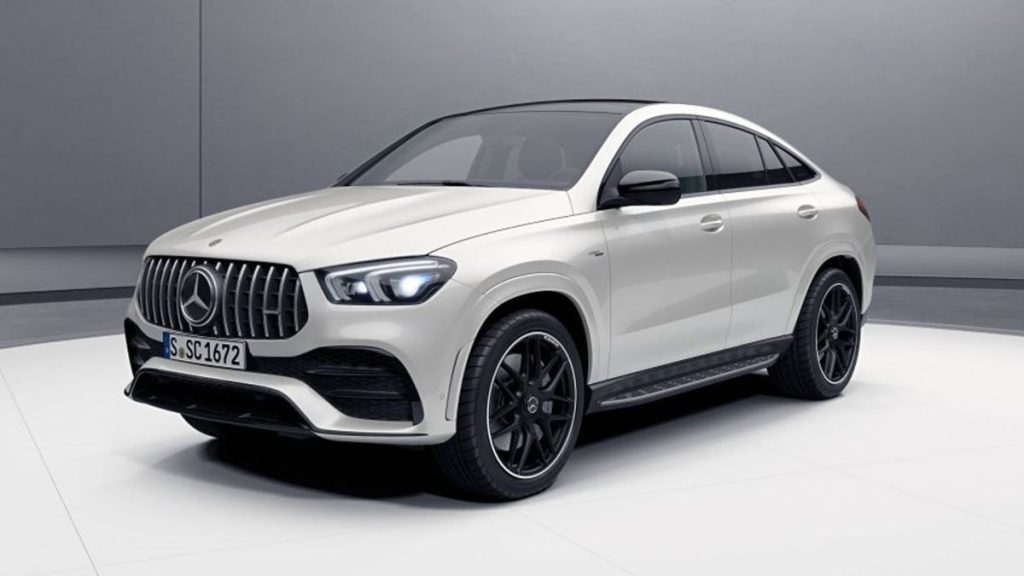
Many GLE owners find themselves replacing brake pads more frequently than they expected for a luxury SUV. The combination of weight, performance oriented tuning, and advanced electronics makes strong braking feel effortless, but it also shortens the life of key components.
4. Audi SQ5
The Audi SQ5 blends everyday usability with serious performance, and its braking system is built to match its sporty nature. While it delivers impressive stopping power, this performance focus often leads to faster than average brake pad wear.
The SQ5 is heavier than it appears. With a powerful engine and all wheel drive system, it carries significant mass that must be slowed down quickly and repeatedly. This constant demand generates heat, which is one of the main enemies of brake pad longevity.
Audi tunes the SQ5 for sharp response. The brake pedal has a firm feel and strong initial bite, which encourages confident, late braking. While this makes the SUV feel athletic, it also means the pads experience higher friction levels during everyday driving.
Performance oriented pad compounds are another factor. These materials are designed to provide consistent stopping power and resist fade during spirited use. The trade off is that they wear down more quickly than harder compounds aimed at long service life.
Electronic systems add to the workload. Brake based torque vectoring helps the SQ5 handle more like a sports sedan by lightly applying brakes to individual wheels during cornering. These small, frequent applications are often unnoticed by the driver but contribute to overall wear.
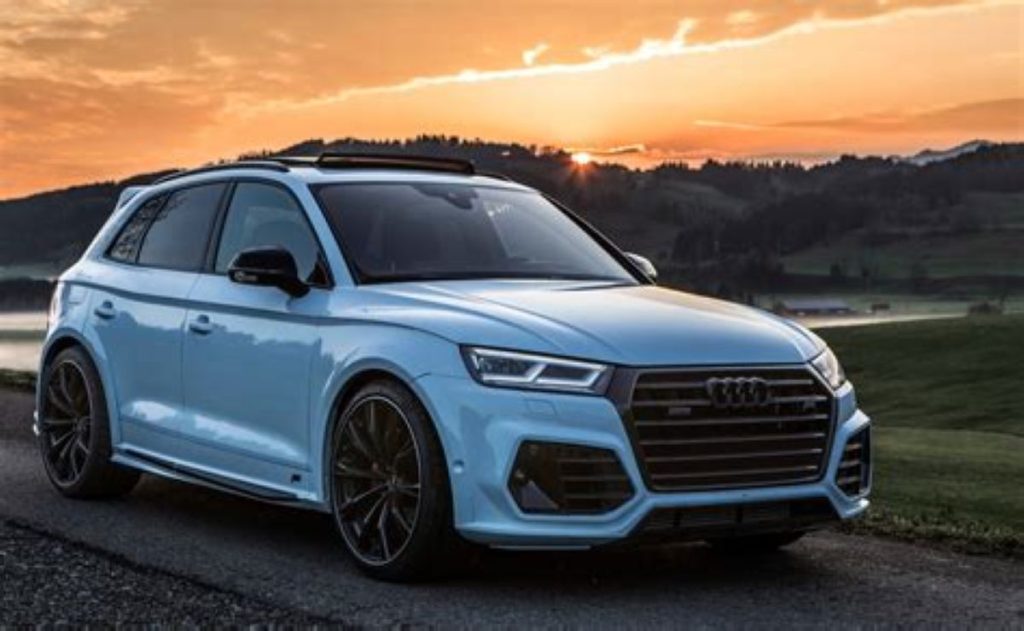
Owners who enjoy the SQ5’s lively character often accept frequent brake jobs as part of the experience. The vehicle’s ability to stop quickly and confidently is a major selling point, but it comes with the reality of shorter intervals between pad replacements.
5. Jeep Grand Cherokee SRT
The Jeep Grand Cherokee SRT is built for speed and power, and its braking system works extremely hard as a result. Owners love the strong stopping performance, but many are surprised by how quickly the brake pads wear out under normal use.
This SUV is heavy and fast, a combination that is tough on brakes. The large V8 engine encourages rapid acceleration, which often leads to harder braking. Each stop from higher speeds creates significant heat and friction, both of which shorten pad life.
Performance brake components are designed for strong, consistent stopping rather than long service intervals. The SRT uses aggressive pad compounds that deliver excellent bite and fade resistance. These materials are effective but tend to wear faster than those used in standard SUVs.
Wide tires and a performance tuned suspension encourage spirited driving. Drivers often carry more speed into corners and rely on the powerful brakes to slow down quickly. This driving style, even in everyday conditions, increases wear compared to more relaxed vehicles.
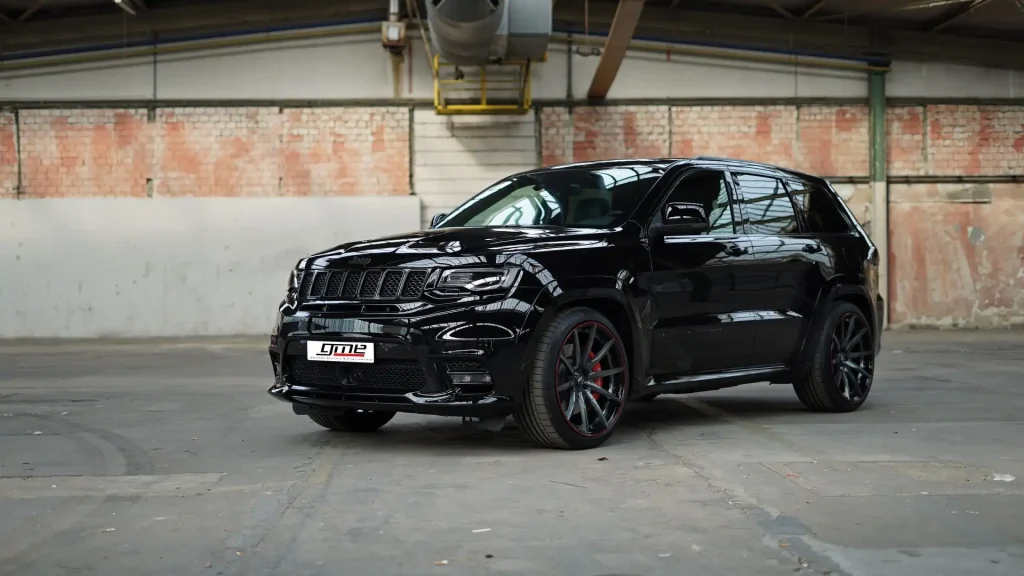
The stability and traction systems can also apply the brakes individually to keep the vehicle balanced. These subtle corrections are helpful for control but add to overall brake usage. Over thousands of miles, those small applications contribute to earlier pad replacements.
Many Grand Cherokee SRT owners report replacing brake pads far more often than they expected. The vehicle delivers impressive performance for its size, but that capability comes with higher routine brake maintenance that drivers should be prepared for.
6. Tesla Model S
The Tesla Model S might seem like an unlikely candidate for rapid brake wear because it uses regenerative braking. However, in real world driving, many owners still experience shorter than expected brake pad life for several reasons.
The Model S is a heavy vehicle due to its large battery pack. When drivers brake hard or when regenerative braking is limited, the traditional friction brakes must handle the load of slowing down a substantial amount of mass. This generates significant heat and accelerates pad wear.
Performance versions add another layer of stress. The instant torque and rapid acceleration encourage spirited driving, which often means higher speeds followed by strong braking. Even with regeneration, repeated hard stops take a toll on the pads.
Driver habits matter as well. Some drivers prefer lower regeneration settings or frequently use the brake pedal for precise control. In these cases, the friction brakes are used more often, reducing the potential lifespan of the pads.
Advanced stability and safety systems also use the brakes automatically. Features that maintain traction or adjust vehicle balance can apply individual brakes without the driver noticing. Over time, these small inputs contribute to overall wear.
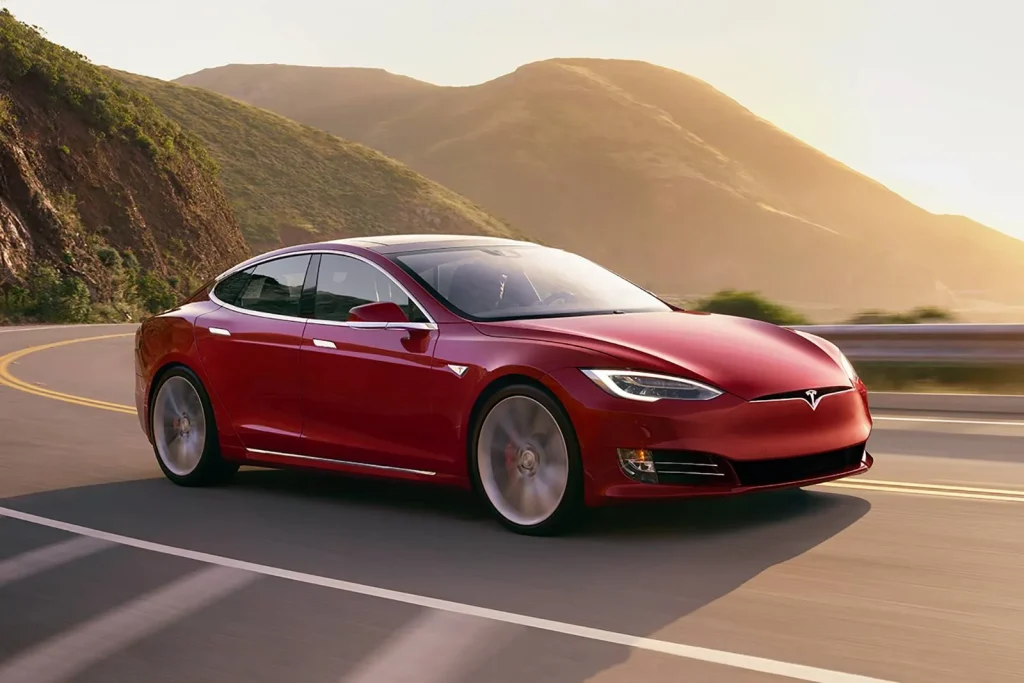
Another factor is corrosion and uneven use. Because regenerative braking handles much of the deceleration, friction brakes may not be used consistently. This can lead to uneven pad and rotor wear, requiring earlier service even if total mileage is low.
The Model S offers impressive performance and efficiency, but its weight and driving dynamics mean brake maintenance can still arrive sooner than some owners expect.
7. Ford F-150 Raptor
The Ford F 150 Raptor is engineered for high speed off road performance, but that same capability can lead to surprisingly fast brake pad wear on pavement. This truck is large, powerful, and often driven enthusiastically, all of which increase stress on the braking system.
Weight is a primary factor. Even with aluminum body panels, the Raptor remains a heavy vehicle. Bringing that mass to a stop repeatedly, especially in traffic, creates substantial heat in the brakes. Heat is one of the biggest contributors to rapid pad wear.
The Raptor’s performance tuning encourages drivers to use its power. Quick acceleration and high speed cruising often lead to stronger, later braking. Each hard stop generates more friction than gentle deceleration, wearing down pads at a faster rate.
Large tires and off road focused suspension also influence brake demands. The extra rotational mass of big wheels and tires requires more braking force to slow down. On paved roads, the additional grip means the brakes can work harder before the wheels lose traction, again increasing wear.
Electronic stability systems and terrain management features sometimes apply the brakes individually to maintain control. While this improves safety and handling, it adds small but frequent brake applications that contribute to pad consumption over time.
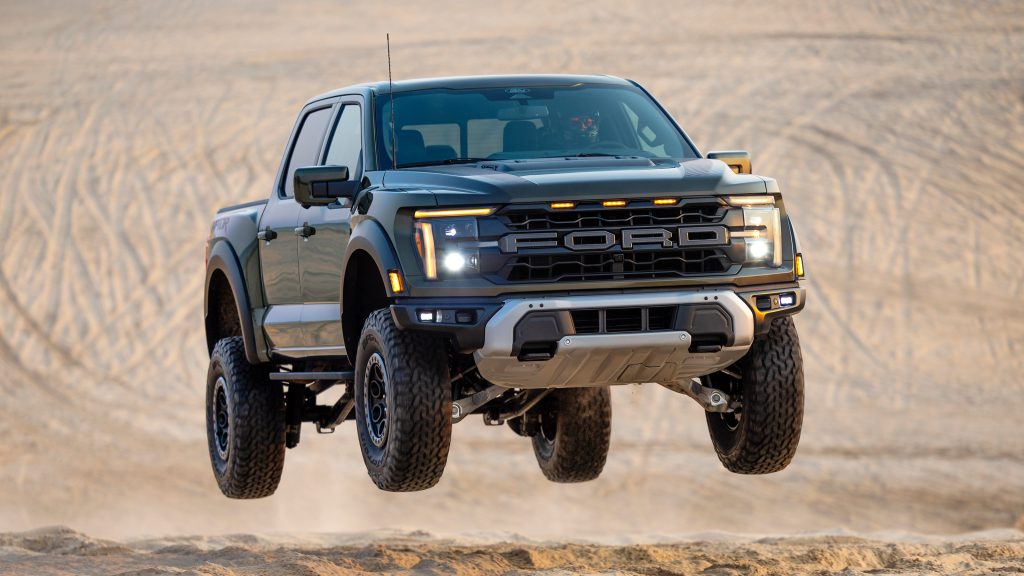
Many Raptor owners expect higher fuel and tire costs, but some are surprised by how often brake service is needed. The truck’s performance personality makes it fun to drive, yet that same character can lead to shorter intervals between brake pad replacements.
8. Volkswagen Golf GTI
The Volkswagen Golf GTI is known for its lively handling and strong braking performance, but those same traits often result in faster than average brake pad wear. Drivers who enjoy its sporty character tend to use the brakes more aggressively.
Although smaller than SUVs and trucks, the GTI is still relatively heavy for a compact car. Combined with a turbocharged engine that encourages quick acceleration, this means the brakes frequently work hard to scrub off speed.
The GTI uses performance oriented brake components that provide excellent pedal feel and stopping power. These pads are designed for grip and consistency rather than maximum lifespan. As a result, they tend to wear down more quickly than pads in economy focused hatchbacks.
Enthusiastic driving plays a big role. The GTI invites spirited cornering and late braking, especially on winding roads. Even in daily commuting, drivers may brake harder simply because the car feels responsive and capable.
Electronic systems such as stability control and brake based torque vectoring also contribute. By lightly applying brakes to individual wheels during cornering, the car improves agility and control. These small interventions are usually unnoticed but add to overall pad usage.
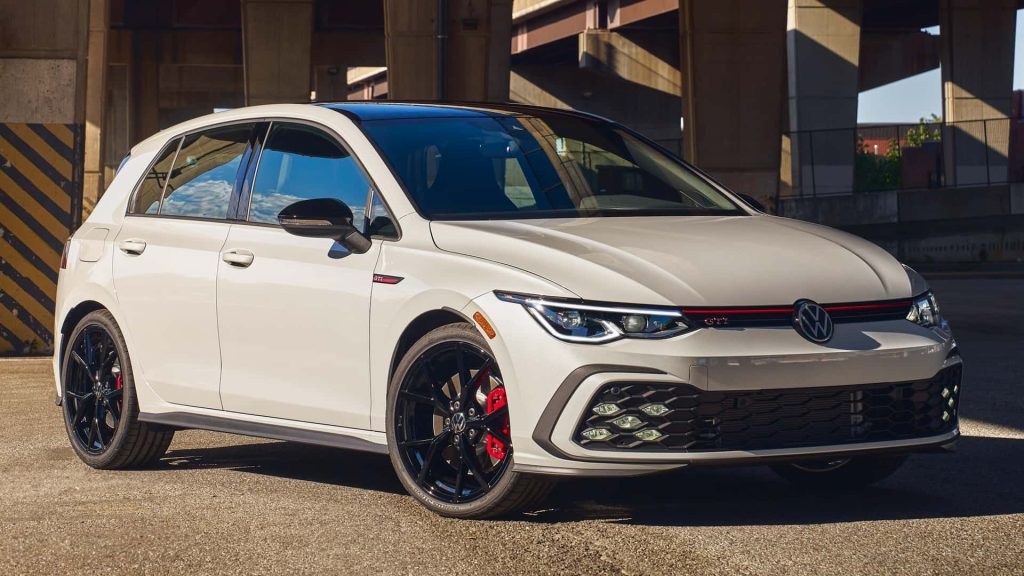
Owners who take advantage of the GTI’s performance often find themselves replacing brake pads more often than expected. While the car delivers fun and confidence behind the wheel, that engaging driving experience comes with the trade off of higher brake maintenance.
9. Dodge Durango SRT
The Dodge Durango SRT combines three row SUV practicality with serious performance, and that mix is demanding on its braking system. Owners often praise its strong stopping power, yet many also report going through brake pads at a surprisingly quick pace.
This SUV carries significant weight, especially with a large V8 engine and performance hardware. Slowing that mass from highway speeds or during spirited driving produces a great deal of heat in the brakes. Heat accelerates pad wear, particularly in stop and go traffic where cooling time is limited.
Performance oriented brake tuning also plays a role. The pedal feel is firm and responsive, delivering strong initial bite. While this inspires driver confidence, it means the pads are engaging the rotors more aggressively even during moderate braking.
Wide performance tires increase grip, which allows the vehicle to brake harder before the wheels begin to slip. That extra traction translates into higher forces within the braking system, further increasing wear on pads and rotors.
Electronic systems contribute in the background. Stability control and traction management sometimes apply individual brakes to keep the vehicle balanced. These small interventions help maintain control but add up over time, reducing pad life.
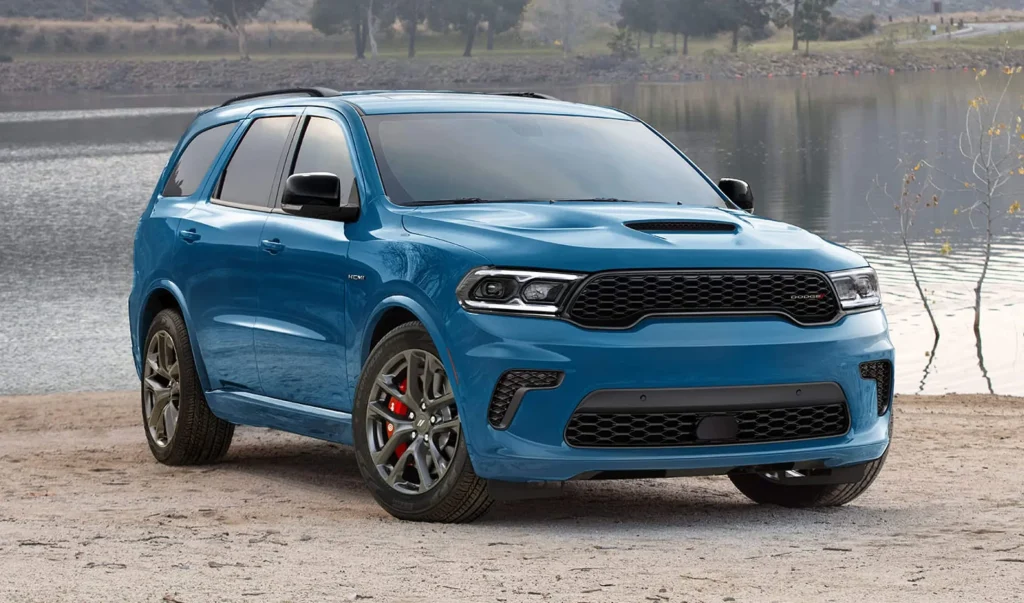
Many Durango SRT owners accept frequent brake jobs as part of owning a high performance SUV. The ability to accelerate and stop with authority is a major appeal, but it comes with higher routine maintenance costs than more comfort-oriented family vehicles.
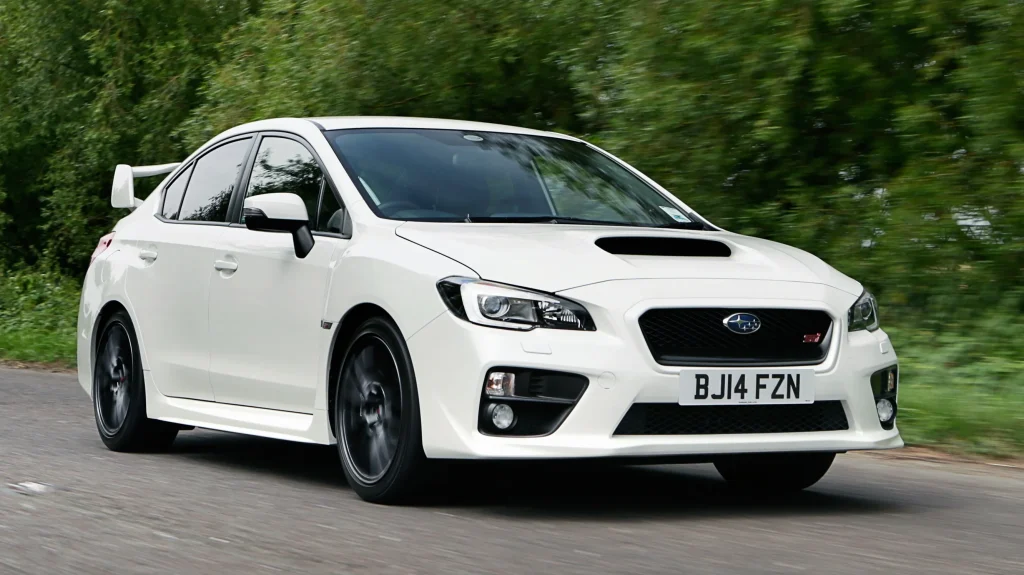
10. Subaru WRX STI
The Subaru WRX STI is built for enthusiastic driving, and its braking system reflects its performance focus. While it delivers strong and consistent stopping power, many owners notice that brake pads wear down faster than they expected.
The STI encourages spirited driving with sharp handling and turbocharged power. Drivers often accelerate quickly and then brake hard before corners. This repeated cycle of high speed deceleration generates substantial heat, which shortens pad life.
Performance brake components are designed to provide strong bite and resist fade during aggressive use. These pads grip well and feel confident, but they typically wear faster than harder compounds aimed at longevity in commuter cars.
All wheel drive traction also increases brake demands. Because the car can put power down effectively, drivers often carry more speed into corners and rely on the brakes to slow the vehicle. The additional grip means the braking system works harder during each stop.
Track days and spirited back road driving further accelerate wear. Even occasional performance driving can take a noticeable toll on pads, leading to more frequent replacements than drivers of standard sedans experience.
Electronic stability systems sometimes apply individual brakes to maintain balance, especially during quick directional changes. These subtle corrections add to total pad usage over time.
The WRX STI is loved for its engaging performance, but that excitement comes with the reality of more frequent brake maintenance. Owners who enjoy its capabilities often view regular pad replacements as part of the cost of fun.
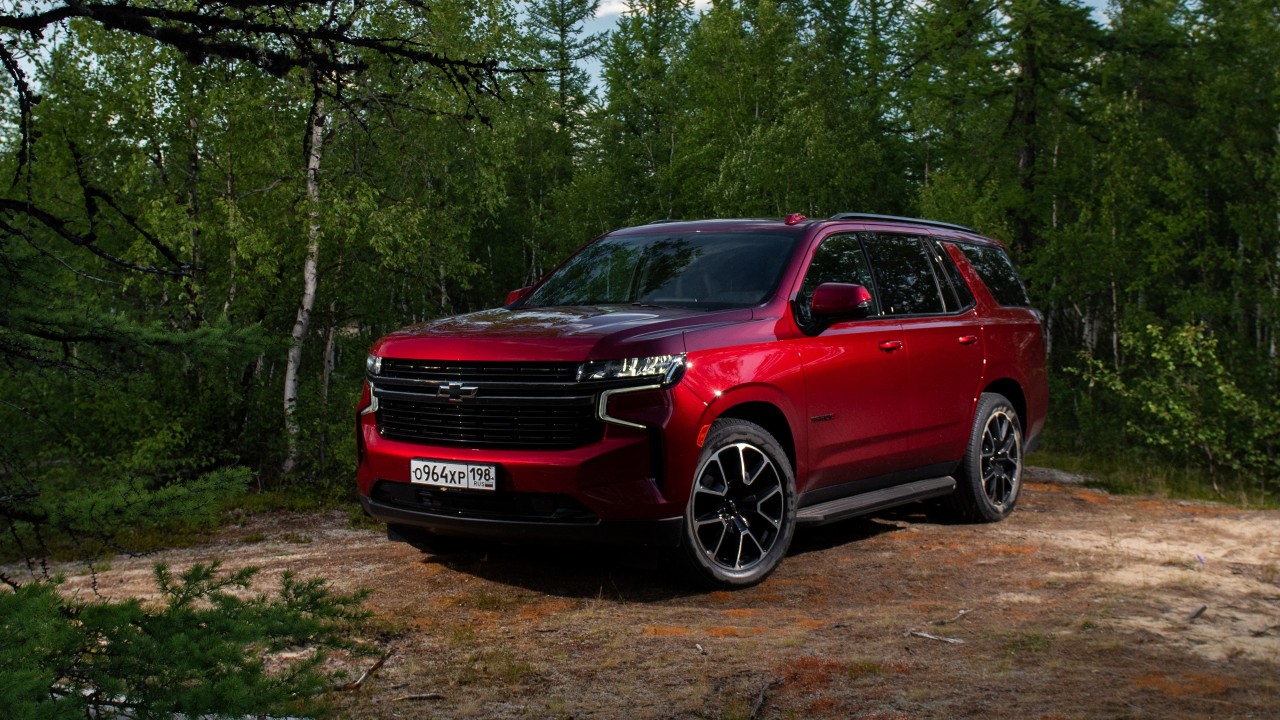
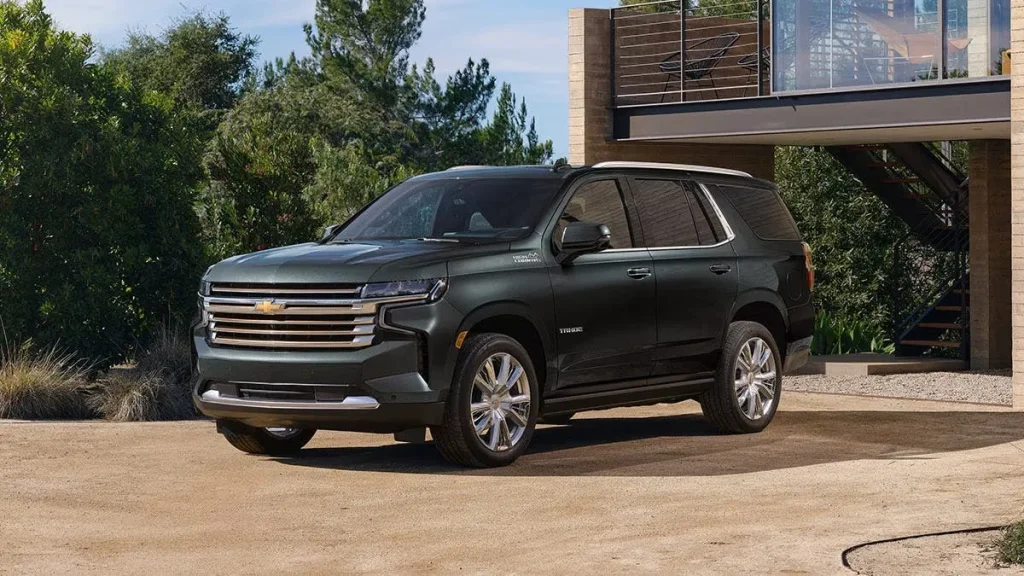
11. Chevrolet Tahoe
The Chevrolet Tahoe is built for space, comfort, and towing ability, but its size and weight can make it hard on brake pads. Many owners are surprised at how often brake service is needed, especially if the vehicle is used for family hauling or towing duties.
Weight is the main factor. A full size SUV like the Tahoe carries a lot of mass even before passengers and cargo are added. Slowing this weight repeatedly generates high levels of heat in the braking system, which accelerates pad wear.
Towing makes the situation even more demanding. Pulling trailers or boats increases the load the brakes must handle. Even with trailer brakes assisting, the vehicle’s own braking system works harder, particularly during downhill driving or sudden stops.
Urban driving patterns also contribute. Large SUVs are often used for school runs, errands, and commuting in traffic. Frequent stops with limited cooling time lead to faster wear compared to steady highway cruising.
The Tahoe’s brake tuning emphasizes strong, confident stopping for safety. This can mean the pads engage firmly with relatively light pedal pressure. Over time, that responsiveness translates into increased friction and shorter service intervals.
Electronic stability and trailer control systems may apply the brakes automatically to maintain control. These small corrections improve safety but add to overall pad use in ways drivers might not notice.
For many Tahoe owners, brake jobs become a regular maintenance item rather than an occasional expense. The SUV’s capability and comfort are major advantages, but they come with the trade off of higher brake wear than smaller, lighter vehicles.
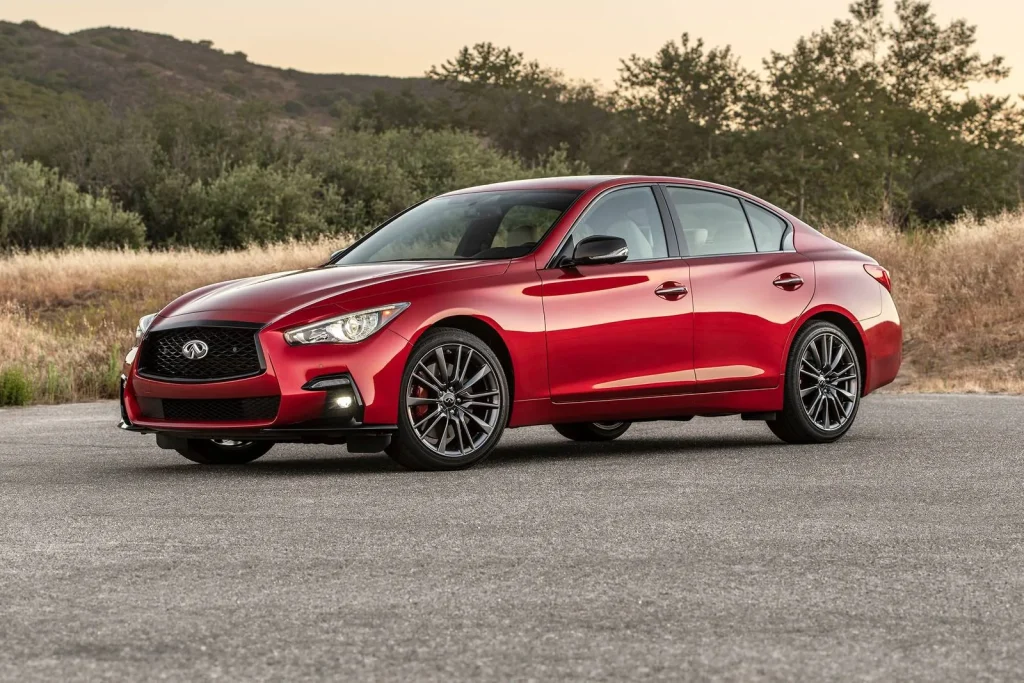
12. Infiniti Q50 Red Sport
The Infiniti Q50 Red Sport delivers strong acceleration and sharp handling, but its performance focus often leads to faster than average brake pad wear. Owners who enjoy its power frequently find themselves scheduling brake service sooner than expected.
The twin turbo engine encourages quick bursts of speed, which often means heavier braking to slow back down. Repeated high speed deceleration produces significant heat, a key factor in accelerated pad wear.
Performance oriented brake components provide strong initial bite and consistent stopping power. These materials are chosen for feel and performance rather than maximum lifespan, so they naturally wear down more quickly than comfort focused alternatives.
Sport tuned suspension and wide tires increase grip, allowing the car to carry more speed through corners. Drivers then rely on the brakes to shed that extra speed, placing additional stress on the pads.
Urban driving can be especially demanding. In stop and go conditions, the combination of a responsive throttle and strong brakes leads to frequent, firm deceleration. With little time for cooling, wear rates increase.
Electronic systems such as stability control and traction management may apply individual brakes during cornering or slippery conditions. These subtle actions improve control but contribute to total pad usage over time.
The Q50 Red Sport offers an engaging and quick driving experience, but that excitement comes with higher routine brake maintenance. Many owners see frequent pad replacements as part of enjoying the car’s performance potential.
High brake pad wear is not always about poor quality parts. In many cases, it is the result of vehicle design, performance goals, and real world driving conditions.
Heavier vehicles such as large SUVs and trucks naturally place more stress on their braking systems because more force is required to slow them down. Add passengers, cargo, or towing, and the demand increases even further, generating more heat and friction that shorten pad life.
Performance oriented models also appear frequently on the list. Sport tuned SUVs, sedans, and hatchbacks use aggressive brake compounds that deliver strong stopping power and sharp pedal feel.
These materials are designed for grip and consistency, not long service intervals. Drivers who enjoy quick acceleration and spirited cornering often rely on firm braking, which further accelerates wear.
Technology plays a role as well. Stability control, torque vectoring, adaptive cruise control, and other driver assistance systems sometimes apply the brakes automatically. These small, frequent interventions add up over time, even if the driver does not notice them happening.
Urban driving patterns make everything worse. Stop and go traffic prevents brakes from cooling properly and leads to constant use. Owners of the vehicles highlighted should expect more frequent brake service and budget accordingly, especially if they drive aggressively or in busy city environments.
Also Read: 10 Classic Cadillacs That Deserve a Modern Electric Revival
