
Dual clutch gearboxes promised the best of both worlds by combining the efficiency of a manual with the convenience and speed of an automatic. In many sports cars, they delivered lightning fast shifts and improved performance.
However, not all dual clutch transmissions aged gracefully. Some early or aggressively tuned systems proved to be sensitive, expensive to repair, or prone to wear when driven hard in real world conditions.
Sports cars place unique demands on transmissions. Quick launches, repeated hard acceleration, and stop and go traffic can all generate heat and stress that expose weaknesses in certain designs.
When a dual clutch system is not perfectly matched to the vehicle or is pushed beyond its comfort zone, issues such as clutch wear, overheating, or electronic faults can appear. Repairs often require specialized parts and labor, which can make ownership costly once warranties expire.
This does not mean these cars are bad or that every example will fail. Many owners enjoy years of trouble free driving. The key point is that certain models developed a reputation for more fragile or temperamental dual clutch gearboxes compared to traditional automatics or manuals.
Buyers who understand these risks and maintain the cars properly can still enjoy them, but they should budget carefully and inspect thoroughly before purchasing.
This list highlights ten sports cars known for dual clutch transmissions that can be sensitive or expensive if problems arise. I will present them two at a time, explaining why the gearbox can be a weak point and what buyers should watch for on the used market.
Also Read: Top 10 High-End Sports Cars That Have Become Surprisingly Affordable
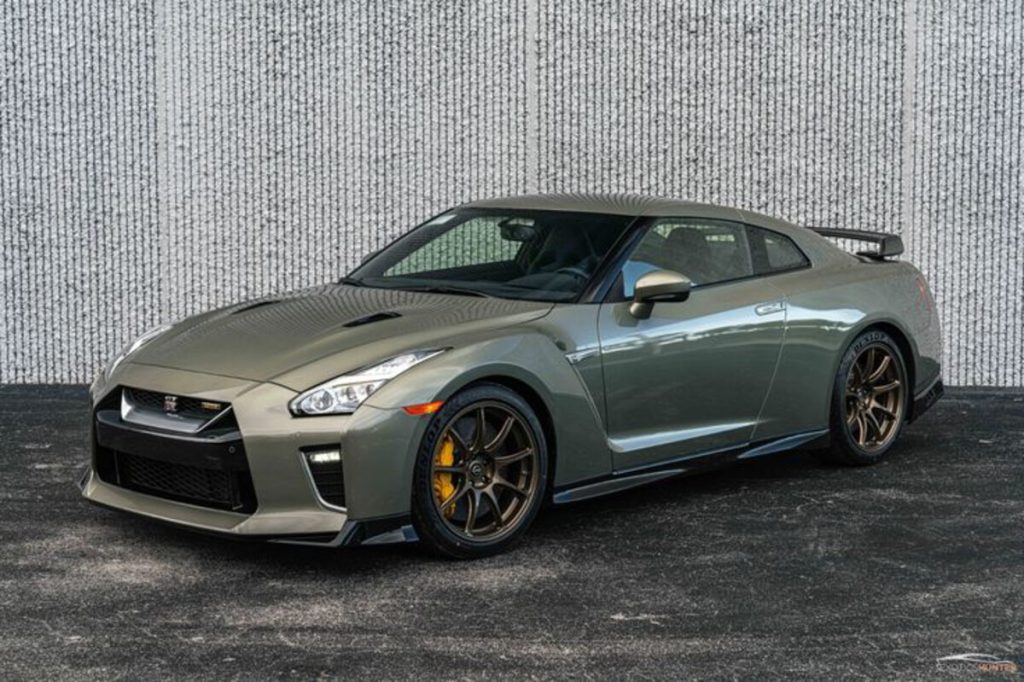
1. Nissan GT-R 2009 to 2013
The early years of the Nissan GT-R earned a reputation for incredible performance at a relatively attainable price compared to European supercars. Underneath that performance, however, was a complex dual clutch transmission that could be a source of expensive headaches for some owners.
The GT-R uses a rear mounted transaxle with a dual clutch system designed to handle high power and deliver rapid shifts. In theory, this setup allows for strong acceleration and excellent balance.
In practice, early versions of this gearbox were known to be sensitive to hard use, especially repeated aggressive launches. The transmission can generate significant heat, and when cooling or maintenance is not ideal, wear can accelerate.
One factor that contributed to issues was how the car was driven. Many GT-Rs were used for spirited driving, track days, and drag style launches, all of which place heavy strain on clutches and internal components.
Some owners reported rough shifting, warning lights, or even complete transmission failures. Repair costs can be very high because the unit is complex and specialized.
Another challenge is that the transmission and all wheel drive system are closely integrated. Problems in one area can affect the other, increasing diagnostic complexity. Software updates over the years helped improve behavior, but early cars are still the most likely to show signs of gearbox stress if they were not maintained carefully.
When shopping for a used GT-R from this era, service history is critical. Look for evidence of regular fluid changes and any transmission related updates or repairs.
A professional inspection by a specialist familiar with the model is highly recommended. Smooth shifting during a test drive and the absence of warning lights are good signs, but they do not guarantee long term health.
The GT-R remains a thrilling performance car, but buyers should go in with open eyes. The dual clutch gearbox can be durable if treated well, yet it is also one of the most expensive components to repair if things go wrong.
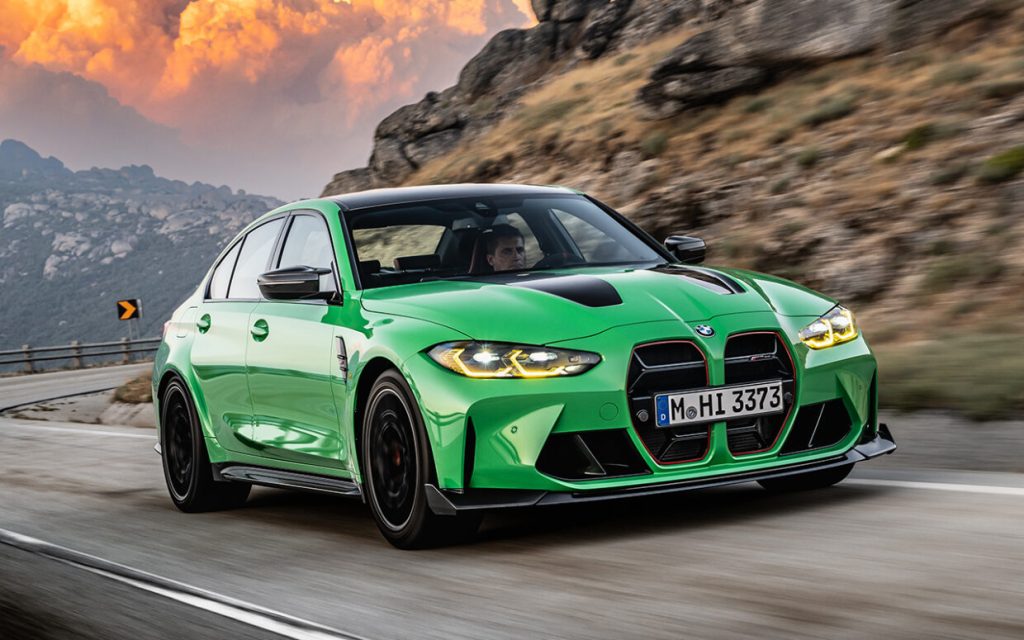
2. BMW M3 2008 to 2013 with DCT
The BMW M3 of this generation is celebrated for its high revving engine and balanced chassis. Many examples were equipped with a dual clutch transmission that delivered fast, smooth shifts on both road and track.
While this gearbox offers an engaging driving experience, it has also been known to be costly when problems develop.
BMW’s dual clutch system in the M3 was designed to provide quick gear changes and improved performance compared to a traditional automatic. In normal driving, it can feel refined and responsive.
However, the clutches and control systems can be sensitive to heat and aggressive use, especially in cars that have seen track time or frequent hard launches.
Over time, some owners have experienced issues such as rough engagement, hesitation when shifting, or warning messages related to the transmission. In certain cases, clutch packs have worn prematurely. Because the gearbox is a complex unit with specialized parts, repairs can be expensive and require technicians with specific knowledge of the system.
Another factor is maintenance. The transmission fluid and filters need to be changed on schedule to help manage heat and wear. Cars that missed these services or were driven very hard without proper cooling periods may be at greater risk for problems later in life.
Despite these concerns, many M3s with the dual clutch transmission operate reliably when maintained well. The driving experience is often considered superior to the manual by those who enjoy fast, paddle operated shifts. The key is understanding that this performance comes with higher potential repair costs compared to simpler gearboxes.
When considering a used M3 with this transmission, look for a detailed service history and any records of transmission work or updates.
A thorough test drive should include low speed maneuvers and higher speed shifts to check for smooth operation. The car remains a fantastic sports sedan, but the dual clutch gearbox is an area that deserves careful attention before purchase.
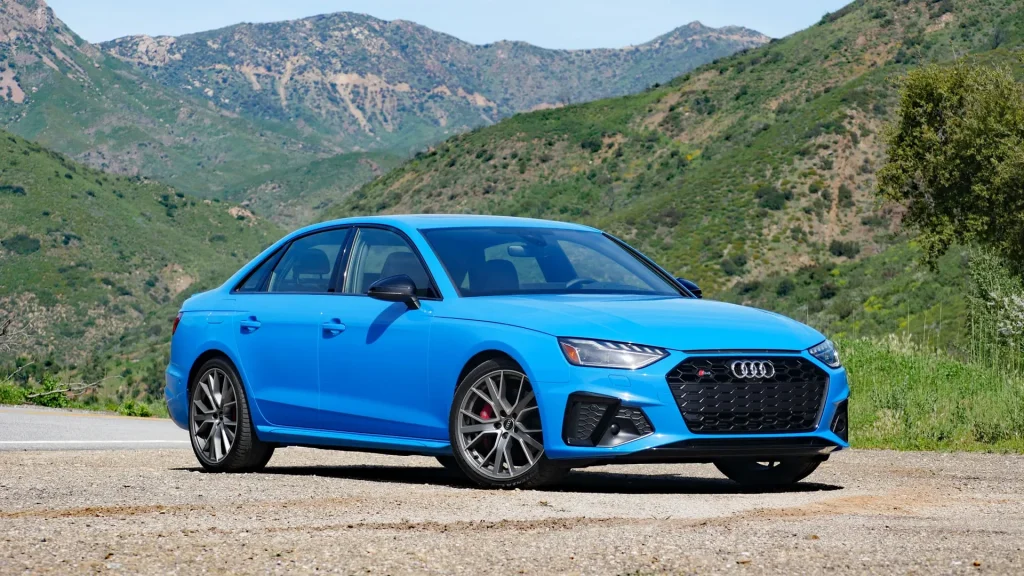
3. Audi S4 2010 to 2013 with S tronic
The Audi S4 from this era combined everyday usability with strong performance, and many examples were fitted with the brand’s dual clutch S tronic transmission. While this gearbox delivered quick, seamless shifts that suited the car’s sporty character, it also developed a reputation for being sensitive and expensive when problems arose.
The S tronic system is designed to provide fast gear changes and improved efficiency compared to a conventional automatic. In spirited driving, it can feel smooth and responsive, helping the S4 accelerate briskly.
However, early versions of this transmission sometimes struggled with heat management and wear, especially in cars driven aggressively or in heavy traffic conditions where frequent low speed clutch engagement occurs.
Some owners have reported issues such as jerky takeoffs, hesitation when shifting, or warning lights related to the transmission.
Mechatronic units, which control the gearbox’s operation, have been a known weak point in certain cases. When these components fail, repairs can be costly due to the complexity of the system and the specialized parts required.
Maintenance plays a major role in long term durability. Regular fluid and filter changes are essential to help manage heat and reduce wear.
Cars that missed these services or were subjected to repeated hard launches may face higher risk of problems later. Because the S4 encourages enthusiastic driving, many examples have seen use that pushes the transmission close to its limits.
Another challenge is that the S4’s strong engine torque places additional load on the gearbox. While the transmission was engineered for performance, sustained aggressive use can accelerate clutch wear. Replacing clutch packs in a dual clutch system is far more expensive than servicing a traditional manual or torque converter automatic.
When shopping for a used S4 with S tronic, a detailed service history is vital. Look for proof of scheduled transmission servicing and any previous repairs.
During a test drive, pay attention to smoothness at low speeds and during parking maneuvers, as problems often show up there first. The S4 remains a rewarding sports sedan, but the dual clutch transmission is an area where careful inspection and budgeting are essential.
4. Porsche 911 2009 to 2012 with early PDK
The Porsche 911 introduced the PDK dual clutch transmission to great acclaim for its lightning fast shifts and improved performance. While PDK is often praised for its engineering, some early versions in high performance use have shown that even advanced systems can be costly and sensitive under certain conditions.
PDK was designed to handle both daily driving and serious performance work. It offers extremely quick gear changes and can improve acceleration times compared to a manual gearbox. In normal driving, it is often smooth and refined.
However, early units in cars that were frequently driven hard or used on track have sometimes shown signs of clutch wear or electronic control issues.
Sports cars like the 911 place high demands on their drivetrains. Hard launches, rapid downshifts, and repeated high temperature operation can strain internal components.
While PDK is generally strong, repairs can be very expensive if internal clutches or control modules fail. Because the gearbox is tightly integrated with the car’s electronics, diagnosing problems can also be complex.
Fluid changes are crucial for maintaining gearbox health. Skipping scheduled services can lead to overheating and accelerated wear. Some early owners treated PDK as maintenance free, which increased the likelihood of issues later. As these cars age, proper servicing becomes even more important to preserve smooth operation.
Another factor is usage history. Many 911s are driven enthusiastically, and track use can significantly increase stress on the transmission. Even if a car feels fine during a short test drive, past heavy use may have reduced the remaining lifespan of clutch components.
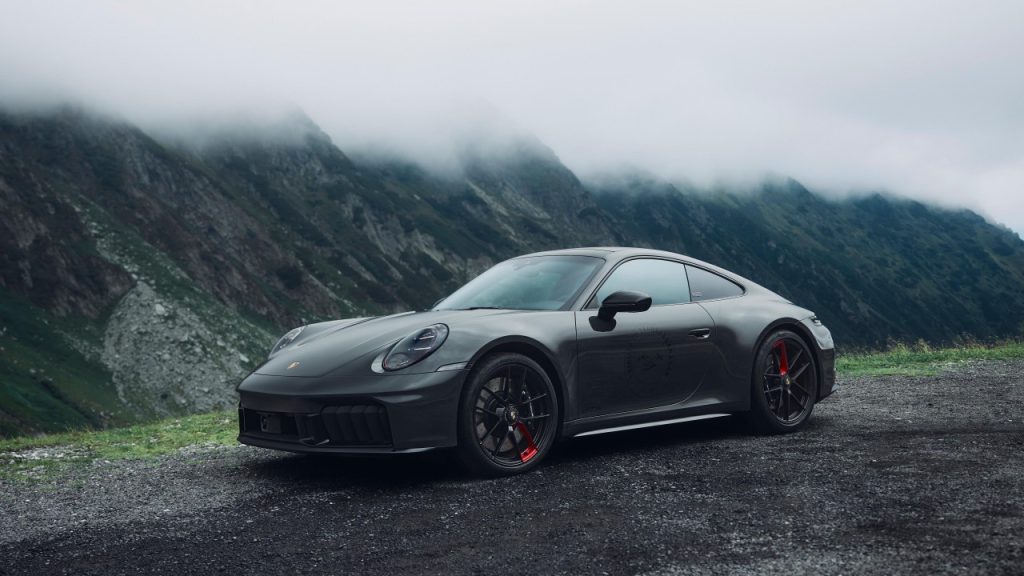
When considering a used 911 with early PDK, buyers should look for thorough service records and evidence of regular fluid changes. A pre purchase inspection by a Porsche specialist is strongly recommended.
Pay attention to any hesitation, warning lights, or unusual behavior during shifts. The 911 remains an exceptional sports car, but its dual clutch gearbox is a high tech component that can become a high cost repair item if neglected or heavily worn.
5. Ford Fiesta ST 2014 to 2019 with dual clutch automatic
The Ford Fiesta ST is widely loved for its lively handling and energetic engine, but in some markets a dual clutch automatic version was offered that did not always match the car’s playful personality with long term durability.
While the manual transmission version is generally preferred by enthusiasts, the dual clutch setup in certain Fiesta based models developed a reputation for being temperamental.
This dual clutch transmission was designed to provide quick shifts and improved efficiency compared to a traditional automatic. In practice, it often struggled with low speed smoothness.
Drivers sometimes reported shuddering during takeoff, hesitation when accelerating from a stop, and inconsistent behavior in stop and go traffic. These symptoms could point to clutch wear or control system issues.
One challenge with this type of gearbox is heat management. Frequent short trips and heavy traffic can lead to repeated clutch engagement, which generates heat and accelerates wear.
In a small performance oriented car like the Fiesta ST, enthusiastic driving can further increase stress on the transmission. Over time, this combination can shorten the lifespan of clutch components.
Repairs can be expensive relative to the car’s overall value. Replacing clutch packs or addressing electronic control issues requires specialized knowledge and parts. Some vehicles received software updates intended to improve shift behavior, but not all problems were completely resolved by these changes.
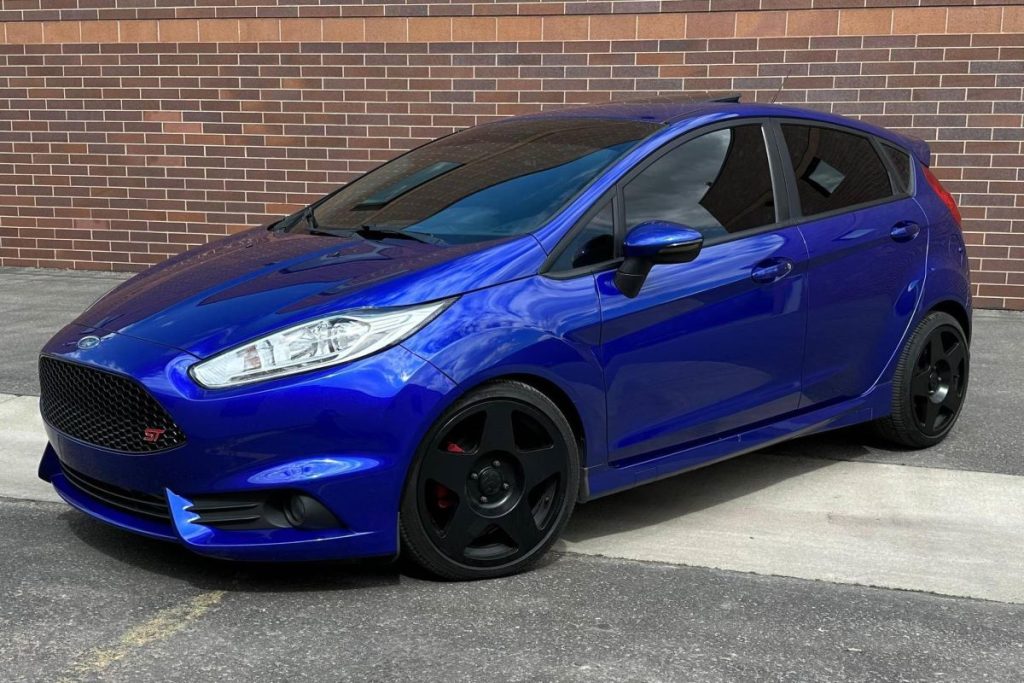
Maintenance history is very important. Regular servicing and any recall or update work should be documented. A test drive should include slow speed driving and parking maneuvers, as issues often appear most clearly at low speeds. Jerky engagement or unusual noises can be warning signs.
The Fiesta ST remains a fun and engaging small performance car, but the dual clutch automatic version carries more risk than the manual.
Buyers who want lower long term transmission costs may prefer the manual, while those considering the dual clutch version should budget for potential repairs and inspect carefully.
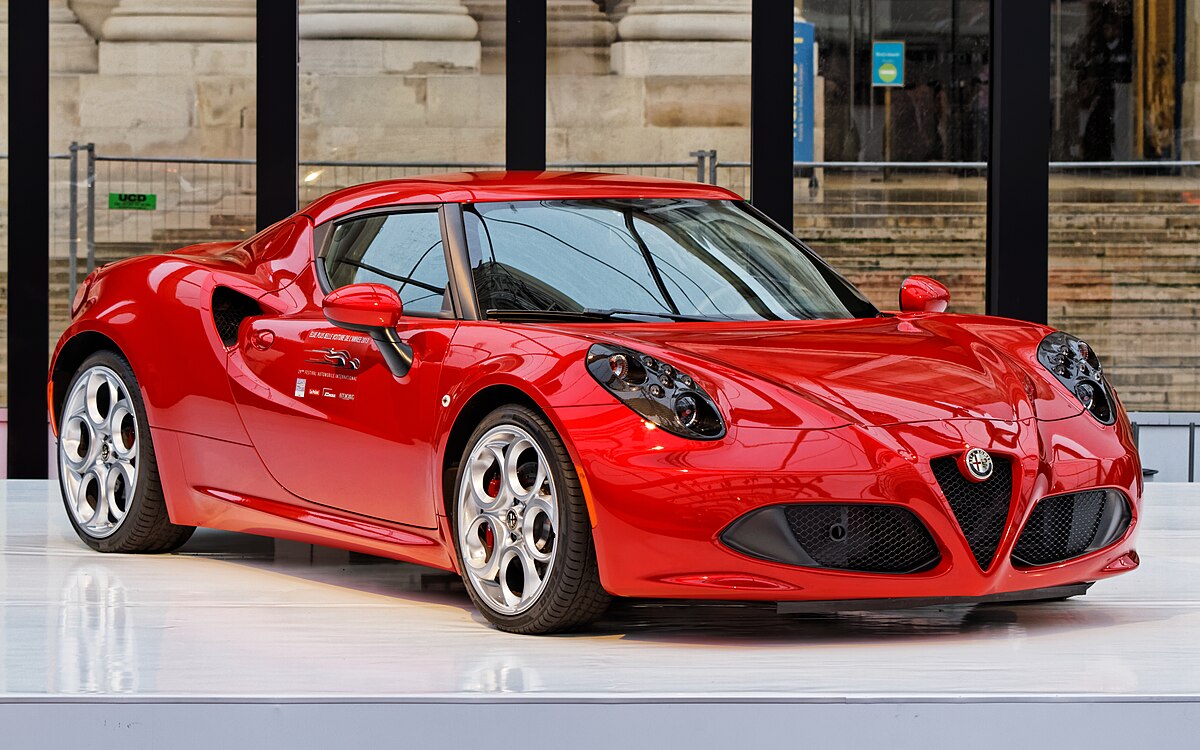
6. Alfa Romeo 4C 2015 to 2018 with TCT
The Alfa Romeo 4C is an exotic looking lightweight sports car that delivers a raw and thrilling driving experience. It uses a dual clutch transmission called TCT to manage gear changes, as no manual option was offered in many markets.
While the gearbox provides fast shifts that suit the car’s performance focus, it has also been known to be less forgiving in daily driving and potentially costly if problems develop.
The TCT transmission is tuned for performance, delivering quick, sharp gear changes under hard acceleration. On a twisty road or track, this can enhance the car’s sporty character. However, at low speeds and in traffic, the gearbox can feel abrupt. Some owners report jerky takeoffs or hesitation, which can point to clutch wear or calibration issues.
Because the 4C is so light and performance focused, many examples are driven enthusiastically. Hard launches and aggressive shifting can place extra stress on the clutch packs and internal components. Heat buildup during spirited driving can further accelerate wear if cooling and maintenance are not ideal.
Repairs to the TCT system can be expensive due to the car’s specialized nature. Accessing components in the tightly packaged mid engine layout can increase labor time. Electronic control modules and clutch assemblies are not inexpensive, and not every workshop is experienced with this model.
Regular servicing is essential to help maintain gearbox health. Fluid changes and software updates can improve operation and longevity. Cars that have skipped scheduled maintenance or seen frequent track use may be at greater risk for transmission related issues.
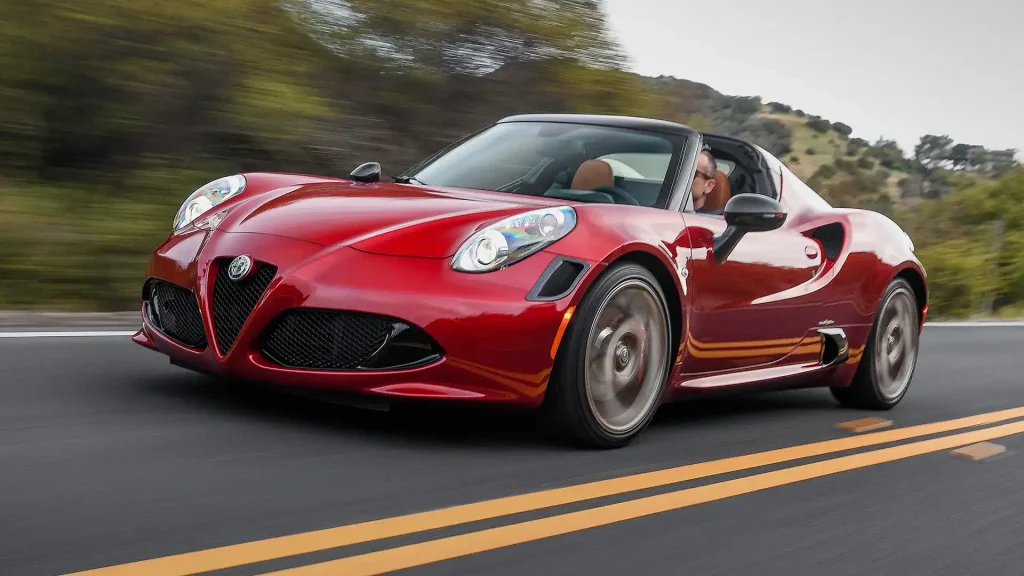
When considering a used 4C, a thorough inspection by a specialist familiar with the model is strongly recommended. Pay close attention to how the gearbox behaves at low speeds and during gear changes.
The 4C offers an exciting and unique sports car experience, but its dual clutch transmission is a complex component that can become a costly issue if not carefully maintained.
7. Ferrari California 2009 to 2014 with early DCT
The Ferrari California marked an important shift for the brand, introducing a front engine grand touring model with a dual clutch transmission.
This gearbox delivered incredibly fast shifts and smooth performance when everything was working properly. However, early examples developed a reputation for being sensitive and potentially very expensive if transmission issues arose.
The California’s dual clutch system was engineered to handle both relaxed cruising and spirited driving. In theory, it offered the convenience of an automatic with the performance of a manual.
In practice, the complexity of the system meant that failures or wear could lead to very high repair bills. Some owners reported issues related to clutch wear, electronic control problems, or rough shifting under certain conditions.
A key factor is how these cars are driven. Many Ferraris see enthusiastic use, including hard acceleration and frequent high speed runs. This can generate significant heat in the transmission.
While the system is designed for performance, repeated stress without ideal cooling or maintenance can shorten component life. Because the transmission is integrated with advanced electronics, diagnosing problems can also be complicated.
Maintenance is critical. Regular fluid changes and software updates can help improve longevity and shift quality. Cars that skipped scheduled servicing or were driven aggressively without proper care may be more likely to develop issues.
Repairing or replacing clutch packs in a Ferrari dual clutch gearbox is a specialized job that can cost a substantial amount.
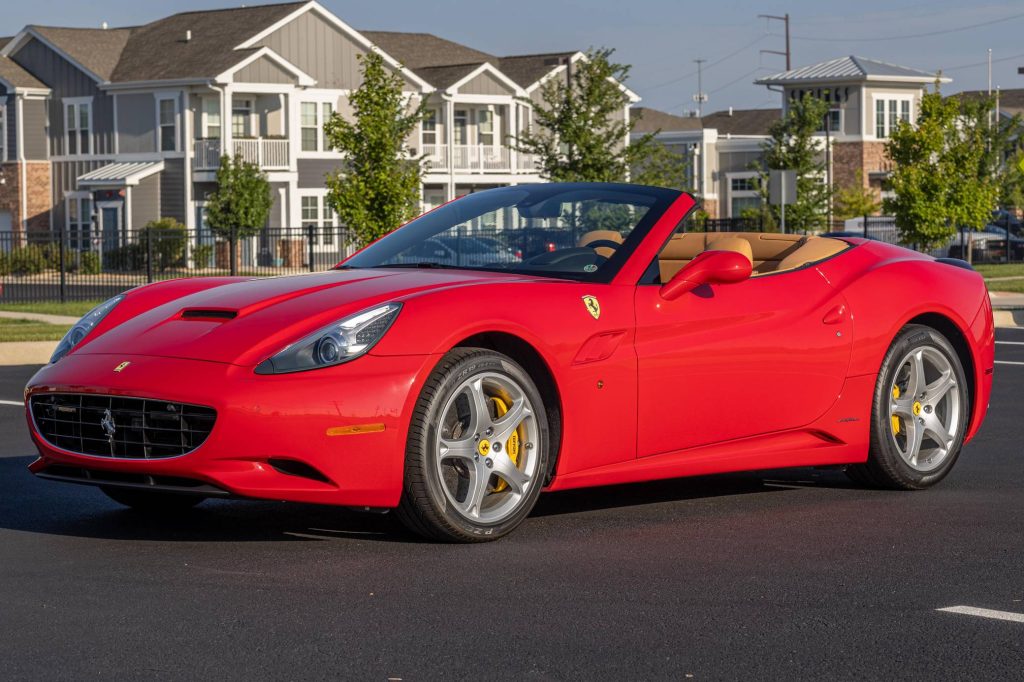
Another challenge is that parts and labor for exotic cars are inherently expensive. Even relatively minor transmission related faults can become major expenses compared to mainstream vehicles. This makes a thorough pre purchase inspection especially important.
When considering a used California from these years, buyers should seek a full service history and evidence of proper transmission maintenance. A specialist familiar with Ferrari dual clutch systems should evaluate the car.
California offers a stylish and usable Ferrari experience, but its early dual clutch gearbox is a high performance component that demands careful ownership.
8. Mitsubishi Lancer Evolution X with SST 2008 to 2015
The Mitsubishi Lancer Evolution X is a rally inspired sports sedan that gained a loyal following for its sharp handling and turbocharged performance. Many versions were equipped with a dual clutch transmission known as the SST.
While this gearbox delivered quick shifts and improved acceleration, it also became known for being one of the car’s more fragile components under hard use.
The SST transmission was designed to handle high performance driving, but in real world conditions it could be sensitive to heat and aggressive launches.
Enthusiasts often drove the Evo hard, using launch control and pushing the car on twisty roads or tracks. This type of use can place heavy strain on the clutches and internal components of a dual clutch system.
Over time, some owners experienced problems such as slipping clutches, rough shifting, or warning lights related to the transmission.
Repairs can be costly, and in some cases, replacement of major components is required. Because the SST system is complex and less common than mainstream gearboxes, not all shops are equipped to service it properly.
Regular maintenance is crucial to help extend the life of the SST. Fluid changes at recommended intervals are especially important to manage heat and wear. Cars that missed these services or were frequently driven at their limits may face higher risk of transmission issues as they age.
The Evo X itself is a highly capable performance car, which can tempt drivers to explore its limits. Unfortunately, the transmission does not always tolerate repeated hard use as well as the engine and chassis. This mismatch can lead to expensive repairs if the gearbox has been heavily stressed.
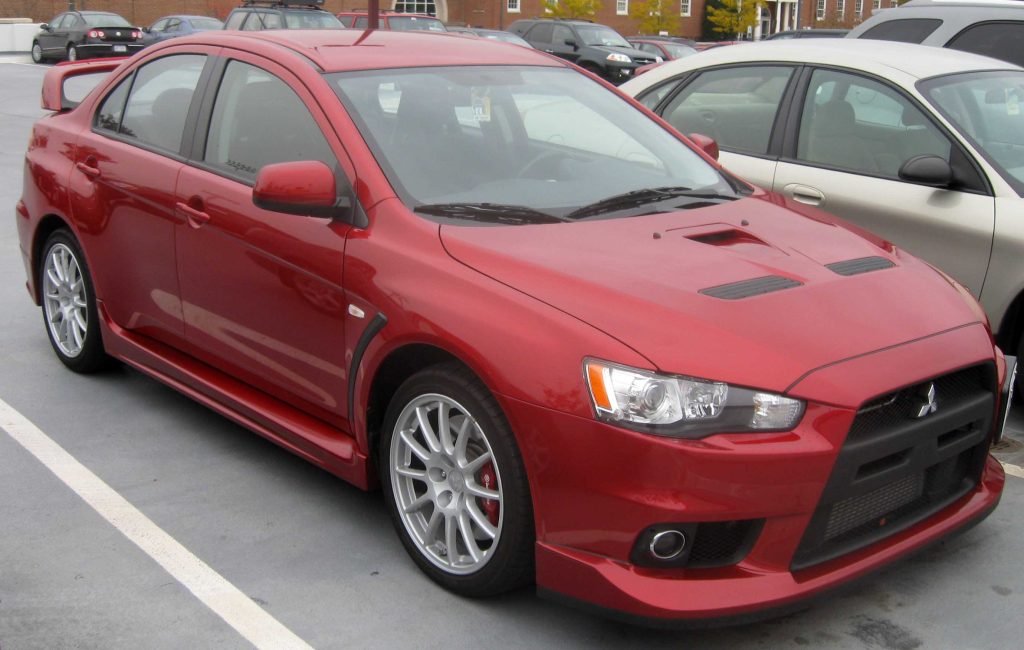
When shopping for a used Evo X with the SST transmission, buyers should look for a detailed service history and any records of transmission repairs or updates.
A careful test drive that includes low speed and high load situations can help reveal potential problems. The Evo X remains an exciting sports sedan, but the dual clutch SST gearbox is a known weak point that deserves close attention.
9. Volkswagen Golf R 2015 to 2017 with DSG
The Volkswagen Golf R combines hatchback practicality with serious performance, and many examples were fitted with a dual clutch DSG transmission.
This gearbox is known for its quick shifts and responsive feel, which suit the car’s sporty character. However, in high performance use, the DSG in these early high power applications can become a costly weak point if not maintained carefully.
The DSG system uses two clutches to pre select gears, allowing extremely fast shifts. In everyday driving, it can feel smooth and efficient. Under hard acceleration, it delivers rapid gear changes that enhance performance.
The challenge is that repeated aggressive driving, especially hard launches, can generate significant heat and accelerate clutch wear.
Some owners have reported issues such as rough engagement at low speeds, hesitation when shifting, or warning lights related to the transmission.
Mechatronic units, which control the gearbox’s operation, can also be a source of trouble in certain cases. Repairs to these components can be expensive due to the specialized nature of the system.
Maintenance is especially important with the DSG. Fluid and filter changes must be done on schedule to help manage heat and internal wear. Cars that missed these services or were modified for higher power without supporting transmission upgrades may be at greater risk for problems.
Because the Golf R is a favorite among enthusiasts, many examples have been driven enthusiastically or modified. Increased engine output can place extra strain on the transmission, shortening the life of clutch components. Buyers should be cautious of heavily tuned cars unless there is clear evidence of upgraded and well maintained transmission parts.
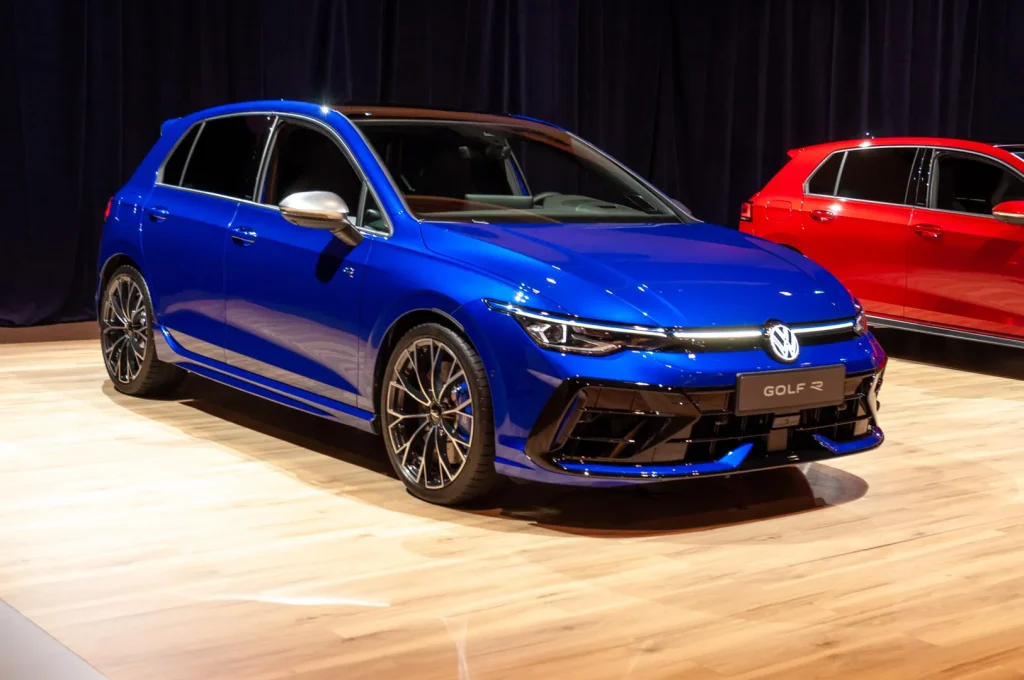
When shopping for a used Golf R with DSG, look for a full service history and confirmation that transmission services were performed regularly.
During a test drive, pay close attention to low speed smoothness and how the gearbox behaves under acceleration. The Golf R remains a fun and practical performance car, but its dual clutch transmission requires careful maintenance and realistic expectations.
10. McLaren MP4 12C 2011 to 2014 with SSG
The McLaren MP4 12C is a groundbreaking supercar that introduced advanced engineering and impressive performance.
It uses a dual clutch transmission called SSG to deliver rapid gear changes. While this system helps create thrilling acceleration and seamless shifts at speed, it has also been known to be complex and very expensive if issues develop.
The SSG gearbox was designed to provide both comfort and extreme performance. At high speeds and under hard acceleration, it delivers lightning fast shifts that suit the car’s supercar status.
However, the transmission is a highly specialized unit integrated with sophisticated electronics. When faults occur, diagnosing and repairing them can be a major undertaking.
Some early owners reported issues such as software glitches, rough low speed behavior, or warning messages related to the transmission. While updates improved performance over time, early cars may still be more likely to show signs of wear or electronic faults, especially if they have been driven aggressively.
Supercars like the MP4 12C often see track use and spirited driving, which places heavy demands on the drivetrain. Repeated high temperature operation can accelerate wear on clutches and internal components. Because the car is built in relatively low numbers, parts and service expertise are not as widely available as for mainstream brands.
Maintenance history is extremely important. Regular servicing and software updates can help improve reliability.
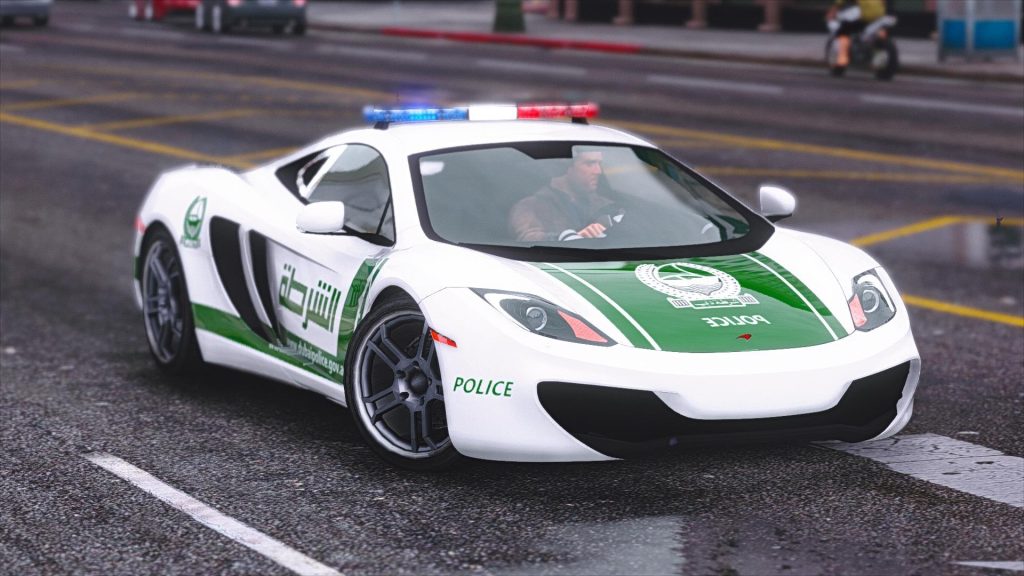
Cars that skipped recommended maintenance or were heavily tracked may face higher risk of transmission related issues. Repair costs for dual clutch systems in exotic cars can be very high, often reaching levels far beyond typical sports car expenses.
When considering a used MP4 12C, buyers should insist on a thorough inspection by a McLaren specialist. Any unusual shifting behavior, warning lights, or signs of delayed engagement should be taken seriously.
The MP4 12C offers extraordinary performance and engineering, but its dual clutch transmission is a complex and potentially fragile component that demands careful ownership.
Also Read: 10 Performance Cars That Arrived a Decade Too Early
