
Power steering is one of those systems drivers rarely think about until it suddenly stops working. Modern vehicles rely on either hydraulic or electric power steering to reduce the effort needed to turn the wheel, especially at low speeds.
When this system begins to fail, drivers may notice stiff steering, warning lights, unusual noises, or inconsistent assistance. In some cases, the problem develops gradually. In others, steering assist can drop out suddenly, creating a stressful and potentially unsafe situation.
There are several reasons why certain vehicles experience premature power steering failure. In hydraulic systems, leaks, pump wear, and contaminated fluid can lead to loss of assist.
In electric power steering setups, sensors, motors, and control modules can fail, often without much warning. Heat, vibration, and poor component placement can accelerate wear, while software issues can cause erratic behavior even when mechanical parts are still intact.
Repairing power steering problems can be expensive. Replacing a pump, rack, or electronic steering motor often involves significant labor.
In electric systems, a single failed module can require replacement of the entire steering assembly. Because steering is a critical safety system, repairs should not be delayed, which can put financial pressure on owners of older vehicles.
This list highlights eight models that have developed a reputation for premature power steering issues. I will present them two at a time, explaining the common failure points and what used buyers should look for. These vehicles may still offer many strengths, but their steering systems deserve close attention before purchase.
Also Read: 10 Models With Suspension Tuned for Broken Pavement
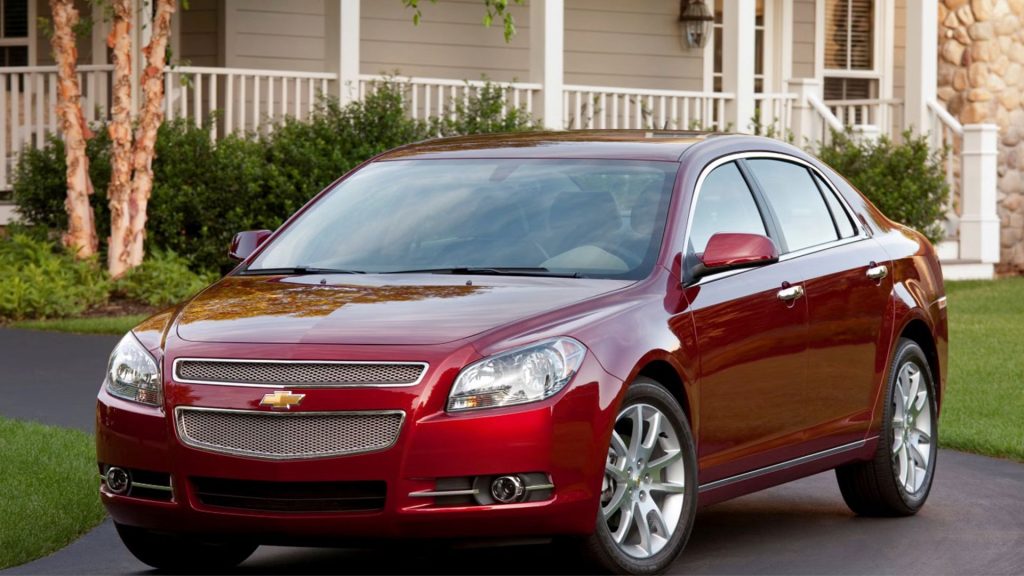
1. Chevrolet Malibu 2008 to 2012
The Chevrolet Malibu from this era is known for comfortable ride quality and everyday practicality, but its electric power steering system has been a well documented weak point. Many owners have experienced sudden loss of steering assist or warning messages related to the steering system, sometimes at relatively low mileage.
The Malibu uses an electric power steering motor and control module instead of a traditional hydraulic pump. While this design can improve fuel efficiency, it relies heavily on electronic components.
In some vehicles, the steering motor or torque sensor begins to fail prematurely. When this happens, drivers may feel the steering wheel suddenly become much heavier, especially at low speeds.
Warning messages such as power steering assist reduced may appear on the dashboard. In some cases, restarting the car temporarily restores assist, only for the problem to return later. This intermittent behavior can make diagnosis difficult and frustrating. Over time, the failure may become permanent.
Because the system is integrated, repairs can be costly. Replacing the steering motor or the entire steering column assembly is often required. Labor costs can add up because of the need to access components buried in the dashboard area. In some cases, software updates were issued to improve system behavior, but they do not always prevent hardware failures.
Another issue is that drivers may continue using the car with reduced assist, putting extra strain on other steering components. This can accelerate wear on the rack and related parts. Once multiple components are affected, repair costs can rise significantly.
When shopping for a used Malibu from these years, test the steering carefully at low speeds and during parking maneuvers. Look for warning lights or messages related to the steering system.
Ask about any past steering repairs and check for service records. While the Malibu can be a comfortable and affordable sedan, its electric power steering system has shown a tendency toward earlier-than-expected failure.
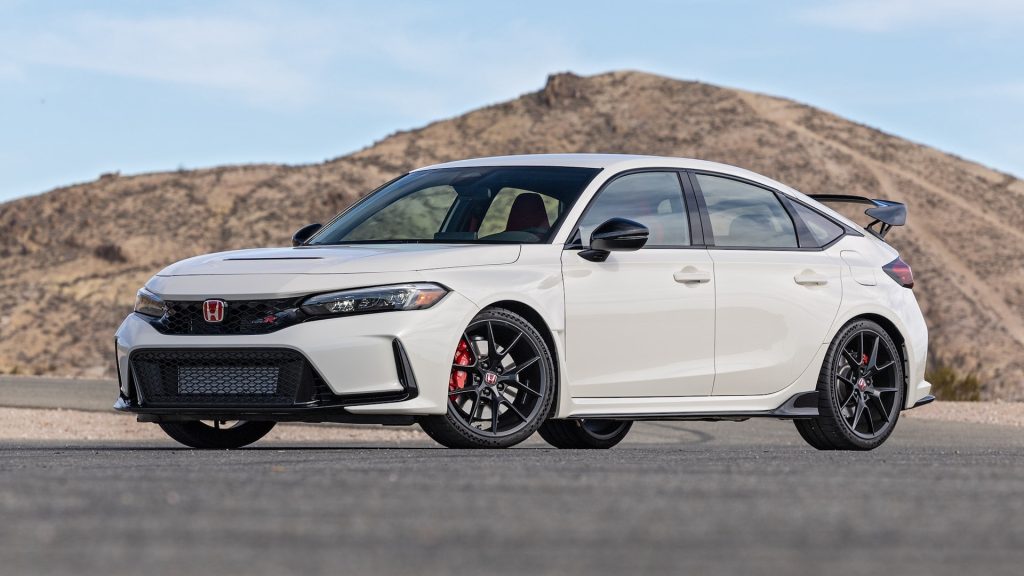
2. Honda Civic 2006 to 2011
The Honda Civic from this generation is widely regarded as reliable overall, but it has had a notable pattern of power steering problems. Many models use an electric power steering system that can develop issues earlier than expected, particularly as the vehicles age.
A common complaint involves the electric power steering control module or motor. Drivers may notice that steering effort becomes inconsistent, sometimes feeling normal and other times unusually heavy. In some cases, the EPS warning light appears on the dashboard, indicating a fault in the system.
Unlike hydraulic systems, electric power steering relies on sensors and electronics to determine how much assist to provide. When these components fail, steering assistance can drop suddenly. This is especially noticeable at low speeds, where assist is most needed. While the car remains steerable, the increased effort can be surprising and uncomfortable.
Heat and vibration over time can affect the longevity of the electric motor and related electronics. As components wear, the system may intermittently lose assist before failing completely. Diagnosing these issues can be challenging because symptoms may not appear consistently during a short inspection.
Repairs can be expensive because the steering motor and control electronics are often integrated into the steering column or rack assembly.
Replacement parts and labor can add up quickly, especially if the problem is not caught early. In some cases, recalibration or software updates may be attempted, but they do not always resolve hardware failures.
When evaluating a used Civic from these years, pay close attention to steering feel. Drive at low speeds and perform several tight turns to check for smooth, consistent assist.
Look for any EPS warning lights or past service records related to steering. The Civic remains a practical and efficient car, but its electric power steering system is an area where premature issues have been reported.
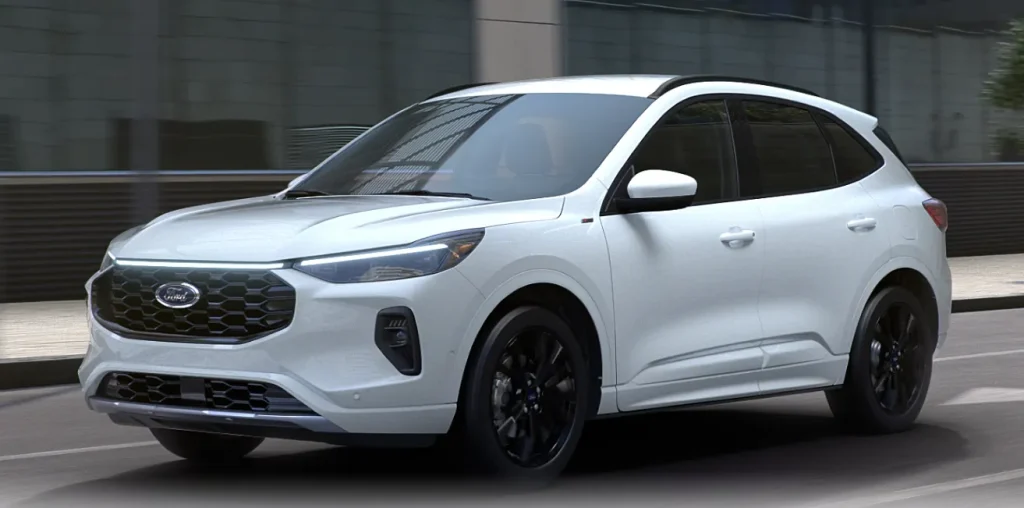
3. Ford Escape 2008 to 2012
The Ford Escape from these years is a popular compact SUV known for practicality and all weather capability, but it has developed a reputation for premature electric power steering problems. Many owners have reported sudden loss of steering assist, often with little warning, which can make low speed maneuvering unexpectedly difficult.
This generation of Escape uses an electric power assisted steering system rather than a traditional hydraulic setup.
The system relies on an electric motor and sensors to provide steering assistance based on driver input and vehicle speed. While this design improves efficiency, it also introduces electronic components that can fail over time.
A common failure point is the torque sensor or the electric motor itself. When these components begin to fail, drivers may notice the steering becoming heavier, especially during parking or slow turns.
In some cases, a power steering assist fault message appears on the dashboard, and steering assist may shut off completely until the vehicle is restarted.
One of the most concerning aspects is the sudden nature of some failures. Drivers may be turning into a parking space or navigating a tight corner when the assist drops out.
Although the vehicle can still be steered manually, the increased effort can be surprising and physically demanding. This can be especially challenging for drivers who are not expecting the change.
Because the electric power steering system is integrated, repairs can be expensive. Replacing the steering column, motor, or control module may be required.
Labor costs can also be high due to the need to access components within the steering assembly. Some vehicles received software updates intended to improve system performance, but hardware failures still occur in certain cases.
Another issue is that continued driving with a partially failing system can put extra stress on the steering rack and related components. Over time, this can lead to additional wear and further repair costs. As these vehicles age, the likelihood of electronic component failure increases.
When shopping for a used Escape from this period, test the steering carefully at low speeds. Turn the wheel fully in both directions and pay attention to any changes in steering effort. Watch for warning messages related to the power steering system.
Ask about past steering repairs and check for service records. The Escape can be a useful and capable SUV, but its electric power steering system has shown a tendency toward earlier than expected failure.
4. Toyota Corolla 2009 to 2013
The Toyota Corolla is often praised for long term reliability, yet some models from this generation have experienced premature electric power steering issues. While the majority of these cars remain dependable overall, the steering system has been a point of concern for a number of owners.
This Corolla uses an electric power steering system that relies on a motor and electronic control unit rather than hydraulic fluid. The system is designed to provide light steering effort at low speeds and firmer feel at higher speeds.
When functioning correctly, it operates quietly and efficiently. However, certain components have shown a tendency to wear out earlier than expected.
A common complaint involves the electric power steering motor or the steering control module. Drivers may notice intermittent loss of assist, where the steering suddenly feels much heavier, particularly when parking or making tight turns. In some cases, an EPS warning light appears, indicating a problem with the system.
Because the system is electronically controlled, issues may not be constant. The steering assist might return after restarting the vehicle, only to fail again later. This intermittent behavior can make diagnosis more difficult, especially during short inspections. Over time, the problem may become more frequent and eventually permanent.
Heat, vibration, and age can all affect the longevity of the electronic components in the steering system. As these vehicles approach or exceed a decade of use, the likelihood of sensor or motor issues increases. While Toyota’s overall engineering is strong, the electric steering system in these years has not been immune to wear.
Repairs can be costly because the electric motor and control components are often integrated into the steering column or rack assembly. Replacing these parts requires specialized labor and can add up quickly. In some cases, recalibration or software updates are attempted, but they do not always solve hardware related failures.
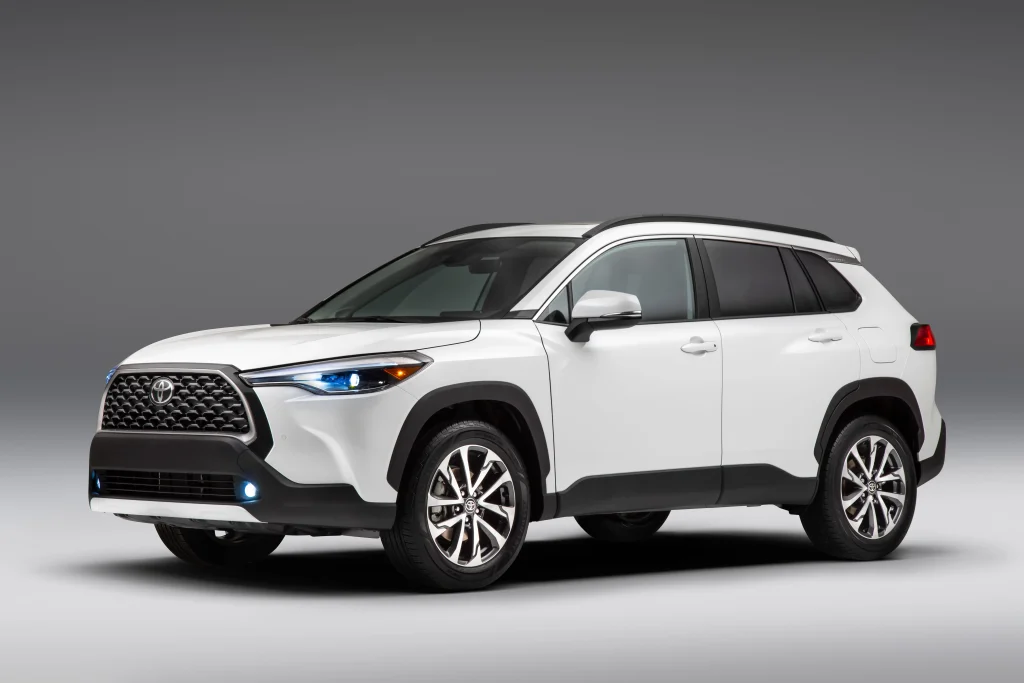
When evaluating a used Corolla from these years, pay close attention to steering feel. Drive at low speeds and perform multiple tight turns to check for consistent assist. Look for any EPS warning lights and review service records for past steering repairs.
The Corolla remains a practical and economical car, but its electric power steering system is an area where premature issues have been reported.
5. Hyundai Elantra 2011 to 2016
The Hyundai Elantra from this generation gained popularity for its styling and fuel efficiency, but a number of owners have reported premature problems with the electric power steering system. While the car remains practical and affordable, the steering setup has shown signs of wear and failure earlier than many drivers expect.
This Elantra uses a motor driven electric power steering system mounted to the steering column. Instead of hydraulic fluid and a belt driven pump, it relies on sensors and electronics to determine how much steering assist to provide.
When working properly, the system delivers light steering at low speeds and firmer feedback at higher speeds. Over time, however, components such as the motor or torque sensor can begin to fail.
A common symptom is a clicking or knocking noise from the steering column area when turning the wheel, especially at low speeds or when changing direction.
This is often linked to wear in the steering coupling or internal components associated with the electric assist system. In some cases, steering effort may also become inconsistent, with assist fading in and out.
Another issue involves the electric power steering control unit. If this module malfunctions, drivers may see a warning light on the dashboard and notice heavier steering.
Unlike a hydraulic failure that might develop gradually, electronic steering problems can appear suddenly. Restarting the car may temporarily restore assist, but the problem often returns.
Heat and vibration can contribute to the wear of electronic components over time. As the vehicle ages, the risk of motor or sensor failure increases. Because the steering system is integrated, repairs can require replacement of the motor assembly or steering column components, which can be costly in both parts and labor.
Drivers sometimes continue operating the car with degraded steering assist, which can place additional strain on mechanical steering components. Over time, this may lead to further wear in the rack and related parts. Addressing issues early can help prevent more extensive damage.
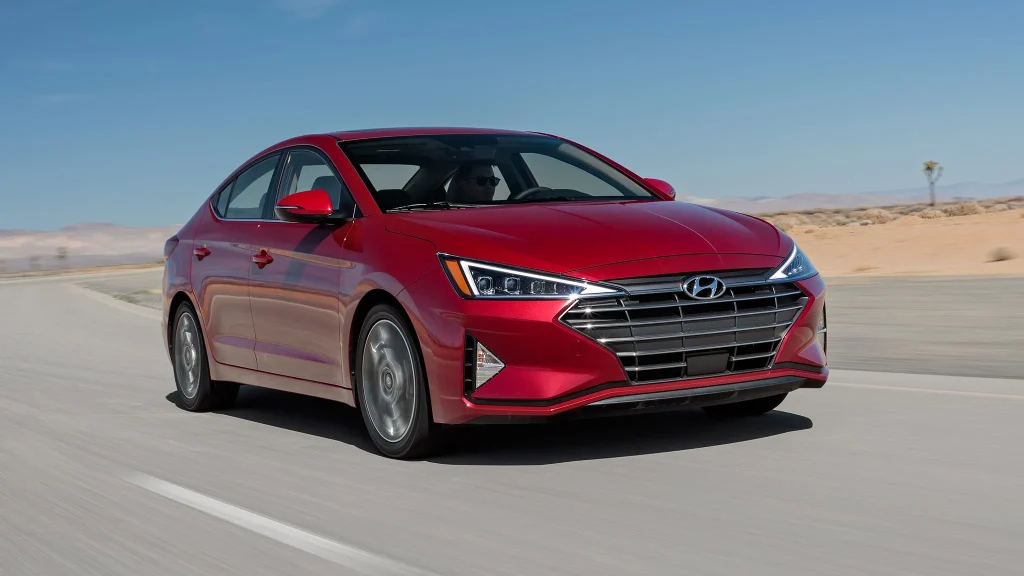
When shopping for a used Elantra from these years, turn the steering wheel fully in both directions at low speeds and listen for unusual noises. Pay attention to any changes in steering effort or warning lights related to the steering system.
Ask about any previous steering repairs and check for service records. The Elantra can be an economical and comfortable car, but its electric power steering system has shown a tendency toward premature wear.
6. Volkswagen Passat 2012 to 2016
The Volkswagen Passat from this period is appreciated for its roomy interior and comfortable ride, but its electric power steering system has been a point of concern for some owners. While the rest of the car may hold up well, the steering system has shown a pattern of electronic and component failures that can occur earlier than expected.
This Passat uses an electric power steering rack with an integrated motor and control module. The system adjusts steering assist based on speed and driver input.
When functioning correctly, it provides smooth and predictable steering feel. Over time, however, some vehicles develop faults in the steering motor, sensors, or control electronics.
Drivers may notice warning lights related to the steering system, along with heavier steering effort, particularly at low speeds. In some cases, the assist may drop out intermittently, returning after the car is restarted. This can make the issue seem unpredictable and difficult to diagnose during a short test drive.
One common failure point involves the steering angle sensor or torque sensor. When these sensors send incorrect signals, the system may not provide the right amount of assist. This can result in uneven or inconsistent steering feel. Because the system depends on accurate electronic inputs, even a small fault can have noticeable effects.
Repairs can be expensive because the electric motor and control unit are often integrated into the steering rack assembly. Replacing the rack can involve significant labor and parts costs. Software updates and recalibrations may be attempted in some cases, but they do not always resolve underlying hardware failures.
Another concern is that continued driving with reduced or inconsistent assist can put extra load on the mechanical steering components. Over time, this may accelerate wear in joints and linkages, leading to additional repairs beyond the original electronic issue.
When considering a used Passat from these years, test the steering carefully at low speeds and during parking maneuvers. Look for warning lights and pay attention to any unusual heaviness or inconsistency in steering feel.
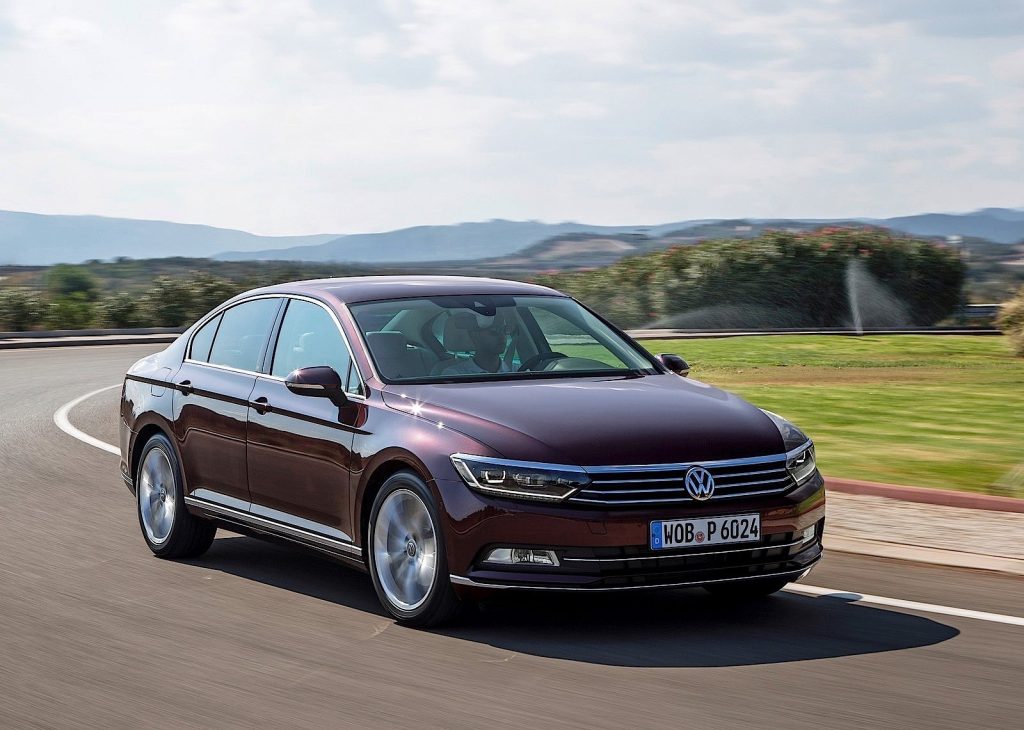
Ask about any past steering system repairs and review service history if available. The Passat offers comfort and space, but its electric power steering system has shown a tendency toward earlier than expected problems, making careful inspection important for used buyers.
7. Mazda Mazda3 2010 to 2013
The Mazda3 from this generation is widely appreciated for its sharp handling and sporty feel, but it has also developed a reputation in some cases for premature issues with its electric power steering system.
While the car remains enjoyable to drive, steering problems can undermine confidence and lead to costly repairs as the vehicle ages.
This Mazda3 uses an electric power assisted steering system rather than a hydraulic pump. The system relies on an electric motor mounted to the steering rack or column along with sensors that measure steering input.
When functioning properly, it provides light steering effort at low speeds and firmer feedback at higher speeds. Over time, however, electronic components and internal parts can begin to wear.
A common complaint involves sudden changes in steering effort. Drivers may notice that the wheel feels heavier than usual, particularly during parking or tight turns. In some cases, a power steering warning light appears on the dashboard. Unlike a gradual hydraulic leak, electric assist problems can appear suddenly and without much warning.
The steering motor and control module are frequent points of failure. Heat, vibration, and general wear can affect the longevity of these components.
As the system ages, electrical connections and internal circuitry may degrade, leading to intermittent assist. Restarting the vehicle may temporarily restore normal operation, but the problem often returns.
Another concern is the torque sensor, which measures how much force the driver applies to the steering wheel. If this sensor sends incorrect signals, the system may provide too little or inconsistent assistance. This can make the steering feel unpredictable and reduce driver confidence.
Repairs can be expensive because the electric motor and electronics are often integrated into the steering assembly. Replacing the steering rack or column unit can involve significant labor. In some cases, reprogramming or recalibration is attempted, but if hardware has failed, replacement is usually necessary.
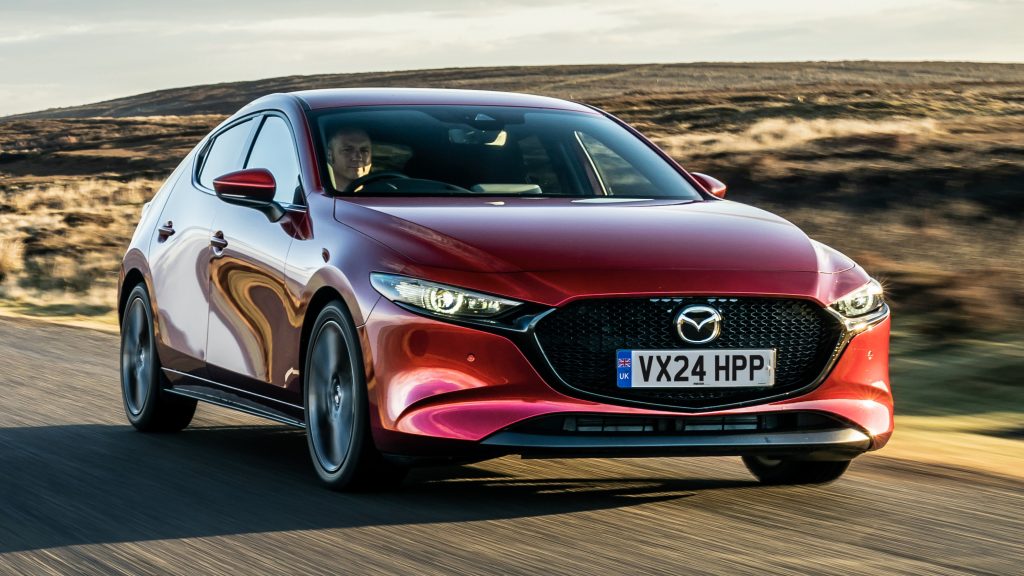
Continuing to drive with degraded assist can also place extra strain on mechanical steering components. Over time, this can accelerate wear in joints and bushings, adding further repair costs. Because the system is critical for safe operation, issues should not be ignored.
When shopping for a used Mazda3 from these years, test the steering thoroughly at low speeds. Turn the wheel fully in both directions and pay attention to any sudden changes in effort. Look for warning lights and ask about past steering repairs.
The Mazda3 remains a fun and practical compact car, but its electric power steering system has shown a tendency toward earlier than expected problems in some examples.
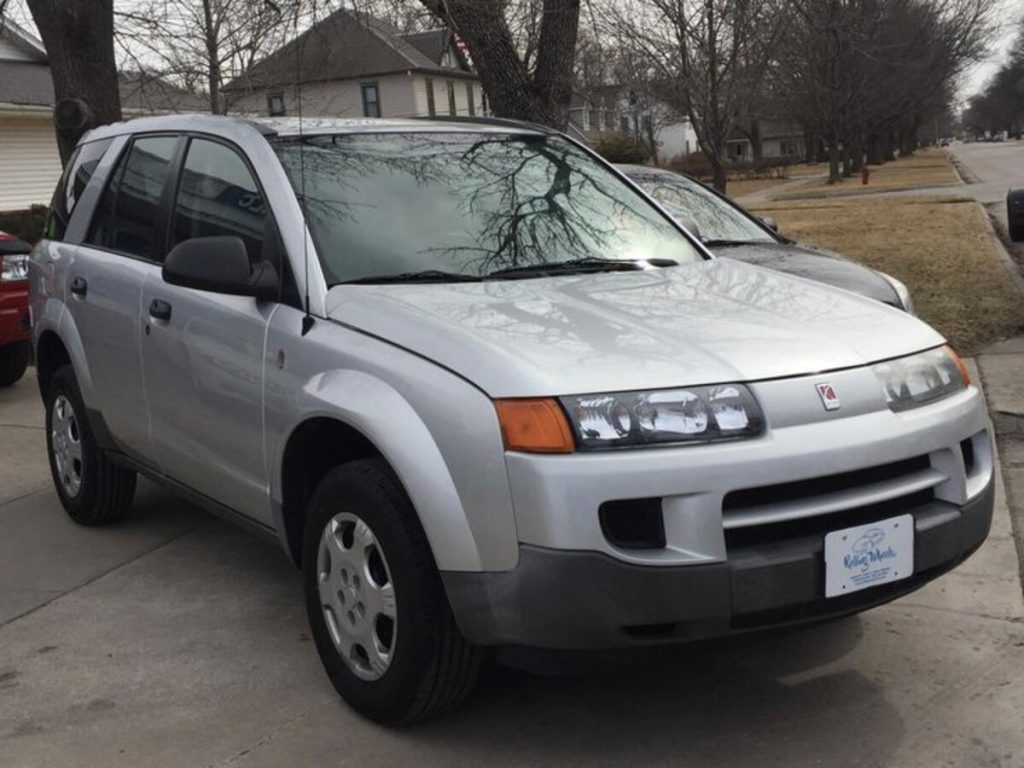
8. Saturn Vue 2008 to 2010
The Saturn Vue from these final production years is a compact SUV that offers useful space and comfort, but it is also known for power steering issues that can appear prematurely. The model uses an electric power steering system that, in some cases, has proven less durable than expected.
Like many vehicles of this era, the Vue moved away from a hydraulic pump and toward an electric motor driven system. This setup improves fuel efficiency but depends heavily on electronic components. Over time, failures in the steering motor, control module, or related sensors can lead to loss of assist.
Drivers may first notice a warning light or message indicating a power steering fault. Steering effort can increase significantly, especially at low speeds. In some cases, assist may come and go, which can make the issue seem inconsistent. This intermittent behavior can be particularly frustrating and may not always show up during a short test drive.
One known issue involves the electric steering motor itself. As it wears, it may overheat or fail to provide adequate assistance. Electrical connectors and internal circuitry can also degrade with age and vibration. Because the system is electronically controlled, even small faults can have noticeable effects on steering feel.
The steering column assembly is often replaced as a unit when problems occur, which can be costly. Labor adds to the expense because of the need to access components within the dashboard area. As these vehicles age and parts become less common, repair costs can rise further.
Another concern is that driving with reduced assist can accelerate wear on the steering rack and other mechanical parts. Over time, this can lead to additional repairs beyond the original electronic issue. Addressing problems early can help prevent more extensive damage.
When evaluating a used Vue from these years, test the steering carefully in a parking lot setting. Turn the wheel at low speeds and watch for warning lights. Pay attention to any sudden heaviness or inconsistency in steering feel.
Ask about any previous steering system repairs and review service history if available. The Vue can still serve as a practical SUV, but its electric power steering system has shown a pattern of premature failure that buyers should consider.
Power steering is a feature most drivers barely notice until it starts to fail. When assistance drops or becomes inconsistent, steering can suddenly feel heavy and difficult, especially at low speeds.
In some vehicles, this happens earlier than expected due to weaknesses in either hydraulic components or, more commonly, electric power steering systems that rely on motors, sensors, and control modules.
Models such as the Chevrolet Malibu, Honda Civic, Ford Escape, Toyota Corolla, Hyundai Elantra, Volkswagen Passat, Mazda3, and Saturn Vue have all developed reputations for premature steering assist problems in certain years.
Many of these vehicles use electric power steering, which improves fuel efficiency but adds electronic complexity. Failures often involve worn steering motors, faulty torque or angle sensors, or control module issues that can trigger warning lights and sudden loss of assist.
One challenge with electric systems is that problems can be intermittent. Steering may feel normal one moment and heavy the next, sometimes resetting after the car is restarted.
This makes diagnosis difficult and can lead owners to delay repairs. Continued driving with reduced assist can place extra strain on mechanical steering components, increasing overall repair costs.
Repairs are rarely cheap. In many cases, the steering motor and electronics are integrated into the steering column or rack assembly, requiring full unit replacement and significant labor. Because steering is a critical safety system, issues should be addressed quickly.
Used buyers should test steering carefully at low speeds, perform tight turns, and watch for warning lights. A smooth, consistent steering feel and clear service history are key signs of a healthier system.
Also Read: Top 10 High-End Sports Cars That Have Become Surprisingly Affordable
