
Air conditioning is one of those features drivers tend to take for granted until it stops working. In hot climates or during long summer commutes, a failing AC system can quickly turn a comfortable car into an unpleasant place to spend time.
Unfortunately, not all vehicles are known for long lasting climate control systems. In some models, compressors, condensers, or electronic control components develop problems earlier than expected, sometimes within just a few years of regular use.
There are several reasons why certain cars struggle with AC durability. Some systems are undersized for the cabin they need to cool, forcing components to work harder and wear out faster.
Others rely on complex electronic blend doors or control modules that can fail over time. In some cases, poor placement of parts leaves them vulnerable to heat, vibration, or debris from the road, all of which can shorten their lifespan.
Repairing air conditioning systems is often more expensive than owners anticipate. Compressors can be costly, and modern systems may require specialized refrigerants and labor intensive procedures.
When multiple components fail in sequence, repair bills can quickly add up. For used car buyers, this makes AC reliability an important but often overlooked factor.
This list highlights ten used cars that have developed a reputation for air conditioning systems that do not always age well.
I will present them two at a time, explaining the common trouble spots and what buyers should check before purchasing. These cars may still have many strengths, but their climate control systems deserve careful attention.
Also Read: 10 Legendary Japanese Motorcycles That Redefined the Universal Standard
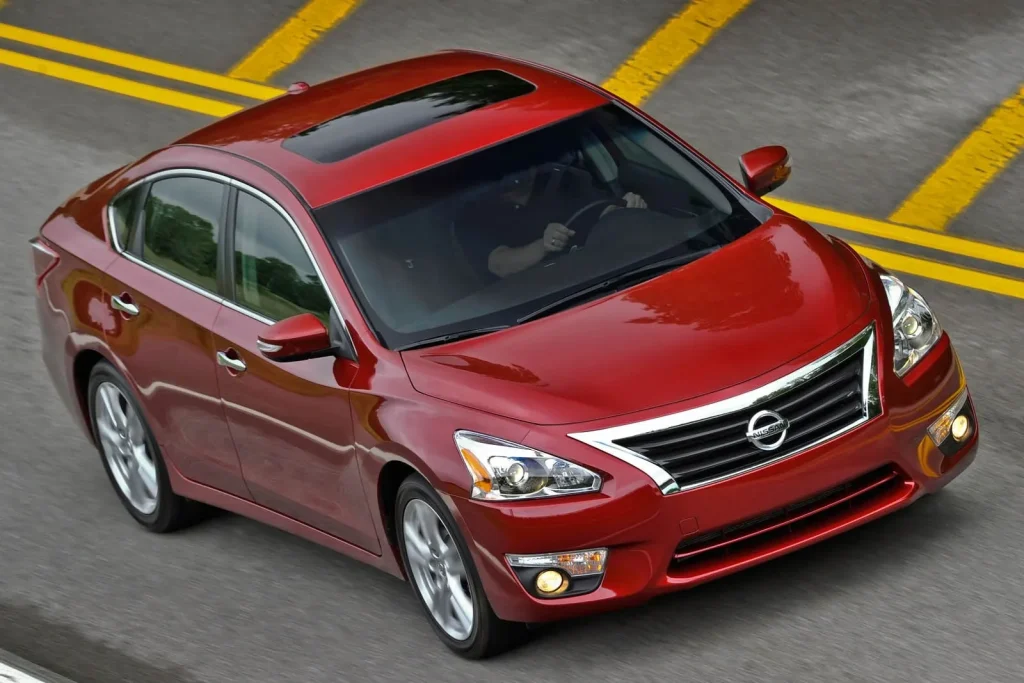
1. Nissan Altima 2013 to 2018
The Nissan Altima from this generation is a popular midsize sedan known for comfort and fuel efficiency, but its air conditioning system has been a weak point for some owners. In warmer climates especially, complaints about reduced cooling performance or complete AC failure have appeared sooner than many drivers expect.
One of the most commonly reported issues involves the compressor. In certain Altima models, compressors have been known to wear out or fail prematurely.
When the compressor begins to fail, drivers may notice weak cooling, unusual noises when the AC is turned on, or the system blowing warm air. Replacing a compressor is not inexpensive, and because it is a central component, failure can sometimes contaminate other parts of the system with debris.
Another area of concern is the condenser, which is mounted at the front of the vehicle and exposed to road debris. Small stones and impacts can cause leaks, leading to gradual refrigerant loss.
When refrigerant levels drop, cooling performance declines. Because leaks can be small, the system may work intermittently before failing completely, making diagnosis more complicated.
Electronic components also play a role. Blend door actuators, which control the mix of hot and cold air, can fail and cause inconsistent temperatures from the vents. Drivers might find that one side of the cabin blows warm air while the other side stays cool, even when the AC system itself is functioning.
When shopping for a used Altima from these years, it is important to test the air conditioning thoroughly. Run the system at maximum cooling and check for strong, consistent airflow. Listen for unusual noises from the engine bay when the AC engages. Inspect service records for any history of compressor or condenser replacement.
While many Altimas still provide reliable transportation, their air conditioning systems can become a source of frustration and expense. Buyers who live in hot regions should pay extra attention to AC performance and budget for potential repairs if the system shows signs of weakness.
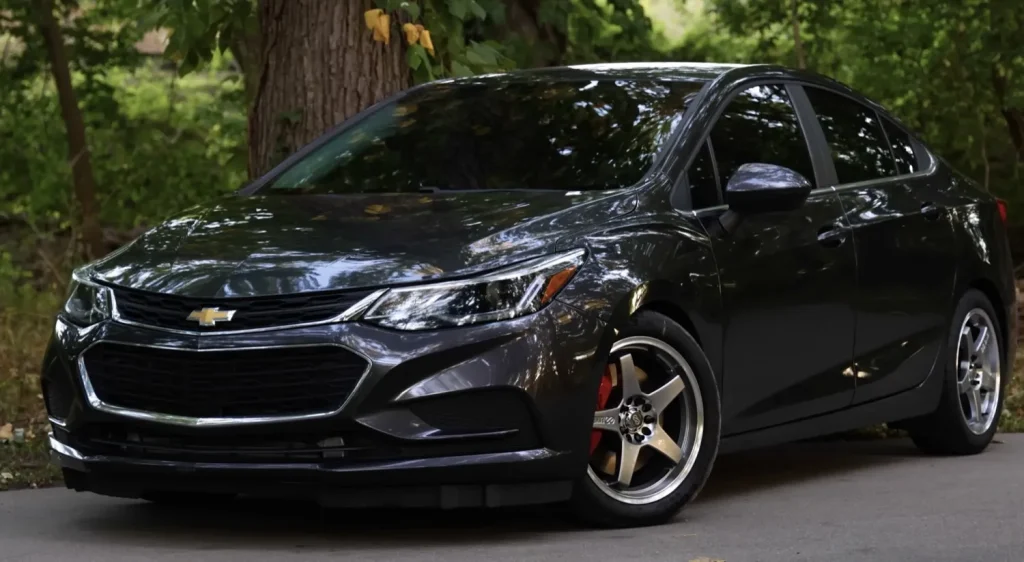
2. Chevrolet Cruze 2014 to 2017
The Chevrolet Cruze is a compact sedan that offered good fuel economy and a comfortable ride, but its air conditioning system has been a common source of complaints among owners. In some cases, cooling performance declines well before other major components show significant wear.
A frequent issue involves the compressor clutch and internal components. Some Cruze owners have experienced compressor failures that lead to the AC blowing warm air or failing to engage at all.
Early warning signs can include intermittent cooling or strange noises when the system is turned on. Because the compressor is a key part of the system, replacement can be costly, especially if other components are affected.
The condenser is another weak point. Like many compact cars, the Cruze places the condenser in a vulnerable position at the front of the vehicle.
It can be damaged by debris or develop leaks over time. Even a small refrigerant leak can reduce cooling effectiveness and place extra strain on the compressor, potentially leading to further failures.
Electronic control issues can also contribute to problems. Faulty temperature sensors or control modules may cause the system to cycle incorrectly or fail to maintain a steady cabin temperature. This can make the AC seem unreliable even if major mechanical parts are still functioning.
Owners have also reported problems with blend door actuators inside the dashboard. When these components fail, the system may not properly direct cooled air, leading to uneven temperatures or weak airflow from certain vents. Repairs in this area can be labor intensive because of the need to access components behind the dashboard.
When evaluating a used Cruze, always test the AC in real driving conditions, not just at idle. Make sure the air stays cold after several minutes of operation. Check for any history of AC repairs and look for signs of recent refrigerant recharges, which could indicate a leak.
The Cruze can still be a practical and economical car, but its air conditioning system has shown a pattern of earlier than expected wear. Buyers should factor potential climate control repairs into their ownership budget.
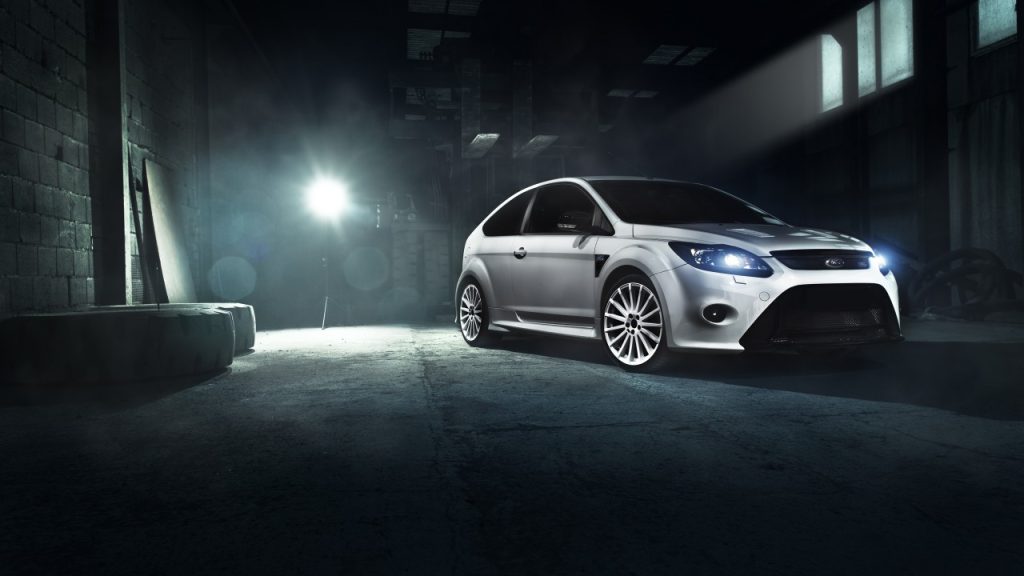
3. Ford Focus 2013 to 2018
The Ford Focus from this generation is widely known for its driving manners and fuel efficiency, but its air conditioning system has been a source of trouble for a noticeable number of owners.
While not every car experiences problems, the pattern of compressor and electronic climate control issues has made the AC system one of the model’s more frustrating weak points.
One of the most common problems involves the air conditioning compressor. Some Focus owners have reported that the compressor fails earlier than expected, sometimes within only a few years of regular use.
When the compressor begins to fail, the system may produce weak cooling, strange noises, or intermittent operation. If the compressor seizes or sheds internal debris, it can contaminate the system and increase the cost of repairs.
The condenser is another area where problems can develop. Mounted at the front of the car, it is exposed to road debris and can develop small leaks.
Even a slow refrigerant leak can gradually reduce cooling performance, forcing the system to work harder and putting additional strain on the compressor. Over time, this can lead to a chain of failures.
Electronic components inside the cabin can also be trouble spots. Blend door actuators that control the flow of hot and cold air can wear out or fail, causing inconsistent temperatures or clicking noises from behind the dashboard. When these parts malfunction, drivers may find that the AC works on one side of the cabin but not the other.
Climate control modules and sensors can also contribute to issues. If a temperature sensor fails, the system may not regulate properly, resulting in air that is too warm or that cycles on and off unpredictably. Diagnosing these electronic faults can take time and add to repair costs.
When shopping for a used Focus, run the AC at full blast for several minutes and make sure the air remains cold. Listen for unusual sounds from the engine bay and behind the dashboard.
Check service records for any history of compressor or condenser replacement. The Focus can still be a solid compact car, but buyers should be aware that the AC system has shown a tendency to need attention sooner than expected.
4. Jeep Cherokee 2014 to 2018
The Jeep Cherokee from these years offers SUV practicality and comfort, but its air conditioning system has not always been as durable as owners would like. In hotter regions especially, some drivers have experienced declining cooling performance or component failures relatively early in the vehicle’s life.
A common issue involves the compressor and related hardware. Some owners report that the AC compressor begins to struggle after only a few years, leading to weak cooling or complete system failure.
When the compressor fails, it can send debris through the system, potentially damaging the condenser and other components. This can turn a single repair into a more expensive multi part job.
The Cherokee’s condenser location also makes it vulnerable. Positioned at the front of the vehicle, it is exposed to rocks and debris that can cause small leaks.
Because refrigerant loss can happen gradually, drivers may not notice the problem until the system is no longer able to cool effectively. Running the system low on refrigerant can further strain the compressor.
Inside the cabin, blend door actuators and electronic climate controls can also cause headaches. When these components fail, the system may not direct cooled air properly, leading to uneven temperatures or weak airflow from certain vents. Repairs in this area can be labor intensive due to the need to access parts behind the dashboard.
Some owners have also experienced issues with the cooling fan system, which helps manage temperatures for both the engine and AC condenser. If the fan does not operate correctly, the AC may work while driving but struggle at idle or in traffic. This can be particularly frustrating in hot climates.

When evaluating a used Cherokee, test the AC thoroughly in different driving conditions, including at idle. Make sure the air stays cold and that airflow remains strong. Check for any history of AC related repairs.
While the Cherokee offers useful space and comfort, its air conditioning system has shown a tendency toward earlier than expected wear, making careful inspection essential.
5. Dodge Dart 2013 to 2016
The Dodge Dart was introduced as a compact sedan with modern styling and features, but its air conditioning system has been a recurring source of complaints among owners.
In many cases, cooling performance declines well before other major systems show significant wear, making the AC one of the car’s more frustrating long term weaknesses.
One of the most common issues involves the AC compressor. Some Dart owners report that the compressor begins to fail after only a few years of use.
Early signs can include inconsistent cooling, strange noises when the system is turned on, or the air blowing warm even when the AC is set to maximum. If the compressor fails internally, it can send debris through the system, increasing the scope and cost of repairs.
The condenser is another vulnerable component. Positioned at the front of the vehicle, it is exposed to road debris that can cause leaks.
Even a small puncture can allow refrigerant to escape slowly. As refrigerant levels drop, cooling performance suffers and the compressor must work harder, which can accelerate wear and lead to additional failures.
Electronic components inside the dashboard can also cause problems. Blend door actuators that control airflow direction and temperature can wear out or malfunction.
When this happens, drivers may notice that the air temperature does not change correctly or that airflow is weak from certain vents. Repairing these parts can be labor intensive because of their location.
Climate control modules and sensors can also contribute to unreliable performance. Faulty sensors may cause the system to cycle on and off too frequently or fail to maintain a steady cabin temperature. These issues can make the AC feel unpredictable even if major mechanical components are still functioning.
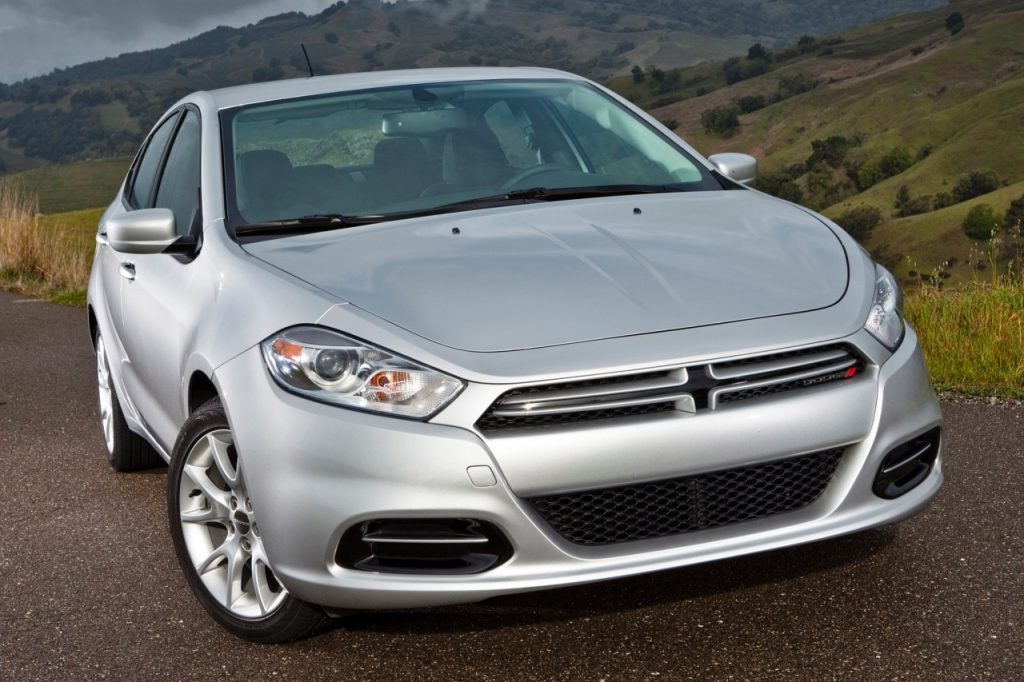
When shopping for a used Dart, it is important to test the AC system carefully. Let the car idle with the AC on high and make sure the air stays consistently cold. Listen for unusual noises from the compressor area and check service records for any history of AC repairs.
The Dart can still serve as affordable transportation, but buyers should be prepared for the possibility of earlier than expected climate control repairs.
6. Hyundai Tucson 2016 to 2018
The Hyundai Tucson from these years is a popular compact SUV that offers comfort and practicality, but its air conditioning system has not always matched the durability of its other components.
In some cases, owners have experienced cooling issues sooner than they expected, particularly in hotter climates where the system is used heavily.
A frequent problem area is the AC compressor. Some Tucson owners report that the compressor begins to lose effectiveness or fail entirely after only a few years.
Symptoms can include weak cooling, intermittent operation, or strange noises when the AC is engaged. If the compressor breaks down internally, it can spread debris through the system, increasing repair costs.
The condenser is also a known weak point. Mounted at the front of the vehicle, it can be damaged by road debris, leading to refrigerant leaks.
Because these leaks are often small at first, the system may continue to operate with reduced performance before failing completely. Running low on refrigerant can put additional strain on the compressor and accelerate wear.
Electronic blend door actuators and climate control components inside the cabin can also create issues. When these parts malfunction, the system may struggle to maintain the selected temperature or distribute cooled air evenly. Drivers may notice warm air from certain vents or inconsistent performance from one side of the cabin to the other.
Another factor is the vehicle’s cooling fan system. If the fan does not operate properly, the AC may cool well at highway speeds but struggle in traffic or while idling. This can make the system seem unreliable, especially in stop and go urban driving.

When considering a used Tucson, test the air conditioning thoroughly in different conditions, including while idling. Make sure the air remains cold and that airflow is strong. Check for any past AC related repairs in the service history.
While the Tucson is practical and comfortable, its AC system has shown a tendency toward earlier wear, making careful inspection important for used buyers.
7. Honda Civic 2016 to 2019
The Honda Civic from this generation is praised for efficiency and comfort, but its air conditioning system has been a common source of frustration for many owners. While the rest of the car often proves durable, the AC system has shown a pattern of problems that sometimes appear earlier than expected.
One of the most frequent issues involves the condenser. In these Civics, the condenser can develop leaks due to its exposure to road debris and vibration.
Even small leaks allow refrigerant to escape slowly, which reduces cooling performance over time. Drivers may notice that the system works well one season and struggles the next, especially in very hot weather.
The compressor is another component that can fail prematurely. When the compressor begins to wear out, cooling may become inconsistent or the system may blow warm air entirely.
Unusual noises when the AC engages can also be a warning sign. If the compressor fails internally, debris can circulate through the system and increase the cost of repairs.
Electronic control issues can further complicate matters. Sensors and control modules that manage cabin temperature may malfunction, causing the system to cycle incorrectly or fail to maintain a steady temperature. These electronic faults can be harder to diagnose and may lead to repeated visits to a repair shop.
Some owners have also reported issues with the evaporator, which is located inside the dashboard. Leaks in this component can be especially troublesome because accessing it often requires significant disassembly of the interior. This makes repairs labor intensive and costly.
When shopping for a used Civic from these years, test the AC thoroughly in hot conditions if possible. Make sure the air stays consistently cold and that airflow is strong.
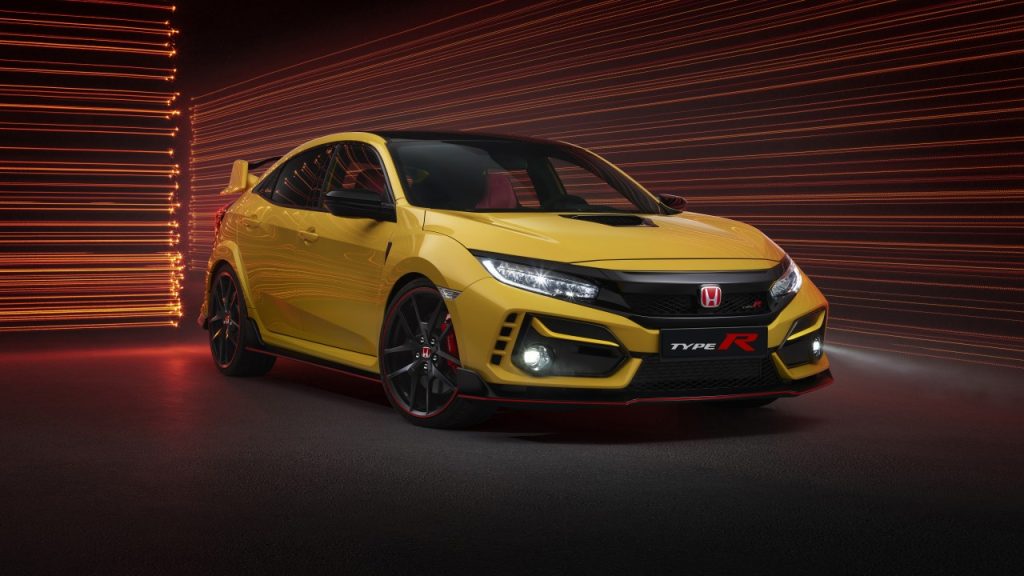
Listen for unusual noises and check service records for any history of condenser or compressor replacement. The Civic remains a solid overall car, but its AC system has been known to need attention sooner than many buyers expect.
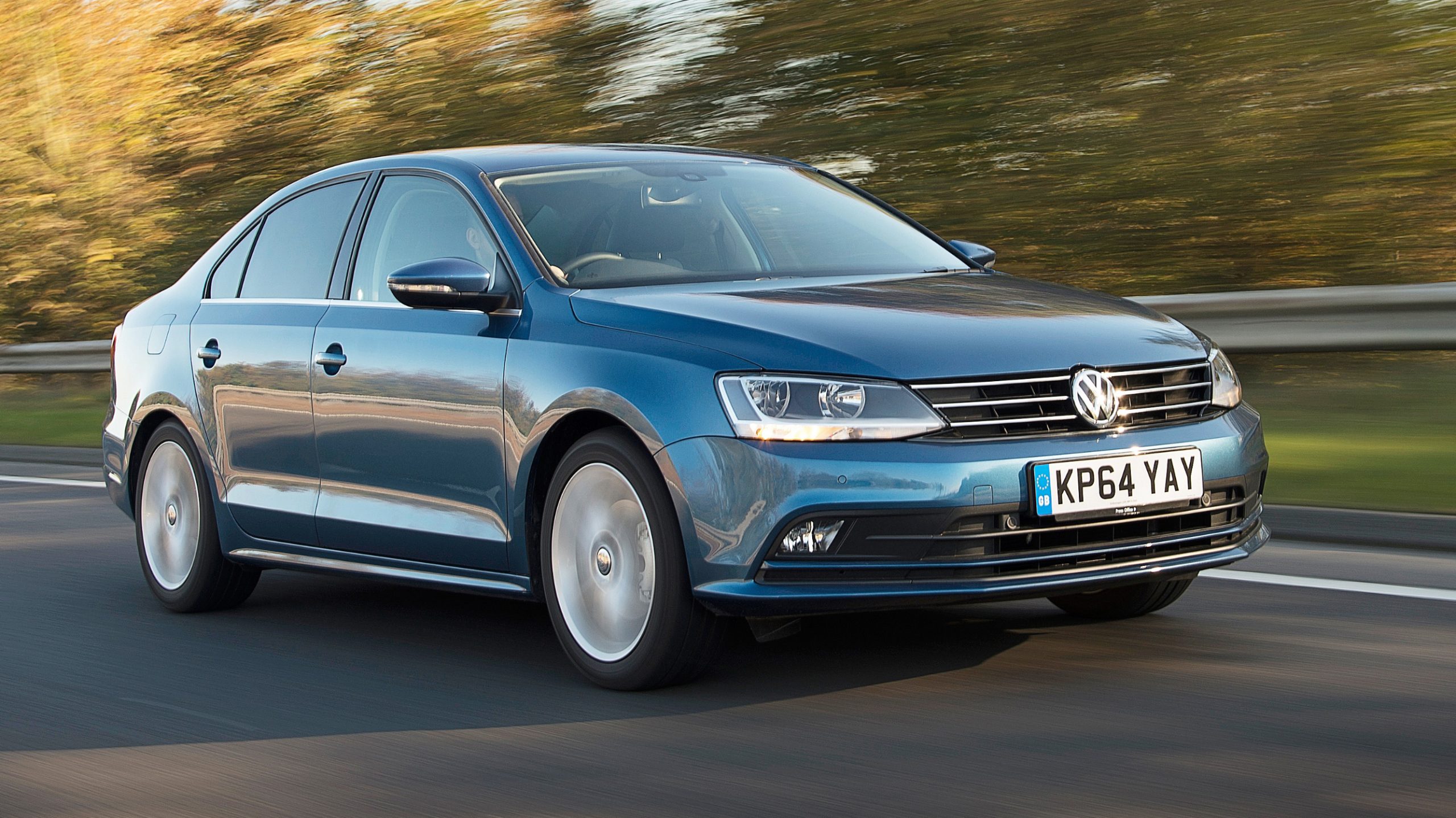
8. Volkswagen Jetta 2015 to 2018
The Volkswagen Jetta offers a comfortable ride and refined interior for a compact sedan, but its air conditioning system has been a weak point in some examples. Owners have reported cooling issues that develop within just a few years, making the AC system an area of concern for used buyers.
A common problem involves the compressor and its control valve. In some Jettas, the compressor may lose efficiency or fail outright, leading to warm air from the vents.
Early symptoms can include intermittent cooling or the AC working only at higher engine speeds. Replacing the compressor can be expensive, especially if other components have been affected.
The condenser is another vulnerable part. Located at the front of the car, it can be damaged by debris or corrosion over time. Even small leaks can reduce refrigerant levels enough to impact cooling performance. Because leaks may be gradual, the system can appear to work one day and struggle the next, making the problem seem unpredictable.
Electronic blend door motors and control modules can also cause trouble. When these parts fail, the system may not properly regulate cabin temperature or direct airflow. Drivers may experience uneven cooling or find that temperature adjustments have little effect.
The Jetta’s AC system can also be sensitive to proper refrigerant levels and correct servicing procedures. Overfilling or underfilling the system during repairs can affect performance and potentially shorten component life. This means that quality of past service plays a big role in long term reliability.
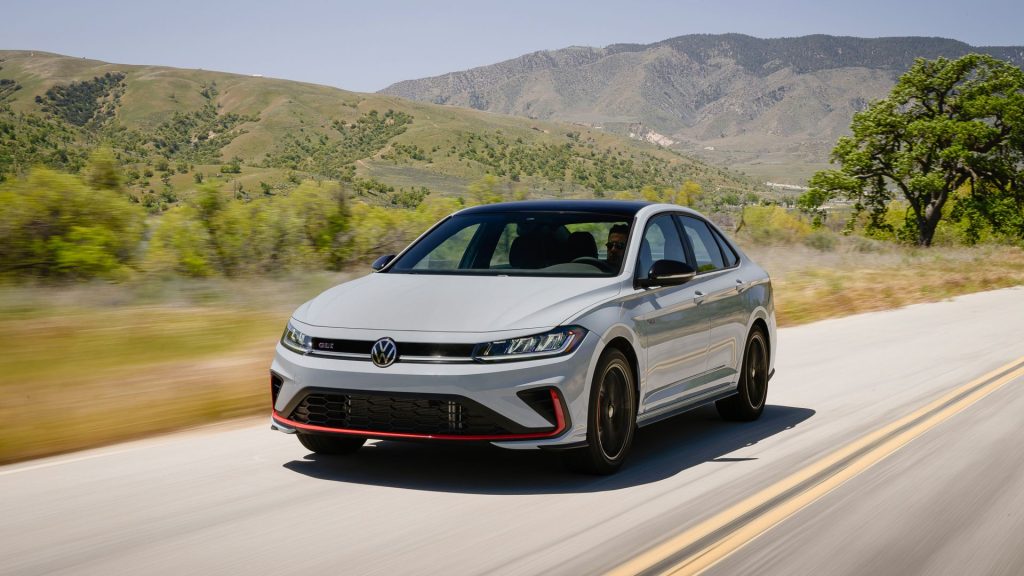
When evaluating a used Jetta, run the AC at maximum cooling for several minutes and ensure the air remains cold. Listen for unusual sounds and check for any history of AC repairs.
While the Jetta has many strengths as a daily driver, its air conditioning system has shown a tendency toward earlier wear, so careful inspection is essential.
9. BMW 3 Series 2012 to 2016
The BMW 3 Series from these years delivers a refined driving experience, but its air conditioning system has been a source of frustration for some owners as the cars age.
While the engine and chassis often hold up well, the climate control system can develop problems that are both inconvenient and expensive to fix.
One issue involves the AC compressor. Some owners report that compressors begin to lose efficiency or fail entirely after only a few years of regular use.
When this happens, cooling performance declines, and the system may blow warm air even though it appears to be operating normally. Because the compressor is a key component, replacement costs can be high, especially when paired with other necessary repairs.
The condenser is also vulnerable. Positioned at the front of the vehicle, it can be damaged by road debris, leading to refrigerant leaks. Even small leaks reduce the system’s ability to cool the cabin effectively. Running the system low on refrigerant can further stress the compressor, creating a cycle of wear and failure.
Inside the cabin, electronic climate control components can create additional trouble. Blend door motors and temperature sensors may malfunction, causing uneven cooling or inconsistent airflow. Drivers may notice that one side of the cabin feels warmer than the other or that temperature adjustments do not respond as expected.
Another potential problem area is the evaporator core, located deep inside the dashboard. If it develops a leak, repairs can be labor intensive because of the need to remove significant interior trim. This can turn a relatively small part into a costly repair due to the time involved.
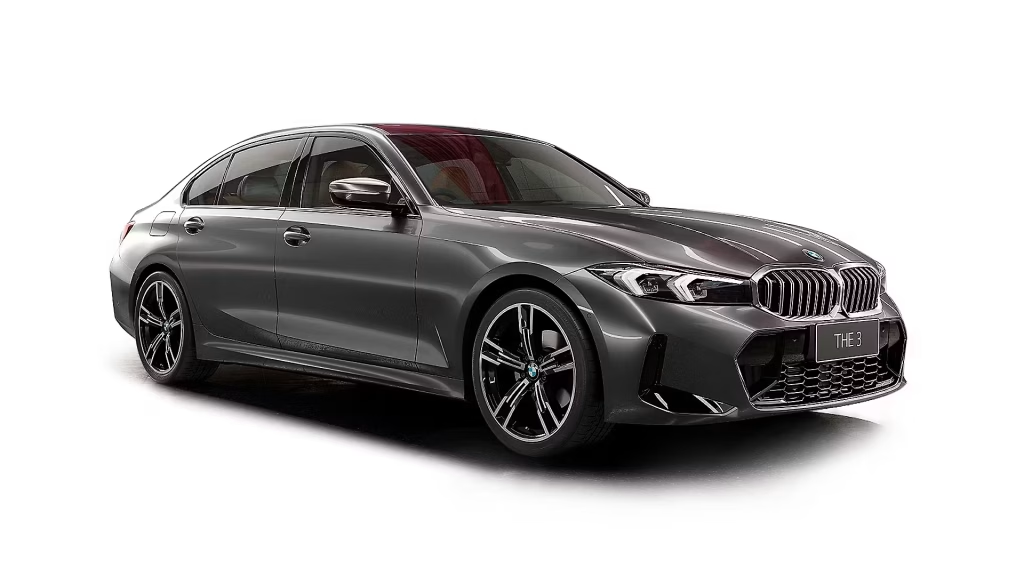
When shopping for a used 3 Series from this period, test the AC thoroughly and ensure the air stays consistently cold. Listen for unusual noises when the system engages and check for service records related to climate control repairs.
While the 3 Series offers strong performance and comfort, its AC system can become a notable ownership expense.
10. Chrysler 200 2015 to 2017
The Chrysler 200 from these years aimed to deliver style and comfort in a midsize sedan, but its air conditioning system has been a common source of complaints. In some cases, cooling performance declines within just a few years, making the AC system one of the car’s more troublesome long term areas.
A frequent issue involves the AC compressor. Some owners report that the compressor fails prematurely, leading to weak cooling or a complete loss of cold air.
When a compressor fails, it can contaminate other parts of the system, increasing the cost and complexity of repairs. Replacement can be especially expensive if multiple components need to be addressed.
The condenser is also prone to leaks. Mounted at the front of the vehicle, it is exposed to debris that can cause small punctures. As refrigerant escapes, cooling performance drops and the compressor must work harder. Over time, this added strain can lead to further component failures.
Electronic blend door actuators inside the dashboard can also malfunction. When these parts fail, the system may not direct cooled air properly, leading to uneven cabin temperatures. Drivers may notice that the AC seems to work on one side but not the other. Repairs in this area can be labor intensive because of the need to access hidden components.
Climate control modules and sensors can also create problems. Faulty sensors may cause the system to cycle improperly or fail to maintain a steady temperature. These issues can make the AC feel unreliable even if major mechanical parts are still functioning.
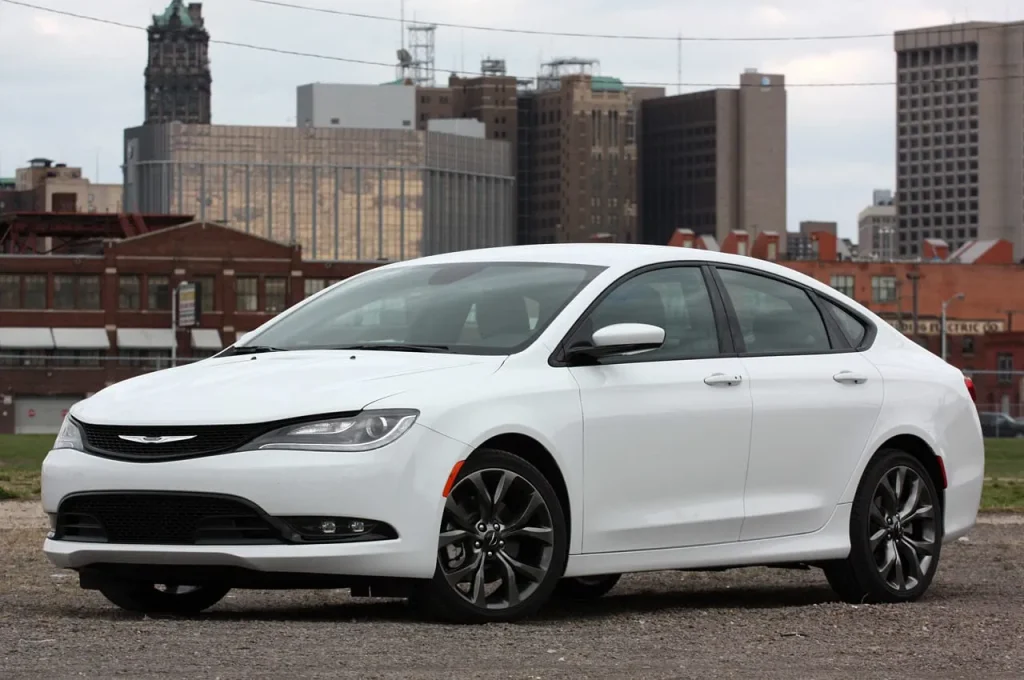
When considering a used Chrysler 200, test the air conditioning carefully in warm conditions if possible. Make sure the air stays cold and that airflow is strong from all vents.
Review any service history related to AC repairs. The 200 can offer a comfortable ride and attractive styling, but its climate control system has shown a pattern of earlier than expected wear.
Also Read: 10 Performance Cars That Arrived a Decade Too Early
