
Luxury SUVs are known for comfort, advanced technology, and strong performance, but they are also known for losing value quickly. High original prices, rapid tech updates, and expensive new model launches cause many premium SUVs to depreciate far faster than mainstream vehicles.
For first owners this can be painful. For used buyers, it creates an opportunity to get a high end driving experience at a fraction of the original cost.
The key is choosing models that combine heavy depreciation with a reputation for solid long term reliability. Not every luxury SUV ages well. Some become expensive to maintain as complex electronics and advanced suspension systems wear out.
Others, however, are built on proven mechanical foundations, often sharing engines and components with reliable mainstream or long running platforms. These vehicles can deliver years of comfortable service without constant trips to the repair shop.
Luxury SUVs also tend to be well equipped even in lower trims. Features such as leather seating, advanced safety systems, premium audio, and refined ride quality are often standard. When depreciation pushes these vehicles into the price range of ordinary family crossovers, buyers can enjoy a much higher level of comfort and prestige for similar money.
This list highlights eight luxury SUVs that typically lose a large portion of their value within the first several years but are still known for dependable drivetrains and manageable ownership costs.
I will present two vehicles at a time, each in detail, covering why they depreciate, what makes them reliable, and what to check when buying used. These are smart picks for buyers who want luxury without the new car price shock.
Also Read: Top 10 High-End Sports Cars That Have Become Surprisingly Affordable
1. Lexus RX 350 2016 to 2018
The Lexus RX 350 is one of the best examples of a luxury SUV that drops in price but keeps its reputation for durability. As newer generations and updated tech packages arrive, older RX models lose value quickly, even though their core mechanical components remain strong and long lasting.
Under the hood, the RX 350 uses a naturally aspirated V6 engine that has been refined over many years. It is not overly stressed and is known for smooth power delivery and long service life when maintained properly.
The automatic transmission paired with this engine is also well regarded for reliability, especially compared to more complex dual clutch or high performance gearboxes found in some rivals.
One reason for its heavy depreciation is rapid technology change. Infotainment systems and driver assistance features in older models can feel outdated compared to the latest versions.
This lowers resale value, even though the vehicle still drives comfortably and reliably. For a used buyer who cares more about comfort than the newest screen design, this works in your favor.
Inside, the RX offers a quiet, well insulated cabin with comfortable seating and high quality materials. It is designed for smooth, relaxed driving rather than aggressive performance, which helps reduce long term wear on mechanical components.
Suspension systems are generally conventional and durable, avoiding the complexity of air suspension found in some European competitors.
When buying used, check for full service records and make sure routine maintenance was performed on time. Inspect the suspension for worn bushings or shocks, especially on higher mileage examples. Electronics should also be tested thoroughly, as luxury features can be expensive to repair if neglected.
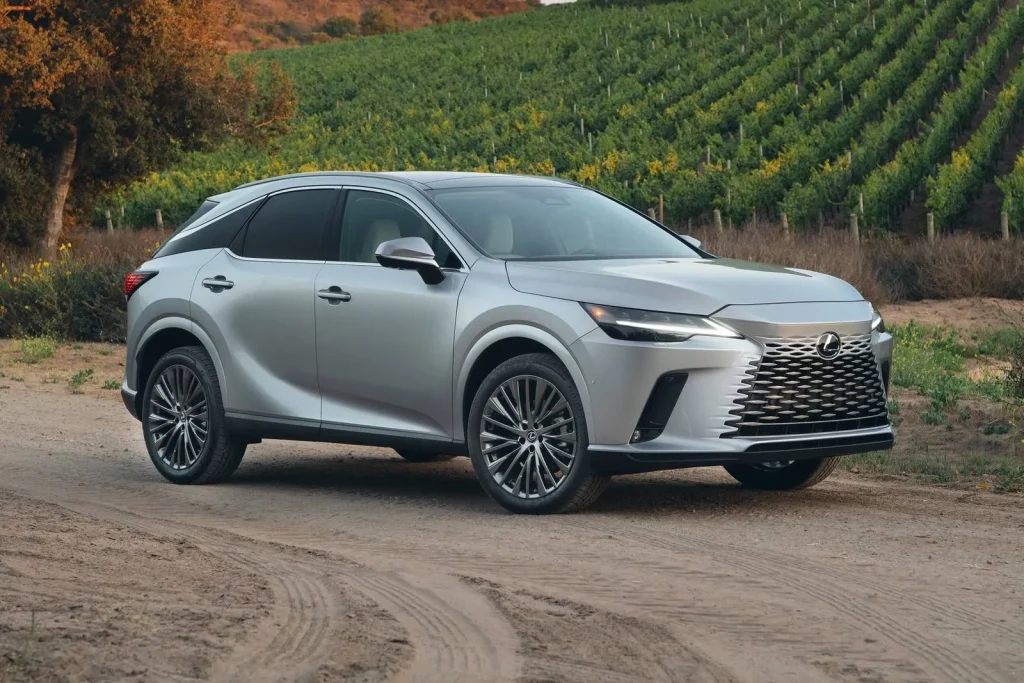
Overall, the RX 350 offers a refined ride, strong reliability history, and a comfortable interior. Its significant depreciation makes it one of the safest ways to step into the luxury SUV world without facing constant repair bills.
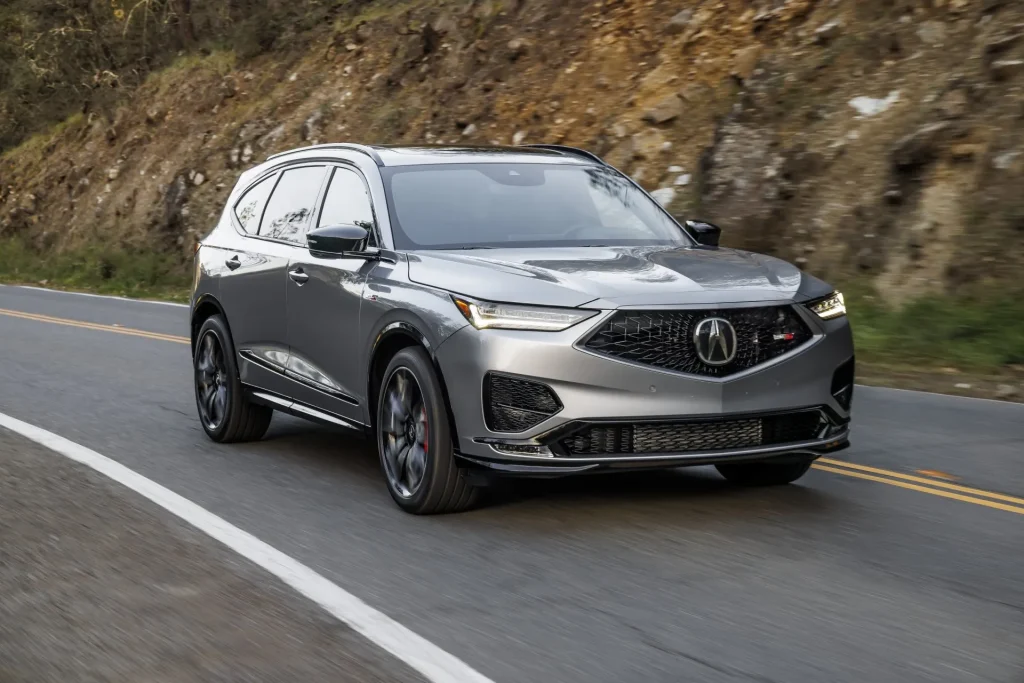
2. Acura MDX 2014 to 2016
The Acura MDX combines luxury, practicality, and a strong reputation for reliability, yet it often depreciates heavily after a few years. This creates excellent value for used buyers who want a premium three row SUV with dependable mechanical components.
Power comes from a naturally aspirated V6 engine that has been used in various Honda and Acura models with good long term results. It delivers smooth performance and is not highly stressed in normal driving. When maintained properly with regular oil changes and fluid services, this engine is capable of very high mileage.
The MDX uses an automatic transmission that, while not designed for sporty performance, is generally durable in everyday use. Acura’s all wheel drive system in higher trims is also known for being robust and capable without adding excessive mechanical complexity. This helps keep long term ownership costs more predictable.
Depreciation is driven largely by brand perception and rapid feature updates. Newer MDX models come with larger screens, updated driver aids, and revised styling, which makes earlier versions seem less modern.
However, the core structure, engine, and drivetrain remain solid, so the drop in value benefits second owners more than it reflects actual reliability concerns.
Inside, the MDX offers a spacious and comfortable cabin with quality materials and a smooth ride. It is well suited for families who need three rows but still want a more premium feel than a mainstream SUV. Because it was designed with everyday usability in mind, most components are built to handle regular use over many years.
When shopping for a used MDX, check maintenance history carefully and ensure that all electronic features operate properly. Listen for suspension noises and confirm that the transmission shifts smoothly. With proper care, this SUV can provide years of comfortable service at a price far below its original cost.
The MDX stands out as a luxury SUV that combines strong depreciation with a solid track record for reliability, making it a smart used buy for those who want space and comfort without luxury level repair headaches.
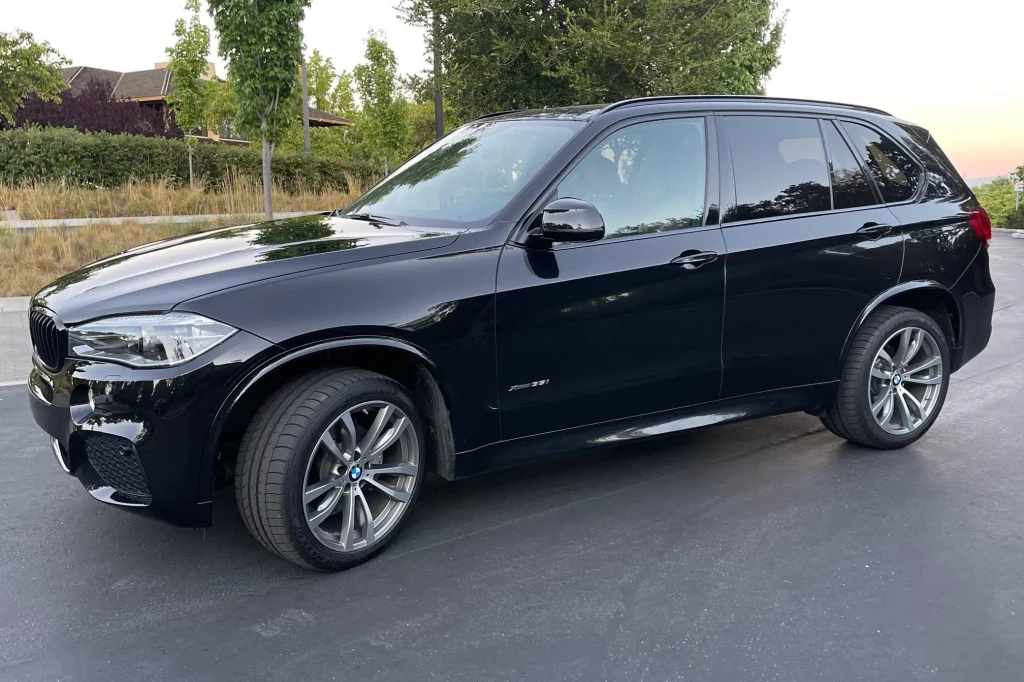
3. BMW X5 xDrive35i 2014 to 2016
The BMW X5 is a textbook case of a luxury SUV that loses value quickly while still offering a solid ownership experience when the right version is chosen.
The 2014 to 2016 xDrive35i models, powered by a turbocharged inline six cylinder engine, often see steep depreciation as newer generations with bigger screens and updated styling arrive. For used buyers, that drop in price can mean access to genuine luxury performance at a mainstream SUV cost.
The key to this X5’s appeal is its engine. The turbocharged inline six used in these years is one of BMW’s most proven modern engines. It delivers strong, smooth power without being pushed to extreme limits in normal driving.
When maintained properly with regular oil changes and cooling system care, it has a reputation for holding up well over high mileage.
The automatic transmission paired with this engine is also generally dependable. It provides smooth shifts and is used across many BMW models, which means parts and service knowledge are widely available.
This drivetrain combination is far less risky than the high performance V8 versions, which can be more complex and costly to maintain.
Depreciation is driven by several factors. Luxury SUVs from European brands tend to lose value quickly once warranties expire. Buyers fear high repair costs and expensive electronics.
While this concern is valid for some versions, the six cylinder X5 models avoid many of the biggest long term trouble spots. Rapid changes in infotainment technology also make older systems seem outdated, which pushes resale values down further.
Inside, the X5 offers a premium cabin with comfortable seats, quality materials, and a quiet ride. It balances sportiness with comfort better than many rivals, making it enjoyable both in daily commuting and on longer trips. Suspension systems in standard form are usually durable, especially compared to more complex air suspension setups.
When buying used, maintenance history is critical. Look for evidence of regular servicing, especially oil changes and cooling system checks.
Inspect for warning lights and ensure all electronic features work properly. Suspension components should be checked for wear, as heavier SUVs can go through bushings and shocks over time.
A well maintained X5 xDrive35i can deliver strong performance, high comfort, and the prestige of a luxury badge at a fraction of its original cost. Its steep depreciation makes it look risky, but the right example can be a rewarding and relatively dependable luxury SUV choice.
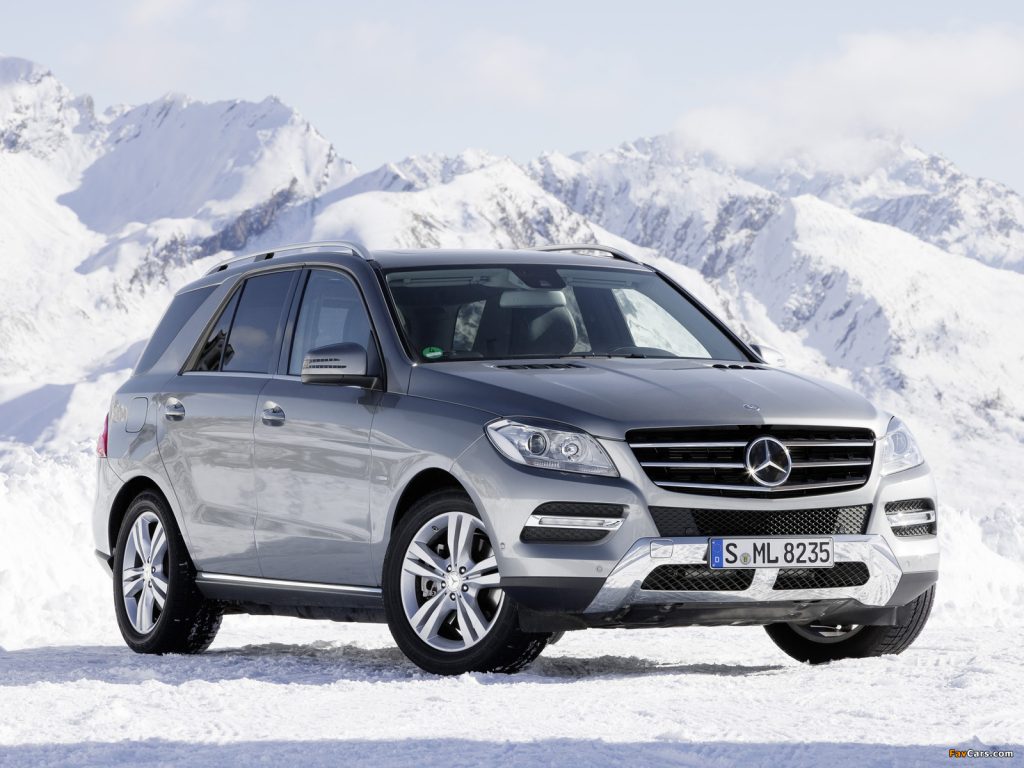
4. Mercedes-Benz ML 350 2012 to 2015
The Mercedes-Benz ML 350, later renamed the GLE in newer generations, is another luxury SUV that experiences heavy depreciation while offering solid long term reliability in the right configuration.
Models from roughly 2012 to 2015 are now available at prices similar to many non luxury SUVs, yet they still provide the comfort and refinement expected from the brand.
Power comes from a naturally aspirated V6 engine that is known for smooth performance and reasonable durability.
This engine is less complex than some of the brand’s turbocharged or high performance units, which helps keep long term ownership more manageable. When serviced regularly, it is capable of covering high mileage without major internal issues.
The automatic transmission used in these ML 350 models is also widely regarded as robust when maintained properly. It is designed for smooth operation rather than aggressive shifting, which reduces stress on internal components during everyday driving. Regular fluid service helps extend its life significantly.
Depreciation on these SUVs is steep because luxury buyers often move to newer models with updated technology and styling. Older infotainment systems and interior designs quickly feel dated in the fast moving luxury market. This rapid aging of perceived tech value hurts resale prices even though the core mechanical systems remain strong.
Inside, the ML 350 offers a quiet and comfortable cabin with supportive seats and high quality materials. It is built for relaxed cruising rather than sporty driving, which helps reduce long term mechanical strain. Standard suspension setups are generally durable, and the vehicle’s solid construction gives it a reassuring feel on the road.
When shopping used, it is important to check that all electronics function properly, including seat controls, climate systems, and infotainment features.
Inspect the suspension for wear and listen for unusual noises during a test drive. Service history is especially important, as proper maintenance plays a big role in long term reliability.
For buyers willing to accept older technology in exchange for a lower purchase price, the ML 350 offers real luxury comfort and a strong road presence.
Its large depreciation makes it accessible, while its relatively simple V6 drivetrain helps keep it from becoming an endless repair project. This balance makes it a smart pick among aging luxury SUVs.
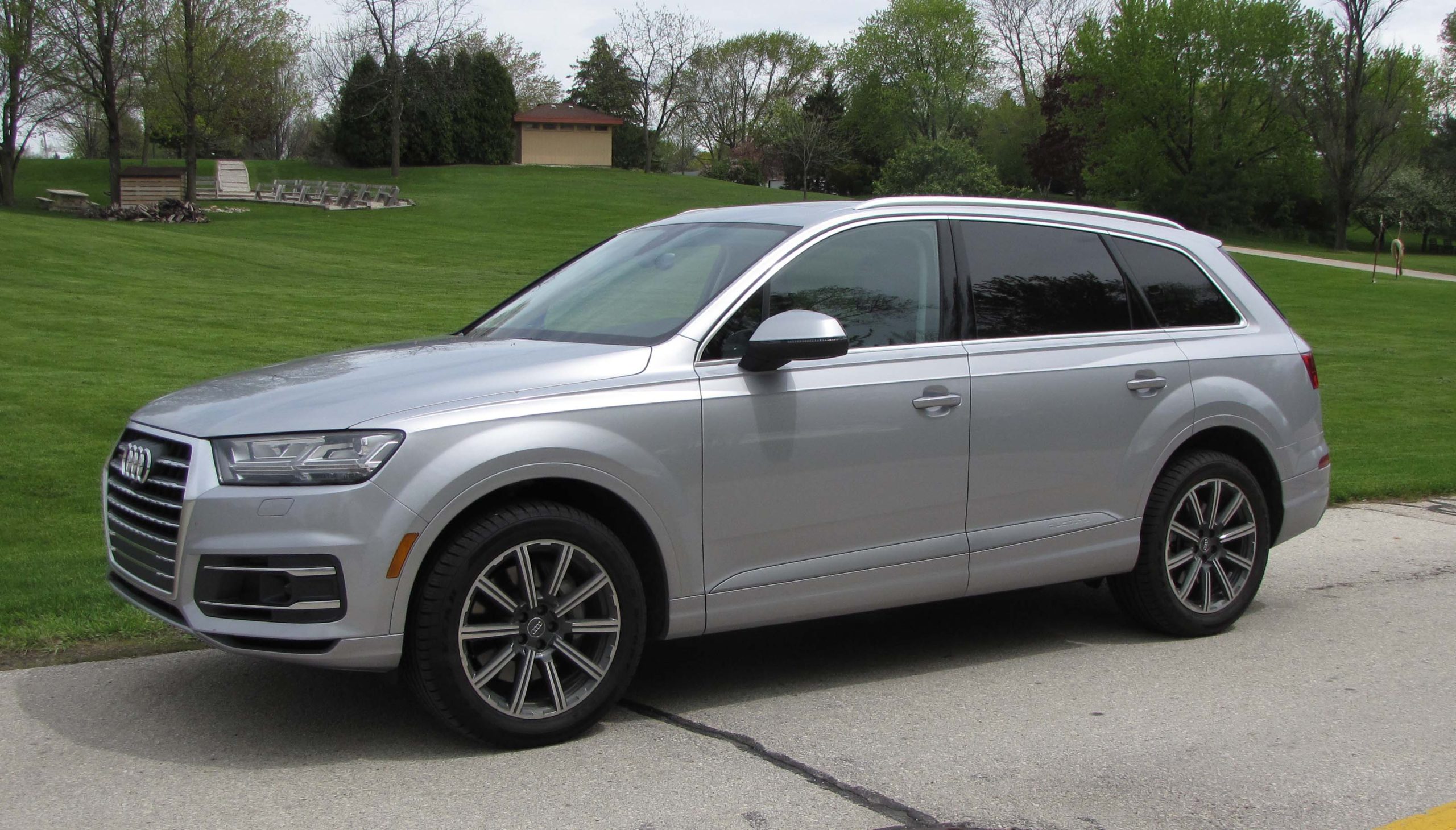
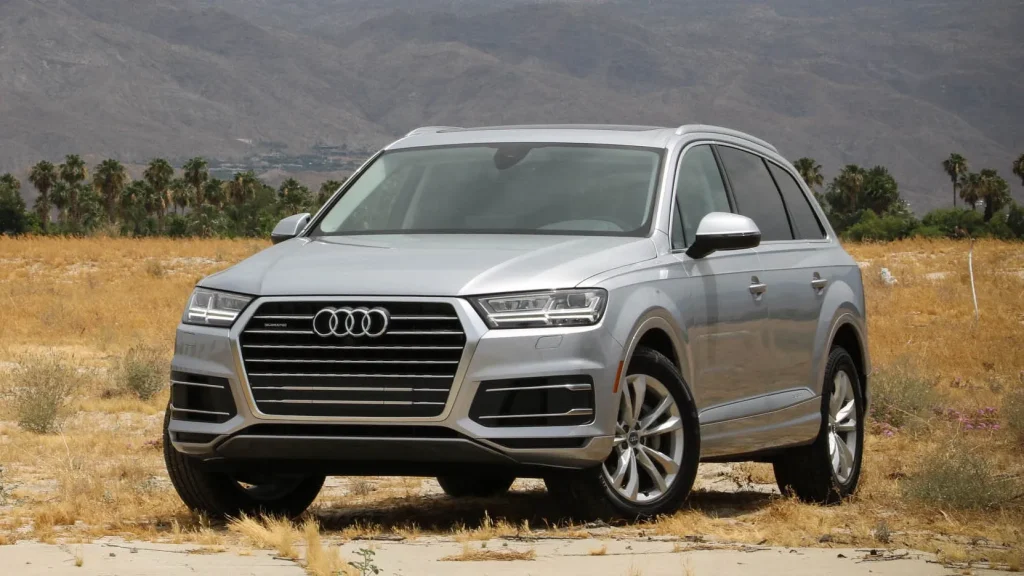
5. Audi Q7 3.0T 2015 to 2017
The Audi Q7 is a luxury SUV that often suffers from steep depreciation, especially once newer generations with larger touchscreens and updated styling arrive. Early second generation models from around 2015 to 2017 can now be found at prices that overlap with well equipped mainstream SUVs, yet they still deliver a premium driving experience.
For buyers who focus on the right engine and a well maintained example, the Q7 can be a surprisingly solid long term vehicle.
The most desirable version for reliability is the 3.0 liter supercharged V6, often referred to as the 3.0T. This engine has been used in a wide range of Audi models and has developed a reputation for strong performance combined with decent durability.
It produces smooth, consistent power and is not pushed to extreme limits in normal driving. When oil changes and cooling system service are done on schedule, many of these engines cover high mileage without major internal failures.
The automatic transmission paired with this engine is also generally robust. It delivers smooth shifts and is designed for comfort rather than aggressive driving.
Because the Q7 is tuned more for refinement than sport, the drivetrain components are not constantly under heavy stress, which helps long term durability. This is a key reason why the V6 models are often safer bets than higher performance versions.
Depreciation hits the Q7 hard for several reasons. Luxury buyers often move quickly to newer models with the latest infotainment systems and driver assistance features.
Older interiors can feel outdated in comparison, even though the materials and build quality remain high. Electronics in luxury vehicles also make some buyers nervous once warranties expire, pushing resale values down further.
Inside, the Q7 offers a quiet and spacious cabin with high quality materials and a refined design. It has three rows in many configurations, making it practical for families who want luxury comfort without moving into full size SUV territory. The ride is smooth and controlled, which adds to the premium feel during daily driving and longer trips.
When shopping for a used Q7, service history is extremely important. Look for evidence of regular oil changes and proper maintenance of the cooling system, as these engines rely on good temperature control.
Make sure all electronic systems function correctly, including climate controls, seat adjustments, and infotainment features. Suspension components should be checked carefully, as worn bushings or dampers can affect ride quality.
While ownership costs will still be higher than those of a basic mainstream SUV, the Q7 offers a level of comfort, performance, and prestige that is hard to match at its depreciated price. Choosing the proven V6 version and a well documented example can result in a luxury SUV that feels special without becoming a constant repair burden.
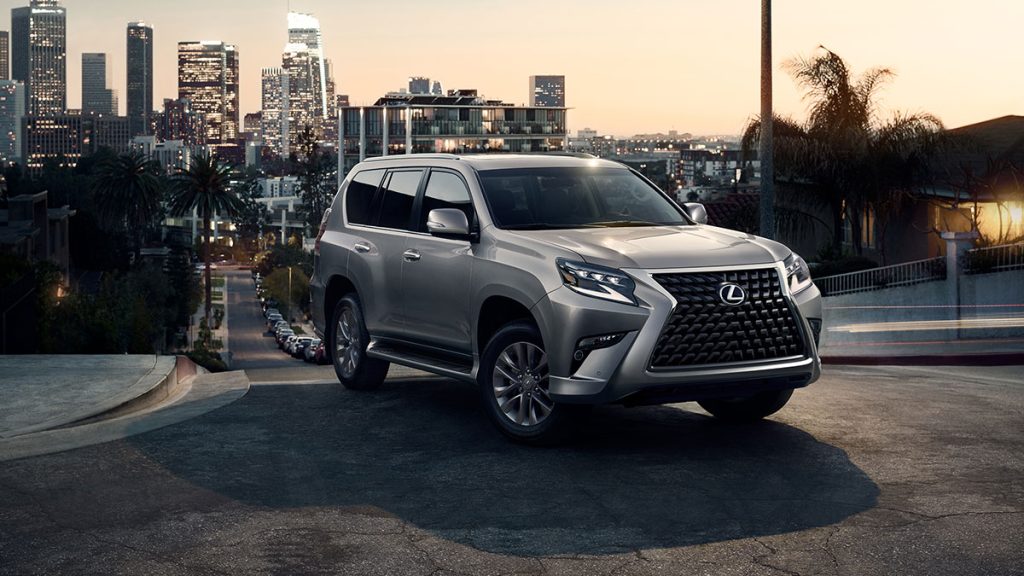
6. Lexus GX 460 2014 to 2017
The Lexus GX 460 is a different kind of luxury SUV. It combines a traditional body on frame design with the comfort and features expected from a premium brand.
Because it uses an older platform and conservative styling, it depreciates heavily compared to trendier crossovers. For used buyers, this means access to one of the most durable luxury SUVs on the market at a much lower price than its original cost.
Under the hood, the GX 460 uses a naturally aspirated V8 engine that has been proven over many years in various Toyota and Lexus vehicles. This engine is known for its strength, smoothness, and long service life when properly maintained.
It is not highly stressed, and its simple design compared to many modern turbocharged engines helps reduce the chances of complex failures as the vehicle ages.
The automatic transmission paired with this V8 is also known for durability. It is designed to handle both on road driving and light off road use, which means it is built with a strong margin for everyday operation.
This drivetrain combination is one of the main reasons the GX has a reputation for going hundreds of thousands of kilometers with routine care.
Depreciation is driven partly by the GX’s old school character. While many buyers prefer sleek, car based crossovers with modern styling, the GX sticks to a more traditional SUV formula.
Its infotainment system and interior design can feel dated compared to newer luxury models. That perception hurts resale value even though the mechanical components remain extremely robust.
Inside, the GX offers a quiet cabin with comfortable seating and high quality materials. It has a commanding driving position and a solid feel on the road. The ride is tuned for comfort, though it can feel firmer than some crossovers because of its truck based construction. For drivers who value durability and a strong, secure feel, this character is often a plus.
When buying a used GX 460, check that all maintenance has been kept up, especially oil changes and fluid services for the transmission and differentials. Inspect the suspension carefully, as bushings and shocks can wear with age and mileage. Also make sure all luxury features such as seat controls and climate systems work properly.
The GX 460 may not have the flashiest technology, but it offers something many modern luxury SUVs do not: long term mechanical toughness. Its steep depreciation allows buyers to step into a premium brand with proven reliability and serious durability at a price that competes with ordinary family SUVs.
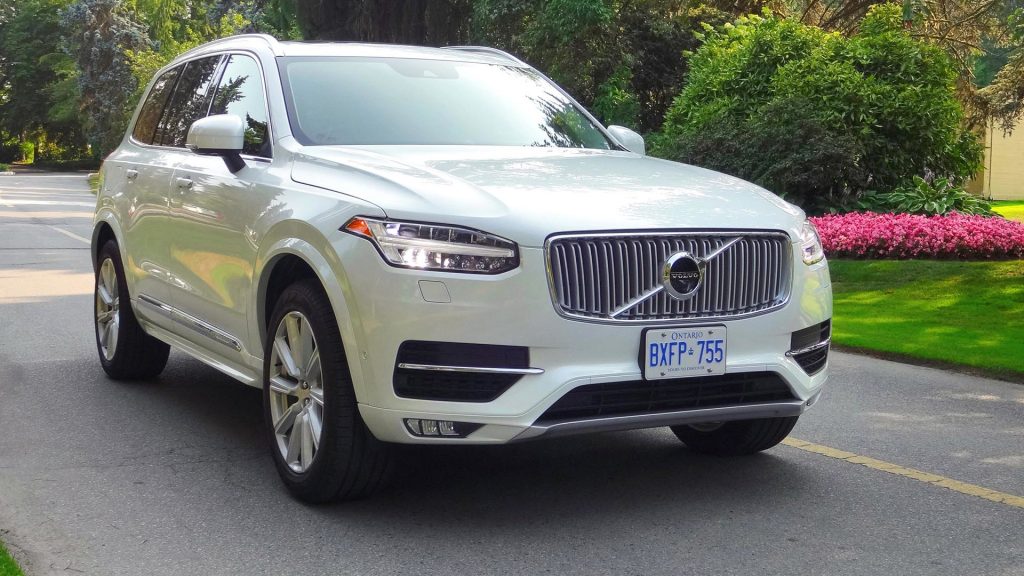
7. Volvo XC90 T5 2016 to 2018
The Volvo XC90 is a flagship luxury SUV that often experiences sharp depreciation after just a few years, especially as newer versions arrive with updated technology and styling revisions. Early second generation models from around 2016 to 2018 can now be found at prices that overlap with well equipped mainstream SUVs.
For buyers who choose the simpler engine options and a well maintained example, the XC90 can deliver a premium experience without the premium new car cost.
The T5 version, which uses a turbocharged four cylinder engine, is generally the safest bet in this range. While it may not sound as impressive as larger engines, it is tuned for smooth and efficient performance rather than extreme output.
In normal driving, it provides adequate power without placing excessive stress on internal components. This helps long term durability when regular oil changes and scheduled maintenance are followed.
The automatic transmission used with this engine is designed for comfort and smooth shifting. It is not a high performance unit, which actually benefits longevity in a family oriented luxury SUV.
Because the XC90 focuses more on ride comfort and safety than aggressive driving, its drivetrain is rarely pushed to the limits under everyday use.
Depreciation on the XC90 is driven by fast moving technology and luxury market expectations. Large touchscreens and advanced driver assistance systems are major selling points when new, but they age quickly in terms of perceived modernity.
As new models arrive with updated software and features, earlier versions lose value even if they remain mechanically sound.
Inside, the XC90 offers a beautifully designed cabin with high quality materials and a calm, minimalist layout. It provides three rows of seating in many configurations, making it practical for families who need space but still want a premium feel. Seats are supportive and comfortable, and the overall ride quality is smooth and composed.
When buying used, it is important to test all electronic systems carefully, including the infotainment screen, climate controls, and safety features.
Service history should show consistent maintenance, especially oil changes and inspections of the turbo system. Suspension components should be checked for wear, as heavier SUVs can place extra load on bushings and dampers.
The XC90 T5 may not be the cheapest vehicle to maintain compared to non luxury SUVs, but it offers a high level of comfort, safety, and design appeal at a much lower purchase price due to depreciation.
Choosing a well documented example with the simpler engine option can provide a satisfying balance between luxury and reasonable long term reliability.
8. Infiniti QX60 2017 to 2019
The Infiniti QX60 is a luxury three row SUV that often depreciates heavily, largely due to brand perception and competition from more recognized European and Japanese luxury names. For used buyers, this steep drop in value can translate into a well equipped, comfortable SUV with a solid mechanical foundation at a very attractive price.
Powering the QX60 in these years is a naturally aspirated V6 engine that has been used in various Nissan and Infiniti models for many years. This engine is known for smooth operation and a long service life when properly maintained. It is not highly stressed, which helps internal components last longer under everyday driving conditions.
The transmission is designed for smooth and efficient operation rather than sporty performance. While some buyers worry about complex modern gearboxes, the QX60’s setup is generally tuned for comfort and daily usability. Regular fluid service and gentle driving habits can help it provide many years of dependable operation.
Depreciation hits the QX60 hard because luxury SUV buyers often chase the latest styling, technology, and brand prestige.
As newer competitors with flashier interiors and larger infotainment screens arrive, older QX60 models lose value quickly. However, the core engine and drivetrain remain solid, which is what matters most for long term ownership.
Inside, the QX60 offers a comfortable and spacious cabin with three rows of seating. It is designed with families in mind, offering easy access to the rear seats and a smooth ride that suits long trips. Materials may not feel as cutting edge as some rivals, but overall comfort is high and noise levels are well controlled.
When shopping used, check service records carefully and make sure routine maintenance has been completed. Test all interior electronics, including seat adjustments, climate controls, and infotainment features. Suspension components should also be inspected, as wear can affect ride quality over time.
For buyers who want a practical luxury SUV with plenty of space and a reputation for solid mechanical reliability, the QX60 is a strong value choice. Its steep depreciation means you can access a premium badge, comfortable ride, and proven V6 engine for a price that often matches much less refined mainstream SUVs.
Luxury SUVs often lose value quickly, but that depreciation can work in favor of used buyers who choose wisely. Models like the Lexus RX and GX, Acura MDX, and certain six cylinder versions of the BMW X5 offer proven engines and durable drivetrains beneath their premium badges.
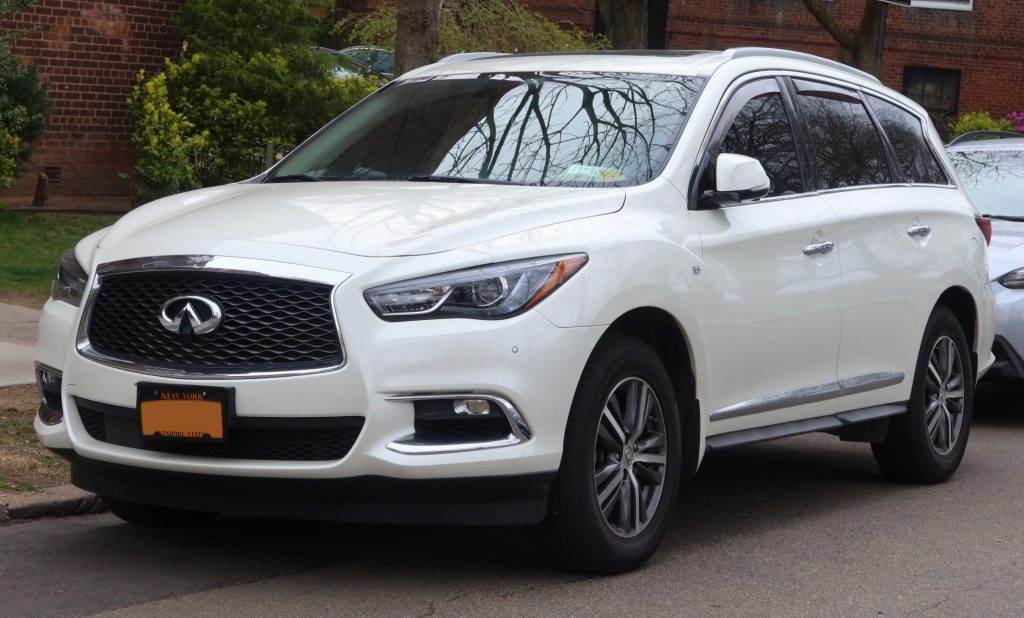
Others such as the Mercedes-Benz ML, Audi Q7, Volvo XC90, and Infiniti QX60 deliver comfort, space, and features at a fraction of their original prices.
The key is focusing on simpler, well proven engine options and vehicles with strong maintenance histories. While electronics and luxury features can age, solid mechanical foundations help these SUVs remain dependable.
For buyers who want premium comfort and presence without paying new car prices, these heavily depreciated yet reliable luxury SUVs offer excellent value.
Also Read: 10 Performance Cars That Arrived a Decade Too Early
