
Some cars are designed to be flash-in-the-pan sensations, turning heads when new but quickly becoming dated relics of automotive trends.
Others, however, possess a timeless quality that allows them to maintain their appeal, functionality, and dignity well into their golden years.
These are the vehicles that age gracefully, combining reliable engineering with styling that doesn’t scream their manufacture date from across a parking lot.
The best daily drivers that stand the test of time share certain characteristics: understated yet purposeful design, robust mechanical components that can handle high mileage, interiors that prioritize quality materials over trendy gimmicks, and a driving experience that remains engaging year after year.
These aren’t necessarily the most exciting cars when new, but they’re the ones you’ll still be proud to park in your driveway a decade later.
What makes a car age well goes beyond simple reliability statistics. It’s about how the design holds up as automotive fashions evolve, whether parts remain available as the years pass, and if the driving dynamics still feel competent against newer competition.
It’s also about community whether enthusiast support exists to help keep these vehicles running and looking good. The cars on this list represent diverse segments and price points, but they all share one crucial trait: they refuse to become embarrassing as they accumulate miles and birthdays. These are vehicles that transition gracefully from new car to seasoned companion, gaining character without losing respectability.
1. Honda Accord (1998-2002)
The sixth-generation Honda Accord represents a high-water mark for the Japanese automaker’s commitment to building cars that prioritize substance over flash.
Released at the turn of the millennium, this Accord generation has proven itself as one of the most enduring daily drivers ever produced, with countless examples still prowling roads today with six-figure odometer readings.
The styling of this Accord generation works in its favor precisely because it never tried too hard. The clean, conservative lines haven’t become dated because they were never particularly trendy to begin with.
The proportions are balanced, the greenhouse is generous, and there’s a purposeful quality to the design that communicates competence rather than trying to make bold fashion statements.
ark a well-maintained example next to modern sedans, and it simply looks like an older, well-kept car rather than a relic from a bygone automotive era.

Under the skin, the sixth-gen Accord benefits from Honda’s reputation for bulletproof engineering during this period. The four-cylinder and V6 engines are known for their longevity, regularly surpassing 200,000 miles with basic maintenance.
The transmissions particularly the manual gearboxes have proven durable, though automatic transmission issues in V6 models from certain years are worth noting. Suspension components wear but remain widely available and affordable, and the car’s simple mechanical nature means repairs rarely require specialized knowledge or tools.
The interior has aged remarkably well, particularly in EX and higher trim levels. While the materials aren’t luxurious, they’re honest and well-assembled. The dashboard layout remains intuitive, with clearly marked controls and excellent ergonomics.
Climate control systems continue functioning effectively, and the simple audio systems can be easily upgraded for modern connectivity. Seats provide genuine all-day comfort, and the cabin space feels generous even by contemporary standards.
What truly distinguishes the sixth-generation Accord as a gracefully aging daily driver is the continued support from both Honda and the enthusiast community. Parts remain readily available through dealerships and the robust aftermarket.
Online forums provide troubleshooting guidance for common issues. The sheer number produced means junkyards still carry components for those who prefer salvage parts.
This ecosystem of support ensures that keeping one of these Accords on the road remains feasible and affordable, allowing it to continue serving as reliable transportation rather than becoming a garage ornament requiring specialist attention.
2. Toyota 4Runner (2003-2009)
The fourth-generation Toyota 4Runner embodies the utilitarian elegance that defines vehicles that age gracefully. Built on a truck-based platform during an era when many competitors were transitioning to car-based crossovers, this 4Runner generation committed to genuine off-road capability while maintaining the refinement needed for daily driving duties.
The exterior design strikes a balance between purposeful and handsome. The upright stance and clearly defined fenders give it a capable appearance that hasn’t become cartoonish with age.
Unlike some SUVs from this period that embraced overwrought styling cues, the fourth-gen 4Runner’s clean lines and functional design elements have aged remarkably well.
The optional running boards, roof rack, and modest chrome accents add character without excess. Well-maintained examples still look presentable at the grocery store or trailhead, and the design hasn’t become embarrassingly dated in the way more flamboyant contemporaries have.
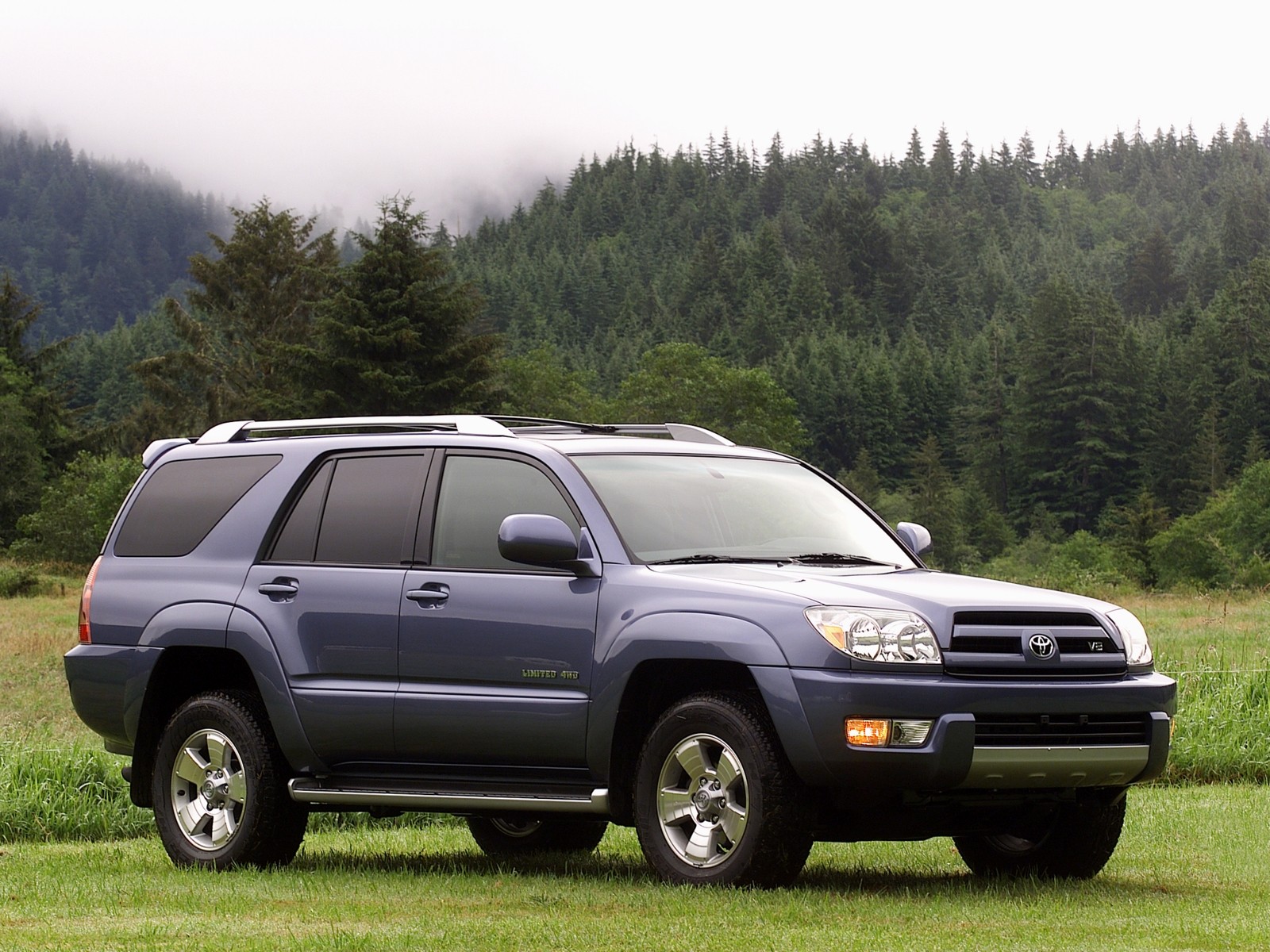
Mechanically, this 4Runner is nearly bulletproof. The 4.0-liter V6 introduced in 2003 has proven to be one of Toyota’s most durable engines, regularly exceeding 300,000 miles with appropriate maintenance.
The available V8 is similarly robust, though fuel consumption becomes notably higher. The five-speed automatic transmission is generally reliable, and four-wheel-drive systems remain trouble-free with basic fluid services.
The body-on-frame construction means rust can be an issue in salt-belt regions, but the underlying mechanicals continue functioning long after more complex modern SUVs would require expensive computer system repairs.
The interior represents Toyota’s practical approach to vehicle design. Materials quality is decent rather than impressive, with plenty of hard plastics, but everything is logically arranged and built to withstand years of use.
The controls are straightforward, with physical buttons and knobs rather than touchscreen interfaces that quickly become obsolete. Rear-seat passengers enjoy generous space, and the cargo area provides genuinely useful capacity.
Optional features like the third-row seat fold away when not needed, and the rear window still rolls down a feature that seems quaint now but proves surprisingly useful.
What raises this 4Runner as an aging daily driver is its continued relevance. While newer generations offer more technology and refinement, the fourth-gen still handles daily driving and weekend adventures with equal competence.
The strong community support means parts remain available, and the simple mechanical systems mean many repairs can be accomplished by dedicated DIY enthusiasts. Values have remained strong, reflecting market recognition that these are vehicles worth preserving rather than simply discarding when newer models arrive.
3. Lexus LS400 (1995-2000)
The second-generation Lexus LS400 represents Toyota’s luxury division at its most focused, before the brand began chasing sportier dynamics and more aggressive styling.
This generation of LS refined the already excellent formula established by the original, creating a luxury sedan that continues to provide remarkable service decades after production ended.
The exterior styling exemplifies restrained elegance. While clearly a product of the 1990s, the LS400’s proportions and details haven’t become offensively dated.
The design avoided the baroque excess that plagued some European luxury cars of the era, instead presenting a clean, dignified appearance that communicates quality and refinement.
The carefully executed details flush-mounted glass, precise panel gaps, and thoughtful lighting design give well-maintained examples a timeless quality.
These aren’t cars that grab attention in parking lots, but they also don’t provoke the eye-rolling that more flamboyant designs from this period often do.
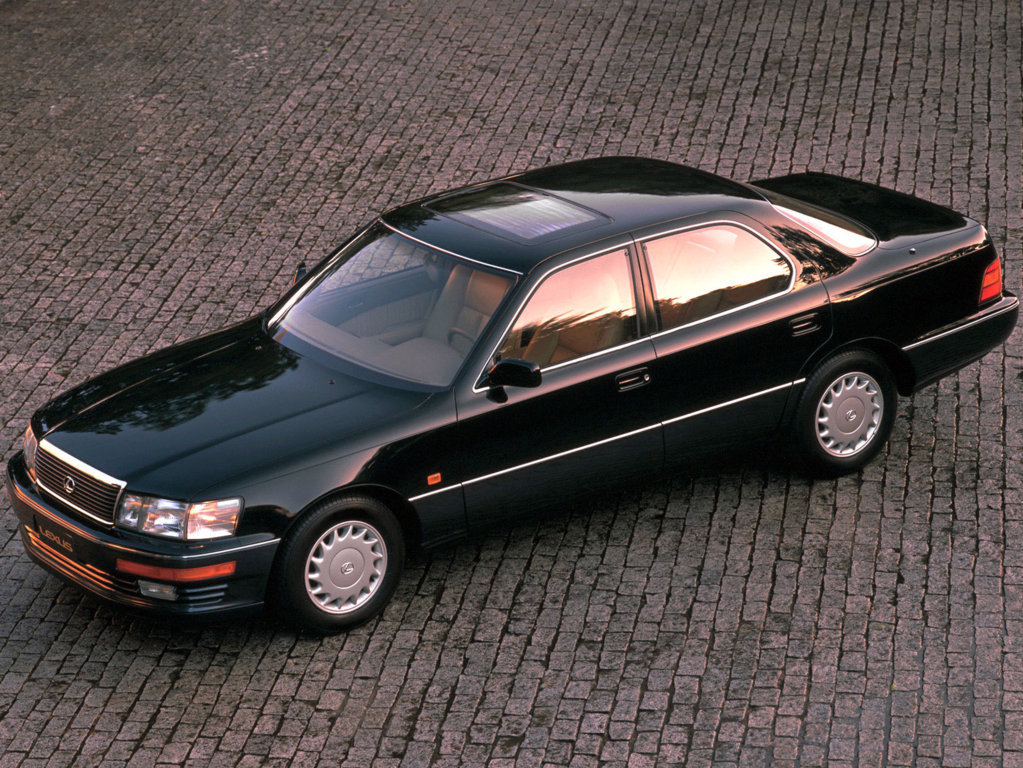
Under the hood sits one of the finest engines Toyota ever produced. The 4.0-liter V8 is famously robust, with many examples exceeding 400,000 miles without major mechanical intervention.
The engine runs with remarkable smoothness, and performance remains adequate even by modern standards. The transmission shifts with precision, and the suspension continues to provide an outstanding ride quality that isolates passengers from road imperfections while maintaining composed handling.
Air suspension systems in some models can require expensive repairs, but conventional spring setups remain trouble-free. The interior is where the LS400 truly shines as an aging vehicle. Lexus used genuinely high-quality materials throughout the cabin soft leather, real wood trim, and plush carpeting that withstands decades of use.
The seats remain comfortable on long journeys, with power adjustments and memory functions that continue operating reliably. Climate control systems maintain effectiveness, and the simple button-based interfaces remain intuitive. While the cassette player or early CD changers are now obsolete, the excellent sound insulation and premium speaker systems mean audio upgrades deliver impressive results.
What makes the LS400 such a compelling aging daily driver is how well it continues to fulfill its original luxury sedan mission. While it lacks modern connectivity and advanced safety features, the core experience quiet, comfortable, reliable transportation remains entirely competitive.
Parts availability through Lexus dealers and the robust aftermarket ensures repairs remain feasible, and the strong enthusiast community provides guidance for maintaining these vehicles to high standards.
4. Mazda MX-5 Miata (1999-2005)
The second-generation Mazda MX-5 Miata, known internally as the NB, refined the original roadster formula while maintaining the purity that made the nameplate legendary. This generation has aged particularly well, combining improved rigidity and power with styling that feels less dated than many contemporaries.
The exterior design represents an evolutionary step from the original NA Miata, with slightly more aggressive headlight treatment and more sculpted bodywork.
The proportions remain perfect long hood, short rear deck, and a low beltline that provides excellent visibility. Unlike some sports cars that become caricatures of their era, the NB Miata’s clean design language has aged gracefully.
Well-maintained examples still look purposeful and attractive, whether in base trim or sportier variants. The simple bumper design and modest wheel sizes mean restoration to original appearance remains affordable.
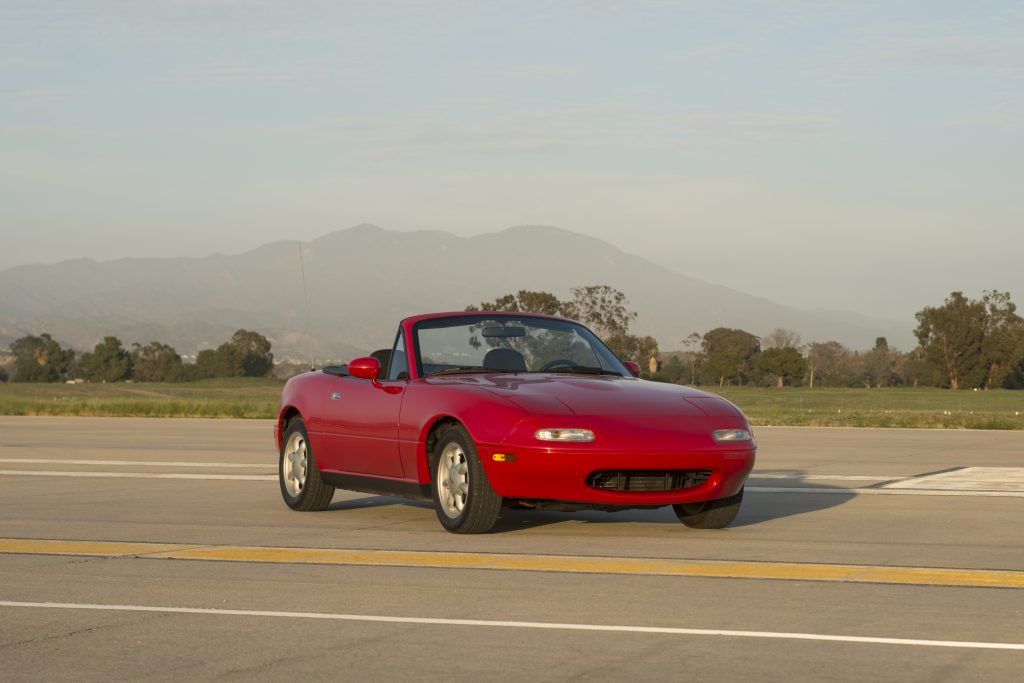
Mechanically, the NB Miata benefits from Mazda’s commitment to the driving experience. The 1.8-liter four-cylinder engine provides eager performance, with later models receiving a worthwhile power bump to 142 horsepower. While not fast by modern standards, the engine delivers power smoothly and revs willingly.
The five-speed and six-speed manual transmissions are delightful to use, with precise throws and durable internals. The suspension is simple MacPherson struts up front, multi-link rear but tuned beautifully to provide engaging handling while remaining compliant enough for daily use. Rust can affect rocker panels and rear fenders in harsh climates, but mechanical components prove remarkably durable.
The interior is honestly appointed, with straightforward ergonomics and durable materials. The minimalist dashboard puts essential controls within easy reach, and the driving position is excellent.
While cabin space is tight, that’s part of the roadster experience. The cloth top operates simply and seals well, and replacement tops remain readily available and relatively affordable to install.
Optional features like leather seats and Bose audio systems raise the experience, but even base models provide everything essential for top-down enjoyment.
What distinguishes the NB Miata as an aging daily driver is the enormous enthusiast support. The aftermarket offers everything from maintenance parts to performance upgrades, and online communities provide exhaustive documentation for every common issue.
Values have remained strong, with clean examples commanding respectable prices that reflect the car’s continued desirability. This isn’t a vehicle that becomes embarrassing with age it becomes a classic.
Also Read: 10 Cars That Make You Take the Long Way Home
5. Subaru Outback (2005-2009)
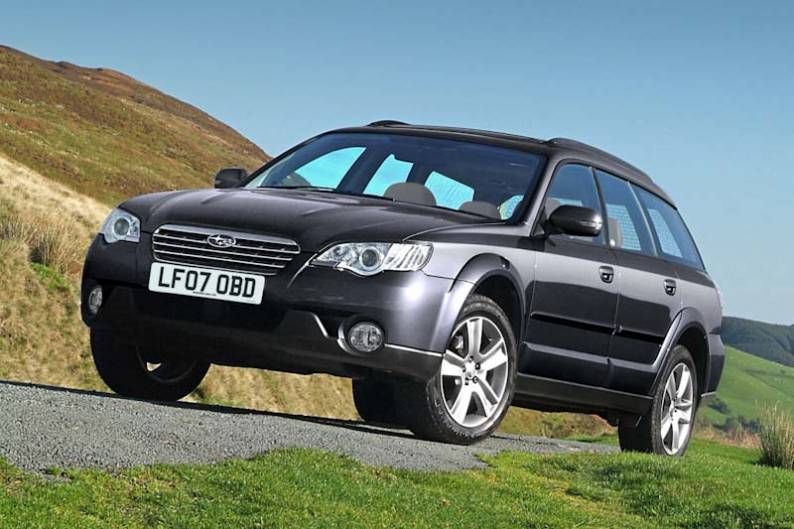
The third-generation Subaru Outback represents the sweet spot for this lifted wagon formula, offering genuine all-weather capability and rugged versatility in a package that has aged far better than more overtly styled competitors.
The exterior design avoids the excessive body cladding that dated earlier Outbacks, instead presenting a cleaner appearance with modest protective trim.
The proportions work well, with a commanding driving position that doesn’t sacrifice the wagon’s inherent practicality. While clearly a product of the mid-2000s, the design hasn’t become offensively dated it simply looks like a well-conceived utilitarian vehicle from an earlier era.
The ground clearance and standard all-wheel drive give it a capable stance that remains appealing, and the relatively simple bodywork means repair costs stay reasonable.
Under the hood, most third-gen Outbacks carry either the 2.5-liter four-cylinder or 3.0-liter six-cylinder boxer engines. The four-cylinder is adequate rather than inspiring, but it’s generally reliable with proper head gasket maintenance a known issue with Subaru engines from this era that responsible owners address proactively.
The six-cylinder provides notably better performance and has proven more reliable, avoiding the head gasket problems. Both engines mate to either five-speed manual or four-speed automatic transmissions, with the manual being more engaging and the automatic more common.
The all-wheel-drive system is Subaru’s proven setup, delivering excellent traction in challenging conditions without requiring driver intervention.
The interior prioritizes function over flash, with durable cloth upholstery and sensibly arranged controls. The dashboard design is straightforward, with clearly labeled buttons and intuitive climate controls.
Cargo space is genuinely useful, and the low loading height makes the Outback practical for everything from hardware store runs to camping trips.
Optional features like heated seats prove reliable, and the simple infotainment systems can be easily upgraded. While materials quality isn’t luxurious, everything is assembled solidly and designed to withstand years of active use.
What makes the third-generation Outback age gracefully is its honest approach to versatility. It doesn’t pretend to be a luxury vehicle or hardcore off-roader it’s simply an extremely capable all-weather wagon that handles daily driving, road trips, and light trail duty with equal competence.
Parts remain available through Subaru dealers and the extensive aftermarket, and the strong enthusiast community ensures support for maintaining these vehicles continues.
6. Volkswagen Golf/GTI (2006-2009)
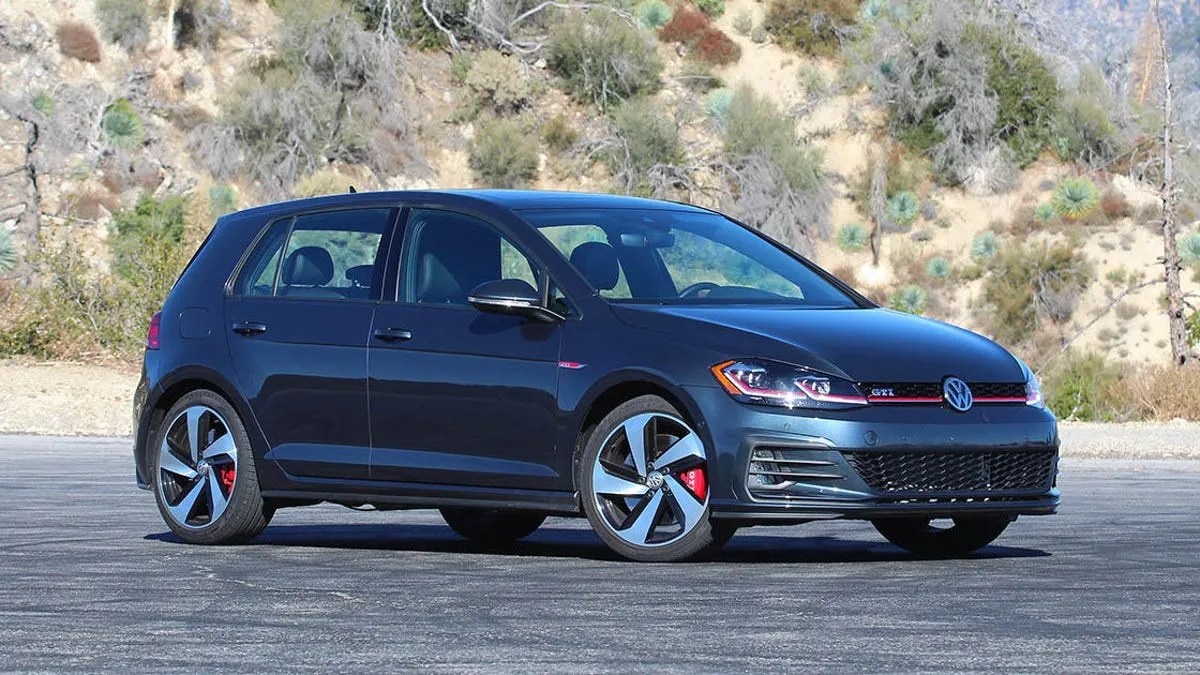
The fifth-generation Volkswagen Golf and its performance-oriented GTI variant represent German engineering focused on delivering a premium compact car experience that has aged remarkably well compared to many contemporaries.
The exterior styling is cleanly executed, with subtle curves and carefully considered proportions that avoid the overwrought details plaguing some competitors.
The design is distinctly Volkswagen unpretentious, slightly formal, and executed with precision. The GTI adds subtle performance cues like red brake calipers and dual exhaust outlets without becoming cartoonish.
Well-maintained examples still look contemporary in a way that many flashier designs from this era don’t, and the simple body lines mean repair costs for minor damage remain reasonable compared to more sculpted alternatives.
Mechanically, this Golf generation offers various engines, but the 2.0-liter turbocharged four-cylinder in the GTI is the standout. It provides genuinely engaging performance with 200 horsepower and strong torque delivery.
The six-speed manual transmission is excellent, with precise shifts and a satisfying clutch feel. The six-speed dual-clutch automatic DSG in Volkswagen parlance can be problematic and expensive to repair, making manual examples more desirable for long-term ownership.
The suspension is tuned beautifully, providing a taut, controlled ride that feels mature and composed. Reliability can be inconsistent, with potential issues including ignition coil failures, water pump leaks, and electrical gremlins, but well-maintained examples prove reasonably durable.
The interior showcases Volkswagen’s commitment to perceived quality during this period. Materials feel substantial, with soft-touch surfaces and solid switchgear that operates with satisfying precision.
The dashboard design is driver-focused, with clear instrumentation and logically arranged controls. Seats provide excellent support, particularly in GTI models with their distinctive plaid cloth upholstery. The cabin feels more upscale than Japanese competitors from this era, though some electronic components prove less durable over time.
What raises this Golf generation as an aging daily driver is the continued enthusiast support. The aftermarket is extensive, offering everything from maintenance parts to performance upgrades.
Online communities provide detailed troubleshooting for common issues, and specialist shops familiar with these vehicles exist in most metropolitan areas. Values for clean GTI examples have remained stable, reflecting recognition that these are genuinely engaging driver’s cars that reward preservation.
7. Acura TL (2004-2008)
The third-generation Acura TL represented Honda’s luxury division at its most ambitious, offering genuine performance credentials and upscale appointments in a distinctive package that has aged more gracefully than its initially controversial styling might suggest.
The exterior design was polarizing when new, with its aggressive fascia and complex surfacing breaking from Acura’s conservative tradition. However, time has been kind to this design what seemed overwrought in 2004 now reads as purposeful and distinctive.
The wide stance, prominent grille, and sculpted bodywork communicate performance intent, and well-maintained examples still turn heads.
The design is clearly from the mid-2000s, but it hasn’t become embarrassing in the way some more extreme contemporaries have. The substantial build quality means body panels maintain their alignment, and the flush-mounted glass and careful detailing demonstrate the premium positioning.

Under the hood, the 3.2-liter V6 delivers smooth, willing performance with 270 horsepower in standard models. The Type-S variant ups output to 286 horsepower and adds upgraded suspension components.
Both engines are fundamentally Honda’s robust J-series V6, known for durability and relatively trouble-free operation past 200,000 miles.
The five-speed automatic transmission is generally reliable, while the six-speed manual available in Type-S models is genuinely engaging.
Front-wheel drive means torque steer is noticeable during aggressive acceleration, but the suspension tuning manages this reasonably well. The optional all-wheel-drive system in later models adds complexity but proves generally reliable.
The interior demonstrates Acura’s commitment to premium materials and build quality. Leather seats provide excellent support and wear well, navigation systems have become obsolete but the rest of the dashboard design remains functional, and the extensive use of soft-touch materials throughout the cabin has held up better than expected.
The rear seat offers genuine adult accommodations, and trunk space is generous. Technology features like the premium audio system continue functioning well, and the dual-zone climate control remains effective.
What makes the third-generation TL compelling as an aging daily driver is its combination of performance, luxury, and Honda reliability.
Parts remain available through Acura dealers at reasonable costs, and the strong enthusiast community ensures support continues. These cars deliver an engaging driving experience with premium appointments at values that have depreciated to extremely accessible levels, making them compelling choices for those seeking a comfortable sport sedan.
8. Ford Crown Victoria (2003-2011)
The final generation of the Ford Crown Victoria represents the end of an automotive era the last American body-on-frame, rear-wheel-drive, V8-powered sedan. Its continuation of a formula that remained largely unchanged for decades is precisely what allows it to age so gracefully.
The exterior styling is unapologetically conservative, with formal proportions and simple lines that evoke American sedans from previous generations. While definitely not exciting, the design projects solidity and presence. The clean, upright bodywork hasn’t become dated because it was never particularly contemporary to begin with.
Civilian models avoid the stigma associated with decommissioned police cruisers, and examples maintained properly still convey dignified transportation.
The substantial build quality and simple design mean repair costs for minor damage remain reasonable, and replacement parts are plentiful given the vehicle’s extensive use in police and taxi service.

Mechanically, the Crown Victoria is bulletproof. The 4.6-liter V8 is understressed in this application, producing a modest 224 horsepower but delivering smooth, reliable performance well past 300,000 miles with basic maintenance. The four-speed automatic transmission is ancient by modern standards but fundamentally durable.
The body-on-frame construction and simple suspension design mean repairs are straightforward, and the rear-wheel-drive layout provides entertaining dynamics despite the car’s conservative mission. Fuel economy is poor by contemporary standards, but this is the trade-off for simplicity and durability.
The interior is honestly appointed with durable materials designed to withstand hard use. The bench front seat in base models or individual seats in upscale versions provide comfortable accommodations, and the vast rear seat offers limousine-like space. The trunk is enormous.
Controls are straightforward, with large buttons and simple interfaces that remain intuitive. While materials aren’t luxurious, they’re assembled solidly and designed to endure. Climate control systems continue functioning reliably, and the simple audio systems can be easily upgraded for modern connectivity.
What distinguishes the Crown Victoria as an aging daily driver is the ecosystem supporting it. Parts are widely available and inexpensive, and any mechanic can service these vehicles without specialized training. The strong enthusiast community and continued fleet use ensure support persists. These are cars that can be maintained indefinitely at reasonable cost.
9. BMW 3 Series (2006-2011)
The fifth-generation BMW 3 Series, known internally as the E90 sedan, represents the Bavarian automaker’s sport sedan formula refined through decades of iteration.
While more complex than Japanese competitors, well-maintained examples continue delivering the engaging driving dynamics that made the 3 Series legendary.
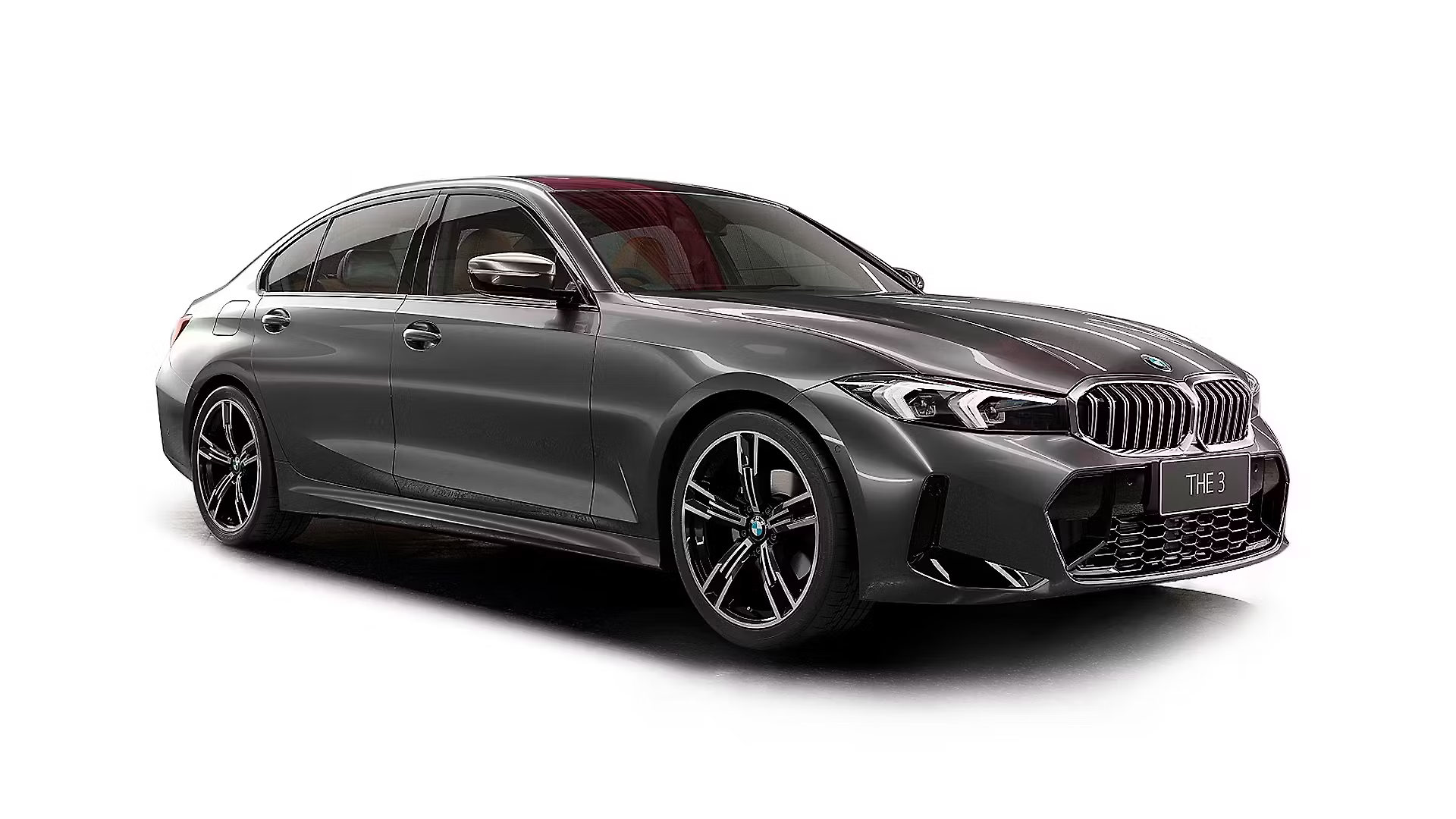
The exterior design is clean and purposeful, with proportions that communicate the rear-wheel-drive layout and athletic intent. The styling avoids the aggressive angularity of later BMW designs, instead presenting a mature, sophisticated appearance that has aged remarkably well.
The signature kidney grilles, Hofmeister kink in the C-pillar, and carefully sculpted bodywork give it unmistakable BMW character without excess.
Well-maintained examples still look contemporary parked among newer vehicles, and the timeless design language means they don’t scream their manufacture date.
Mechanically, this 3 Series generation offers various engines, with the naturally aspirated inline-six being the sweet spot for reliability and performance. The 3.0-liter six-cylinder in 328i and 330i models provides smooth, linear power delivery and legendary BMW responsiveness.
The turbocharged engines in later 335i models offer impressive performance but introduce complexity and potential maintenance issues. Six-speed manual transmissions are excellent, with precise shifts and durable internals. Automatic transmissions are generally reliable but expensive to repair.
The suspension delivers engaging handling while maintaining reasonable ride quality, though maintenance costs for worn components exceed those of Japanese competitors.
The interior demonstrates BMW’s commitment to driver-focused design. Materials quality is excellent, with soft leather, real wood or aluminum trim, and substantial switchgear.
The dashboard is oriented toward the driver, and the seats provide outstanding support for spirited driving while remaining comfortable on long journeys.
The iDrive system was controversial when new but proves functional once understood. Rear-seat space is adequate, and the trunk offers reasonable capacity. Build quality is generally excellent, though some electronic components prove less durable than expected.
What makes this 3 Series generation compelling as an aging daily driver is the core BMW experience precise handling, responsive steering, and balanced chassis dynamics that remain engaging years after production ended.
Parts availability through BMW dealers and the extensive aftermarket ensures repairs remain feasible, and the strong enthusiast community provides support for maintaining these vehicles to high standards.
10. Volvo V70/XC70 (2001-2007)
The second-generation Volvo V70 and its lifted XC70 variant represent Swedish automotive engineering at its most practical and enduring. These wagons have aged gracefully by prioritizing functionality, safety, and understated design over fleeting trends.
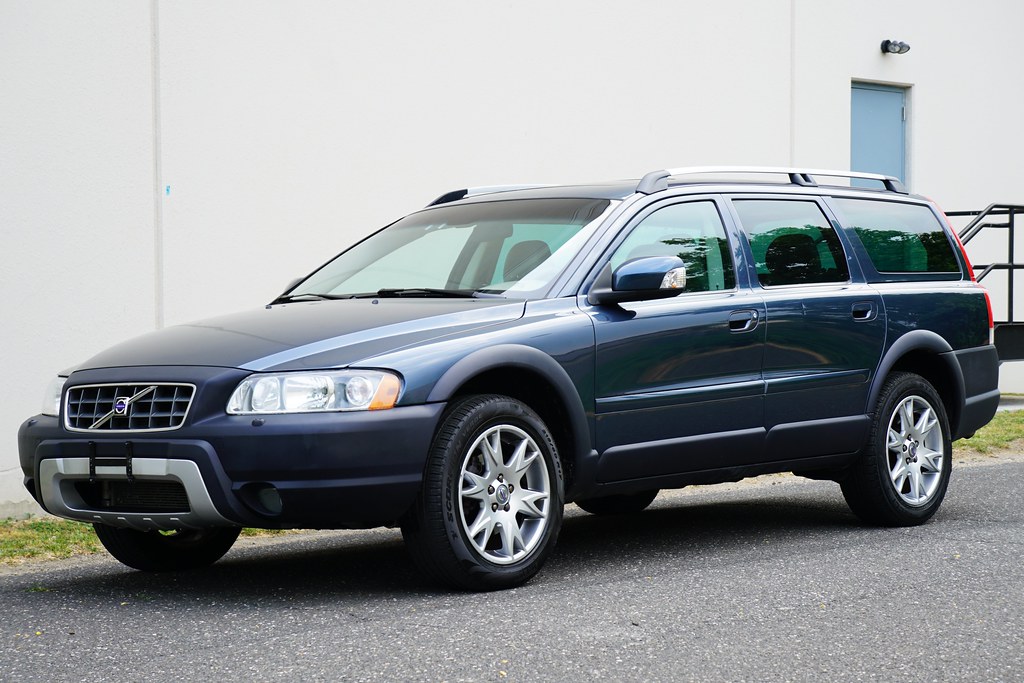
The exterior styling is cleanly executed, with simple lines and upright proportions that communicate Scandinavian pragmatism. The design avoids excess ornamentation, instead presenting a functional, honest appearance that hasn’t become dated.
The XC70 adds modest body cladding and increased ground clearance without compromising the wagon’s essential character. Well-maintained examples still look presentable, conveying understated competence rather than trying to project luxury or performance credentials they don’t possess. The substantial build quality means body panels maintain alignment and doors close with reassuring solidity.
Mechanically, these Volvos offer various engines, with the turbocharged five-cylinder being most common. The 2.5-liter turbo provides adequate performance with distinctive five-cylinder character, though fuel economy is modest.
The naturally aspirated six-cylinder in some models is smoother but less common. Five-speed automatic transmissions are generally reliable, though they can develop issues with high mileage.
The all-wheel-drive system in XC70 models adds capability for challenging weather without excessive complexity. Reliability is decent but not exceptional expect to address issues like PCV system problems, worn suspension bushings, and occasional electrical gremlins. Proper maintenance is essential, but well-cared-for examples prove durable.
The interior showcases Volvo’s commitment to safety, comfort, and Scandinavian design sensibility. Seats are legendarily comfortable, with excellent support for long journeys.
Materials quality is good, with durable cloth or leather upholstery and simple, functional dashboard design. The controls are logically arranged, and visibility is excellent.
Cargo space is genuinely useful, and thoughtful touches like integrated child booster seats and numerous storage cubbies demonstrate practical design thinking. Climate control systems remain effective, and the simple audio interfaces can be easily upgraded.
What raises these Volvos as aging daily drivers is their continued ability to fulfill their original mission safe, comfortable, practical family transportation.
Parts remain available through Volvo dealers and specialists, and the strong enthusiast community ensures support persists. These are vehicles that reward responsible ownership with years of reliable service.
Also Read: 10 Cars That Feel Faster Than Their Horsepower Numbers
