The history of the automobile is full of moments where technology, vision, and ambition met a reality that the market was not prepared to embrace. Some vehicles arrived years ahead of their time, showcasing engineering marvels, performance potential, and design philosophies that only later became mainstream.
These cars often demonstrated that speed, power, or innovation alone is not always enough to guarantee success. The timing of an idea can determine whether a car is remembered as a legend or as a cautionary tale.
Automakers have long attempted to push the boundaries of performance, but when a model is too advanced for its era, it can struggle to find an audience.
Features like turbocharging, all-wheel drive, lightweight materials, and aerodynamics can offer thrilling experiences, but if consumers are not ready to pay a premium or trust new technology, the result can be commercial disappointment. Sometimes these vehicles are financially unsustainable, overcomplicated, or simply misunderstood, leaving them to be appreciated only by enthusiasts decades later.
Cars that arrive too early often challenge conventional expectations of speed, handling, and reliability. Their engines may be extraordinarily powerful, yet difficult to maintain. Their designs may inspire future trends but clash with contemporary tastes.
Safety standards, road conditions, and fuel availability may not align with the ambitions of engineers, creating tension between promise and practicality. In many cases, these vehicles are the seeds for ideas that eventually dominate the industry, yet they themselves fade into relative obscurity during their initial release.
While some early innovators fail to achieve immediate recognition, their influence shapes the trajectory of automotive design. Concepts that seemed impractical become standard in later decades, proving that timing plays as critical a role as innovation itself.
These cars represent a rare combination of foresight and audacity, often attracting admiration from collectors and automotive historians years after their production. Their stories highlight how the pace of technological adoption can lag behind engineering brilliance.
This article highlights ten performance cars that arrived a decade ahead of their time. Each represents a unique vision of speed, design, or technology that initially struggled to find its place in the market. From radical engines to revolutionary chassis layouts, these vehicles remind us that innovation often comes with the risk of being underappreciated.
By examining their histories, we gain insight into the delicate balance between ambition, market readiness, and lasting impact on automotive culture.
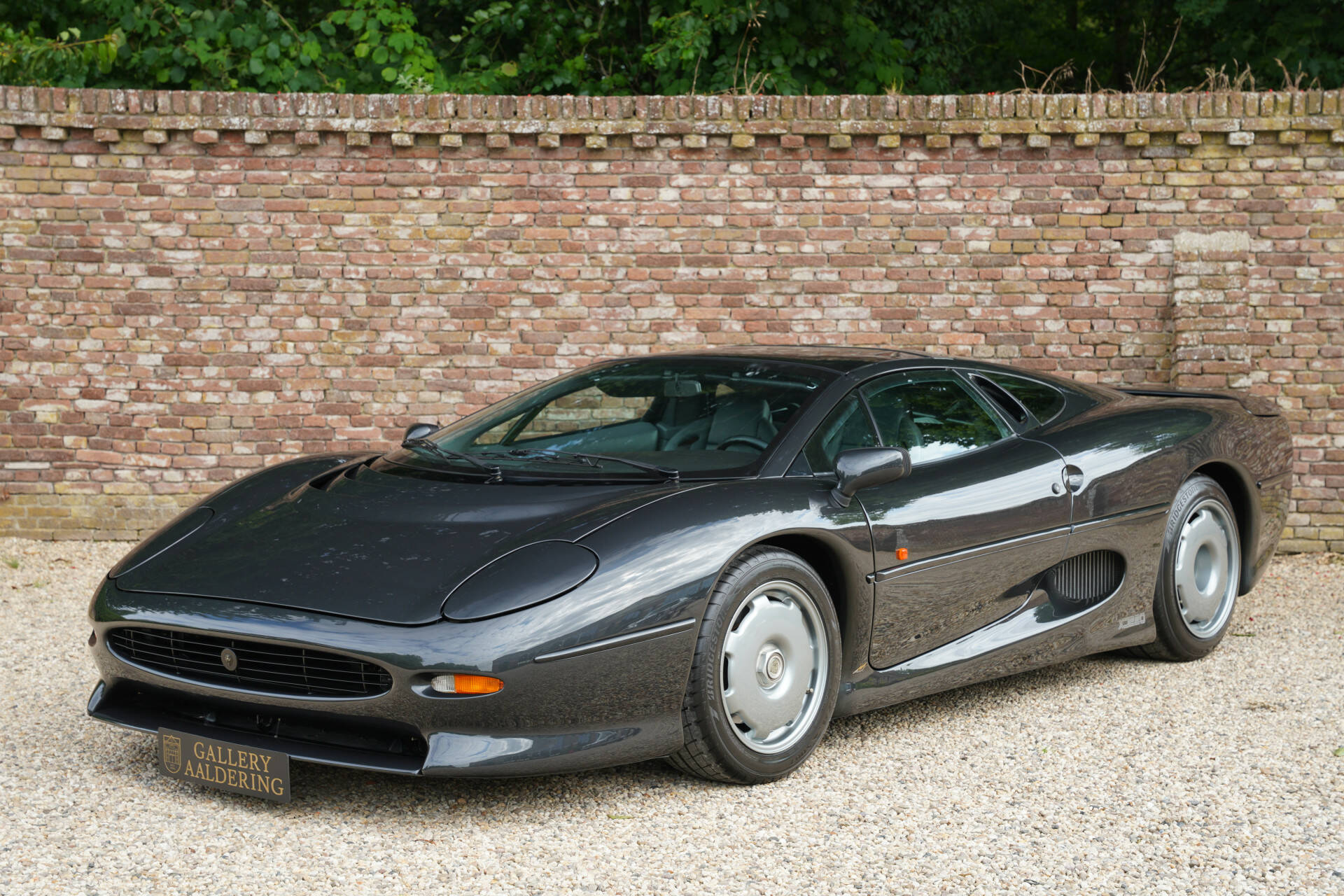
1. Jaguar XJ220
The Jaguar XJ220 stunned the automotive world with its low-slung design and exotic curves. When it debuted, expectations were high due to Jaguar’s promise of a V12 engine producing massive power. However, production models arrived with a turbocharged V6, surprising enthusiasts who anticipated a more traditional approach. Despite this, the car’s acceleration and handling were remarkable for its era, setting new benchmarks for performance.
Aerodynamics played a key role in the XJ220’s design, allowing it to achieve impressive top speeds. The body was sculpted to reduce drag and optimize downforce, contributing to stability at velocity.
Advanced features like lightweight aluminum construction were uncommon at the time, further demonstrating Jaguar’s forward-thinking philosophy. These innovations would influence future supercars and cement the XJ220 as an engineering marvel.
While visually captivating, the XJ220 struggled commercially due to its high price and production delays. The switch from the promised V12 to a turbo V6 disappointed potential buyers. Many consumers were not ready for such an extreme vehicle, and competition from established supercar brands made it even harder to succeed. Despite these challenges, the car built a loyal following among collectors who recognized its unique qualities.
Performance-wise, the XJ220 offered a thrilling experience. Its mid-engine layout and advanced suspension allowed cornering stability that rivaled rivals. With brakes designed for extreme speed, it delivered confidence even at top velocities. These attributes made it a pioneer in the supercar segment, demonstrating that precision engineering could elevate driving dynamics to new levels.
Today, the XJ220 is celebrated as a classic example of Jaguar’s daring approach to performance. Its technological achievements were ahead of the curve, predicting features found in later high-end sports cars. Although it did not achieve commercial dominance, it remains a symbol of ambition and illustrates the risks of being too early to the supercar market.
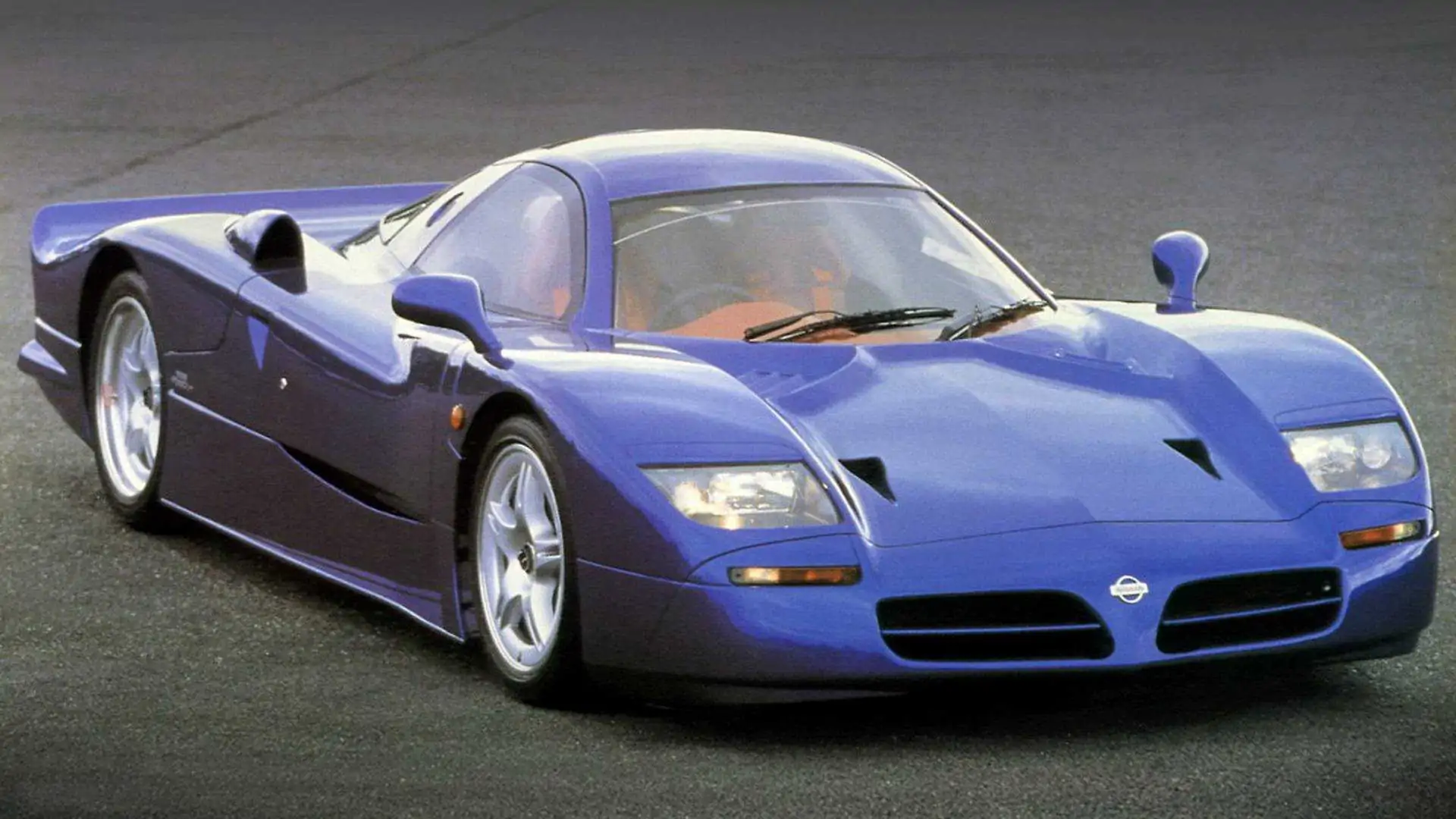
2. Nissan R390 GT1
Nissan developed the R390 GT1 with the intent of dominating endurance racing. The car combines aerodynamics inspired by prototypes with a powerful twin-turbo V8 engine. Designed for both the track and the street, it blurred the line between racing technology and consumer availability. Its performance potential far exceeded what most drivers of the time could safely manage.
The R390’s chassis featured cutting-edge materials to reduce weight while maintaining rigidity. Carbon fiber components and a carefully tuned suspension system allowed exceptional handling at high speeds. Innovations that were rare in production cars became defining characteristics, demonstrating Nissan’s commitment to future-proofing performance technology.
Despite its technical sophistication, the R390 faced challenges due to regulatory restrictions and limited market demand. Supercars of its era rarely incorporated racing-derived technology so directly, making the R390 seem too extreme. Enthusiasts admired the car, yet its rarity and high cost meant few could experience it firsthand. This limited exposure delayed recognition of its significance in automotive history.
On the road, the R390 was a demanding machine. Its aerodynamics and powertrain required skilled handling, making it unsuitable for casual drivers. Even experienced automotive journalists found its performance challenging to master. Nevertheless, the car represented a glimpse into what future performance vehicles could achieve when engineers prioritized racing heritage and technology integration.
Today, the R390 GT1 is revered as a collector’s gem. Its rarity, historical racing pedigree, and technical daring make it a benchmark for cars that arrived ahead of their era. Nissan’s vision proved prescient, inspiring subsequent high-performance models that successfully balanced extreme technology with road usability.
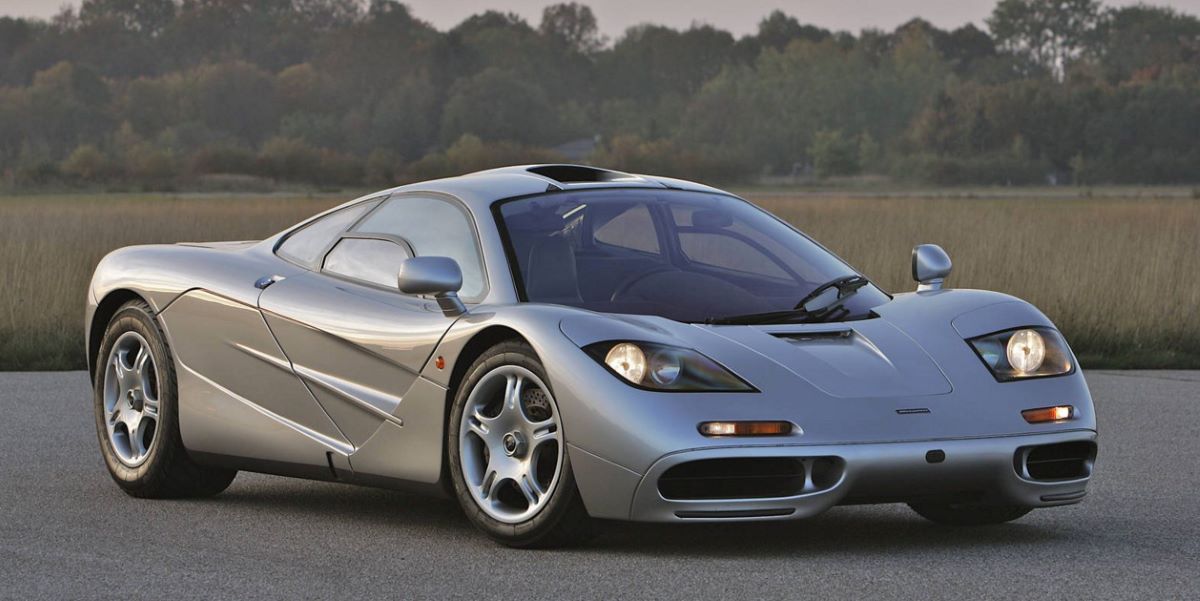
3. McLaren F1
The McLaren F1 revolutionized the concept of a road-going supercar. Its central driving position, lightweight construction, and naturally aspirated V12 engine redefined performance standards. At the time of its release, few cars combined raw power with such attention to driver experience. McLaren’s focus on engineering purity placed the F1 in a league of its own.
Advanced materials played a critical role in the F1’s design. Carbon fiber monocoque construction, titanium components, and innovative cooling systems enabled unmatched strength and reduced weight. The car’s aerodynamic design improved stability while allowing for extreme speeds, demonstrating a level of technological foresight uncommon in the early 1990s.
The F1’s performance was staggering. With acceleration surpassing 0–60 in under four seconds and a top speed exceeding 240 miles per hour, it redefined supercar expectations. Despite these achievements, some buyers were intimidated by its complexity and cost, limiting widespread adoption. Its advanced technology demanded precise maintenance and expertise, creating a barrier to ownership.
Driver experience was central to the F1’s design philosophy. Every control, pedal, and gauge was positioned for optimal feedback. This human-centric approach highlighted the balance between raw performance and usability. Few cars of the era combined such technical sophistication with driver-focused design, making the F1 an icon of automotive engineering.
The legacy of the McLaren F1 endures today. Many modern supercars draw inspiration from its principles, from lightweight construction to aerodynamics and driver engagement. While it arrived ahead of its time, the F1’s influence on performance cars continues to resonate decades later, proving that vision often outpaces contemporary market understanding.
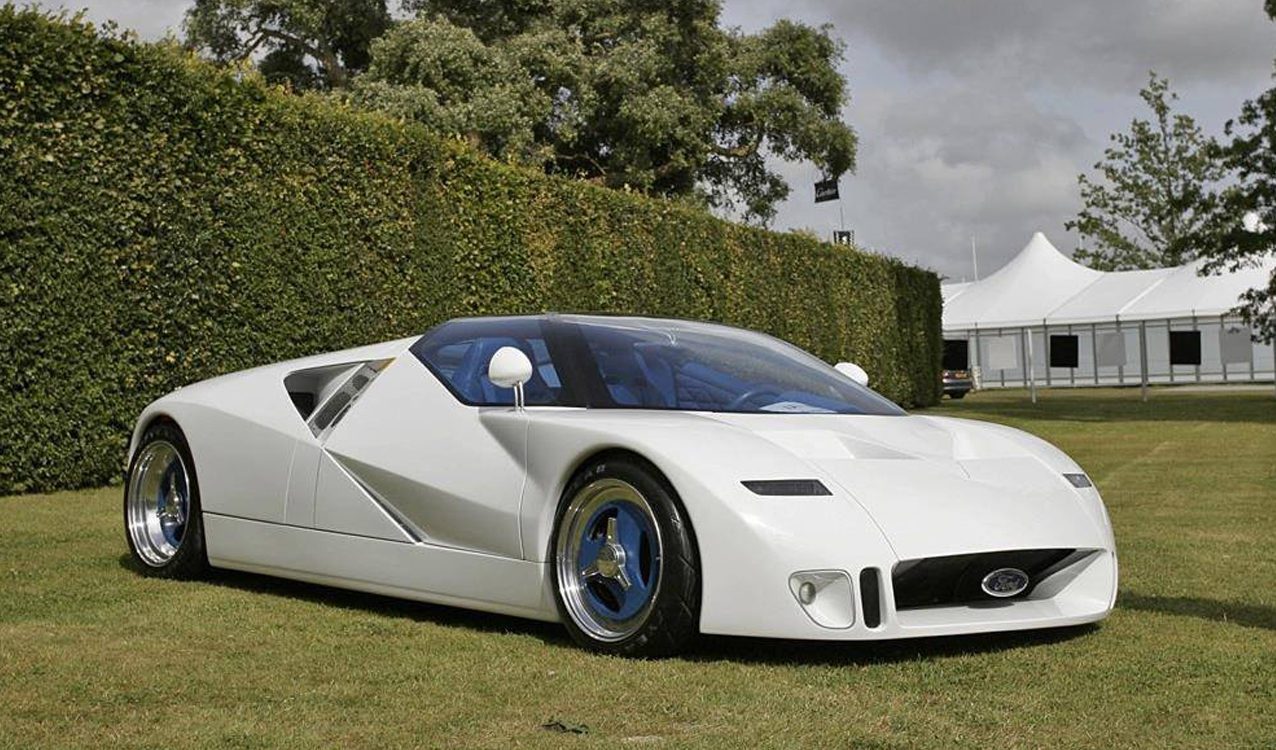
4. Ford GT90
Ford’s GT90 concept car pushed boundaries in both design and technology. With a quad-turbo V12 engine and futuristic styling, it represented an ambitious vision for high-speed road cars. The aggressive angles and low stance were unconventional, signaling a departure from traditional supercar aesthetics of the 1990s.
Engineering innovation defined the GT90. Its lightweight chassis, advanced suspension geometry, and aerodynamic bodywork provided performance potential that few could exploit on public roads. The car’s systems demonstrated what was possible with emerging automotive technologies, even if practical applications were limited.
Despite the excitement surrounding its debut, the GT90 never reached production. Its radical design and extreme specifications made it a risky investment for Ford. Consumer expectations at the time favored more familiar approaches to performance, leaving the GT90 as a glimpse of possibilities rather than a commercial success.
Performance testing suggested the GT90 could rival contemporaries like the McLaren F1. Acceleration and top speed figures indicated a level of capability beyond market readiness. However, such power and complexity would have challenged maintenance, safety, and usability standards, emphasizing the difficulties of being ahead of technological adoption curves.
The GT90’s influence is visible in subsequent Ford supercars, including the modern GT. Its concepts in aerodynamics, engine configuration, and design language shaped the thinking behind future performance vehicles. While it remained a concept, its vision laid the groundwork that would eventually be embraced a decade or more later.
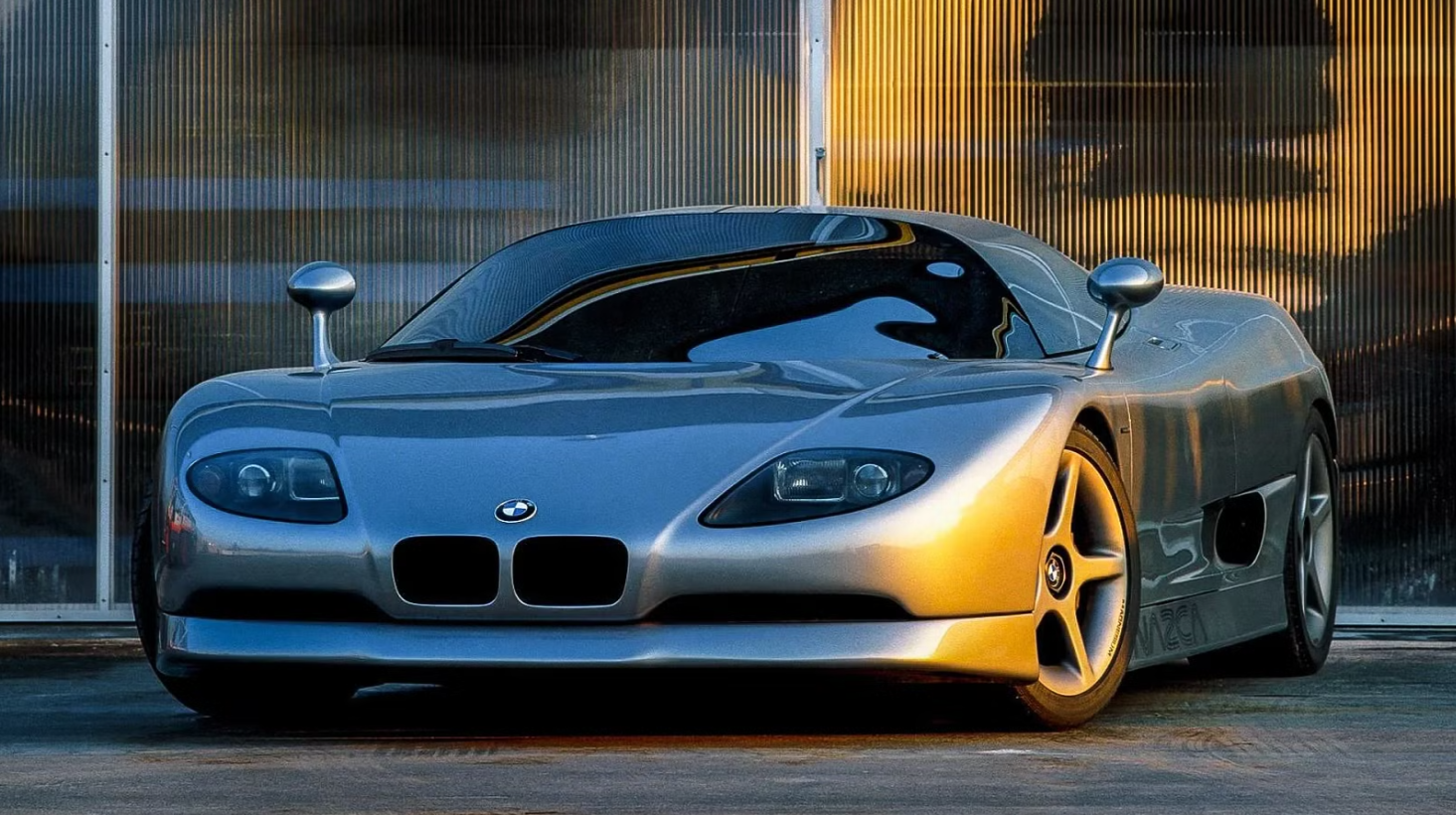
5. BMW Nazca C2
The BMW Nazca C2 was a striking prototype that embodied forward-thinking design and engineering far ahead of the early 1990s. Its low-slung body, sharp lines, and flowing curves made it a dramatic departure from BMW’s conventional styling at the time.
The vehicle’s mid-engine layout allowed for near-perfect weight distribution, offering handling characteristics that rivaled much more established supercars. Its concept origins were rooted in a vision that prioritized both aerodynamics and driver engagement, with every surface sculpted to enhance airflow while projecting a sense of motion even when stationary.
Under the hood, the Nazca C2 was equipped with a V12 engine capable of delivering astonishing power for its era. Combined with a lightweight chassis and advanced suspension geometry, it could achieve acceleration figures that rivaled the era’s most celebrated supercars.
Despite its technological prowess, BMW never intended the Nazca C2 for mass production, leaving it as an aspirational statement of what the company could achieve if market timing and consumer demand aligned with their vision.
Inside, the cabin combined luxury with performance orientation, a rare combination for the period. The ergonomics focused on driver control, with instrument clusters designed for clarity at high speeds.
Advanced materials were used throughout, including lightweight composites and high-quality finishes, demonstrating BMW’s commitment to engineering sophistication and interior innovation. Such attention to detail foreshadowed interior trends that would not become mainstream until years later, including the use of carbon fiber as a tactile design element.
The Nazca C2’s aesthetic was polarizing at first, but it influenced subsequent generations of performance cars, particularly in terms of integrating aerodynamic form with sculptural beauty.
Its design language, emphasizing elongated proportions and flowing rooflines, would echo in later BMW models and inspire other manufacturers to reconsider conventional supercar shapes. Enthusiasts admired its elegance and futuristic approach, even if the broader market was not ready to embrace such radical experimentation.
Although it never reached production, the Nazca C2 remains an iconic example of automotive foresight. Its combination of engineering precision, aerodynamic efficiency, and visual impact demonstrated a level of ambition rarely seen in concept cars of the early 1990s.
Today, it is celebrated as a visionary vehicle that arrived at a time when the market could not fully comprehend its potential, illustrating the risk and reward of being ahead of one’s era.
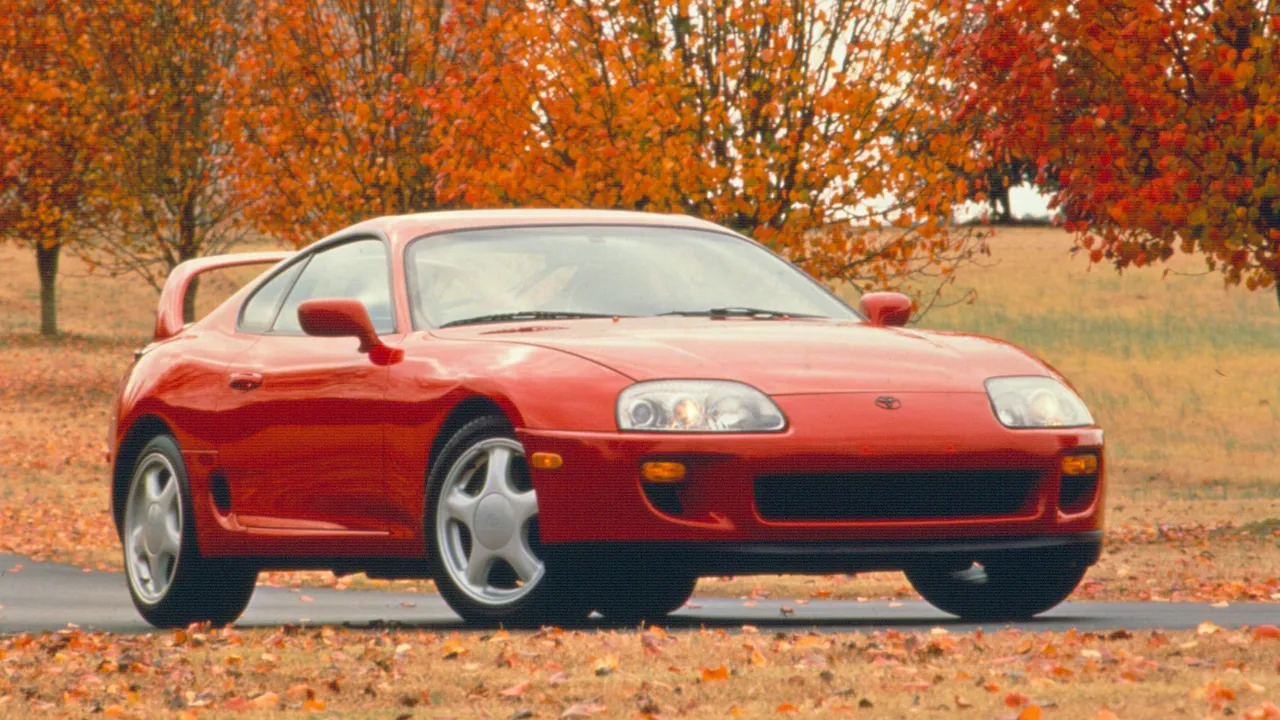
6. Toyota Supra A80 (Mk4) Twin Turbo
The Toyota Supra A80 Twin Turbo, released in the mid-1990s, was an impressive technical achievement that many argue arrived a decade before its time. Its 2JZ-GTE engine, capable of incredible reliability and untapped power potential, set the stage for modern tuning culture long before aftermarket communities had fully embraced such high-performance possibilities.
The Supra offered a combination of straight-line speed, handling precision, and robustness that other manufacturers were still struggling to achieve at that point, making it a benchmark for both engineering and driver experience.
Aerodynamics and weight distribution were integral to the Supra’s performance characteristics. The body was carefully engineered to balance downforce with stability, allowing confident high-speed cornering.
Its suspension system, featuring double wishbones front and rear, gave drivers precision control while maintaining comfort, bridging the gap between race-bred technology and everyday usability. Such attention to both speed and practicality highlighted Toyota’s foresight in anticipating the future desires of performance enthusiasts.
Despite its mechanical brilliance, the Supra initially faced limited recognition outside Japan and North America. Its full potential was constrained by transmission options and electronic limitations, which only later could be fully unlocked with tuning innovations.
The car’s design and engineering were capable of more than the period’s typical buyer expectations, creating a sense that it was intended for a more performance-literate audience that had yet to emerge.
Culturally, the Supra would later gain legendary status due to its appearance in media and motorsports. Its capacity to handle extreme modifications became a defining feature of the street and track scene in the 2000s.
While at the time of release it was impressive but slightly underappreciated, subsequent generations of enthusiasts would recognize it as a pioneering platform that influenced the development of high-performance Japanese sports cars worldwide.
Today, the Mk4 Supra Twin Turbo is considered an icon of 1990s engineering. Its durability, tuning potential, and thoughtful combination of power and control were decades ahead of consumer expectations. Many modern sports cars owe a debt to the Supra’s blend of accessible performance and forward-thinking design philosophy, confirming its status as a car that truly arrived early.
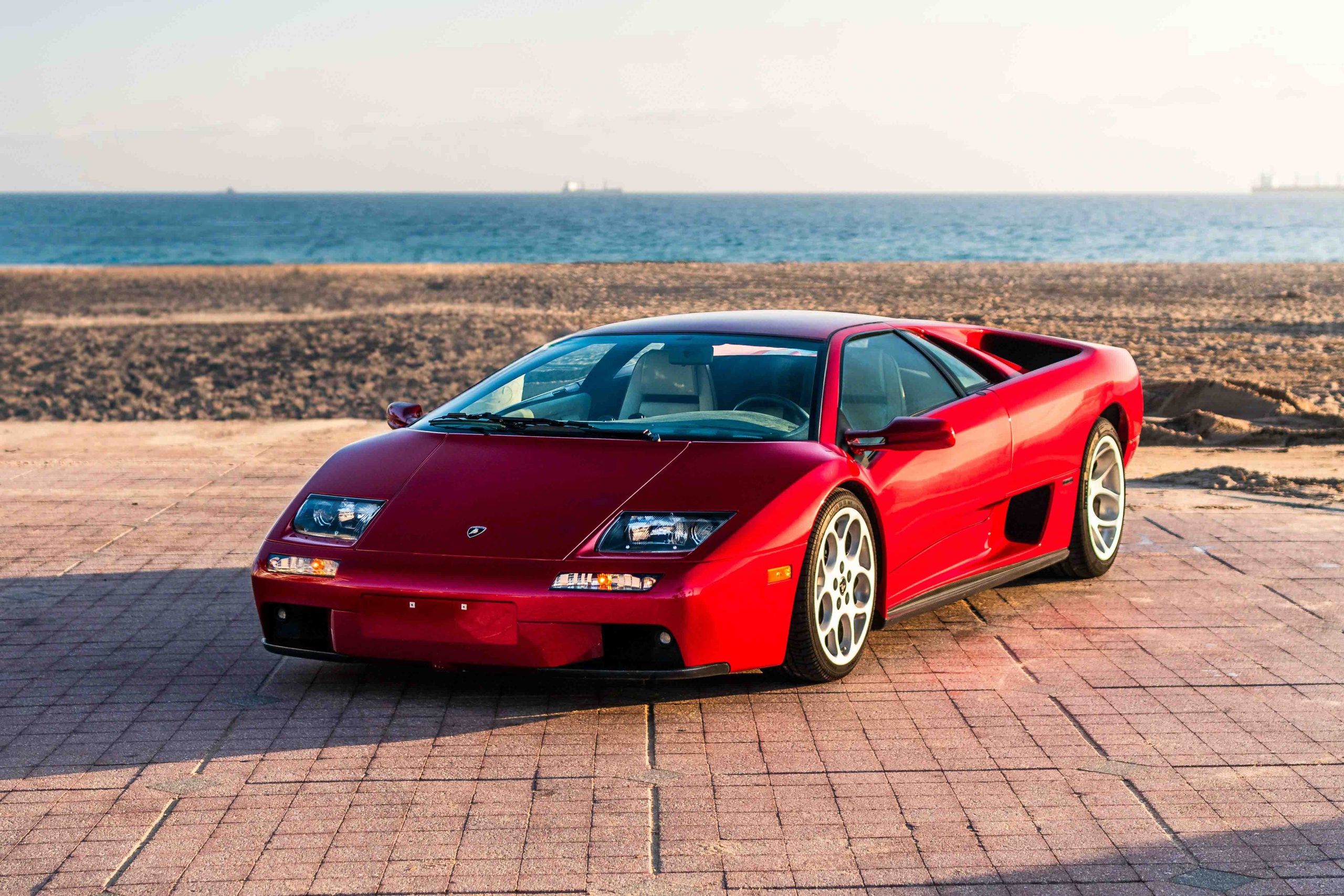
7. Lamborghini Diablo VT
The Lamborghini Diablo VT debuted in 1990 as a bold statement of Italian supercar ambition. Its V12 engine, capable of producing breathtaking top-end performance, was paired with a revolutionary all-wheel-drive system, a feature rarely found on production supercars of the time.
The car’s aggressive styling and angular proportions made it instantly recognizable, while its mechanical sophistication hinted at the future of Lamborghini engineering in terms of both handling and speed.
Aerodynamic innovations were central to the Diablo’s performance. Large rear wings, sculpted side intakes, and underbody venting were engineered to improve high-speed stability and downforce.
The car’s chassis and suspension were designed to balance extreme power delivery with road control, reflecting a technological vision that anticipated trends in supercar engineering that would become standard a decade later.
Despite its advanced features, the Diablo faced criticism for its complexity and challenging driving characteristics. Its extreme performance required a skilled driver to fully exploit, and the all-wheel-drive system, though innovative, was not widely understood by buyers accustomed to simpler rear-wheel-drive setups. These factors made the car a niche product, admired by enthusiasts but difficult for the general market to embrace fully.
Inside, the Diablo VT offered a cabin that combined luxury with performance functionality. Analog gauges, ergonomic placement of controls, and driver-focused seating were hallmarks of Lamborghini’s attention to experience.
Though the design reflected contemporary styling, the integration of performance-oriented ergonomics and safety features predicted the expectations of modern supercar buyers who value both speed and usability.
The Diablo VT’s legacy is profound. It established Lamborghini as a serious innovator in all-wheel-drive performance cars, influencing future models like the Murciélago and Aventador. While it initially seemed too extreme for the early 1990s consumer, its engineering foresight has ensured its place in automotive history as a machine that was prepared for a future the market had yet to reach.
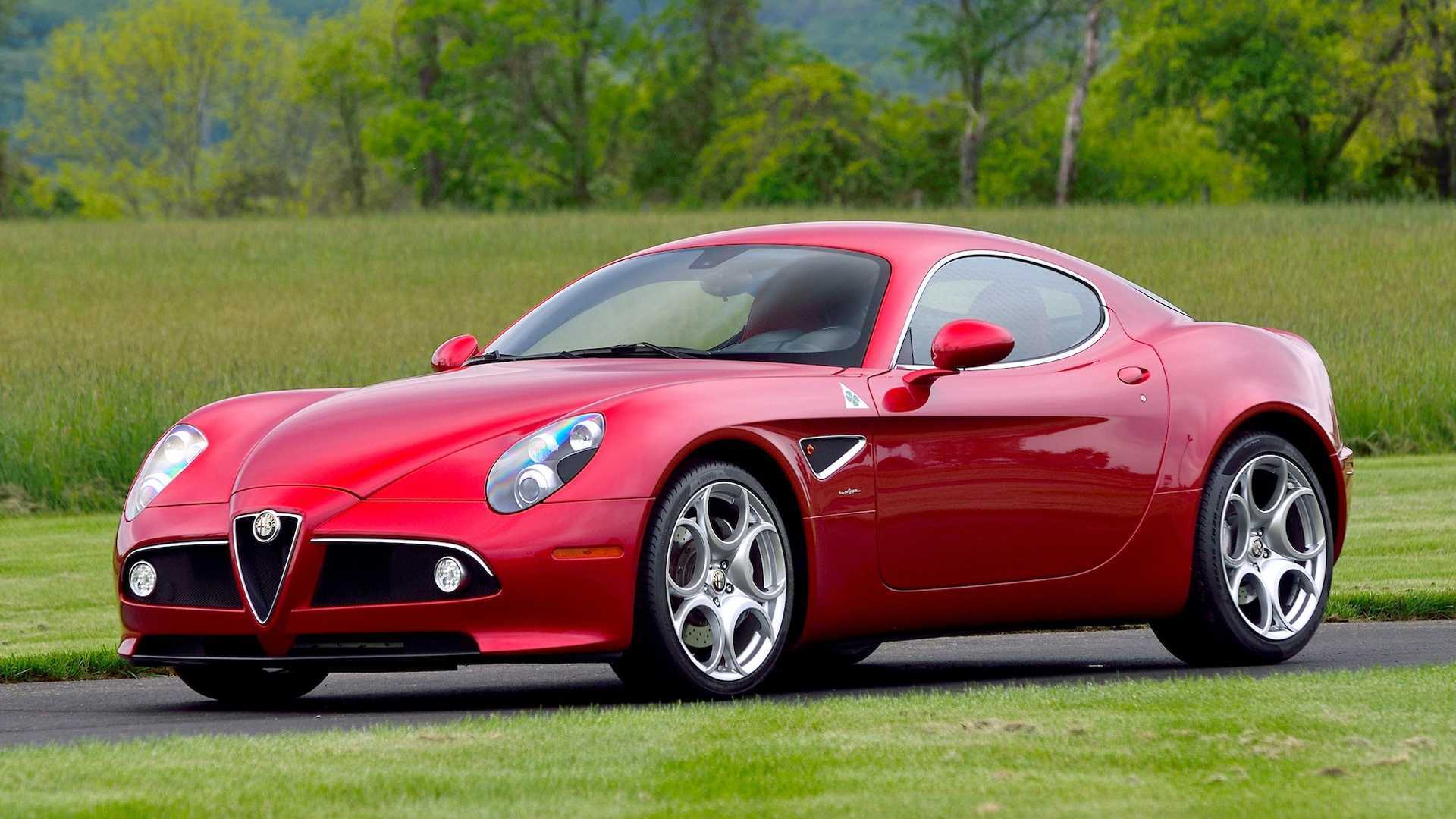
8. Alfa Romeo 8C Competizione
Alfa Romeo’s 8C Competizione arrived as a concept that redefined the brand’s approach to combining style with performance. Its lightweight chassis, V8 engine, and sculptural Italian design gave it supercar-level capabilities in a package that emphasized elegance and driver engagement.
At a time when many manufacturers prioritized brute force over finesse, the 8C showed that balance and craftsmanship could coexist with extreme performance, suggesting a direction that many would not fully appreciate until years later.
The car’s handling characteristics were extraordinary for its era. Its mid-engine layout, coupled with careful weight distribution and adaptive suspension, allowed precise cornering and high-speed control.
The engineering focused on maximizing grip without sacrificing comfort, an approach that would become more common in the supercar segment over the following decade. Alfa Romeo demonstrated that driving experience could be a central performance metric, not just engine output.
Production limitations and high pricing prevented the 8C from reaching mass markets, leaving it as a niche vehicle admired primarily by collectors and enthusiasts. Its rarity amplified its mystique, but the general market was unprepared to fully recognize the significance of its engineering achievements.
Features like carbon fiber body panels and racing-inspired aerodynamics would later become standard among high-end vehicles, proving that the car had been ahead of its time.
The 8C’s interior was a blend of luxury and performance sensibility. Leather, aluminum, and carbon fiber created an environment that respected driver engagement while projecting refinement. Control ergonomics reflected a balance rarely seen in production supercars, illustrating that comfort need not be sacrificed for speed, a philosophy that gained broader acceptance only later.
Today, the Alfa Romeo 8C Competizione is celebrated as one of the most beautiful and technically innovative cars of its era. Its combination of design, engineering, and performance foreshadowed trends that would dominate the supercar market in the 2010s, marking it as a true example of a vehicle that arrived years too early for widespread recognition.
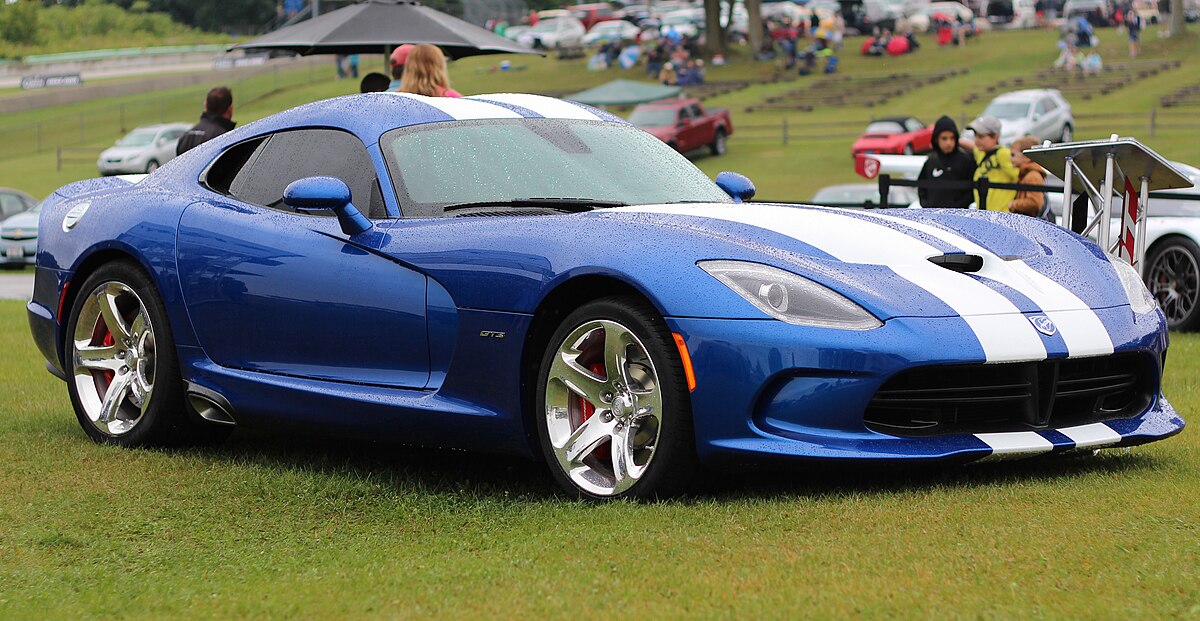
9. Dodge Viper RT/10
The Dodge Viper RT/10 burst onto the scene in the early 1990s as a raw, unfiltered American performance machine. With a massive V10 engine and a minimalist approach to weight reduction, it delivered extraordinary speed and acceleration.
Unlike many contemporaries, the Viper eschewed driver aids, emphasizing the skill and engagement of the person behind the wheel. At a time when electronic controls were becoming common, the Viper’s simplicity was both a bold statement and a challenge for buyers.
Its chassis and suspension were designed to harness the immense power of the V10 engine, allowing a performance envelope that few other vehicles could match. Lightweight construction and straightforward engineering principles created a car that prioritized speed and driver connection over refinement. For enthusiasts who craved raw, unmediated driving, the Viper represented a dream realized far ahead of its era.
Despite impressive performance figures, the Viper initially faced skepticism. Its lack of creature comforts, aggressive handling, and intimidating power delivery made it a niche choice for only the most committed drivers. The market was unaccustomed to a supercar with such an unrefined character, resulting in limited early adoption and cautious reception by critics.
On the track, the Viper’s potential became evident. High-speed stability, massive braking capability, and responsive handling demonstrated that American manufacturers could create exotic performance vehicles rivaling European offerings. Its influence would later be seen in other American performance cars that combined raw power with accessible technology for a broader audience.
The Dodge Viper RT/10 remains an icon of American automotive daring. Its unapologetic focus on performance, minimalism, and driver engagement was decades ahead of consumer expectations. Enthusiasts continue to celebrate its bold character and technical achievements, proving that timing often dictates recognition as much as innovation itself.
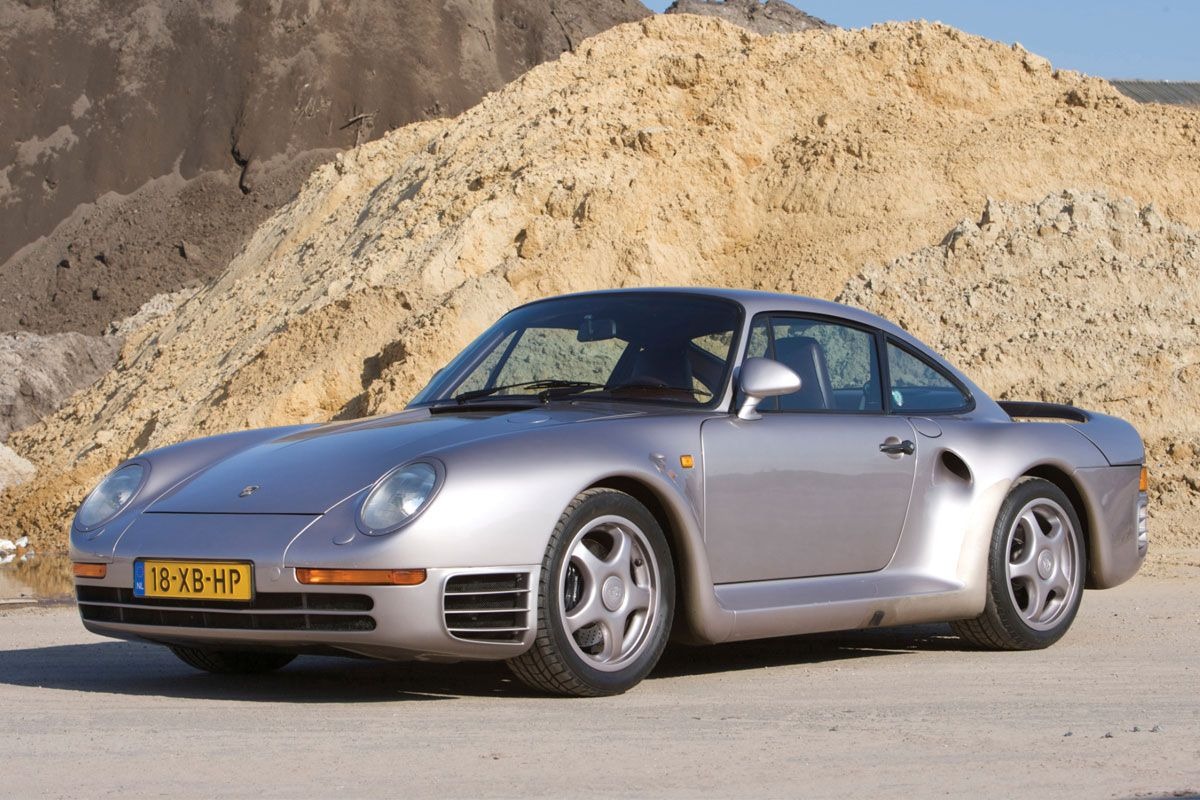
10. Porsche 959
The Porsche 959 was a technological tour de force in the mid-1980s, blending all-wheel drive, twin-turbocharging, and advanced suspension systems into a street-legal supercar. Its performance metrics were extraordinary for the time, with acceleration and top-speed figures that rivaled contemporary racing cars.
Porsche’s engineering foresight integrated electronics and aerodynamics in ways that would not become standard for years, highlighting the 959’s role as a car ahead of its era.
The vehicle’s chassis was revolutionary, featuring a multi-link suspension and lightweight materials designed for both rigidity and comfort. Combined with its sophisticated all-wheel-drive system, the 959 offered unprecedented handling precision, particularly on varying road surfaces. This level of integration between electronics, aerodynamics, and mechanical systems was a glimpse of what modern performance vehicles would eventually adopt.
Despite its brilliance, the 959’s high cost and complex technology limited its early adoption. Only a few hundred units were produced, making it inaccessible to most consumers. The complexity of its systems required specialized maintenance, which further narrowed the market and created an aura of exclusivity, while delaying recognition of its technological significance.
On the road, the 959 provided a unique experience. Its combination of speed, control, and comfort challenged traditional ideas of what a supercar could be. It demonstrated that advanced technology could coexist with everyday usability, laying the foundation for future Porsche models and influencing the broader automotive industry.
Today, the 959 is considered one of Porsche’s most influential creations. Its integration of cutting-edge technology, performance, and usability foreshadowed trends that would dominate the supercar world in the following decades. It remains a testament to engineering vision arriving years before the market was ready to fully appreciate it.