
Choosing the right sport utility vehicle for daily use can change how you feel about commuting, errands, driving to work, or going on short trips with family and friends. Many people want a vehicle that feels confident on city streets, offers smooth handling, and doesn’t demand constant attention to shifting, steering, or navigating tight spaces.
Some SUVs stand out because their design prioritizes ease of use, predictable performance, and a comfortable driving experience that doesn’t wear on the driver during heavy traffic or long drives. Others, while remarkable in their own right, can feel bulky, complex, or challenging to maneuver in everyday conditions where stop and go traffic, narrow lanes, and frequent turns are the norm.
When thinking about what makes an SUV easy to drive daily, consider steering responsiveness, size relative to typical parking spaces, visibility from the driver’s seat, and how well the vehicle performs at lower speeds. Vehicles that offer good sightlines, straightforward controls, and a gentle power delivery tend to inspire confidence and reduce stress during routine travel.
Conversely, larger, heavier SUVs with high-performance engines, rigid trails and off road oriented suspension, or complex control systems might require more focus and effort to manage in everyday driving. Those vehicles can be amazing on open highways or rough terrain, but their traits may not always translate to ease of use where most people spend their time behind the wheel.
This article compares five SUVs that many drivers find easy to drive every day with five that present more challenges for daily use. The first group includes compact and midsize SUVs that combine manageable size with intuitive controls and balanced performance.
The second group includes larger or more specialized SUVs that can feel less agile or intuitive for everyday conditions. Each highlighted vehicle will be described in detail so you can get a sense of how it behaves on typical roads, what driving experiences to expect, and what features influence their daily drivability.
The goal here is not to judge any SUV as good or bad, but rather to match their characteristics with your daily driving needs. With that in mind, let’s begin by looking at five SUVs that many drivers find easy to drive every day.
5 SUVs That Are Easy to Drive Daily
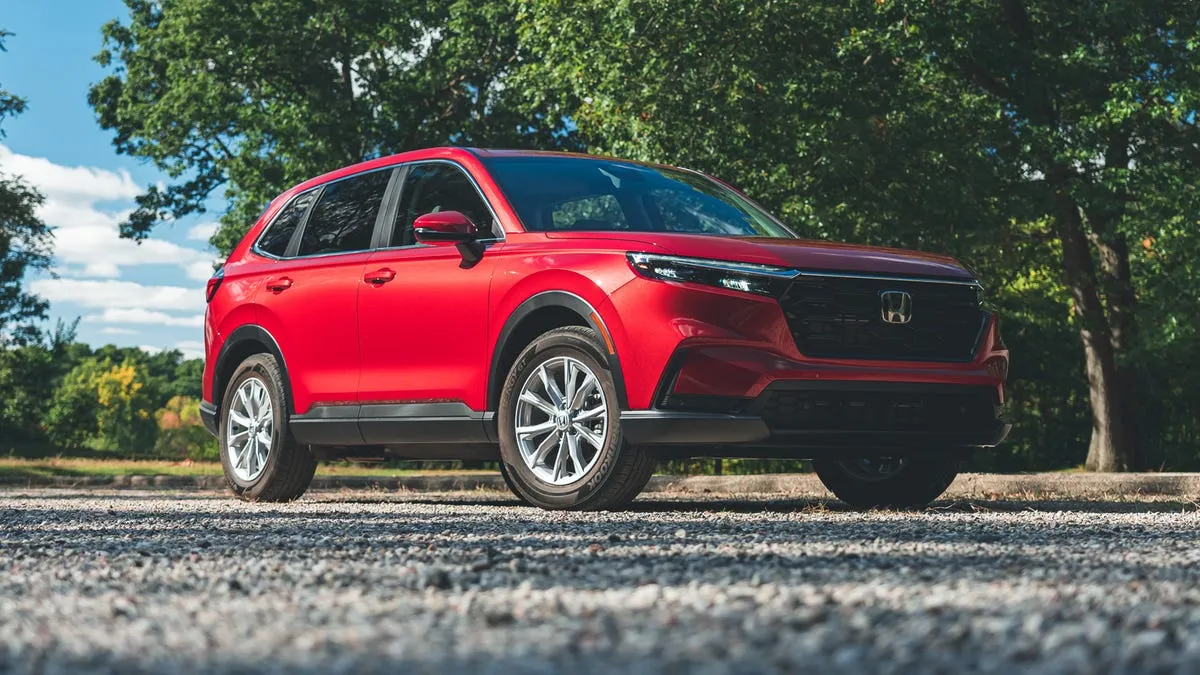
Honda CR-V
The Honda CR-V has long earned a reputation for being composed, predictable, and friendly during daily driving routines. Its size strikes a smart balance between interior space and exterior dimensions that fit well in city traffic and suburban parking lots.
Steering feels direct without demanding aggressive input from the driver, which helps in crowded streets or when making quick lane changes. The CR-V’s controls are laid out with clarity, giving drivers confidence that they understand how each function works without having to remember complex menus.
On the road, the CR-V delivers a smooth ride quality that isolates occupants from rough pavement and bumps. Suspension tuning leans toward comfort, allowing drivers to glide over uneven surfaces rather than feel every imperfection.
Acceleration from the engine feels adequate for merging and turning without lurching or requiring heavy throttle pressure. This predictability helps drivers focus on road conditions rather than battling the vehicle for control.
Visibility from the driver’s seat in the CR-V ranks high among its peers, with generous window areas and slim roof pillars that reduce blind spots. Parking sensors and optional camera systems further assist in low-speed maneuvers, making backing into tight spots less nerve-racking.
Drivers who value clear sightlines will appreciate how the CR-V minimizes guesswork when scanning for pedestrians, cyclists, or approaching vehicles. These features work together to ease stress in urban environments.
Interior ergonomics in the CR-V emphasize straightforward interaction with knobs and buttons that feel intuitive even for first time Honda users. Infotainment systems are placed within easy reach and read clearly without overly bright graphics that distract the driver.
Climate controls respond quickly and keep cabin conditions comfortable regardless of outside weather. Together these elements make everyday driving more relaxed and less taxing.
Fuel efficiency in the CR-V supports daily commuting with fewer stops at the pump, which many drivers find appealing for routine use. The engine and transmission work together smoothly, rarely hesitating or requiring manual intervention to shift.
Drivers can also enjoy adaptive cruise control and lane keeping assist that help maintain steady speeds and reduce fatigue on highways. For these reasons, the Honda CR-V remains a favorite among commuters and families seeking an SUV that feels user friendly and reliable in most driving situations.
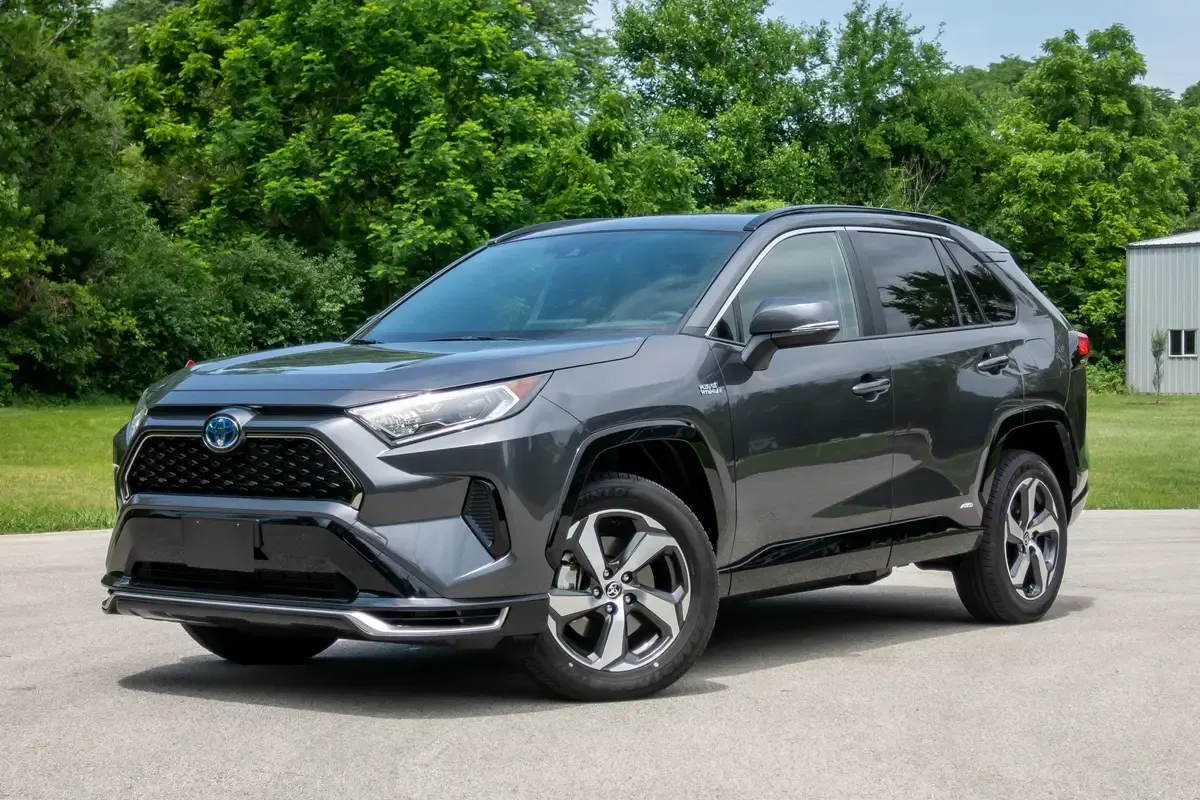
Toyota RAV4
The Toyota RAV4 is widely recognized for blending manageable size with dependable performance that suits daily travel demands. Unlike larger SUVs, its footprint remains compact enough to handle busy streets and parking garages without overwhelming the driver.
Steering responsiveness provides a good sense of direction, helping drivers maintain control without overcorrecting in tight spaces. The naturally balanced ride and suspension tuning offer a smooth feel whether navigating pothole filled roads or cruising through quiet neighborhoods.
Drivers appreciate the RAV4’s engine because it offers predictable power when needed and an easy throttle response that avoids abrupt surges or delays. This quality makes merging onto highways less intimidating, especially during peak traffic hours.
Inside, controls are logically grouped so that essential functions like climate settings and audio adjustments can be made with minimal distraction. Buttons and knobs have tactile feedback, allowing drivers to keep their eyes on the road while making adjustments.
The infotainment screen sits at a height that makes it easy to glance at directions without losing focus on driving conditions. Comfortable seating with supportive cushioning makes longer drives more enjoyable and reduces fatigue on daily commutes.
Fuel economy plays a role in everyday appeal, and many RAV4 models offer efficient use of fuel that reduces frequent stops. The engine’s smooth nature contributes to a calm driving atmosphere that keeps the focus on the journey rather than mechanical fuss.
Advanced safety features such as forward collision alert and automatic emergency braking provide additional peace of mind during unpredictable traffic patterns. For drivers seeking a sensible and friendly SUV for everyday use, the Toyota RAV4 remains a compelling option.
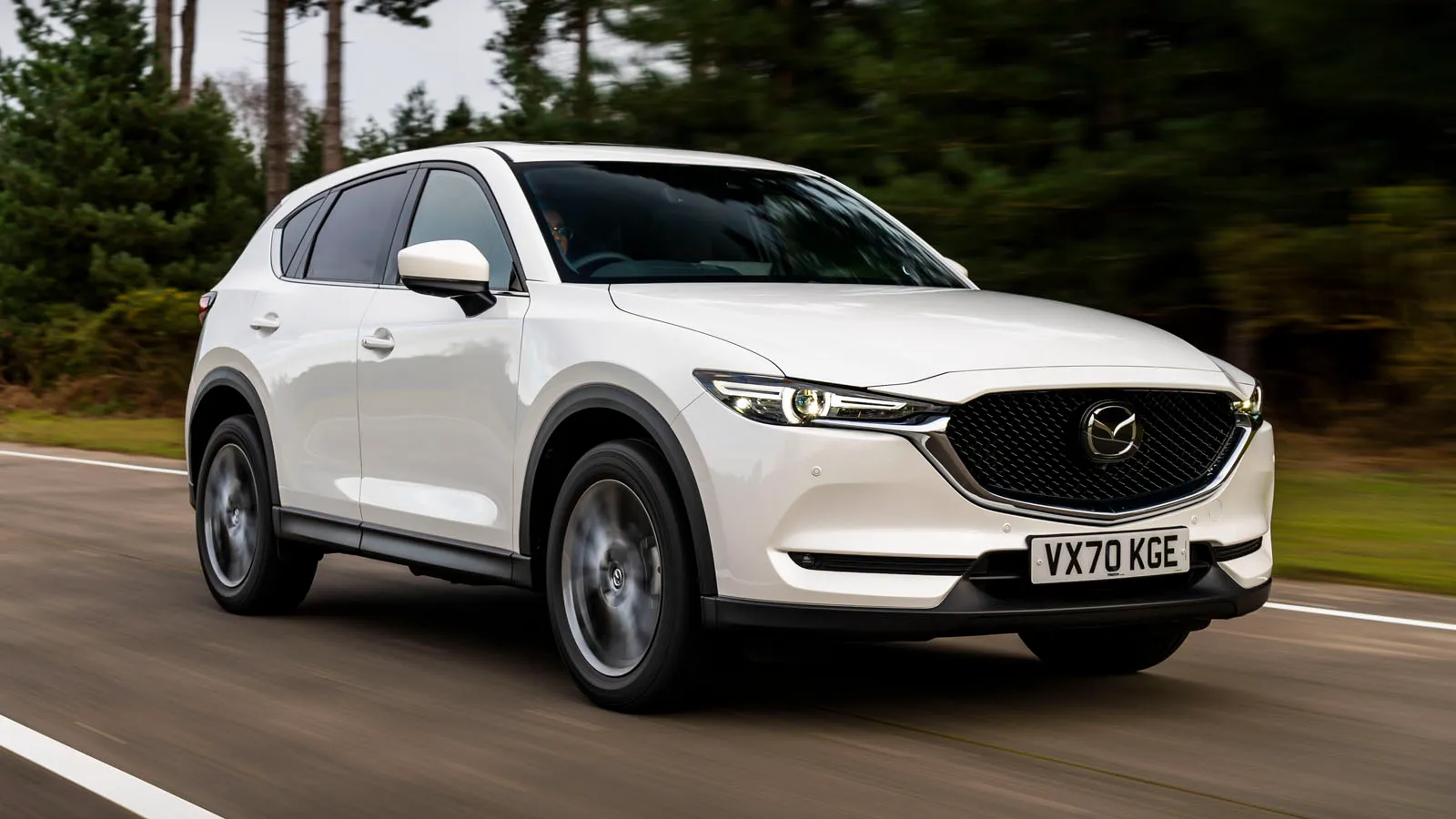
Mazda CX-5
The Mazda CX-5 stands out for its engaging yet accessible driving characteristics that make daily journeys more pleasant. While many SUVs prioritize utility, the CX-5 blends fun handling with smooth performance that feels effortless on typical roads. Steering feels alive with precise feedback, giving drivers a clear sense of how the vehicle is tracking through corners or negotiating curves. This clarity fosters confidence, especially when commuting through busy areas where fine control matters.
The suspension balance in the CX-5 finds a middle ground between comfort and responsiveness, allowing it to handle rough patches without unsettling occupants. When driving over uneven pavement, the CX-5 absorbs imperfections in a manner that maintains composure and reduces cabin disturbance.
Acceleration feels energetic without being overwhelming, letting drivers merge into traffic smoothly and maintain highway speeds comfortably. These qualities work together to make everyday driving less fatiguing.
Visibility from the driver’s seat in the CX-5 remains strong, with thoughtfully proportioned windows that enhance situational awareness. Mirrors and roof design minimize blind spots, making maneuvers like lane changes or backing out of driveways less stressful.
Optional parking sensors and camera systems give additional confidence in tight spots where judgment calls are frequent. The clear view of surroundings improves the ease of daily driving tasks.
Inside the CX-5, intuitive control placement means that interacting with climate settings, audio functions, and navigation requires little effort. The infotainment system offers crisp graphics and logical menus that help drivers stay focused while changing settings. Seats are supportive and comfortable, helping reduce fatigue on longer commutes or errands around town. Together with a quiet cabin, these interior qualities contribute to a more relaxed driving experience.
Fuel economy and engine refinement add to the CX-5’s suitability for everyday use, with smooth power delivery that avoids unnecessary noise or vibration. Drivers appreciate the thoughtful balance between performance and efficiency, which helps keep trips enjoyable and manageable.
Safety systems such as lane departure alert and adaptive cruise enhance daily driving comfort by assisting in common traffic scenarios. For many drivers, the Mazda CX-5 feels like the kind of SUV that makes daily routines more enjoyable and less taxing.
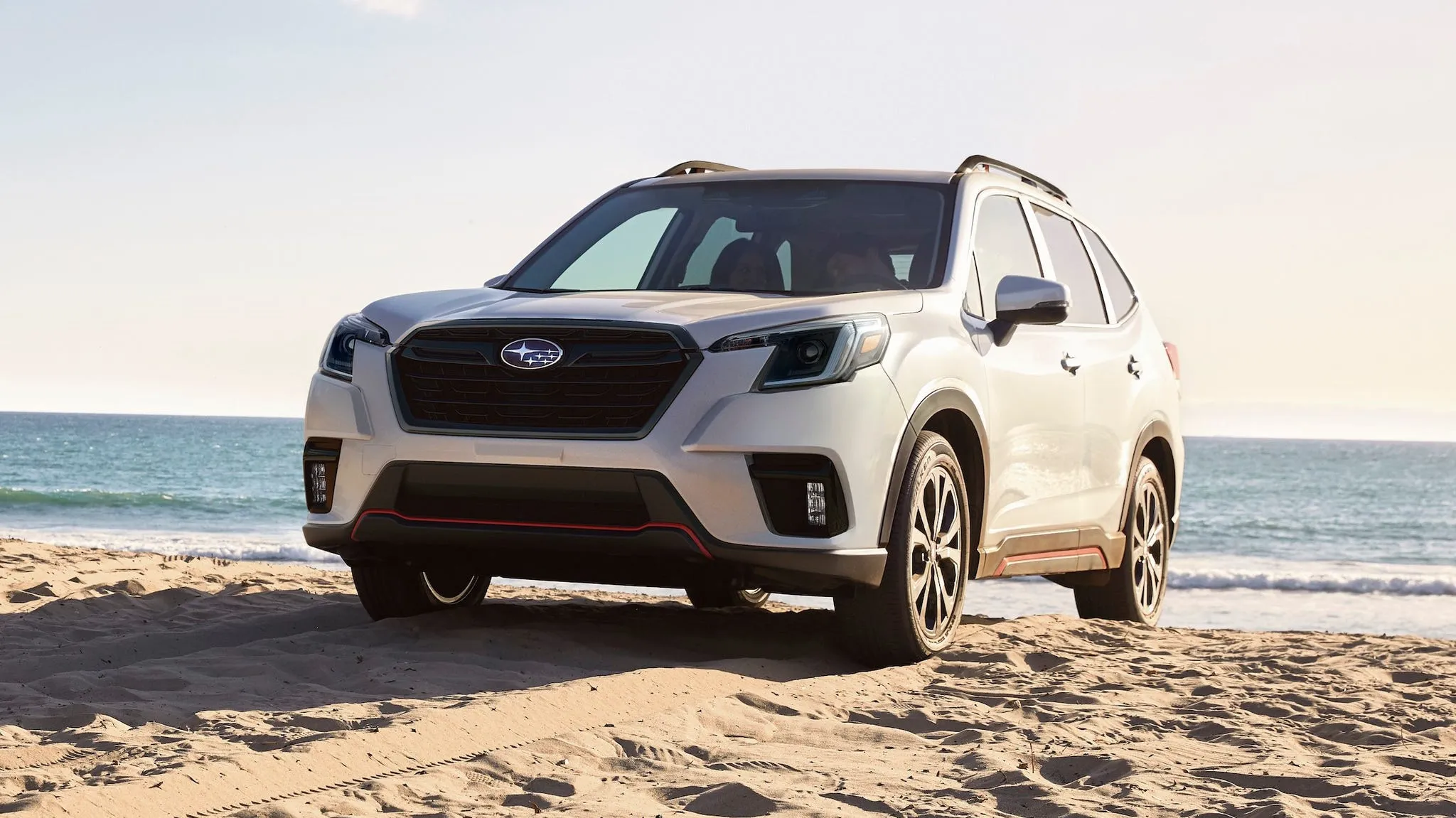
Subaru Forester
The Subaru Forester earns praise for its confidence inspiring performance and practicality that align well with daily driving demands. Its standard all wheel drive offers stability in wet or slippery conditions without requiring driver intervention, which many commuters appreciate during seasonal weather changes.
Steering is responsive but not overly sensitive, helping drivers maintain a smooth course without overthinking every minor correction. This straightforward behavior makes the Forester feel reliable on both highways and inner city roads.
Ride quality in the Forester emphasizes comfort, with suspension tuning that absorbs bumps and potholes effectively without transmitting harshness to the cabin. When navigating uneven surfaces, the vehicle maintains composure and stability, reducing jolts that can otherwise wear on the driver.
The engine provides smooth acceleration that meets daily driving needs without abrupt changes in power delivery. This balanced approach makes the Forester easy to control in a variety of everyday situations.
The Forester’s cabin offers excellent visibility thanks to large windows and thoughtfully engineered sightlines that minimize blind spots. Drivers can easily scan surrounding traffic and pedestrians, increasing confidence at intersections or when merging. Standard roof rails and practical cargo space also contribute to convenience for errands or transporting gear. Parking is simplified by the clear view out the back and optional rear camera systems.
Inside, the Forester focuses on usability with straightforward controls and logical layout that feel familiar even to first time Subaru owners. Climate and audio controls are placed for easy reach, and the infotainment system offers clear menus that reduce distraction.
Comfortable seating supports the driver through long stretches of travel without inducing discomfort. Together with the quiet interior, these elements make routine drives more enjoyable.
Fuel efficiency and reliability also factor into the Forester’s appeal for daily use, with a powertrain tuned for everyday conditions rather than high performance. The all wheel drive system operates without drawing unnecessary attention, providing traction without complexity.
Advanced safety systems such as pre collision braking and adaptive cruise control assist with common traffic conditions. For drivers seeking confidence and comfort in routine driving, the Subaru Forester remains a top contender.
Hyundai Tucson
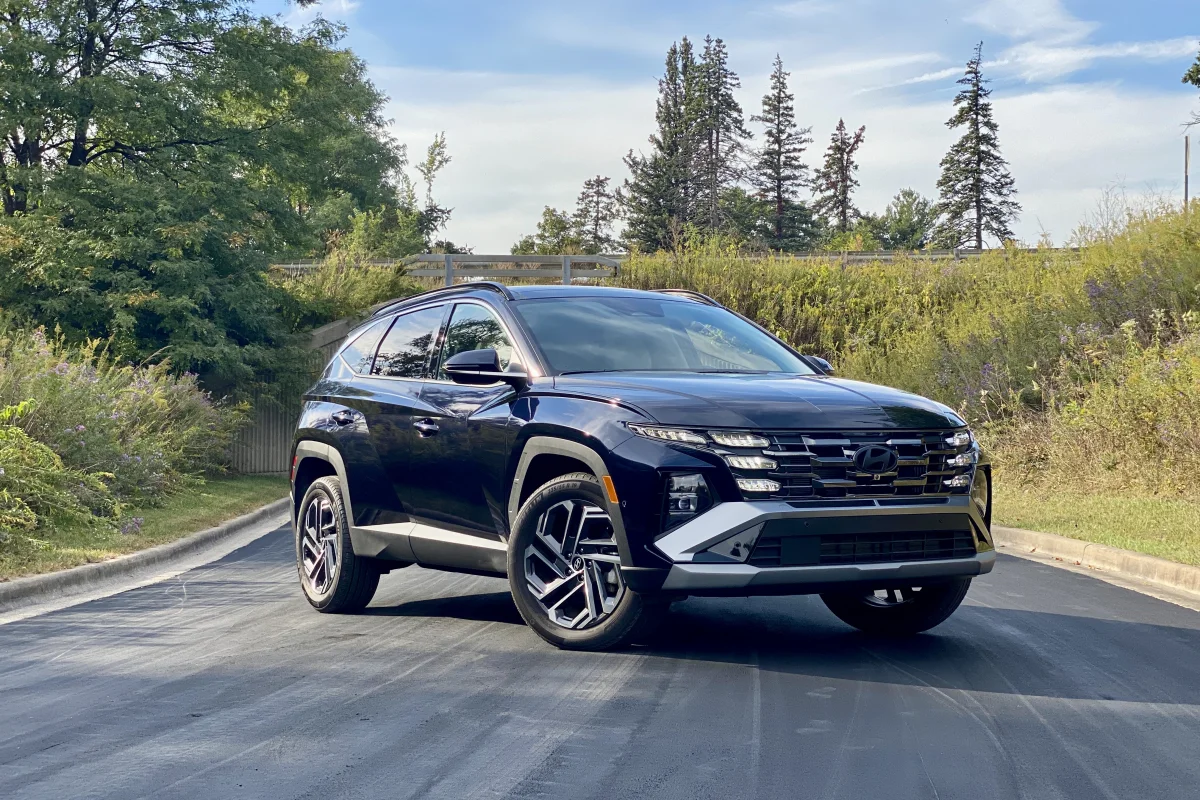
The Hyundai Tucson brings a blend of technology, comfort, and ease that suits daily driving demands with reassuring calm. Its compact footprint and responsive steering make urban navigation and parking more straightforward for drivers of all experience levels.
The ride quality aims for comfort, smoothing out uneven pavement and absorbing small bumps with minimal cabin disturbance. Acceleration feels predictable and linear, allowing the driver to judge throttle input with confidence in varying traffic conditions.
Inside the Tucson, a well-designed cockpit prioritizes intuitive controls that help drivers keep focus on the road ahead. Buttons and knobs for climate and audio are placed with logic that reduces the time spent searching for functions. The infotainment screen is readable and easy to operate, helping drivers check directions or adjust media with minimal disruption. Seating provides support and comfort for daily commutes or weekend jaunts alike.
Visibility from the driver’s seat ranks high in Tucson, with strategically sized windows that offer a clear view of surrounding traffic and pedestrians. Mirrors are large and helpful, reducing blind spots and making lane changes feel less problematic. Parking sensors and available camera systems work in tandem with this visibility to make low speed maneuvering feel natural and reassuring. For drivers who value a clear connection to their surroundings, the Tucson delivers.
Fuel efficiency is another strength of the Tucson, giving daily commuters fewer reasons to worry about frequent fuel stops. The engine and transmission collaborate smoothly, avoiding jerky shifts or power surges that can add stress to everyday travel.
Advanced safety features like blind spot monitoring and lane keeping assist further support the driver during typical traffic scenarios. These technologies help reduce fatigue during long hours on the road.
The Tucson also offers practical cargo space that accommodates groceries, gear, or luggage with minimal fuss. This versatility adds to its appeal for daily use, letting owners transition from errands to travel with ease. The balance of comfort, technology, and predictable performance makes the Hyundai Tucson a strong choice for those seeking a user friendly SUV for everyday life.
5 SUVs That Aren’t Easy to Drive Daily
Land Rover Defender
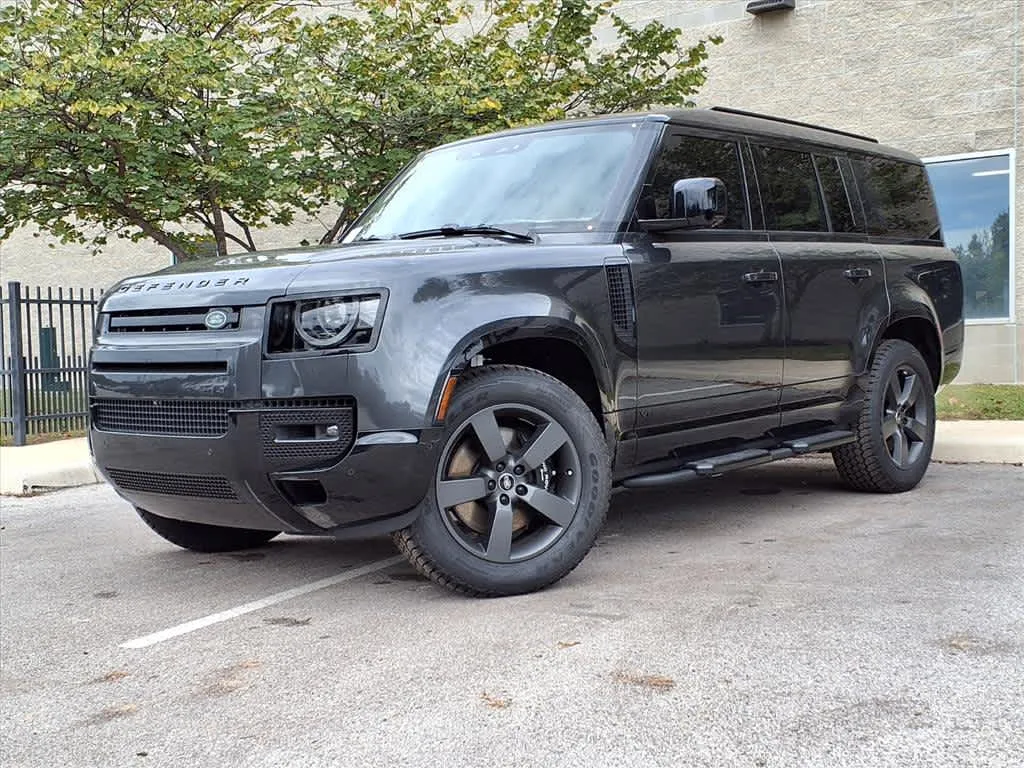
The Land Rover Defender stands out for its robust construction and exceptional off road capabilities, qualities that do not always translate into ease for daily driving. Its boxy silhouette and rugged suspension geometry mean that on paved city streets, the ride can feel firm and jarring.
Steering feedback prioritizes durability over finesse, which can make precise movements in traffic feel heavier and less responsive. Drivers accustomed to lighter, more agile vehicles may find themselves adjusting their habits to manage the Defender’s mass and handling.
Parking a Defender presents challenges, particularly in tight urban spaces where its height and length can feel imposing. While cameras and sensors assist, the vehicle’s size still demands careful observation and planning before attempting maneuvers in crowded lots.
Turning in narrow streets takes patience, as the wide stance doesn’t always align with compact lane widths common in city cores. This larger footprint makes everyday situations that require quick adjustments feel more like calculated tasks.
The engine options in the Defender include powerful units designed for torque and endurance, but on daily roads they can feel more forceful than needed for low speed travel. Throttle response may not behave as gently as in vehicles tuned for commuting, requiring the driver to moderate input carefully to avoid sudden acceleration.
Transmission settings aimed at rugged terrain can also feel out of sync with stop and go traffic. This mismatch can lead to a less relaxed driving experience than many commuters prefer.
Inside, the Defender incorporates controls for off road systems that can feel overwhelming for drivers focused on typical travel. Buttons and menus dedicated to terrain response modes, differential locks, and other specialized features clutter the interface compared to more commuter oriented SUVs.
While impressive for adventurous outings, these elements add complexity to what should be simple daily operations. Drivers may find themselves navigating through options that feel unnecessary for regular streets.
Fuel consumption in the Defender tends to be higher than in SUVs designed for city driving, which means more frequent stops at the pump for daily commuters. The vehicle’s weight and large tires contribute to this inefficiency, making long term cost of operation a consideration.
Combined with a firm ride and complex controls, the Defender may leave daily drivers longing for something with a calmer, more laid back temperament.

Jeep Wrangler
The Jeep Wrangler’s unmistakable charm stems from its legendary off road heritage, but that same character can make daily driving feel less intuitive or comfortable than many expect. Its solid axles and rugged suspension designed for rough trails transmit more road imperfections to the cabin, which can feel tiring over hours of commuting.
Steering feels robust and direct, yet not as refined as vehicles designed for on pavement agility, requiring conscious effort during frequent turns. This trait becomes more noticeable in stop and go traffic where constant steering adjustments are common.
Parking a Wrangler adds to the challenge, as its shorter wheelbase and upright stance can give a feeling of unpredictability when maneuvering into tight spots. Rear visibility improves with removable windows, but in daily use the hinges, seals, and open cabin feel can introduce wind noise and distraction that other SUVs avoid.
Turning radius and ground clearance that excel off road feel like liabilities when trying to judge spaces in urban settings. Drivers may find themselves taking extra time to ensure they have sufficient room before initiating maneuvers.
Acceleration in the Wrangler can feel uneven due to engine tuning that favors torque for off road recovery rather than smooth incremental power for city traffic. The transmission, while capable, may lag or hesitate slightly as it shifts under light throttle, prompting adjustments from drivers to maintain steady speeds.
This behavior contrasts with SUVs engineered for seamless highway merging and lower speed responsiveness. Drivers focused on a refined commute might notice these differences on daily routes.
Inside, the Wrangler’s utilitarian interior design prioritizes durability and simplicity over ergonomic ease. While this approach suits outdoor excursions, everyday use may leave drivers wishing for more intuitive layouts and quiet cabins.
Fuel efficiency in the Wrangler typically lags behind SUVs designed for urban travel due to its weight, engine characteristics, and aerodynamics. Frequent stops at gas stations can become a regular part of a daily driver’s expenses.
Combine this with a ride that transmits more feedback from the road and a driving position that feels less settled at speed, and the Wrangler may feel more like an adventure machine than a commuter companion.

Mercedes G‑Class
The Mercedes G-Class, sometimes known as the G Wagon, carries an imposing presence with its squared off design and luxury finishes that many admire, yet daily driving often presents challenges. Its size and stiffness reflect its capability and heritage, but these same traits make navigating crowded streets and tight parking spaces difficult.
Steering requires conscious effort to judge proportions, and drivers may find themselves compensating for bulk rather than feeling in sync with the vehicle. While confidence-inspiring at highway speeds, the G Class can feel unwieldy in situations that require nimble responses.
Ride quality in the G Class leans toward firmness to support its off road roots, which translates to a more rigid feel over imperfect pavement found on typical roads. Bumps and dips are communicated more directly to occupants, which can feel less comfortable over extended periods behind the wheel.
Acceleration comes from powerful engines that deliver strength when needed, but this potency can feel excessive for everyday situations that call for gentle, predictable power delivery. Drivers may find themselves modulating throttle and brake input carefully to maintain a composed ride.
Parking the G Class often feels like a task that demands planning and constant adjustment due to its width and height. Even with advanced cameras and parking aids, the sheer dimensions require focus and patience when backing into spaces or negotiating angled spots.
The turning radius feels larger than in more compact SUVs, making U turns and tight maneuvers feel more laborious. Drivers who value ease in routine driving may consider these traits as obstacles rather than benefits.
Inside, the G Class combines luxury with complexity, offering many advanced features that can feel overwhelming for daily driving. The array of controls for comfort, infotainment, and performance systems requires time to learn and may distract from the primary task of driving in busy conditions.
While the materials and finishes represent high quality, the functional interface lacks the simplicity found in vehicles focused purely on commuter ease. Getting accustomed to the layout can take effort that some drivers would rather avoid for everyday use.
Fuel consumption is higher in the G Class due to its size, weight, and powerful engines, leading to more frequent fuel stops. This aspect, combined with the effort required to manage its presence in daily traffic, positions the vehicle more as a statement piece than a commuter-friendly choice. Drivers seeking effortless daily operation may find the G Class’s strengths less aligned with their routine needs.
BMW X7
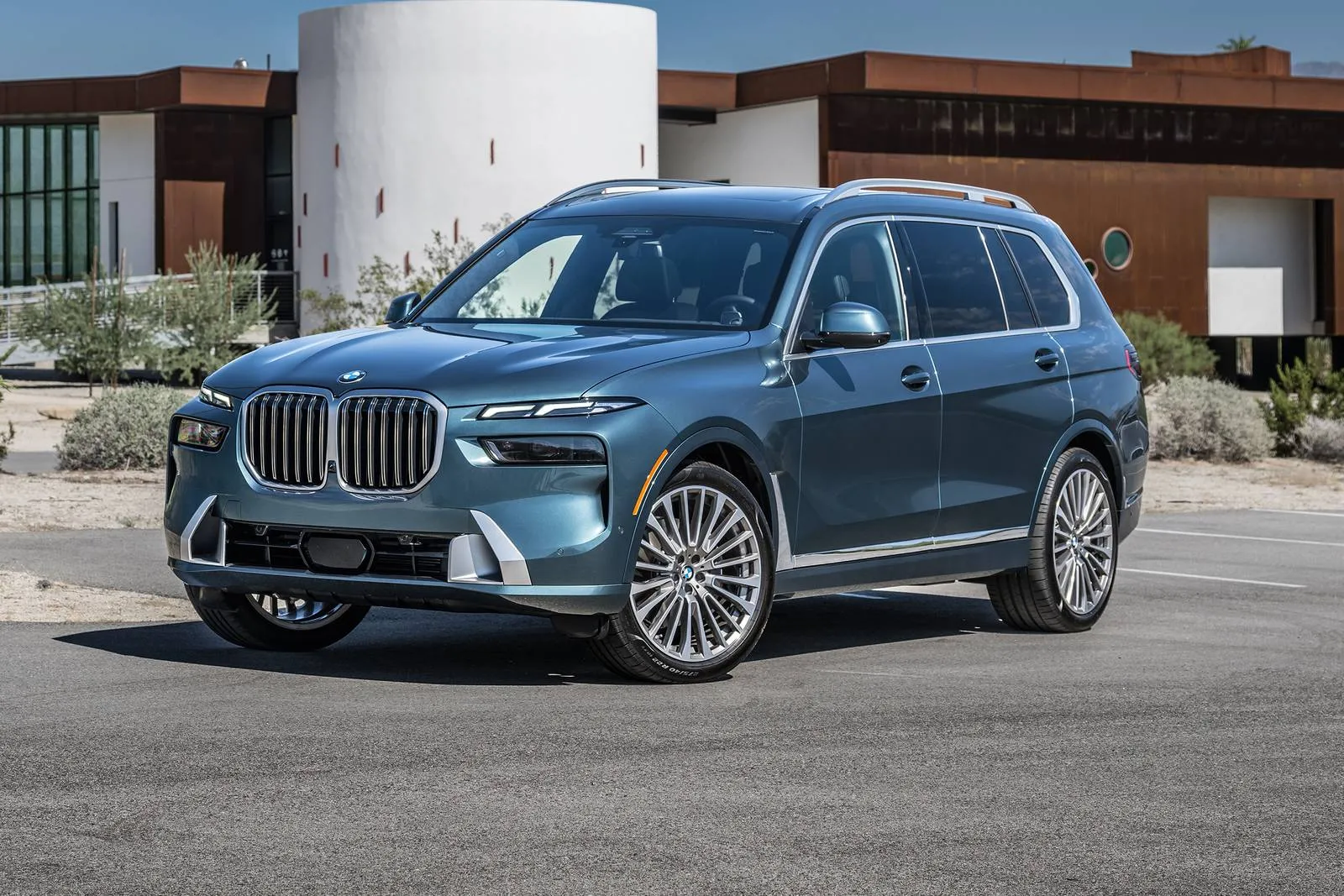
The BMW X7 represents luxury and performance at a grand scale, but its size and dynamics can make daily driving feel more involved than many expect from an SUV. Its long wheelbase and broad shoulders contribute to impressive road presence, yet those same dimensions pose challenges in tight urban environments.
Ride comfort in the X7 aims for quality, but the firm suspension settings designed to support its weight can transmit more road texture into the cabin. While this approach enhances handling stability at speed, it can feel less relaxed on bumpy city streets where gentle suspension would be preferred.
Acceleration from powerful engine options is strong, yet this strength can feel overly energetic for daily low speed travel. Maintaining smooth throttle control requires careful modulation to avoid abrupt power delivery that feels out of place in regular traffic.
Parking the X7 presents familiar challenges due to its size, demanding careful attention when entering or exiting spaces in dense areas. Even with advanced parking assist systems, drivers must remain focused to judge distances and clearances that smaller SUVs handle more intuitively.
The turning circle is larger than average, making maneuvers in confined areas feel less graceful. This requirement for meticulous steering reduces the ease that many drivers seek for everyday use.
Inside, the X7 offers a wealth of features and advanced technology that enhance comfort yet require time to master. The infotainment system, while high tech, presents a depth of menus that can distract from driving tasks if not thoroughly understood.
Climate controls, seat adjustments, and driving modes are numerous, which adds complexity rather than simplicity. Drivers who prefer straightforward controls may find the learning curve steeper than expected.
Fuel efficiency in the X7 is modest relative to SUVs designed for everyday commuting, with larger engines consuming more fuel during typical stop-and-go traffic. This characteristic, paired with its size and dynamic nature, positions the vehicle more toward long highway trips or spacious luxury travel than daily errands. For drivers seeking effortless daily operation, the BMW X7 may feel more capable than comfortable in everyday conditions.

Toyota Land Cruiser
The Toyota Land Cruiser has built its reputation on durability and capability, qualities that serve adventurous drivers well but do not always align with the demands of regular road travel. Its robust frame and suspension design focus on rugged terrain, which translates to a firmer ride on paved streets compared to SUVs tuned for comfort.
Steering feedback feels solid, yet not as agile or responsive as vehicles with more road oriented suspension and lighter steering systems. This characteristic becomes more noticeable in daily use where quick, precise responses for weaving through traffic are common.
Parking a Land Cruiser requires careful planning due to its generous proportions, height, and width, especially in crowded urban environments with narrow spaces. Cameras and sensors certainly help, but the vehicle’s presence still requires patience and time to maneuver confidently.
Turning in tight spots can feel cumbersome, as the wheelbase and bulk resist quick adjustments that smaller SUVs handle easily. Many drivers may find this aspect tiring during frequent errands or when negotiating city streets.
Acceleration in the Land Cruiser feels steady but not particularly refined for everyday drives, as its powertrain prioritizes torque for hauling or off road climbs rather than smooth incremental power for city traffic. Shifts from the transmission are competent yet may feel geared toward durability over seamless transitions at low speeds.
This can result in a driving feel that demands more attention to throttle and brake input than SUVs designed with urban comfort in mind. Drivers who prioritize effortless motion in daily traffic may notice this trait frequently.
Inside, the Land Cruiser’s interior reflects its heritage with functional controls that might feel dated compared to the modern interfaces of commuter-oriented SUVs. While comfortable and practical for long trips or rough conditions, daily users may yearn for simpler, more intuitive layouts that minimize distraction.
Climate, audio, and navigation systems require attention to set up, which can interrupt the smooth flow of daily driving tasks. The vehicle’s utilitarian focus may not align with modern expectations for everyday ease.
Fuel economy in the Land Cruiser tends to be lower than in vehicles optimized for commuting, due to its weight and emphasis on power over efficiency. Frequent stops at fuel stations become part of the routine, which some drivers may find inconvenient for daily use.
Combined with a robust yet firm ride and less agile maneuvering, the Land Cruiser rewards drivers who value capability over everyday comfort. For those seeking a more relaxed daily drive, this vehicle’s strengths may feel like drawbacks in routine settings.