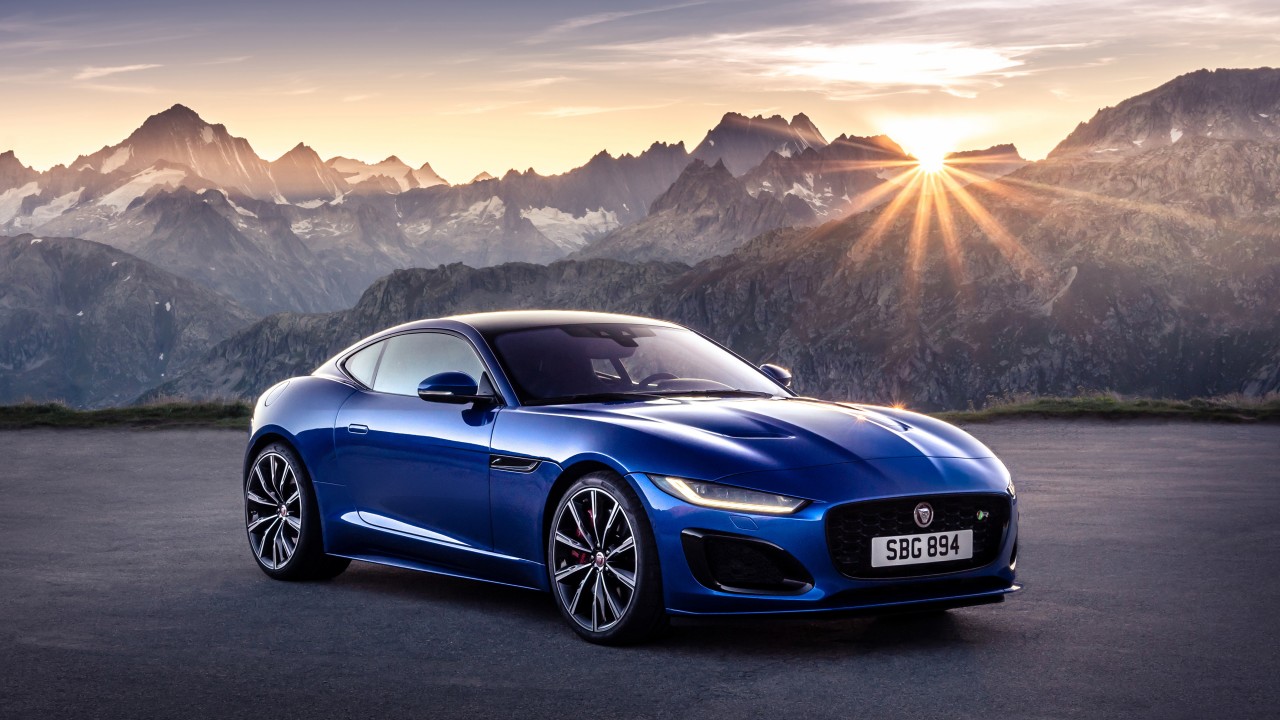
German sports cars are famous for speed, sharp handling, and strong engines. Many people think they are always very expensive to own. While some models can cost a lot, others are surprisingly affordable to maintain.
If you choose carefully, you can enjoy German performance without emptying your wallet. Here are eight German sports cars that offer exciting driving and lower-than-expected ownership costs.
1) Porsche 718 Cayman
The Porsche 718 Cayman is a true sports car built for drivers who love balance and control. Its mid-engine layout places the engine behind the seats, helping the car stay stable and smooth while turning at high speeds.
Because the engine sits in the center of the car, weight is evenly distributed. This improves grip and makes the Cayman feel planted on the road. Drivers often say it feels confident and sharp in tight corners.
Steering in the 718 Cayman is precise and responsive. Even small movements of the wheel create quick reactions from the car. This gives the driver a strong sense of connection, making every drive feel exciting and controlled.
The suspension system is firm but comfortable. It keeps the body steady during fast cornering, yet it does not feel too harsh on normal roads. This balance makes the Cayman suitable for both daily driving and weekend fun.
Under the hood, the 718 Cayman offers turbocharged four-cylinder engines. These engines produce strong power while still being fuel efficient. Acceleration is quick, and the car feels fast without wasting too much fuel.
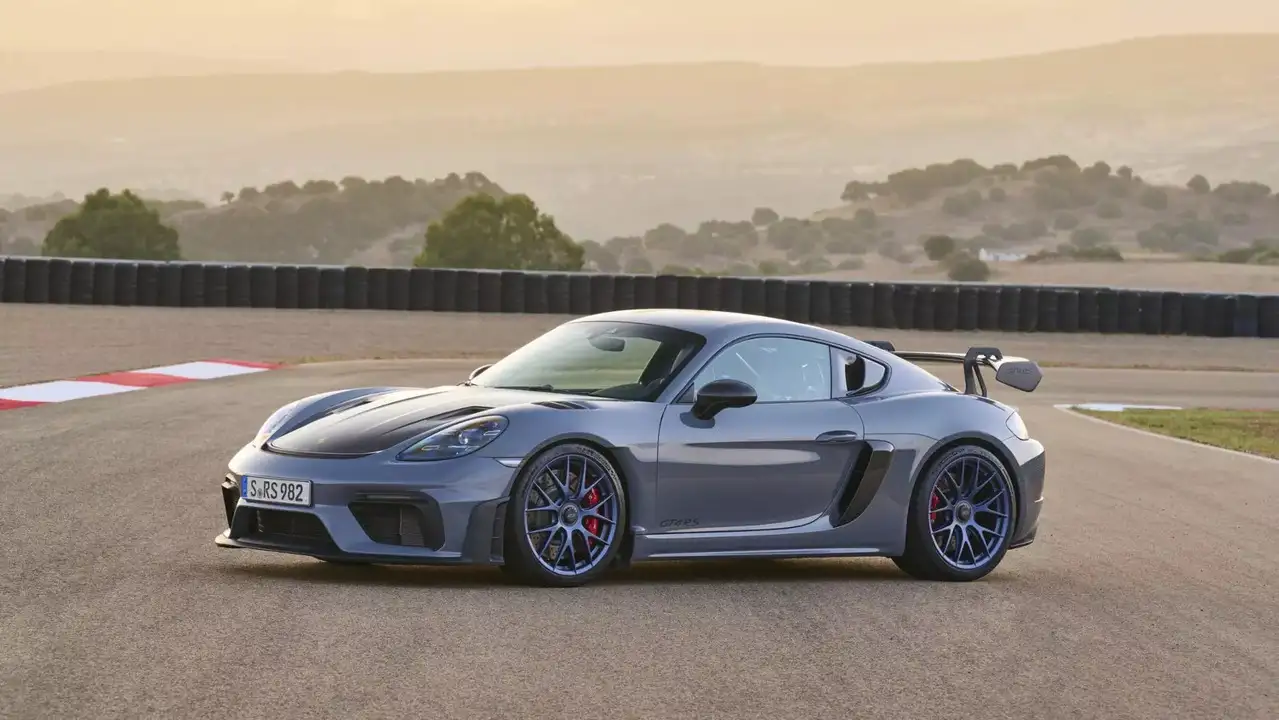
Fuel economy is reasonable for a sports car in this class. Compared to larger performance cars, the Cayman uses less fuel during daily commutes. This helps owners save money over time, especially if driven regularly.
Reliability is another strong point of the 718 Cayman. Porsche improved many mechanical systems compared to older models. When maintained properly, the engine and transmission are known to last for many years without major issues.
Routine maintenance like oil changes, brake service, and tire replacement is important. While Porsche parts can cost more than regular cars, the Cayman does not require constant repairs. Careful servicing helps keep ownership costs under control.
Insurance costs for the 718 Cayman are often lower than more powerful Porsche models. Its smaller engine and good safety features can help reduce premiums. This makes it more affordable compared to higher-end sports cars.
Resale value is another benefit. Porsche vehicles often hold their value well, and the 718 Cayman is no exception. Strong demand in the used market means owners can recover a good portion of their investment later.
2) BMW M240i
The BMW M240i is a compact performance coupe that delivers strong power and smooth driving. It offers the excitement of a sports car while still being practical enough for daily use. This balance helps keep ownership enjoyable and manageable.
Under the hood, the M240i uses a turbocharged inline-six engine. This engine produces impressive horsepower and quick acceleration. At the same time, it is known for durability when properly maintained, which helps reduce long-term repair worries.
The power delivery feels smooth and controlled. The automatic transmission shifts quickly, while the manual option gives more driver involvement. Both versions provide a fun driving experience without feeling too aggressive or difficult to handle.
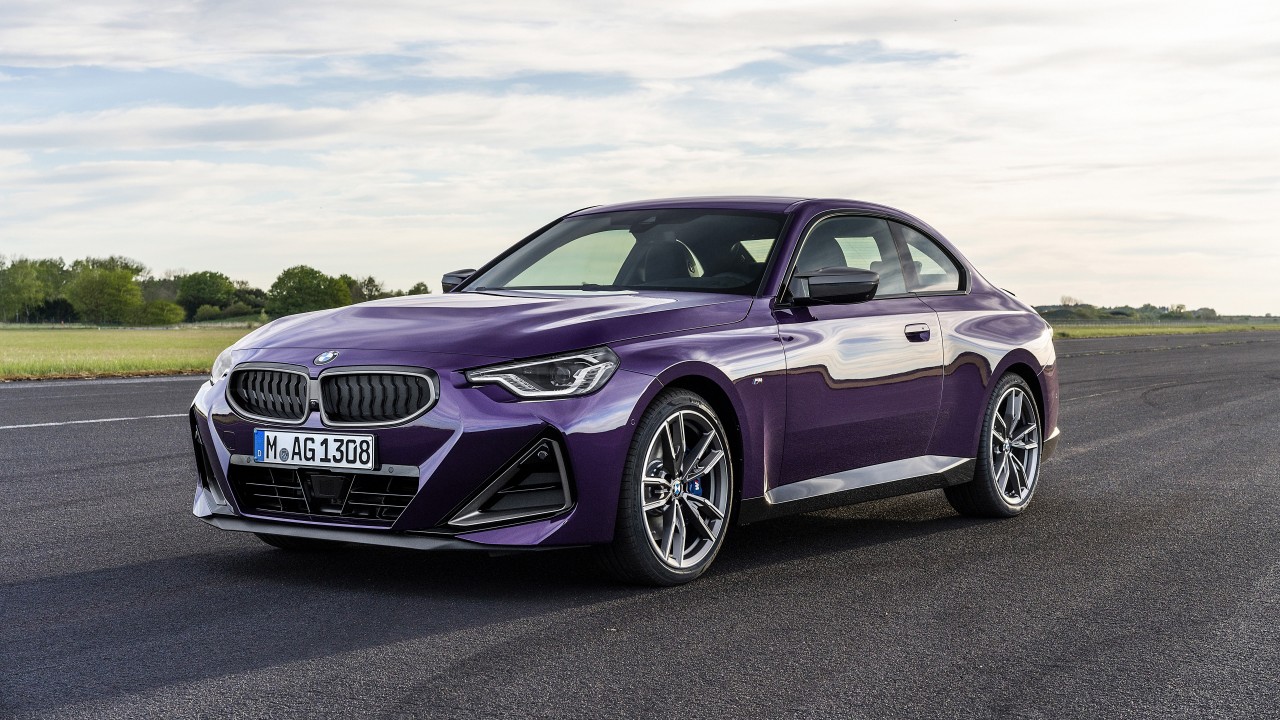
Handling is one of the strongest features of the M240i. The car feels stable during fast turns and confident on highways. Its compact size makes it easy to drive in city traffic and simple to park in tight spaces.
Compared to full BMW M models, the M240i has lower maintenance costs. It shares many parts with the regular 2 Series, which helps keep repair bills more reasonable. This makes it a smarter choice for budget-conscious performance buyers.
Fuel economy is respectable for a car with this level of power. The turbocharged engine is efficient during calm driving, which reduces fuel expenses during daily commutes. Owners can enjoy performance without spending too much on fuel.
Reliability ratings for the M240i are generally positive. With regular servicing, the engine and transmission can last many years. Preventive maintenance is important, but the car does not demand constant expensive repairs.
3) Audi TT
The Audi TT is a compact German sports coupe that combines style, performance, and everyday usability. It has a modern design that still looks fresh today. Its smaller size makes it easy to drive in both city traffic and open highways.
Under the hood, the Audi TT uses turbocharged four-cylinder engines. These engines deliver strong power while maintaining good fuel efficiency. Acceleration feels quick, yet the car remains smooth and controlled during normal daily driving conditions.
One of the biggest advantages of the TT is shared engineering. Many parts are shared with other Audi and Volkswagen models. This helps lower repair costs because parts are widely available and easier to source.
The handling of the TT feels sharp and confident. The steering responds quickly, and the suspension keeps the car stable during fast turns. Drivers feel connected to the road without experiencing too much ride discomfort.
Some versions come with Audi’s Quattro all-wheel-drive system. This system improves traction during rain or slippery road conditions. It adds extra confidence while driving, especially in changing weather situations.
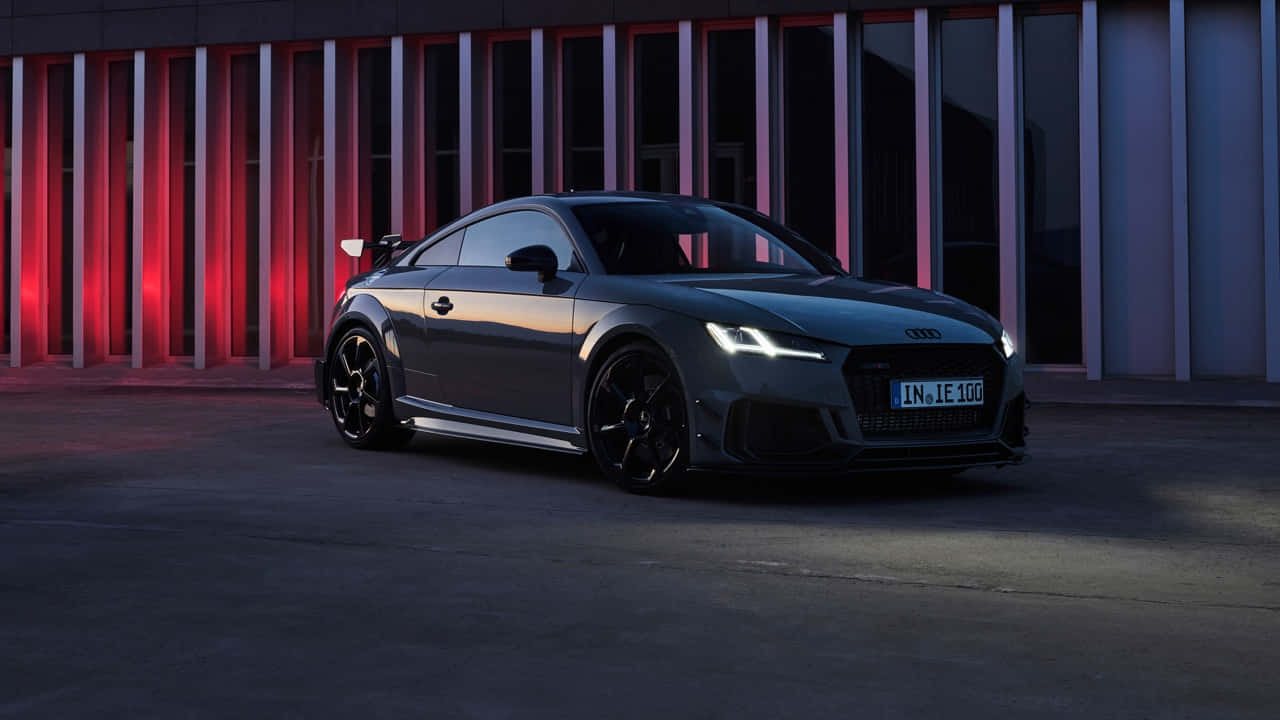
Fuel economy is reasonable for a sports car in this category. The smaller engine uses less fuel compared to larger performance cars. Over time, this helps reduce daily running costs and makes ownership more affordable.
Reliability of the Audi TT is generally good when maintenance is done regularly. Routine services like oil changes and brake checks are important. With proper care, many owners report dependable long-term performance.
Insurance costs can be moderate compared to larger luxury sports cars. Because the TT has a smaller engine and strong safety features, premiums may remain manageable for many drivers.
Inside, the cabin feels modern and high quality. The Virtual Cockpit digital display gives the interior a futuristic look. Materials feel solid, and the layout is simple and driver-focused.
Although it is a sports coupe, the TT offers decent cargo space for its size. The hatchback-style rear makes it practical for carrying bags or small luggage. This adds convenience for daily use.
Resale value also remains steady because the TT has strong brand recognition. Audi’s reputation for quality helps maintain demand in the used market, supporting long-term ownership value.
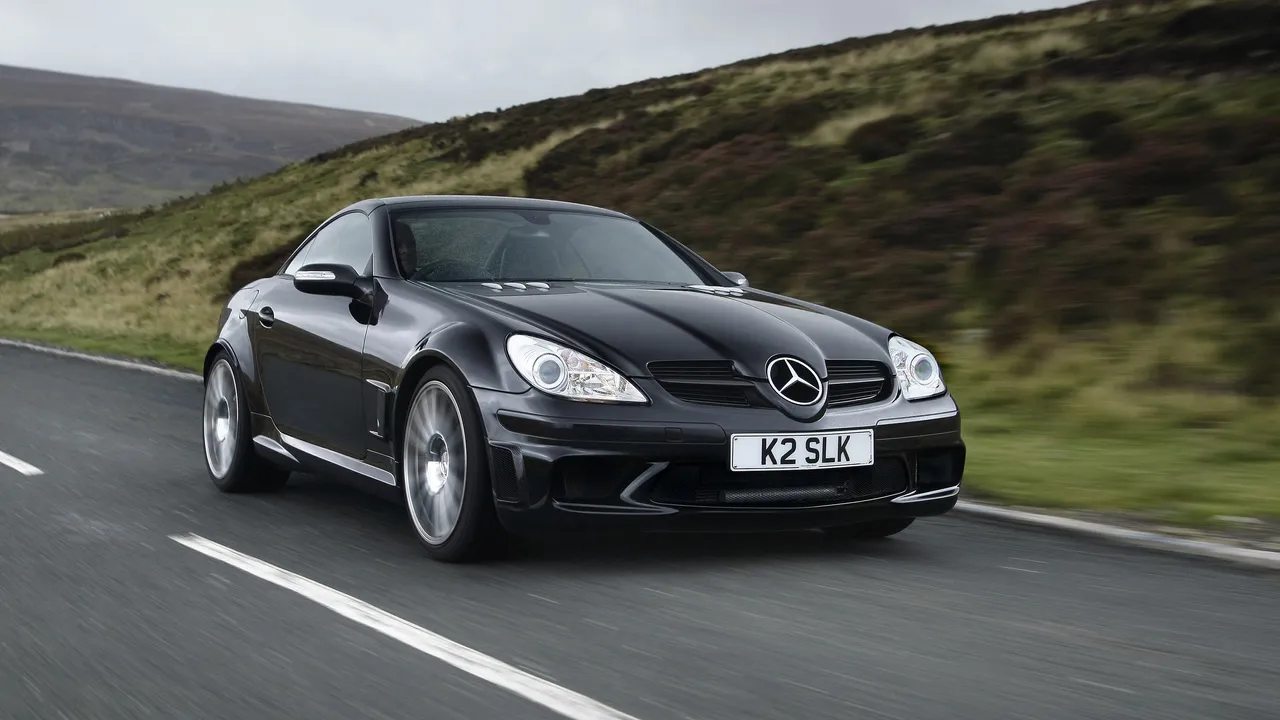
4) Mercedes-Benz SLK
The Mercedes-Benz SLK is a compact luxury roadster that blends sporty driving with everyday comfort. Its small size and solid build make it easy to enjoy as a fun weekend car or even a daily driver.
One of the SLK’s standout features is its folding hardtop roof. With the push of a button, it transforms from a coupe into a convertible. This adds versatility and also provides better insulation and security than soft tops.
Engine options in the SLK range from efficient four-cylinder units to stronger V6 versions. Even the smaller engines feel lively for city and highway driving. They offer good balance between performance and fuel economy.
The SLK feels stable and comfortable on the road. Steering is smooth, and the suspension handles bumps well. While it is not a hardcore sports car, it delivers a relaxed yet engaging driving experience.
Ownership costs are often lower than expected, especially for older models. Many SLK versions are now affordable to buy used. This lowers the entry price and makes luxury sports car ownership more realistic.
Maintenance costs are reasonable when the car is serviced regularly. The SLK shares many parts with other Mercedes-Benz models. This helps keep repair and service expenses under control compared to rare performance cars.
Fuel economy is decent for a luxury roadster. Four-cylinder models, in particular, use less fuel during daily driving. This helps owners save money over time without sacrificing the joy of open-top driving.
Reliability of the SLK is generally good with proper care. Engines and transmissions are known to last when maintained on schedule. Regular oil changes and inspections help avoid costly problems later.
Insurance costs can be moderate because the SLK is smaller and less powerful than larger Mercedes sports cars. Safety features and solid build quality may also help reduce insurance premiums.
Inside, the cabin feels refined and comfortable. Seats offer good support, and materials feel durable. Controls are simple and easy to use, making the SLK friendly even for first-time sports car owners.
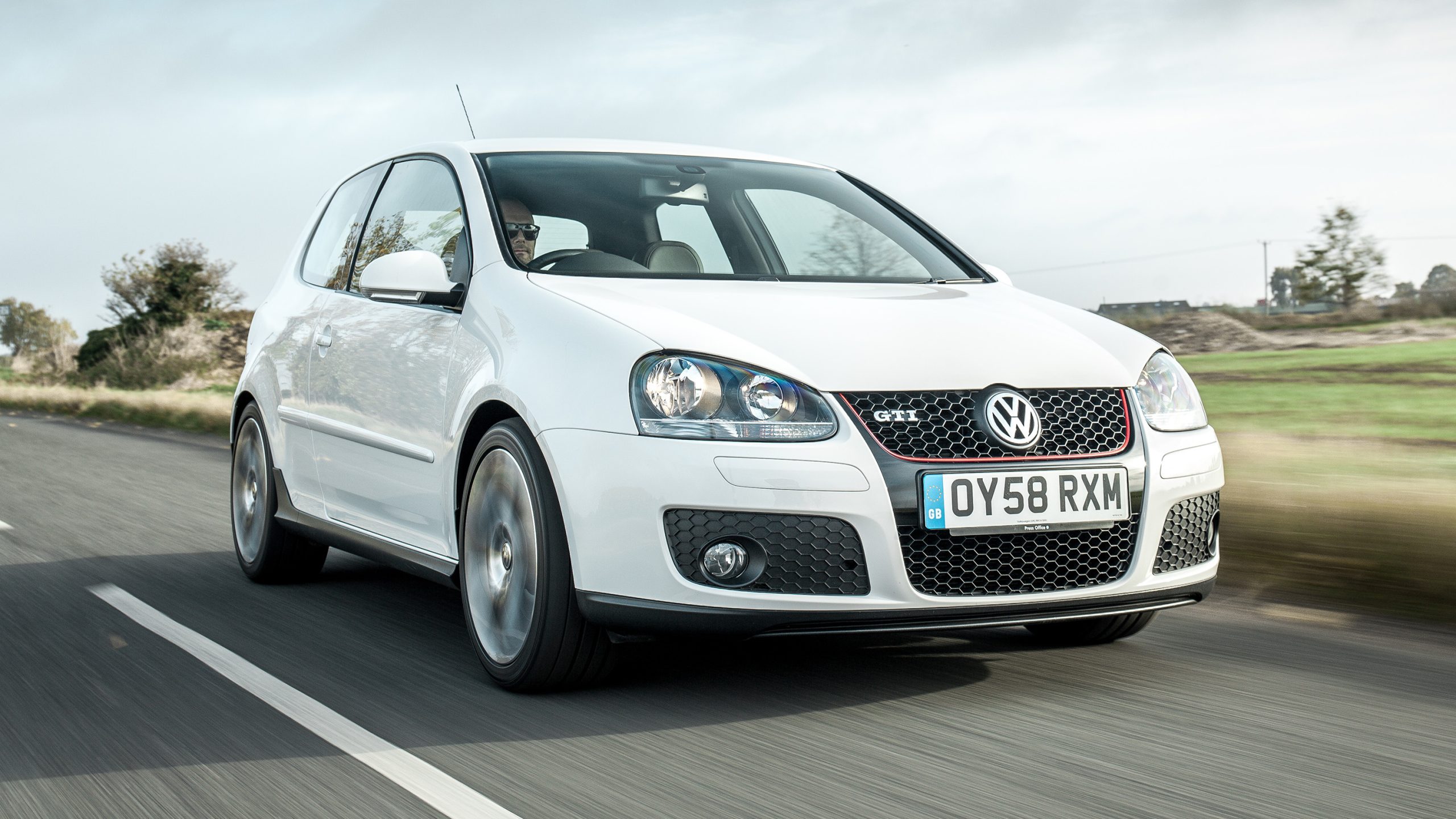
5) Volkswagen Golf GTI
The Volkswagen Golf GTI is one of the most popular German performance cars. It combines sporty driving with everyday practicality. Unlike traditional sports cars, it offers four doors and useful cargo space, making it perfect for daily life.
Under the hood, the GTI uses a turbocharged four-cylinder engine. It produces strong power while remaining efficient. Acceleration feels quick, yet the engine stays smooth and easy to manage during normal city driving.
Handling is a major highlight of the Golf GTI. The steering feels sharp, and the suspension keeps the car balanced during turns. It feels stable at high speeds but still comfortable on rough or uneven roads.
Because the GTI shares many parts with the standard Golf models, maintenance costs are lower than many other sports cars. Parts are widely available, which makes repairs easier and often more affordable.
Fuel economy is another advantage of the GTI. Compared to larger sports cars with bigger engines, the GTI uses less fuel. This helps reduce daily expenses, especially for drivers who commute regularly.
Reliability has improved over recent generations. When serviced properly, the GTI’s engine and transmission can last many years. Routine maintenance like oil changes and brake service keeps ownership costs manageable.
Insurance costs are often reasonable because the GTI is classified as a practical hatchback. Even though it offers strong performance, it does not usually carry the high premiums of exotic sports cars.
Inside, the cabin feels modern and comfortable. The seats provide strong support during spirited driving, and the layout is simple and user-friendly. Quality materials give the interior a durable and premium feel.
The rear seats and hatchback design add excellent practicality. Owners can carry groceries, luggage, or even small furniture pieces. This versatility reduces the need for a second vehicle in many households.
Resale value remains solid due to strong demand. The GTI has built a loyal fan base over the years. Many buyers trust its performance reputation and everyday usability.
Driving the GTI feels fun without being overwhelming. It offers excitement while still being easy to control. This makes it suitable for both experienced drivers and newcomers to performance cars.
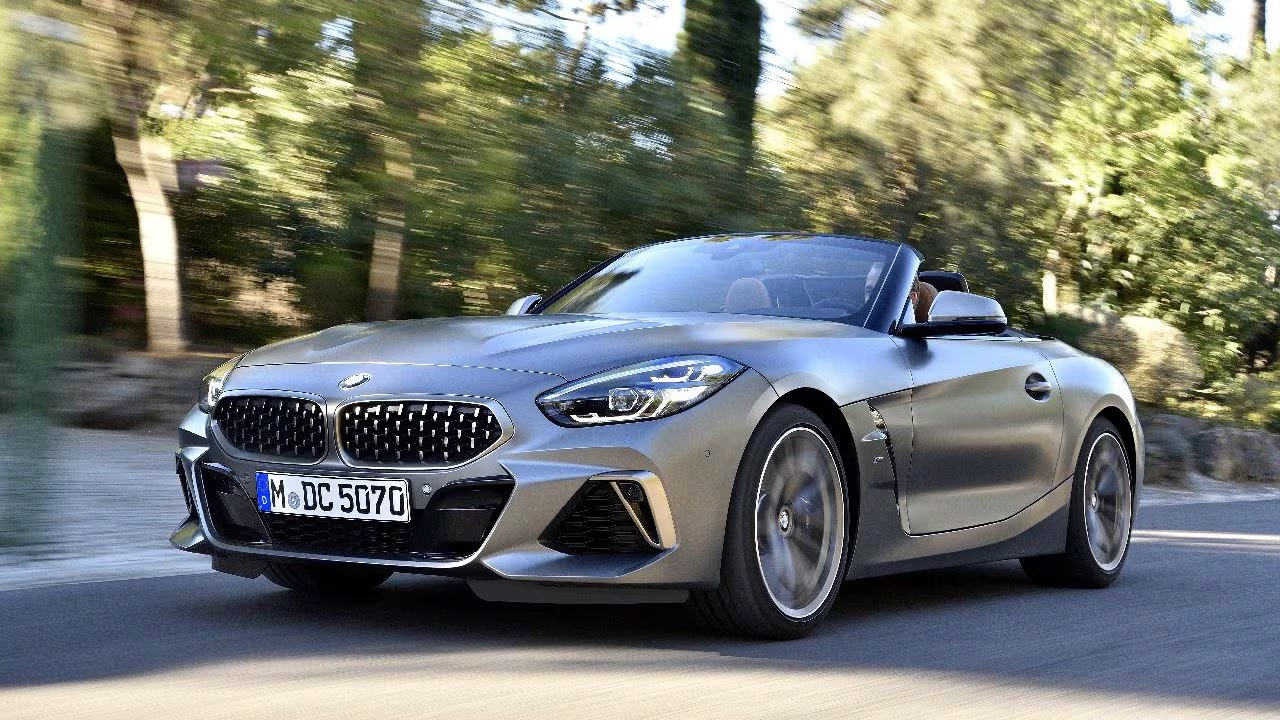
6) BMW Z4
The BMW Z4 is a stylish two-seat roadster that offers open-air driving and sporty performance. It is designed for drivers who enjoy freedom on the road while still wanting comfort and daily usability.
The Z4 comes with turbocharged four-cylinder and inline-six engine options. Both provide strong acceleration and smooth power delivery. The engines feel lively without being difficult to manage in everyday driving situations.
Handling is sharp and balanced. The Z4 feels stable during cornering and confident at higher speeds. Its low seating position and well-tuned suspension give drivers a connected and engaging driving experience.
Earlier generations of the Z4 are now affordable in the used market. This lower purchase price makes ownership more realistic for many buyers. It offers luxury sports car appeal without an extremely high entry cost.
Many Z4 models share engines and parts with other BMW vehicles. This parts sharing helps reduce repair expenses. Mechanics are familiar with these engines, which makes servicing easier and sometimes less expensive.
Fuel economy is reasonable, especially in four-cylinder versions. While it is still a performance car, it does not consume as much fuel as larger sports cars. This helps control everyday running costs.
Reliability is generally solid when maintenance schedules are followed carefully. Regular oil changes and timely service checks help prevent major issues. Well-maintained Z4 models can remain dependable for many years.
Insurance costs are often moderate compared to higher-end sports cars. Because it is smaller and not extremely powerful, premiums can stay within a manageable range for many drivers.
Inside, the cabin feels premium and focused on the driver. The seats are supportive, and controls are placed for easy reach. Quality materials create a refined environment for both short trips and long drives.
The convertible roof adds excitement without sacrificing practicality. Modern versions use durable soft tops that open and close quickly. They provide good insulation when closed, making the car comfortable in different weather conditions.
Resale value remains stable due to BMW’s strong brand image. Sports car buyers continue to look for well-kept Z4 models. This demand supports long-term ownership value.
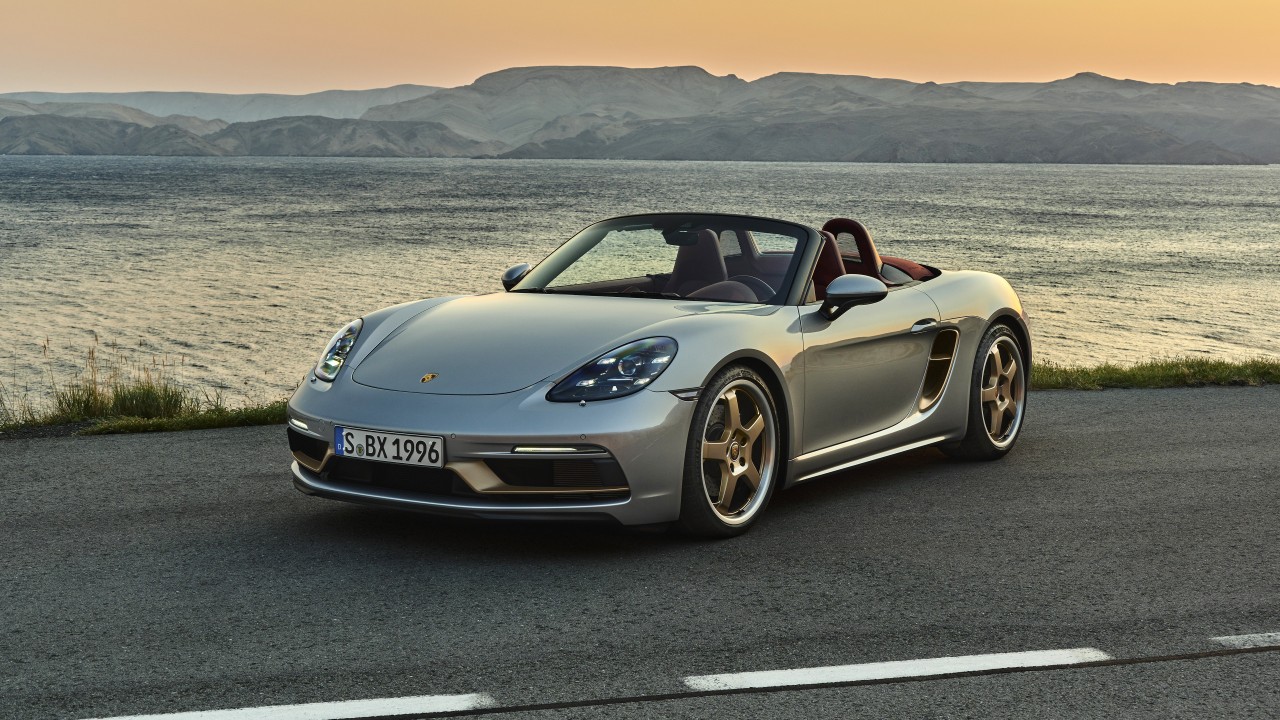
7) Porsche Boxster
The Porsche Boxster is a mid-engine roadster that delivers pure sports car excitement. It offers open-top driving and sharp handling, making every trip feel special. Despite its performance reputation, ownership costs can be manageable with careful maintenance.
The mid-engine layout gives the Boxster excellent balance. Weight is placed in the center of the car, improving stability during cornering. This design helps the car feel planted and confident on winding roads.
Engine options include flat-four and older flat-six units. Both provide strong acceleration and a sporty sound. While powerful, these engines are known to be durable when properly serviced and maintained regularly.
Steering in the Boxster feels precise and responsive. Drivers often praise how connected the car feels to the road. This level of control makes it enjoyable for both relaxed drives and spirited weekend outings.
Older Boxster models are now more affordable in the used market. This lower purchase price makes Porsche ownership possible for more buyers. Entry costs are much lower than many other high-end sports cars.
Routine maintenance is important for long-term reliability. Oil changes, brake service, and cooling system checks help prevent larger repairs. When serviced on time, the Boxster can remain dependable for many years.
Fuel economy is reasonable for a performance roadster. Compared to larger sports cars, the Boxster uses less fuel during daily driving. This helps reduce running expenses over time.
Insurance costs can vary, but they are often lower than more powerful Porsche models. The Boxster’s smaller engine and balanced design help keep premiums at a manageable level.
Inside, the cabin feels focused on the driver. The seats are supportive, and the controls are simple and easy to reach. Build quality is strong, giving the interior a durable and premium feel.
The convertible roof operates smoothly and adds extra enjoyment. Drivers can quickly switch from a closed cabin to open-air driving. This versatility increases the value of ownership.
Resale value remains strong because Porsche models hold their appeal. Well-maintained Boxsters continue to attract buyers, helping owners recover a good portion of their investment later.
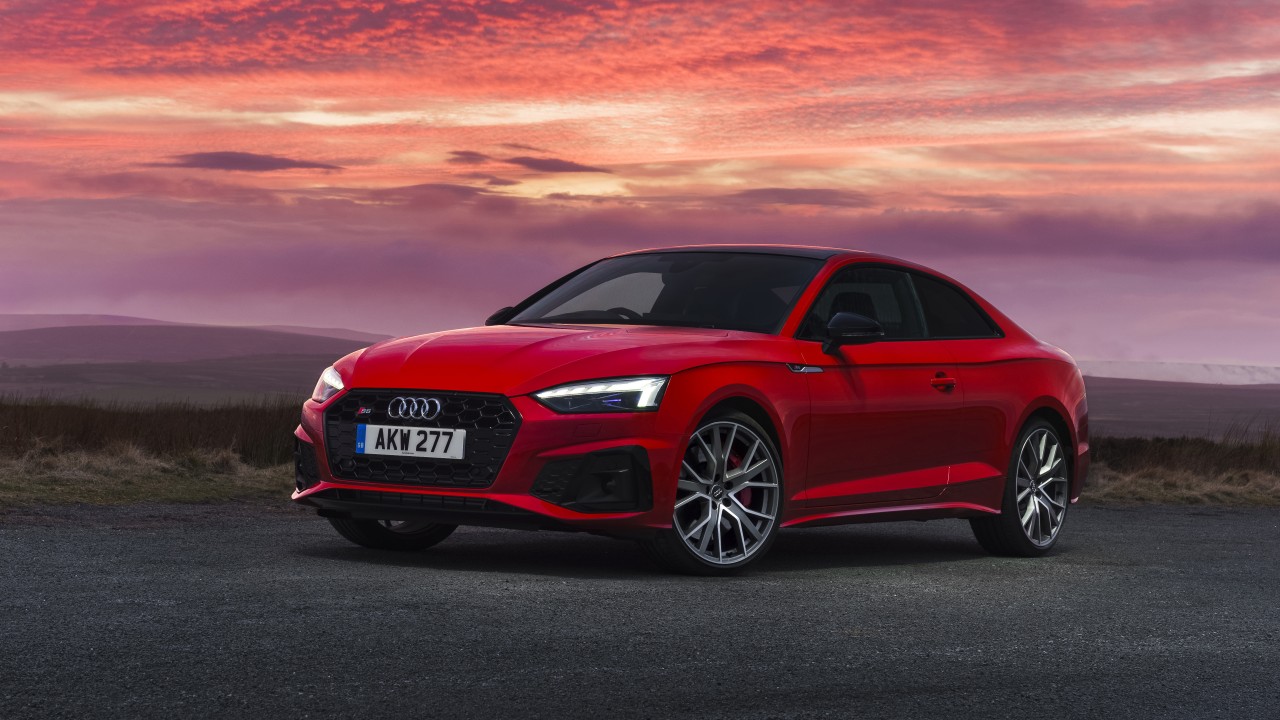
8) Audi S5
The Audi S5 is a sporty coupe that blends strong performance with everyday comfort. It looks aggressive but remains refined. Many drivers choose it because it offers excitement without the extreme ownership costs of high-end supercars.
Under the hood, the S5 uses a turbocharged V6 engine. It delivers quick acceleration and smooth power. The engine feels strong at low speeds and remains powerful on highways, making it enjoyable in different driving conditions.
Audi’s Quattro all-wheel-drive system adds extra confidence. It improves traction in rain or slippery roads. This system also helps the car stay stable during fast cornering, giving drivers a secure and balanced feeling.
Despite its strong performance, the S5 shares many parts with the regular Audi A5. This shared engineering helps reduce maintenance costs. Parts are easier to find, and many repair shops are familiar with its systems.
Fuel economy is fair for a performance coupe. While it is not as efficient as smaller engines, it still manages fuel wisely during calm driving. This balance helps control long-term fuel expenses.
Reliability has improved in recent S5 models. With proper servicing, the engine and transmission can last many years. Regular oil changes and inspections are key to keeping repair costs manageable.
Insurance premiums are often lower than more extreme sports cars. The S5 offers performance but is not considered an exotic vehicle. This classification can help reduce yearly insurance payments.
Inside, the cabin feels modern and luxurious. High-quality materials, comfortable seats, and advanced technology create a premium experience. The layout is simple, making controls easy to understand and use.
The S5 also offers reasonable practicality. Rear seats and trunk space allow for small luggage or daily items. This makes it more useful than many two-seat sports cars.
Ride comfort is another advantage. The suspension handles bumps well while still delivering sporty handling. Drivers can enjoy spirited driving without sacrificing comfort during long trips.
Resale value remains stable because Audi performance models hold strong demand. Buyers often look for used S5 models due to their mix of luxury and speed.