Muscle cars are famous for loud engines, bold designs, and strong performance. Many people think these cars are only about speed and smoke, but some models also offer good reliability.
That means they can deliver exciting power while still being dependable for everyday driving.
1) Ford Mustang GT
The Ford Mustang GT is one of the most famous muscle cars in the world. It combines classic American style with modern technology. Drivers love it for its strong V8 engine, bold design, and everyday usability on roads.
The heart of the Mustang GT is its 5.0-liter Coyote V8 engine. This engine produces impressive horsepower and quick acceleration. It delivers smooth power across the rev range and creates a deep, powerful exhaust sound many enthusiasts truly enjoy.
One reason the Mustang GT stands out is its balance between power and control. The car feels stable at high speeds and confident in corners. Modern suspension systems and improved chassis design make driving both exciting and comfortable.
Over the years, build quality has improved greatly. Newer Mustang GT models use better materials inside the cabin. The seats are supportive, and the dashboard layout feels modern. Drivers also get updated infotainment systems and useful safety features.

Reliability is another strong point of the Mustang GT. The Coyote V8 engine is known for durability when properly maintained. Many owners report high mileage without major engine problems. Regular oil changes and proper servicing keep the car running smoothly.
Maintenance costs are reasonable compared to many high-performance sports cars. Parts are widely available because the Mustang is very popular. Mechanics are familiar with the car, which helps keep repair costs manageable for most owners.
The Mustang GT is also practical for daily driving. It offers a comfortable ride on highways and city streets. The trunk has usable space for luggage, and fuel economy is acceptable for a powerful V8 engine.
Performance upgrades are easy to find for this model. Many owners choose to add exhaust systems, cold air intakes, or tuning software. The engine responds well to modifications, which makes it popular in the muscle car community.
Safety and technology have improved in modern versions. Features like traction control, stability control, and driver assistance systems help keep the car stable. These additions make the Mustang GT safer while still keeping its exciting personality.
2) Chevrolet Camaro SS
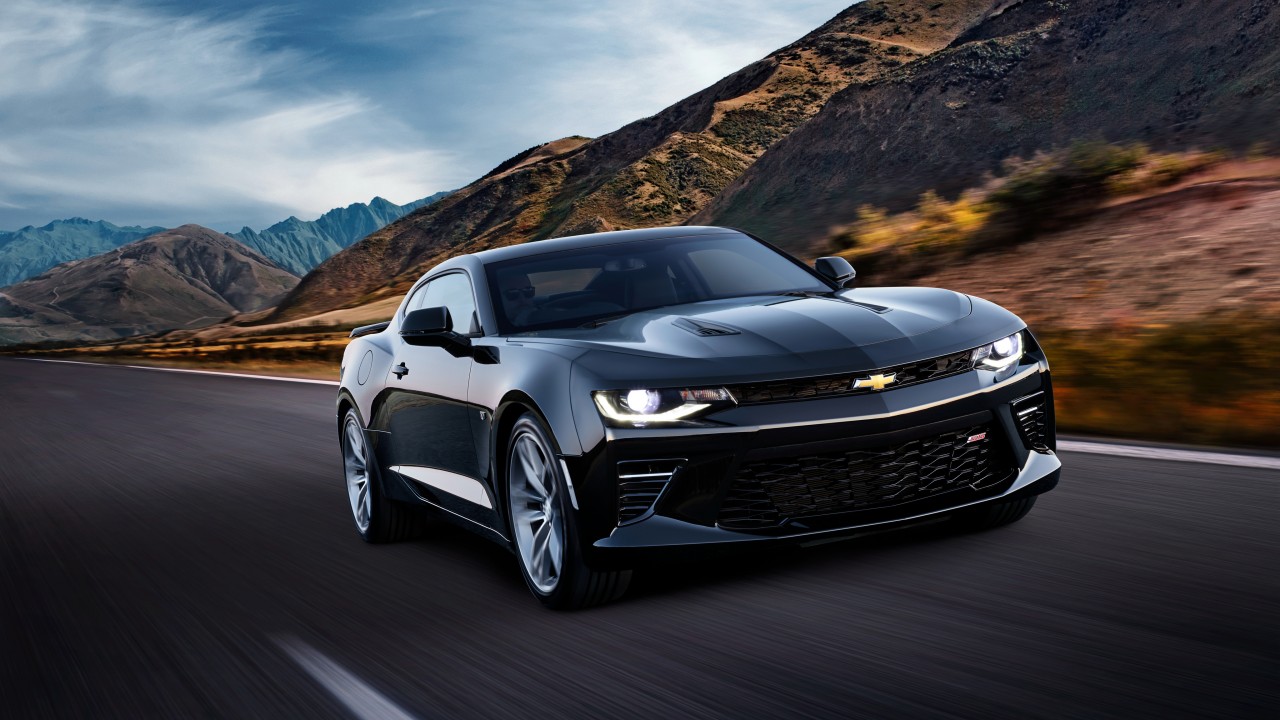
The Chevrolet Camaro SS is a powerful American muscle car known for its aggressive styling and strong performance. It blends modern engineering with classic V8 power. Many drivers choose it for its speed, bold look, and dependable mechanical design.
At the center of the Camaro SS is a 6.2-liter LT1 V8 engine. This engine produces impressive horsepower and quick acceleration. It delivers strong low-end torque, which makes the car feel fast even at lower speeds in daily driving.
The Camaro SS is not only powerful in straight lines. It also handles corners very well for a muscle car. Its balanced chassis and advanced suspension system help the car stay stable and controlled during spirited driving.
Modern Camaro SS models are built with improved materials and stronger engineering. The body structure feels solid, and the cabin quality has improved over time. The seats provide good support, especially during high-speed driving and long trips.
Reliability is one of the Camaro SS strengths. The LT1 V8 engine is known for durability when properly maintained. With regular oil changes and scheduled service, many owners report long-lasting performance without serious mechanical problems.
Maintenance costs are reasonable compared to many European performance cars. Replacement parts are widely available, and many mechanics are familiar with Chevrolet vehicles. This helps keep repair costs more manageable for everyday owners.
The Camaro SS also offers modern technology features. Drivers get touchscreen infotainment systems, smartphone connectivity, and available driver assistance features. These upgrades improve comfort and safety while keeping the muscle car experience alive.
Fuel economy is decent for a high-powered V8 engine. While it is not designed to be highly fuel efficient, it performs better than many older muscle cars. This makes it easier to use as a daily driver if needed.
3) Dodge Challenger R/T
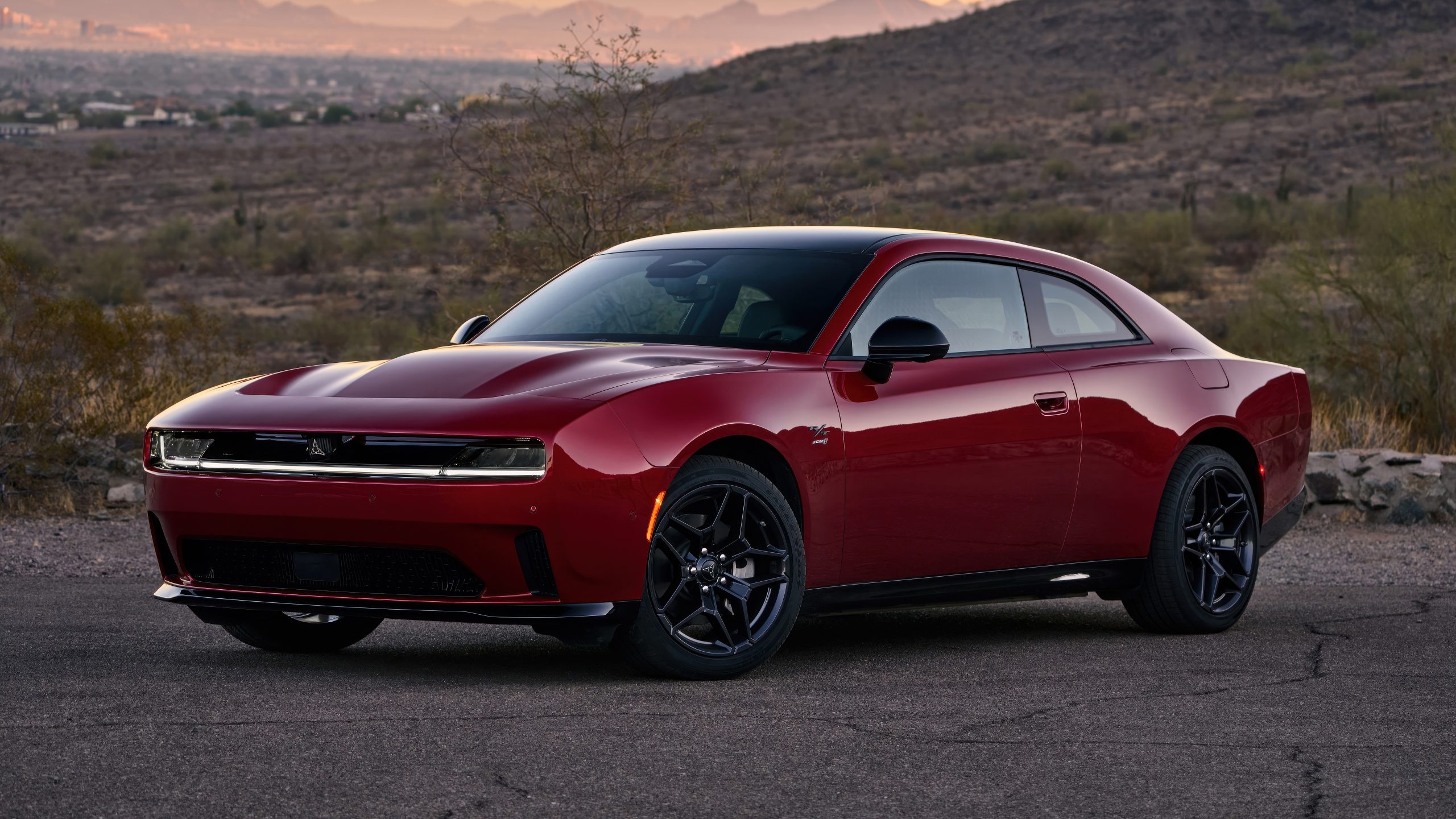
The Dodge Challenger R/T is a true modern muscle car with classic American styling. Its wide body, bold front grille, and retro design remind many people of the golden age of muscle cars from the 1970s.
Under the hood, the Challenger R/T comes with a 5.7-liter HEMI V8 engine. This engine produces strong horsepower and impressive torque. It delivers quick acceleration and a deep, powerful exhaust sound that many drivers enjoy.
The Challenger R/T focuses mainly on straight-line performance. It feels strong during highway acceleration and confident during overtaking. The smooth power delivery makes driving enjoyable, whether in the city or on long open roads.
One major advantage of the Challenger R/T is comfort. Unlike many muscle cars, it offers a spacious interior and supportive seats. Passengers have more legroom, making it practical for longer trips and everyday driving.
The build quality of modern Challenger models has improved over the years. The cabin includes soft-touch materials, touchscreen infotainment systems, and useful technology features. Drivers also benefit from safety systems like traction control and stability control.
Reliability is another strong point of the 5.7-liter HEMI engine. When properly maintained, it can last many years without major issues. Regular servicing, oil changes, and careful driving help keep the engine running smoothly.
Maintenance costs are generally reasonable compared to many high-performance sports cars. Since Dodge uses similar engines across different models, parts are easy to find. This helps reduce repair expenses and makes ownership simpler.
Fuel economy is average for a V8 muscle car. While it is not designed for maximum efficiency, it performs better than many older muscle cars from past decades. This makes it more practical for daily use.
The Challenger R/T also has strong aftermarket support. Owners can easily upgrade exhaust systems, wheels, and engine components. The car responds well to modifications, which adds to its popularity among muscle car fans.
4) Pontiac GTO
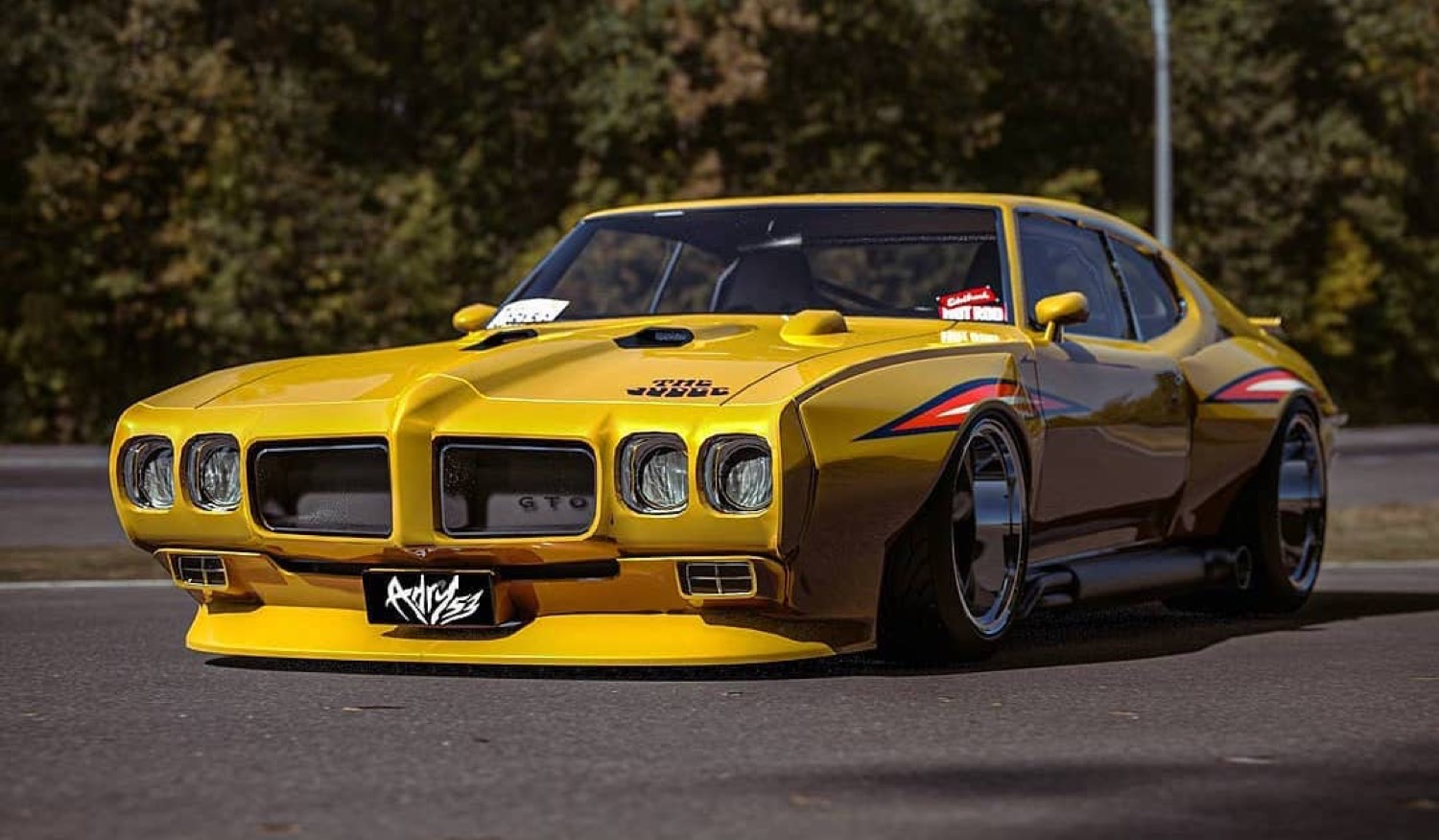
The 2004–2006 Pontiac GTO brought back a legendary muscle car name with modern performance. While its design looked simple compared to older GTO models, it delivered serious power and strong engineering underneath.
Under the hood, early models came with a 5.7-liter LS1 V8 engine. Later versions received a stronger 6.0-liter LS2 V8. Both engines are known for smooth power delivery and impressive long-term durability.
The LS-based engines are widely respected for reliability. When properly maintained, they can handle high mileage without major issues. Their strong internal components and simple pushrod design help keep repairs manageable for most owners.
The Pontiac GTO offers quick acceleration and strong highway performance. The car feels stable at higher speeds, and its balanced chassis improves overall driving confidence. It provides both straight-line speed and respectable cornering ability.
Inside, the GTO features a comfortable and well-built cabin. The seats are supportive, and the controls are easy to use. While it may not feel as flashy as other muscle cars, it offers solid comfort for daily driving.
One of the biggest advantages of the GTO is its solid construction. It was built on a strong rear-wheel-drive platform that adds stability and durability. This helps the car remain dependable even after years of use.
Maintenance costs are reasonable compared to many performance cars. Because LS engines are common in many General Motors vehicles, parts are easy to find. Mechanics are also familiar with these engines, which helps lower service costs.
Fuel economy is fair for a V8-powered muscle car. It is not designed for high efficiency, but it performs better than many classic muscle cars from the past. This makes it easier to drive regularly.
5) Chevrolet Chevelle SS
The 1970 Chevrolet Chevelle SS is one of the most iconic classic muscle cars ever built. It represents the golden era of American performance, combining bold styling with powerful V8 engines and simple mechanical engineering.
One of the most famous versions came with the 454 cubic-inch big-block V8 engine. This engine produced massive horsepower and strong torque. It delivered thrilling straight-line speed that made the Chevelle SS legendary among muscle car fans.
Despite its age, the Chevelle SS is known for mechanical durability. Its engine design is simple compared to modern cars. Fewer electronics mean fewer complex systems that can fail over time.
The strong cast-iron engine block and heavy-duty internal components helped these cars handle serious power. With proper care and maintenance, many Chevelle SS models continue running reliably even decades after production ended.
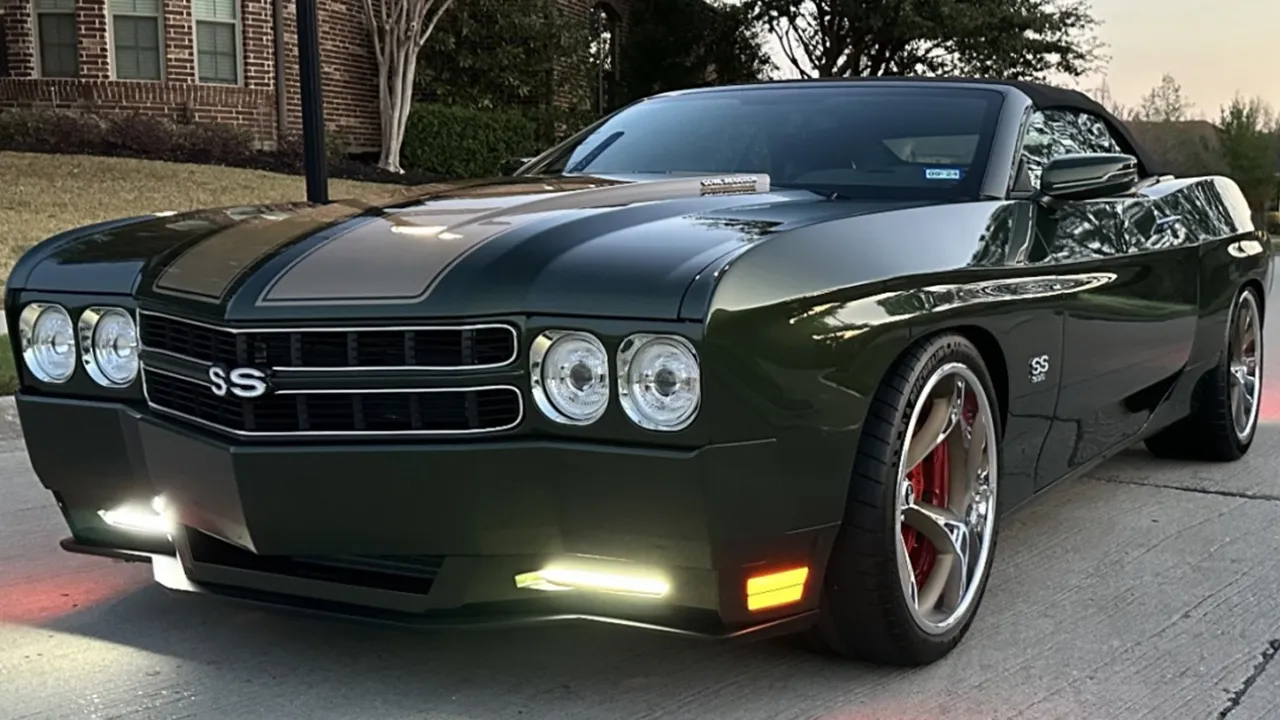
Maintenance on classic models is often straightforward. Because the engine layout is simple, many repairs can be done without advanced tools. Replacement parts are widely available thanks to strong aftermarket support.
The Chevelle SS also offers a solid driving feel. While it does not have modern suspension technology, its strong frame and rear-wheel-drive setup provide confident straight-line performance and classic muscle car character.
Inside, the cabin reflects its era with simple gauges and clear controls. The design focuses more on driving performance than luxury. However, the roomy interior makes it comfortable for cruising and weekend drives.
Fuel economy is not a strong point for the 454 engine. These big V8 engines were built for power, not efficiency. Still, owners accept this trade-off in exchange for the thrilling performance experience.
6) Ford Torino Cobra
The 1970 Ford Torino Cobra is a classic American muscle car known for its bold styling and serious power. It was built during the peak of the muscle car era and offered strong performance for drivers who loved speed.
One of its most famous engine options was the 429 Cobra Jet V8. This large engine delivered impressive horsepower and strong torque. It provided excellent straight-line acceleration, making the Torino Cobra competitive on streets and drag strips.
The engine design was simple and strong. Built with heavy-duty internal parts, the 429 V8 was made to handle high power levels. With proper care, many of these engines have lasted for decades without major mechanical failure.
Like many classic muscle cars, the Torino Cobra benefits from mechanical simplicity. It does not rely on complex electronics, which reduces the chances of electrical problems. This makes maintenance easier compared to modern performance cars.
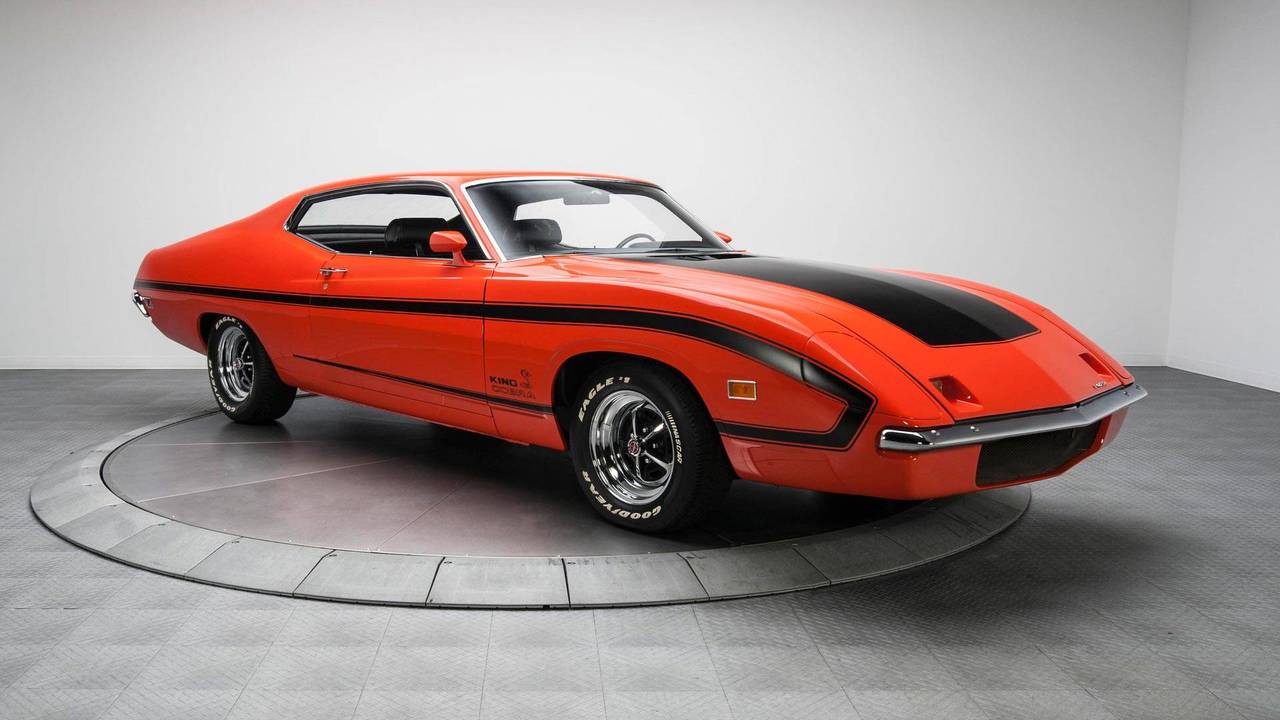
The car’s strong body-on-frame construction adds to its durability. The solid frame provides stability and helps the car handle powerful engines without excessive stress. This strong structure contributes to long-term reliability.
Inside, the Torino Cobra offers a roomy cabin with clear gauges and simple controls. The focus was on performance and comfort rather than advanced luxury features. The seats are supportive for cruising and highway driving.
Fuel efficiency was not a priority in 1970. The large 429 engine consumes more fuel than modern engines. However, owners appreciate the trade-off because the power and sound create an unforgettable driving experience.
Parts availability remains strong for this classic Ford model. Many restoration companies produce replacement components, making repairs and rebuilds easier. This helps owners maintain reliability even after many years of ownership.
7) Chevrolet Impala SS
The 1994–1996 Chevrolet Impala SS is a unique muscle sedan that blends power with everyday comfort. Unlike two-door muscle cars, it offers four doors and a spacious interior while still delivering strong V8 performance.
Under the hood, the Impala SS features a 5.7-liter LT1 V8 engine. This engine produces solid horsepower and smooth acceleration. It provides strong torque, making highway passing and quick launches feel easy and confident.
The LT1 engine is well known for durability when maintained properly. Many owners report high mileage without major engine issues. Regular oil changes and cooling system care are important to keep performance strong over time.
The Impala SS rides on a strong rear-wheel-drive platform. This setup improves balance and gives the car classic muscle character. The suspension is tuned for comfort, making it smoother than many traditional muscle cars.
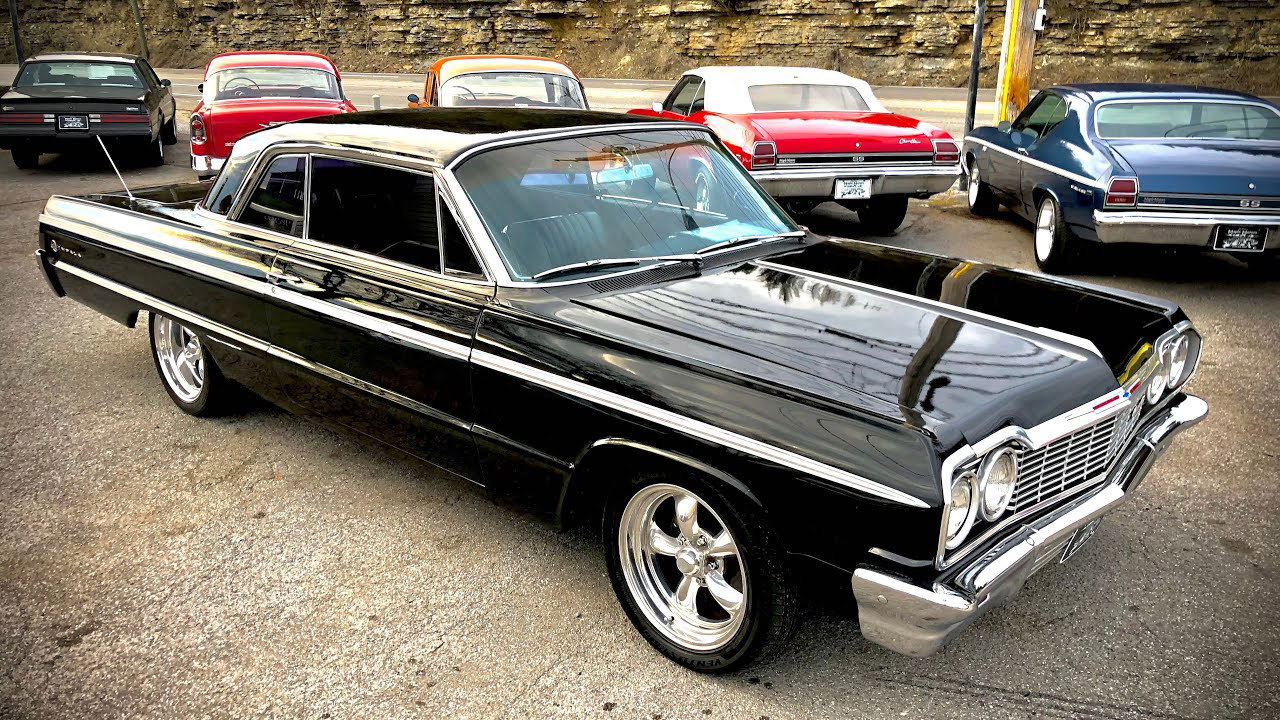
One of its biggest advantages is practicality. The four-door layout makes it suitable for families or daily commuting. The trunk offers good storage space, and passengers have comfortable seating for longer trips.
Build quality in these models is solid for their time. The interior design is simple and functional. Large gauges and easy-to-use controls make the driving experience straightforward and enjoyable for most drivers.
Maintenance costs are generally reasonable because the LT1 engine was used in several General Motors vehicles. This makes replacement parts easy to find. Many mechanics are familiar with the engine, helping reduce repair complexity.
Fuel economy is average for a V8-powered sedan. While it is not highly efficient, it performs better than many older big-block muscle cars. This balance makes it easier to use as a daily driver.
8) Dodge Charger R/T
The Dodge Charger R/T is a modern muscle car that combines four-door practicality with classic V8 performance. It offers bold styling, strong road presence, and enough space for families while still delivering the excitement muscle car fans expect.
Under the hood, the Charger R/T features a 5.7-liter HEMI V8 engine. This engine produces strong horsepower and impressive torque. It provides quick acceleration and a deep exhaust sound that clearly reflects its muscle car identity.
The HEMI V8 is known for durability when properly maintained. With regular oil changes and scheduled servicing, many owners experience dependable performance for years. The engine design is strong and built to handle daily driving stress.
One advantage of the Charger R/T is comfort. The suspension is tuned for a smooth ride, especially on highways. The cabin is spacious, offering good legroom for both front and rear passengers during long trips.
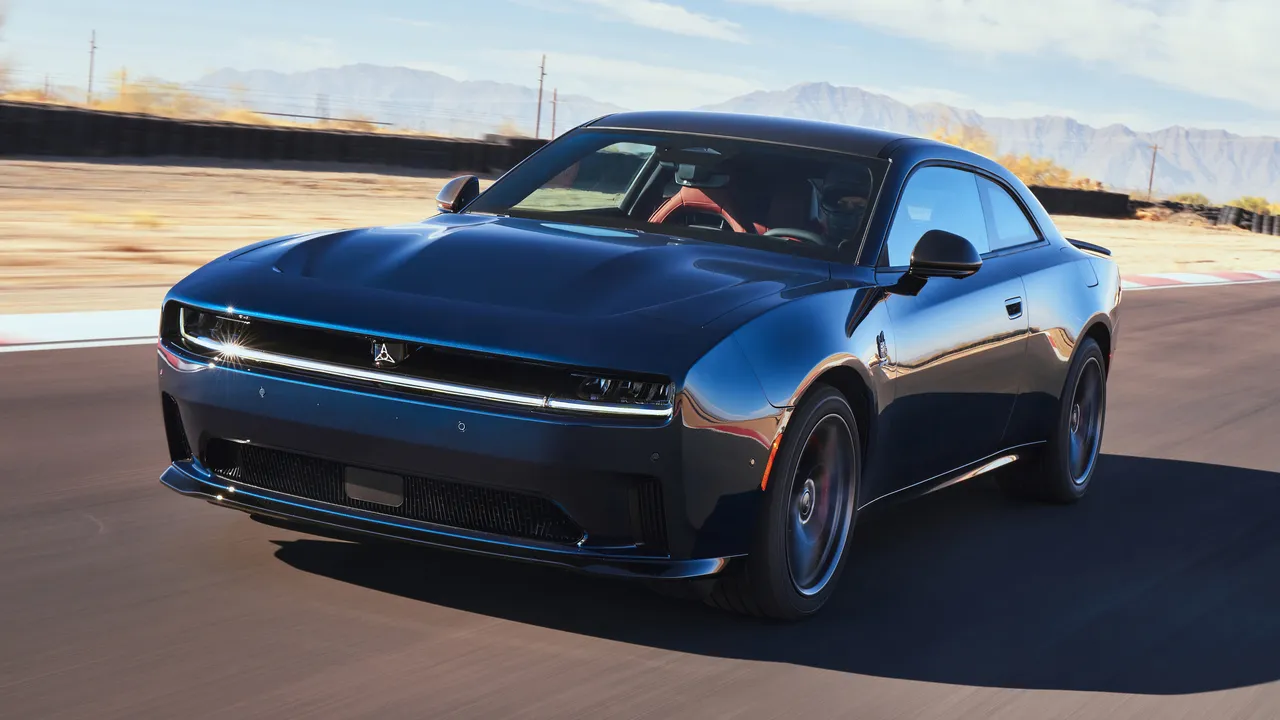
Modern Charger models include updated technology features. Drivers get a touchscreen infotainment system, smartphone connectivity, and available safety systems like traction control and stability control. These features improve convenience and safety.
Build quality has improved over the years. The interior materials feel solid, and the dashboard layout is easy to understand. Controls are placed within reach, making the driving experience simple and user-friendly.
Maintenance costs are reasonable compared to many high-performance cars. Because the 5.7-liter HEMI engine is widely used in different Dodge models, parts are easy to find. This helps reduce long-term repair expenses.
Fuel economy is average for a large V8-powered sedan. While it is not designed to be highly efficient, it performs better than older muscle cars. This balance allows owners to enjoy power without extreme fuel costs.
9) Pontiac Firebird Trans Am
The late 1990s Pontiac Firebird Trans Am is a powerful muscle car known for its sharp styling and strong V8 performance. It became very popular for offering serious speed at a reasonable price compared to many competitors.
Under the hood, most late 1990s models came with the 5.7-liter LS1 V8 engine. This engine delivered impressive horsepower and quick acceleration. It produced smooth power and strong torque across a wide range of speeds.
The LS1 engine is widely respected for long-term reliability. With proper maintenance, many examples have reached high mileage without major engine problems. Its simple pushrod design and strong internal components add to its durability.
The Trans Am offers strong straight-line performance and confident highway driving. It feels stable at high speeds and delivers exciting acceleration. The rear-wheel-drive layout gives it classic muscle car character and balance.
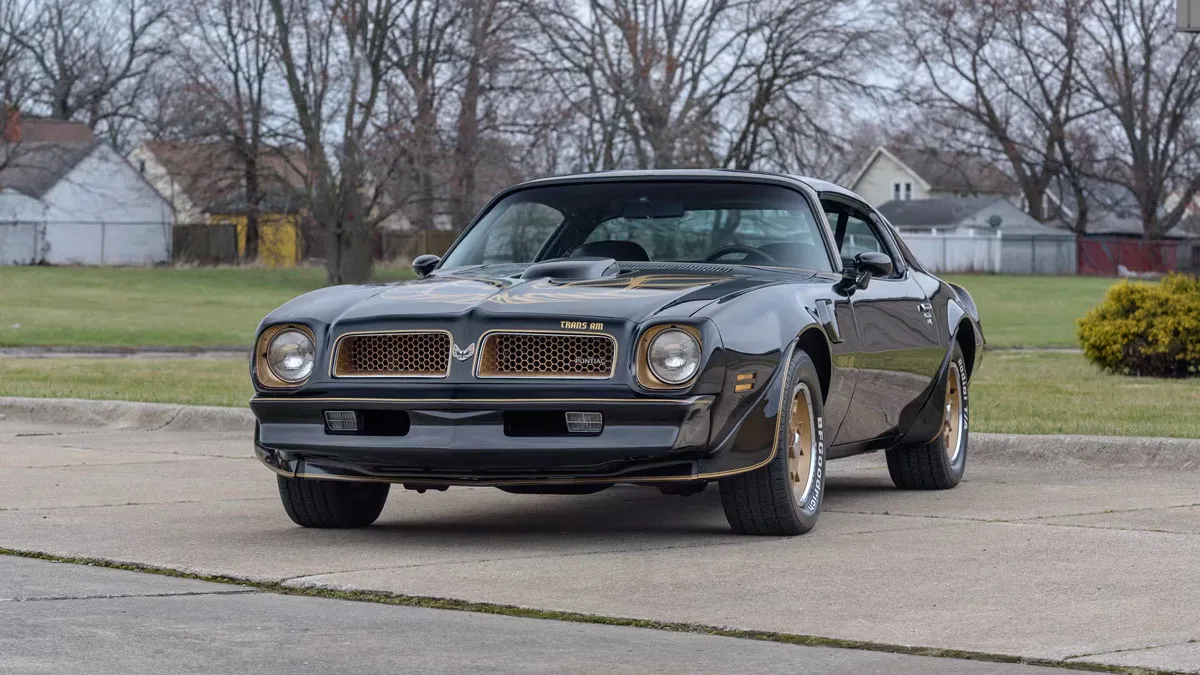
Handling is also respectable for a muscle car of its time. The suspension system helps keep the car steady during cornering. While it focuses more on power, it still provides enjoyable driving control.
Inside, the cabin is driver-focused with clear gauges and simple controls. The seats offer good support during spirited driving. While interior materials may feel basic compared to modern cars, they remain durable and functional.
Maintenance costs are generally manageable. Because the LS1 engine was used in several General Motors vehicles, parts are widely available. Many mechanics are familiar with the platform, which helps reduce service complexity.
Fuel economy is decent for a V8 muscle car from the 1990s. While not highly efficient, it performs better than many older big-block muscle cars. This makes it more practical for occasional daily driving.
The Trans Am is also popular among enthusiasts for modifications. The LS1 engine responds well to upgrades such as exhaust systems, intake kits, and tuning adjustments. This flexibility adds to its long-term appeal.
10) Plymouth Road Runner
The 1969 Plymouth Road Runner was built with one clear goal: simple and affordable performance. It became famous for offering strong V8 power without unnecessary luxury features. This focus on basics helped improve both performance and long-term durability.
The standard engine was a 383 cubic-inch V8, which delivered impressive horsepower for its time. Buyers could also choose the powerful 440 engine for even greater speed. Both engines were known for strength and solid mechanical design.
The Road Runner used a simple pushrod engine layout. This design made maintenance easier compared to more complex setups. Fewer advanced components meant fewer parts that could fail, which helped improve reliability.
Its strong cast-iron engine block and durable internal components allowed it to handle high power levels. With proper care and regular maintenance, many Road Runners have remained operational decades after production ended.
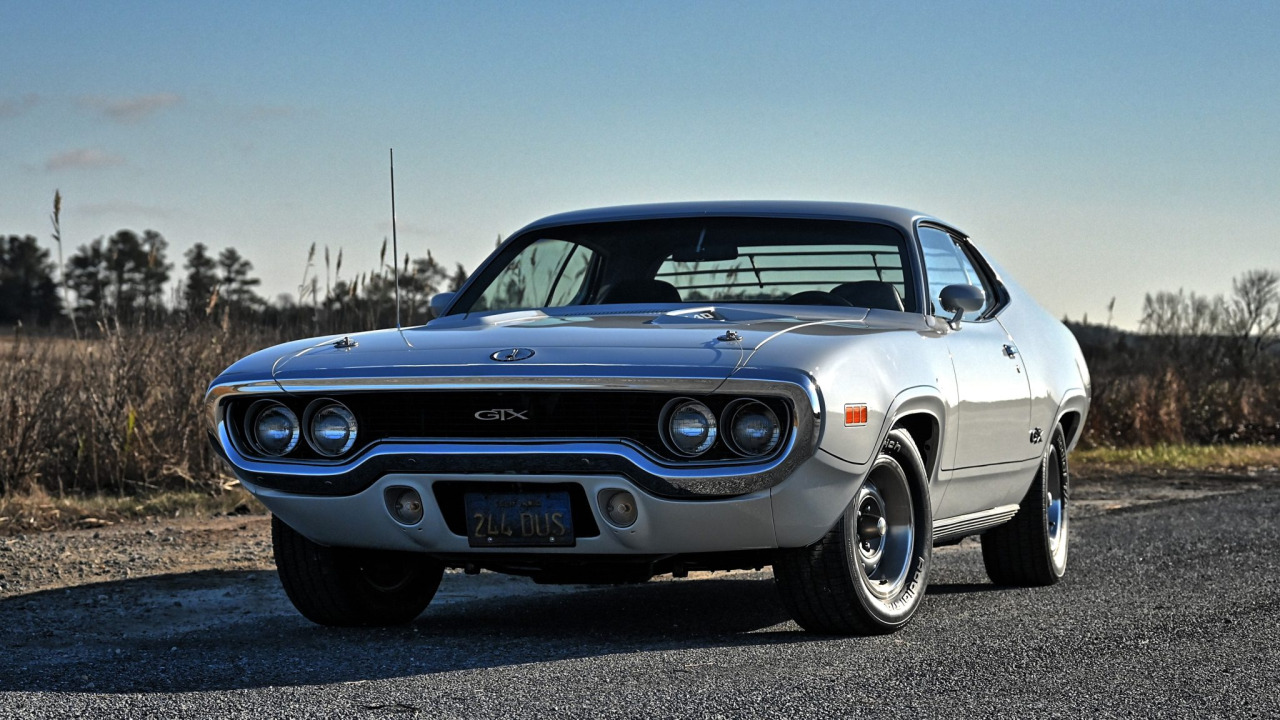
The car’s body structure was solid and built for strength. It handled the torque from large V8 engines without excessive stress. This sturdy construction helped maintain long-term durability under demanding driving conditions.
Inside, the Road Runner featured a straightforward cabin design. The dashboard had basic gauges and easy-to-use controls. The focus remained on driving performance rather than luxury, which kept the car simple and dependable.
Fuel efficiency was not a priority in 1969. The large V8 engines consumed more fuel, especially during aggressive driving. However, owners accepted this trade-off for the powerful acceleration and classic muscle car sound.
Replacement parts remain available through restoration specialists and aftermarket suppliers. This strong support network helps owners maintain reliability even many years after the car’s original production period.
Routine maintenance such as oil changes, carburetor tuning, and cooling system checks is important. When properly maintained, the Road Runner can continue delivering dependable performance and strong engine output.