Software has become a central component of modern vehicles, controlling everything from navigation and infotainment to battery management and driver-assistance systems. Some automakers have successfully created stable, reliable digital platforms that deliver smooth performance, intuitive interfaces, and continuous improvement through over-the-air updates.
Vehicles like the Tesla Model 3, Lexus ES, and Toyota Prius exemplify this approach, combining well-tested software with thoughtful hardware integration. Other manufacturers face challenges when rapidly transitioning to software-defined vehicles, resulting in glitches, unresponsive systems, and occasional safety concerns.
Cars such as the Volkswagen ID.4, Chevrolet Blazer EV, and Honda Prologue illustrate the difficulties of implementing complex software without extensive real-world testing. Comparing these two groups highlights the importance of software reliability in modern automotive design and provides guidance for buyers who want vehicles that are not only efficient and powerful but also dependable and frustration-free in daily use.
5 Vehicles With Reliable Software
1. Tesla Model 3
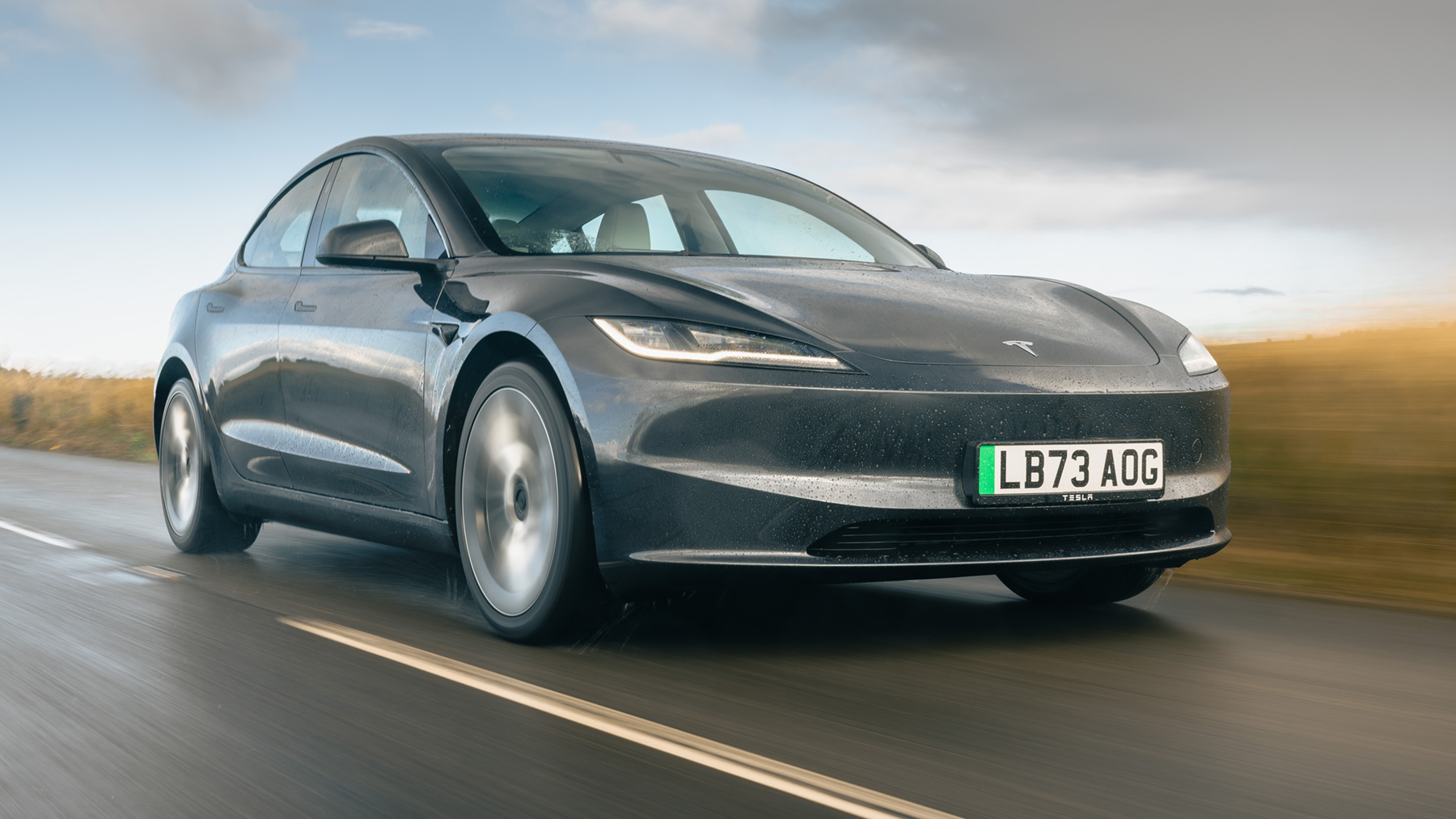
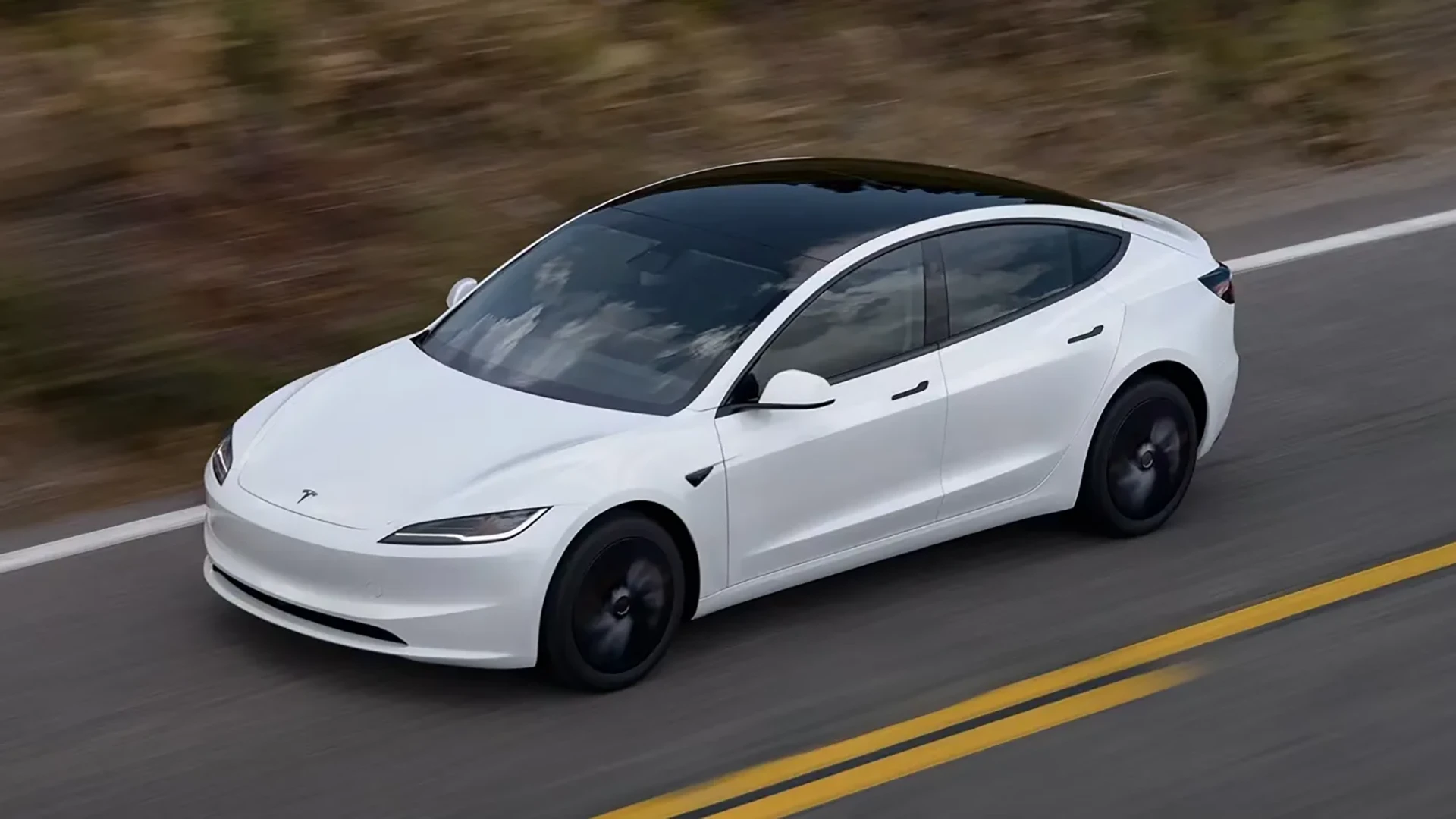
The Tesla Model 3 is widely regarded as a benchmark in the electric vehicle market, largely due to its advanced and highly reliable software integration. Tesla built the car around a centralized computing system from the beginning, which results in a smooth, fast, and intuitive interface.
Features such as Dog Mode and Sentry Mode function seamlessly, and Tesla’s industry-leading Over the Air update system allows the company to fix bugs, improve performance, and even resolve certain mechanical recall issues through software alone. This approach ensures that Model 3 vehicles continue to improve long after purchase, with older models still receiving meaningful updates.
A key contributor to this software reliability is Tesla’s vertical integration strategy. By developing both hardware and software in-house, Tesla avoids the compatibility problems that affect many traditional automakers who rely on multiple suppliers. The Model 3’s centralized architecture replaces the complex network of individual controllers used by competitors, improving efficiency and system stability.
Tesla also benefits from data-driven development, using real-world driving data from its global fleet to refine features such as Autopilot and Full Self Driving. Inside the cabin, the minimalist design centers on a responsive 15.4 inch touchscreen that controls nearly all functions. Phone as a key access and a clean user interface are frequently praised, though some drivers find the single-screen approach limiting.
Performance is another major strength of the Model 3. The lineup includes power outputs ranging from a 286-horsepower single motor to a 510-horsepower dual motor Performance version. Acceleration is quick, smooth, and nearly silent, with the Performance model reaching 60 mph in just 2.8 seconds.
This places it ahead of several more expensive competitors, including the BMW i4 M50. The battery is mounted under the floor, creating a low center of gravity that improves handling, stability, and cornering precision. Steering is accurate and adjustable, and ride quality is firm without feeling harsh. The Performance trim adds sport-tuned suspension, upgraded brakes, and grippier tires.
The Model 3 also delivers strong range and efficiency. EPA estimates reach up to 363 miles, with real-world testing confirming competitive highway results. Fast charging through Tesla’s Supercharger network allows rapid replenishment, with a 10 to 90 percent charge achievable in under 40 minutes on compatible chargers.
Interior space is modern and functional, though rear seat comfort is limited for taller adults. The Tesla Model 3 blends cutting-edge software, impressive performance, and excellent efficiency, reinforcing its reputation as one of the most advanced electric sedans available today.
2. Lexus ES
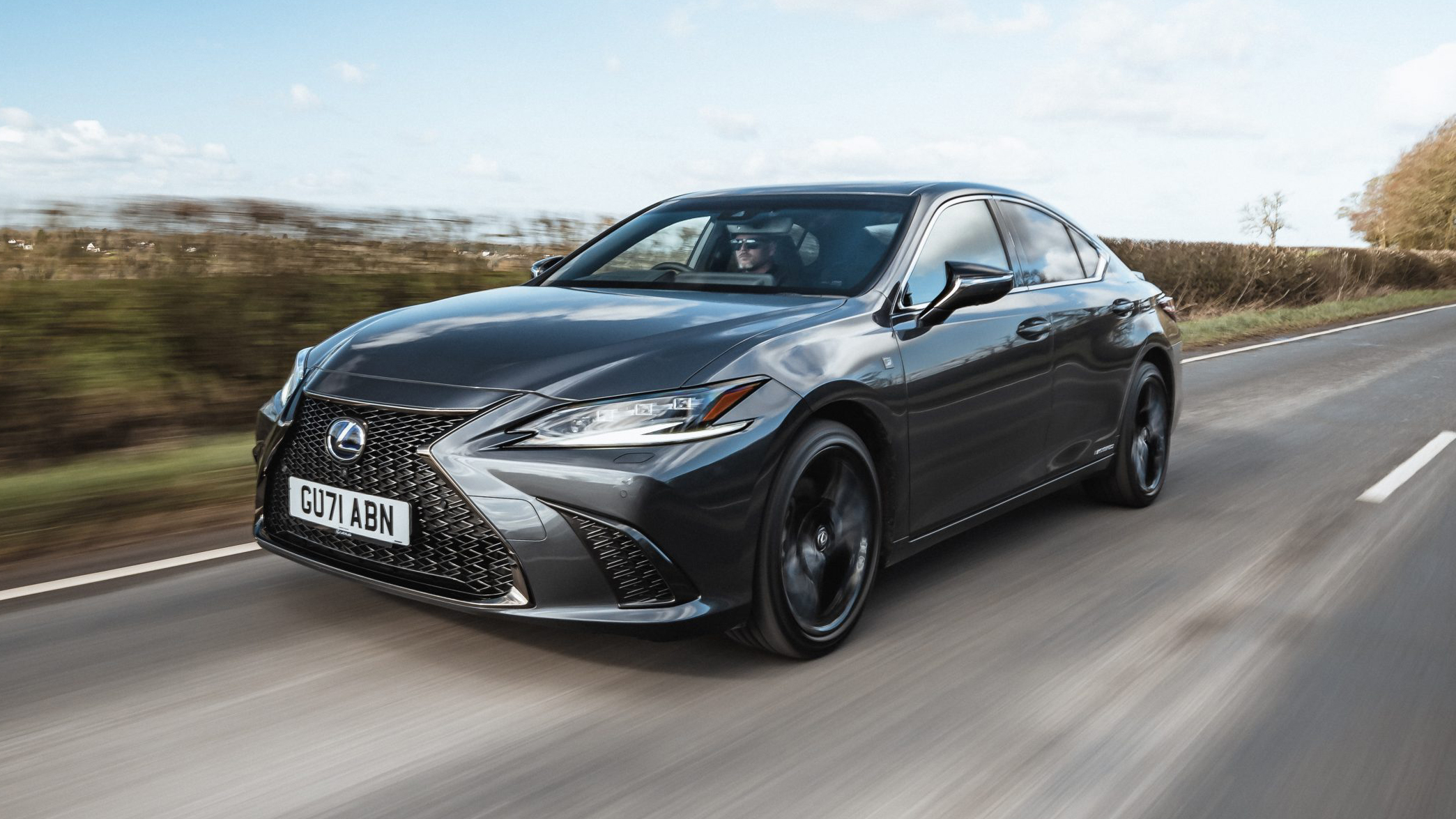
The Lexus ES is a mid-size luxury sedan that prioritizes comfort, efficiency, and long-term reliability rather than cutting-edge performance or flashy technology. Lexus has historically taken a conservative approach to software development, and this strategy strongly benefits dependability.
The ES infotainment system is designed for stability, redundancy, and consistent uptime, avoiding unnecessary animations or complex visual effects. As a result, owners rarely report frozen screens, system crashes, or persistent Bluetooth connectivity issues that can affect more ambitious systems in rival vehicles.
Recent generations of the Lexus ES have modernized carefully without sacrificing reliability. Models from 2022 onward replaced the widely criticized touchpad interface with a much more intuitive 12.3-inch touchscreen. This update brought faster response times, clearer menus, improved voice control through the “Hey Lexus” system, and wireless Apple CarPlay and Android Auto.
Lexus has also introduced Over the Air update capability, allowing the system to receive bug fixes, security improvements, and minor feature enhancements without requiring a dealership visit. Rather than reinventing its software, Lexus focuses on iterative upgrades that refine proven systems through extensive long-term testing backed by Toyota’s global engineering resources.
This careful philosophy extends beyond software into the vehicle’s broader design. The current ES is in its seventh generation and is built on the GA K platform shared with the Toyota Camry, though reinforced for added rigidity and refinement. In many markets, including the UK, the ES is offered exclusively as a hybrid.
The ES 300h pairs a 2.5-liter four-cylinder petrol engine with an electric motor and E CVT transmission, producing a combined 215 horsepower. Performance is modest, but fuel efficiency is excellent, with figures approaching 55 mpg and low CO2 emissions, making it particularly attractive for company car users.
Inside, the ES focuses on quietness and comfort. Lexus has invested heavily in noise reduction through improved aerodynamics, sound insulation, and seat design. The cabin feels calm and well assembled, with high-quality materials and a relaxed driving position.
Optional digital door mirrors replace traditional mirrors with cameras and interior screens, improving aerodynamics and adding a distinctive technological touch, though they require an adjustment period.
The Lexus ES competes with models like the BMW 5 Series, Audi A6, and Mercedes E-Class, but it appeals to a different buyer. It is best suited to drivers who value comfort, efficiency, advanced yet stable technology, and Lexus’ reputation for long-term reliability over dynamic driving excitement.
3. Mazda CX-5
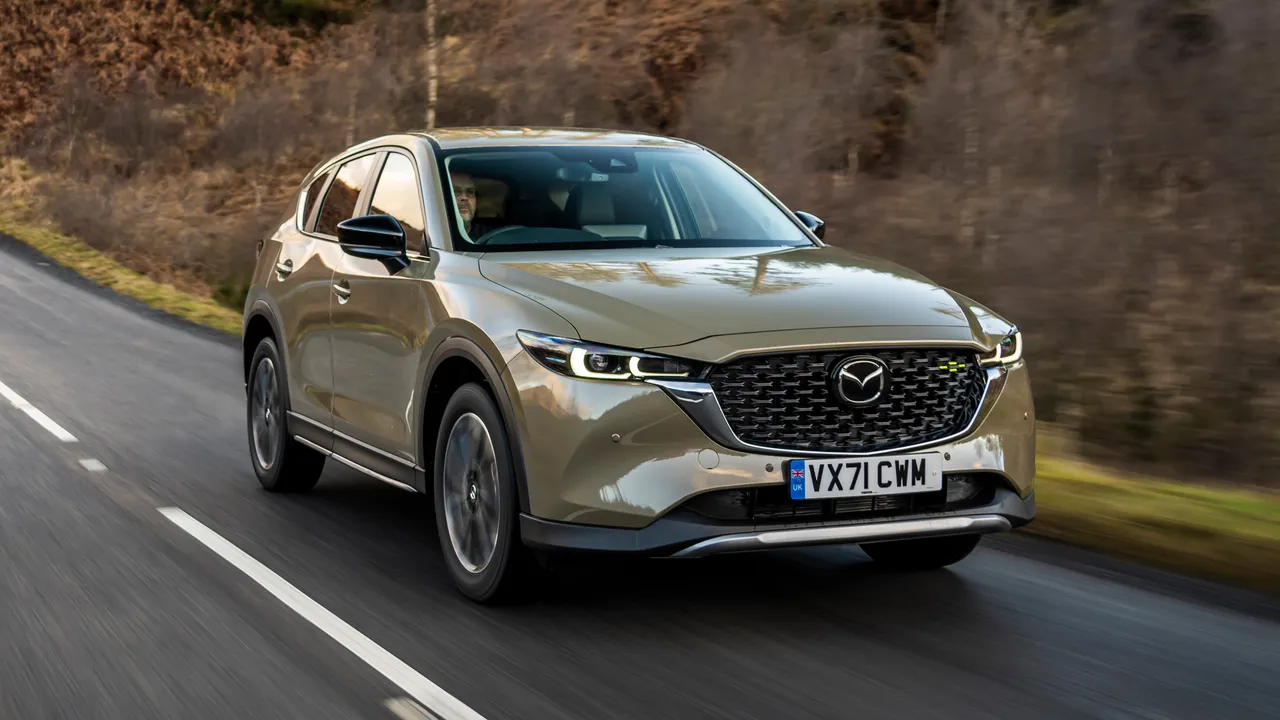
The Mazda CX-5 is a compact SUV that stands out by prioritizing simplicity, driver focus, and long-term reliability rather than chasing the latest infotainment trends. Mazda follows a clear “less is more” philosophy, particularly in its approach to in-car technology. Instead of relying heavily on touchscreens, the CX-5 uses a physical rotary controller paired with a clean, restrained interface.
This design significantly reduces software complexity, lowers system load, and minimizes the risk of lag, overheating, or crashes. For drivers who value distraction-free operation and dependable functionality, this setup has proven to be one of the most reliable infotainment systems in the segment.
Mazda’s infotainment software avoids flashy graphics and unnecessary animations, focusing instead on quick response times and logical menu layouts. Apple CarPlay and Android Auto are supported, and while the system may not feel cutting-edge, it excels in stability and ease of use.
Physical buttons for key functions such as volume and climate control further reduce reliance on software, which improves usability while driving and contributes to long-term durability. Owners frequently report that the CX-5’s interface remains consistent and dependable even after years of use.
Beyond software, the CX-5 reflects Mazda’s emphasis on refined driving dynamics and solid engineering. It is typically offered with naturally aspirated and turbocharged four-cylinder engines, paired with a conventional automatic transmission rather than a CVT.
Power delivery is smooth and predictable, and available All Wheel Drive enhances confidence in poor weather conditions. Mazda’s chassis tuning gives the CX-5 a more engaging feel than many competitors, with precise steering and controlled body movements that make it enjoyable without sacrificing comfort.
Inside, the CX-5’s cabin feels more upscale than expected for its class. Mazda uses high-quality materials, thoughtful design, and tight build quality to create an interior that feels calm and well-constructed. Front seats are supportive for long drives, and rear seat space is adequate for daily family use, though not class-leading. Cargo capacity is practical and well-shaped, making it suitable for errands, travel, and light outdoor use.
Safety is another strong point, with a wide range of standard driver assistance features such as adaptive cruise control, lane keeping assistance, and automatic emergency braking. Mazda’s reputation for mechanical reliability and conservative engineering choices further strengthens the CX-5’s appeal.
The Mazda CX-5 is best suited for buyers who want a compact SUV that feels thoughtfully engineered, easy to live with, and dependable over time. By resisting unnecessary complexity and focusing on fundamentals, Mazda has created a vehicle that balances technology, comfort, and driving enjoyment in a refreshingly disciplined way.
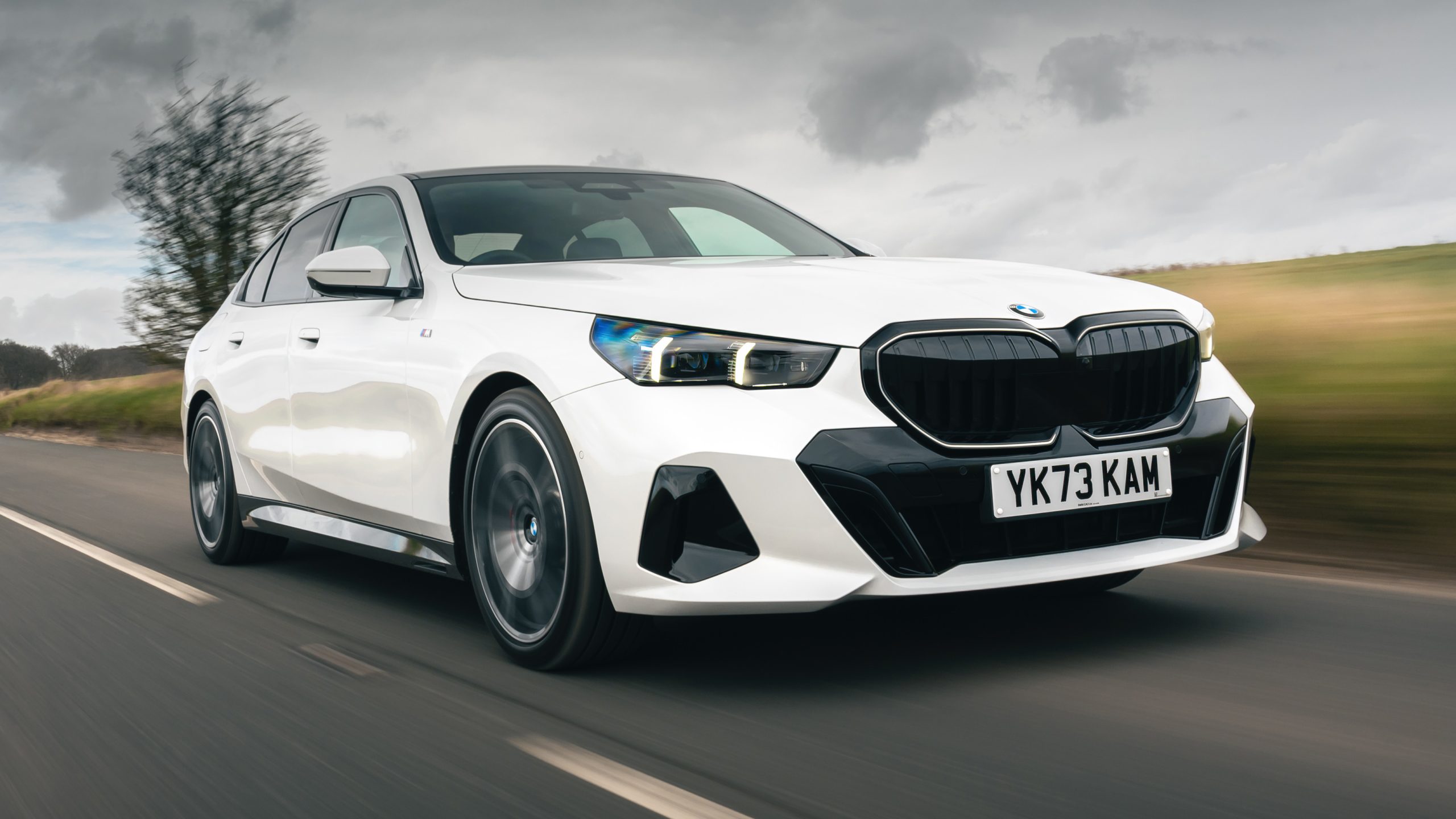
4. BMW 5 Series (iDrive 8.5 and iDrive 9)
The BMW 5 Series represents BMW’s most refined approach to in-car technology, combining advanced features with a level of polish that sets it apart from many German luxury rivals.
Although the iDrive system is complex and feature-rich, it is widely praised for handling large amounts of data smoothly, from augmented reality navigation to climate and vehicle controls, without the frequent system reboots or freezes reported in competing systems.
A major improvement comes from iDrive 8.5 and the newer iDrive 9 software platforms. BMW introduced the QuickSelect interface to address criticism of earlier versions, simplifying navigation with a flatter menu structure and reducing the need to dig through layered submenus.
Frequently used functions are easier to access, which improves usability and reduces distraction while driving. iDrive 8.5 is built on a stable Linux-based foundation, while iDrive 9 transitions to Android Automotive OS. Both systems deliver fast response times, fluid animations, and smartphone-like interaction with fewer glitches than previous generations.
One key strength of iDrive 8.5 is the continued use of BMW’s physical rotary controller alongside the touchscreen. This hybrid control method allows drivers to interact with the system without relying entirely on touch input, which many users find more precise and dependable while driving.
The system is designed around BMW’s curved display layout, blending a 12.3 inch digital instrument cluster with a 14.9 inch infotainment screen for a modern, cohesive experience. Regular over-the-air updates further enhance long-term reliability by addressing bugs and refining features over time.
Beyond software, the BMW 5 Series balances comfort and performance. The 530i uses a 255-horsepower turbocharged four-cylinder engine, while the 540i upgrades to a 375-horsepower turbocharged inline six.
Both benefit from a 48 volt mild hybrid system that improves efficiency and smoothness. Acceleration is strong, with the 540i reaching 60 mph in just 4.0 seconds. Ride quality leans toward comfort, though the M Sport package adds sharper handling and stronger brakes.
Inside, the cabin is spacious and luxurious, offering premium materials, advanced climate control, and a wide range of comfort options such as massaging seats and panoramic glass roofing. Fuel efficiency is competitive for the class, and standard safety features are comprehensive, with advanced driver assistance systems available as options.
The BMW 5 Series is well-suited for buyers who want advanced technology that feels thoughtfully executed, combining cutting-edge digital systems with traditional BMW driver-focused design and strong real-world performance.
5. Toyota Prius (Current Generation)
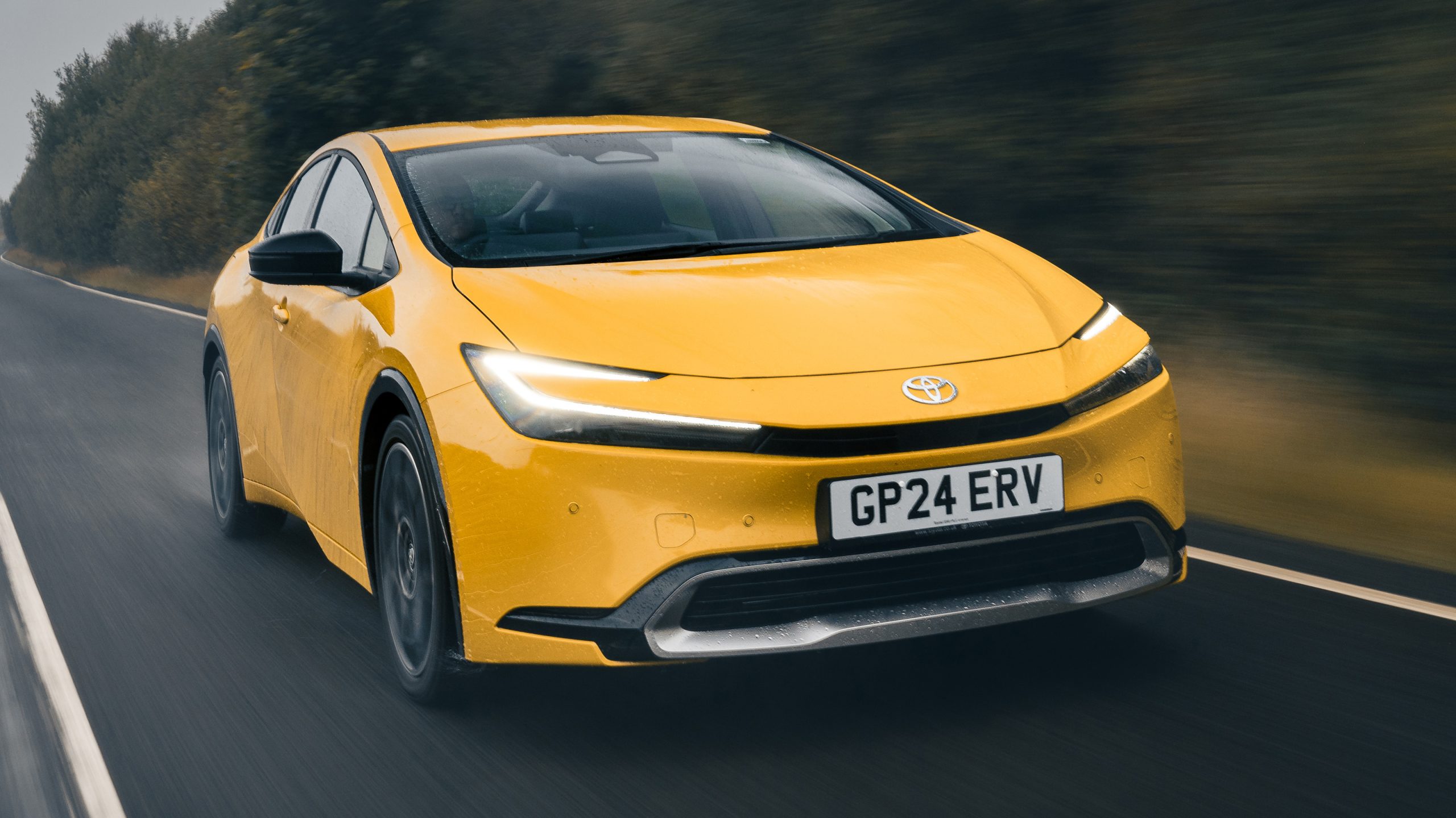
The current generation Toyota Prius represents a careful but effective evolution of one of the most recognizable hybrid vehicles on the market. Toyota’s recent software overhaul has focused on stability, responsiveness, and long-term durability rather than experimental features.
By emphasizing core functionality and proven systems, the Prius continues to uphold Toyota’s reputation for high-mileage digital reliability and strong owner satisfaction.
Toyota’s approach to software development is evolutionary rather than revolutionary. Instead of introducing untested technology, the company refines existing systems that have already proven dependable across millions of vehicles. This philosophy is especially evident in the Prius hybrid control software.
The Electric Continuously Variable Transmission and battery management systems are based on decades of refinement, resulting in extremely mature software with very few reported failures. The integration between the gasoline engine, electric motors, and transmission is smooth, predictable, and well tested in real-world conditions.
The infotainment system reflects the same restrained philosophy. The current Prius uses a simplified, responsive interface that supports wireless Apple CarPlay and Android Auto. Navigation and cloud-based services are designed to be fast and reliable, avoiding unnecessary visual clutter or gimmicks.
The system responds quickly to inputs and is supported by over-the-air updates, allowing Toyota to address bugs, security issues, and minor feature improvements without requiring dealer visits. Voice commands through the “Hey Toyota” system further improve ease of use while driving.
Performance has also improved compared to earlier generations. The Prius now uses a 2.0 liter four cylinder engine paired with electric motors to produce 194 horsepower in Front Wheel Drive form and 196 horsepower with All Wheel Drive.
This added power allows the Prius to accelerate more confidently, reaching 60 mph in just over seven seconds. While engine noise can become noticeable under hard acceleration, the drivetrain remains efficient and smooth in everyday driving.
Fuel economy remains a defining strength. EPA ratings reach up to 57 mpg in city driving, and real-world highway testing confirms excellent efficiency at sustained speeds. Inside, the cabin adopts a more conventional layout than before, with a driver-focused gauge cluster and improved material quality. Rear seat headroom is slightly limited by the sleek exterior design, but cargo space remains generous for a compact hybrid.
Standard safety technology is extensive, with Toyota Safety Sense providing reliable adaptive cruise control, lane keeping assistance, and blind spot monitoring. Strong warranty coverage for hybrid components further reinforces the Prius as a dependable, long-term ownership choice built around refined technology and proven engineering.
Also Read: 5 Cars for Littleton Mountain Commuting and 5 Winter-Ready Models
5 With Glitches
1. Volkswagen ID.4
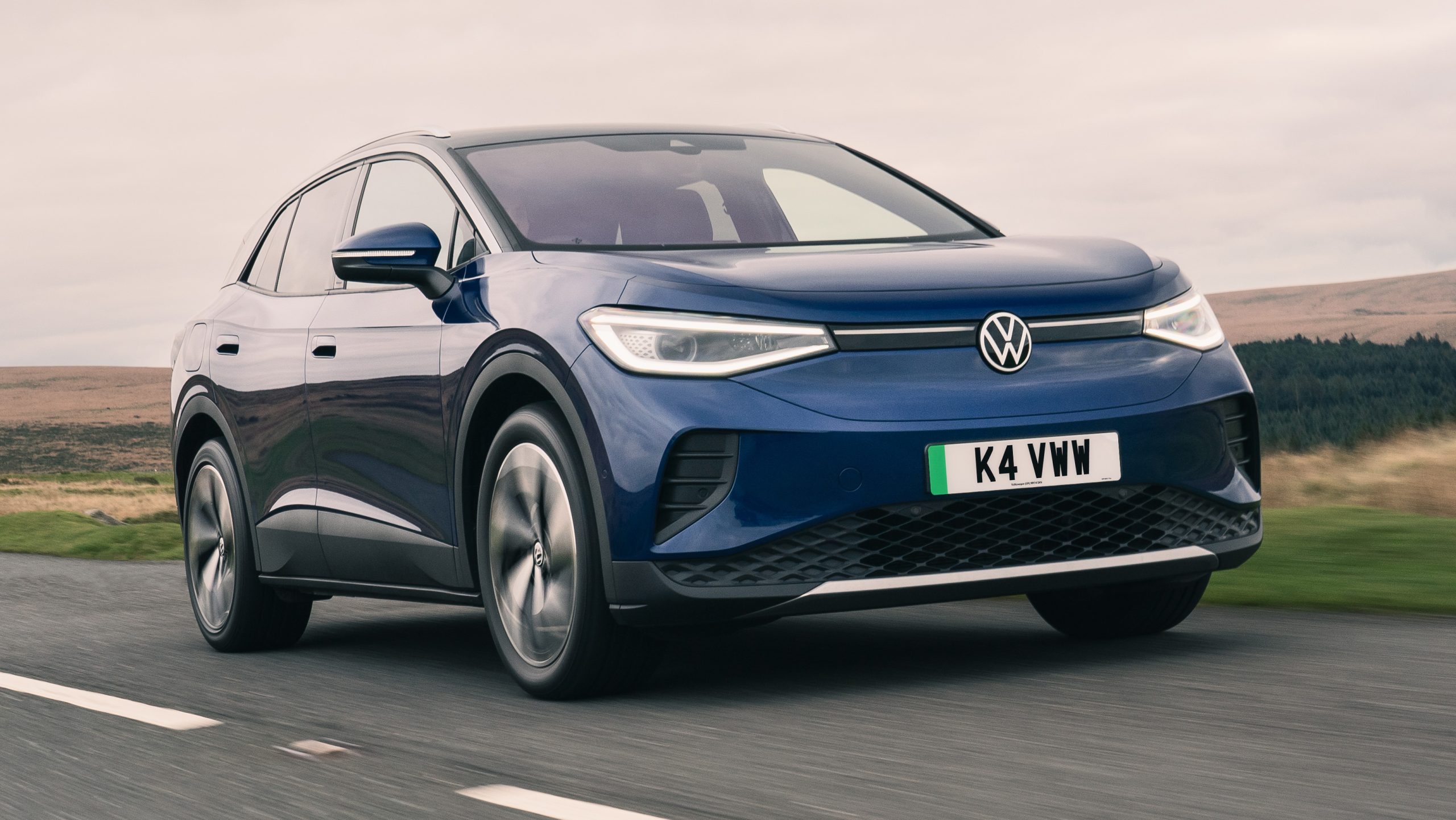
The Volkswagen ID.4 was intended to mark a bold transition toward a software-defined future, but its early years have been heavily undermined by persistent and frustrating software problems. Since launch, many owners have reported slow system boot times, sometimes taking 30 seconds or more before the infotainment becomes usable.
Touch-sensitive sliders for volume and climate control are frequently unresponsive, and full system crashes can require a complete vehicle reset just to regain basic functionality. These issues have significantly affected daily usability and owner confidence.
Much of the problem traces back to organizational failures within Cariad, Volkswagen’s internal software division. Created to unify digital development across the brand, Cariad expanded rapidly without a clear structure or authority.
Internal conflicts between Volkswagen Group brands and constant firefighting on legacy systems prevented developers from fully stabilizing the new software intended for the MEB electric platform. As a result, the ID.4 launched with incomplete and unstable code across multiple vehicle systems.
The ID.4 also suffered from an aggressive hardware and software redesign. Unlike previous Volkswagen models, it introduced an entirely new digital architecture with almost no carryover technology.
Every major function, from battery management to window controls, relied on first-generation software running simultaneously. The move to capacitive touch controls further worsened reliability. These inputs depend entirely on software interpretation, which often lagged or failed when system resources were strained.
Some of the resulting bugs were serious. Software glitches led to recalls affecting nearly 80,000 vehicles. Reported issues included total screen failures that removed access to the speedometer and rearview camera, false warning alerts, unreliable smartphone connectivity, and, in rare cases, propulsion loss caused by battery management errors.
Promised over-the-air updates were also inconsistent, with many early models requiring dealership visits for major fixes due to software instability.
Recent versions show improvement. The 2024 ID.4 benefits from upgraded processors and Software 4.0+, resolving many performance and stability concerns. However, the model’s early struggles highlight the risks of rushing a complex digital transformation without a mature software foundation.
2. Jeep Grand Cherokee 4xe
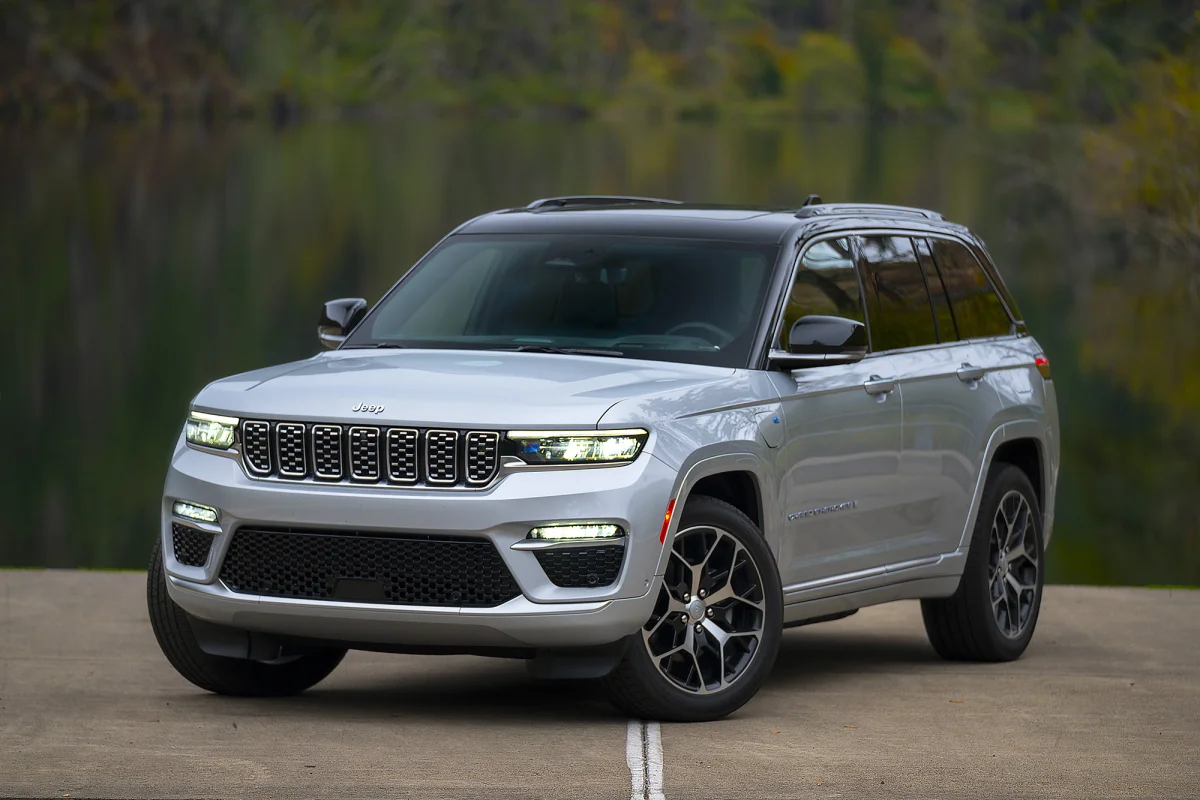
The Jeep Grand Cherokee 4xe plug-in hybrid was designed to combine off-road capability, luxury, and electrified efficiency, but it has struggled with persistent software-related issues that have hurt reliability and owner confidence.
Many of these problems are described by drivers as “ghost in the machine” behavior, where systems malfunction without an obvious mechanical cause. Common complaints include digital gauge clusters going dark while driving, repeated “Service Hybrid System” warnings, and unexpected power interruptions despite no detectable hardware failure.
At the core of these issues is the extreme complexity of the 4xe plug-in hybrid architecture. The system requires constant, real-time communication between multiple electronic control modules, including the powertrain control module, battery pack control module, hybrid control processor, transmission control module, and telematics box module. All of these components must remain perfectly synchronized.
When communication breaks down between even one module and another, the vehicle can trigger fault conditions as a protective response. In some cases, this leads to sudden power loss, system shutdowns, or forced resets while the vehicle is in motion.
Over-the-air updates have also contributed to the problem. Jeep relies on Uconnect OTA updates to improve performance and address bugs, but some updates have introduced serious new issues.
A particularly problematic update in late 2025 caused widespread powertrain malfunctions, unexpected stalling, and, in extreme cases, rendered vehicles completely inoperable. These incidents highlighted how fragile the communication chain can be when updates are deployed before being thoroughly validated across all system interactions.
Faulty component communication has been a recurring theme in service reports. The telematics box module is frequently identified as a weak point, especially in how it interfaces with the hybrid control processor.
Errors in this relationship can trigger misleading alerts such as “Service Charging System,” even when the battery and charging hardware are functioning correctly. These warnings often stem from software logic errors rather than physical defects.
Another contributing factor is the industry-wide push toward software-defined vehicles. In the case of the Grand Cherokee 4xe, this has sometimes resulted in software being released prematurely. Rapid development cycles and layered updates can lead to bloated code, increased processor load, and unintended interactions between systems that were not fully tested together.
These issues affect 2022 through 2026 Grand Cherokee 4xe models and led to a major recall of nearly 92,000 vehicles in 2025 due to stalling risks. Most fixes involve dealer-installed software updates or system resets rather than hardware replacement, but the frequency and severity of these problems underscore the challenges of managing highly complex hybrid systems through software alone.
3. Chevrolet Blazer EV
The Chevrolet Blazer EV faced a troubled launch, with software problems so severe that General Motors issued a temporary stop-sale order in 2024. Owners reported screen blackouts, unresponsive infotainment, and failures in the public charging system that prevented the vehicle from accepting a charge at certain stations.
These early issues highlight the challenges of GM’s transition to a software-defined vehicle architecture on the Ultium platform, where software controls nearly every function, from battery management to interior lighting.
A key factor in the Blazer EV’s instability is the integration of dozens of independent control modules. These modules must constantly communicate, and any failure in the “handshake” process can trigger cascading errors. Early owners experienced multiple unrelated fault codes ranging from window switch failures to motor control alerts originating from single software glitches.
The adoption of Google Built-in for infotainment, replacing Apple CarPlay and Android Auto, added another layer of complexity. Many screens flickered, froze, or became unresponsive, revealing that the software had not been fully optimized for the vehicle’s hardware.
Charging compatibility was another critical weak point. Software bugs in the DC fast-charging communication protocol caused some sessions to fail and occasionally placed the vehicle in a disabled “turtle mode,” limiting drivability. GM later acknowledged that the initial real-world testing matrix had not been robust enough to catch these edge-case failures before mass production.
Following the stop-sale, GM overhauled its software quality processes and issued large multi-module updates, including version W38E-174.4, which resolved many of the launch issues. Despite these improvements, some owners still report intermittent glitches related to 12V battery drain and sensor communication.
While the Blazer EV demonstrates the promise of a fully software-driven EV, its early struggles underscore the challenges of balancing complex code, hardware integration, and real-world reliability in a modern electric vehicle.
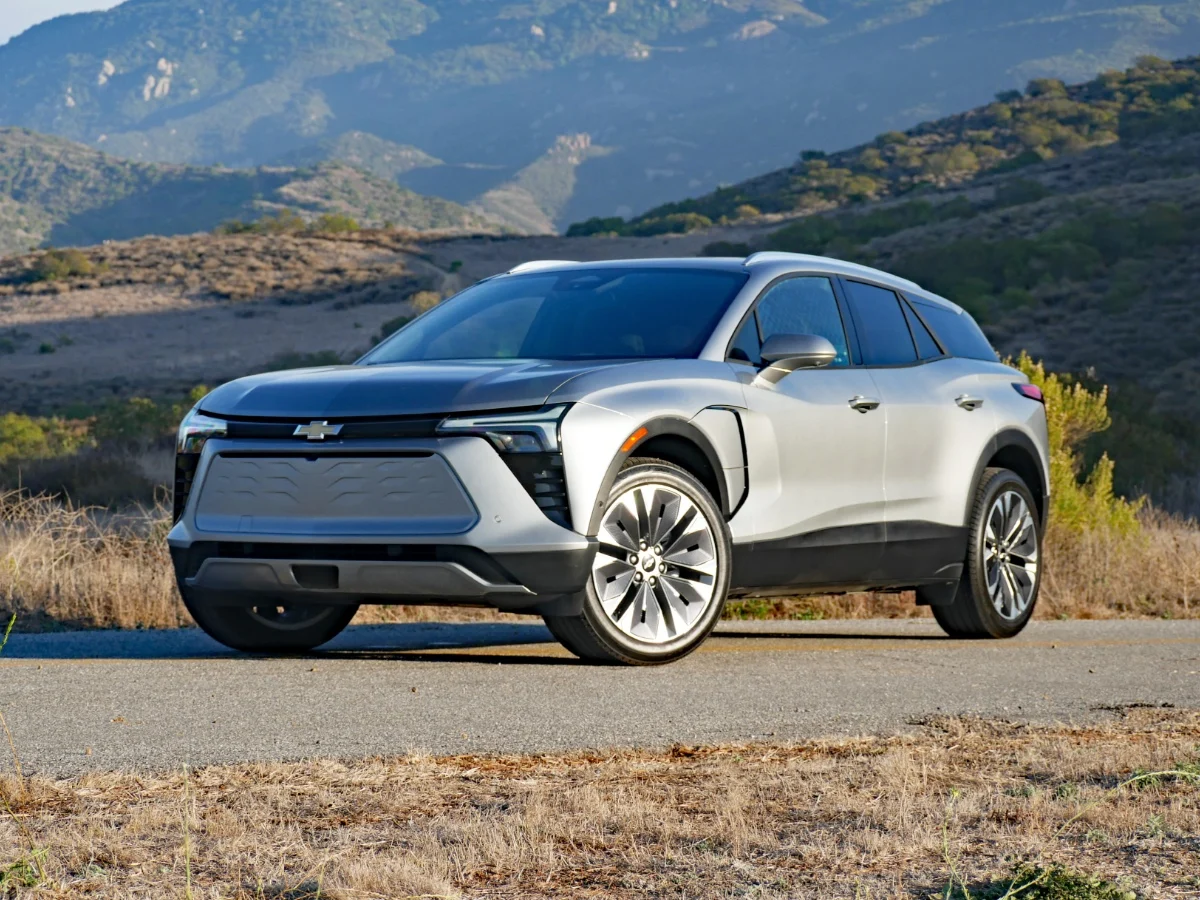
4. Volvo XC60 (Google Built-In Models)
The Volvo XC60’s adoption of Android Automotive OS, branded as Google Built-in, aimed to modernize the driving experience but has been marred by persistent software and hardware issues.
Owners frequently report GPS signal loss for days, backup cameras failing to engage, unresponsive Google Assistant, and frozen infotainment screens. These problems stem from a combination of outdated hardware, unrefined software, and early adoption challenges, making some models frustrating to operate.
A key factor is the hardware bottleneck. Several XC60 model years relied on Intel Atom processors that were over a decade old by the time they were installed. Modern Android services such as Google Maps, Google Assistant, and the Play Store are resource-intensive, and running them on these older chips frequently causes lag, crashes, and slow boot times. Volvo has only recently begun migrating to more powerful Snapdragon processors to address this limitation.
Another source of instability is the TCAM (Telematics and Connectivity Antenna Module). This module manages GPS, LTE/5G connectivity, and key fob functions. When the TCAM malfunctions, internet services fail, rendering features like Google Maps unusable and occasionally preventing vehicle access via the Volvo app.
Early versions of Android Automotive OS also introduced “launch pains.” Unlike Android Auto, AAOS runs natively on the car’s systems. Volvo’s early adoption meant owners acted as de facto beta testers. Initial releases lacked Apple CarPlay and experienced random reboots, phantom bugs, and audio dropouts.
Because AAOS is integrated with safety systems, these glitches have real consequences. A major recall for 2021–2025 models addressed an issue where system failures disabled the rearview camera, removing critical safety visuals.
Over-the-air updates, intended to improve functionality, have also been inconsistent. Many owners report that updates fix some bugs while inadvertently breaking features such as climate control, charging schedules, or connectivity.
While Volvo is working to stabilize the platform, early Google-built-in XC60 models illustrate the challenges of combining resource-heavy software with aging hardware in a safety-critical environment.
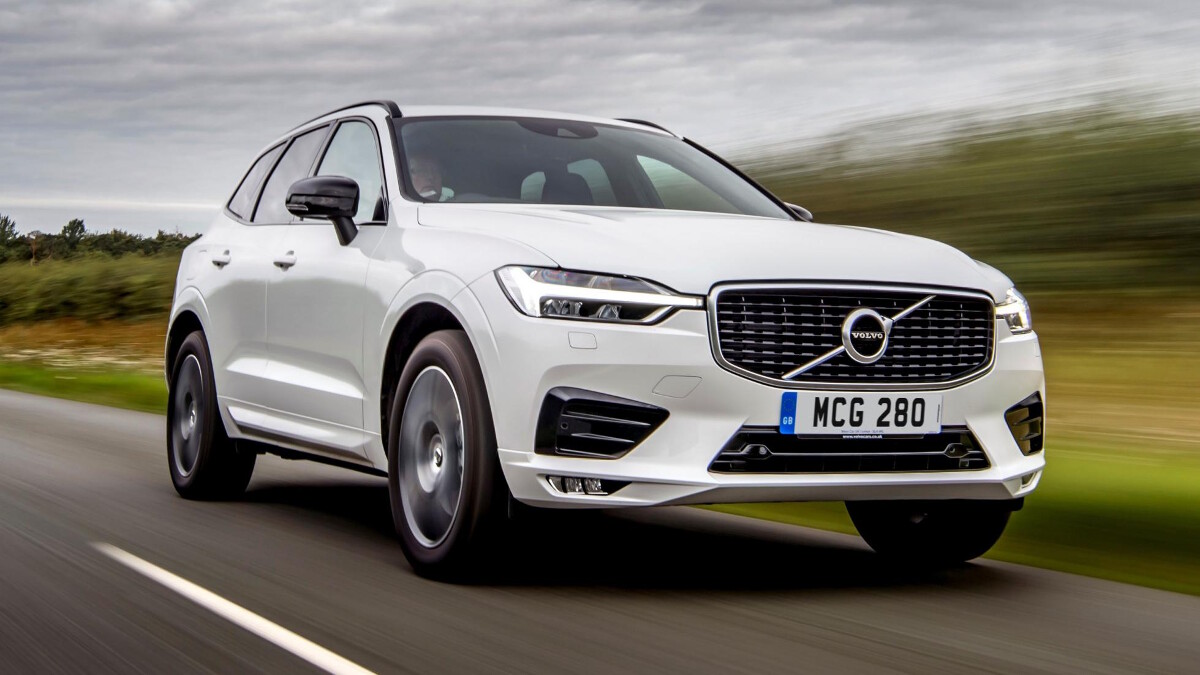
5. Honda Prologue
The Honda Prologue, Honda’s first major EV, has faced early software challenges that contrast sharply with the brand’s traditional reputation for reliability.
Sharing GM’s Ultium battery platform, the Prologue inherits a complex software architecture originally developed for vehicles like the Chevrolet Blazer EV. This shared DNA has introduced several notable issues, from connectivity glitches to advanced driver-assistance irregularities.
A primary source of problems is the Ultium software stack. While Honda refined the interface to align with its user experience standards, core systems such as battery management and infotainment remain tied to GM’s original code, which has a history of instability.
Owners report errors such as the “Service High Voltage System” warning, often triggered by conflicting sensor data rather than a real battery issue. These warnings can put the vehicle into limp mode or temporarily prevent charging, requiring dealer-level software updates to resolve.
Integration between Honda’s user interface and GM’s backend systems has also caused friction. The HondaLink app occasionally fails to communicate with the vehicle for remote climate control or charging updates. Wireless Apple CarPlay and Android Auto connections are inconsistent, as the system struggles to prioritize smartphone inputs alongside the native Google Built-in environment.
Advanced Driver-Assistance Systems (ADAS) have proven overly sensitive in some cases, with reports of phantom braking or aggressive lane-keeping alerts. These calibration issues highlight that the software tuning has not yet achieved the smooth and intuitive operation expected from Honda vehicles.
As a first-generation EV, the Prologue functions as an early testbed for Honda’s electrification efforts. Managing thermal systems, regenerative braking, and infotainment on a shared platform has required frequent over-the-air updates to patch unforeseen issues.
While many of these glitches are software-based and can be corrected remotely, they illustrate the growing pains of introducing a software-driven EV within a traditional automaker’s ecosystem. Early owners may encounter quirks, but ongoing updates are gradually stabilizing the vehicle’s performance.
Vehicles with reliable software demonstrate how careful development, testing, and integration can enhance both performance and ownership experience. Tesla, Lexus, and Mazda have shown that focusing on stability, usability, and iterative improvements creates dependable vehicles that improve over time.
Models with persistent software issues reveal the risks of rushing new digital architectures without sufficient validation, often leading to glitches, system failures, and inconsistent functionality. As automakers continue to adopt electrification and advanced driver-assistance technologies, software reliability will become a key factor in safety, convenience, and long-term satisfaction.
Buyers who understand which vehicles have well-developed, dependable software versus those still facing early-stage problems can make more informed decisions, ensuring a driving experience that is smooth, safe, and enjoyable for years to come.
Also Read: 10 Cars With Windshields That Rarely Crack From Rock Chips