Home charging has long been considered the foundation of stress-free EV ownership, but for many drivers, it simply is not an option. Apartment living, shared parking, street parking, and urban density mean millions of people must rely entirely on public charging infrastructure.
That reality has created a sharp divide in the EV market. Some electric vehicles are engineered to thrive without a garage, using long-range, ultra-fast charging, and smart energy management to make public charging practical. Others quietly assume you will plug in every night, and when that assumption breaks, daily ownership becomes frustrating, expensive, and time-consuming.
This guide, 5 EVs That Work Without Home Charging vs 5 That Don’t, highlights that divide clearly. It compares vehicles that genuinely support public-charge-first lifestyles with those that struggle once home charging is removed from the equation. The goal is not to crown the best EV, but to show which ones actually fit real-world living situations.
5 EVs That Work Without Home Charging
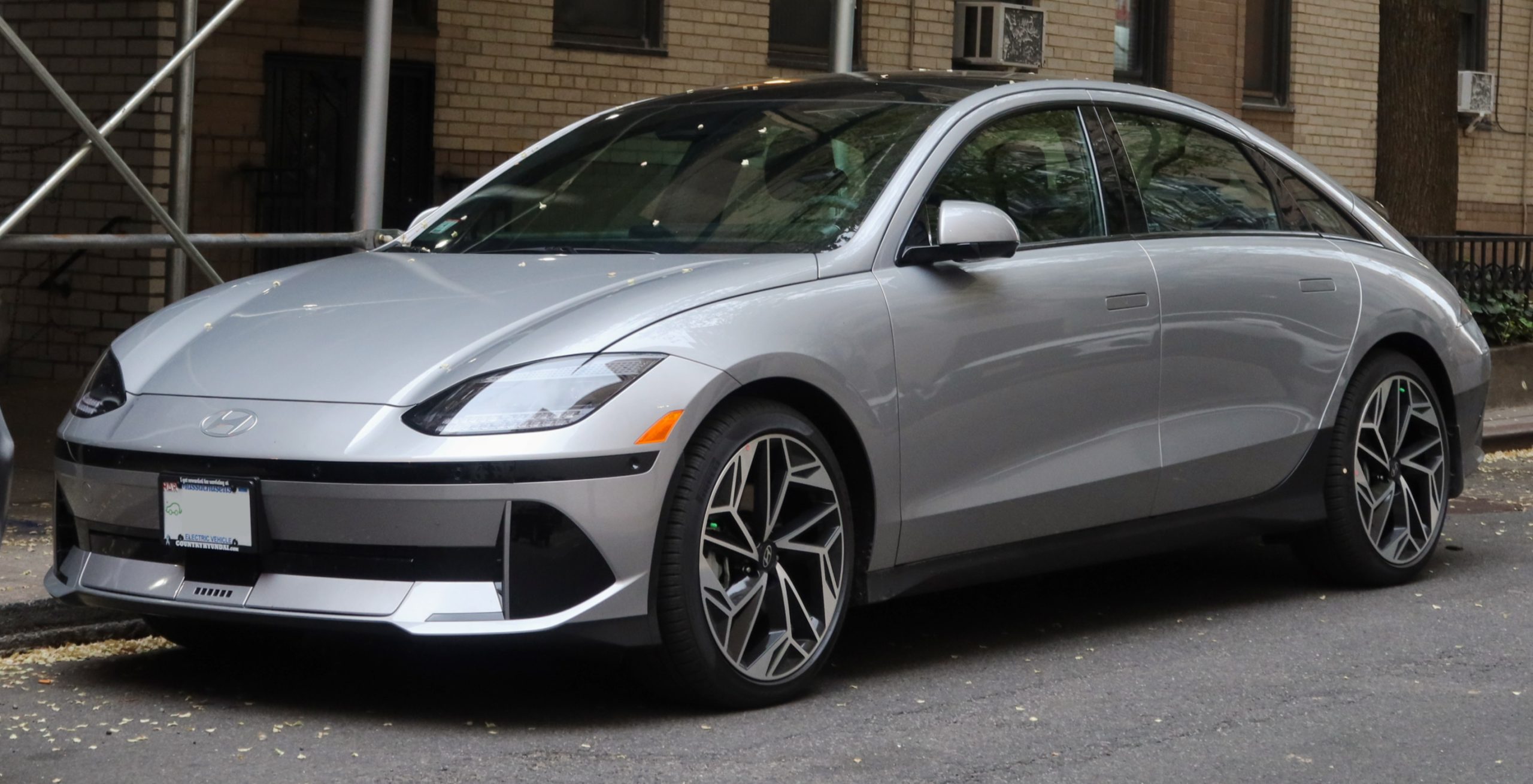
1. Hyundai IONIQ 6 Long Range RWD: Efficient, Fast-Charging, and Comfortable EV
The Hyundai IONIQ 6 Long Range RWD stands out for its combination of efficiency, range, and ultra-fast charging, making it a practical choice for drivers without home charging infrastructure. Built on an 800V electrical architecture, the car can recharge from 10% to 80% in just 18 minutes using DC fast chargers up to 350 kW.
Its exceptional aerodynamics, with a drag coefficient of 0.21, and a real-world range of over 300 miles, allow most drivers to rely on public charging only once or twice a week. Battery preconditioning ensures optimal charging speeds, even in colder climates, and public charging networks are increasingly accessible near shopping or work destinations. Efficient driving modes like Eco or Normal further help extend range.
Performance-wise, the IONIQ 6 shares its platform with the IONIQ 5. The base RWD model produces 149 horsepower, while the Long-Range RWD version outputs 225 hp. The dual-motor AWD variant delivers 320 hp and comes only with the larger battery.
Handling is engaging, aided by a low center of gravity and selectable regenerative braking via steering-wheel paddles. In testing, the RWD Long Range achieved 0–60 mph in 6.2 seconds, while the AWD Long Range completed it in 4.3 seconds.
EPA estimates give the RWD Long Range a maximum of 342 miles, though real-world highway tests show around 260 miles at 75 mph. Fuel efficiency is strong, with a combined EPA rating of 140 MPGe.
Interior design emphasizes lounge-like comfort, featuring a minimalist layout, flat floor, and extensive sound insulation. The sedan seats five, and while the trunk is not as large as a crossover, folding rear seats expand cargo capacity.
Infotainment is centered on dual 12.3-inch screens for instrumentation and media, supporting Apple CarPlay, Android Auto, and Hyundai BlueLink connectivity. Safety technology is comprehensive, with standard automated emergency braking, lane-departure warning with lane-keeping assist, and adaptive cruise control with lane-centering.
Hyundai complements the IONIQ 6 with one of the strongest warranty packages in the industry. Coverage includes a five-year/60,000-mile limited warranty, a 10-year/100,000-mile powertrain and battery warranty, and three years/36,000 miles of complimentary scheduled maintenance.
The IONIQ 6 Long Range RWD combines high efficiency, rapid charging capability, engaging performance, and comfort, making it a versatile EV solution for drivers who cannot rely on home charging infrastructure.
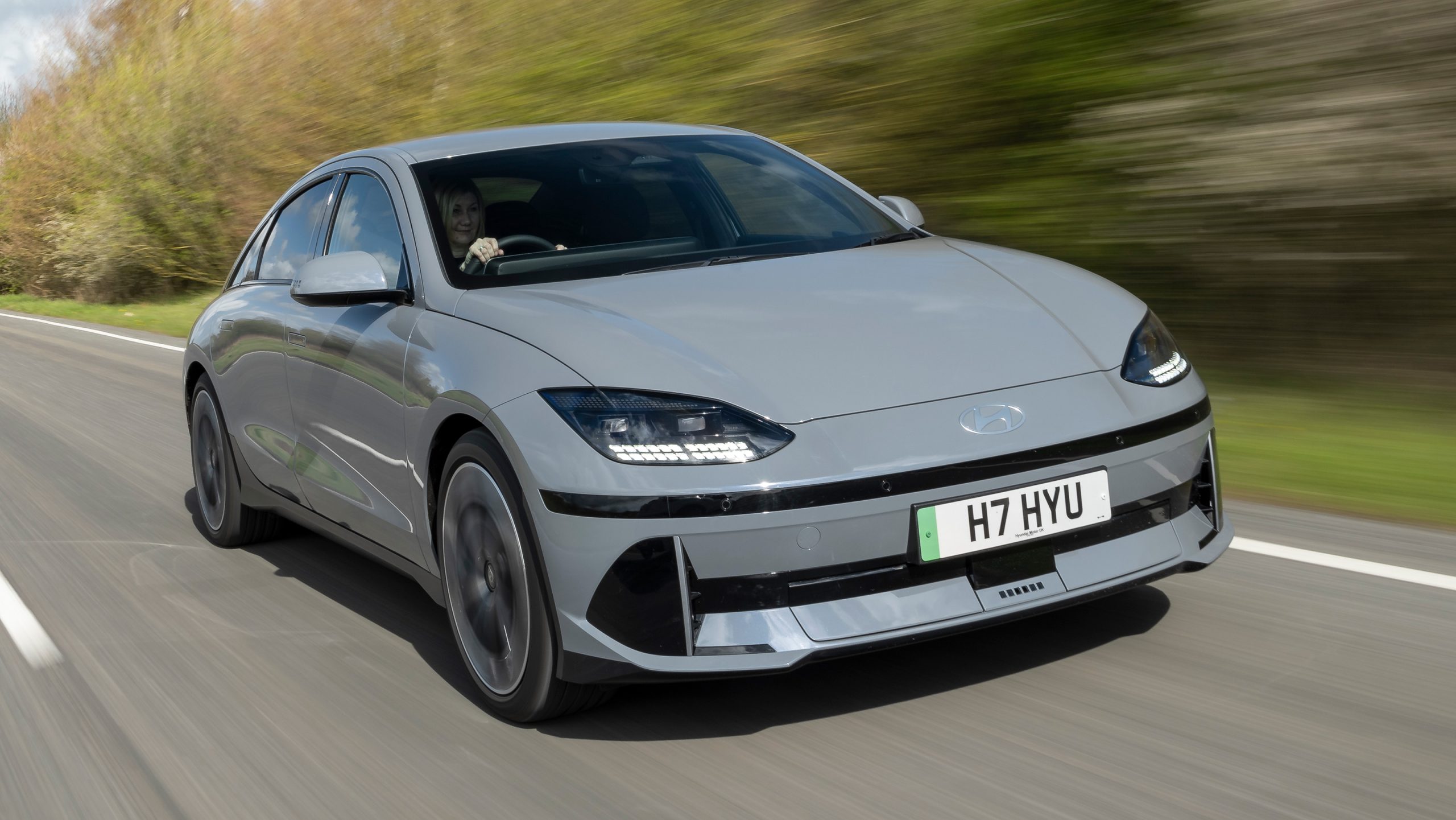
2. Tesla Model 3 Long Range: Efficiency, Performance, and Unmatched Charging Infrastructure
The Tesla Model 3 Long Range is widely recognized for combining impressive electric performance with industry-leading charging infrastructure. Offering an EPA-estimated range of 360–390 miles, the Model 3 reduces the frequency of necessary charging stops, making it one of the most practical EVs for long commutes and urban driving alike.
A major advantage is Tesla’s extensive Supercharger network, which allows rapid replenishment in 15–30 minutes at conveniently located stations.
For drivers without home charging, these high-speed stations, along with public Level 2 chargers and destination chargers, make it feasible to manage daily commuting with weekly charging sessions.
Performance is a standout feature. The Long Range RWD variant produces 286 horsepower with rear-wheel drive, while dual-motor AWD models range from 425 to 510 horsepower. Acceleration is swift and smooth, with the Performance trim reaching 60 mph in just 2.8 seconds.
The low-mounted battery contributes to a low center of gravity, providing stable, planted handling and precise steering. The ride is firm yet comfortable, with quiet cabin isolation that enhances driving refinement.
Efficiency is another strength. Our 75-mph highway tests recorded 128 MPGe for the Long Range RWD and 91 MPGe for the Performance variant. Even in real-world conditions, the Model 3’s efficiency surpasses many rivals, including the BMW i4 xDrive40. Battery replenishment is rapid, with the dual-motor Performance model charging from 10% to 90% in 39 minutes at a DC fast charger.
Inside, the Model 3 maintains a minimalist design with a central 15.4-inch touchscreen controlling nearly all functions. Rear passengers have access to an 8.0-inch touchscreen in Premium and Performance trims.
The cabin offers supportive front seats and a flat floor that enhances spaciousness, though rear seat legroom is limited. Cargo capacity is practical, with a front trunk of three cubic feet and an expandable rear trunk capable of fitting 15 carry-on suitcases when rear seats are folded.
Tesla’s driver-assistance suite, including Autopilot, adaptive cruise control, automated emergency braking, and lane-departure warning, provides smooth and capable functionality. Warranty coverage includes a four-year/50,000-mile limited warranty and an eight-year/100,000-mile powertrain and battery warranty, though routine maintenance is not included.
The Tesla Model 3 Long Range excels in range, charging convenience, performance, and technology, making it one of the most reliable and practical EVs for both daily commuting and long-distance driving.
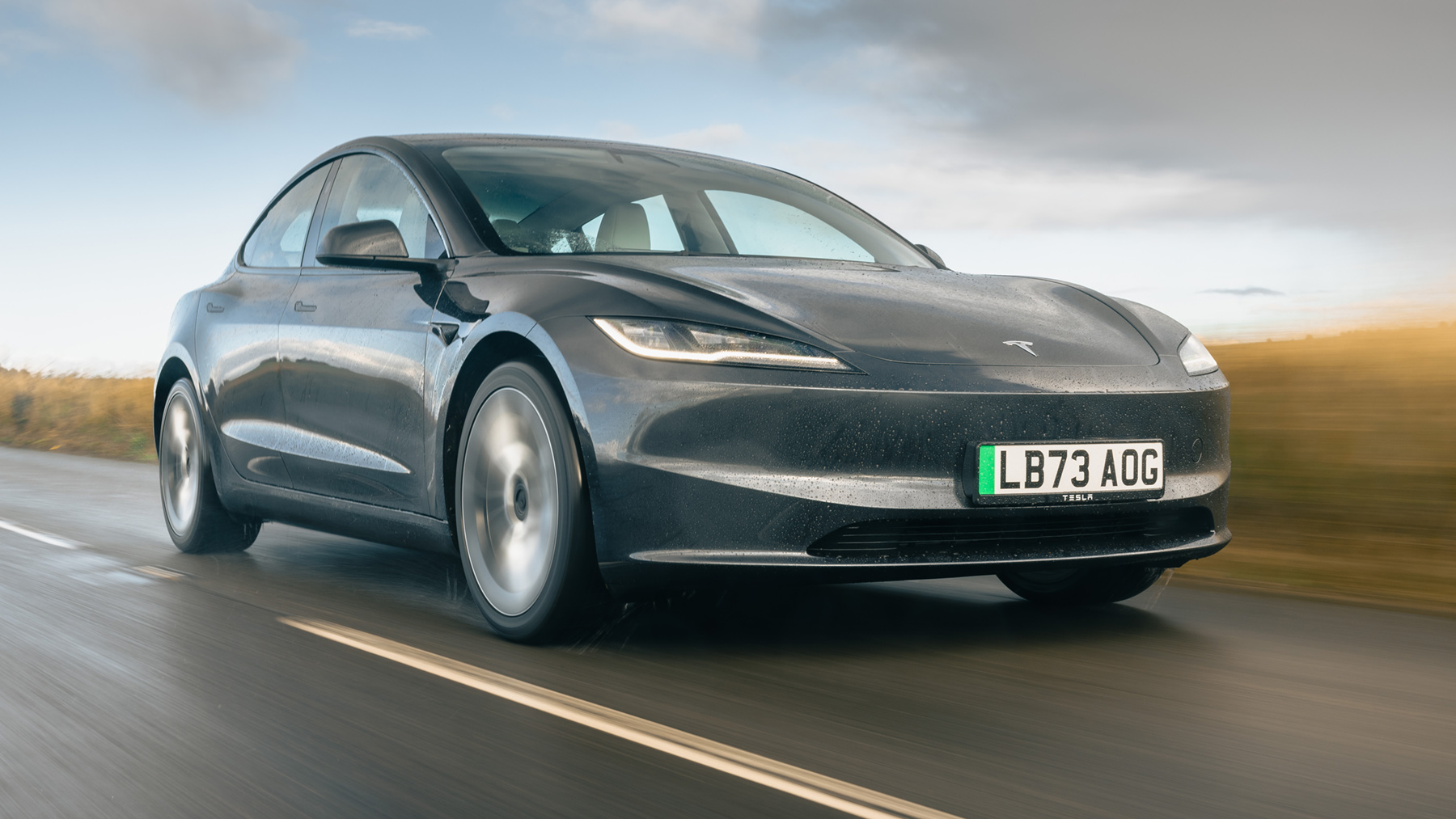
3. Kia EV6: Ultra-Fast Charging Strengths, Real Challenges Without Home Charging
The Kia EV6 is widely praised for its advanced charging technology and long-term battery durability, especially for drivers who frequently rely on DC fast chargers. Built on an 800V electrical architecture, the EV6 can add roughly 100 miles of range in just 10 to 12 minutes and charge from 10% to 80% in about 18 minutes under ideal conditions.
This capability places it among the fastest-charging EVs on the market and makes public charging feasible in theory. However, owning an EV6 without access to home charging introduces several practical challenges that affect daily convenience, cost, and long-term ownership experience.
Without home charging, drivers lose the core EV advantage of starting each day with a full battery. Instead, charging becomes a task that requires planning and time. While DC fast charging is quick, finding an available and functional 350 kW station is not always reliable. If only Level 2 public chargers are accessible, a full charge can take seven to nine hours, effectively anchoring the driver to one location for most of the day.
Cost is another drawback. Home charging is typically inexpensive, often costing around ten to twelve dollars for a full charge. Public fast charging networks usually charge premium rates, which can push the cost per mile close to, or even beyond, that of gasoline. This reduces one of the primary financial benefits of EV ownership.
Reliability of public infrastructure also remains a concern. EV6 owners have reported issues related to the Integrated Charging Control Unit, which in some cases prevents the vehicle from charging at all. If nearby fast chargers are offline, range anxiety becomes a real issue. Cold weather adds another layer of difficulty, as battery preconditioning can consume several percent of remaining range before charging even begins.
Frequent reliance on DC fast charging may also accelerate battery wear compared to slower home charging. Kia recommends keeping the battery between 20% and 80% to preserve long-term health, which further limits usable range when home charging is unavailable.
The Kia EV6 remains an excellent technical achievement, but without home charging, its ownership experience demands more planning, flexibility, and compromise.
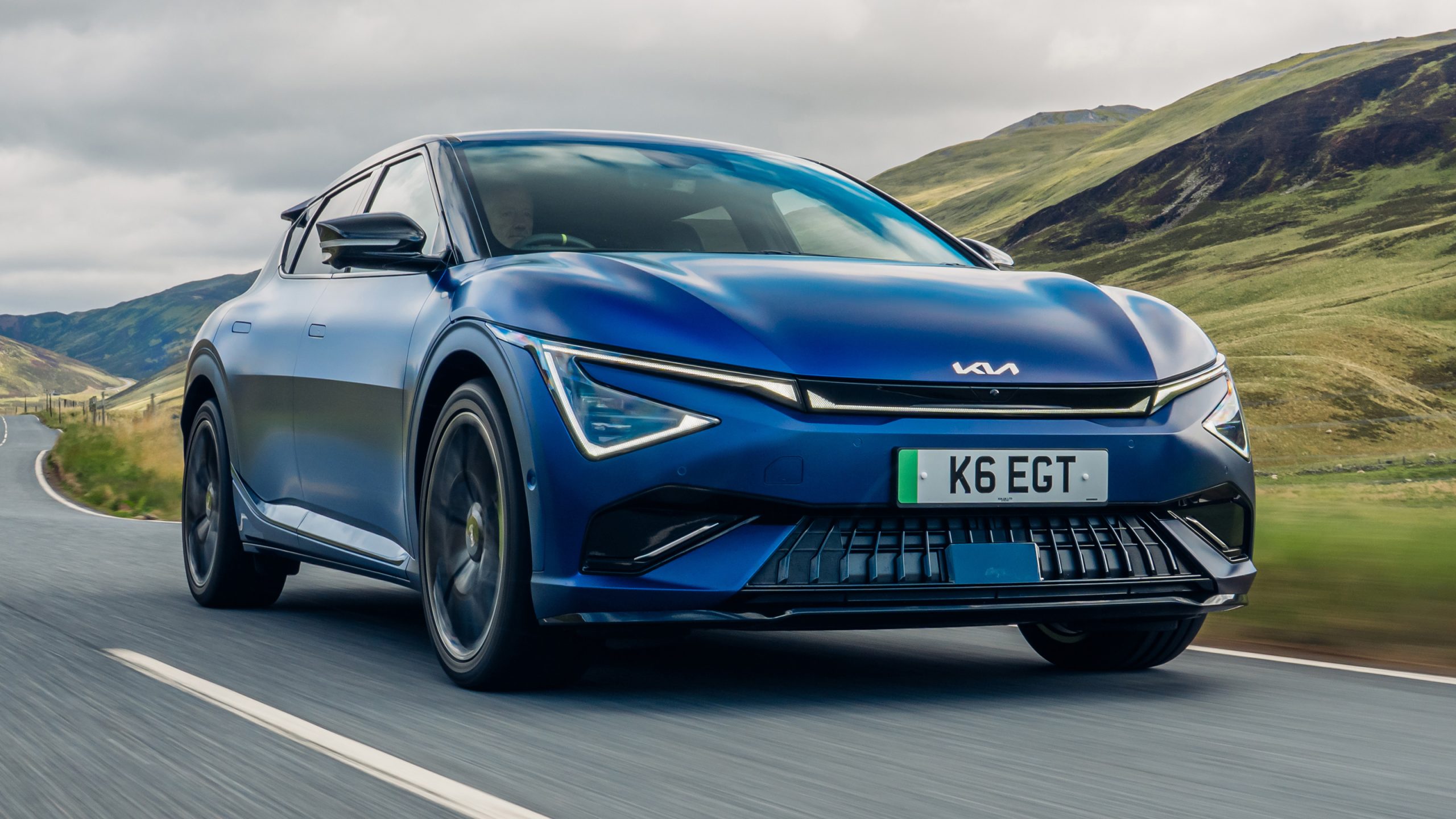
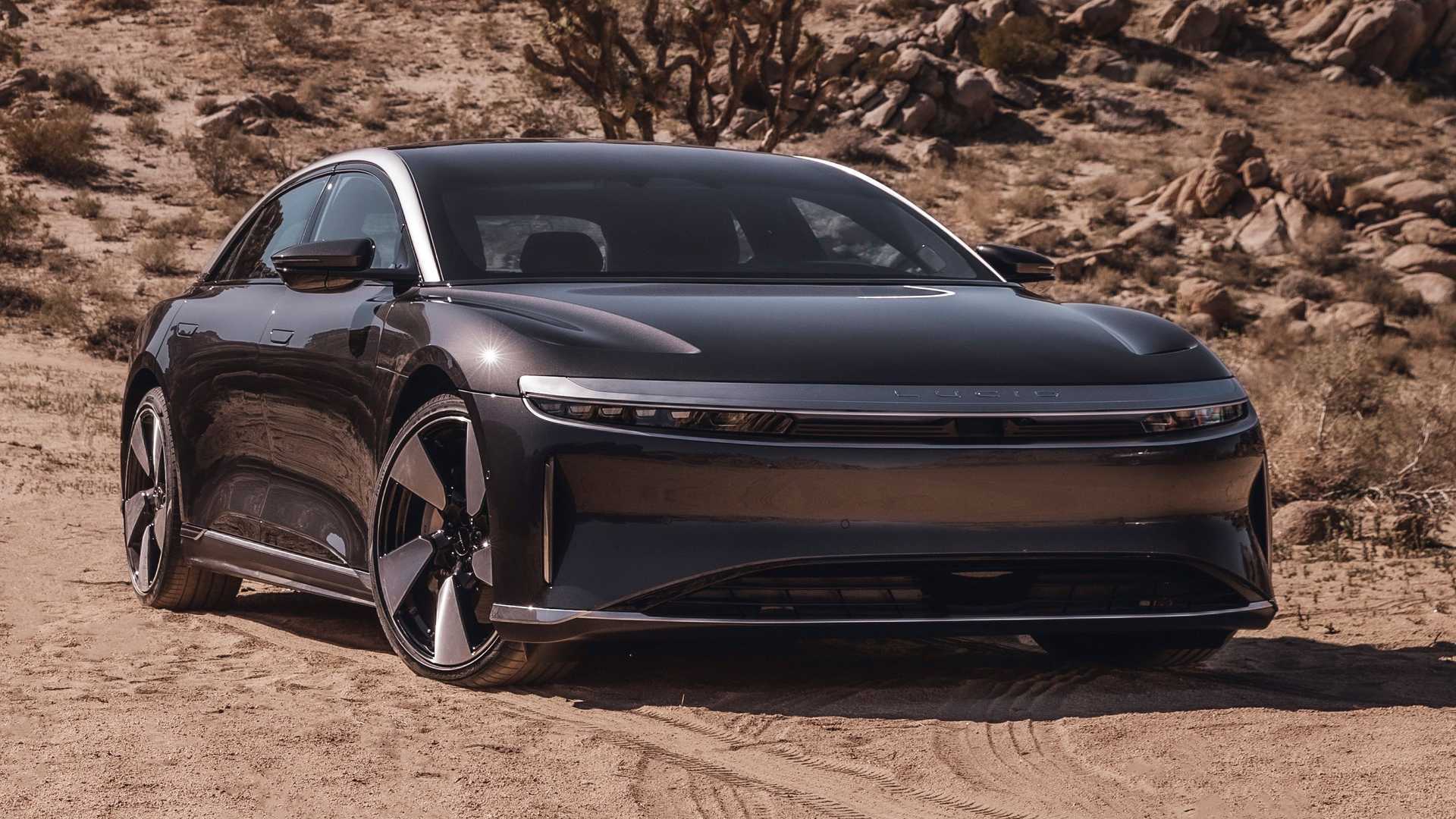
4. Lucid Air Grand Touring: Long-Range Freedom Without Home Charging
The Lucid Air Grand Touring stands out as one of the most capable electric vehicles for owners who do not have access to home charging. Its defining advantage is its industry-leading EPA-estimated range of up to 512 miles, which dramatically reduces how often charging is required.
For a typical commuter driving 40 to 50 miles per day, this translates to charging only once every seven to ten days, even when relying entirely on public infrastructure. This flexibility makes the Grand Touring uniquely well-suited for apartment dwellers or urban drivers without dedicated parking.
Range alone, however, is only part of the equation. The Lucid Air also features an advanced 900V-plus electrical architecture and proprietary Wunderbox charging technology.
This allows it to take full advantage of 350 kW DC fast chargers, adding roughly 200 miles of range in about 12 minutes and up to 300 miles in just over 20 minutes under ideal conditions. These short, high-impact charging sessions make public fast charging far more manageable and reduce the time burden typically associated with EV ownership without home charging.
Lucid’s compatibility with major charging networks further strengthens its case. The Air works seamlessly with Electrify America and other large DC fast-charging providers, giving drivers access to thousands of high-speed stations nationwide.
The vehicle’s navigation system also plays a critical role by automatically preconditioning the battery when a fast charger is set as a destination. This ensures the battery reaches optimal temperature before arrival, maximizing charging speed and efficiency and removing much of the guesswork for the driver.
For added flexibility, Lucid includes a mobile charging cable that can be used with public Level 2 chargers or 240V outlets such as NEMA 14-50 plugs, which are sometimes available at workplaces, hotels, or shared parking facilities. While slower than DC fast charging, these options can support day-to-day energy needs when available.
Beyond charging practicality, the Grand Touring delivers exceptional performance and refinement. Its dual-motor setup produces 1050 horsepower, enabling a 0 to 60 mph time of about 3.0 seconds while maintaining a smooth, composed ride. Inside, the cabin emphasizes luxury and space, with premium materials, expansive displays, and generous cargo capacity that rivals many large sedans.
While home charging remains the most convenient solution for any EV, the Lucid Air Grand Touring proves that it is entirely possible to live comfortably without it. Its combination of extreme range, rapid charging capability, and intelligent energy management makes public charging a viable and relatively low-friction experience.
5. Porsche Taycan: Ultra-Fast Charging Makes Garage-Free Ownership Possible
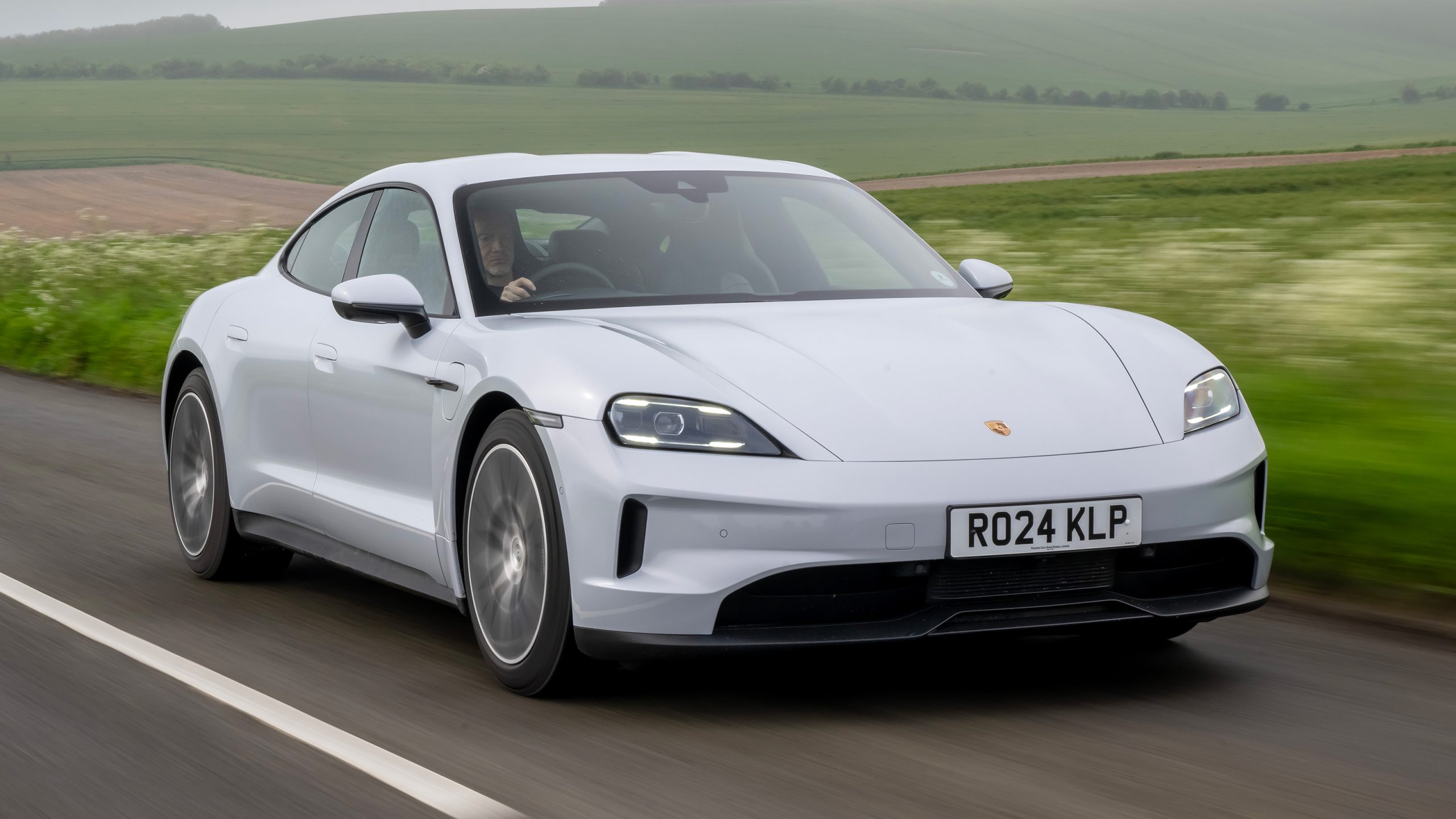
The Porsche Taycan has evolved into one of the most capable luxury electric sedans for drivers who do not have access to home charging. Thanks to its advanced 800-volt electrical architecture and recent mid-cycle updates, the Taycan supports extremely fast DC charging that significantly reduces dependence on overnight home setups.
At compatible high-power stations, newer Taycan models can charge from 10 percent to 80 percent in about 18 minutes, turning public charging into a brief stop rather than a lengthy interruption.
This charging performance is the foundation of the Taycan’s viability without a private garage. With support for up to 270 kW on earlier versions and up to 320 kW on updated trims equipped with the Performance Battery Plus, the Taycan can rapidly regain usable range during short breaks.
In real-world testing, models like the Taycan Turbo GT have demonstrated the ability to charge from 10 percent to 90 percent in roughly 24 minutes, which fits easily into a coffee stop or quick errand.
Public charging access further strengthens the Taycan’s appeal. The car is compatible with major fast-charging networks such as Electrify America in the United States and IONITY in Europe, and Porsche’s own Destination Charging program adds another layer of convenience.
These branded chargers are installed at hotels, resorts, restaurants, and golf courses, allowing owners to add range while parked for leisure or work. Plug & Charge technology removes friction by automatically handling authentication and payment, eliminating the need for apps or cards.
The Taycan’s battery management system is also designed with frequent DC fast charging in mind. Porsche encourages charging to around 80 percent for daily use, which helps preserve battery health while still providing ample range. Dual AC and DC charging ports mounted on opposite sides of the vehicle increase flexibility when parking at public stations with tight layouts.
In terms of range, the Taycan does not lead the segment, but it is competitive enough for daily use without home charging. EPA estimates for recent models range from approximately 252 to 318 miles, depending on configuration, and real-world highway testing has shown that certain trims can exceed their official ratings. This means most urban and suburban drivers can comfortably go several days between charging sessions.
Beyond charging practicality, the Taycan delivers the driving experience expected of a Porsche. With power outputs ranging from just over 400 horsepower to more than 1000 horsepower in the Turbo GT, acceleration is effortless, and handling remains precise and engaging.
The combination of rapid charging, accessible public infrastructure, and performance credibility makes the Porsche Taycan a realistic and appealing option for luxury EV buyers without home charging access.4
Also read: 5 Cars With Strong Heating Systems vs 5 With Weak Ones
5 That Don’t
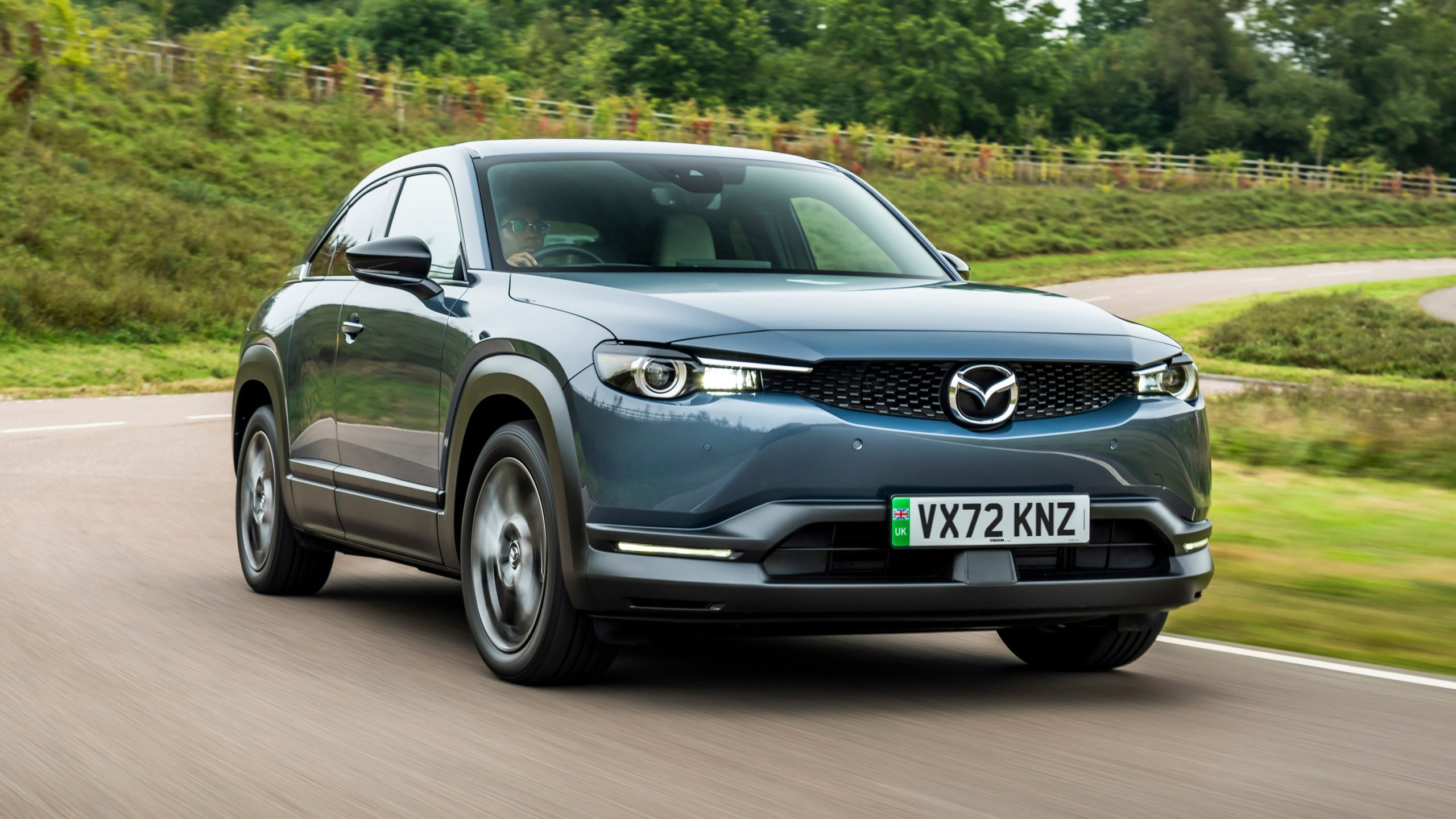
1. Mazda MX-30: A City EV That Depends on Overnight Charging
The Mazda MX-30 is one of the clearest examples of an electric vehicle designed around the assumption of home charging. Its philosophy prioritizes sustainability and light weight over long range, using a relatively small 35.5 kWh battery that delivers an official WLTP range of about 124 miles.
In everyday driving, that figure often drops closer to 100 miles, which fundamentally shapes the ownership experience. Without access to a home charger, the MX-30 quickly becomes difficult to live with.
The biggest challenge is charging frequency. With such a limited range, most drivers will need to visit a public charging station every two to three days, and even more often in heavy-use scenarios.
Unlike long-range EVs that can be topped up weekly during routine errands, the MX-30 requires constant attention. This high-frequency charging routine can feel like a recurring obligation rather than a convenience, especially in areas where public chargers are busy or unreliable.
Charging speed further compounds the issue. The MX-30’s DC fast-charging capability is capped at 50 kW, and real-world performance often falls closer to 35 to 40 kW. As a result, a typical 20 percent to 80 percent charge takes around 36 to 40 minutes.
That wait only restores roughly 60 to 70 miles of usable range, making each charging stop feel inefficient compared with newer EVs that can add far more range in a fraction of the time.
Cold weather adds another layer of difficulty. Small batteries are more sensitive to temperature drops, and in winter conditions, the MX-30’s range can fall to around 80 miles. Without the ability to precondition the battery while plugged in at home, efficiency suffers further, potentially forcing near-daily charging during colder months.
Finally, the financial case weakens without home charging. Public DC fast charging is significantly more expensive than residential electricity and can rival the cost of gasoline. This erases one of the core benefits of EV ownership while leaving the drawbacks of short range and frequent stops. For drivers without home charging, the MX-30 R-EV, which adds a rotary engine range extender, is a far more practical solution.
2. Nissan LEAF 40kWh: Built for Home Charging, Strained by Public Infrastructure
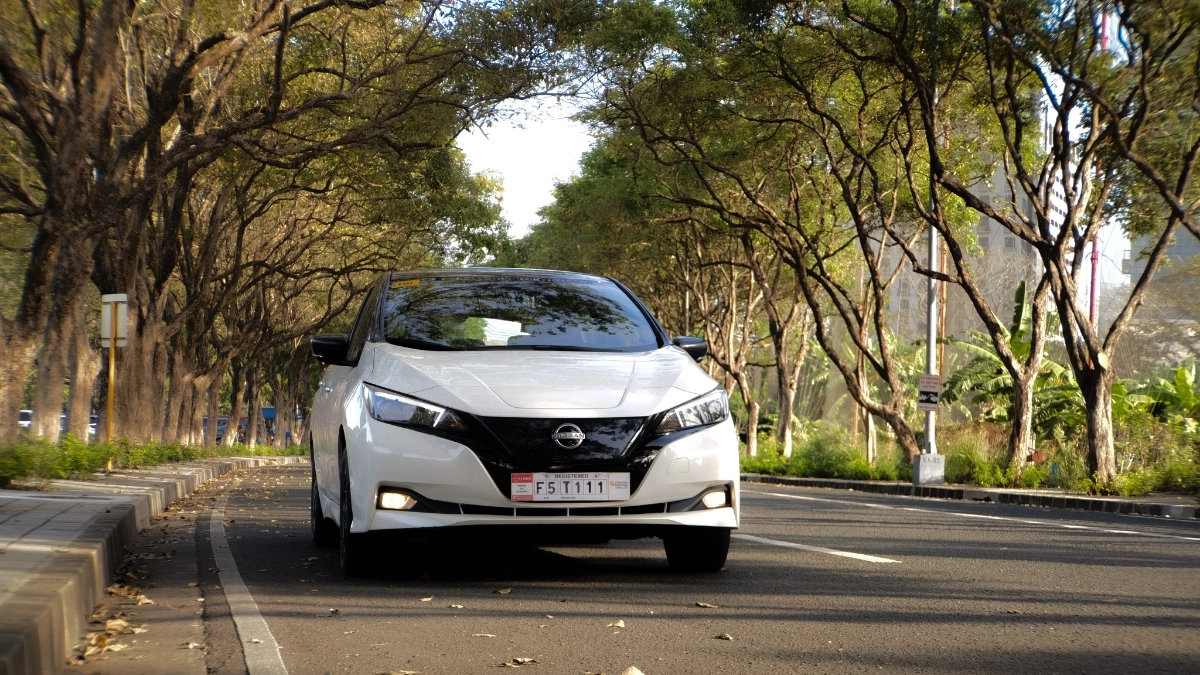
The 40kWh Nissan LEAF represents an earlier generation of electric vehicles that was designed with home charging as the primary use case. While it remains an accessible entry point into EV ownership, living with one without a home charger introduces several structural limitations that modern public charging networks do little to solve.
A major drawback is the LEAF’s lack of active thermal management. Instead of liquid cooling, the battery relies on passive air cooling, which struggles to control heat during repeated DC fast-charging sessions. This leads to a well-documented issue known as Rapidgate, where charging speeds are dramatically reduced to protect the battery.
A session that begins at the LEAF’s peak of around 50 kW can quickly fall to 20 kW or less during subsequent charges on the same day. Without overnight home charging to allow the battery to cool, drivers may face consistently slow charging when relying on public stations.
Frequent DC fast charging also accelerates battery wear. Research has shown that heavy reliance on fast chargers can increase battery degradation by roughly 16 percent compared to slower AC charging. Because heat is the LEAF’s biggest weakness, repeated exposure to high temperatures can lead to noticeable range loss within a few years, particularly in warmer climates.
Charging access presents another challenge. The LEAF uses the CHAdeMO fast-charging standard, which is steadily being phased out as networks shift toward CCS and Tesla’s NACS. Many new stations include fewer CHAdeMO connectors, shrinking the pool of reliable charging options. While adapters are available, they are costly and not always dependable, adding uncertainty to routine charging.
Using public Level 2 chargers is not a strong alternative. The LEAF’s onboard AC charger is limited to 6.6 kW, meaning a full charge can take six to seven hours. Without a private place to park for that duration, slow charging becomes impractical.
Finally, public charging costs undermine the LEAF’s affordability. Higher electricity rates at public stations, combined with modest highway efficiency, can erase much of the expected savings compared to conventional vehicles.
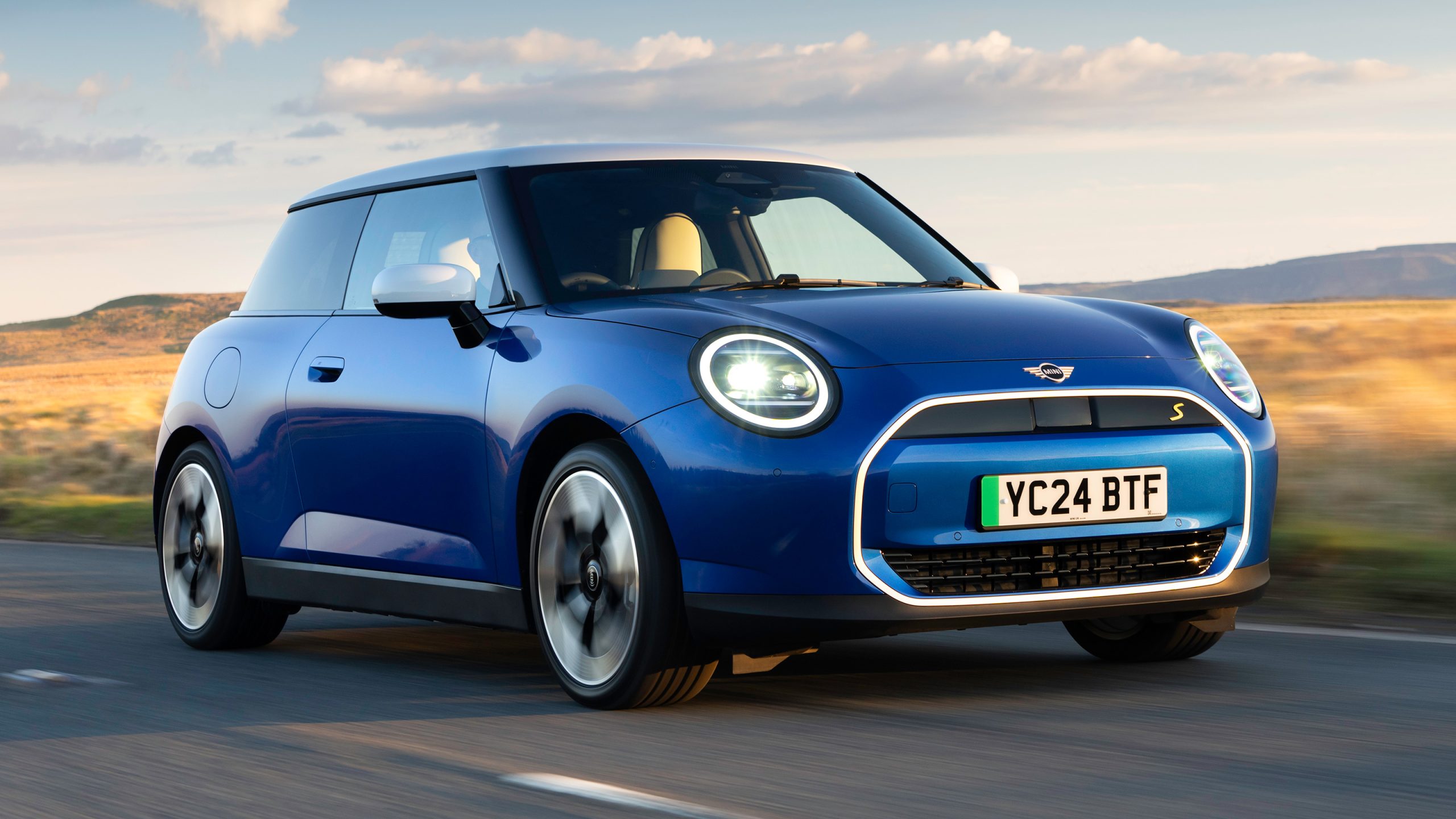
3. Mini Cooper SE: Urban Fun That Depends on Plugging in at Home
The Mini Cooper SE delivers sharp handling and classic Mini charm, but its electric version is far less forgiving for drivers who lack home charging. The core issue is its small battery, which fundamentally shapes how the car fits into daily life.
Older versions of the Mini Electric are equipped with a 32.6 kWh battery that provides roughly 110 to 114 miles of real-world range. Even light to moderate commuting can drain the battery in two days, creating frequent charging pressure for owners who cannot plug in overnight.
Without home charging, this limited range turns public infrastructure into a constant dependency. Unlike longer-range EVs that can be charged once a week during routine errands, the Mini Cooper SE often requires charging every few days.
That frequency increases both time commitment and stress, especially when nearby chargers are occupied or out of service. If reliable public chargers are not located within a short walking distance, charging quickly becomes a daily inconvenience rather than a background task.
Cost is another major drawback. Public charging, especially DC fast charging, is significantly more expensive than residential electricity. For a small-battery EV like the Mini, the higher cost per kilowatt-hour can erase much of the financial benefit of going electric. Some public networks also impose idle or overstay fees if the car remains plugged in too long, adding surprise costs to an already inefficient routine.
Time efficiency also suffers. Without the ability to recharge overnight, owners must plan dedicated charging stops, often waiting 30 to 45 minutes at public stations. Managing charging cables in shared or outdoor environments adds another layer of friction, particularly in bad weather.
While newer Mini Electric models expected in 2025 and 2026 with larger 49.2 kWh batteries promise improved range, the fundamental challenge remains. The Mini Cooper SE is best suited to drivers who can charge at home, where its playful personality shines without the constant burden of finding a plug.
4. Fiat 500e: A Charming City EV That Struggles Without Home Charging
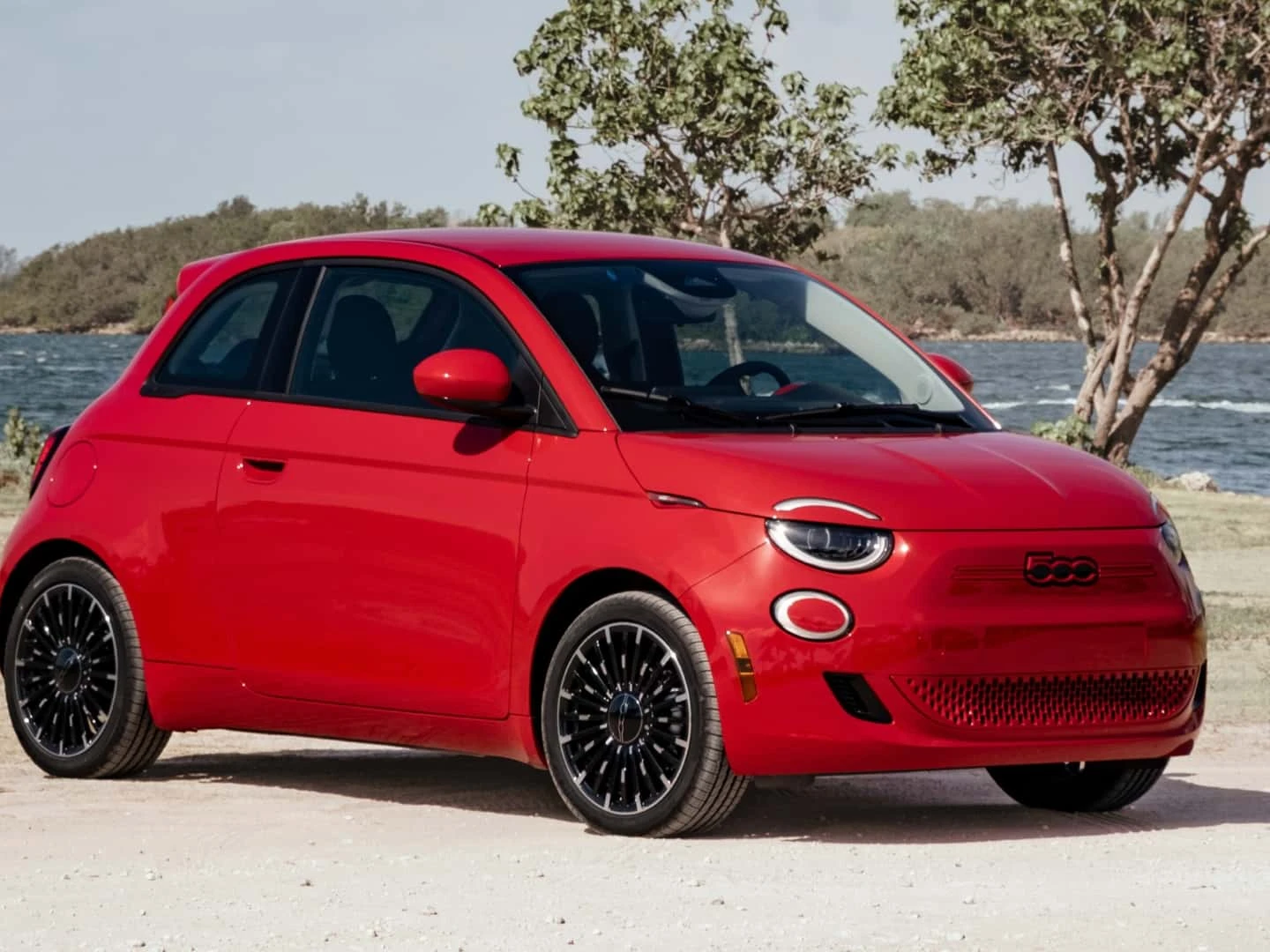
The Fiat 500e is designed first and foremost as a stylish urban runabout, and that design focus becomes a limitation when home charging is not available.
With battery options of 24 kWh or 42 kWh and a maximum EPA-rated range of about 149 miles, the 500e works best when it can be plugged in regularly at home or at a dedicated destination charger. Without that convenience, ownership becomes far more demanding than with longer-range electric vehicles.
The most immediate challenge is charging frequency. In real-world driving, especially on highways or in colder conditions, usable range can drop closer to 120 miles or less. For many drivers, this means visiting a public charger two or three times a week.
Unlike EVs with 300 miles of range that can be charged occasionally during errands, the 500e requires careful planning and frequent stops, turning everyday mobility into a recurring logistical task.
Charging speed adds another layer of friction. The Fiat 500e supports DC fast charging at up to 85 kW, which is modest by modern standards. While its small battery allows it to reach 80 percent in roughly 35 minutes under ideal conditions, that still represents meaningful downtime.
If drivers rely on Level 2 public chargers, even the 11 kW onboard charger can take several hours to deliver a useful charge, which is impractical unless the car is already parked for an extended period.
Cold weather further amplifies these issues. Without home charging, owners cannot precondition the battery while plugged in. In winter, the car must use its own energy to heat the battery and cabin, which can reduce range by as much as 30 to 50 percent. Cold batteries also charge more slowly, meaning fast-charging sessions can stretch far beyond their advertised times.
Finally, cost and reliability concerns loom large. Public charging is significantly more expensive than residential electricity and can rival gasoline on a per-mile basis. Dependence on public stations also introduces uncertainty, as broken, occupied, or blocked chargers can quickly become critical problems for a low-range EV.
In short, while the Fiat 500e excels as a city car with reliable access to charging, it is far less forgiving for drivers who must rely entirely on public infrastructure.
5. Lexus RZ 450e: A Luxury EV Built for Home Charging, Not Public Reliance
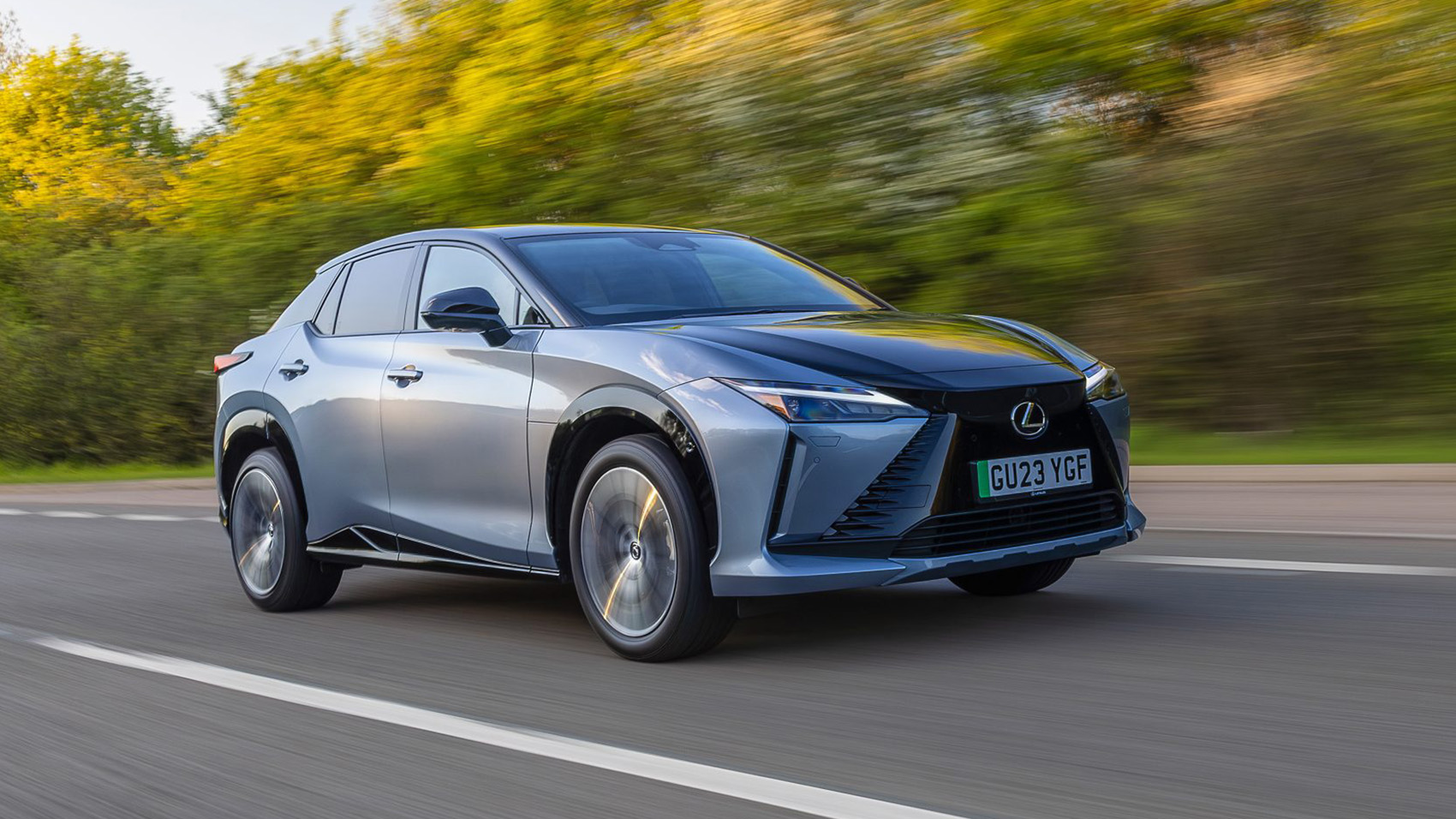
The Lexus RZ 450e presents a refined and comfortable take on electric driving, but it becomes difficult to live with if home charging is not an option. Despite its premium positioning, the RZ 450e is engineered around a nightly plug-in routine rather than frequent public fast charging, which creates practical limitations for drivers who must rely on public infrastructure.
A core issue is its limited driving range. With a usable battery of roughly 64 kWh, the RZ 450e delivers an EPA-estimated range between 196 and 220 miles. Real-world results are often lower, with many owners reporting closer to 170 to 180 miles per charge in mixed driving.
Without the ability to top off at home, this modest range forces drivers to seek public charging every two or three days, undermining the convenience expected from a luxury vehicle.
Charging behavior further complicates matters. Lexus employs conservative battery management software that restricts DC fast charging to a maximum of three sessions within a 24-hour period. After reaching this limit, charging speeds may be heavily reduced or temporarily disabled to protect battery longevity.
For drivers without access to overnight Level 2 charging, this restriction can disrupt daily routines and make the RZ 450e poorly suited for high-mileage or unpredictable schedules.
Weather sensitivity is another drawback. In cold conditions, owners can experience range losses of 20 to 40 percent. Even routine comfort features such as climate control or defrosting can cause the estimated range to drop sharply by 30 to 50 miles. Without home charging, drivers must keep a larger reserve of battery charge at all times, effectively shrinking usable range even further.
Finally, charging speed recovery is slower than many rivals. Although the RZ 450e supports DC fast charging up to 150 kW, it tapers quickly, often requiring 30 to 60 minutes to reach 80 percent. Compared to newer EVs that complete similar sessions in under 20 minutes, this adds a noticeable time burden.
The Lexus RZ 450e delivers comfort and refinement but struggles as a public-charge-dependent EV, making it best suited for owners with reliable home charging access.
The difference between a good EV and the right EV often comes down to charging access. As this list shows, not all electric vehicles are created with the same assumptions in mind.
Models like the Hyundai IONIQ 6, Tesla Model 3 Long Range, Lucid Air, and Porsche Taycan are designed to minimize charging friction through long range, rapid DC charging, and intelligent battery management. They make public charging an occasional stop rather than a constant obligation.
On the other hand, vehicles such as the Mazda MX-30, Nissan LEAF, Mini Cooper SE, Fiat 500e, and Lexus RZ 450e reveal how quickly convenience disappears when nightly home charging is no longer available. Short range, slower charging, and restrictive software turn ownership into a planning exercise instead of a luxury.
For buyers without home charging, the takeaway is simple. Charging speed, usable range, and infrastructure compatibility matter more than brand, size, or performance. Choosing the right EV can mean the difference between effortless electric driving and daily frustration.
Also Read: 10 Cars Detuned So Much They Lost Their Personality