
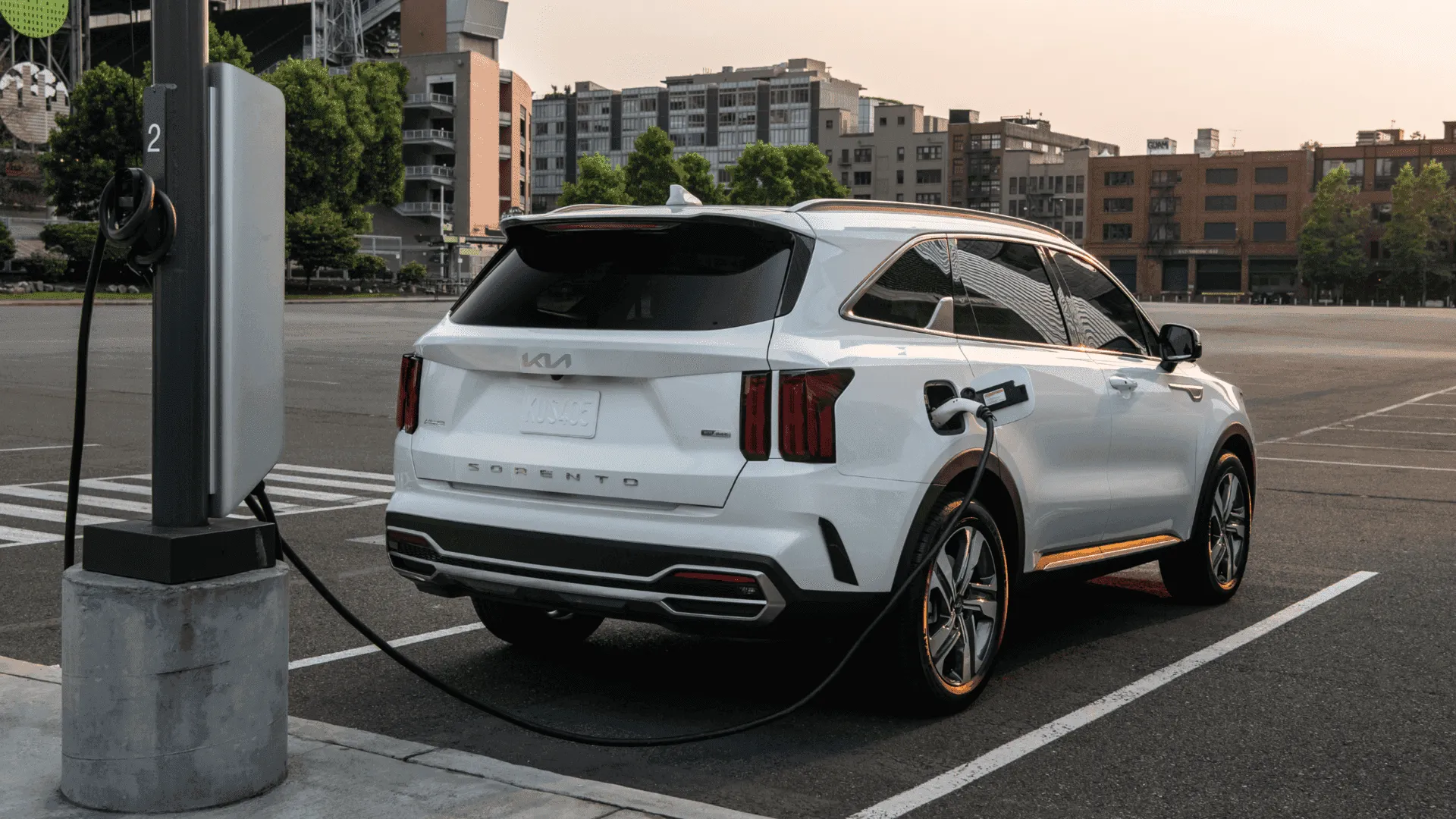
Electric vehicles have moved from novelty to daily reality, and charging habits now matter just as much as driving style. Owners quickly learn that plugging in is only the beginning. Smart charging features built into modern electric cars help reduce costs, protect battery health, and make everyday routines easier.
Those features often stay hidden in menus or mobile apps, waiting to be used by drivers who know where to look. Smart charging technology has grown at an impressive pace in just a few years. Drivers no longer need to guess when to plug in or worry about wasting energy.
Modern electric vehicles can schedule charging sessions, adapt to electricity rates, and even communicate with home energy systems. With the right setup, charging becomes a seamless part of daily life rather than a chore. Learning how these features work can transform the ownership experience.
A driver who understands smart charging tools gains more than convenience. Savings increase, battery lifespan improves, and long road trips become easier to manage. Each automaker approaches charging in its own way, so knowing what to expect across different models helps drivers make the most of their vehicles.
This guide highlights twelve smart charging features that every electric vehicle owner should know. Each section pairs a practical feature with a specific vehicle example to show how real cars put technology into action. Drivers considering a new EV or trying to master their current one will find helpful insights that make charging smarter and simpler.
1. Scheduled Charging That Saves Money and Time
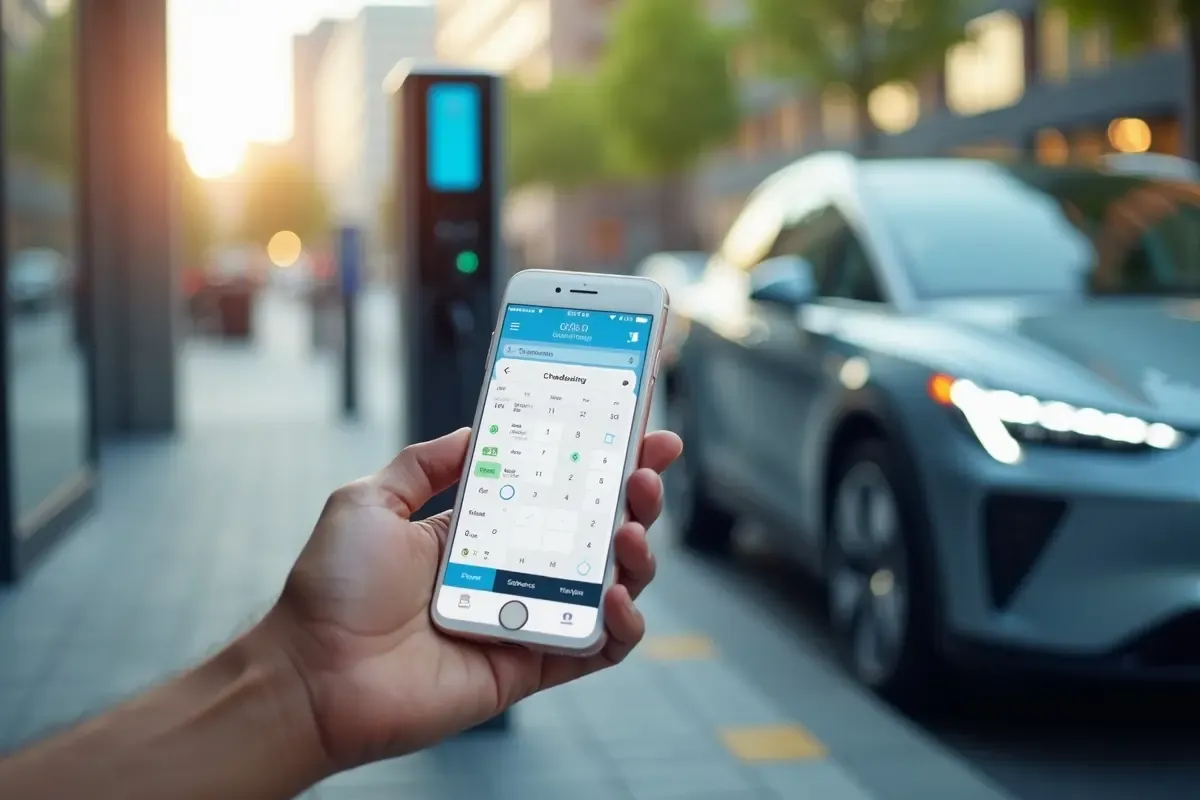
Forward-thinking drivers appreciate how scheduled charging can turn a simple plug into a strategic move. Electricity prices vary by time of day in many regions, so charging at the wrong time can quietly increase monthly expenses.
Smart scheduling solves that problem by allowing owners to choose when their car charges rather than leaving it to chance. Evening plug-ins can automatically wait until lower overnight rates begin, ensuring every kilowatt-hour costs less without requiring extra effort.
BMW designed the 2024 BMW i5 eDrive40 with advanced charging scheduling built directly into its infotainment system and companion mobile app. Owners can set precise charging windows that align with utility rate plans. Early morning departures become easier since the vehicle can be programmed to finish charging right before leaving home.
That timing ensures a full battery without wasting electricity during peak hours. Flexible scheduling adds convenience beyond cost savings. Drivers with busy routines benefit from automation that matches their lifestyle. Plugging in after work and waking up to a fully charged car feels effortless.
Cold climates see added advantages since charging can be coordinated with battery warming, improving efficiency and range before departure. Families with shared charging stations appreciate the ability to stagger charging times between multiple vehicles.
One car can begin charging at midnight while another starts at 3 a.m., preventing circuit overload and reducing strain on home electrical systems. This feature supports both efficiency and safety. Settings for scheduled charging typically include options for departure time, preferred charging percentage, and even repeated weekly schedules.
Drivers can customize weekday and weekend routines to match real life. With thoughtful setup, a vehicle quietly handles energy management behind the scenes. Scheduled charging represents a simple but powerful tool. Drivers who take a few minutes to program it often see noticeable reductions in energy costs and improved daily convenience. Smart timing turns charging into an automated routine that supports both budget and battery health.
2. Battery Preconditioning for Faster Charging Sessions
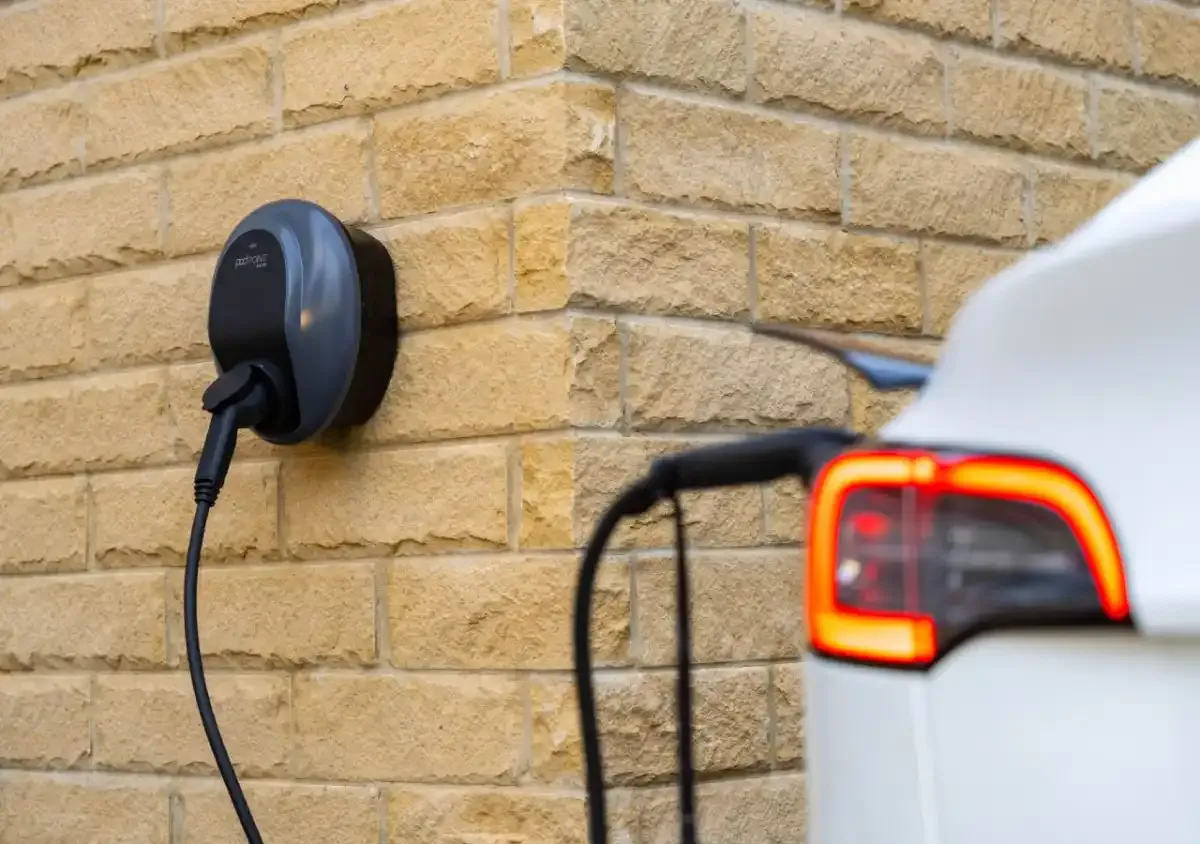
Picture arriving at a fast charger and reaching peak charging speed within minutes instead of waiting for the battery to warm up. That scenario becomes reality thanks to battery preconditioning. This feature prepares the battery for optimal charging temperature before reaching a charging station, leading to faster and more efficient sessions. Drivers benefit from reduced wait times and improved performance during road trips.
Hyundai includes sophisticated preconditioning in the 2025 Hyundai Ioniq 6 Long Range AWD, offering drivers the ability to activate battery warming or cooling automatically when driving to a compatible fast charger. Integrated navigation communicates with the charging system, ensuring the battery reaches the ideal temperature upon arrival. That preparation allows the vehicle to accept higher charging speeds immediately.
Long-distance travelers appreciate how preconditioning reduces charging frustration. Without it, a cold or overly warm battery may limit charging speed. Drivers might plug in expecting rapid charging but receive slower rates until the battery stabilizes. Preconditioning removes that uncertainty by handling temperature management ahead of time.
Energy efficiency also improves when charging begins under ideal conditions. Faster sessions mean less time spent drawing power from public chargers, which can help reduce costs in regions where stations charge by time. Road trip planning becomes smoother since charging stops stay predictable.
Cold-weather climates see the greatest benefits. Batteries operate less efficiently at low temperatures, which can extend charging sessions and reduce range. Preconditioning warms the battery during the drive to a charger, eliminating delays once plugged in. Summer heat can also affect charging performance, and cooling features keep the battery within optimal limits.
Activating this feature usually requires setting a charger as a destination in the navigation system or toggling a setting in the mobile app. Once enabled, the vehicle handles the rest. Drivers gain confidence knowing their EV is ready for fast charging whenever they arrive.
Battery preconditioning stands as one of the most practical smart charging tools available today. Faster sessions, predictable stops, and improved efficiency combine to make every charging experience smoother.
Also Read: 12 Badge-Engineered Cars You Forgot Even Existed
3. Adaptive Charging That Learns Daily Habits
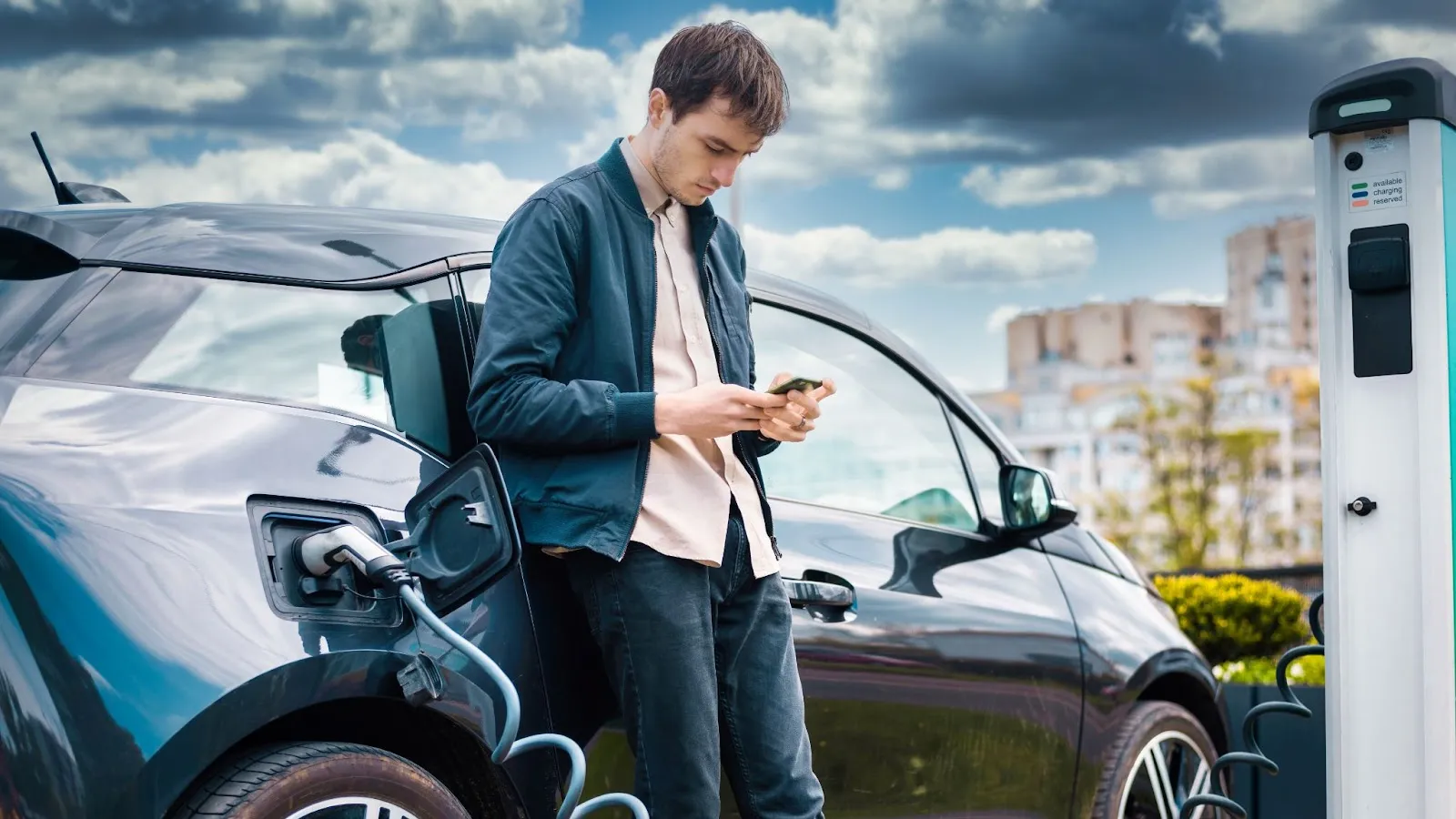
Imagine a car that studies your routine and adjusts charging behavior automatically. Adaptive charging offers exactly that kind of intelligence. Instead of manually setting schedules, the system observes driving patterns, departure times, and energy use to create an optimized charging plan. Drivers enjoy convenience without constant adjustments.
Ford integrates adaptive charging into the 2024 Ford Mustang Mach-E Premium Extended Range, using software that learns from daily use. After a short learning period, the vehicle predicts when it needs to begin charging to reach a desired battery level by departure time. That approach reduces unnecessary charging and helps protect battery longevity.
Daily commuters benefit most from this technology. Regular departure times allow the system to create reliable charging patterns. Drivers who leave for work at 7 a.m. each weekday will notice their car finishing charging just before that time, preserving battery health by avoiding extended periods at full charge.
Battery preservation plays a major role in adaptive charging. Lithium-ion batteries last longer when they spend less time at 100 percent charge. Adaptive systems delay charging completion until shortly before departure, reducing stress on battery cells. Over months and years, that strategy can help maintain battery capacity.
Households with fluctuating schedules still find value in this feature. Adaptive charging responds to changes by updating its predictions. If a driver suddenly needs an earlier departure, the system adjusts charging behavior to ensure readiness. Flexibility remains intact without requiring manual updates every day.
Mobile apps often provide insights into how adaptive charging works. Drivers can review energy usage patterns and adjust preferences if needed. Transparency builds trust in the system, allowing owners to rely on automation without feeling disconnected.
Adaptive charging blends intelligence with convenience. Drivers who embrace it often discover a smoother charging experience that aligns perfectly with their lifestyle.
4. Vehicle to Home Power Sharing for Energy Independence
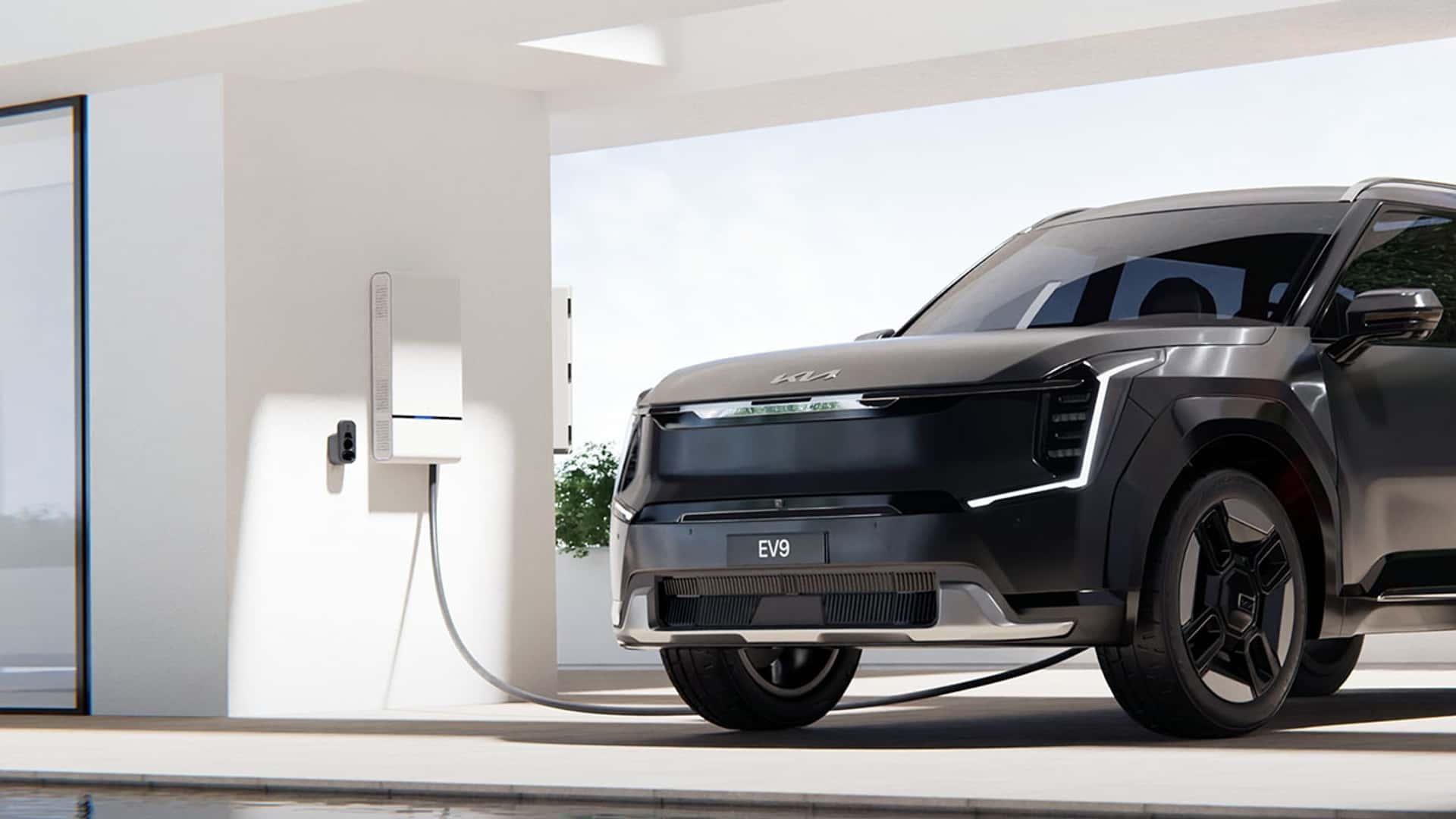
Power outages can disrupt daily life, yet some electric vehicles now offer a solution that turns a parked car into a backup power source. Vehicle-to-home charging allows energy stored in the battery to supply electricity to a residence when needed. This feature adds resilience and flexibility to modern EV ownership.
Kia introduced vehicle-to-home capability in the 2024 Kia EV9 GT-Line, giving drivers the ability to power household appliances during outages or peak demand periods. With the proper home charging setup, the vehicle’s battery can send electricity back into the home. Refrigerators, lights, and essential electronics continue running even when the grid goes down.
Emergency preparedness becomes easier with this feature. Severe weather events and unexpected outages can leave homes without power for hours or days. An EV equipped with vehicle-to-home capability provides a dependable backup source without requiring a separate generator. Drivers gain peace of mind knowing their car can support essential needs.
Energy cost management adds another benefit. Some regions allow homeowners to use stored energy during high electricity rate periods. Charging the vehicle during low-cost hours and using that energy later can reduce monthly utility bills. Smart integration with home energy systems makes this process seamless.
Camping and outdoor activities also benefit from vehicle-to-home functionality. Portable power for cooking equipment, lighting, and electronics turns an EV into a versatile energy hub. Owners who enjoy outdoor adventures find this feature especially useful.
Setup typically involves a compatible home charging unit and professional installation. Once connected, drivers control energy flow through the vehicle’s interface or mobile app. Safety systems ensure energy transfer remains stable and secure.
Vehicle-to-home capability expands the role of an electric car beyond transportation. Drivers gain a reliable backup power source and greater control over household energy use, creating a smarter connection between car and home.
5. Public Charging Route Planning with Real-Time Updates
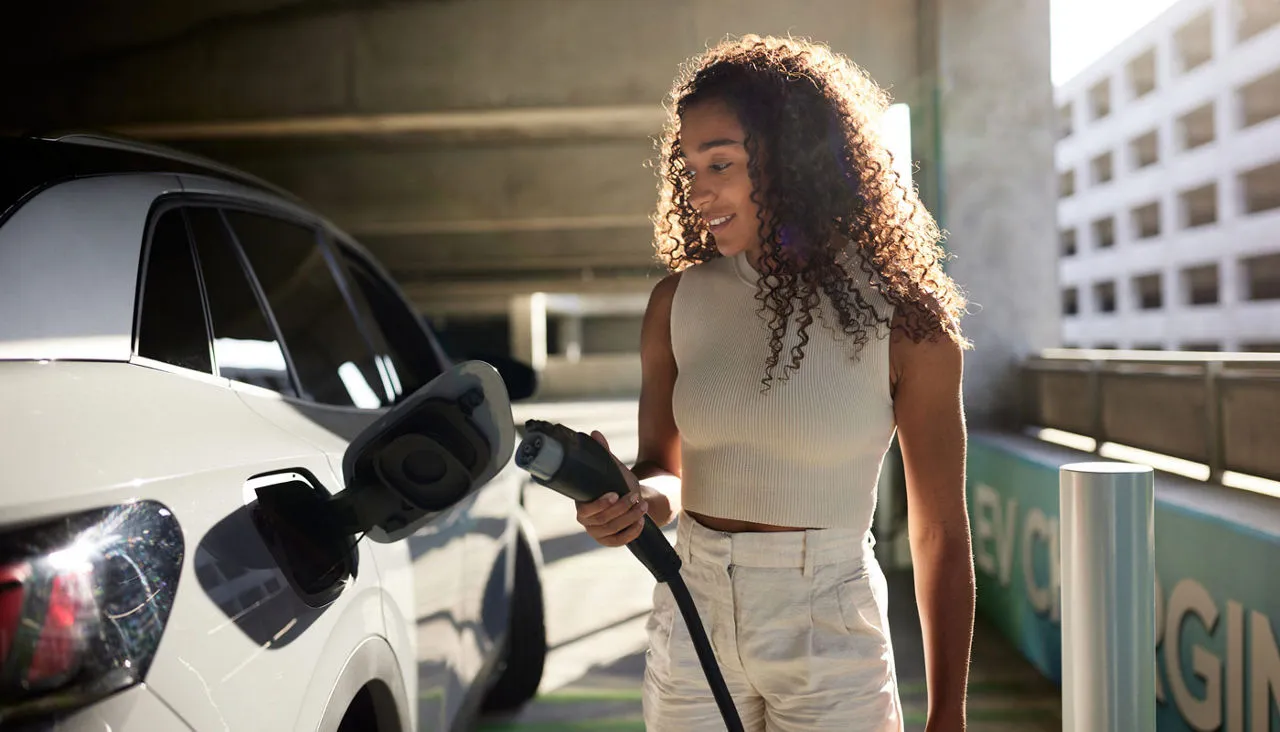
Road trips in an electric vehicle demand thoughtful planning, and smart route planning tools make that process far easier. Built-in navigation systems can identify charging stations along a route, estimate charging times, and adjust plans in real time. Drivers spend less time searching for chargers and more time enjoying the journey.
Mercedes-Benz equips the 2024 Mercedes-Benz EQE 350+ Sedan with an advanced navigation system that integrates charging data directly into route planning. Drivers enter a destination and receive a complete travel plan that includes recommended charging stops.
Real-time updates add a layer of confidence. Charging station availability, pricing, and charging speed appear directly on the vehicle’s display. If a station becomes crowded or unavailable, the system suggests alternatives. Drivers avoid unnecessary detours and delays.
Long-distance travel feels less stressful when charging stops are predictable. Estimated charging duration helps drivers plan rest breaks, meals, or quick walks. Efficient stops keep trips moving smoothly without extended waiting periods.
Navigation systems often integrate with charging networks to provide seamless payment and activation. Drivers can start charging sessions directly from the vehicle without juggling multiple apps or cards. Convenience remains at the center of the experience.
Urban drivers also benefit from route planning tools. Busy city environments often require strategic charging stops to avoid congestion or high prices. Real-time navigation ensures drivers reach available chargers quickly and efficiently. Smart route planning transforms long-distance EV travel into a straightforward experience. Drivers who rely on these tools enjoy smoother trips, accurate predictions, and greater confidence behind the wheel.
6. Smart Charge Limit Controls for Battery Health
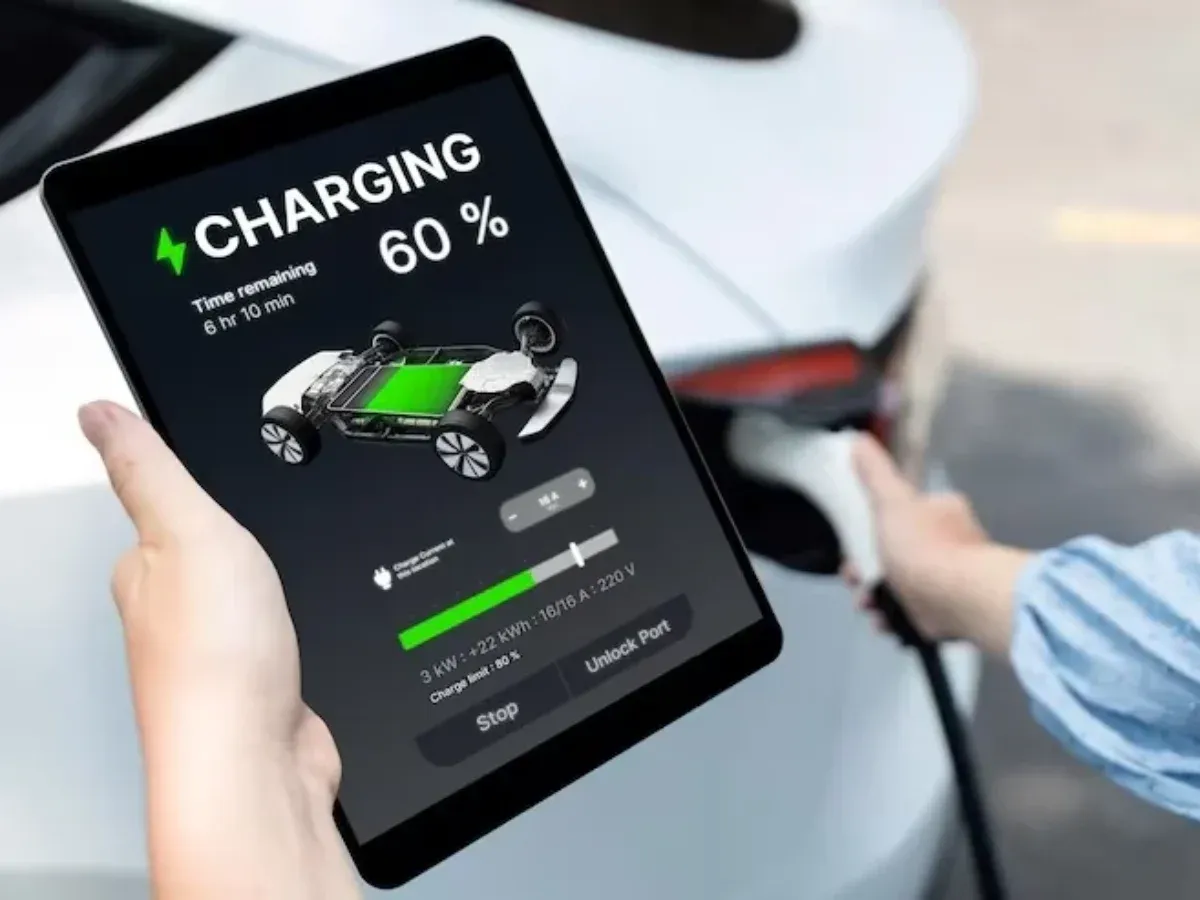
Protecting battery longevity remains a top priority for electric vehicle owners. Smart charge limit controls allow drivers to set a maximum charging percentage, reducing wear on the battery as time goes on. Charging to 100 percent occasionally remains useful for long trips, yet daily charging to a lower level can help maintain battery performance for years.
Audi includes intuitive charge limit controls in the 2024 Audi Q8 e-tron Premium Plus, giving owners precise control over charging levels. Drivers can set a preferred maximum charge, such as 80 or 90 percent, for daily use. The vehicle automatically stops charging once that level is reached, preventing unnecessary stress on battery cells.
Daily commuters find this feature especially valuable. Short drives rarely require a full battery, making lower charge limits practical. Maintaining a moderate charge range supports long-term battery health and consistent performance. Mobile apps provide easy access to charge limit settings. Drivers can adjust limits remotely before plugging in or while charging. Flexibility ensures the vehicle remains ready for both routine use and unexpected trips.
Fast charging sessions also benefit from charge limit controls. Drivers can stop charging at an optimal level rather than waiting for a full charge that may take longer. Efficient sessions reduce time spent at public chargers while preserving battery health.
Educational prompts within the vehicle often explain why charge limits matter. Drivers gain a better understanding of battery care and energy management. Awareness leads to smarter habits that extend battery lifespan. Smart charge limit controls empower drivers to protect their investment. A few simple adjustments can make a meaningful difference in long-term battery performance and reliability.
7. Intelligent Load Balancing for Multi-Vehicle Homes
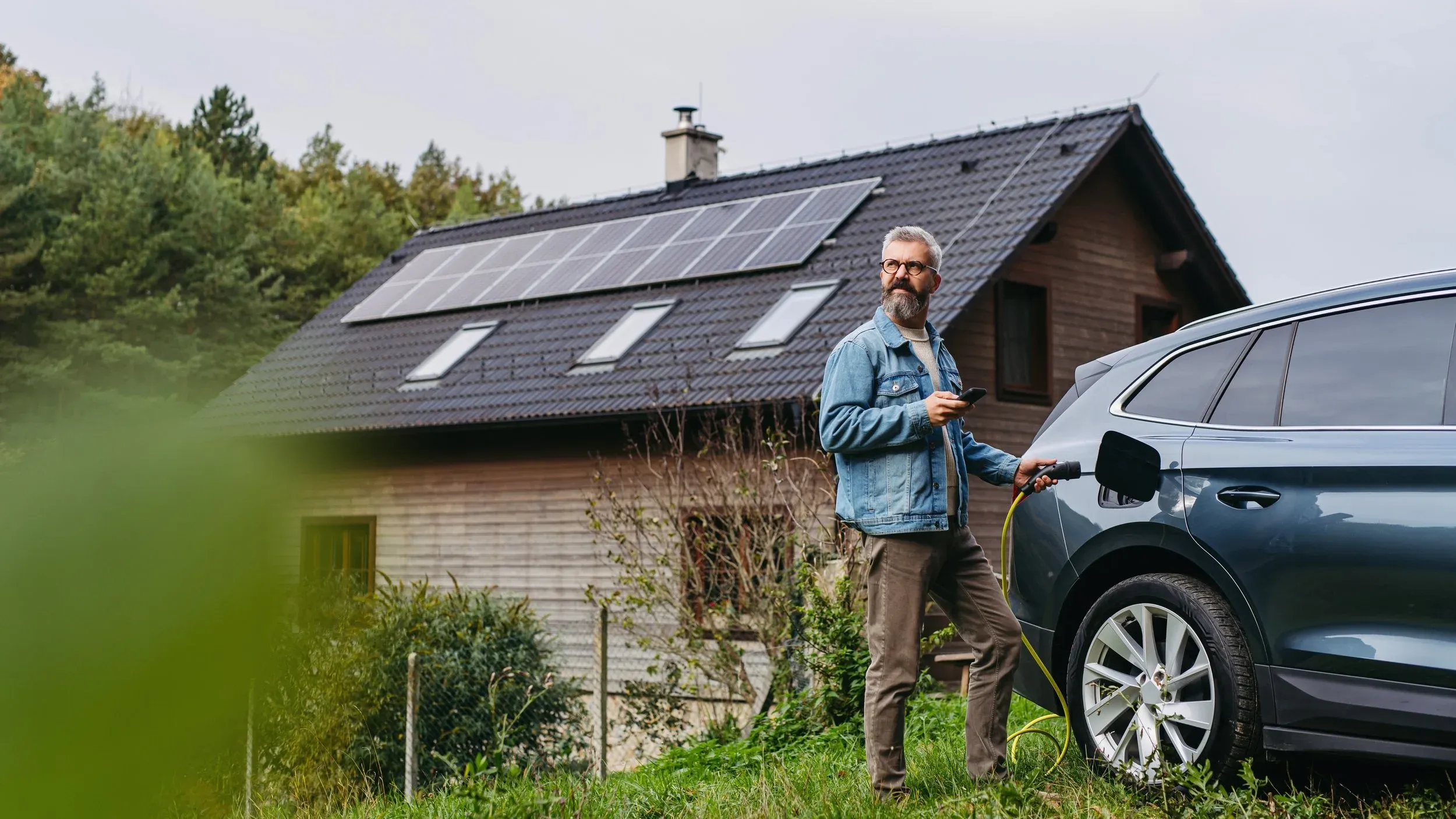
Households with more than one electric vehicle often face a new challenge: managing energy demand without overloading home electrical systems. Intelligent load balancing addresses this issue by distributing available power between vehicles and other household appliances. Charging becomes coordinated and efficient instead of chaotic.
Rivian integrates smart load balancing into the 2025 Rivian R1S Dual Motor Large Pack, offering advanced control through its home charging ecosystem. When multiple vehicles plug in, the system evaluates available electrical capacity and assigns charging power accordingly. Instead of forcing owners to manually manage which car charges first, the system adjusts in real time.
Evenings tend to be peak energy periods in most homes. Lights, appliances, and entertainment systems all draw electricity at the same time vehicles begin charging. Load balancing ensures that the home’s electrical panel remains within safe limits. If the system detects high demand from household devices, it can temporarily reduce charging speed before returning to full power once demand decreases.
Families with two or more electric vehicles appreciate how load balancing eliminates guesswork. Each car receives enough power to meet its charging goals without tripping breakers or requiring expensive electrical upgrades. Drivers simply plug in and allow the system to handle distribution.
Energy efficiency improves as well. Charging sessions can be staggered or adjusted to align with lower electricity rates. If one vehicle needs a full charge by morning and another only requires a partial charge, the system prioritizes accordingly. That level of automation reduces wasted energy and keeps charging sessions organized.
Smartphone integration adds convenience. Owners can monitor power distribution and adjust priorities remotely. A last-minute trip can prompt a quick change in charging order, ensuring the right vehicle reaches its desired battery level first.
Intelligent load balancing transforms multi-vehicle households into efficient charging environments. Instead of competing for power, vehicles cooperate through smart technology that keeps energy usage safe and optimized.
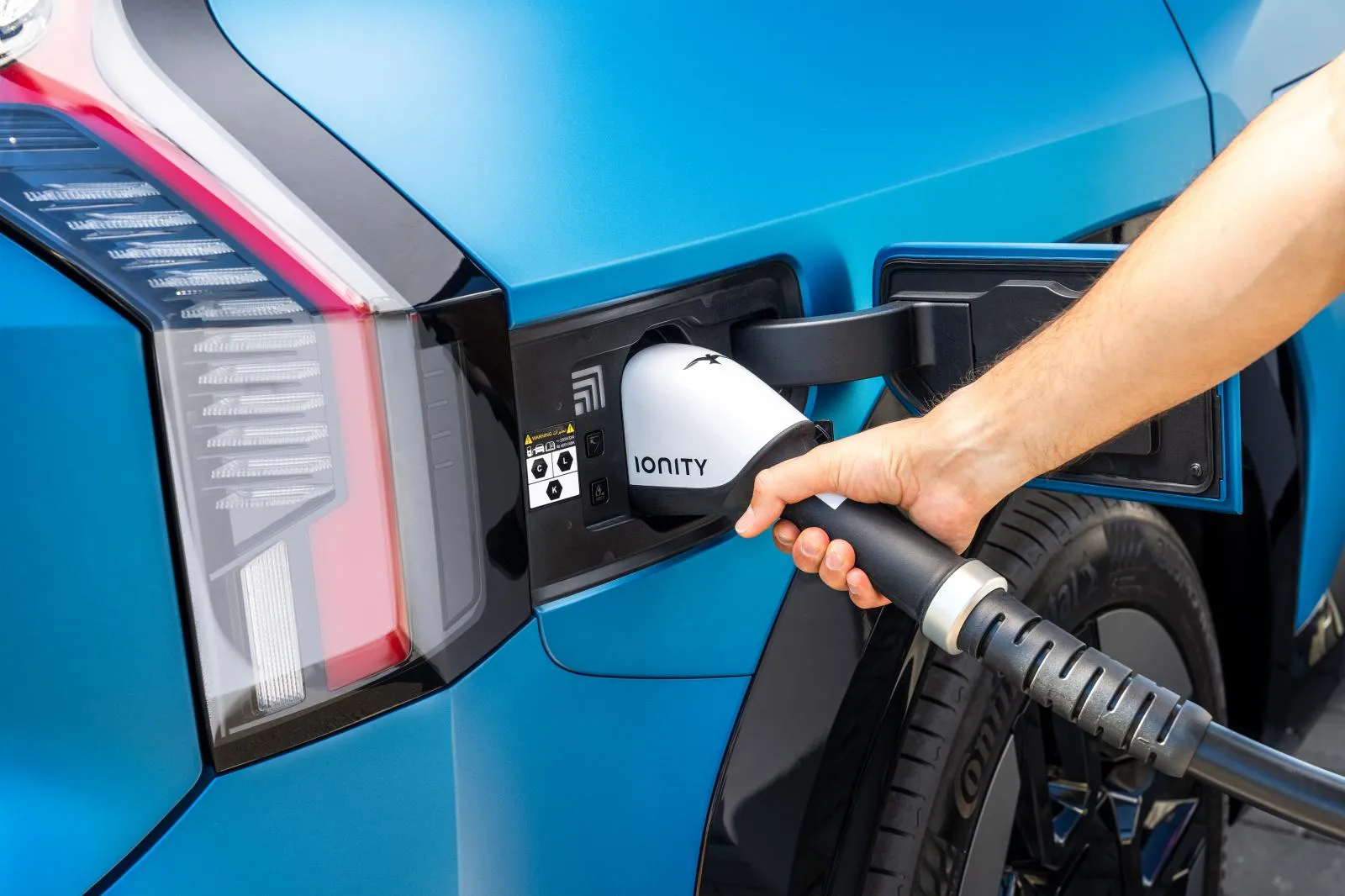
8. Plug and Charge Authentication for Seamless Public Charging
Public charging should feel as simple as plugging in and walking away. Plug and Charge authentication makes that vision a reality by eliminating the need for apps, cards, or payment terminals at compatible stations. Once connected, the vehicle communicates directly with the charger to authorize payment and begin charging automatically.
Lucid integrates Plug and Charge capability into the 2024 Lucid Air Touring, offering a refined public charging experience. Owners register payment information through the vehicle’s app or onboard system. After setup, supported charging stations recognize the car immediately upon connection. Charging begins without additional steps.
Busy drivers benefit from the simplicity. There is no need to open multiple apps or swipe membership cards. Pulling into a charging station and plugging in becomes a quick and straightforward action. Time saved during each session adds up, especially for those who rely heavily on public infrastructure.
Security remains a central feature of Plug and Charge systems. Encrypted communication between the vehicle and the charger ensures that payment information stays protected. Drivers can trust the system to handle transactions safely without exposing personal data.
Travelers crossing regions or states appreciate consistent charging experiences. As more networks adopt Plug and Charge standards, compatibility continues to grow. Drivers enjoy a unified experience regardless of which supported station they use.
Charging session records appear in the vehicle’s app, allowing owners to track energy usage and costs. Clear visibility helps with budgeting and trip planning. Businesses managing electric fleets also benefit from automated billing and simplified expense tracking.
Plug and Charge authentication removes friction from public charging. A process that once involved multiple steps now feels effortless and streamlined, allowing drivers to focus on the journey rather than the transaction.
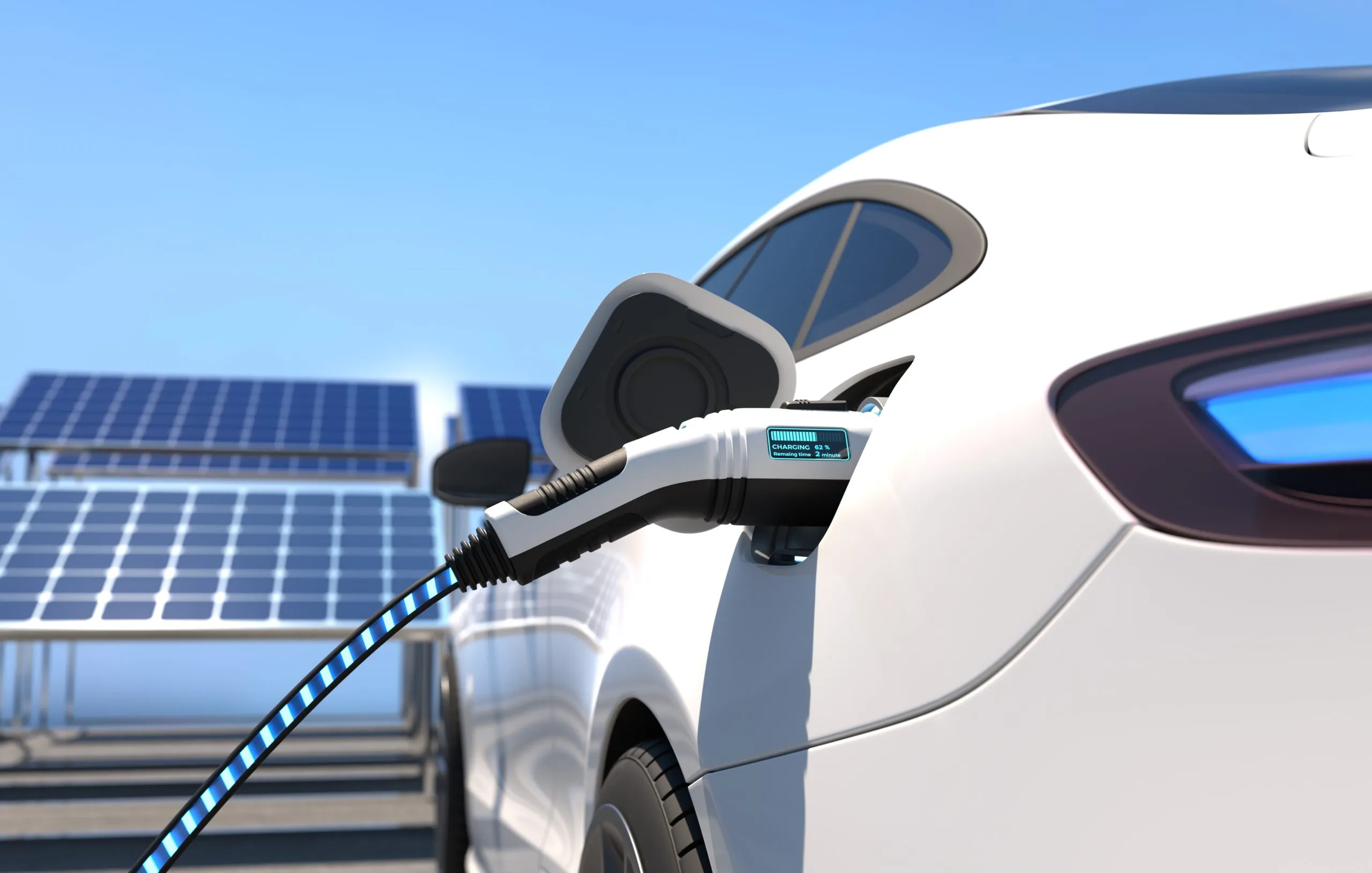
9. Solar Integration for Renewable Home Charging
Clean energy enthusiasts often look for ways to pair electric vehicles with renewable power sources. Solar integration allows homeowners to charge their vehicles using energy generated from rooftop panels. This combination reduces reliance on grid electricity and supports a more sustainable driving experience.
Tesla supports solar charging integration with the 2024 Tesla Model S Long Range, connecting seamlessly with Tesla Solar and Powerwall systems. Drivers can prioritize solar energy for vehicle charging, ensuring that sunshine powers daily commutes whenever possible. Excess solar energy stored in home batteries can also be used to charge the vehicle at night.
Cost savings make solar integration appealing. Generating electricity at home reduces dependence on utility providers and lowers long term charging expenses. During sunny months, drivers may cover most of their charging needs through solar production alone.
Energy independence becomes a reality for many households. Solar panels combined with home battery storage create a self-sufficient energy ecosystem. Charging an electric vehicle with renewable energy strengthens that independence and reduces exposure to fluctuating electricity prices.
Mobile apps provide detailed insights into solar generation and vehicle charging. Drivers can see how much energy flows from panels to the car and adjust settings to prioritize renewable power. Transparency encourages smarter energy habits.
Environmental benefits add another layer of motivation. Charging with solar energy reduces carbon emissions associated with electricity generation. Owners who value sustainability appreciate the ability to power transportation with clean energy produced at home.
Installation requires compatible solar equipment and professional setup. Once configured, the system operates smoothly with minimal input from the driver. Charging becomes an extension of the home’s renewable energy system. Solar integration represents a forward-thinking approach to electric vehicle ownership. Drivers who harness sunlight for charging enjoy cost savings, energy independence, and a cleaner driving experience.
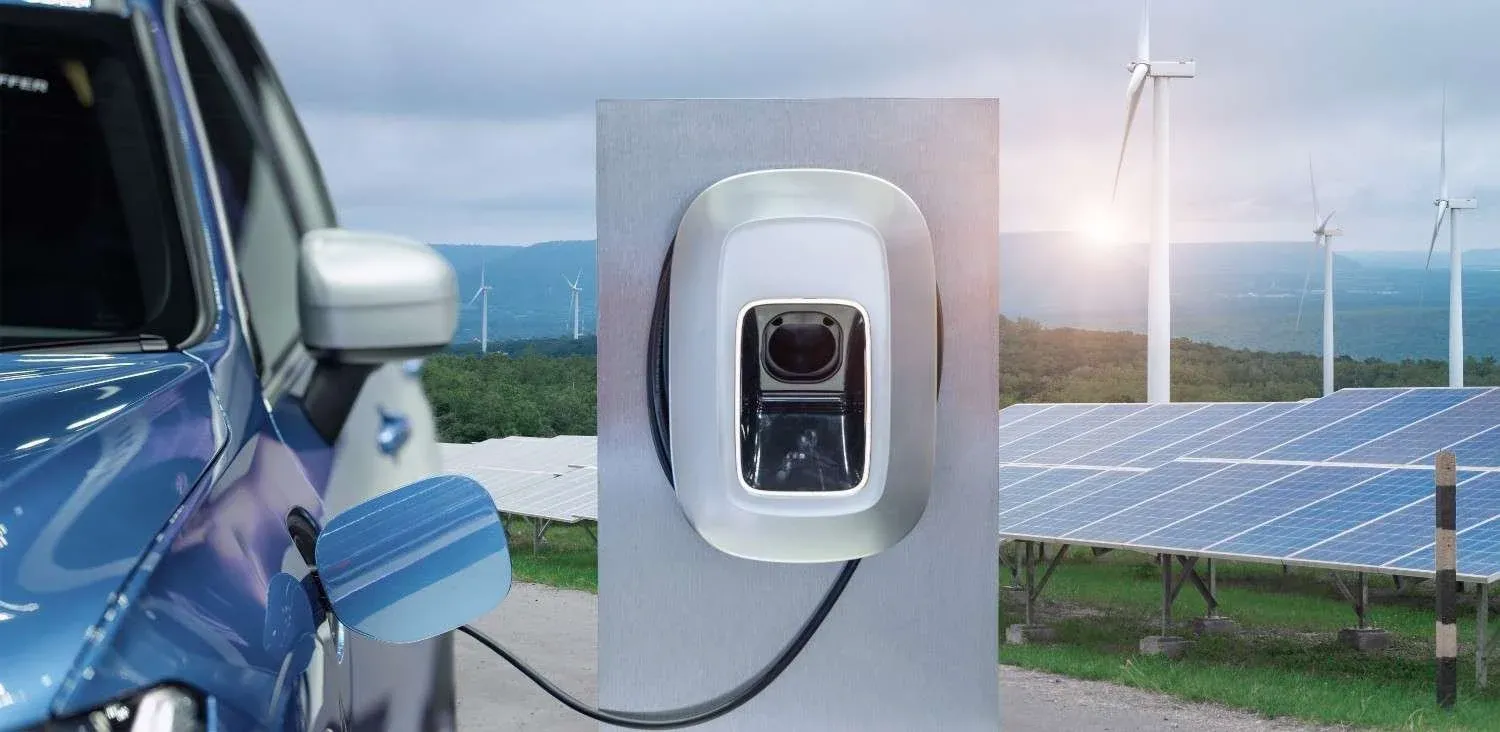
10. Remote Charging Control from Anywhere
Busy schedules demand flexibility, and remote charging control provides exactly that. With smartphone connectivity, drivers can start, stop, or adjust charging sessions from virtually anywhere. This level of control ensures that charging aligns with changing plans and unexpected events.
Polestar includes robust remote charging tools in the 2024 Polestar 2 Long Range Dual Motor, allowing owners to manage charging through a dedicated mobile app. Whether at work, traveling, or relaxing at home, drivers can monitor battery status and control charging sessions in real time. Adjustments take only seconds.
Unexpected schedule changes often require quick decisions. A driver planning a short trip might reduce the charging limit to save energy. Another driver preparing for a longer journey could initiate charging earlier than planned. Remote control makes those adjustments simple.
Public charging sessions benefit from monitoring features. Drivers can receive notifications when charging completes or if interruptions occur. Real-time updates reduce uncertainty and help drivers plan their next move without constantly checking the vehicle.
Energy cost management becomes easier through remote control. Drivers can start charging during lower rate periods even if they are away from home. Smart timing ensures that charging aligns with budget-friendly hours. Cold or hot weather preparation also improves. Drivers can coordinate charging with cabin preconditioning, ensuring comfortable temperatures before departure. Remote activation saves time and enhances comfort.
Security features protect against unauthorized access. Encrypted connections and account verification ensure that only authorized users can control charging settings. Peace of mind accompanies convenience. Remote charging control empowers drivers with flexibility and awareness. Charging no longer requires physical presence at the vehicle, allowing owners to manage energy use with confidence and ease.
11. Smart Charging Notifications and Alerts
Timely information keeps electric vehicle ownership running smoothly. Smart charging notifications provide updates about charging progress, costs, and potential issues. Drivers stay informed without constantly checking their vehicles, making the experience more convenient and predictable.
Volkswagen includes advanced notification systems in the 2024 Volkswagen ID.7 Pro, delivering detailed alerts through its mobile app and infotainment interface. Owners receive updates when charging starts, pauses, or completes. If a charging cable disconnects or a station experiences issues, the system sends immediate notifications.
Daily routines benefit from clear communication. Drivers who plug in before bedtime can rest easy knowing they will receive a notification once charging finishes. Morning departures become stress free since battery status is always known.
Public charging sessions gain added transparency. Drivers can monitor charging speed, estimated completion time, and costs directly from their smartphones. Notifications ensure that charging sessions run smoothly even when the driver steps away.
Energy management improves through usage summaries. Weekly or monthly reports highlight charging patterns and expenses. Drivers gain insights that help refine charging habits and reduce costs. Maintenance alerts also play a role. The system can notify drivers about software updates or charging system checks. Staying informed helps maintain optimal performance without requiring constant attention.
Customizable notification settings allow drivers to choose which alerts they receive. Some prefer detailed updates, while others only want essential information. Flexibility ensures a personalized experience. Smart charging notifications create a connected relationship between driver and vehicle. Information arrives at the right moment, helping owners stay aware and prepared without extra effort.
Also Read: 10 Classic Cadillacs That Deserve a Modern Electric Revival
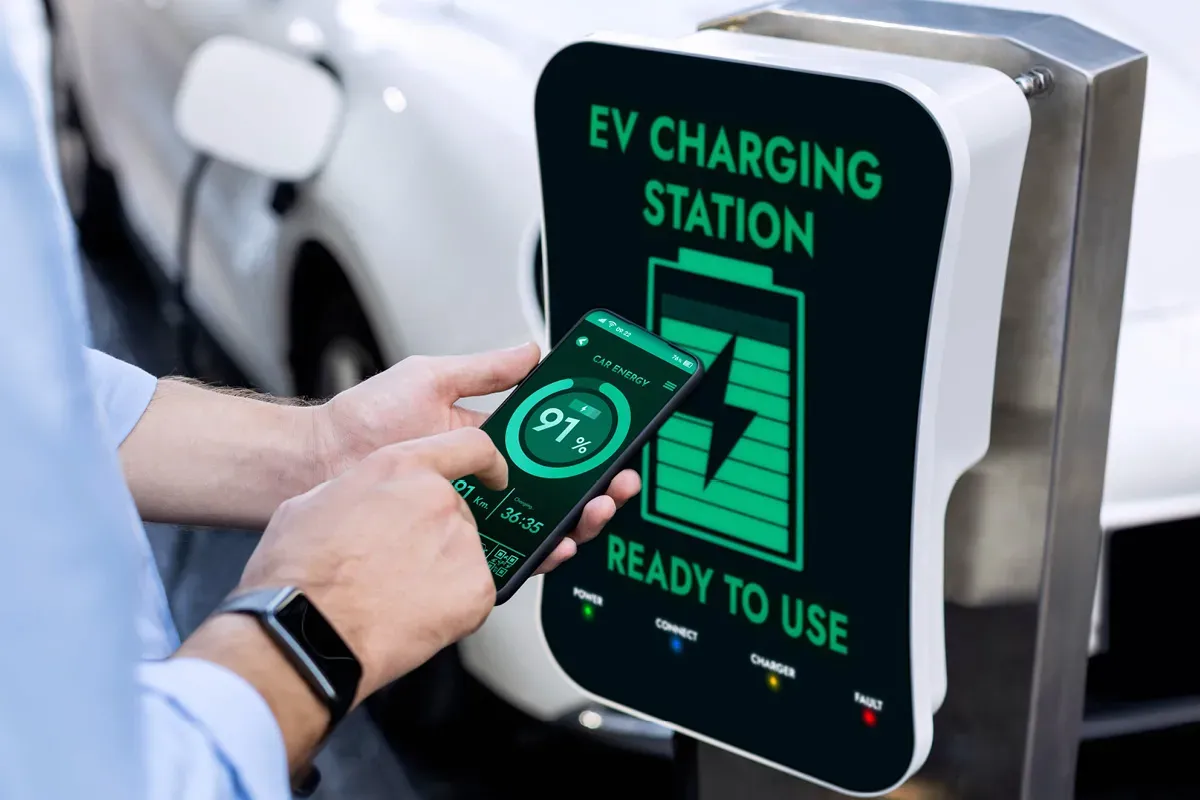
12. Dynamic Charging Speed Adjustment for Efficiency
Charging conditions can change based on temperature, battery level, and power availability. Dynamic charging speed adjustment ensures that an electric vehicle adapts to those conditions automatically. Instead of maintaining a fixed charging rate, the system adjusts speed to maximize efficiency and protect battery health.
Porsche engineered advanced charging management into the 2024 Porsche Taycan 4S, allowing the vehicle to regulate charging speed based on real-time factors. When conditions allow, the system accepts higher charging power for rapid energy replenishment. If temperatures rise or battery levels approach capacity, charging speed gradually decreases to maintain safety and efficiency.
Drivers benefit from consistent performance across different charging environments. Fast chargers deliver maximum power when available, while home charging sessions remain gentle on the battery. Automatic adjustments eliminate the need for manual intervention.
Battery longevity improves through controlled charging behavior. High charging speeds generate heat, which can affect battery health if not managed carefully. Dynamic speed adjustment maintains optimal temperature and performance. Road trips become easier with predictable charging sessions. Drivers know that their vehicle will charge as quickly as conditions allow without risking battery stress. Efficient sessions keep travel plans on track.
Energy efficiency also improves. Charging slows near higher battery levels to prevent energy waste and reduce heat buildup. This approach ensures that every charging session remains effective and safe. Vehicle displays often show real-time charging speed and adjustments.
Drivers can see how the system responds to conditions, building trust in the technology. Transparency encourages confidence in automatic management. Dynamic charging speed adjustment represents a refined approach to energy management. Drivers enjoy faster charging when possible and careful protection when needed, creating a balanced and dependable charging experience.
