
Picture buying your next car and discovering that features once marketed as premium upgrades now come standard on every model in the showroom. That moment is closer than you think. Automakers and regulators are working toward a future where advanced safety technology is no longer optional.
Instead of asking whether you want extra protection, the question will be why it was ever sold separately. Road safety expectations have changed. Drivers now assume their vehicles can see blind spots, warn about hazards, and even intervene before a crash happens.
Governments have noticed the data behind these systems. When technology proves it can reduce injuries and save lives, regulations tend to follow. What starts as a competitive advantage quickly becomes a requirement.
As these rules take shape, a new generation of features is preparing to move from high-end trims into mandatory equipment. Some already appear in select models. Others are gaining traction as testing shows measurable results.
Together, they point to a clear direction for the auto industry: smarter cars that actively prevent collisions rather than simply protecting occupants during impact. Below are ten safety features expected to become mandatory in the coming years.
1. Intelligent Speed Assistance
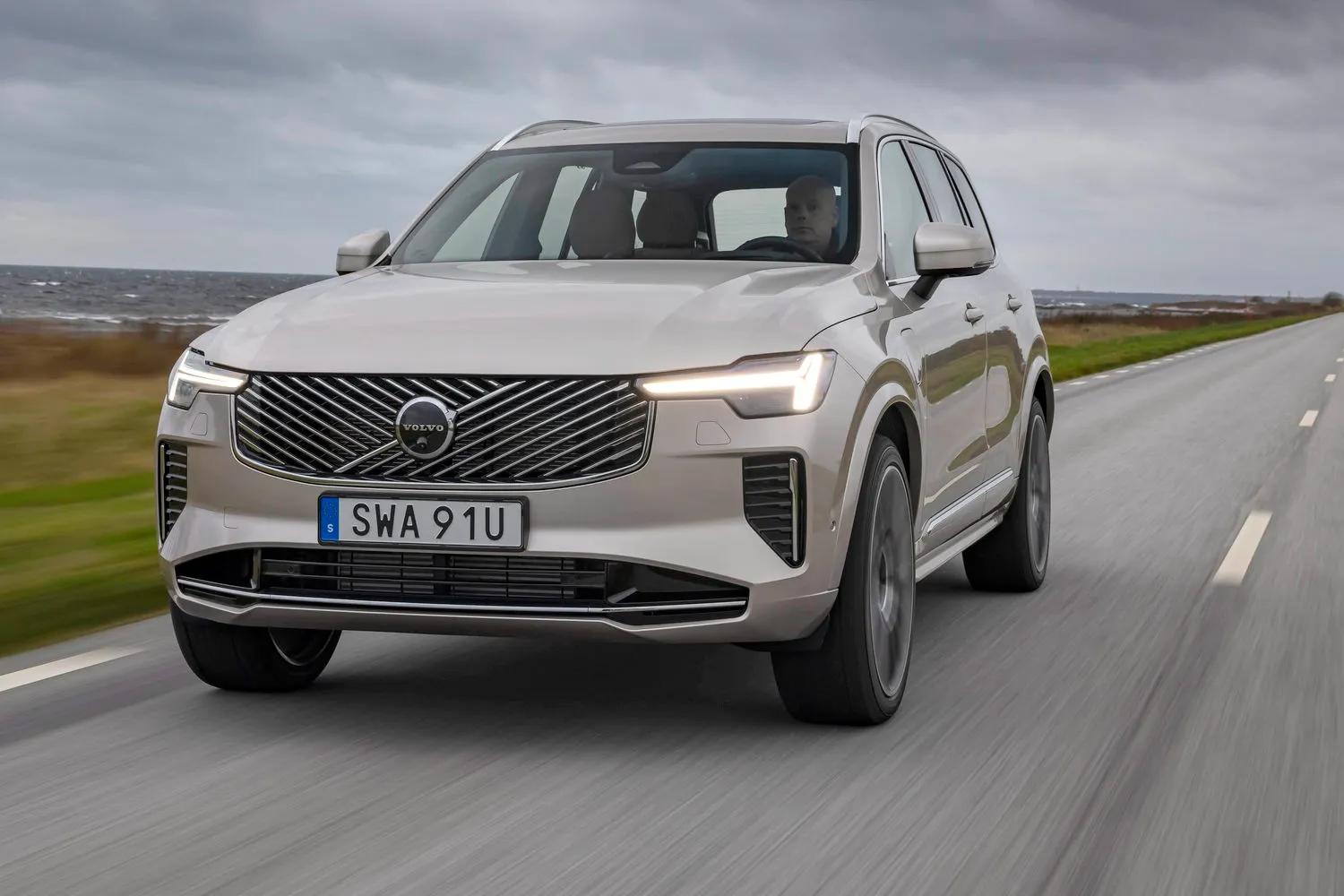
Vehicle Example: 2024 Volvo XC90 Recharge
Speed limits are not suggestions, yet drivers regularly exceed them without realizing it. Intelligent Speed Assistance changes that dynamic by linking cameras and GPS data to real-time speed limit information. Instead of relying on guesswork, the system reads road signs and compares them with the vehicle’s current speed.
When the driver exceeds the limit, alerts appear. Some systems can even gently limit acceleration. Volvo has long built its safety reputation, and the 2024 Volvo XC90 Recharge demonstrates how this technology can be integrated without feeling intrusive.
The system uses forward-facing cameras and mapping data to detect posted limits. If the driver attempts to exceed a preset threshold, resistance builds in the accelerator pedal. That tactile feedback makes the message clear without startling the driver.
Regulators see clear value here. Speeding remains a leading factor in serious crashes. By placing a digital guardian in the background, Intelligent Speed Assistance addresses risky behavior at its source. European markets have already moved toward requiring it in new vehicles, and similar discussions are underway elsewhere.
Critics argue that drivers should remain fully responsible for monitoring speed. That point stands, yet data shows human attention lapses frequently. Road conditions, distractions, and fatigue all contribute to misjudged speed. A system that quietly reinforces posted limits offers a practical safeguard.
Expect future mandates to require not just warnings but active assistance. As mapping improves and camera accuracy increases, Intelligent Speed Assistance will likely become a baseline feature in family SUVs, sedans, and even compact cars. In time, drivers may find it unusual to operate a vehicle without this constant speed awareness.
2. Advanced Driver Monitoring Systems
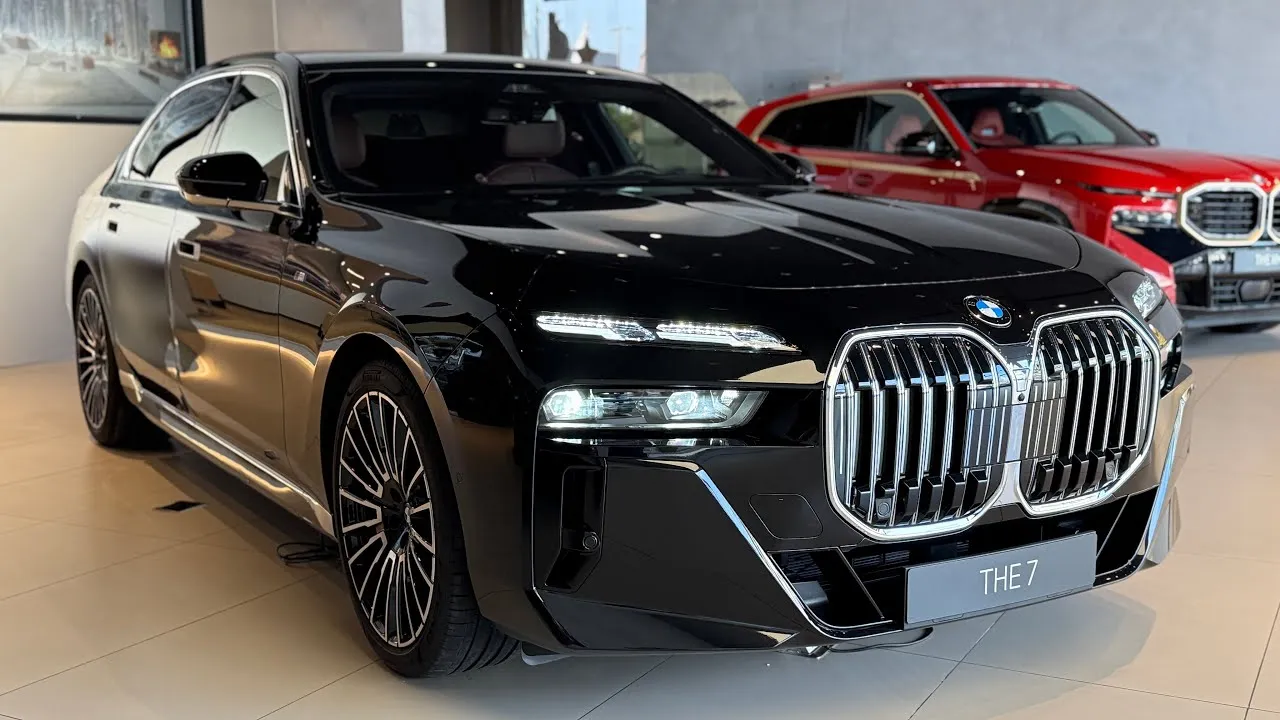
Vehicle Example: 2025 BMW 7 Series
Driver assistance only works when the person behind the wheel remains engaged. Advanced Driver Monitoring Systems focus on that simple truth. Using infrared cameras and sensors, these systems track eye movement, head position, and steering behavior to determine whether the driver is attentive.
Luxury brands have taken the lead in refining this technology. The 2025 BMW 7 Series includes a camera mounted near the steering column that observes the driver’s gaze. If eyes drift away from the road for too long, visual and audible alerts activate. Continued inattention prompts stronger warnings and can even slow the vehicle if necessary.
Legislators are paying close attention to these systems because partial automation has created new challenges. Adaptive cruise control and lane centering allow hands-free moments in certain conditions. That convenience, however, can tempt drivers to disengage mentally. Monitoring systems act as a safeguard, ensuring that assistance does not turn into overconfidence.
Unlike basic steering wheel sensors that simply detect hand contact, modern driver monitoring analyzes behavior patterns. Frequent blinking, drooping eyelids, or erratic steering corrections may indicate fatigue. Some systems suggest taking a break before the situation escalates.
Mandating driver monitoring could dramatically reduce crashes linked to distraction and drowsiness. As cameras become smaller and more affordable, integrating them into all new vehicles becomes practical. Drivers might initially resist the feeling of being watched, yet acceptance tends to grow when benefits become clear.
Vehicles like the BMW 7 Series show how seamless the technology can be. Alerts feel measured rather than aggressive, and the system works quietly in the background. With automation advancing steadily, expect regulations to demand that cars verify driver attention as a standard safety practice.
Also Read: 5 Vehicles That Work at Denver Elevation vs 5 That Don’t
3. Automatic Emergency Steering
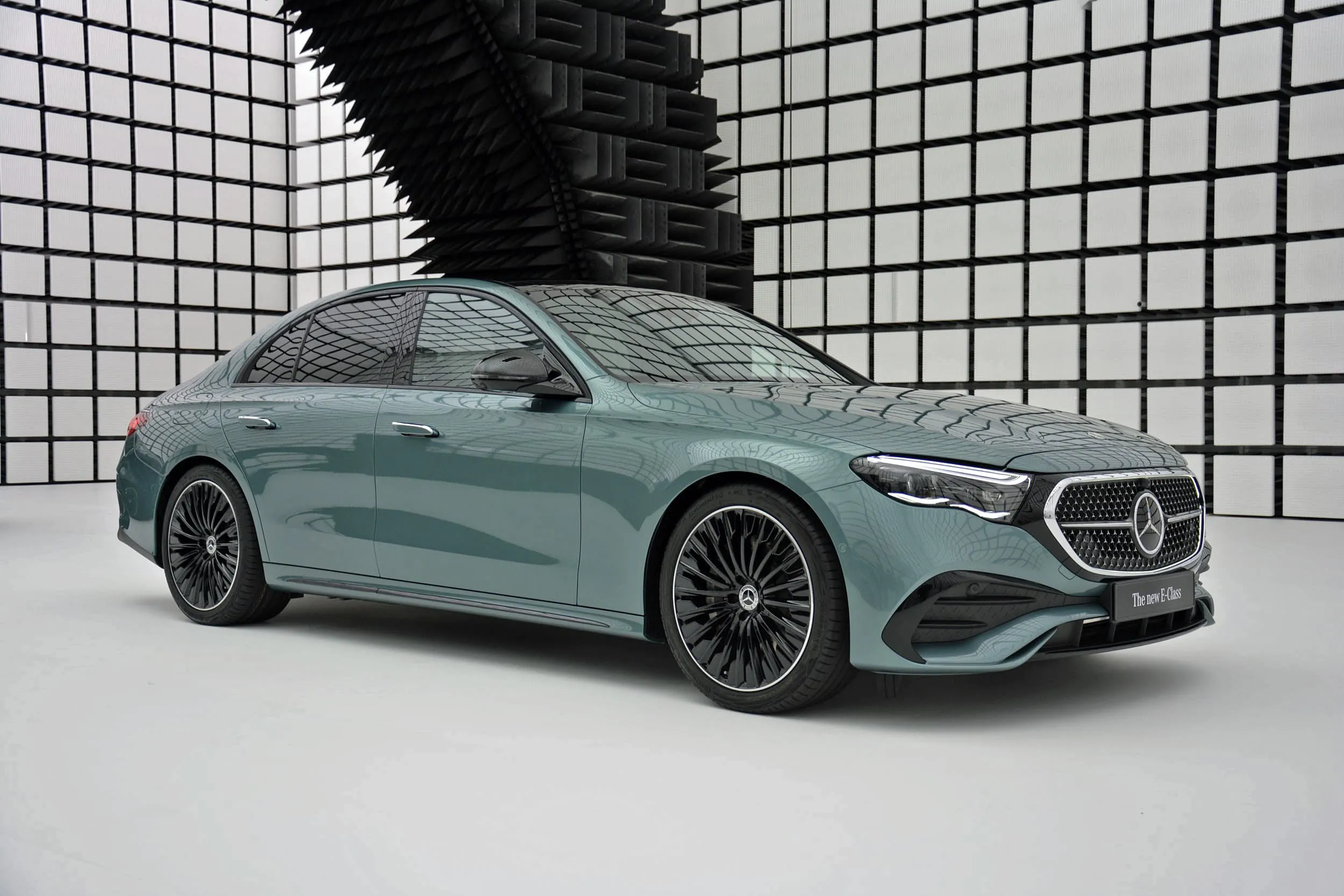
Vehicle Example: 2024 Mercedes-Benz E-Class
Braking has long been the primary automated response to imminent collisions. Automatic Emergency Steering adds a new dimension. Instead of relying solely on stopping power, the vehicle can steer around an obstacle when space allows.
The 2024 Mercedes-Benz E-Class integrates radar, cameras, and steering control to perform evasive maneuvers. If a pedestrian steps into the road or a sudden obstruction appears, the system calculates whether braking alone will prevent impact. When avoidance requires lateral movement, the car can apply steering input to guide itself around the hazard while maintaining stability.
Safety experts recognize that not every crash can be prevented by braking alone. At highway speeds, stopping distance may exceed available space. Steering around the obstacle can reduce impact severity or avoid the crash entirely. Human reaction times vary, especially under stress. Automation can react in milliseconds.
From a regulatory perspective, Automatic Emergency Steering represents a logical progression. Automatic Emergency Braking is already mandatory in some regions. Expanding that requirement to include steering capability builds on existing hardware. Many modern vehicles already possess electric power steering systems capable of precise control.
Concerns often focus on liability and driver trust. Will drivers feel comfortable knowing the car may steer itself in a crisis? Real-world testing and transparent performance data will play an important role in public acceptance. Early implementations, such as in the Mercedes-Benz E-Class, demonstrate that steering interventions are smooth and controlled.
As crash avoidance technology matures, steering assistance during emergencies could transition from premium innovation to required equipment. Future buyers may simply assume their car can both stop and swerve when danger appears.
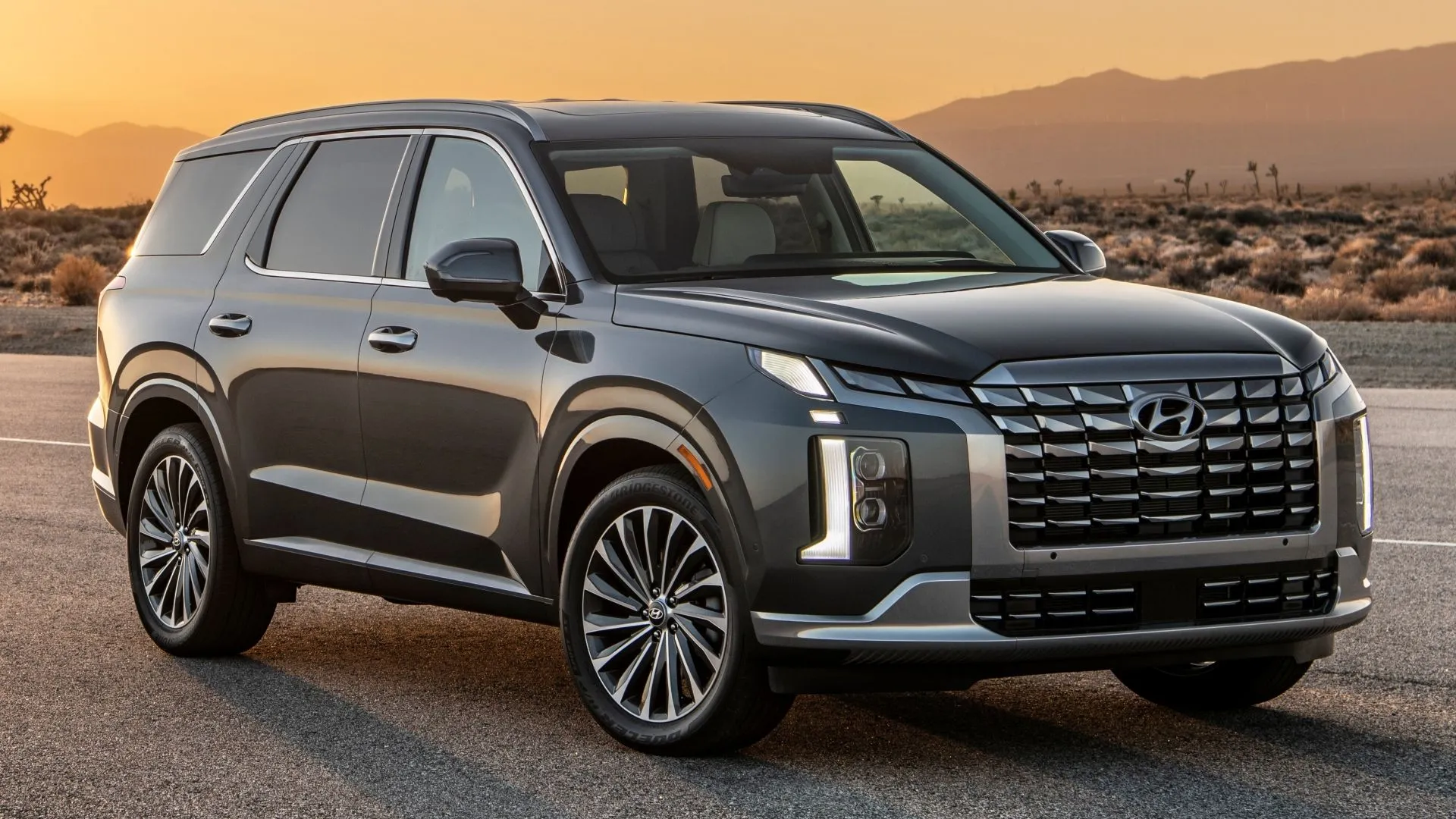
4. Rear Seat Occupant Alert with Child Presence Detection
Vehicle Example: 2024 Hyundai Palisade
Heat-related tragedies involving children left in vehicles have prompted serious discussion about prevention. Rear Seat Occupant Alert systems address this issue by reminding drivers to check the back seat before exiting. Advanced versions go further by detecting actual movement or breathing.
Family-focused vehicles often showcase this technology first. The 2024 Hyundai Palisade includes a system that monitors rear door activity and interior sensors. When the driver turns off the engine, a dashboard reminder appears if a rear door was opened earlier. Higher-level systems can detect motion inside the cabin after the vehicle is locked and trigger alerts to the driver’s smartphone.
Legislators view child presence detection as a public health measure rather than a luxury add-on. Technology that can sense subtle movements through radar or ultrasonic sensors has become more reliable and affordable. By incorporating it into standard equipment, manufacturers can reduce preventable tragedies.
Some may question whether such reminders are necessary. Yet distraction and routine changes contribute to heartbreaking outcomes. A simple alert at the right moment can break that pattern. Enhanced systems that detect breathing offer an additional layer of security.
Expect future mandates to require more than a basic reminder. Regulators are likely to favor systems capable of actively detecting occupancy, especially in vehicles marketed to families. The Hyundai Palisade illustrates how these features can integrate seamlessly without complicating daily driving.
Protecting rear seat occupants, particularly children, stands as a moral priority. As technology proves effective, turning it into a universal standard seems increasingly likely.
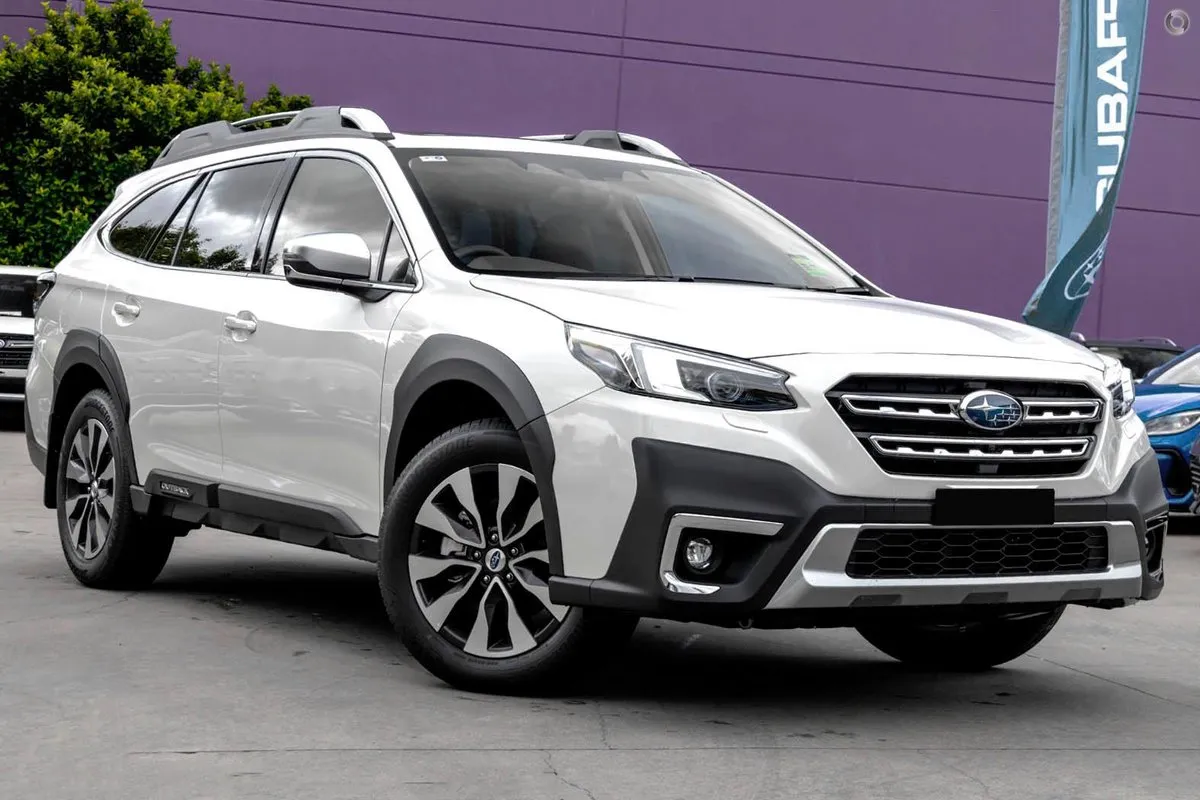
5. Intersection Collision Avoidance Assist
Vehicle Example: 2024 Subaru Outback
Intersections present some of the most dangerous scenarios on public roads. Vehicles approach from multiple directions, and visibility may be limited. Intersection Collision Avoidance Assist addresses these risks by monitoring cross traffic and intervening when a crash appears imminent.
Subaru has built a loyal following through its safety-focused engineering. The 2024 Subaru Outback features an advanced version of EyeSight Driver Assist Technology. Using stereo cameras and radar, the system can detect vehicles approaching from the side during turns. If the driver misjudges timing while making a left turn across traffic, the car can apply braking to prevent a collision.
This feature extends beyond traditional forward collision warning. It analyzes complicated traffic patterns at intersections, where accidents often occur at higher speeds and with severe consequences. Data from crash studies shows that intersection incidents account for a large share of injuries.
Mandating Intersection Collision Avoidance Assist could reduce these events. As sensors become standard for other safety systems, adding cross traffic monitoring requires incremental hardware rather than a complete redesign.
Drivers benefit from extra reassurance during busy urban driving. Even attentive motorists can miscalculate the speed of oncoming vehicles. A system that steps in during those split-second decisions offers meaningful protection.
Vehicles like the Subaru Outback demonstrate that intersection assistance can function smoothly without excessive false alarms. As performance improves and costs decrease, regulatory agencies are likely to consider making this capability mandatory in future vehicle safety standards.
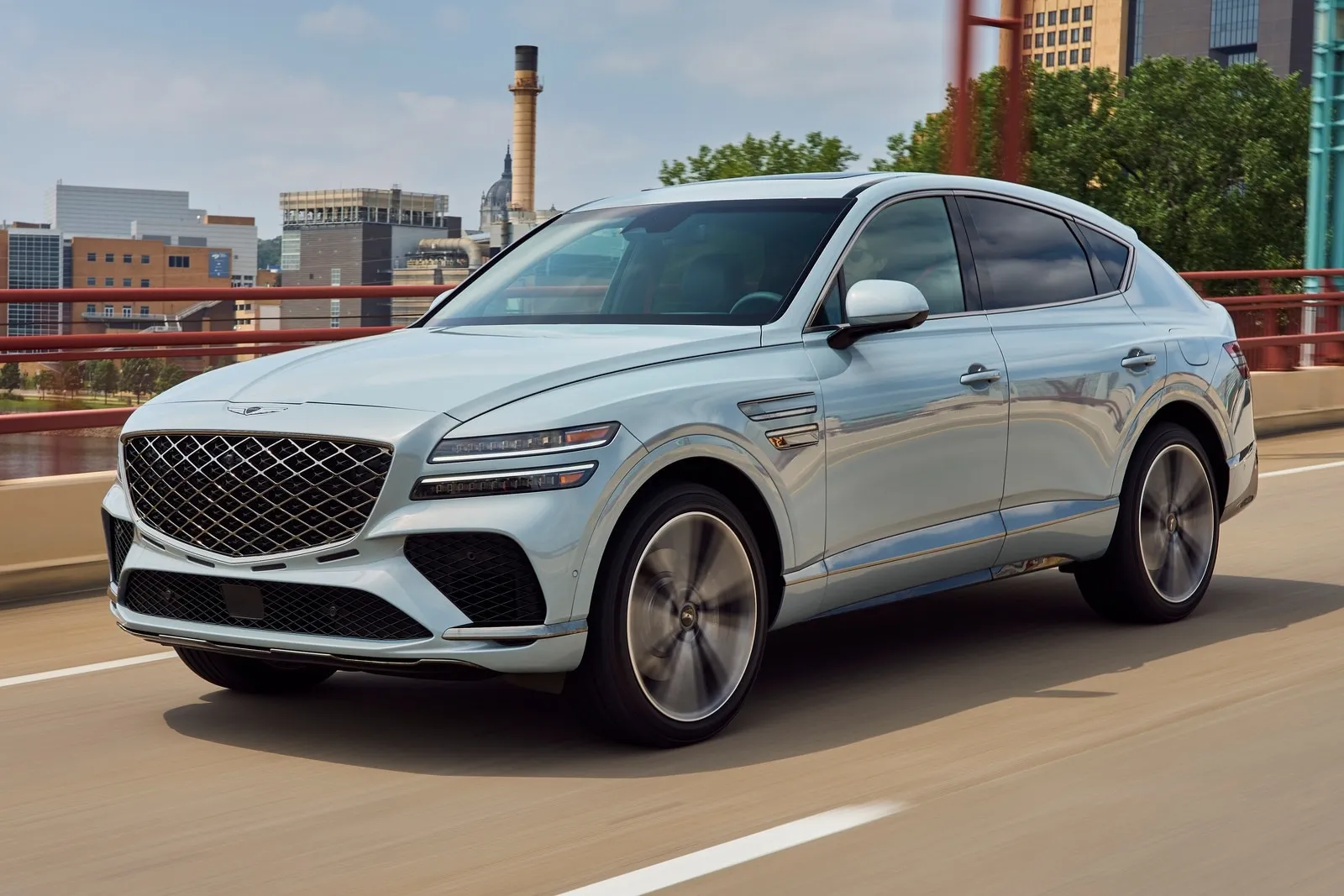
6. Blind Spot Intervention with Active Steering
Vehicle Example: 2025 Genesis GV80
Highway driving demands constant awareness of surrounding traffic, yet blind spots remain a stubborn hazard. Traditional blind spot warning systems alert drivers with a light in the mirror. Blind Spot Intervention with Active Steering goes further by applying corrective steering input when a driver attempts to move into an occupied lane.
Genesis has refined this feature in the 2025 Genesis GV80. When sensors detect a vehicle in the adjacent lane and the driver signals or begins to steer toward it, the system first issues a visual and audible warning. If the driver continues the maneuver, the vehicle gently steers back toward the center of the original lane.
That steering correction is smooth, firm, and designed to feel supportive rather than abrupt. Highway lane change collisions often occur because drivers misjudge the speed of vehicles approaching from behind. Even with mirrors properly adjusted, certain angles remain difficult to monitor.
Active intervention compensates for those blind zones by reacting faster than human reflexes can. From a regulatory standpoint, this feature builds on lane departure prevention systems already gaining acceptance. Since many vehicles now include radar sensors for adaptive cruise control and cross traffic alerts, adding blind spot intervention requires only incremental enhancements.
Lawmakers view that efficiency favorably when considering mandates. Skeptics sometimes question whether steering input from the vehicle could create confusion. Modern calibration addresses that concern by delivering subtle corrections rather than forceful movements.
The Genesis GV80 demonstrates that the system can work quietly in daily commuting without interfering with normal lane changes. As accident data continues to highlight the risks associated with blind spot collisions, pressure will grow to standardize more proactive solutions.
Warning lights alone may no longer satisfy safety benchmarks. In the near future, drivers may expect their vehicles not just to warn them about unseen traffic but to actively help prevent dangerous lane changes.
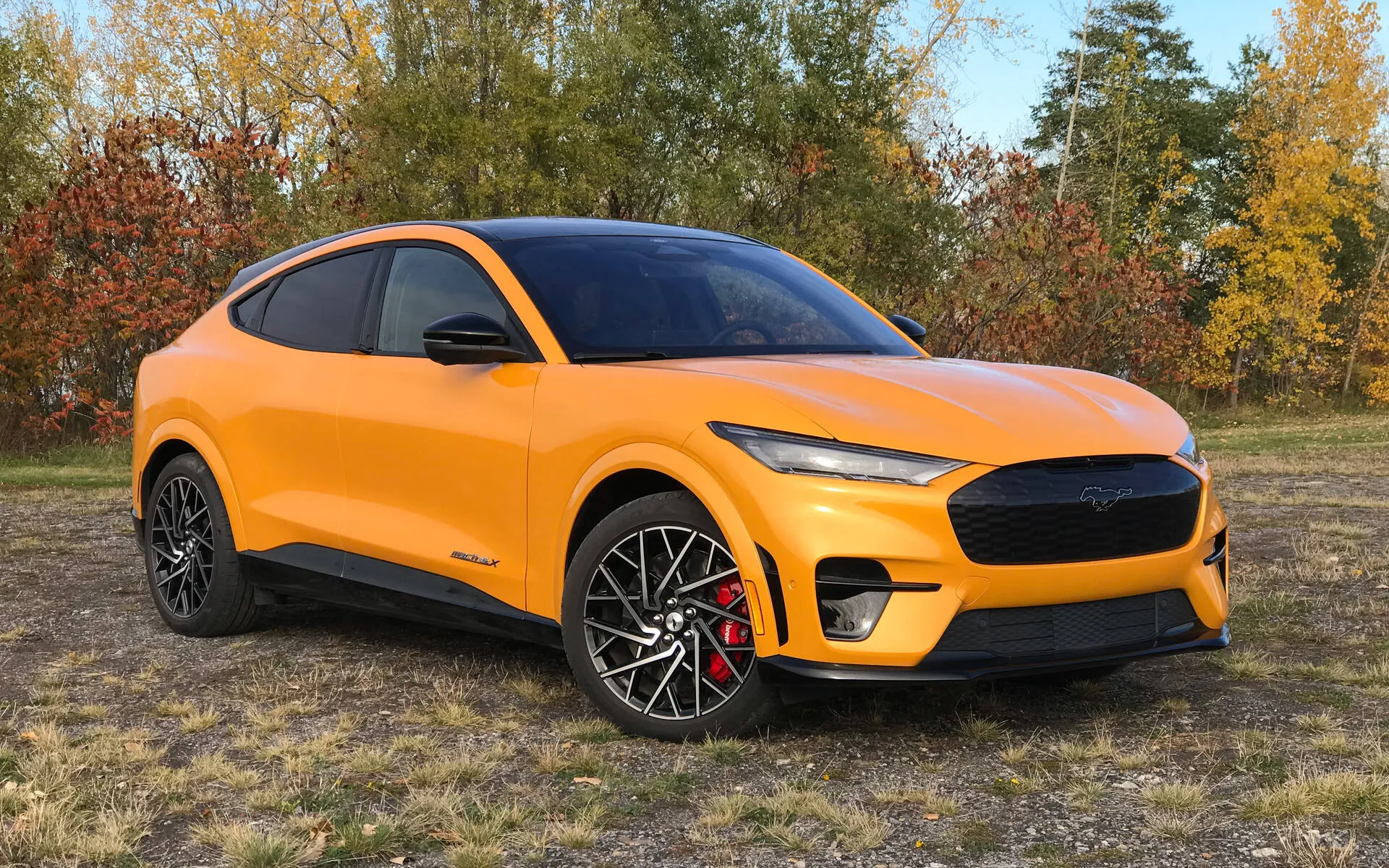
7. Automatic Post-Crash Braking
Vehicle Example: 2024 Ford Mustang Mach-E
Surviving the initial impact of a collision does not always mean the danger has passed. Secondary impacts, such as being pushed into another vehicle or barrier, can worsen injuries. Automatic Post-Crash Braking addresses that threat by applying brakes immediately after an initial collision to prevent additional movement.
Ford integrates this technology into the 2024 Ford Mustang Mach-E. When onboard sensors detect a crash event, the system automatically engages the brakes if the driver is unable to respond. The goal is simple: stop the vehicle as quickly as possible to reduce the risk of secondary collisions.
Crash investigations reveal that multi-vehicle incidents often involve a chain reaction. A vehicle struck from behind may roll into cross traffic or onto a sidewalk. Automatic Post-Crash Braking limits that uncontrolled motion. Even a few feet of reduced travel can make a meaningful difference in injury outcomes.
Regulatory agencies favor this feature because it does not rely on driver input during a chaotic moment. After a collision, drivers may be disoriented or injured. Expecting them to immediately apply the brakes again may be unrealistic. Automation fills that gap.
Electric vehicles like the Ford Mustang Mach-E are well-suited for this system. Their electronic braking systems respond quickly and precisely. As these platforms become more common, incorporating post-crash braking becomes technically straightforward.
Mandating this capability would align with a broader safety philosophy: protection should extend beyond the first impact. Airbags, crumple zones, and seat belts manage initial forces. Post-crash braking addresses what happens next. By reducing secondary crashes, this technology could lower injury severity in countless incidents.
Future safety standards are likely to treat post-crash braking as a baseline requirement rather than a premium feature. Drivers may never notice it in action, yet its presence could make a critical difference during the most unpredictable moments on the road.
8. 360 Degree Surround View with Pedestrian Detection
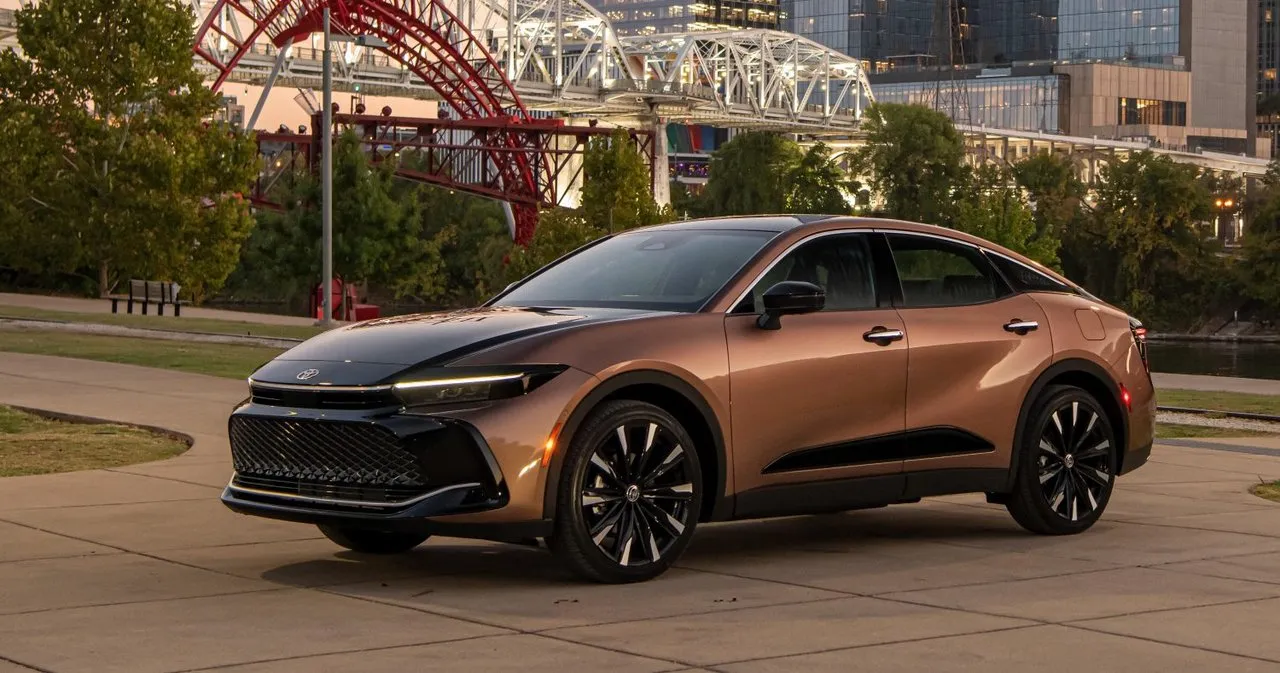
Vehicle Example: 2025 Toyota Crown
Tight parking garages, crowded urban streets, and busy driveways create blind zones around any vehicle. A 360 Degree Surround View system uses multiple cameras to provide a bird’s-eye perspective, helping drivers see obstacles near the car. When combined with pedestrian detection, this technology becomes even more powerful.
Toyota showcases this capability in the 2025 Toyota Crown. Cameras mounted around the vehicle stitch together a real-time top-down image displayed on the infotainment screen. Advanced software highlights moving objects, including pedestrians and cyclists, and can issue warnings if the driver begins to accelerate toward them.
Low-speed collisions in parking lots may seem minor, yet they account for a large share of property damage claims and pedestrian injuries. Children, in particular, can be difficult to see from the driver’s seat. A comprehensive camera view reduces those blind zones dramatically.
Regulators recognize that as vehicles grow larger, visibility challenges increase. SUVs and crossovers dominate the market, often with higher hood lines. Mandating surround view systems with pedestrian detection would address these design realities by compensating for limited sightlines.
The Toyota Crown demonstrates how intuitive the system can be. The display responds quickly as the steering wheel turns, and object alerts appear clearly without overwhelming the driver. Integration with automatic braking adds another layer of protection if the driver fails to react.
As camera costs decrease and image processing improves, 360 Degree Surround View systems are becoming more accessible beyond luxury models. Requiring them in new vehicles could help reduce driveway and parking-related injuries. Drivers may soon expect a full visual perimeter check every time they maneuver at low speeds.
9. Adaptive Headlights with Curve Prediction
Vehicle Example: 2024 Audi A6
Night driving introduces reduced visibility and higher crash rates. Adaptive Headlights with Curve Prediction respond by adjusting the direction and intensity of the beams based on steering input, vehicle speed, and road data.
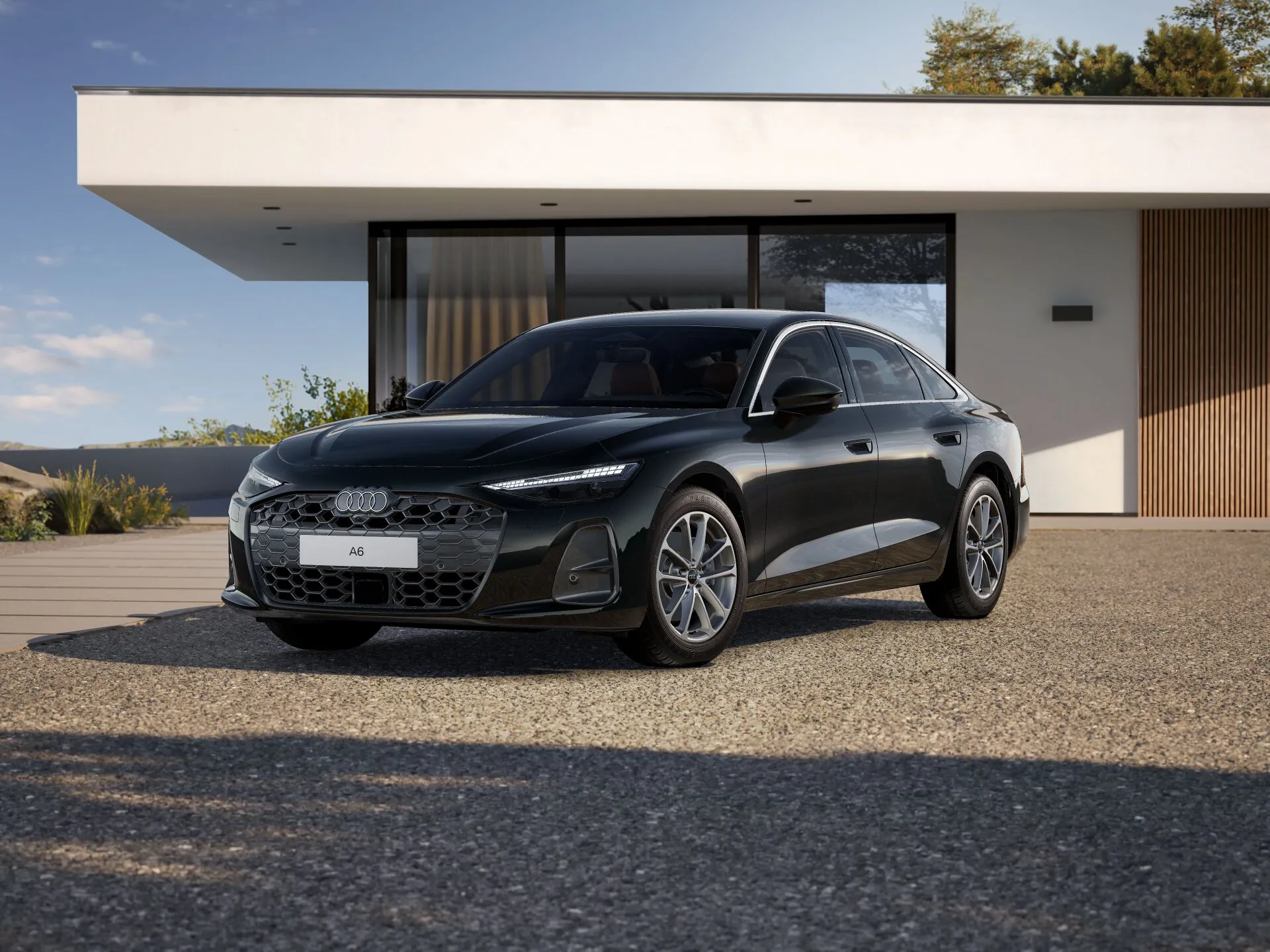
Audi has refined this feature in the 2024 Audi A6. Using sensors and navigation information, the headlights pivot toward the direction of travel before the vehicle enters a curve. That predictive movement illuminates the road ahead rather than the space directly in front of the bumper. Some systems also adjust brightness to avoid dazzling oncoming drivers.
Traditional fixed headlights limit a driver’s ability to see around bends. By the time a hazard appears within the beam pattern, reaction time may be limited. Adaptive systems extend the field of vision, allowing drivers to identify obstacles earlier.
Lawmakers are evaluating whether improved lighting standards should include dynamic beam control. As testing data links enhanced visibility to reduce nighttime crashes, pressure builds for updated requirements. Since modern LED and matrix lighting systems already support electronic adjustment, implementing curve prediction broadly is technically feasible.
The Audi A6 illustrates how seamless this can feel. Drivers do not need to activate special modes. The headlights respond automatically, enhancing confidence during rural or winding road travel. Automatic high beam functions further optimize visibility without requiring manual input.
Mandatory adaptive headlights could transform night driving safety. Instead of relying solely on driver vigilance, vehicles would actively improve sightlines in real time. With lighting technology advancing rapidly, regulators may soon view static beams as outdated.
Future vehicles may be required to anticipate curves and adjust illumination accordingly, making dark roads far less intimidating.
Also Read: 5 EVs With Reliable Real-World Range vs 5 With Inconsistent Range
10. Emergency Stop Assist with Automatic Hazard Activation
Vehicle Example: 2025 Honda Accord Hybrid
Medical emergencies behind the wheel present a unique challenge. If a driver becomes unresponsive, a moving vehicle can pose a serious threat to others. Emergency Stop Assist addresses this risk by bringing the car to a controlled halt when it detects prolonged inactivity.
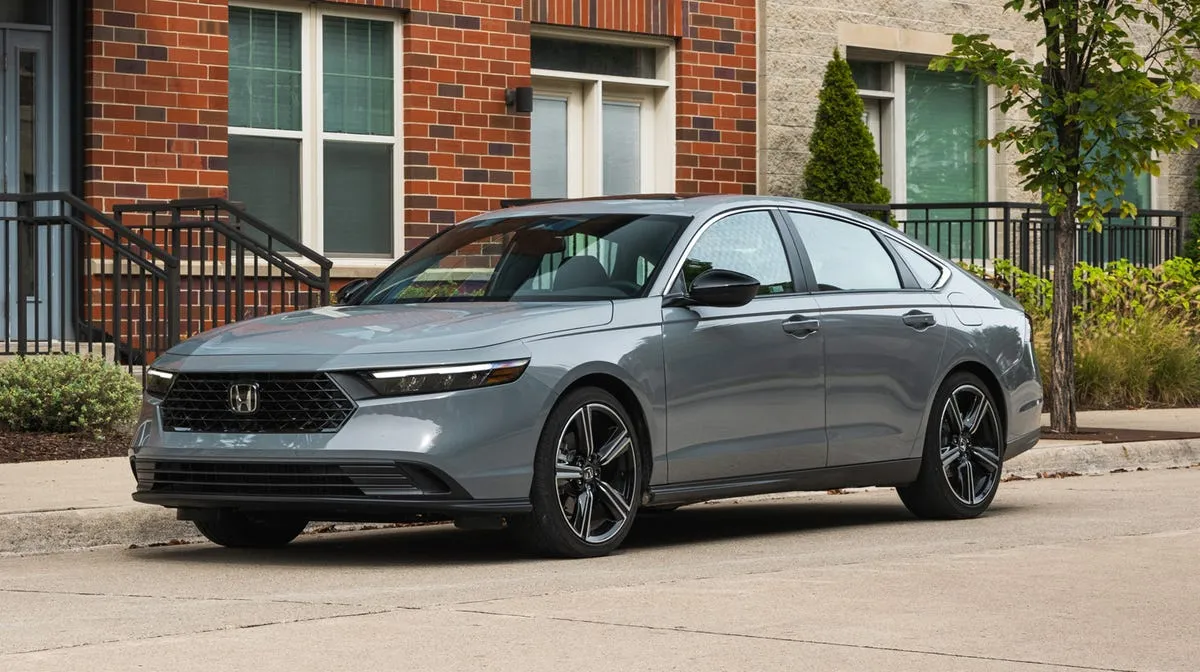
Honda integrates this capability into the 2025 Honda Accord Hybrid. When adaptive cruise control and lane centering are active, the system monitors steering input and driver engagement. If repeated warnings go unanswered, the vehicle gradually slows, maintains lane position, and activates hazard lights to alert surrounding traffic. Once stopped, it can unlock doors to assist first responders.
Such functionality reflects a growing focus on driver health and real-time response. Heart-related events, fainting, or sudden illness can occur without warning. A system that recognizes unusual inactivity and takes action can prevent a runaway vehicle scenario.
Regulators are increasingly aware of this gap in current safety standards. While airbags and crash avoidance systems address collisions, fewer mandates consider what happens if the driver cannot operate the vehicle at all. Emergency Stop Assist fills that space by prioritizing controlled deceleration and clear communication to nearby drivers.
The Honda Accord Hybrid demonstrates how this technology can operate without being intrusive. It does not interfere during normal driving, yet stands ready if engagement drops below expected thresholds. Hazard light activation provides a clear signal that something unusual is occurring.
As vehicles incorporate more semi-automated features, ensuring safe fallback procedures becomes essential. Emergency Stop Assist represents a logical extension of driver monitoring systems discussed earlier. Future regulations may require vehicles to detect incapacitation and respond appropriately.
For drivers and passengers alike, knowing the car can bring itself to a safe stop during a medical crisis offers peace of mind that extends beyond traditional crash prevention.
