
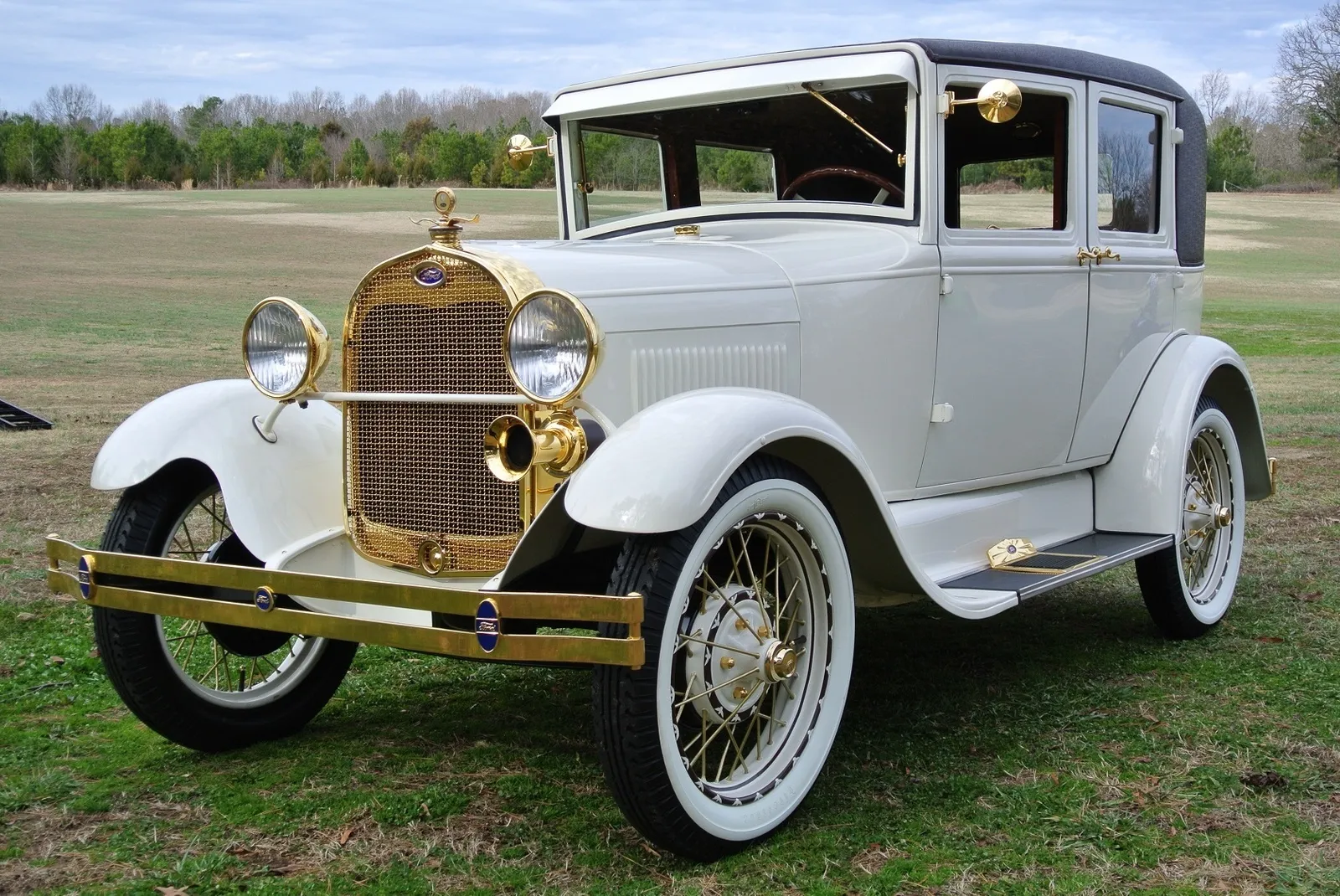
Car conversations often circle back to screens, sensors, and software updates. Yet a different kind of satisfaction still lives in vehicles shaped before digital logic became the center of automotive design. That earlier period focused on steel, mechanics, and driver skill. Controls felt direct.
Feedback came through vibration, sound, and resistance rather than icons on a display. Driving demanded attention, patience, and a physical connection between person and machine. Ford played a central role during that period, producing vehicles that defined transportation for families, workers, and travelers across generations.
These models did not rely on algorithms to make decisions. Carburetors replaced processors. Steel linkages responded to foot pressure. Maintenance meant tools, not downloads. Each journey carried a sense of involvement that modern cars rarely attempt to recreate.
This page revisits ten Ford vehicles built before electronics became common in everyday driving. Each model represents a time when reliability depended on craftsmanship and design simplicity rather than automated intervention. The focus stays on real production vehicles, not concepts, and each entry highlights what made that model matter during its era.
Expect variety, personality, and engineering choices rooted in mechanical confidence. These are not museum pieces. They are reminders of how driving once felt when every mile required hands, ears, and judgment working together.
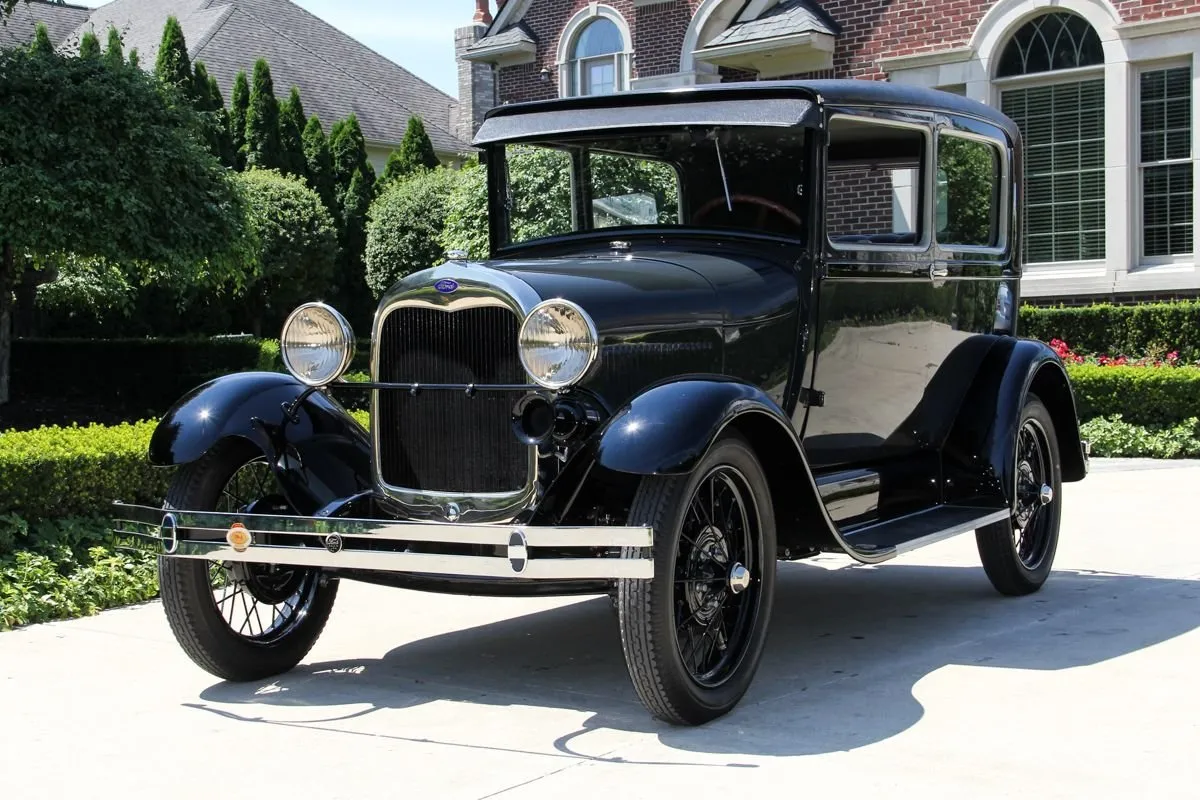
1. Ford Model A 1928
History starts clearly with the Ford Model A of 1928, a vehicle that reintroduced innovation after the long success of the Model T. Henry Ford understood that buyers wanted progress without intimidation, and this car delivered that promise with confidence. Built as an entirely new platform, the Model A offered improved comfort, stronger construction, and updated styling while keeping mechanical simplicity intact.
Power came from a 3.3-liter inline four engine producing around forty horsepower. Numbers like that sound modest today, yet during its time, the output felt capable and dependable. Drivers controlled ignition timing manually using a steering column lever, creating a hands-on relationship that demanded awareness. No electronics-assisted cold starts or throttle response. Skill mattered, especially during winter mornings.
Body styles ranged widely, including sedans, roadsters, coupes, and trucks. This flexibility allowed the Model A to reach farmers, shop owners, families, and city professionals alike. Steel panels replaced earlier wooden framing, improving durability and safety. Interiors featured basic gauges, firm seating, and minimal trim. Comfort existed, yet nothing distracted from the act of driving.
Suspension relied on transverse leaf springs, front and rear. Braking came from mechanical drums at each wheel, operated by rods rather than hydraulics. Drivers learned to anticipate stops and plan movements carefully. Roads of the era demanded patience, and the Model A rewarded smooth control.
Cultural impact followed quickly. Production numbers reached millions within a few years, making the car a familiar sight across towns and highways. Serviceability contributed greatly to its reputation. Owners handled routine repairs themselves, building trust through understanding.
Ford Model A 1928 represents a turning point where accessibility met progress without surrendering mechanical honesty. Its legacy rests on connection rather than convenience, reminding drivers how transportation once required cooperation between human judgment and simple engineering.
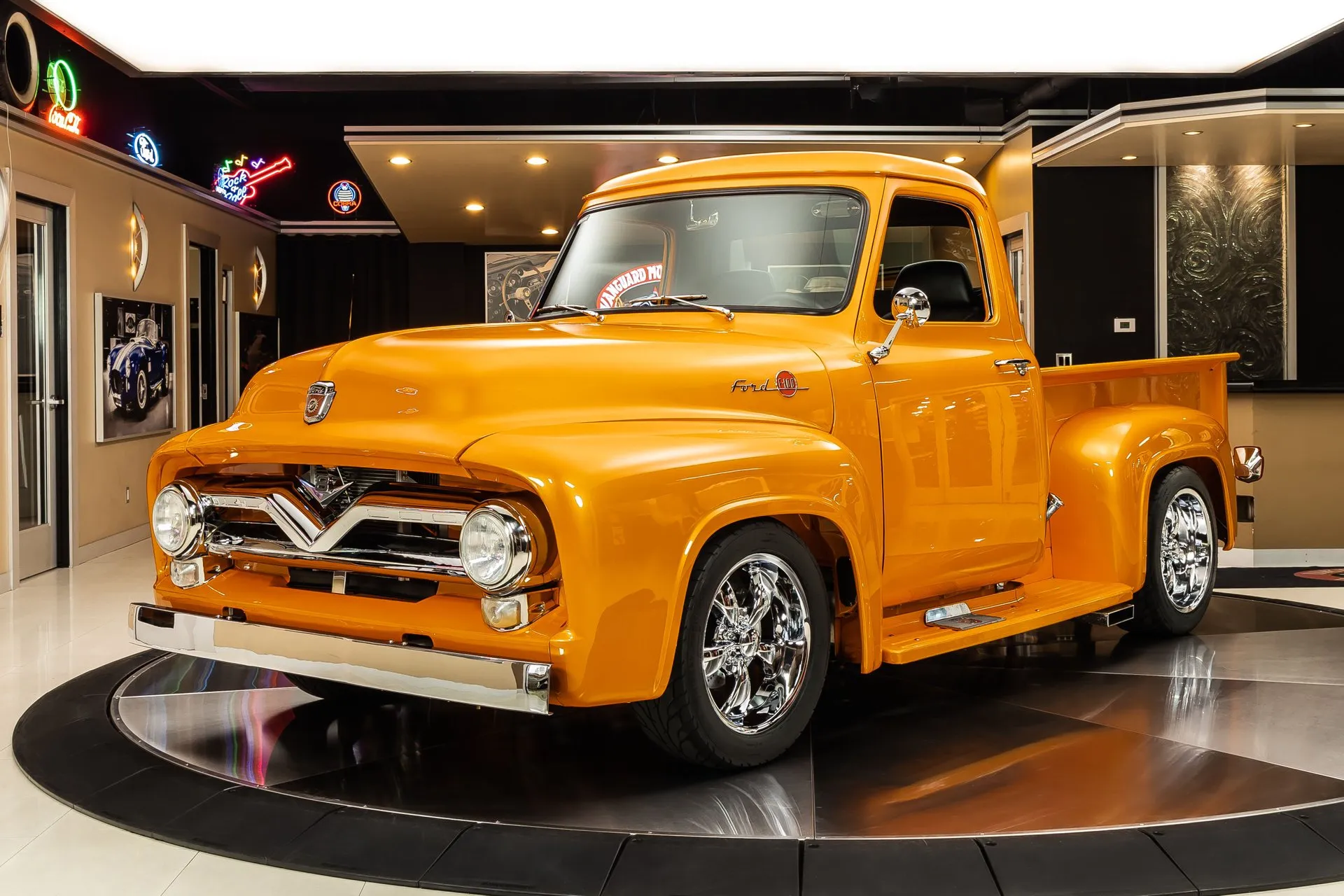
2. Ford F-100 Pickup 1955
Work defined the Ford F-100 Pickup 1955, yet personality never stayed absent. Introduced during the second generation of Ford trucks, this model balanced utility with growing attention to driver comfort. Farmers, builders, and delivery operators trusted it daily, and style slowly entered the conversation without replacing purpose.
Engine choices included inline six and V8 options, each built for torque rather than speed. Carbureted fuel delivery responded directly to throttle input. Drivers felt load changes immediately through pedal resistance and sound. Manual transmissions dominated, with column shifters becoming common. No automatic corrections existed. Control remained physical and constant.
Cab design improved dramatically compared to earlier trucks. Seating gained padding, dashboards looked cleaner, and heating systems became more effective. Windshields grew wider, improving visibility during long workdays. These changes mattered because trucks stopped being tools used briefly. They became all day.
Steel construction remained heavy and dependable. Frames handled rough roads and uneven loads without complaint. Leaf spring suspensions absorbed punishment while maintaining stability. Steering required strength at low speeds, reminding drivers of vehicle mass at every turn.
Maintenance defined ownership. Spark plugs, belts, and filters demanded attention. Access remained straightforward, with engine bays designed for human hands rather than specialized equipment. Reliability came from routine care rather than electronic alerts.
Design cues gave the truck character. Rounded fenders, bold grilles, and solid proportions communicated strength without aggression. Paint colors expanded beyond utility tones, reflecting pride in ownership. These trucks appeared on job sites and in town centers with equal confidence.
Ford F-100 Pickup 1955 earned respect through consistency. It asked drivers to participate fully while rewarding effort with trust. That balance explains why restored examples remain popular today, serving as reminders of honest labor and mechanical clarity.
Also Read: Top 5 Ford Engines Ranked by Efficiency And 5 to Skip
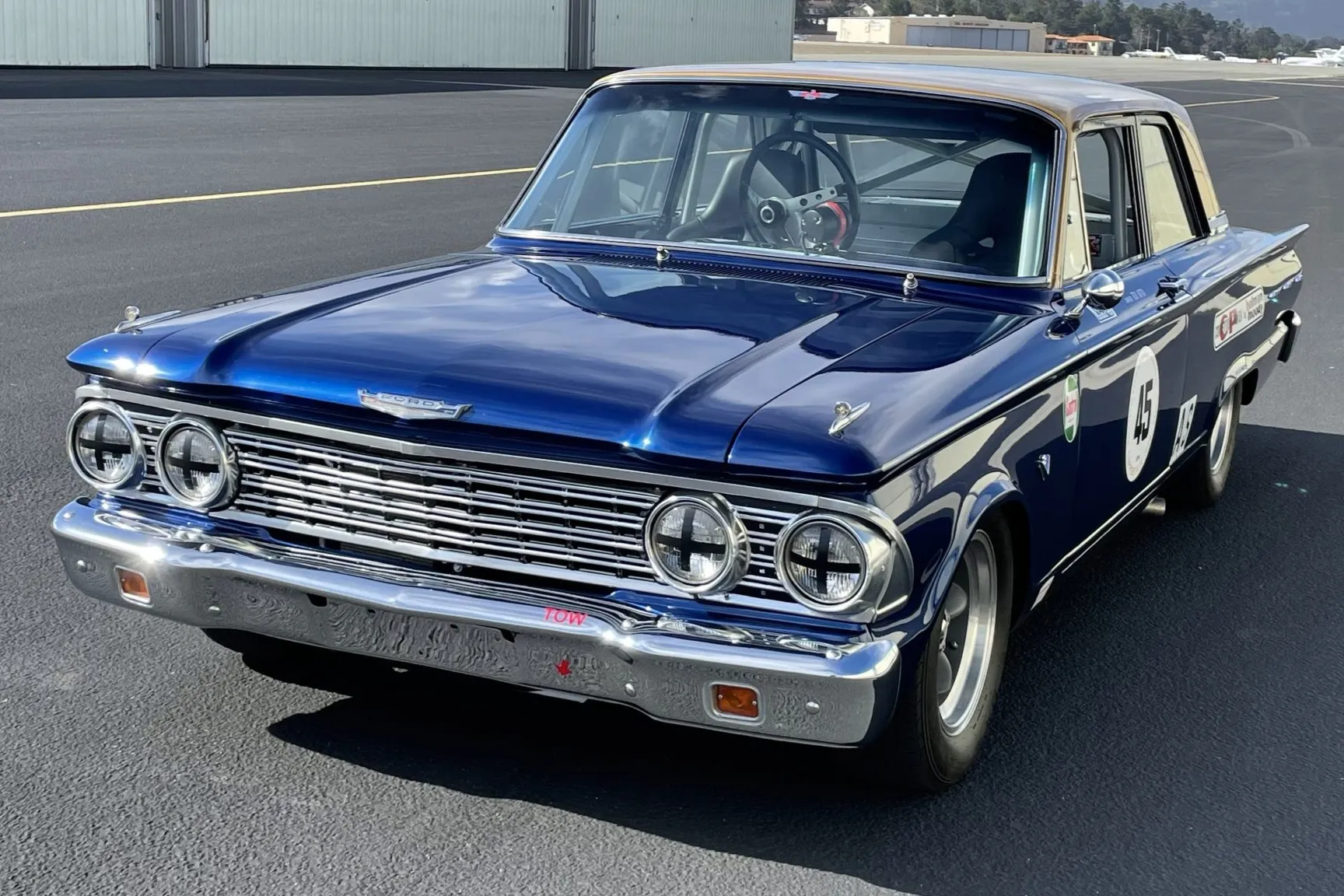
3. Ford Fairlane 500 1962
Comfort entered a new phase with the Ford Fairlane 500 of 1962, a mid-size sedan positioned between compact practicality and full-size luxury. Families found value in its space and refinement, while drivers appreciated predictable handling. This car reflected changing lifestyles without surrendering mechanical transparency.
Engine options ranged from inline six units to small block V8s. Each offered smooth power delivery supported by carburetion rather than computation. Acceleration felt linear, shaped by throttle control and gearing. Automatic transmissions existed, yet their operation remained hydraulic and mechanical.
Suspension tuning favored balance. Coil springs and control arms improved ride quality while maintaining road awareness. Steering systems relied on direct linkage, transmitting surface feedback clearly. Drivers learned road conditions through feel rather than warnings.
Interior layout focused on clarity. Gauges presented speed, fuel level, and temperature without clutter. Switches operated lights, wipers, and ventilation through simple circuits. Seats provided comfort during long drives without attempting to isolate occupants from motion entirely.
Body design embraced clean lines and subtle chrome. Proportions avoided excess, giving the Fairlane a timeless appearance. Paint finishes reflected care in production, and panel fit demonstrated advancing manufacturing standards.
Safety expectations differed during the early sixties. Seat belts became optional, and structural integrity depended on steel thickness rather than engineered crumple zones. Responsibility stayed with the driver to manage speed and awareness.
Ownership encouraged familiarity. Routine service remained accessible, and repair manuals guided owners through common tasks. Local mechanics handled repairs without diagnostic computers. The Ford Fairlane 500 of 1962 stood as a bridge between eras. It delivered refinement without surrendering mechanical involvement, offering families a dependable sedan that respected driver responsibility and skill.
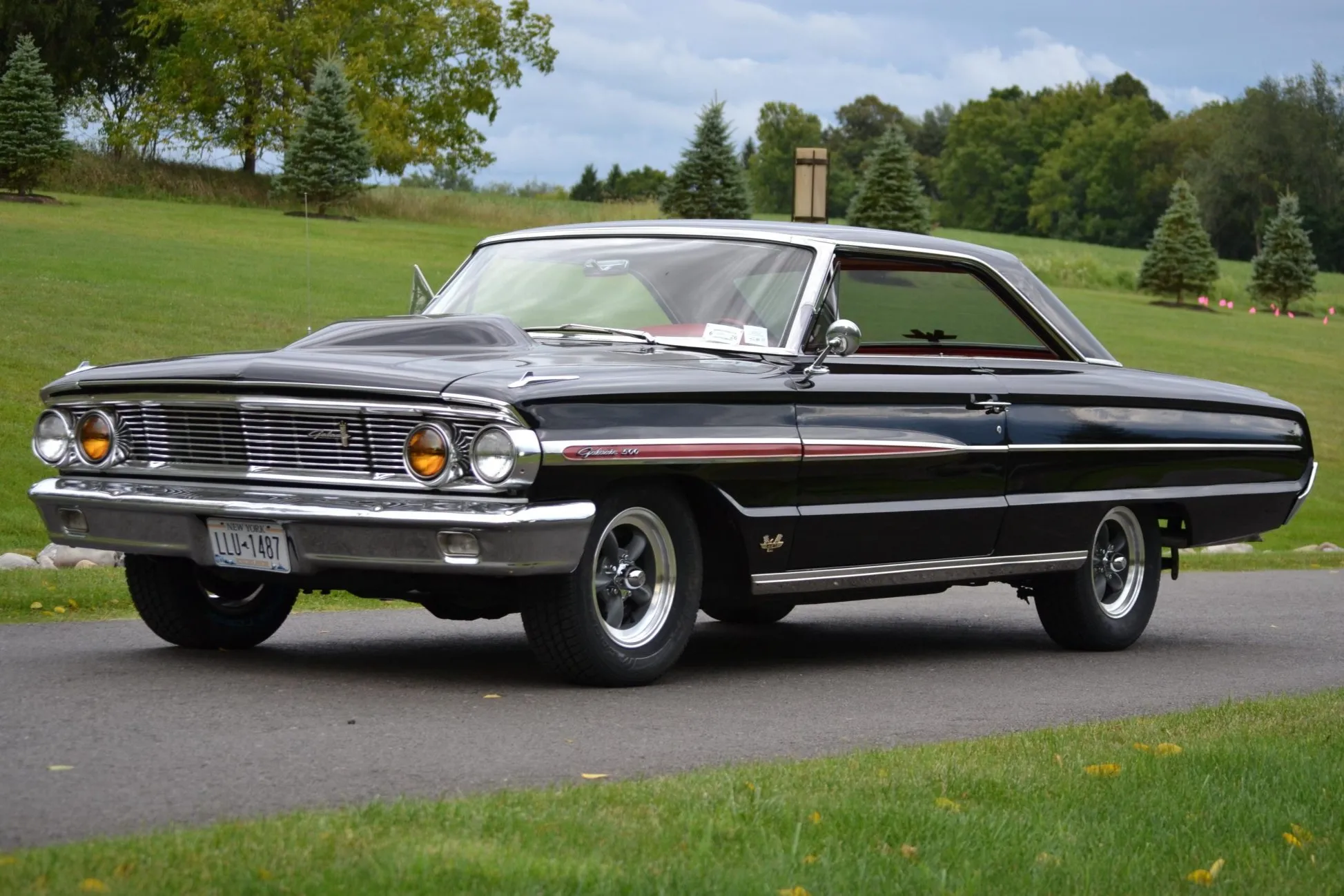
4. Ford Galaxie 500 1964
During the middle years of the nineteen sixties, vehicle scale carried meaning, and the Ford Galaxie 500 of 1964 expressed that belief with confidence. This full-size sedan stood as a symbol of distance travel and family mobility, shaped to deliver calm progress on expanding highways.
Its length and width were deliberate, allowing occupants to experience stability and assurance even at sustained speeds. Every design decision reflected trust in physical engineering rather than corrective systems. Engine availability centered on V8 power units designed for steady delivery rather than urgency.
These engines relied on carburetion to regulate fuel flow, responding directly to driver input and engine demand. Acceleration remained smooth and predictable, guided by sound and vibration instead of electronic indicators. Drivers learned to interpret engine tone as a measure of effort, adjusting speed through experience rather than prompts.
Ride quality formed a central priority. Suspension systems featured soft springs and extended travel, allowing the vehicle to glide over uneven road surfaces. Steering favored ease and composure, supporting relaxed control during extended journeys. Tight spaces required patience and planning, yet open highways rewarded steady hands and measured input.
Interior accommodation defined comfort standards of the era. Wide bench seating provided room for multiple occupants without crowding. Legroom and headroom suited long-distance travel, while generous boot space supported family luggage needs. Instrumentation remained simple and legible, presenting essential information without distraction.
Ventilation and heating systems improved cabin conditions through mechanical regulation rather than automated control. Exterior presentation communicated confidence and prosperity. Long body lines extended smoothly from front to rear, supported by bold grille design and tasteful chrome detailing.
Paint finishes reflected care in production, reinforcing the vehicle’s presence on the road. This styling approach aligned with public optimism and pride in ownership common during that period. Driving responsibility remained firmly with the individual behind the wheel. Vehicle size influenced braking distance and cornering behavior, requiring awareness and foresight.
Drum brake systems demanded anticipation, especially during sudden traffic changes. Skill and patience shaped safe operation. The Ford Galaxie 500 of 1964 reflected a period when comfort emerged from structural strength and thoughtful design. It rewarded calm control and measured judgment, presenting long-distance travel as a composed and engaging experience grounded in mechanical reliability.
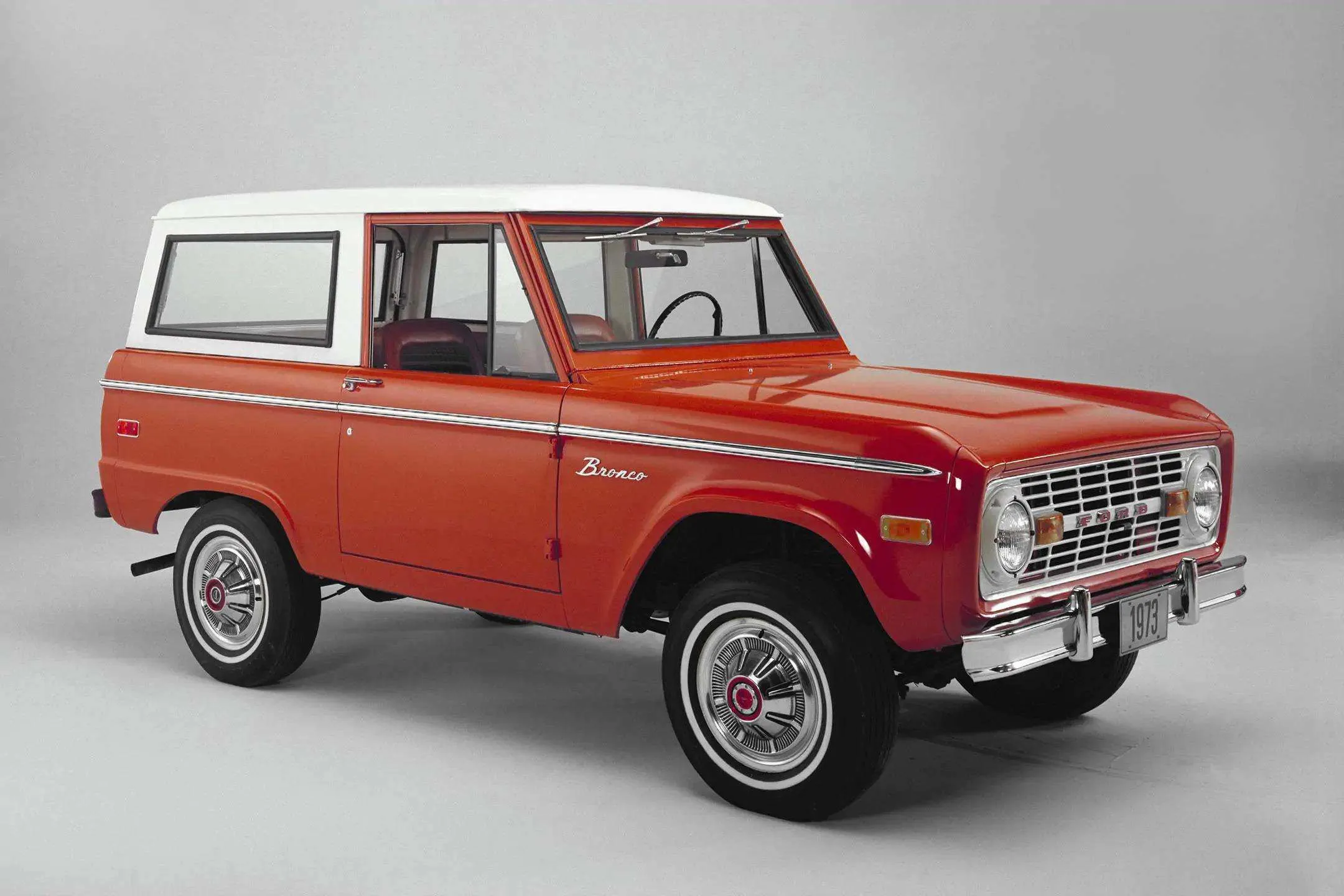
5. Ford Bronco First Generation 1966
Purpose guided the creation of the Ford Bronco First Generation 1966, a compact utility vehicle designed to handle demanding conditions with clarity and resilience. Developed to serve drivers seeking adaptability beyond paved roads, this model focused on strength and simplicity rather than ornamentation. Its form reflected readiness for varied use, whether for work, recreation, or daily transport.
Engine choices included inline six units and compact V8 options, each paired mainly with manual gearboxes. Power delivery relied on direct mechanical systems, placing full responsibility on the driver. Four Wheel Drive engagement required deliberate action, reinforcing awareness of surface conditions. Grip depended on tyre selection, throttle discipline, and driver judgment rather than automated assistance.
Short wheelbase proportions improved turning ability in tight spaces and uneven areas. Suspension construction employed solid axles and leaf springs, favouring durability and load handling. Comfort remained secondary to strength. Steering effort increased away from paved surfaces, reminding drivers of the physical nature of control and the demands of varied driving environments.
Body configurations included open and enclosed layouts, allowing buyers to select based on intended use. Removable tops provided exposure to the elements, enhancing outdoor utility. Interior fittings remained basic, with surfaces chosen for easy cleaning and resilience. Protection from weather existed, yet refinement did not influence priorities.
Performance beyond paved roads built the Bronco’s reputation. Clearance height, gearing ratios, and chassis angles allowed movement across uneven ground. Drivers learned surface behavior through observation and practice, adjusting speed and approach manually. Success depended on experience rather than automated correction.
Ownership involved acceptance of firm ride quality, mechanical noise, and vibration. These characteristics communicated conditions directly, helping drivers remain alert. Reliability stemmed from solid construction and straightforward systems that tolerated demanding use without complaint.
The Ford Bronco First Generation 1966 established a lasting identity grounded in capability and trust. It encouraged confidence through mechanical honesty, offering freedom shaped by preparation, understanding, and direct engagement with the driving environment.
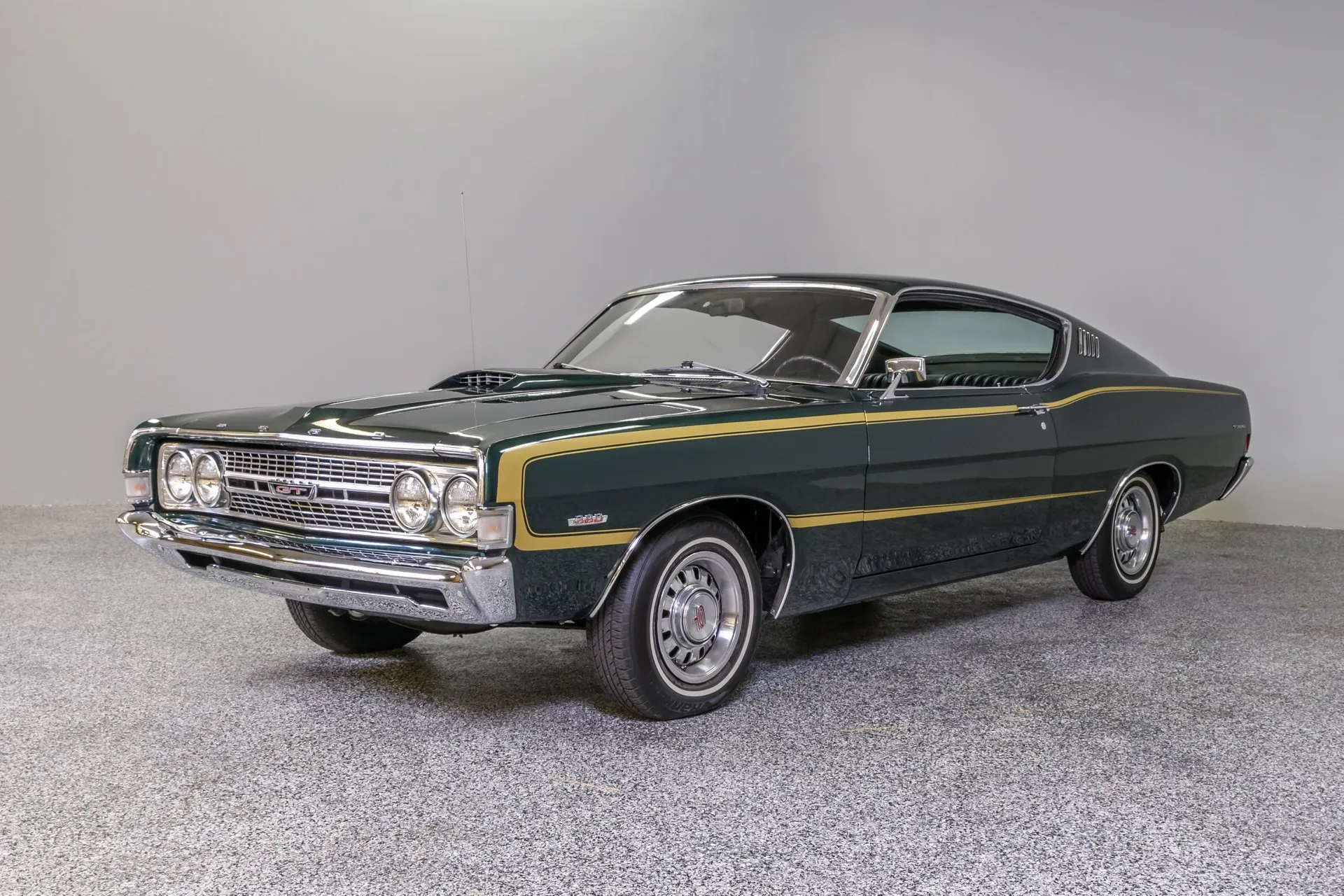
6. Ford Torino GT 1968
Muscle era ambition defined the Ford Torino GT 1968, a vehicle shaped by performance demand rather than digital control. Built during a period when power output and visual presence mattered deeply, this model delivered excitement through mechanical honesty. Drivers did not rely on electronic aids. They depended on throttle discipline, steering judgment, and engine awareness.
Engine choices included large-displacement V8 units designed to deliver strong acceleration and confident highway passing. Carburetors handled fuel delivery, responding directly to airflow and pedal input. Acceleration felt raw and immediate. Drivers learned quickly that restraint mattered as much as enthusiasm, especially on narrow roads or uneven pavement.
Suspension tuning favored firmness. The Torino GT communicated road texture clearly through the steering wheel and seat. That feedback created trust when pushed responsibly, while mistakes carried consequences. Power steering existed, yet assistance remained modest, preserving physical connection. Braking relied on drum systems or optional front discs, demanding anticipation rather than reaction.
Exterior styling expressed confidence without restraint. Long hoods, fastback rooflines, and bold striping communicated intent before the engine even started. Interiors balanced sport cues with comfort, offering bucket seats, simple gauges, and functional switch placement. Nothing distracted from driving responsibility.
Ownership encouraged learning. Routine service involved timing adjustments, carburetor tuning, and mechanical inspection. Drivers who understood their machines enjoyed smoother operation and better reliability. Local garages handled repairs without specialized scanners or software.
Cultural presence followed quickly. The Torino GT appeared in racing circles, street scenes, and popular media, reinforcing its performance reputation. Yet daily usability remained possible, provided the driver respected fuel consumption and size. Ford Torino GT 1968 stands as a reminder of performance before restraint systems and sensors. It asked drivers to earn speed through skill, offering satisfaction rooted in control rather than automation.
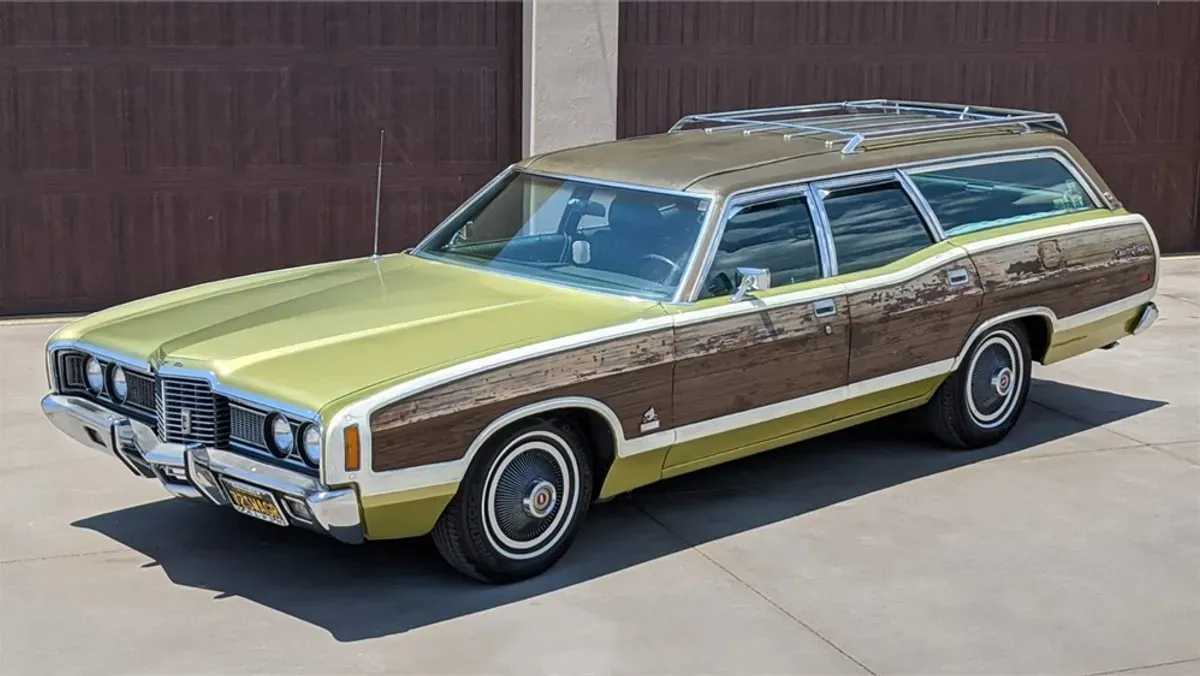
7. Ford LTD Country Squire 1972
Family travel gained a different identity with the Ford LTD Country Squire 1972, a station wagon built for distance and comfort without electronic supervision. Designed to move people and cargo efficiently, this model emphasized space, smoothness, and durability across long journeys.
Large V8 engines powered most examples, delivering steady torque suited for highway cruising. Carbureted systems maintained consistent fueling, while automatic transmissions operated through hydraulic logic. Driving felt relaxed, with power available without urgency.
Suspension systems prioritized ride comfort. Soft springs absorbed imperfections, while long wheelbases smoothed motion. Steering assistance reduced effort during parking, yet drivers remained aware of vehicle mass. Braking required foresight, especially when loaded fully.
Interior space defined the experience. Three-row seating accommodated families easily. Rear-facing seats entertained children while expanding capacity. Cargo areas swallowed luggage, groceries, and equipment without complaint. Materials favored durability, with vinyl, wood trim accents, and straightforward controls.
Wood grain paneling became a visual signature. Though decorative, it represented pride in presentation rather than technology. The wagon carried presence in driveways and parking lots, reflecting stability and routine rather than flash. Maintenance routines mattered. Cooling systems, belts, and fluids required attention, especially during extended trips. Owners learned preventive care through experience rather than warning lights.
Ford LTD Country Squire 1972 delivered trust through consistency. It carried generations through vacations, school schedules, and daily errands using mechanical reliability rather than electronic guidance.
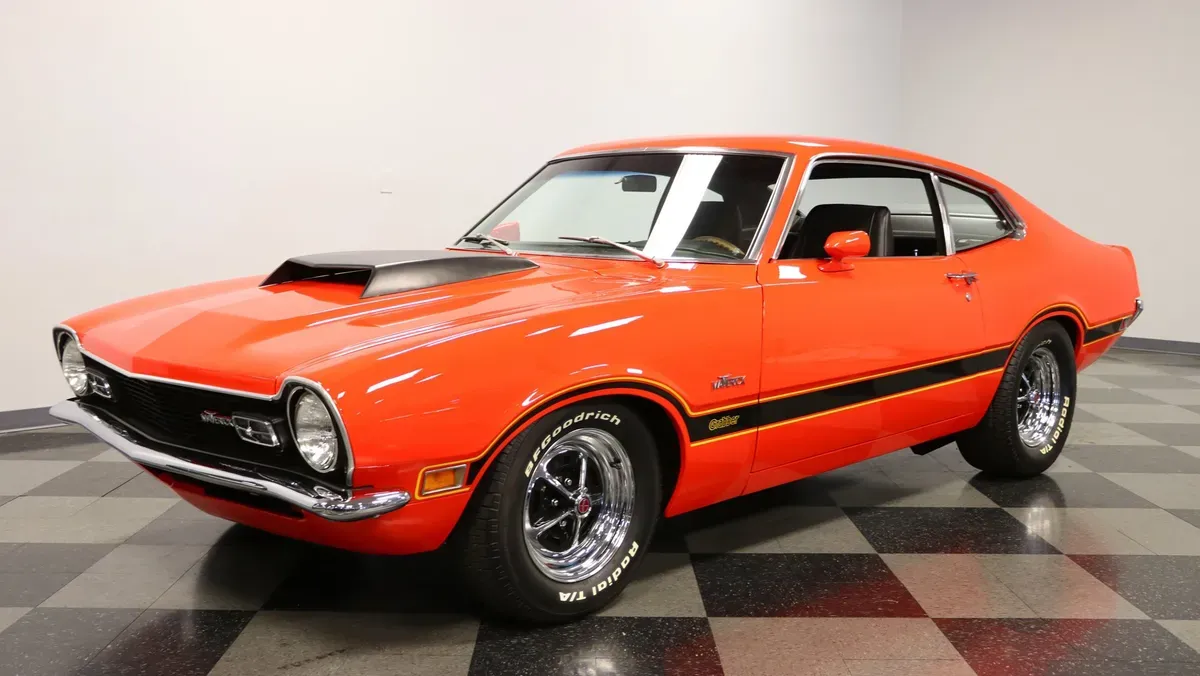
8. Ford Maverick Grabber 1971
Youthful energy defined the Ford Maverick Grabber of 1971, a compact car offering style and performance without technological complication. Positioned as an accessible alternative to larger muscle cars, it delivered excitement through lightweight and responsive power.
Engine options ranged from inline six units to small V8 choices. Paired with manual or automatic transmissions, these engines delivered engaging performance when driven attentively. Carburetors responded sharply, rewarding smooth pedal control.
Shorter wheelbases improved maneuverability. Steering felt quick, communicating road conditions clearly. Suspension tuning balanced daily comfort with spirited driving potential. Drivers felt connected rather than isolated. Grabber trim packages added visual appeal. Bold stripes, hood scoops, and wheel upgrades gave personality. Interiors remained simple, with clear gauges and minimal distractions. Focus stayed on driving involvement.
Affordability attracted younger buyers. Ownership costs stayed manageable, provided routine service occurred. Repairs required basic tools and knowledge rather than specialized equipment. Fuel economy compared favorably within its category. Drivers learned efficient operation through experience, adjusting habits rather than relying on displays.
Ford Maverick Grabber 1971 represented freedom through simplicity. It delivered enjoyment without pretense, reminding drivers that engagement does not require excess.
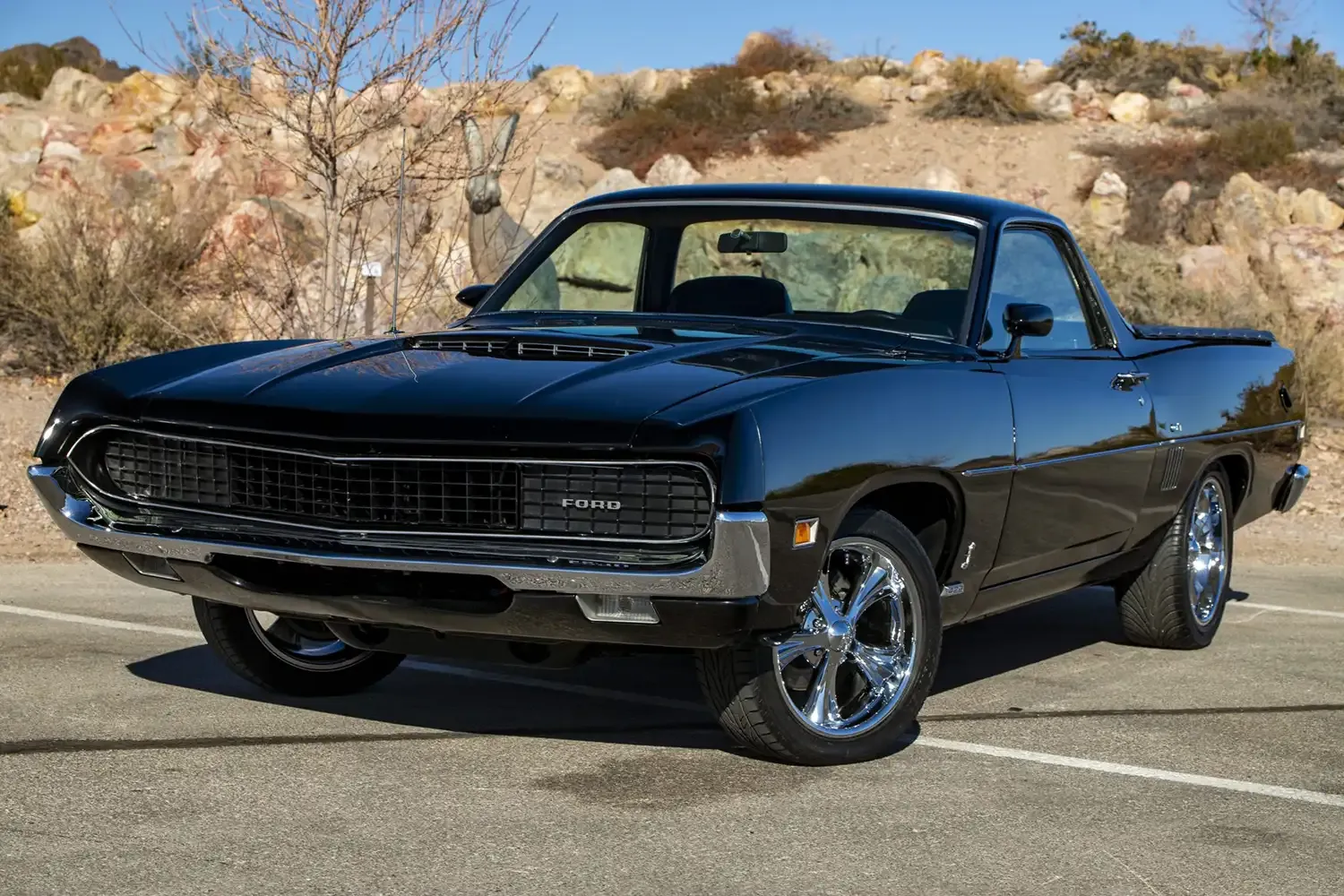
9. Ford Ranchero GT 1970
The Ford Ranchero GT 1970 occupies a distinctive position in automotive history as a vehicle that combined the practicality of a pickup with the comfort and driving manners of a passenger car. Built on a car platform, it appealed to motorists who required load-carrying ability while still valuing ride quality and road confidence. This dual-purpose design was executed with clarity, ensuring that neither function overshadowed the other.
Power delivery in the GT variant relied mainly on V8 engines engineered to handle both performance demands and hauling duties. These engines produced dependable torque, making the Ranchero capable of transporting equipment, tools, or supplies without strain. Fuel delivery depended entirely on carburetion, which responded directly to throttle input and engine load.
Drivers could sense changes in demand immediately, allowing them to adjust their driving style based on weight and road conditions. Manual transmission options provided full command over gear selection, while automatic gearboxes focused on smooth operation for daily use.
The cargo bed distinguished the Ranchero from standard sedans. It accommodated work materials, recreational gear, and household items with ease. Its lower ride height, when compared with conventional trucks, improved stability and simplified loading. Suspension design accounted for variable weight, offering enough firmness to support cargo while preserving comfort when driven without a load.
Inside the cabin, familiarity greeted occupants. Seating comfort, dashboard layout, and instrumentation closely resembled those of Ford passenger cars from the same period. Controls were logically arranged and easy to operate, supporting daily commuting as much as work-related travel. Externally, the GT trim introduced sport-inspired styling cues such as stripes and bold front detailing, reinforcing its confident identity.
Driving dynamics demanded awareness. When the bed carried weight, handling characteristics changed noticeably. Steering response and braking distances required adjustment, encouraging attentiveness. This learning process strengthened the driver’s understanding of balance and load management.
Service routines remained uncomplicated. Many mechanical parts were shared with Ford sedans, easing access to replacements and repairs. Owners benefited from widespread familiarity among mechanics. The Ford Ranchero GT 1970 appealed to individuals seeking adaptability without sacrificing character. Its value lay in honest engineering and a design that respected both function and driving involvement.
Also Read: Top 10 Affordable Muscle Cars From The 1970s Still Available Today
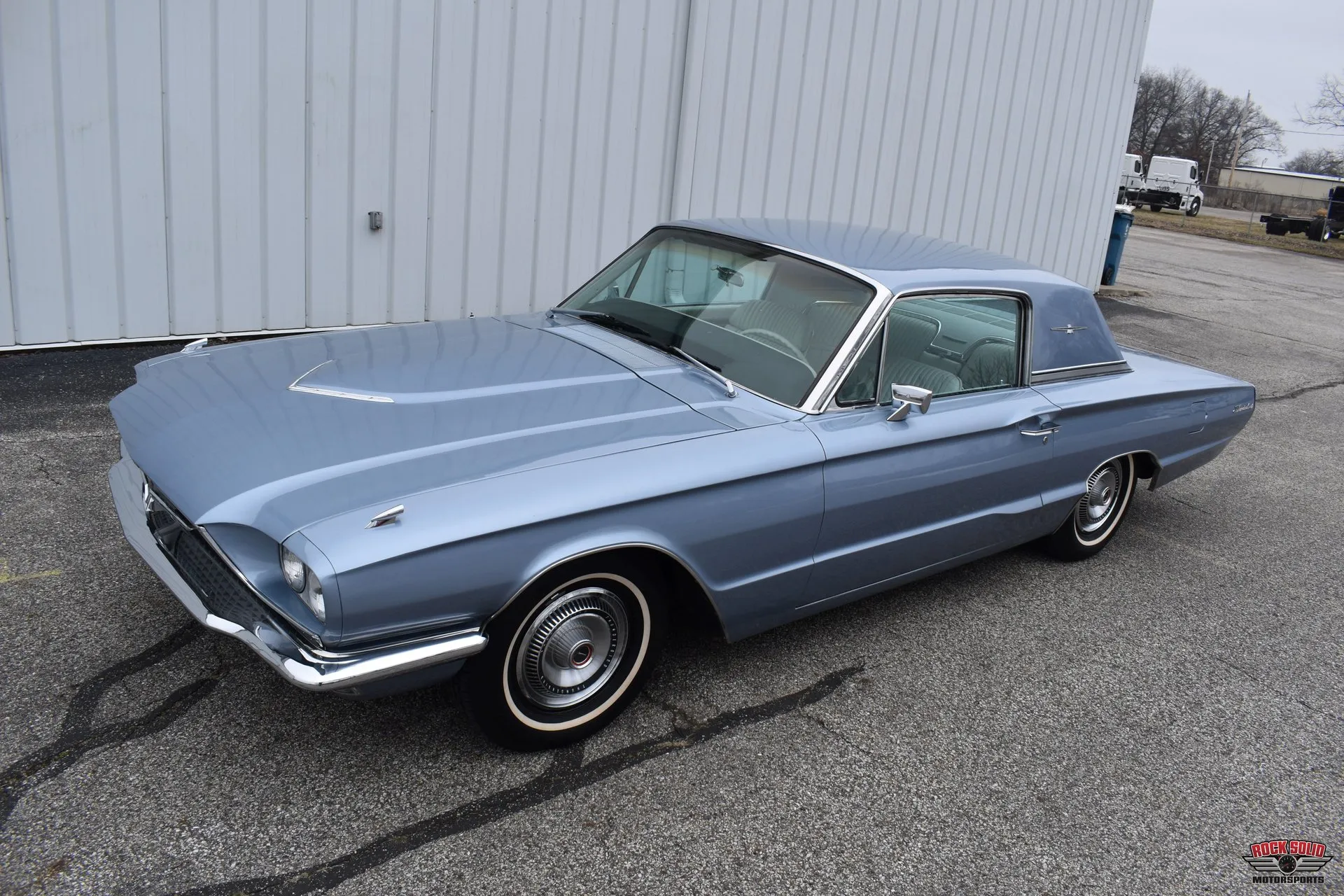
10. Ford Thunderbird Fourth Generation 1966
The Ford Thunderbird Fourth Generation 1966 represented a refined approach to personal motoring, placing emphasis on comfort, style, and smooth performance without reliance on digital systems. This generation marked a move toward a more luxurious identity while preserving mechanical clarity and driver participation. It appealed to motorists who desired elegance combined with dependable engineering.
Engine options centered on large displacement V8 units that delivered steady and controlled acceleration. These powerplants operated through carbureted fuel systems, ensuring consistent response under varied driving conditions. Automatic transmissions complemented the vehicle’s character, offering seamless gear changes that supported relaxed travel rather than aggressive performance.
Ride comfort formed a major part of the driving experience. Suspension systems were tuned to absorb road irregularities effectively, promoting stability and passenger ease during extended journeys. Power-assisted steering reduced physical effort at lower speeds while still transmitting adequate road feel. Braking systems require measured input, reinforcing careful driving habits and anticipation.
Interior design focuses on creating a welcoming environment. Individual seating arrangements enhanced personal comfort, while trim materials reflected attention to detail. Instrument panels presented information clearly without excess decoration. Mechanical switches controlled vehicle functions, providing tactile feedback that reinforced a sense of connection.
Exterior styling communicated restraint and sophistication. Balanced proportions, clean body lines, and discreet chrome elements contributed to a composed appearance. Hidden headlamps added a touch of innovation while maintaining visual harmony.
Ownership experience favored those who valued routine care. Regular servicing ensured dependable operation, and the absence of electronic alerts meant drivers relied on observation and sound mechanical judgment. Maintenance practices encouraged familiarity with the vehicle.
The Ford Thunderbird Fourth Generation 1966 delivered an experience grounded in composure and mechanical trust. It offered a calm yet engaging drive, reflecting a period when luxury depended on craftsmanship rather than automation.
