
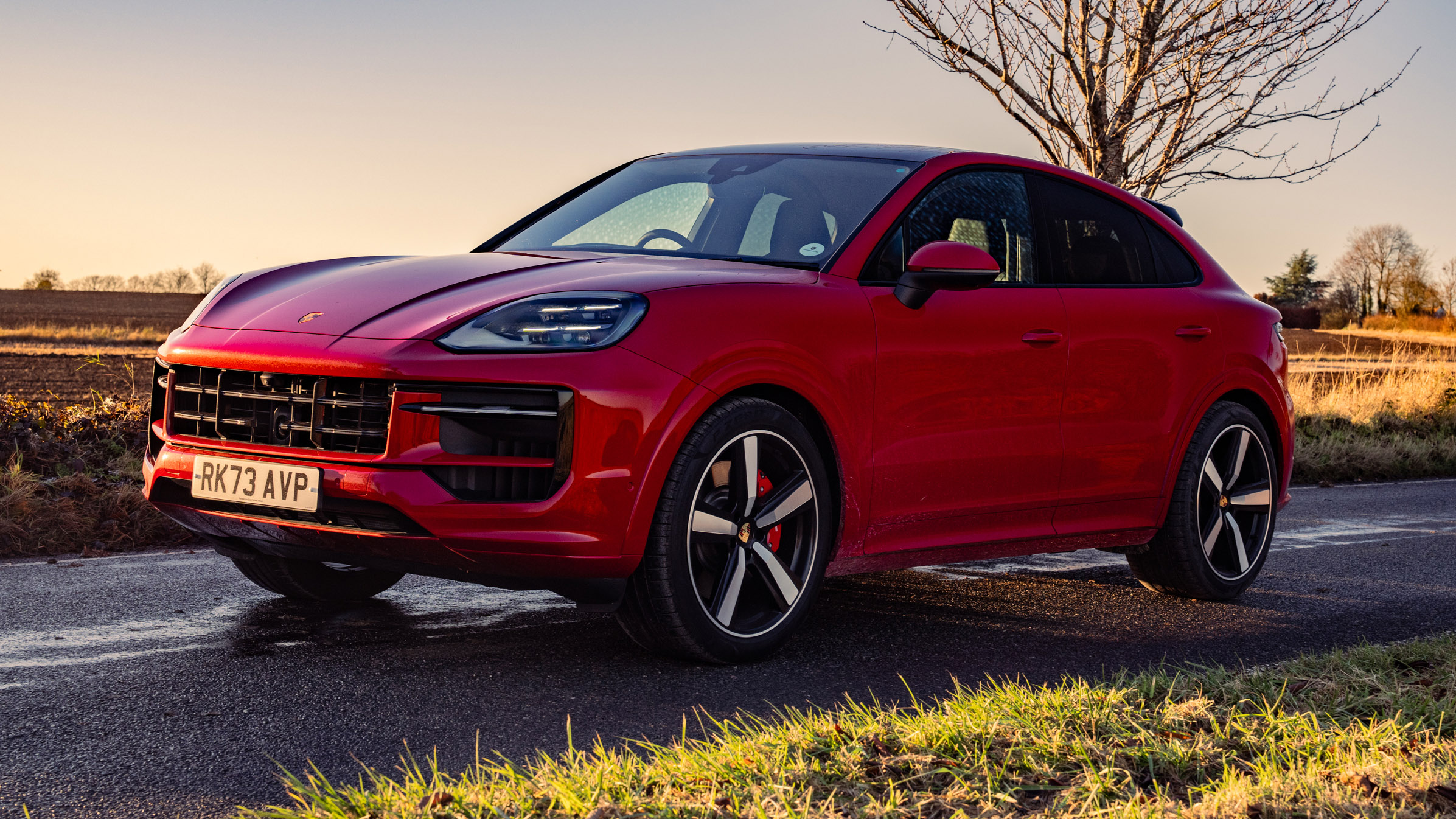
The automotive industry’s best-kept secret isn’t found in exclusive dealerships or hidden under sleek body panels; it’s in the parts bin. While luxury car manufacturers have cultivated images of exclusivity and bespoke engineering, the reality is far more practical and, for savvy buyers, financially advantageous.
Many premium vehicles share substantial components with their economy-brand counterparts, a strategic decision driven by corporate ownership structures and economies of scale.
This parts-sharing phenomenon represents a golden opportunity for luxury car enthusiasts who’ve been deterred by notoriously expensive maintenance costs. When a high-end sedan uses the same alternator, water pump, or transmission as a mass-market vehicle, repair bills can drop dramatically.
The difference between paying $800 for a “luxury” branded part versus $200 for the identical component with an economy badge is substantial over a vehicle’s lifetime.
Understanding these relationships empowers consumers to make informed purchasing decisions and dramatically reduce ownership costs.
Whether you’re considering buying a used luxury vehicle or already own one, knowing which premium cars share DNA with affordable models can transform your maintenance strategy. From German engineering conglomerates to Japanese manufacturing giants, the practice spans the industry.
These eight luxury vehicles prove that prestige doesn’t always require paying premium prices for every replacement part, oil change, or routine service making luxury car ownership more accessible than ever before.
1. Bentley Continental GT and Volkswagen Phaeton
The Bentley Continental GT represents British luxury at its finest, with handcrafted interiors, powerful W12 engines, and a price tag that can easily exceed $200,000.
However, beneath its prestigious exterior lies a surprising amount of Volkswagen engineering, thanks to both brands being part of the Volkswagen Group. This corporate relationship has created one of the most significant parts-sharing arrangements in the luxury automotive world.
The Continental GT shares its fundamental platform, known as the MSB (Modular Standard Platform), with various Volkswagen Group products, but its closest relative was the Volkswagen Phaeton, a luxury sedan that aimed to compete with Mercedes-Benz and BMW.
The W12 engine found in certain Continental GT models is essentially two VR6 Volkswagen engines mated together. More importantly, hundreds of components throughout the vehicle from window regulators and door handles to electronic control modules and suspension components are either identical to or closely derived from Volkswagen parts.
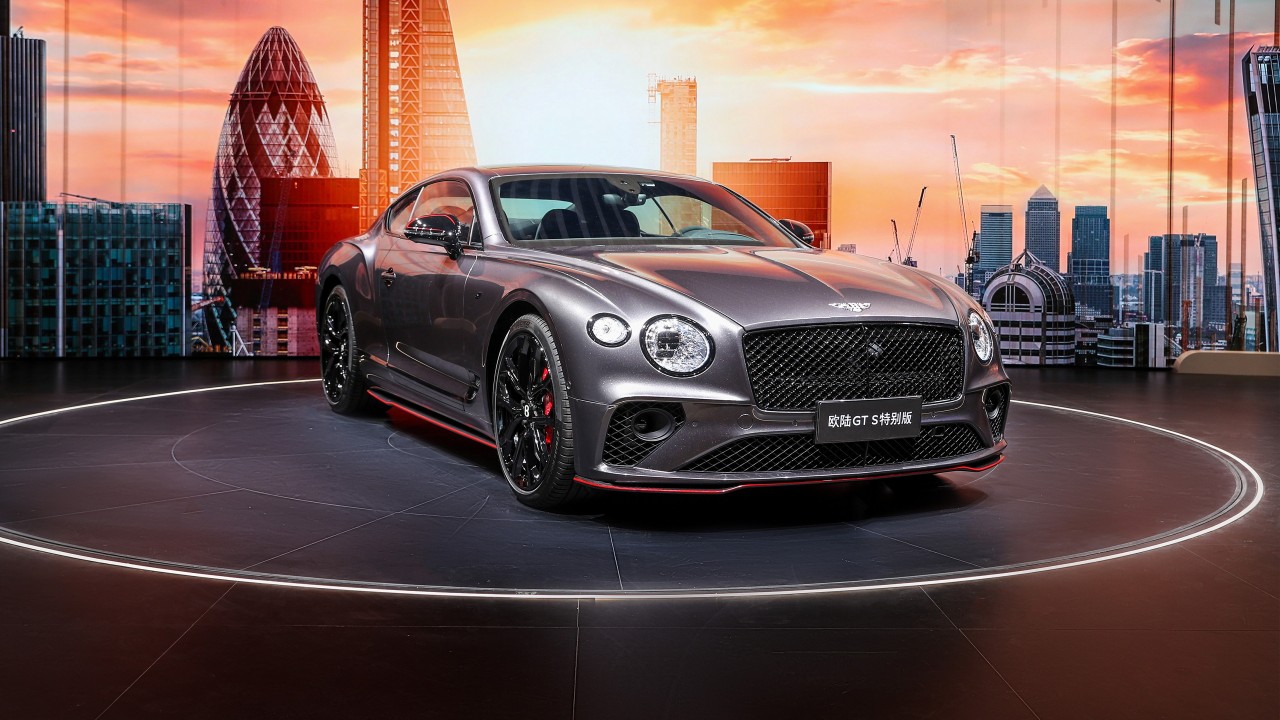
For owners, this translates to remarkable savings. While a Bentley dealership might charge $400 for a replacement window switch, the identical Volkswagen-branded part could cost under $100.
The same applies to alternators, starters, cooling system components, and numerous interior trim pieces. Savvy Continental GT owners have discovered that many routine maintenance items can be sourced from Volkswagen suppliers at a fraction of Bentley’s prices.
The electrical architecture, climate control systems, and even some transmission components mirror those found in the Phaeton and other premium Volkswagen models. Independent mechanics familiar with Volkswagen products can often service Continental GTs without specialized Bentley training, further reducing maintenance costs.
While the Continental GT adds substantial luxury features, bespoke materials, and performance enhancements that justify its premium positioning, the underlying mechanical DNA remains surprisingly accessible.
This makes the Continental GT one of the most maintainable ultra-luxury vehicles on the used market, provided owners know where to source their parts and find knowledgeable technicians willing to work outside the dealership network.
2. Audi A8 and Volkswagen Touareg
The Audi A8 flagship sedan epitomizes German luxury engineering, featuring quattro all-wheel drive, advanced technology, and refined powertrains that command prices starting around $90,000.
Yet this prestigious executive sedan shares extensive componentry with the Volkswagen Touareg SUV, another product of the Volkswagen Group’s efficient platform-sharing strategy. This relationship extends far beyond superficial similarities, diving deep into mechanical systems that significantly impact ownership costs.
Both vehicles have shared various iterations of the MLB platform (Modular Longitudinal Platform), which underpins numerous Volkswagen Group products.
The 3.0-liter TDI diesel engines, supercharged V6 gasoline engines, and even some V8 variants found in A8 models have direct equivalents in the Touareg.
The air suspension systems, which provide the A8’s legendary ride quality, utilize many components interchangeable with Touareg parts a discovery that can save owners thousands when repairs are needed.
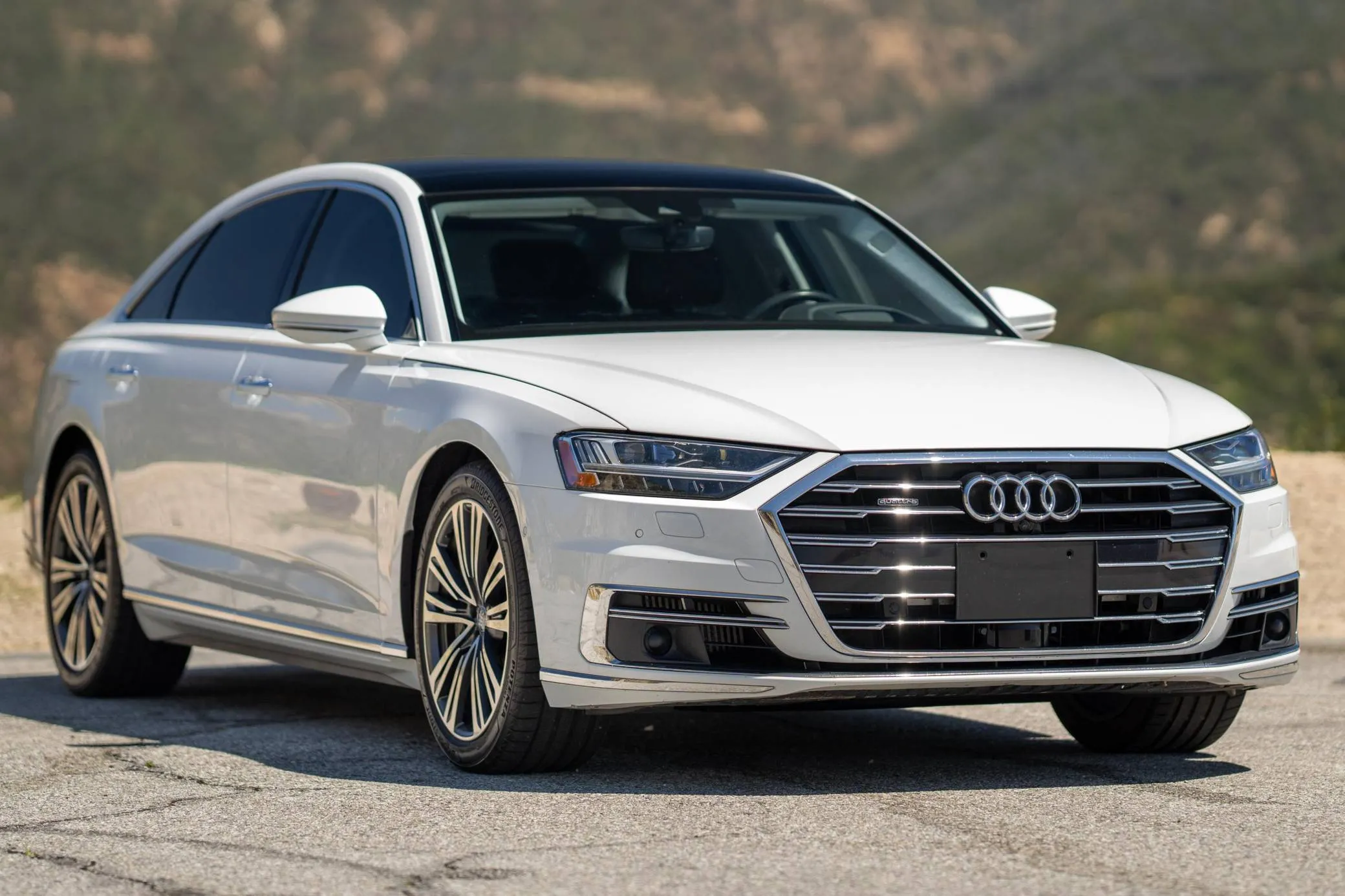
The quattro all-wheel-drive system, while marketed as an Audi hallmark, shares fundamental architecture with Volkswagen’s 4Motion system.
Differentials, transfer cases, and driveline components often carry identical part numbers across both brands. Electronic control units, sensor arrays, and even the sophisticated adaptive cruise control systems frequently source from the same supplier bins, meaning a fraction of the Audi dealership’s markup can be avoided.
Interior components like seat motors, climate control actuators, and infotainment system hardware also overlap significantly. The MMI (Multi Media Interface) system in earlier A8 models shares substantial coding and hardware with Volkswagen’s navigation systems.
Suspension components including control arms, bushings, and stabilizer links often interchange, particularly in models from the same production years.
For the discerning buyer, this parts commonality transforms the A8 from an intimidatingly expensive luxury sedan to maintain into a more rational choice.
Independent specialists who understand the Volkswagen Group ecosystem can service A8s using a combination of Audi and Volkswagen parts, dramatically reducing labor rates and parts costs.
Oil changes, brake services, and even complex repairs like turbocharger replacements become significantly more affordable when technicians recognize that many components don’t require the Audi badge to function identically.
3. Porsche Cayenne and Volkswagen Touareg
The Porsche Cayenne revolutionized the sports car manufacturer’s lineup when it debuted, bringing Porsche performance to the SUV segment with price tags starting above $70,000 and climbing well into six figures for Turbo variants.
What many buyers don’t realize is that this Stuttgart sports car icon shares its fundamental architecture with the Volkswagen Touareg, a relationship that extends to hundreds of interchangeable parts that can dramatically reduce maintenance expenses.
Both SUVs ride on variations of Volkswagen Group’s MLB platform, developed collaboratively to spread development costs across multiple brands.
The base engines, transmissions, and all-wheel-drive systems share substantial DNA, though Porsche adds performance tuning and proprietary enhancements.
The V6 engines found in base Cayenne models are fundamentally similar to those in the Touareg, using identical blocks, heads, and many ancillary components. Even the eight-speed automatic transmission found in many Cayennes is a ZF unit shared across numerous Volkswagen Group vehicles.
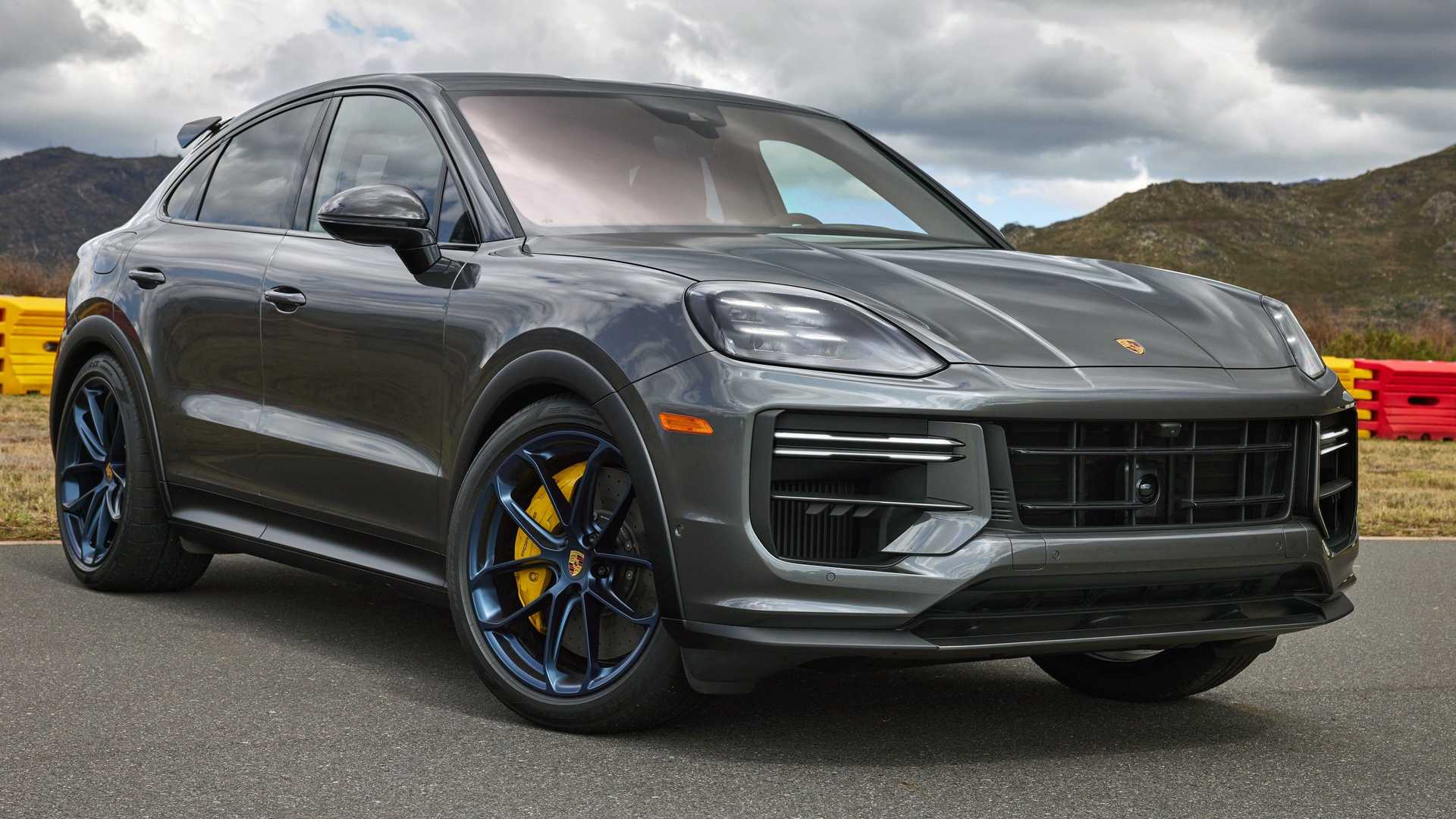
Suspension components present perhaps the most significant savings opportunity. While Porsche tunes its air suspension for sportier handling, the actual air springs, compressors, and height sensors often interchange with Touareg parts at considerably lower prices.
Brake components, though upgraded on performance Cayenne variants, share fundamental designs with Volkswagen equivalents for base models. Steering racks, wheel bearings, and drivetrain components frequently carry over directly.
The electrical systems reveal extensive parts sharing alternators, starters, battery management systems, and wiring harnesses often source identically.
Interior components like window motors, door lock actuators, seat adjustment mechanisms, and climate control parts regularly interchange. Even some infotainment system components, particularly in earlier generation models, share architecture with Volkswagen’s systems.
This relationship extends to routine maintenance items that accumulate substantial costs over ownership. Oil filters, air filters, cabin filters, and spark plugs often match Volkswagen specifications at a fraction of Porsche’s pricing.
Cooling system components including water pumps, thermostats, and radiator fans frequently interchange, turning $1,200 Porsche dealership repairs into $400 independent shop jobs.
For enthusiasts who desire Porsche’s performance character and brand prestige but worry about legendary German maintenance costs, the Cayenne represents an intelligent choice when parts-sharing knowledge is applied.
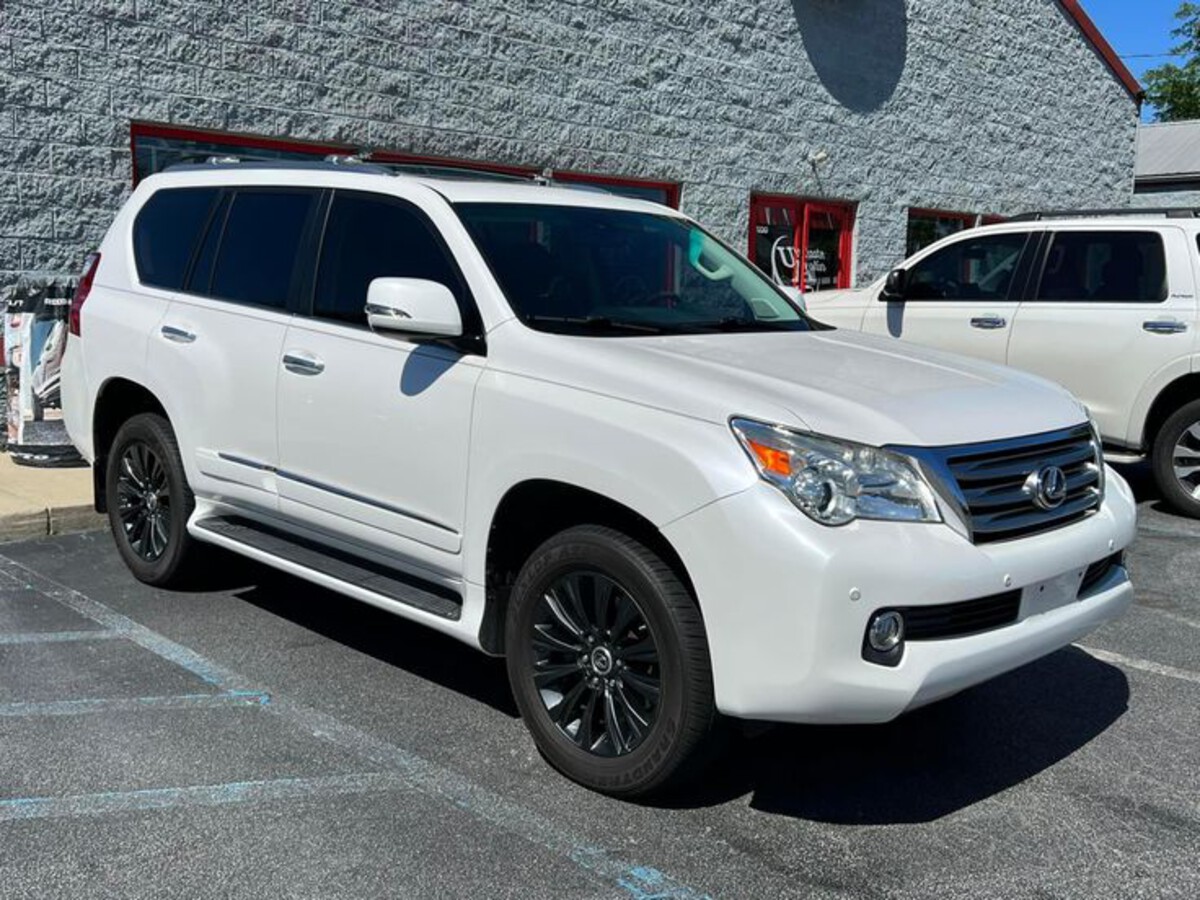
4. Lexus ES and Toyota Avalon
The Lexus ES has long served as the brand’s entry point to luxury sedan ownership, offering Toyota’s legendary reliability wrapped in premium materials and hushed cabin refinement.
With pricing starting around $42,000, it already represents reasonable value in the luxury segment, but the ES’s secret weapon is its extensive parts sharing with the Toyota Avalon, a relationship that makes it one of the most affordable luxury vehicles to maintain long-term.
Built on Toyota’s K platform, which also underpins the Avalon and Camry, the ES shares its fundamental mechanical architecture with these mainstream Toyota sedans.
The powertrains are virtually identical the 3.5-liter V6 engine and eight-speed automatic transmission found in ES models are the same units powering the Avalon.
Hybrid variants share Toyota’s Hybrid Synergy Drive system across both models, using identical battery packs, electric motors, and regenerative braking components.
Suspension geometry differs slightly for the Lexus’s more refined ride, but individual components like struts, control arms, and sway bars often interchange or use the same mounting points.
Brake systems, while occasionally featuring larger rotors on Lexus variants, use identical calipers, master cylinders, and brake boosters. The steering rack, wheel bearings, and hub assemblies carry over directly between models.
Where parts sharing truly shines is in the electrical and interior systems. Alternators, starters, ignition coils, and fuel pumps are identical Toyota components.
Window regulators, door lock mechanisms, seat motors, and climate control actuators interchange seamlessly. Even the sophisticated safety systems adaptive cruise control sensors, blind-spot monitoring modules, and parking assist cameras are sourced from the same suppliers using identical specifications.
Routine maintenance becomes extraordinarily affordable when leveraging Toyota parts. Oil changes, transmission services, coolant flushes, and brake fluid replacements can all be performed using standard Toyota fluids and filters at Toyota dealership or independent shop rates.
The longevity of these shared components, backed by Toyota’s engineering reputation, means fewer repairs compared to European luxury competitors.
This extensive commonality makes the ES particularly attractive on the used market, where depreciation creates opportunities to purchase three-year-old luxury sedans at mid-tier Toyota prices, then maintain them with Toyota-level expenses for hundreds of thousands of miles.
Also Read: 10 Best Daily Drivers To Get in 2026 That Age Gracefully
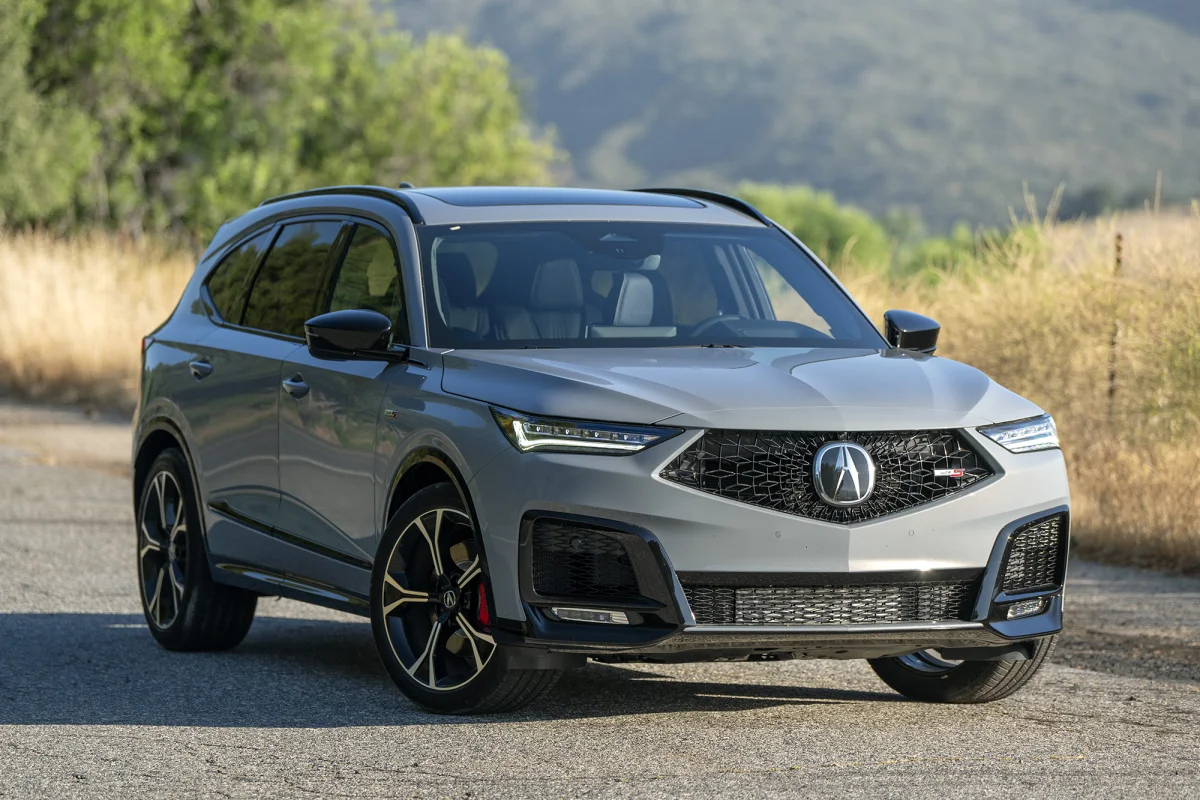
5. Acura MDX and Honda Pilot
The Acura MDX represents Honda’s luxury division’s three-row SUV flagship, featuring premium materials, advanced technology, and refined driving dynamics that command prices starting around $50,000.
However, this sophisticated crossover shares its fundamental platform and hundreds of components with the Honda Pilot, a mainstream family SUV that typically costs $10,000-$15,000 less. This relationship creates exceptional value for buyers who understand the parts interchange opportunities.
Both vehicles utilize Honda’s Global Light Truck platform, sharing wheelbase dimensions, basic chassis architecture, and structural components.
The powertrains tell the story most clearly the 3.5-liter V6 engine found in MDX models is mechanically identical to the Pilot’s, using the same block, heads, valve train, and fuel injection system.
The nine-speed automatic transmission, while tuned differently, is fundamentally the same unit, sharing internal components, valve bodies, and electronic control modules.
The Super Handling All-Wheel Drive (SH-AWD) system that Acura markets as a premium feature is an enhanced version of Honda’s AWD, but many basic components including driveshafts, CV joints, and differential housings interchange.
Suspension components show substantial overlap struts, shocks, control arms, and stabilizer links often use identical part numbers or differ only in spring rates and damper tuning that doesn’t affect component interchangeability.
Brake systems mirror each other closely, with calipers, rotors, master cylinders, and ABS modules frequently interchanging. The steering system, wheel bearings, and hub assemblies are shared components.
Electrical systems reveal extensive commonality alternators, starters, battery management systems, and even the sophisticated wiring harnesses source from identical suppliers.
Interior components present significant savings opportunities. Power window motors, door lock actuators, seat adjustment mechanisms, and climate control systems use the same fundamental hardware.
Infotainment system components, particularly in earlier generations, share architecture despite different interface skins. Safety system sensors for collision avoidance, lane keeping, and adaptive cruise control often carry identical part numbers.
Routine maintenance items like oil filters, air filters, transmission fluid, brake pads, and spark plugs frequently specify identical Honda parts.
An MDX owner visiting a Honda dealership for service will often pay significantly less than Acura dealership rates for identical work using the same parts. Independent mechanics familiar with Honda products can service MDX vehicles without specialized Acura training, further reducing ownership costs.
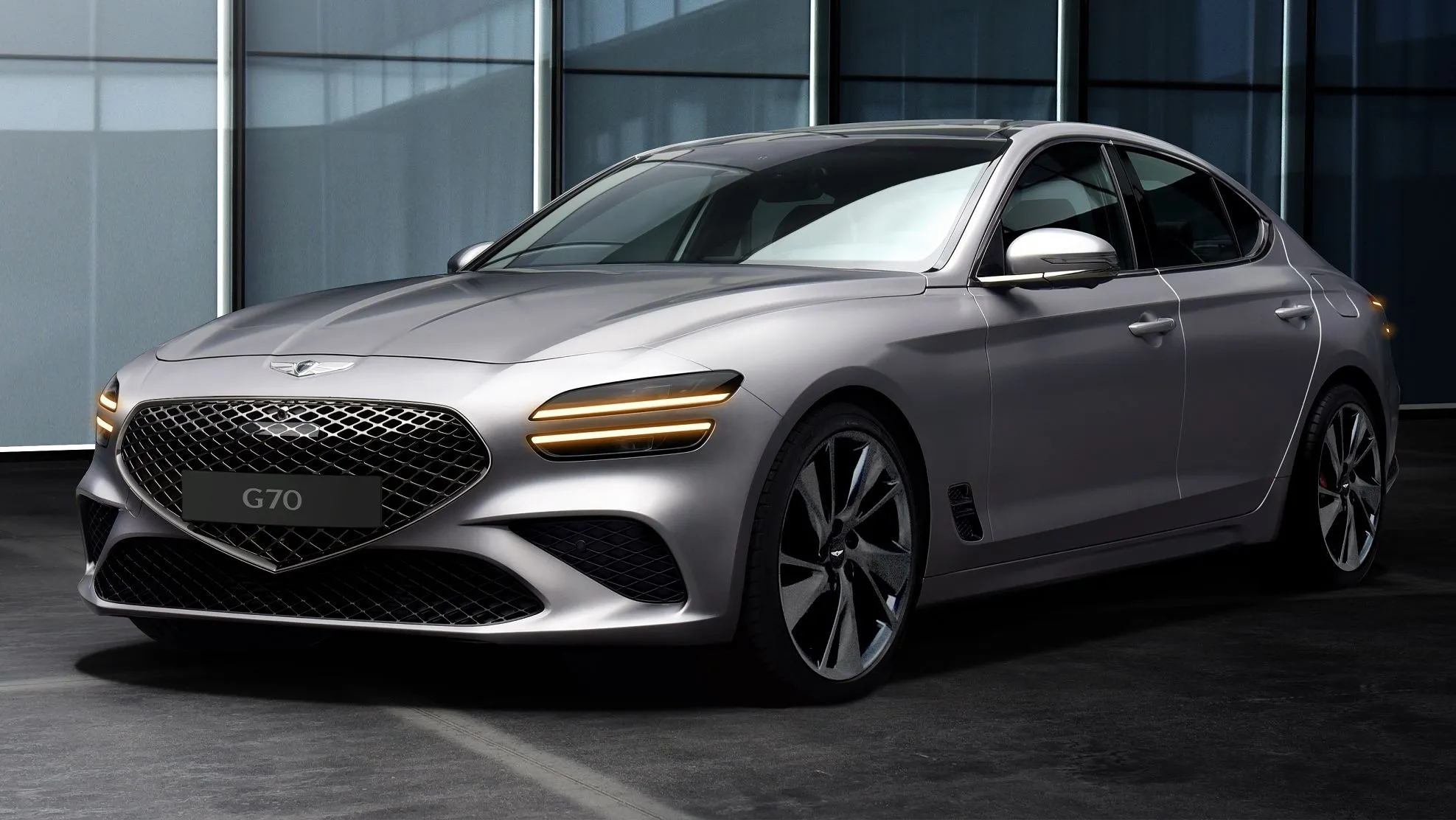
6. Genesis G70 and Hyundai Sonata/Kia Stinger
The Genesis G70 sport sedan represents Hyundai’s successful push into the luxury market, offering German sport sedan dynamics with Korean reliability and value pricing starting around $40,000.
While Genesis has established itself as a distinct luxury brand, the G70 maintains substantial parts commonality with mainstream Hyundai and sibling Kia products, particularly the Kia Stinger and various Hyundai sedans. This corporate relationship delivers luxury car performance with mainstream maintenance costs.
Built on Hyundai Motor Group’s rear-wheel-drive platform, the G70 shares its fundamental architecture with the Kia Stinger, meaning these two vehicles interchange the most components.
The turbocharged four-cylinder and twin-turbo V6 engines found in G70 models are the same powerplants used across various Hyundai and Kia products. The eight-speed automatic transmission sources from ZF but is calibrated identically to units in the Stinger, using interchangeable parts for repairs.
Suspension components, while tuned for the G70’s luxury character, use many identical parts with the Stinger control arms, bushings, shocks, and springs frequently interchange.
The Brembo brake systems on higher-trim G70 models are identical to Stinger GT components, while base models share brake hardware with mainstream Hyundai products. Steering racks, differential assemblies, and driveline components carry over directly.
The electrical and electronic systems reveal extensive parts sharing that significantly impacts ownership costs. Alternators, starters, battery management modules, and engine control units often source identically across the Hyundai Motor Group lineup.
Sensors for oxygen, mass airflow, throttle position, and wheel speed frequently use the same part numbers whether purchased through Genesis, Kia, or Hyundai channels with Genesis typically charging 20-30% premiums for identical components.
Interior componentry shows strategic sharing masked by different trim materials. Seat motors, window regulators, climate control actuators, and door lock mechanisms interchange with Hyundai and Kia equivalents.
Infotainment system hardware, navigation modules, and display screens often share underlying technology despite different software interfaces. Safety system components including blind-spot monitoring, parking sensors, and camera modules source from identical suppliers.
Routine maintenance becomes remarkably affordable when leveraging Hyundai and Kia parts networks. Oil changes, transmission services, coolant flushes, and brake services can utilize standard Hyundai specifications at mainstream pricing.
The widespread availability of Hyundai parts through multiple distribution channels ensures competitive pricing and ready availability, eliminating the parts scarcity that plagues some luxury brands.
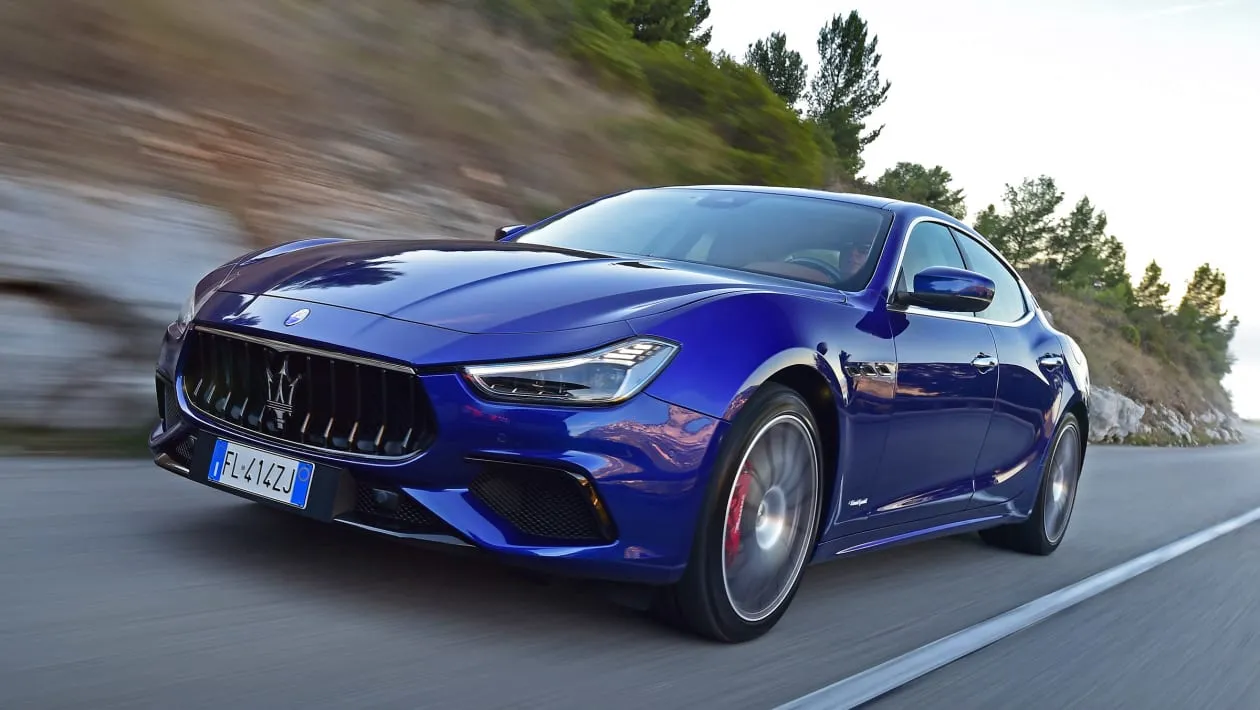
7. Maserati Ghibli and Chrysler 300
The Maserati Ghibli represents Italian luxury and exotic brand prestige with its trident badge and prices starting around $75,000, but this Mediterranean sedan harbors a surprising American secret.
Through corporate relationships during Fiat Chrysler Automobiles’ ownership, the Ghibli shares substantial mechanical components with the Chrysler 300, a mainstream American sedan. This unlikely partnership creates both opportunities and concerns for potential buyers, but definitely impacts ownership costs.
The connection runs deep both vehicles share fundamental platform architecture derived from Chrysler’s rear-wheel-drive LX/LD platforms. While Maserati extensively modified and lengthened this architecture, core structural elements remain.
The base turbocharged four-cylinder engine in the Ghibli is essentially a Chrysler-sourced unit, while V6 variants share significant architecture with Pentastar engines, though with Maserati-specific tuning.
The eight-speed automatic transmission is a ZF unit also found in numerous Chrysler products, including the 300, using interchangeable internal components.
Electrical systems reveal extensive parts sharing that significantly impacts repair costs. The infotainment system, despite its Maserati interface, shares hardware architecture with Chrysler’s UConnect system.
Navigation modules, display screens, and connectivity components often source identically. Window switches, power seat controllers, climate control modules, and instrument cluster components have been traced to Chrysler parts bins, sometimes at a fraction of Maserati dealership prices.
Suspension components, while tuned for Maserati’s sporting character, use many Chrysler-derived parts. Control arms, sway bar links, and bushings frequently interchange with 300 components, particularly in earlier Ghibli model years.
Brake components, steering racks, and wheel bearings show similar commonality. The rear differential and driveshaft components often trace back to Chrysler engineering.
Under-hood components present significant savings opportunities. Alternators, starters, ignition coils, and various sensors often carry Chrysler part numbers or direct equivalents available through Mopar suppliers.
Cooling system components including radiators, water pumps, and thermostats sometimes interchange or share fundamental designs. Air conditioning compressors and climate control components are frequently sourced identically.
However, buyers should note that while parts sharing reduces some costs, Maserati reliability ratings lag behind Japanese and German competitors, meaning you might need those affordable parts more frequently.
8. Aston Martin Cygnet and Toyota iQ
The Aston Martin Cygnet represents perhaps the automotive industry’s most unusual luxury-to-economy parts relationship, being essentially a rebadged and luxuriously trimmed Toyota iQ city car.
Produced from 2011 to 2013 primarily to help Aston Martin meet European fleet emissions standards, the Cygnet offered British luxury brand exclusivity wrapped around one of Toyota’s smallest vehicles. With original prices around $45,00,0 nearly four times the iQ’s cost the Cygnet is the ultimate expression of badge engineering.
Mechanically, the Cygnet is virtually identical to the Toyota iQ. The 1.3-liter four-cylinder engine, continuously variable transmission, suspension, steering, brakes, and entire drivetrain transfer directly from the Toyota with minimal modifications.
The platform, chassis structure, and fundamental architecture are pure iQ, meaning virtually every mechanical component can be sourced as a Toyota part at mainstream prices.
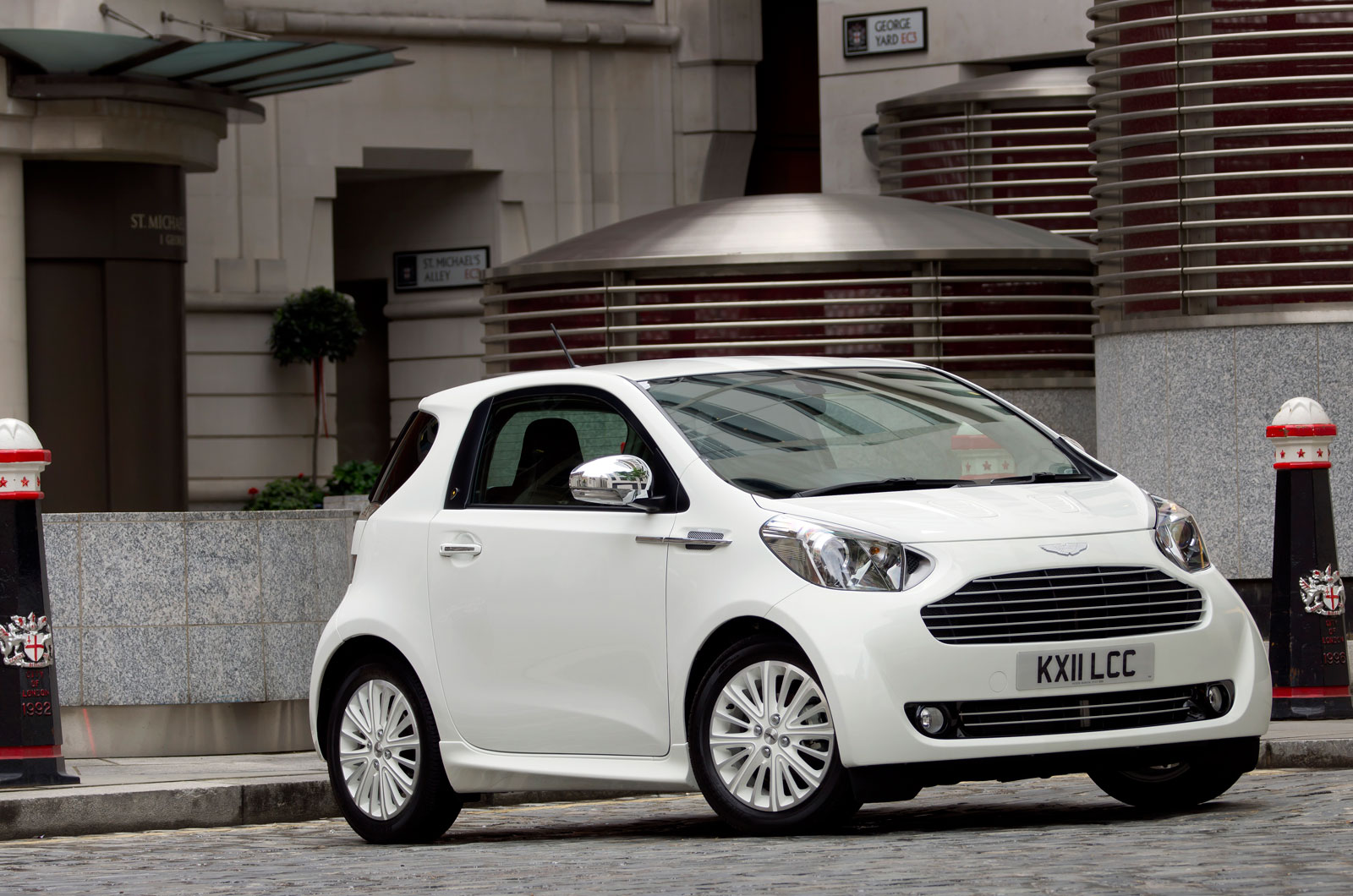
Where Aston Martin differentiated the Cygnet was exclusively in luxury appointments hand-stitched leather interiors using the same materials as DB9 and Rapide models, custom paint options, upgraded audio systems, and bespoke trim details.
However, beneath these cosmetic enhancements, the window regulators, door mechanisms, climate control systems, and electrical architecture remain Toyota components. Even the sophisticated electronic stability control, ABS, and safety systems are Toyota-engineered.
For the few thousand Cygnet owners worldwide, this relationship presents a maintenance paradise. Engine oil changes, transmission services, brake pad replacements, suspension component repairs, and virtually any mechanical service can be performed using standard Toyota iQ parts at Toyota pricing.
Alternators, starters, wheel bearings, CV joints, and countless other components are available through Toyota’s global parts network at a fraction of what Aston Martin might charge for the same items.
The electrical systems, while featuring some Aston Martin-specific infotainment interfaces, fundamentally operate on Toyota architecture. Sensors, control modules, and wiring harnesses trace back to iQ specifications. Even routine items like air filters, cabin filters, wiper blades, and light bulbs can be sourced as Toyota parts.
This makes the Cygnet paradoxically one of the most affordable Aston Martins to maintain provided you understand it’s fundamentally a Toyota and service it accordingly, rather than paying Aston Martin’s luxury dealership rates for identical mainstream components.
Also Read: 8 Budget Vehicles With Premium Ride Quality
