
The automotive world has long operated on a simple assumption if you want speed, you’ll pay for it at the pump. For decades, performance enthusiasts accepted this trade-off as the cost of entry into the exhilarating acceleration and heart-pounding thrills.
However, the performance vehicles has undergone a dramatic transformation in recent years, driven by advances in turbocharging technology, lightweight materials, hybrid powertrains, and sophisticated engine management systems. Today’s fastest fuel-efficient cars prove that you don’t have to choose between spirited driving and reasonable fuel economy.
Whether through forced induction systems that extract maximum power from smaller displacement engines, innovative hybrid systems that combine electric motors with traditional combustion engines, or simply brilliant engineering that optimizes every aspect of performance, modern automakers have cracked the code on delivering speed without the gas-guzzling penalty.
This evolution has opened up performance driving to a broader audience drivers who crave the rush of rapid acceleration and confident highway passing power but also need to manage their daily transportation costs responsibly.
From turbocharged hot hatches that deliver surprising punch while sipping fuel during commutes, to sleek sports sedans that blend luxury with efficiency, to hybrid supercars that redefine what’s possible, the options have never been more compelling.
These eight vehicles represent the sweet spot where performance meets practicality, proving that responsible fuel consumption and driving excitement aren’t mutually exclusive goals in today’s automotive marketplace.
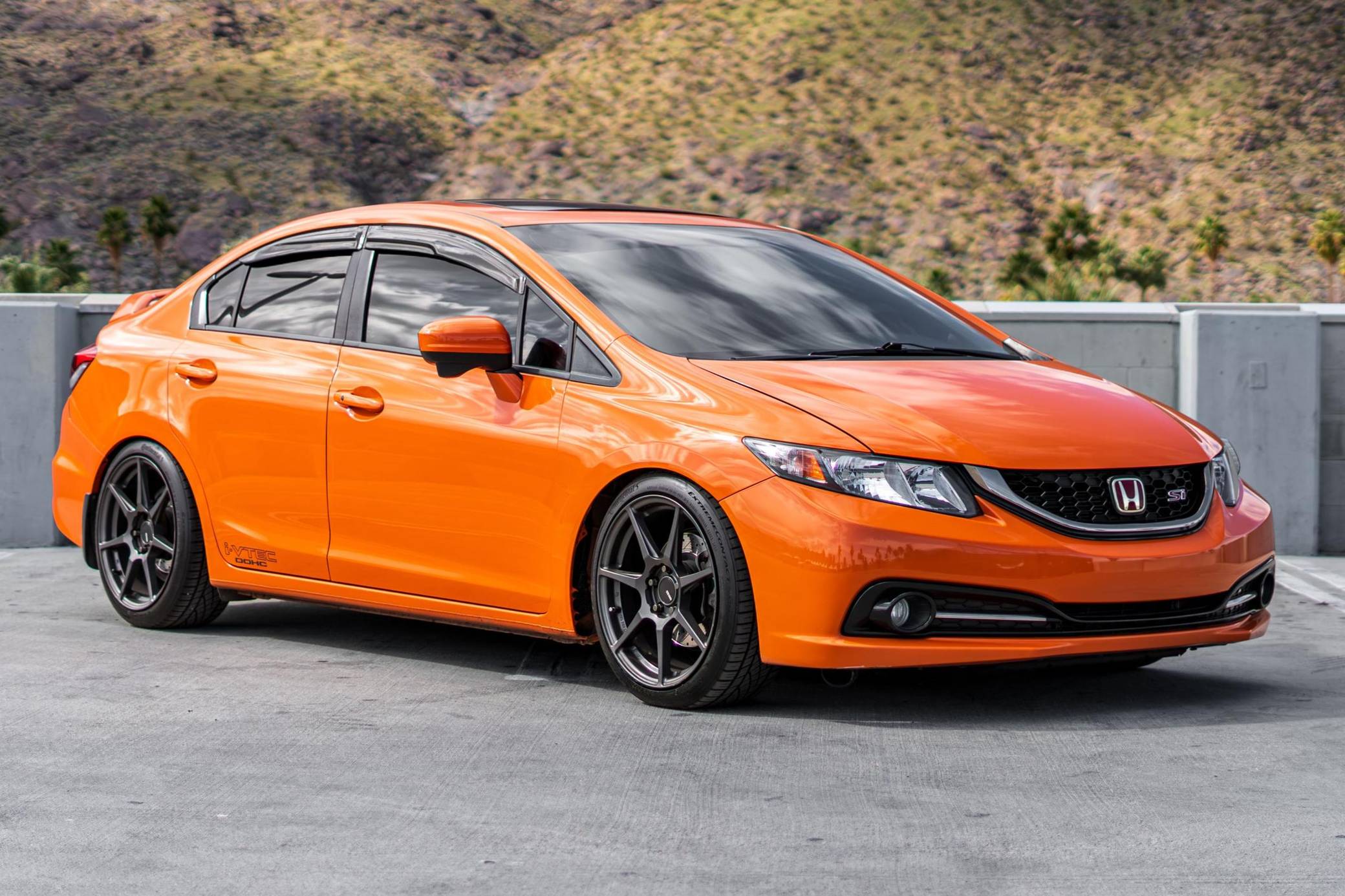
1. Honda Civic Si
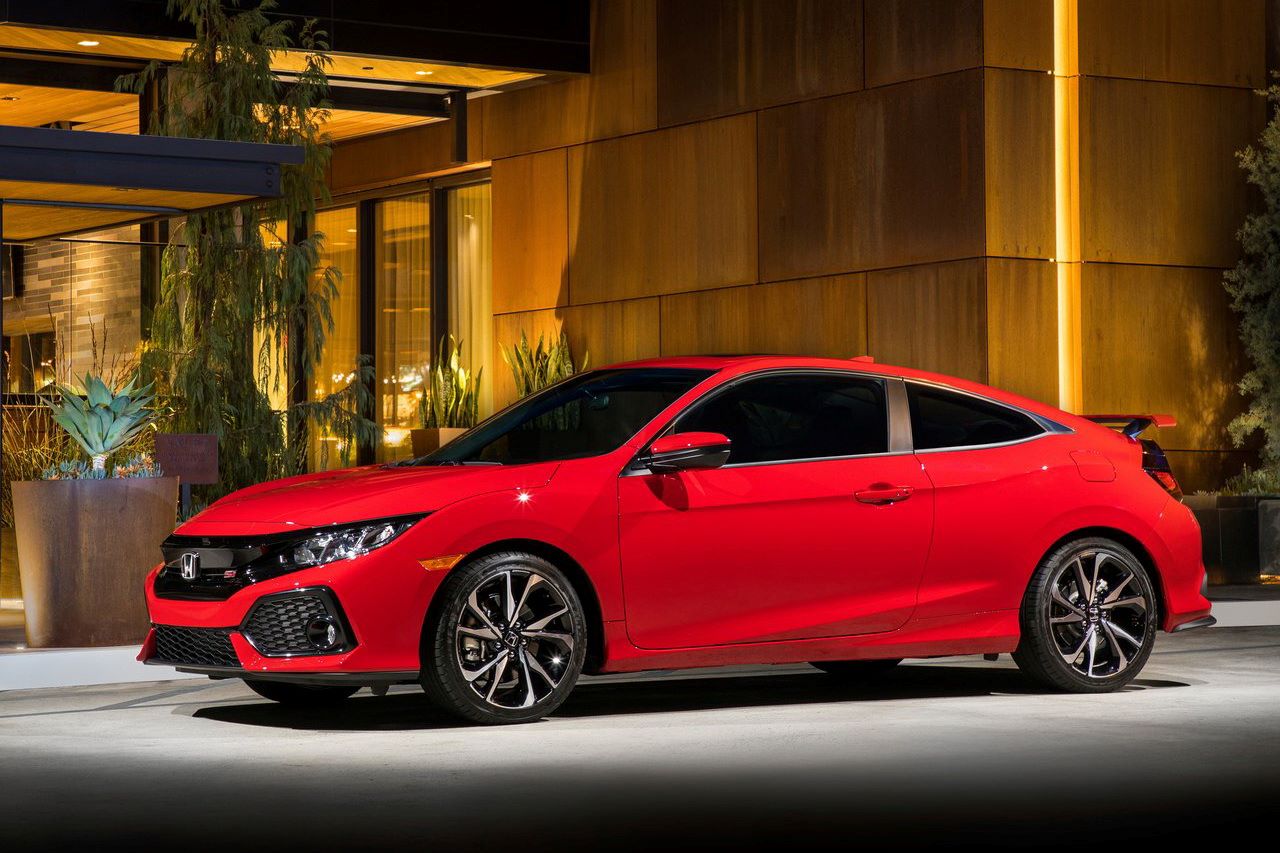
The Honda Civic Si has earned its reputation as the thinking person’s sports car, delivering genuine performance thrills without the financial burden of constant fuel stops. At the heart of this front-wheel-drive dynamo sits a turbocharged 1.5-liter four-cylinder engine producing 200 horsepower and 192 lb-ft of torque.
While these numbers might seem modest compared to V8-powered muscle cars, the Civic Si’s lightweight construction and brilliant chassis tuning allow it to punch well above its weight class.
What truly sets the Civic Si apart in the fuel efficiency conversation is its impressive EPA ratings of approximately 27 mpg city and 37 mpg highway. These figures mean that spirited weekend drives and daily commutes don’t require different vehicles or constant budget calculations.
The turbocharged engine delivers its power efficiently, with the turbo spooling up quickly to provide satisfying acceleration from 20 mph all the way to highway speeds, while settling into relaxed, fuel-sipping behavior during steady-state cruising.
The six-speed manual transmission isn’t just a joy for driving enthusiasts, it’s also a key component in the car’s efficiency equation. The well-spaced gear ratios allow drivers to keep the engine in its optimal efficiency range during normal driving while still providing the flexibility to wring out every bit of performance when the mood strikes.
The rev-matching function even makes spirited downshifting smoother and more efficient. Beyond the powertrain, Honda has equipped the Civic Si with adaptive dampers, a limited-slip differential, and larger brakes compared to the standard Civic, ensuring that the performance promised by the engine can be fully exploited without compromise.
The aggressive body kit isn’t just for show it provides genuine aerodynamic benefits that contribute to both high-speed stability and fuel efficiency. Inside, drivers find a surprisingly refined environment with sport seats that provide excellent support during spirited driving, a configurable digital instrument cluster, and Honda’s intuitive infotainment system.
The Civic Si doesn’t ask you to sacrifice practicality for performance; the spacious cabin and generous trunk mean this car can serve equally well as a track day weapon and a grocery getter.
For enthusiasts on a budget, the Civic Si represents perhaps the most complete package available. It delivers genuine driving excitement, boasts one of the best manual transmissions in any car at any price, and does so while achieving fuel economy that would make a sensible sedan proud. It’s proof that Honda’s engineering prowess extends well beyond reliability into performance efficiency.
2. Mazda MX-5 Miata
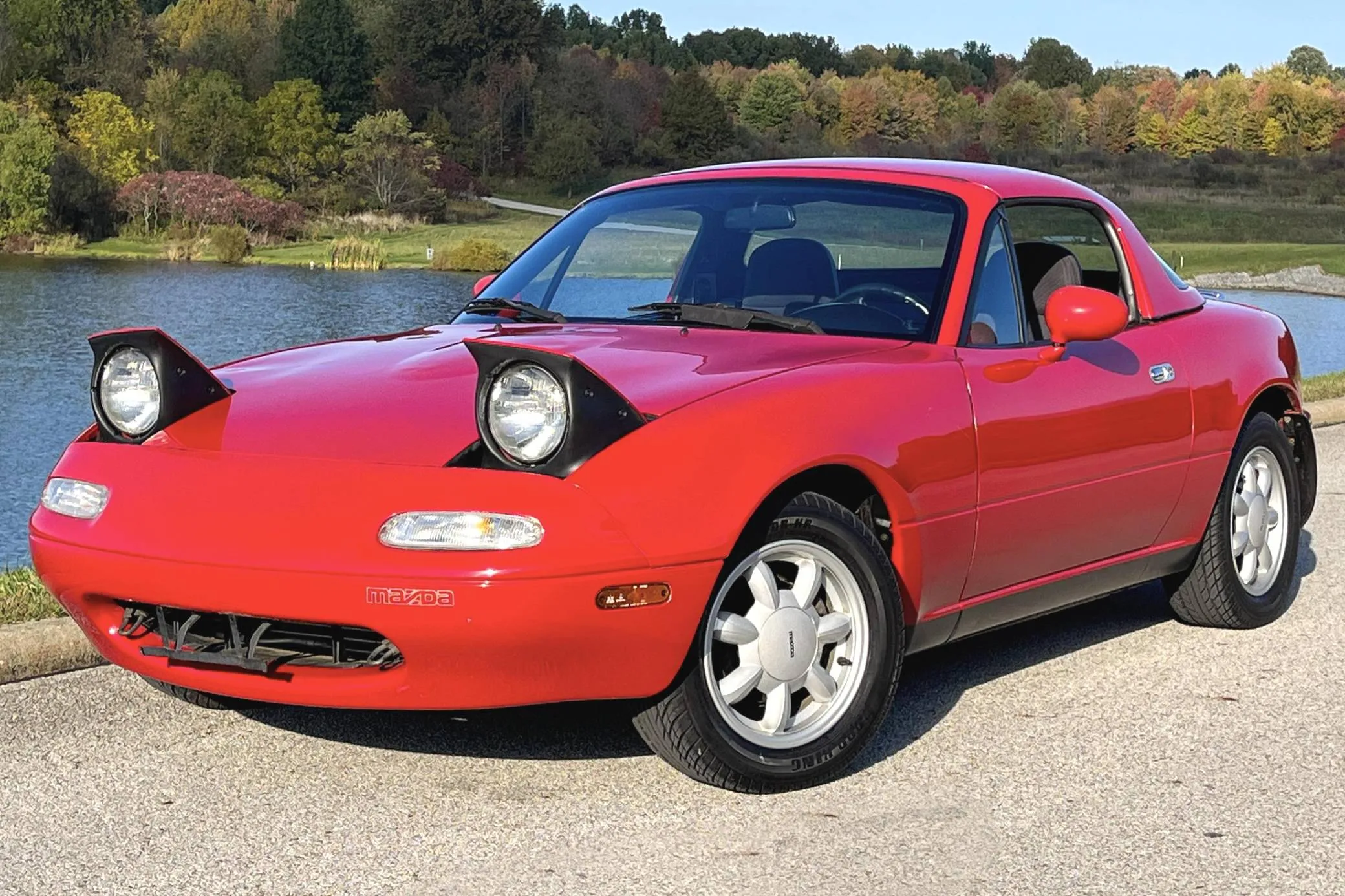
The Mazda MX-5 Miata has been the answer to the question “what’s the most fun you can have on four wheels?” for over three decades, and the current generation continues that tradition while adding impressive fuel efficiency to its list of virtues.
With a naturally aspirated 2.0-liter four-cylinder engine producing 181 horsepower, the Miata might not seem particularly fast on paper, but its featherweight construction tipping the scales at just over 2,300 pounds creates a power-to-weight ratio that delivers genuine excitement.
What makes the Miata special in the fuel economy conversation is its ability to achieve approximately 26 mpg city and 35 mpg highway while being one of the most engaging cars to drive at any speed.
This isn’t a vehicle that requires triple-digit speeds to thrill; the Miata’s magic happens in its perfectly weighted steering, beautifully balanced chassis, and the pure mechanical connection between driver and machine. You can explore the car’s limits at legal speeds while using minimal fuel, making every drive both responsible and rewarding.
The engine, while modest in output, has been engineered to deliver responsive power across the rev range. Peak horsepower arrives at a lofty 7,000 rpm, encouraging drivers to explore the upper reaches of the tachometer, while adequate torque at lower revs ensures the car never feels sluggish in real-world driving.
The naturally aspirated design means throttle response is immediate and predictable, qualities that enhance both the driving experience and fuel efficiency through better driver control.
Mazda offers the MX-5 with both a six-speed manual and a six-speed automatic transmission, and remarkably, both deliver excellent fuel economy figures.
The manual provides the traditional roadster experience with precise, short throws and perfect gate placement, while the automatic features paddle shifters and intelligent programming that keeps the engine in its sweet spot. Either choice allows drivers to extract maximum enjoyment and efficiency from the lightweight platform.
The Miata’s convertible top available in both soft-top and retractable hardtop RF configurations adds virtually no weight penalty compared to a fixed-roof design, and dropping the top enhances the sensory experience without impacting fuel consumption.
Wind buffeting has been minimized through careful aerodynamic development, meaning highway cruising with the top down doesn’t significantly hurt efficiency.
Interior space is predictably tight, as befits a pure two-seat roadster, but Mazda has maximized the available room intelligently. The low seating position creates an immediate connection to the road, while the simple, driver-focused layout puts essential controls exactly where they should be.
Modern amenities like Apple CarPlay and Android Auto ensure the Miata doesn’t feel outdated despite its traditional roadster mission.
For pure driving enjoyment per dollar spent on fuel, few cars can match the Miata’s equation. It proves that efficiency and engagement aren’t opposing forces but can be complementary goals when execution is this thoughtful.
3. Volkswagen GTI
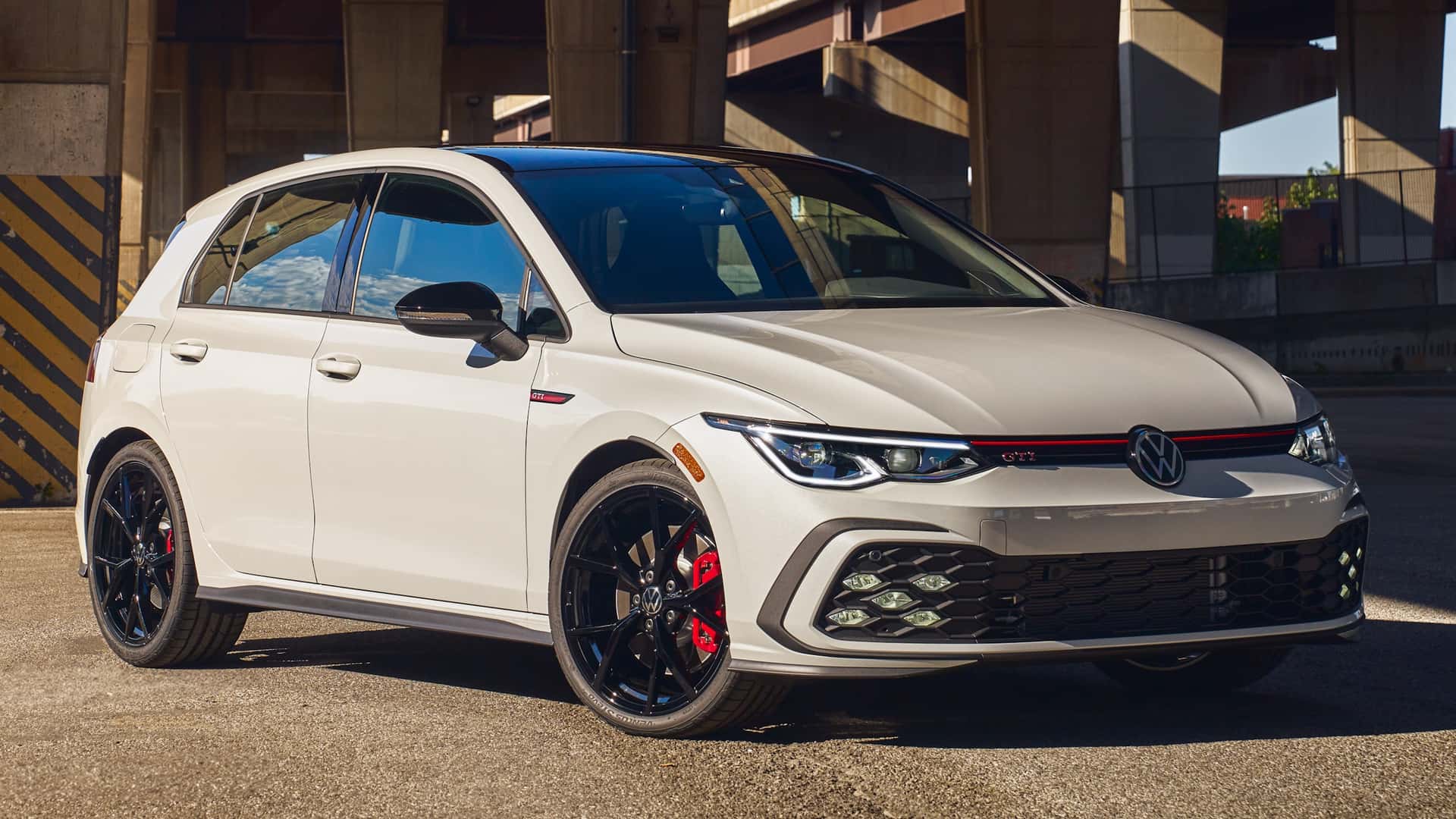
The Volkswagen GTI virtually invented the hot hatch segment in the 1970s and continues to define it today, offering a nearly perfect blend of everyday practicality, genuine performance, and impressive fuel economy.
The current generation features a turbocharged 2.0-liter four-cylinder engine producing 241 horsepower and 273 lb-ft of torque, figures that place it firmly in genuinely quick territory while maintaining EPA ratings of approximately 24 mpg city and 34 mpg highway.
What raises the GTI above mere numbers is how completely Volkswagen has integrated performance into what remains fundamentally a practical hatchback.
The engine delivers strong pull from low revs thanks to its abundant turbo boost, making city driving effortless and fuel-efficient, while maintaining power delivery well into the upper rev range for when you want to push harder.
The turbocharged architecture allows the engine to operate efficiently under light loads such as highway cruising while providing substantial reserves of power on demand.
The available six-speed manual transmission is widely regarded as one of the finest in the industry, with perfectly weighted shift action and ideally spaced ratios that make every gear change a small pleasure.
The seven-speed dual-clutch automatic is equally impressive, offering lightning-fast shifts in performance mode while seamlessly hunting for the tallest gear possible when efficiency is the priority. Both transmissions contribute to the GTI’s impressive real-world fuel economy.
Volkswagen’s chassis engineers have created a suspension setup that manages to be both comfortable for daily commuting and capable during spirited driving. The electronically controlled dampers adjust their firmness based on driving mode, while the progressively weighted steering provides excellent feedback without being tiringly heavy.
A front limited-slip differential helps put the substantial power down effectively without excessive wheelspin that would waste fuel and reduce acceleration.
The GTI’s hatchback configuration provides genuine practicality that sports cars simply can’t match. The rear seats actually accommodate adults for reasonable distances, and with them folded, cargo capacity expands to swallow everything from track day equipment to flat-pack furniture.
This versatility means the GTI can genuinely serve as an only car, eliminating the need for a separate practical vehicle and the associated costs.
Inside, the cabin reflects Volkswagen’s European heritage with high-quality materials, excellent build quality, and the famous tartan sport seats that have become a GTI signature.
The digital cockpit provides customizable information displays, while the infotainment system offers comprehensive connectivity. Thoughtful touches like ambient lighting and a premium audio system make the GTI feel more upscale than its price suggests.
The GTI has maintained its position as the benchmark hot hatch by constantly evolving while staying true to its original mission: providing maximum driving enjoyment in a practical, efficient package. For drivers who need one car to do everything well, from track days to airport runs, while maintaining reasonable fuel costs, the GTI remains an exceptional choice that justifies its iconic status.
4. Toyota GR Supra 2.0
When Toyota revived the legendary Supra nameplate, enthusiasts expected performance, but the inclusion of a fuel-efficient four-cylinder variant was a pleasant surprise that broadened the car’s appeal considerably.
The GR Supra 2.0 features a turbocharged 2.0-liter four-cylinder engine borrowed from BMW, producing 255 horsepower and 295 lb-ft of torque. While less powerful than its six-cylinder sibling, this variant still propels the Supra to 60 mph in about 5 seconds while achieving approximately 25 mpg city and 32 mpg highway.
The four-cylinder Supra weighs about 200 pounds less than the inline-six version, and this weight savings is concentrated over the front axle, resulting in notably different handling characteristics.
The reduced mass improves turn-in response and makes the car feel more agile and playful, qualities that enhance driving enjoyment without requiring high speeds or heavy fuel consumption. The near-perfect 50/50 weight distribution creates predictable, balanced handling that inspires confidence on twisty roads.
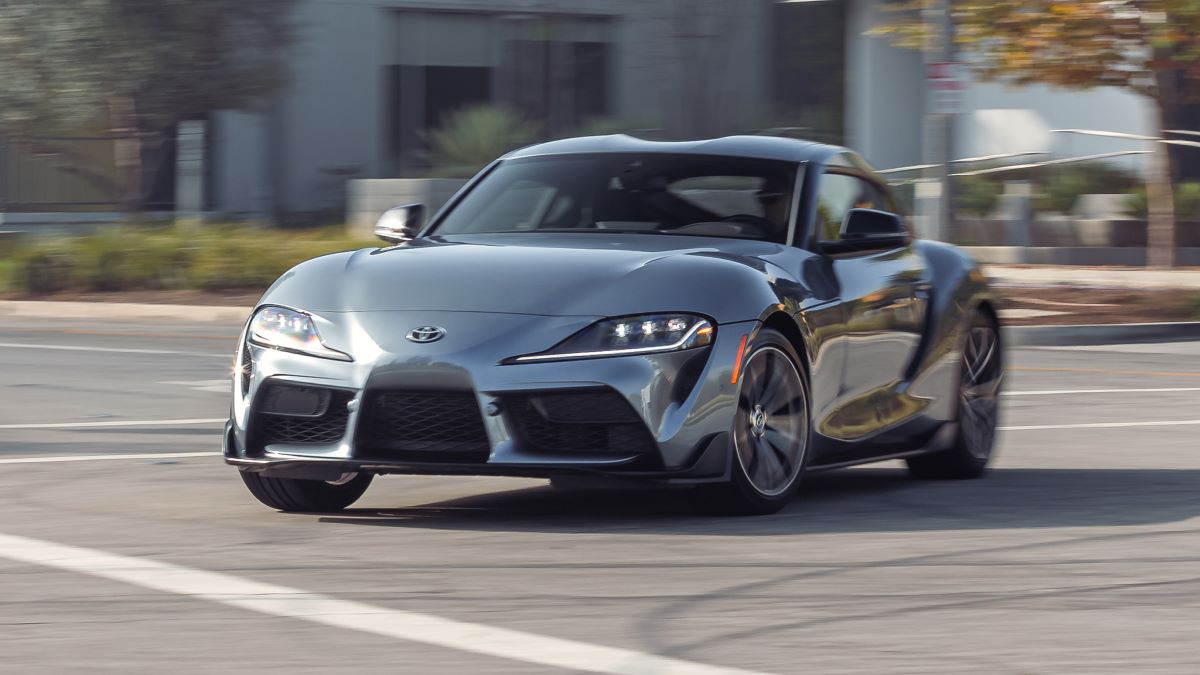
The turbocharged engine delivers strong mid-range punch that makes the Supra feel quick in real-world driving scenarios. Peak torque arrives at just 1,550 rpm and holds steady through 4,400 rpm, creating a broad powerband that allows the eight-speed automatic transmission to keep the engine in its sweet spot whether you’re accelerating hard or cruising efficiently.
The transmission features paddle shifters and multiple drive modes that alter shift patterns and throttle response to match driving conditions.
Toyota and BMW’s collaboration resulted in a chassis that feels beautifully engineered, with adaptive dampers that adjust in milliseconds to road conditions and driving inputs.
The electric power steering provides excellent feedback despite being electrically assisted, while massive brakes borrowed from higher-performance BMW models provide reassuring stopping power.
The combination creates a sports car that’s genuinely rewarding to drive at any speed while maintaining composure and efficiency during daily use.
Aerodynamics play a crucial role in the Supra’s efficiency, with extensive wind tunnel development creating a shape that slips through the air with minimal resistance.
The distinctive double-bubble roof isn’t just styling it channels air efficiently over the cabin, while the ducktail spoiler and rear diffuser manage airflow at the back to reduce drag and increase stability. These elements contribute to reduced fuel consumption at highway speeds while enhancing high-speed dynamics.
The cockpit is driver-focused in the best traditions of Japanese sports cars, with the seat positioned low and the controls oriented toward the driver. The digital instrument cluster provides essential information clearly, while the infotainment system includes navigation, premium audio, and smartphone integration.
The cabin is admittedly cozy, with minimal cargo space and a vestigial rear shelf rather than usable rear seats, but this is a deliberate choice that keeps weight down and focus sharp.
For enthusiasts seeking genuine sports car thrills with reasonable fuel consumption, the four-cylinder Supra represents an intriguing alternative to thirstier performance cars. It delivers the emotional appeal of a legendary nameplate while maintaining running costs that won’t require a second mortgage.
Also Read: 8 Luxury Cars That Share Parts With Economy Models Saving You Money
5. Hyundai Elantra N
Hyundai’s N performance division has rapidly established credibility among driving enthusiasts, and the Elantra N represents perhaps their most compelling effort yet a sedan that delivers genuine performance punch while maintaining surprisingly strong fuel economy.
Under the hood sits a turbocharged 2.0-liter four-cylinder producing 276 horsepower and 289 lb-ft of torque, enabling 0-60 mph sprints in the low-5-second range while achieving approximately 22 mpg city and 31 mpg highway.
What makes the Elantra N particularly impressive is how Hyundai has engineered the car to deliver multiple personalities. In its most aggressive N mode, the exhaust burbles and pops, the suspension stiffens, the steering weights up, and the car transforms into a focused performance machine that can embarrass far more expensive sports cars.
Switch to Eco mode, and the same car becomes a compliant, quiet, efficient sedan that wouldn’t look out of place in a corporate parking lot. This versatility allows drivers to optimize fuel consumption during mundane daily driving while preserving performance capabilities for when they’re needed.
The turbocharged engine features several technical highlights that enable its impressive combination of power and efficiency. Variable valve timing, direct injection, and a twin-scroll turbocharger work together to minimize turbo lag while maximizing efficiency across the operating range.
The engine management system is sophisticated enough to adjust boost pressure, fuel delivery, and ignition timing on the fly based on driving conditions and selected mode, ensuring optimal performance or efficiency as appropriate.
Hyundai offers the Elantra N with both a six-speed manual transmission and an eight-speed dual-clutch automatic, both of which contribute to the car’s efficiency credentials.
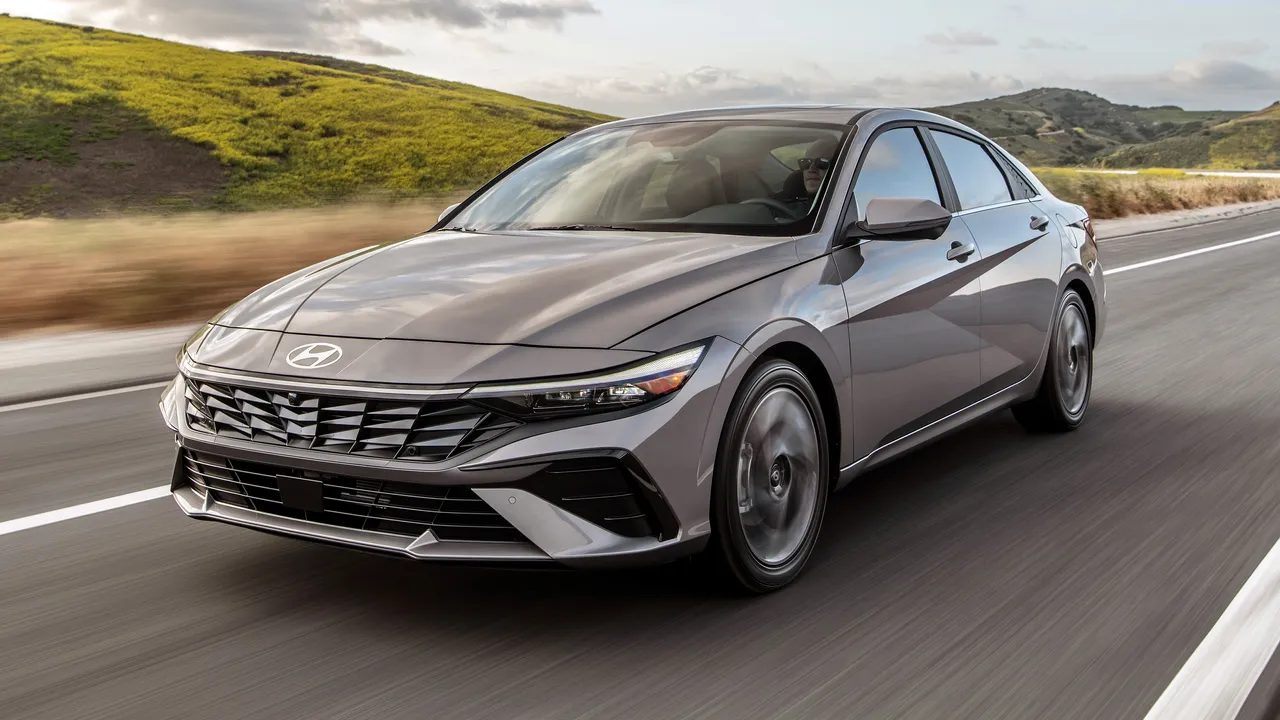
The manual features rev-matching that can be toggled on or off, making smooth, efficient gear changes accessible to drivers of all skill levels. The automatic shifts with impressive speed in performance situations while seamlessly seeking the highest possible gear during relaxed cruising to minimize fuel consumption.
The chassis development didn’t take shortcuts despite the car’s affordable price point. Hyundai fitted the Elantra N with adaptive dampers, larger brakes with cooling ducts, a mechanical limited-slip differential, and specially developed Pirelli P Zero tires.
The suspension geometry has been revised to reduce lift during acceleration and diving under braking, while the electric power steering provides weight and feedback that genuinely communicate what the front tires are doing.
Inside, the Elantra N features heavily bolstered sport seats upholstered in a combination of leather and suede, a flat-bottom steering wheel, metal pedals, and N-specific gauges and displays.
Despite the performance focus, rear-seat space remains generous, and trunk capacity is uncompromised compared to standard Elantra models. The infotainment system includes all modern connectivity options, while the digital instrument cluster can be configured to display performance metrics like g-forces, lap times, and turbo boost pressure.
The Elantra N proves that Hyundai has mastered the art of creating compelling performance vehicles that don’t abandon practicality or efficiency. It’s a car that enthusiasts can drive daily without constantly calculating fuel costs, making genuine performance accessible to a broader audience.
6. Ford Mustang EcoBoost
The Ford Mustang has been an American icon for nearly six decades, but the EcoBoost variant represents a thoroughly modern interpretation that prioritizes efficiency without sacrificing the essential Mustang experience.
The turbocharged 2.3-liter four-cylinder engine produces 310 horsepower and 350 lb-ft of torque in its high-performance tune, propelling this classic muscle car silhouette to 60 mph in under 5 seconds while achieving approximately 21 mpg city and 30 mpg highway, remarkable figures for a vehicle of this size and capability.
The EcoBoost engine’s ample torque delivery transforms the Mustang’s character compared to naturally aspirated predecessors. Peak torque arrives at just 3,000 rpm and holds strong through 4,500 rpm, creating effortless acceleration in any gear at virtually any speed.
This broad powerband means the Mustang feels quick without requiring constant gear changes or high revs, and during highway cruising, the engine loafs along at low rpm, sipping fuel while providing ample reserves for passing or merging.
Ford offers the EcoBoost Mustang with either a six-speed manual or ten-speed automatic transmission, and surprisingly, both deliver similar real-world fuel economy. The manual provides traditional muscle car engagement with solid mechanical feel and well-chosen ratios, while the ten-speed automatic is a revelation, shifting with impressive speed and intelligence.
The automatic’s wide ratio spread allows it to keep the engine in its efficiency sweet spot more consistently than the manual in varied driving conditions.
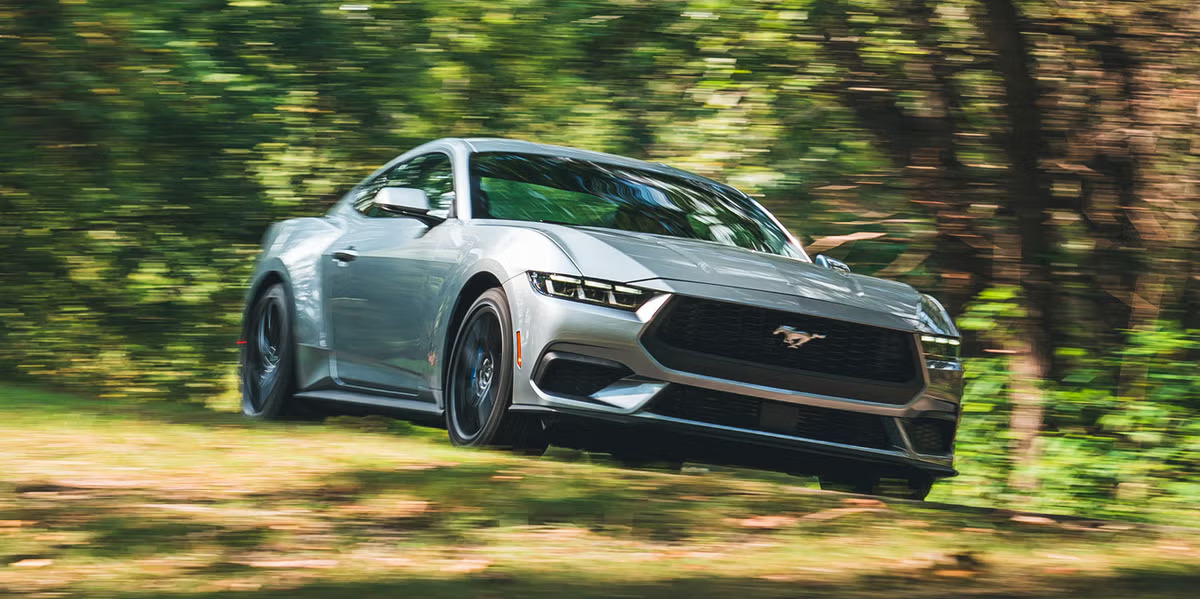
The Mustang’s independent rear suspension, standard since 2015, provides handling characteristics that were impossible in earlier solid-axle models. The chassis feels balanced and predictable, with various drive modes that adjust steering effort, throttle response, and stability control intervention to match conditions and driver preference.
Selectable exhaust modes even allow drivers to quiet the car down for early morning departures while saving the full soundtrack for more appropriate occasions.
Aerodynamics might not be the first consideration for muscle car designers, but Ford’s wind tunnel work has optimized the Mustang’s classic shape for reduced drag without compromising its iconic appearance.
Underbody panels, carefully shaped bumpers, and an available rear spoiler all contribute to cleaner airflow that improves both high-speed stability and fuel economy. The result is a car that can cruise comfortably and efficiently at 75 mph while still looking like a proper muscle car.
The interior balances retro styling cues with modern functionality, featuring available Recaro sport seats, a configurable digital instrument panel that can display traditional analog gauges or modern performance metrics, and Ford’s SYNC infotainment system with smartphone integration.
Despite being a two-door coupe, the Mustang provides surprising practicality with a usable rear seat and a trunk large enough for weekend luggage or track day equipment.
The EcoBoost Mustang demonstrates that American muscle can evolve without losing its soul. It proves that forced induction and efficiency engineering can coexist with V8-baiting performance numbers and classic muscle car aesthetics, creating a compelling package for enthusiasts who want iconic style and genuine speed without the fuel bills associated with traditional muscle cars.
7. BMW M240i
BMW’s smallest M Performance model packs genuine driving thrills into a compact, efficient package that upholds the brand’s reputation for creating ultimate driving machines.
The M240i features a turbocharged 3.0-liter inline-six producing 382 horsepower and 369 lb-ft of torque, enabling 0-60 mph times in the low-4-second range while maintaining EPA ratings of approximately 23 mpg city and 32 mpg highway. These figures demonstrate that BMW’s engineering prowess extends well beyond raw performance of usable, sustainable speed.
The inline-six engine represents a masterclass in forced induction engineering, with a twin-scroll turbocharger that virtually eliminates lag while providing strong, linear power delivery from 1,800 rpm through redline.
The engine breathes through carefully engineered intake and exhaust systems that optimize flow for both power and efficiency, while direct injection and variable valve timing constantly adjust operation for optimal performance or economy based on throttle input and driving conditions.
BMW pairs this exceptional engine exclusively with an eight-speed automatic transmission that represents the current state of the art in conventional automatics.
The transmission shifts with impressive speed when you’re pushing hard, yet operates so smoothly during normal driving that you barely notice it working.
The wide ratio spread allows the engine to operate at remarkably low rpm during highway cruising often below 2,000 rpm at 70 mph while still providing multiple lower gears optimized for performance when needed. Launch control and various driving modes further optimize the transmission’s behavior for different scenarios.
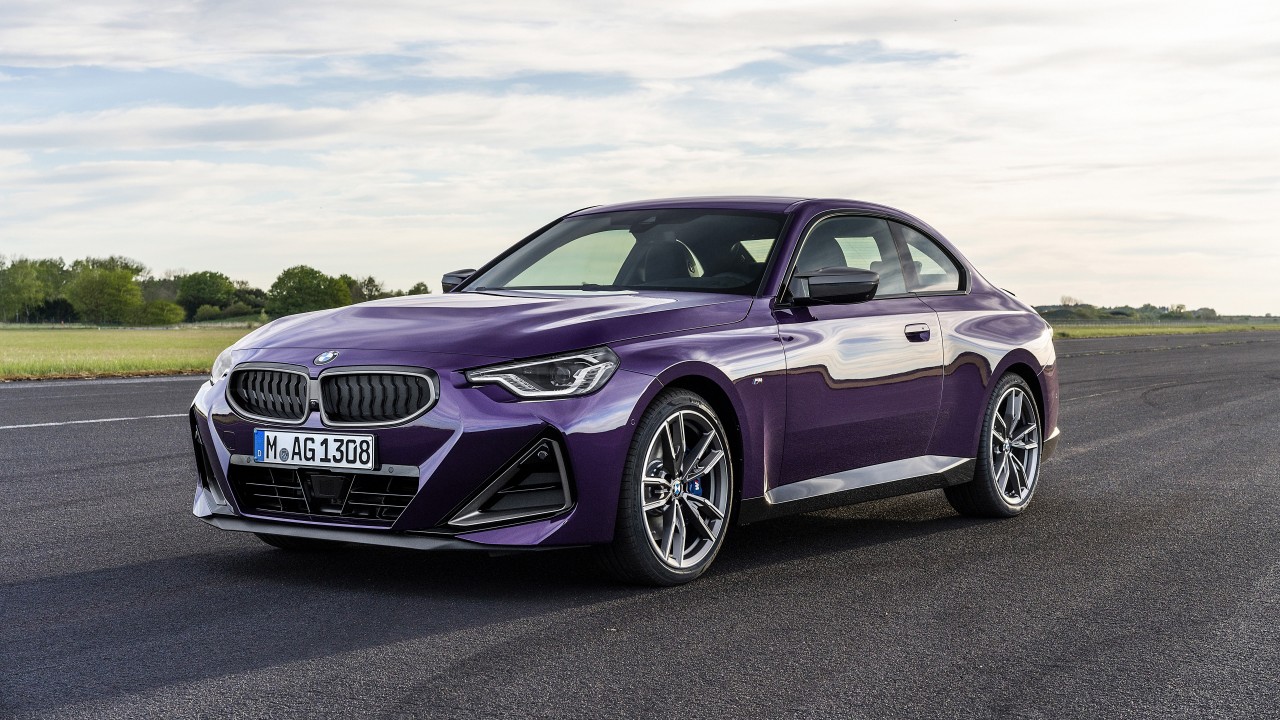
The chassis engineering distinguishes the M240i from lesser 2 Series models through adaptive dampers, stiffer springs and anti-roll bars, a more aggressive alignment, and BMW’s variable sport steering.
The rear-wheel-drive configuration (all-wheel drive is available) provides the classic BMW balance and feel, with a slight rearward weight bias creating predictable, adjustable handling characteristics. The M Sport brakes provide strong, fade-resistant stopping power that matches the car’s impressive acceleration capabilities.
BMW’s attention to aerodynamics extends throughout the M240i’s design, with active grille shutters that close at speed to reduce drag, carefully shaped underbody panels, and subtle rear spoiler elements that manage airflow efficiently.
These features contribute meaningfully to the car’s highway fuel economy while providing the added benefit of reduced wind noise and improved high-speed stability.
Inside, the M240i offers BMW’s latest iDrive infotainment system, a digital instrument cluster, heated sport seats, and high-quality materials throughout. The coupe configuration provides adequate rear-seat space for children or occasional adult passengers, while the hatchback variant offers significantly more cargo versatility.
Despite its performance focus, the M240i functions perfectly well as a daily driver, with comfortable ride quality in the normal driving mode and thoughtful storage solutions throughout the cabin.
For enthusiasts seeking a compact performance car with premium credentials, exceptional dynamics, and fuel economy that won’t inspire constant guilt, the M240i represents BMW at its best. It’s a car that rewards driving skill while providing enough efficiency and practicality to serve as sole transportation without compromise.
8. Porsche 718 Cayman
Porsche’s entry-level sports car might not wear a 911 badge, but the 718 Cayman delivers genuine driving excitement that many enthusiasts actually prefer, particularly when considering the turbocharged four-cylinder base model’s impressive fuel economy.
With 300 horsepower from its turbocharged 2.0-liter flat-four engine, the Cayman sprints to 60 mph in under 5 seconds while achieving approximately 21 mpg city and 28 mpg highway remarkable efficiency for a mid-engine sports car from a manufacturer known primarily for flat-six engines.
The mid-engine layout places the powerplant directly behind the driver, creating a center of gravity position that fundamentally enhances handling dynamics compared to front-engine designs.
This configuration allows the Cayman to change direction with exceptional agility while maintaining composure and balance that inspire confidence at any speed. The turbocharged four-cylinder might lack the distinctive flat-six soundtrack that Porsche enthusiasts cherish, but it delivers immediate throttle response and strong torque across a broad rev range that makes the car feel quick and responsive in all driving situations.
Porsche offers the Cayman with either a six-speed manual or seven-speed dual-clutch automatic transmission (PDK in Porsche speak), both of which contribute to the car’s efficiency credentials while enhancing the driving experience in different ways.
The manual features precise, mechanical shift action with short throws and perfect gate placement, rewarding skilled drivers with complete control over engine speed and gear selection.
The PDK automatic shifts with supernatural speed faster than any human could achieve while intelligently managing gear selection to optimize fuel economy during relaxed driving and performance during spirited driving.
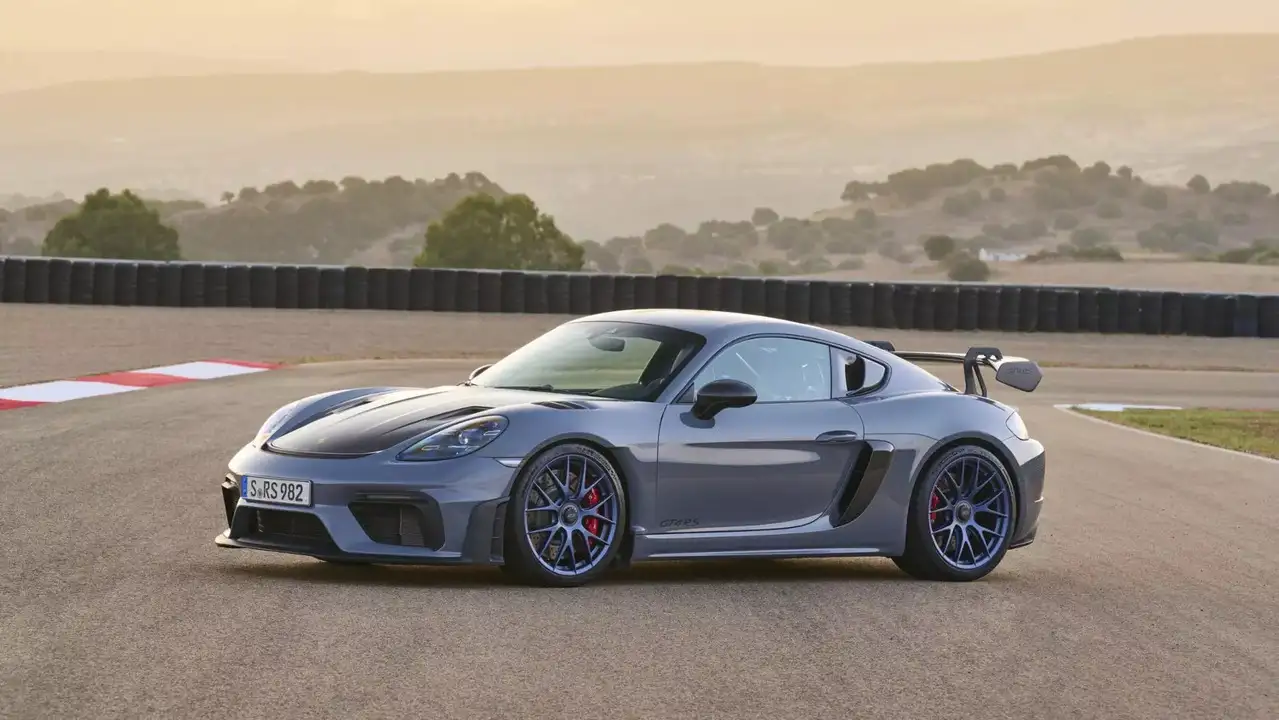
The chassis represents decades of Porsche sports car development, with MacPherson struts up front and a multi-link rear suspension that provides exceptional control and feedback. Electric power steering might worry purists, but Porsche’s calibration provides weight and communication that feels natural and informative.
The brakes are powerful and progressive, while the optional adaptive dampers allow drivers to tailor ride quality and handling response to match road conditions and personal preference.
Porsche’s aerodynamic development has optimized the Cayman’s distinctive shape for minimal drag while generating appropriate downforce for high-speed stability.
The car slips through the air efficiently, contributing to strong highway fuel economy and reduced wind noise. Active aerodynamic elements aren’t necessary at this performance level, keeping complexity and weight to a minimum while maintaining the purity that defines Porsche sports cars.
The 718 Cayman base model proves that Porsche’s engineering excellence extends well beyond flagship models. It delivers the essential sports car experience mid-engine balance, precise handling, strong performance while maintaining fuel economy that makes regular driving genuinely affordable, demonstrating that efficiency and enthusiasm can coexist in even the most focused driving machines.
Also Read: 10 Best Daily Drivers To Get in 2026 That Age Gracefully
