
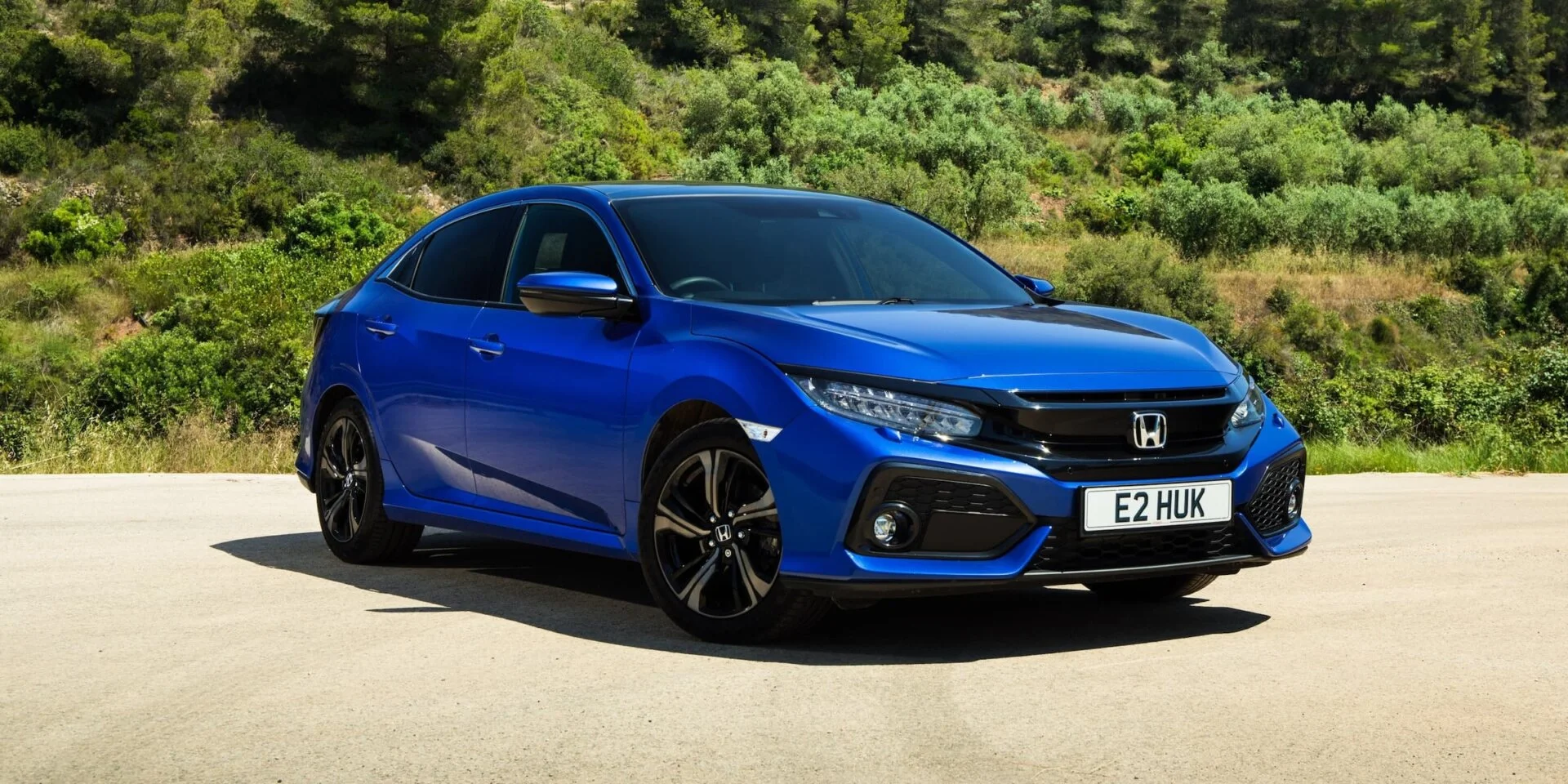
In today’s automotive market, finding a reliable vehicle that won’t break the bank can feel like searching for a needle in a haystack. However, the reality is that several manufacturers have consistently produced cars that offer exceptional longevity without commanding premium prices.
These vehicles represent the sweet spot where affordability meets durability, making them ideal choices for budget-conscious buyers who want to avoid the headaches and expenses of frequent repairs or premature replacement.
The cars featured in this guide have earned their reputations through years of proven performance in real-world conditions. They’re not flashy or packed with cutting-edge technology, but they excel where it matters most: dependable transportation year after year.
These vehicles share common characteristics that contribute to their longevity, including robust engineering, readily available parts, straightforward mechanical designs, and strong track records backed by owner testimonials and reliability surveys.
Whether you’re a first-time buyer, someone looking for a practical commuter, or a parent seeking a dependable car for a teenager, these ten vehicles deserve serious consideration. They prove that you don’t need to spend a fortune to get a car that will serve you faithfully for fifteen years or more.
From compact sedans to versatile SUVs, this list covers various body styles and purposes, ensuring there’s an option for virtually every need. Let’s explore these automotive workhorses that deliver exceptional value and peace of mind without the luxury price tag.
1. Honda Civic
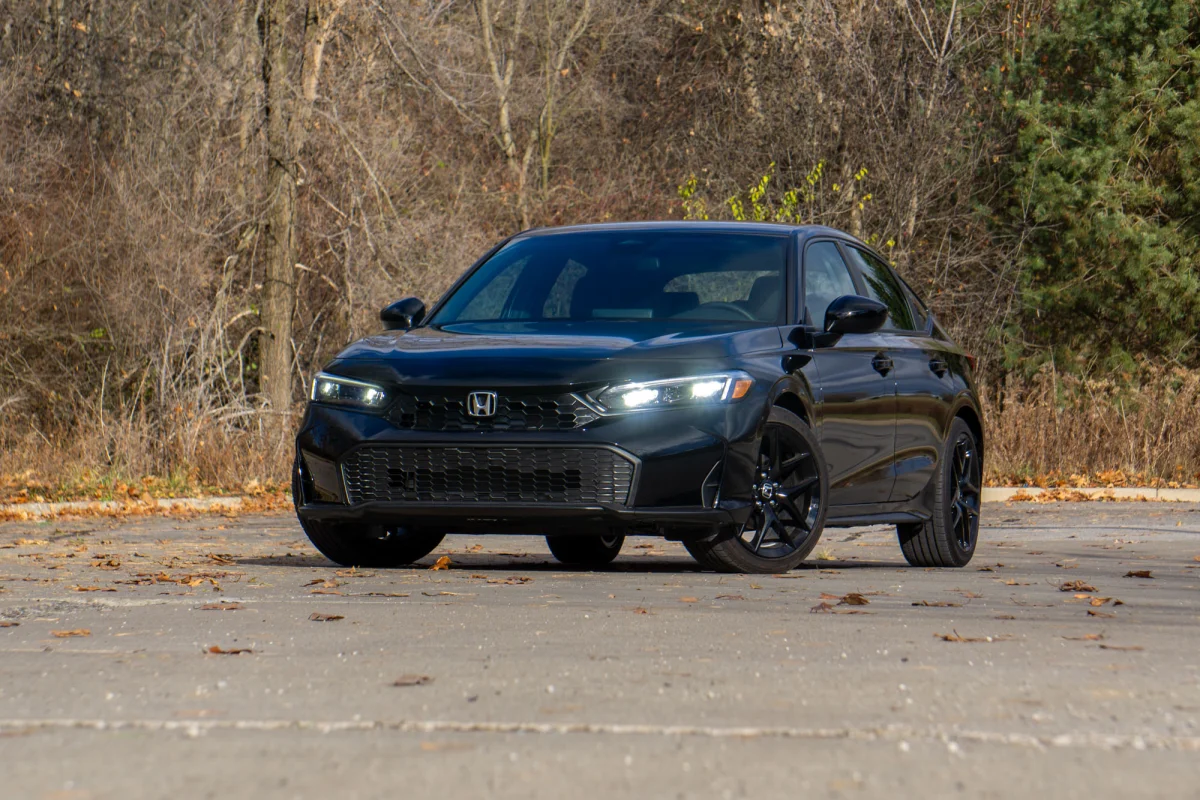
The Honda Civic has long been synonymous with reliability, fuel efficiency, and longevity, making it one of the most popular choices for buyers seeking a car that will last well beyond a decade.
For under $20,000, you can find excellent used models from the late 2010s or even consider certified pre-owned options that come with additional warranties. The Civic’s reputation isn’t just marketing hype; it’s built on decades of engineering excellence and a proven track record of vehicles routinely surpassing 200,000 miles with proper maintenance.
What makes the Civic particularly appealing for long-term ownership is Honda’s commitment to building engines and transmissions that can withstand the test of time.
The naturally aspirated four-cylinder engines found in most Civics are known for their durability and straightforward design, which means fewer complex components that could fail.
Regular oil changes, timely belt replacements, and basic maintenance are typically all that’s needed to keep a Civic running smoothly for fifteen years or more.
The availability of parts is another significant advantage. Because Civics are so popular, both OEM and aftermarket parts are widely available and reasonably priced.
This means repair costs remain manageable even as the vehicle ages. Additionally, nearly every mechanic is familiar with working on Civics, so you won’t need to seek out specialized service centers.
From a practical standpoint, the Civic offers excellent fuel economy, often achieving over 30 mpg in combined driving, which translates to thousands of dollars saved at the pump over fifteen years.
The interior, while not luxurious, is well-designed with quality materials that resist wear. Many owners report that their Civics still look and feel relatively fresh even after years of daily use, with seats that hold their shape and controls that continue functioning properly.
2. Toyota Corolla
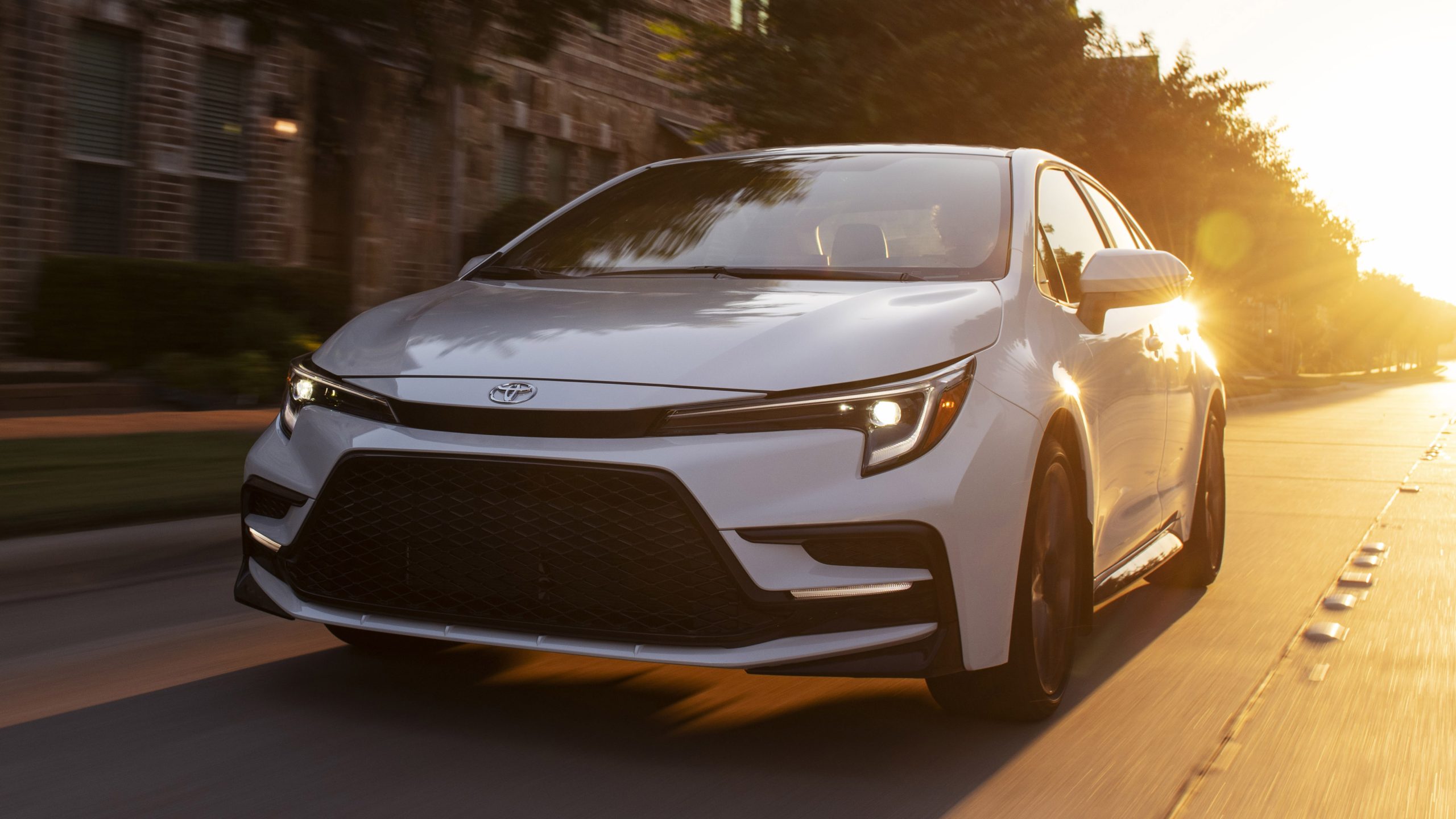
The Toyota Corolla is arguably the gold standard when it comes to automotive longevity and reliability. It’s not the most exciting car on the road, but its reputation for running seemingly forever has made it one of the best-selling vehicles globally for decades.
Within a $20,000 budget, buyers can access recent model years that still have plenty of life ahead of them, making the Corolla an intelligent investment for anyone prioritizing dependability over flash.
Toyota’s engineering philosophy centers on proven technology rather than cutting-edge innovation, and nowhere is this more evident than in the Corolla.
The company tends to perfect systems before implementing them widely, resulting in vehicles with fewer teething problems and greater long-term reliability.
The Corolla’s engines are particularly noteworthy for their durability, with many examples easily reaching 300,000 miles or more when properly maintained.
One of the Corolla’s greatest strengths is its low cost of ownership. Not only is the initial purchase price reasonable, but ongoing expenses remain modest throughout the vehicle’s life.
Fuel economy consistently ranks among the best in its class, maintenance requirements are straightforward and inexpensive, and the car holds its value remarkably well. This means that even after fifteen years, a well-maintained Corolla retains decent resale value.
The simplicity of the Corolla’s design contributes significantly to its longevity. Without overly complex systems or unnecessary technology, there are fewer things that can go wrong.
The suspension is robust, the electrical systems are reliable, and the body tends to resist rust better than many competitors. Owners frequently report that beyond routine maintenance like oil changes, brake pads, and tires, their Corollas require minimal intervention.
Interior quality has improved significantly in recent generations, with better materials and more refined fit and finish. While still prioritizing function over form, modern Corollas offer comfortable seating, intuitive controls, and enough features to keep drivers satisfied for years of ownership.
3. Mazda3
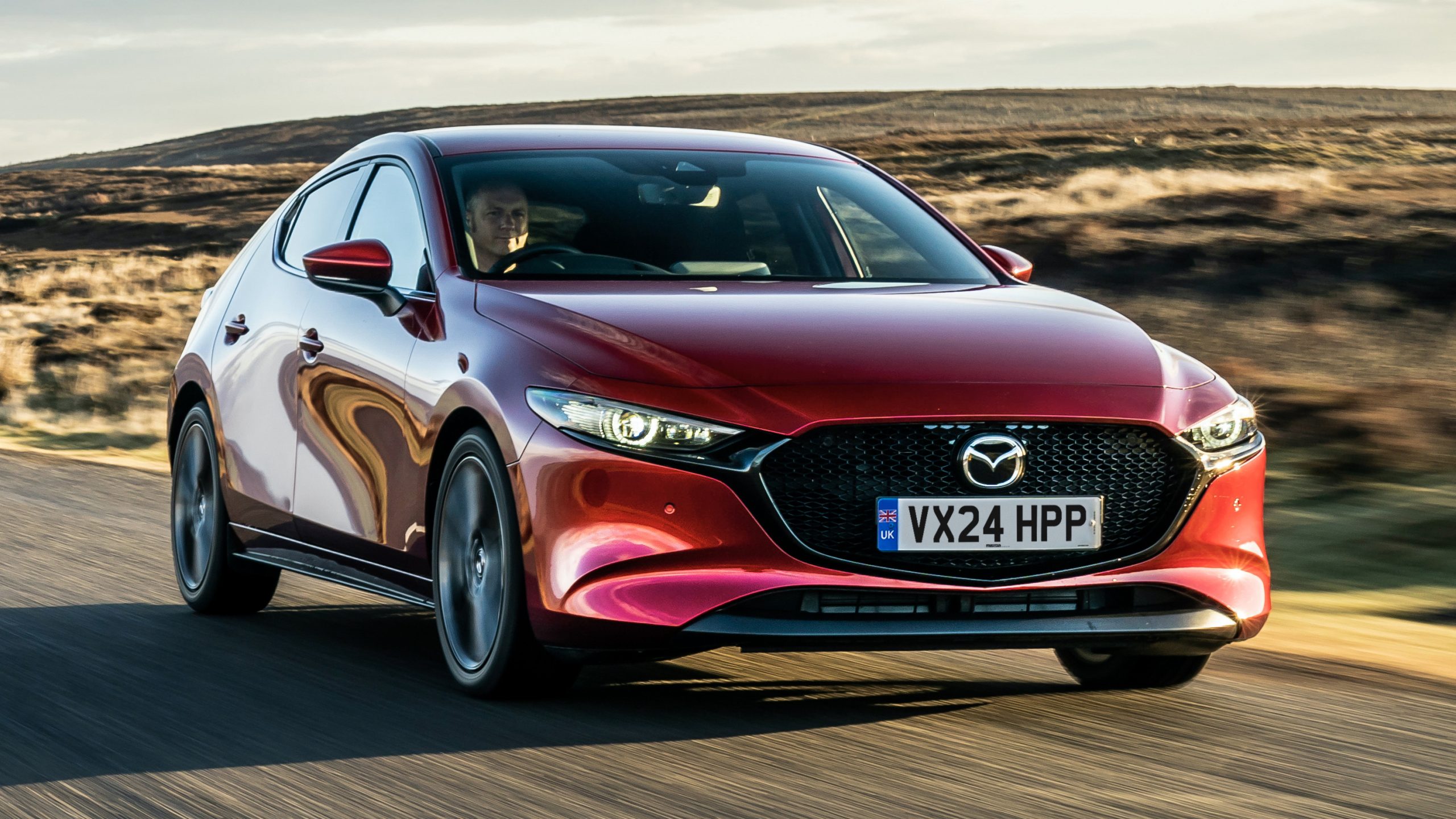
The Mazda3 proves that longevity and driving enjoyment aren’t mutually exclusive. While it shares the reliability characteristics of other vehicles on this list, the Mazda3 distinguishes itself with engaging handling, attractive styling, and a more upscale interior than many competitors.
For buyers who want a car that will last fifteen years but don’t want to sacrifice driving pleasure, the Mazda3 represents an excellent choice within a $20,000 budget.
Mazda has cultivated a reputation for building cars that resist corrosion and mechanical failure remarkably well. The company’s SKYACTIV technology, introduced in the early 2010s, brought efficient, durable engines and transmissions that have proven their staying power.
These powertrains deliver solid performance while maintaining excellent fuel economy, typically in the low-to-mid 30s for combined mpg.
What sets the Mazda3 apart from more utilitarian competitors is its attention to detail in areas that affect long-term satisfaction. The interior features higher-quality materials that wear well over time, with thoughtful ergonomics that make daily driving more pleasant.
The chassis tuning provides a connected, responsive feel that makes even routine commutes more engaging, which can help owners maintain enthusiasm for their vehicle even years into ownership.
Reliability surveys consistently rank the Mazda3 highly, with owners reporting few major issues even as odometers climb into six figures.
The car’s build quality is evident in how well it holds together over time, with tight panel gaps, solid door closures, and interiors that resist rattles and squeaks. Mazda’s rust-prevention measures have also improved dramatically in recent years, addressing a historical weakness.
Maintenance costs remain reasonable, and while Mazda vehicles might not be quite as ubiquitous as Hondas or Toyotas, parts availability is generally good, and most independent mechanics can service them without issue.
The combination of reliability, driving dynamics, and quality makes the Mazda3 a compelling option for those seeking longevity with character.
4. Honda Accord
The Honda Accord has been a midsize sedan stalwart for generations, offering more space and comfort than the Civic while maintaining Honda’s legendary reliability.
Within a $20,000 budget, buyers can find well-maintained examples from the mid-to-late 2010s, providing a substantial, comfortable vehicle that’s built to last fifteen years or more. The Accord appeals particularly to those who need more interior room for families or longer commutes but still want the peace of mind that comes with Honda ownership.
Like its smaller sibling, the Accord benefits from Honda’s expertise in building durable powertrains. Whether equipped with a four-cylinder or V6 engine, Accords are known for their ability to accumulate high mileage without major mechanical issues.
The automatic transmissions, while having some isolated issues in certain model years, generally prove durable when properly serviced with regular fluid changes.
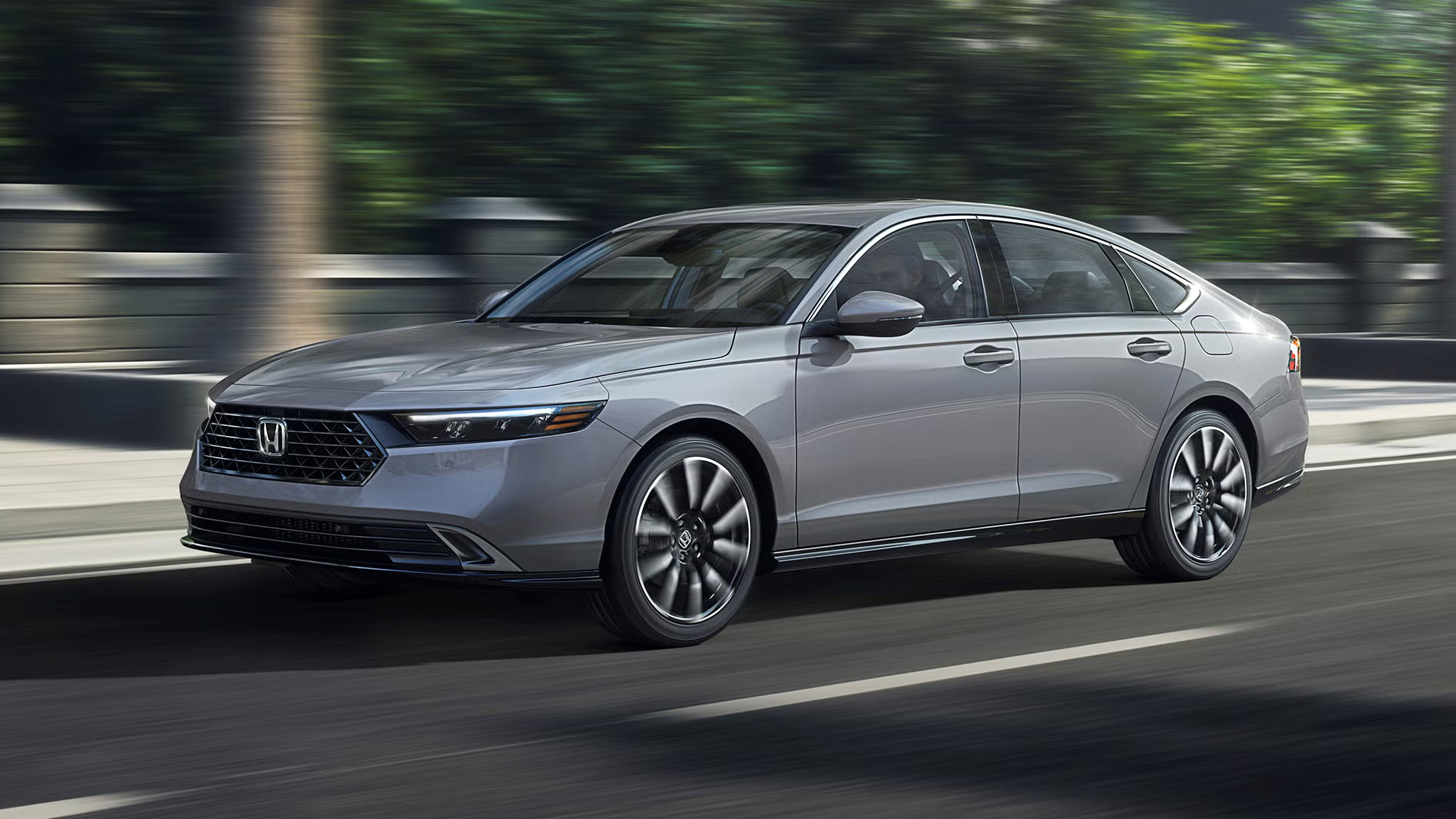
The Accord’s larger size translates to a more comfortable ride over long distances and better highway manners than compact competitors.
This makes it especially suitable for drivers who spend significant time on the road, where the extra refinement and space reduce fatigue. Despite its size, the Accord remains reasonably fuel-efficient, with four-cylinder models achieving fuel economy figures that rival some smaller cars.
Interior quality in the Accord has always been a strong point, with materials and construction that age gracefully. Seats remain supportive even after years of use, and the dashboard and trim pieces resist the deterioration that plagues some competitors.
The trunk is genuinely spacious, and the rear seat offers enough room for adults, making the Accord a practical choice for families. Resale values remain strong, reflecting the model’s reputation for reliability.
This means that even if you decide to sell before reaching the fifteen-year mark, you’ll likely recoup more of your initial investment than with many alternatives. The widespread popularity of the Accord ensures that service information is readily available, and virtually any mechanic can work on it competently.
Also Read: 8 Budget Vehicles With Premium Ride Quality
5. Toyota Camry
The Toyota Camry stands alongside the Corolla as a benchmark for automotive reliability and longevity. As Toyota’s midsize sedan offering, the Camry provides more space, power, and comfort than the Corolla while maintaining the same fundamental philosophy of dependable, long-lasting transportation.
For around $20,000, buyers can secure recent used examples that still have many years of reliable service ahead, making the Camry a smart choice for those who plan to keep their vehicle for the long haul. Toyota’s attention to detail in the Camry’s construction is evident in how well these cars hold up over time.
The body structure is solid and resistant to rust, the paint quality holds up well, and the mechanical components are engineered for endurance rather than cutting-edge performance. The result is a car that may not excite enthusiasts but will reliably start every morning and get you where you need to go, year after year.
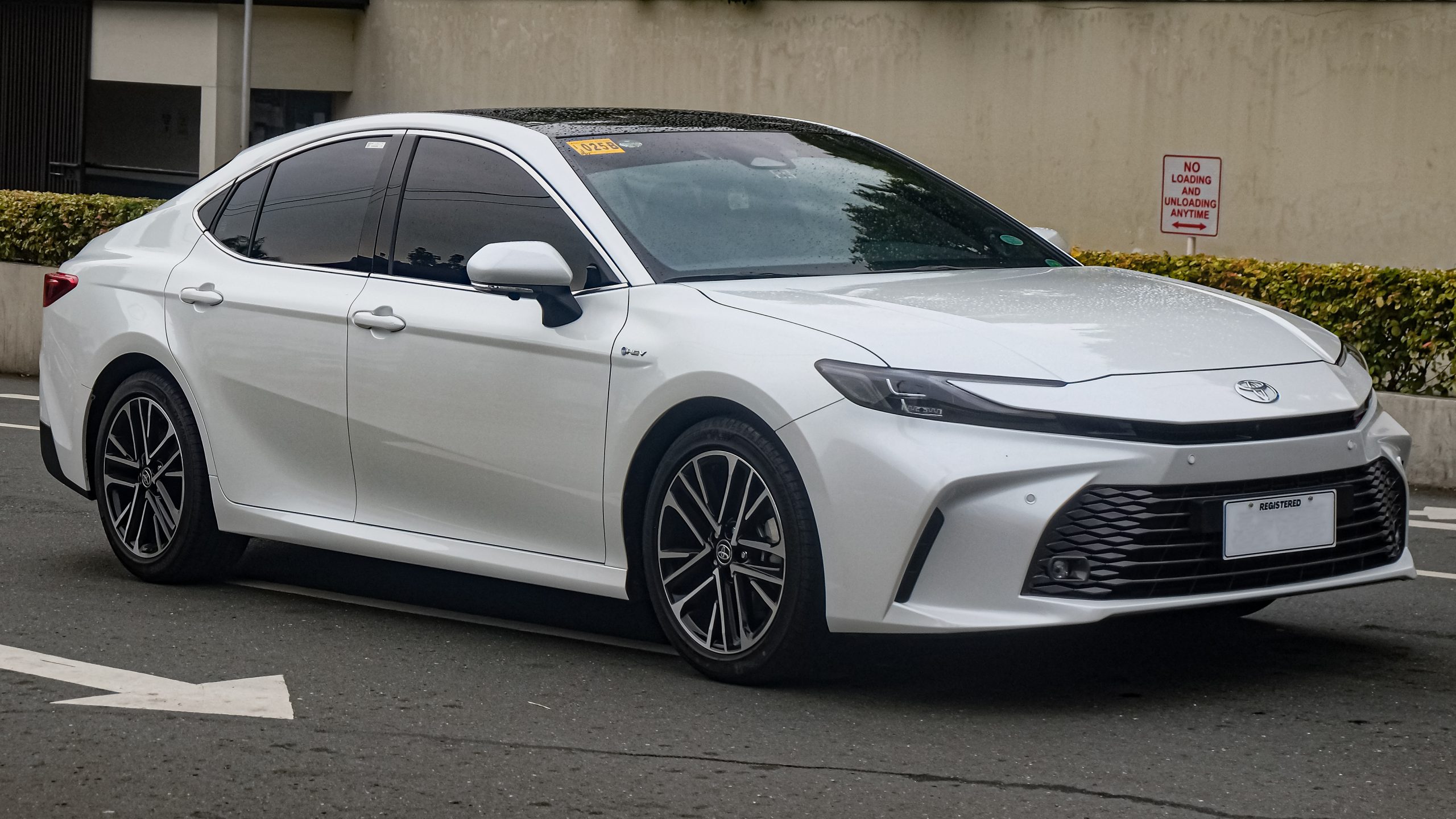
One of the Camry’s most impressive characteristics is its ability to maintain a relatively fresh appearance and feel even with high mileage. Interiors resist wear remarkably well, with seat fabric and leather that don’t show age as quickly as many competitors.
Dashboard materials remain intact without the cracking or peeling that affects some vehicles, and the controls continue operating smoothly long after purchase.
The powertrain options, whether four-cylinder or V6, are known for their durability and smooth operation. Regular maintenance is straightforward and inexpensive, with long intervals between major service requirements.
Timing chains rather than belts in many models eliminate one significant maintenance expense, and the engines generally don’t develop oil consumption issues or other common age-related problems.
Fuel efficiency is competitive, typically in the high 20s to low 30s for combined mpg, depending on the engine choice. This efficiency, combined with the car’s reliability, results in an exceptionally low cost per mile over the vehicle’s lifetime.
The Camry also benefits from strong resale values and Toyota’s excellent reputation, making it easy to sell should circumstances change.
6. Subaru Outback
The Subaru Outback offers something different from the sedans that dominate this list: genuine all-weather capability combined with wagon versatility and Subaru’s reputation for building vehicles that last.
For buyers in areas with harsh winters or those who need occasional off-pavement ability without sacrificing on-road manners, the Outback represents an excellent choice within a $20,000 budget.
Its standard all-wheel drive and rugged construction make it particularly appealing for those seeking a vehicle that can handle diverse conditions for fifteen years or more.
Subaru has cultivated a devoted following based largely on the longevity of their vehicles. Outbacks routinely accumulate high mileage, with many examples surpassing 200,000 miles while still running strong.
The horizontally opposed “boxer” engines are distinctive and generally durable, though they require attention to regular maintenance, particularly head gasket replacements in some older models. Buyers should factor this known service item into their long-term planning.
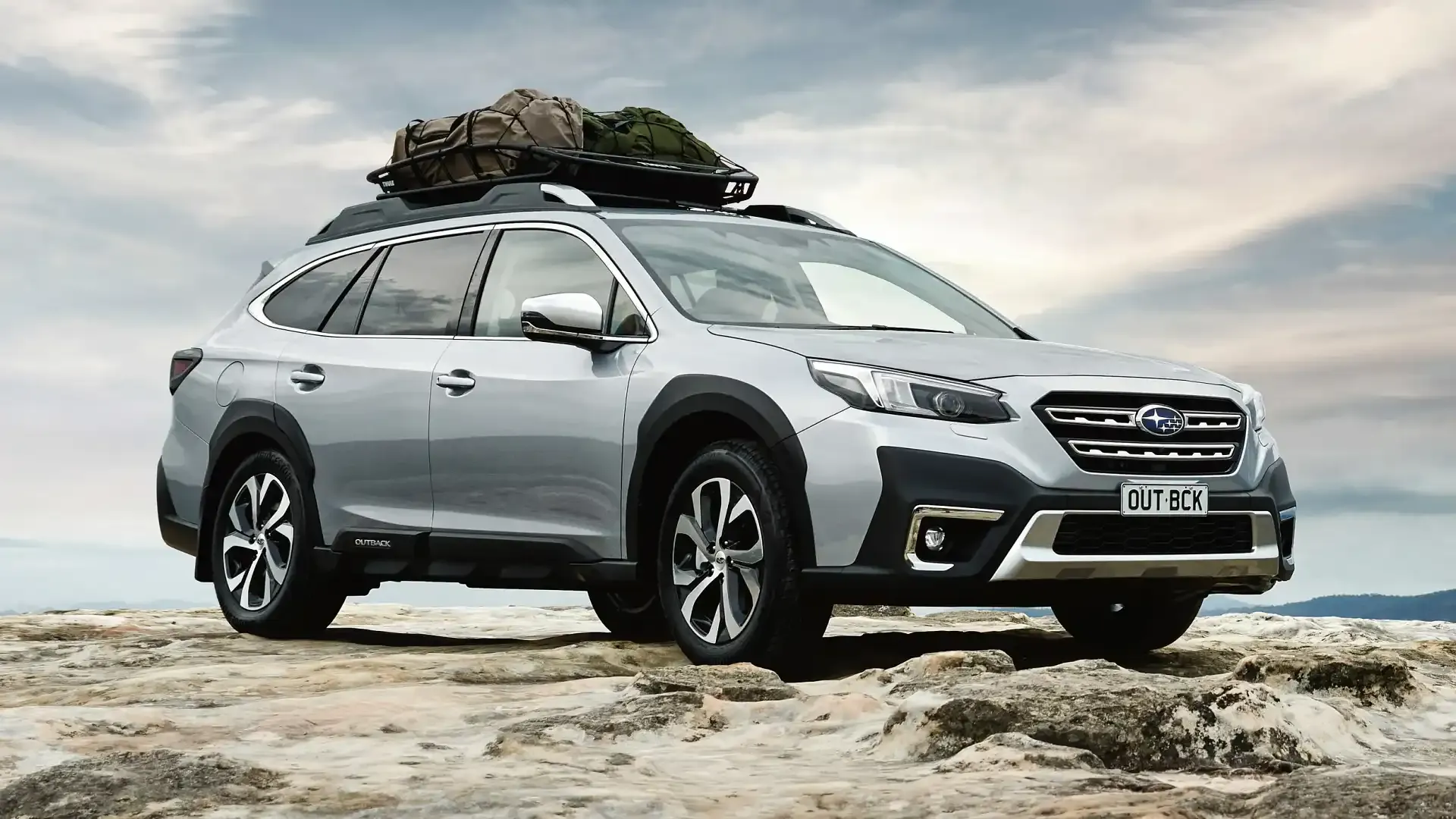
The Outback’s practicality is hard to beat. With generous cargo space, roof rails for additional carrying capacity, and enough ground clearance to handle rough roads and moderate off-roading, it serves multiple roles that might otherwise require separate vehicles.
The interior is spacious and comfortable, with seating for five adults and enough room for road trips or daily commuting. Build quality is solid, with Subarus known for their robust construction that withstands harsh conditions.
The all-wheel-drive system is mechanical and durable, avoiding some of the complexity and potential failure points of electronically controlled systems. This simplicity contributes to longevity and reduces repair costs over time.
Resale values remain strong, particularly in regions where all-wheel drive is valued. The Outback has a reputation as a “sensible” choice, attracting owners who tend to maintain their vehicles properly, which means used examples are often well-cared-for. Parts availability is good, and the Subaru community is active and helpful, making ownership easier even as vehicles age.
7. Ford Focus (2012-2018, Manual Transmission)
The Ford Focus might seem like a surprising inclusion on a list of long-lasting vehicles, but with an important caveat: stick to models with the manual transmission.
The Focus with the dual-clutch automatic transmission has well-documented reliability issues, but the manual-equipped versions represent solid, dependable transportation that can easily last fifteen years. Within a $20,000 budget, buyers can find low-mileage manual Focus models that offer excellent value and surprising longevity.
The Focus’s reputation suffered due to the problematic PowerShift automatic transmission, which overshadowed the fact that the car itself is well-engineered and durable.
The manual transmission versions use a conventional clutch and gearbox that, with proper use and maintenance, can last the life of the vehicle without major issues. The four-cylinder engines are straightforward and reliable, with timing belts or chains (depending on the engine) that follow predictable replacement schedules.
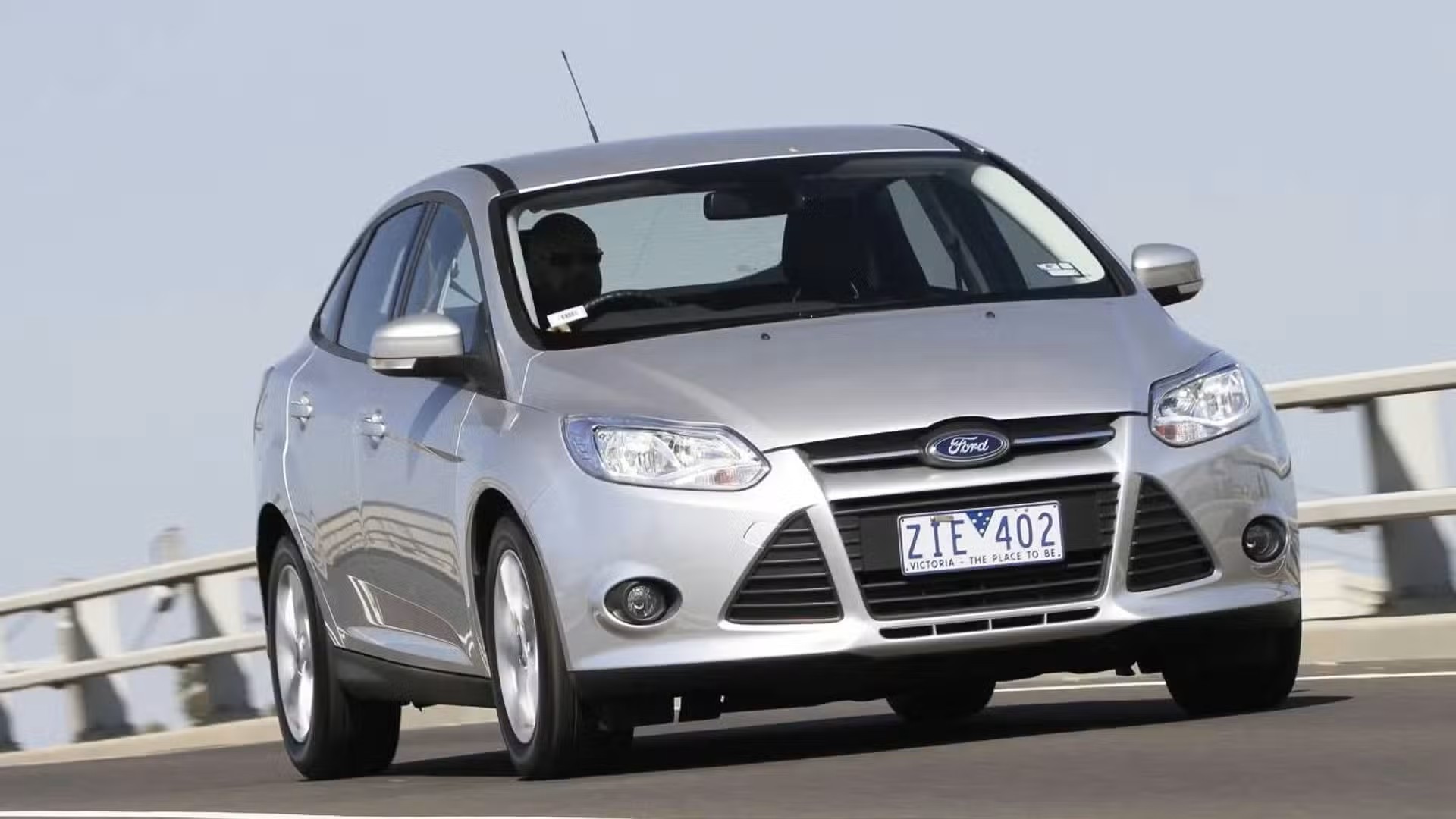
From a driving perspective, the Focus offers engaging handling and a comfortable ride that makes it pleasant to drive daily. The interior, while not luxurious, is well-designed with intuitive controls and decent materials. Seats are supportive, visibility is good, and the hatchback version offers practical cargo capacity that rivals some small SUVs.
Fuel economy is excellent, typically in the low 30s for combined driving, which helps offset ownership costs over fifteen years. The Focus’s compact size makes it easy to park and maneuver in urban environments, while still providing enough space for four adults and their luggage.
Maintenance costs are reasonable, and Ford parts are widely available and competitively priced. Most mechanics are familiar with the Focus, making repairs straightforward.
The key to longevity with this vehicle is proper maintenance and, crucially, choosing the manual transmission to avoid the reliability issues that plagued the automatic versions.
8. Hyundai Elantra
Hyundai has transformed its reputation over the past two decades, evolving from a budget brand with questionable quality to a manufacturer producing genuinely competitive, reliable vehicles.
The Elantra exemplifies this transformation, offering solid build quality, comprehensive warranties, and proven longevity at prices that comfortably fit within a $20,000 budget. For buyers seeking a car that will last fifteen years, recent Elantra models represent excellent value, particularly certified pre-owned examples that still carry transferable warranty coverage.
The Elantra’s appeal starts with Hyundai’s impressive warranty coverage, which includes a 10-year/100,000-mile powertrain warranty that often transfers to subsequent owners.
This provides peace of mind during the critical early years of ownership and reflects Hyundai’s confidence in their engineering. The company has invested heavily in quality control and reliability improvements, and the results are evident in the Elantra’s performance in long-term reliability surveys.
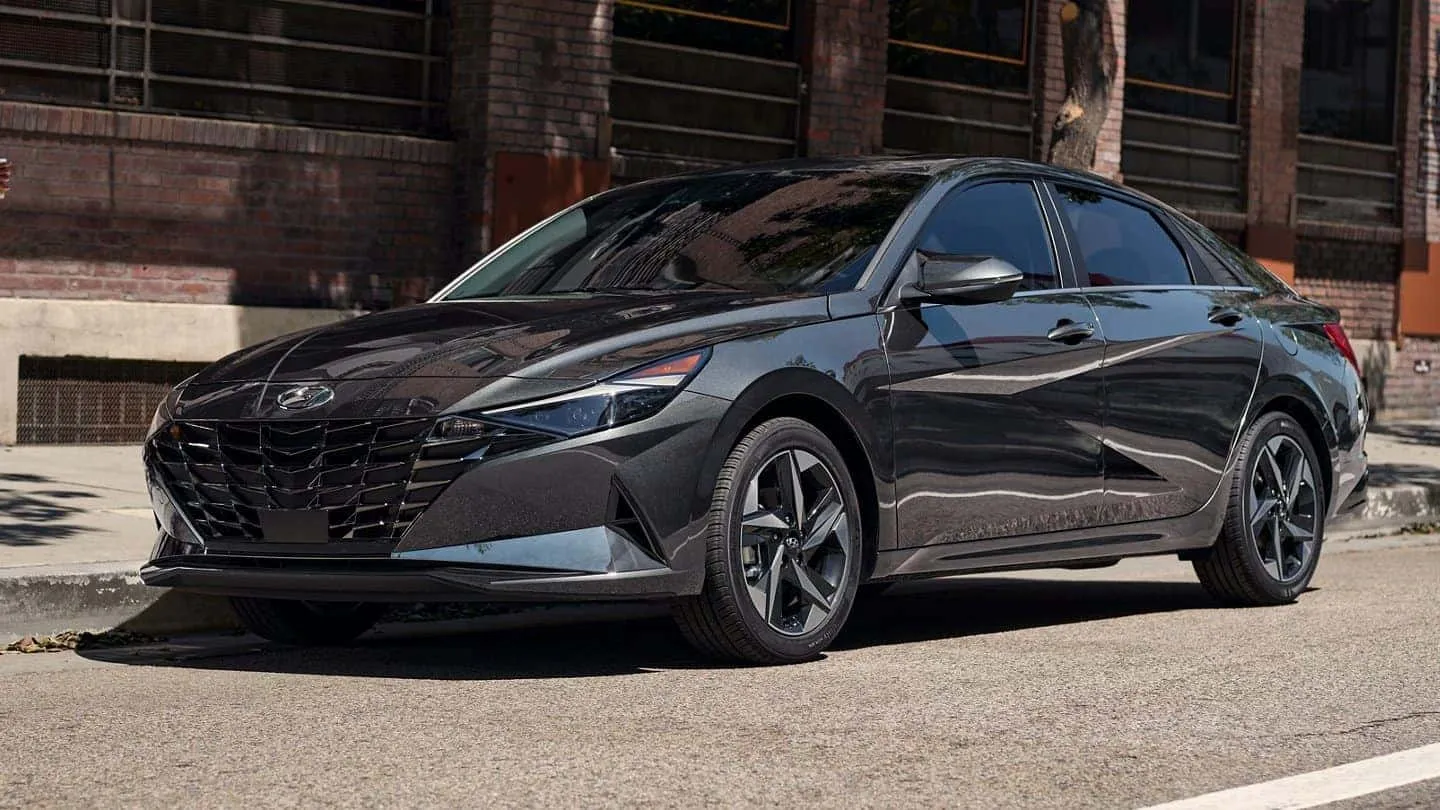
Modern Elantras feature well-built interiors with materials that resist wear and thoughtful design that makes daily use pleasant. The cars feel substantially built, with solid door closures and tight panel fits that suggest they’ll hold up well over time.
Ergonomics are generally good, with controls that fall easily to hand and comfortable seating that works for both short commutes and longer trips.
The powertrain options are straightforward and durable, with four-cylinder engines that deliver adequate power while maintaining good fuel economy, typically in the low-to-mid 30s for combined mpg. The transmissions, whether manual or automatic, have proven reliable in recent generations, avoiding the issues that affected some earlier models.
Maintenance costs remain competitive with other vehicles in its class, and Hyundai’s extensive dealer network means service is readily available.
Parts pricing is reasonable, and the increasing popularity of Hyundai vehicles means more independent mechanics are comfortable working on them. The Elantra proves that you don’t need to stick exclusively with Japanese brands to find long-lasting reliability.
9. Toyota RAV4
The Toyota RAV4 represents the compact SUV segment on this list, offering the practicality and versatility that have made SUVs increasingly popular while maintaining Toyota’s legendary reliability.
Within a $20,000 budget, buyers can find well-maintained examples from the mid-2010s that still have many years of dependable service ahead. For those who need the cargo space, higher seating position, and available all-wheel drive of an SUV without sacrificing longevity, the RAV4 is an excellent choice.
Like other Toyota products, the RAV4 benefits from conservative, proven engineering that prioritizes durability over cutting-edge technology.
The four-cylinder engines are known for their longevity, routinely exceeding 200,000 miles with proper maintenance. The transmissions are equally durable, and the mechanical simplicity means fewer potential failure points as the vehicle ages.
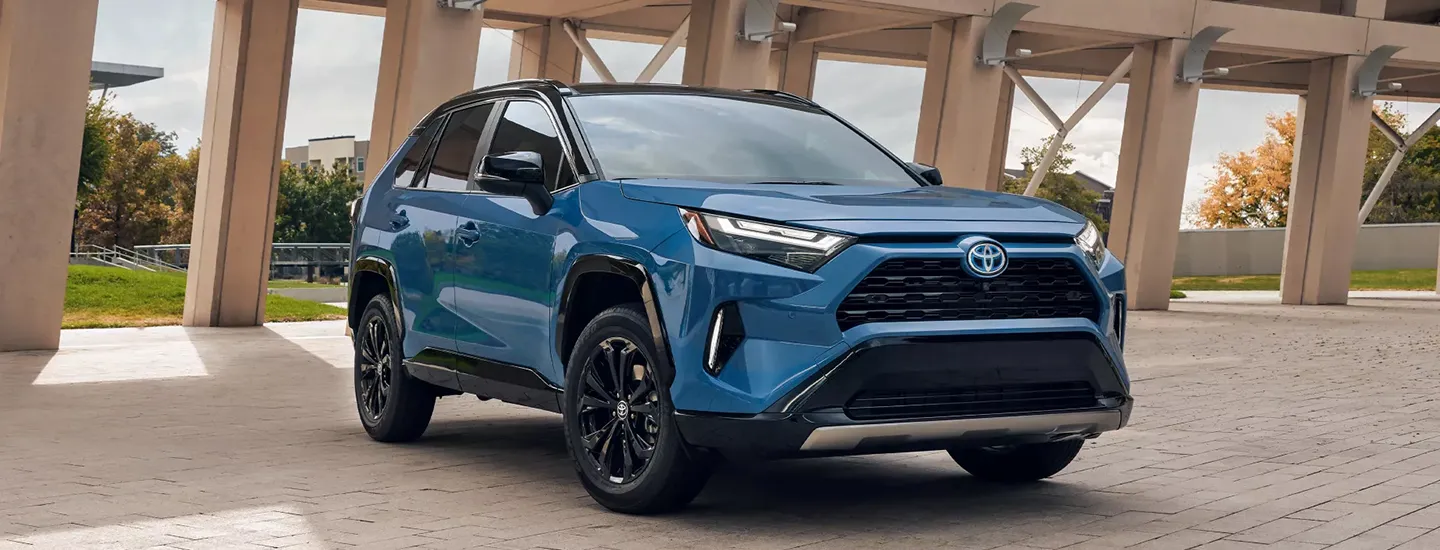
The RAV4’s practical design makes it useful for a wide variety of purposes. The cargo area is genuinely spacious, the rear seats fold to accommodate larger items, and the higher ride height makes loading and unloading easier than with sedans.
All-wheel-drive versions offer added security in poor weather, though front-wheel-drive models are perfectly adequate for most buyers and offer slightly better fuel economy.
Build quality is solid, with RAV4s known for holding up well even in harsh climates. The body resists rust, the interior materials wear well, and the structure remains tight and rattle-free even with high mileage. Toyota’s attention to detail in assembly means that the RAV4 often looks and feels younger than its years.
Fuel economy, while not quite matching sedan levels, is reasonable for an SUV, typically in the mid-to-upper 20s for combined driving.
Maintenance costs are on par with other Toyotas, meaning they’re generally lower than average. The RAV4’s popularity ensures strong resale values and ready availability of parts and service.
10. Honda CR-V
The Honda CR-V rounds out this list as another compact SUV option that combines Honda’s reliability reputation with practical versatility.
Like the RAV4, the CR-V offers buyers who need SUV functionality without compromising on longevity an excellent choice within a $20,000 budget. Honda’s engineering expertise translates to a vehicle that can easily provide fifteen years of dependable service, making the CR-V particularly appealing for families or outdoor enthusiasts who need the space and capability an SUV provides.
The CR-V has consistently ranked at or near the top of reliability surveys throughout its production history. Honda’s expertise in building durable engines and transmissions is fully evident here, with powertrains that maintain smooth operation even with high mileage.
The straightforward mechanical design avoids unnecessary complexity, reducing potential maintenance headaches and keeping repair costs manageable over the vehicle’s lifetime.
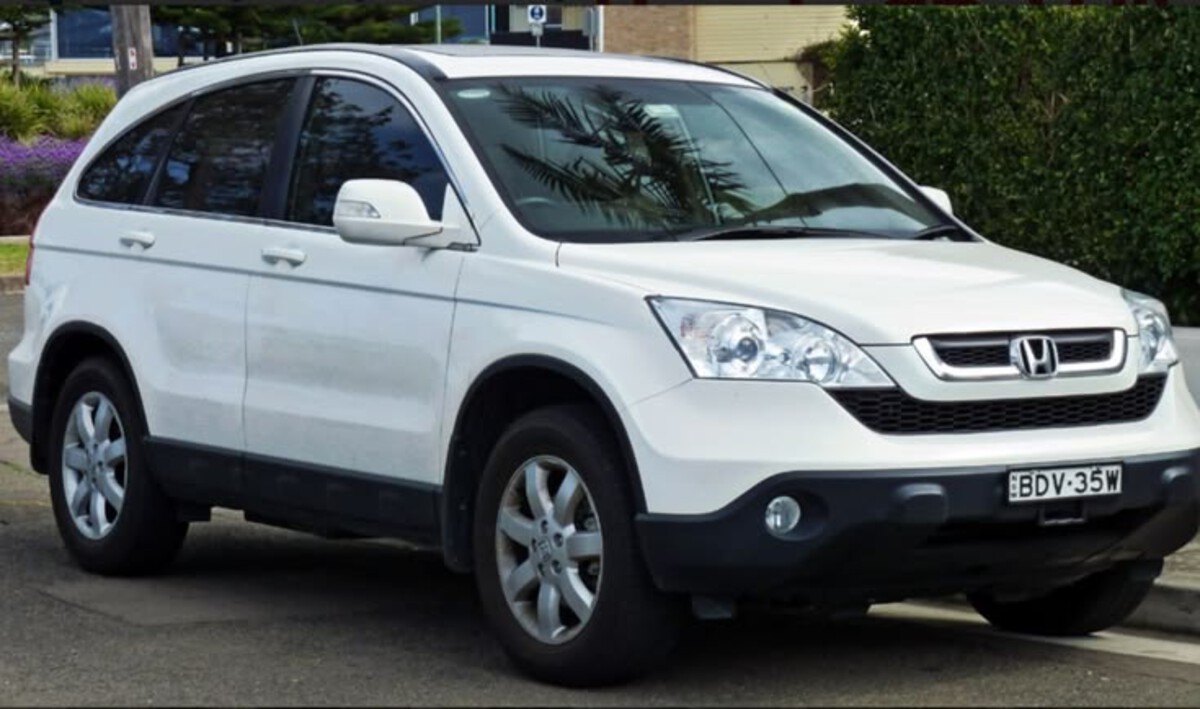
One of the CR-V’s standout features is its remarkably spacious and versatile interior. Despite its compact exterior dimensions, the CR-V offers more usable interior space than many larger competitors, with clever design maximizing every inch. The rear seats provide genuine adult comfort, and the cargo area is not only spacious but also thoughtfully designed with a low load floor and wide opening.
The CR-V’s ride quality strikes a good balance between comfort and handling, making it pleasant for both daily commuting and longer road trips.
Visibility is excellent thanks to the upright seating position and large windows, reducing driver fatigue and improving safety. These qualities contribute to long-term satisfaction, making owners less likely to trade in their CR-V prematurely.
Fuel efficiency is competitive with other compact SUVs, generally achieving combined mpg figures in the mid-to-upper 20s. Combined with Honda’s reliability, this translates to an exceptionally low cost per mile over fifteen years of ownership.
Resale values remain strong, parts are readily available, and the widespread popularity of the CR-V means service expertise is easy to find, ensuring that even after fifteen years, keeping your CR-V running remains straightforward and affordable.
Also Read: 10 Cars That Make You Take the Long Way Home
