Technology in vehicles has changed rapidly over the last decade. Many modern cars now feature large touchscreen displays, sometimes replacing almost all physical buttons. While these innovations appeal to tech-savvy drivers, not every driver feels comfortable using them.
Seniors, in particular, often prefer cars that maintain traditional controls. Physical knobs, buttons, and dials provide tactile feedback, making adjustments easier without taking eyes off the road. This aspect is particularly important for drivers who may have diminished eyesight or limited hand coordination.
The rise of fully digital dashboards creates both convenience and complexity. Touch-only interfaces allow for more flexible layouts, but they often require multiple swipes and menus to reach basic functions. For some seniors, this can cause frustration or even make them avoid using certain features.
On the other hand, a car with physical controls enables quick and intuitive adjustments. Volume, climate, and navigation can often be controlled in a single motion without requiring memorization of screen layouts. Such designs also reduce distraction, which is a significant safety consideration for older drivers.
Many automakers are aware of this divide and have attempted to balance modern technology with user-friendly controls. Some models continue to include physical knobs for climate and audio, even while offering touchscreen functionality for navigation or entertainment.
Others have gone fully digital, removing most tactile feedback in favor of sleek designs and advanced features. These design choices can significantly influence a senior buyer’s preference and satisfaction. Choosing the right balance between tactile and digital interfaces can improve driving confidence, reduce stress, and maintain enjoyment in vehicle operation.
The differences between cars with physical knobs and those that are all touch go beyond simple convenience. Seniors often report that physical controls allow for better muscle memory, which can be reassuring in emergencies. Adjusting temperature or changing radio stations without glancing at the screen becomes second nature.
Touch-only systems, while visually clean, often require precise finger movements, which may be challenging for those with arthritis or tremors. This usability difference can make one vehicle significantly more attractive than another for older drivers.
Understanding these preferences is essential for both buyers and manufacturers. Seniors represent a substantial portion of the car market, and their comfort and confidence while driving can impact sales and customer satisfaction. By highlighting specific models that cater to these needs, drivers can make informed decisions that match their abilities and preferences.
This article identifies six cars with physical knobs favored by seniors and contrasts them with six cars relying primarily on touch controls, providing a clear comparison for anyone considering their next vehicle.
6 Cars With Physical Knobs Seniors Prefer
1. Toyota Camry
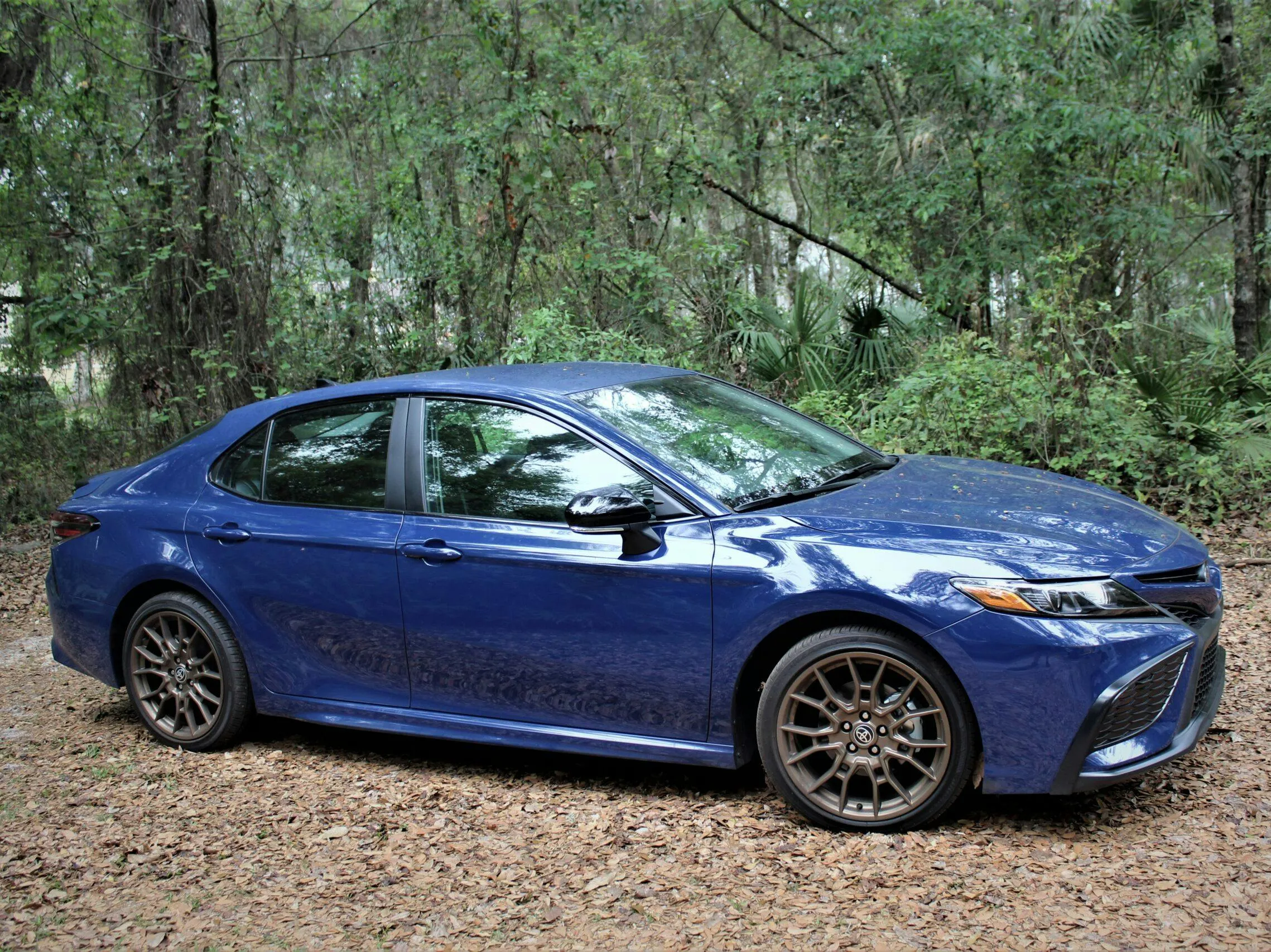
The Toyota Camry remains a favorite among older drivers for its simplicity and reliability. Its dashboard features clearly marked knobs for climate and audio control. Seniors find these controls predictable and easy to use during short trips or long drives. The tactile feel reassures drivers that adjustments have been made correctly.
The Camry’s steering wheel also includes buttons that complement the main knobs. Cruise control, volume, and phone functions are all accessible without shifting focus from the road. This minimizes distractions, a critical safety advantage for senior drivers. Feedback from users highlights that the Camry feels intuitive even for those unfamiliar with modern infotainment systems.
Climate adjustments are particularly important for seniors. The Camry offers separate knobs for temperature, fan speed, and airflow direction. These physical controls allow quick modifications without navigating menus. Drivers can set comfortable conditions immediately, improving driving comfort during all seasons.
Audio control in the Camry is similarly straightforward. Volume, tuning, and media selection can all be handled by simple twists or presses. The large, well-spaced knobs prevent accidental changes and reduce frustration during travel. This practical design ensures that technology serves the driver rather than creating challenges.
Finally, maintenance and usability contribute to the Camry’s appeal. Physical knobs are less likely to fail compared with touchscreens. Seniors value this reliability and the familiarity of traditional layouts. For many, the Camry provides peace of mind and confidence on every drive.
2. Honda Accord
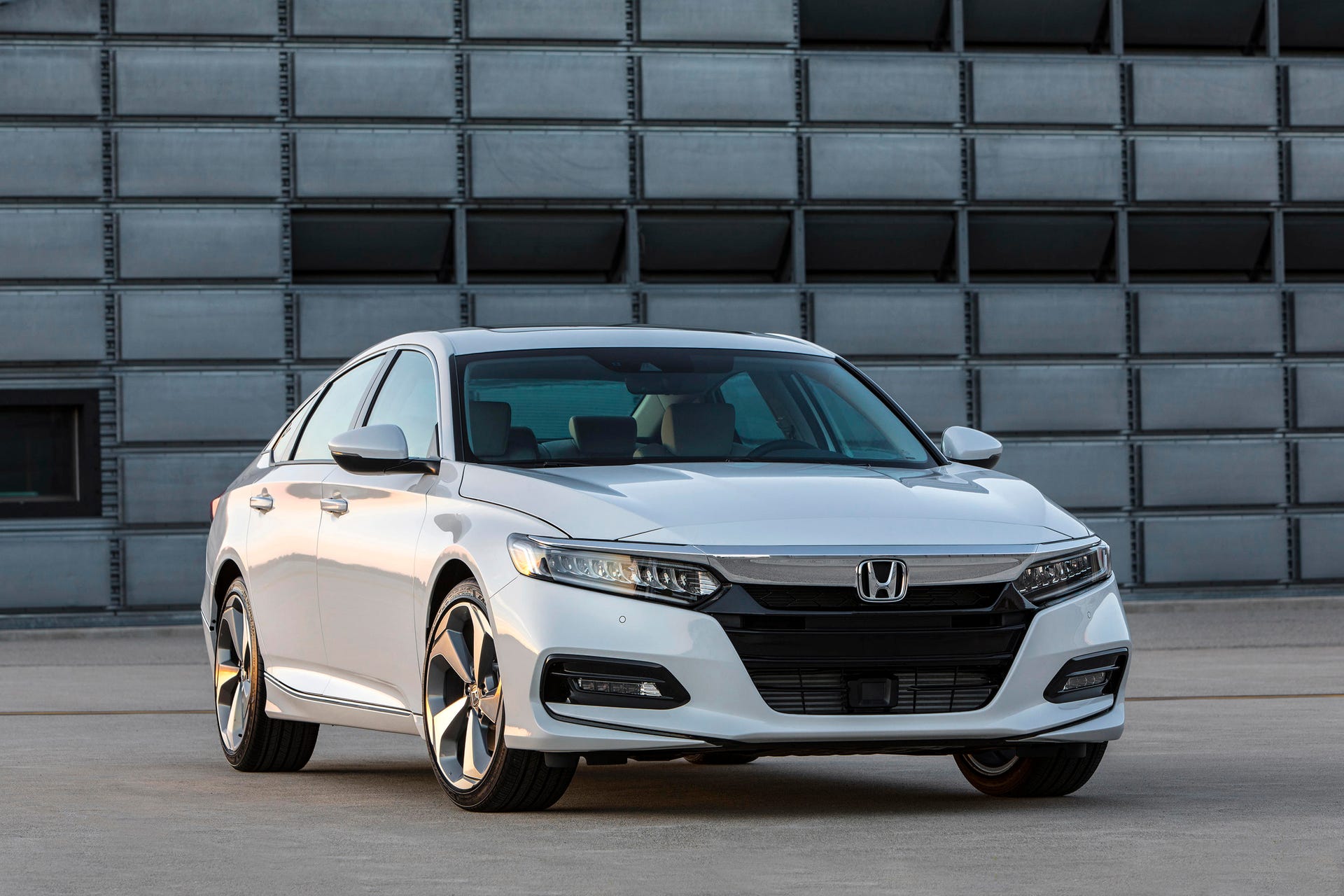
The Honda Accord has consistently maintained user-friendly controls. Its infotainment system integrates touchscreens but preserves physical knobs for key functions. Volume and temperature can be adjusted quickly, avoiding unnecessary distractions. Seniors often comment on how easy it is to operate even on unfamiliar roads.
The placement of controls in the Accord is strategic. Knobs are positioned near the driver’s dominant hand, minimizing reach and effort. Large dials are labeled clearly, which supports those with limited vision. These design choices demonstrate Honda’s attention to driver comfort.
The Accord also includes a combination of tactile buttons and steering wheel controls. This setup allows multitasking without compromising safety. Seniors appreciate that they can keep their eyes on the road while adjusting music, temperature, or phone calls. Muscle memory develops quickly, reinforcing ease of use.
Another advantage of the Accord is consistent responsiveness. Physical knobs provide immediate feedback, letting drivers know changes have occurred. This contrasts with some touch-only systems that may delay or misinterpret input. Seniors often report feeling more in control with tactile interfaces.
Finally, the Honda Accord’s long-term reliability adds to its appeal. Older drivers prioritize vehicles that remain functional and intuitive over time. With its combination of traditional knobs and modern features, the Accord strikes a balance that meets these needs effectively.
3. Subaru Outback
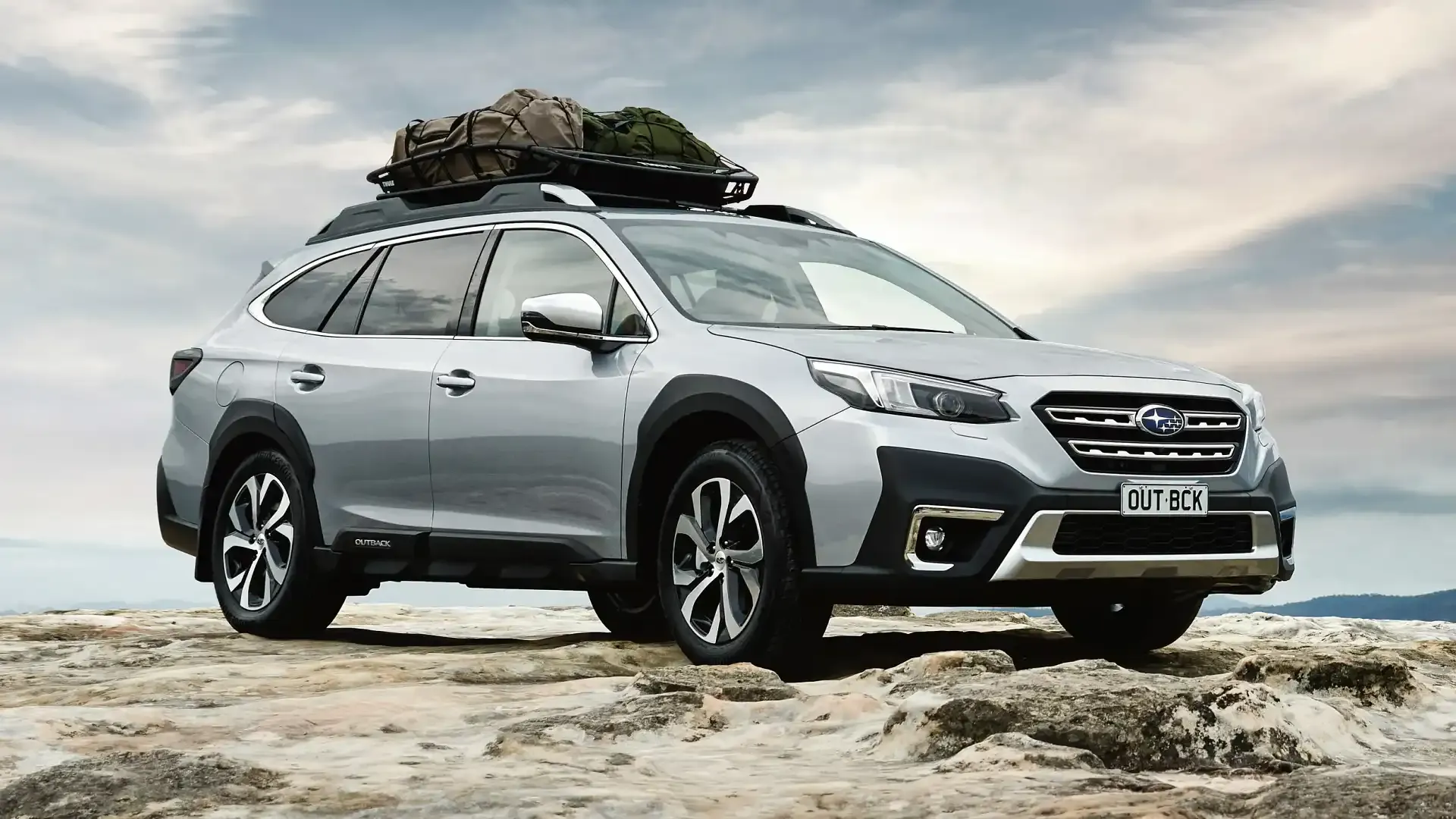
Subaru’s Outback is favored by seniors for both comfort and practicality. Its dashboard design features large, well-spaced knobs for climate and audio adjustments. The tactile controls reduce confusion and make the car feel approachable for first-time users. Every function is easy to locate, which enhances safety.
Knobs on the Outback are designed for effortless use while driving. Seniors can adjust temperature or fan speed without shifting their posture or focus. This contributes to confidence, especially during long road trips or in changing weather conditions. Feedback from older drivers consistently praises the system’s clarity.
The Outback also includes accessible buttons for radio presets and media selection. These additional physical controls complement the main knobs. Users can switch stations or playlists quickly, keeping driving experience pleasant and stress-free. Navigation between tasks remains seamless.
Climate control in the Outback is particularly intuitive. Separate knobs for different zones allow quick, precise adjustments. Seniors benefit from this clear distinction and can easily customize comfort for both driver and passenger. The combination of tactile knobs and layout simplicity enhances user satisfaction.
Finally, Subaru’s reputation for safety and ease of maintenance adds to its appeal. Physical knobs are durable and unlikely to malfunction. Older drivers value this reliability, as it ensures that critical functions remain operable at all times.
4. Chevrolet Equinox
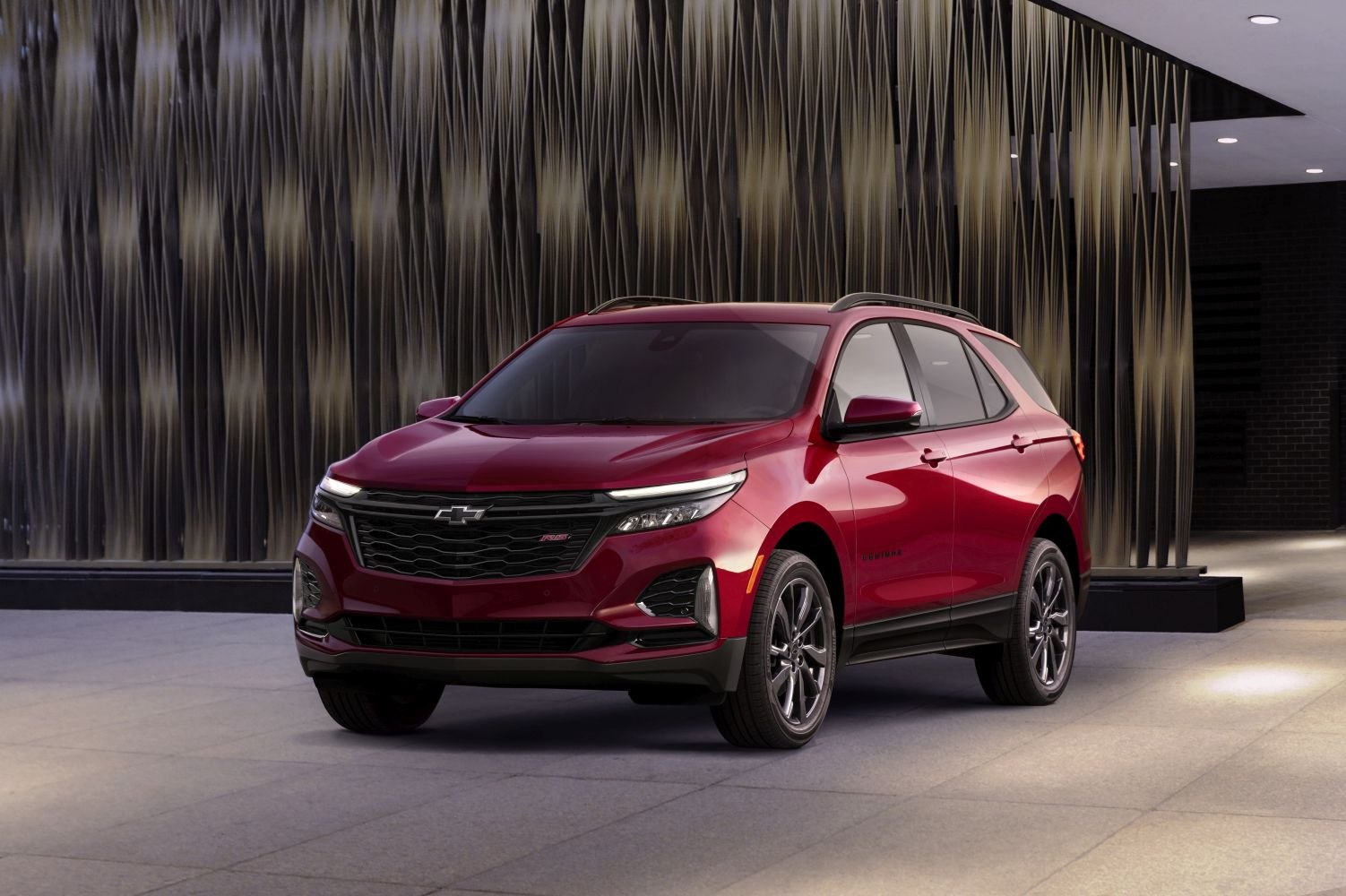
The Chevrolet Equinox provides a blend of comfort and accessibility. Its central console incorporates physical knobs for both audio and climate systems. This approach caters to seniors who prefer tangible controls over touch-only interfaces. Adjustments are simple, requiring minimal effort or attention.
Steering wheel buttons complement the main knobs. Volume, media, and cruise functions are easily reachable without stretching or leaning. Seniors report that this arrangement allows for safer driving by limiting distractions. Muscle memory makes routine adjustments natural and consistent.
Climate features in the Equinox are straightforward. Separate knobs for temperature, fan speed, and airflow provide clarity. Seniors can operate the system instinctively, without needing to memorize touchscreen menus. Comfort management becomes seamless and efficient.
Audio functionality is equally user-friendly. Large, well-marked knobs make tuning, media selection, and volume control effortless. This reduces frustration during commutes or long drives. For older drivers, this design ensures that technology remains an aid rather than a challenge.
The Equinox also emphasizes durability. Physical knobs withstand repeated use and maintain their responsiveness over time. Seniors appreciate the reliability, knowing that their preferred functions will not fail unexpectedly. This reinforces confidence and satisfaction behind the wheel.
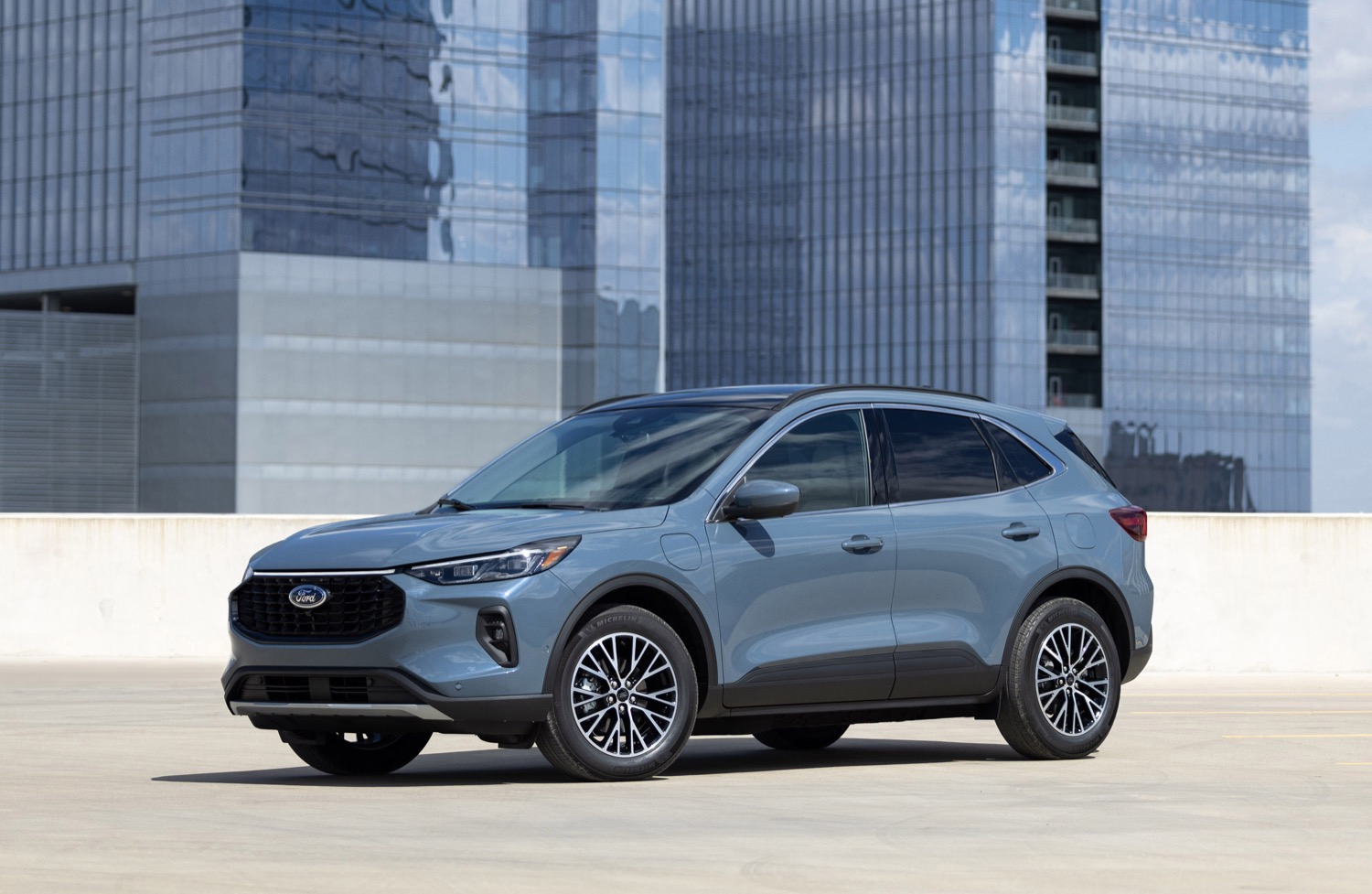
5. Ford Escape
The Ford Escape prioritizes ease of use for its senior drivers. Physical knobs are present for essential controls, including audio, temperature, and fan speed. Their tactile feedback allows seniors to operate features confidently. Even brief use requires minimal learning or memorization.
Knobs on the Escape are logically positioned near the driver. This reduces stretching or awkward movement during operation. Seniors with limited mobility or dexterity find this layout convenient and practical. Reaching for adjustments does not interrupt focus on the road.
Steering wheel buttons complement main controls, allowing multitasking safely. Volume, media selection, and phone integration are accessible without glancing at the dashboard. This combination of tactile and button controls promotes safer driving for older passengers.
Climate control is highly responsive and easy to manage. Knobs are clearly labeled for temperature and fan speed. Seniors can quickly establish a comfortable environment without trial and error. The user-friendly design supports both convenience and comfort.
Durability and maintenance are additional benefits of the Escape. Physical knobs are less prone to failure compared with touchscreens. Seniors value this reliability, ensuring that the vehicle’s essential functions remain accessible over time.
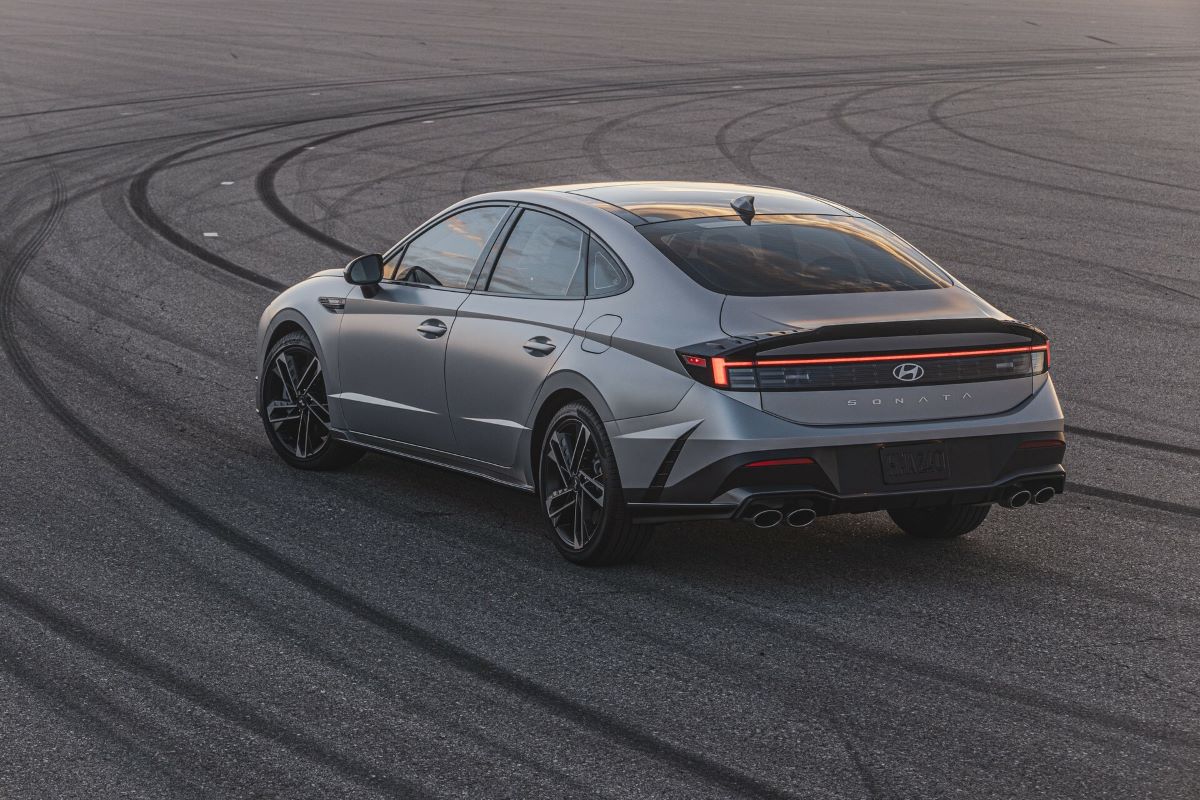
6. Hyundai Sonata
The Hyundai Sonata offers intuitive controls suitable for senior drivers. Knobs control critical functions such as climate, audio, and fan speed. These physical dials allow adjustments without diverting attention from the road. Many older drivers appreciate this simplicity and predictability.
Controls are positioned for ease of use. Large, accessible knobs prevent accidental presses and allow for quick operation. This is particularly helpful for seniors with reduced dexterity or weaker grip strength. The layout promotes comfort and safety.
Steering wheel buttons enhance multitasking capabilities. Volume, media, and cruise control are reachable without compromising focus. This design reduces distractions while maintaining a tactile experience. Older drivers find this reassuring and straightforward.
Climate and audio adjustments are efficient and clear. Separate knobs for temperature, fan, and audio prevent confusion. Seniors can rely on these physical controls to maintain comfort during all driving conditions. Ease of use is consistently highlighted in reviews.
Finally, the Sonata’s combination of modern technology and physical controls appeals to senior buyers. Physical knobs provide reliable feedback and intuitive operation. This balance allows older drivers to enjoy features without feeling overwhelmed by complex touch-only interfaces.
Six Cars That Are All Touch
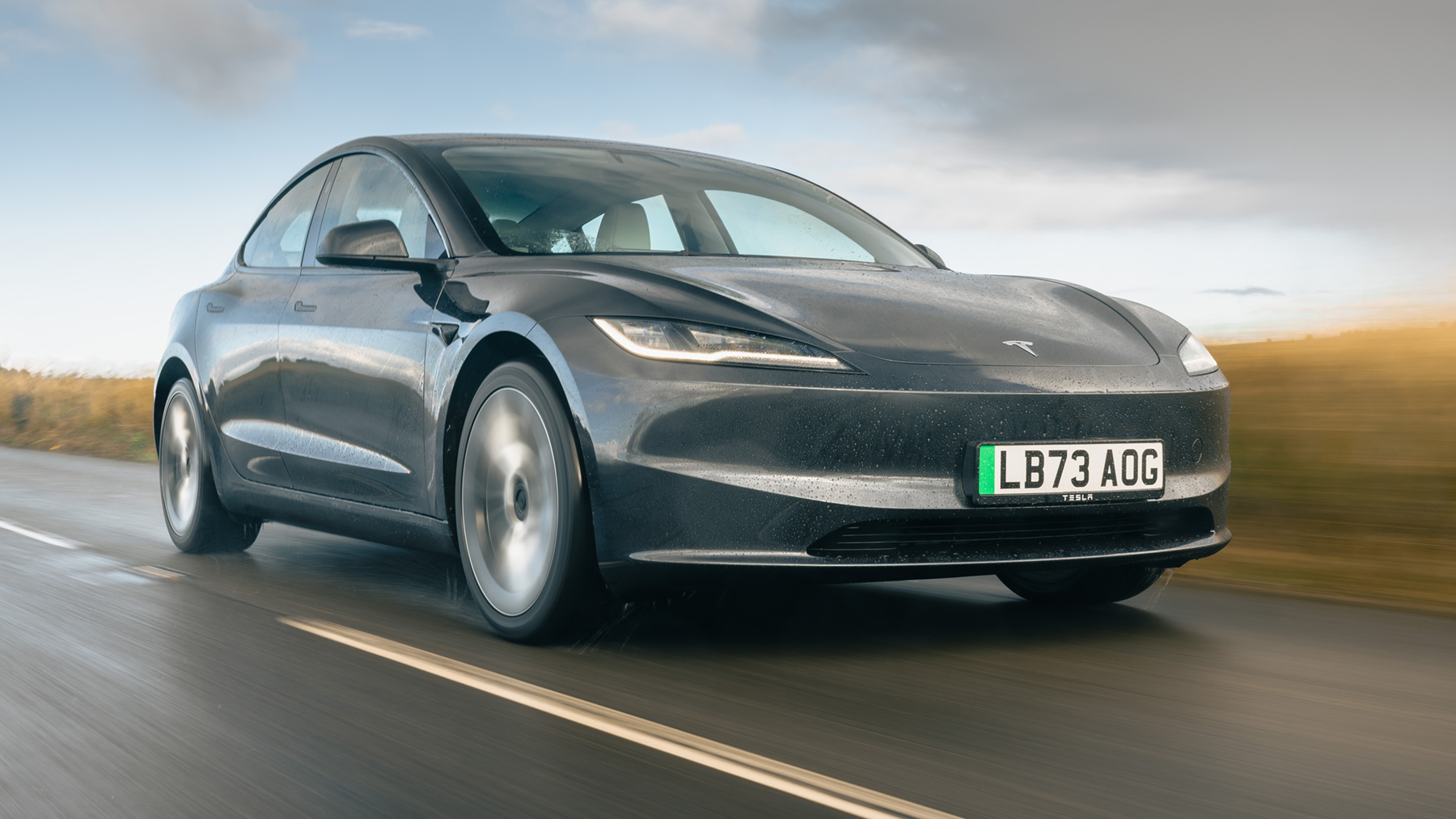
1. Tesla Model 3
The Tesla Model 3 is known for its futuristic interior dominated by a large touchscreen. Almost every function, including climate, audio, and navigation, is controlled digitally. There are no traditional knobs for these essentials, which can be challenging for seniors.
Adjusting the temperature requires navigating menus on the screen, which can be distracting. Older drivers may find it difficult to make quick changes without taking their eyes off the road. This interface relies heavily on familiarity with digital devices.
While the touchscreen offers advanced features, it requires precise input. Multi-step processes, small icons, and limited tactile feedback make simple tasks more complex. Seniors may feel overwhelmed by the number of options presented.
Tesla’s minimalistic interior prioritizes style over traditional usability. The lack of physical controls can reduce the intuitive interaction that many seniors rely on for comfort and safety. Learning the system often requires a period of adjustment.
Despite advanced technology and impressive performance, the touchscreen-only design makes the Model 3 less practical for seniors who prefer tactile feedback. Confidence in adjusting critical systems may take time to develop.
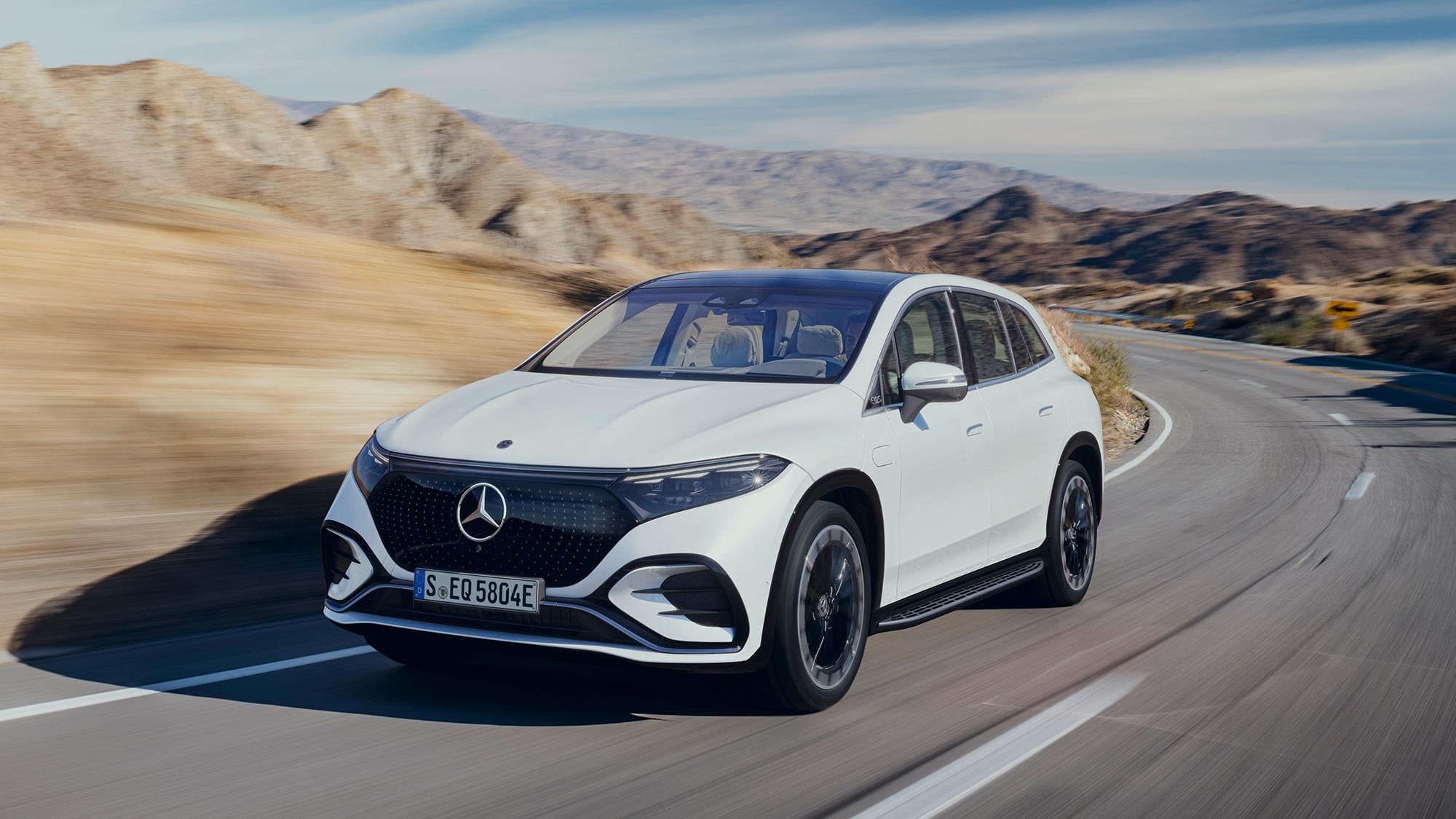
2. Mercedes-Benz EQS
The Mercedes-Benz EQS features a fully digital dashboard and touchscreen interface that controls nearly every function. Physical knobs are virtually absent, making the experience highly dependent on precise touchscreen interaction.
Climate control, media adjustments, and navigation require attention and finger gestures. Older drivers may struggle with menus and digital sliders, which can reduce ease of use. Tactile confirmation is limited to haptic feedback from the screen.
Although visually striking, the interface prioritizes aesthetics over traditional ergonomics. Seniors may find the complexity unnecessary for everyday driving needs. Familiarity with digital interfaces becomes critical.
Vehicle settings, including seat adjustments and driving modes, are also accessed through touchscreens. This centralized control can be efficient for tech-savvy drivers but less approachable for older adults. The lack of physical knobs is noticeable in practical daily use.
While the EQS delivers luxury and innovation, seniors may prefer models with at least partial physical controls for safety and convenience. Touch-only designs demand careful attention and adaptation.
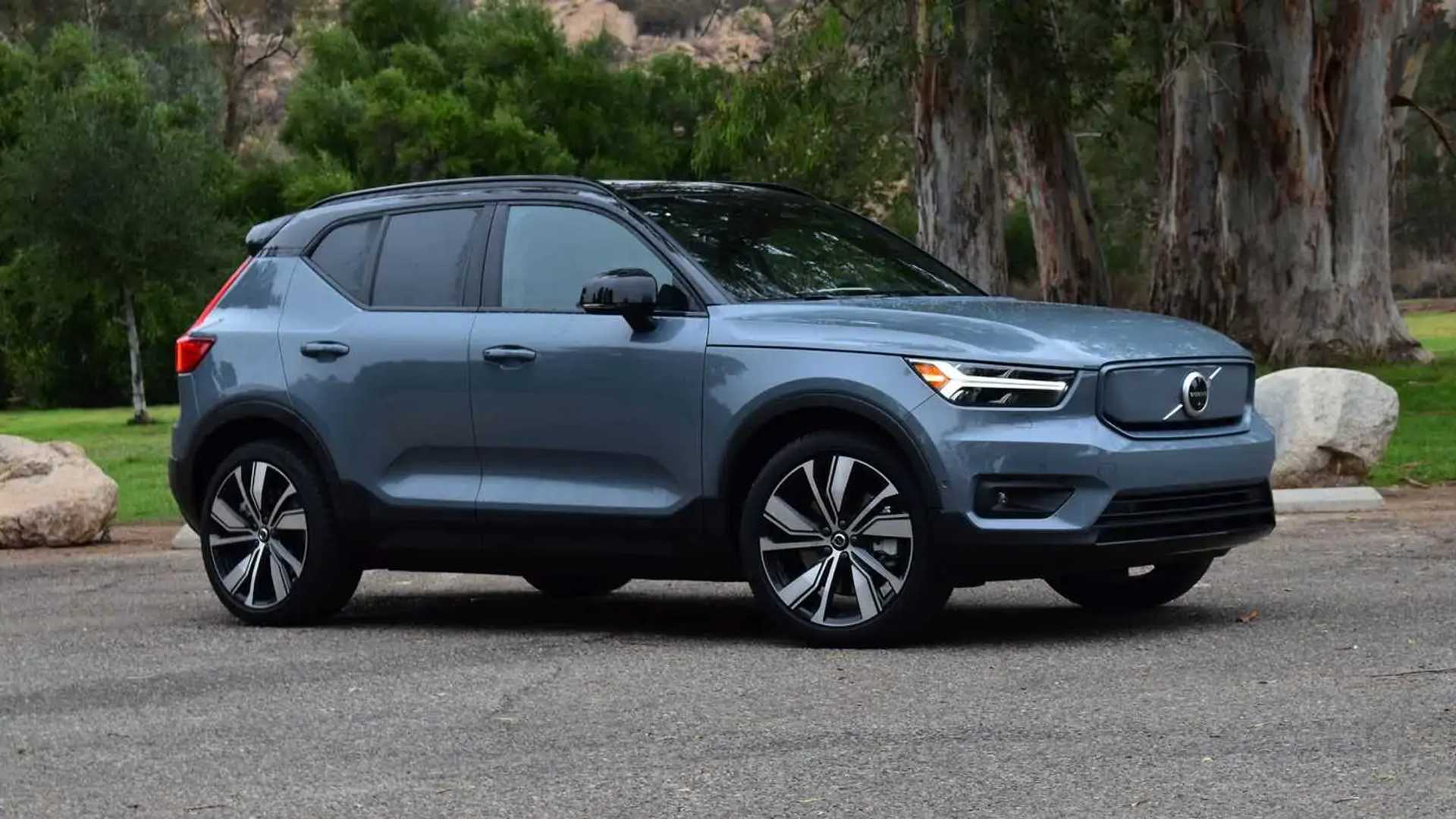
3. Volvo XC40 Recharge
The Volvo XC40 Recharge features a touchscreen-based infotainment and control system that replaces most knobs. Functions such as climate, audio, and car settings are all accessed through menus. Seniors may find this design less straightforward.
Adjusting essential systems often requires navigating multiple screens. Unlike traditional knobs, the touchscreen does not offer immediate tactile feedback. This can make rapid adjustments challenging while driving.
Although voice commands are available, seniors who prefer physical controls may find the reliance on touchscreens inconvenient. The interface emphasizes technology and aesthetics over simplicity.
The central touchscreen integrates most functions, but multitasking or adjusting while on the move can be distracting. Small icons and scrolling menus increase cognitive load for some older drivers.
Volvo’s focus on safety and luxury is clear, but the touch-based interface can feel less intuitive for seniors. For drivers accustomed to physical knobs, the XC40 Recharge represents a shift in how control is managed.
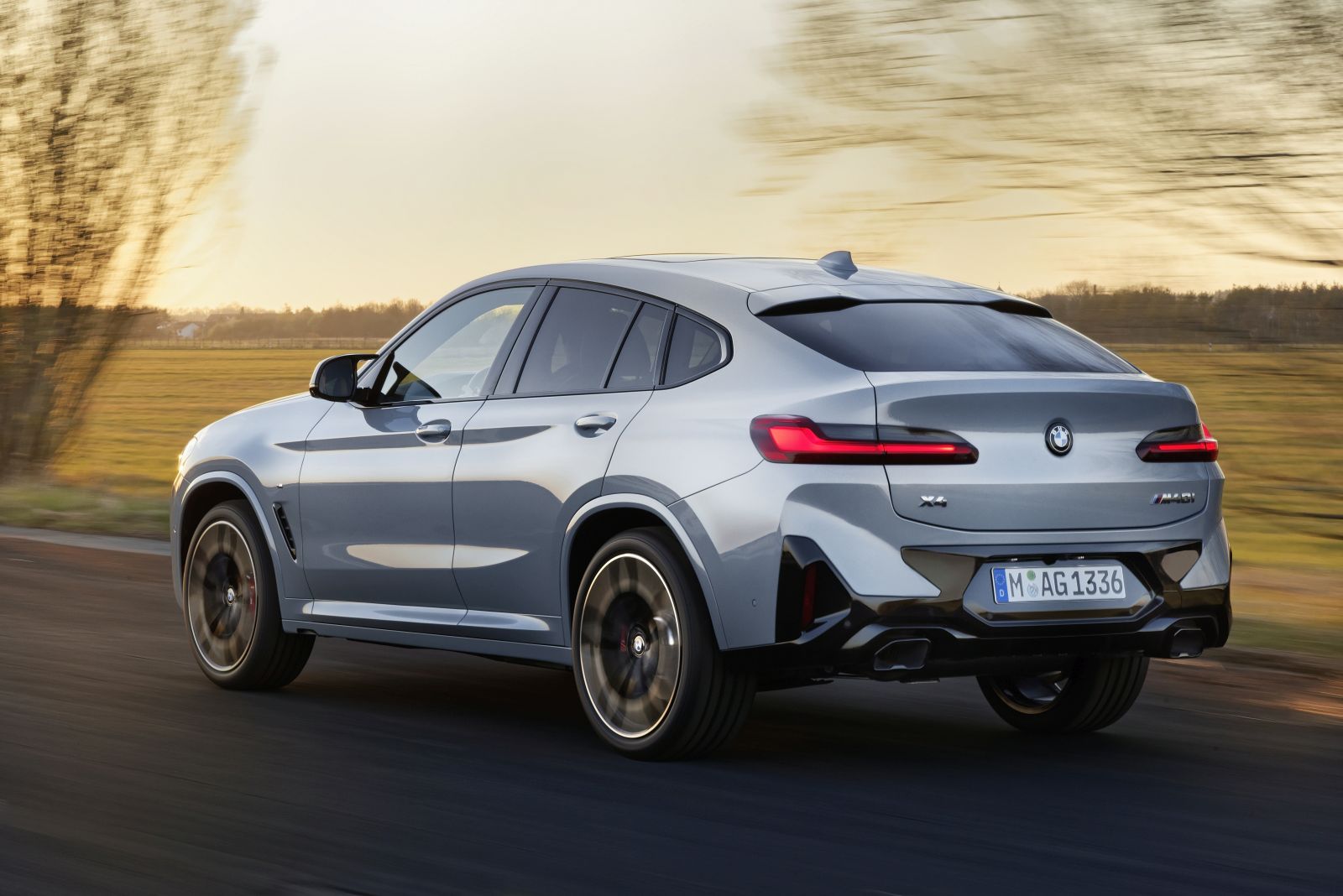
4. BMW iX
The BMW iX is a high-tech SUV with a central touchscreen controlling nearly all functions. Physical knobs are minimal, with most settings requiring digital input. Seniors may find this interface unfamiliar and complex.
Climate, audio, and navigation adjustments involve menu navigation and digital sliders. Unlike traditional controls, there is no tactile feedback to guide operation. This can reduce ease and confidence.
The interface includes gestures and touch-sensitive areas, adding layers of complexity. Older drivers may need time to learn these systems before using them comfortably.
While the design is sleek and modern, the emphasis on touch over tactile controls can create challenges for seniors. Quick adjustments require precise finger movements that may not be ideal for everyone.
Safety systems are integrated into the touchscreen, which may distract drivers unfamiliar with digital-heavy layouts. Seniors who prioritize intuitive operation may prefer alternatives with physical knobs.
The iX demonstrates the tension between high-tech innovation and user-friendly design for older drivers. Touch-only interfaces may appeal to younger audiences but can complicate simple functions for seniors.
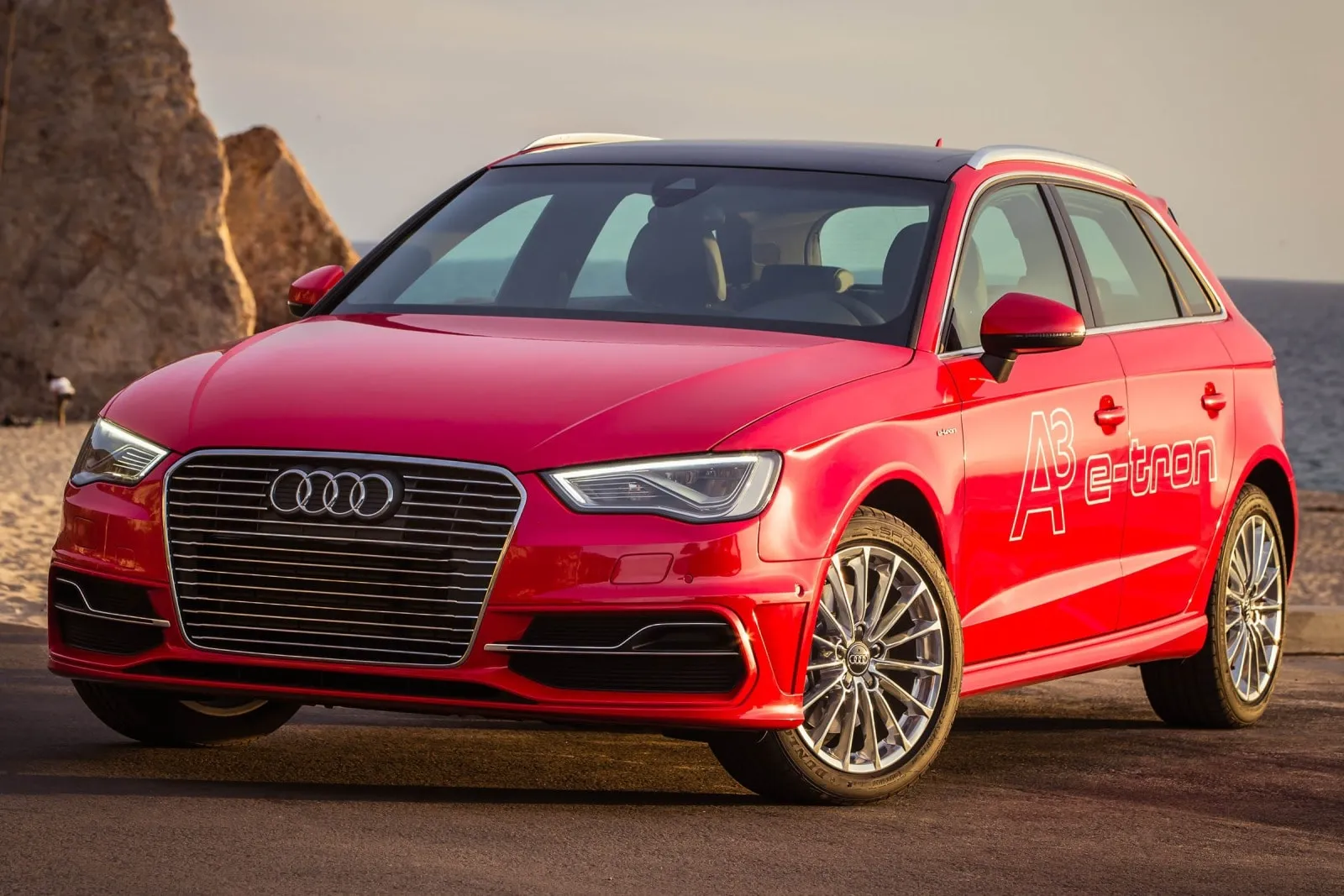
5. Audi e-tron
The Audi e-tron’s interior relies on touchscreens for almost all controls. Traditional knobs are replaced by digital sliders and haptic feedback, making climate and media adjustments dependent on screen interaction.
Seniors may find multitouch operations and menu navigation less intuitive. Physical feedback is limited, and quick adjustments require precise input. This can be challenging during daily driving.
Advanced features are accessed through layered menus, which may increase cognitive load. Older drivers accustomed to straightforward knobs may find the design unnecessarily complex.
Despite a luxurious feel and cutting-edge technology, the e-tron’s reliance on touch can reduce practical usability for seniors. Physical controls for essential functions are noticeably absent.
The interface emphasizes digital integration over tactile simplicity. Seniors may require time and patience to operate the vehicle comfortably, particularly when making frequent adjustments.
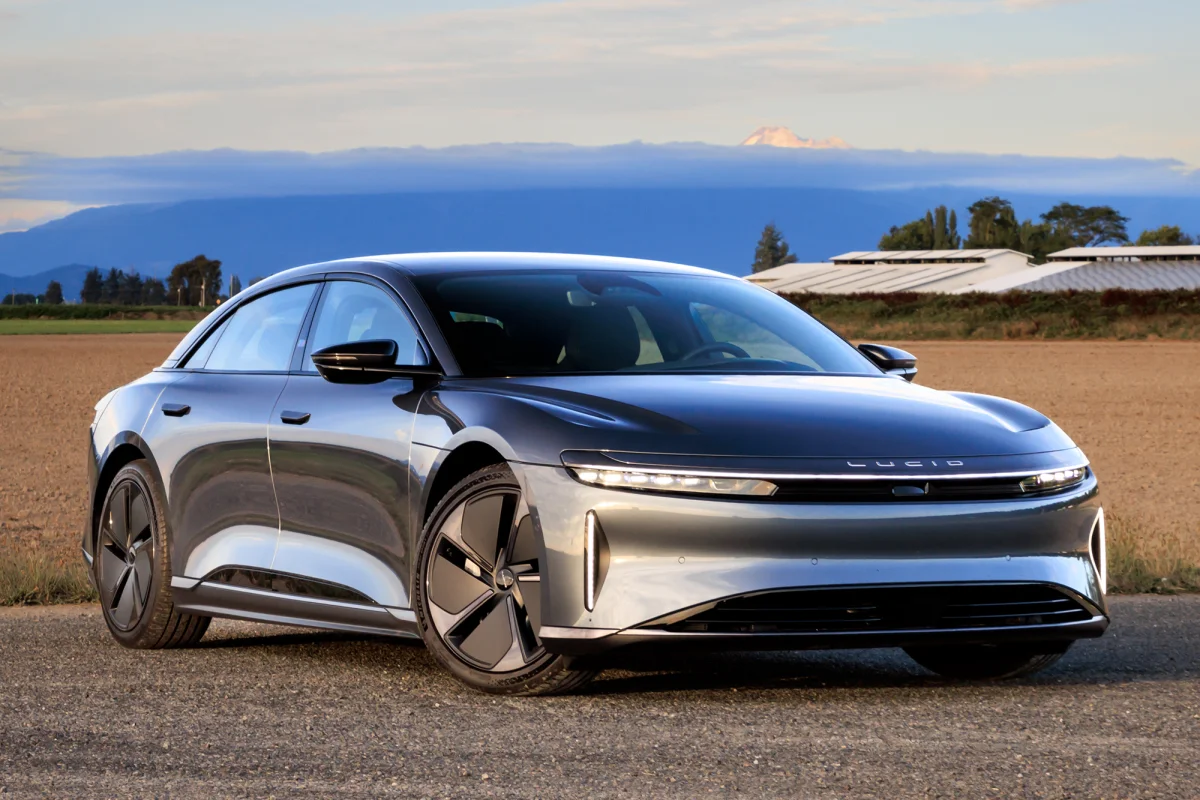
6. Lucid Air
The Lucid Air offers a minimalist, touch-driven cabin where almost every control is digital. Climate, audio, and vehicle settings are managed exclusively through screens. Seniors may struggle without physical knobs.
Touchscreen controls require precision, and the lack of tactile feedback can make adjustments slow. Icons, sliders, and menus replace intuitive knob rotation and button pressing.
While the Lucid Air delivers advanced technology, its interface prioritizes aesthetics over practicality. Older drivers may find the learning curve steep, particularly for daily driving tasks.
The system integrates multiple screens for different functions, which can increase distraction. Seniors may prefer vehicles where essential operations remain physical and immediately accessible.
Comfort, performance, and innovation are emphasized, but tactile simplicity is largely sacrificed. The Lucid Air represents the future of touch-based interiors, which may not suit all senior drivers.