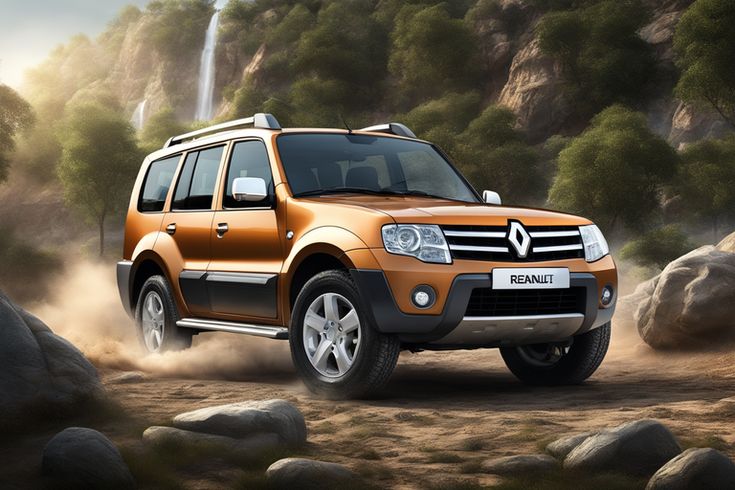
Cars come and go. Trends change. But body-on-frame SUVs? They’re a different breed. These machines weren’t built for hype or short-term ownership. They were built to take abuse, rack up miles, and still show up every morning ready to work. If you’re tired of fragile crossovers and tech-heavy SUVs that feel old in five years, this list is for you.
A body-on-frame SUV uses a truck-style construction where the body sits on a separate steel frame. That setup is heavier, tougher, and far better for long-term durability. It handles rough roads, towing, off-road use, and plain old neglect better than unibody SUVs. That’s why you still see some of these vehicles running strong after 300,000 miles.
Longevity isn’t just about engines. It’s about simple mechanics, proven drivetrains, solid axles, and parts that don’t cost a fortune to replace. The SUVs on this list earned their reputation the hard way through decades of real-world use, not marketing claims.
This article focuses on SUVs that are known to last forever, not just “reliable for a few years.” We’re talking about models that survive bad maintenance, harsh climates, heavy loads, and long road trips without falling apart. These are vehicles people hand down, rebuild, or keep as backups because they just won’t quit.
You’ll also notice a pattern: many of these long-lasting SUVs aren’t the most fuel-efficient or the most luxurious. That’s the trade-off. What you get instead is strength, simplicity, and dependability.
If your goal is to buy an SUV that can realistically last 15–20 years—or more this guide breaks down the top 8 body-on-frame SUVs that have proven themselves again and again.
Why Body-on-Frame SUVs Last Longer Than Most Vehicles
Body-on-frame SUVs are built with durability as the priority, not weight savings or ride comfort. That alone gives them a long-term advantage. The separate steel frame absorbs stress that would otherwise damage the body in unibody vehicles. Over time, that means fewer structural issues.
Another big reason is mechanical simplicity. Many long-lasting body-on-frame SUVs use naturally aspirated engines, traditional automatic transmissions, and proven four-wheel-drive systems. Fewer complex electronics means fewer expensive failures as the vehicle ages.
These SUVs are also designed to handle heavy loads. Towing, hauling, and off-road driving put serious strain on a vehicle. Body-on-frame designs are made for that kind of work. Even if the owner never tows anything, that extra strength still helps the vehicle age better.
Repairability matters too. Parts for popular body-on-frame SUVs are widely available and usually cheaper than parts for luxury unibody models. Independent mechanics know them well, which keeps labor costs reasonable. That’s a huge reason many of these SUVs stay on the road for decades.
Finally, these vehicles tend to have strong resale value. That’s not by accident. Buyers know which SUVs last, and demand stays high even for older models. When an SUV holds value after 10 or 15 years, it’s usually because it has a track record of reliability.
Simply put, if long-term ownership is the goal, body-on-frame SUVs still beat most modern alternatives.
ALSO READ: 5 EVs That Work Without Home Charging vs 5 That Don’t
1. Toyota Land Cruiser
If there’s a gold standard for SUVs that last forever, it’s the Toyota Land Cruiser. This vehicle has built a reputation across deserts, mountains, war zones, and remote villages. That’s not exaggeration it’s reality.
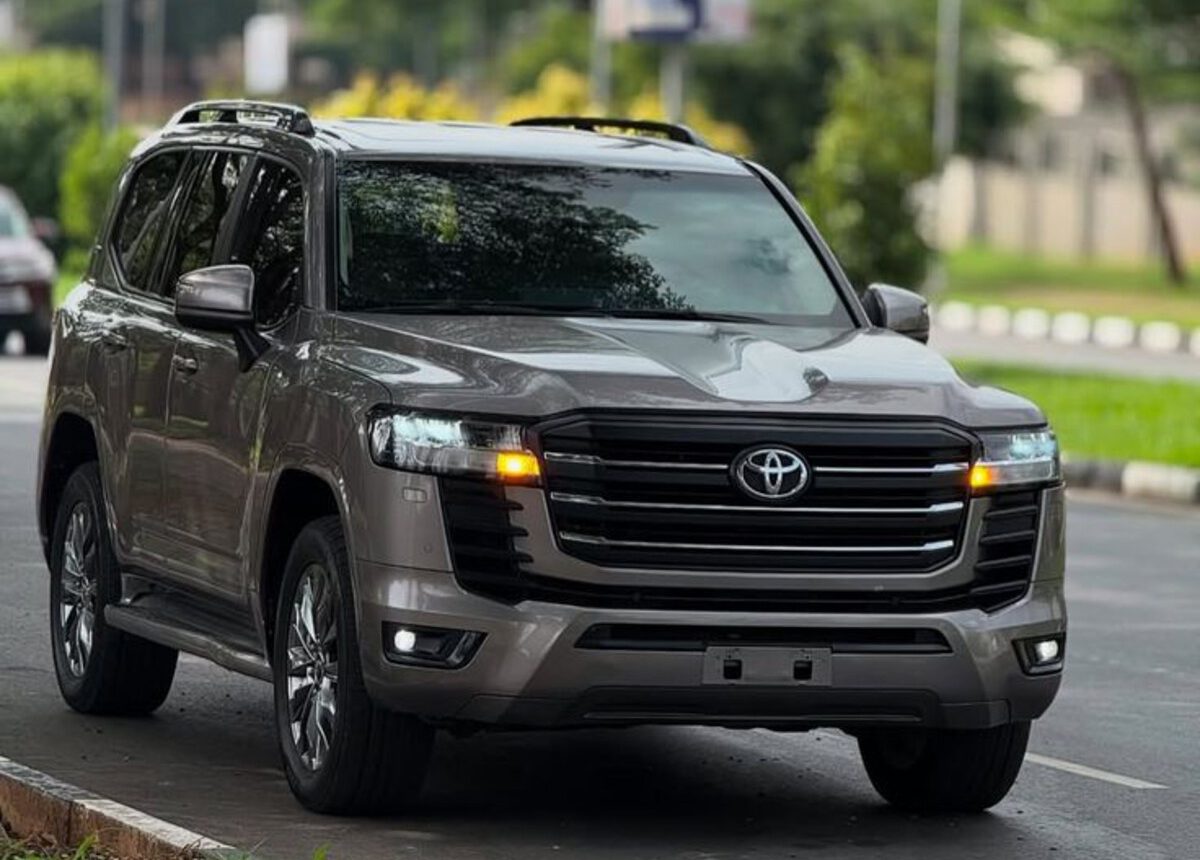
The Land Cruiser’s strength starts with its overbuilt frame. Toyota designed it to survive extreme conditions, not just daily commuting. The suspension components, axles, and drivetrain are far stronger than what most owners will ever need.
Engine reliability is another major reason the Land Cruiser lasts so long. Whether it’s the older inline-six engines or the later V8s, these motors are known for running hundreds of thousands of miles with basic maintenance. They’re not tuned for maximum power. They’re tuned to survive.
The four-wheel-drive system is equally durable. Locking differentials, low-range gearing, and simple mechanical systems make it reliable even after years of use. Many Land Cruisers still run their original drivetrains well past 300,000 miles.
Yes, repairs can be expensive. And fuel economy is nothing to brag about. But owners don’t buy a Land Cruiser to save money at the pump. They buy it because they want an SUV that won’t leave them stranded.
Another reason the Land Cruiser lasts forever is owner behavior. People tend to maintain these vehicles properly because they know what they have. That care adds even more years to an already durable design.
If you want a body-on-frame SUV that can realistically outlive its owner, the Toyota Land Cruiser sits near the top of the list.
2. Lexus GX 460
The Lexus GX 460 is proof that durability and comfort can coexist. Underneath the leather seats and quiet cabin, it’s essentially a Toyota Land Cruiser Prado. That’s a very good thing.
The GX 460 uses a strong body-on-frame platform with a naturally aspirated V8 engine. This engine isn’t stressed or turbocharged, which plays a big role in its long-term reliability. Owners regularly report high mileage with minimal major repairs.
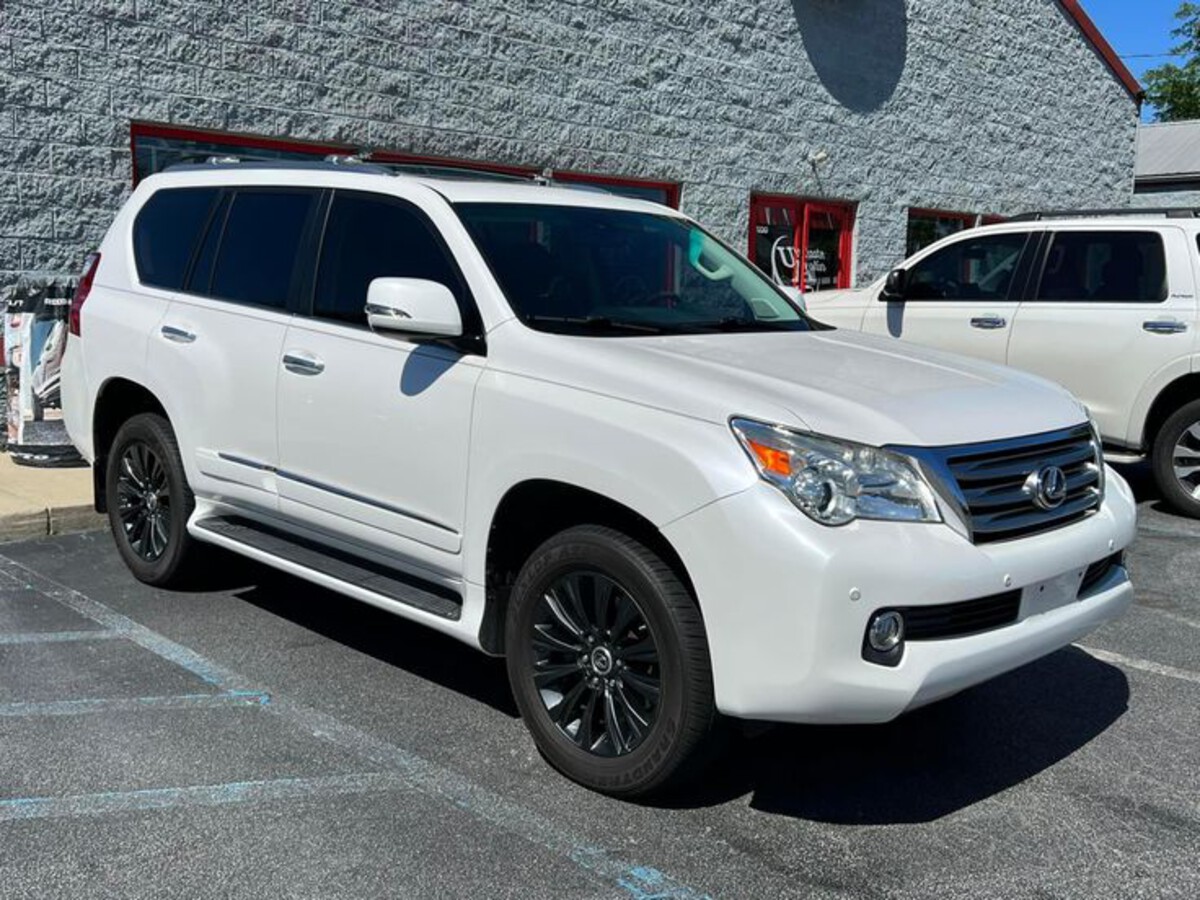
The drivetrain is another highlight. Full-time four-wheel drive, a solid rear axle, and low-range gearing make it capable off-road while still being easy to live with daily. These components are designed for longevity, not just weekend use.
One reason the GX 460 lasts so long is that it’s often underused. Many owners drive it gently, which reduces wear over time. Even when used hard, the mechanical parts are tough enough to handle it.
Maintenance costs are higher than a basic Toyota SUV, but the reliability offsets that. Serious failures are rare, and when repairs are needed, the parts are well-built and long-lasting.
Another advantage is the build quality. Lexus assembly standards are among the best in the industry. That attention to detail helps prevent the small issues rattles, electrical problems, and interior wear that make vehicles feel old quickly.
If you want a luxury SUV that still qualifies as one of the longest-lasting body-on-frame SUVs, the Lexus GX 460 is a smart choice.
3. Toyota 4Runner
The Toyota 4Runner has one of the strongest reputations for long-term reliability in the SUV world. It’s not flashy. It hasn’t changed much over the years. And that’s exactly why it lasts.
This SUV sticks to a simple, proven formula: a body-on-frame chassis, a naturally aspirated V6 engine, and a rugged suspension setup. Toyota resists the urge to overcomplicate it, and owners benefit from that restraint.
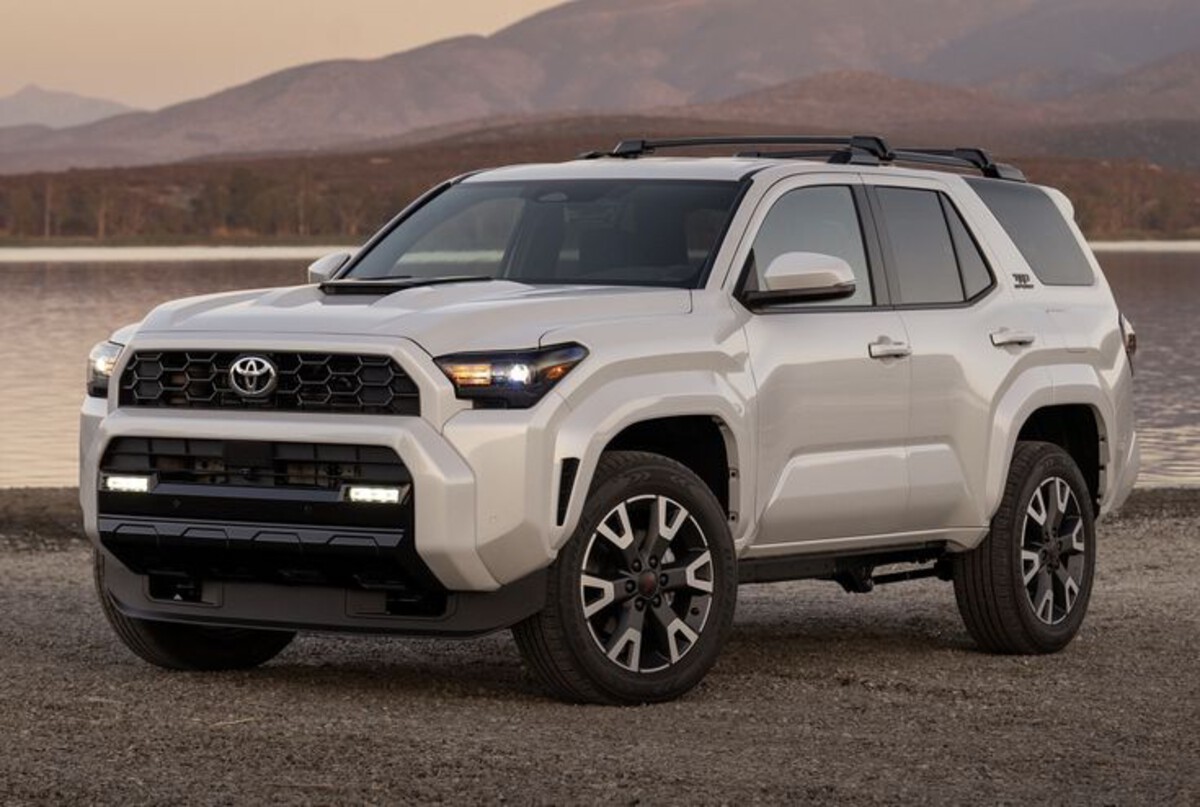
The 4Runner’s engine is known for durability rather than performance. It’s not fast, but it’s dependable. With regular oil changes and basic maintenance, many owners see 300,000 miles or more.
Off-road capability also plays a role in its longevity. Components like the transfer case, axles, and suspension are built to handle stress. Even if you never leave the pavement, that extra strength helps the vehicle age better.
Another big factor is parts availability. The 4Runner shares components with other Toyota trucks and SUVs, which keeps repair costs reasonable. Mechanics know how to work on them, and parts aren’t hard to find.
The interior isn’t luxurious, but it holds up well over time. Materials are chosen for durability, not looks. That’s why older 4Runners still feel solid instead of worn out.
If you want a body-on-frame SUV that’s easy to own long-term and known for lasting forever, the Toyota 4Runner earns its spot without question.
4. Chevrolet Tahoe
The Chevrolet Tahoe has earned its reputation the old-fashioned way: by sticking around. For decades, it’s been a go-to SUV for families, police departments, and fleet operators who care more about durability than fancy badges.
At its core, the Tahoe is a full-size body-on-frame SUV built on a truck platform. That means a strong ladder frame, solid suspension components, and drivetrains designed to handle serious mileage.
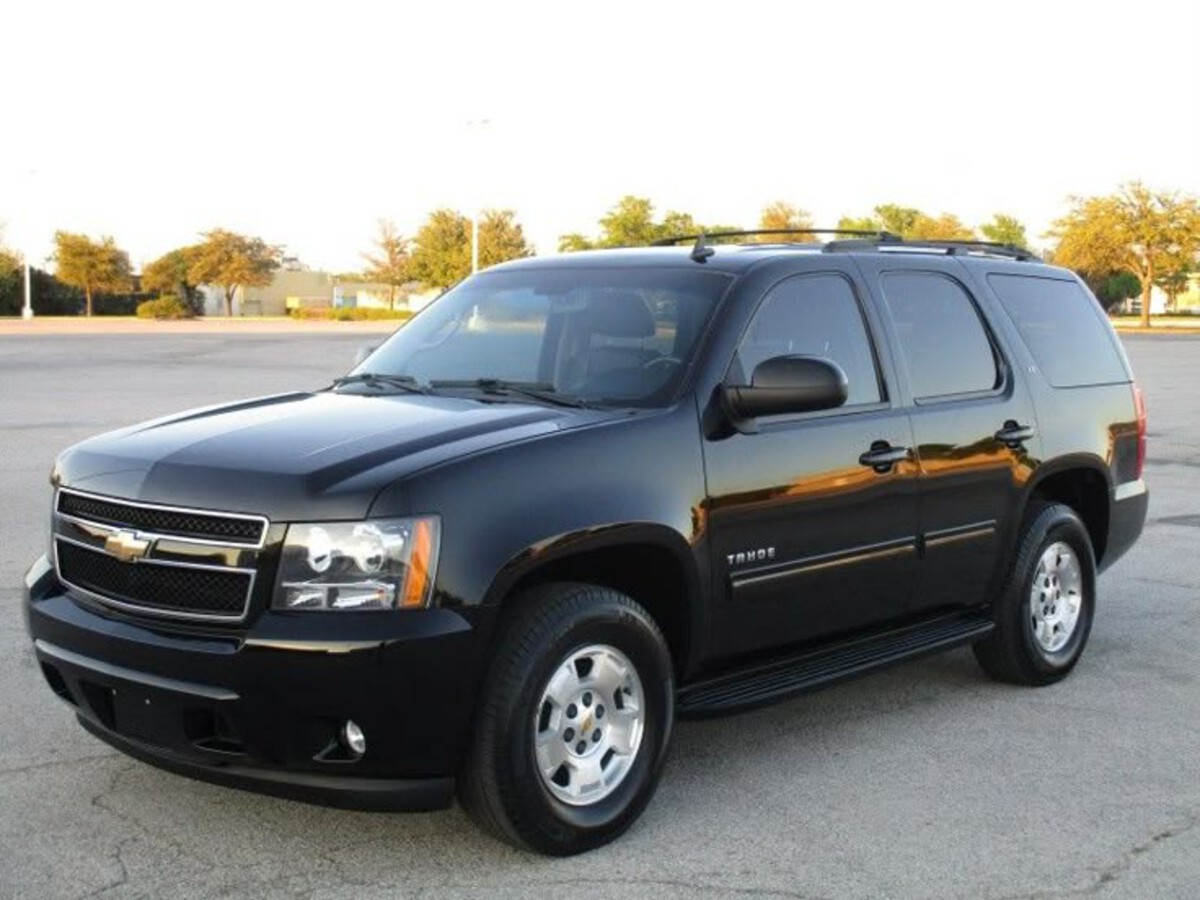
The V8 engines especially the older naturally aspirated ones, are known for lasting well beyond 250,000 miles when maintained properly.
What helps the Tahoe last forever is how understressed it is. These engines and transmissions are designed for towing and hauling, so daily driving barely pushes them. That extra margin is a big deal over 10–20 years of ownership.
Another plus is parts availability. Because the Tahoe shares components with Chevrolet and GMC trucks, replacement parts are everywhere and reasonably priced. That keeps aging Tahoes on the road instead of in scrapyards.
The interior isn’t fancy in older models, but it’s tough. Seats, controls, and trim pieces hold up better than most people expect. And because so many Tahoes are used commercially, mechanics know them inside out.
Fuel economy isn’t great. Parking can be annoying. But if your priority is a long-lasting body-on-frame SUV, the Chevrolet Tahoe has proven it belongs on this list.
5. Toyota Sequoia
The Toyota Sequoia is often overlooked, and that’s a mistake. This full-size SUV takes Toyota’s reputation for reliability and scales it up into something big, heavy, and extremely durable.
Built on a truck-based body-on-frame platform, the Sequoia uses many of the same components found in Toyota’s full-size pickups. The result is an SUV that feels overbuilt in the best way possible.
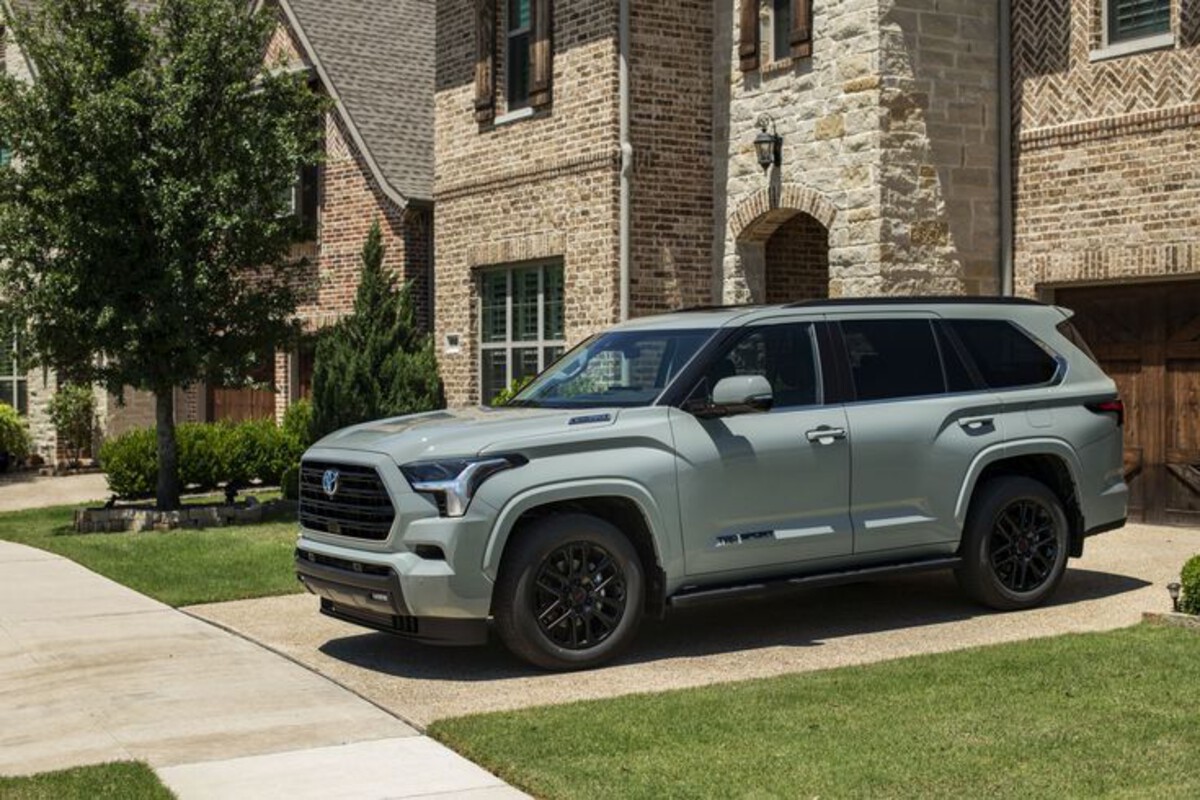
The V8 engines used in the Sequoia are known for longevity. They aren’t tuned aggressively, and they don’t rely on turbochargers. That simplicity helps them age well. It’s not uncommon to see Sequoias with 300,000 miles still running strong.
The drivetrain and suspension are equally tough. Whether it’s towing, hauling passengers, or dealing with rough roads, the Sequoia takes it in stride. Even owners who use it hard tend to report fewer major failures than expected.
One reason the Sequoia lasts so long is that Toyota tends to avoid radical redesigns. Components improve slowly, which allows problems to be identified and fixed before they spread across generations.
Yes, it’s big. Yes, it drinks fuel. But if you want a full-size SUV that can realistically last decades, the Toyota Sequoia is one of the safest bets you can make.
ALSO READ: 5 Vehicles With Reliable Software vs 5 With Glitches
6. Nissan Patrol
Globally, the Nissan Patrol is legendary. In many parts of the world, it’s trusted in conditions where vehicle failure isn’t an option. That alone tells you something about its durability.
The Patrol uses a heavy-duty body-on-frame design built to survive extreme heat, rough terrain, and long-distance driving. This isn’t a soft SUV it’s a serious machine with serious hardware underneath.
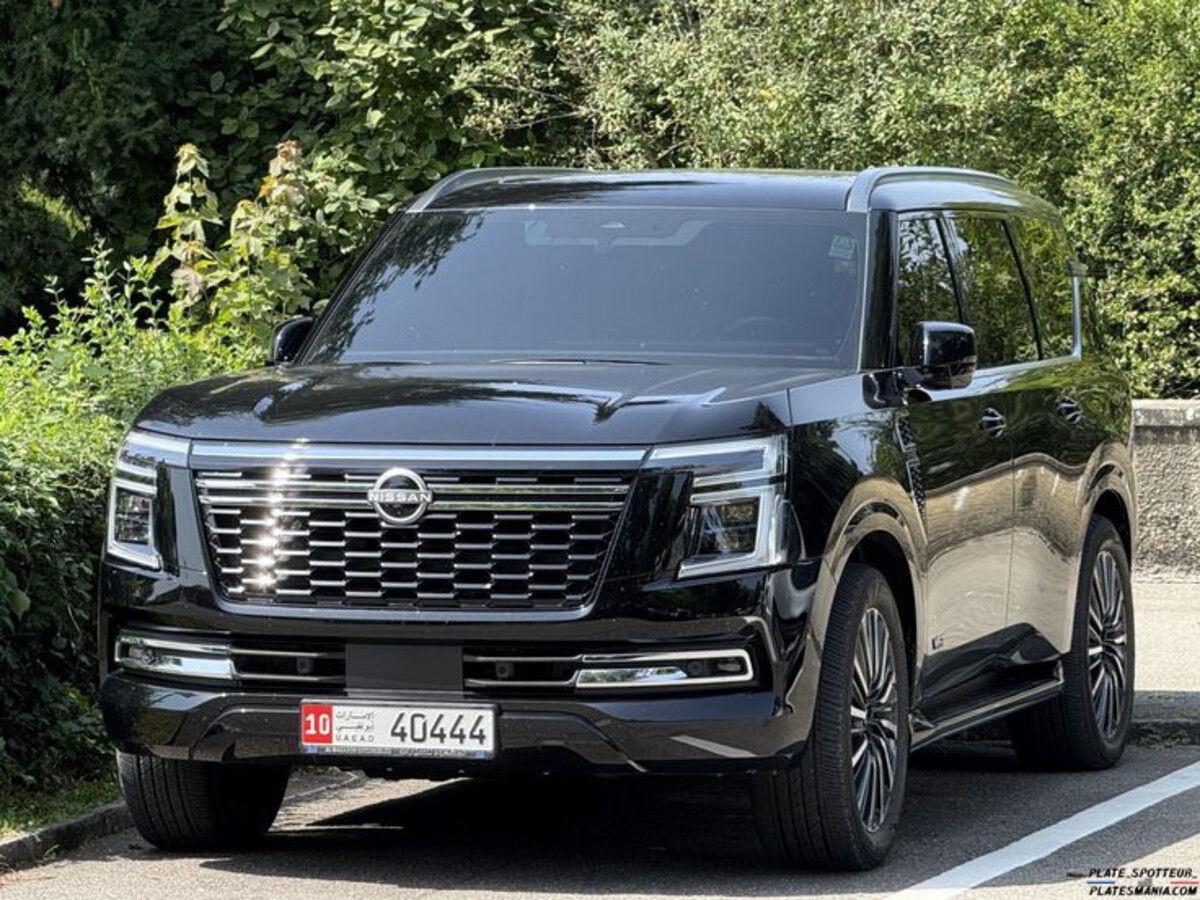
Older Patrol models, especially those with naturally aspirated engines or simple turbo diesels, are famous for longevity. Many are still running after decades of hard use. These engines are built to be repaired, not replaced.
The four-wheel-drive system is another strength. Solid axles, low-range gearing, and tough transfer cases make the Patrol reliable off-road and stable over long periods of ownership.
What really sets the Patrol apart is how over-engineered it is. Nissan designed it for markets where service intervals might be irregular and fuel quality inconsistent. That tolerance adds years to its lifespan.
While it’s not sold everywhere, in regions where it’s available, the Patrol has a reputation as one of the longest-lasting SUVs ever built. If durability is your top priority, it’s hard to argue against it.
7. Ford Expedition
The Ford Expedition doesn’t always get the same respect as some imports, but that doesn’t mean it lacks durability. In fact, many Expeditions quietly rack up huge mileage with minimal drama.
This SUV rides on a truck-based body-on-frame chassis, giving it the strength needed for towing and long-term use. Earlier generations, in particular, are known for mechanical simplicity and strong V8 engines.
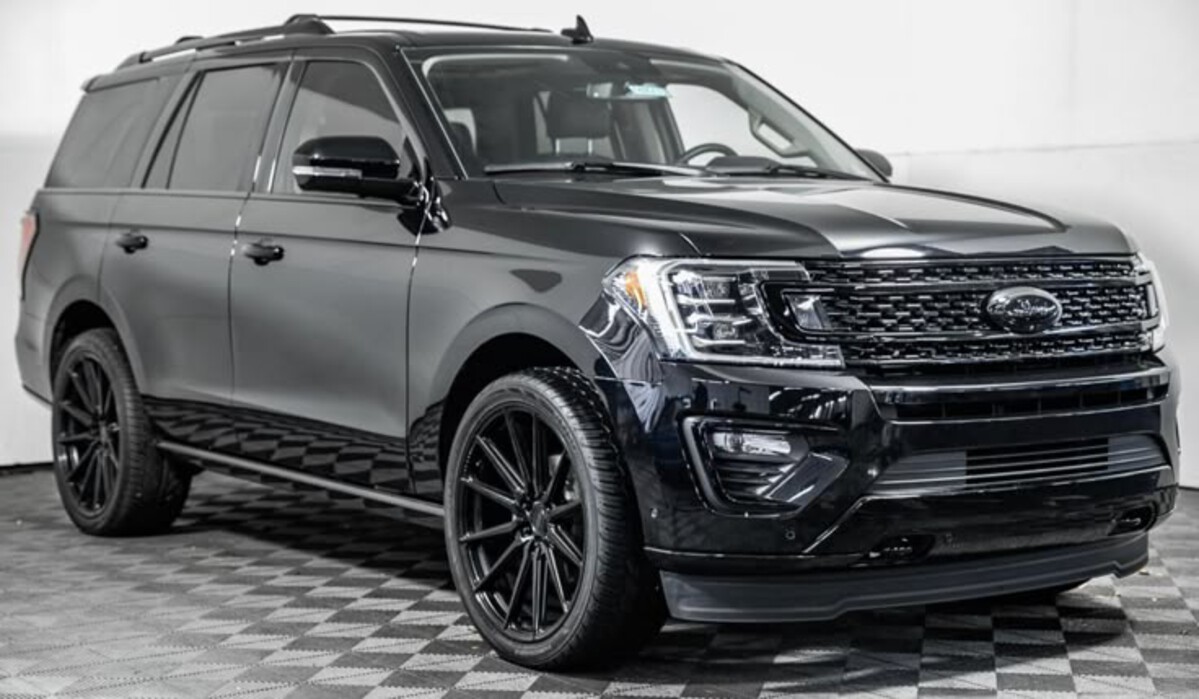
The Expedition’s durability comes from its balanced design. It’s big enough to be tough, but not so complex that repairs become nightmares. When maintained properly, the drivetrain can last hundreds of thousands of miles.
Another advantage is cost. Parts are widely available, and repairs are generally cheaper than comparable luxury SUVs. That affordability keeps older Expeditions on the road longer.
Interior quality varies by generation, but the core mechanical components tend to outlast cosmetic issues. Many owners are willing to live with worn trim because the SUV still runs reliably.
The Expedition may not have a cult following, but as a long-lasting body-on-frame SUV, it deserves recognition.
8. Mitsubishi Pajero
The Mitsubishi Pajero has a quieter reputation, but it’s a tough one. In many markets, it’s known as a reliable, long-distance SUV built to survive harsh conditions.
With a strong ladder frame and proven four-wheel-drive systems, the Pajero focuses on durability rather than flash. Older models, especially, are known for mechanical toughness.
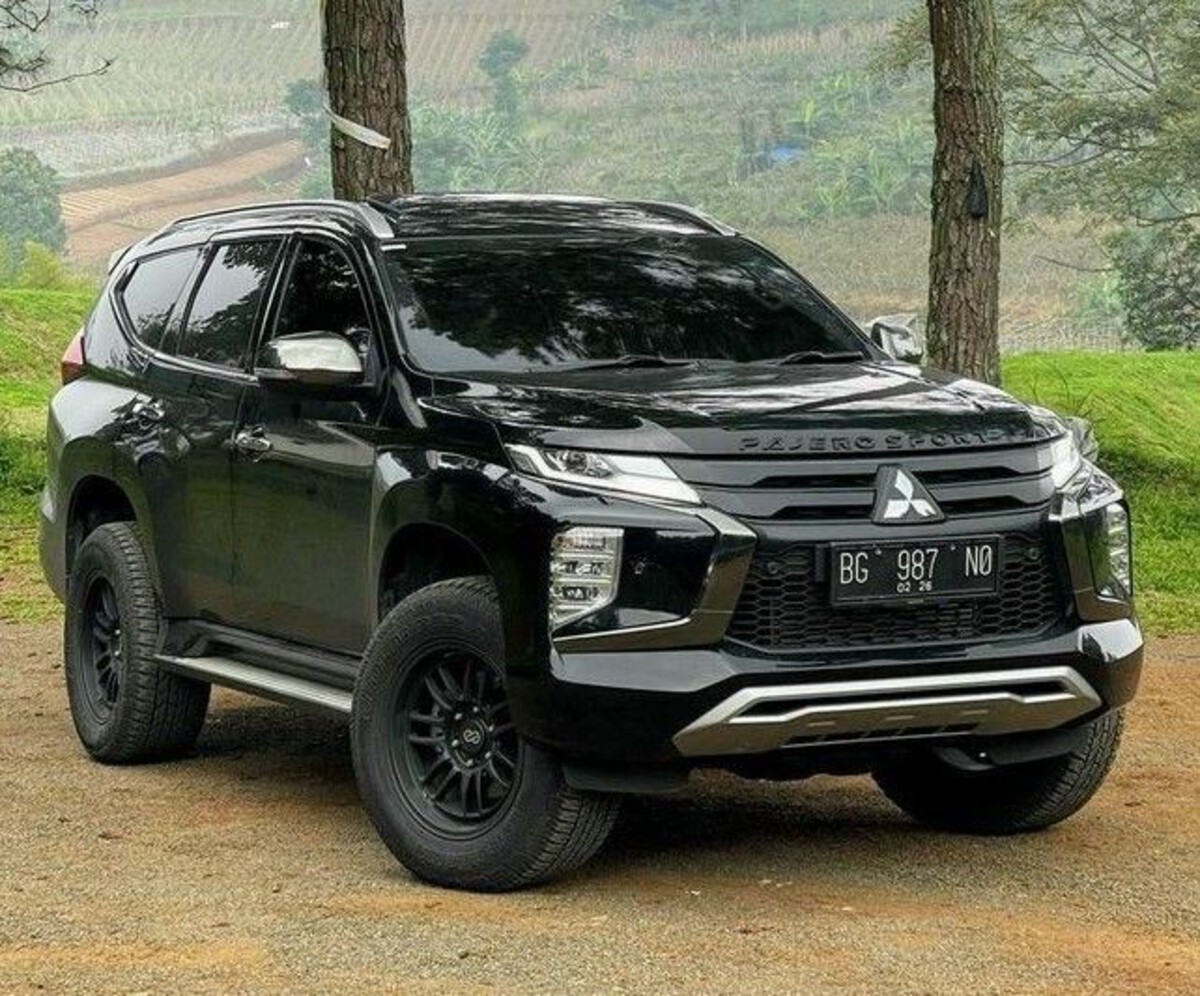
Diesel engine options in particular are famous for longevity. These engines are built to run for years with basic maintenance, making the Pajero a popular choice in remote regions.
The suspension and drivetrain are designed for uneven terrain, which helps reduce long-term stress on the vehicle. Even after years of use, many Pajeros remain solid and dependable.
It may not dominate headlines, but for buyers who care about long-term ownership, the Pajero is a sleeper hit.
Longevity isn’t accidental. The SUVs on this list last forever because they’re built with the right priorities. Strength comes first. Simplicity comes second. Everything else is secondary.
A body-on-frame SUV handles stress differently than modern unibody vehicles. That matters over years of driving. Small impacts, heavy loads, bad roads all of it adds up. These vehicles are designed to absorb that abuse without structural failure.
Another key factor is engine design. Most of these SUVs rely on naturally aspirated engines or low-stress powertrains. Fewer moving parts means fewer things to break. Over time, that makes a massive difference.
Maintenance also plays a role. Because these SUVs are popular and well-supported, parts stay available long after production ends. That keeps repair costs manageable and ownership realistic for decades.
It’s also worth mentioning owner mindset. People who buy these SUVs tend to plan for long-term ownership. They maintain them, repair them, and keep them running instead of trading them in.
If you want an SUV that can realistically last 20 years, these top 8 body-on-frame SUVs are proven choices. They aren’t perfect. They aren’t cheap to fuel. But they’re dependable, honest machines and that’s why they last.