Pickup trucks aren’t just for hauling gravel or towing boats anymore. A lot of people now buy trucks for daily driving, long road trips, and highway commutes. That shift has changed how manufacturers build them. Today’s best pickup trucks focus just as much on comfort as they do on power. And when you’re spending hours on the highway, ride quality matters more than anything else.
A smooth highway ride isn’t about speed. It’s about how stable the truck feels at 100 km/h. It’s about how well the suspension absorbs bumps, how quiet the cabin stays, and how relaxed you feel after a long drive. Older trucks were stiff, loud, and tiring. Newer models? Completely different story.
The smoothest highway ride pickup trucks use smarter suspension systems, better frame tuning, and improved cabin insulation. Many now come with independent rear suspension, adaptive dampers, or air suspension options. These features reduce body shake, cut road noise, and keep the truck planted on uneven highways.
Another big factor is steering and wheel control. A truck that constantly needs correction on the highway quickly becomes exhausting. The best highway pickup trucks track straight, respond smoothly, and feel confident even at higher speeds. Tire choice, wheelbase length, and weight balance also play a major role in how calm the ride feels.
This list focuses on pickup trucks that genuinely shine on long highway drives. These trucks don’t bounce, wander, or punish you over rough surfaces. Instead, they deliver comfort close to large SUVs while still offering the toughness people expect from a truck.
Whether you drive long distances for work, travel often, or simply want a truck that doesn’t feel like a workout on the highway, this guide breaks it down clearly. Below are 10 pickup trucks with the smoothest highway ride, ranked by real-world comfort, ride stability, and overall highway manners.
10 Pickup Trucks With the Smoothest Highway Ride
Not all pickup trucks are built the same, especially when it comes to highway comfort. Some are tuned mainly for payload and towing, while others balance strength with ride quality. The smoothest highway ride pickup trucks usually share a few important traits.
First, suspension design matters a lot. Trucks with independent rear suspension or well-tuned multi-link setups handle highway imperfections far better than traditional leaf springs. Air suspension systems take this even further by adjusting ride height and stiffness based on speed and road conditions.
Second, wheelbase length plays a quiet but important role. Longer wheelbase trucks tend to feel more stable at highway speeds. They glide over expansion joints instead of hopping across them. This stability is key for long-distance comfort.
Third, cabin refinement separates average trucks from great ones. Extra sound insulation, aerodynamic shaping, and improved door sealing reduce wind and road noise. A quiet cabin makes the ride feel smoother even if the road surface isn’t perfect.
Steering calibration also impacts how relaxed a truck feels on the highway. Trucks with lighter, more precise steering require fewer corrections, which reduces driver fatigue. Combine that with advanced driver-assist systems, and highway driving becomes far less stressful.
In this list, you’ll see full-size and midsize pickup trucks that perform exceptionally well on highways. Some are luxury-focused, while others are practical work trucks that surprise with their comfort. What they all share is a calm, planted feel at speed and suspension tuning that prioritizes comfort without sacrificing control.
Now, let’s break down each model and see why these are the pickup trucks with the smoothest highway ride today.
ALSO READ: 12 Trucks That Deliver Utility Without Luxury Pricing
1. Ram 1500
The Ram 1500 consistently sets the benchmark for highway comfort in the pickup truck segment. If a smooth highway ride is your top priority, this truck is hard to beat.
One of the biggest reasons is its rear suspension. Unlike many competitors that rely on traditional leaf springs, the Ram 1500 uses a coil-spring rear setup. This alone dramatically improves ride quality on highways.
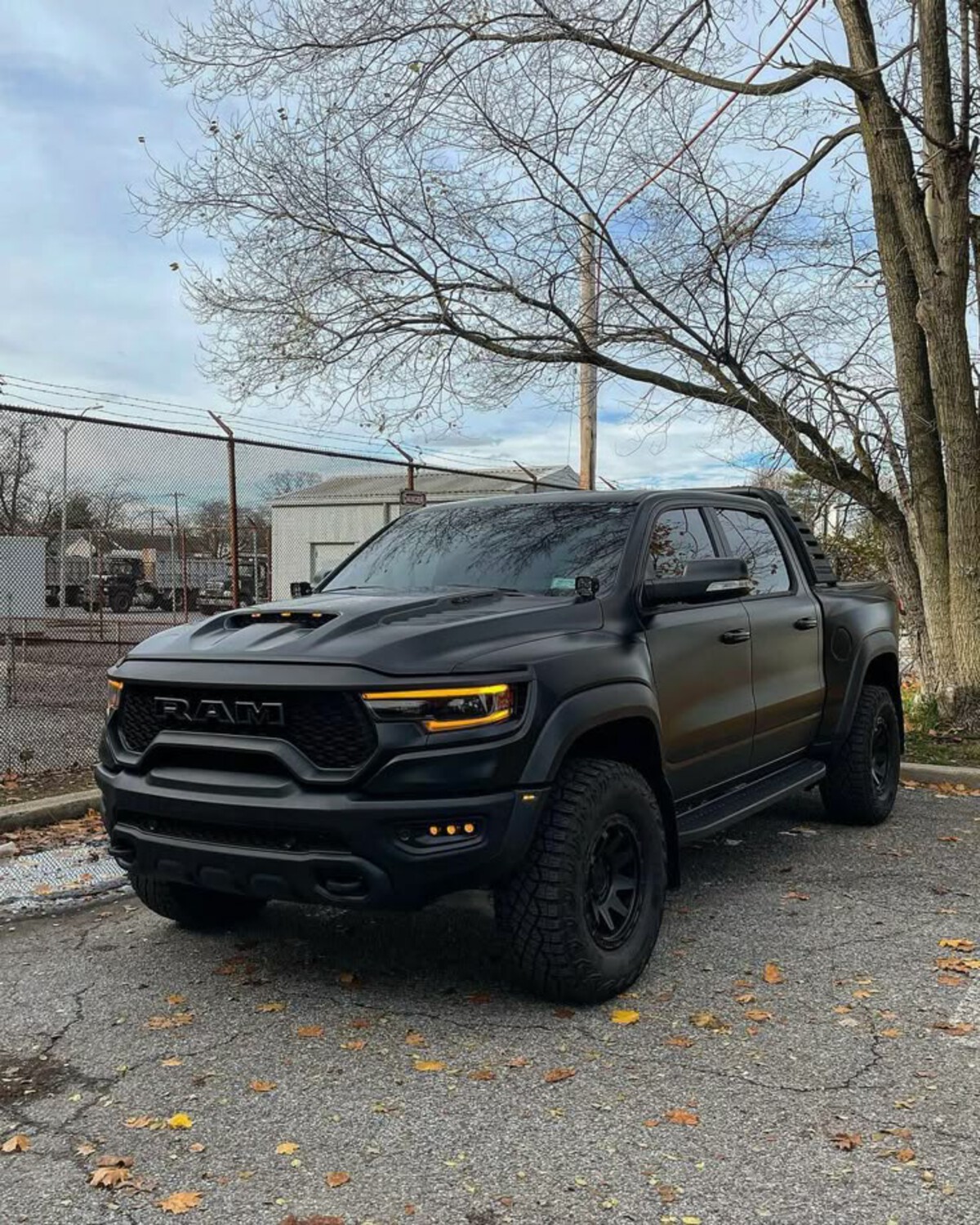
For drivers who want even more comfort, the available air suspension takes things to another level. At highway speeds, the truck lowers itself slightly, improving aerodynamics and stability while softening road impacts.
On uneven highways, the Ram 1500 absorbs bumps with minimal body shake. Expansion joints, patched asphalt, and minor potholes barely register inside the cabin. The truck feels composed and balanced, even at higher cruising speeds.
Steering is another strong point. It’s light without feeling vague, making long highway drives less tiring. The truck tracks straight and doesn’t require constant corrections, which adds to its relaxed driving character.
Cabin quietness also stands out. Road noise is well controlled, and wind noise is minimal, even at higher speeds. This makes conversations easier and reduces fatigue on long trips. The seats are well-cushioned, supportive, and designed for extended driving sessions.
Despite its size, the Ram 1500 doesn’t feel bulky on the highway. It feels more like a large SUV than a traditional work truck. That balance of size, comfort, and stability is why many drivers consider it the smoothest-riding pickup truck available today.
For anyone who spends serious time on highways, the Ram 1500 delivers a level of comfort that few rivals can match.
2. Ford F-150
The Ford F-150 proves that a tough, capable truck can still deliver an impressively smooth highway ride. Over the years, Ford has refined this truck to make it more comfortable without losing its work-ready nature.
A major contributor to the F-150’s highway comfort is its lightweight aluminum body. Reducing overall weight helps the suspension react more effectively to road imperfections. The result is a truck that feels stable rather than stiff when cruising at highway speeds.
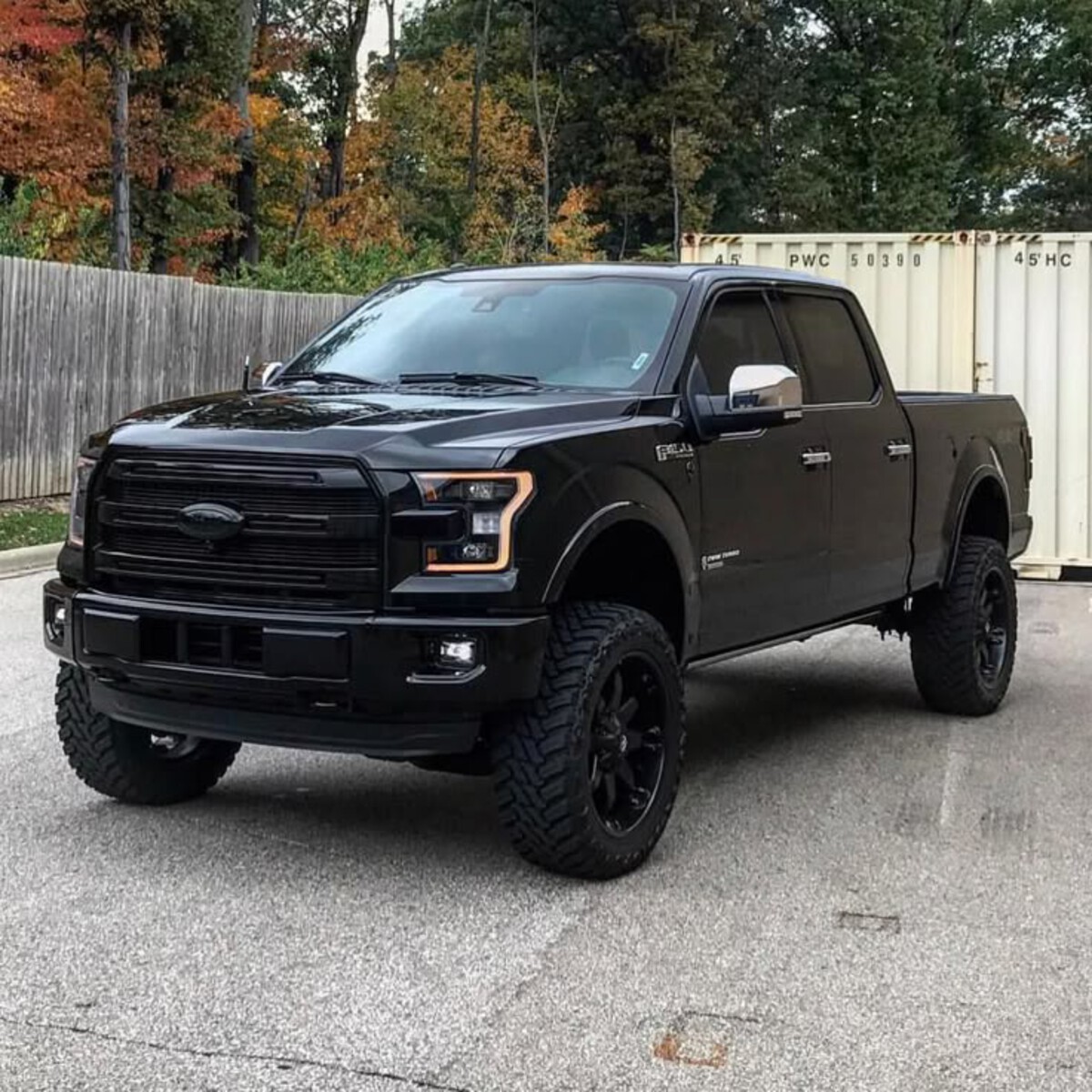
The suspension tuning strikes a solid balance between comfort and control. While it still uses leaf springs in the rear, Ford has softened the setup enough to reduce bounce on uneven surfaces. On smooth highways, the ride feels controlled and predictable, with very little body movement.
Steering is well-calibrated for highway use. It’s not overly sensitive, which helps the truck maintain a straight line without constant input. This makes long-distance driving far more relaxing, especially for newer truck owners.
Cabin refinement has improved significantly in recent generations. Wind noise is well managed, and road noise stays low even on rougher pavement. The F-150’s seats are supportive and designed for extended drives, making it a strong choice for people who use their truck as a daily commuter.
Another advantage is its wide range of trims. Higher trims offer adaptive suspension options and larger wheelbases, both of which improve highway ride quality even further.
Prevalent, the Ford F-150 delivers a smooth, confident highway ride while still feeling like a proper pickup truck. It may not be the softest in this list, but it’s one of the most well-rounded options for comfort and capability.
3. Chevrolet Silverado 1500
The Chevrolet Silverado 1500 has come a long way when it comes to highway comfort. Earlier generations leaned heavily toward work-duty stiffness, but modern versions focus much more on delivering a smooth highway ride without losing strength.
One of the biggest improvements is suspension tuning. While the Silverado still uses leaf springs in most trims, Chevrolet has softened the setup just enough to reduce harshness on long highway stretches. The result is a truck that feels controlled rather than rigid at cruising speeds.
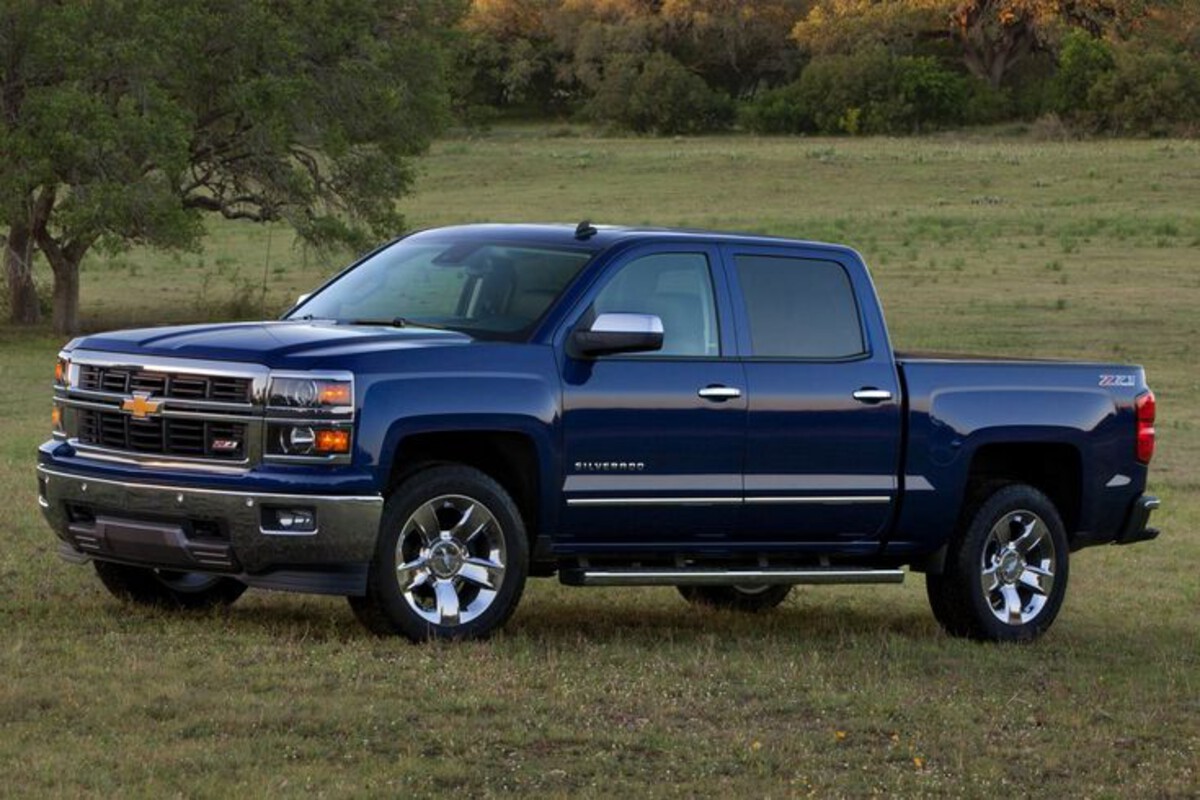
At highway velocity, the Silverado feels planted. It doesn’t float, bounce, or feel unsettled over expansion joints. The longer wheelbase options especially shine here, helping the truck glide over uneven pavement instead of reacting sharply to it.
Steering is calm and predictable. It’s not sporty, but that’s a good thing for highway driving. The truck tracks straight and doesn’t require constant steering input, which keeps fatigue low on longer drives.
Cabin noise levels are also well managed. Wind noise is minimal, and road noise stays mostly outside, even on coarse asphalt. Higher trims add more insulation and refined materials, making the Silverado feel closer to a full-size SUV than a traditional pickup.
Where the Silverado really stands out is balance. It doesn’t feel overly soft, but it also doesn’t punish you for driving long distances. For drivers who want a smooth highway ride pickup truck that still feels tough and confident, the Silverado 1500 hits a comfortable middle ground.
4. GMC Sierra 1500
The GMC Sierra 1500 is closely related to the Silverado, but its ride quality leans slightly more toward refinement. GMC positions the Sierra as a more premium option, and that difference is noticeable on the highway.
One key feature is the available adaptive suspension system. This setup adjusts damping based on road conditions, allowing the truck to soften over bumps and firm up when stability is needed. On highways, this means less vibration and smoother transitions over uneven surfaces.
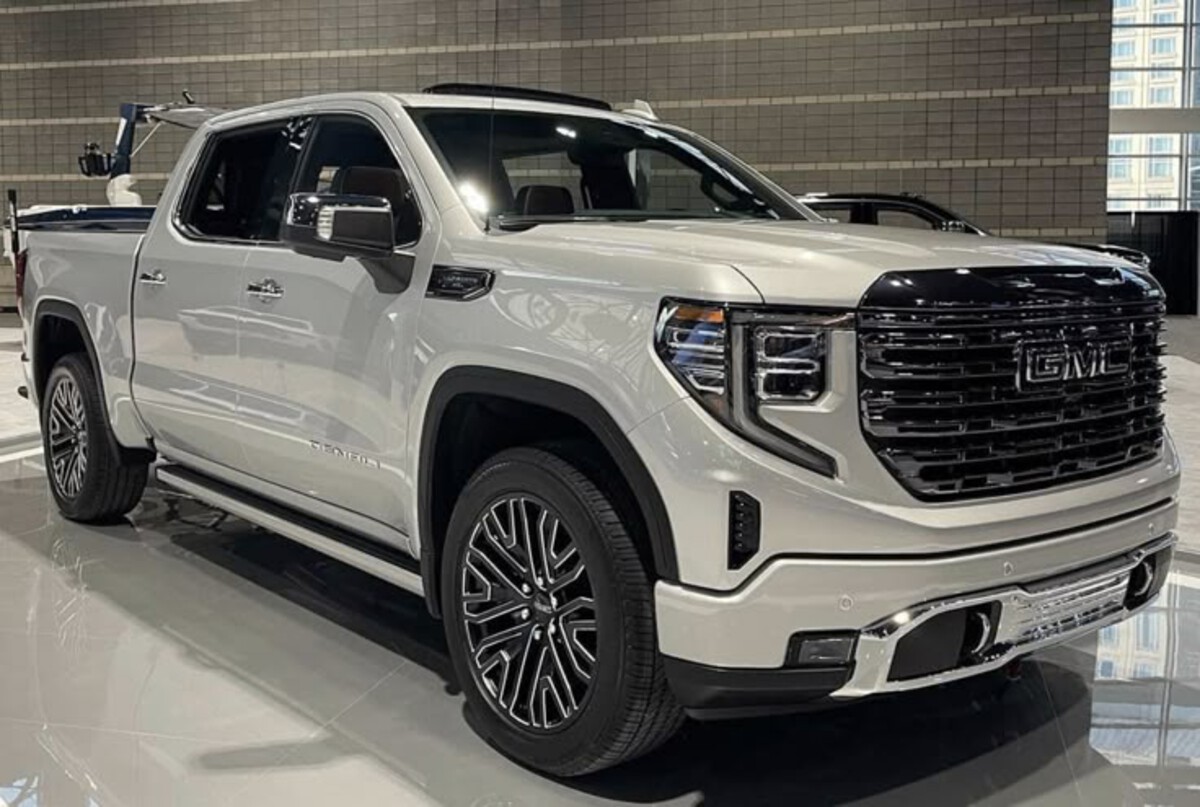
The Sierra feels composed at speed. It doesn’t feel busy or unsettled, even on patched or cracked highways. Body control is excellent, and the truck remains stable during lane changes or long curves.
Steering is smooth and well-weighted. It’s light enough to reduce effort but firm enough to inspire confidence. This balance makes highway cruising feel natural rather than demanding.
Inside the cabin, the Sierra excels. Noise isolation is excellent, especially in higher trims. Wind, tire, and engine noise are all well controlled, creating a calm driving environment that encourages long-distance travel.
Seats are another strong point. They’re supportive without being stiff, making them ideal for extended highway drives. Combined with the suspension tuning, the Sierra feels relaxed and comfortable even after several hours behind the wheel.
For drivers who want one of the smoothest highway ride pickup trucks with a more upscale feel, the GMC Sierra 1500 is an easy recommendation.
5. Toyota Tundra
The Toyota Tundra took a major step forward in highway comfort with its newer design. Toyota focused heavily on ride quality, and it shows the moment you hit open road.
One of the biggest changes is the rear suspension setup. The Tundra now uses a multi-link rear suspension instead of traditional leaf springs. This upgrade significantly improves highway smoothness and reduces rear-end bounce.
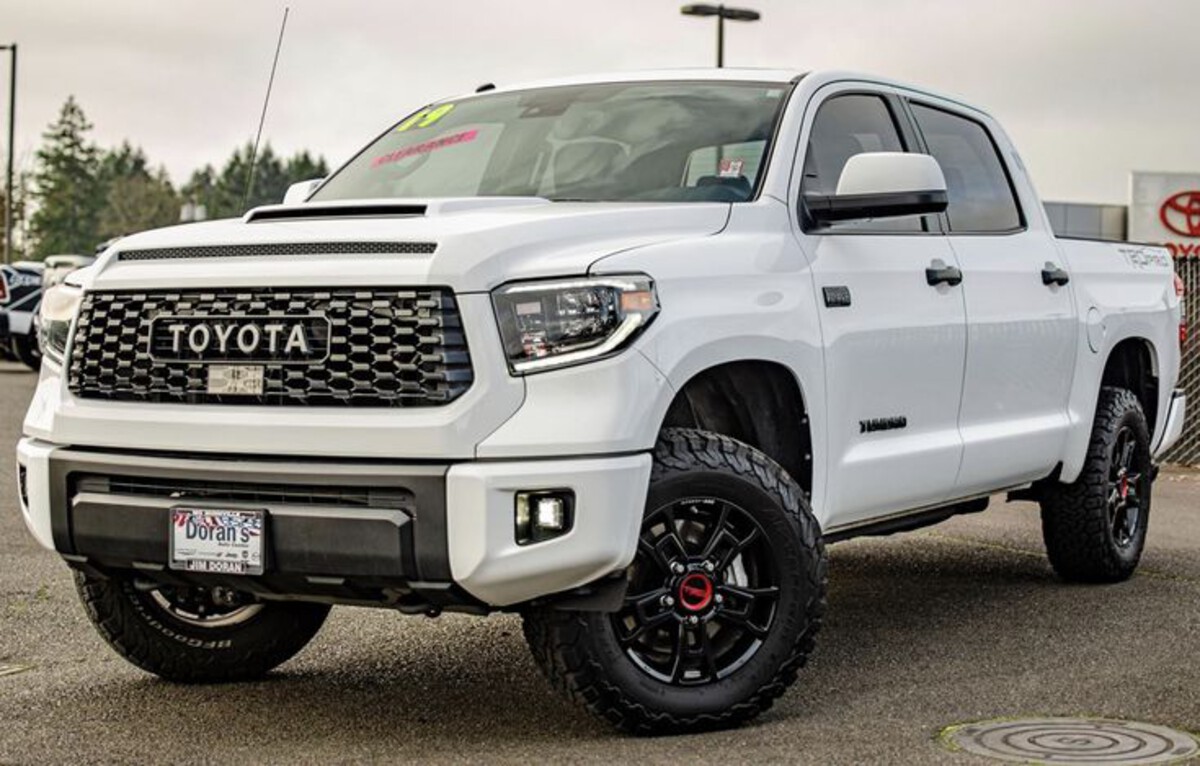
At cruising speeds, the Tundra feels solid and stable. It absorbs bumps without excessive movement and remains calm over uneven pavement. The truck feels heavier than some rivals, but that weight actually helps smooth out rough surfaces.
Steering is steady and predictable. The Tundra doesn’t wander or require frequent corrections, which makes it well suited for long highway drives. It feels confident rather than nervous at speed.
Cabin comfort is another highlight. Toyota paid close attention to noise reduction, and it pays off. Road and wind noise are well controlled, making the cabin feel quiet and composed.
Seats are wide and supportive, ideal for long-distance comfort. Combined with a refined suspension and strong highway stability, the Tundra delivers a relaxed driving experience that feels more polished than older generations.
For buyers looking for a reliable pickup truck with a smooth highway ride and long-term durability, the Toyota Tundra makes a strong case.
6. Honda Ridgeline
The Honda Ridgeline is often called the most comfortable pickup truck on the road, and for highway driving, that reputation is well earned.
Unlike traditional body-on-frame trucks, the Ridgeline uses a unibody construction. This design gives it a more car-like feel, especially on highways. The ride is smooth, controlled, and free from the harshness found in many pickups.
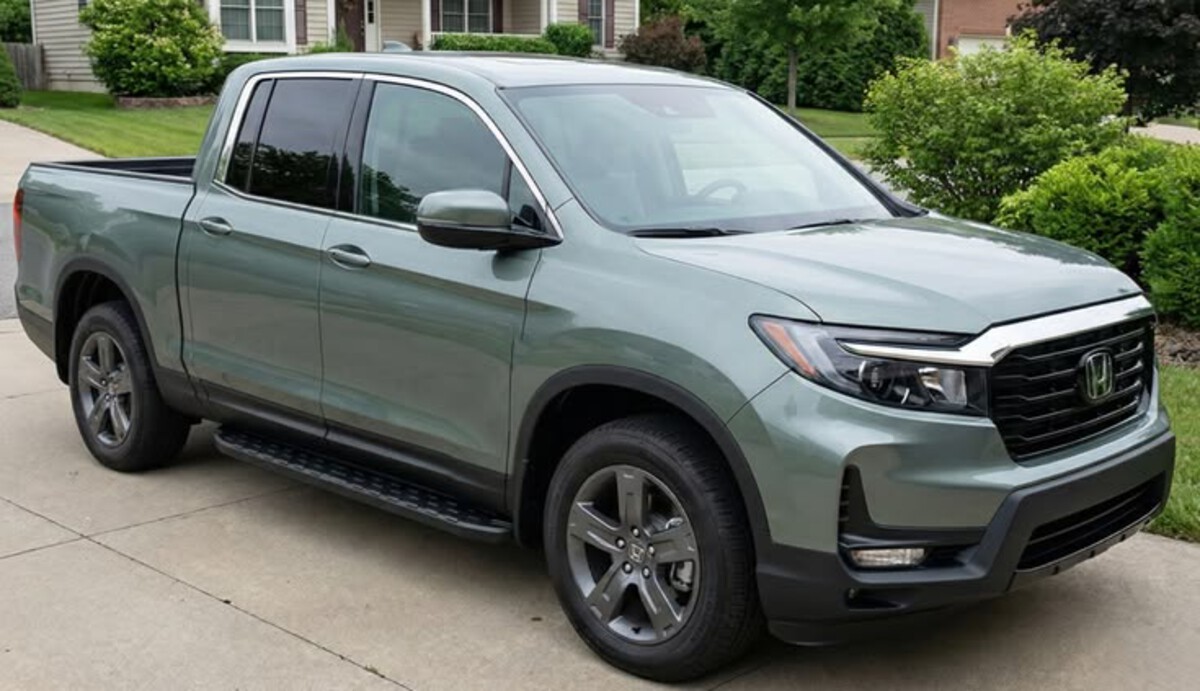
Suspension tuning focuses entirely on comfort. Bumps, expansion joints, and uneven pavement are handled with ease. The Ridgeline rarely feels unsettled, even at higher speeds.
Steering is light and precise, which makes highway driving effortless. The truck tracks straight and responds smoothly to input, reducing driver fatigue over long distances.
Cabin noise levels are impressively low. Honda’s sound insulation keeps road and wind noise out, creating a calm environment that feels closer to a crossover than a truck.
Seats are supportive and well-shaped for long drives. Combined with excellent ride control, the Ridgeline is one of the easiest pickup trucks to live with on highways.
While it may not offer the same towing capacity as full-size trucks, the Ridgeline delivers one of the smoothest highway rides in the entire pickup segment.
ALSO READ: 10 Used Trucks That Are Still Worth Every Dollar
7. Ford Ranger
The Ford Ranger stands out in the midsize pickup category for its highway composure. While midsize trucks are often bouncy at speed, the Ranger manages to stay stable and controlled.
Suspension tuning is firm but well damped. On highways, the Ranger feels planted rather than jittery. It handles expansion joints cleanly and doesn’t bounce excessively over rough surfaces.
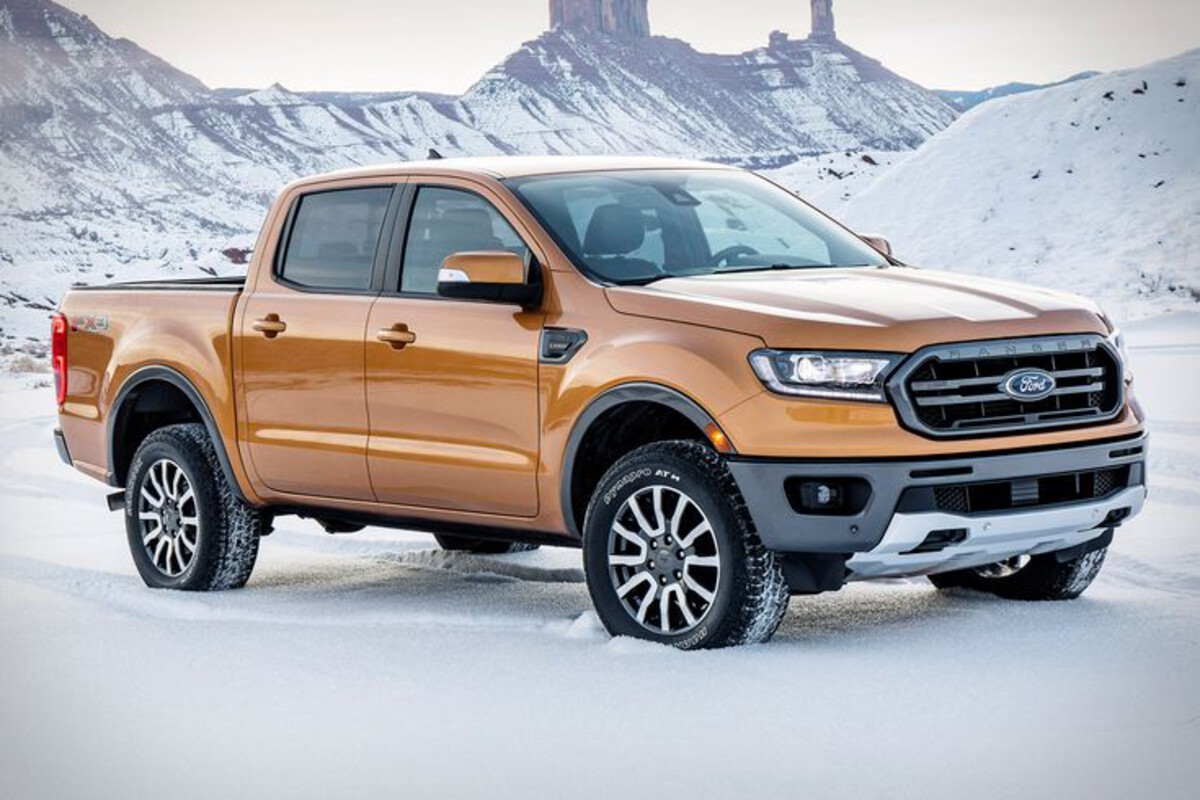
Steering is accurate and confidence-inspiring. The truck tracks straight and requires minimal correction, which helps reduce fatigue during long drives.
Cabin noise is well controlled for a midsize pickup. Wind noise is minimal, and road noise remains manageable even on rougher pavement.
Seats are supportive, and the driving position feels natural, making the Ranger comfortable for extended highway use.
For drivers who want a smaller pickup truck with a smooth highway ride, the Ford Ranger delivers solid comfort without feeling oversized.
8. Toyota Tacoma
The Toyota Tacoma isn’t usually praised for softness, but on highways, newer models deliver a surprisingly stable and controlled ride.
While the suspension is tuned more for durability than comfort, the Tacoma feels steady at cruising speeds. It doesn’t bounce excessively and remains composed on long highway stretches.
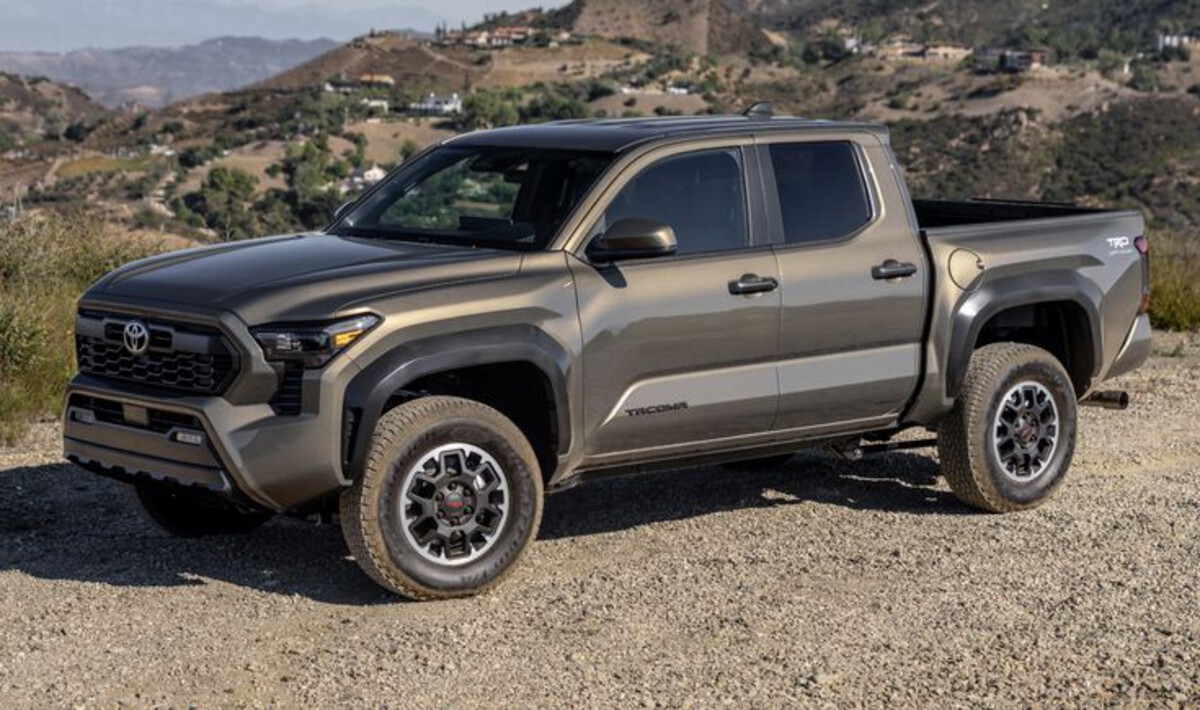
Steering is firm and predictable, helping the truck stay centered in its lane. This reduces driver workload during long trips.
Cabin noise is moderate, but well managed for its class. Road noise is noticeable but not intrusive, especially on smoother highways.
The Tacoma suits drivers who want a dependable midsize pickup that remains stable and predictable on highways rather than soft and floaty.
9. Nissan Frontier
The Nissan Frontier delivers a straightforward, no-nonsense highway ride. It doesn’t try to feel luxurious, but it remains stable and comfortable for long-distance driving.
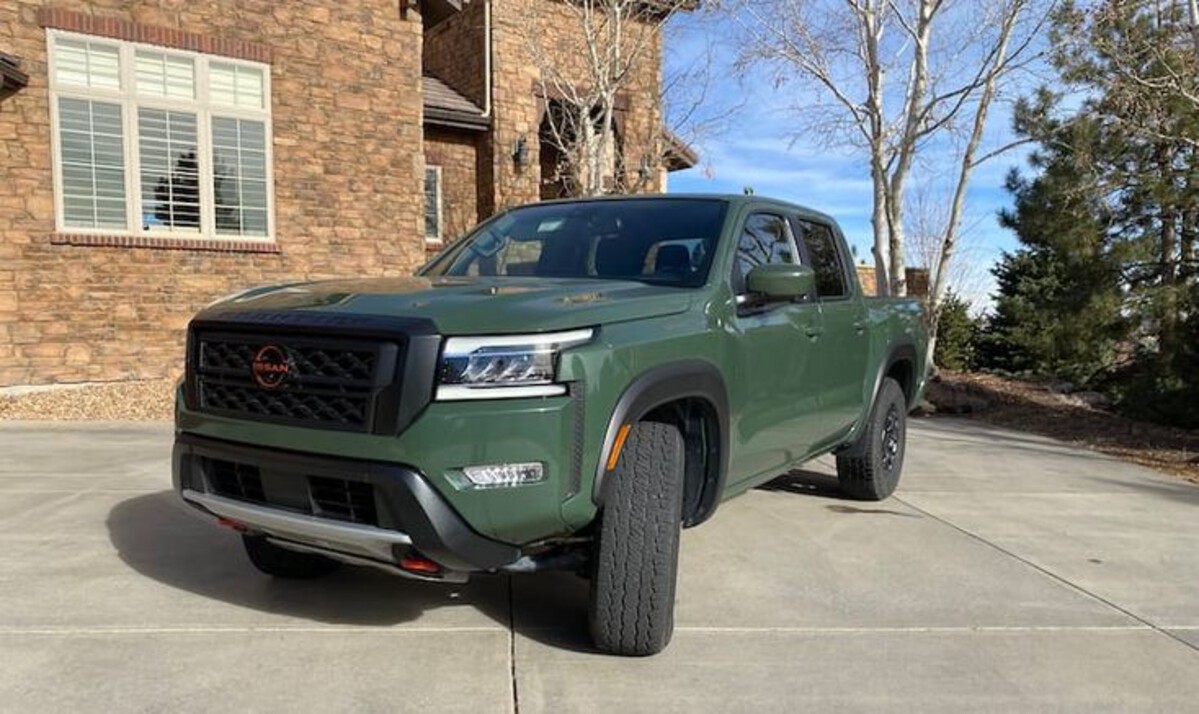
Suspension tuning focuses on control. While bumps are felt more than in some rivals, the truck never feels unsettled or shaky.
Steering is direct and predictable, which helps maintain confidence at highway speeds. The Frontier tracks straight and feels planted.
Cabin refinement has improved, keeping noise levels reasonable for extended trips.
For buyers who want a simple, reliable pickup with a stable highway ride, the Frontier gets the job done.
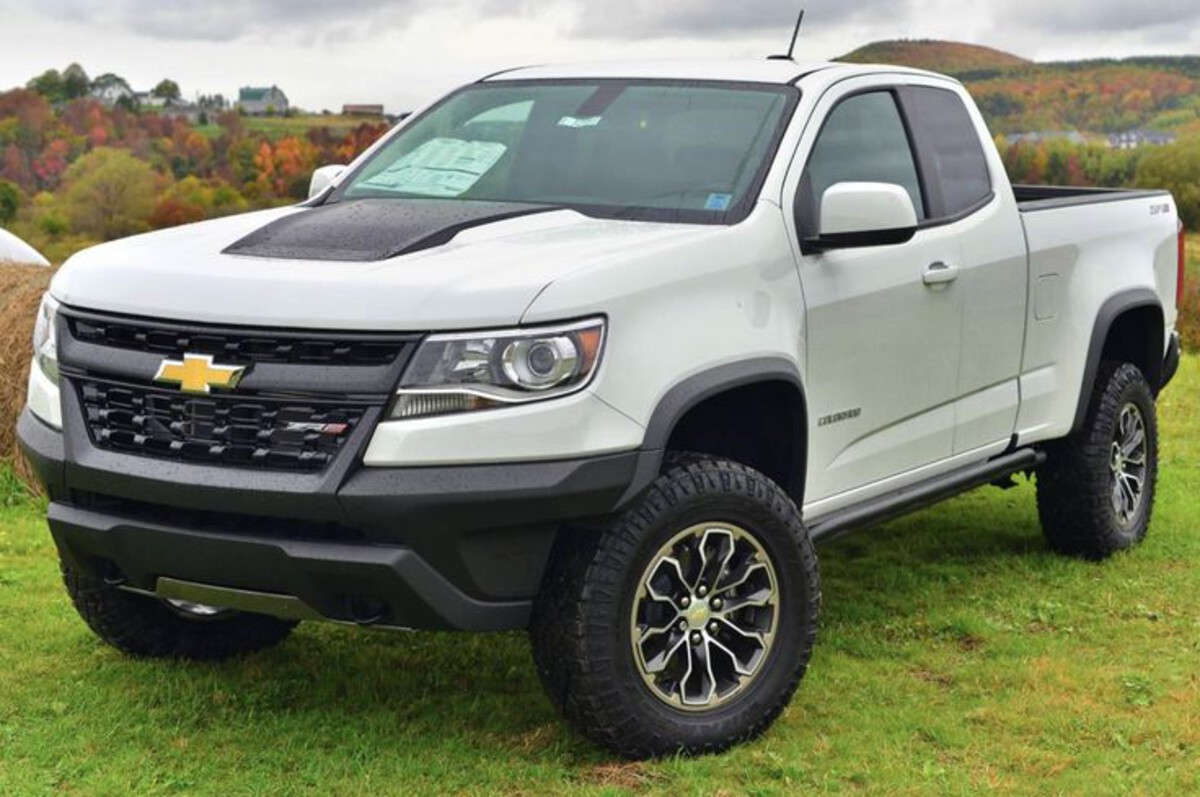
10. Chevrolet Colorado
The Chevrolet Colorado rounds out this list with a surprisingly refined highway ride for a midsize pickup.
Suspension tuning is well balanced, offering comfort without excessive softness. The truck handles highway imperfections smoothly and remains stable at speed.
Steering is light and controlled, making long highway drives easy and relaxed.
Cabin noise is low for its class, and seats are comfortable enough for extended trips. The Colorado proves that midsize pickup trucks can deliver a smooth highway ride without sacrificing practicality.
Highway comfort is no longer a luxury in pickup trucks. It’s a necessity. More people are using trucks as daily drivers, family vehicles, and long-distance cruisers. That shift has forced manufacturers to rethink how trucks ride at speed.
The pickup trucks on this list stand out because they reduce fatigue. A smooth highway ride keeps your body relaxed, your focus sharp, and your drive enjoyable. Less vibration, better stability, and lower noise levels all add up over time.
What’s clear is that suspension design plays the biggest role. Trucks with advanced rear suspension systems, adaptive dampers, or unibody construction deliver noticeably better highway comfort. Steering tuning and cabin insulation also make a major difference.
There’s no single “best” truck for everyone. Full-size trucks like the Ram 1500 and GMC Sierra 1500 excel in softness and refinement. Midsize options like the Ford Ranger and Honda Ridgeline offer comfort in a smaller package. Each serves a different type of driver.
If long highway drives are part of your routine, ride quality should be near the top of your priority list. Power and towing numbers matter, but they don’t affect how you feel after three hours behind the wheel.
The good news is that modern pickup trucks have evolved. You no longer need to choose between toughness and comfort. The smoothest highway ride pickup trucks prove that you can have both and enjoy every mile along the way.