Commuting for two hours every day creates a set of unique demands that go beyond normal driving experiences. For people who spend this much time behind the wheel, the choice of car becomes a decision that affects comfort, mental wellbeing, fuel efficiency, maintenance costs, and quality of life.
When you drive long distances daily, every aspect of the car matters, from ergonomic seat support and noise insulation to reliability and running costs. Most drivers who make this journey want a vehicle that feels stable and quiet at highway speeds, offers excellent visibility, and provides enough technology to keep the hours engaging without distraction.
Many drivers also focus on fuel economy because the costs add up quickly with constant highway travel. A car that sips fuel rather than gulps it makes financial sense when the engine is constantly running for hours.
A good commuter car also needs to balance performance with economy. A vehicle that responds smoothly in traffic, handles well when changing lanes, and has confident braking improves the sense of control that long hours require. Safety ratings and advanced driver assistance systems become crucial in this context, as drivers face fatigue, changing weather, and rush hour traffic frequently.
The right automobile should feel almost intuitive, offering features that reduce strain and enhance confidence mile after mile. While some people may think that a commuter car is just about low cost, the reality is much deeper. It is about creating a space where the driver feels at ease, where stress levels are minimized, and where every journey feels manageable rather than exhausting.
Beyond practical features, daily commuters often want an interior that doesn’t feel sparse or harsh. Quality interiors, supportive seating, and thoughtful layout make a significant difference when spending hours in traffic. Ergonomic designs that reduce back strain and adjustable seating positions help prevent aches that can accumulate with each passing day.
Connectivity is another factor; integrated navigation, seamless smartphone connections, and reliable audio options make long drives more pleasant. For many, listening to podcasts, music, or talking hands‑free becomes part of the routine, so quality audio systems and intuitive interfaces matter.
This article highlights ten cars that meet these criteria exceptionally well. Each one has earned its place based on comfort, efficiency, reliability, and daily usability. From hybrid efficiency to turbocharged performance and from compact agility to midsize comfort, this list covers a range of choices that suit drivers who spend significant time on the road.
These vehicles represent strong options for anyone looking to optimize their commute not only for performance, but for comfort, affordability, and long‑term satisfaction. Whether you prioritize low running costs, advanced features, or a balance of all qualities, these cars offer strong value for drivers facing extensive daily travel.
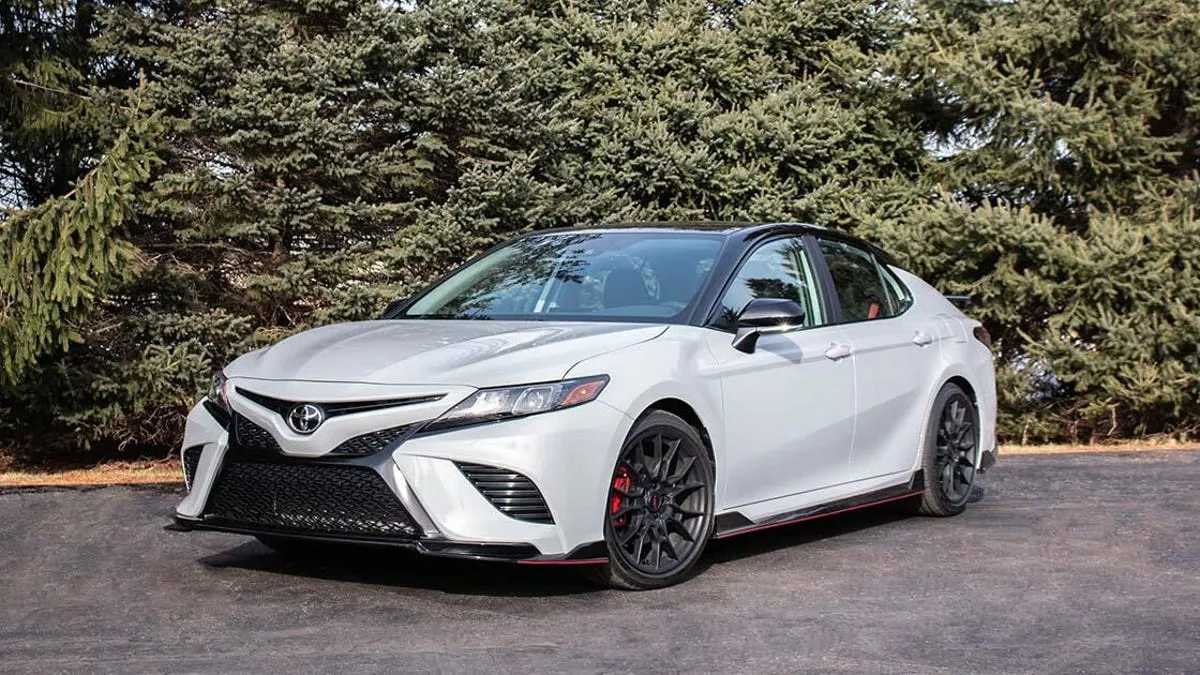
1. Toyota Camry
The Toyota Camry has long been a favorite among drivers who clock high daily mileage due to its smooth ride and reputation for reliability. Commuters value its quiet interior, which makes long hours on the highway feel less tiring.
The ergonomic design ensures that the driver’s seat supports the back well, reducing fatigue even after extended periods behind the wheel. Fuel efficiency is impressive, especially in the hybrid version, making it a cost‑effective choice for heavy commuters.
In city traffic, the Camry offers calm handling and predictable braking that foster a sense of confidence for the driver. Its suspension is tuned to absorb bumps, resulting in a composed feel on uneven roads.
The steering response remains stable at higher speeds, helping commuters feel in control during long intercity drives. Many drivers find that the Camry strikes a balanced blend of comfort and performance that satisfies both daily commute and longer weekend journeys.
The interior design of the Camry focuses on simplicity and usability without overwhelming the driver with unnecessary elements. Controls are placed within easy reach, and the dashboard layout feels intuitive.
The seats are cushioned and offer adequate adjustability, which helps in finding a relaxed driving posture. Rear seat passengers also enjoy decent space, making the Camry a practical choice for carpooling or family drives after the commute.
Technology features in this sedan help reduce stress on long trips. The infotainment system supports smartphone connectivity, making it easy to stream music or navigate without distractions.
Available driver assistance features, like adaptive cruise control and lane‑keeping assist, help maintain a safe and relaxed ride. With these systems active, the driver can focus more on the road and less on constant adjustments.
Maintenance and reliability have always been strong points for the Camry, adding to its appeal for commuters. Routine servicing tends to be straightforward and parts are widely available, which keeps ownership costs in check.
Resale value is also high, reflecting the trust buyers place in this model. For anyone who drives extensive daily distances, the Toyota Camry provides a well‑rounded package of comfort, efficiency, and peace of mind.
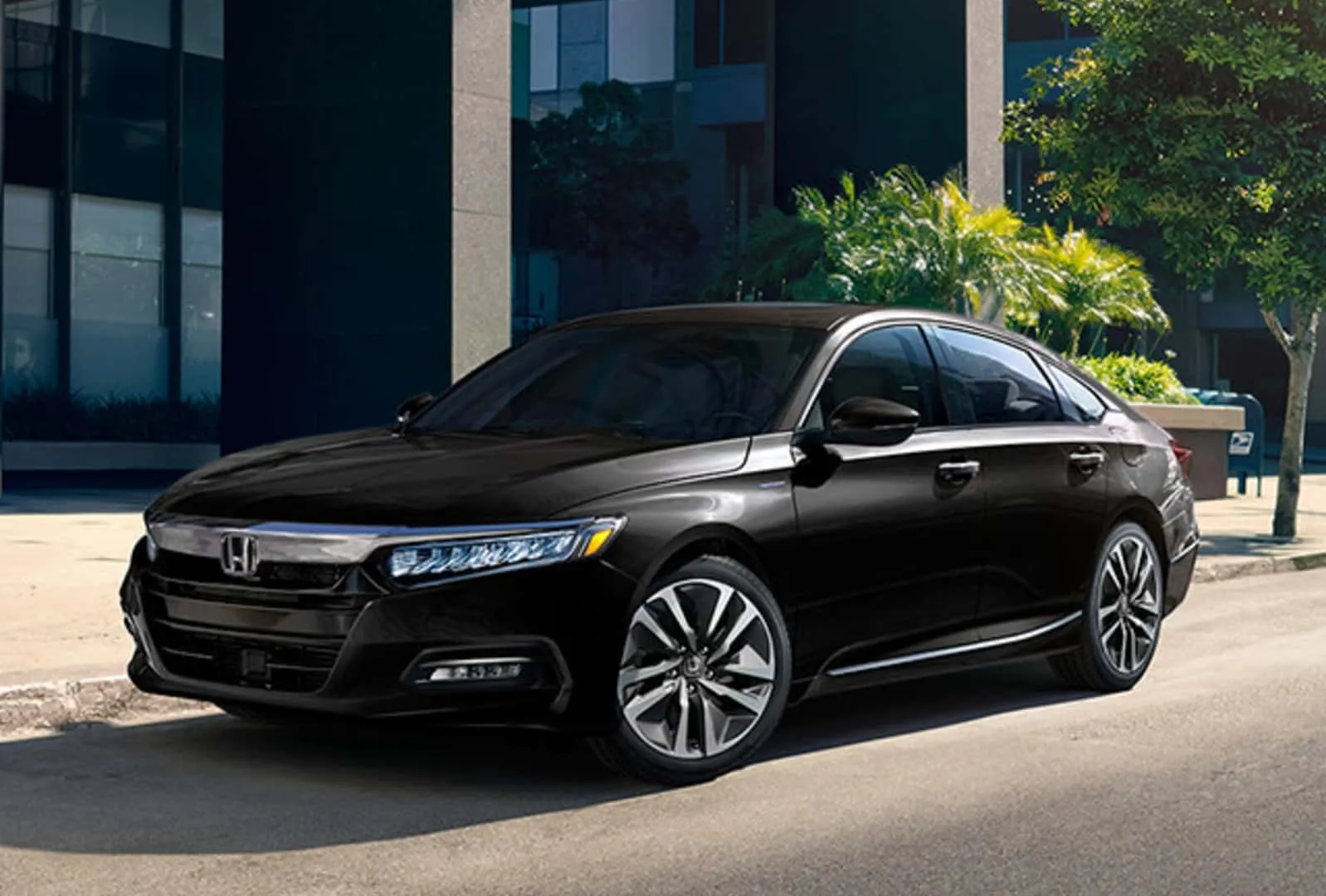
2. Honda Accord
The Honda Accord stands out for commuters due to its engaging driving dynamics paired with everyday practicality. Its engine options provide enough power for smooth highway merging and passing maneuvers, which are frequent needs on long routes.
The cabin remains refined and comfortable over extended periods, helping reduce driver fatigue. Commutes that used to feel draining become easier when the car itself feels poised and responsive.
Comfort is a strong focus within the Accord’s interior. Seats are supportive and designed to lessen strain on the spine, even during lengthy drives. Materials throughout the cabin are thoughtfully chosen, giving the space a quality feel that enhances the experience. Visibility from the driver’s seat is generous, making it easier to monitor surrounding traffic without constant strain.
Honda’s commitment to practicality shows in the layout of the Accord’s controls. Essential functions are easy to reach, helping the driver stay focused on the journey ahead. The infotainment system works smoothly, and compatibility with popular apps ensures navigation and audio playback remain consistent. Many commuters find that having these conveniences makes a significant difference during daily long drives.
Fuel efficiency is another advantage that appeals to frequent drivers. The Accord delivers strong mileage figures across gasoline and hybrid variants, helping budget‑minded commuters save over time. The hybrid version, in particular, blends performance with impressive consumption numbers, making it ideal for those who spend hours each day in the car. Lower fuel use adds up over weeks and months of commuting.
Safety features are comprehensive, helping drivers maintain confidence during long distances. From automatic emergency braking to lane assist systems, the Accord equips commuters with tools that make monotonous stretches of highway feel less stressful. Reliability has also been a consistent strength for this model, contributing to its popularity among drivers who depend on their car for daily travel.
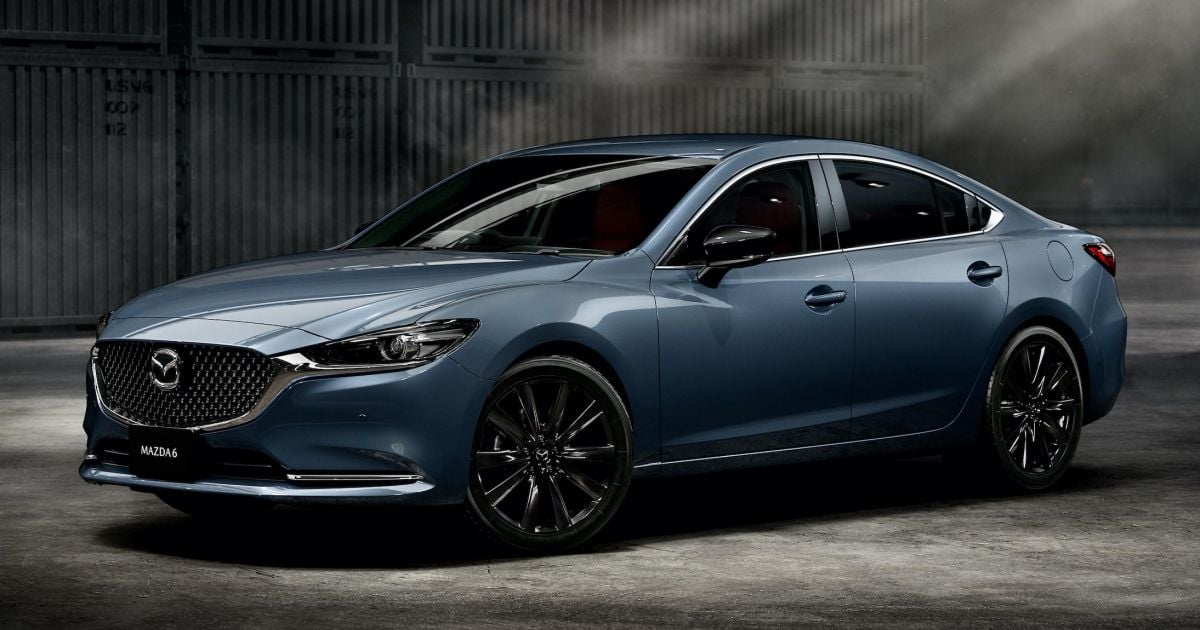
3. Mazda6
The Mazda6 appeals to commuters seeking a balance of engaging design and comfort during prolonged driving hours. Its refined handling makes highway stretches feel composed and enjoyable, rather than dull or fatiguing.
Steering precision gives the driver confidence in traffic and open roads alike. The suspension absorbs imperfections well, reducing jolts that can wear down driver energy over extended distances.
Inside, the Mazda6 prioritizes driver comfort with supportive seating and thoughtful ergonomics. Long journeys feel less taxing when the seat shapes cradle the body and help maintain a relaxed posture. Materials throughout the interior feel upscale, adding a sense of refinement that many commuters appreciate. Noise reduction measures keep the cabin calm, even at higher speeds, promoting relaxation during daily drives.
Controls and infotainment systems are designed for ease of use, minimizing distractions during busy commutes. Smartphone integration helps drivers access navigation, messages, and music with intuitive interfaces.
The dashboard layout emphasizes clarity and promotes an efficient interaction between human and machine. These qualities appear small but add up significantly over hours spent in traffic or on highways.
Fuel economy is competitive, especially given the Mazda6’s performance‑oriented character. While not solely focused on economy, this car manages respectable figures with its responsive engine and well‑tuned drivetrain. Drivers who want a spirited feel without sacrificing sensible consumption find this an appealing compromise. When daily driving becomes routine, these efficiencies help reduce running costs.
Safety and driver assistance functions round out the Mazda6’s suitability for commuters. Systems like adaptive cruise control and blind‑spot monitoring enhance confidence and reduce the mental load of long drives.
The car’s reliability history further strengthens its case for commuters who expect consistent performance with minimal disruptions. Combining spirited dynamics with daily usability makes the Mazda6 a strong choice for drivers on long daily routes.
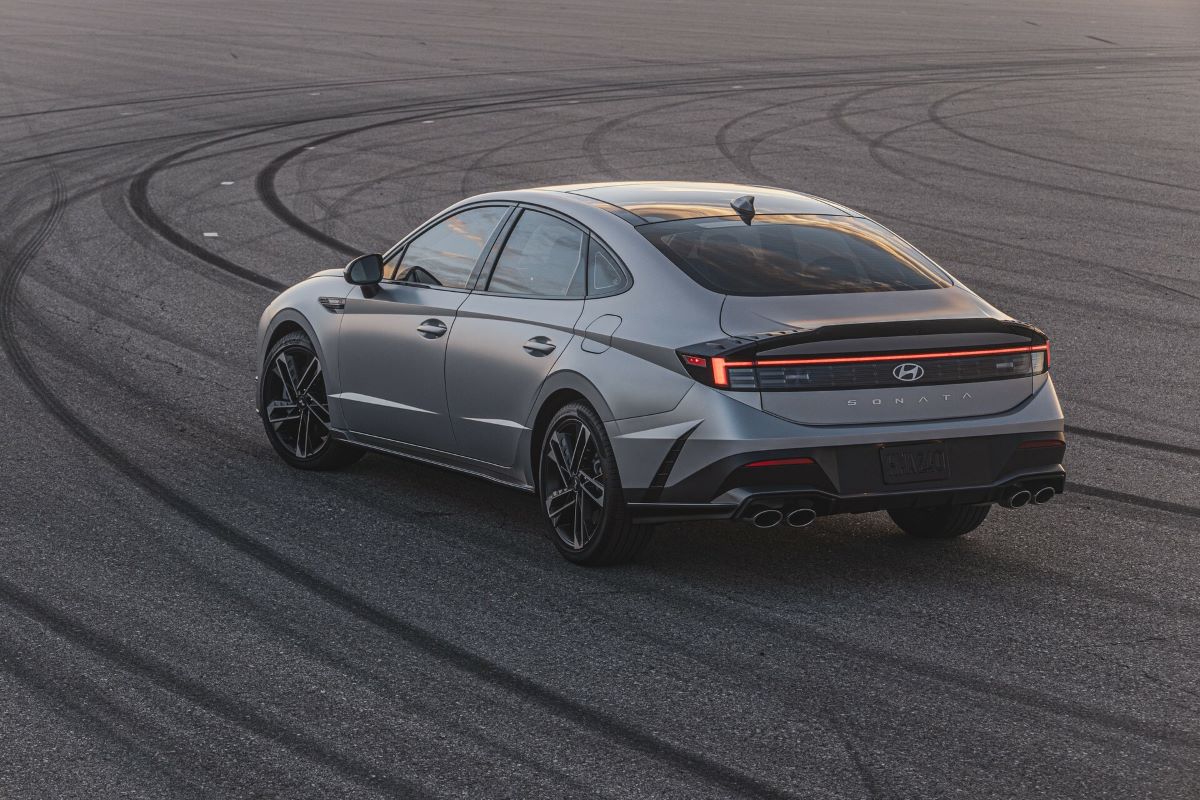
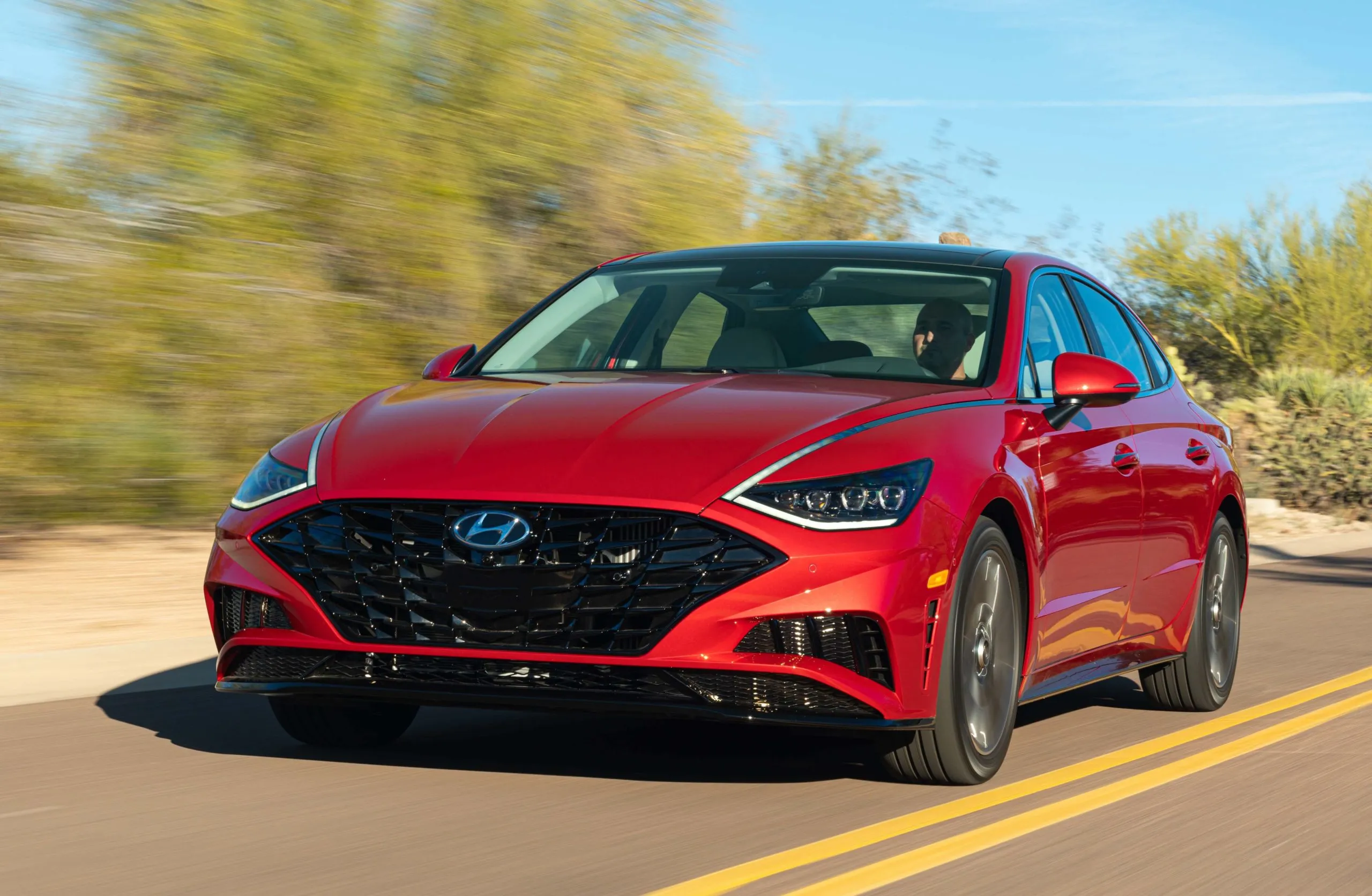
4. Hyundai Sonata
The Hyundai Sonata has become a choice for commuters who value comfort and modern amenities in everyday travel. Its smooth ride quality helps lessen the weariness that often accompanies long highway drives.
With a well‑cushioned suspension, the Sonata handles rough pavement with grace, keeping occupants relaxed instead of jarred. Steering feels balanced and predictable, which supports driver confidence over extended stints behind the wheel.
Inside the Sonata, space is generous and seats are designed to provide supportive comfort over hours of driving. The cabin layout places key controls within easy reach, helping the driver maintain focus without distraction.
Materials throughout the interior have a soft, refined feel, contributing to a pleasant environment that makes daily commuting more enjoyable. Noise levels are subdued, allowing drivers to converse or listen to audio with minimal interference.
Technology is a strong suit for this model, with intuitive systems that help manage navigation and entertainment. Smartphone compatibility is seamless, and the infotainment interface responds quickly to input.
Features that simplify long drives, such as automatic climate controls and voice‑activated commands, reduce stress and help maintain a comfortable cabin atmosphere. These conveniences matter when daily travel spans several hours.
Fuel economy figures are competitive, making the Sonata an economical choice for drivers who travel extensively. Whether choosing a standard powertrain or a more efficient option, the car consistently returns solid mileage numbers. Lower fuel consumption helps keep running costs down, which commuters appreciate given the high daily distances covered. Over months and years, these savings accumulate into meaningful financial benefits.
Safety features contribute to the Sonata’s appeal as a commuter car. Advanced driver assistance systems help monitor traffic, maintain speed, and manage lane positioning during long stretches of road. These tools support the driver and help in reducing fatigue by sharing some of the workload.
Combined with a strong reliability record, these qualities make the Sonata a compelling option for anyone who spends significant time in the car each day.
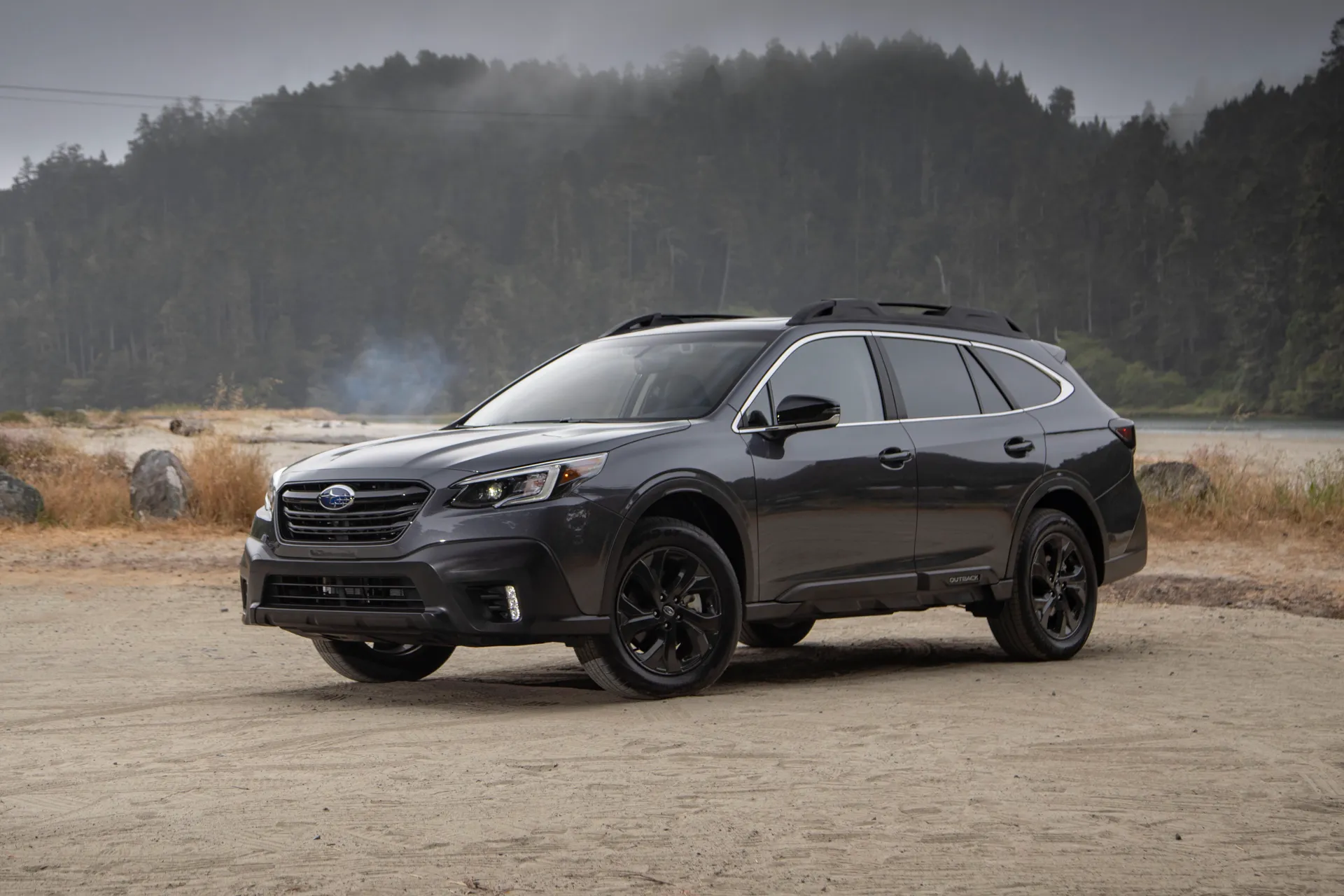
5. Subaru Outback
The Subaru Outback is an excellent choice for commuters who want comfort plus added capability for varying road conditions. Its standard all‑wheel‑drive system instills confidence on wet or slippery surfaces, which commuting drivers may face without warning.
Ride comfort is generous, with suspension tuned to handle both highways and uneven surfaces without transmitting excessive harshness into the cabin. This smoothness helps the driver remain calm and focused throughout long journeys.
Inside, the Outback’s space feels generous and well‑organized, making long drives more comfortable for driver and passengers alike. Seats are supportive with ample adjustment, helping the driver find a relaxed posture that reduces fatigue.
Visibility from the cabin is wide, enabling better awareness of surrounding traffic without excessive head movement. Quiet operation at highway speeds further enhances the sense of comfort, letting occupants converse or focus quietly.
The dashboard layout is simple and effective, with key controls easy to reach and understand. Smartphone connectivity and entertainment options help make long hours on the road more pleasant. Reliable navigation features assist in planning routes and avoiding congestion, which commuter drivers value. Every touchpoint is designed to reduce frustration and support an efficient driving experience over extended periods.
Fuel economy for the Outback is reasonable, especially for its size and capability. While AWD adds some weight, the engine still returns figures that suit daily commuting needs. Drivers who want a bit more assurance in diverse weather conditions find this a worthwhile compromise. Savings in fuel consumption remain acceptable, especially when balanced with the confidence that all‑weather traction provides.
Safety systems in the Outback are comprehensive, helping to protect the driver during demanding travel routines. Features such as adaptive cruise control and automated braking support hands‑on driving, reducing stress during long stretches. With a reputation for durability and practicality, the Subaru Outback delivers a compelling package for commuters who want reassurance and comfort on every journey.

6. Kia K5
The Kia K5 is designed to deliver both comfort and engaging performance. Its sharp styling reflects a modern approach, while the interior surprises with thoughtful details aimed at everyday usability. Commuters often note how quiet and refined the ride feels, even over longer distances. This sense of calm aids focus and reduces the strain that comes from navigating heavy traffic or open roads for lengthy durations.
Seats in the K5 are comfortable and supportive, providing ample cushioning that helps maintain consistent posture. Adjustable seating positions help drivers tailor their comfort zones, which matters when spending extensive time on the road.
Quality materials throughout the cabin improve the atmosphere, making daily commutes feel more pleasurable. Controls fall naturally to hand, reducing unnecessary distractions and allowing steady attention on driving tasks.
Technology features stand out with easy smartphone integration and responsive infotainment systems. Navigation is clear and helpful, and media options satisfy a variety of preferences. Commuters appreciate features that make long trips more enjoyable, such as intuitive voice commands and clear audio output. A comfortable and connected environment lightens the load of everyday travel.
Fuel economy in the K5 strikes a balance between performance and practicality. Drivers who want responsive acceleration without sacrificing efficiency find this to be a decent compromise. Over many kilometers of daily travel, this balance helps keep fuel costs in check while still offering a lively driving experience. These characteristics make the K5 a compelling choice for routine commuting.
Comprehensive safety features support confident long‑distance driving with tools that help manage speed, stay centered in lanes, and monitor blind spots. These systems ease mental workload on busy routes. Reliability is also strong, meaning routine operation remains dependable even for high‑mileage drivers. The Kia K5 stands out as a modern, comfortable choice for commuters who want both convenience and performance.
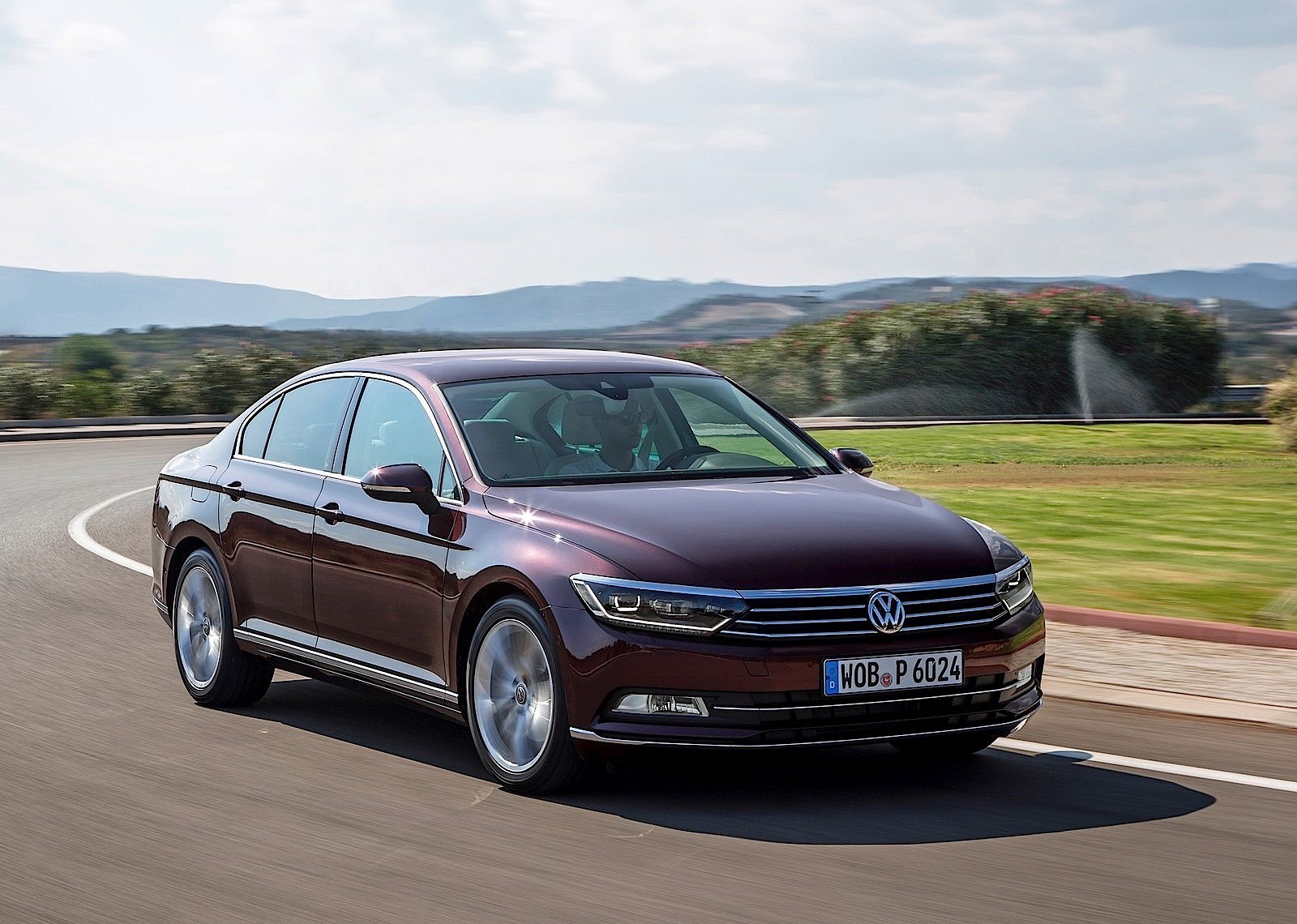
7. Volkswagen Passat
The Volkswagen Passat offers a spacious and composed driving experience suitable for long daily travel. Its broad cabin gives plenty of room for driver and passengers alike, which reduces the sense of confinement that can occur on extensive trips.
Ride quality is tranquil, with suspension tuned for comfort rather than sharp responses. This makes highway stretches feel smooth and controlled, helping maintain relaxation even after long hours.
Seats in the Passat provide ample support, easing pressure on the back and hips during lengthy drives. Adjustability helps drivers find a comfortable position that minimizes fatigue over time. Materials throughout the cabin create a refined feel that makes daily travel more pleasant. Visibility from the driver’s seat is generous, reducing the need for constant repositioning or strain to see surrounding traffic.
Infotainment integration is intuitive and practical, making navigation and connectivity easier during repetitive drives. Smartphone support and responsive systems help keep media and directions at the driver’s fingertips. These conveniences matter on long commutes, as they reduce small frustrations that can add up over time. Controls are logically placed for straightforward use without confusion.
Fuel economy figures are respectable, balancing performance with efficiency. The Passat’s engines deliver smooth responses that make highway driving seamless. Drivers who value steady consumption rates appreciate how the car returns good figures without sacrificing a sense of strength when overtaking or merging. These qualities make it a sensible option for drivers covering significant daily distances.
Safety and driver assistance features add to the Passat’s suitability for commuting. Adaptive systems help maintain consistent speed and monitor road conditions ahead, reducing stress during extended periods on the road. Combined with Volkswagen’s track record of reliability, the Passat presents a well‑rounded choice for anyone seeking a comfortable and practical daily commuter vehicle.
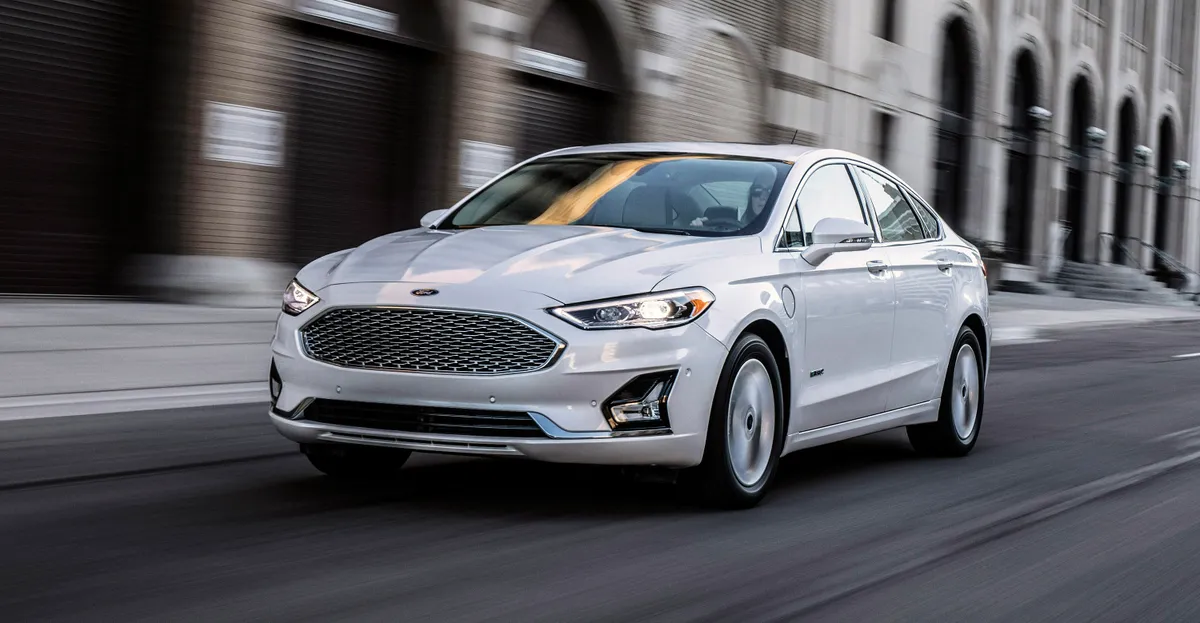
8. Ford Fusion
The Ford Fusion remains a practical contender for daily commuters who value comfort and solid performance. Its smooth ride and forgiving suspension help absorb road imperfections, keeping long drives less tiring.
Handling feels balanced and predictable, which supports driver confidence during both city traffic and highway travel. For those who spend considerable time daily behind the wheel, these characteristics add meaningful comfort.
Inside the cabin, the Fusion offers supportive seating and a comfortable environment that suits long distances. Seats are adjustable and ergonomic, helping reduce stress on key pressure points throughout the commute. Materials are chosen to resist fatigue‑inducing stiffness, and the layout keeps controls within easy reach for intuitive use. Visibility remains excellent, making lane changes and traffic monitoring easier.
Technology features help manage daily driving with practical solutions for navigation and connectivity. Sync systems work with popular smartphones, ensuring reliable access to apps and communication tools. Audio quality and interface responsiveness help make time on the road more enjoyable. Commuters often value these conveniences, especially when repetitive journeys can feel monotonous without engaging features.
Fuel economy is competitive, particularly with available efficient engine options. The Fusion returns solid mileage figures that suit daily commuters looking to keep costs reasonable. Balancing performance and economy helps drivers experience responsive acceleration while avoiding excessive fuel use. Over time, this efficiency contributes meaningfully to ownership satisfaction.
Safety equipment includes systems that reinforce confidence on extended routes. Features like forward‑collision warning and adaptive cruise help manage stress on busy roads or during long highway stretches. When coupled with the Fusion’s comfort and practicality, these elements make it a compelling choice for daily drivers who want a balanced and dependable commuting car.
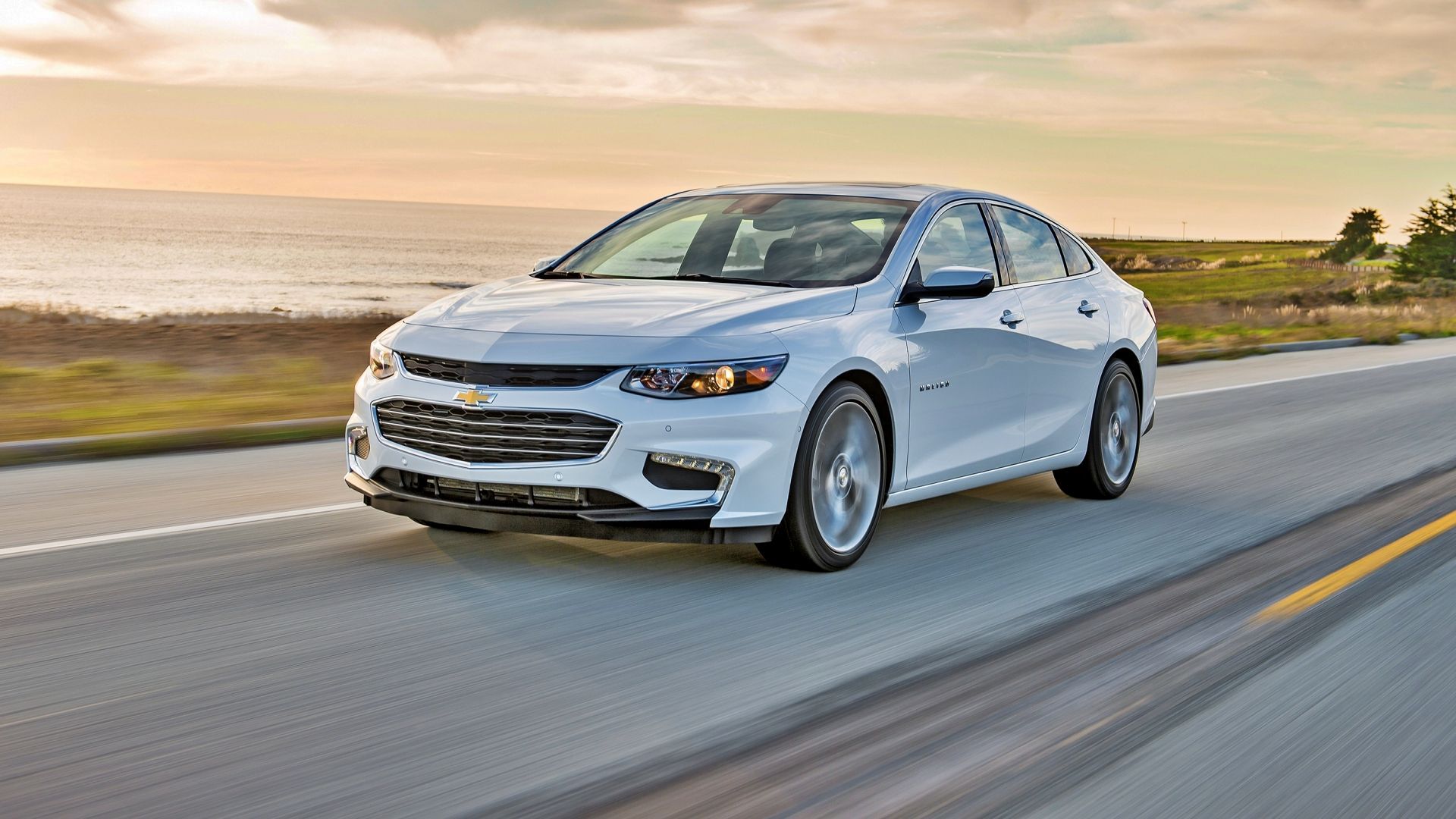
9. Chevrolet Malibu
The Chevrolet Malibu provides a relaxed commuting experience with a focus on comfort and everyday usability. Its smooth ride helps minimize the bumps that often cause discomfort on long drives.
Steering feels steady and predictable, which is beneficial for drivers who encounter varying traffic speeds. Whether cruising expressways or navigating suburban roads, the Malibu maintains a calm and controlled demeanor that supports commuter peace of mind.
Inside, the Malibu’s cabin emphasizes comfort with spacious seating and supportive cushioning. Adjustability helps drivers find a comfortable posture that suits extended journeys. Materials in the interior feel solid, and visibility from the driver’s seat is wide enough to reduce strain when monitoring surrounding traffic. Long drives become less taxing when the environment feels welcoming rather than cramped.
Infotainment and technology features in the Malibu help make daily travel more manageable. Smartphone connectivity is reliable and easy to use, supporting media streaming and navigation without distraction. The dashboard layout prioritizes simplicity and clear access to essential functions. These practical elements help ensure daily drives feel less repetitive and more engaging.
Fuel economy figures are respectable for a midsize sedan, helping commuters who cover extensive distances keep running costs in check. The Malibu’s engines offer smooth power delivery, which aids in merging and passing maneuvers on busy highways. This balance of performance and efficiency makes it a sensible choice for anyone focused on long‑term ownership and sensible fuel use.
Safety features are well‑rounded, enhancing confidence during extended travel. Driver assistance systems help manage speed, monitor traffic, and maintain a safer driving environment. Combined with the Malibu’s comfort and practicality, these qualities make it a strong contender for daily commuters seeking a balanced blend of comfort, usability, and sensible performance.
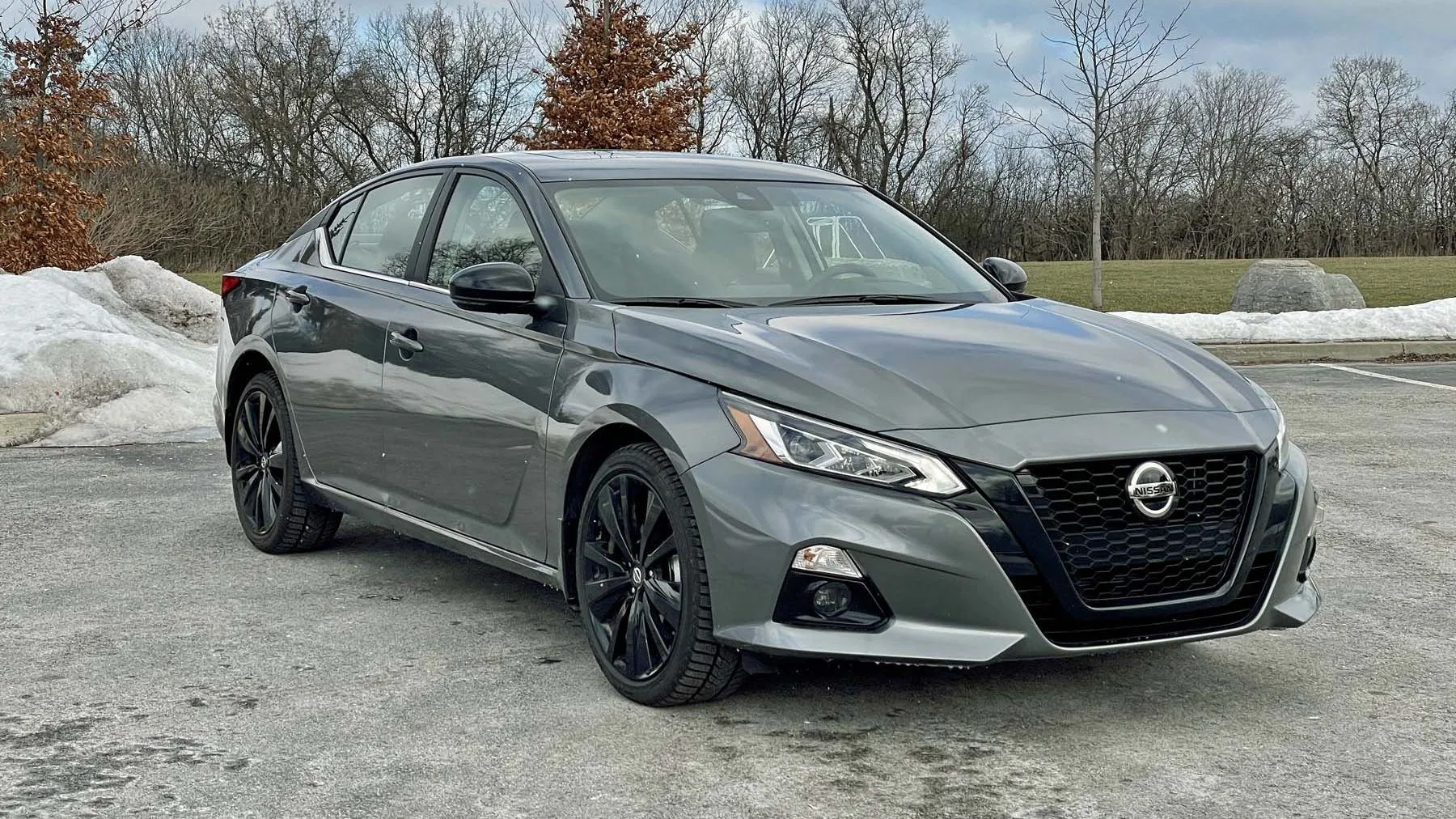
10. Nissan Altima
The Nissan Altima rounds out this list with a focus on comfort, technology, and predictable performance. Its refined ride quality helps reduce vibrations and harshness, making it suitable for long hours on highways.
Steering feels composed, and the suspension smooths out major imperfections, which lessens driver fatigue. For commuters who spend significant time covering daily distances, the Altima offers a relaxing and stable driving experience.
Inside the Altima, seating is comfortable and designed to prevent fatigue during extended journeys. The layout of controls supports intuitive use without unnecessary distraction. Materials used throughout the cabin feel pleasant and durable, promoting a comfortable environment for long drives. Good visibility further supports the driver in handling surrounding traffic with confidence.
Technology integration helps keep the commute engaging with reliable connectivity and navigation. Smartphone support allows easy access to maps, playlists, and hands‑free communication. Audio quality and interface responsiveness help maintain an enjoyable cabin atmosphere. These features matter when the commute stretches into repetitive cycles of hours spent daily behind the wheel.
Fuel economy figures remain competitive, particularly with the Altima’s efficient powertrain options. The car returns solid mileage, helping commuters save on fuel costs over time. Responsiveness in city traffic and on highways helps the driver remain confident and engaged without excessive consumption. Daily travel becomes more affordable when fuel efficiency is strong.
Safety features in the Altima help support driver confidence during extended travel. Systems that monitor road conditions, assist in speed management, and help maintain lane positioning contribute to a less stressful drive. This suite of technologies, combined with reliable performance and comfort, makes the Nissan Altima a valuable choice for anyone who needs a practical and comfortable car for long daily drives.