For America’s growing army of freelancers, remote workers, and digital nomads, the coffee shop has quietly replaced the traditional office.
Wi-Fi availability matters more than cubicles, and your commute might be a rotating loop between three cafés, a co-working space, and a client meeting across town.
In that lifestyle, your car becomes more than transportation. It’s a mobile staging area, a quiet phone booth, a charging hub, and sometimes even a backup workspace.
Whether you’re a designer bouncing between downtown cafés, a writer chasing ambiance, or a consultant running Zoom calls from parking lots, the ideal freelancer car needs a specific mix: low running costs, excellent connectivity, comfortable seating, good cargo flexibility, and enough personality to feel at home outside artisan espresso bars.
These ten vehicles stand out for freelancers who practically live in coffee shops, balancing affordability, tech, comfort, and real-world usability in the US market.
1. Toyota Prius
The Prius remains the quiet champion of freelancer life. Its hybrid powertrain delivers exceptional fuel economy for constant short trips between coffee shops, client offices, and home.
More importantly, it’s remarkably peaceful at low speeds, perfect for taking calls while parked. Inside, the cabin is efficient but modern, with supportive seats and enough rear cargo space for backpacks, camera gear, or a compact folding desk.
Toyota’s infotainment system integrates smoothly with Apple CarPlay and Android Auto, making it easy to juggle calendars, maps, and playlists on the fly.
If your workflow involves lots of city driving and minimal downtime, few cars keep operating costs as low as a Prius.
The 2022 Toyota Prius remains one of the most fuel-efficient hatchbacks on sale, but it no longer dominates the hybrid segment it helped establish. Its sharply tapered, wedge-shaped design is engineered primarily for aerodynamic efficiency rather than visual appeal. Under the hood, the hybrid system produces 121 horsepower, resulting in modest acceleration.
While the Prius Eco achieves an EPA-estimated 56 mpg combined, competitors such as the Hyundai Ioniq surpass it with a 59 mpg combined rating.
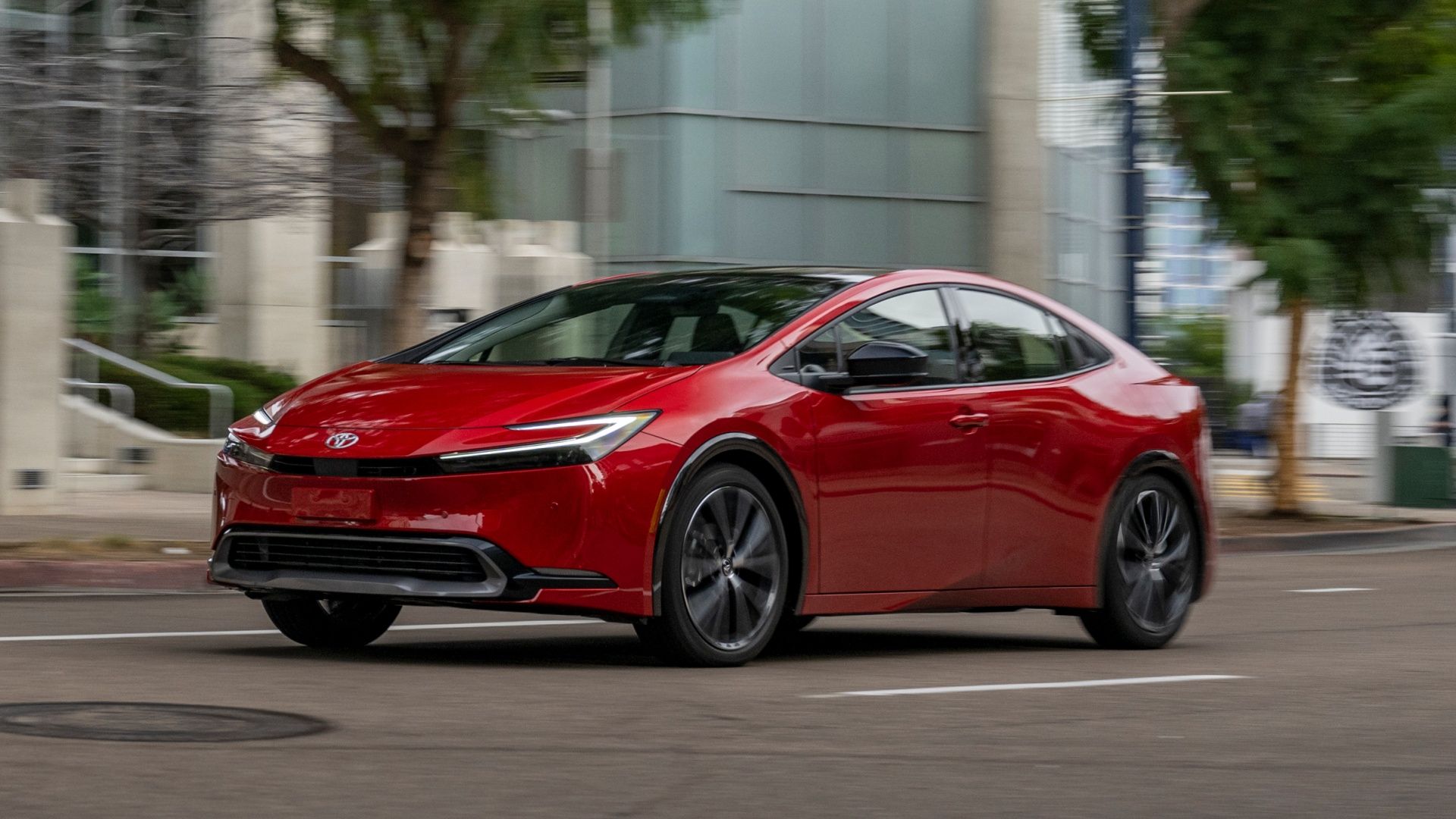
One distinguishing feature is the availability of all-wheel drive, unique among compact hybrids, but this does not meaningfully enhance driving engagement.
Rivals such as the Honda Insight offer a more compelling balance of efficiency and driving refinement, while the Toyota Corolla Hybrid provides similar fuel economy at a lower price point. As a result, the 2022 Prius faces increased competition within its own segment, though a redesigned model for 2023 aims to address these concerns.
Pricing ranges from $26,170 for the L Eco to $34,465 for the Limited. While higher trims such as the XLE add comfort and convenience features, including power-adjustable seats and wireless charging, the base L Eco provides essential amenities such as adaptive cruise control and passive entry at a lower cost.
The Prius’s hybrid system prioritizes efficiency over acceleration, and performance is correspondingly subdued. While this approach aligns with its fuel-economy focus, several competitors demonstrate that stronger performance need not compromise efficiency. Driving enjoyment and overall refinement remain limited.
All-wheel-drive variants incorporate an additional rear-mounted electric motor that operates independently from the primary hybrid system to power the rear wheels.
As with many hybrid vehicles, braking blends regenerative and friction systems. The resulting pedal feel can be inconsistent or numb, and combined with low-rolling-resistance tires, braking distances may exceed those of comparable non-hybrid compact cars.
2. Honda Civic Hatchback
The Civic Hatchback blends sharp styling with genuine practicality. It drives like a sporty compact but offers surprising cargo capacity once the rear seats are folded down, ideal for creatives hauling tripods or portable monitors.
Honda’s interior ergonomics are excellent, with intuitive controls and comfortable seats for long editing sessions in parking lots. Road noise is well controlled, and reliability remains a Civic hallmark.
For freelancers who want something fun yet sensible, this is a strong middle ground.
When family life becomes busy, simplicity can be an advantage, and that’s an area where the Honda Civic excels. The current Civic range is intentionally streamlined: one engine option, one five-door hatchback body style, and three trim levels. While that may appear restrictive, the lineup effectively covers the core requirements of a modern family car.
A recent facelift refreshed the exterior styling and upgraded select interior materials, but the Civic retains its strongest attributes. It features an efficient 2.0-litre petrol-hybrid powertrain, generous standard equipment, and a spacious boot. In a competitive class that includes the Skoda Octavia, Toyota Corolla, and Volkswagen Golf, the Civic remains a well-rounded option.
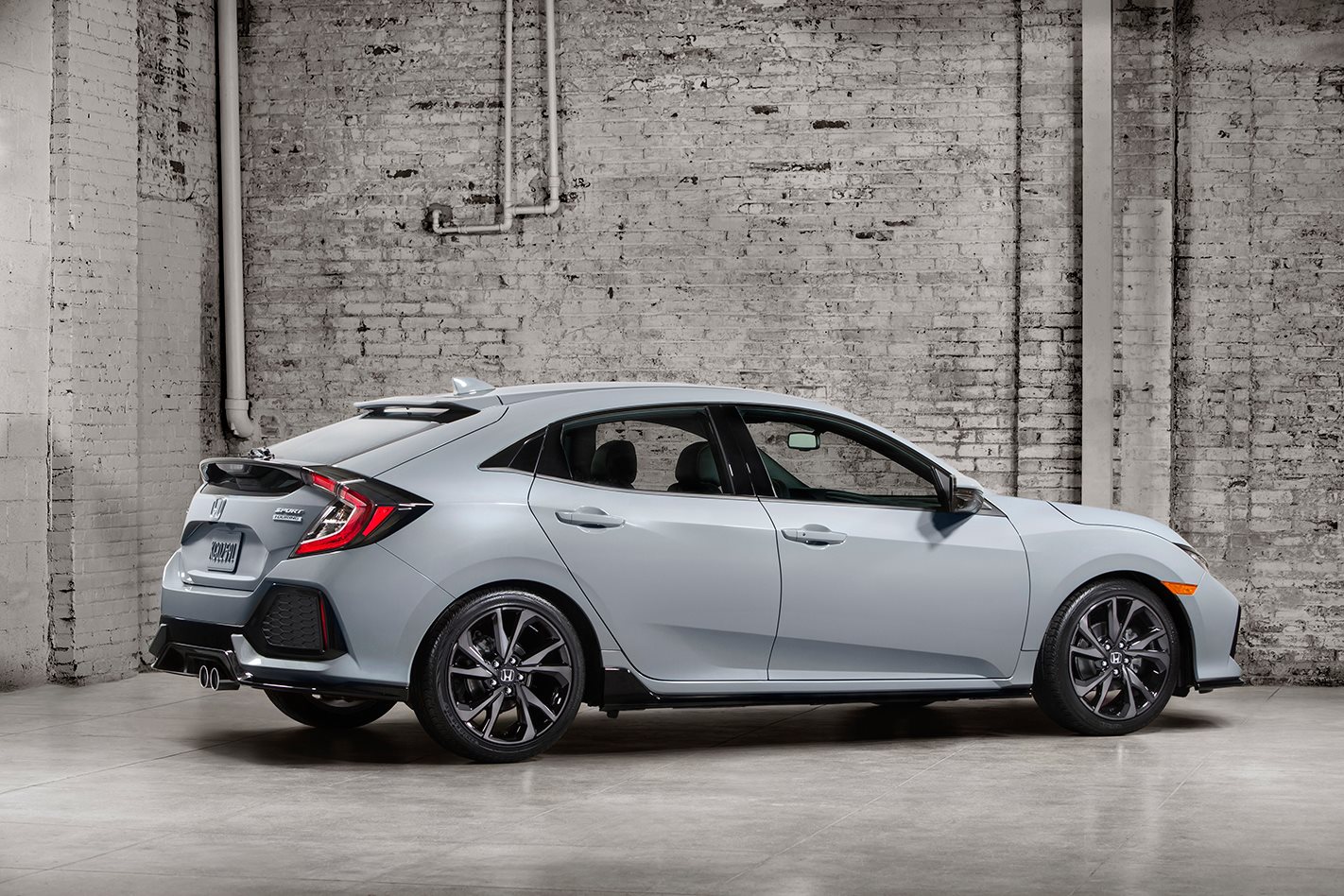
There are few significant weaknesses. The Civic is engaging to drive, practical, well-appointed inside, and expected to deliver strong reliability. Some rivals provide slightly more rear-seat space and better motorway refinement, but the Civic counters with competitive efficiency and strong standard equipment levels. The entry-level Elegance trim represents particularly good value.
Key strengths include impressive fuel economy, a large boot, and enjoyable driving dynamics. Drawbacks include a relatively high purchase price, limited rear headroom, and noticeable tyre noise at speed.
The Civic uses Honda’s e:HEV hybrid system exclusively, producing 181bhp. In testing, it accelerated from 0–60mph in 6.8 seconds, comfortably quicker than any equivalent Corolla.
At lower speeds, the car can operate solely on electric power. The 2.0-litre petrol engine primarily functions as a generator to supply electricity to the electric motor, though at higher speeds, such as steady motorway cruising, it can drive the wheels directly for improved efficiency.
Under heavy acceleration, the petrol engine’s revs become audible, though it remains quieter than the 1.5-litre hybrid system found in the Honda HR-V. Wind noise is well suppressed, but tyre noise is more pronounced than in the Corolla or Golf at motorway speeds.
While not as sharp on initial turn-in as the Leon, the Civic offers confident grip and precise, naturally weighted steering. The result is a family hatchback that combines efficiency and practicality with an engaging driving experience.
3. Hyundai Kona
The Kona punches above its weight in technology. Even lower trims offer large digital displays and strong driver-assistance features, which matter when you’re navigating crowded urban streets multiple times per day.
Its upright seating position provides good visibility when hunting for curbside parking near busy cafés. Meanwhile, the compact footprint makes squeezing into tight spaces less stressful.
For freelancers who appreciate modern tech without luxury-brand pricing, the Kona delivers.
The Kona is offered with two four-cylinder engine choices. Our test vehicle was equipped with the upgraded turbocharged four-cylinder producing 190 horsepower and 195 lb-ft of torque.
On the test track, it accelerated from 0 to 60 mph in 7.8 seconds, placing it among the quicker entries in the subcompact SUV segment. Braking performance was also strong in emergency stopping evaluations.
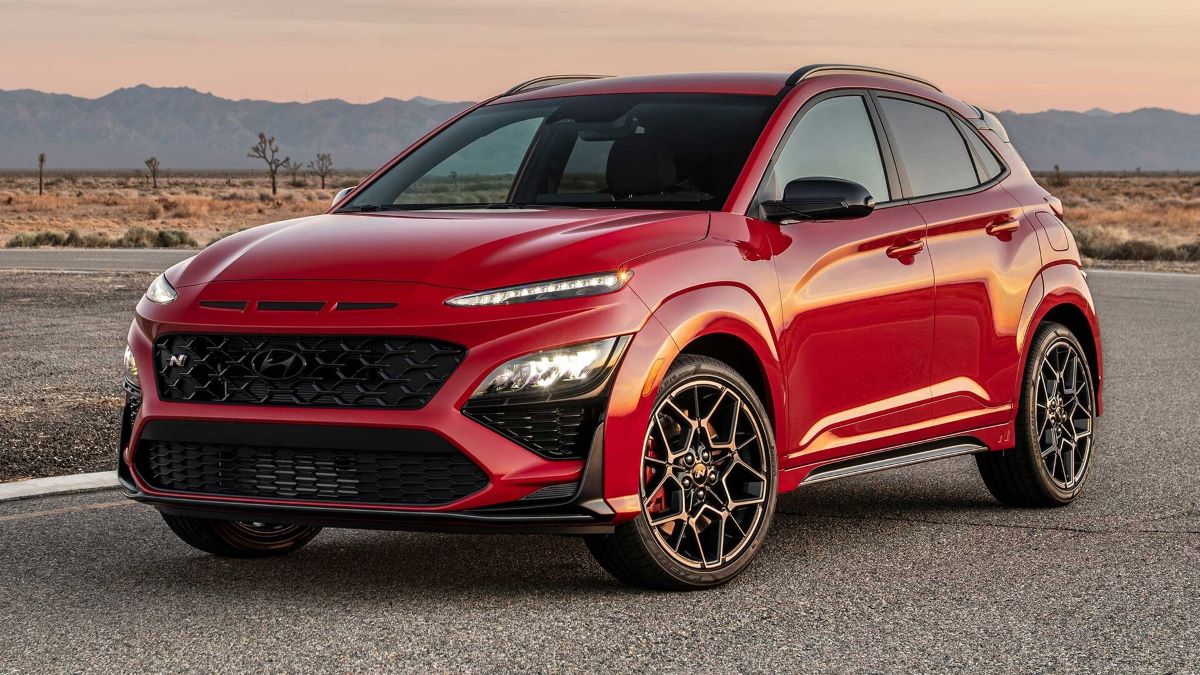
In terms of handling dynamics, the Kona prioritizes comfort over engagement. The suspension tuning is soft and somewhat springy, resulting in noticeable body roll during cornering and limiting driver involvement.
While it does not deliver particularly sharp handling, it remains well suited for daily commuting. The transmission operates smoothly and responds promptly to throttle inputs.
Driver-assistance technology is a relative strength. Standard features include blind-spot monitoring and lane-keeping assist. Optional equipment includes a 360-degree camera system and adaptive cruise control. Higher trims add a remote smart parking function that allows the driver to move the vehicle into or out of tight spaces using the key fob while standing outside the car.
4. Subaru Crosstrek
Not every freelancer sticks to downtown coffee shops. Some rotate between suburban cafés, trailhead espresso stands, and mountain towns. The Crosstrek’s standard all-wheel drive makes it uniquely capable for those who mix work with outdoor escapes.
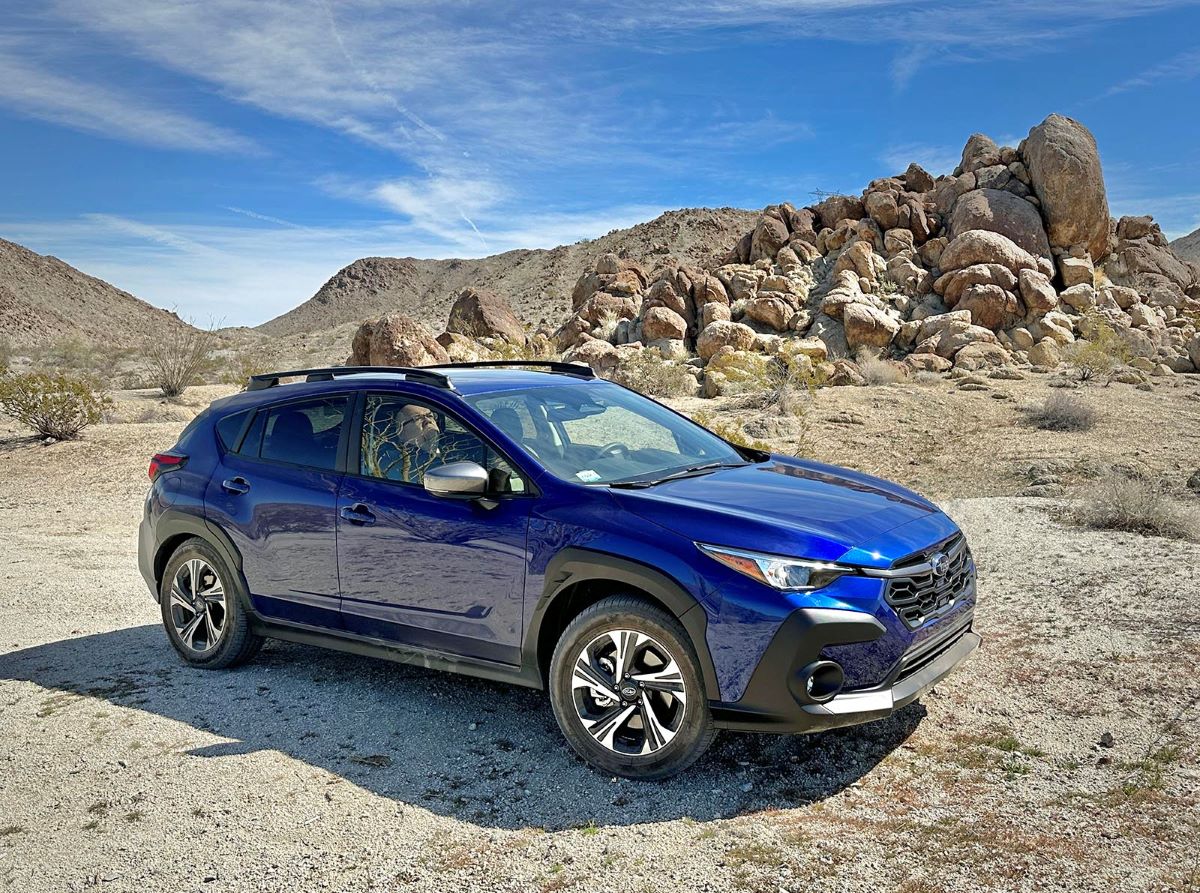
Interior durability is excellent, and the ride is comfortable over broken pavement. It’s also one of the easiest ways to access light off-road capability without sacrificing daily drivability.
If your laptop often travels with hiking boots, this Subaru fits the lifestyle.
5. Tesla Model 3
For freelancers who lean fully into tech culture, the Model 3 feels like a rolling startup office. Its large central touchscreen handles navigation, music, scheduling, and climate control with minimal fuss.
Electric ownership shines for coffee-shop hopping: instant torque makes short drives effortless, while charging at home or public stations reduces dependence on gas prices.
The cabin is quiet enough to take meetings while parked, and the trunk plus frunk offer ample storage. If you want a modern, software-driven experience, this is the benchmark.
The rear-wheel-drive, single-motor Model 3 Premium offers an EPA-estimated 363 miles of driving range at a competitive price point.
Opting for the all-wheel-drive version requires a moderate price increase and reduces the estimated range slightly to 346 miles. Standard equipment across most trims includes heated and ventilated front seats, built-in navigation, and Tesla’s Autopilot driver-assistance system.
The 2026 Standard trim undercuts the lineup in price, but the cost reductions are apparent. The steering wheel features manual adjustment, seat upholstery incorporates textile inserts instead of full faux-leather surfaces, and heating is limited to the front seats with no ventilation available.
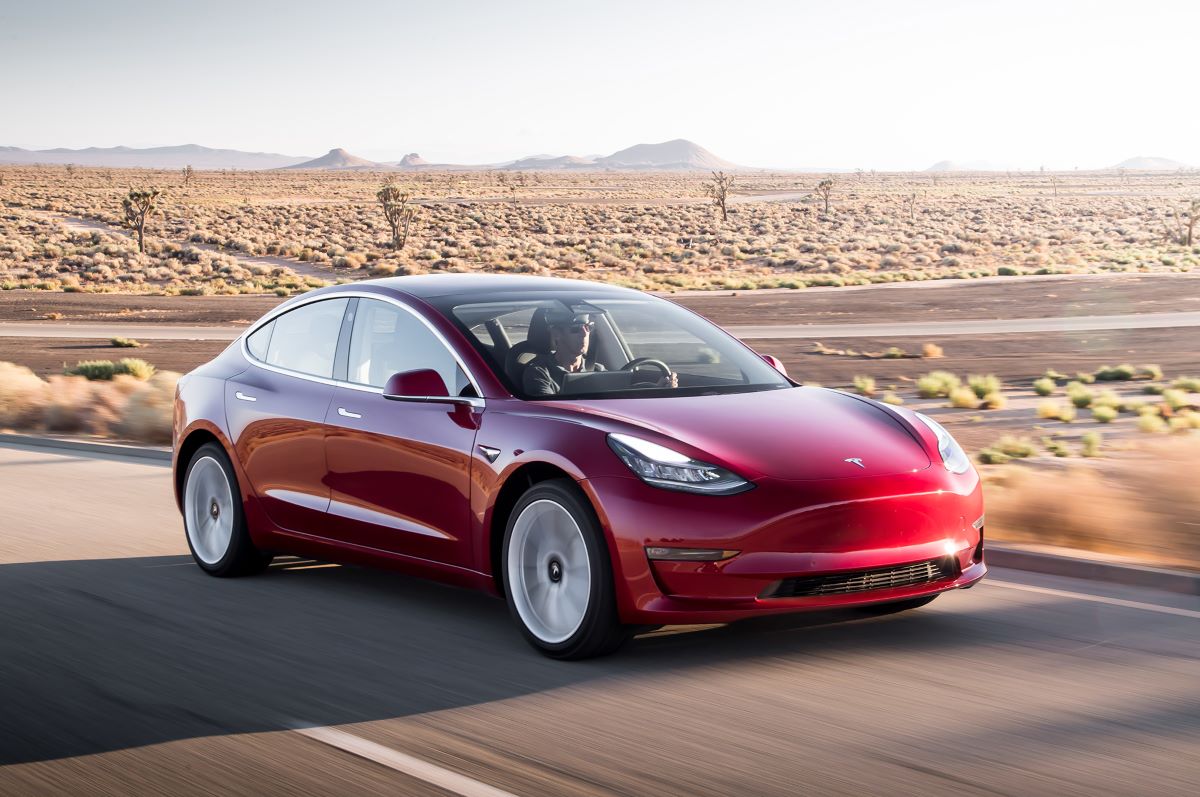
The rear infotainment display and premium audio system are omitted, and adaptive cruise control no longer includes lane-keeping functionality.
Available configurations include a 286-hp single-motor setup, a 425-hp dual-motor system, and a 510-hp dual-motor Performance variant. Drivetrain options include rear-wheel drive and all-wheel drive depending on trim.
As expected from an electric vehicle, the Model 3 delivers rapid, seamless acceleration with minimal noise. The battery pack is mounted beneath the floor, lowering the center of gravity and contributing to stable, composed handling. Direction changes are crisp, and the vehicle feels planted through corners. Steering is precise and offers three selectable effort levels.
Ride quality is firm but controlled, avoiding excessive harshness. Cabin noise levels have been reduced compared with earlier iterations. The Performance model adds a sport-tuned suspension with adaptive dampers, larger brakes, and staggered wheels equipped with higher-grip tires, enhancing overall dynamic capability.
6. Mazda CX-30
Mazda quietly builds some of the nicest interiors in the mainstream market, and the CX-30 proves it. Soft materials, tasteful design, and supportive seating give it a premium vibe without luxury pricing.
It’s especially appealing for freelancers who value aesthetics. Pulling up to a café in a CX-30 feels intentional, not purely utilitarian. Fuel economy is respectable, and the ride quality is refined. Think of it as a creative professional’s compact crossover.
Like several Mazda products, the 2022 CX-30 pairs distinctive styling with engaging road manners. Its exterior design is sleek and cohesive, and the interior presents an upscale appearance with a clean, driver-focused layout.
Steering response is direct and well weighted, contributing to a confident feel on winding roads. Choosing the turbocharged engine transforms the driving experience, reducing the 0–60 mph time by more than two seconds compared with the naturally aspirated version. However, the turbo engine is limited to trims priced above $30,000.
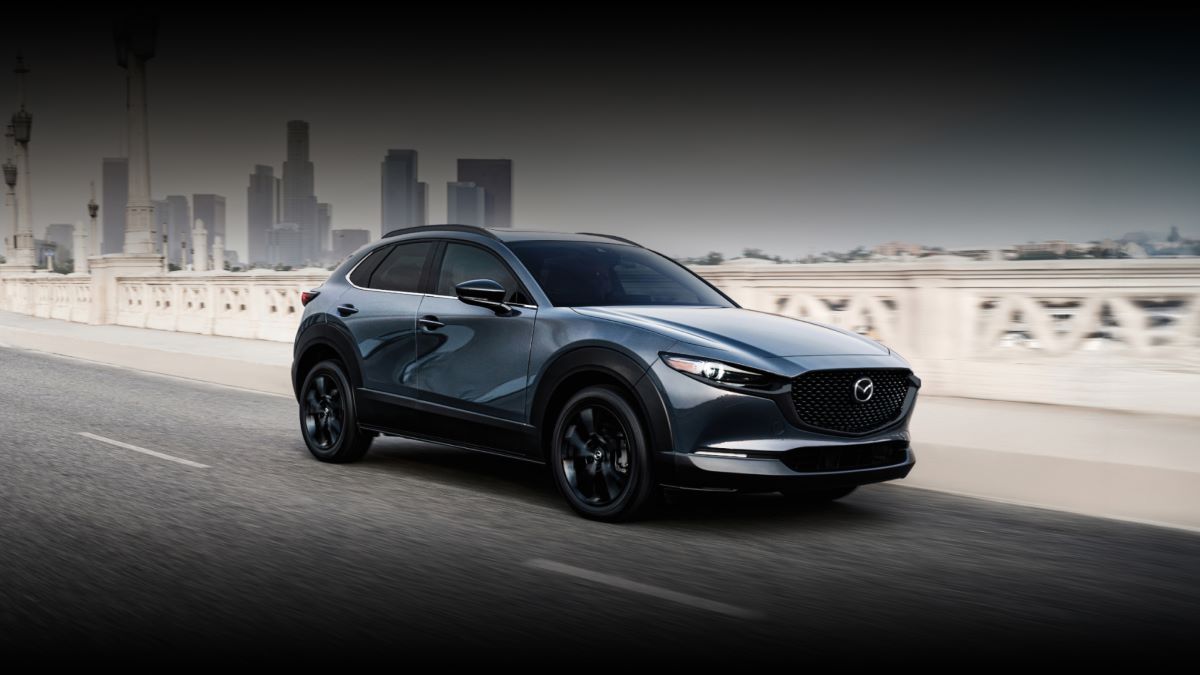
The six-speed automatic transmission prioritizes efficiency over aggressive responsiveness, which can blunt passing performance. Other dynamic drawbacks include a somewhat soft brake pedal and a ride that leans toward the firm side.
While the cabin materials are attractive, the infotainment interface can feel overly complex. Interior space is also limited compared with some competitors. The CX-30 is better suited to buyers seeking a compact SUV with driver-focused handling rather than maximum cargo and passenger capacity.
The standard engine is a 2.5-liter naturally aspirated inline-four producing 186 horsepower. An available 2.5-liter turbocharged four-cylinder delivers 250 horsepower on 93-octane fuel and 227 horsepower on 87-octane. All 2022 CX-30 models come with a six-speed automatic transmission and standard all-wheel drive.
EPA fuel economy ratings stand at 24/31 mpg city/highway for the naturally aspirated version and 22/30 mpg for the turbo model. Many rivals in the segment use smaller engines and achieve better efficiency figures. Even the similarly powered Subaru Crosstrek, equipped with a naturally aspirated four-cylinder of comparable displacement, is rated at 27/34 mpg.
7. Kia Soul
The Soul’s boxy shape translates into exceptional interior space for its size. Tall rooflines mean easier entry and exit when juggling coffee cups, laptops, and backpacks.
It’s also one of the more affordable options on this list, making it appealing to freelancers early in their careers. Kia’s infotainment is intuitive, and the upright seating reduces fatigue during long urban days.
If you want maximum usability per dollar, the Soul deserves attention.
Although it doesn’t neatly fit the traditional SUV mold, the Kia Soul remains a practical, affordable, and easy-to-drive small vehicle. Kia has produced the Soul since 2009, with the current third-generation model debuting for 2020.
The Soul demonstrates that affordability does not automatically equate to a budget driving experience. While it is neither quick nor overtly luxurious, it delivers accurate steering and a comfortable ride.
Build quality is solid, and standard equipment levels are competitive for the segment. Although the base trim is lightly equipped, upgrading to higher trims with additional features remains relatively affordable.
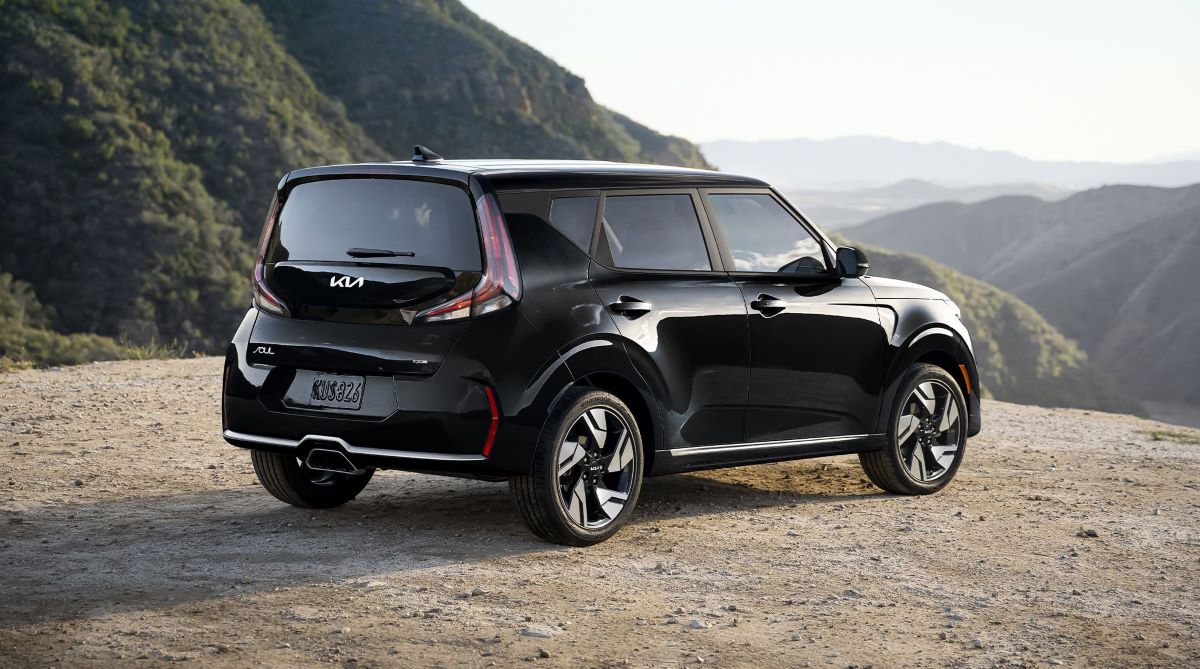
Despite its compact exterior footprint, the Soul offers generous interior room for both passengers and cargo. Even taller occupants can sit comfortably, and the tall roofline simplifies entry and exit.
Kia includes a respectable suite of driver-assistance technologies, though a four-star overall crash rating from NHTSA is less than ideal. Another consideration is that the Soul is front-wheel drive only, with no all-wheel-drive option available. Even so, it continues to stand out as a versatile and appealing small vehicle.
Every 2025 Soul uses a 2.0-liter inline-four producing 147 horsepower and 132 lb-ft of torque. Power is delivered to the front wheels via a continuously variable automatic transmission. In testing, acceleration from 0 to 60 mph required 8.3 seconds. EPA fuel economy ratings range from 27–29 mpg city and 33–35 mpg highway, depending on configuration.
8. Chevrolet Bolt EUV
The Bolt EUV offers one of the most affordable entries into long-range electric driving in the US. For freelancers who spend hours moving between locations, its low operating costs are a major advantage.
The interior emphasizes practicality, with good legroom and straightforward controls. It’s not flashy, but it’s efficient and dependable, traits that matter when your income depends on showing up consistently.
A smart choice for budget-conscious EV adopters.
For 2022, Chevrolet broadened its EV portfolio with the introduction of the Bolt EUV (Electric Utility Vehicle). Compared with the standard Chevrolet Bolt EV hatchback, the EUV offers a roomier cabin and adopts more SUV-inspired exterior styling.
Power comes from a 200-horsepower electric motor paired with a 65.0-kWh battery pack, delivering an EPA-estimated 247 miles of range per charge. Key competitors include the Hyundai Kona Electric, Ford Mustang Mach-E, and Tesla Model Y. Chevrolet positions the Bolt EUV around its distinctive design, competitive pricing, and available semi-autonomous driving capability.
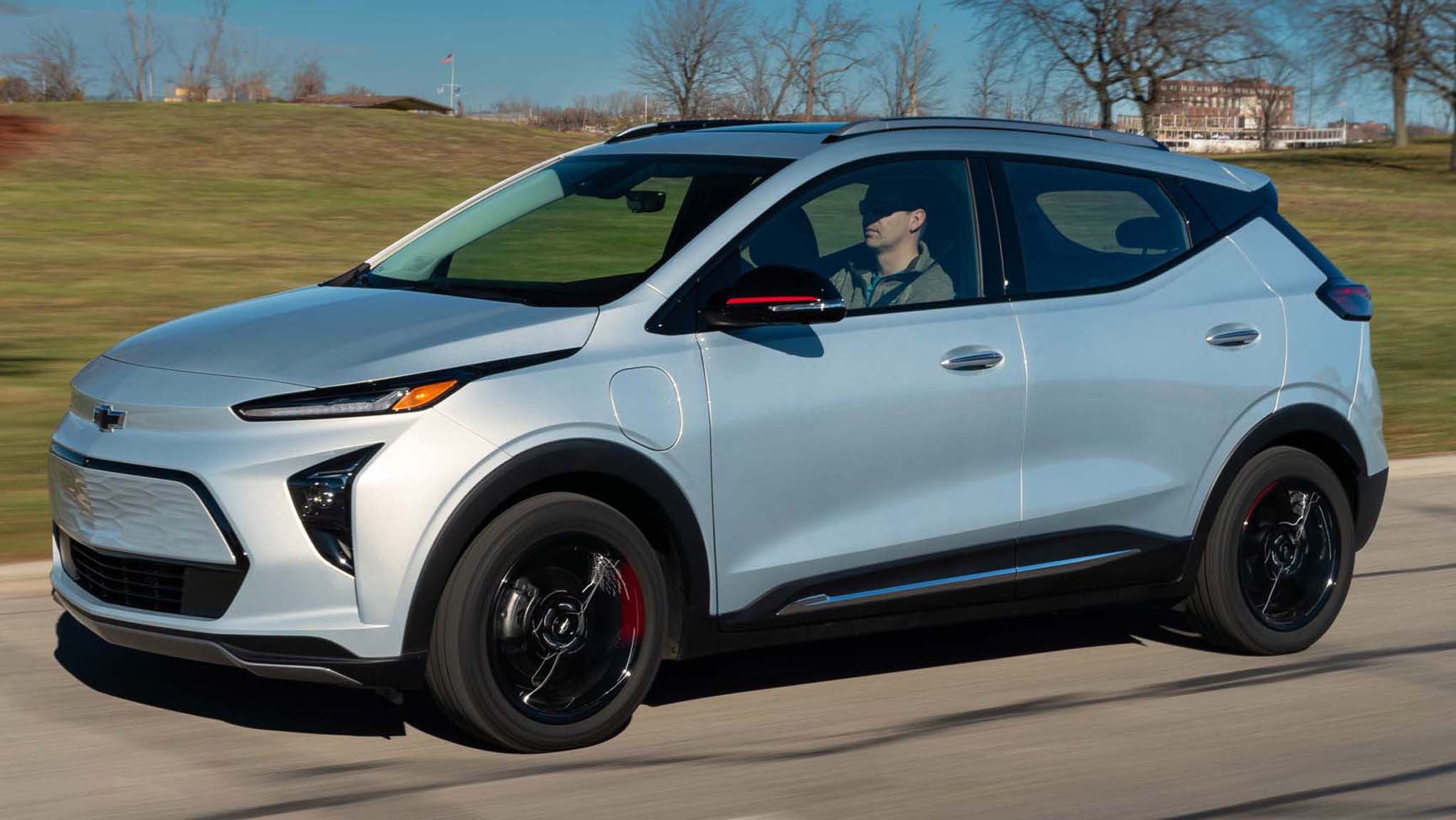
The 2022 Bolt EUV starts at $34,495 for the LT trim and rises to $43,495 for the Launch Edition. At launch, only the base LT and the higher-spec Launch Edition were offered. The Launch Edition includes General Motors’ Super Cruise hands-free driving system, a lighted charge port, a sunroof, and unique wheels, making it the most feature-rich configuration.
All Bolt EUV models use the same front-wheel-drive setup with a single 200-hp electric motor; all-wheel drive is not available. As expected from an EV, acceleration is immediate and smooth. In testing, the Bolt EUV reached 60 mph in 6.8 seconds, placing it in competitive territory for the segment. Regenerative braking supports one-pedal driving and helps recover energy to extend range.
Handling is competent but not especially engaging. Ride quality is comfortable and absorbs rough pavement effectively, reinforcing the Bolt EUV’s role as a practical and accessible electric crossover rather than a performance-focused model.
9. Mini Cooper Clubman
Style counts in creative circles, and the Clubman delivers personality in spades. Its split rear doors reveal a surprisingly roomy cargo area, making it easier to carry equipment or collaborative project supplies.
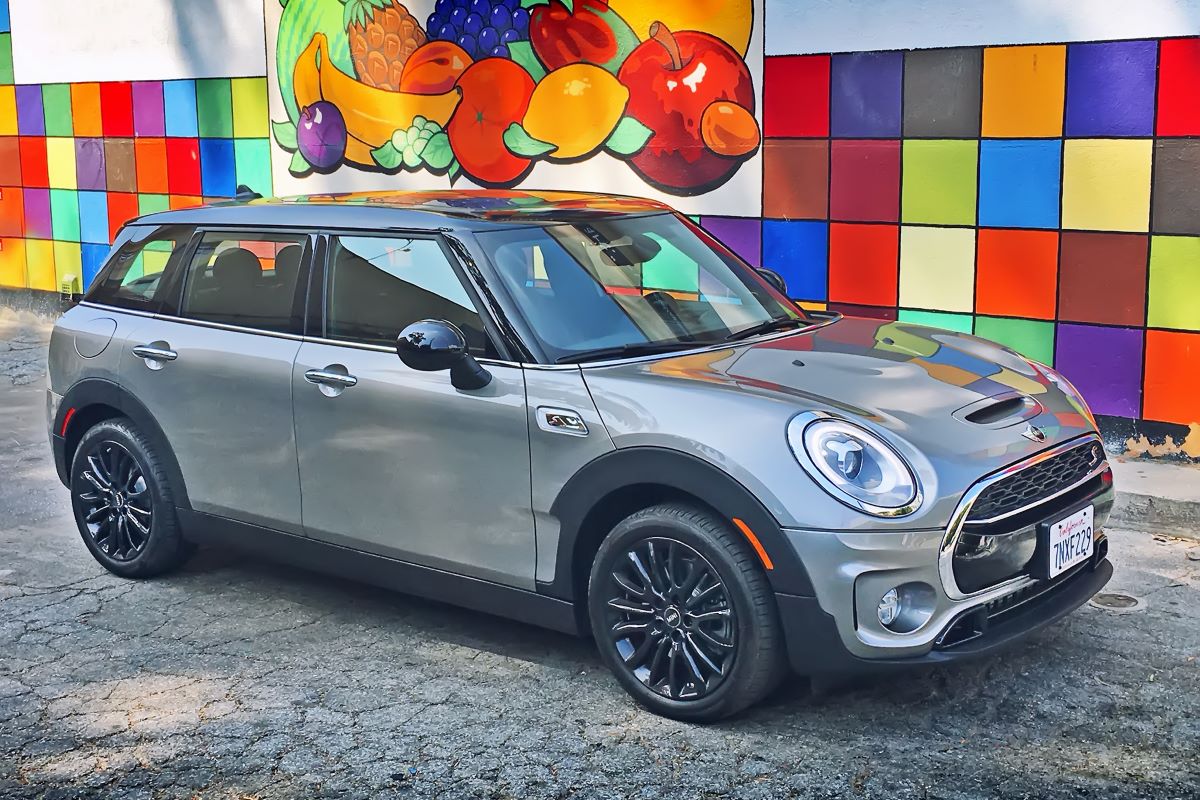
Driving dynamics are playful, while the interior blends retro cues with modern tech. It’s pricier than many alternatives, but for freelancers who treat their car as part of their brand, the Clubman stands out.
10. Toyota Corolla Hybrid
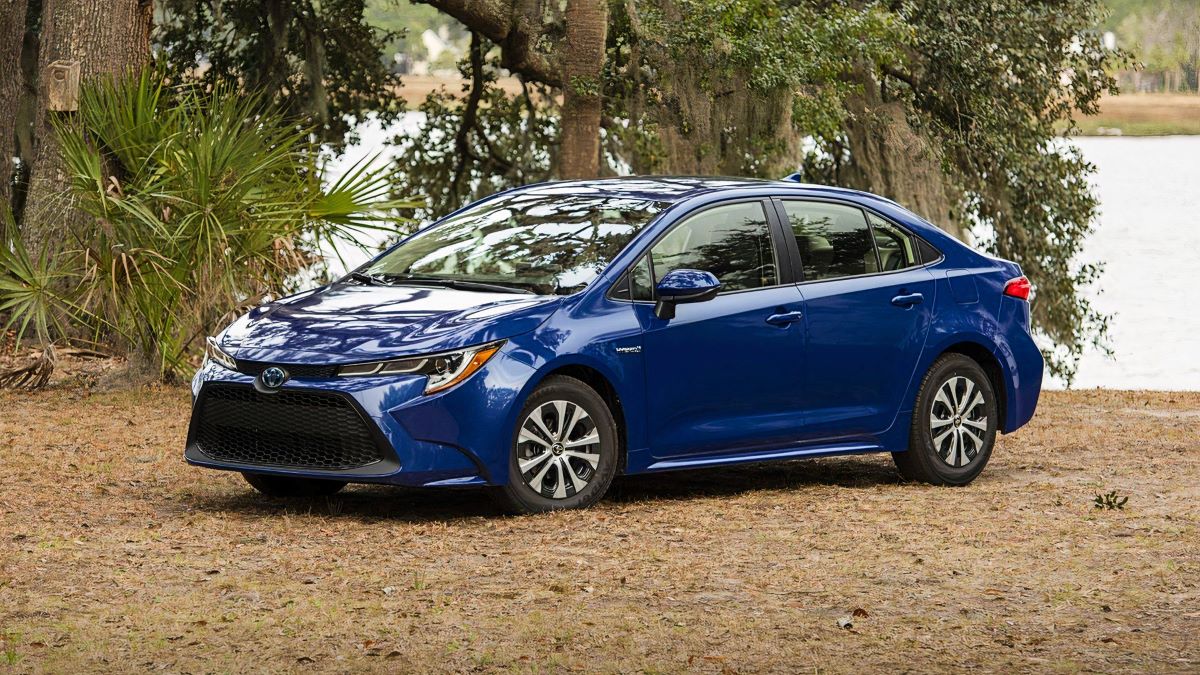
Rounding out the list is the Corolla Hybrid, a quieter, more traditional alternative to the Prius. It offers excellent fuel economy with a familiar sedan layout, making it easy to live with for freelancers who prefer classic proportions.
Reliability is a major selling point, and ownership costs remain among the lowest in the segment. If you just want something efficient, comfortable, and drama-free while you chase deadlines and espresso shots, this fits perfectly.
Freelancing in America increasingly means building your own ecosystem: favorite cafés, flexible schedules, and tools that move with you. The right car amplifies that freedom.
The Corolla Hybrid stands as Toyota’s most affordable hybrid offering and, for 2023, one of the least expensive hybrid vehicles on the market. The compact sedan delivers up to 50 mpg combined and includes a comprehensive suite of standard technology, including advanced driver-assistance features.
The prior model was limited to the basic LE trim, but the refreshed lineup now includes the sportier SE and more feature-rich XLE trims. The model also benefits from Toyota Safety Sense 3.0 and an updated infotainment system with wireless Apple CarPlay and Android Auto. Exterior styling revisions at both ends and an increase in hybrid system output further enhance its appeal.
Despite these improvements, competition remains strong. The redesigned 2023 Prius offers greater power, efficiency, and a more modern design. The updated Kia Niro provides strong fuel economy and interior space, while the Hyundai Elantra Hybrid presents another value-focused alternative.
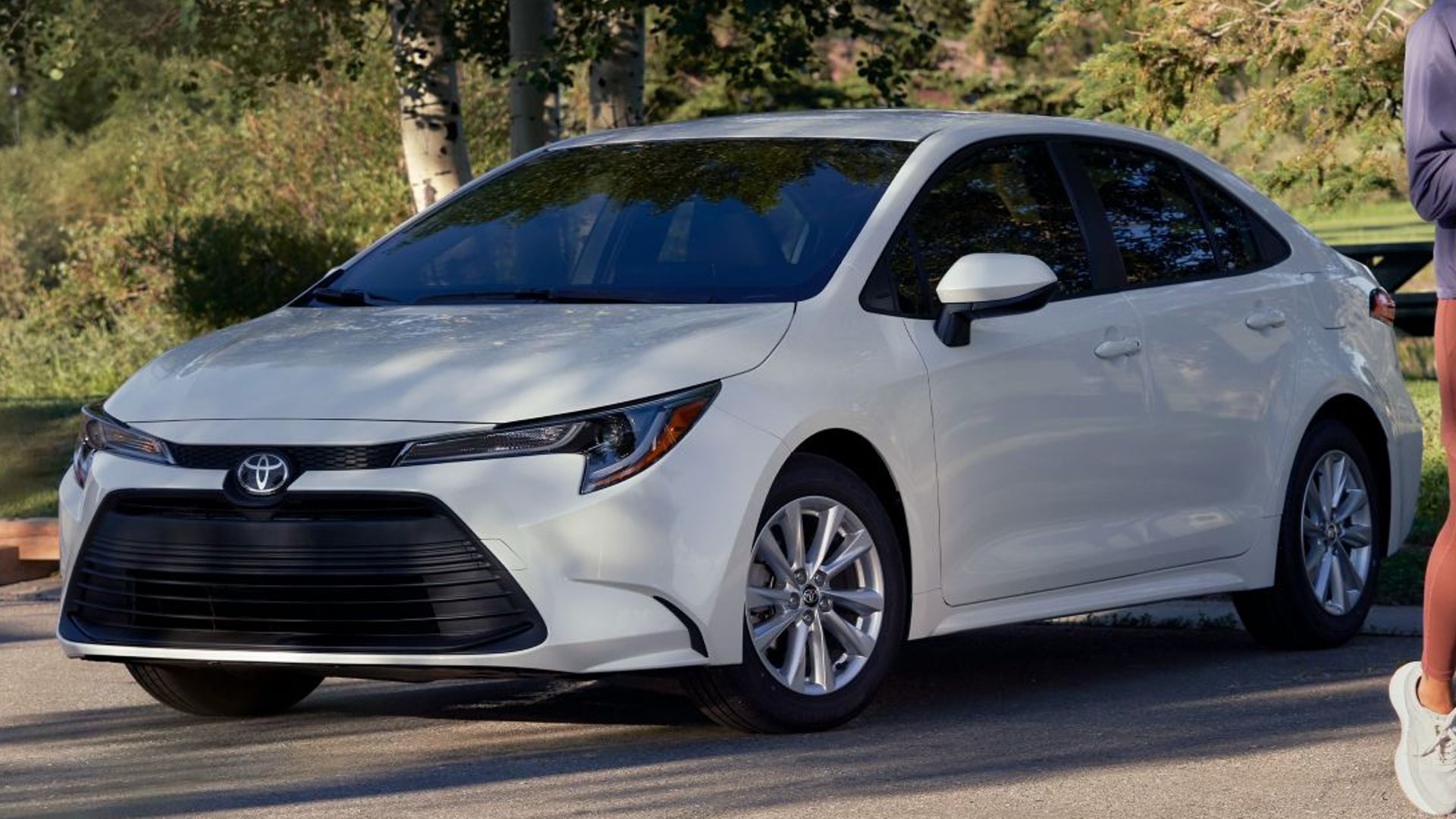
Testing was conducted on an all-wheel-drive model. The dual electric motors used in the AWD system provide improved responsiveness at low speeds, particularly below approximately 25 mph, making city driving feel lively. However, the added boost diminishes at higher speeds. The gasoline engine can become noisy under load, especially during acceleration.
At the test track, the Corolla Hybrid accelerated from 0 to 60 mph in 9.6 seconds, nearly two seconds slower than the current Prius. On highways, limited power is noticeable when climbing grades or attempting to overtake slower traffic.
Handling is composed and stable through corners. Steering is precise and naturally weighted, though feedback is limited. The car is not tuned for sportiness, but it remains easy to control in tight urban settings and on winding roads. The brake pedal has a soft feel with extended travel before substantial stopping force is achieved, requiring acclimation.
Whether you prioritize ultra-low running costs, electric mobility, creative styling, or light adventure capability, each vehicle here supports a mobile workday without demanding constant attention or high expenses.
In practical terms, these cars succeed because they respect your time, easy to park, simple to connect your devices, comfortable to sit in, and affordable to operate.
For anyone whose office changes daily and whose productivity depends on mobility, choosing the right car is less about horsepower and more about harmony with your workflow.