Luxury cars occupy a fascinating space in the automotive world. When new, they represent the cutting edge of comfort, technology, performance, and brand prestige.
They are engineered to isolate occupants from noise, deliver smooth power, and provide features that mainstream vehicles often lack. However, once these cars age and depreciation sets in, they become surprisingly affordable to purchase. That is where the real story begins.
Buying a used luxury car can feel like unlocking a premium experience for a fraction of its original price. Leather interiors, advanced safety systems, powerful engines, and refined ride quality suddenly become attainable.
But the purchase price is only part of the equation. Maintenance, repairs, parts availability, and long term reliability ultimately determine whether a used luxury vehicle is a smart decision or a financial disaster.
Some luxury cars are engineered with durability and sensible mechanical layouts that allow them to age gracefully. They share components with mainstream models, use proven powertrains, and avoid overly complicated systems that become liabilities over time. These cars can deliver years of comfortable driving without constant trips to the repair shop.
Others are technological showcases filled with complex air suspension systems, turbocharged engines pushed to their limits, and electronics that are expensive to diagnose and repair. When these vehicles fall out of warranty, repair bills can easily exceed their resale value. What looked like a bargain quickly becomes a burden.
In this article, we examine both sides. First, we explore five used luxury cars that are surprisingly cheap to keep running. These vehicles combine premium features with long term mechanical reliability.
Then we shift focus to five luxury models known for draining bank accounts once they age. Understanding the difference can help buyers enjoy luxury without regret.
Also Read: 5 Used European Cars That Are Reliable vs 5 That Require Constant Repairs
5 Used Luxury Cars That Are Surprisingly Cheap to Keep Running
Luxury does not automatically mean high maintenance. Some brands and models were designed with durability in mind, sharing proven engines and transmissions with more affordable vehicles.
Others focused on refinement through engineering simplicity rather than fragile complexity. These are the cars that can quietly deliver a premium experience without premium repair bills.
A used luxury car becomes truly affordable to maintain when it meets several criteria. First, it should have a naturally aspirated engine that is not heavily stressed. Turbocharged systems, while powerful, introduce additional heat and pressure that can shorten component life.
Second, the transmission should be widely used and well understood by independent mechanics. Third, the vehicle should avoid experimental suspension setups or overly complex electronic interfaces that are expensive to troubleshoot.
Parts availability also plays a critical role. Luxury vehicles from brands with large global sales networks tend to have better aftermarket support.
This keeps repair costs reasonable compared to niche or exotic manufacturers. Insurance and fuel economy also influence overall ownership expenses, especially for daily drivers.
We are writing about the following five models because they consistently demonstrate that premium comfort does not have to come with constant financial anxiety.
Owners frequently report high mileage durability, manageable service costs, and predictable maintenance schedules. These cars prove that depreciation can work in the buyer’s favor.
In the next sections, we will examine three of these standout models in detail, explaining why they deserve recognition as smart used luxury purchases.
1. Lexus ES 350
The Lexus ES 350 is one of the clearest examples of a luxury car that delivers long term dependability without punishing maintenance costs. I am writing about it first because it consistently ranks among the most reliable midsize luxury sedans, and its reputation is backed by years of real world ownership data.
At the heart of the ES 350 is a naturally aspirated V6 engine that has been refined over multiple generations. This engine is known for smooth power delivery and durability, often surpassing high mileage milestones with basic maintenance.
It avoids the complexity of turbocharging, which reduces long term risk. Paired with a conventional automatic transmission that is widely used and well understood, the drivetrain combination is both predictable and resilient.
Another reason the ES 350 remains affordable to maintain is its shared engineering roots. While it wears a luxury badge, many of its underlying components are related to mainstream models from the same corporate family.
This translates into accessible parts pricing and broad service familiarity among independent repair shops. Owners are not forced into dealership only servicing for routine repairs.
The ride quality is exceptionally smooth, emphasizing comfort over aggressive performance. Suspension components tend to wear at a normal rate rather than prematurely.
Interior materials are durable and age gracefully, reducing the need for costly cosmetic restoration. Electronics are relatively straightforward compared to more experimental luxury vehicles, which means fewer unpredictable glitches as the car ages.
I am including the Lexus ES 350 because it perfectly illustrates how a used luxury vehicle can provide premium comfort without draining savings. Insurance costs are typically moderate, fuel economy is respectable for a V6 sedan, and reliability history is consistently strong.
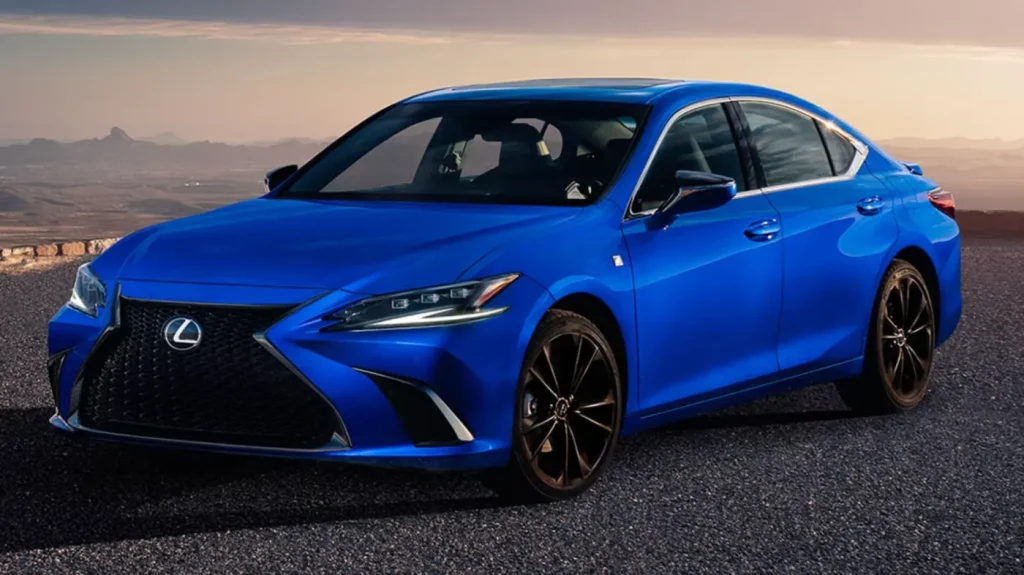
For buyers seeking a refined daily driver with low drama ownership, the ES 350 stands as one of the safest and most sensible choices in the used luxury market.
2. Acura TL
The Acura TL represents another compelling case of luxury combined with long term affordability. I am writing about it because it offers engaging performance and upscale features while maintaining a reputation for mechanical durability that keeps ownership costs reasonable.
Many TL models are powered by naturally aspirated V6 engines that balance power and reliability. These engines are robust when maintained properly and do not rely on complex forced induction systems.
While earlier automatic transmissions in certain generations had documented concerns, later revisions significantly improved durability. Buyers who research specific model years can find examples with strong long term track records.
One of the reasons the TL remains affordable to run is its practical engineering. It was built to compete in the premium segment without introducing unnecessary mechanical risk. Parts are widely available, and many independent shops are familiar with servicing the platform. This keeps labor costs from escalating compared to some European rivals.
The driving experience also contributes to its lasting appeal. Steering is responsive, acceleration is confident, and the chassis feels stable at highway speeds.
Yet despite its sporty character, it does not demand specialized maintenance or exotic components. Suspension repairs and brake replacements tend to fall within reasonable price ranges.
Interior quality is solid, and materials generally hold up well with age. Electronics are less complicated than those found in many contemporary luxury competitors, which reduces the likelihood of expensive diagnostic work later in life.
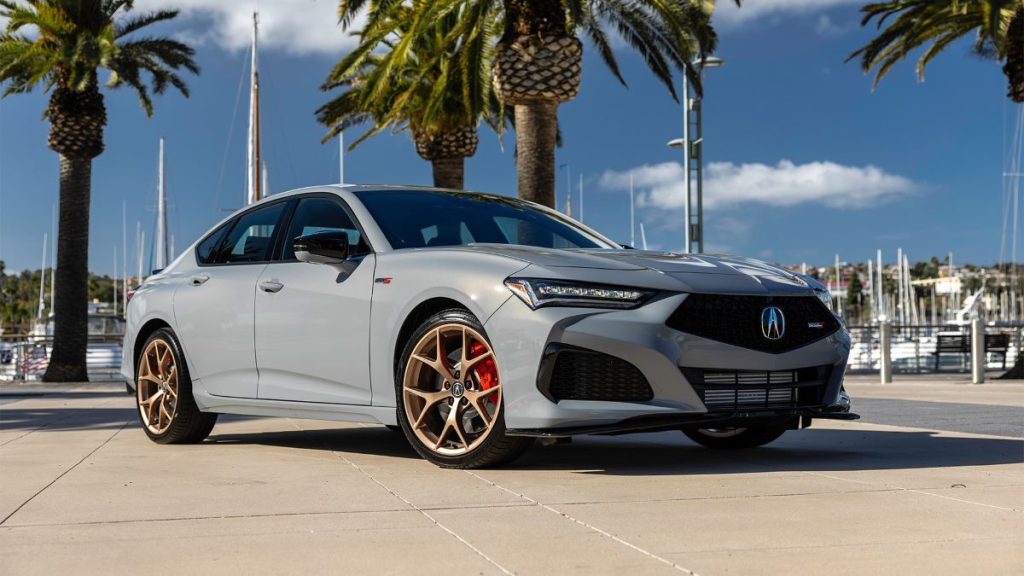
I am including the Acura TL because it strikes a rare balance between enjoyment and practicality. It allows owners to experience genuine luxury performance without the constant fear of major repair bills.
3. Lincoln Town Car
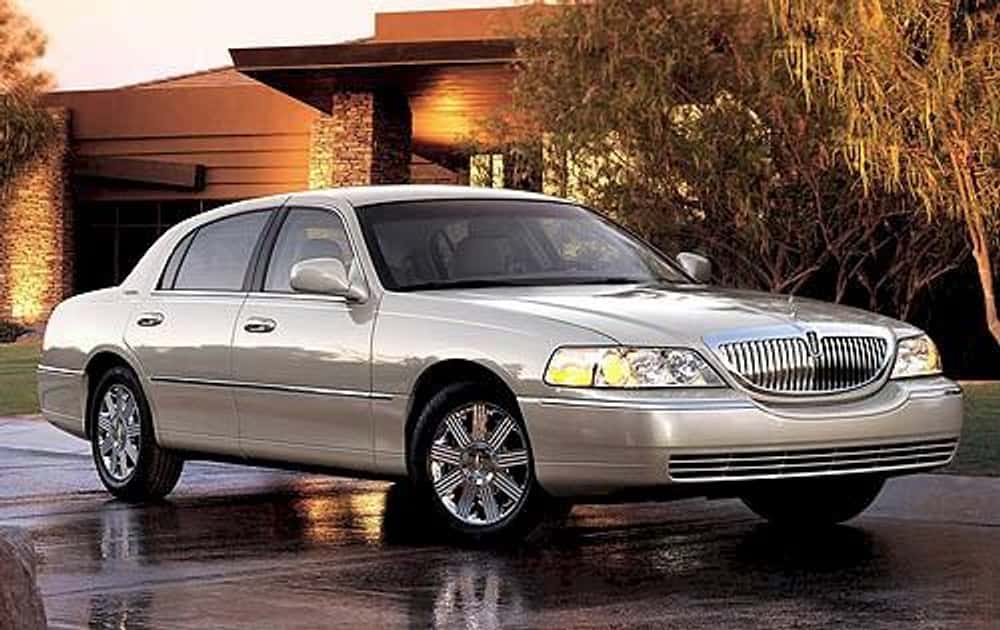
The Lincoln Town Car is a different kind of luxury vehicle, prioritizing traditional comfort and mechanical simplicity over cutting edge technology. I am writing about it because its old school engineering approach has made it one of the most durable and affordable luxury sedans to maintain over the long term.
Under the hood, most Town Cars feature a large displacement V8 engine that is understressed and known for longevity. It is not designed for high performance thrills, but for smooth and steady operation.
This simplicity contributes to its durability. The accompanying automatic transmission is similarly robust, especially when fluid services are performed consistently.
The body on frame construction, shared with other full size American sedans of its era, makes many mechanical repairs straightforward. Parts are abundant and relatively inexpensive compared to modern luxury vehicles filled with proprietary systems. Many independent mechanics are familiar with the platform, further reducing service costs.
Ride quality is exceptionally smooth, absorbing road imperfections with ease. The suspension design is conventional and easier to repair than complex adaptive or air based systems. Interior space is generous, and materials are durable rather than delicate. While it may lack modern infotainment sophistication, it compensates with reliability and ease of ownership.
I am including the Lincoln Town Car because it proves that longevity can be a luxury in itself. For buyers who prioritize comfort and low maintenance over cutting edge features, it offers a compelling value proposition.
In the next part, we will examine two more luxury cars that remain surprisingly affordable to maintain, followed by an introduction to five models known for bankrupting their owners.
4. Infiniti G37
The Infiniti G37 is often remembered for its sporty character and strong V6 engine, but I am writing about it here because it also stands out as a luxury car that remains surprisingly manageable to maintain. It offers performance and refinement without the extreme complexity that often drives up repair costs in aging premium vehicles.
At the center of the G37 is a naturally aspirated 3.7 liter V6 engine that has earned a reputation for durability. This engine produces strong horsepower while avoiding turbochargers, superchargers, or other high stress additions that can shorten lifespan.
When oil changes and basic maintenance are performed consistently, many examples comfortably exceed high mileage benchmarks without major mechanical failures.
The automatic transmission paired with the G37 is generally dependable, and manual versions add an extra layer of mechanical simplicity for enthusiasts.
Replacement parts are widely available, and because the platform was produced in significant numbers, independent mechanics are familiar with its common service procedures. This keeps labor costs reasonable compared to niche luxury brands.
Suspension components and braking systems are performance oriented yet not exotic. Repairs and replacements are typically within the range of mainstream vehicles rather than premium sports cars.
The interior, while upscale, avoids some of the overly complicated infotainment systems that plague certain European rivals. As a result, electronic issues tend to be less frequent and less expensive to resolve.
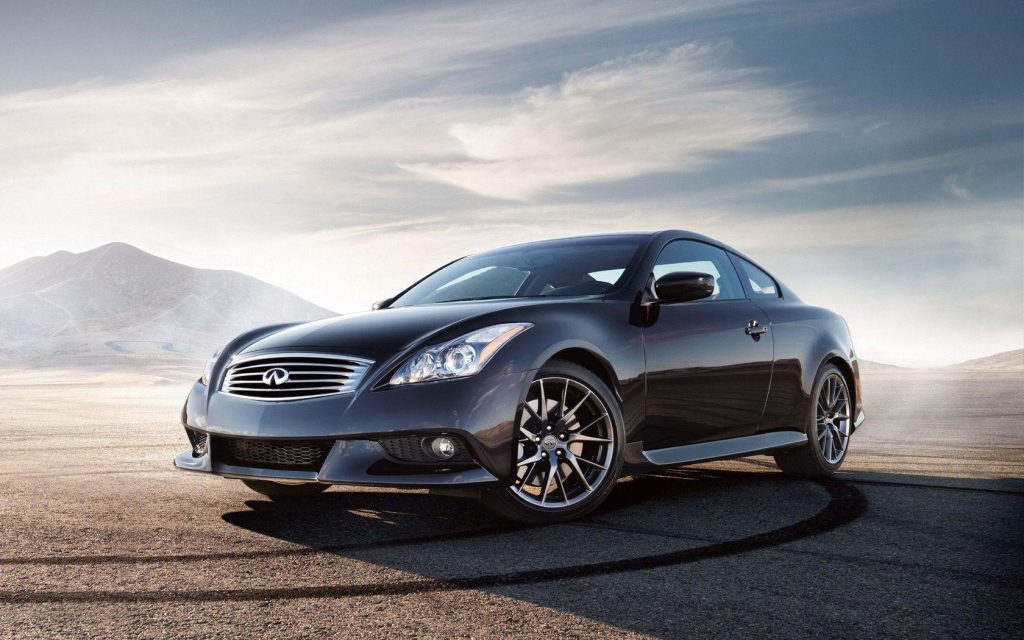
I am including the Infiniti G37 because it provides a balanced ownership experience. It delivers engaging driving dynamics and premium comfort while maintaining a relatively predictable cost structure.
For buyers who want a luxury car that still feels lively but does not constantly demand high repair bills, the G37 represents a strong candidate.
5. Cadillac CTS V6 Naturally Aspirated
The Cadillac CTS equipped with a naturally aspirated V6 offers another example of affordable luxury when chosen carefully. I am focusing specifically on non turbocharged versions because they avoid the added complexity and long term stress associated with forced induction systems.
The V6 engines found in many CTS models are capable and generally durable when properly maintained. They provide smooth acceleration and adequate power for daily driving without operating at extreme performance levels.
Regular oil changes and cooling system upkeep go a long way toward ensuring longevity. The automatic transmissions in these configurations are widely used and serviceable by independent repair shops.
One of the reasons the CTS remains relatively affordable to maintain is its balance between technology and simplicity. While it includes modern comfort and safety features, it does not rely heavily on fragile air suspension systems or experimental drivetrains.
Standard suspension components are straightforward to replace, and brake parts are reasonably priced for the segment.
Interior quality is solid, and materials often hold up well over time if cared for properly. Infotainment systems in earlier models are less complex than those in later high tech luxury vehicles, reducing the likelihood of costly electronic failures. Insurance costs are often moderate compared to high performance European competitors.
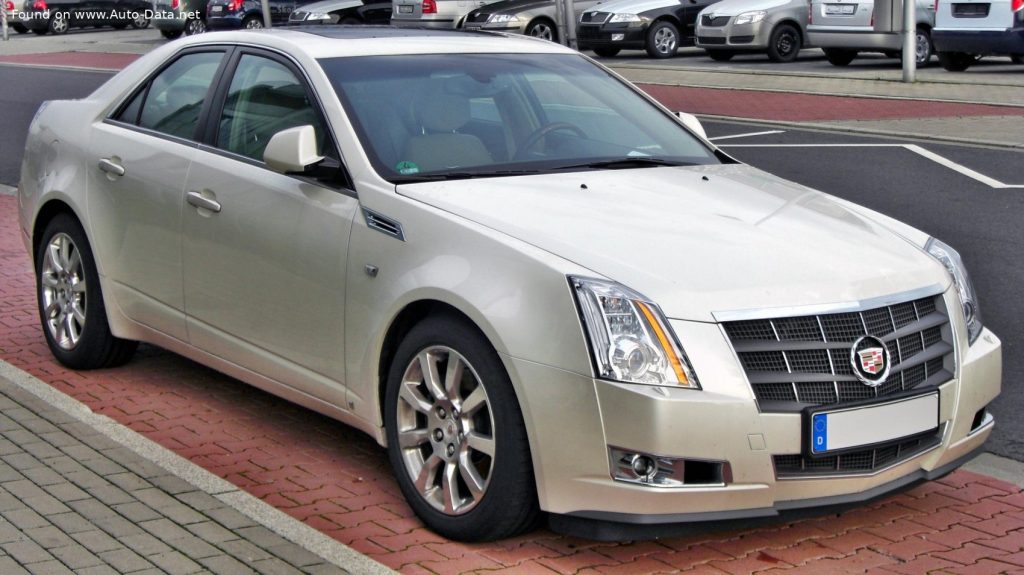
I am including the Cadillac CTS V6 because it delivers genuine luxury presence and driving satisfaction without automatically translating into high ownership expenses. Depreciation has made it accessible, and when buyers avoid heavily modified or neglected examples, it can provide years of dependable service.
5 Used Luxury Cars That Bankrupt Owners
Luxury engineering sometimes prioritizes innovation, performance, and advanced features over long term simplicity. While these vehicles may be impressive when new, they can become financial liabilities as they age.
Complex turbocharged engines, intricate air suspension systems, and layers of electronic modules often lead to repair bills that exceed expectations.
In this section, we focus on five used luxury cars that have earned reputations for draining owners’ wallets. These models are not necessarily poorly designed, but they often require expensive maintenance procedures, specialized parts, and dealer level diagnostics. Once out of warranty, even routine repairs can become costly.
We are writing about these vehicles to highlight patterns of ownership difficulty that have surfaced over time. Common issues include transmission failures, timing chain complications, suspension system breakdowns, and persistent electrical faults.
In many cases, the initial purchase price appears tempting because depreciation has been severe. However, that depreciation often reflects anticipated repair costs.
In the next part, we will examine three of these high risk luxury models in detail, explaining why they frequently overwhelm unprepared owners financially.
1. BMW 7 Series F01
The BMW 7 Series F01 represents flagship luxury at its most ambitious. When new, it showcased advanced technology, powerful engine options, and a level of comfort designed to rival executive limousines.
I am writing about it here because despite its brilliance on paper, it has developed a reputation for overwhelming owners with high repair and maintenance costs as it ages.
Many F01 models are equipped with turbocharged inline six or V8 engines. While these engines deliver impressive performance, they operate under high stress and generate significant heat.
Over time, components such as high pressure fuel pumps, turbochargers, cooling system parts, and oil seals can require expensive replacement. Labor costs are also substantial due to tight engine bay packaging and complex design.
The 7 Series is packed with advanced electronics, including adaptive suspension systems, sophisticated infotainment interfaces, and numerous control modules. As these systems age, electrical issues can surface.
Diagnosing and repairing them often requires dealership level equipment. Individual module failures can cost thousands, especially if multiple systems begin to malfunction.
Air suspension systems in certain trims provide a smooth ride when functioning correctly, but they introduce additional mechanical vulnerability. Leaks, compressor failures, and sensor issues are not uncommon in higher mileage examples. Replacing these components is rarely inexpensive.
I am including the BMW 7 Series F01 because it perfectly illustrates how depreciation can mask long term ownership realities.
A used example may cost a fraction of its original price, making it appear like an extraordinary deal. However, maintenance and repair expenses can quickly exceed the savings gained from buying used.
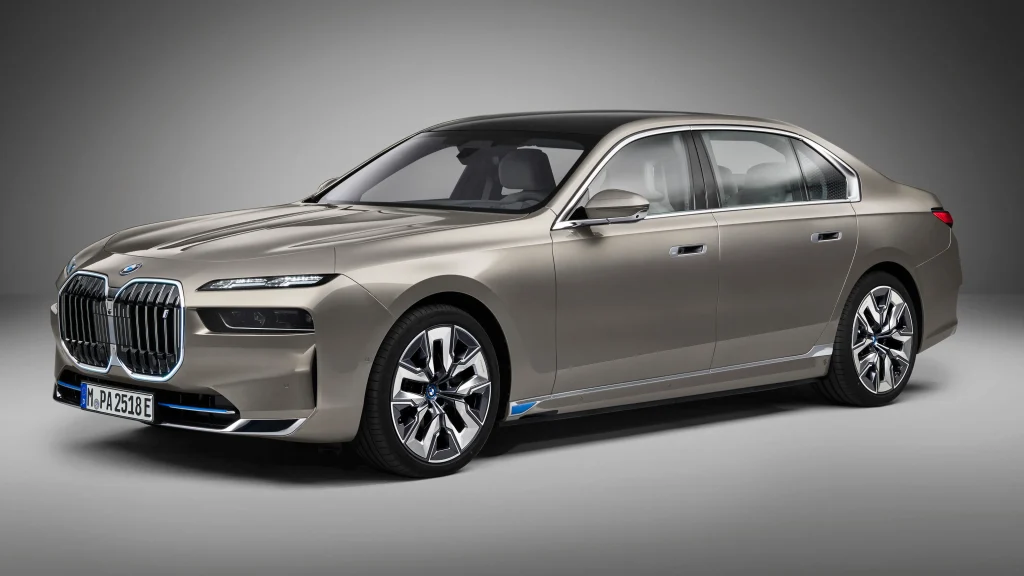
For buyers without a dedicated repair budget and strong mechanical knowledge, this flagship sedan can become financially overwhelming.
2. Audi A8 D4
The Audi A8 D4 combines aluminum intensive construction, advanced driver assistance systems, and powerful engine options into a sleek luxury package. I am writing about it in this section because while it delivers exceptional comfort and technology, its long term maintenance demands can strain even well prepared owners.
Many A8 D4 models feature turbocharged engines that provide strong acceleration. However, turbo systems add complexity and potential failure points. Oil consumption issues, cooling system components, and carbon buildup in direct injection engines are all areas that can require attention as mileage increases.
The A8’s aluminum body construction helps reduce weight, but it also complicates repairs. Body work and structural fixes can be more expensive than traditional steel construction. Even routine suspension and brake work may cost more due to premium component pricing.
One of the most significant concerns involves the air suspension system. While it provides a remarkably smooth ride, aging air springs and compressors can fail. Replacement costs are substantial, especially if multiple components require attention simultaneously.
Electronics are another area of vulnerability. The A8 includes complex infotainment systems, driver assistance features, and numerous interconnected modules. When these systems malfunction, diagnosis can be time consuming and expensive.
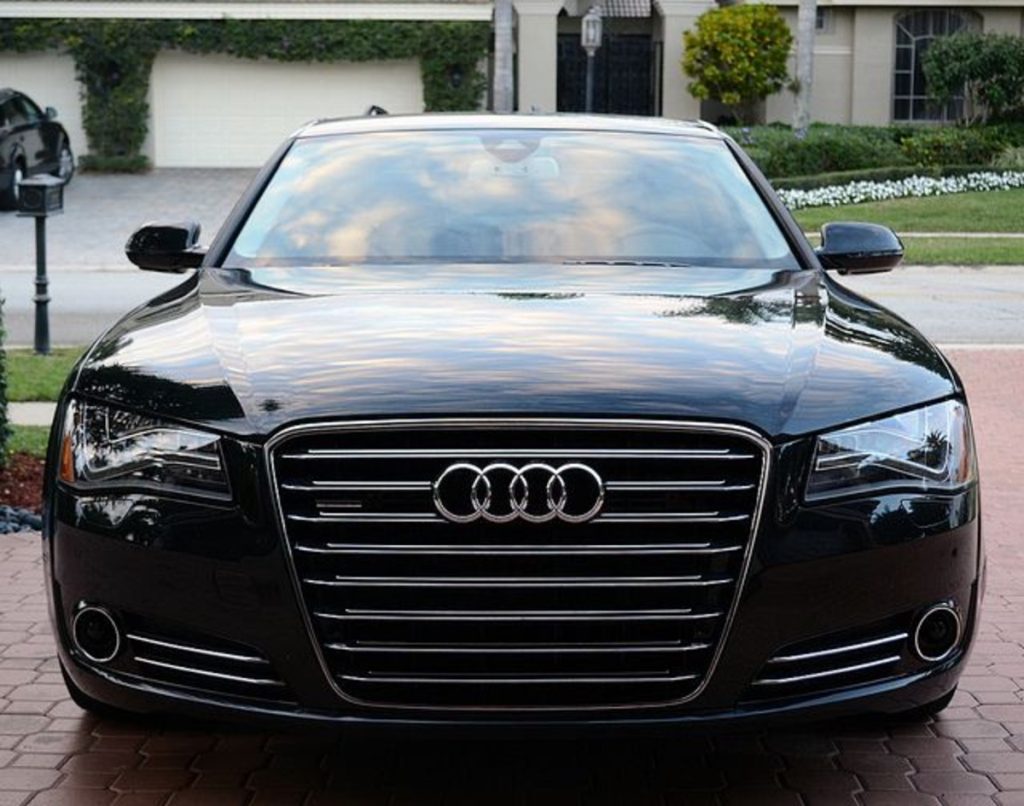
I am including the Audi A8 D4 because it represents a technological masterpiece that demands a corresponding financial commitment. Buyers drawn to its elegant design and advanced features must understand that long term upkeep is rarely inexpensive.
3. Mercedes-Benz S-Class W221
The Mercedes Benz S Class W221 has long been regarded as a benchmark for luxury sedans. It offers exceptional ride quality, advanced safety features, and a refined cabin environment. I am writing about it here because despite its prestige, aging examples frequently burden owners with costly repairs.
Engine options range from smooth V6 units to powerful V8 configurations. Turbocharged variants deliver impressive performance but add mechanical complexity. Timing chain components, oil leaks, and cooling system failures are not unheard of in higher mileage vehicles. Repairing these issues often involves significant labor costs.
The S Class is known for its air suspension system, designed to provide a floating ride experience. While comfortable, this system can develop leaks or compressor failures over time. Replacing air struts and related components is expensive, and ignoring problems can compromise handling and safety.
Electronic complexity is another factor. The W221 introduced numerous advanced systems for its era, including adaptive cruise control and intricate infotainment technology. As these components age, failures can occur, and replacement modules are not cheap.
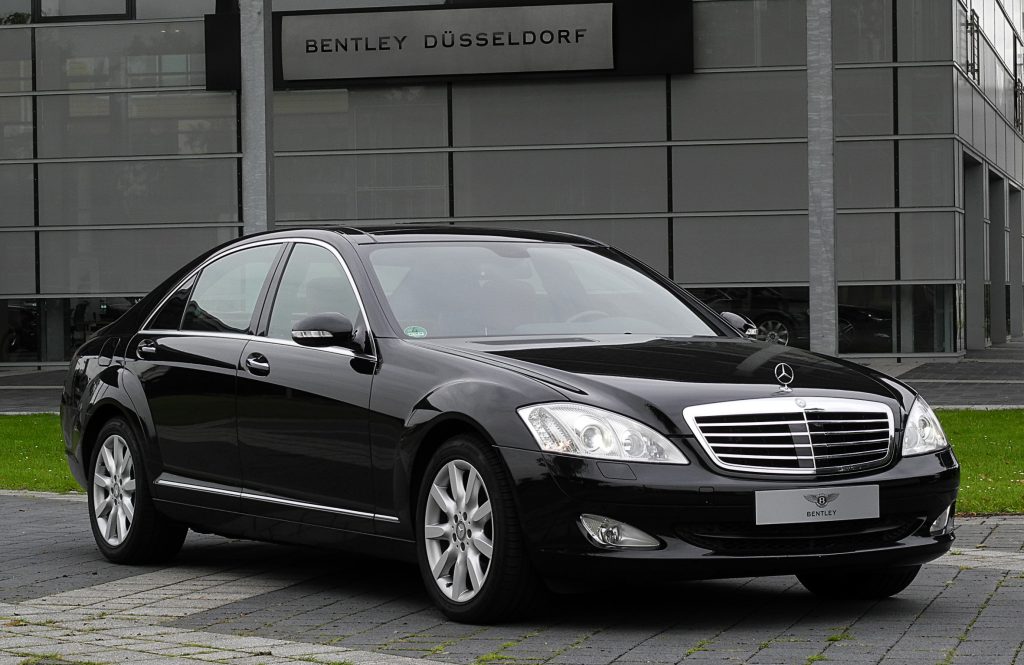
I am including the Mercedes Benz S Class W221 because it demonstrates how flagship engineering often translates into flagship repair bills. The depreciation curve may make it appear accessible, but maintaining it properly requires substantial financial readiness.
In the final part, we will explore the remaining two luxury cars known for bankrupting owners and conclude this comprehensive comparison.
4. Jaguar XJ X351
The Jaguar XJ X351 is a striking luxury sedan that stands out immediately with its sleek profile and distinctive British character. I am writing about it in this cautionary section because although it delivers style and refinement in abundance, long term ownership costs can escalate rapidly once the vehicle ages beyond its warranty coverage.
Under the hood, the XJ X351 was offered with a range of engines, including supercharged V6 and V8 variants. While these powertrains provide strong performance, they introduce additional mechanical complexity.
Superchargers add stress to internal components, and cooling systems must work harder to manage heat. As mileage increases, issues related to cooling, timing components, and accessory systems can surface. Repairs in these areas are rarely inexpensive.
The aluminum intensive construction contributes to the car’s agility and efficiency, but it can complicate body repairs and certain structural work.
Even minor collision repairs may cost more than expected due to material and labor requirements. Replacement parts are often priced at a premium, and not every independent shop has extensive experience working with this platform.
Electronics are another area of concern. Luxury features that feel impressive during a test drive can become liabilities over time. Infotainment glitches, sensor malfunctions, and control module failures are not unheard of.
Diagnosing these systems may require specialized equipment, and replacement components can quickly add up in cost.
Air suspension systems further increase ownership risk. While they provide a smooth and composed ride, aging air springs and compressors can fail. Addressing these issues is not a minor expense, especially if multiple components require replacement at once.
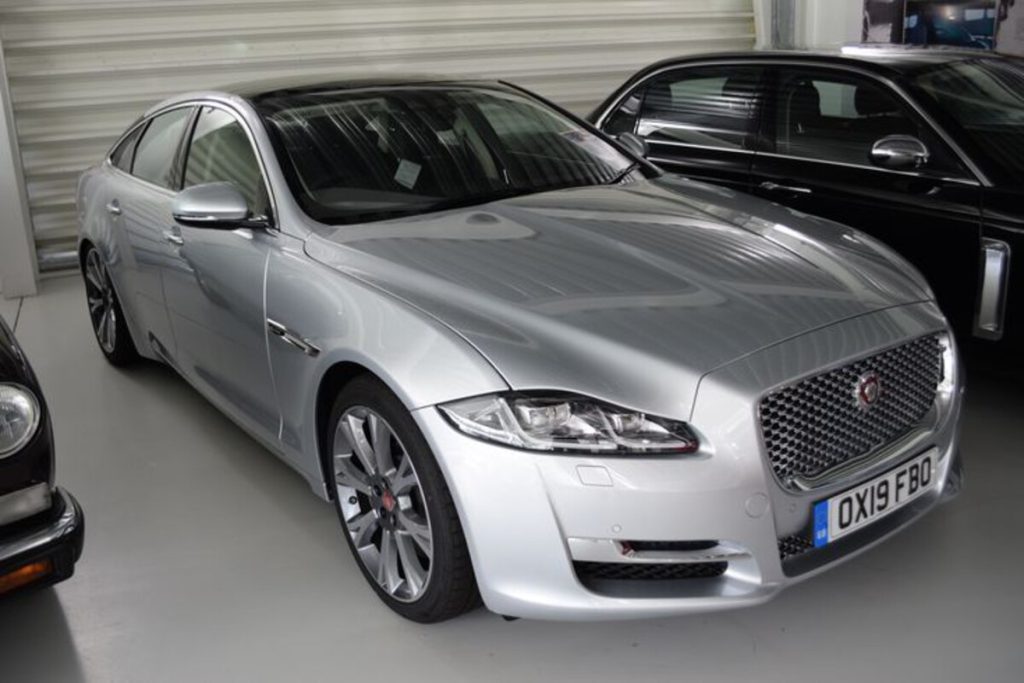
I am including the Jaguar XJ X351 because it embodies the allure and danger of depreciated luxury. It looks extraordinary and drives beautifully, but maintaining it at a high standard demands financial commitment. For many buyers drawn in by its falling resale value, the long term costs can come as an unpleasant surprise.
5. Porsche Panamera First Generation
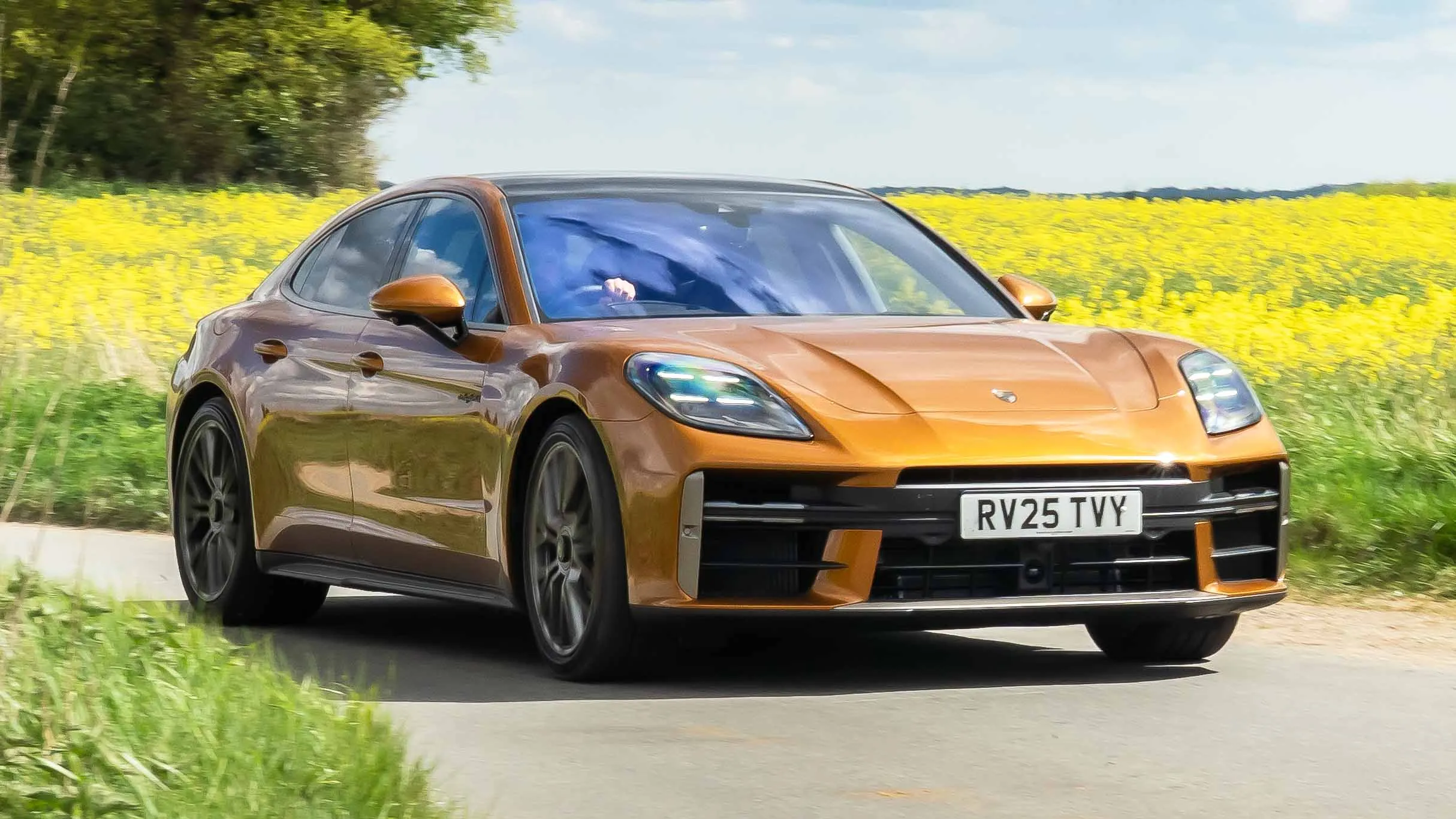
The first generation Porsche Panamera delivers sports car performance wrapped in a luxury four door package. I am writing about it here because although it offers thrilling driving dynamics and prestigious branding, ownership expenses can quickly spiral beyond what most used buyers anticipate.
Engine options in early Panamera models range from naturally aspirated V6 units to powerful turbocharged V8 configurations. These engines are engineered for performance, not simplicity.
Maintenance procedures can be labor intensive due to tight packaging and complex layouts. Cooling systems, ignition components, and high performance braking systems all carry premium pricing.
Transmission systems, including dual clutch variants in certain trims, provide rapid gear changes but can be costly to service or repair. When issues arise, parts and labor costs reflect the brand’s performance focus rather than mainstream affordability.
Suspension systems are also advanced, with some models featuring adaptive setups that enhance handling. While impressive, these systems introduce additional components that may require replacement over time.
Electronic complexity extends throughout the vehicle, from infotainment to driver assistance features. As these components age, repair bills can accumulate quickly.
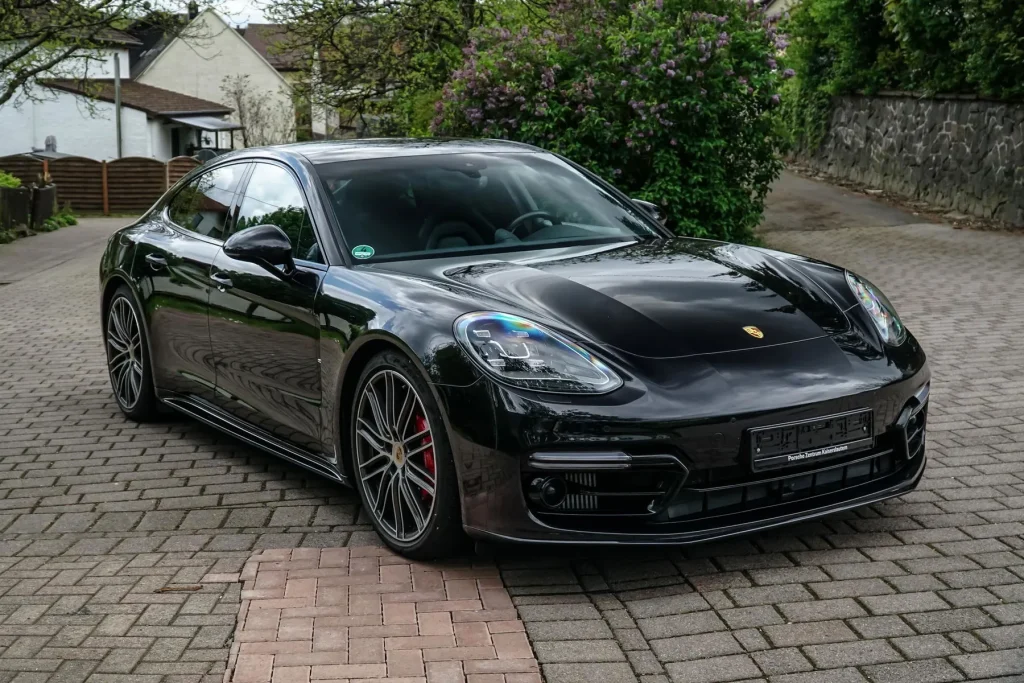
Routine maintenance alone can be more expensive than what many buyers expect from a used vehicle in this price range. Brake replacements, tire costs, and specialized fluids all add to the overall ownership burden. Insurance premiums may also be higher due to the car’s performance capabilities.
I am including the Porsche Panamera first generation because it is a prime example of how depreciation can create an illusion of affordability. The purchase price may appear attainable, but ongoing maintenance and unexpected repairs often exceed initial expectations.
This completes the comparison of five used luxury cars that are surprisingly cheap to keep running and five that frequently bankrupt owners.
By examining long term reliability patterns and maintenance realities rather than just purchase price, buyers can make informed decisions and enjoy luxury without financial regret.
Also Read: 5 Crossovers With Excellent Blind Spot Visibility vs 5 With Poor Sightlines