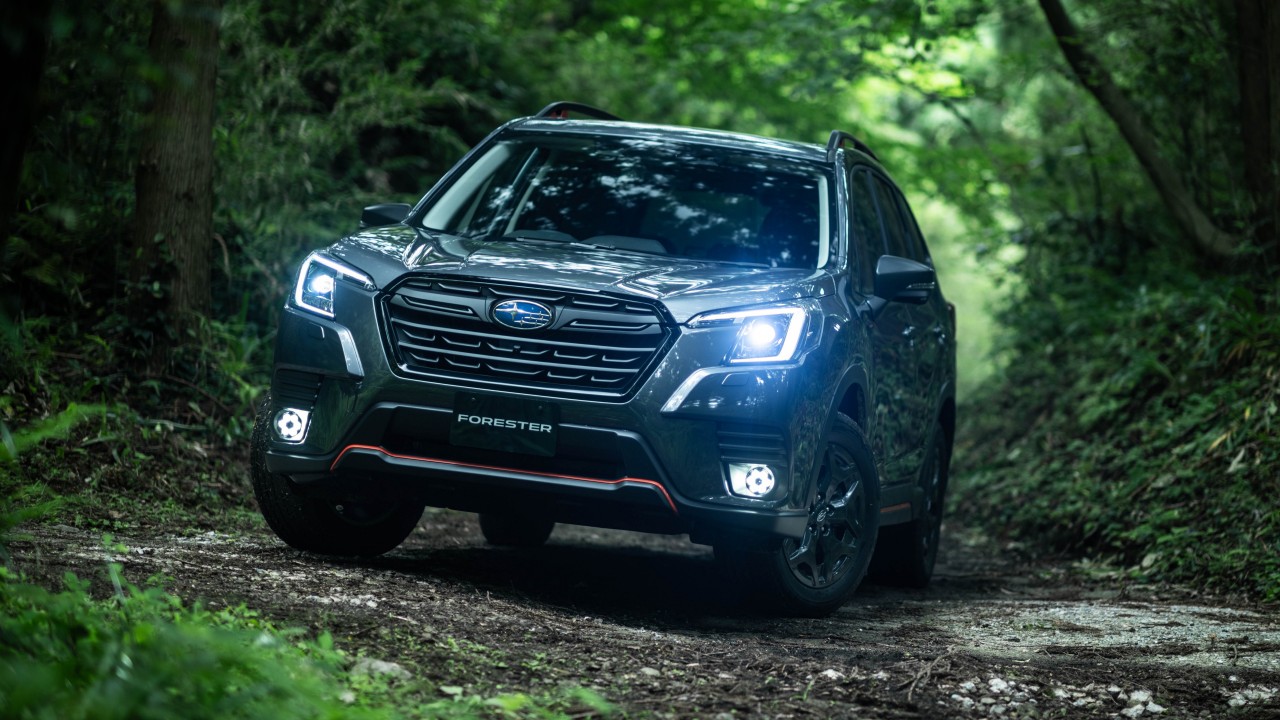
Continuously Variable Transmissions, commonly known as CVTs, have become increasingly popular over the past two decades. Automakers adopted them in pursuit of improved fuel efficiency, smoother acceleration, and lower emissions.
Instead of fixed gears like a traditional automatic transmission, a CVT uses a belt or chain running between variable diameter pulleys to provide seamless ratio changes. On paper, the design offers simplicity and efficiency. In reality, durability varies dramatically depending on engineering quality, materials, and maintenance.
For many drivers, the phrase CVT immediately raises concerns about reliability. Stories of premature failures, costly replacements, and shuddering acceleration have shaped public perception. Yet not all CVTs are created equal.
Some have proven capable of surpassing 200,000 miles with routine fluid changes and sensible driving habits. Others have struggled to reach even 60,000 miles without major issues.
The difference often lies in cooling design, belt or chain strength, hydraulic pressure control, and software calibration. Manufacturers that invested heavily in robust materials and conservative tuning produced transmissions that age gracefully.
Others pushed the design too far, pairing undersized components with heavier vehicles or higher torque outputs than the system could comfortably handle.
This article explores both sides of the spectrum. First, we examine five vehicles equipped with CVT transmissions that have demonstrated impressive longevity in real world ownership. These examples show that when engineered properly, a CVT can be reliable and cost effective over the long term.
Then we turn to five vehicles known for early CVT failures, often around the 60,000 mile mark. These cases illustrate what happens when design compromises or insufficient cooling lead to premature wear. Understanding the difference can help buyers make smarter decisions in the used market.
Also Read: 5 Base Trims That Are Better Deals Than the Top Spec vs 5 That Are Too Stripped Down
5 CVT Transmissions That Can Last 200000 Miles
Not every CVT deserves skepticism. Some automakers refined their designs over multiple generations, addressing early weaknesses and improving durability through stronger belts, improved cooling systems, and better fluid formulations. These transmissions may not feel sporty, but they often deliver dependable service when maintained properly.
A long lasting CVT typically shares several characteristics. First, it is paired with an engine that does not overwhelm it with excessive torque. Second, it features adequate cooling capacity to prevent overheating under load.
Third, the manufacturer specifies regular fluid changes rather than marketing the transmission as sealed for life. Owners who follow recommended maintenance intervals significantly improve longevity.
Another key factor is conservative software tuning. Aggressive throttle mapping and simulated gear changes can place additional stress on internal components. Models that prioritize smooth and steady power delivery tend to reduce strain on belts, chains, and pulleys.
We are writing about the following five vehicles because they consistently appear in high mileage ownership reports with original CVT units intact.
Mechanics often note that these transmissions, while not immune to wear, respond well to proper fluid servicing and responsible driving habits. They represent the more durable side of CVT technology.
In the next sections, we will examine three of these vehicles in detail, explaining why their CVT systems have proven capable of reaching or exceeding 200,000 miles without catastrophic failure.
1. Toyota Corolla CVT
The Toyota Corolla equipped with a CVT is one of the strongest examples of how this transmission type can be engineered for longevity. I am writing about it first because over multiple generations, it has demonstrated that a well designed CVT paired with a modest power output can reliably cross 200,000 miles with proper maintenance.
Toyota approached CVT development conservatively. Instead of chasing aggressive performance, the system in the Corolla prioritizes smooth acceleration and fuel efficiency.
The engine it is paired with produces moderate torque, which reduces stress on the belt and pulley system. By avoiding excessive power loads, Toyota limits the internal strain that often leads to premature wear in weaker designs.
Cooling is another area where this transmission benefits from thoughtful engineering. Adequate thermal management helps prevent fluid breakdown and overheating, two major contributors to CVT failure.
While some manufacturers marketed their transmissions as maintenance free, Toyota specifies fluid service intervals. Owners who follow those recommendations significantly improve the chances of long term durability.
Real world ownership reports frequently show Corolla CVTs operating smoothly well beyond 150,000 miles, with many surpassing 200,000 when serviced consistently.
Independent mechanics often describe these units as predictable and relatively straightforward compared to more problematic competitors. Replacement parts are also widely available, which keeps repair costs manageable if minor issues arise.
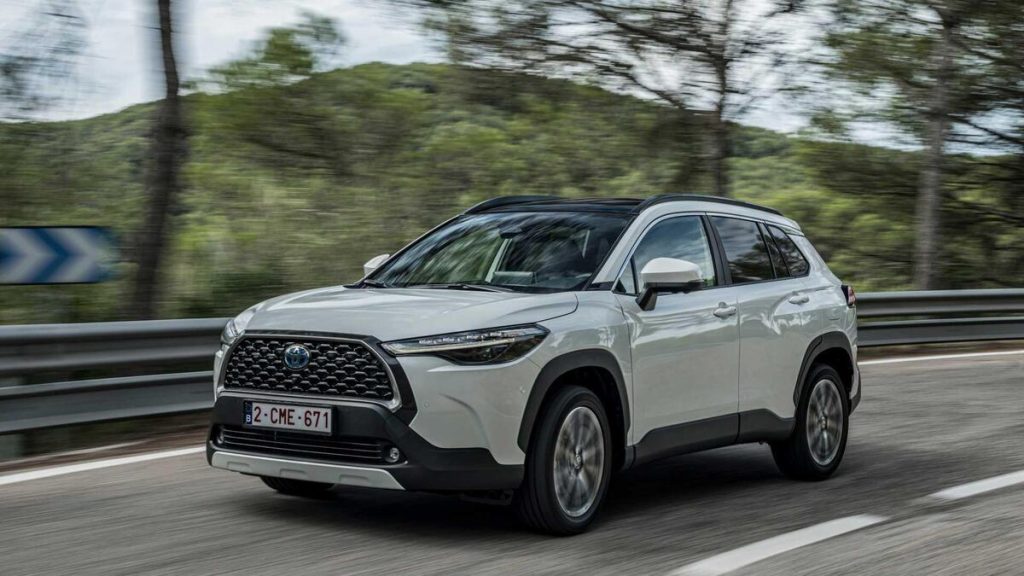
I am including the Toyota Corolla CVT because it challenges the blanket assumption that all CVTs are fragile. It proves that when power output, cooling, and maintenance requirements are balanced properly, the design can last.
For used car buyers seeking efficiency and low drama ownership, this model stands as one of the safest CVT equipped choices available.
2. Honda Civic CVT
The Honda Civic’s CVT represents another case where careful refinement and conservative engineering have resulted in impressive longevity. I am writing about it because many Civic owners report high mileage reliability without major transmission failures, particularly in later model years.
Honda introduced CVTs cautiously, improving the design over time rather than making radical leaps. The Civic’s engine options generally deliver manageable torque levels, which reduces stress on the transmission belt and pulleys. Smooth throttle mapping also helps minimize sudden torque spikes that can strain internal components.
Fluid maintenance plays a critical role in the Civic’s long term reliability. Honda recommends periodic CVT fluid changes, and owners who adhere to these intervals often experience trouble free operation well past 150,000 miles.
The availability of genuine fluid and widespread service familiarity among technicians further supports longevity.
Another factor contributing to durability is software calibration. The Civic CVT is tuned for gradual acceleration rather than aggressive performance simulation. This conservative approach reduces wear compared to systems that attempt to mimic stepped gear shifts under heavy load.
I am including the Honda Civic CVT because it consistently appears in high mileage examples that continue operating smoothly. While no transmission is immune to neglect, the Civic demonstrates that disciplined engineering and routine maintenance can allow a CVT to surpass the 200,000 mile mark.
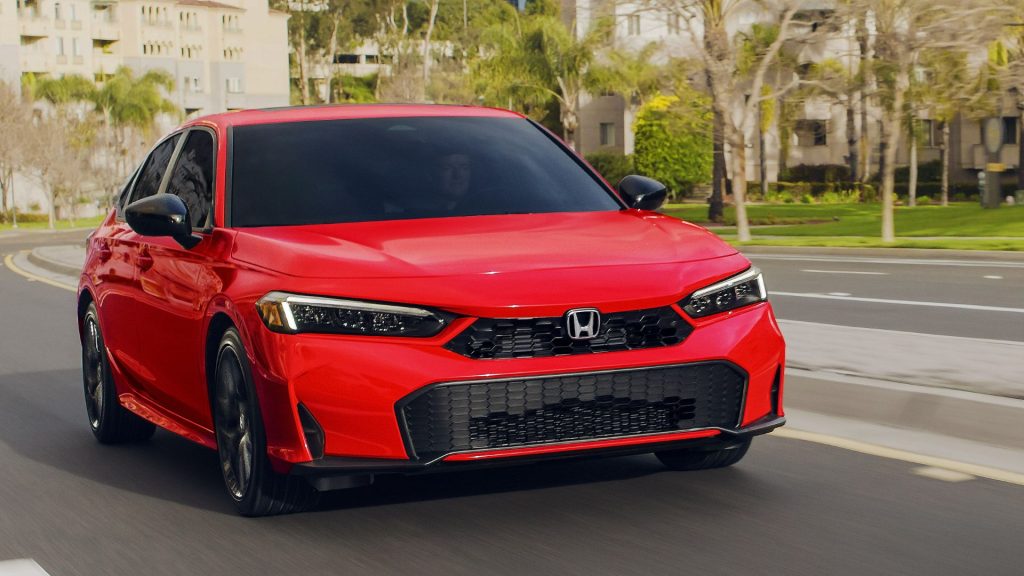
For buyers seeking efficient daily transportation with a solid reliability record, the Civic’s CVT stands as a reassuring choice in a segment often viewed with skepticism.
3. Subaru Forester CVT
The Subaru Forester equipped with a CVT presents an interesting case because it pairs the transmission with all wheel drive capability. I am writing about it because despite handling additional drivetrain complexity, later Forester CVT systems have shown significant durability improvements compared to early designs.
Subaru refined its CVT over time, strengthening internal components and improving cooling. The flat four engine produces steady, predictable torque delivery, which helps reduce shock loads within the transmission. While earlier generations faced criticism, subsequent updates addressed many of those concerns.
One key advantage is Subaru’s attention to fluid specifications and service procedures. Owners who follow recommended fluid change intervals often report reliable performance well past 150,000 miles. Proper maintenance is especially important for vehicles that experience varied driving conditions, including snow and light off road use.
The Forester’s CVT is tuned to prioritize smoothness rather than aggressive acceleration. This conservative calibration reduces stress on internal parts, contributing to longer service life. Real world reports show many examples reaching high mileage without requiring full transmission replacement.
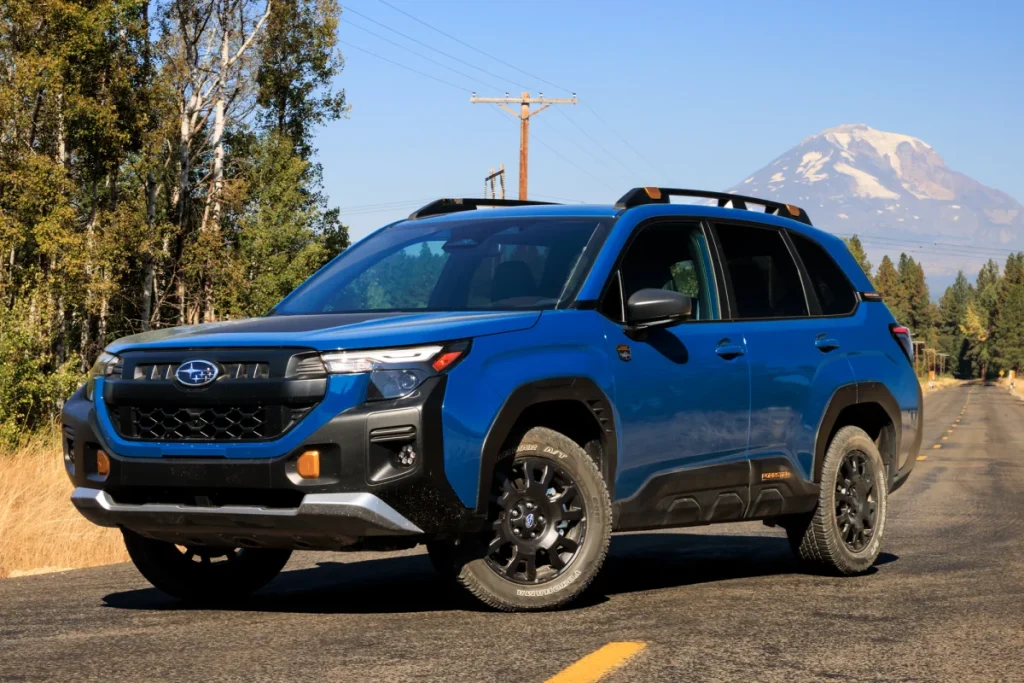
I am including the Subaru Forester CVT because it demonstrates that even in vehicles designed for versatility and all weather traction, a CVT can achieve strong longevity when engineered and maintained properly. It stands as evidence that design evolution and owner diligence make a substantial difference.
In the next part, we will cover two more CVT equipped vehicles known for lasting well beyond 200,000 miles, followed by an introduction to five models that often experience failure around 60,000 miles.
4. Nissan Altima 2.5 Later Generation CVT
The Nissan Altima often appears in discussions about CVT reliability for the wrong reasons, particularly in earlier model years. However, I am writing about the later generation 2.5 liter versions because Nissan made meaningful revisions that improved durability compared to its more problematic predecessors.
Nissan was one of the earliest large scale adopters of CVT technology, and early designs faced legitimate criticism. Over time, the company strengthened internal components, updated software calibration, and improved cooling systems.
In the later Altima 2.5 models, these changes resulted in noticeably better long term reliability when the vehicle is maintained correctly.
The naturally aspirated four cylinder engine produces moderate torque that aligns more comfortably with the transmission’s capabilities. This balance reduces excessive stress on the steel belt and pulleys. Aggressive driving can still accelerate wear, but under normal commuting conditions, many owners report high mileage durability.
Fluid maintenance is especially important with this transmission. Regular CVT fluid changes significantly reduce the likelihood of overheating and premature belt wear.
Owners who treat the transmission as a serviceable component rather than a sealed unit often achieve mileage well beyond 150,000 miles, with some surpassing 200,000 without major failure.
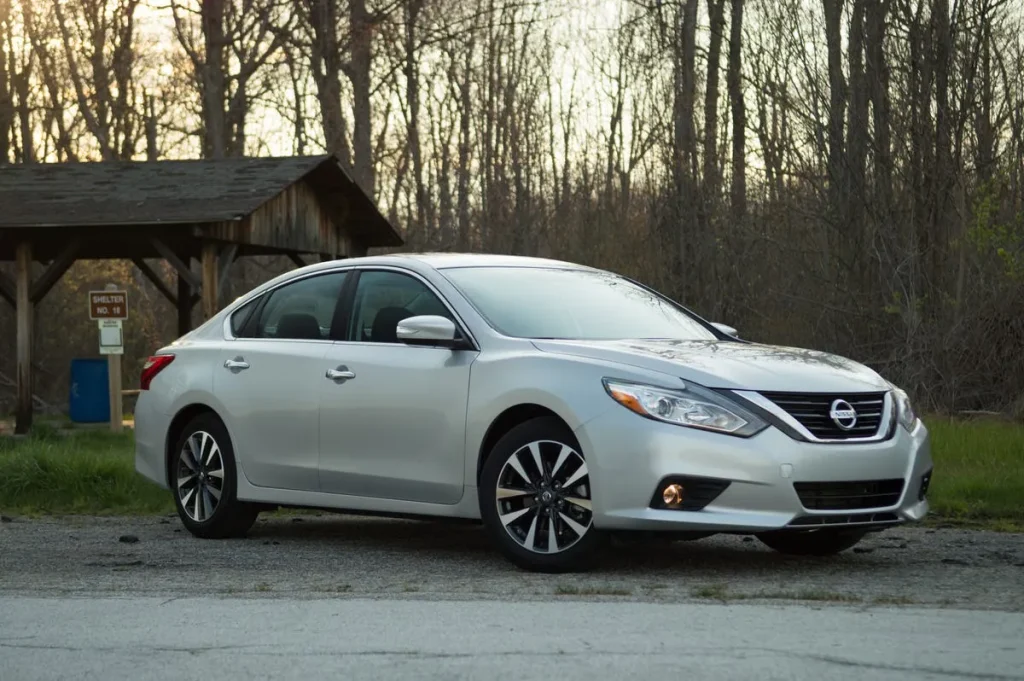
I am including the later Nissan Altima 2.5 CVT because it highlights how refinement and improved engineering can change a model’s reputation.
While earlier examples deserve caution, the updated versions demonstrate that proper maintenance and moderate power output can allow this CVT to reach impressive longevity.
5. Toyota Prius CVT
The Toyota Prius uses a planetary gear based continuously variable system often referred to as an electronic CVT. I am writing about it because it stands as one of the most durable transmission designs in the automotive industry, frequently surpassing 200,000 miles with minimal intervention.
Unlike belt driven CVTs, the Prius system relies on a planetary gearset integrated with electric motor generators. This design eliminates the traditional belt and pulley components that are often the weak link in other systems. With fewer friction based wear parts, long term durability improves significantly.
The hybrid system also distributes workload between the gasoline engine and electric motors. This reduces strain on any single component, including the transmission assembly. Smooth power delivery is a natural characteristic of the hybrid setup, minimizing shock loads and heat buildup.
Maintenance requirements are relatively simple. Fluid changes at recommended intervals help preserve internal lubrication, but catastrophic failures are rare compared to conventional belt driven CVTs. High mileage Prius vehicles operating on their original transmission units are common, especially in fleet and taxi use.
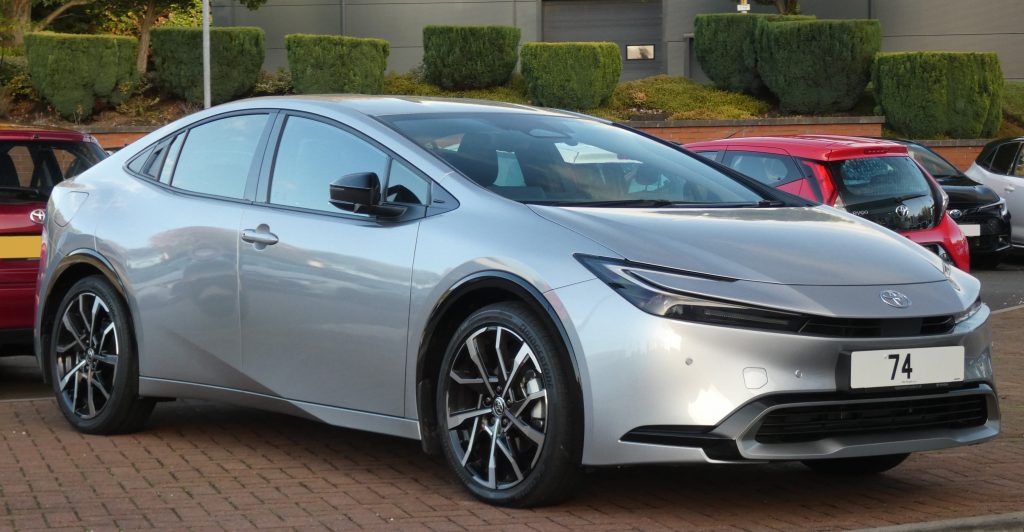
I am including the Toyota Prius CVT because it represents the most convincing argument that continuously variable technology can be exceptionally reliable when engineered differently. Its real world track record consistently demonstrates durability beyond 200,000 miles.
5 CVT Transmissions That Fail at 60000
While some CVTs have proven their resilience, others have struggled to achieve even moderate mileage without major problems. Premature belt wear, overheating, inadequate cooling systems, and software calibration issues have contributed to widespread complaints in certain vehicles.
In many cases, these transmissions were paired with engines that produced more torque than the CVT could comfortably handle. In other situations, manufacturers promoted the idea of lifetime fluid without adequate servicing guidelines. As a result, internal components wore prematurely, leading to shuddering, slipping, or total failure.
We are writing about the following five vehicles because they frequently appear in owner complaints and repair shop reports with transmission issues around or even before 60,000 miles. While not every example fails early, the pattern of premature breakdown is significant enough to warrant caution.
In the next section, we will examine three of these problematic CVT equipped vehicles in detail, explaining why their transmissions have developed reputations for early failure.
1. Nissan Sentra 2013 to 2017 CVT
The Nissan Sentra from the 2013 to 2017 model years is frequently cited in discussions about early CVT failure. I am writing about it here because this generation became one of the most visible examples of how calibration, cooling limitations, and component stress can combine to create durability problems.
These Sentra models were equipped with a CVT designed for efficiency, but many owners reported shuddering, hesitation, and slipping well before reaching 60,000 miles. In numerous cases, the transmission required replacement rather than repair. This pattern was significant enough to generate extended warranty programs in certain markets.
One of the primary issues involved overheating and internal belt wear. When driven in heavy traffic, hot climates, or hilly terrain, the transmission could struggle to dissipate heat effectively. Excessive thermal stress accelerates fluid breakdown, which in turn reduces lubrication quality. Over time, this leads to premature wear of internal components.
Software programming also contributed to complaints. Throttle response and ratio changes sometimes felt inconsistent, placing additional strain on the belt and pulleys. Drivers often described delayed acceleration followed by sudden engagement, a characteristic that can increase shock loads inside the transmission.
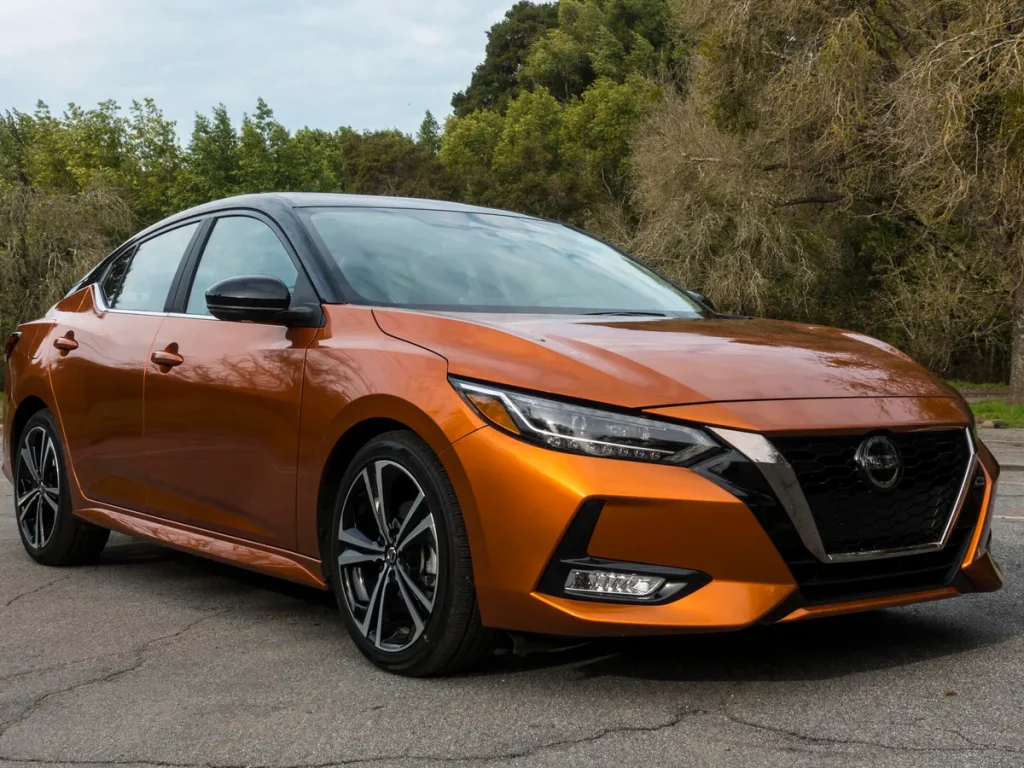
I am including the 2013 to 2017 Nissan Sentra CVT because it demonstrates how small design compromises can produce widespread reliability concerns. While not every vehicle fails prematurely, the frequency of reported issues makes it a higher risk choice in the used market.
Buyers considering this generation should carefully verify service history and understand the potential for significant repair costs.
2. Ford Focus 2012 to 2016 Automatic
The Ford Focus from 2012 to 2016 equipped with its automatic transmission is included here because although technically a dual clutch automated manual rather than a traditional CVT, it was marketed as an efficient alternative to conventional automatics and often compared directly to CVT systems.
I am writing about it because its real world reliability concerns mirror the frustration associated with early CVT failures.
Owners widely reported hesitation, shuddering during acceleration, rough engagement, and premature clutch wear.
Many vehicles required repeated software updates, clutch replacements, or full transmission rebuilds within relatively low mileage ranges. Some experienced issues well before 60,000 miles.
The core problem centered on clutch design and control module calibration. The system struggled to balance smoothness and durability in daily stop and go traffic. Heat buildup and repeated engagement cycles accelerated wear. Even after warranty repairs, some owners continued to experience drivability problems.
I am including this model because it highlights a broader lesson about alternative transmission designs. Efficiency focused systems must be engineered carefully to withstand real world driving patterns. When calibration or component durability falls short, early failure can become widespread.
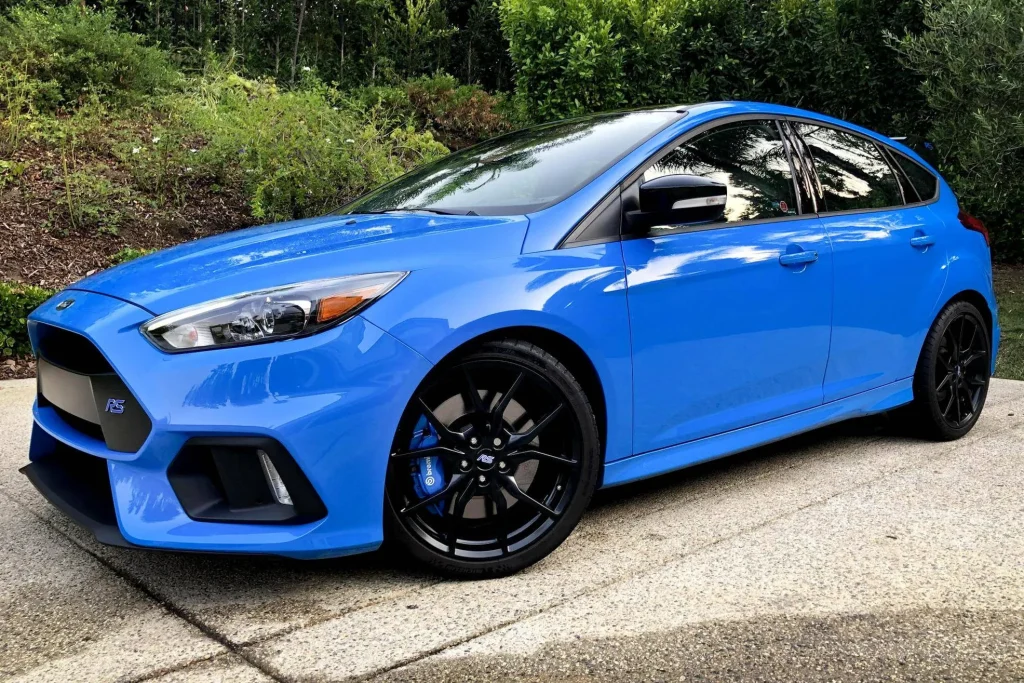
For used buyers, this generation of Focus demands extreme caution. Repair costs relative to vehicle value can quickly become disproportionate.
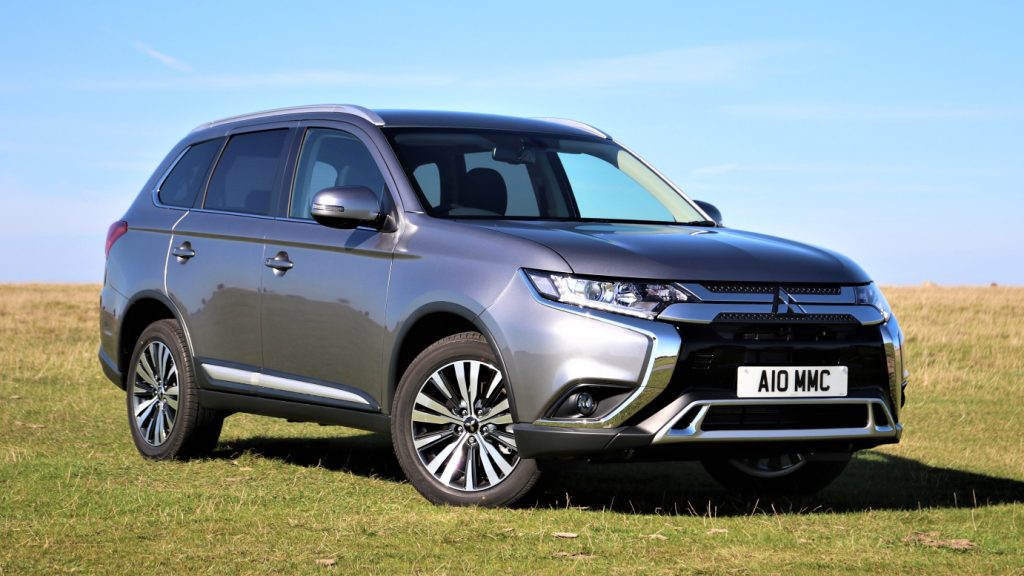
3. Mitsubishi Outlander 2014 to 2018 CVT
The Mitsubishi Outlander from 2014 to 2018 with a CVT is another vehicle that has faced criticism for transmission reliability. I am writing about it because reports of early wear and failure have surfaced frequently enough to warrant attention.
These Outlanders often paired modest engines with a CVT intended to maximize fuel economy. However, in real world use, especially in heavier all wheel drive configurations, the transmission sometimes struggled with heat management and belt durability. Drivers reported symptoms such as whining noises, hesitation, and loss of power under load.
Cooling system limitations appear to have contributed to stress during extended highway driving or operation in warmer climates. As with many problematic CVTs, fluid degradation plays a major role in accelerating internal wear. When service intervals are ignored or stretched too far, failure risk increases significantly.
I am including the Mitsubishi Outlander CVT because it reflects how pairing a transmission design with a heavier vehicle can amplify durability concerns. Even if the engine output is modest, the overall weight and load placed on the drivetrain can influence long term reliability.
In the final part, we will examine the remaining two CVT equipped vehicles known for frequent early failures and conclude this comprehensive comparison.
4. Jeep Compass 2011 to 2016 CVT
The Jeep Compass produced between 2011 and 2016 with a CVT is included in this cautionary section because it represents a case where transmission design and vehicle application did not align well.
I am writing about it in detail because many owners reported significant transmission concerns well before the 60,000 mile mark, particularly in demanding driving conditions.
This generation of Compass used a CVT that was intended to improve fuel economy and provide smooth operation. On paper, the concept made sense. However, the vehicle’s positioning as a compact crossover meant it was often driven in conditions that placed additional strain on the drivetrain.
Stop and go urban traffic, highway merging, light trail use, and warm climate driving all contributed to elevated operating temperatures.
Heat is one of the primary enemies of CVT durability. When internal temperatures climb, fluid begins to degrade. Once fluid loses its protective properties, internal components such as the belt and pulleys experience accelerated wear.
Many Compass owners reported whining noises, delayed acceleration, shuddering, and eventual loss of forward motion. In some cases, the transmission required full replacement rather than repair.
Another factor was calibration. The CVT sometimes struggled to deliver smooth power under load, particularly during hill climbs or when carrying passengers and cargo.
This inconsistency placed additional stress on internal components. Drivers described the feeling of slipping followed by abrupt engagement, which over time can increase mechanical strain.
Maintenance also played a role. Some owners were not fully aware of the importance of regular CVT fluid service. When fluid changes were delayed or skipped, wear accelerated significantly. Even with proper maintenance, however, reports of early failure were common enough to affect the model’s reputation.
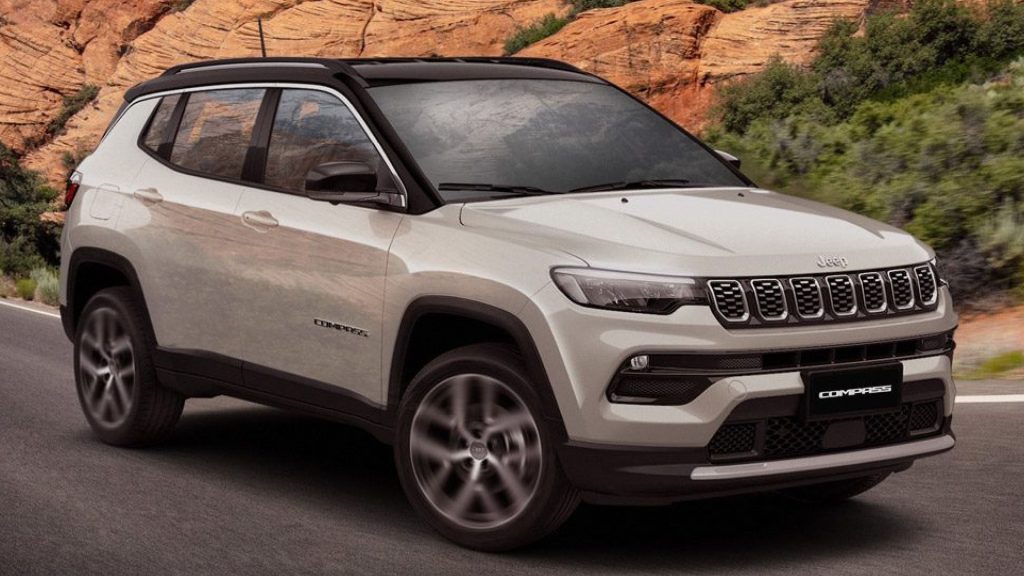
I am including the Jeep Compass 2011 to 2016 CVT because it demonstrates how application matters. A transmission that might perform adequately in a lighter sedan can struggle in a crossover that encounters varied terrain and higher loads.
For used buyers, this model carries elevated risk, particularly if service history is incomplete or the vehicle has been used in demanding conditions.
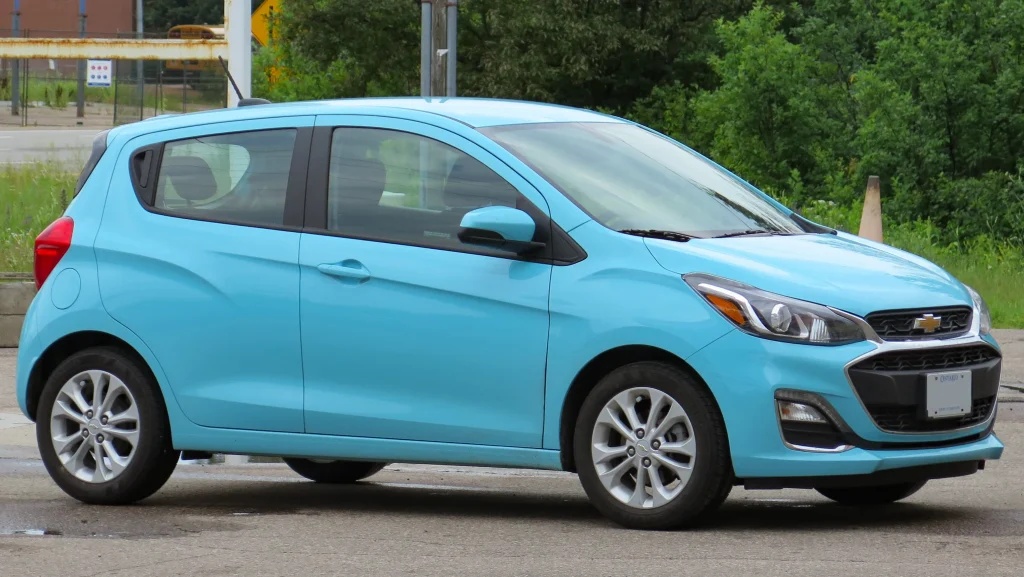
5. Chevrolet Spark 2014 to 2015 CVT
The Chevrolet Spark from 2014 to 2015 equipped with a CVT rounds out this list because it illustrates how cost cutting and compact design constraints can influence long term durability.
I am writing about it because although it was marketed as an affordable and efficient city car, transmission complaints surfaced relatively early in ownership for some drivers.
The Spark is a lightweight vehicle with a small engine, which theoretically should reduce stress on the transmission. However, the CVT used in these early model years faced criticism for hesitation, jerking during acceleration, and premature wear symptoms.
Some owners reported problems well before reaching 60,000 miles, including slipping and warning lights related to transmission control.
One contributing factor was the balance between cost and durability. In entry level vehicles, manufacturers must meet strict pricing targets.
Transmission components, cooling capacity, and software refinement may not receive the same level of investment as higher priced models. Over time, this can translate into reduced tolerance for heat and friction related wear.
Urban driving patterns also influence longevity. The Spark is commonly used in stop and go traffic, where frequent acceleration cycles increase internal temperature and belt movement. Without sufficient cooling or timely fluid changes, wear can accelerate. Owners who neglected fluid maintenance often experienced earlier issues.
I am including the Chevrolet Spark 2014 to 2015 CVT because it highlights how even small, low power vehicles are not immune to early transmission problems. Purchase price alone does not determine durability. Engineering depth and long term testing matter significantly.
This completes the comparison of five CVT transmissions capable of reaching 200,000 miles and five that often struggle to reach 60,000 without major issues. The contrast reinforces an important lesson.
CVT technology itself is not inherently flawed, but its success depends heavily on design quality, application, cooling capacity, and maintenance discipline. Buyers who research specific model histories and prioritize documented service records can greatly improve their chances of long term reliability.
Continuously Variable Transmissions have earned a mixed reputation over the years, but the reality is far more nuanced than many drivers assume. Some CVTs are engineered with durability, proper cooling, and conservative tuning that allow them to last well beyond 200,000 miles.
Others suffer from design compromises, insufficient heat management, or calibration flaws that lead to premature failure around 60,000 miles. The difference lies not in the concept itself, but in execution.
Among the long lasting examples, models like the Toyota Corolla, Honda Civic, Subaru Forester, later generation Nissan Altima 2.5, and Toyota Prius demonstrate that CVTs can be dependable when paired with moderate torque engines and supported by regular fluid maintenance.
These vehicles benefit from careful engineering, improved belt or planetary gear designs, and realistic performance expectations. Owners who follow recommended service intervals often experience smooth, efficient operation for many years.
On the other side of the spectrum, vehicles such as the 2013 to 2017 Nissan Sentra, 2012 to 2016 Ford Focus automatic, 2014 to 2018 Mitsubishi Outlander, 2011 to 2016 Jeep Compass, and 2014 to 2015 Chevrolet Spark illustrate how CVTs can become liabilities.
Overheating, fluid degradation, weak internal components, and software calibration issues frequently contributed to early wear, shuddering, and full transmission replacement. In many cases, insufficient cooling and aggressive real world driving conditions accelerated failure.
The key takeaway is simple. CVT reliability depends heavily on design quality, vehicle application, and maintenance discipline. Buyers should research specific model years, verify service records, and understand how the transmission is engineered.
When chosen carefully, a CVT equipped vehicle can provide long term efficiency and value. When chosen blindly, it can become an expensive lesson in mechanical compromise.
Also Read: 5 Crossovers With Excellent Blind Spot Visibility vs 5 With Poor Sightlines