The automotive industry is constantly evolving. Regulations tighten, consumer tastes shift, electrification accelerates, and entire segments rise and fall within a decade.
In the process, some beloved models quietly disappear, while others fade away with barely a tear shed. Discontinuation is part of the business cycle, yet it often leaves strong emotional reactions among enthusiasts and everyday drivers alike.
Some cars leave a gap that never truly gets filled. They represented a unique balance of affordability, practicality, performance, or personality that newer vehicles struggle to replicate.
Whether due to changing emissions rules, declining sales, or corporate restructuring, these models vanished despite still having passionate followings. Years later, used prices and nostalgic discussions prove that they made a lasting impression.
At the same time, not every discontinued model deserves to be mourned. Some vehicles were flawed from the beginning. Others failed to meet expectations in reliability, design, or execution.
A few simply overstayed their welcome, becoming outdated while competitors moved forward. In these cases, discontinuation can feel like a necessary reset rather than a loss.
This article explores both sides of that equation. First, we will examine five discontinued models we genuinely wish were still in production. These vehicles filled niches that remain underserved today, and their absence is still felt in showrooms.
Then, we will look at five discontinued models that many drivers are relieved to see retired, either because of persistent issues or because they represented missed opportunities.
The goal is not to criticize for the sake of negativity or romanticize the past blindly. Instead, it is to evaluate why certain models resonated and why others did not. Understanding these differences reveals a great deal about how the automotive landscape has changed and where it might go next.
Also Read: 5 Used European Cars That Are Reliable vs 5 That Require Constant Repairs
5 Discontinued Models We Wish They Still Made Introduction
There are some cars that, even years after production ends, continue to feel relevant. They offered something distinctive, something that current lineups struggle to replicate.
Sometimes it was a perfect balance of size and utility. Sometimes it was an affordable performance formula. In other cases, it was simply character and charm that modern design philosophies have diluted.
I am writing about these discontinued models because they represent missed opportunities in today’s market. Many of them were not failures in concept. Instead, they were victims of timing, corporate strategy shifts, or market trends that favored crossovers and electrification over niche segments. Yet demand for their type of vehicle still exists, even if it is underserved.
These models also highlight how homogenized many modern lineups have become. As brands consolidate platforms and streamline production, uniqueness can suffer. The cars in this section stood out.
They carved identities that went beyond transportation and became part of enthusiast culture or everyday practicality in a way that few vehicles do today.
Another reason for revisiting them is perspective. Looking back at discontinued models helps us evaluate what current manufacturers might reconsider. Sometimes bringing back a well loved nameplate in authentic form can re energize a brand. Other times, simply learning from what made these cars special can improve future designs.
The five models that follow are not chosen purely out of nostalgia. Each filled a real gap that still exists.
Whether through design, affordability, or performance, they delivered something tangible that today’s market has largely abandoned. Their absence is not just emotional. It is practical, and that is why they remain worth discussing.
1. Chevrolet SS
The Chevrolet SS was one of those rare modern cars that felt refreshingly honest. It was a rear wheel drive sedan powered by a naturally aspirated V8, paired with either an automatic or a proper manual transmission. In an era increasingly dominated by turbocharged four cylinders and front wheel drive platforms, it stood out simply by sticking to a classic formula.
I am writing about the Chevrolet SS because it filled a niche that still feels empty today. It offered full size sedan practicality combined with genuine performance credentials. The 6.2 liter V8 delivered effortless power, while the chassis tuning made it surprisingly capable in corners. It was understated, yet incredibly rewarding to drive.
Its discontinuation left a gap for drivers who wanted a practical daily driver without sacrificing rear wheel drive dynamics and strong naturally aspirated power. Today, that combination is either extremely expensive or nearly nonexistent in mainstream showrooms. The SS managed to deliver it at a comparatively attainable price point.
Part of what made the SS special was its simplicity. It was not overloaded with gimmicks or excessive styling flourishes. It focused on driving feel, balance, and comfort. That restraint gave it a timeless quality that still resonates with enthusiasts who prefer substance over flash.
Sales numbers were never strong, largely because it arrived quietly and without heavy marketing. Yet among those who experienced it, the car earned deep respect. Used values remain strong, and owners often hold onto them tightly. That loyalty says a great deal about its impact.
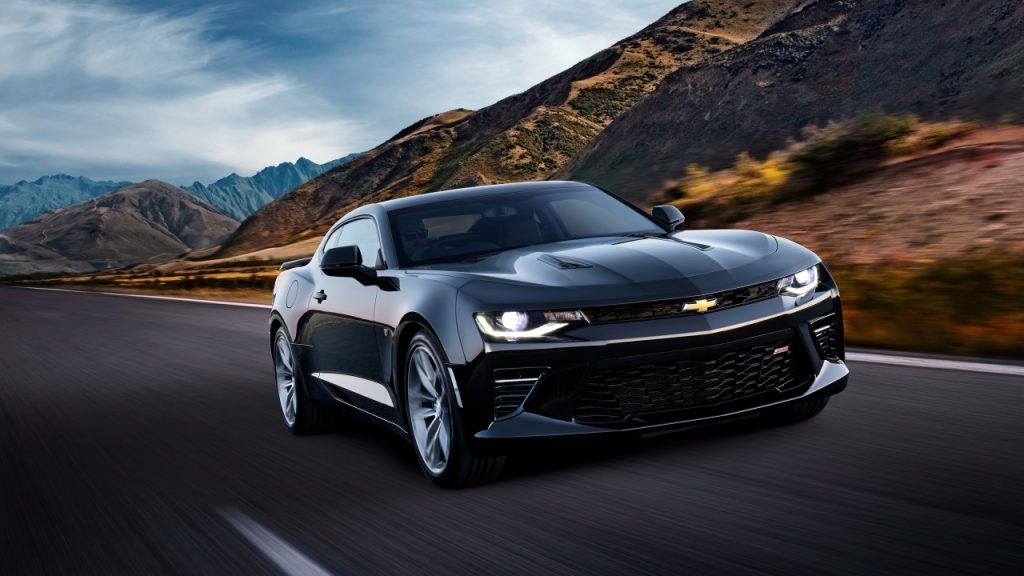
The Chevrolet SS represented a final chapter of an old school performance sedan formula in America. Its absence is felt not because it was perfect, but because it offered something authentic and increasingly rare in today’s landscape.
2. Honda Element
The Honda Element was unconventional from the moment it debuted. With its boxy shape, clamshell side doors, washable interior, and flexible cargo layout, it prioritized practicality over sleek styling. At first glance, it did not seem like a vehicle destined for cult status. Yet over time, its unique design proved incredibly useful.
I am including the Honda Element because it solved problems that modern crossovers often overlook. Its tall roof and squared off cargo area made loading gear effortless. The rear seats could fold or be removed entirely, transforming it into a compact utility van. Outdoor enthusiasts, pet owners, and small business operators found it remarkably adaptable.
In today’s market, many crossovers emphasize curved bodywork and sloping rooflines at the expense of cargo practicality. The Element took the opposite approach. It embraced function first. The flat floor and easy clean materials made it ideal for messy adventures or work related tasks.
Its compact footprint also made it easy to maneuver in cities while still offering surprising interior volume. Few modern vehicles manage that balance as effectively. While some automakers offer rugged trims of existing models, none fully replicate the Element’s purpose built versatility.
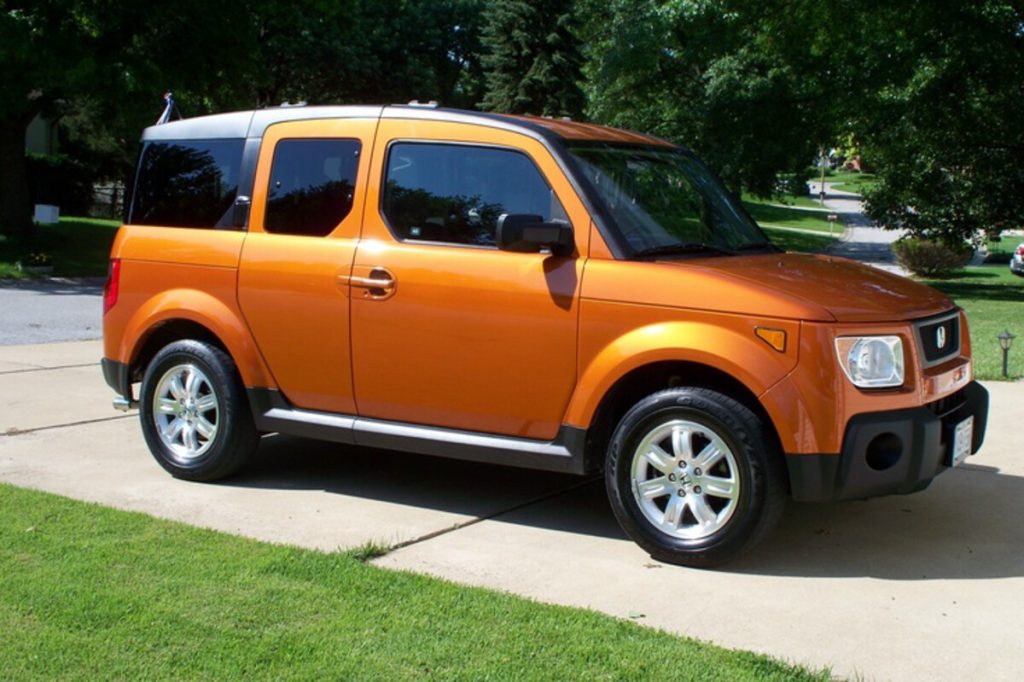
The discontinuation likely stemmed from modest sales and shifting design trends. Yet years later, used examples command strong prices. Owners appreciate their durability and practicality, and many express frustration that no direct successor exists.
The Honda Element stands as proof that bold design choices can age well when rooted in genuine utility. Its disappearance left a functional gap that stylish crossovers have yet to fill.
3. Mazda RX-8
The Mazda RX-8 was an ambitious sports car that dared to be different. Instead of a conventional piston engine, it used a rotary powerplant. Instead of traditional coupe doors, it featured rear hinged half doors that improved rear seat access. It combined practicality and performance in a way that was rare.
I am writing about the RX-8 because it embodied engineering courage. The rotary engine delivered a unique driving experience, with high revving character and smooth power delivery. While it required careful maintenance, it rewarded attentive owners with a distinct personality that few cars could match.
The chassis balance was exceptional. Weight distribution was nearly ideal, and steering feel was sharp and communicative. It was a car designed for drivers who valued handling precision over straight line speed. In that sense, it carried forward a purist philosophy that is increasingly rare.
Its discontinuation was largely due to tightening emissions regulations and the inherent challenges of rotary efficiency. Yet the spirit it represented still resonates. Mazda has not produced another rotary powered sports car since, leaving a unique void in the market.
The RX-8 also demonstrated that practicality and performance could coexist in a compact package. Its small rear seats and usable trunk made it more versatile than many two seat sports cars. That blend made it a compelling daily driver for enthusiasts.
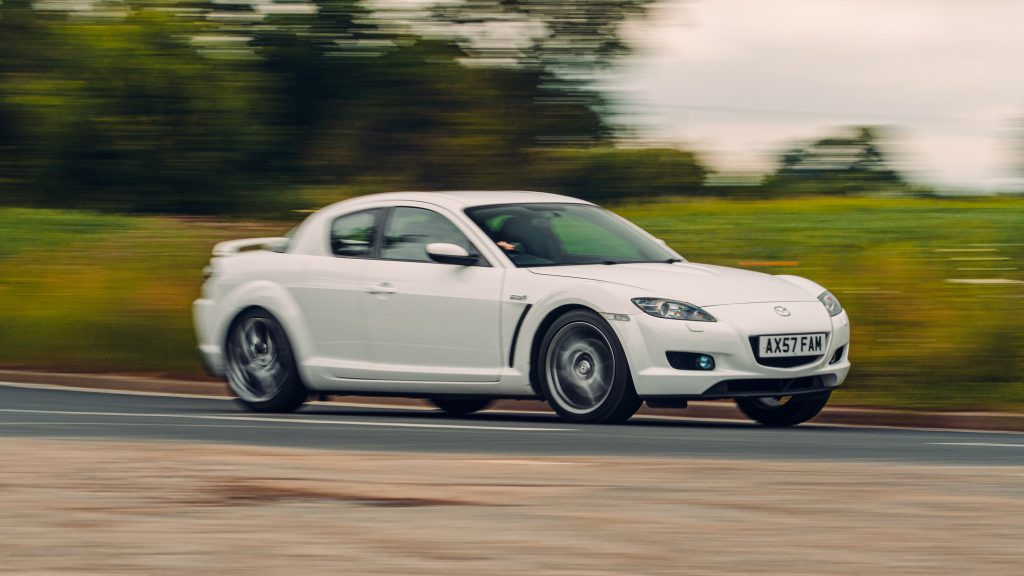
Though not flawless, the Mazda RX-8 symbolized innovation and individuality. Its absence reminds us how rare bold engineering experiments have become in mainstream production vehicles.
4. Toyota FJ Cruiser
The Toyota FJ Cruiser was unapologetically retro, rugged, and purpose built. Inspired by classic off road designs, it combined modern reliability with a distinctly old school personality. Its upright stance, high ground clearance, and durable construction made it a favorite among outdoor enthusiasts.
I am writing about the Toyota FJ Cruiser because it filled a niche that remains underserved today. It offered genuine off road capability without drifting too far into luxury pricing. While many modern SUVs emphasize comfort and urban styling, the FJ Cruiser leaned into durability and adventure.
Its body on frame construction and available four wheel drive system made it highly capable in challenging terrain. At the same time, Toyota reliability gave owners confidence in long term durability. That combination made it popular among those who valued dependability alongside performance.
The design also stood out. Its distinctive shape and heritage inspired details gave it character in a segment that increasingly favors aerodynamic sameness. Even today, the FJ Cruiser looks unique on the road, and used examples retain strong resale value.
Practicality was another strength. Although rear visibility and access required adjustment, the cargo space and foldable seats made it useful for hauling gear. It struck a balance between compact size and meaningful interior room.
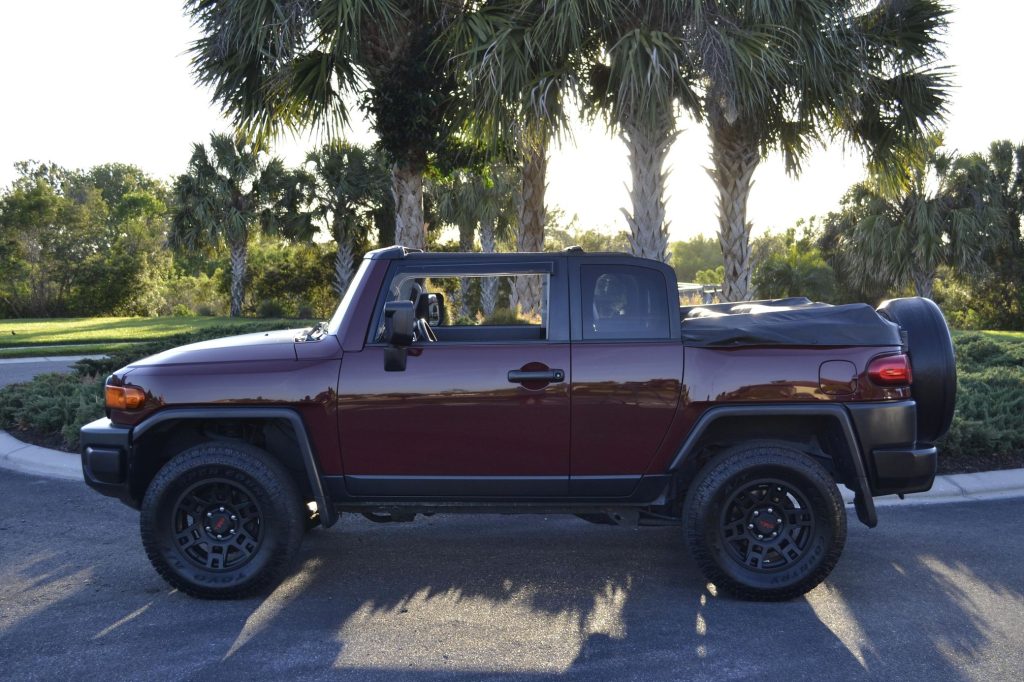
The discontinuation likely stemmed from shifting consumer demand and emissions pressures. Yet its loyal following suggests that there is still appetite for a mid size SUV focused more on toughness than on luxury. The FJ Cruiser remains a symbol of rugged authenticity in a market that often prioritizes refinement over resilience.
5. Ford Fiesta ST
The Ford Fiesta ST was a reminder that driving excitement does not require high horsepower figures. It was small, affordable, and genuinely entertaining. With a turbocharged engine, sharp steering, and playful chassis tuning, it turned everyday commutes into engaging experiences.
I am including the Ford Fiesta ST because it represented accessible performance at its best. In a market where performance cars are becoming increasingly expensive, it delivered thrills without demanding a luxury budget. That affordability made it especially important for younger enthusiasts.
The car’s lightweight construction and well tuned suspension allowed it to punch above its weight in handling. It was responsive and eager, making back roads and even urban driving enjoyable. Few modern vehicles manage to feel so lively at relatively modest speeds.
Its compact size also made it practical in crowded cities. Fuel efficiency remained reasonable, and maintenance costs were manageable. It served as both a daily driver and a weekend toy, a combination that is increasingly rare.
The discontinuation was largely driven by declining demand for small hatchbacks in certain markets. As crossovers surged in popularity, models like the Fiesta ST were pushed aside. Yet the void left behind is clear. Affordable, lightweight hot hatches have become scarce.
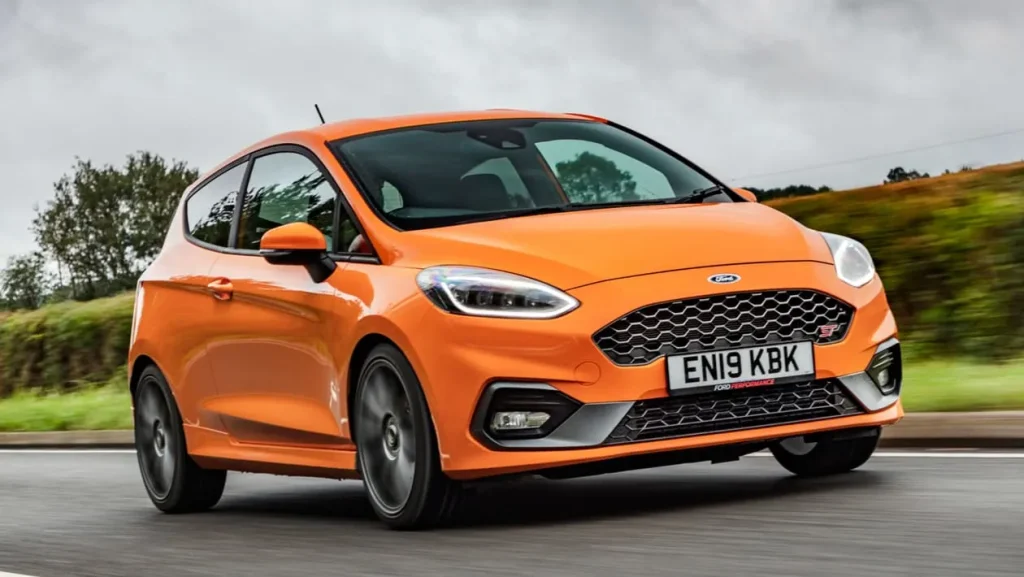
The Ford Fiesta ST demonstrated that performance and practicality could coexist without excessive cost. Its disappearance marked the loss of an important entry point into enthusiast culture, making it one of the discontinued models many drivers genuinely miss.
5 We Are Glad Are Gone Introduction
Not every discontinued model deserves nostalgia. Some vehicles struggled with reliability issues, outdated engineering, or design decisions that failed to resonate with buyers. Others simply failed to deliver on their promises, leaving owners frustrated rather than inspired.
I am writing this section to acknowledge that discontinuation can also represent progress. Automotive development is competitive, and when a model consistently underperforms or disappoints, retiring it can create space for better ideas. Innovation sometimes requires letting go of what did not work.
In certain cases, these cars were not inherently terrible, but they failed to justify their place in increasingly competitive segments. In other instances, persistent mechanical issues damaged reputations beyond repair. Either way, their absence has not left a meaningful gap.
Examining these discontinued models provides balance. It reminds us that nostalgia can cloud judgment and that not every past vehicle deserves revival. Some departures allow manufacturers to refocus on stronger, more cohesive products.
The five models that follow are examples of cars whose discontinuation felt less like a loss and more like an overdue transition. While they may have had loyal fans, their overall impact suggests that moving on was ultimately the right decision.
1. Dodge Caliber
The Dodge Caliber arrived with the goal of replacing the Neon and offering a more versatile hatchback format. On paper, it seemed like a practical move. It provided extra cargo space, a higher seating position, and available all wheel drive in certain trims. However, execution ultimately undermined its potential.
I am writing about the Dodge Caliber because it represents a case where ambition was not matched by refinement. Interior quality was widely criticized, with hard plastics and inconsistent fit and finish detracting from the ownership experience. At a time when competitors were improving cabin materials, the Caliber felt behind.
Performance was another weak point. Base models offered modest power that struggled to move the car confidently, while higher trims did not deliver the sharp handling enthusiasts expected. Even the performance oriented variants failed to fully overcome the underlying platform’s limitations.
Reliability concerns also surfaced over time. Transmission issues, particularly with certain continuously variable units, frustrated owners. As maintenance costs increased and resale values declined, the model’s reputation suffered further.
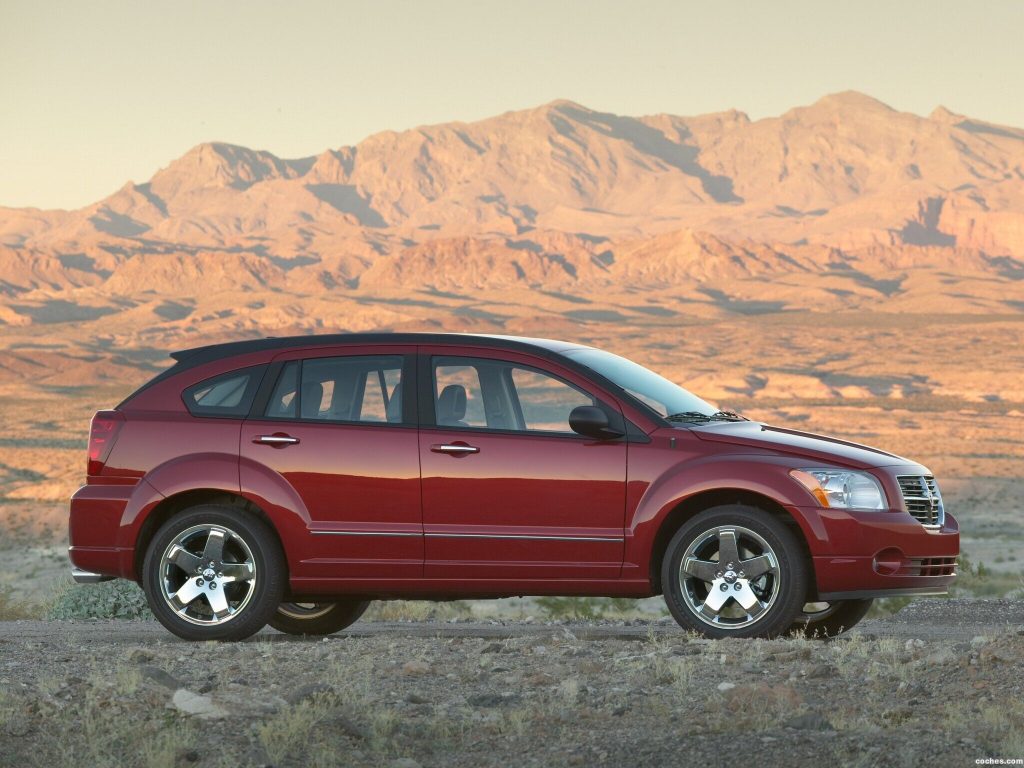
Design, while distinctive, did not age particularly well. Its bulky proportions and heavy styling cues lacked the timeless appeal seen in some rivals. As more refined compact crossovers entered the market, the Caliber quickly felt outdated.
Its discontinuation allowed Dodge to reset its compact strategy. Rather than attempting to refine a flawed formula, moving on created space for different approaches. In this case, saying goodbye felt less like a loss and more like a necessary course correction.
2. Chevrolet HHR
The Chevrolet HHR aimed to capture retro charm while delivering practical utility. Inspired by vintage styling cues, it offered wagon like cargo space and available turbocharged performance variants. Yet despite these intentions, it struggled to fully convince buyers.
I am including the Chevrolet HHR because it demonstrates how nostalgia alone cannot guarantee long term success. While the design attracted attention initially, its interior materials and overall driving experience did not consistently match evolving consumer expectations.
Handling and ride quality were serviceable but rarely exceptional. Competitors offered more refined suspensions and quieter cabins. Over time, the HHR began to feel less competitive in a segment that was rapidly improving.
Reliability was mixed, and certain models experienced issues that affected owner confidence. As resale values softened, the vehicle’s appeal diminished further. Meanwhile, crossovers with more modern platforms entered the market and quickly surpassed it in both practicality and comfort.
The HHR also occupied an awkward position between a traditional wagon and a compact SUV. That identity confusion limited its long term momentum. Buyers seeking true utility often chose more conventional crossovers, while those seeking compact efficiency found lighter options elsewhere.
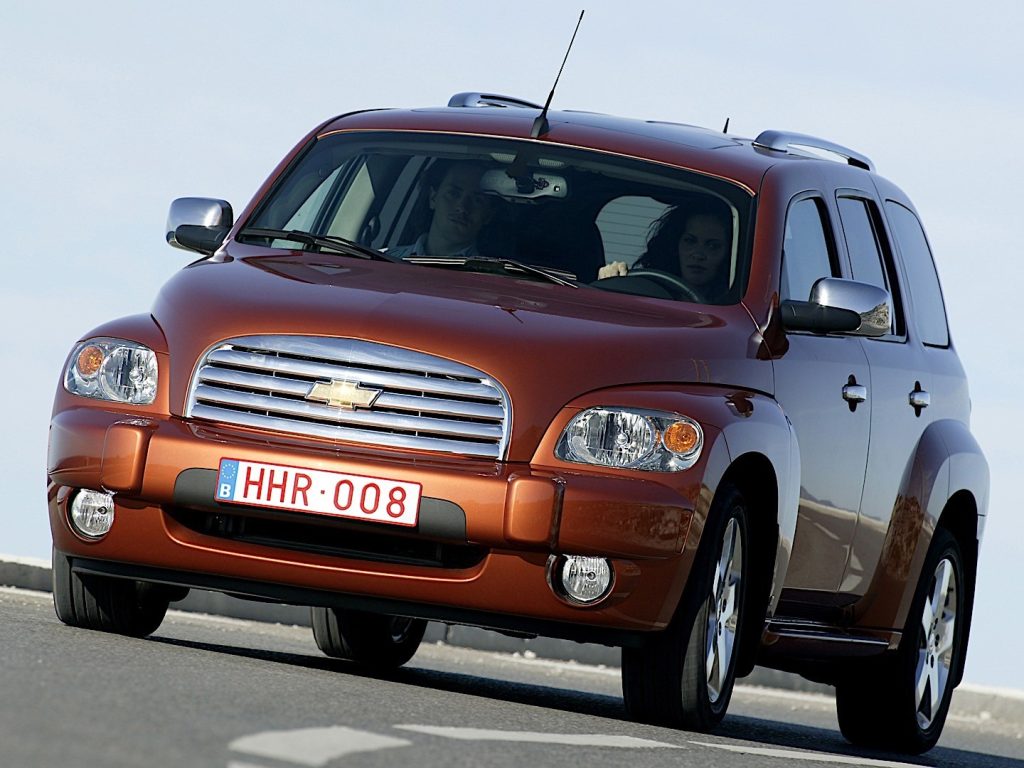
When production ended, there was little outcry. The market had already moved forward, and the HHR’s niche had largely evaporated. Its departure symbolized the end of a brief retro styling wave that ultimately lacked staying power.
3. Chrysler 200
The Chrysler 200 was positioned as a competitive mid size sedan intended to challenge established leaders in its class. It featured modern styling and a range of engine options, including a V6. However, despite strong marketing efforts, it struggled to consistently meet expectations.
I am writing about the Chrysler 200 because it illustrates how competitive the mid size sedan segment became. Buyers in this category expect comfort, reliability, and value. While the 200 had appealing design elements, it often fell short in refinement compared to rivals.
Interior packaging was one concern. Rear seat space was limited relative to competitors, which hurt practicality. Transmission behavior in certain models also drew criticism, particularly in early production years. These issues affected consumer confidence.
As fuel efficiency standards tightened and crossovers gained popularity, the mid size sedan market became even more challenging. Brands that could not clearly outperform competitors in reliability or value found it difficult to maintain strong sales. The 200 struggled to stand out positively.
Discontinuing the model allowed Chrysler to redirect resources toward more successful vehicles and emerging trends. In a crowded segment with strong established leaders, stepping back can sometimes be more strategic than continuing to invest in an underperforming product.
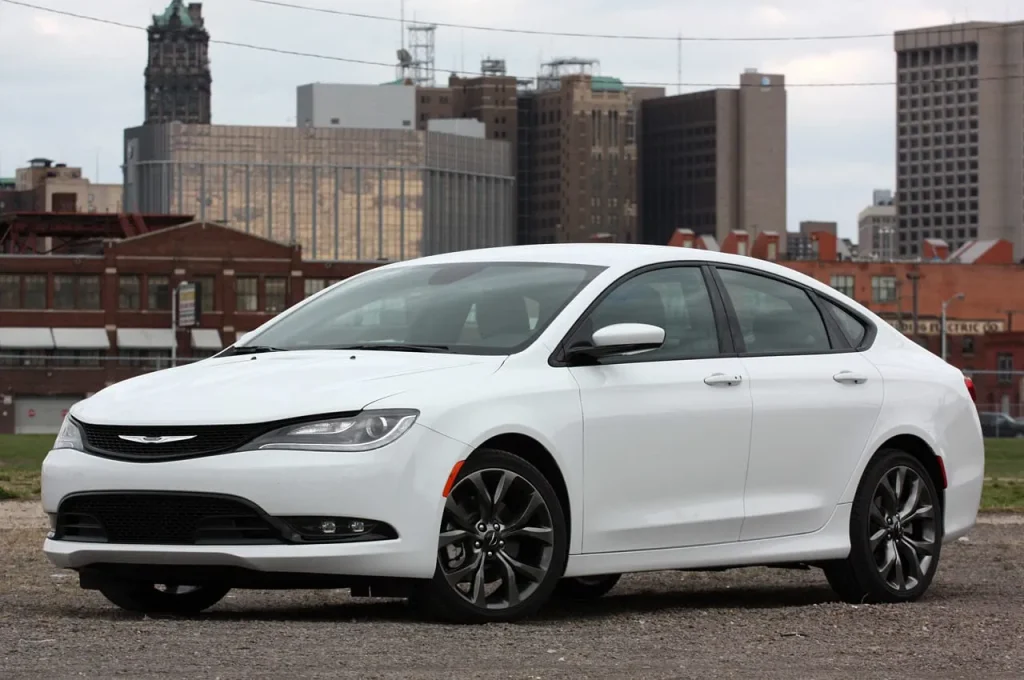
While the Chrysler 200 had potential, its overall impact was limited. Its departure reflected shifting priorities and the reality of intense competition rather than a deeply felt loss among drivers.
4. Mitsubishi Eclipse Cross First Generation Eclipse Legacy Replacement
The Mitsubishi Eclipse name once carried strong performance associations. When it was revived as a compact crossover instead of a sporty coupe, expectations were high but also uncertain. The result was a vehicle that struggled under the weight of its own branding.
I am writing about the Eclipse Cross because it highlights how nameplate decisions can influence perception. As a standalone compact crossover, it might have been judged more neutrally. However, attaching the Eclipse name created comparisons to a beloved sporty coupe. Many enthusiasts felt disconnected from this new direction.
Design was polarizing from the start. The split rear window and angular styling cues divided opinion. While boldness can be an asset, in this case it did not universally translate into appeal. Competitors offered more cohesive and broadly attractive designs.
Performance also failed to create a strong identity. The turbocharged engine delivered adequate power for daily driving, but it did not stand out in a crowded compact crossover segment. Ride quality and interior materials were competitive in some areas but rarely class leading.
Sales remained modest, and the vehicle struggled to carve out a clear niche. In an increasingly competitive market filled with refined alternatives, the Eclipse Cross did not provide a compelling enough reason for widespread loyalty.
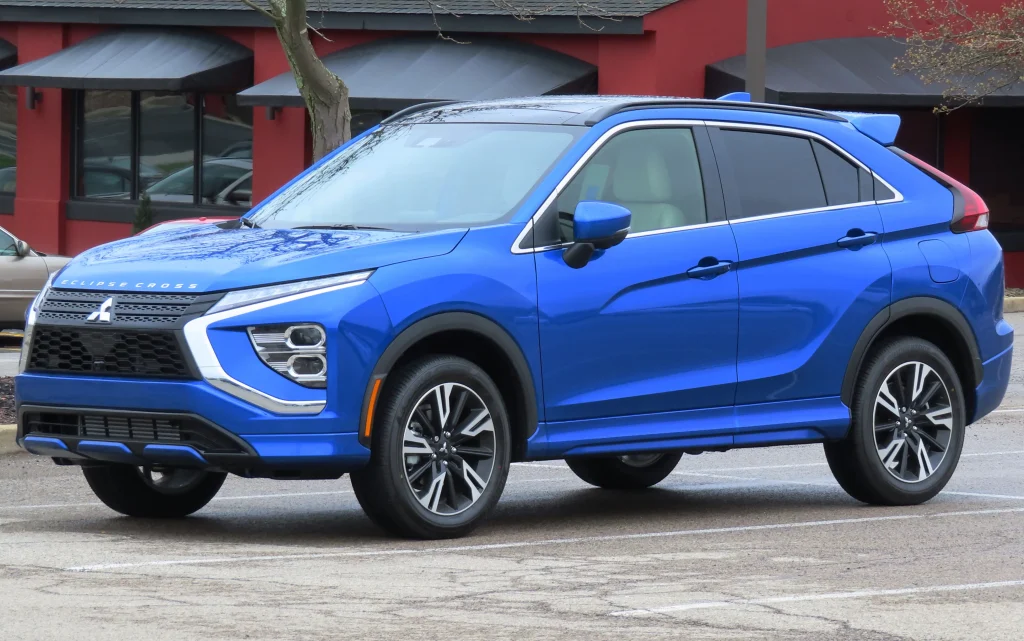
Its discontinuation allowed Mitsubishi to reassess its lineup strategy. While the brand continues to operate in the crossover space, retiring a model that failed to fully connect with buyers made practical sense. In this instance, the end of production felt like an opportunity for recalibration rather than a significant loss.
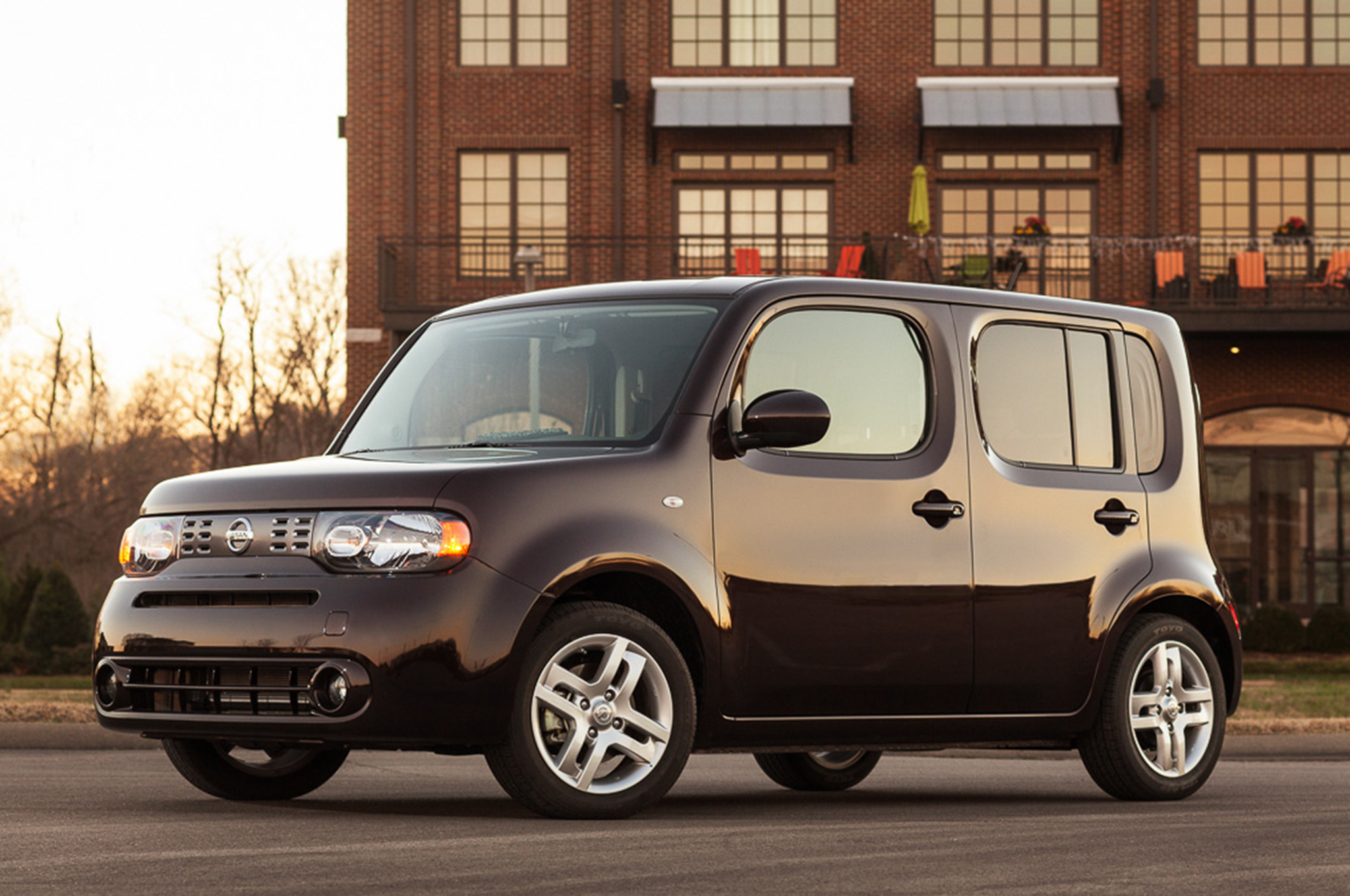
5. Nissan Cube
The Nissan Cube was unapologetically unconventional. With its asymmetrical rear window, boxy proportions, and highly stylized interior, it embraced quirkiness at a time when compact cars were fighting for distinction. For some buyers, that individuality was refreshing. For many others, it proved too niche.
I am including the Nissan Cube because it represents how extreme design choices can limit long term appeal. While originality is admirable, the Cube’s aesthetic was polarizing. Its tall, narrow shape and unusual details did not resonate with mainstream consumers.
Practicality was respectable in terms of interior space relative to footprint. However, performance and refinement lagged behind competitors. Engine output was modest, and highway driving revealed limitations in power and cabin noise insulation. As rivals improved efficiency and ride quality, the Cube began to feel dated.
The interior design, while creative, also prioritized style over durability in certain trims. Materials and build quality did not consistently impress, which affected resale values over time. As the compact segment became more competitive, buyers gravitated toward models offering stronger reliability reputations and broader appeal.
Market trends further reduced its viability. Crossovers began to dominate, and traditional compact hatchbacks faced declining demand in some regions. The Cube’s unique identity, once its main selling point, became less compelling in a market focused on versatility and efficiency.
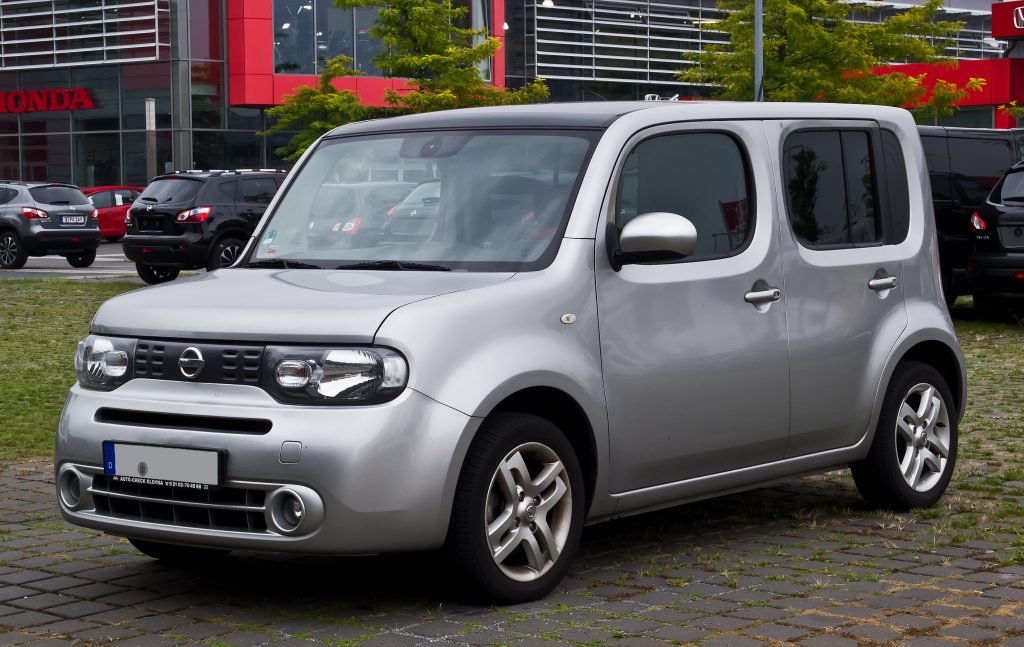
When production ended, reaction was muted outside of a small enthusiast base. While it remains memorable, its departure did not leave a significant functional gap. In this case, discontinuation reflected shifting tastes and the limits of niche design in a mass market environment.
This completes the exploration of five discontinued models we wish were still in production and five that many drivers are glad to see retired. Together, they illustrate how the automotive landscape rewards balance, timing, and clear identity, while punishing missteps and missed expectations.
The automotive world constantly evolves, and with that evolution comes the discontinuation of models that either leave a lasting void or quietly fade without regret. Some vehicles, like performance sedans, practical utility crossovers, and affordable hot hatches, delivered a rare combination of character, functionality, and value.
Their disappearance created genuine gaps in today’s increasingly homogenized market. These cars stood out because they served clear purposes and built loyal followings that still appreciate their strengths.
On the other hand, certain discontinued models struggled with weak execution, questionable design choices, reliability concerns, or identity confusion. In competitive segments, they failed to meet expectations or justify their place. For these vehicles, retirement felt like progress rather than loss.
Together, these ten models highlight an important truth about the industry. Success depends not only on bold ideas but also on refinement, timing, and relevance. When those elements align, a car is missed. When they do not, moving on can be the wiser decision.
Also Read: 5 Crossovers With Excellent Blind Spot Visibility vs 5 With Poor Sightlines